
Album cover for I Am a Bird Now, second album by New York City based band Anohni and the Johnsons (previously Antony and the Johnsons); released on February 2005


images that haunt us
Album cover for I Am a Bird Now, second album by New York City based band Anohni and the Johnsons (previously Antony and the Johnsons); released on February 2005

In Munich, Maja Lex was first a student member but soon, together with Gunild Keetmann and the founders Dorothee Günther and Carl Orff, belonged to the leading teaching staff of the Günther-Schule, a forward-looking school with a trebly diversified training concept of integrative musical and movement education. War events disrupted this unique constellation of artistic and educational personalities.
Maja Lex developed a new movement and dance education of a timeless pedagogic and artistic value. She liberated herself from the formalized practice/exercise/training and introduced instead the varied movements of rhythmic-dynamic, spatial and formal variation. Structured improvisation, similar to musical improvisation, was established as a definite component of the teaching lesson.
As a solo dancer and choreographer of Tanzgruppe Günther, Maja Lex was a pioneer of the New German Dance (Neuer Deutscher Tanz) in the 1930s. She created a specific dancing style of a ‘thrilling rhythmic intensity’, a definite feeling for form and a high technical dancing discipline. Music and dance became elements of equal value, not least because of the use of rhythm instruments for the dance and for the orchestra of Günther-Schule, where dancers and musicians changed roles. The director of the orchestra was Gunild Keetmann. Maja Lex’s dances belong to the absolute dance. / quoted from Elementarer Tanz
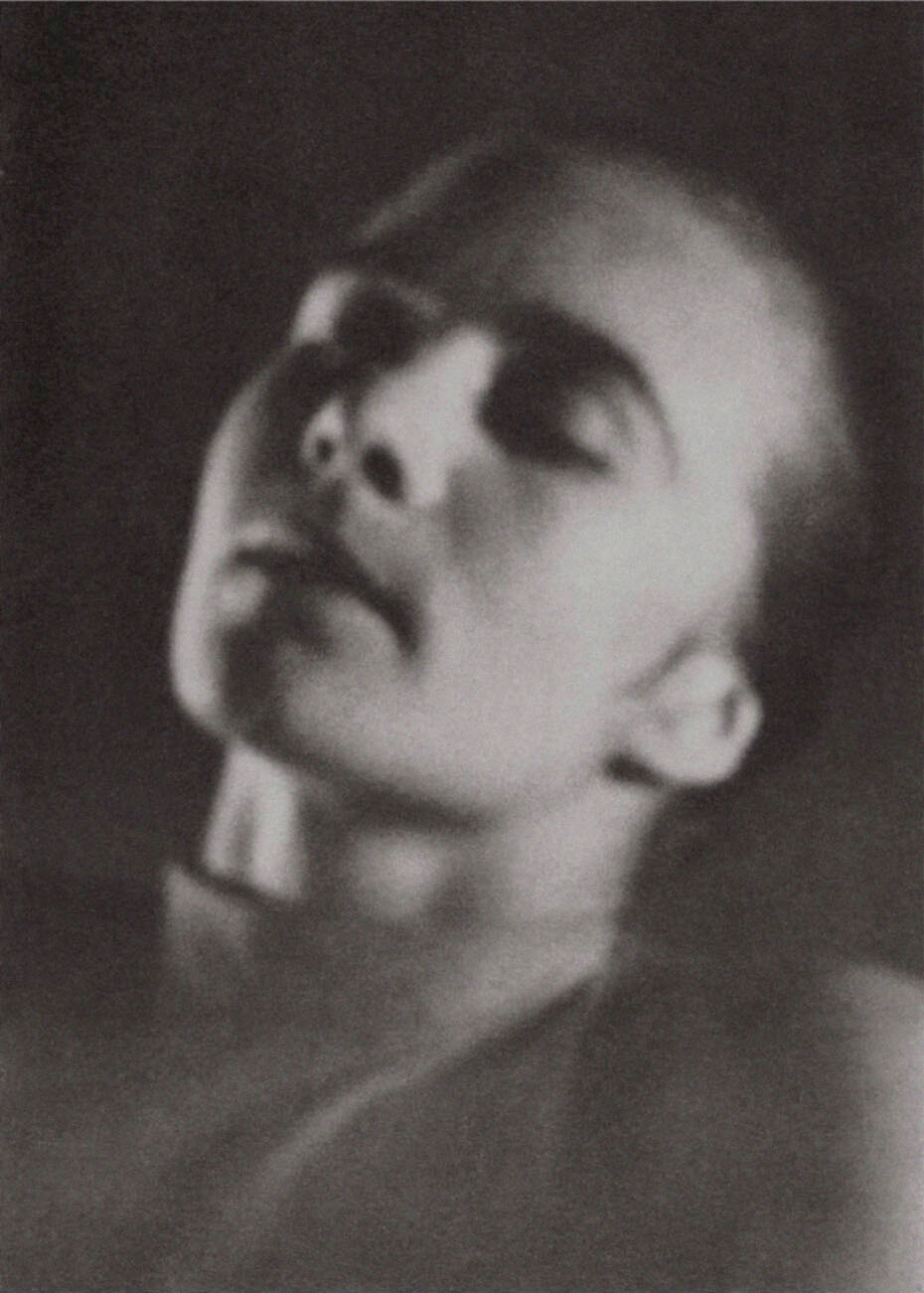
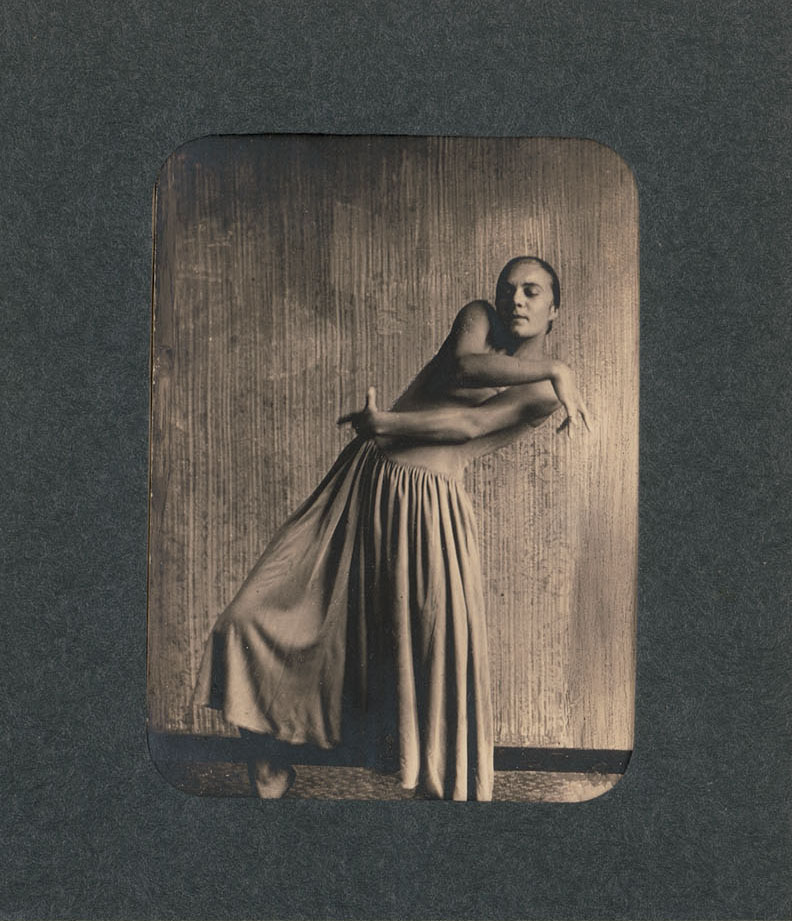
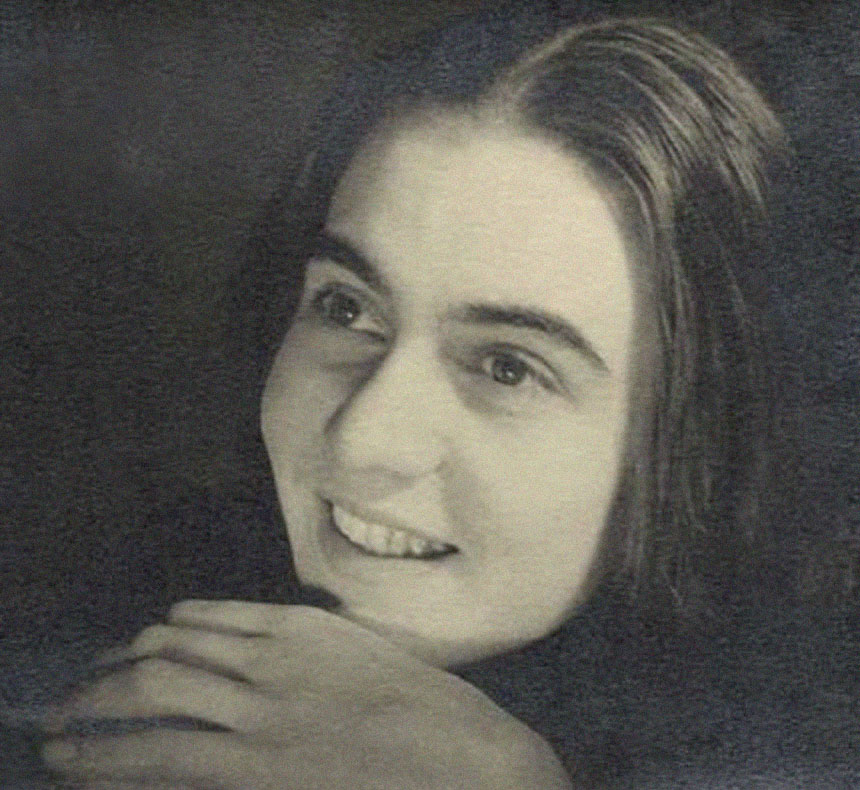
From 1927, Maja Lex performed her own choreographies. As a soloist and choreographer of the Tanzgruppe Günther-München (lead by Dorothee Günther), she made her decisive breakthrough in 1930 with the “Barbarian Suite” in collaboration with the musical director of the group, the composer Gunild Keetman. Numerous guest performances and awards at home and abroad followed until the school was forcibly closed in 1944 and finally destroyed in 1945.
Maja Lex, who had been very ill since the beginning of the 1940s, moved to Rome in 1948 and lived there together with Dorothee Günther in the house of her mutual friend Myriam Blanc. At the beginning of the 1950s Maja Lex resumed her artistic-pedagogical work and taught at the German Sport University Cologne at the invitation of Liselott Diem. From the mid-1950s until 1976, she taught the main training subject “Elementary Dance” as a senior lecturer. The concept of elementary dance was further developed by her and later in collaboration with her successor Graziela Padilla at the German Sports University Cologne. / quoted from queer places


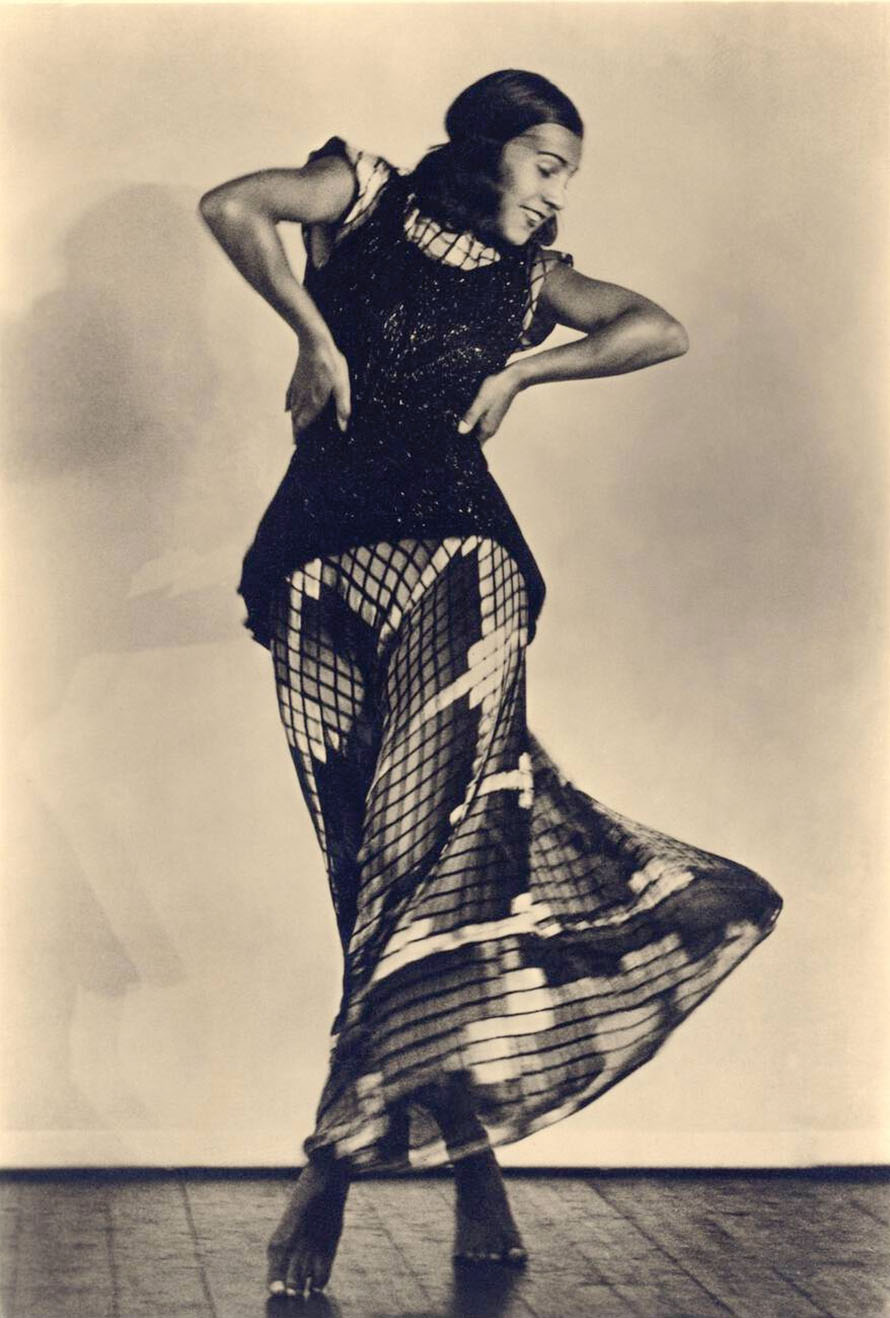


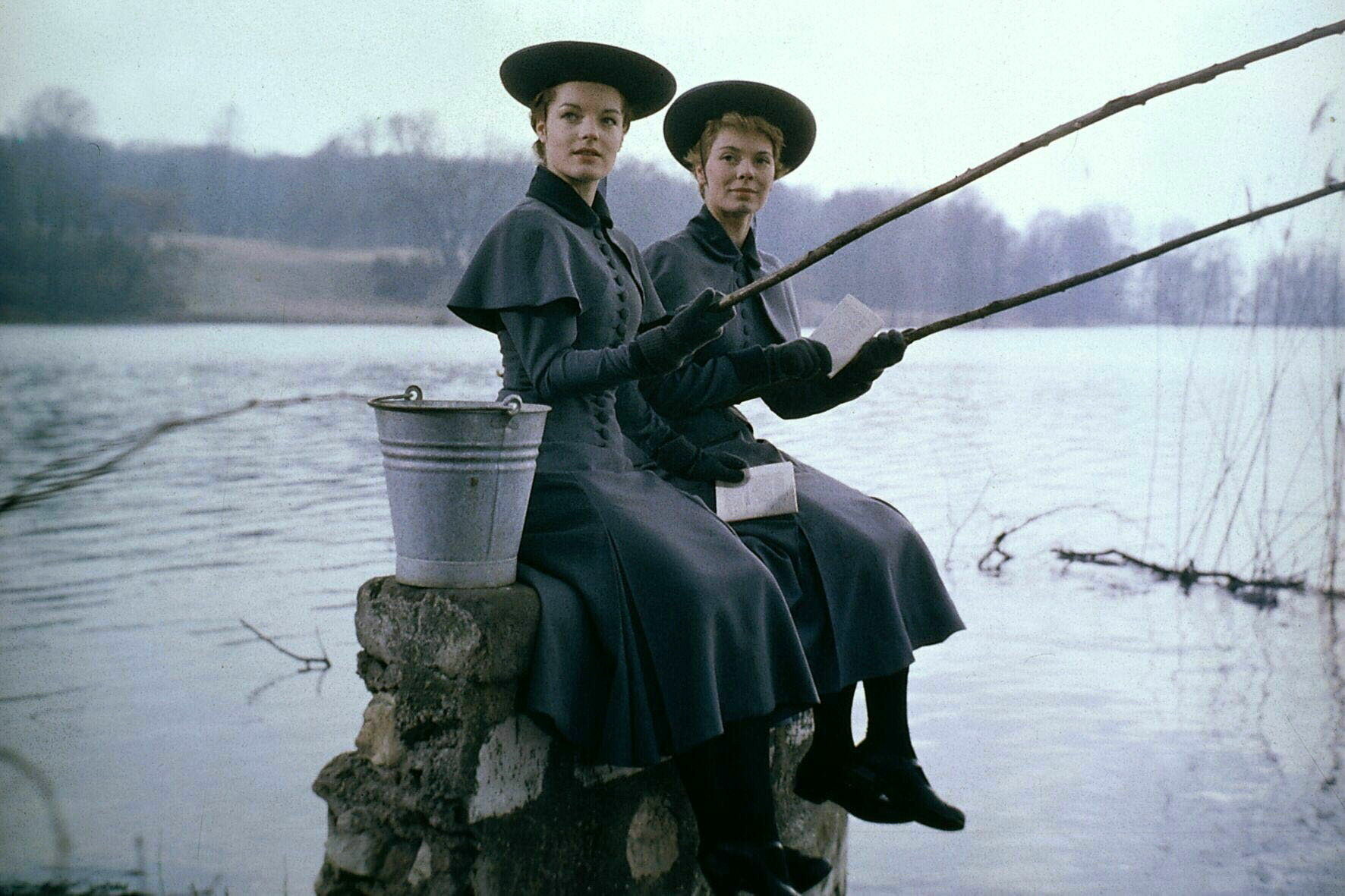
Manuela von Meinhardis (Romy Schneider) enjoys the peace and quietness while fishing with her classmate Johanna (Paulette Dubost). A rare fun away from the strict girls’ school. Scene from Mädchen in Uniform, directed by Geza von Radvanyi (Germany / France, 1958). Produced by: Central Cinema Company Film (CCC)
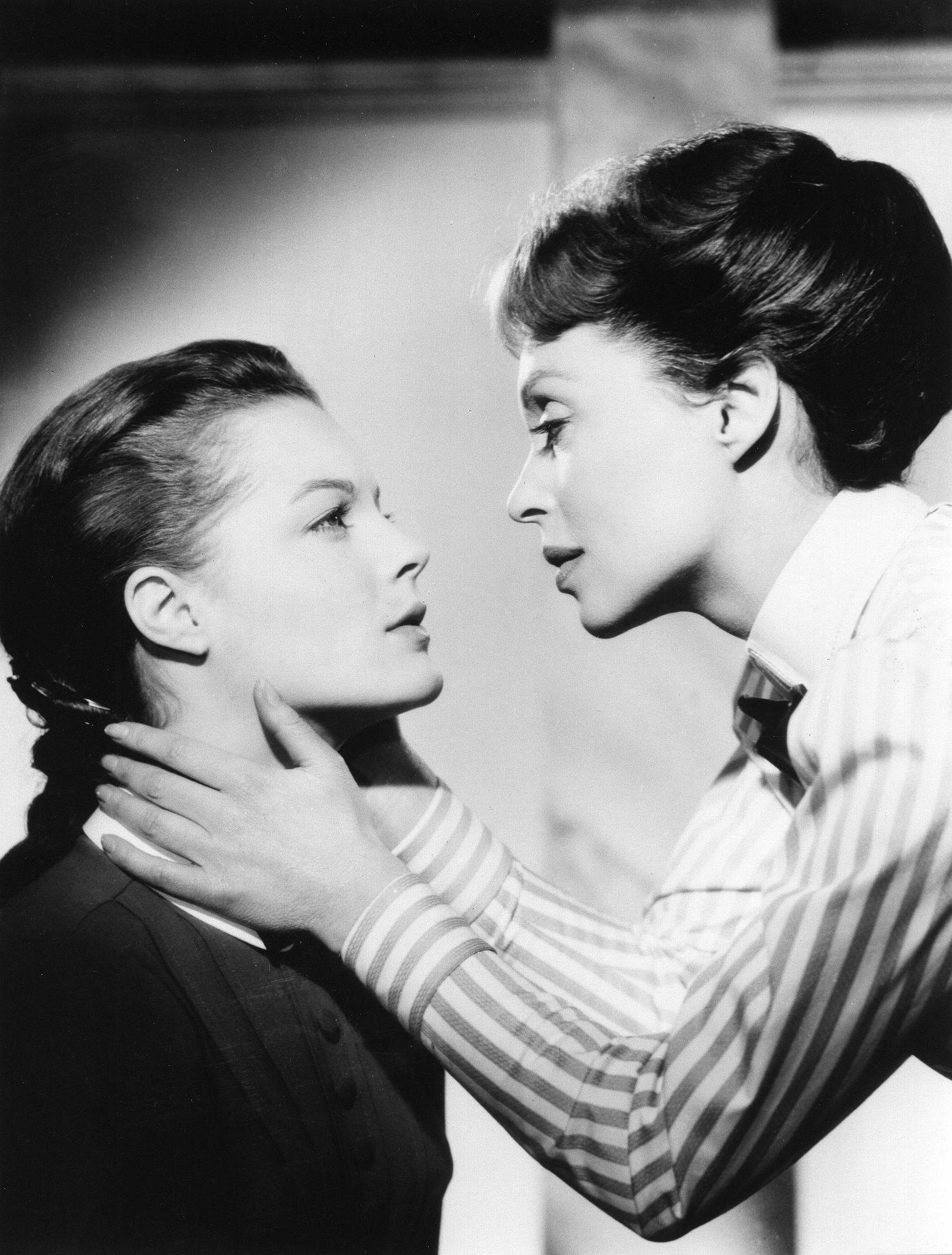

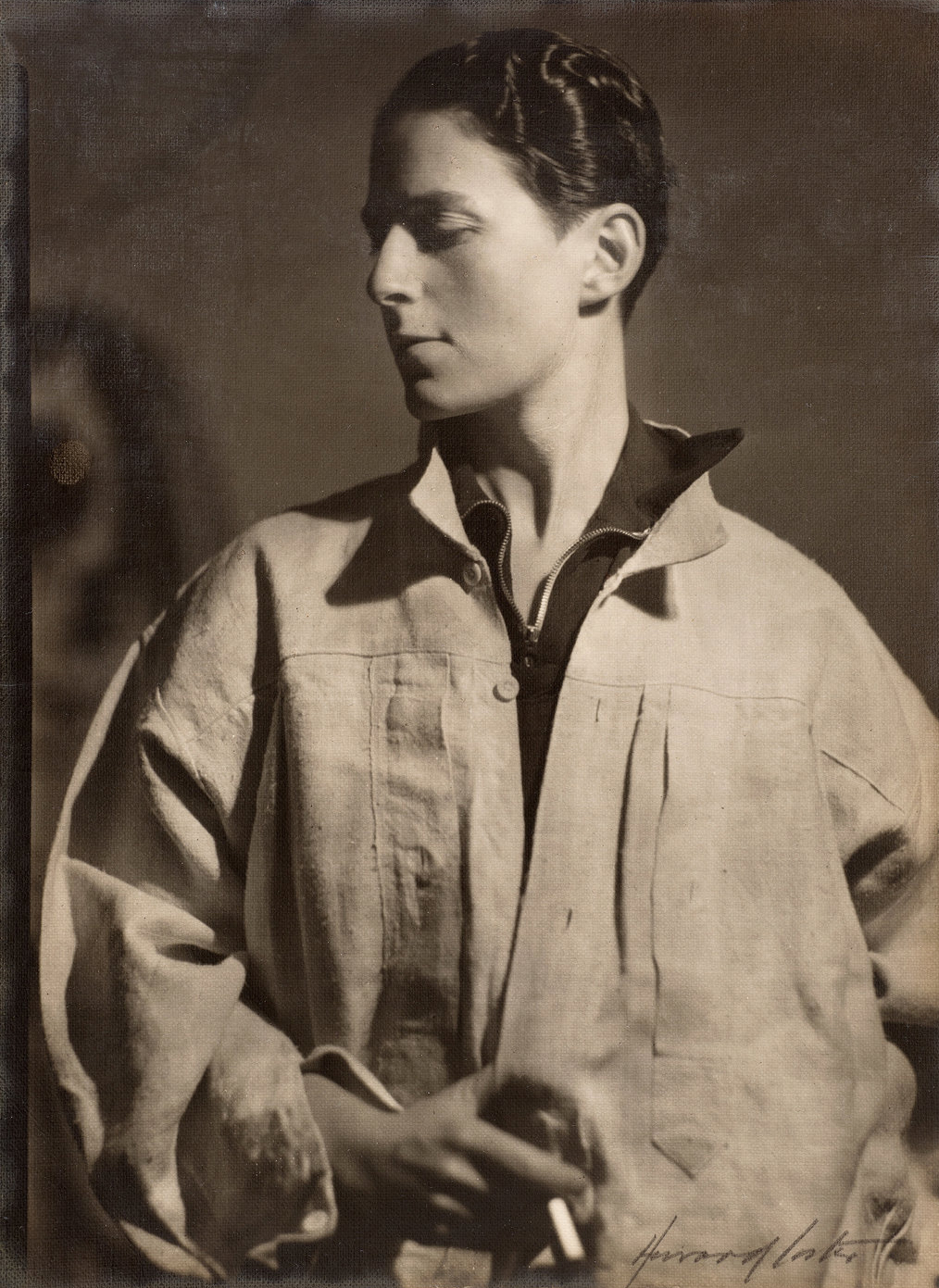


Peter depicts British painter Hannah Gluckstein, heir to a catering empire who adopted the genderless professional name Gluck in the early 1920s. By the time Brooks met her at one of Natalie Barney’s literary salons, Gluckstein had begun using the name Peyter (Peter) Gluck. She unapologetically wore men’s suits and fedoras, clearly asserting the association between androgyny and lesbian identity. Brooks’s carefully nuanced palette and quiet, empty space produced an image of refined and austere modernity. ~ The Art of Romaine Brooks, 2016
Quoted from : Smithsonian American Art Museum (x)

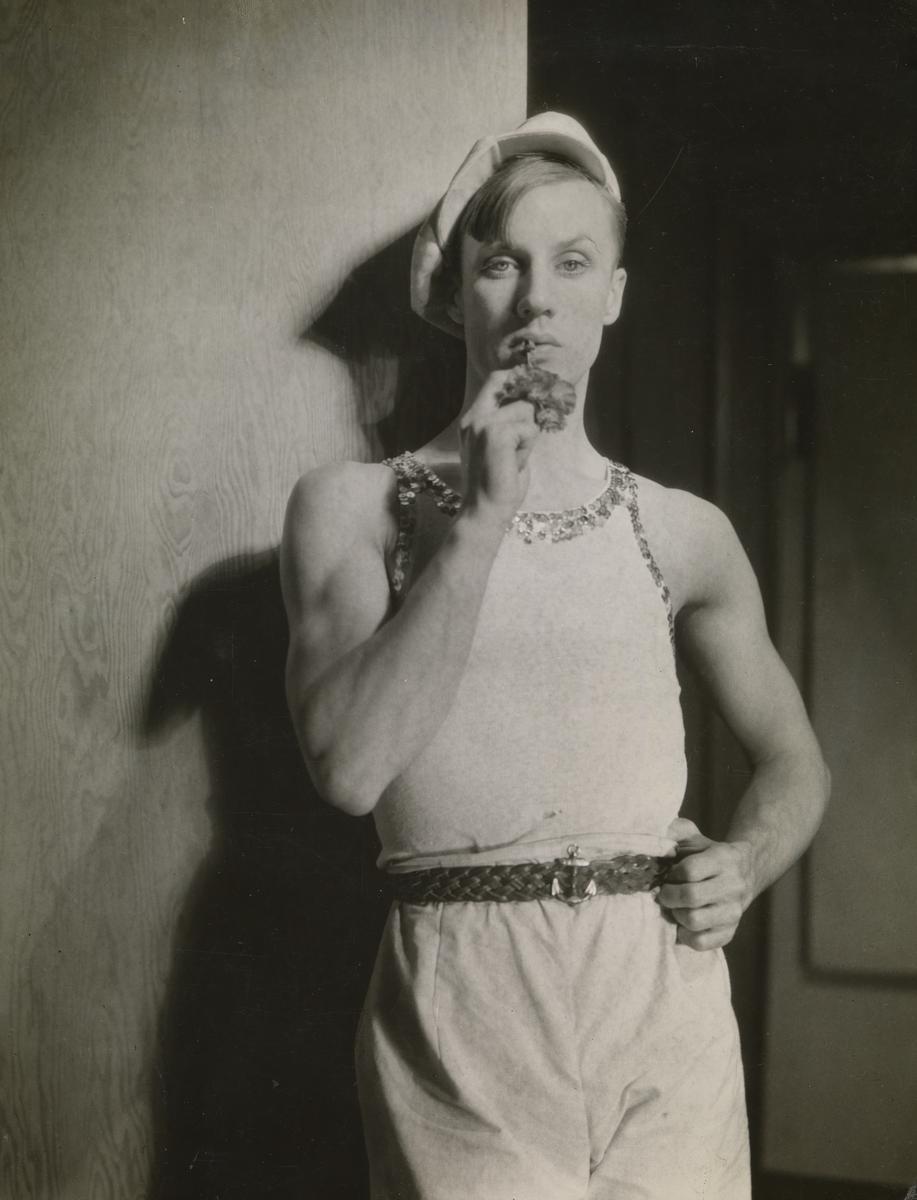


Peter depicts British painter Hannah Gluckstein, heir to a catering empire who adopted the genderless professional name Gluck in the early 1920s. By the time Brooks met her at one of Natalie Barney’s literary salons, Gluckstein had begun using the name Peyter (Peter) Gluck. She unapologetically wore men’s suits and fedoras, clearly asserting the association between androgyny and lesbian identity. Brooks’s carefully nuanced palette and quiet, empty space produced an image of refined and austere modernity. ~ The Art of Romaine Brooks, 2016
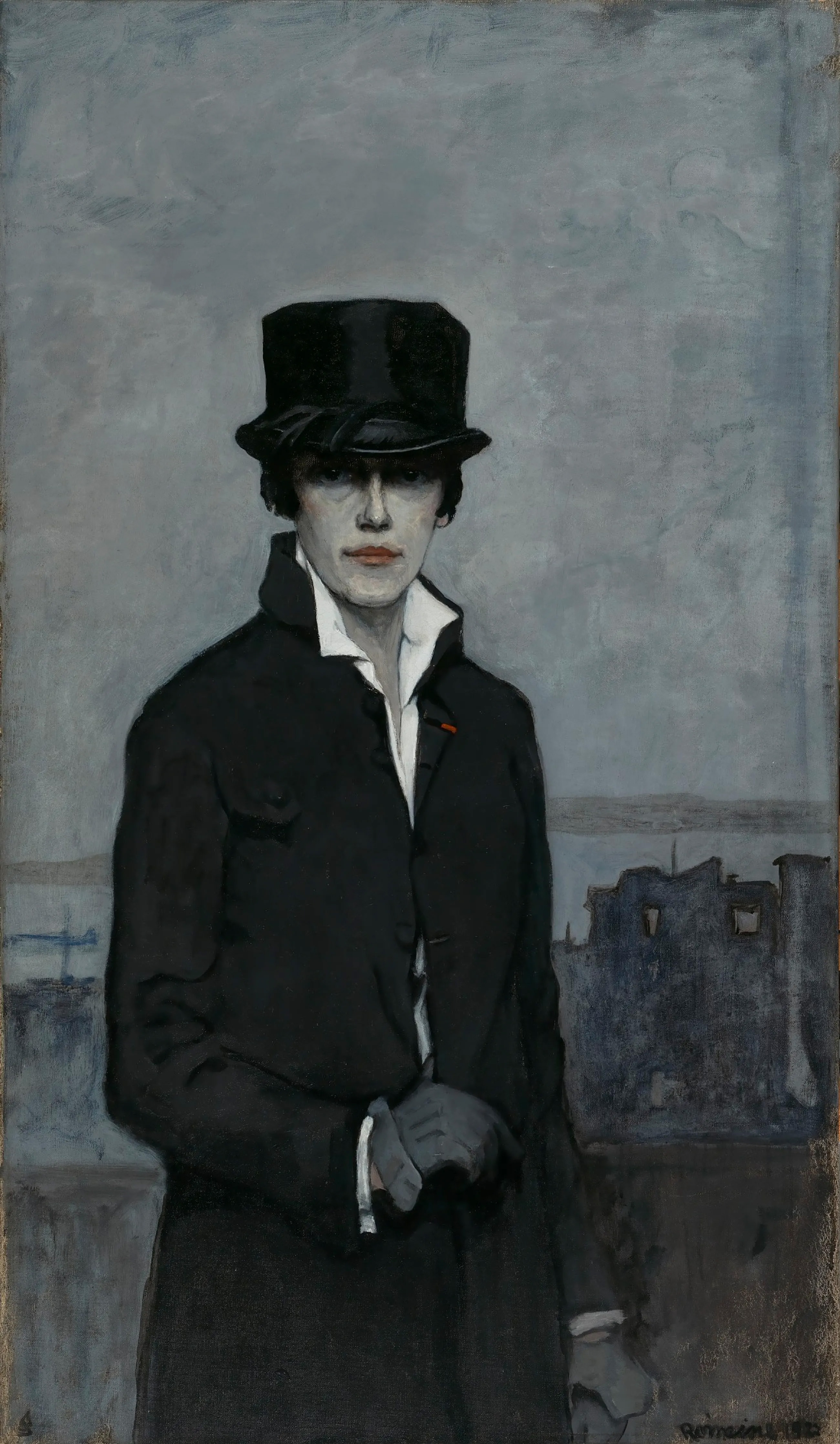
With this self-portrait, Brooks envisioned her modernity as an artist and a person. The modulated shades of gray, stylized forms, and psychological gravity exemplify her deep commitment to aesthetic principles. The shaded, direct gaze conveys a commanding and confident presence, an attitude more typically associated with her male counterparts. The riding hat and coat and masculine tailoring recall conventions of aristocratic portraiture while also evoking a chic androgyny associated with the post–World War I “new woman.” Brooks’s fashion choices also enabled upper-class lesbians to identify and acknowledge one another. ~ The Art of Romaine Brooks, 2016

Una Troubridge was a British aristocrat, literary translator, and the lover of Radclyffe Hall, author of the 1928 pathbreaking lesbian novel, The Well of Loneliness. Troubridge appears with a sense of formality and importance typical of upper-class portraiture, but with the sitter’s prized dachshunds in place of the traditional hunting dog. Troubridge’s impeccably tailored clothing, cravat, and bobbed hair convey the fashionable and daring androgyny associated with the so-called new woman. Her monocle suggested multiple symbolic associations to contemporary British audiences: it alluded to Troubridge’s upper-class status, her Englishness, her sense of rebellion, and possibly her lesbian identity. ~ The Art of Romaine Brooks, 2016
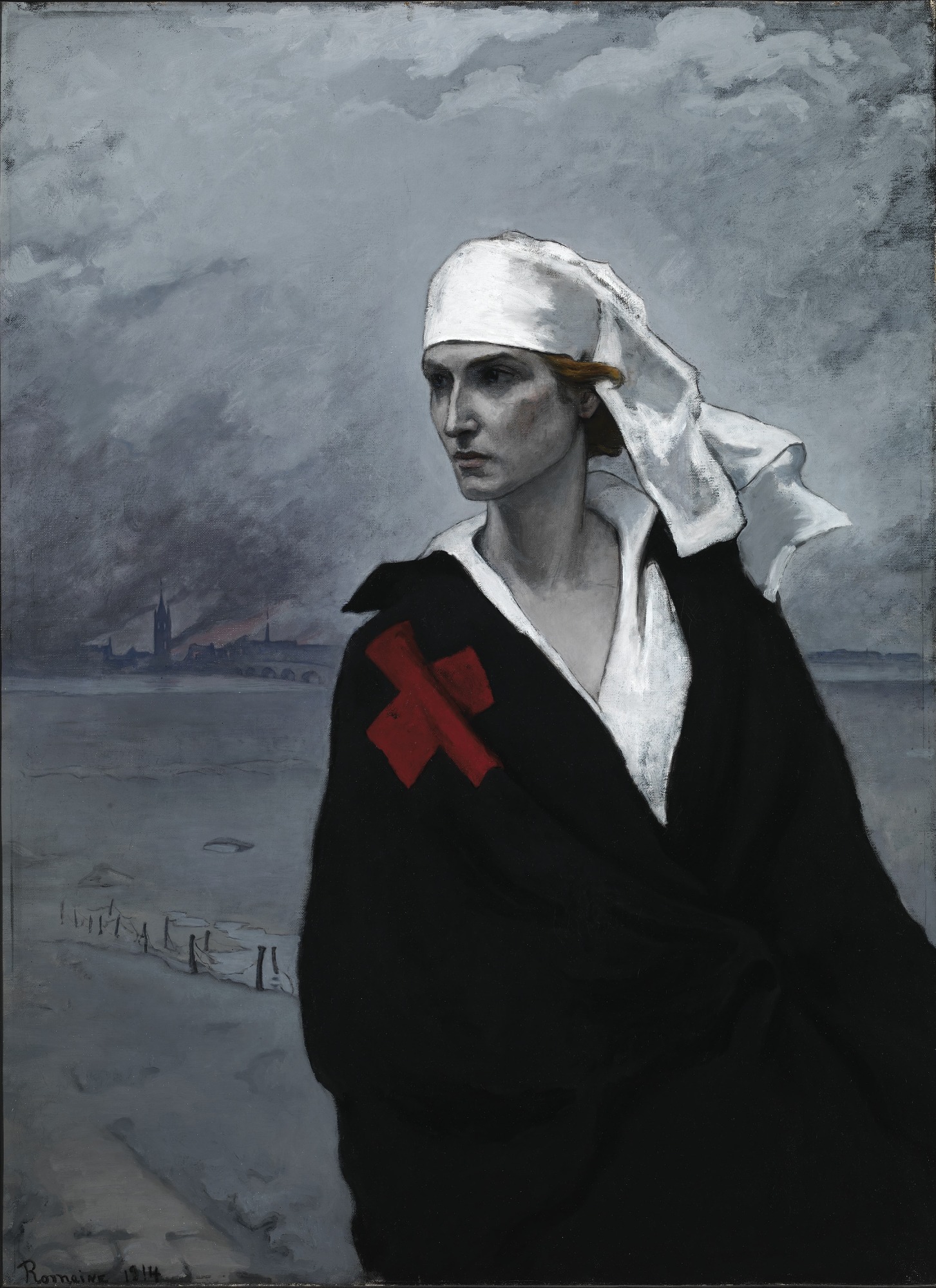
In La France Croisée, Brooks voiced her opposition to World War I and raised money for the Red Cross and French relief organizations. Ida Rubinstein was the model for this heroic figure posed in a nurse’s uniform, with cross emblazoned against her dark cloak, against a windswept landscape outside the burning city of Ypres. This symbolic portrait of a valiant France was exhibited in 1915 at the Bernheim Gallery in Paris, along with four accompanying sonnets written by Gabriele D’Annunzio. The gallery offered reproductions for sale as a benefit to the Red Cross. For her contributions to the war effort, the French government awarded Brooks the Cross of the Legion of Honor in 1920. This award is visible as the bright red spot on Brooks’s lapel in her 1923 Self-Portrait. ~ The Art of Romaine Brooks, 2016

Brooks met Russian dancer and arts patron Ida Rubinstein in Paris after Rubinstein’s first performance as the title character in Gabriele D’Annunzio’s play The Martyrdom of St. Sebastian. Rubinstein was already well known for her refined beauty and expressive gestures; she secured her reputation as a daring performer by starring as the male saint in this boundary-pushing show that combined religious history, androgyny, and erotic narrative. Brooks found her ideal — and her artistic inspiration — in the tall, lithe, sensuous Rubinstein, who modeled for many sketches, paintings, and photographs Brooks produced during their relationship, from 1911 to 1914. In her autobiographical manuscript, “No Pleasant Memories,” Brooks said the inspiration for this portrait came as the two women walked through the Bois de Boulogne on a cold winter morning. ~ The Art of Romaine Brooks, 2016
All quotations and images (except n. 1 & 2) are from the Smithsonian American Art Museum (x)
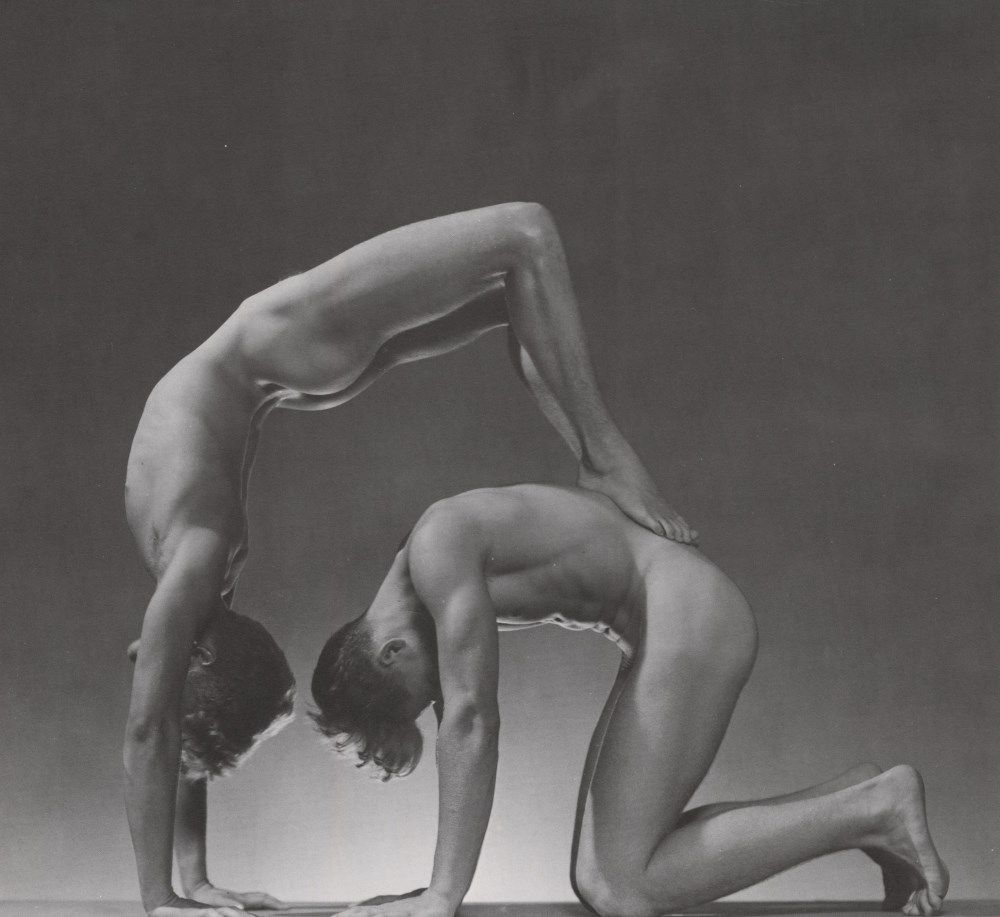

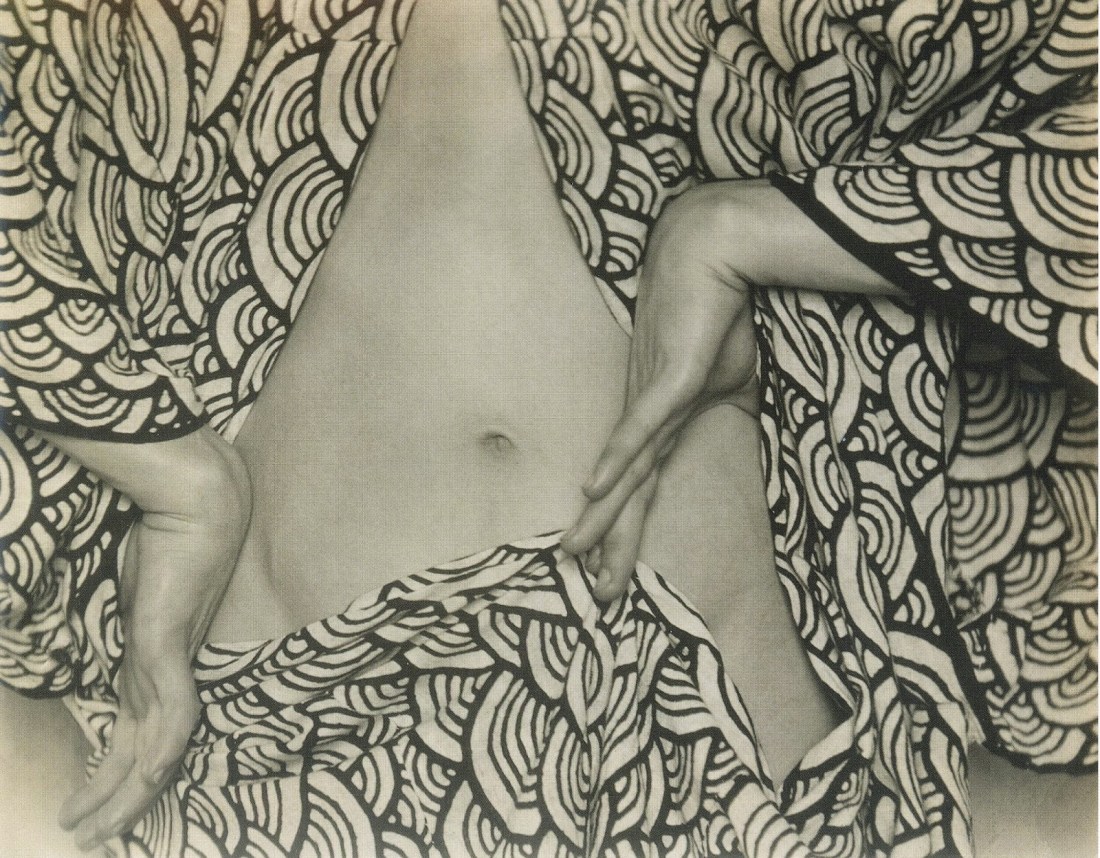
![Margrethe Mather :: Semi-nude [Billy Justema Wearing a Kimono], ca. 1923. Center for Creative Photography. University of Arizona, Tucson](https://unregardoblique.com/wp-content/uploads/2022/07/margrethe-mather-semi-nude-billy-justema-wearing-a-kimono-ca.-1923-center-for-creative-photography-university-of-arizona-tucson.jpg)
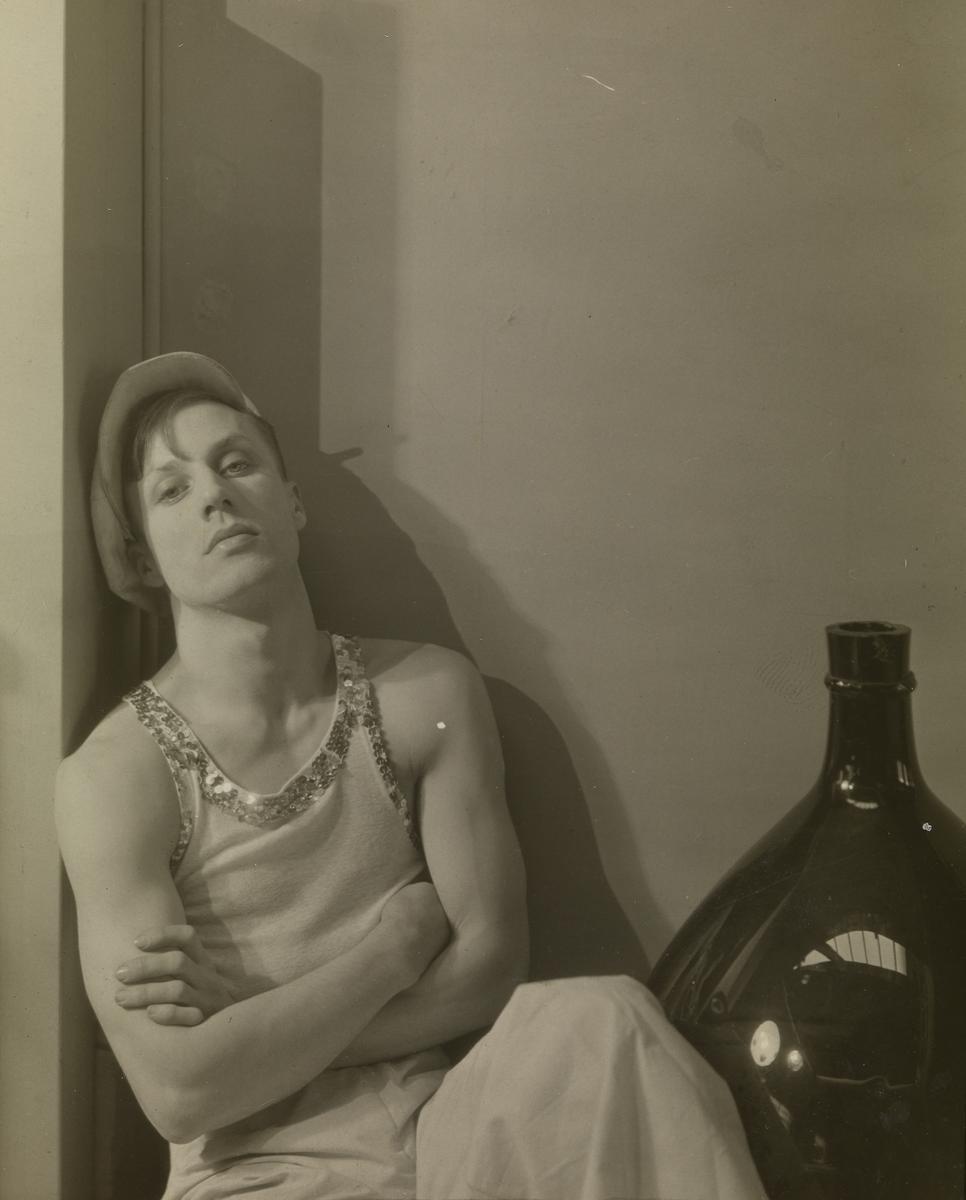
When Margrethe Mather (1885 or 1886-1952) met Billy Justema in 1922, she was 36 and he was 17. Through spending time with him, Mather found a way out of her grief over the unexpected suicide of her close friend Florence Deshon. Through their relationship, Justema searched for a state of mind that would allow him to define both his artistic path and his sexuality. Mather photographed him as an enigma, as he was at the time to himself, in the process creating a portfolio to rival that of Alfred Stieglitz’s images of Georgia O’Keeffe. I could point out the sure compositional structure that informs Billy Justema in a Kimono (above), the curves and angles that form a harmonious whole, all things typical of Mather’s work. [quoted from The Blue Lantern on blogspot]

 un regard oblique