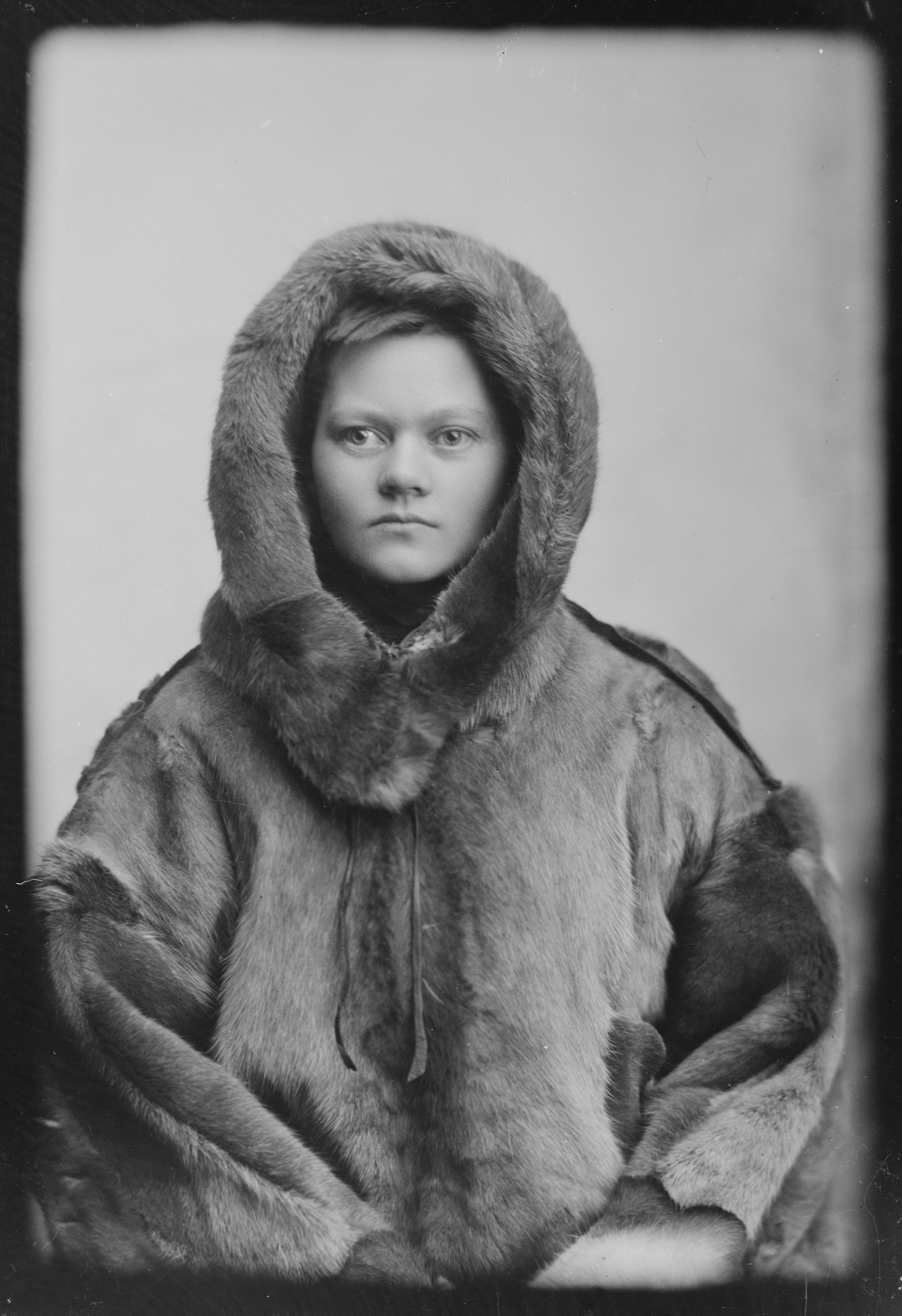
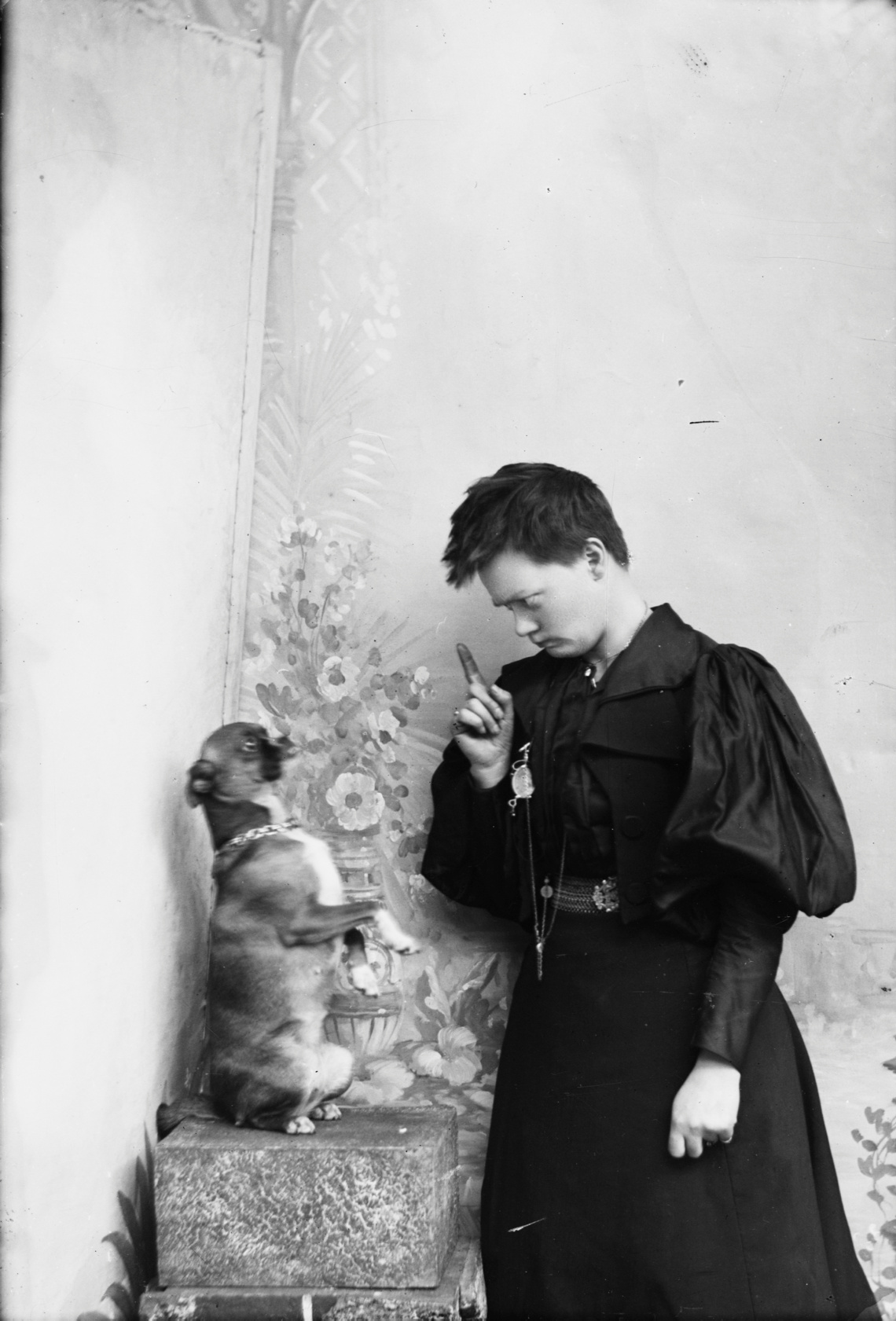
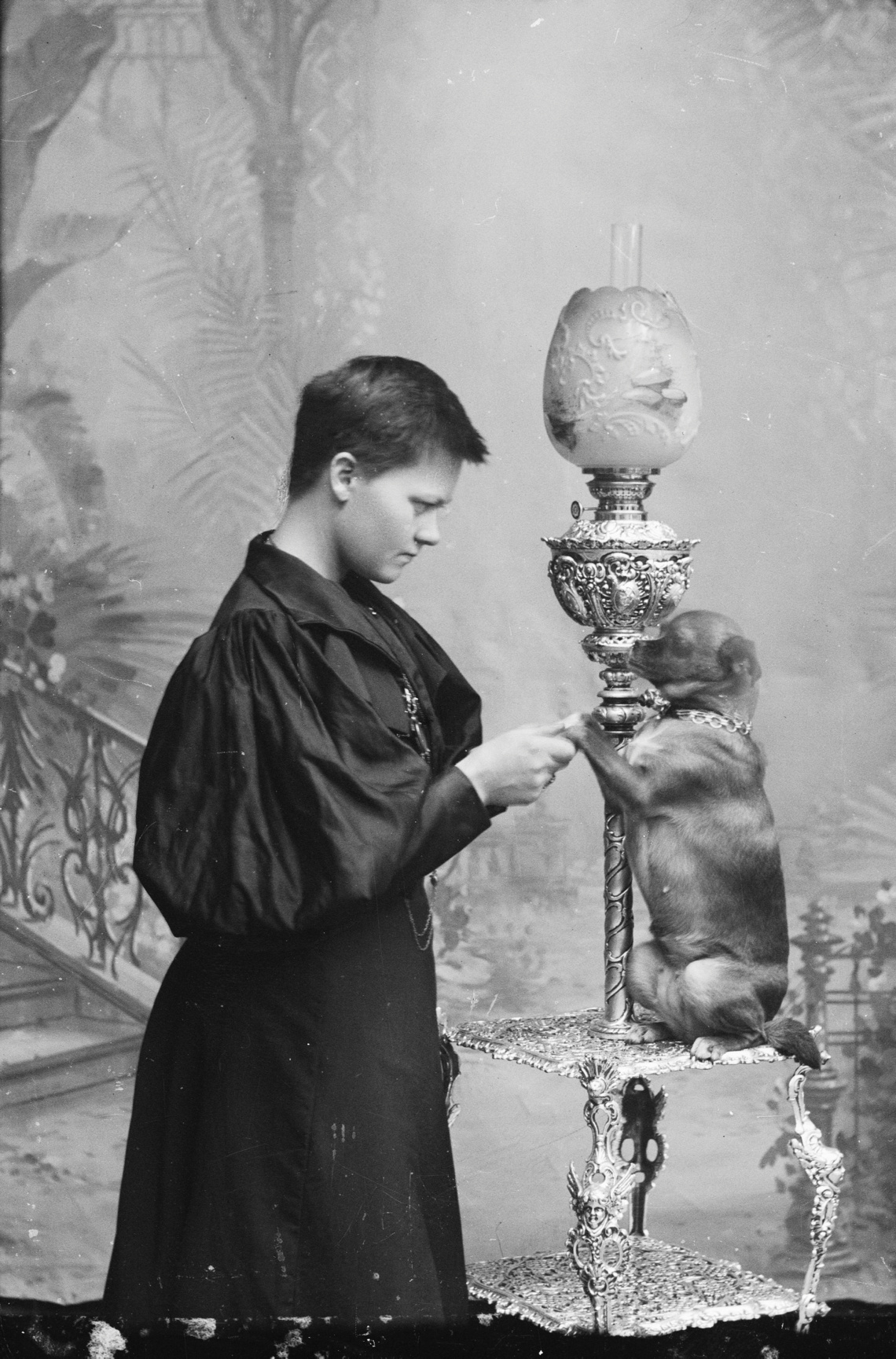
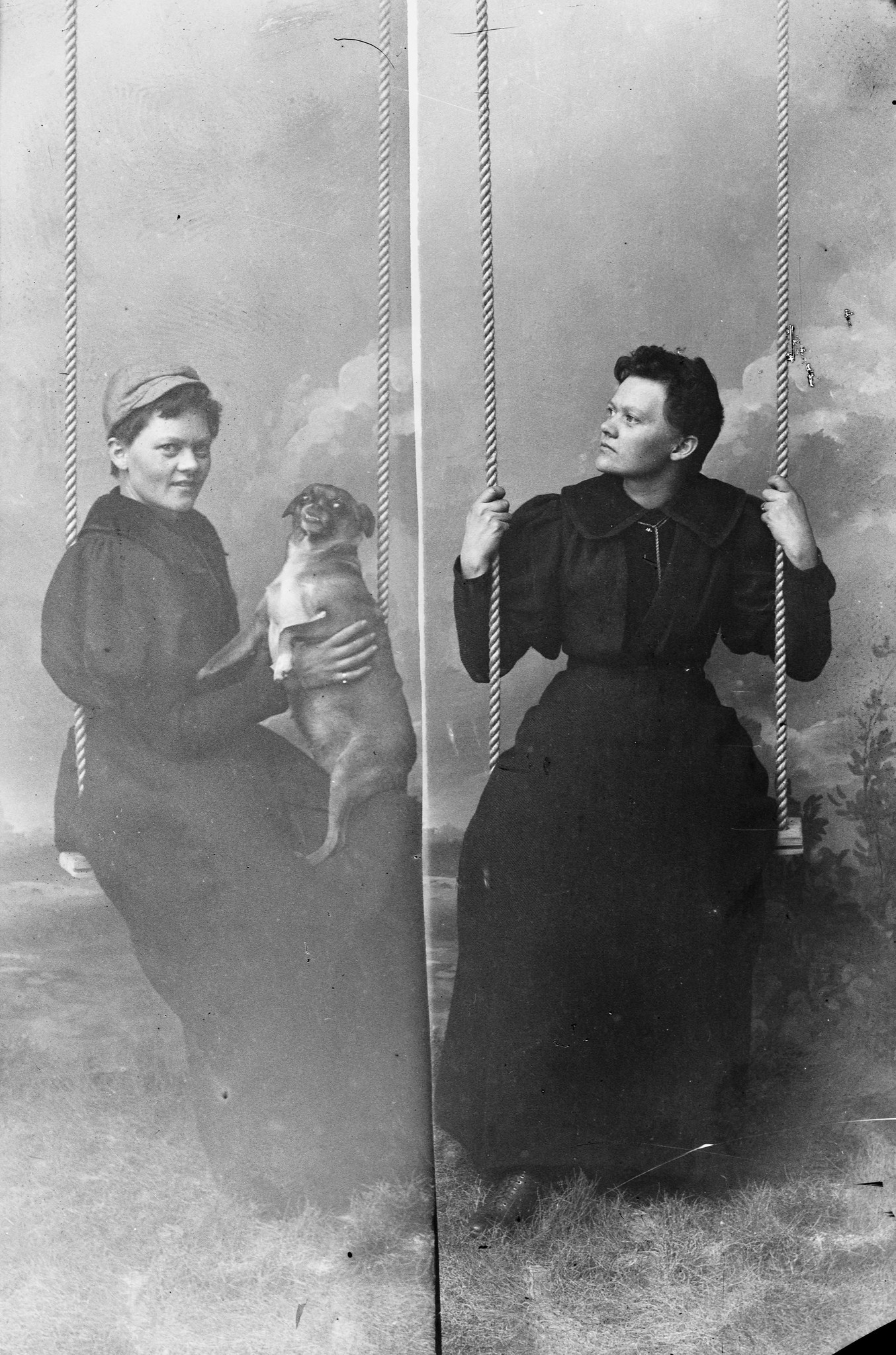
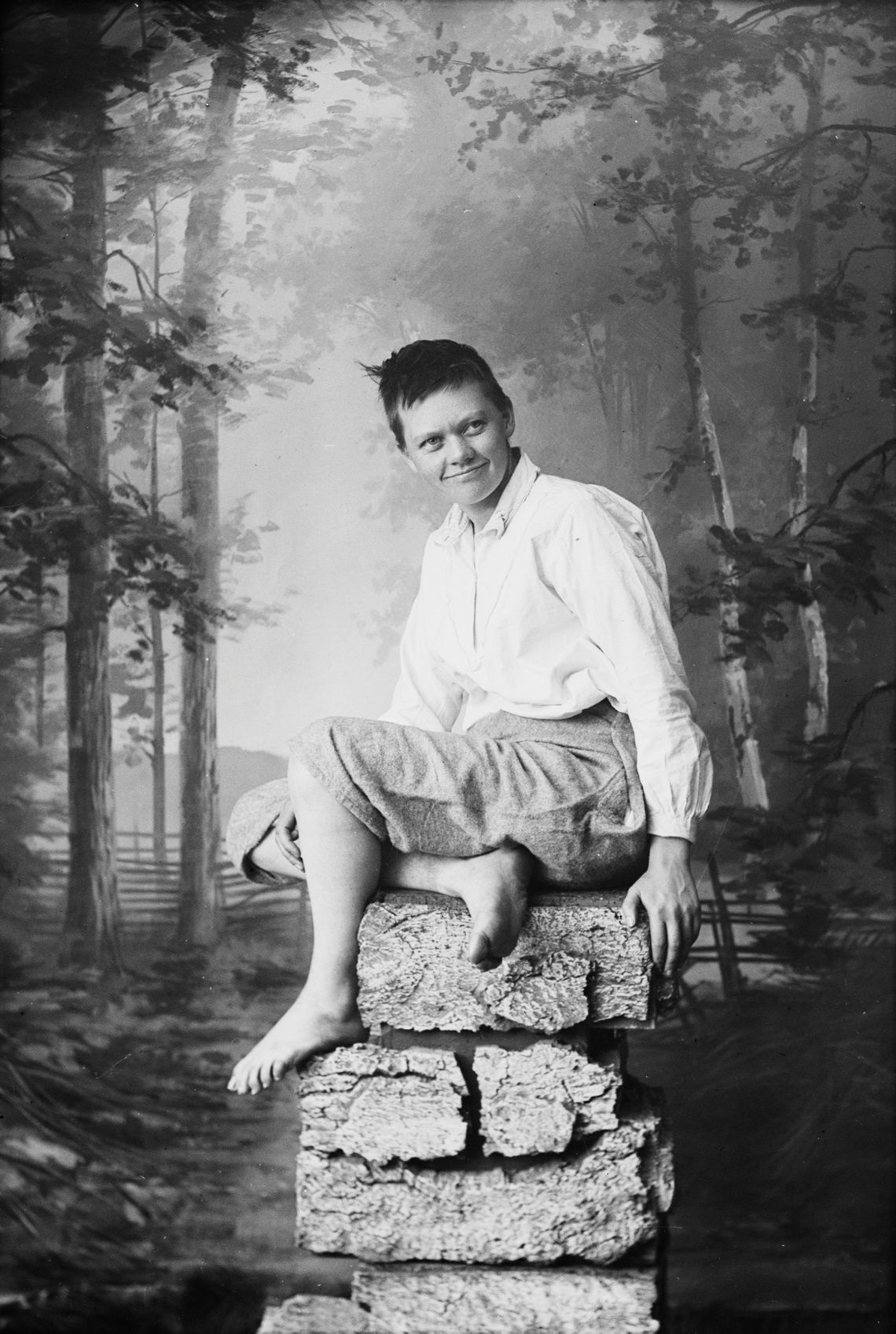
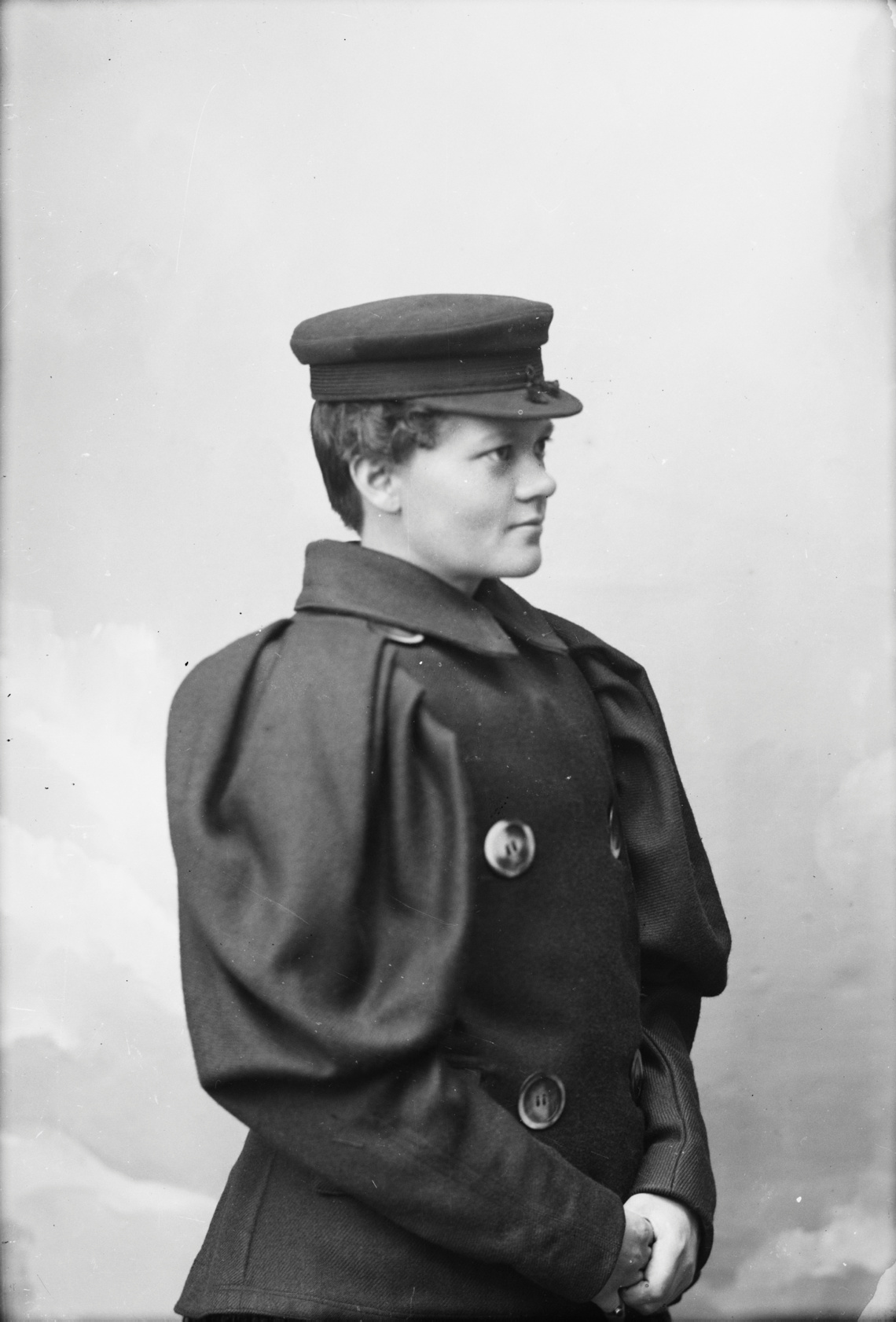
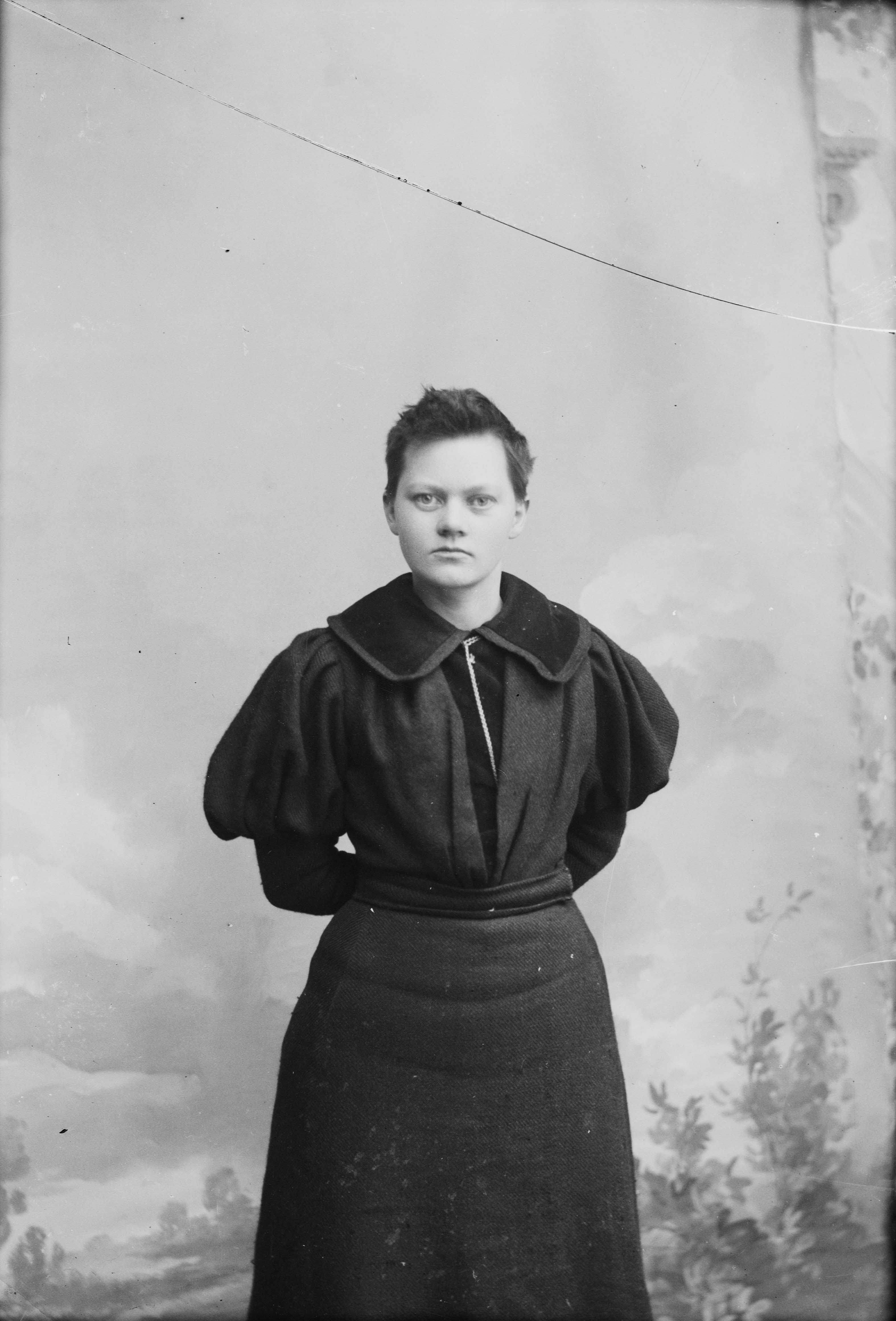
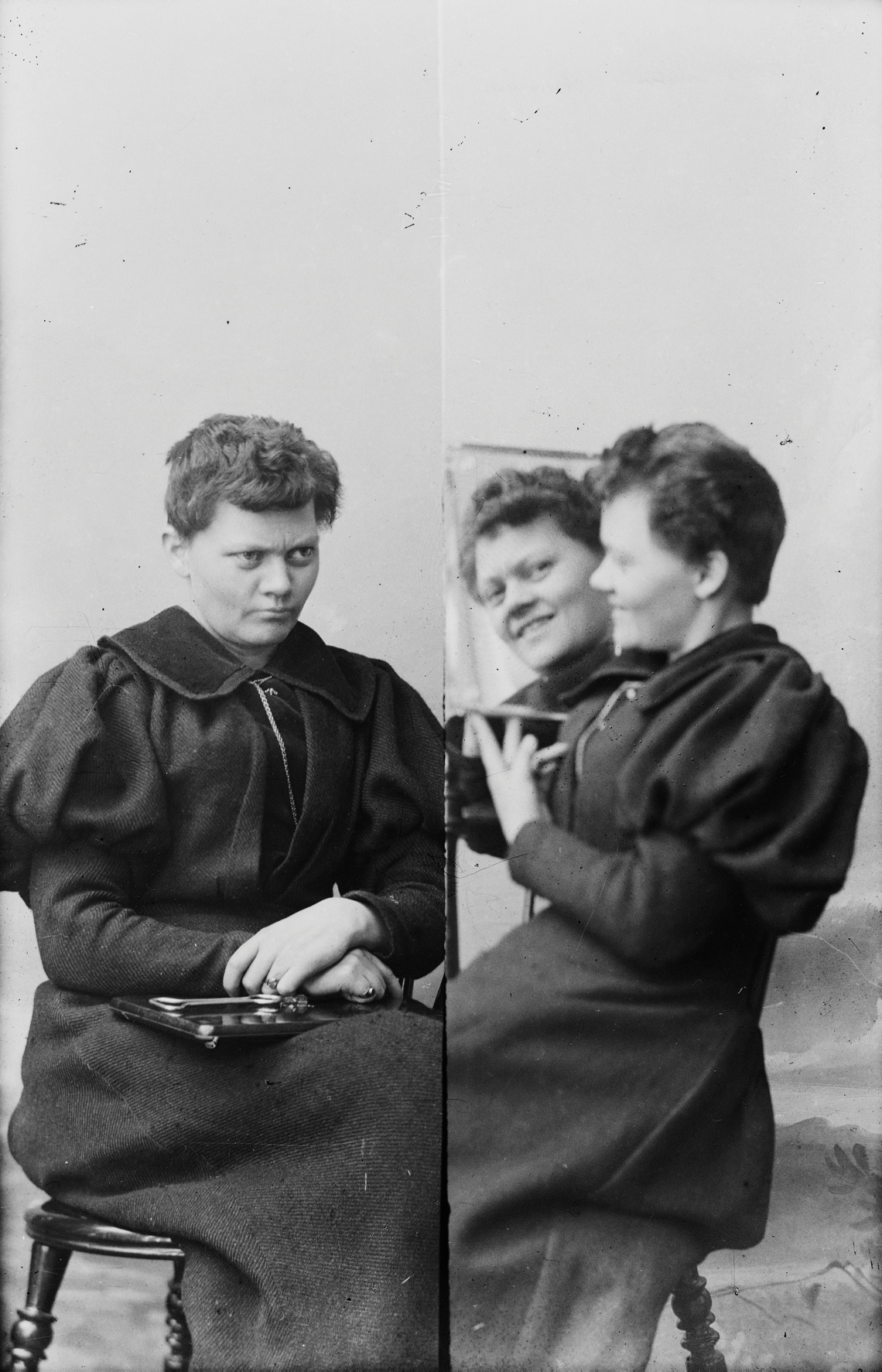
Marie Hoeg casually posing in her woolen underwear. Photo: Berg & Hoeg ca. 1895-1903. Glass plate negativeMarie Hoeg casually posing in her woolen underwear (back). Photo: Berg & Hoeg ca. 1895-1903Marie Høeg posing as an Arctic explorer (Portrett av Marie Høeg i selskinnspels med hette). Photo: Berg & Hoeg ca. 1895-1903Marie Hoeg as a young soldier with a sword (Marie Høeg i undertøy, som soldat med sverd). Photo: Berg & Hoeg ca. 1895-1903Marie Høeg stuper kråke. Photo: Berg & Hoeg ca. 1895-1903 | src The Preus museum collection on FlickrMed hendene på ryggen (Som soldat uten sverd)Photo: Berg & Hoeg ca. 1895-1903Marie Hoeg scolds the dog Tuss. Photo: Berg & Hoeg ca. 1895-1903. Glass plate negativeMarie Høeg greeting her dog Tuss (Marie Høeg hilser på hunden Tuss). Photo: Berg & Hoeg ca. 1895-1903. Glass plate negativeComposite photograph, Marie Høeg sitting on a swing (with Tuss. the dog). Two motives put together on one glass plate
In a box marked “private”, an amazing collection of glass plates were found 30 years ago, amongst the remnants of the two portrait photographers Marie Høeg (1866-1949) and Bolette Berg (1872-1944).
In 1895, they established the Berg & Høeg photography studio in Horten, Norway, where they took portraits and views of Horten and surroundings and lived on the proceeds from sales. At that time, photography was seen as a decent and acceptable profession for women, as it was a profession that demanded a certain amount of aesthetic sense – as part of the female nature.
Horten was a naval base with the main shipyard for the Norwegian navy and had a strong flow of people who needed photographs for celebration and recollection. Perhaps that is how the two photographers understood by the very process of portraiture how important it is to stage oneself and to what a large degree that contributes to how we are perceived.
The Preus museum collection has 440 glass negatives from Berg & Høeg. Among the cartons in the 1980s were discovered some on which had been written “private.” It is not unusual that photographers also have private photographs in their archives. But these were not ordinary keepsake pictures. They indicate that the two photographers, especially Marie Høeg, experimented with various gender roles.
Imagine the fun they must have had, cross-dressing and playing! At the same time, the images are deeply serious, as they reflect upon the expectations and attitudes towards women, and their lack of rights and freedom. We know that Høeg was the extrovert and started groups to fight for women’s rights. Bolette Berg was less in the public view. However, she must have been back of the camera in many of these photographs, which have attracted international notice.
We find several such boundary-breaking photographic projects in Europe and America around 1900. They correspond with women’s battle for full civil rights and the right to define their own identity. So these photographs are a part of an international history – or herstory – that has meaning and recognition value for all women, including now. All images are digital reproductions of the original glass plates. Some of the plates have cracks and damages, left visible in the reproductions.
All images and text retrieved from The Preus museum on Flickr
Marie Høeg (in underwear) as a young boy with cigarette. Photo: Berg & Hoeg, ca. 1895-1903 | src The Preus museum collectionMarie Høeg sits crossed-legged in her underwear, with her initials embroidered on the collar. Short hair, direct gaze to the camera, and a cigarette dangling. (ca. 1895-1903)Marie Høeg as a young boy with a cigarette. Photo: Berg & Hoeg, ca. 1895-1903Marie Høeg. Photo: Berg & Hoeg, ca. 1895-1903 | src The Preus museum collection on FlickrMarie Høeg i sjømannslue og kåpe. Photo: Berg & Hoeg, ca. 1895-1903. The Preus museum collectionMarie Høeg. Photo: Berg & Hoeg, ca. 1895-1903. Glass plate negativeKind of triptych of Marie Høeg. Two motives put together on one glass plate. Photo: Berg & Hoeg, ca. 1895-1903Composite photograph, Marie Høeg sitting on a swing. Two motives put together on one glass plate. Photo: Berg & HoegMarie Høeg. Photo: Berg & Hoeg, ca. 1895-1903Marie Høeg ‘after the burglary‘ sitting at a table counting money (gun on table). Photo: Berg & Hoeg, ca. 1895-1903
In a box marked “private”, an amazing collection of glassplates were found 30 years ago, amongst the remnants of the two portrait photographers Marie Høeg (1866-1949) and Bolette Berg (1872-1944).
In 1895, they established the Berg & Høeg photography studio in Horten, Norway, where they took portraits and views of Horten and surroundings and lived on the proceeds from sales. At that time, photography was seen as a decent and acceptable profession for women, as it was a profession that demanded a certain amount of aesthetic sense – as part of the female nature.
Horten was a naval base with the main shipyard for the Norwegian navy and had a strong flow of people who needed photographs for celebration and recollection. Perhaps that is how the two photographers understood by the very process of portraiture how important it is to stage oneself and to what a large degree that contributes to how we are perceived.
The Preus museum collection has 440 glass negatives from Berg & Høeg. Among the cartons in the 1980s were discovered some on which had been written “private.” It is not unusual that photographers also have private photographs in their archives. But these were not ordinary keepsake pictures. They indicate that the two photographers, especially Marie Høeg, experimented with various gender roles.
Imagine the fun they must have had, cross-dressing and playing! At the same time, the images are deeply serious, as they reflect upon the expectations and attitudes towards women, and their lack of rights and freedom. We know that Høeg was the extrovert and started groups to fight for women’s rights. Bolette Berg was less in the public view. However, she must have been back of the camera in many of these photographs, which have attracted international notice.
We find several such boundary-breaking photographic projects in Europe and America around 1900. They correspond with women’s battle for full civil rights and the right to define their own identity. So these photographs are a part of an international history – or herstory – that has meaning and recognition value for all women, including now. All images are digital reproductions of the original glass plates. Some of the plates have cracks and damages, left visible in the reproductions.
All images and text retrieved from The Preus museum on Flickr
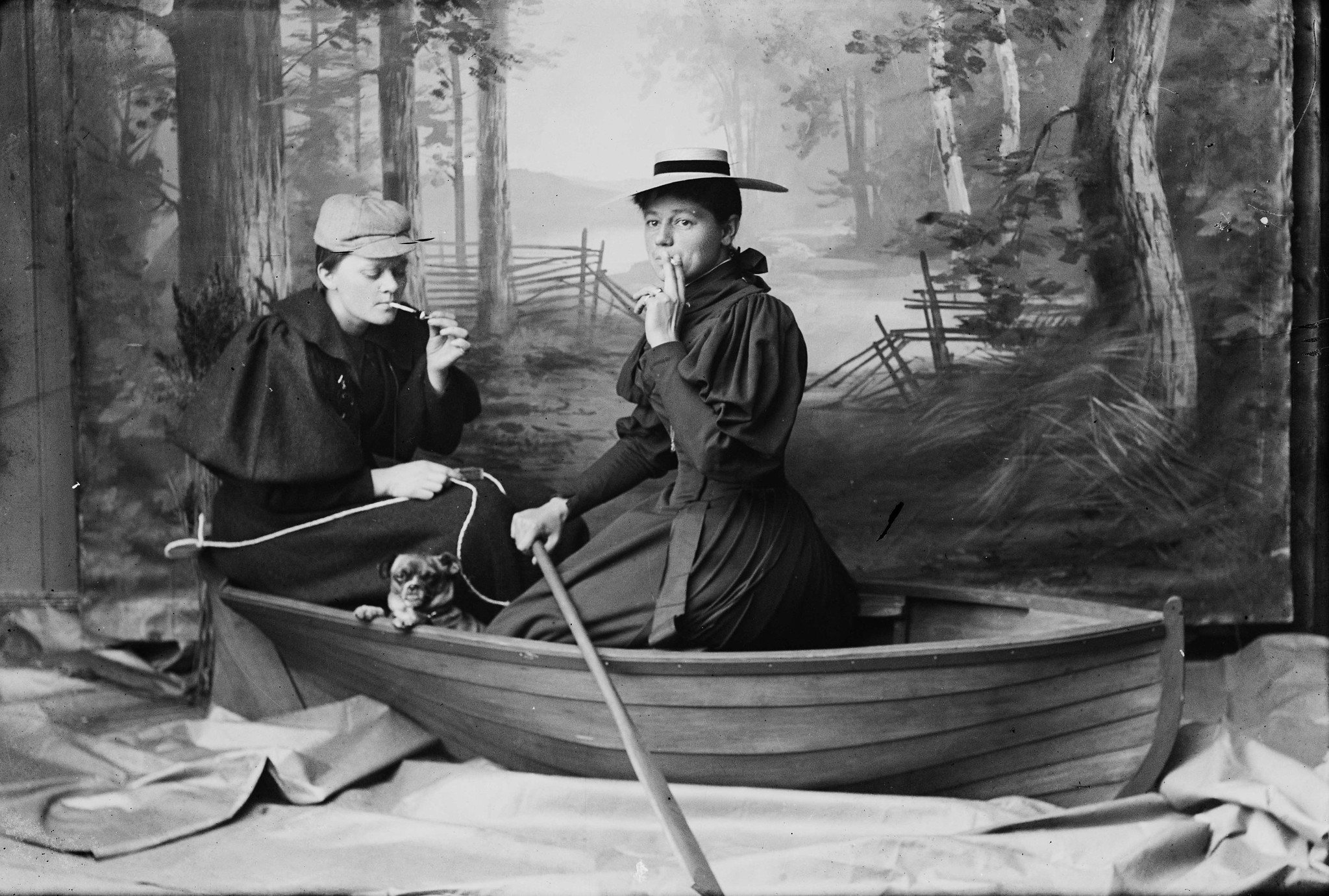
Marie Høeg and Ingeborg Berg in a rowing boat. Photo: Berg & Hoeg ca. 1895-1903 The Preus museum collection on Flickr
In a box marked “private”, an amazing collection of glass plates were found 30 years ago, amongst the remnants of the two portrait photographers Marie Høeg (1866-1949) and Bolette Berg (1872-1944).
Marie Høeg and Bolette Berg in a rowing boat. Photo: Berg & Hoeg, ca. 1895-1903 | src Preus museum
In 1895, they established the Berg & Høeg photography studio in Horten, Norway, where they took portraits and views of Horten and surroundings and lived on the proceeds from sales. At that time, photography was seen as a decent and acceptable profession for women, as it was a profession that demanded a certain amount of aesthetic sense – as part of the female nature.
Horten was a naval base with the main shipyard for the Norwegian navy and had a strong flow of people who needed photographs for celebration and recollection. Perhaps that is how the two photographers understood by the very process of portraiture how important it is to stage oneself and to what a large degree that contributes to how we are perceived.
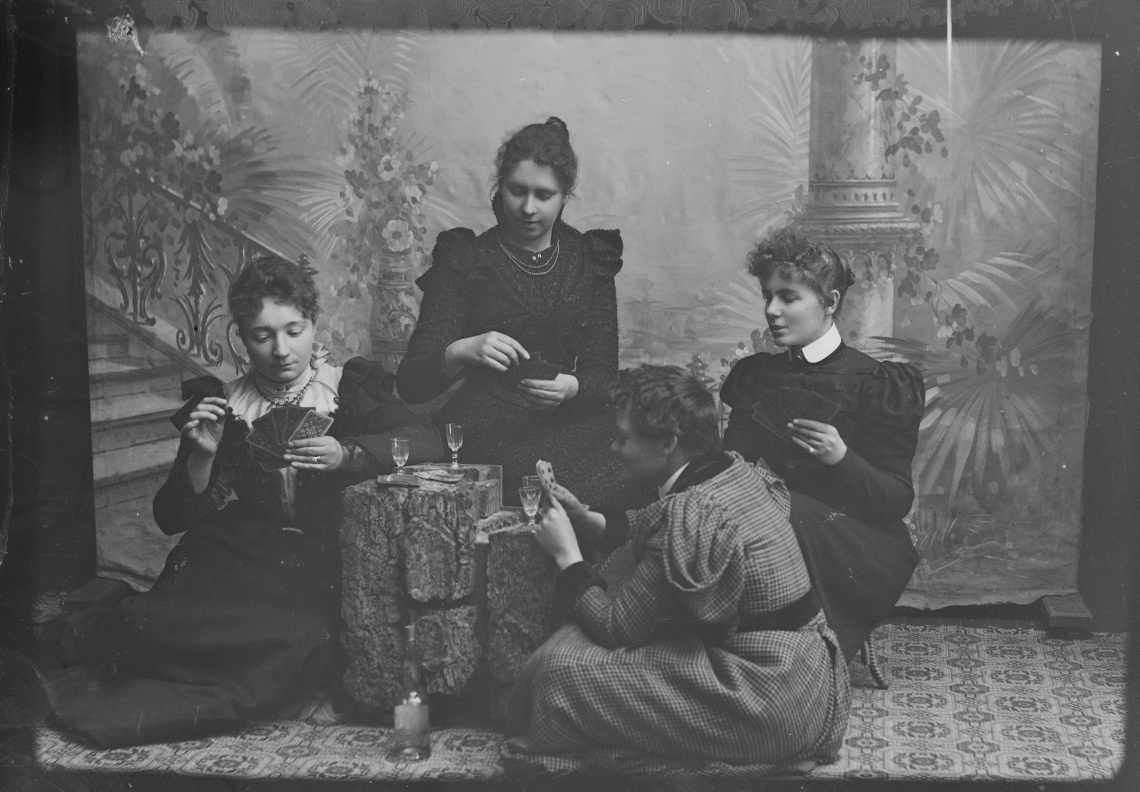
Ingeborg Berg, Julie Antonsen and Trine Ulriksen having a nice time together, sitting on the floor drinking and card-playing, doing the things “nice girls” shouldn’t do. Marie Høeg, sitting at the back with a hat on. Ingeborg Berg, Julie Antonsen and Trine Ulriksen having a nice time together with Marie Høeg, sitting in front to the right. Photo: Berg & Hoeg, ca. 1895-1903
The Preus museum collection has 440 glass negatives from Berg & Høeg. Among the cartons in the 1980s were discovered some on which had been written “private.” It is not unusual that photographers also have private photographs in their archives. But these were not ordinary keepsake pictures. They indicate that the two photographers, especially Marie Høeg, experimented with various gender roles.
Imagine the fun they must have had, cross-dressing and playing! At the same time, the images are deeply serious, as they reflect upon the expectations and attitudes towards women, and their lack of rights and freedom. We know that Høeg was the extrovert and started groups to fight for women’s rights. Bolette Berg was less in the public view. However, she must have been back of the camera in many of these photographs, which have attracted international notice.
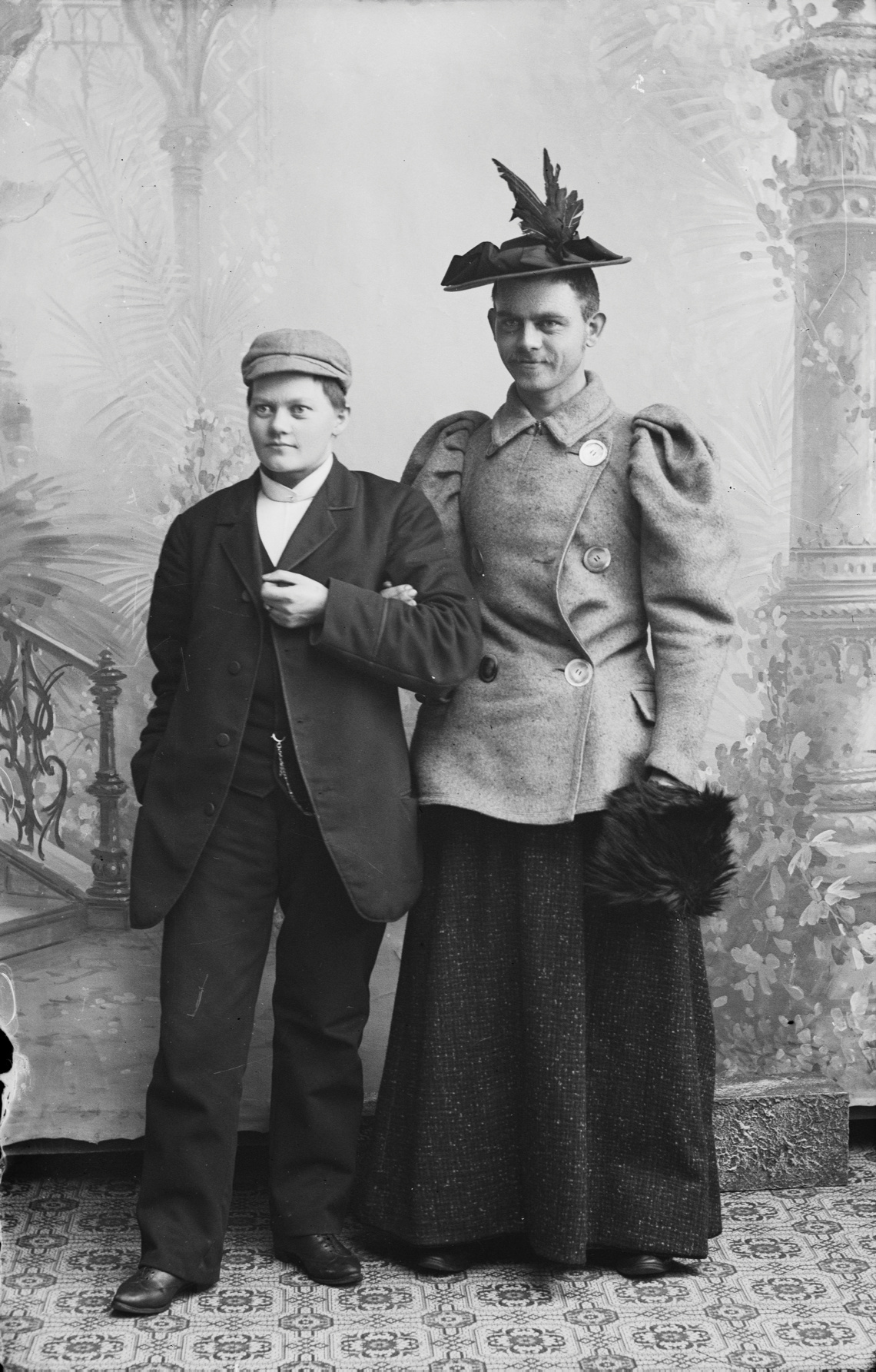
Marie Hoeg posing with her brother Karl in the studio. Photo: Berg & Hoeg, ca. 1895-1903Marie Høeg utkledt som mann, med pelslue. Helfigur. / Marie dressed as a man. Photo: Berg & Hoeg, ca. 1895-1903Marie Høeg’s brother Karl posing in women clothes with an umbrella. Photo: Berg & Hoeg, ca. 1895-1903
We find several such boundary-breaking photographic projects in Europe and America around 1900. They correspond with women’s battle for full civil rights and the right to define their own identity. So these photographs are a part of an international history – or herstory – that has meaning and recognition value for all women, including now. All images are digital reproductions of the original glass plates. Some of the plates have cracks and damages, left visible in the reproductions. (quoted from the Album description)
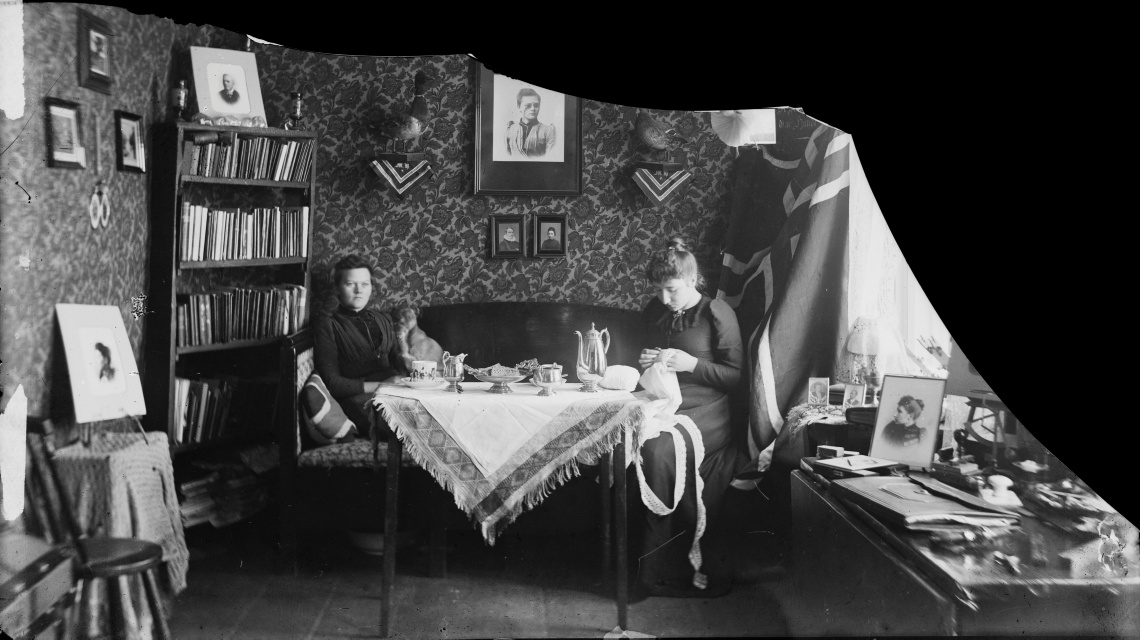
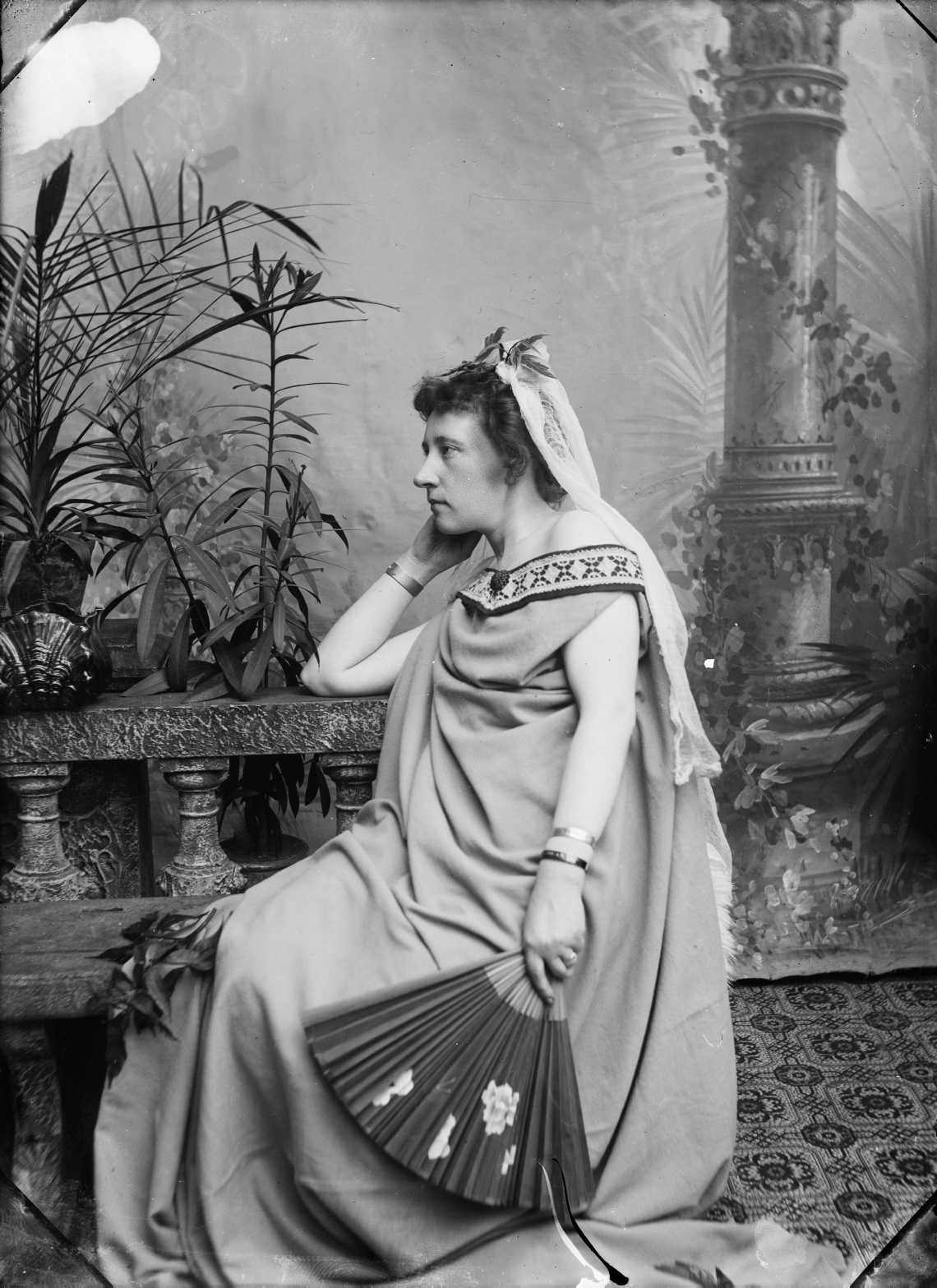
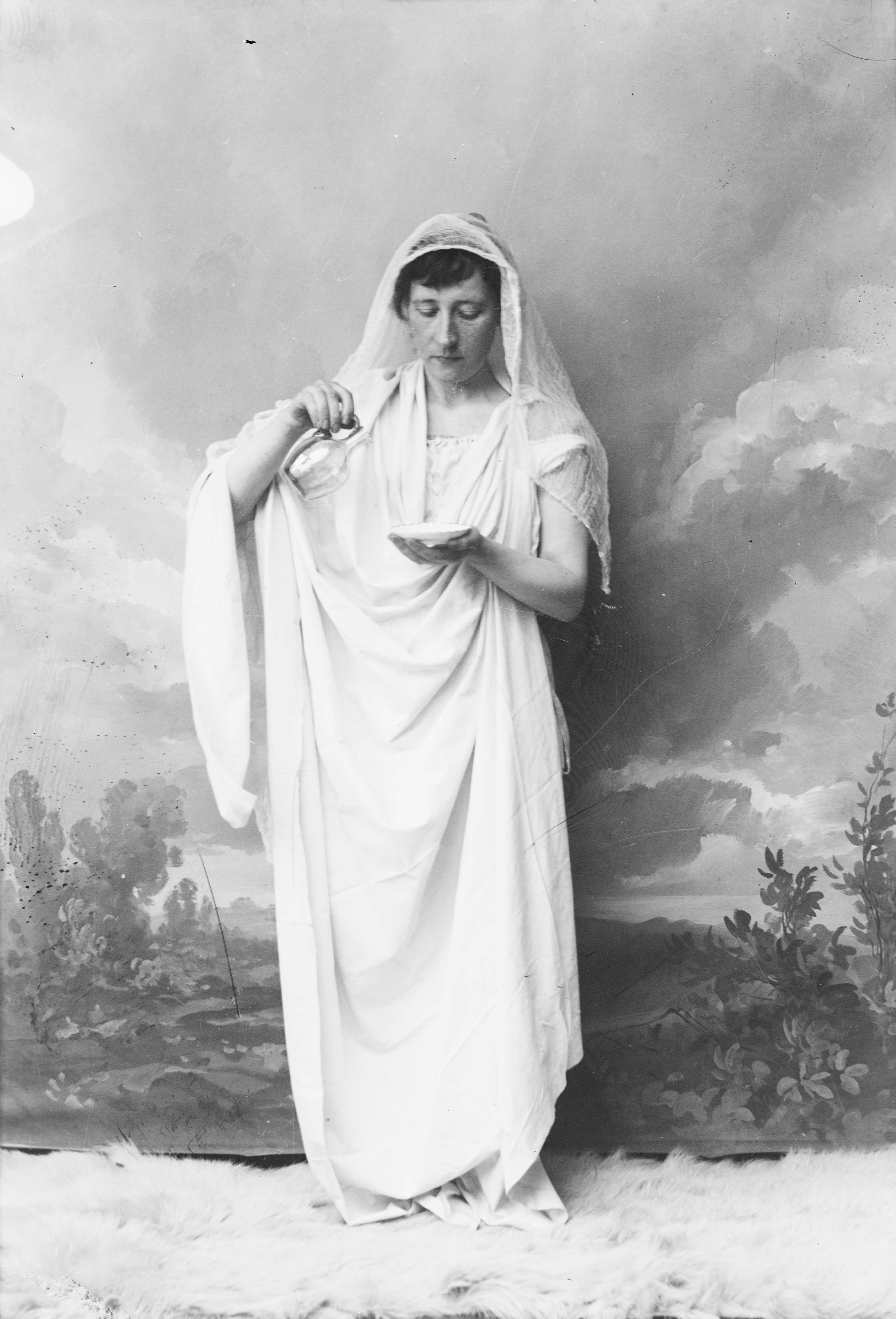
Marie Høeg and Bolette Berg in their home sitting on sofa. Photo: Berg & Hoeg, ca. 1895-1903Staged portrait of one of Bolette Berg’s five sisters. Photo: Berg & Hoeg, ca. 1895-1903“Vestalinne II”. One of Bolette Berg’s five sisters. Photo: Berg & Hoeg, ca. 1895-190
All images from this post were retrieved from The Preus museum collection hosted on Flickr. Link to album (x)
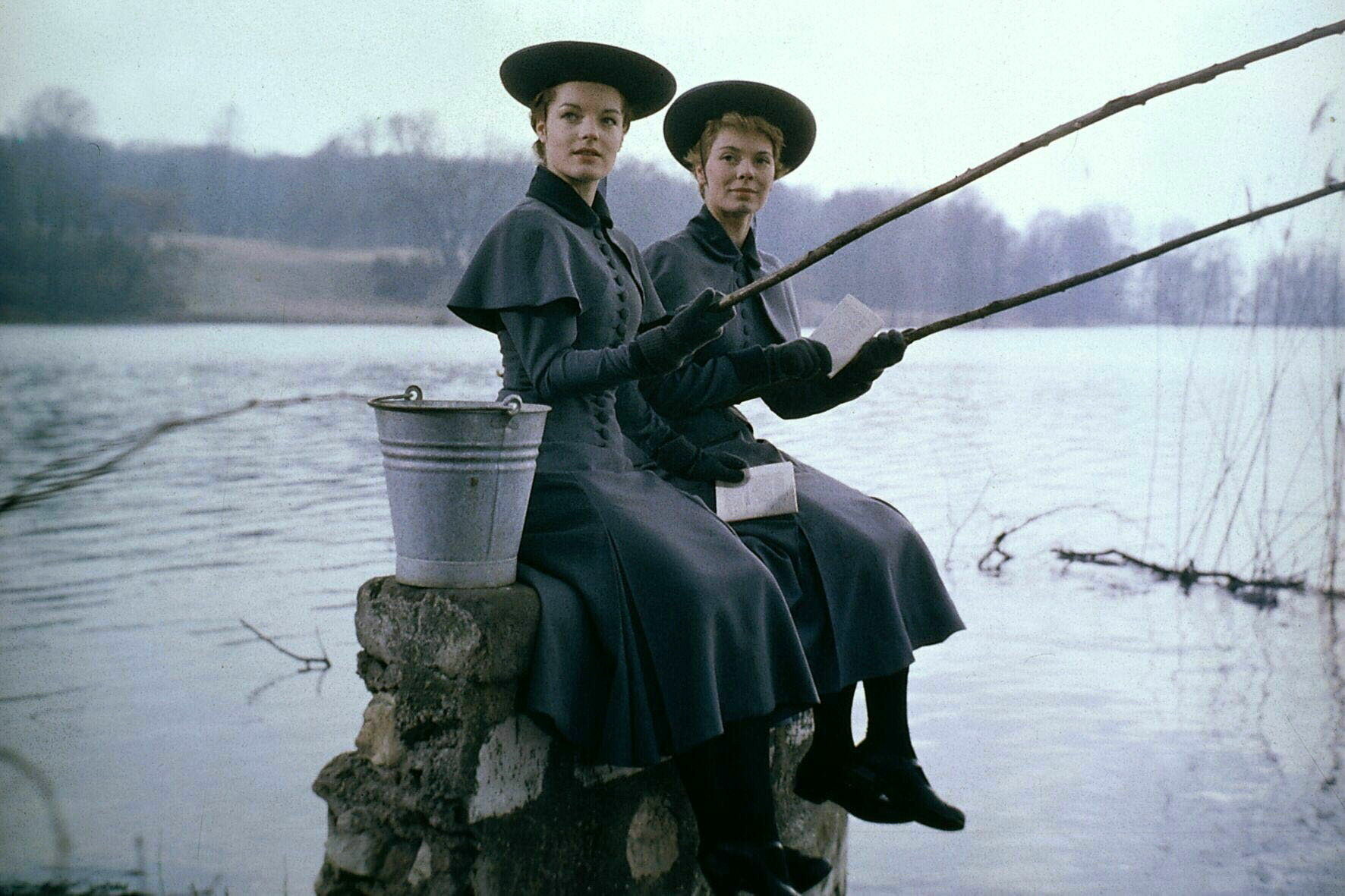
Manuela von Meinhardis (Romy Schneider) genießt die Ruhe beim Angeln mit ihrer Klassenkameradin Johanna (Paulette Dubost). Ein seltener Spaß abseits vom strengen Mädchenstift (1958) | src getty images
Manuela von Meinhardis (Romy Schneider) enjoys the peace and quietness while fishing with her classmate Johanna (Paulette Dubost). A rare fun away from the strict girls’ school. Scene from Mädchen in Uniform, directed by Geza von Radvanyi (Germany / France, 1958). Produced by: Central Cinema Company Film (CCC)
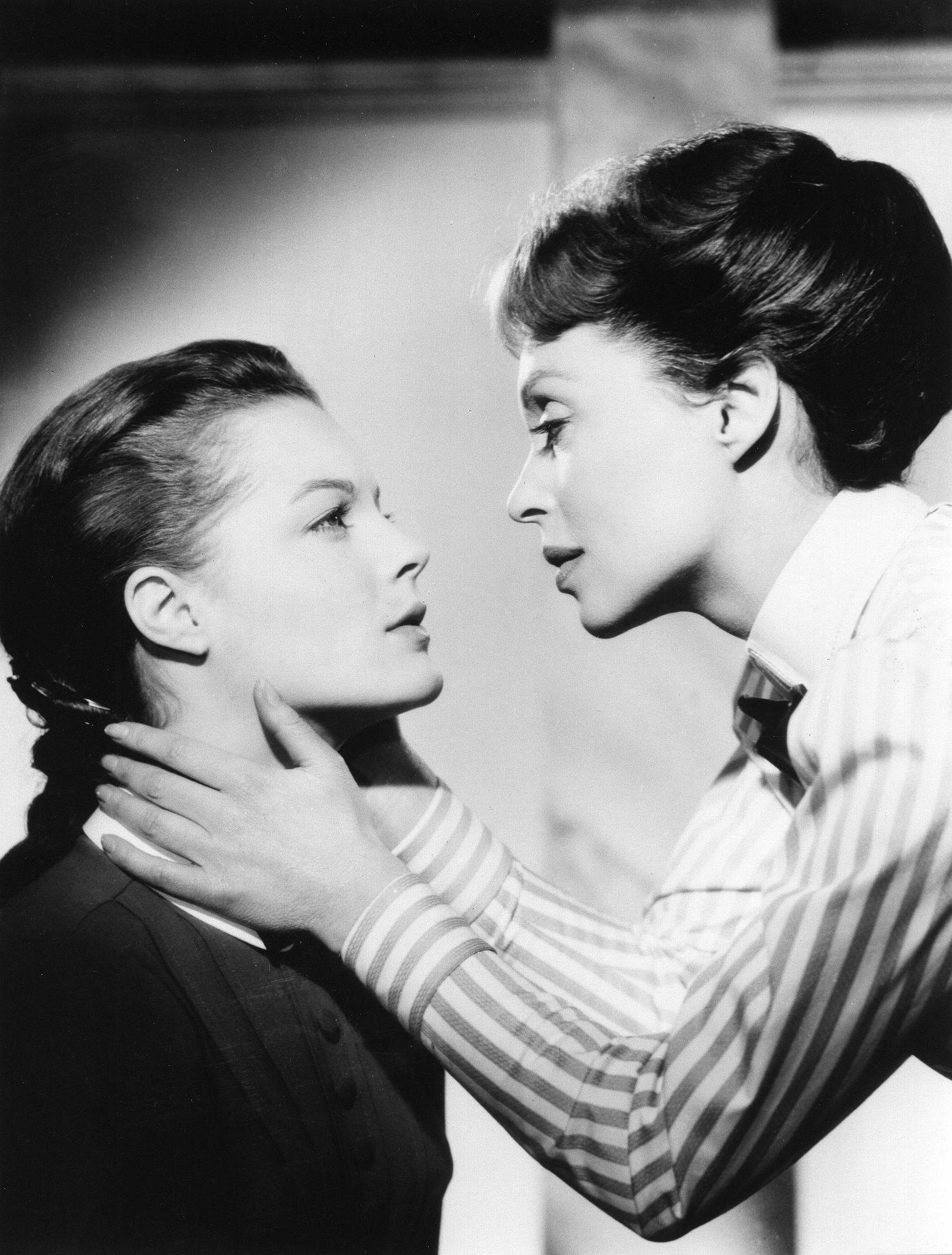
Romy Schneider with Lilly Palmer. Scene from the movie ‘Mädchen in Uniform’; directed by Geza von Radvanyi (Germany / France, 1958). Produced by Central Cinema Company Film | src getty imagesRomy Schneider with Lilly Palmer. Scene from the movie ‘Mädchen in Uniform’; directed by Geza von Radvanyi (Germany / France, 1958). Produced by Central Cinema Company Film | src getty images
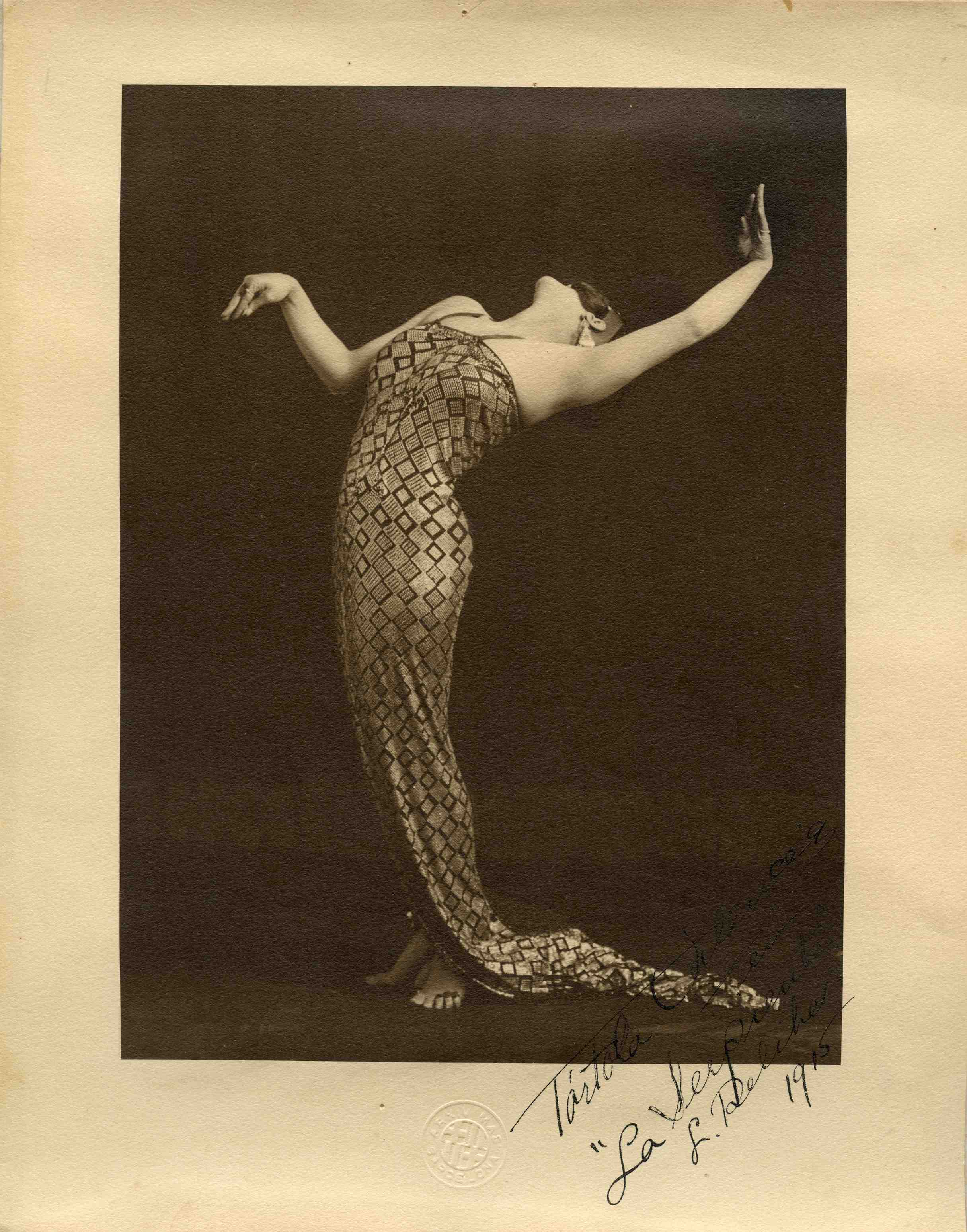
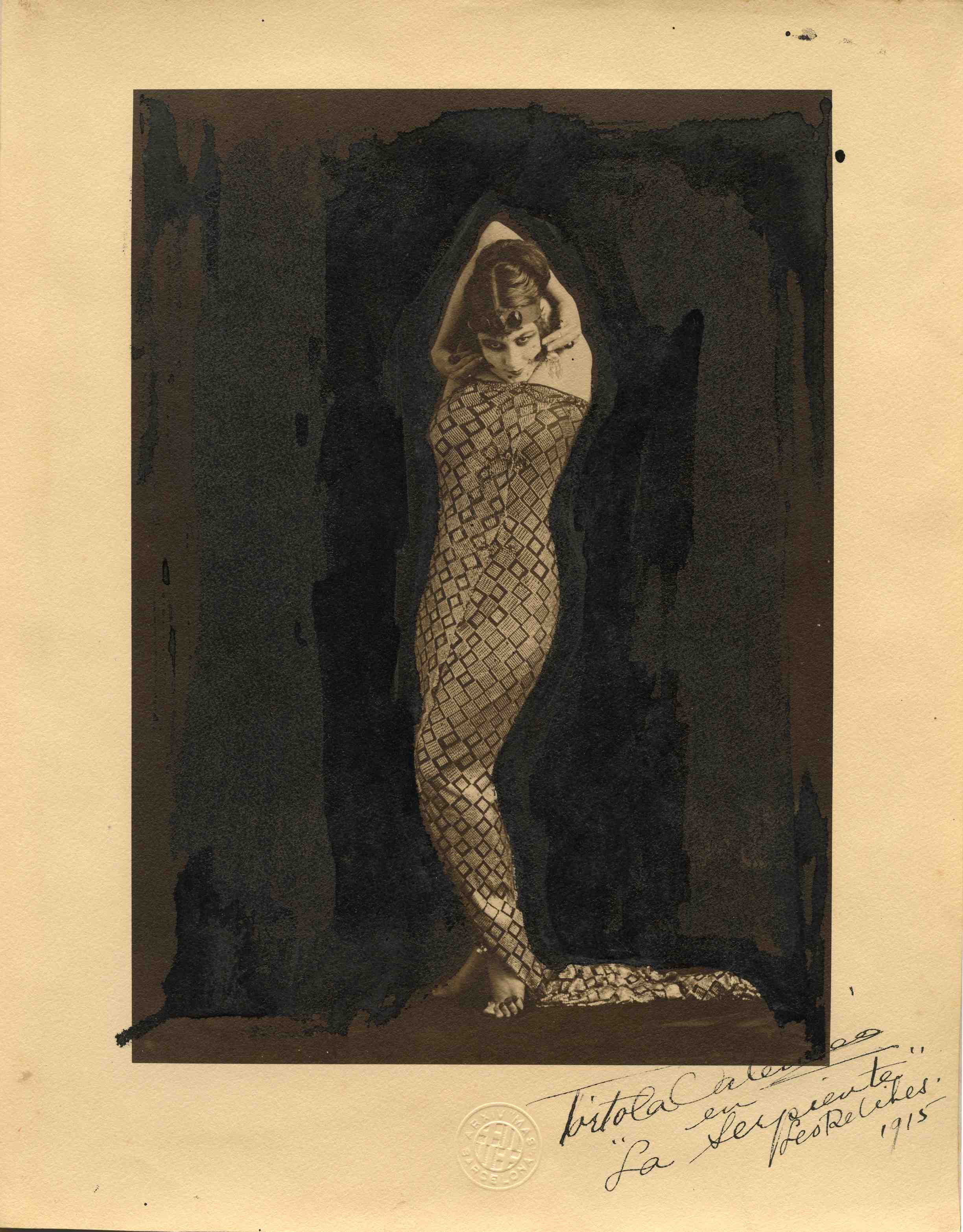
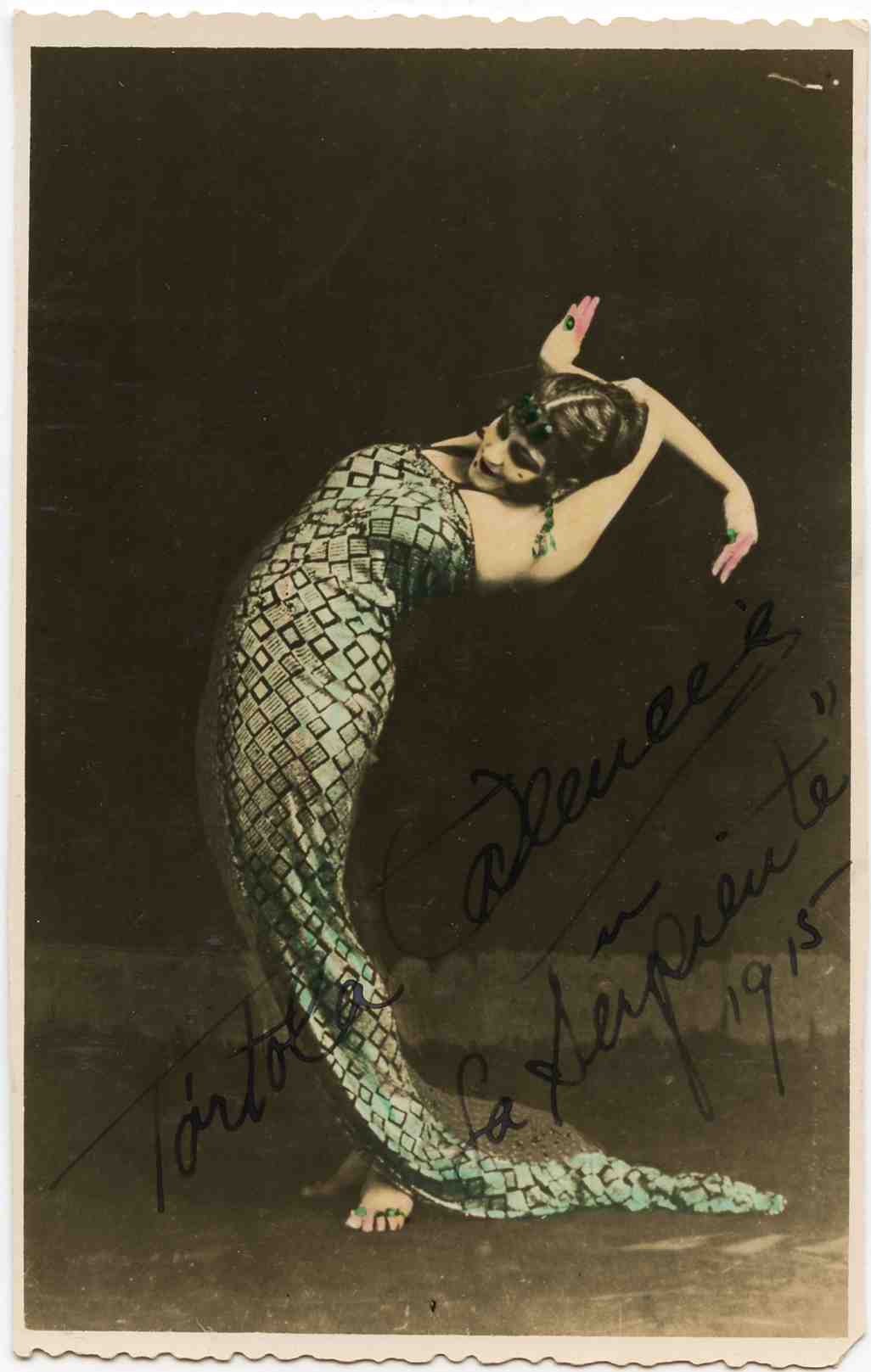
Adolf Mas i Ginestà ~ La serpiente. Carmen Tórtola Valencia (1882-1955), 1915 | src cdmae.catEstudi de fotografia Adolf Mas ~ La serpiente. Tórtola Valencia, ca. 1915 | src cdmae.catAdolf Mas i Ginestà ~ La serpiente. Carmen Tórtola Valencia, ca. 1915 | src cdmae.catAdolf Mas ~ Tórtola Valencia en “La Serpiente”, 1915 | src cdmae.catAdolf Mas i Ginestà (1860-1936) ~ La serpiente. Tórtola Valencia, 1915 | src cdmae.catAdolf Mas i Ginestà (1860-1936) ~ La serpiente. Tórtola Valencia, 1915 | src cdmae.cat
Diego Goyzueta ~ Carmen Tórtola Valencia a ‘Danza Incaica’, Lima, Perú, 1926Diego Goyzueta ~ Carmen Tórtola Valencia a ‘Danza Incaica’, Lima, Perú, 1926 | src cdmae.catDiego Goyzueta ~ Carmen Tórtola Valencia a ‘Danza Incaica’, Lima, Perú, 1926
El escritor Luis Antonio de Villena fue el recuperador de la figura de Tórtola en los artículos y prólogos que dedicó desde 1975 al novelista decadenteAntonio de Hoyos y Vinent (éste fue uno de los tres hombres con los que se relacionó amorosamente a Tórtola)—los otros fueron el rey Alfonso XIII y el archiduque José de Baviera—. Con Antonio, Carmen solo compartió una densa amistad que les sirvió para ocultar sus verdaderas preferencias amorosas. Estos célebres nombres alimentaban el universo de Carmen que ella misma aderezaba a su antojo. Cuenta De Villena que cuando estrenó la llamada Danza incaica —inventada por ella misma— con un vestido lleno de tubitos color hueso, dijo que era un vestido hecho con huesos de los conquistadores. Nadie lo creía pero quedaba muy bien. Sin duda, la leyenda es parte de la creación del artista y en el periodo simbolista de entresiglos se dio abundantemente.
quoted from Jot down : Tórtola Valencia: entre la danza y el deseo
Diego Goyzueta ~ Carmen Tórtola Valencia a ‘Danza Incaica’, Lima, Perú, 1926Diego Goyzueta ~ Carmen Tórtola Valencia a ‘Danza Incaica’, Lima, Perú, 1926Diego Goyzueta ~ Carmen Tórtola Valencia a ‘Danza Incaica’, Lima, Perú, 1926Diego Goyzueta ~ Carmen Tórtola Valencia a ‘Danza Incaica’, Lima, Perú, 1926Diego Goyzueta ~ Carmen Tórtola Valencia a ‘Danza Incaica’, Lima, Perú, 1926Diego Goyzueta ~ Carmen Tórtola Valencia a ‘Danza Incaica’, Lima, Perú, 1926Diego Goyzueta ~ Carmen Tórtola Valencia a ‘Danza Incaica’, Lima, Perú, 1926Diego Goyzueta ~ Carmen Tórtola Valencia a ‘Danza Incaica’, Lima, Perú, 1926Diego Goyzueta ~ Carmen Tórtola Valencia a ‘Danza Incaica’, Lima, Perú, 1926Diego Goyzueta ~ Carmen Tórtola Valencia a ‘Danza Incaica’, Lima, Perú, 1926Diego Goyzueta ~ Carmen Tórtola Valencia a ‘Danza Incaica’, Lima, Perú, 1926Diego Goyzueta ~ Carmen Tórtola Valencia a ‘Danza Incaica’, Lima, Perú, 1926Diego Goyzueta ~ Carmen Tórtola Valencia a ‘Danza Incaica’, Lima, Perú, 1926Diego Goyzueta ~ Carmen Tórtola Valencia a ‘Danza Incaica’, Lima, Perú, 1926Diego Goyzueta ~ Carmen Tórtola Valencia a ‘Danza Incaica’, Lima, Perú, 1926Diego Goyzueta ~ Carmen Tórtola Valencia a ‘Danza Incaica’, Lima, Perú, 1926Diego Goyzueta ~ Carmen Tórtola Valencia a ‘Danza Incaica’, Lima, Perú, 1926Diego Goyzueta ~ Carmen Tórtola Valencia a ‘Danza Incaica’, Lima, Perú, 1926
Carmen Tórtola Valencia (Sevilla, 18 de junio de 1882 – Barcelona, 13 de febrero de 1955)
De padre catalán (Florenç Tórtola Ferrer) y madre andaluza (Georgina Valencia Valenzuela), cuando tenía tres años su familia emigró a Londres. Sus padres murieron en Oaxaca (México) en 1891 y 1894 respectivamente. Se ha especulado mucho sobre su misterioso origen; según algunos era una bastarda de la familia real española, según otros era hija de un noble inglés. En su libro Tórtola Valencia and Her Times (1982), Odelot Sobrac, uno de sus primeros biógrafos, afirma que desarrolló un estilo propio que expresaba la emoción con el movimiento y se inspiró al parecer en Isadora Duncan.
Especialista en danzas orientales, se interesó sobre todo por las danzas africanas, árabes e indias, que reinterpretó a su modo, investigando en todo tipo de bibliotecas; en cierto sentido llevó la antropología a la danza; su versatilidad como bailarina quedó sin embargo probada a lo largo de su vida. Su fama trascendió los límites profesionales a causa de sus innumerables amantes (gobernantes y escritores de renombre), por su belleza andaluza de ojos negros (fue considerada una de las mujeres más bellas de Europa) y por sus extensos conocimientos fruto de sus numerosos viajes y su pasión por la vida. Su primera aparición pública fue en 1908 en el Gaity Theatre de Londres como parte del espectáculo Habana.
Ese mismo año fue invitada a bailar en el Wintergarten y en el Folies Bergère. Allí fue denominada «La Bella Valencia», una nueva favorita del público como La Bella Otero o Raquel Meller. Al año siguiente bailó en Nürenberg y Londres. Fue invitada a unirse al Cirkus Varieté de Copenhague con Alice Réjane. Estuvo en Grecia, Rusia e India. Su debut español fue en 1911 en el Teatro Romea en Madrid. Volvió al mismo teatro en 1912. Fue nombrada en 1912 socia de honor y profesora estética del Gran Teatro de Arte de Múnich. En 1913 hizo una gira por España que incluyó el Ateneo de Madrid. En 1915 actuó con Raquel Meller en Barcelona.
En 1916, Tórtola fue caricaturizada en la revista de humor catalana Papitu como otra Mata Hari. Fue sin embargo su arte más bien apreciado por los intelectuales que por la gran masa del público. Emilia Pardo Bazán dijo de ella que era la personificación del Oriente y la reencarnación de Salomé. Tórtola fue una artista ecléctica y polifacética. En 1915 actuó en los filmes Pasionaria y Pacto de lágrimas, dirigidos por Joan Maria Codina. Viajó a Nueva York para actuar en el Century Theatre.
En 1920 la Galería Laietana de Barcelona exhibió 45 de sus pinturas sobre danza. Al año siguiente marchó de gira por Hispanoamérica. Entre 1921 y 1930 alcanzó allí una gran popularidad.
Fue una gran aficionada al arte precolombino, llegando a constituir una excelente colección de piezas procedentes de las más variadas civilizaciones del continente americano, especialmente de México y Perú.
Su independencia y vida desenvuelta fue sentida como una amenaza para los valores tradicionales de la sociedad española. Fue una pionera de la liberación de la mujer, como Isadora Duncan, Virginia Woolf y Sarah Bernhardt. Era budista y vegetariana, fue morfinómana y abogó por la abolición del corsé que impedía el libre movimiento femenino. Aunque tuvo numerosos amantes masculinos, sobre todo intelectuales, vivió la mayor parte de su vida con una mujer, Ángeles Magret Vilá, a la que adoptó como hija para guardar las apariencias. Quizá por ello defendió a capa y espada su intimidad y se destila de sus orígenes cierto misterio. Abandonó la danza el 23 de noviembre de 1930 en Guayaquil (Ecuador).
En 1931 se declaró republicana catalana y marchó a Barcelona con Ángeles. Dedicó los últimos años de su vida a coleccionar grabados y estampas y se inició en el budismo. Murió el 15 de marzo de 1955 en su casa del barrio de Sarriá en Barcelona. Creó la Danza del incienso, La bayadera, Danza africana, Danza de la serpiente y Danza árabe. Aparece como personaje en la novela Divino de Luis Antonio de Villena, y Ramón López Velarde le dedicó el poema Fábula dística. Prestó su imagen para el perfume “Maja” de la conocida casa de cosméticos Myrurgia.
Su contribución al arte de la danza consistió en una sensibilidad y orientación estética que ponían de manifiesto la sensualidad del cuerpo. La danza moderna, calificada entonces de irreverente por natural, respondía a sus ideales modernistas empapados de filosofías orientales.
El fondo de partituras de Tórtola Valencia se conserva en la Biblioteca de Cataluña. El resto, que incluye 112 piezas de indumentaria y complementos, 246 cuadros y dibujos, casi 1500 fotografías y carpetas de gran formato con carteles, fotografías, recortes e impresos y testigos de su vida artística y social se conserva en el Museo de las Artes Escénicas (MAE) del Instituto del Teatro de Barcelona. El MAE conserva además algunas tarjetas postales, programas de mano y 2 volúmenes de epistolario con el título genérico de “Los poetas a Tórtola Valencia”.
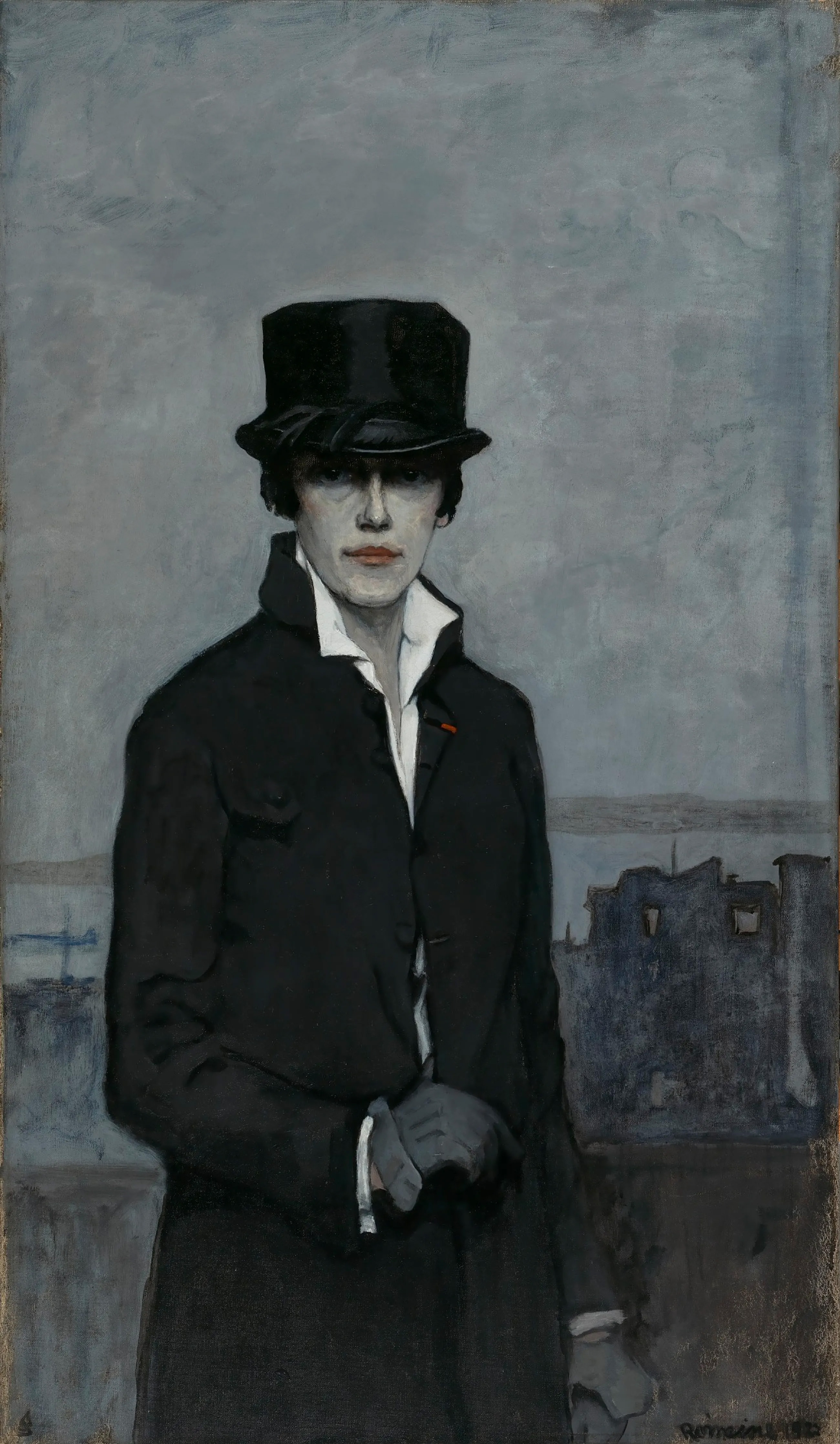
Beatrice Romaine Goddard (1874-1970), known as Romaine Brooks ~ Au bord de la mer (At the seaside), 1914. Oil on canvas. | Franco-American museum of the Blérancourt castle via wikimedia commonsBeatrice Romaine Goddard (1874-1970), known as Romaine Brooks ~ Au bord de la mer (Autoportrait), 1914. Oil on canvas.Romaine Brooks ~ Peter (A Young English Girl), 1923-1924, oil on canvas SAAM-1970.70_2
Peter depicts British painter Hannah Gluckstein, heir to a catering empire who adopted the genderless professional name Gluck in the early 1920s. By the time Brooks met her at one of Natalie Barney’s literary salons, Gluckstein had begun using the name Peyter (Peter) Gluck. She unapologetically wore men’s suits and fedoras, clearly asserting the association between androgyny and lesbian identity. Brooks’s carefully nuanced palette and quiet, empty space produced an image of refined and austere modernity. ~ The Art of Romaine Brooks, 2016
With this self-portrait, Brooks envisioned her modernity as an artist and a person. The modulated shades of gray, stylized forms, and psychological gravity exemplify her deep commitment to aesthetic principles. The shaded, direct gaze conveys a commanding and confident presence, an attitude more typically associated with her male counterparts. The riding hat and coat and masculine tailoring recall conventions of aristocratic portraiture while also evoking a chic androgyny associated with the post–World War I “new woman.” Brooks’s fashion choices also enabled upper-class lesbians to identify and acknowledge one another. ~ The Art of Romaine Brooks, 2016
Romaine Brooks ~ Una, Lady Troubridge, 1924, oil on canvas SAAM-1966.49.6_2
Una Troubridge was a British aristocrat, literary translator, and the lover of Radclyffe Hall, author of the 1928 pathbreaking lesbian novel, The Well of Loneliness. Troubridge appears with a sense of formality and importance typical of upper-class portraiture, but with the sitter’s prized dachshunds in place of the traditional hunting dog. Troubridge’s impeccably tailored clothing, cravat, and bobbed hair convey the fashionable and daring androgyny associated with the so-called new woman. Her monocle suggested multiple symbolic associations to contemporary British audiences: it alluded to Troubridge’s upper-class status, her Englishness, her sense of rebellion, and possibly her lesbian identity. ~ The Art of Romaine Brooks, 2016
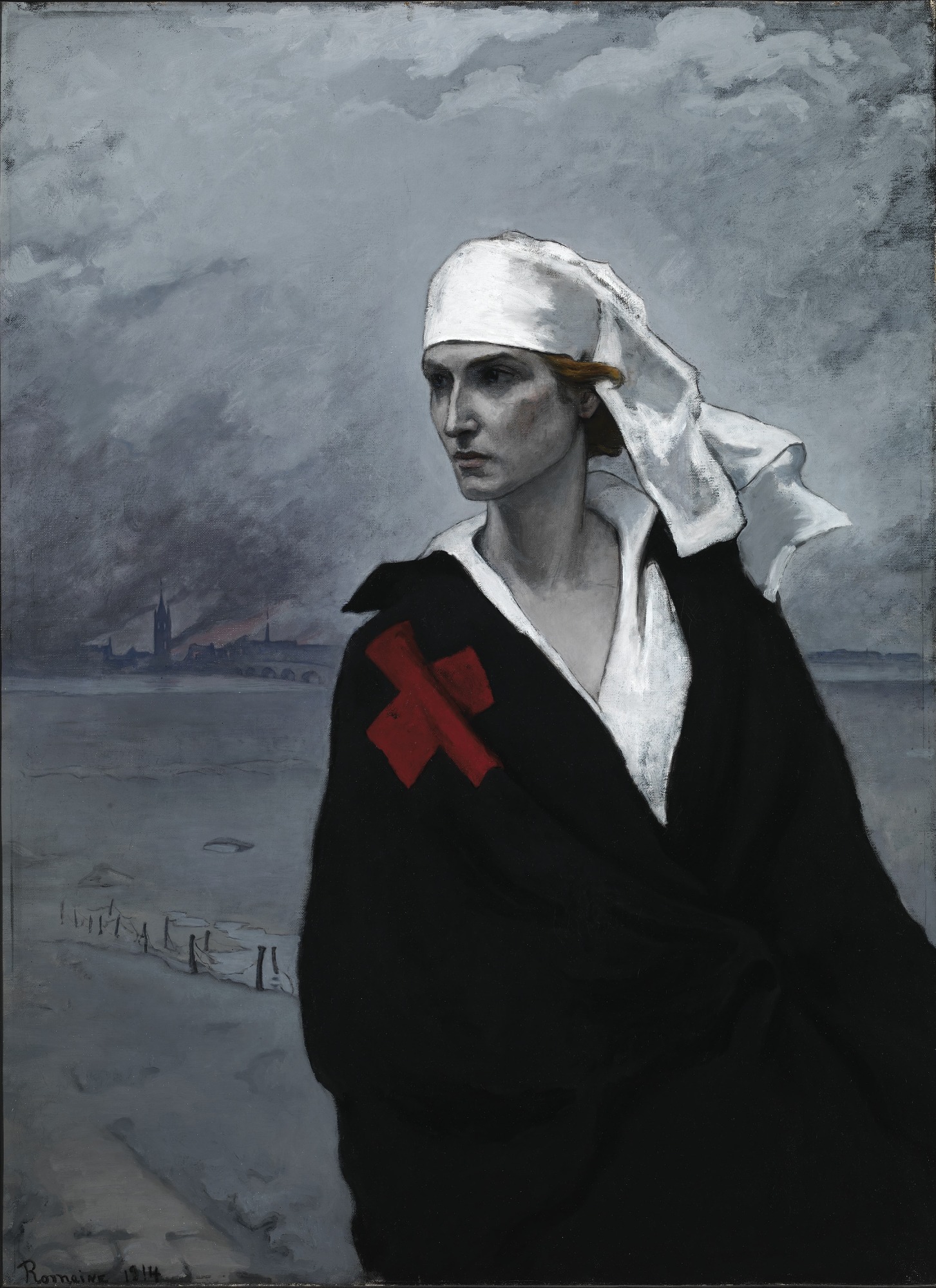
Romaine Brooks ~ La France Croisée, 1914, oil on canvas SAAM-1970.69_2
In La France Croisée, Brooks voiced her opposition to World War I and raised money for the Red Cross and French relief organizations. Ida Rubinstein was the model for this heroic figure posed in a nurse’s uniform, with cross emblazoned against her dark cloak, against a windswept landscape outside the burning city of Ypres. This symbolic portrait of a valiant France was exhibited in 1915 at the Bernheim Gallery in Paris, along with four accompanying sonnets written by Gabriele D’Annunzio. The gallery offered reproductions for sale as a benefit to the Red Cross. For her contributions to the war effort, the French government awarded Brooks the Cross of the Legion of Honor in 1920. This award is visible as the bright red spot on Brooks’s lapel in her 1923 Self-Portrait. ~ The Art of Romaine Brooks, 2016
Brooks met Russian dancer and arts patron Ida Rubinstein in Paris after Rubinstein’s first performance as the title character in Gabriele D’Annunzio’s play The Martyrdom of St. Sebastian. Rubinstein was already well known for her refined beauty and expressive gestures; she secured her reputation as a daring performer by starring as the male saint in this boundary-pushing show that combined religious history, androgyny, and erotic narrative. Brooks found her ideal — and her artistic inspiration — in the tall, lithe, sensuous Rubinstein, who modeled for many sketches, paintings, and photographs Brooks produced during their relationship, from 1911 to 1914. In her autobiographical manuscript, “No Pleasant Memories,” Brooks said the inspiration for this portrait came as the two women walked through the Bois de Boulogne on a cold winter morning. ~ The Art of Romaine Brooks, 2016
All quotations and images (except n. 1 & 2) are from the Smithsonian American Art Museum (x)
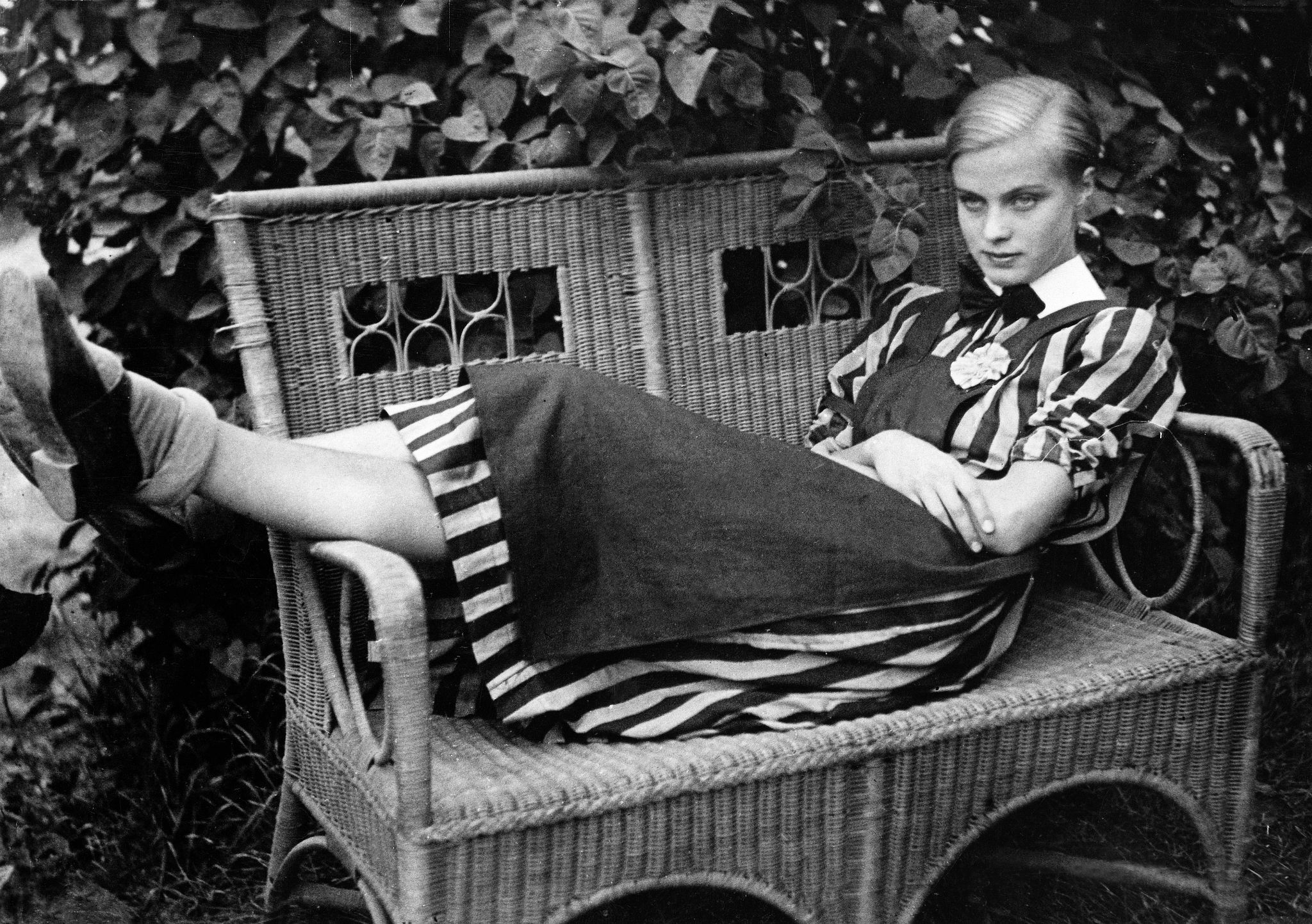
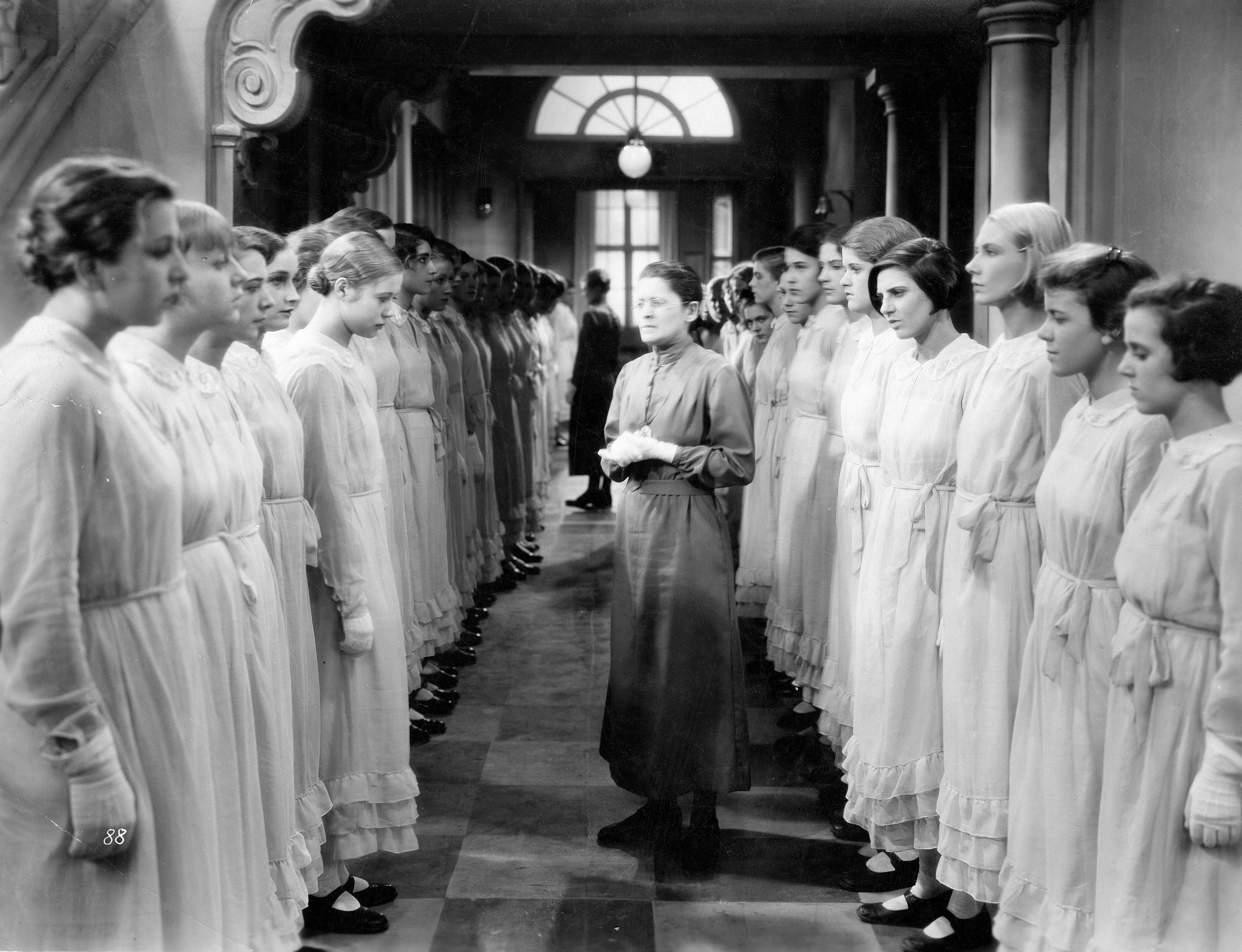
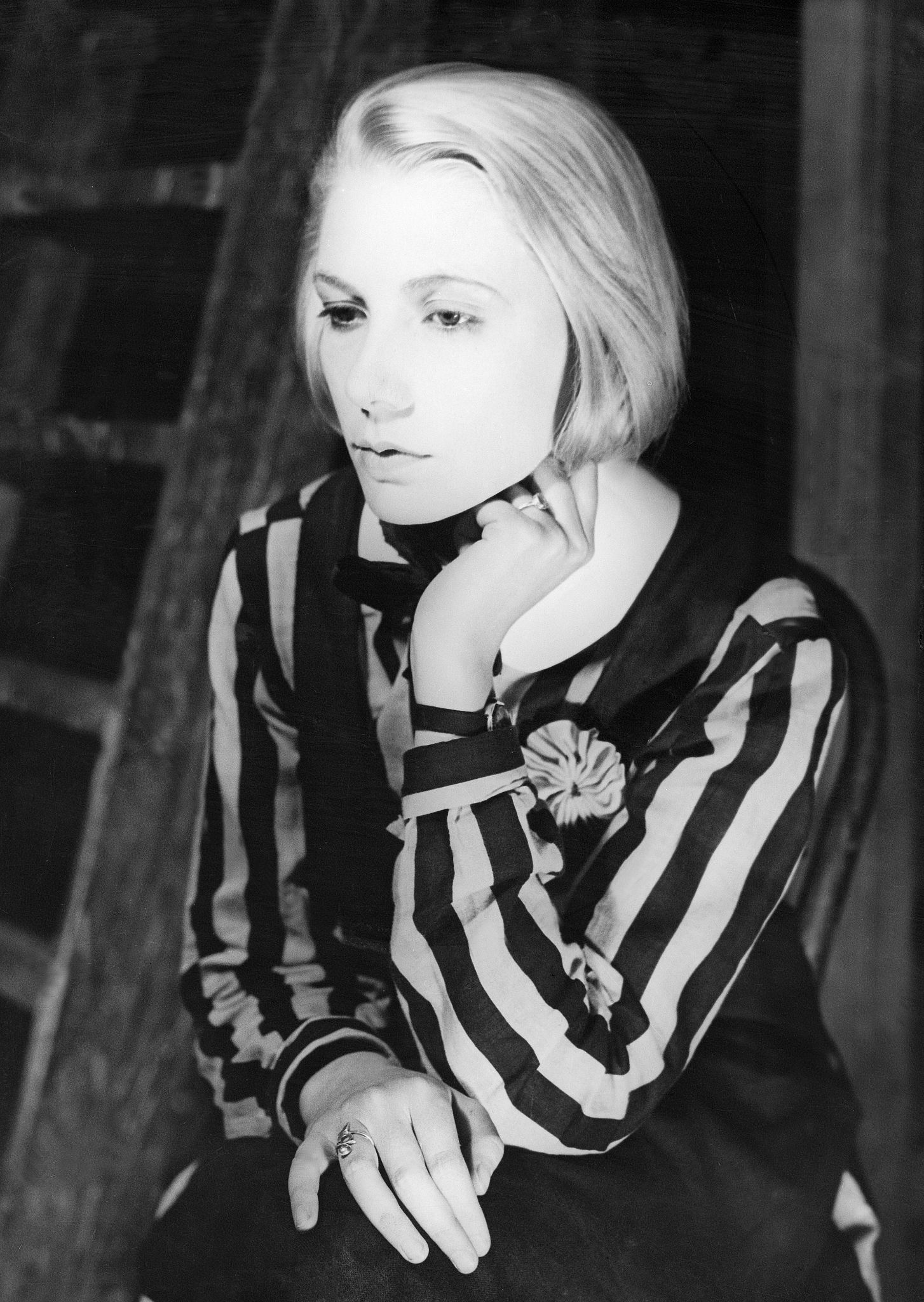
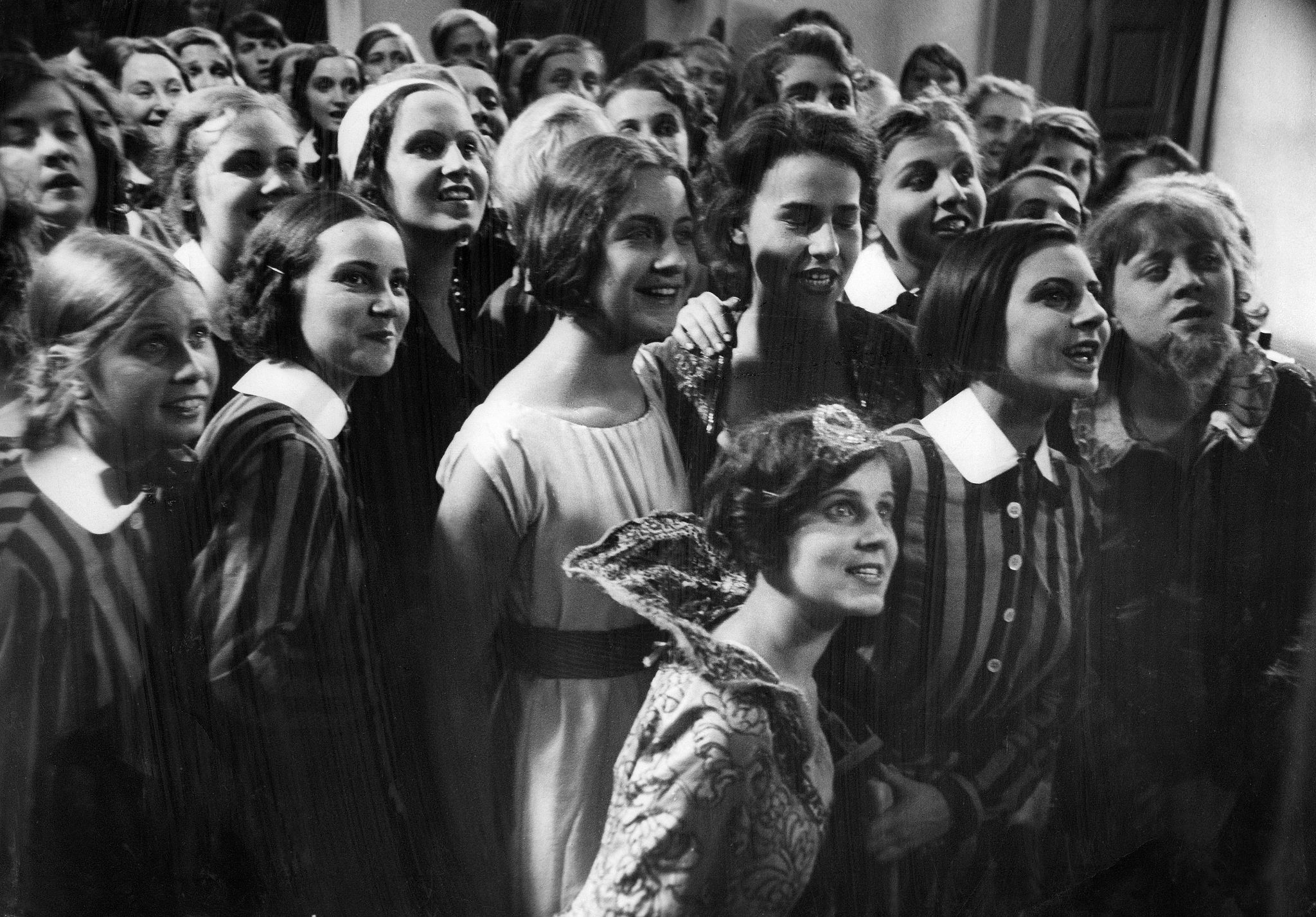
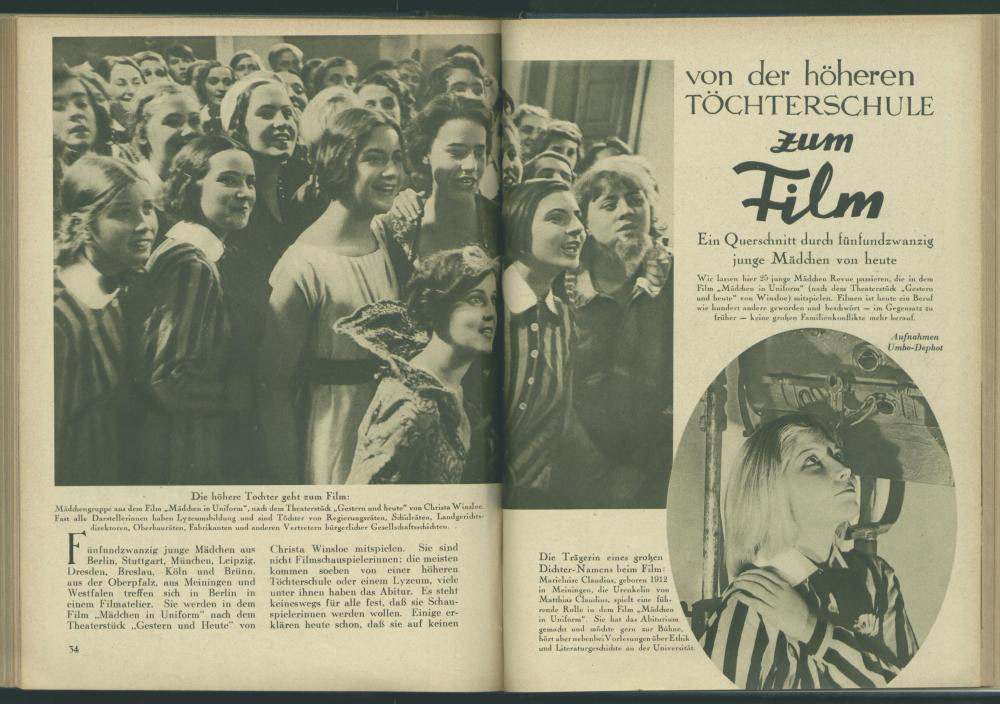
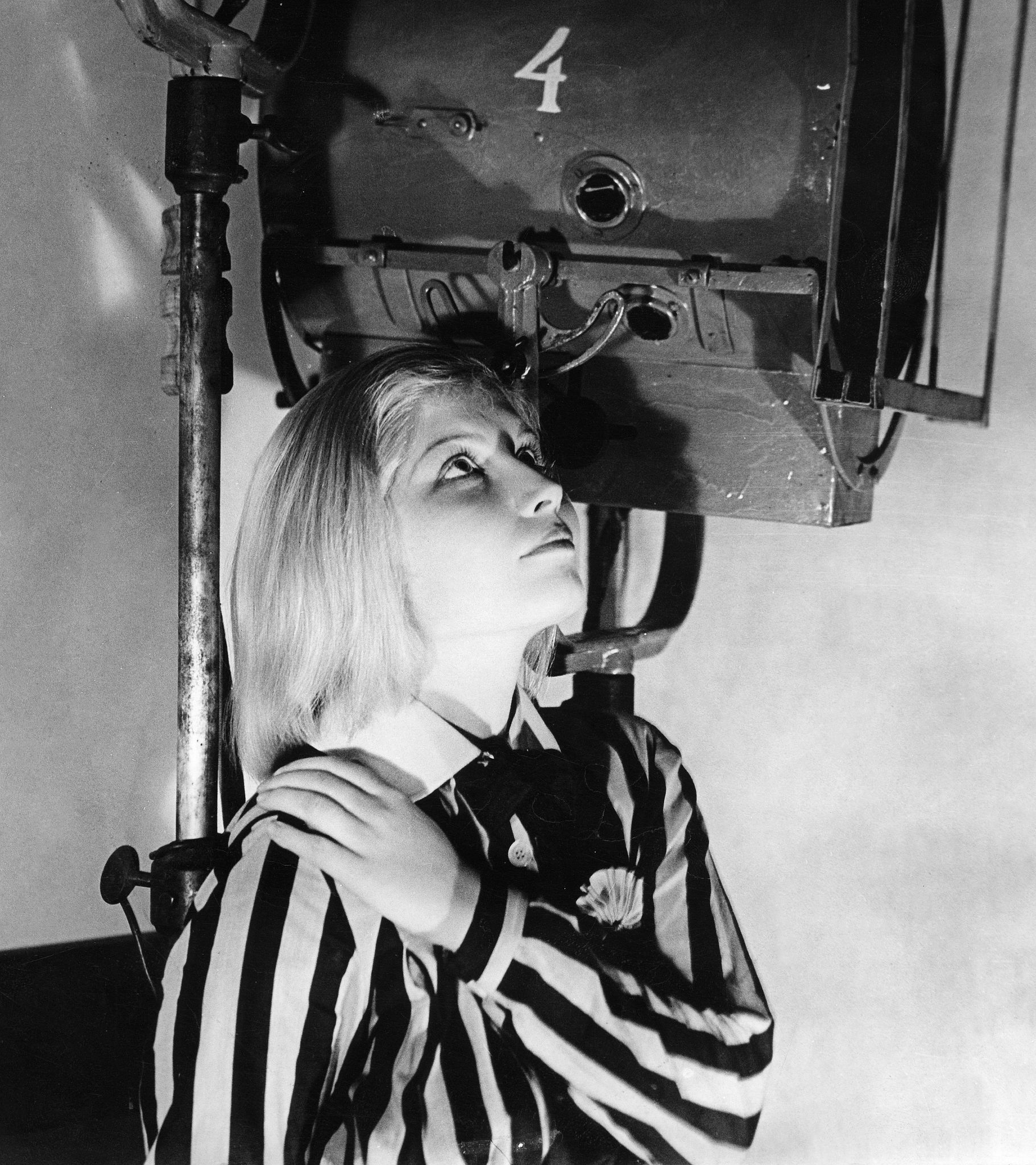
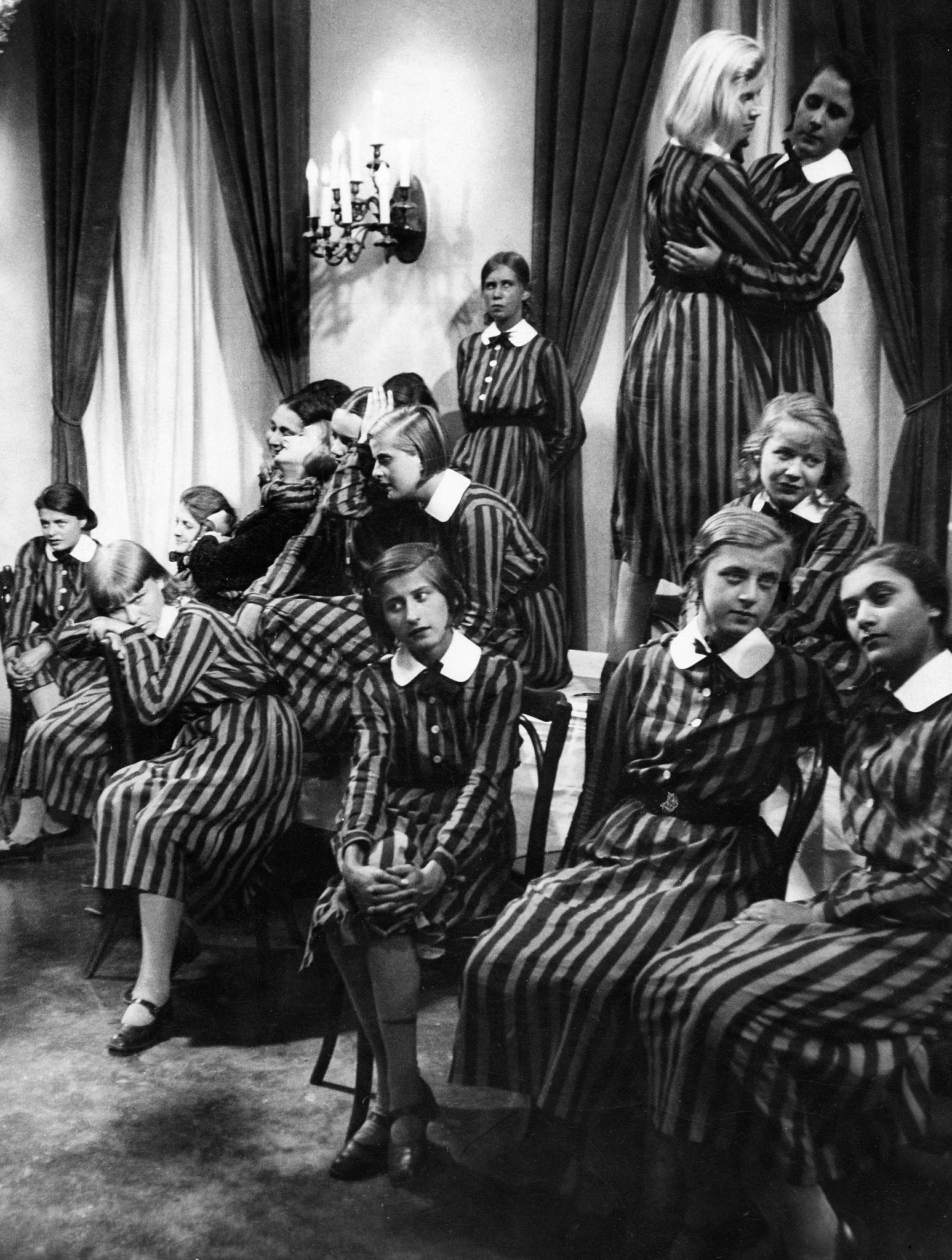
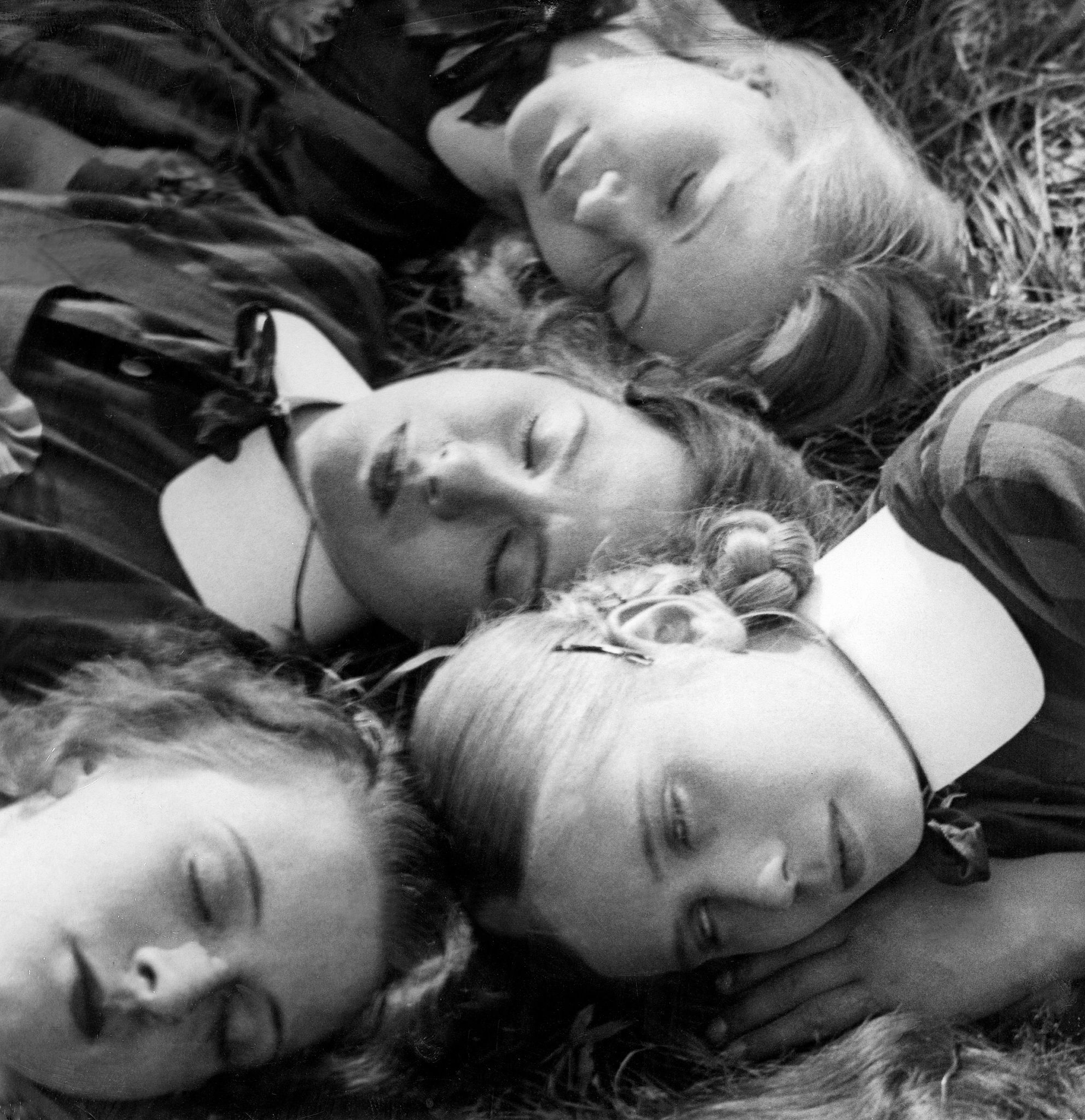
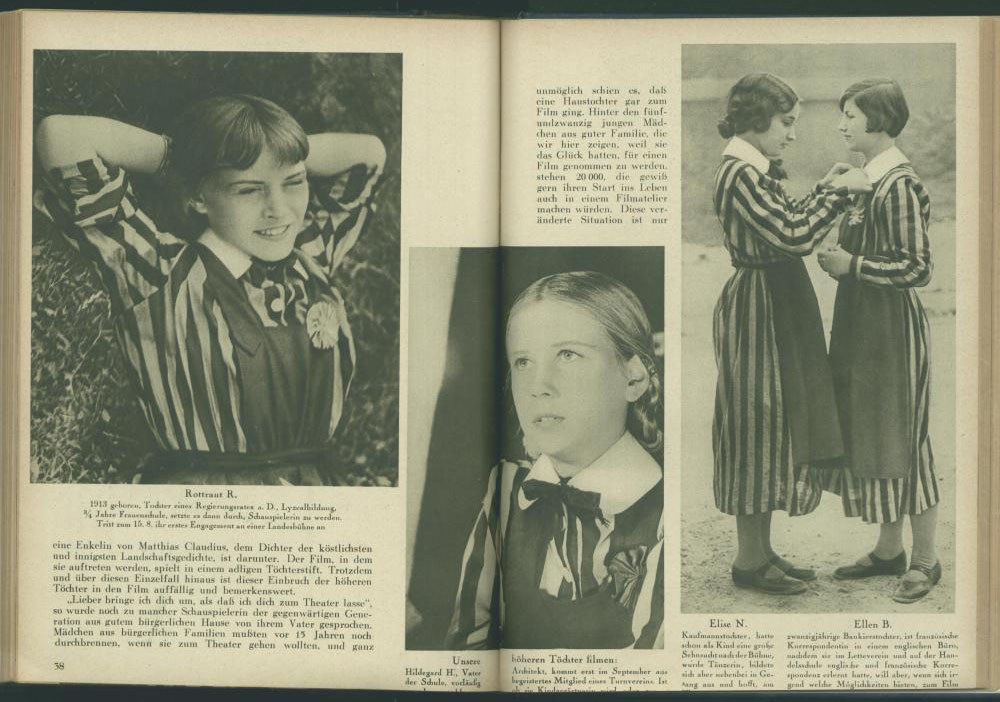
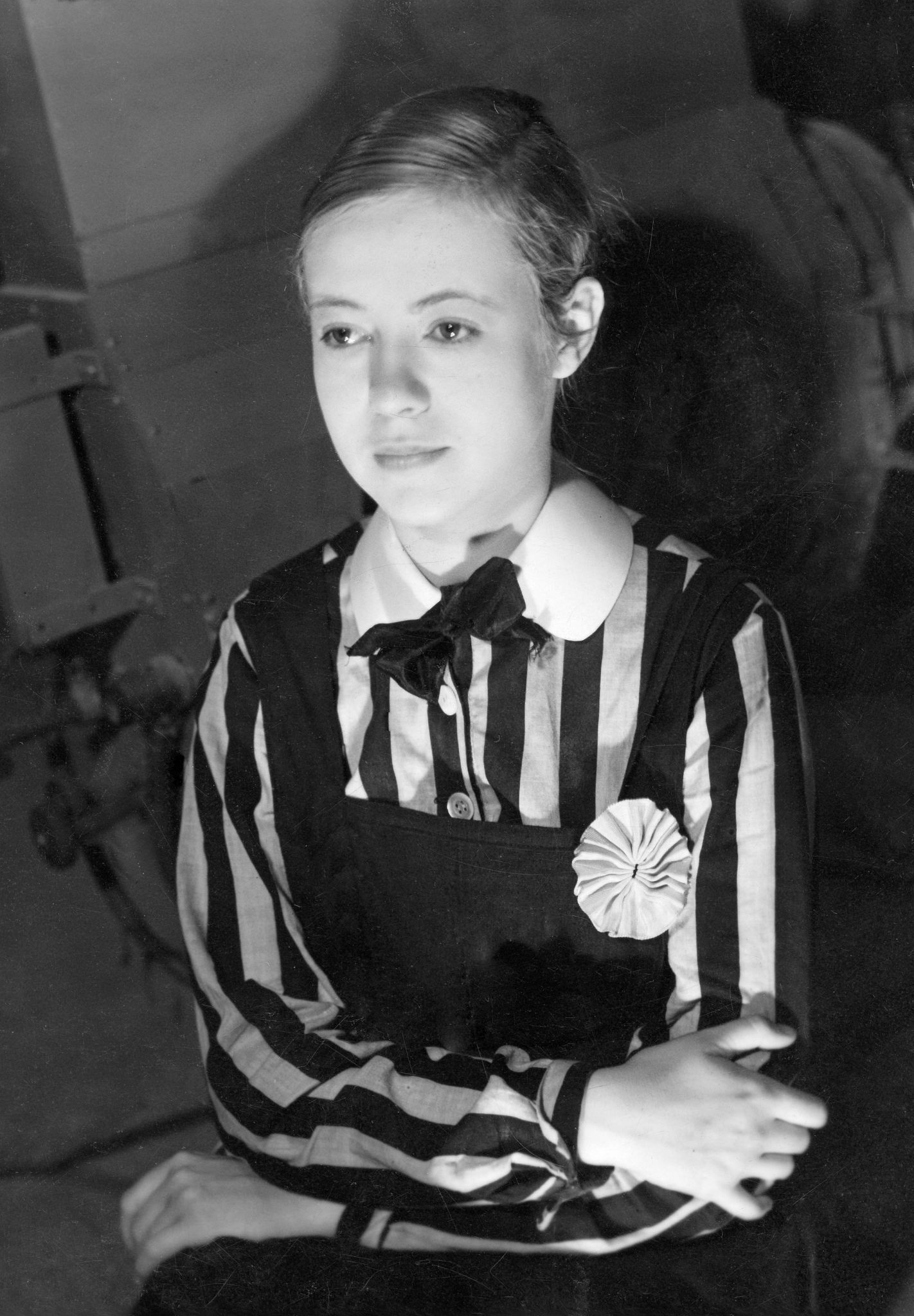
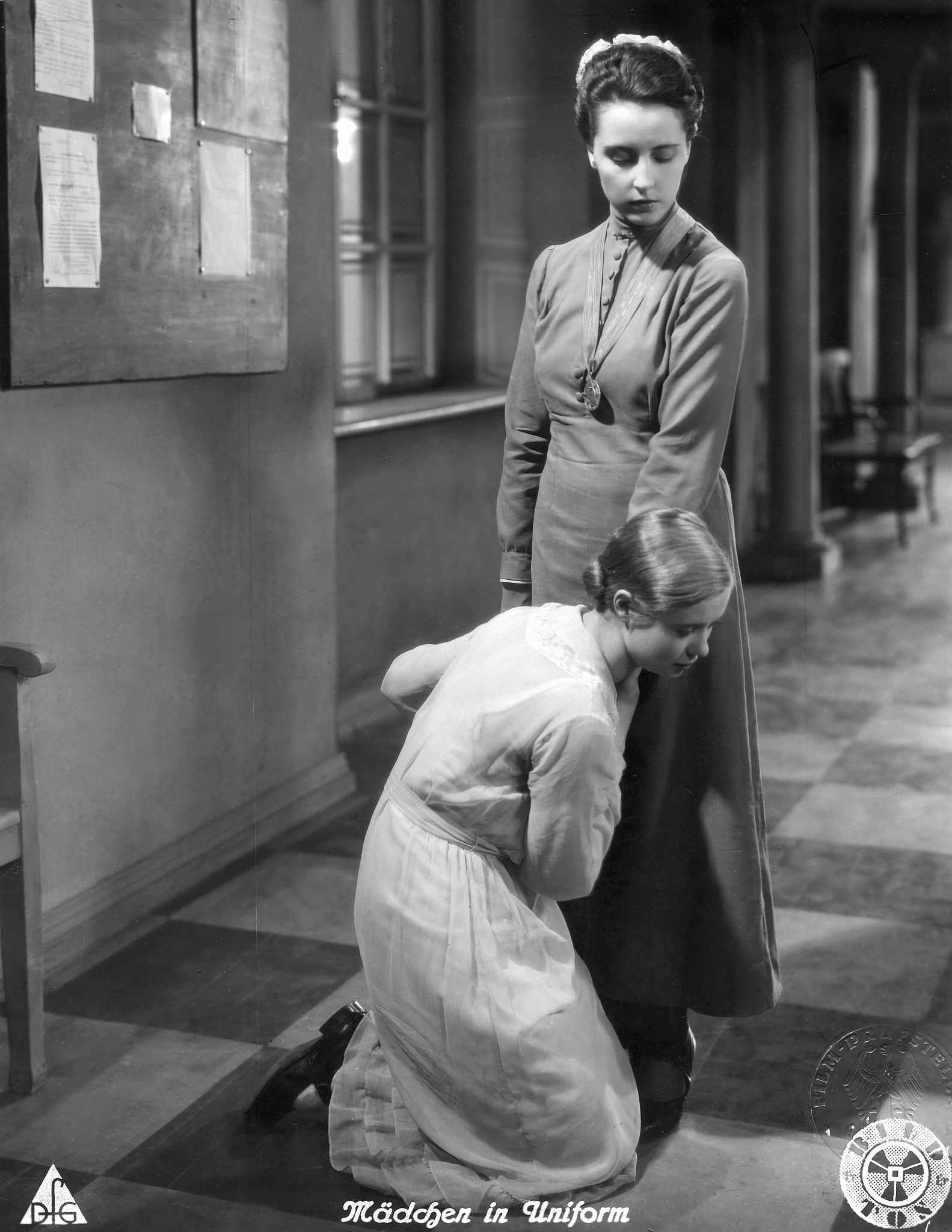
Umbo · Otto Umbehr ~ Scene from the movie Mädchen in Uniform (Film directed by Leontine Sagan and Carl Froelich, Germany, 1931) with Lore Schuetzendorf. Published by UHU 12/1931. | src getty imagesVon der höheren Töchterschule zum Film. Uhu, Band 7, Heft 12, September 1931Hedy Schlichter (1898-1984) as Hedwig, in a scene from Mädchen in Uniform (Germany, 1931). Published in Uhu 12/1931Umbo · Otto Umbehr ~ Scene from the movie Mädchen in Uniform (Germany, Leontine Sagan / Carl Frölich, 1931). Published by UHU 12/1931. | src getty imagesVon der höheren Töchterschule zum Film. Uhu, Band 7, Heft 12, September 1931Annemarie von Rochhausen in ‘Mädchen in Uniform’ (1931). Photo: Umbo. Published in Uhu 12/1931 | src getty imagesUmbo · Otto Umbehr ~ Scene from the movie Mädchen in Uniform (Germany, Leontine Sagan / Carl Frölich, 1931). Published by UHU 12/1931. | src getty imagesEin Querschnitt durch fünfundzwanzig junge Mädchen von heute. Uhu, Band 7, Heft 12, September 1931Marieluise Claudius during shootings of the movie Mädchen in Uniform (Germany, 1931). Published in Uhu 12/1931Umbo · Otto Umbehr ~ Scene from the movie Mädchen in Uniform (Germany, Leontine Sagan / Carl Frölich, 1931). Published by UHU 12/1931. | src getty imagesHeads of four girls lying on the grass. Scene from the movie ‘Mädchen in Uniform’. Published in Uhu 12/1931. Photo: UmboVon der höheren Töchterschule zum Film. Uhu, Band 7, Heft 12, September 1931Scene from the movie ‘Mädchen in Uniform’ (1931) with Hertha Thiele. Photo: Umbo. Published in Uhu 12/1931 | src getty imagesScene from the movie ‘Mädchen in Uniform’ (1931) with Dorothea Wieck (center). Photo: Umbo | src getty imagesHertha Thiele in a scene from the movie ‘Mädchen in Uniform’ (1931). Photo: Umbo (Otto Umbehr). Published in Uhu 12/1931Ilse Winter in a scene from Mädchen in Uniform (Germany, 1931). Published in Uhu 12/1931 | src getty imagesPreparing shootings of the movie Mädchen in Uniform (Germany, 1931). Published in Uhu 12/1931Ethel Reschke and Dora Thalmer in the film Mädchen in Uniform (Germany, 1931). Published in Uhu 12/1931Von der höheren Töchterschule zum Film. Uhu, Band 7, Heft 12, September 1931Hertha Thiele and Eva Pirk in a scene of the movie Mädchen in Uniform (Germany, 1931). Published in Uhu 12/1931Scene from the movie ‘Mädchen in Uniform’ (1931) with Hertha Thiele. Production still (?) | src getty images
Joseph Pennell :: Portrait of two women, one wearing man’s suit, 1898 / related post, here


























 un regard oblique