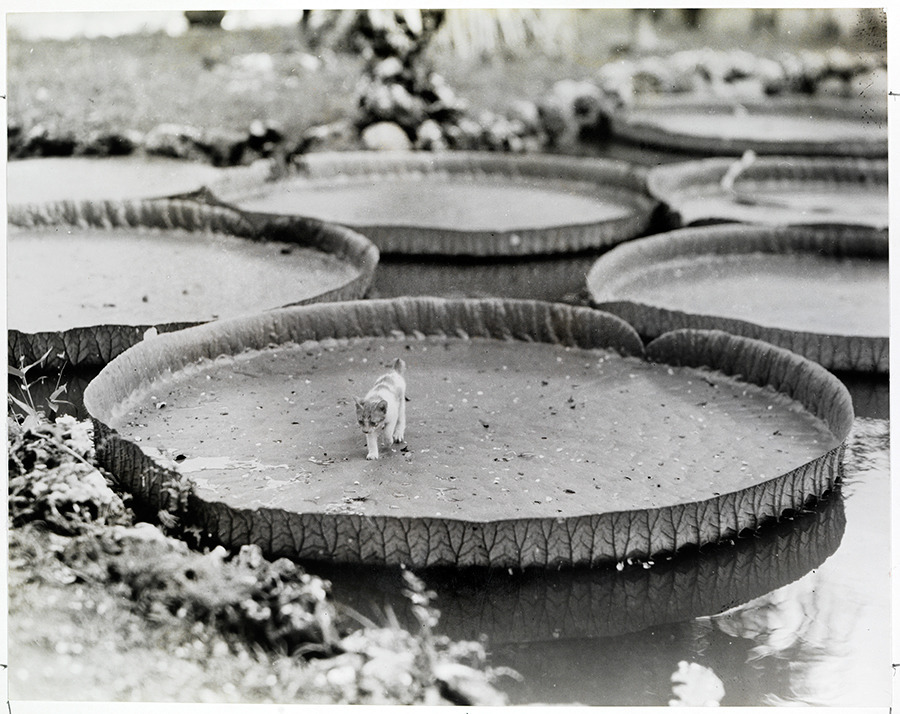
Alfred T. Palmer ::
A kitten aboard a floating giant Victoria water lily pad in the Philippines, 1935. / src: National Geographic Found
images that haunt us
Alfred T. Palmer ::
A kitten aboard a floating giant Victoria water lily pad in the Philippines, 1935. / src: National Geographic Found

Karl Blossfeldt :: Bryonia alba (White bryony, with leaf) B, 1920′s. Pinakothek der Moderne, München / src: Michael Hoppen Gallery
“From 1898-1932, Blossfeldt taught sculpture based on natural plant forms at the Royal School of the Museum of Decorative Arts (now the Hochschule für Bildende Künste) in Berlin. In his lifetime Blossfeldt’s work gained praise and support from critics such as Walter Benjamin, artists of the Neue Sachlichkeit (New Realism) and the Paris Surrealists. The words of Walter Benjamin repositioned the artist in modern art and photography and prior to publishing his photographic book in 1926, Blossfeldt was sent an invitation to exhibit his work at the Karl Nierendorf’s gallery.”
more [+] by this photographer
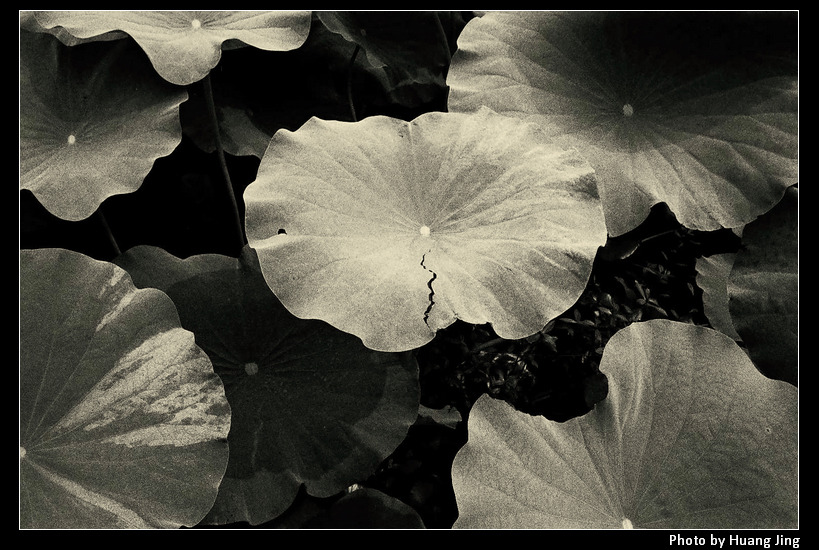
Jing Huang :: unknown title, from ‘Pure of Sight’ / source: china daily
more [+] by this photographer

Olive Cotton :: Skeleton leaf, 1964
Filósofo alemán (valga la redundancia), maestro de lo minúsculo, creador de aforismos geniales («Ya no se queman brujas, pero siempre es posible quemar una carta que dice alguna verdad incómoda»), Georg Christoph Lichtenberg fue además un inventor ocasional que soñó con un «balneario de aire» y un «cadalso con pararrayos». A la postre, sin embargo, no supo inventar nada mejor que un objeto genial y minúsculo como sus aforismos. Tan minúsculo que, paradójicamente invisible, lo describió como «un cuchillo sin filo al que le falta el mango». Eduardo Berti. Breve catálogo de invenciones imaginarias. Ed. Impedimenta, 2017 / via
 un regard oblique