Out of the Fog, 1919
images that haunt us

![Alfred Kubin :: Die Blätter mit dem Tod; [cover title]: Ein Totentanz. Berlin: Bruno Cassirer, 1918. First Edition. Kubin's sequence of 24 lithographic images depicts death in a variety of contexts and including the title page and final vignette, in which which a gravestone bears the the artist's own name; the cover is an additional lithograph. Kubin was well known for his explorations of macabre and satirical subject matter. This interpretation of the "Dance of Death" appeared at a moment when four years of world war and a spreading influenza pandemic meant that virtually no-one was untouched by death. | src locus solus rare books](https://unregardoblique.com/wp-content/uploads/2022/05/die-blatter-mit-dem-tod.jpg)
![Alfred Kubin :: Das Ballgespenst [The Ball Ghost], thirteenth plate in the book Ein Totentanz. Folio, 25 unpaginated leaves, printed on rectos only (Berlin, Bruno Cassirer, 1918). | src Fine Arts Museums of San Francisco](https://unregardoblique.com/wp-content/uploads/2021/08/alfred-kubin-das-ballgespenst-thirteenth-plate-in-the-book-ein-totentanz-berlin-bruno-cassirer-1918-src-fine-arts-museums-of-sf.jpg?w=612)
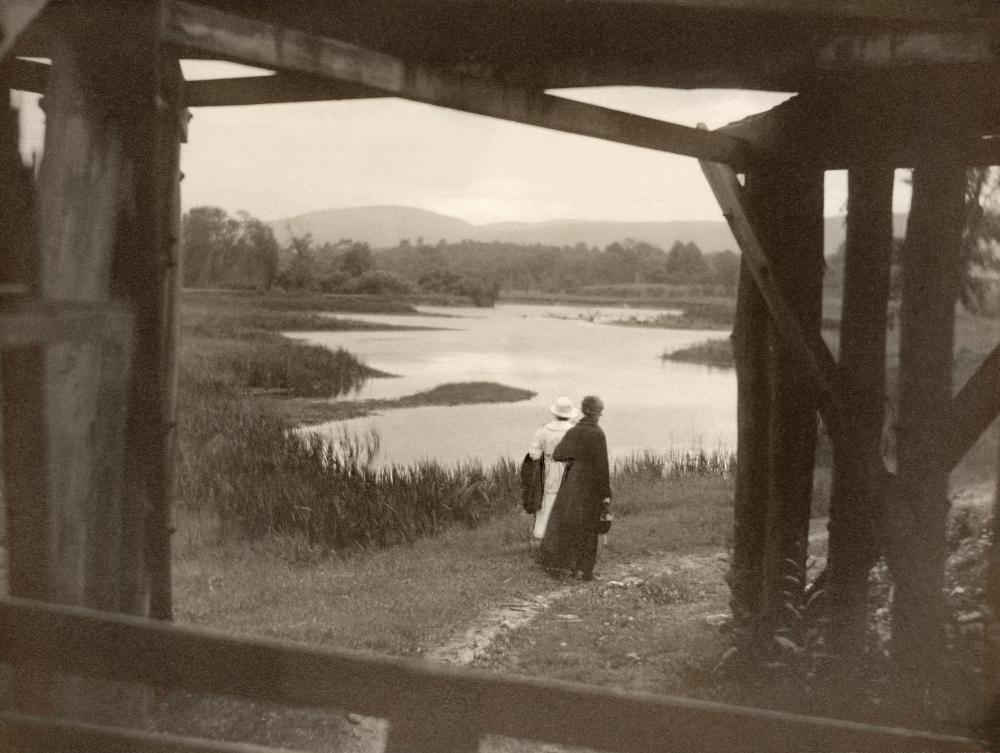
This image, very graphic in its composition, shows the influence of Arthur Wesley Dow, a specialist in Japanese art and in particular in the art of Nōtan [濃淡], the harmony and interplay between light and dark elements (B&W)


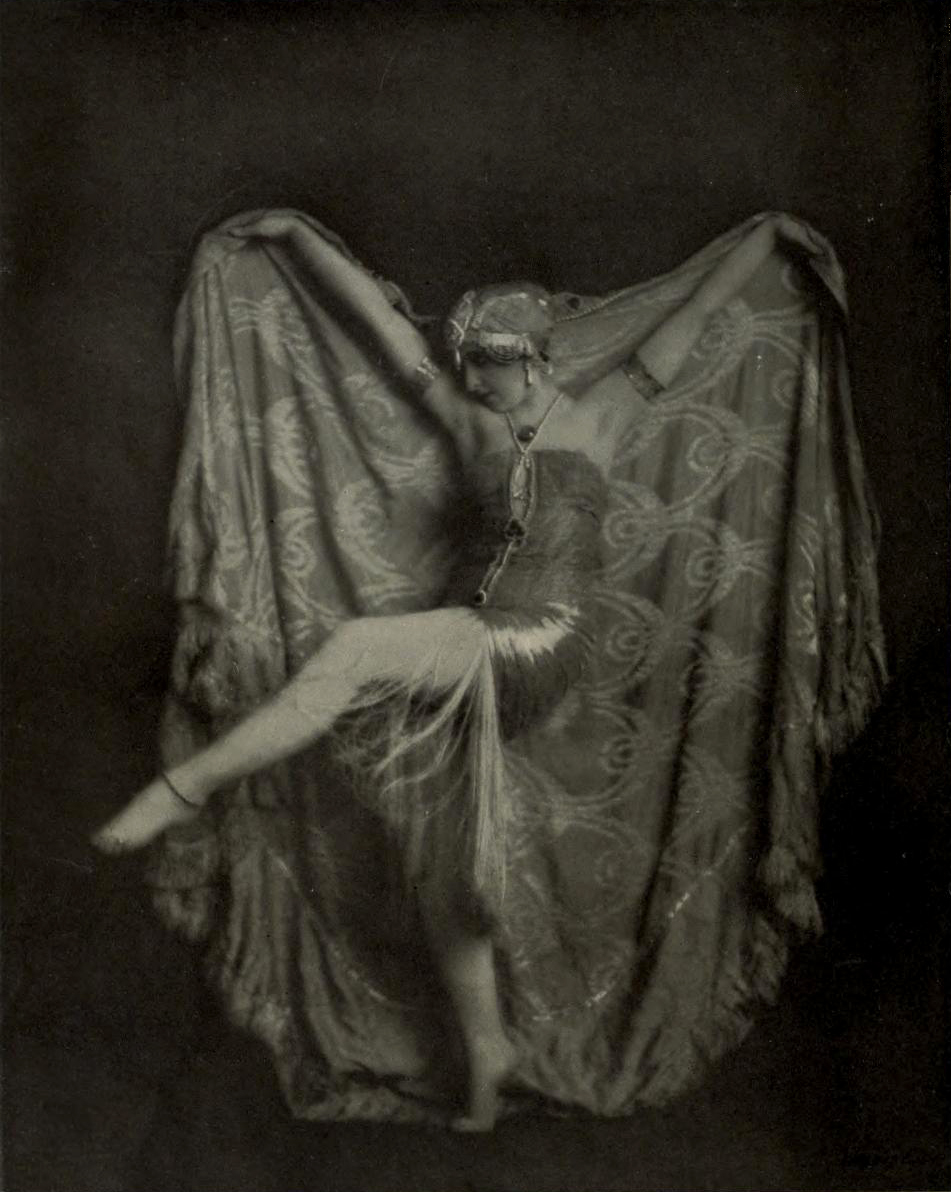
Waldemar Eide is presented in a large exhibition at the Stavanger Art Museum this winter.
Waldemar Eide is presented in a large exhibition at the Stavanger Art Museum this winter. Waldemar Eide was born in Stavanger in 1886 and was one of Norway’s leading portrait photographers in the first half of the 20th century. He was among the first photographers to consider himself a visual artist, and had an active exhibition business in Stanvanger and abroad. He received several awards for his photographs and also regularly wrote about art and photography for trade journals and newspapers.
Eide was a pictorialist and thus placed great emphasis on the painterly qualities, on light and shadow in a picture. This led to his pictures often convey an almost dreamlike sense and this style resonated well with the dancers, actors and musicians of the time.
His studio in Stavanger was a meeting place for visiting artists and personalities who wanted to have their portraits taken, as well as the local population. Composer Sergej Rakhmaninov, historian Macody Lund and opera singer Kaja Eide Norena were among the many he photographed. He is perhaps best known for the pictures of the Russian ballet dancer Vera Fokina, whom he depicted in 1919.
The exhibition is curated by art historian at Stavanger art museum Vibece Salthe and is on display until 19 February 2017. [quoted from Norges Fotografforbund, original text below (*)]

[(*) quote in original language] Waldemar Eide presenteres i stor utstilling på Stavanger kunstmuseum denne vinteren.
Waldemar Eide presenteres i stor utstilling på Stavanger kunstmuseum denne vinteren.Waldemar Eide ble født i Stavanger i 1886 og var en av Norges ledende portrettfotografer i første halvdel av 1900-tallet. Han var blant de første fotografene som betraktet seg som billedkunstner, og hadde en aktiv utstillingsvirksomhet i inn- og utland. Han mottok flere priser for sine fotografier og skrev i tillegg jevnlig om kunst og fotografi for fagtidsskrifter og aviser.
Eide var piktorialist og la dermed stor vekt på de maleriske kvalitetene, på lys og skygge i et bilde. Det førte til at bildene hans ofte fikk et nærmest drømmende preg og denne stilen resonnerte godt med tidens dansere, skuespillere og musikere.
Atelieret hans i Stavanger var et møtested for besøkende kunstnere og personligheter som ville la seg portrettere, i tillegg til lokalbefolkningen. Komponisten Sergej Rakhmaninov, historikeren Macody Lund og operasangeren Kaja Eide Norena var blant de mange han fotograferte. Mest kjent er han kanskje for bildene av den russiske ballettdanseren Vera Fokina, som han avbildet i 1919.
Utstillingen er kuratert av kunsthistoriker ved Stavanger kunstmuseum Vibece Salthe og vises til og med 19. februar 2017. | src Norges Fotografforbund
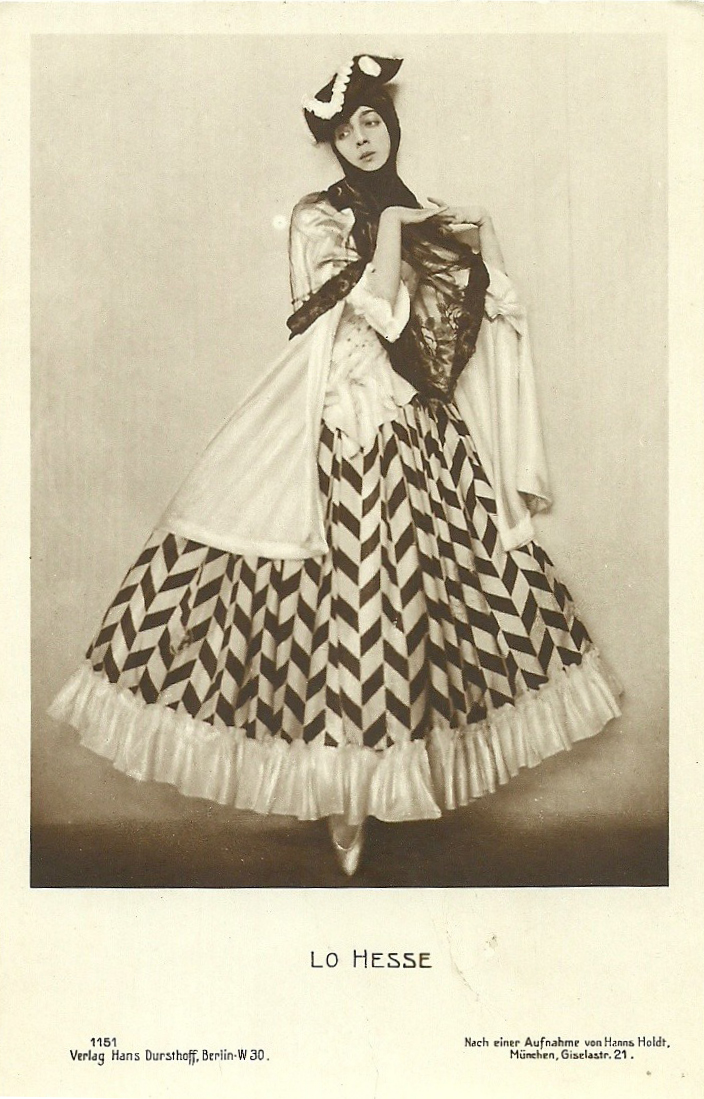
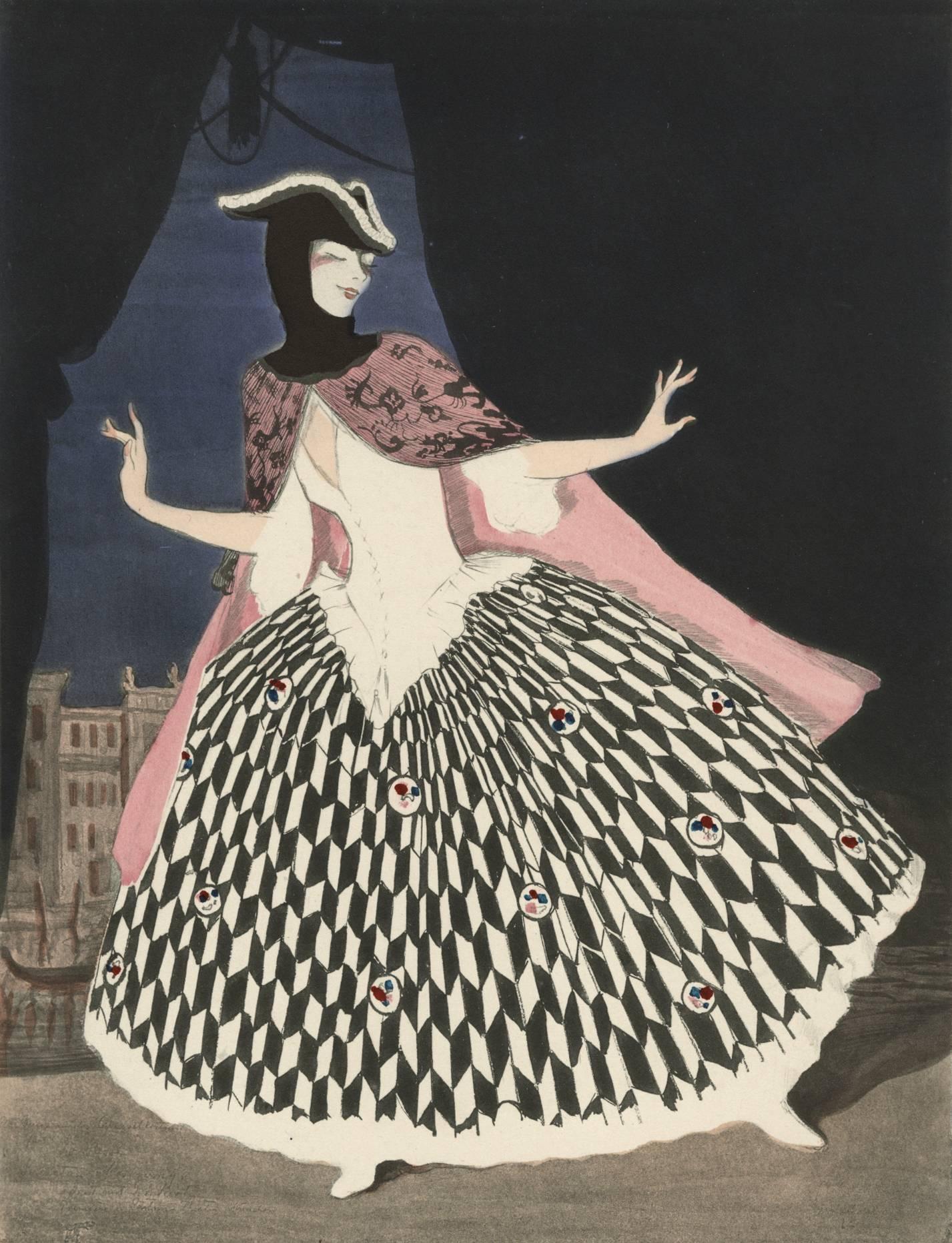
«Lo Hesse was active in Munich and Berlin between 1916 and 1920. Her dances relied heavily on extravagantly exotic costumes designed mostly by the German expressionist artist Walter Schnackenberg.»

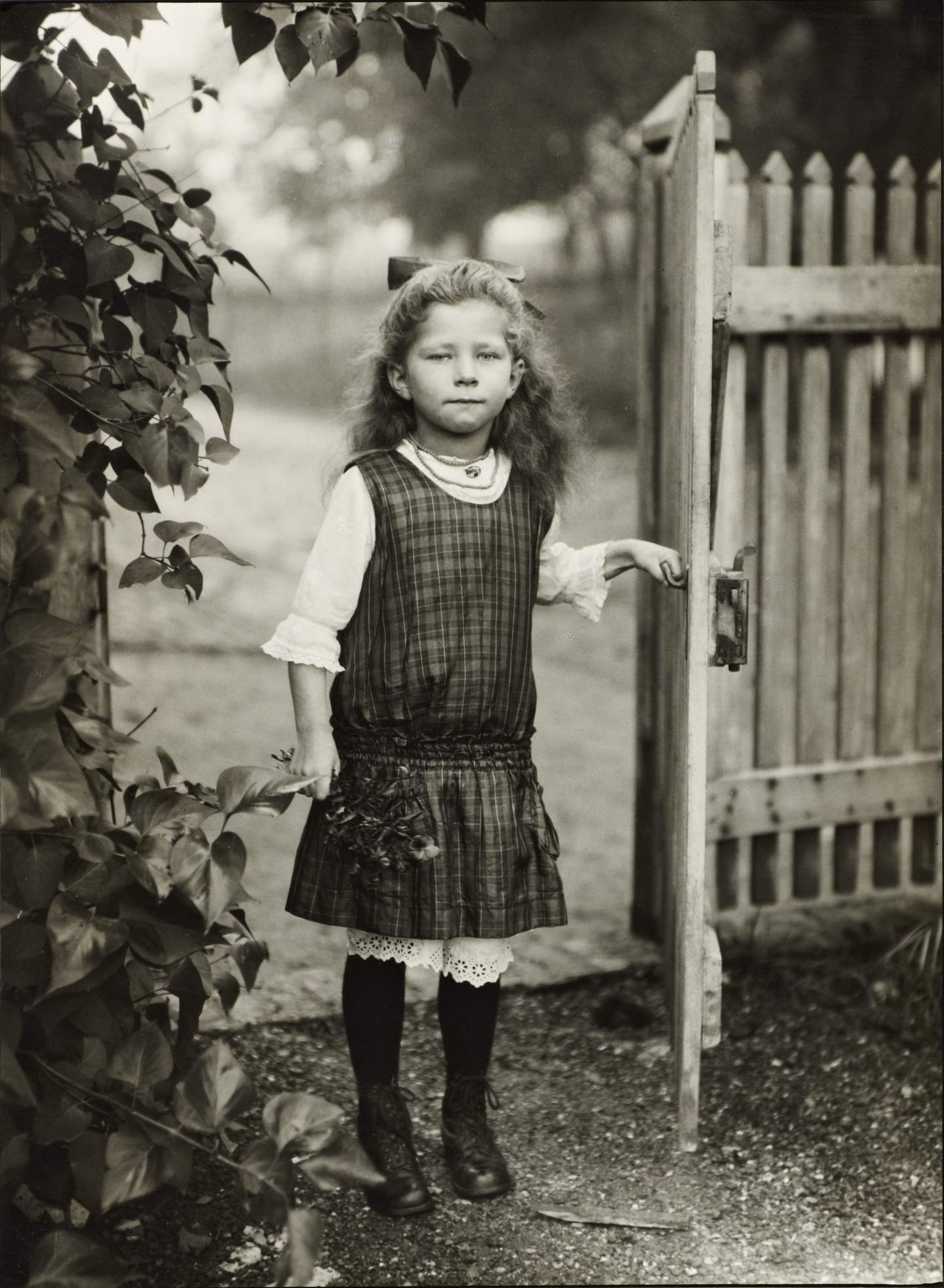
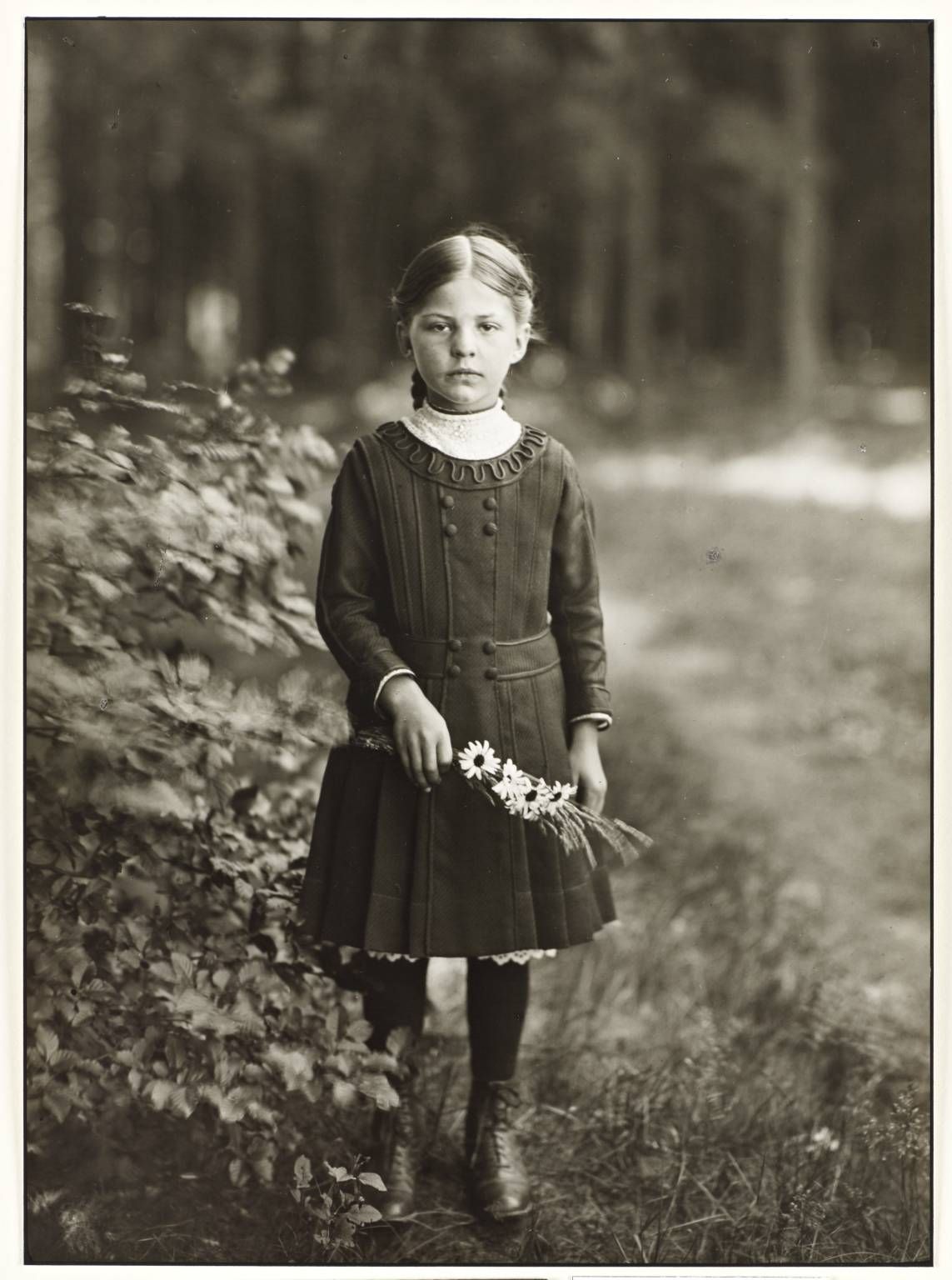
Portraying a Nation, which exhibits Dix and Sander as a pair for the first time, reflects a pivotal point in Germany’s history, as it introduced democratic rule in the aftermath of the First World War. The period was one of experimentation and innovation across the visual arts, during which both artists were concerned with representing the extremes of society, from the flourishing cabaret culture to intense poverty and civilian rebellions.
Featuring more than 300 paintings, drawings, prints and photographs, Portraying a Nation unites two complementary exhibitions. Otto Dix: The Evil Eye explores Dix’s harshly realistic depictions of German society and the brutality of war, while ARTIST ROOMS: August Sander presents photographs from Sander’s best known series People of the Twentieth Century, from the ARTIST ROOMS collection of international modern and contemporary art.
The exhibition focusses on the evolution of Dix’s work during his years in Düsseldorf, from 1922 to 1925, when he became one of the foremost New Objectivity painters, a movement exploring a new style of artistic representation following the First World War. Dix’s paintings are vitriolic reflections on German society, commenting on the country’s stark divisions. His work represents the people who made up these contradictions in society with highlights including Portrait of the Photographer Hugo Erfurth with Dog 1923, Self-Portrait with Easel 1926, as well as a large group of lesser known watercolours. Dix’s The War 1924 will also form a key element of the exhibition, a series of 50 etchings made as a reaction to and representation of the profound effect of his personal experiences of fighting in the First World War.
Sander’s photographs also observe a cross-section of society to present a collective portrait of a nation. Sander commenced his major photographic project People of the Twentieth Century in 1910, an ambitious task that occupied him until the 1950s. The project resulted in more than 600 images in which people were categorised into what he described as ‘types’, including artists, musicians, circus workers, farmers and, in the late 1930s, images of Nazi officers. More than 140 photographs from the ARTIST ROOMS collection will be displayed to create a large-scale timeline of Weimar Germany, placing individual subjects against a backdrop of the era’s tumultuous cultural and political history.
Text quoted from Tate gallery Liverpool: Portraying a Nation: Germany 1919-1933
 un regard oblique