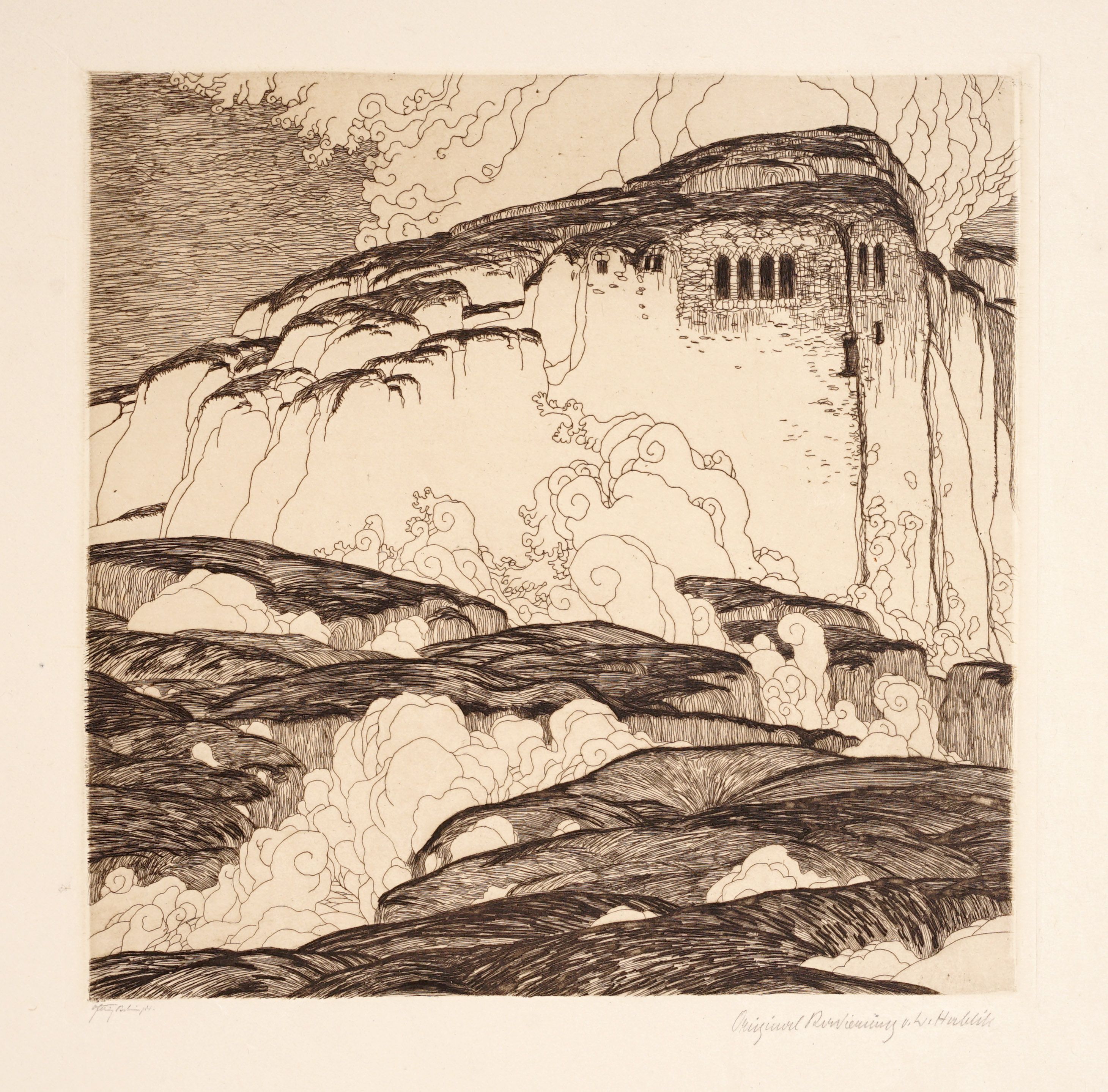
Wenzel August Hablik, Two graphics for “Page from the Fairy Tale Book” and three other motifs. Around 1910. Etchings and aquatint on various laid paper. Each signed or monogrammed in lead. Partly titled or with publisher’s signature “O. Felsing, Berlin”. | src Schmidt DresdenWenzel August Hablik, Zwei Grafiken zu “Blatt aus dem Märchenbuch” sowie drei weitere Motive. Um 1910. Radierungen und Aquatinta auf verschiedenen Büttenpapieren. Jeweils in Blei signiert oder ligiert monogrammiert. Zum Teil betitelt bzw. mit Verlegersignatur “O. Felsing, Berlin”. | src Schmidt Dresden
Wenzel August Hablik, “Vom Zauberschloss” Um 1910. Radierung und Aquatinta auf Büttenpapieren.| src Schmidt Dresden Wenzel August Hablik, “From the magic castle” around 1910. Etching and aquatint on laid paper. Signed and monogrammed
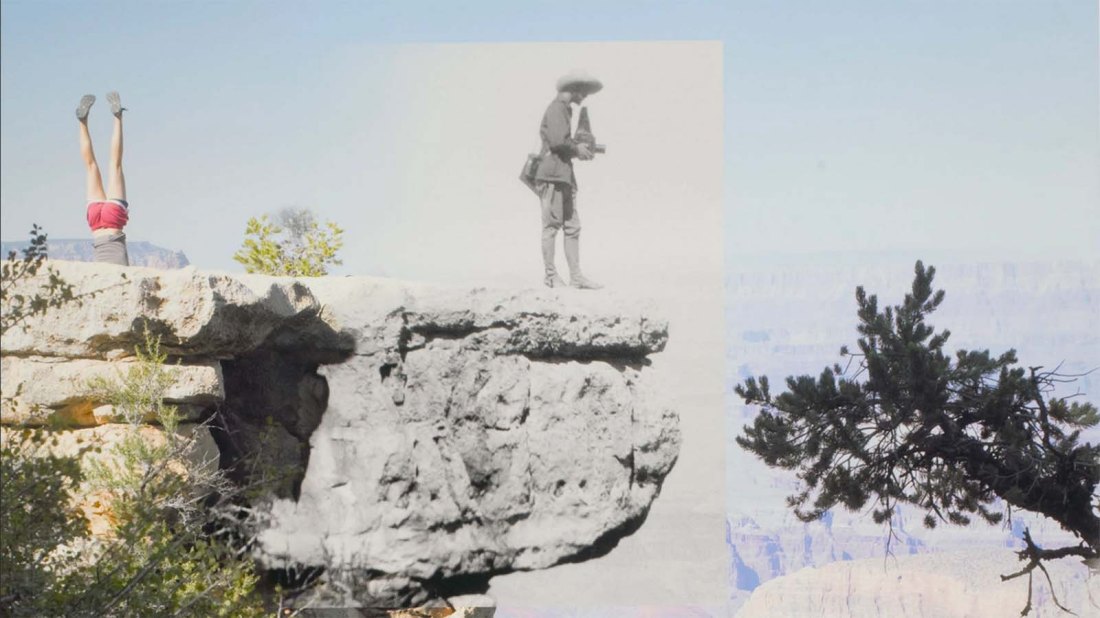
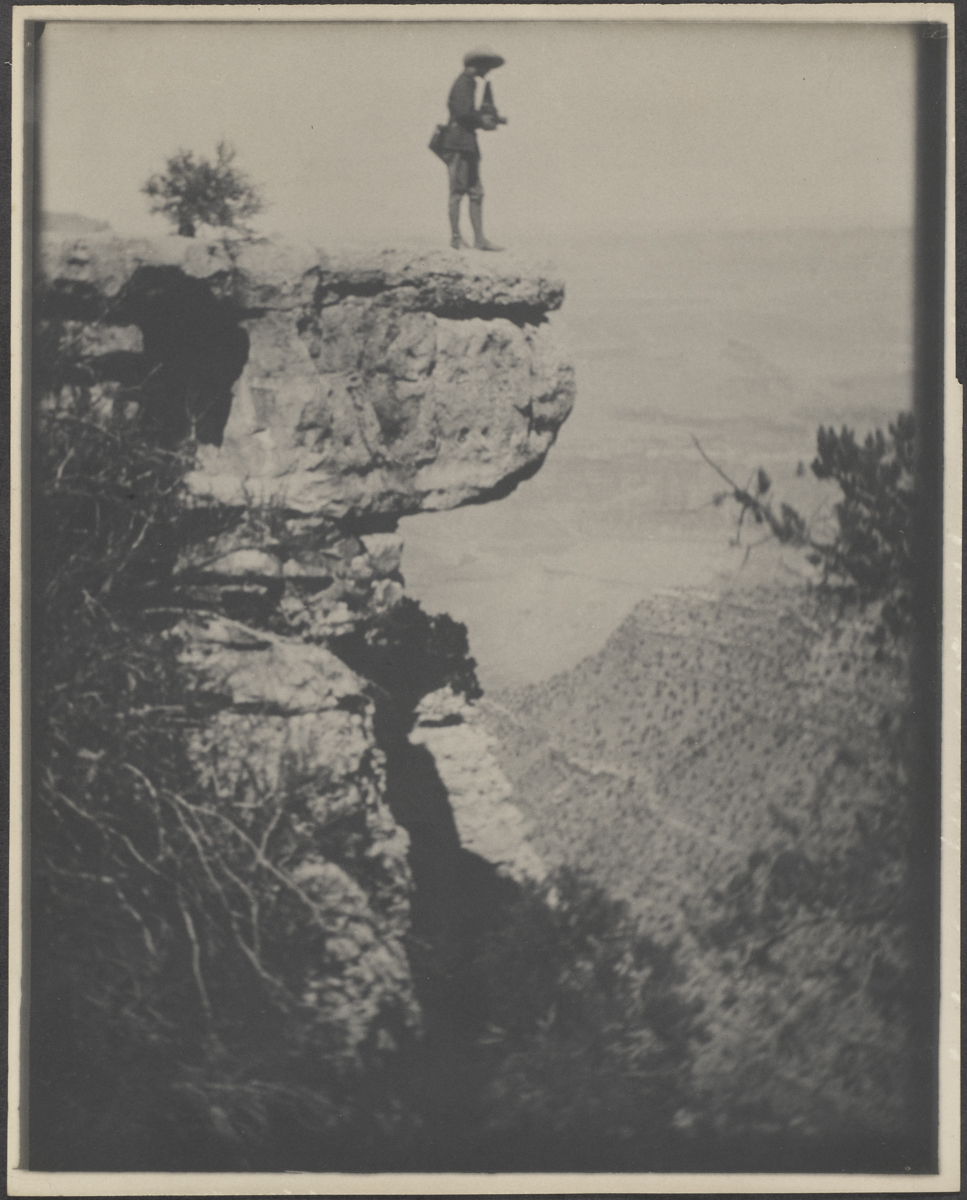
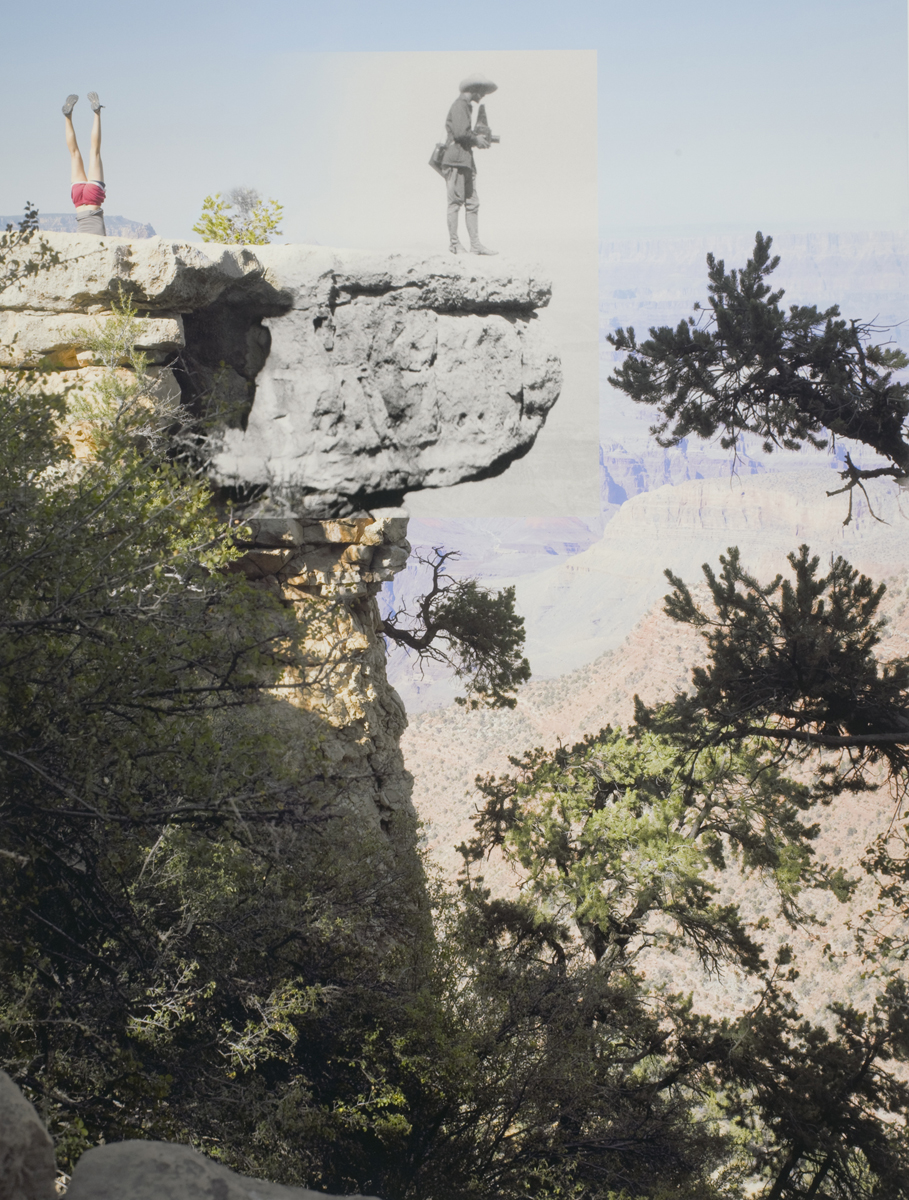
Fannie E. Coburn (1848–1928) :: Alvin Langdon Coburn at the Grand Canyon, 1911. Platinum print, printed by Alvin Langdon Coburn. | src George Eastman MuseumMark C. Klett and Byron Wolfe :: Woman on head and photographer with camera; unknown dancer and Alvin Langdon Coburn at Grand View Point, 2009. Inkjet print, printed 2011. From the series Reconstructing the View Grand Canyon Photographs. | src George Eastman Museum
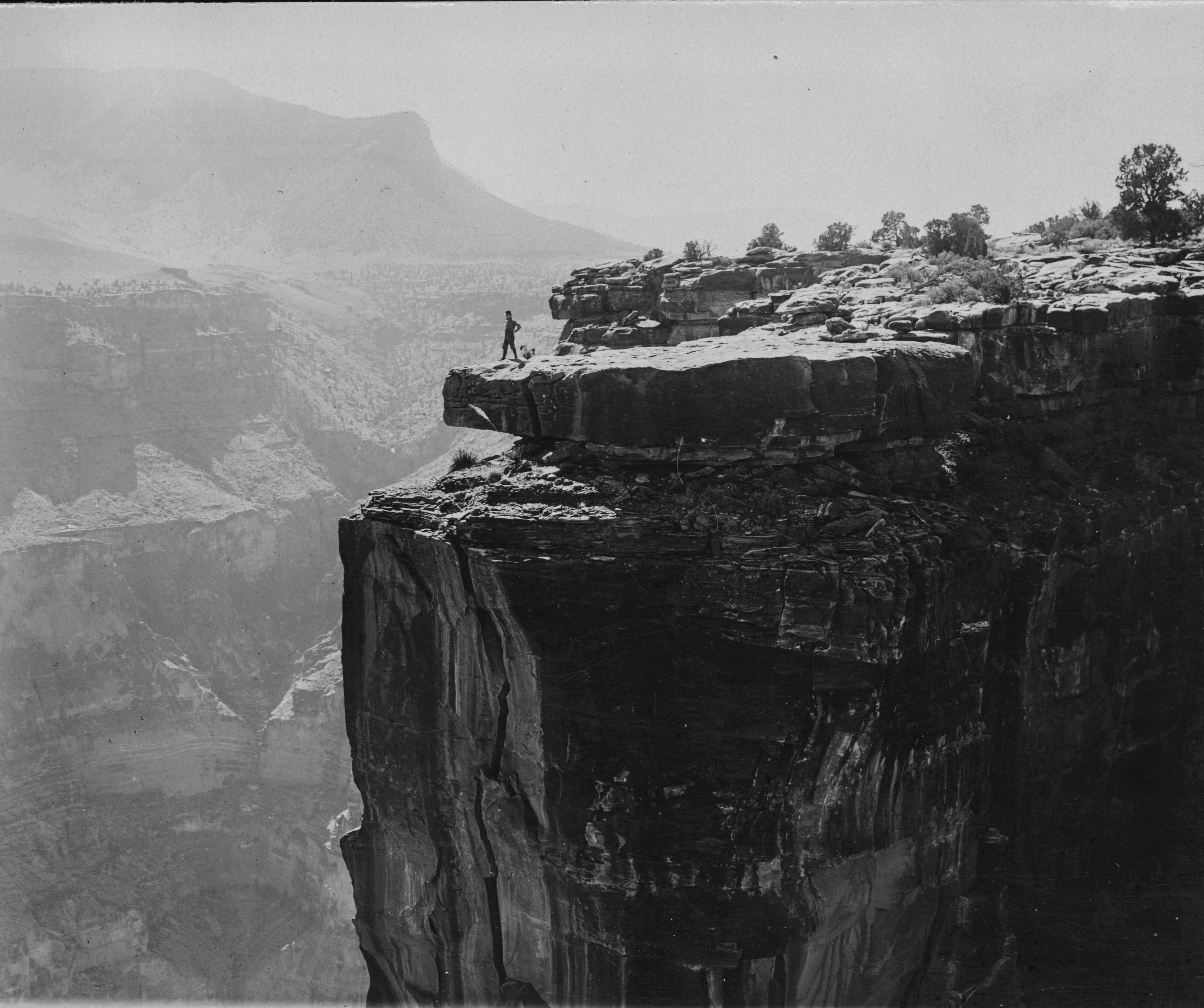
Photograph of a person on the edge of a cliff in the Grand Canyon, Arizona, 1900-1940. | src USC Digital Library
Photograph of a person on the edge of a cliff in the Grand Canyon, Arizona, 1900-1940. A steep and tall cliff can be seen from center towards the right. Trees and boulders are visible on the flat top of the cliff, as well as a person standing at the edge at center. The sides of the cliff are composed of smooth rock, while other canyons and mountains can be seen in the left background.
Photograph of a person on the edge of a cliff in the Grand Canyon, Arizona, 1900-1940. [detail] From the USC Digital Library
Public Domain. Please credit both “University of Southern California. Libraries” and “California Historical Society” as the source. Digitally reproduced by the USC Digital Library
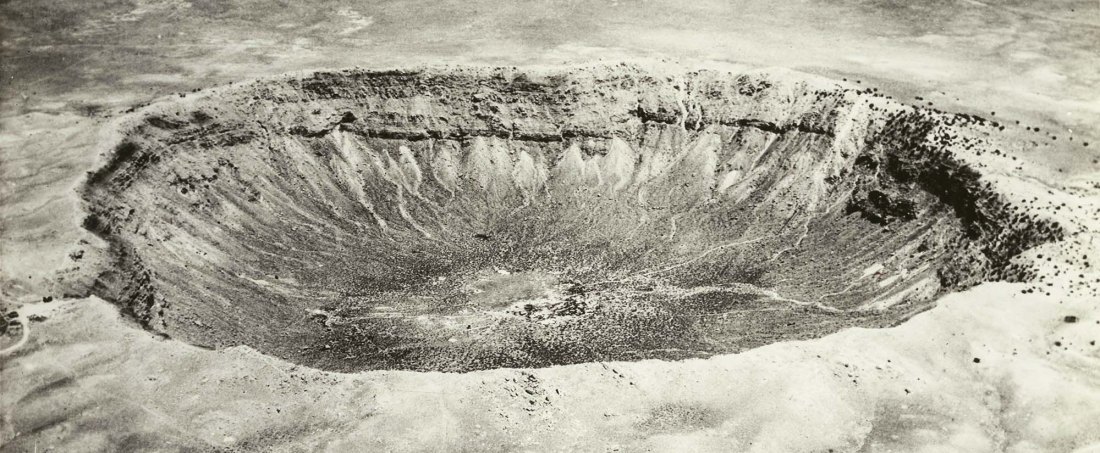
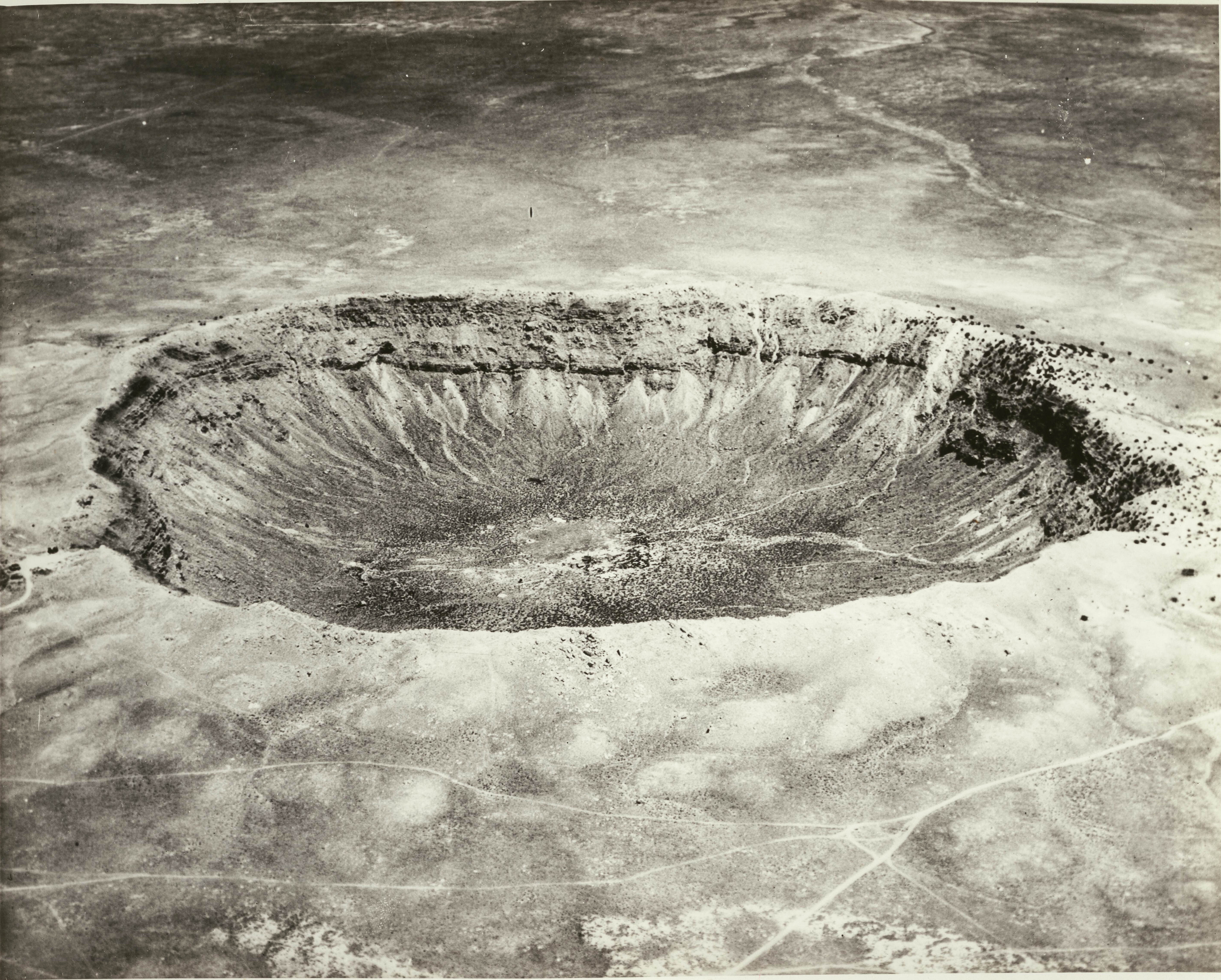
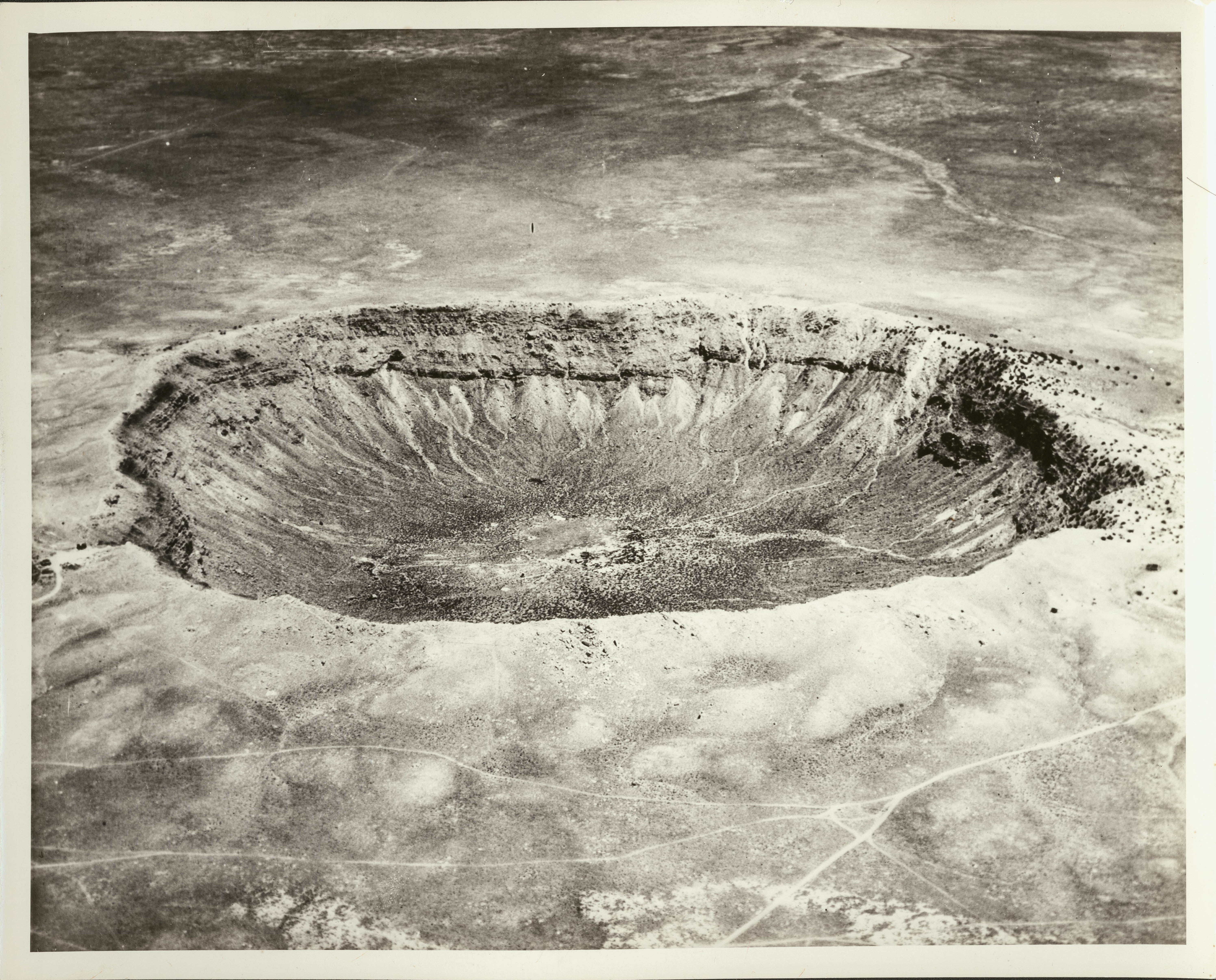
Photograph of the Barringer Crater in Arizona, ca. 1920. A large depression is pictured at center, striated with different colors of sand and other mineral deposits. The surrounding area appears to be barren and flat. | src USC
The Barringer Crater, also known as Meteor Crater, is a large impact crater located in Arizona, in the United States (*). It is about 1.2 kilometers (0.75 miles) in diameter and about 170 meters (570 feet) deep. The crater was formed about 50,000 years ago when an iron meteorite struck the Earth’s surface. It is unusually well preserved in the arid climate of the Colorado Plateau, in fact the (alleged) best preserved meteorite impact site on Earth and is a popular tourist destination. The crater is named after the mining engineer and businessman Daniel M. Barringer, who was the first person to suggest that it was formed by the impact of a large iron-metallic meteorite on Earth.
(*) The site had several earlier names, and the fragments of the meteorite are officially called the Canyon Diablo Meteorite, after the adjacent Cañon Diablo.
Photograph of the Barringer meteor crater in Arizona, ca. 1920. | src USC
This is a Public Domain Work. Please credit both “University of Southern California. Libraries” and “California Historical Society” as the source. Digitally reproduced by the USC Digital Library.
Meteor Crater (also known as Barringer Crater) on Earth is only 50,000 years old. Even so, it’s unusually well preserved in the arid climate of the Colorado Plateau. Meteor Crater formed from the impact of an iron-nickel asteroid about 46 meters (150 feet) across. Most of the asteroid melted or vaporized on impact. The collision initially formed a crater over 1,200 meters (4,000) feet across and 210 meters (700 feet) deep. Subsequent erosion has partially filled the crater, which is now only 150 meters (550 feet) deep. Layers of exposed limestone and sandstone are visible just beneath the crater rim, as are large stone blocks excavated by the impact.
Impacts have shaped the Earth and Moon since early in the history of the solar system. In fact, the Moon likely formed when a proto-planet (likely the size of Mars) crashed into the Earth over 4.5 billion years ago. The collision sprayed material from the two worlds into orbit around the Earth. The debris coalesced and formed the Moon.
Meteorites continue to strike both the Earth and Moon. Micrometeorites bombard the Earth continuously. Larger asteroids hit Earth less frequently. Asteroids measuring roughly 50 meters (160 feet) across strike the Earth every 1,000–2,000 years, while more than 100,000 years typically elapse between strikes from asteroids larger than 1,000 meters (3,300 feet) across. [quoted from NASA]
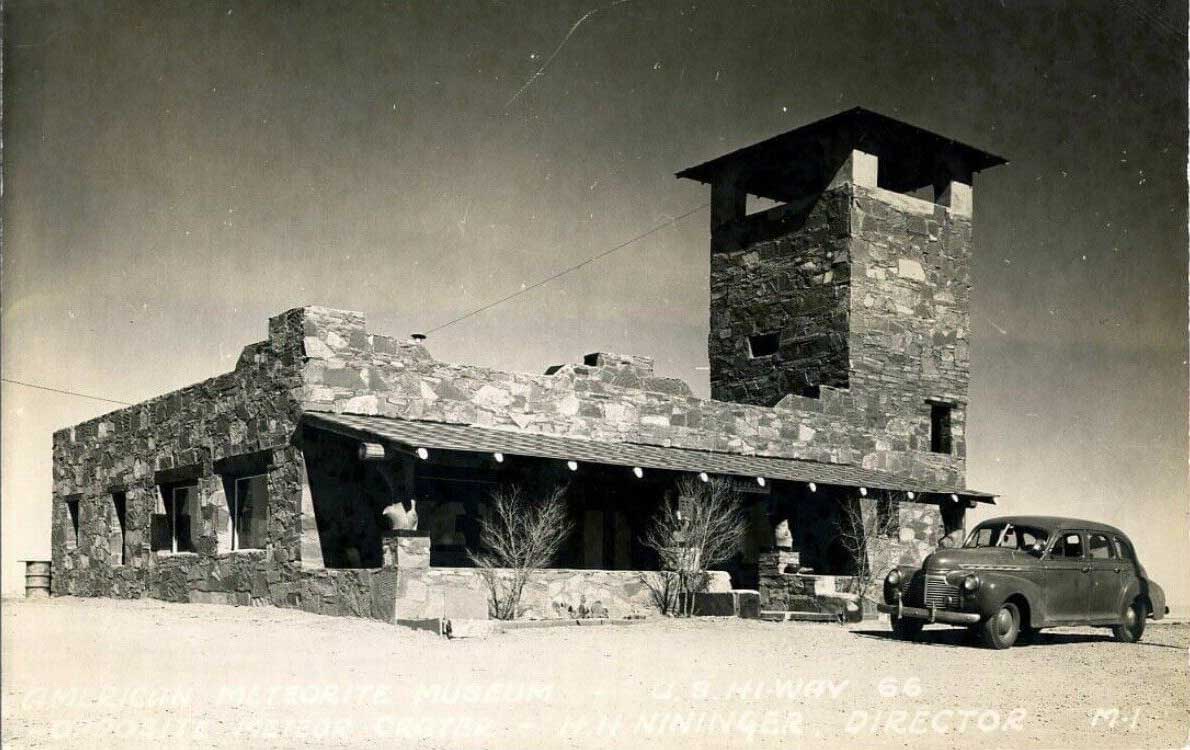
American Meteorite Museum. Nininger’s Old Meteorite Museum at Canyon Diablo (route 66), 1940s | eBay
Denison Range – Christmas 1935-1936. From the Jack Thwaites Photographic Collections. Libraries Tasmania‘s online collection NS3195/2/2217Hobart Walking Club on Mt Arthur, 1948. From the Jack Thwaites Photographic Collections. Libraries Tasmania‘s online collection | permalinkRocking Stone boulder on granite base north of Deep Creek near Eddystone Point. 11 Aug 1960. From the Jack Thwaites Photographic Collections. Libraries Tasmania‘s online collection | permalink
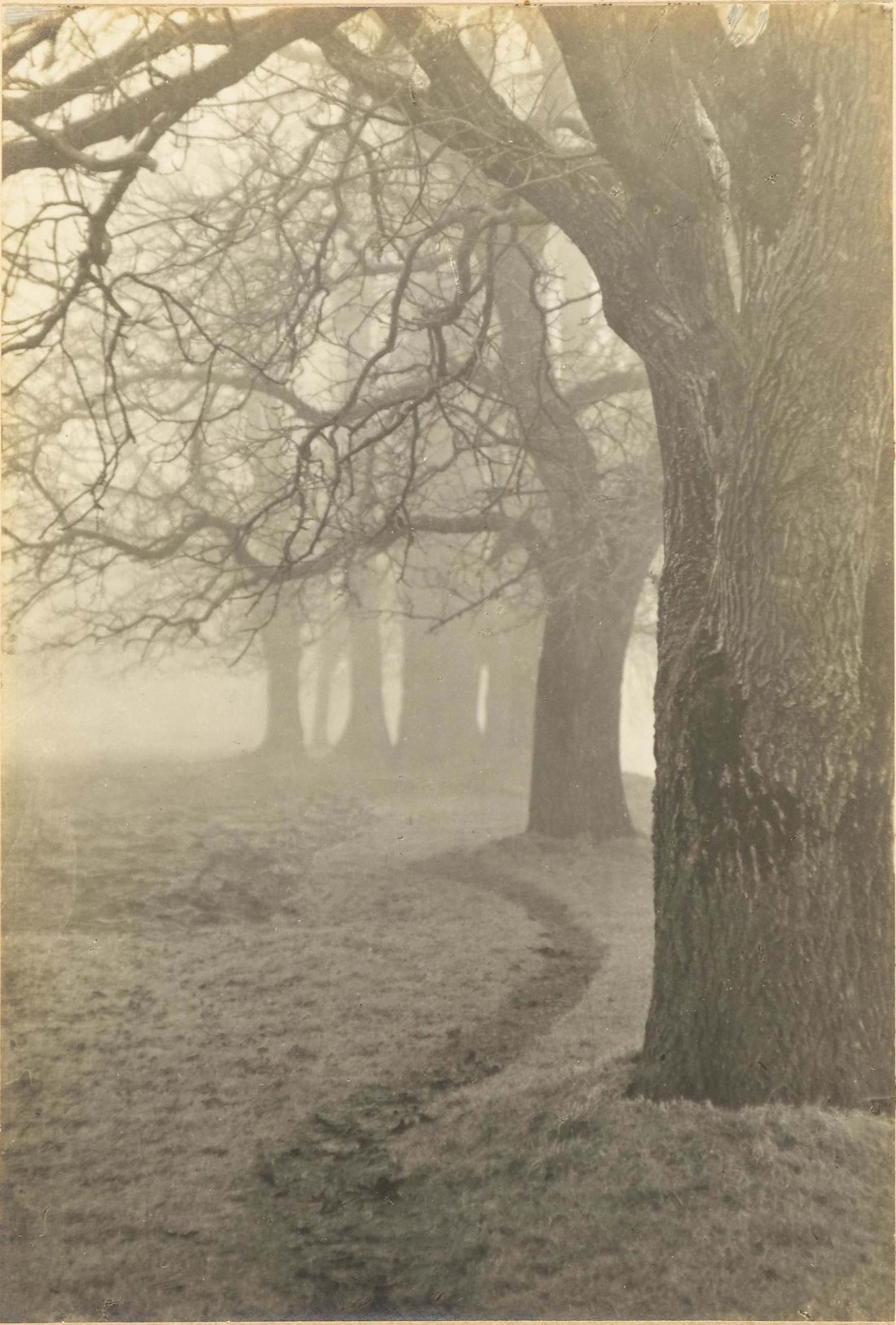
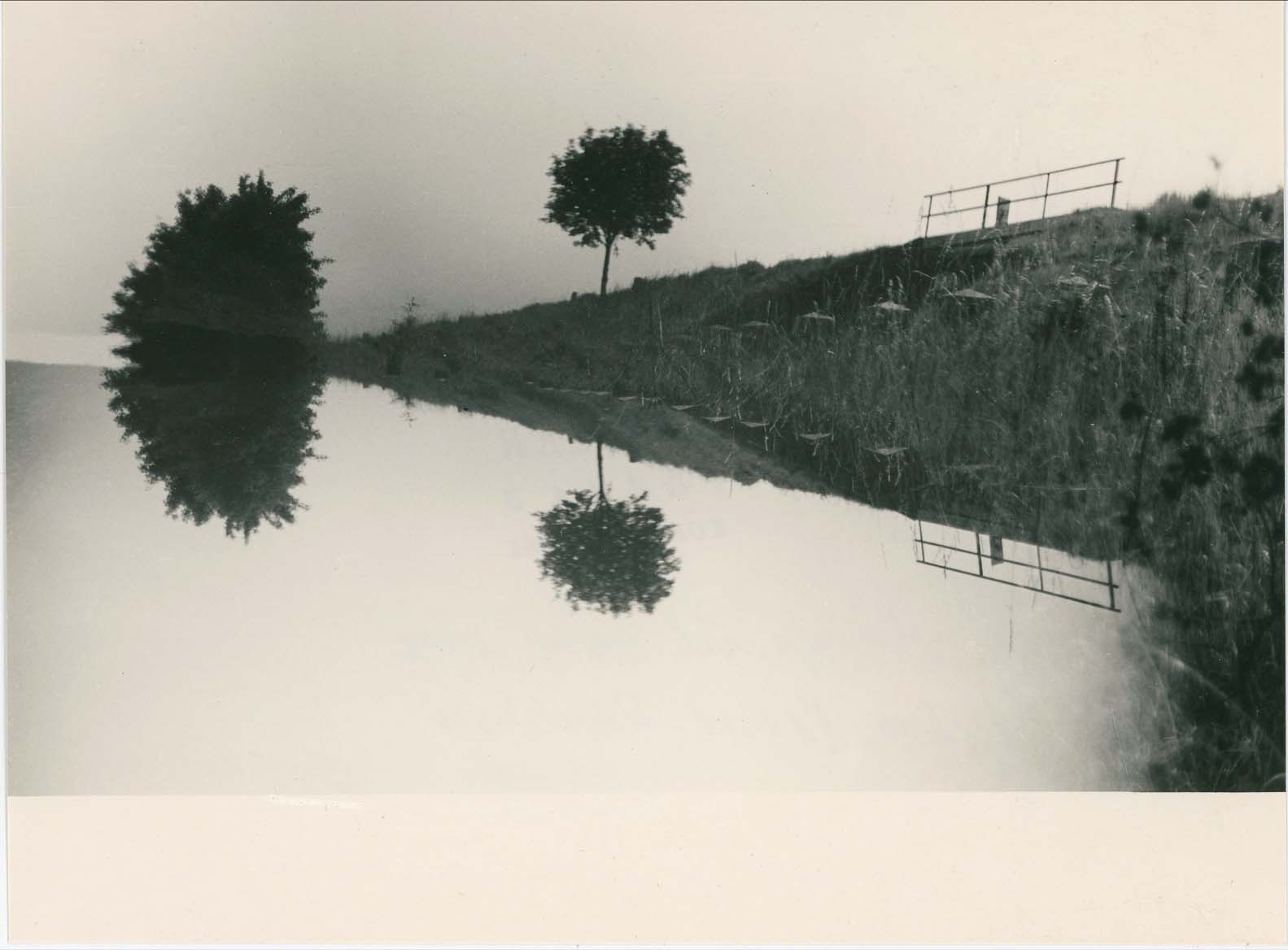
Albert Steiner :: Stiller Weg [Silent Path], um 1930. Silbergelatine-Abzug. Auf Träger signiert und betitelt. | src Koller AuktionenAlbert Steiner :: Stiller Weg [Quiet Path], um 1930. Silbergelatine-Abzug auf mattem Papier, montiert auf Trägerkarton. | src Koller Auktionen



![Photograph of a person on the edge of a cliff in the Grand Canyon, Arizona, 1900-1940. [detail] From the USC Digital Library](https://unregardoblique.com/wp-content/uploads/2023/01/photograph-of-a-person-on-the-edge-of-a-cliff-in-the-grand-canyon-arizona-1900-1940.-src-usc-digital-library.jpg)






![Albert Steiner :: Stiller Weg [Silent Path], um 1930. Silbergelatine-Abzug. Auf Träger signiert und betitelt. | src Koller Auktionen](https://unregardoblique.com/wp-content/uploads/2022/11/albert-steiner-stiller-weg-um-1930-src-koller-crp.jpg)
![Albert Steiner :: Stiller Weg [Silent Path], um 1930. Silbergelatine-Abzug auf mattem Papier, montiert auf Trägerkarton. | src Koller Auktionen](https://live.staticflickr.com/65535/52516727749_4ac604f257_o.jpg)
 un regard oblique