

images that haunt us
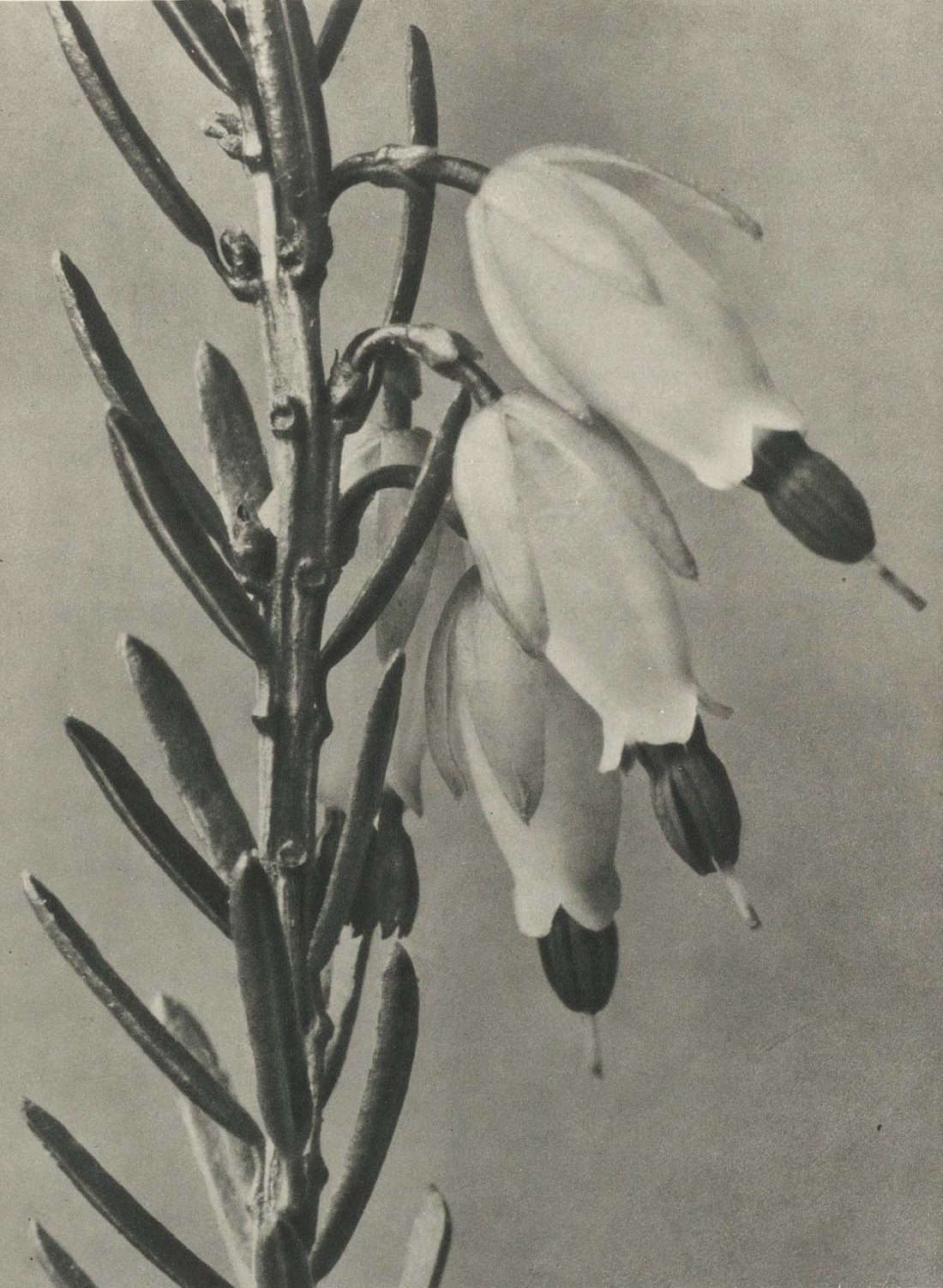
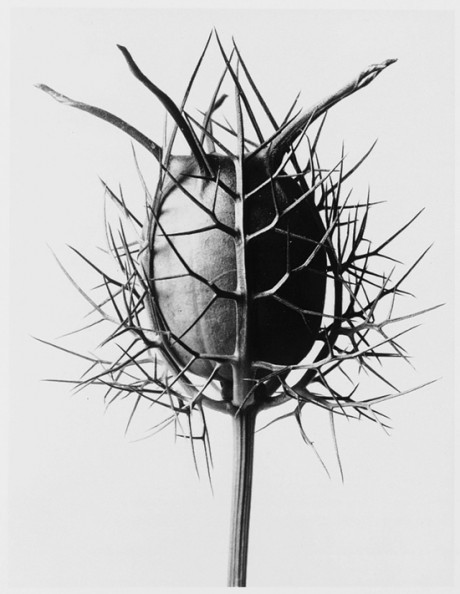
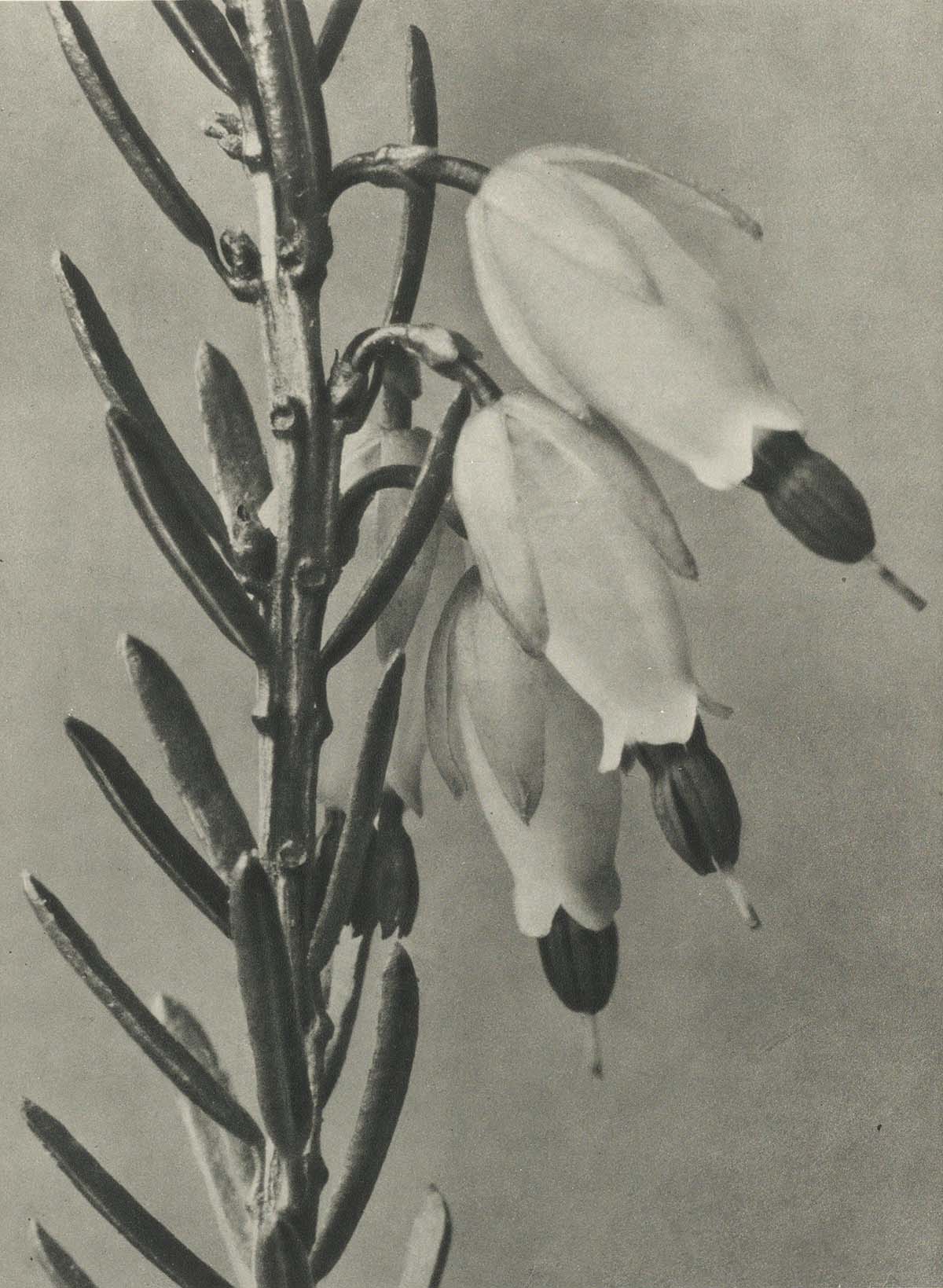
Karl Blossfeldt (1865-1932) was a German instructor of sculpture and a self-taught photographer, who used his photographs of plant studies to educate his students about design elements in nature.
more [+] by this photographer
“The plant never lapses into mere arid functionalism; it fashions and shapes according to logic and suitability, and with its primeval force compels everything to attain the highest artistic form.” source: TEG
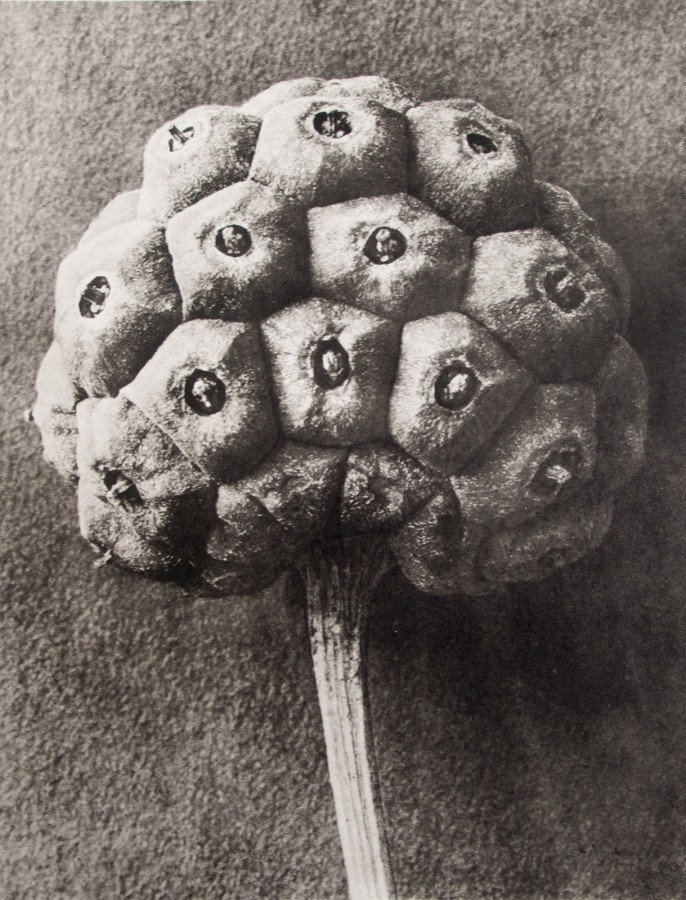
Karl Blossfeldt ::
Cornus-Kousa (Dogwood), 1920′s / Stiftung Ann und Jürgen Wilde, Pinakothek der Moderne, München./ src: Michael Hoppen Gallery
more [+] by this photographer
Karl Blossfeldt :: Unknown, Cucurbita (Tendrils of a pumpkin),
Centaurea Ruthenica,
Dryopteris filix mas (Common male fern), 1920′s / src: Michael Hoppen Gallery

Karl Blossfeldt ::
Acer rufinerve, 1910′s-1920′s / src: Michael Hoppen Gallery
“What made Blossfeldt’s work unique was his extreme technical mastery of photography. He specialised in macrophotography to enlarge his plant specimens and even designed a camera for this purpose. As a result, everyday garden flowers are presented in such a way that their rhythmic forms are emphasised to the extreme and the plants take on new and exotic characteristics. Blossfeldt wanted his work to act as a teaching aid and inspiration for architects, sculptors and artists. It was his firm belief that only through the close study of the intrinsic beauty present in natural forms, that contemporary art would find its true direction.”
more [+] by this photographer
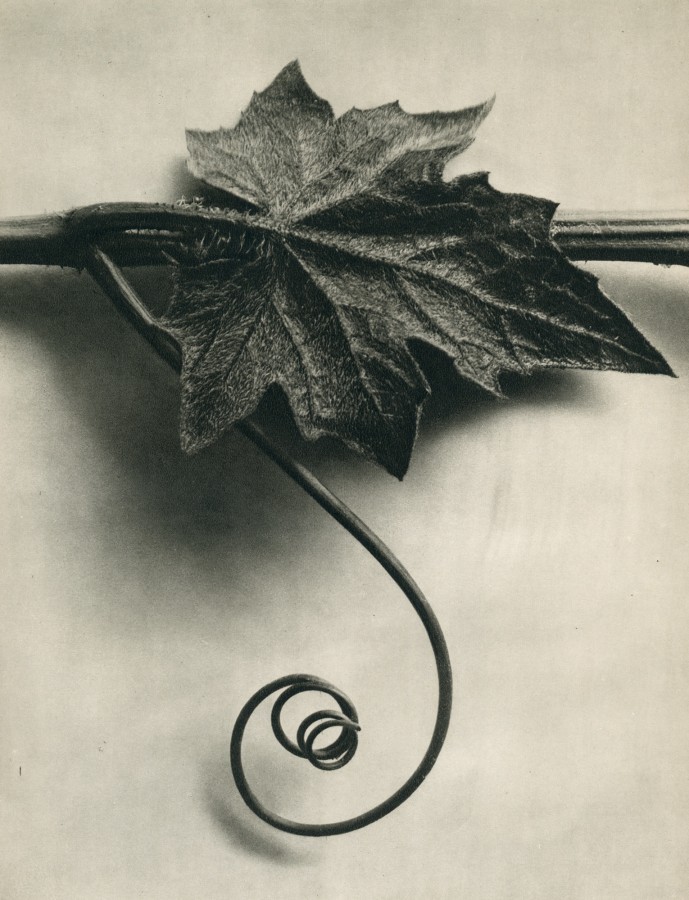
Karl Blossfeldt :: Bryonia alba (White bryony, with leaf) B, 1920′s. Pinakothek der Moderne, München / src: Michael Hoppen Gallery
“From 1898-1932, Blossfeldt taught sculpture based on natural plant forms at the Royal School of the Museum of Decorative Arts (now the Hochschule für Bildende Künste) in Berlin. In his lifetime Blossfeldt’s work gained praise and support from critics such as Walter Benjamin, artists of the Neue Sachlichkeit (New Realism) and the Paris Surrealists. The words of Walter Benjamin repositioned the artist in modern art and photography and prior to publishing his photographic book in 1926, Blossfeldt was sent an invitation to exhibit his work at the Karl Nierendorf’s gallery.”
more [+] by this photographer
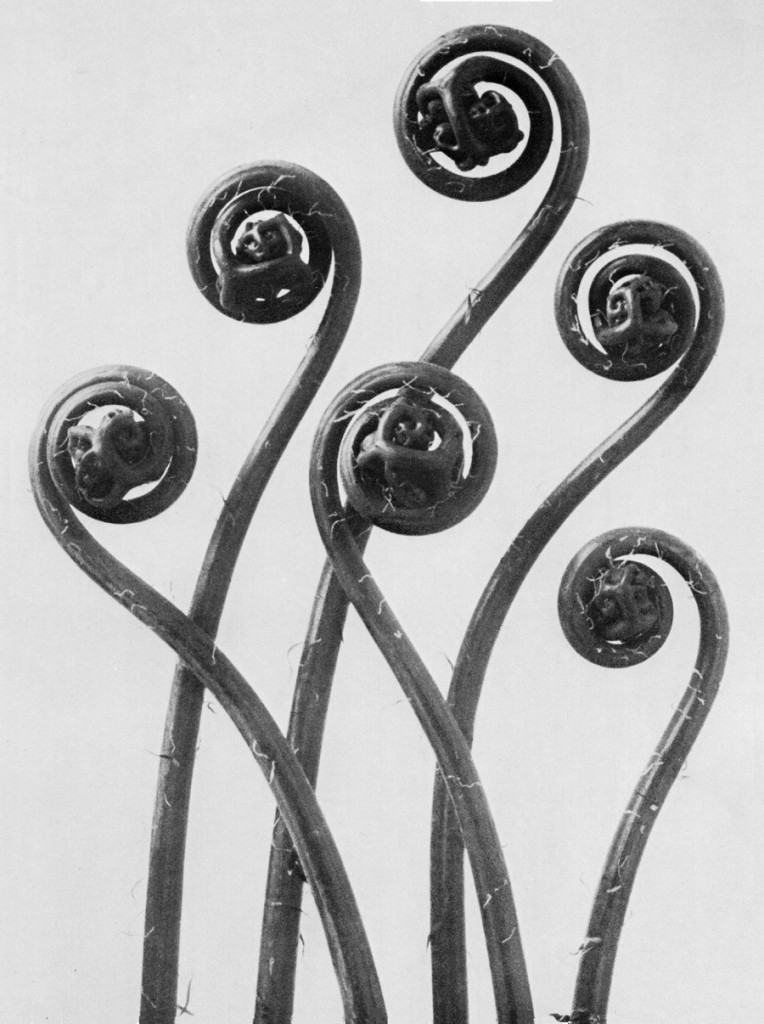
Karl Blossfeldt :: Adiantum pedatum
(Maiden hair fern), 1928.
/ src: memento
“Working
at the Hochschule für die Bildenden Künste (Berlin School for Decorative Arts),
he undertook a long-term project – collecting, classifying and drawing plants
in order to produce a unique portfolio of vegetation. In Berlin, Rome, Greece
and Africa, he puts together a photographic inventory of reality and flora.
[…] But Blossfeldt sees the form of a plant and its growth as an integral
universal part and pattern that can be applied to not only understanding human
beings but to architecture and industrial arts. A thistle brings to mind the
tympanum of a Gothic church, the stalk of a horsetail – an ancient column, the
coiled ends of ferns – a bishop’s crosier.”
more [+] by this photographer
 un regard oblique