 https://embedr.flickr.com/assets/client-code.js
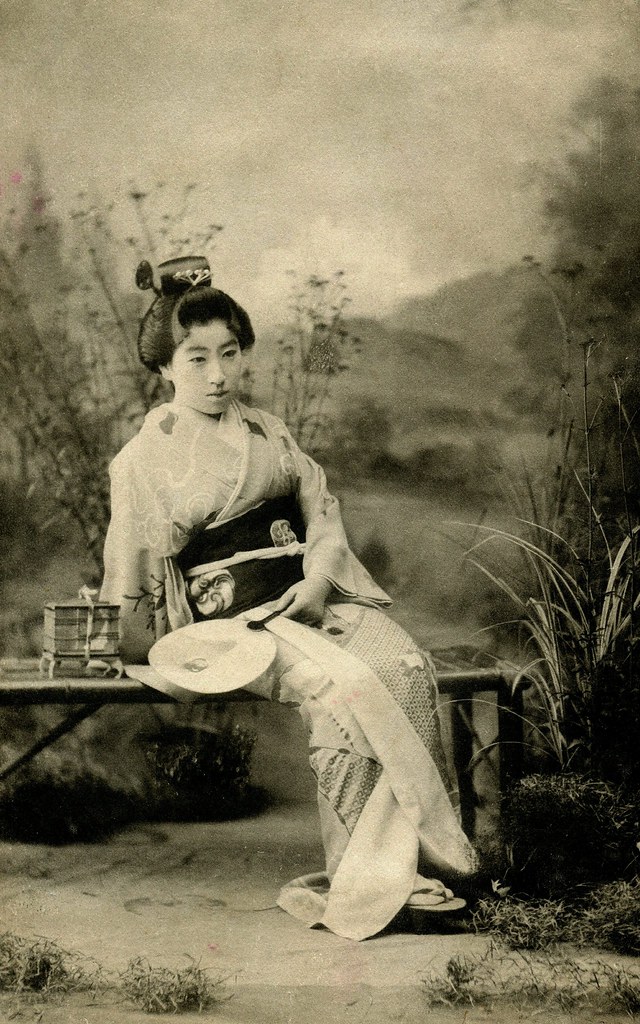
Shinbashi Geisha with a Cricket Cage, 1905. Insects as pets. / source: Blue Ruin
(Source: https://www.flickr.com/)
images that haunt us
https://embedr.flickr.com/assets/client-code.js
Shinbashi Geisha with a Cricket Cage, 1905. Insects as pets. / source: Blue Ruin
 https://embedr.flickr.com/assets/client-code.js
Maiko Momotaro – Sakkou Hairstyle, 1920′s
“Originally believed to be worn by married women of the merchant class during the late Edo period (1603-1868), starting in the Meiji era (1868-1912) the sakkou was the hairstyle worn by apprentice geisha in the weeks leading up to their debut as full-fledged geisha.“
(Voyages en Photographie) / src: Blue Ruin
 https://embedr.flickr.com/assets/client-code.js
Koyakko showing her Obi, 1920′s
The very iki (stylish or chic) geisha Koyakko. During her subsequent career as the master dancer Hanayagi Sumi, an orchestral ballet entitled “Heavenly maiden and fisherman” was written for her, which she first performed in 1932. / src: Blue Ruin
 https://embedr.flickr.com/assets/client-code.js
Osaka Maiko Yachiyo II, 1915
Myōseki (inherited names) are often used when naming a new Maiko (Apprentice Geisha) as a mark of respect for a former Geiko (Geisha) and as a means of carrying the cachet of celebrity down through generations.
The geimei (professional name) of a meigi (famous geisha) who has retired from the profession is given to a promising young maiko, but with the suffix ‘the second’ added to it. This can carry on ad infinitum i.e. ‘the third, the fourth, etc.’ with successive generations. This hereditary naming system applies to almost all artisan professions in Japan, including Tayuu (Courtesans) and Kabuki Artists. source: Blue Ruin
 https://embedr.flickr.com/assets/client-code.js
Four Maiko Girls, 1930′s, From left to right: Mameraku, [unknown], Tamiko, Satochiyo.
I think that their obi-age (the fabric strip above their sashes) is particularly lovely. src: Blue Ruin
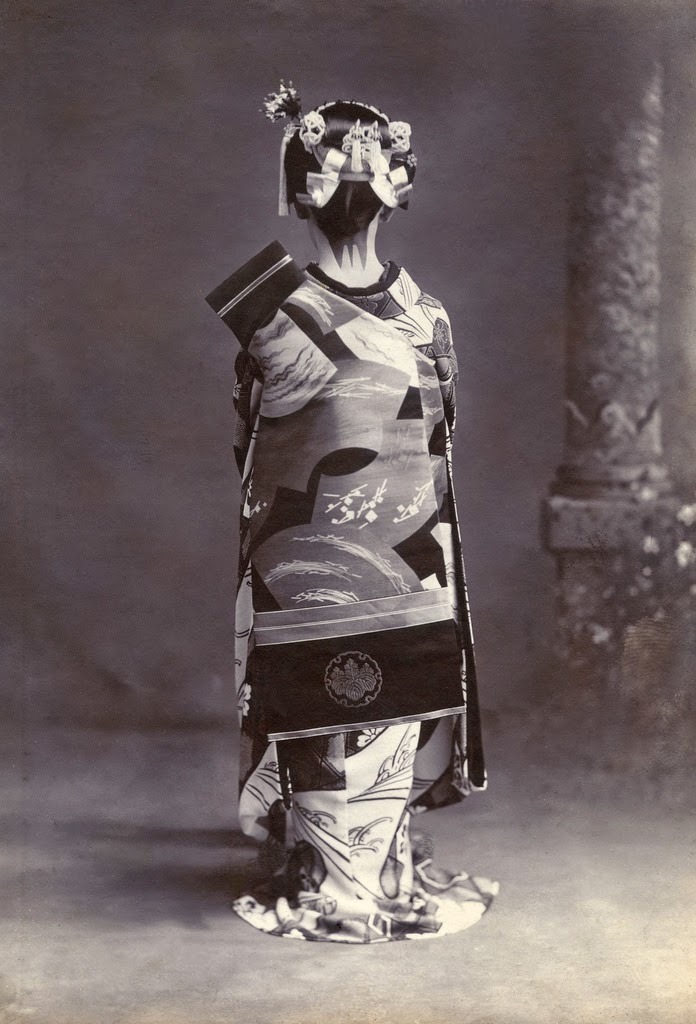
An Osaka Maiko in Ceremonial Dress, 1910′s / src: retro-vintage-photography
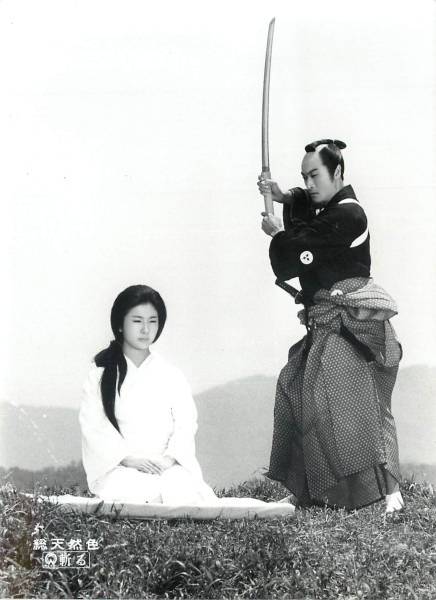
Lobby card for Destiny’s Son (Kiru), 1962, directed by Kenji Misumi and starring Raizo Ichikawa and Shiho Fujimura / via mudwerks

“Boiling Breakfast Eggs in Hot Springs”, Beppu, Oita Prefecture. Japan, 1942. This picture was published in the
National Geographic
August issue of 1942. A woman in Japanese clothing (viewed from behind) besides a sign warning “dangerous attention” uses a stick and is trying to soak a bamboo cage with eggs in hot water. In the lower part of the stand sign, it reads: “boiled egg half-mature 4 minutes, hardly lean 6 minutes”. (uncredited photographer)
source: natgeo.nikkeibp.co.jp
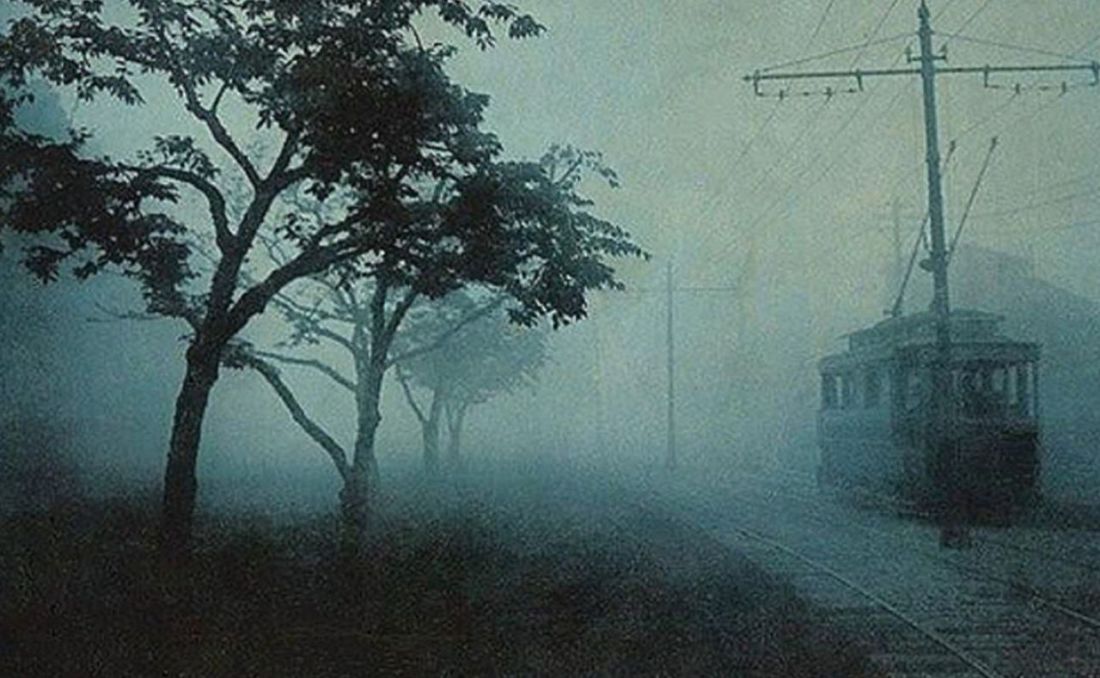
Taisho Art (Old Japanese Photography) :: Trolley in the Morning Fog, 1912 -1926 / via furtho (via twitter)
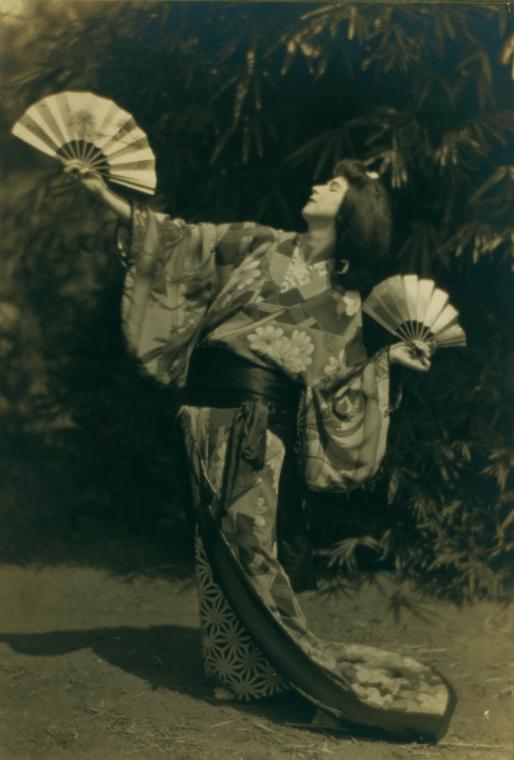
 un regard oblique