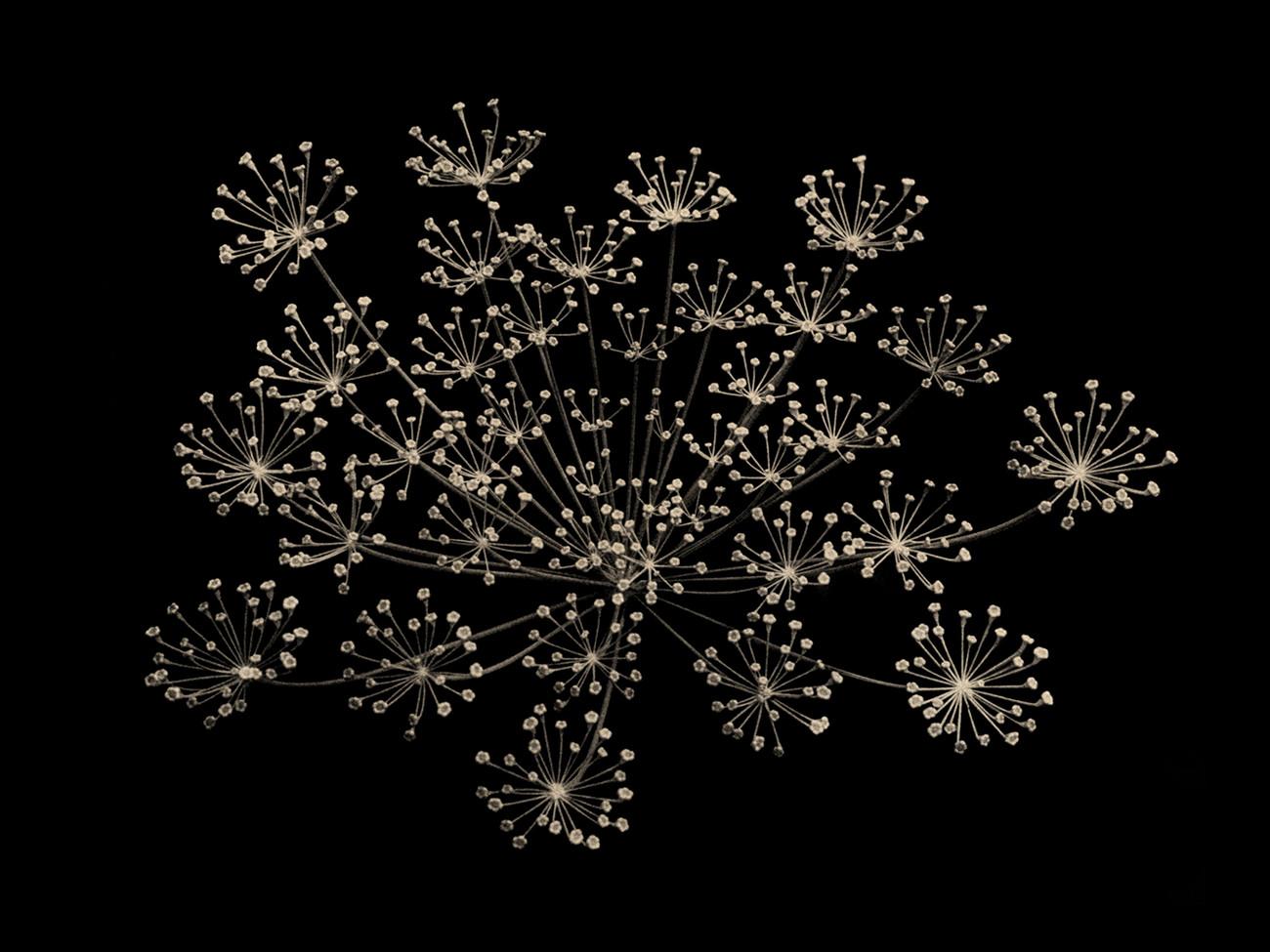
“Hana” means “flower” and “bi” means “fire”, so “Hanabi” roughly translates to “fire flowers”. The Japanese call fireworks Hanabi. The name suggests not only a physical resemblance, but also an existential one. Fireworks bloom, but only for a moment, dazzling onlookers before fading into oblivion.
Hanabi (lit. flower fire or fire flower) were popularised and developed during the resplendent days of Edo and have come to hold cultural significance in Japan both in physical displays and metaphorically as a symbol of ephemeral beauty.
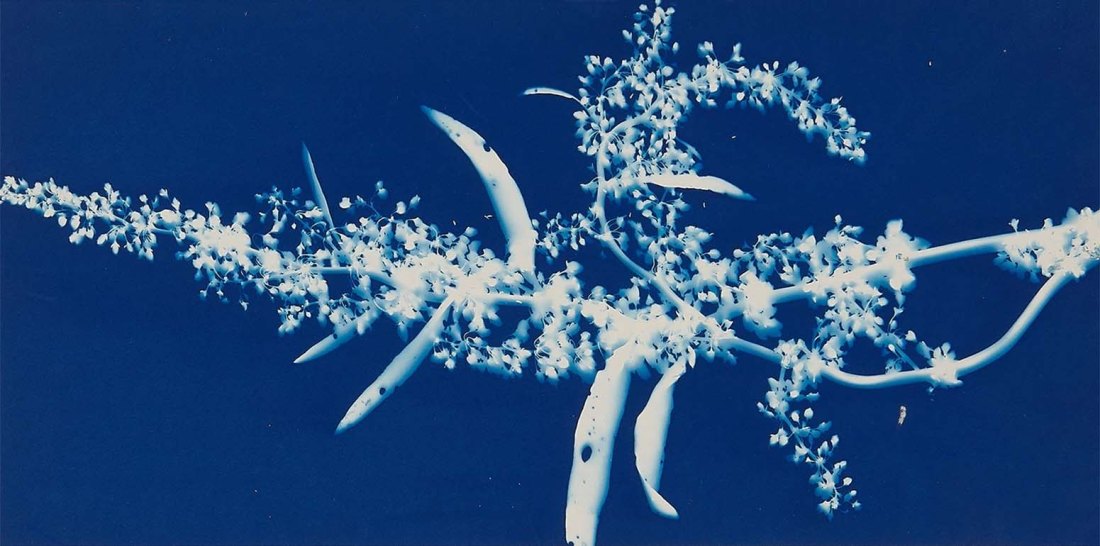
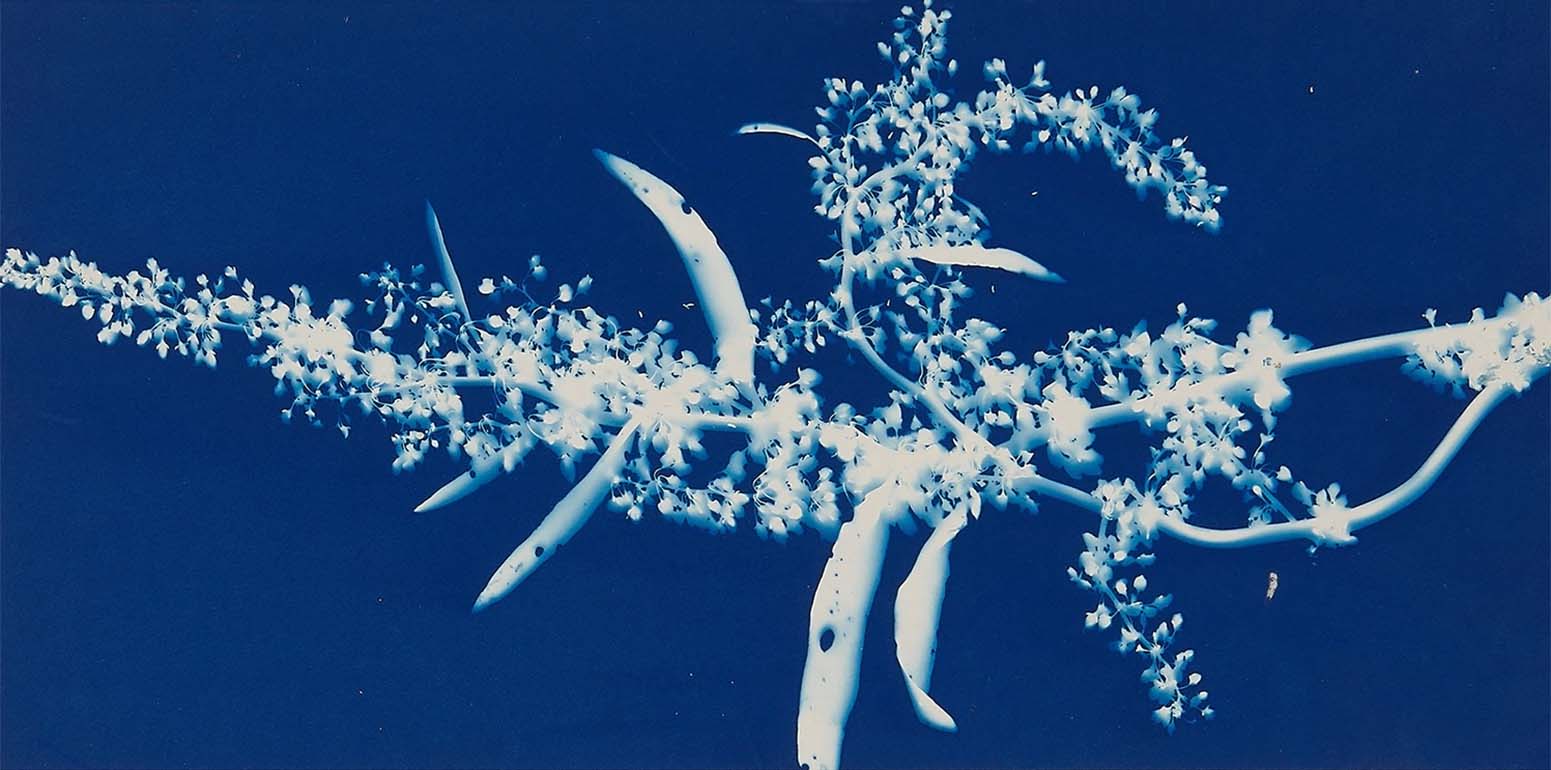
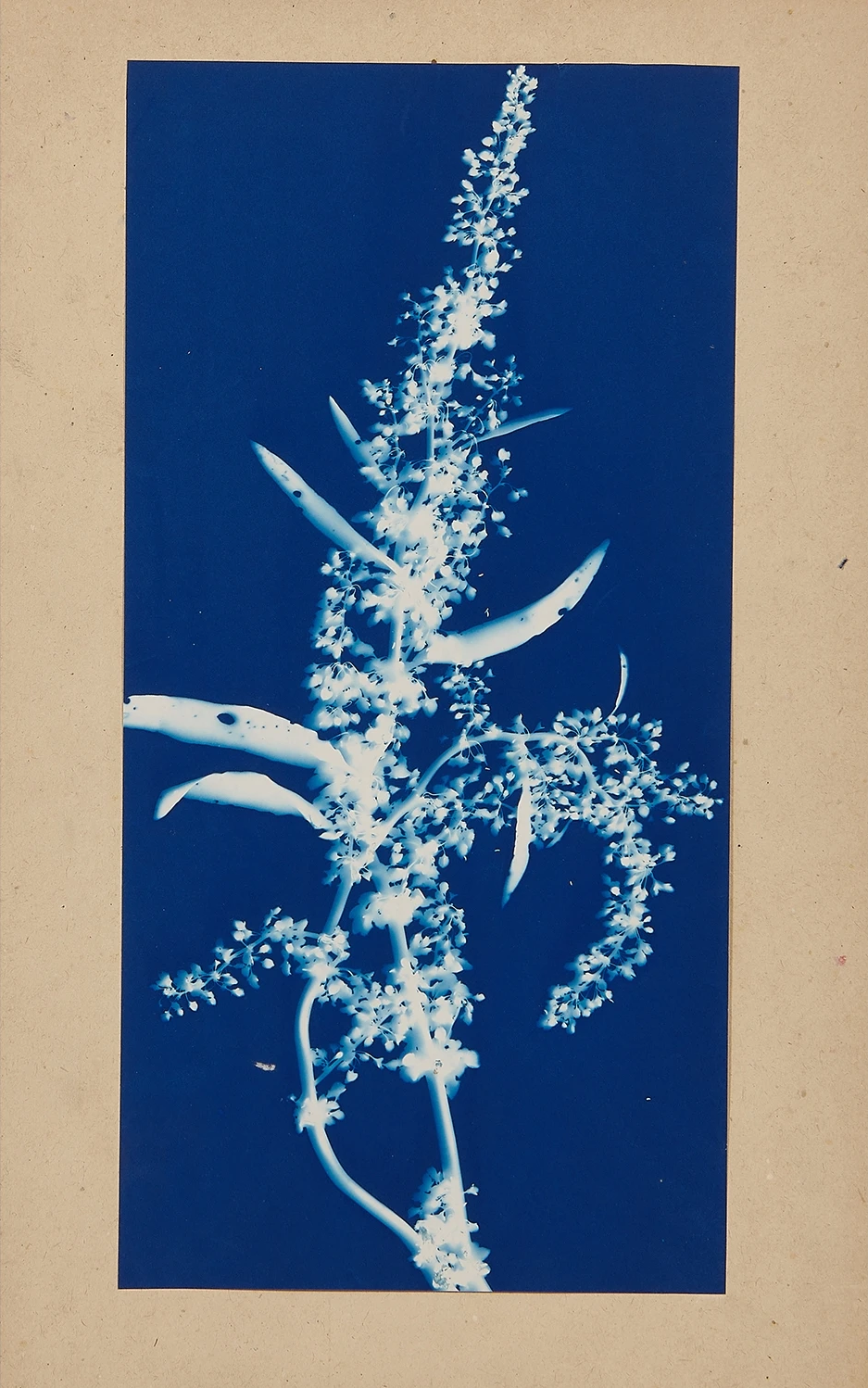
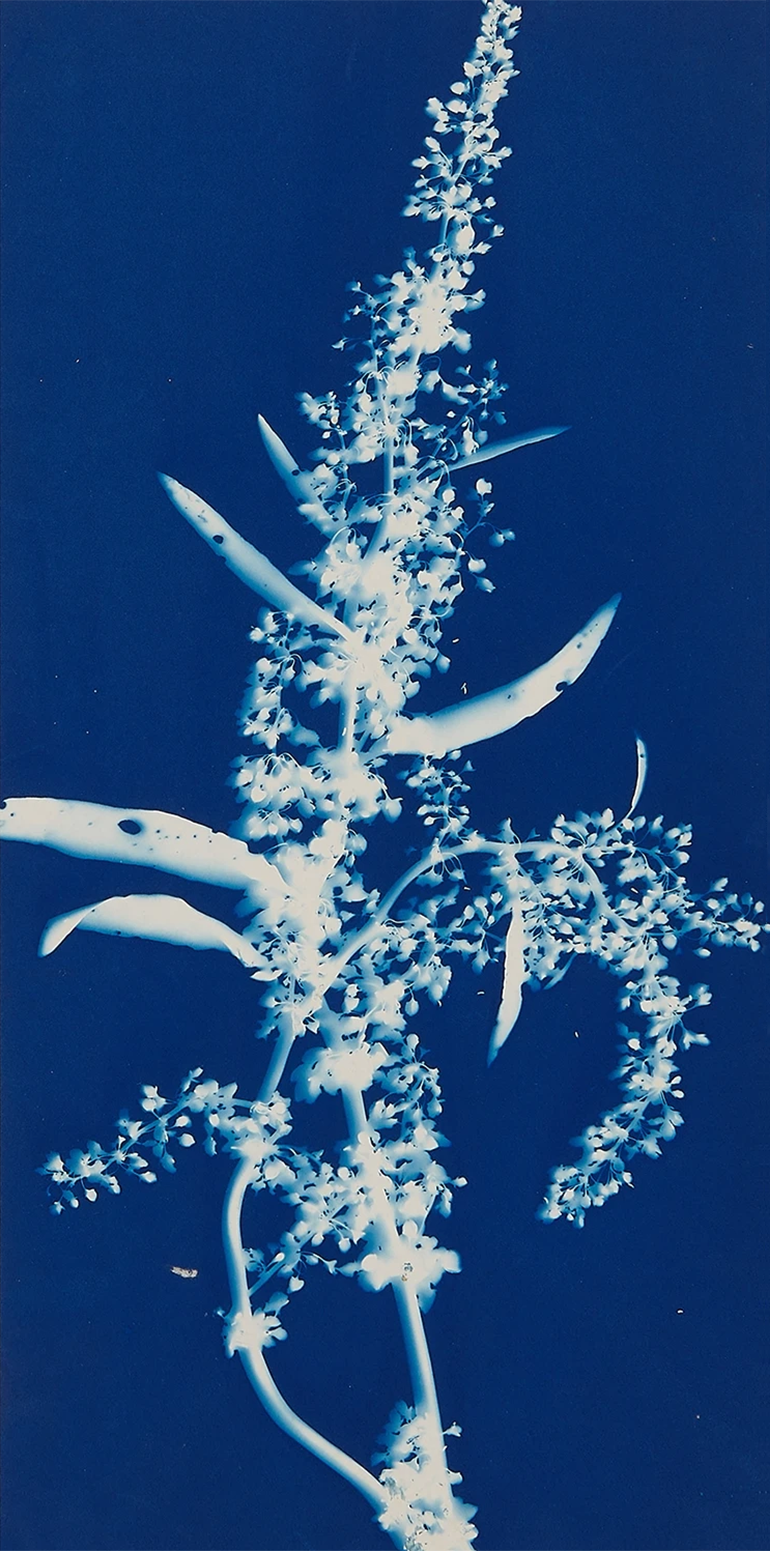
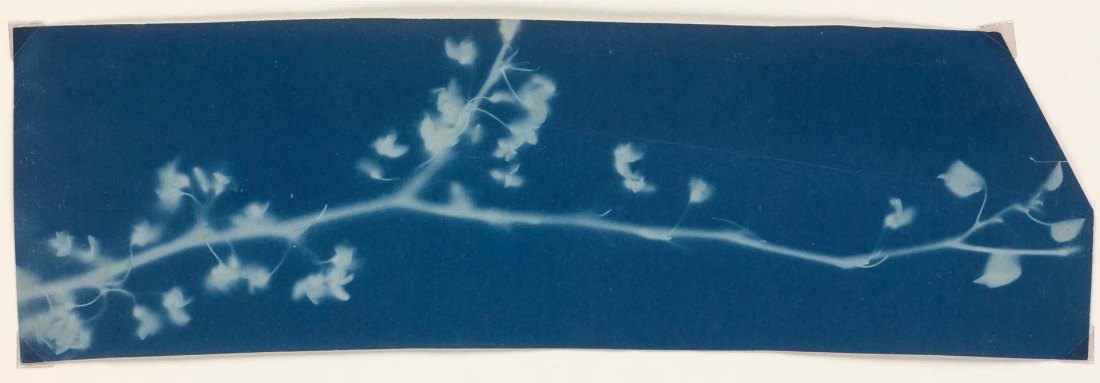
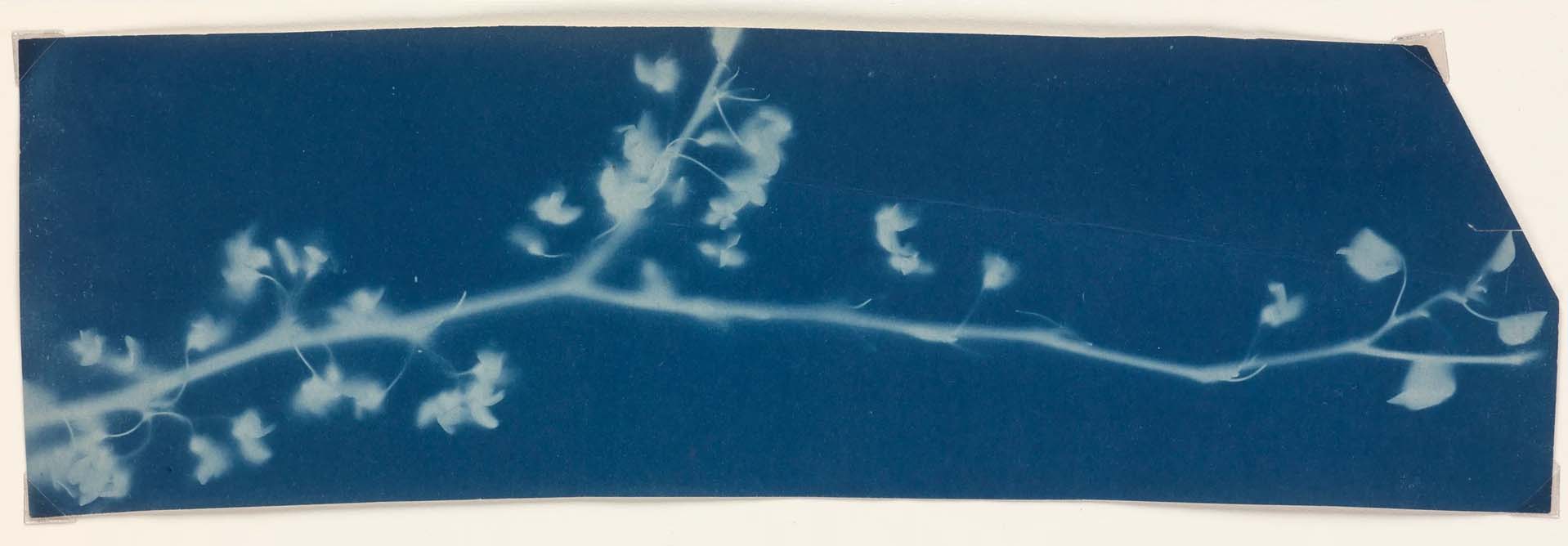
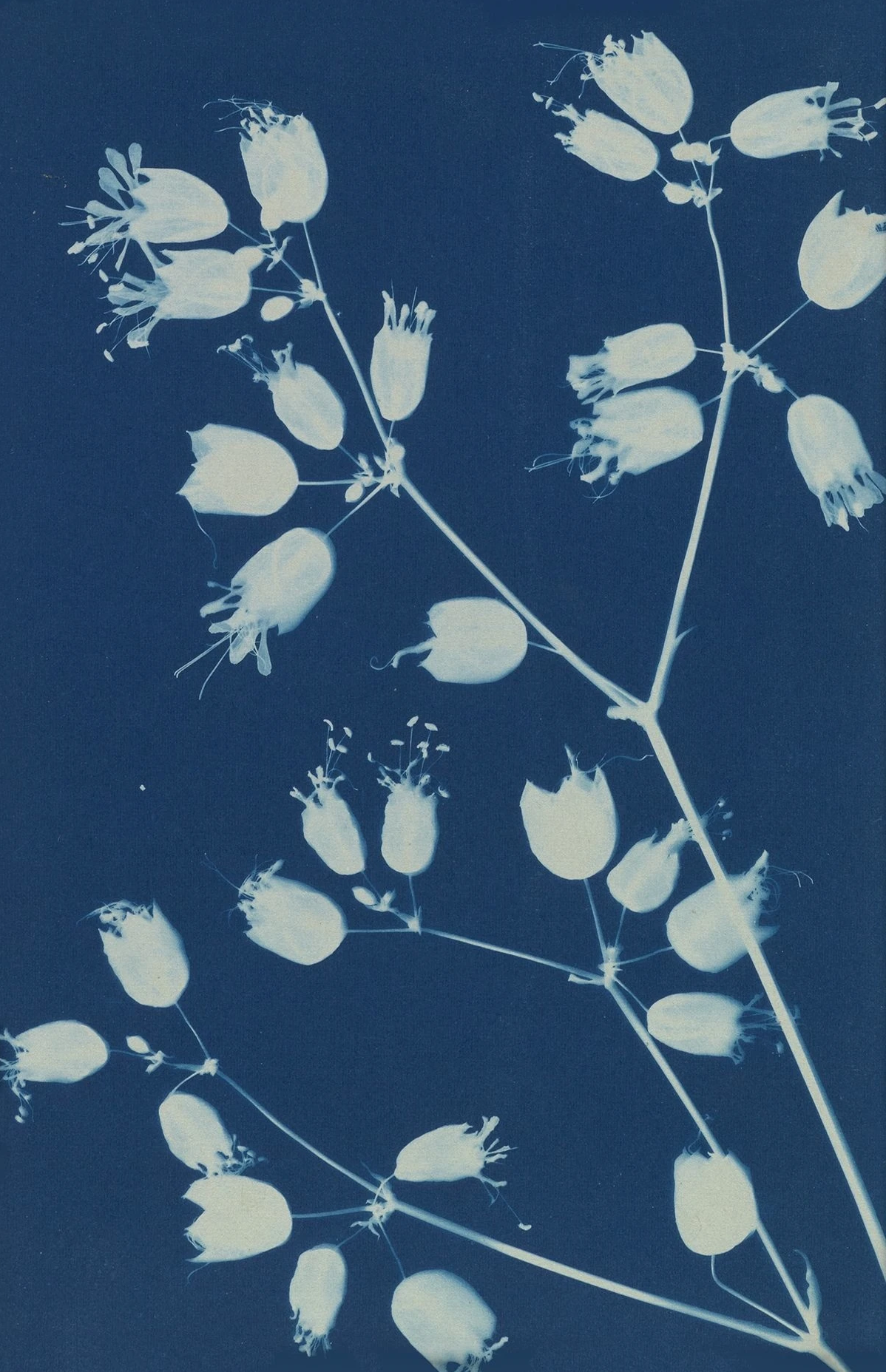
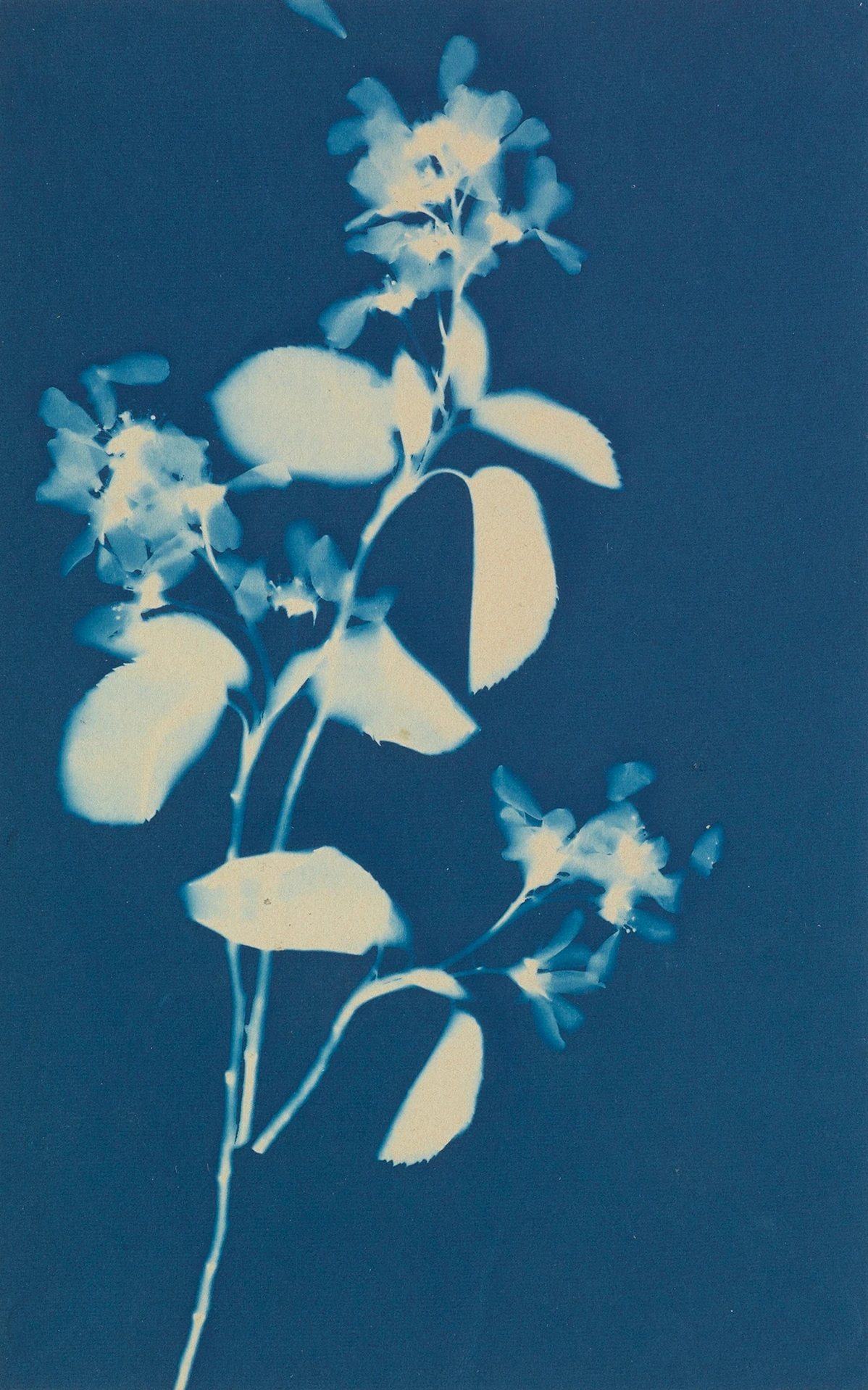
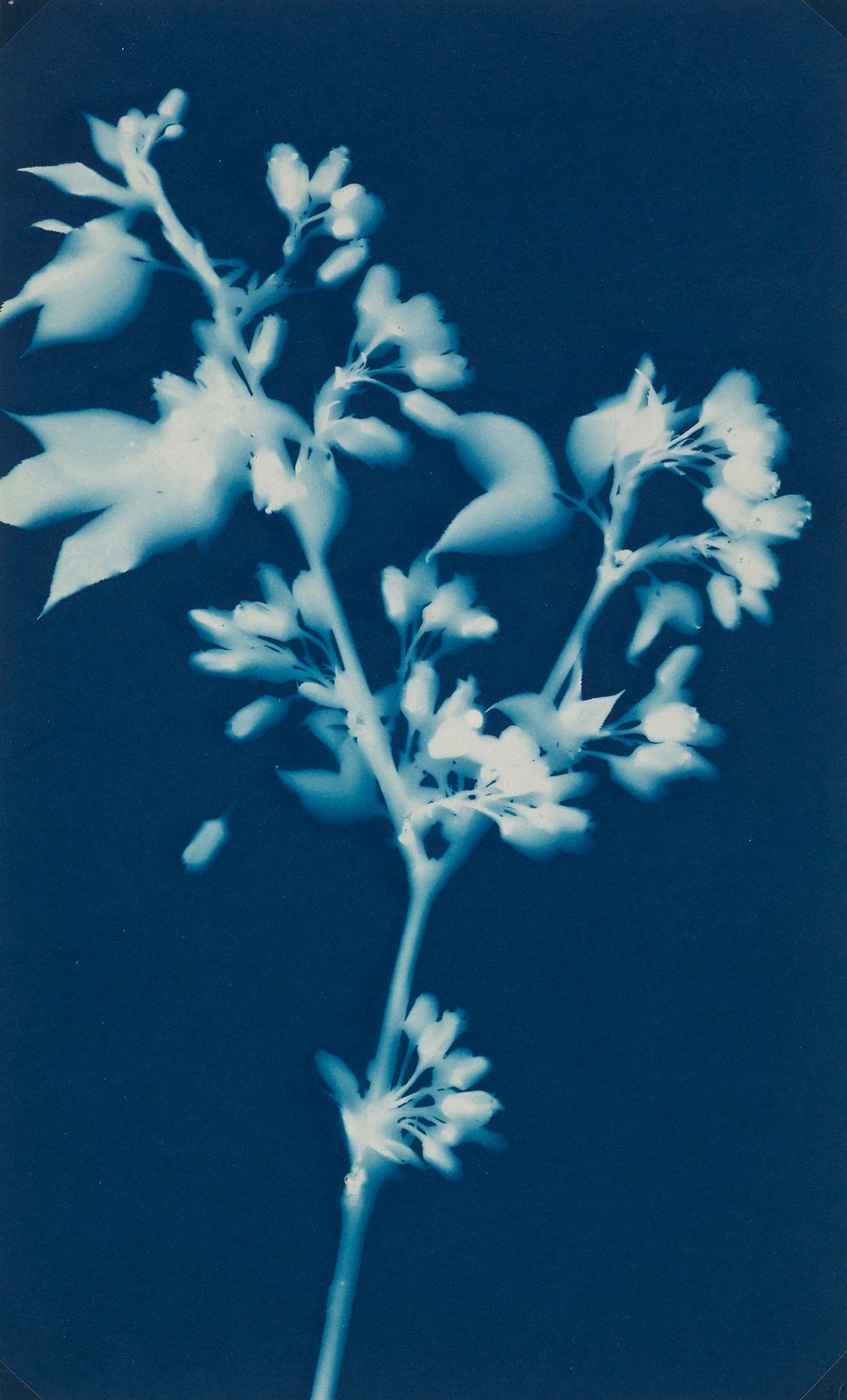
Jaques was already a respected printmaker when she began making cyanotype photograms of wildflowers. An active member of the Wild Flower Preservation Society, she created over a thousand of these botanical images. Made without a camera by placing objects directly on sensitized paper and exposing it to light, the photogram is the least industrialized type of photography. Because prints were easy to produce by this method, it achieved wide popularity. Graphic artists often chose this form of print because of its rich Prussian blue color. Aligned with the antimodernist views of the late Victorian Arts and Crafts movement, Jaques’s work reflects a reverence for commonplace elements of nature and the beautifully crafted object.
Merry A. Foresta American Photographs: The First Century (Washington, D.C.: National Museum of American Art with the Smithsonian Institution Press, 1996). From Smithsonian American Art Museum (SAAM)
Bertha Evelyn Jaques :: Photogram of a botanical specimen, 1900-1906. Cyanotype. | src MutualArtBertha Jaques :: Photogram of a botanical specimen, 1900-1906. Cyanotype. | src MutualArt and Elizabeth Houston GalleryBertha Evelyn Jaques :: Photogram of a botanical specimen, 1900-1906. Cyanotype. | src MutualArtBertha Jaques :: Photogram of a botanical specimen, 1900-1906. Cyanotype. | src MutualArt and Elizabeth Houston Gallery




 un regard oblique