Henri de Toulouse-Lautrec (French, 1864-1901) :: Miss Loïe Fuller, 1893. Brush and spatter lithograph printed in five colors on wove paper. Loïe Fuller was famous in turn-of-the-century Paris for her dazzling performances which combined dance, colored electric lights, and music. In this print, inspired by her appearance at the Folies Bergère, Lautrec captures the decorative effect of her billowing silk gown, which she manipulated with large poles held in her hands. Lautrec executed about sixty versions of this print in a variety of colored inks, including gold and silver. | src The MetHenri de Toulouse-Lautrec (French, 1864-1901) :: Miss Loïe Fuller, 1893. Color lithograph. Parisian audiences were captivated by Loïe Fuller (1862–1928) whose unique performances involved manipulating voluminous translucent gowns with the aid of large poles in each hand. Fuller danced in a specially designed space featuring a glass floor illuminated from below and surrounded by mirrors. Electric lights of various colors projected onto the stage created an ethereal, swirling effect. Fuller’s extraordinary dance was the subject of Toulouse-Lautrec’s most abstract lithograph. The artist used layers of colored ink—including some metallic tones—to convey the movement and energy of Fuller’s performances. | src The Cleveland Museum of Art and Flickr
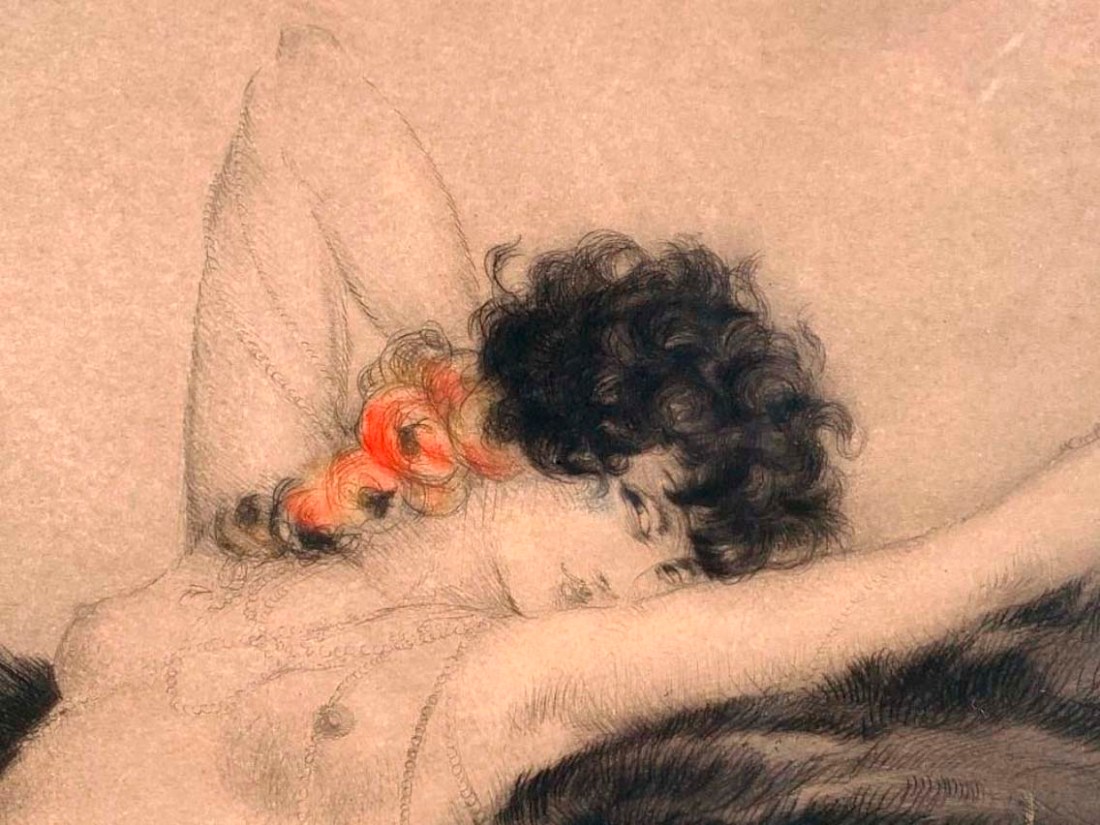
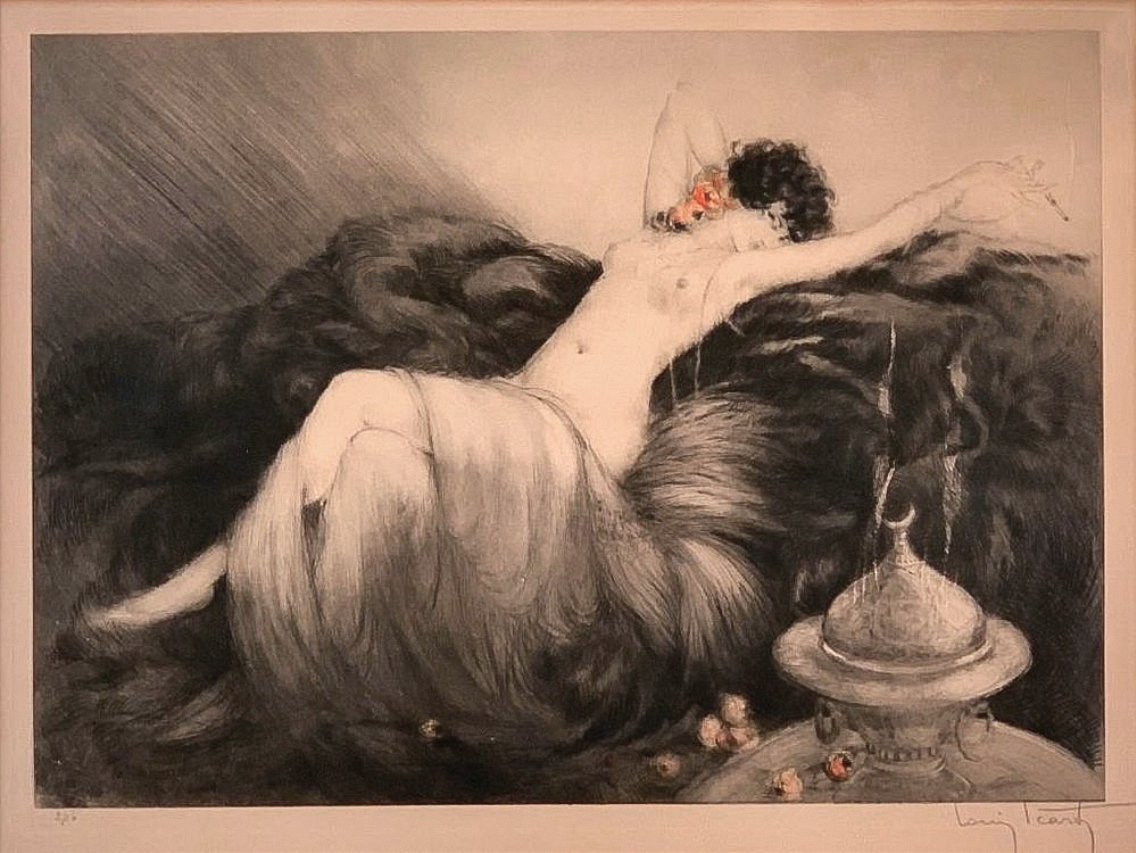
Louis Icart :: “Smoke, or Fumée”, 1926, etching with touches of hand coloring on paper, signed in pencil on lower right, numbered 246 on lower left, with blindstamp. (detail) | src Bidsquare ~ Neue AuctionsLouis Icart :: “Smoke, or Fumée”, 1926, etching with touches of hand coloring on paper, signed in pencil on lower right, numbered 246 on lower left, with blindstamp. | src Bidsquare ~ Neue Auctions
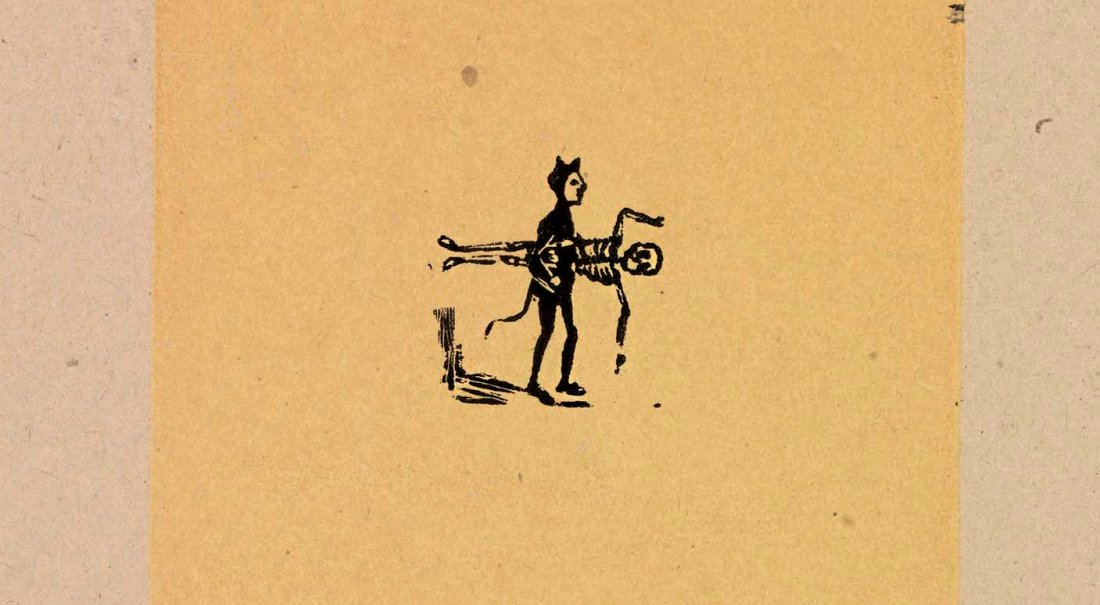
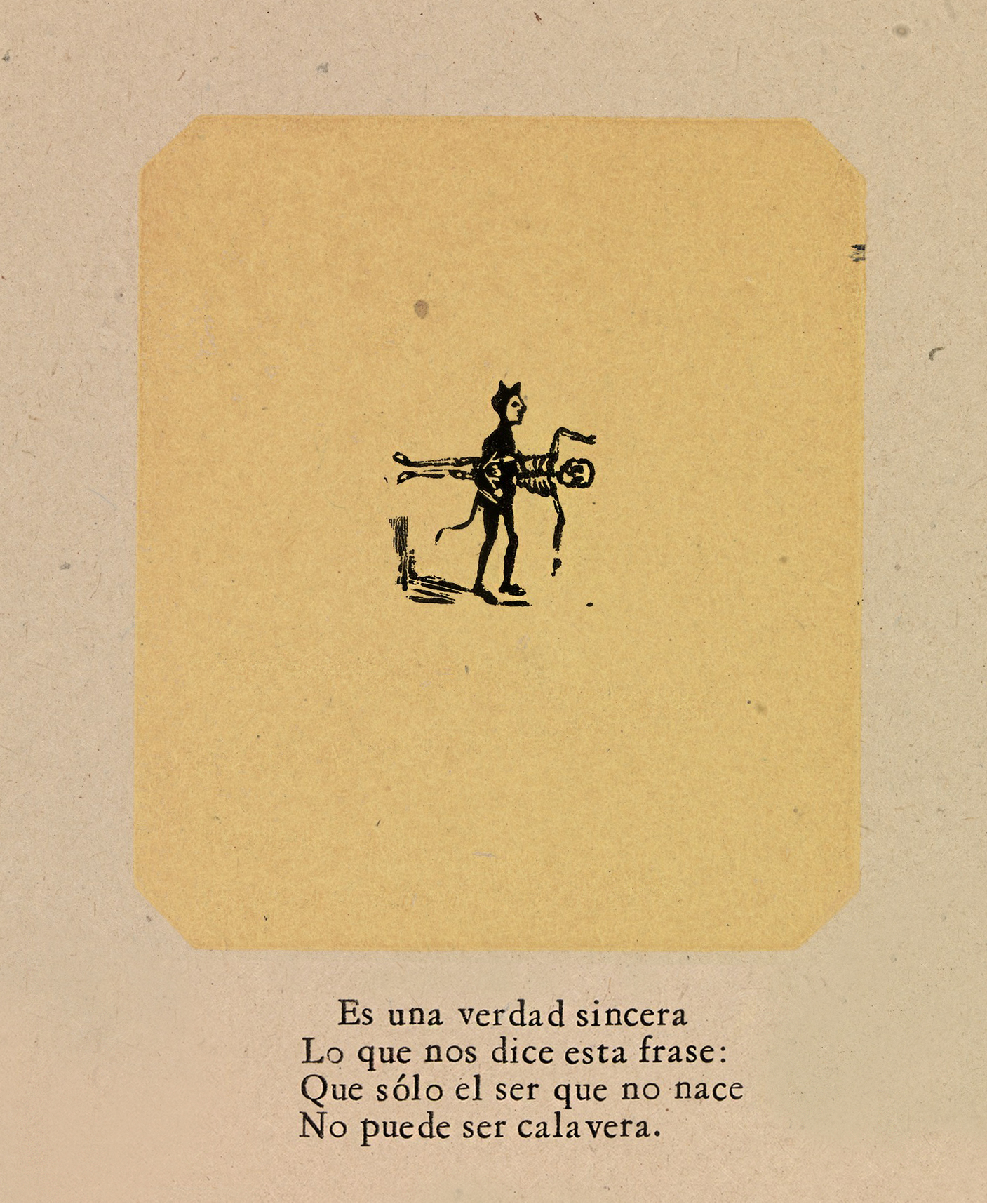
La Calavera Garbancera [aka, La Catrina, La calavera Catrina (*)] created by Mexican engraver José Guadalupe Posada (zinc etching, ca. 1910 / periodical from 1913). (*) Skull of the Female Dandy, named after the mural ‘Sueño de una tarde dominical en la Alameda Central’ (1947) by muralist Diego Rivera. | source wikimedia commons
La Calavera Garbancera [aka, La Catrina, La calavera Catrina] created by Mexican engraver José Guadalupe Posada (zinc etching, ca. 1910 / periodical from 1913)
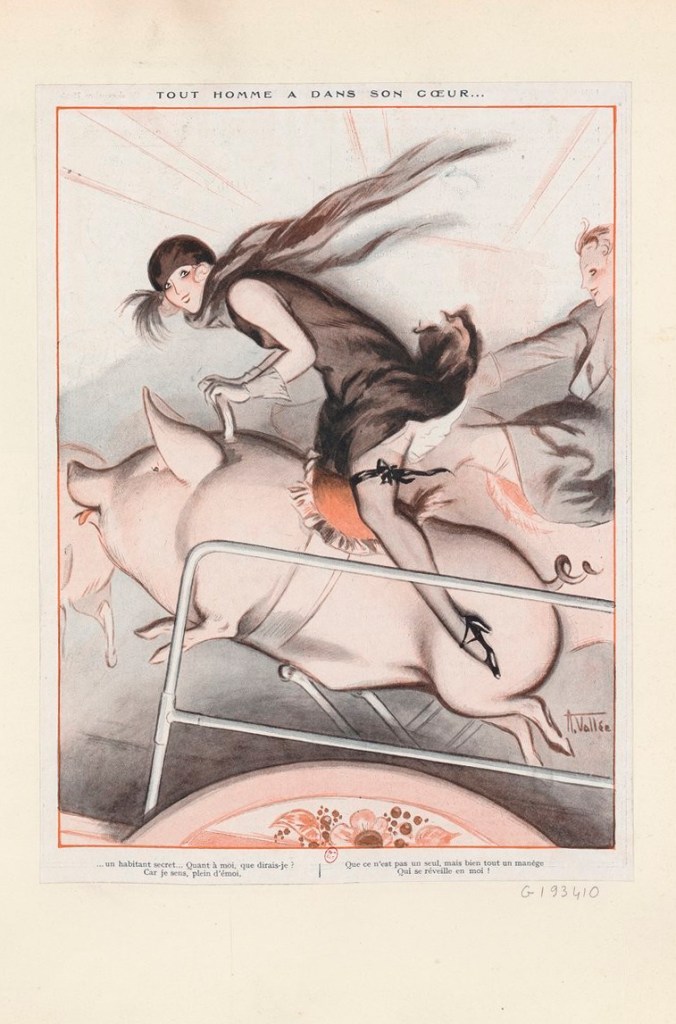
Tout homme a dans son coeur un habitant secret… [un défet de] “La Vie Parisienne”. Dessinateurs et humoristes. Armand Vallée [défets d’illustrations de périodiques], 1923-1930. | src BnF
La chasseresse de Chez Maxim [un défet de] “La Vie Parisienne”. Dessinateurs et humoristes. Armand Vallée [défets d’illustrations de périodiques], 1923-1930. | src BnF
Poisson d’avril: un joli cadeau à faire a une enfant. [un défet de] “La Vie Parisienne”. Dessinateurs et humoristes. Armand Vallée [défets d’illustrations de périodiques], 1923-1930. | src BnF



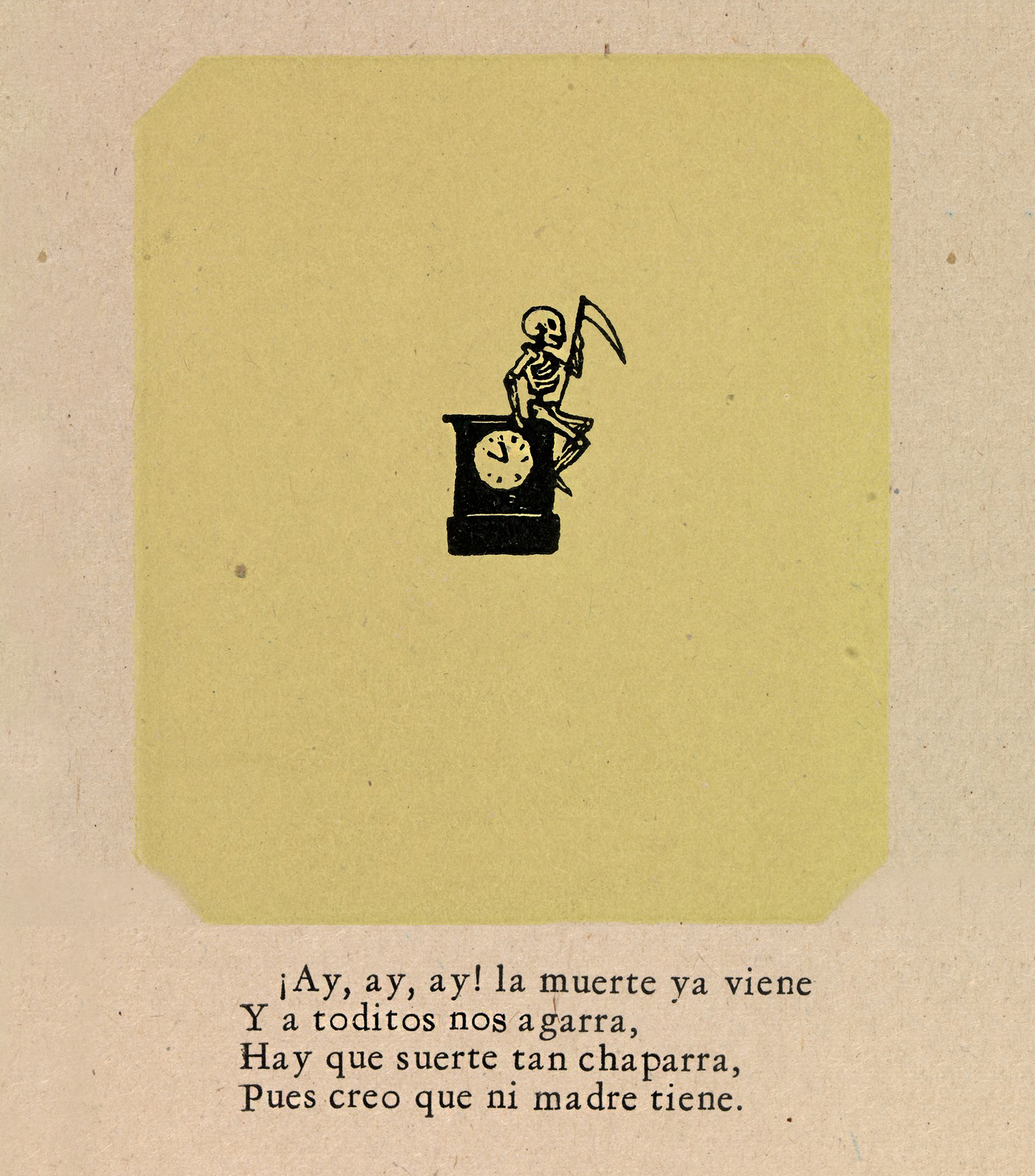

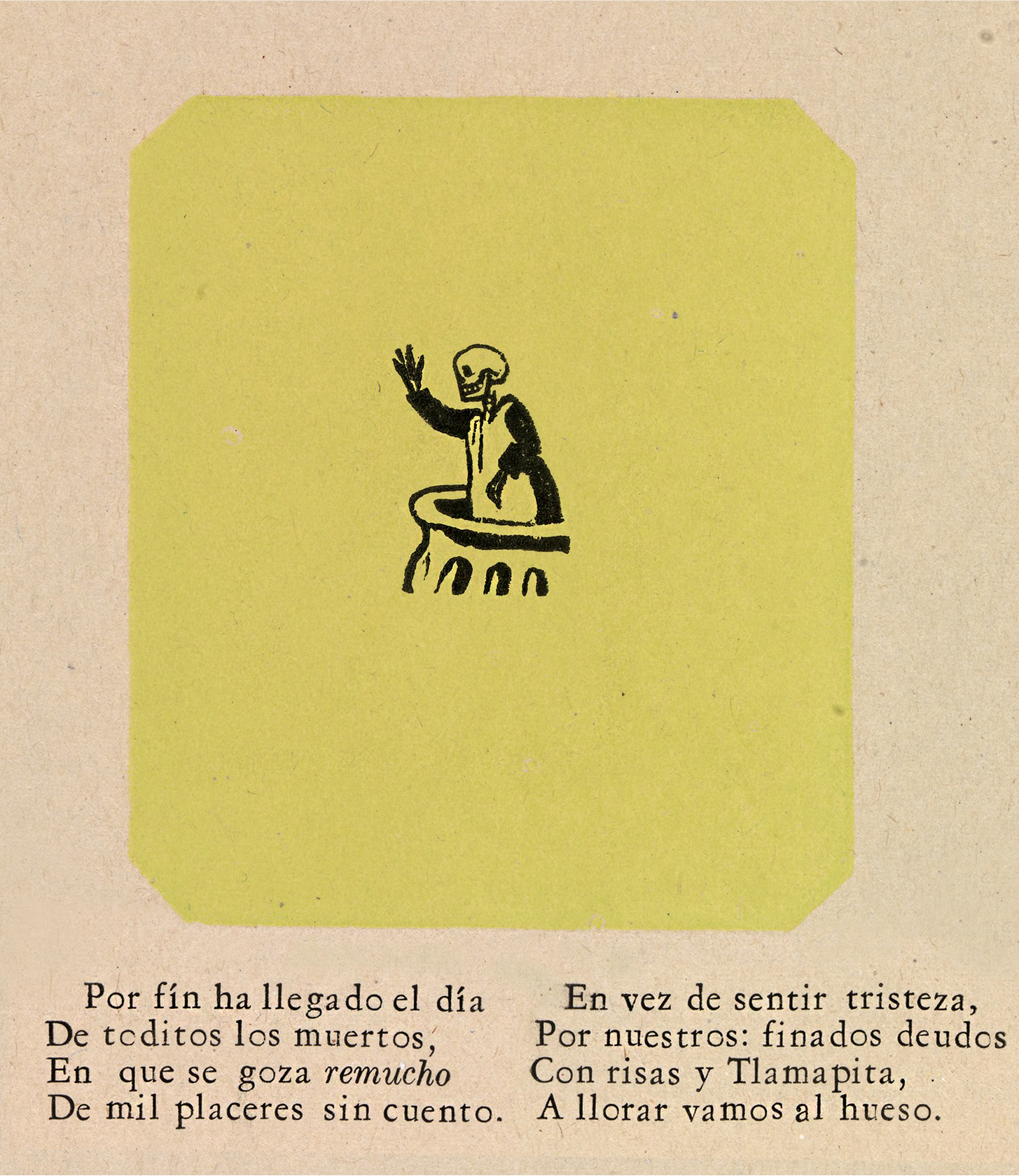

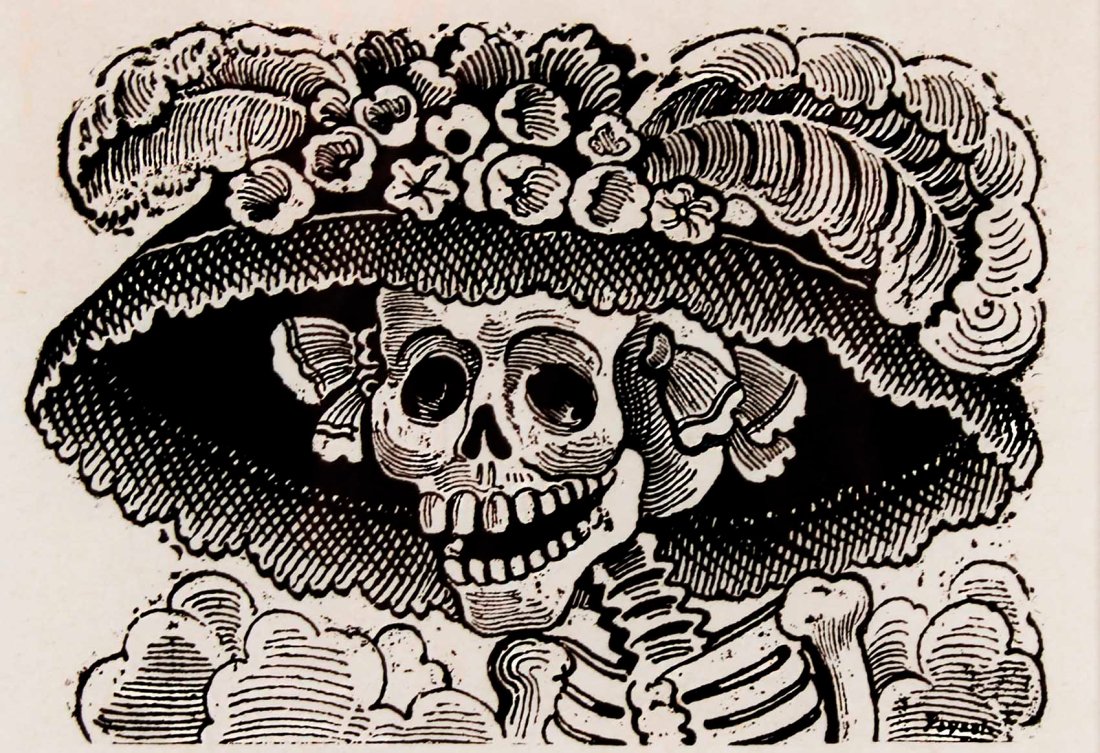
![La Calavera Garbancera [aka, La Catrina, La calavera Catrina (*)] created by Mexican engraver José Guadalupe Posada (zinc etching, ca. 1910 / periodical from 1913).
(*) Skull of the Female Dandy, named after the mural 'Sueño de una tarde dominical en la Alameda Central' (1947) by muralist Diego Rivera. | source wikimedia commons](https://live.staticflickr.com/65535/52471617711_655bfa1c44_o.png)
![La Calavera Garbancera [aka, La Catrina, La calavera Catrina (*)] created by Mexican engraver José Guadalupe Posada (zinc etching, ca. 1910 / periodical from 1913).
(*) Skull of the Female Dandy, named after the mural 'Sueño de una tarde dominical en la Alameda Central' (1947) by muralist Diego Rivera. | source wikimedia commons](https://live.staticflickr.com/65535/52471118677_44c2523619_o.png)



 un regard oblique