
Yevgeni Khaldei (Evgeny Khaldey) :: Raising the Soviet Flag over the Reichstag [Raising the Hammer and Sickle over the Reichstag], 1945. Gelatin silver print. / sources: nailya alexander gallery and lumiere gallery
images that haunt us
Yevgeni Khaldei (Evgeny Khaldey) :: Raising the Soviet Flag over the Reichstag [Raising the Hammer and Sickle over the Reichstag], 1945. Gelatin silver print. / sources: nailya alexander gallery and lumiere gallery


Paul Trevor ::
High Heights, Haigh Street, Everton, Liverpool, 1975 [from
Like You’ve Never Been Away] / via
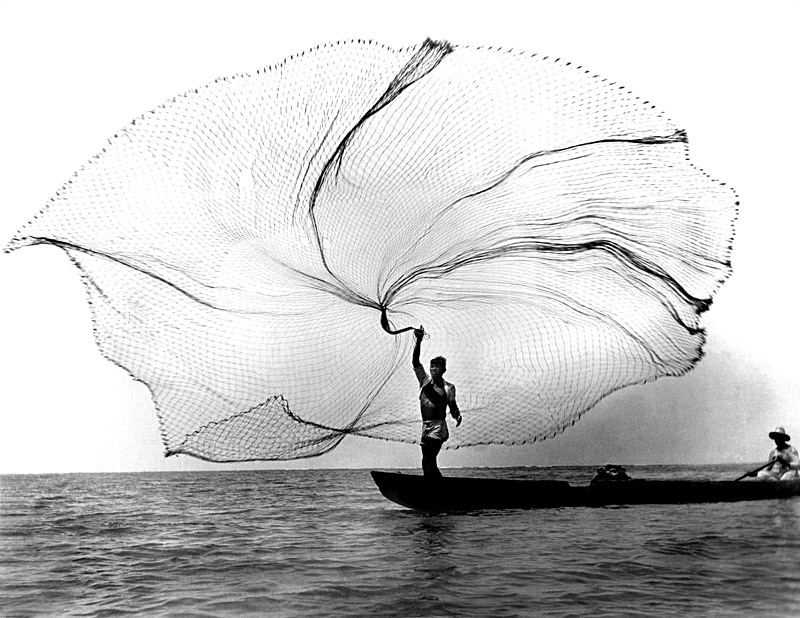
Leo Matiz Espinoza :: Pavo real del mar / Peacock of the Sea, Ciénaga Grande, Colombia, 1939 / src: elhurgador
more [+] by this photographer
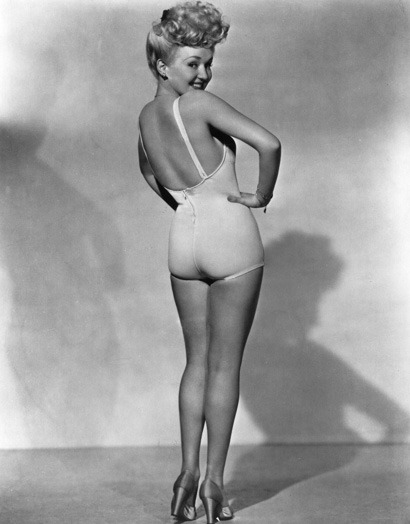
Frank Powolny
:: Smiling coyly over her shoulder in
swimsuit and pumps was the actress Betty Grable, whose iconic image
above became the number-one pin-up of the World War II (1943). A
photographic masterpiece that emphasized Grable’s
beautiful legs. Hers were the ideal legs according to hosiery
specialists of the era [thigh (18.5″) calf (12″), and ankle
(7.5″)]. Grable was noted for having the most beautiful legs in
Hollywood and studio publicity widely dispersed photos featuring them.
They were insured for a million dollars at the Lloyds of London.
src: iconic photos / related post, here

Pierre- Louis Pierson ::
Scherzo di Follia (Game of Madness),
1861-67, printed ca. 1930.
[Countess of Castiglione /
Countess Virginia Oldoini Verasis di Castiglione
] / source: Metropolitan Museum
“Virginia Oldoini, Countess Verasis de Castiglione (1837-1899), created a sensation when she appeared on the social scene in Paris in 1855, having been sent by the Italian statesman Cavour to secretly win Napoleon III over to the cause of Italian unity by “any means she chose.” Within months, the statuesque beauty was the mistress of Napoleon III and a much-talked-about ornament of the lavish balls so prevalent during the period. After the fall of the Second Empire in 1870, she led an increasingly secluded existence, which gave rise to fantastic speculation about her affairs. As the years went by, her mental stability declined and she ventured out only at night, shrouded in veils.
The countess’s raging narcissism found in photography the perfect ally; Pierre-Louis Pierson produced over seven hundred different images of her. In a reversal of roles, the sitter would direct every aspect of the picture, from the angle of the shot to the lighting, using the photographer as a mere tool in her pursuit of self-promotion and self-expression.” quoted from source
related post by Len Prince (reenactment), here
more [+] by this photographer
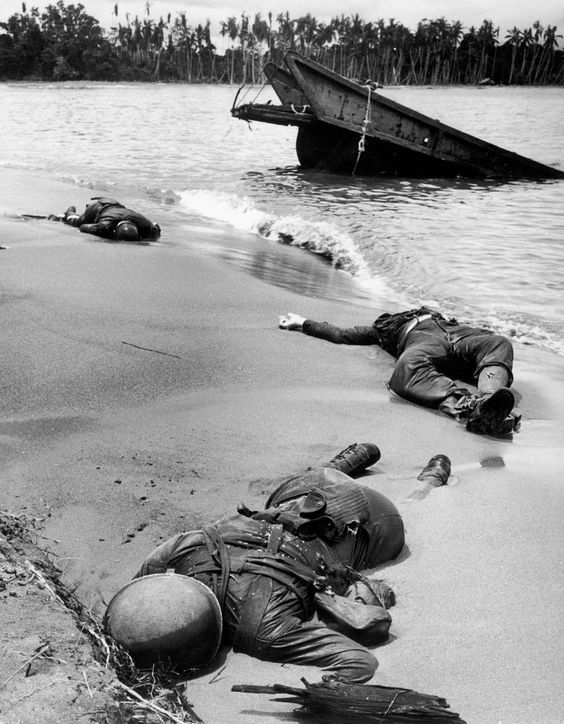
“Japs, hiding in a barge with rifles and grenades, took the lives of
these three American fighters who were mopping up on the last day of the
Buna Gona battle in New Guinea, last January. Beach and barge action
was the bloodiest and most fierce of any Buna action, and these boys are
among those who lost their lives but helped win the battle.” Published
Sept 13, 1943 for release on September 17, 1943. [LIFE Magazine] src: here
The photo, taken by George Stock in January 1943, was controversial
because it depicted the bodies of American GIs. It took nine months to
get the War Department to approve publishing the image. The decision
finally went all the way to President Roosevelt, who authorized its
publication because he was concerned that the American public was
growing complacent about the war and its terrible cost on human life. It
was the first image in World War II to depict American troops who had
died in combat without the bodies being draped, in coffins, or otherwise
covered.
The photo by George Strock for LIFE magazine is now acknowledged as a war classic. /
image source: nzgeo
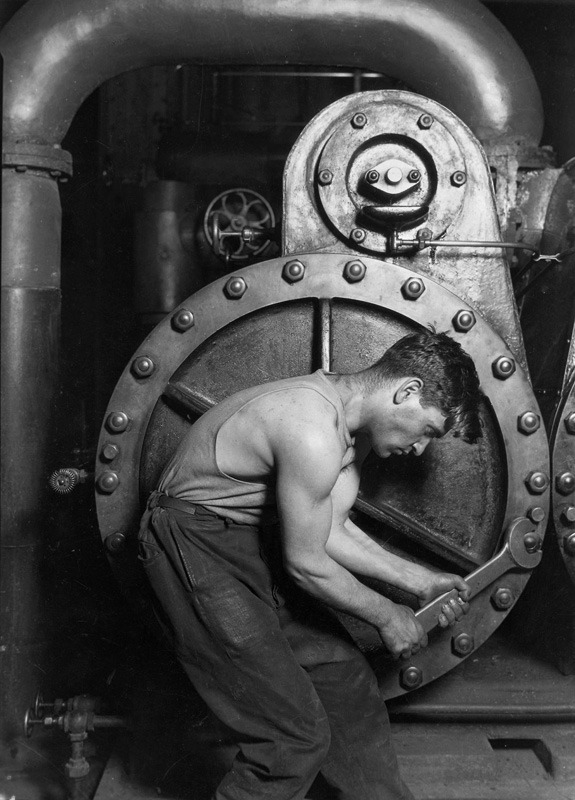

 un regard oblique