Éva E. Kovács, 1945-1946

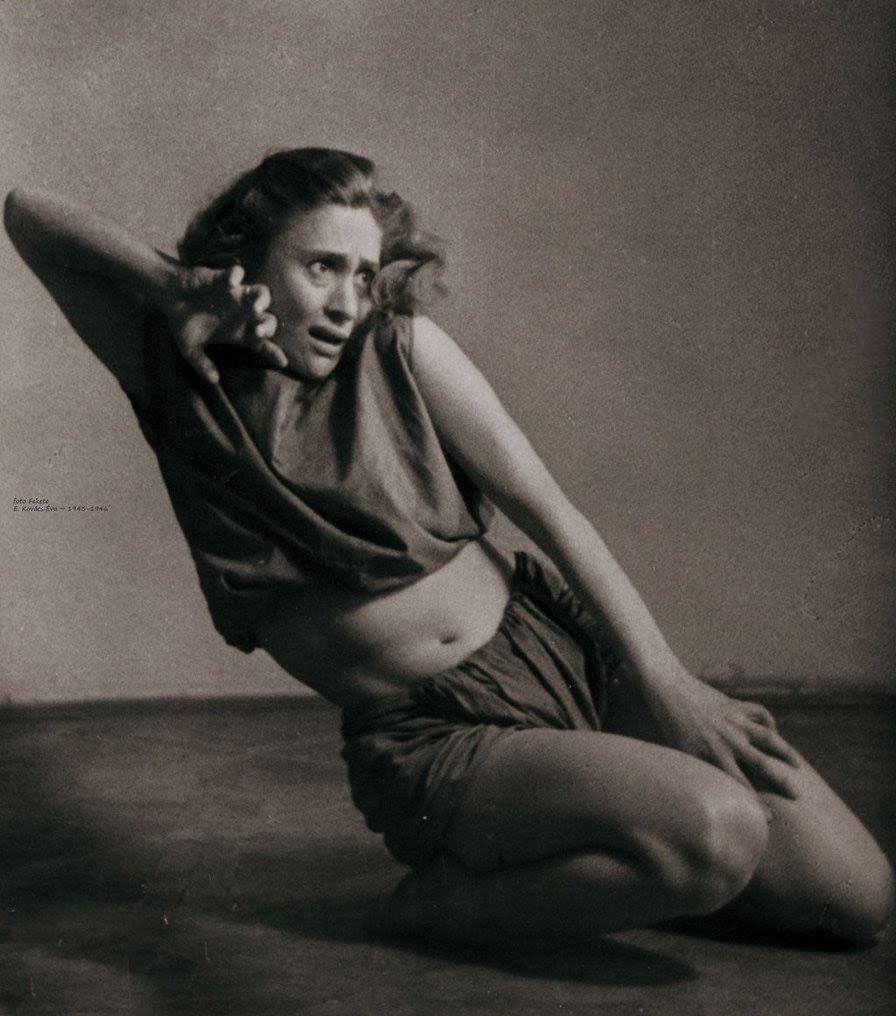
Hungarian dancer and choreographer Éva E. Kovács (1922-2018), 1945-1946. Illegible photographer's name (right margin). | src MoHa / Mozdulatművészek Háza - Orkesztika Alapítvány
Hungarian dancer and choreographer Éva E. Kovács (1922-2018), 1945-1946. Illegible photographer’s name (right margin). | src MoHa

The Breathing Dance, 1928

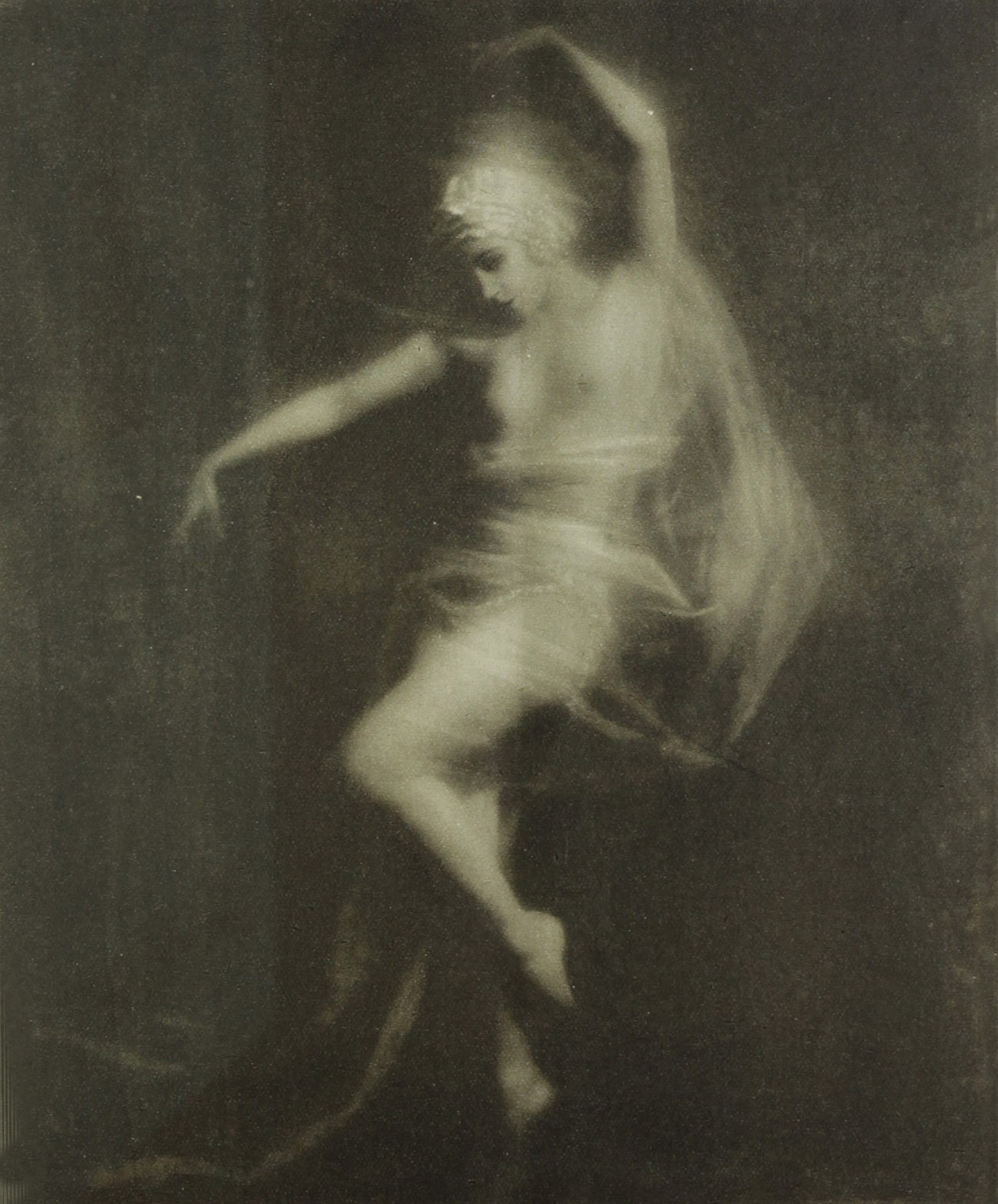
Ágnes Kalmár Kövesházi in The Breathing Dance [Lélegzőtáncban] (costume: Elsa Kalmár Kövesházi), Cikk-Cakk evenings, 1928, MTA BTK Institute of Art History | src Artmagazin

Breathing exercises played an important role in the Hungarian dance school. Air and breathing exercises also played a big role in Agnes Kövesházi’s life. Since she had lung disease, the regular practice healed the dancer’s body and soul. It is likely that this disease was also the inspiration for her choreography Breathing Dance [Lélegzőtáncban].

Around 1928, Elsa Kalmár Kövesházi made a plaster sculpture entitled “Breathing Dance” (image below). The sculpture was inspired by Ágnes Kövesházi, the sculptor’s daughter. In the 1920s, Agnes was the leading dancer of Alice Madzar’s artists movement and co-creator Ödön Palasofszky’s Quintessential Theatre. Her own dance composition, which ran under the same name, was the inspiration for her mother’s work. The photograph of Ágnes Kövesházi, in a position corresponding to the sculpture work of “Breathing Dance”, was also left for posterity. Her dress is the same fan-like as the sculpture. The costume was also made by Elsa Kalmár Kövesházi.

According to the idea of ​​Elza Kalmár Kövesházi, a costume should start from the character of the movement, amplifying its characteristics: her richly pleated costume, which visually emphasizes the movement of the body, conveys every breath of the dancer. She immortalized her daughter’s solo piece together with other choreographies of the Hungarian Artists Group (Csitsibua, Bilincsek) in sculpture, creating exceptionally beautiful art deco sculptures.
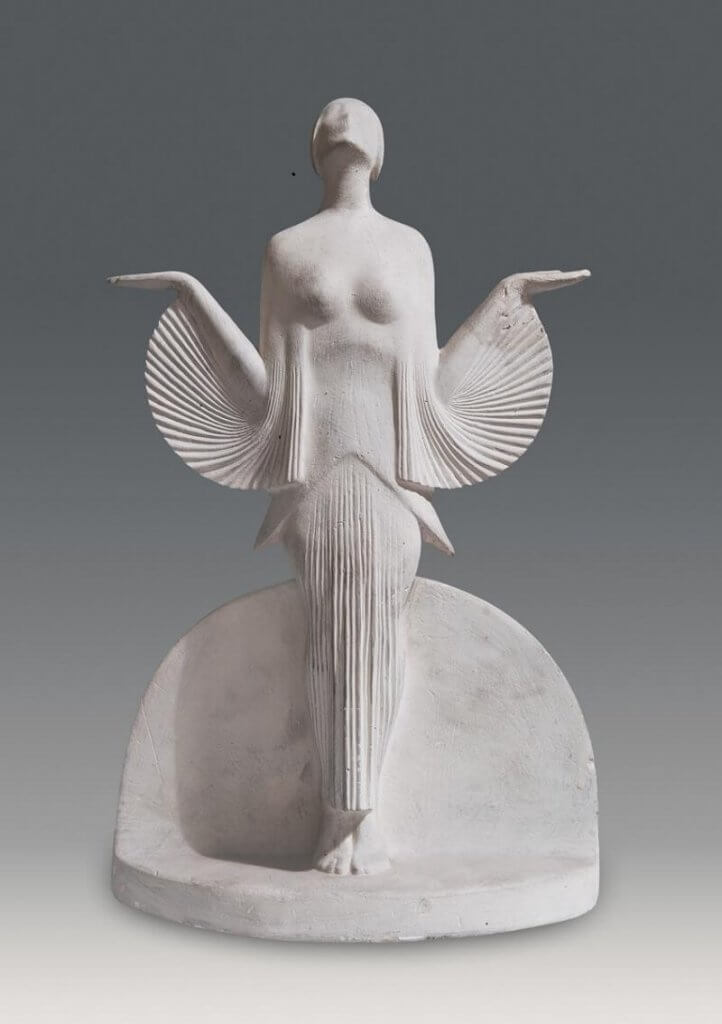
Elsa Kalmár Kövesházi :: Breathing Dance, 1928 (Ágnes Kalmár Kövesházi, gypsum, 28.3 cm, Hungarian National Gallery) | src Óbudai Antiksz
Elsa Kalmár Kövesházi :: Lélegzőtánc | Breathing Dance, 1928 (Ágnes Kalmár Kövesházi, plaster, 28.3 cm, Hungarian National Gallery) | src Óbudai Antiksz

Bea Egerváry von Manassé

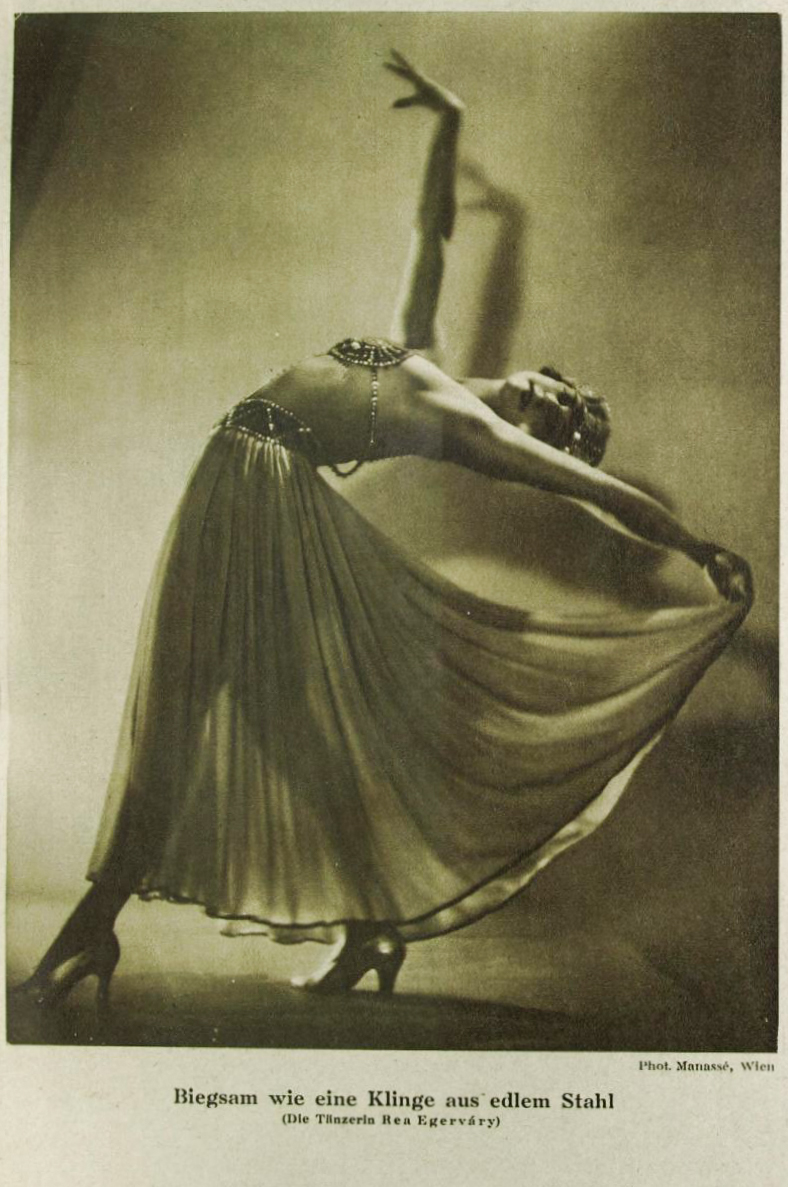
Atelier Manassé ~ Flexible like a blade made of precious steel (The dancer Rea [sic] Egerváry)
Scherl’s Magazin, Band 5, Heft 12, Dezember 1929
Atelier Manassé ~ Biegsam wie eine Klinge aus edlem Stahl (Die Tänzerin Bea Egerváry)
Scherl’s Magazin, Band 5, Heft 12, Dezember 1929 [full page]

Alíz Madzsar dancers, 1920s

Táncosnők, Madzsar Alíz (Madzsar Józsefné Jászi Alice) hagyatékából, 1920-as évek | Dancers from the legacy of Alice Madzsar (Alice Jászi), 1920s | src Kassák Múzeum Budapest
Táncosnők, Madzsar Alíz (Madzsar Józsefné Jászi Alice) hagyatékából, 1920-as évek | Dancers from the legacy of Alice Madzsar (Alice Jászi), 1920s | src Kassák Múzeum Budapest | further information on Madzsar’s work here

Olga Szentpál von Hugo Erfurth

Hugo Erfurth :: Untitled (Dancer; Olga Szentpál), 1923. | src Städel Museum
Hugo Erfurth :: Olga Szentpál. Auftritt der ungarischen Tanzgruppe, 1923. | Olga Szentpal. Performance by the Hungarian dance group, 1923. | src Dorotheum

Lila Nickolska by Baccarini-Porta

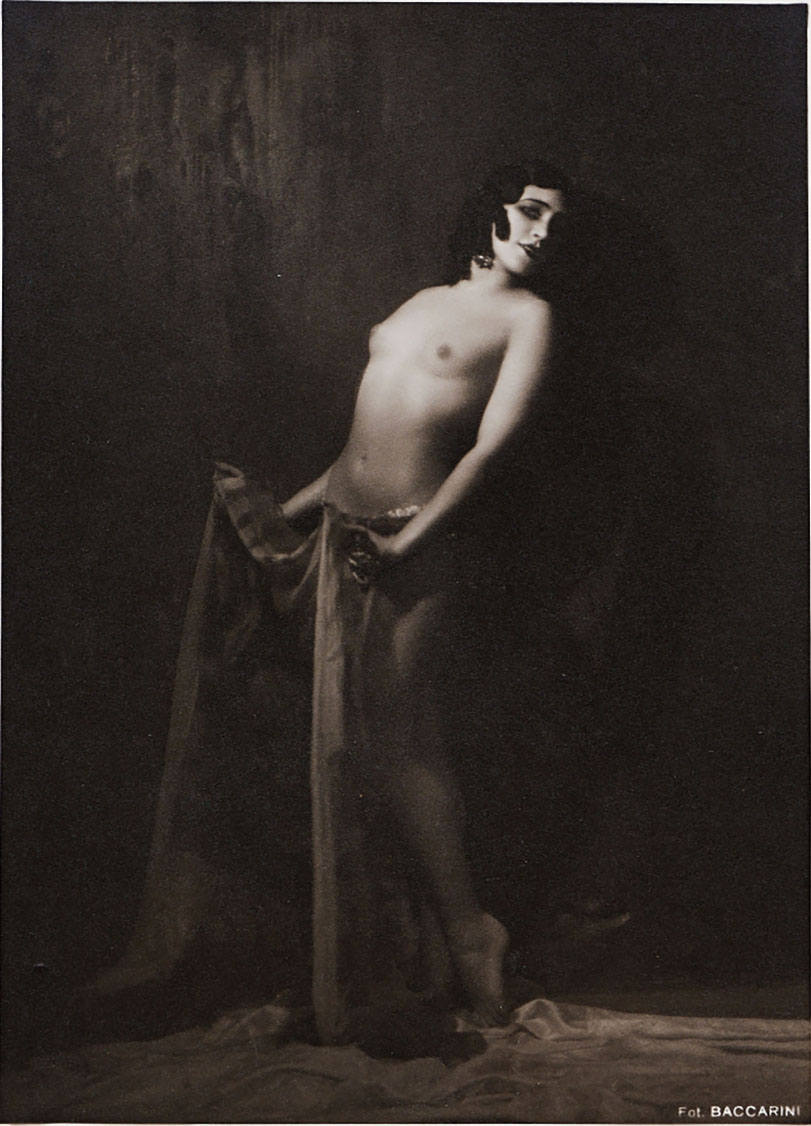
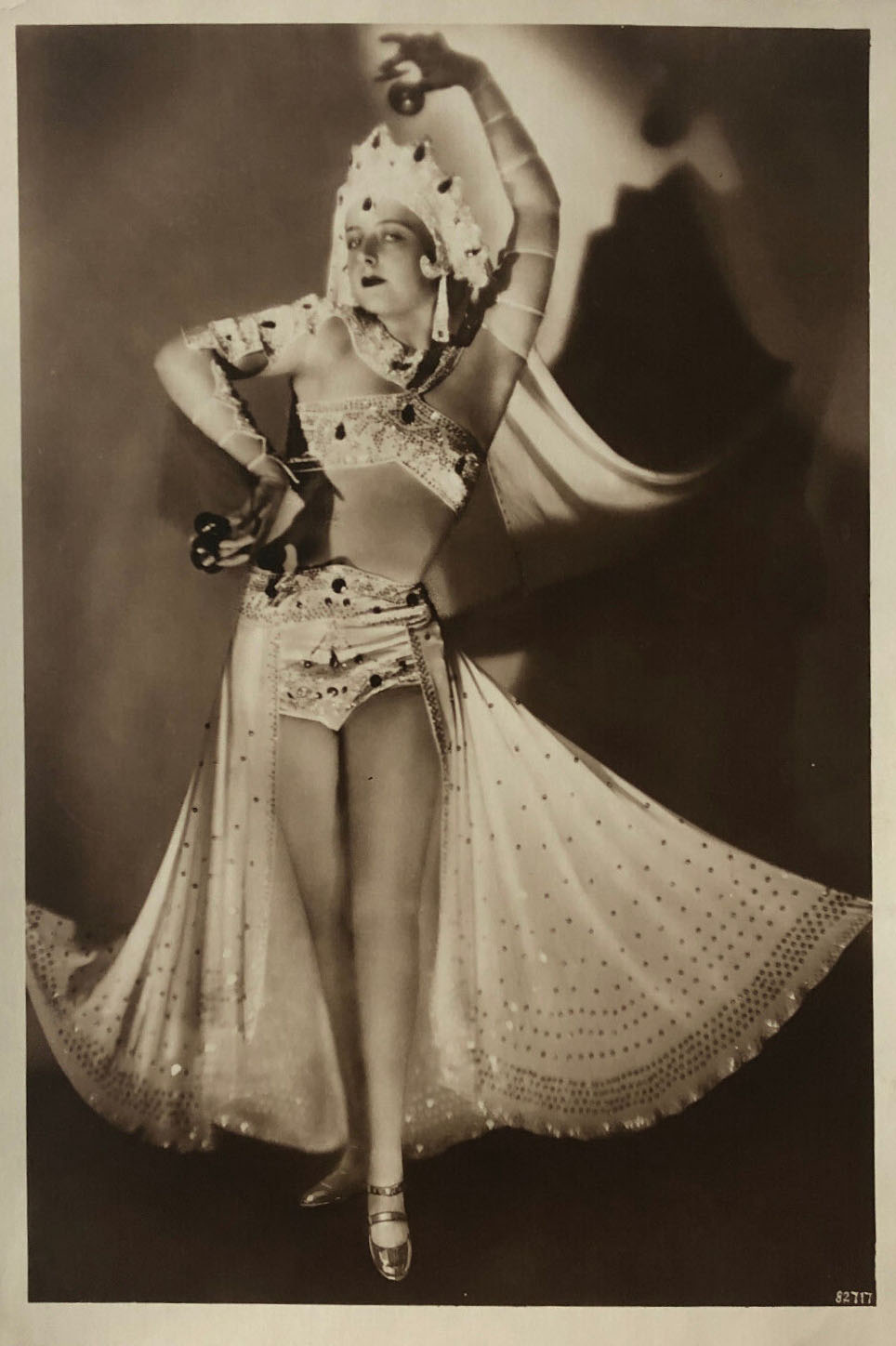
Baccarini & Porta ~ Die Tänzerin La Nickolska [Yelizaveta Nikolska]. Die Bühne 1929, Heft 228, Seite 5 | src ÖNB
Roberto Baccarini :: Elizaveta “Lila” Nikolska, ca. 1930. Stampa fotografica vintage alla gelatina ai sali d'argento, timbro del fotografo al verso. | src Aste Bolaffi
Roberto Baccarini ~ Elizaveta “Lila” Nikolska, ca. 1930. Stampa fotografica vintage alla gelatina ai sali d’argento, timbro del fotografo al verso. | src Aste Bolaffi
Roberto Baccarini ~ Elizaveta “Lila” Nikolska, ca. 1930 | src Aste Bolaffi