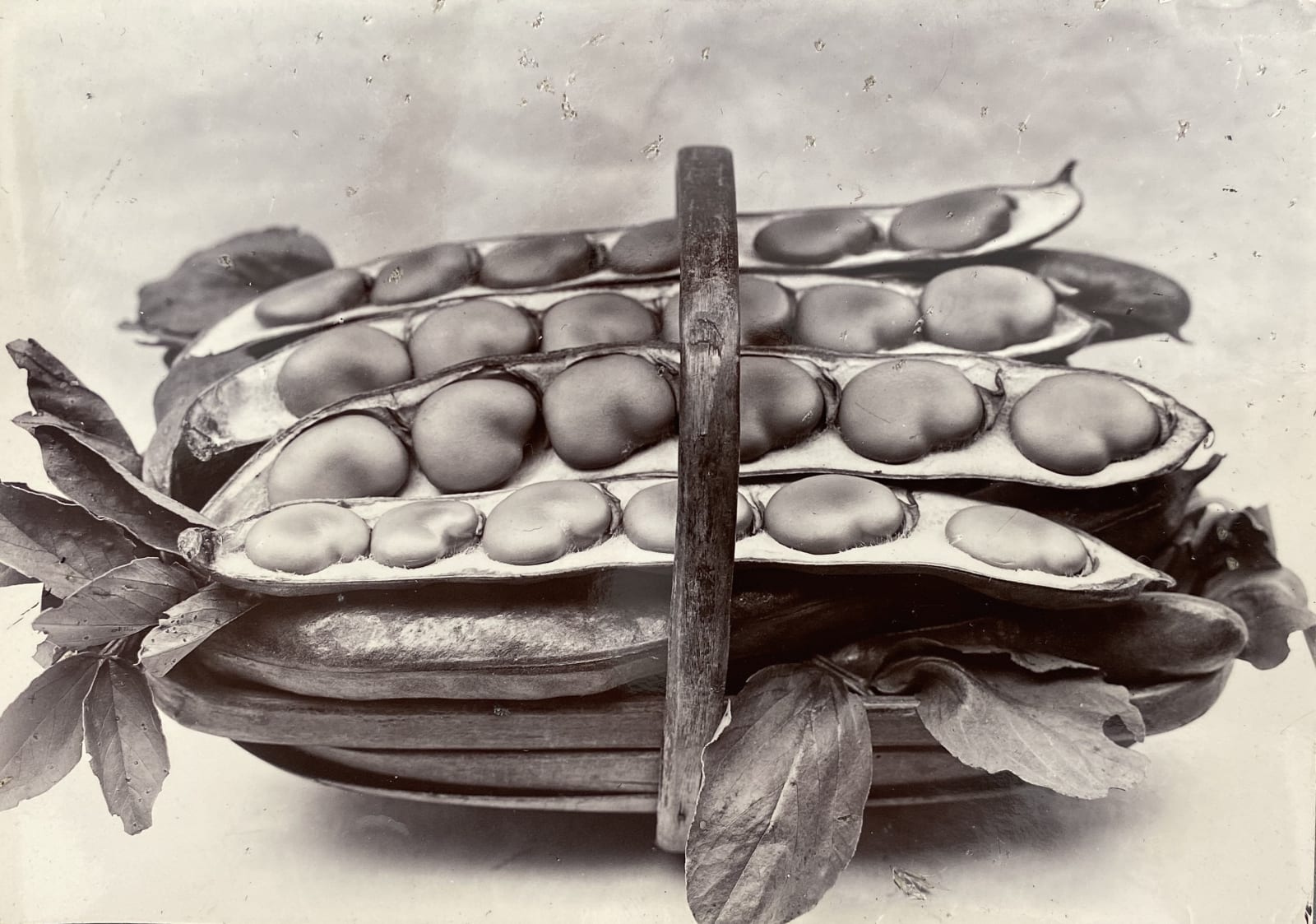

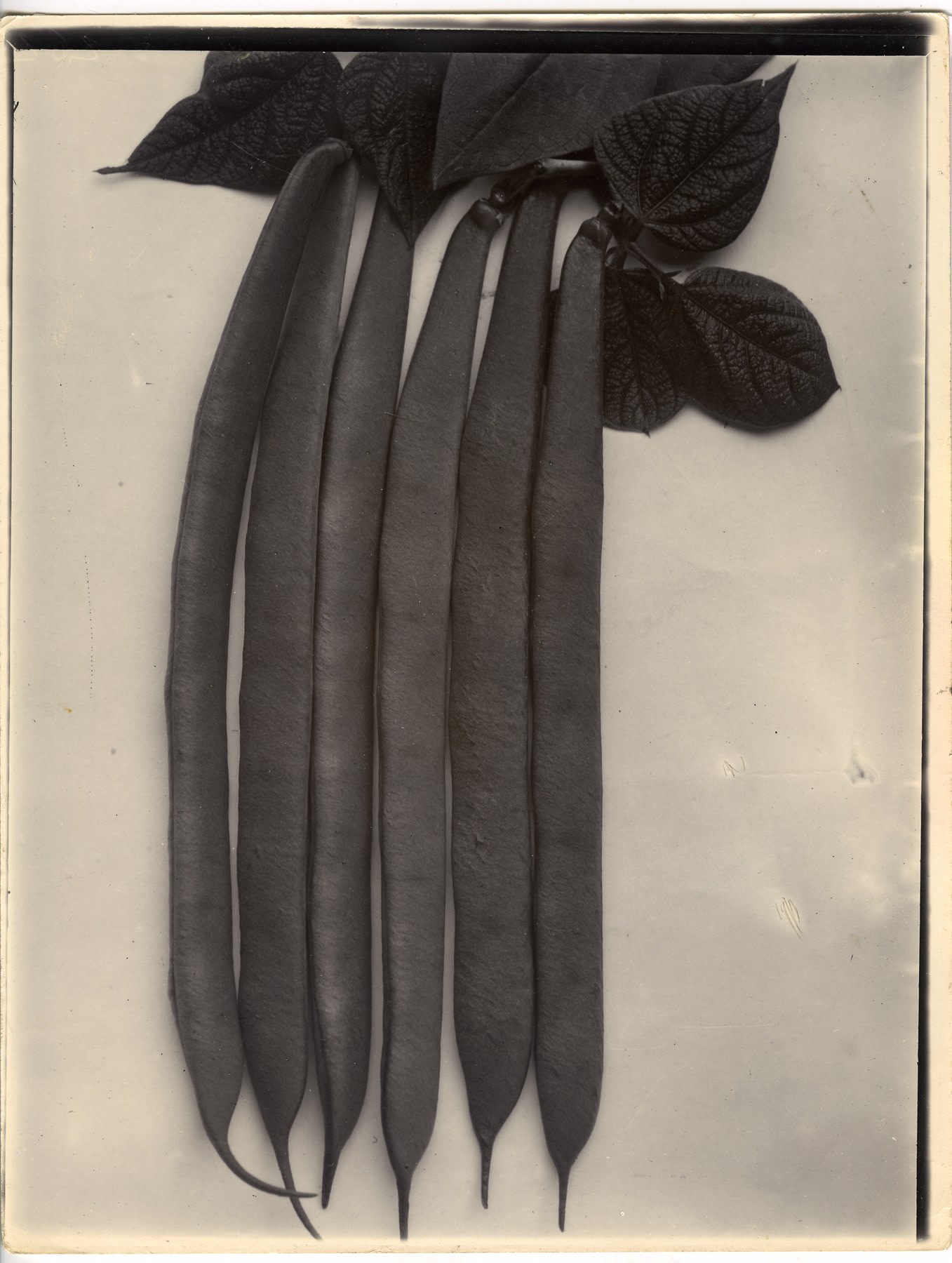
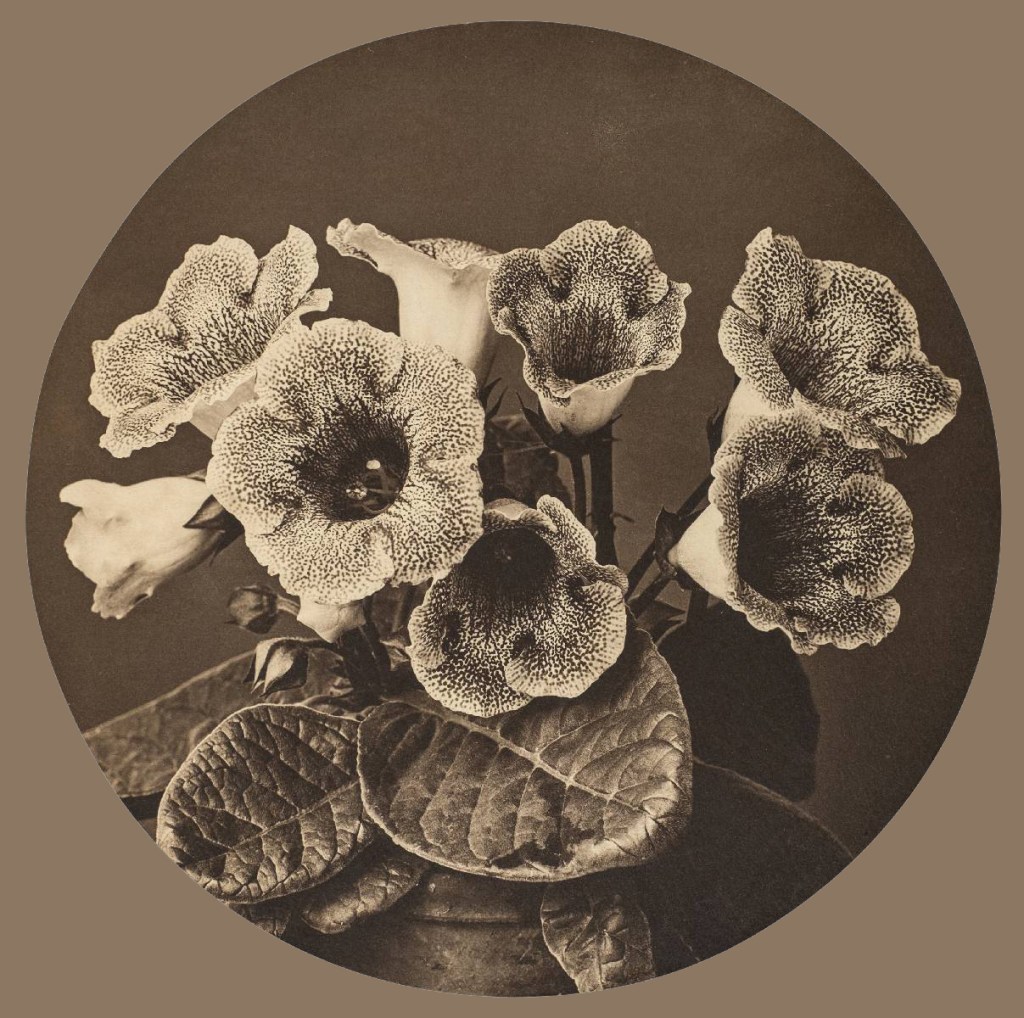
Charles Jones was an English gardener and plantsman, who worked on private estates in the 1890s. As if they were carefully crafted objects, he diligently photographed the vegetables, fruit and flowers he grew. In the era of the supermarket, they appear as a eulogy to a lost time of intimacy between producer and product, the simplicity of the forms paralleling a seemingly less complex age. Although his work wasn’t discovered until 1984 (in Bermondsey market by Sean Sexton), his life’s work is now considered to be on a par with the spare, modernist photographs of Karl Blossfeldt’s flowers and Edward Weston’s vegetables. All his negatives would have been glass and each gold toned print would have taken many hours to complete, the prints are beautiful and unique and show an adept hand in what was a very complex ‘hobby’. His work is in public institutions worldwide. [quoted from Michael Hoppen Gallery]
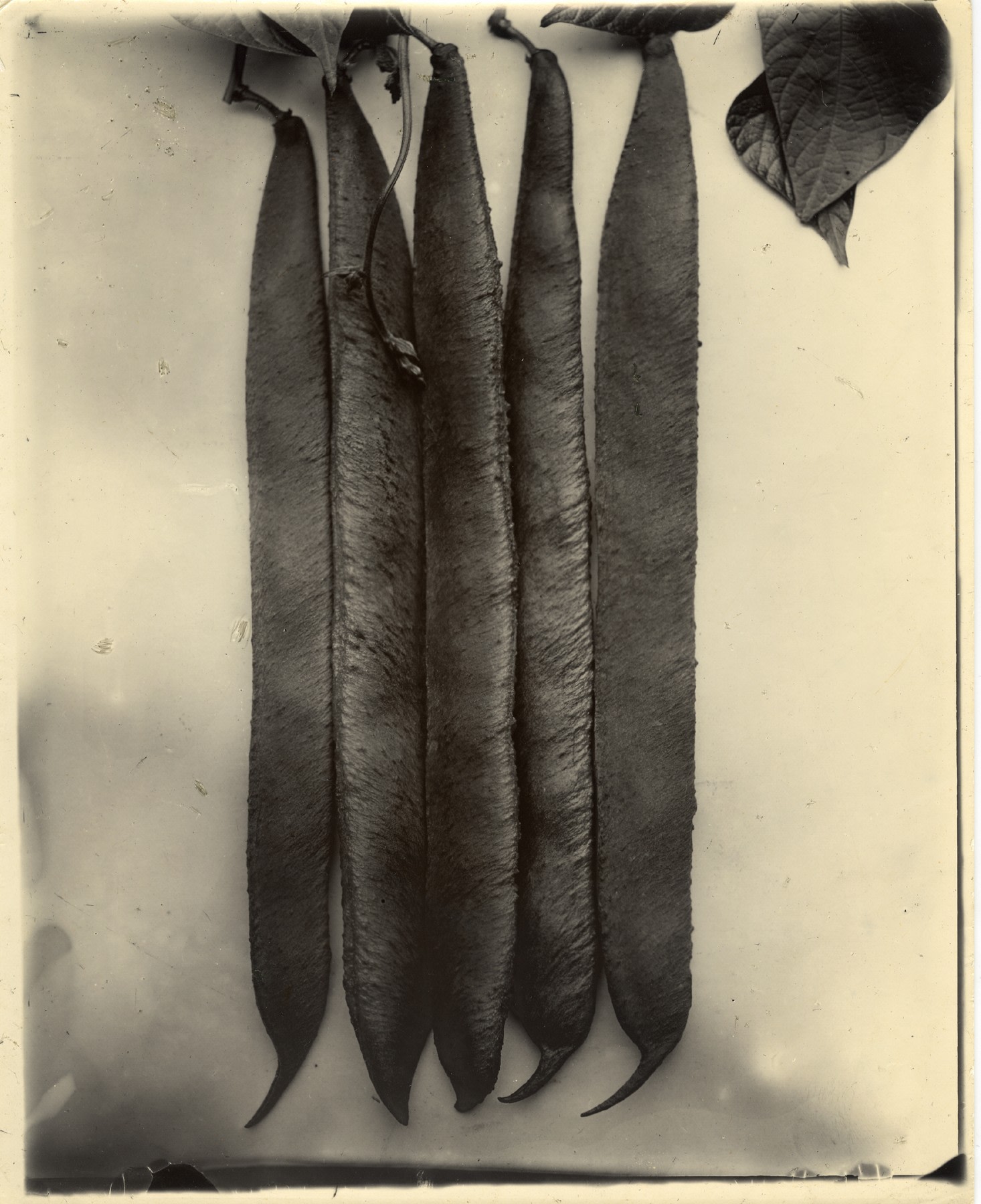
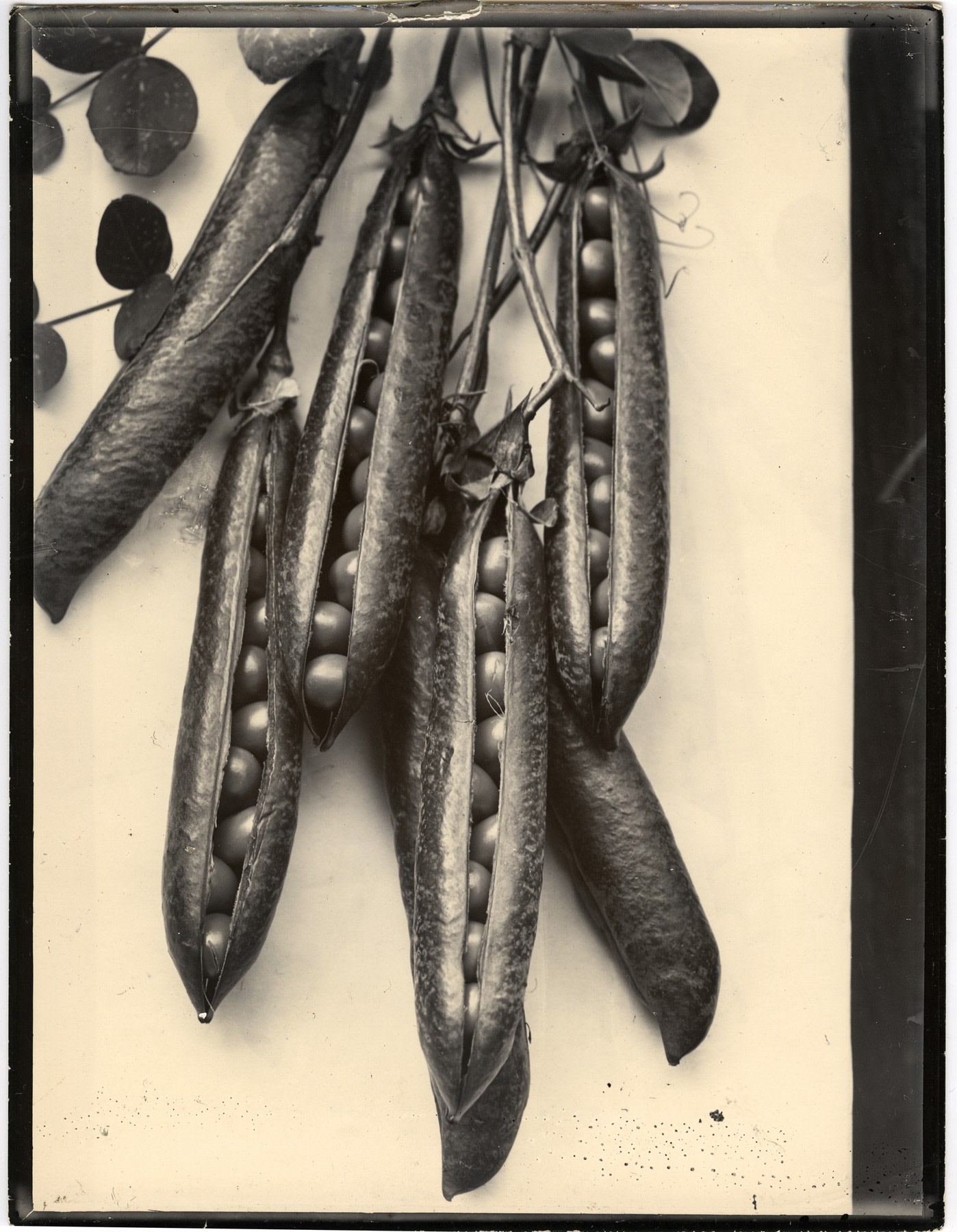

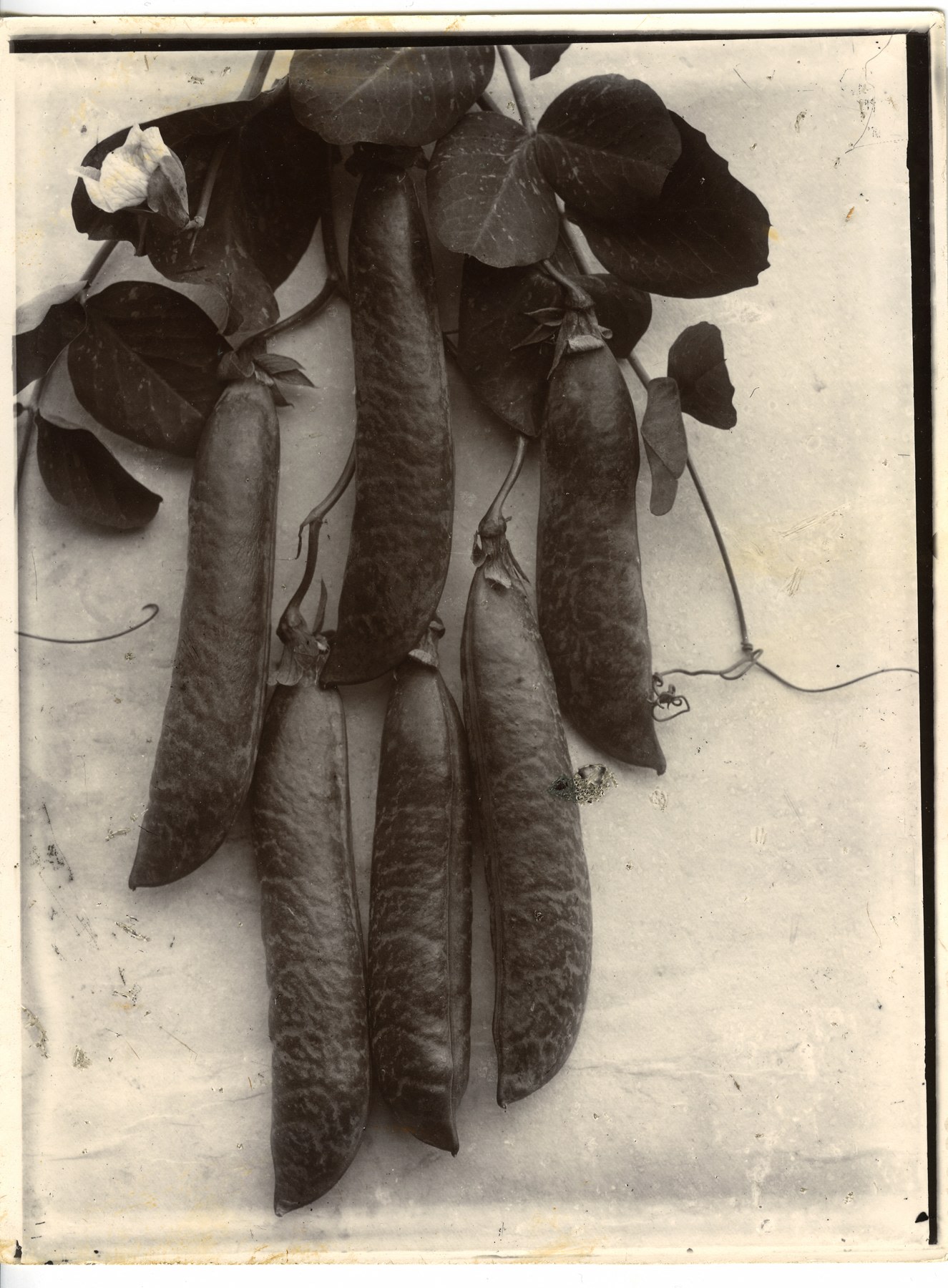
Howard Greenberg Gallery is pleased to announce an exhibition of still life photographs by British born Charles Jones. Viewed as a proto-Modernist and outsider artist, Jones, a humble English gardener and photographer working at the turn of the 20th century, is one of art’s most mysterious and recent discoveries. Jones’ work came to light in 1981, when discovered in a trunk at an antiques market in London. The only clue to the identity of the photographer were the initials “C.J.” or sometimes the signature “Charles Jones” that was scrawled on the backs of the prints along with fastidious notations giving the precise name of each of the subjects. But the story of the photographer remained unknown until a woman, seeing the photographs on BBC television, identified them as the work of her grandfather, a gardener who worked at several private estates between the years 1894 and 1910. [quoted from HGG]


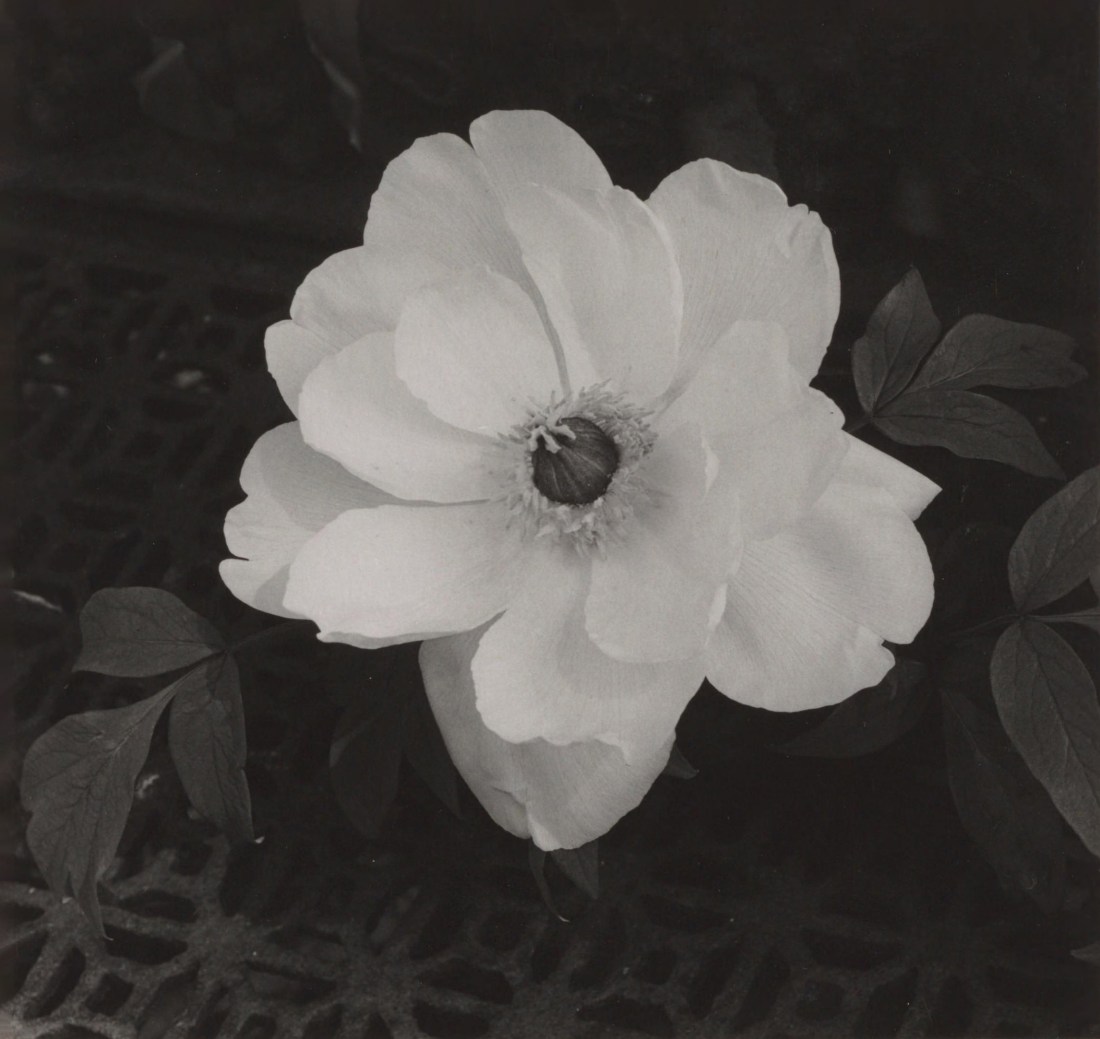
![Minor White :: White tree peony (Jap.), mid 1950s-1960s; published 1968. [Photographs of tree peonies] at internet archive
Album photographs of tree peonies, published: 1968. Presented to the Massachusetts Horticultural Society in 1971 by William Gratwick.
Unsigned black-and-white photographs of black and white tree peonies by Nassos Daphnis, Minor White, and William Gratwick. The prints, which illustrate various species of tree peonies at different stages of their development, including embryo, bud, full flower, and seed pod, were probably made at the Gratwick nursery, Linwood Gardens, in Pavilion, New York, possibly in the mid-1950s and 1960s, and assembled by Gratwick ca. 1968. Gratwick had worked for Arthur P. Saunders, a chemistry professor at Hamilton College and the first significant breeder of peonies and tree peonies in America, who began hybridizing peonies in 1915; and when Saunders died in 1953, Gratwick inherited his stock of tree peonies. He moved them to his nursery in Pavilion, and continued his breeding work with a former New York artist, Nassos Daphnis, who had given up painting for botany in 1946.](https://unregardoblique.com/wp-content/uploads/2022/07/white-tree-peony-jap.-by-minor-white-1968-1.jpg)
![Minor White :: White tree peony (Jap.), mid 1950s-1960s; published 1968. [Photographs of tree peonies] at internet archive](https://live.staticflickr.com/65535/52205175341_d2645bb6d6_o.jpg)
![Minor White :: White tree peony (Jap.), mid 1950s-1960s; published 1968. [Photographs of tree peonies] at internet archive](https://live.staticflickr.com/65535/52204406434_080791e9a3_o.jpg)
![Minor White :: Hira no yoki (white) and seedling, mid 1950s-1960s; published 1968. [Photographs of tree peonies] at internet archive](https://live.staticflickr.com/65535/52205175261_a86a50fb05_o.jpg)
![Minor White :: Hira no yoki (white) and seedling, mid 1950s-1960s; published 1968. [Photographs of tree peonies] at internet archive](https://live.staticflickr.com/65535/52203132492_629df032a5_o.jpg)

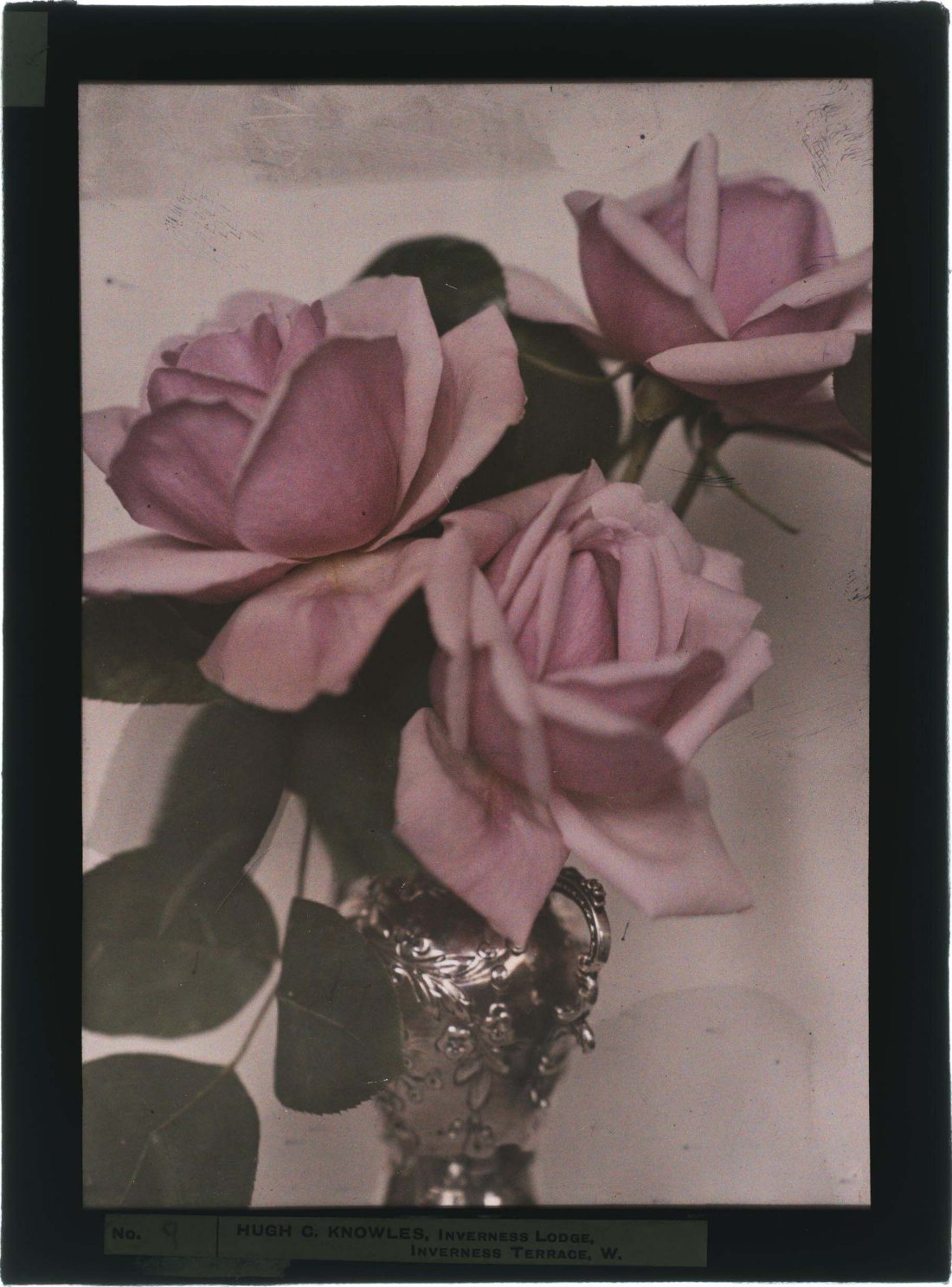
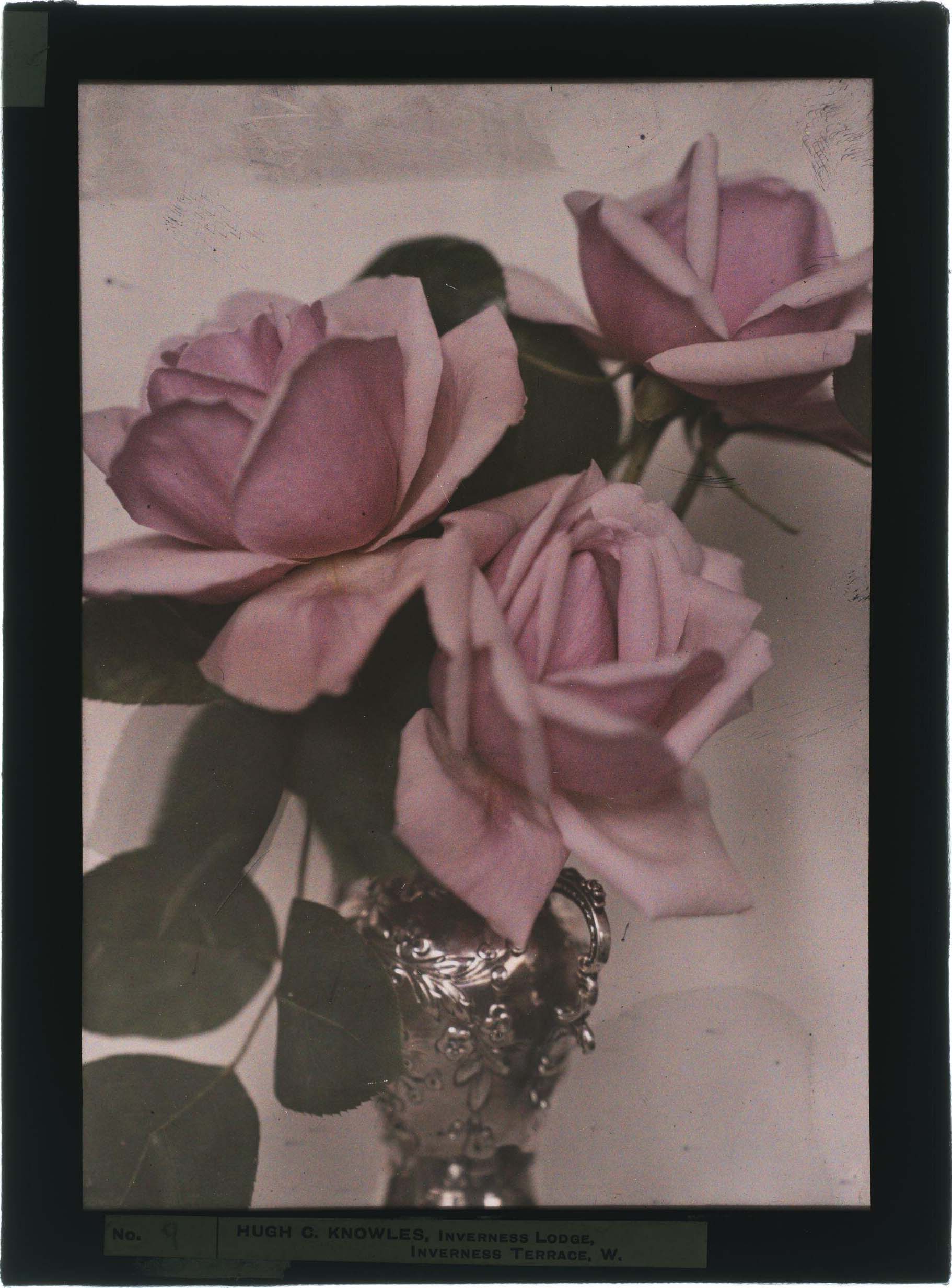
![Hugh C. Knowles :: Still life study [yellow and red roses], England, ca. 1910. Autochrome. | src The Royal Photographic Society Collection at the V&A Museum](https://live.staticflickr.com/65535/52321699873_4b99da64c7_o.jpg)

 un regard oblique