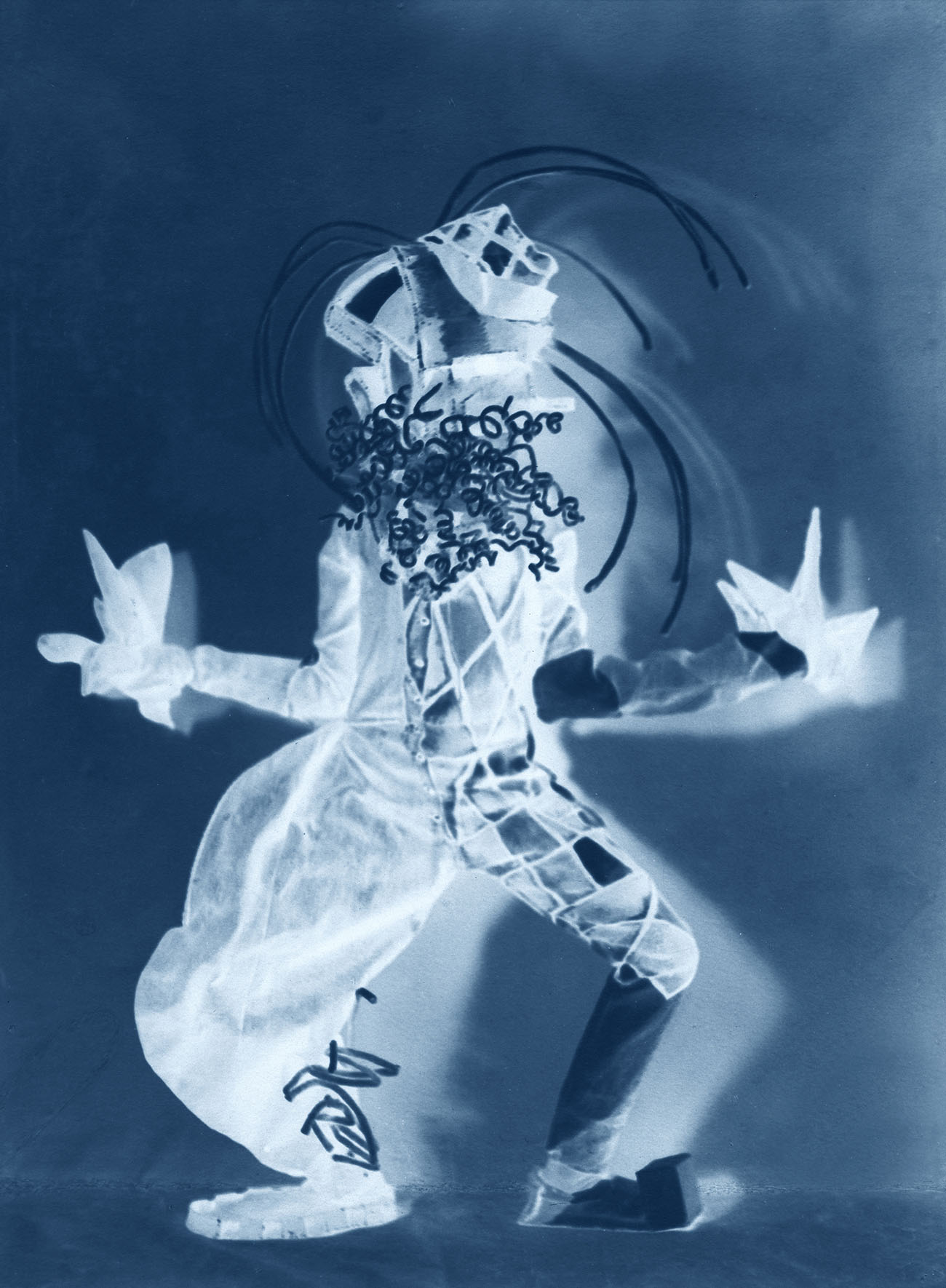
Thomas Ruff ~ neg◊laviniaschulz_07, 2021, c-print. Work from the series of Negative | src Mai 36 Galerie
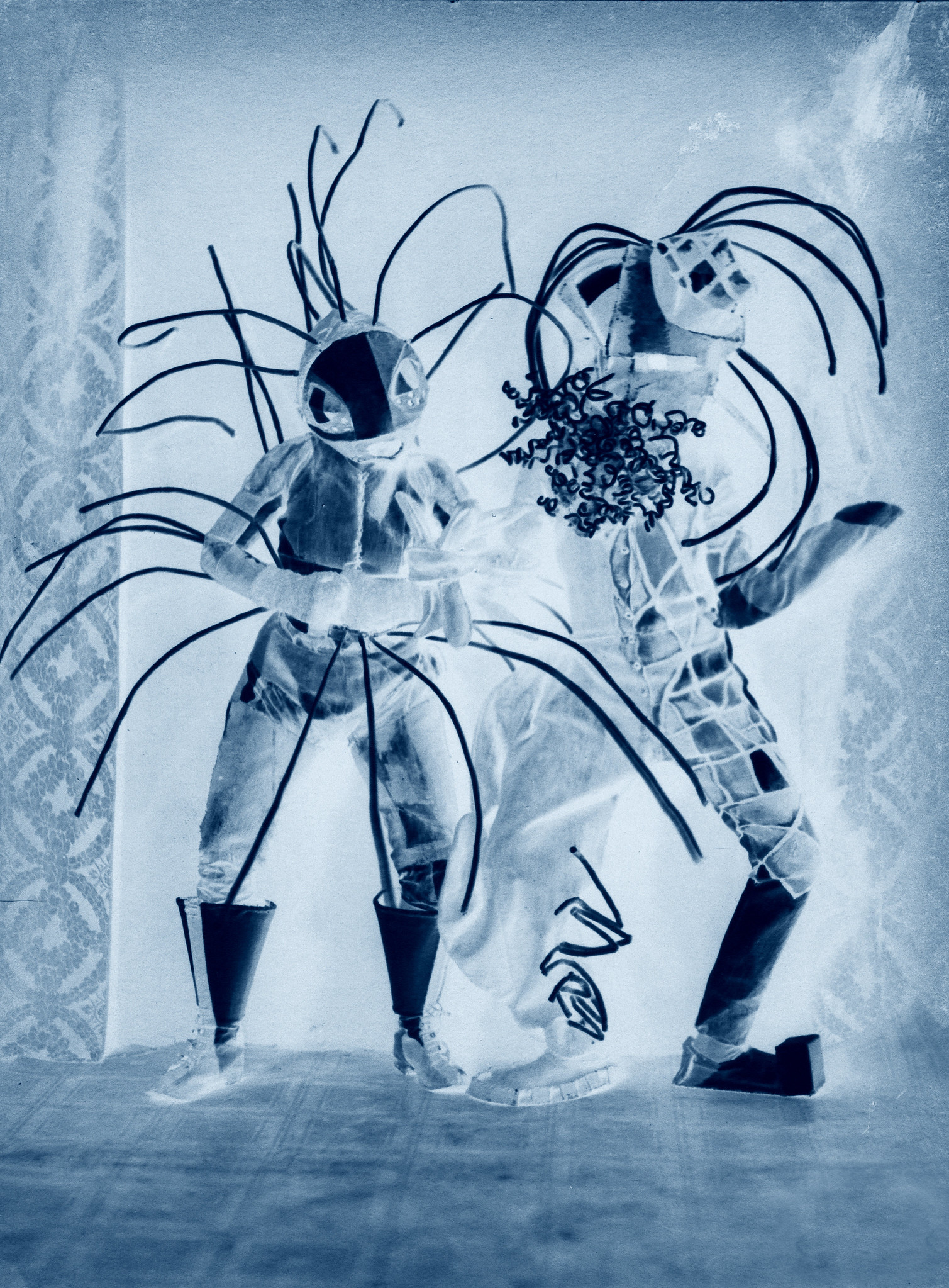
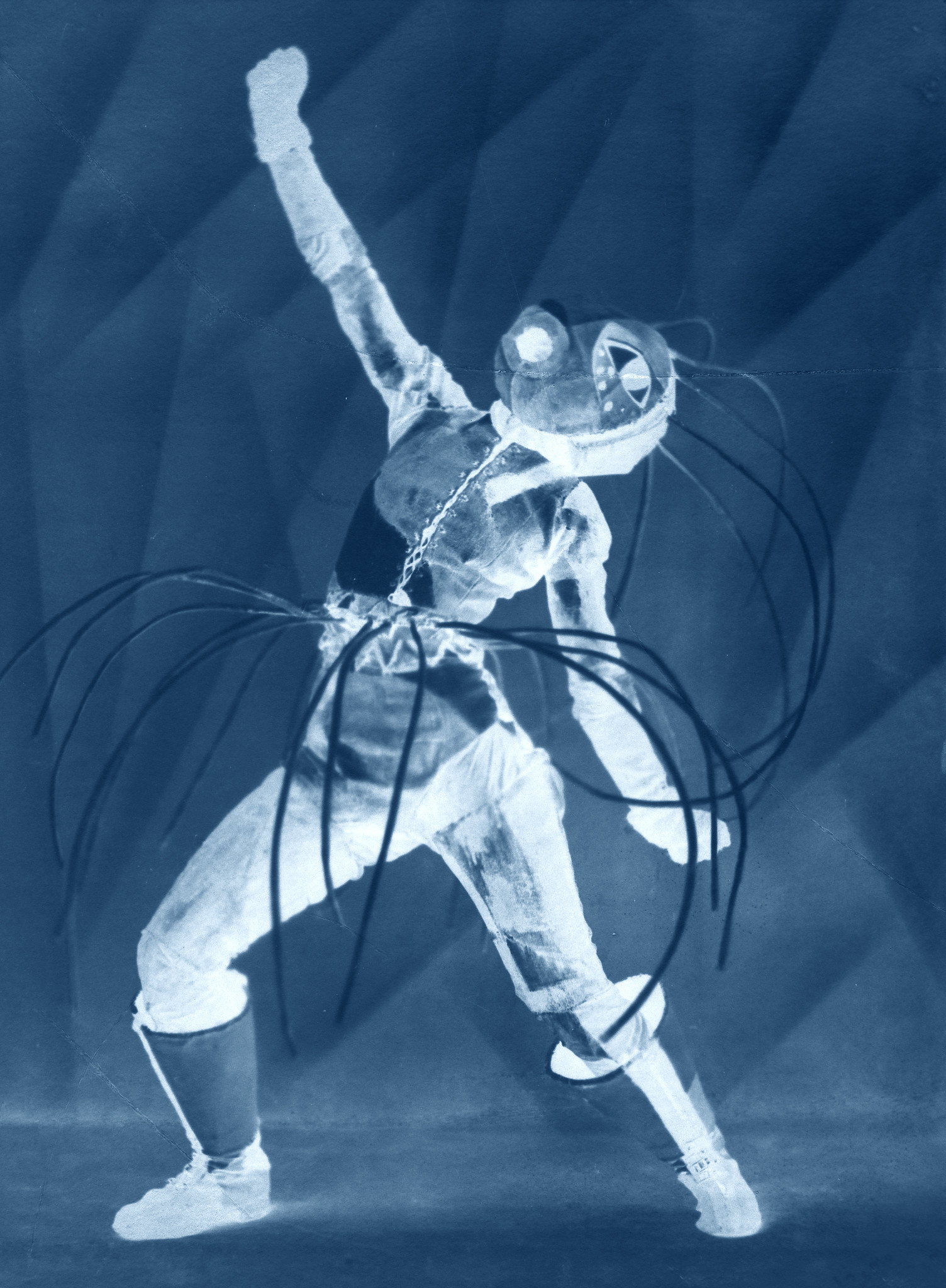
The neg◊laviniaschulz subgroup from the series of Negative are expressionist dance studies of the dancer Lavinia Schulz and the actor Walter Holdt in full-body masks, which they both designed together in the early 1920s. The starting point of the series are photographs of the 19th and 20th century (by Minya Diez-Dührkoop), which have a typical brown patina and whose motifs cover the entire range of historical photography. When these photographs are inverted (reversing the positive into the negative), a high-contrast blue tone emerges, and the compositional design comes to the fore. Thus, the negative, the actual ‘original’ of a photograph, which threatens to disappear completely due to the triumph of digital photography, becomes the object of contemplation.
Thomas Ruff ~ neg◊laviniaschulz_16, 2021, c-print. Work from the series of Negative | src Mai 36 GalerieThomas Ruff ~ neg◊laviniaschulz_14, 2021, c-print. Work from the series of Negative | src Mai 36 Galerie
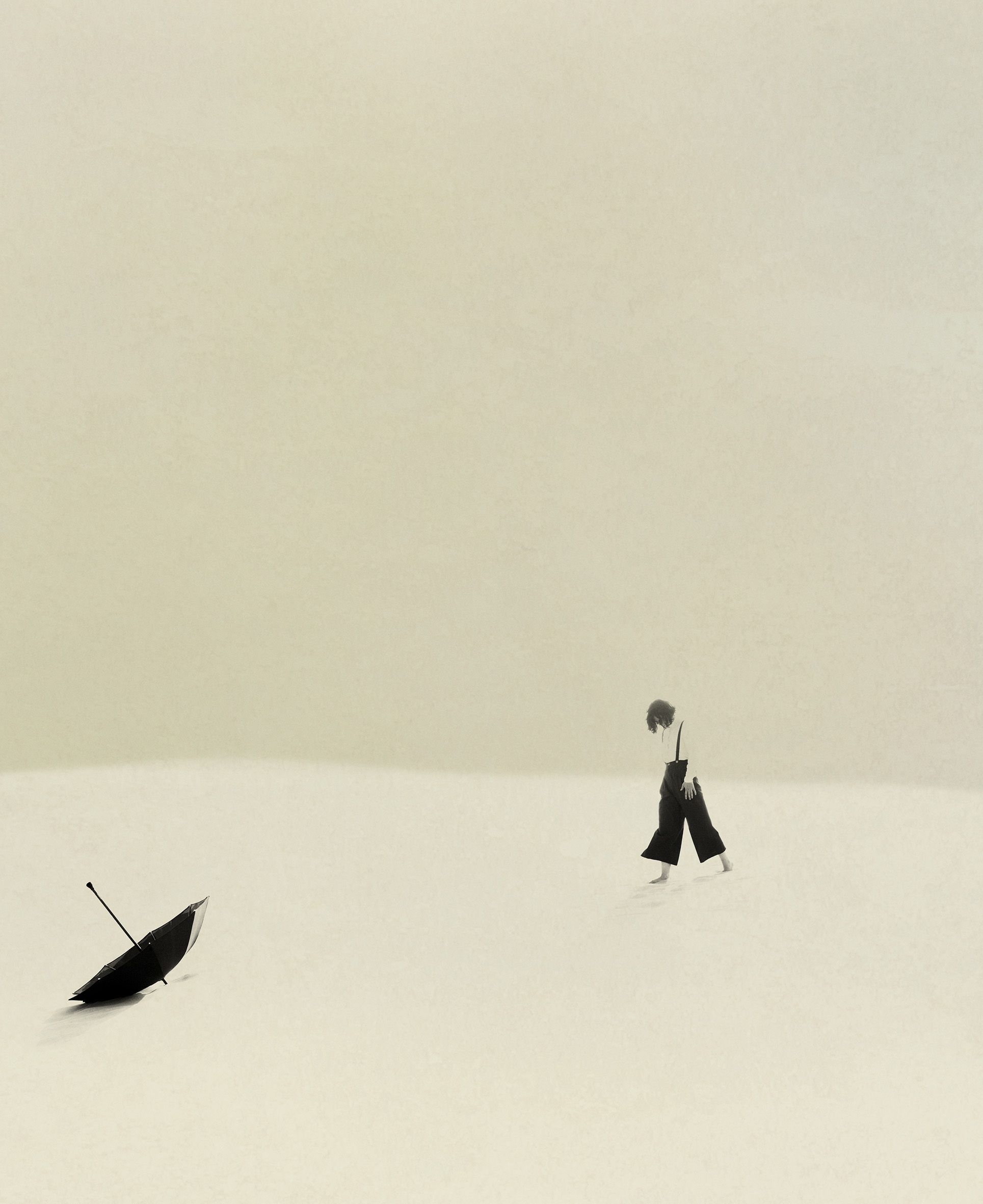
Paul Cupido ~ Hommage to Shoji no. 7, 2023. Archival pigments on unwashed Kozo paper | src Bildhalle – Paris Photo 2023Paul Cupido ~ Hommage to Shoji no. 6, 2023. Archival pigments on unwashed Kozo paper | src Bildhalle – Paris Photo 2023
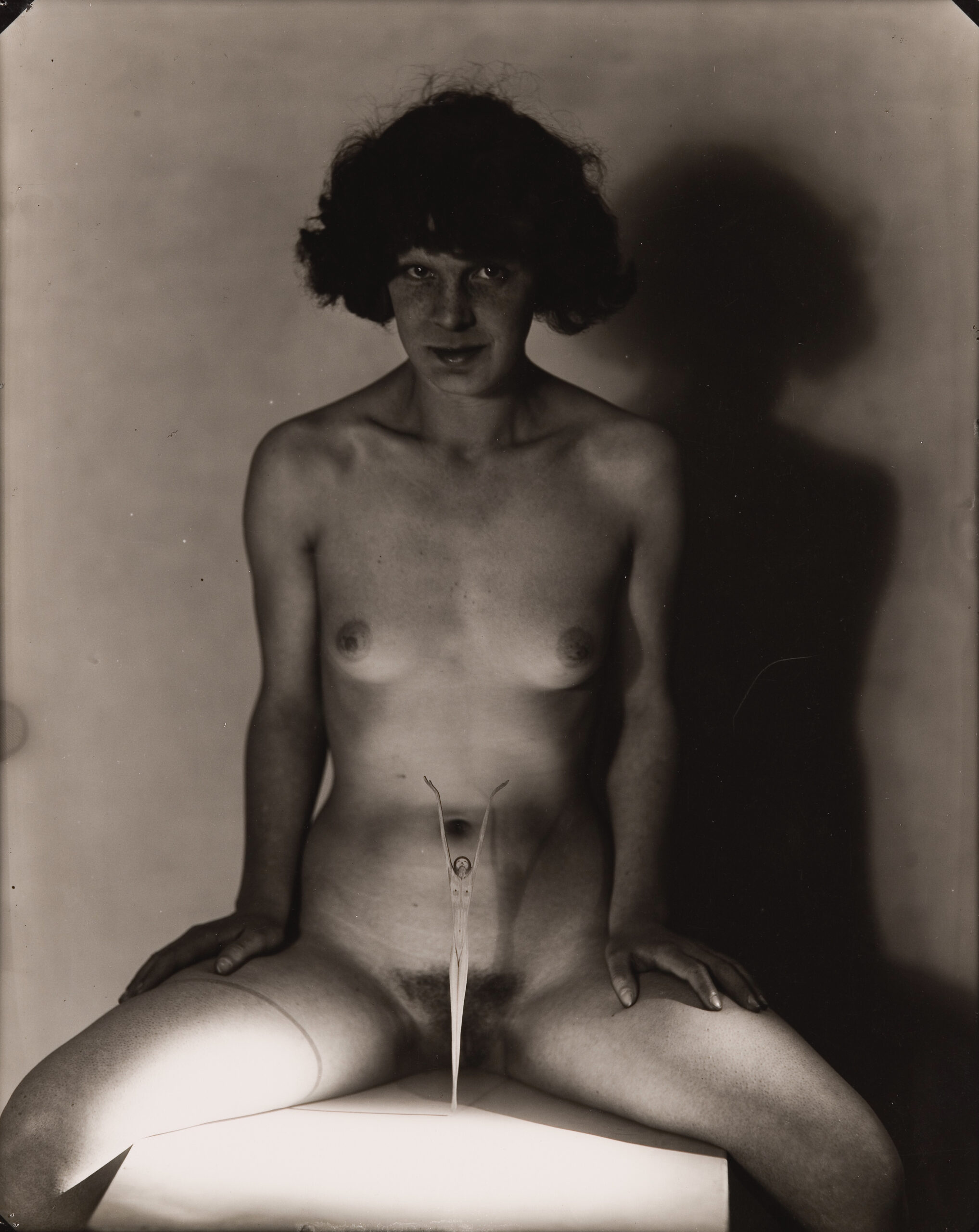
František Drtikol :: Matka Země (Mutter Erde / Mother Earth), 1932. | src UPM · Uměleckoprůmyslové museum v PrazeFrantišek Drtikol :: Bez názvu (Ohne Titel), 1932. | src UPM · Uměleckoprůmyslové museum v PrazeFrantišek Drtikol (1883-1961) :: Matka-Zeme (Mère-terre), 1931 | src Centre Pompidou
A photographical interpretation of the magical, almost abstract flower paintings by the great Chinese painter Sanyu (1901-1966). The Homage à Sanyu series is inspired by the paintings of the Chinese – French artist Sanyu (or Chang Yu), who lived and worked in Paris in the early 20th century. In works from this series, Meeuws makes a photographic translation of Sanyu’s painting into a modern medium. He wants to translate Sanyu’s paintings photographically without destroying the atmosphere of those paintings.
Bas Meeuws :: Hommage à Sanyu (# 35), 2018. C-print op Dibond met acrylglas. | src amuseBas Meeuws :: Hommage à Sanyu (# 12), 2018. C-print op Dibond met acrylglas. | src Galerie Wilms
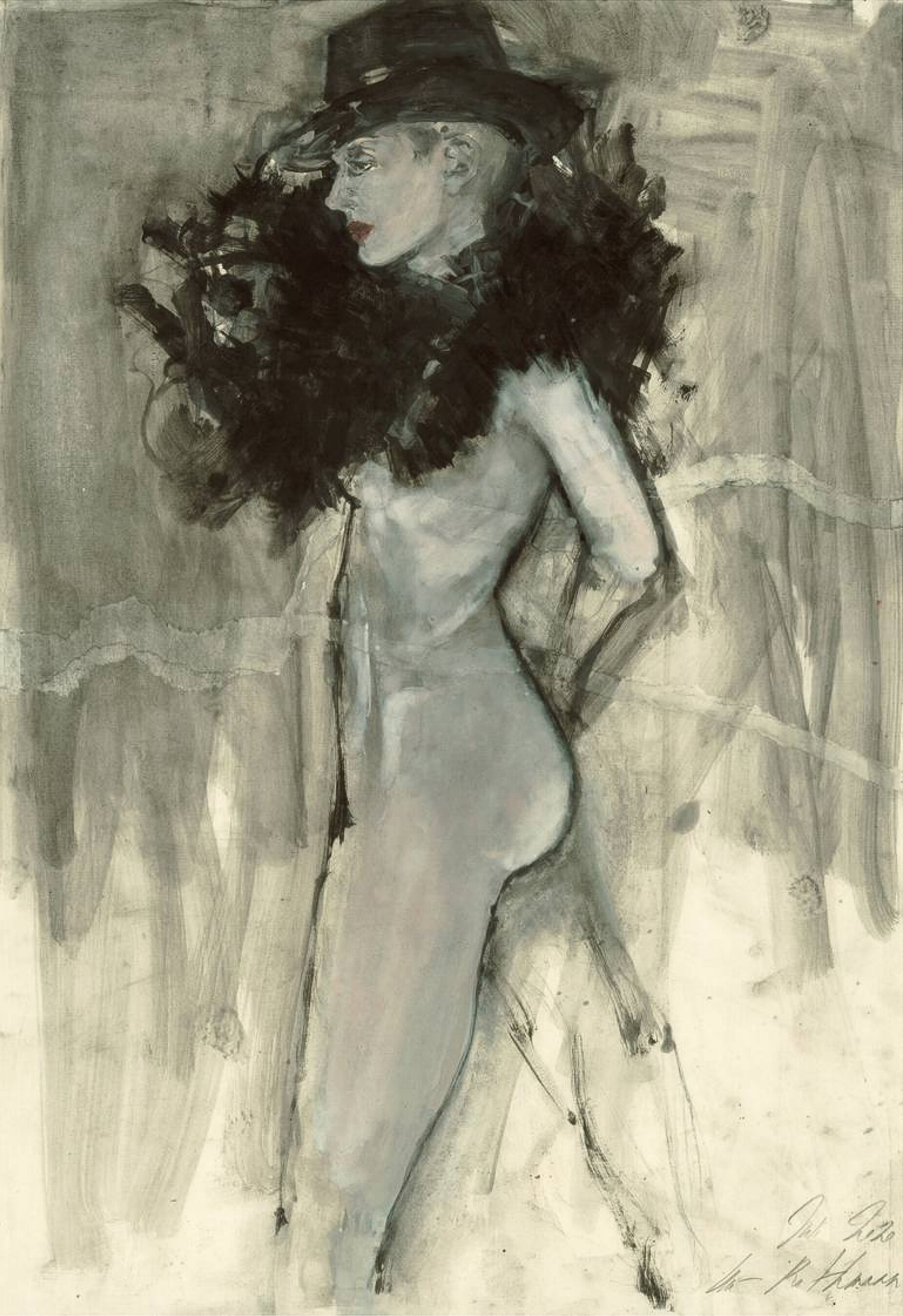
Ute Rathmann :: Hommage à Jeanne Mammen; graphite pencil, charcoal, watercolors, pastels and gouache on paper with collage, July 2020. | src Saatchi Gallery
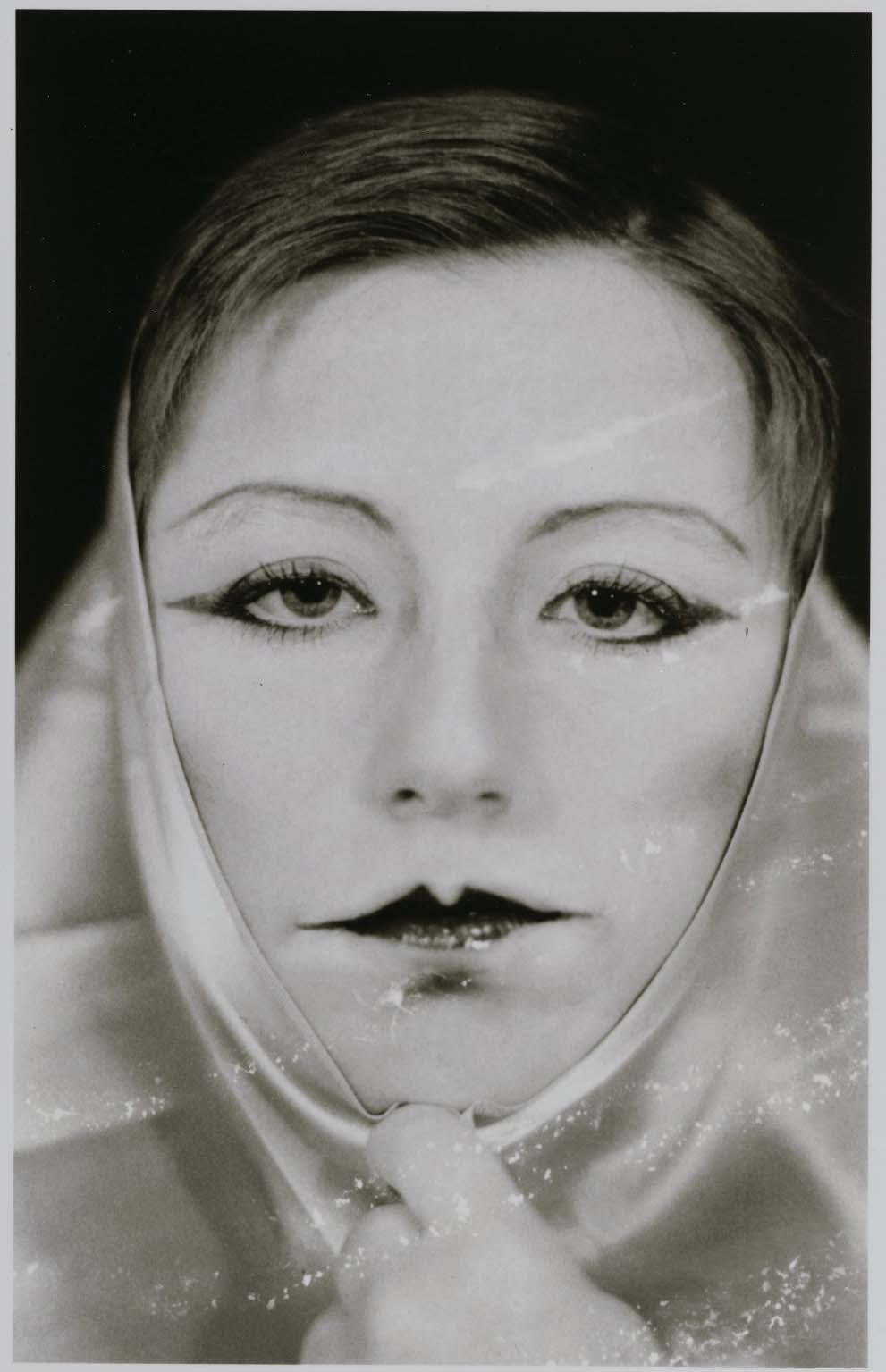
“This photograph from early in Cindy Sherman’s artistic career indicates a burgeoning interest in what has become a lifelong investigation into using herself as subject. Produced in 1975, during her time as an art student at the State University of New York, Buffalo, the work prefigures her famous Untitled Film Stills series by two years. In it, the artist references Claude Cahun, an early Surrealist photographer whose androgynous self-portraits inspired a later generation of feminist theorists to think about gender as a social role that is performed rather than innate—ideas that would become central to Sherman’s oeuvre from the mid-1970s onward.” (quoted from source)
Jeff Wall :: Collage study for ‘A Sudden Gust of Wind (after Hokusai)’, 1993. | src Tate Gallery
Wall created this collage of photocopied photographs and paper to assist his working process in the making of A Sudden Gust of Wind (afterHokusai) 1993 (Tate T06951, see image below). The completed work is a large back-lit photographic transparency depicting four figures frozen in attitudes as they respond to a gust of wind in a flat, open landscape.
Jeff Wall :: A Sudden Gust of Wind (after Hokusai). Colour photograph in a light box. | src Tate Gallery
The sky above them is scattered with papers released from a folder held by the woman on the left side of the picture. Wall has used the sense of movement across the image from left to right, resulting from the dispersal of papers and other evidence of the wind’s direction, as a device to engage the viewer’s eye and move it over the photograph. To make the work, Wall photographed actors over a period of five months in a landscape outside his home town, Vancouver, at times when similar weather conditions prevailed. He then collaged elements of the photograph digitally in order to achieve the desired composition. The result is a tableau which appears staged in the manner of a classical painting. The Study clarifies various aspects of Wall’s method. It shows the landscape in black and white, the four figures superimposed on it and above them, the series of papers in the sky, each marked with a red cross and annotated with numbers. Wall has explained that he used this study, “for working out aspects of the composition. It was done by photocopying black and white scan outputs, enlarging them, and patching them together. The main purpose was to plot out the position and sizes of the papers blowing in the air. I took individual pieces from the various original scans, copied them, and stuck them on the paper, changing them around to make the composition of the sky. This took quite a while, and the small pieces were moved around repeatedly. Each has a code number, so I could trace them back to a sheet of film. So the collage was really a working element in making the picture.”
The Study is crossed by a grid of diagonal, vertical and horizontal lines to aid the artist in mapping the positions of the picture’s components. Two spindly trees on the left side of the image are collaged from another piece of paper. They are presumably not in their final positions as the trunk of the smaller one is misaligned near the base, indicating places where the artist cut and paste. To the left of the trees, a patch containing three small figures working the bare fields was also reworked for the final image; only one figure remains. Close comparison between the study and the work reveals shifts in the positions of the pages, highlighting the process of experimentation carried out in creating the composition. (text from Tate Gallery)
Katsushika Hokusai :: 冨嶽三十六景 駿州江尻 Ejiri in Suruga Province (Sunshū Ejiri), from the series Thirty-six Views of Mount Fuji (Fugaku sanjūrokkei), ca. 1830-1832. Woodblock print; ink and color on paper [Edo period (1615-1868)] | src The Met
A Sudden Gust of Wind (after Hokusai) depicts a flat, open landscape in which four foreground figures are frozen as they respond to a sudden gust of wind. It is based on the woodcut, Travellers Caught in a Sudden breeze at Ejiri (ca.1832, see image above) from a famous portfolio, The Thirty-six Views of Fuji, by the Japanese painter and printmaker Katsushika Hokusai (1760-1849). Wall photographed actors in a landscape located outside his home town, Vancouver, at times when similar weather conditions prevailed over a period of five months. He then collaged elements of the photograph digitally in order to achieve the desired composition. The result is a tableau which appears staged in the manner of a classical painting. As in Hokusai’s original, two men clutch their hats to their heads while a third stares up into the sky, where his trilby is being carried away by the wind. On the left, a woman’s body is halted in a state of shock, her head concealed by her scarf which has been blown around her face. A sheaf of papers in her hand has been dispersed by the gust and their trajectory, over the centre of the image, creates a sense of dynamic movement. Two narrow trees, also in the foreground, bend in the force of the wind, releasing dead leaves which mingle with the floating papers. In Hokusai’s image the landscape is a curving path through a reed-filled area next to a lake, leading towards Mount Fuji in the far distance. In Wall’s version, flat brown fields abut onto a canal. Small shacks, a row of telegraph poles and concrete pillars and piping evoke industrial farming. The unromantic nature of the landscape is reinforced by a small structure made of corrugated iron in the foreground. The pathway on which the figures stand is a dirt track extending along the front of the photograph from one side to the other. There is no sense of connection between the characters, whose position in the landscape appears incongruous. Two wear smart city clothes, adding to the sense of displacement.
Wall trained initially as a painter at the University of British Colombia, Vancouver. After completing an MA in 1970, he moved to London to undertake doctoral research in art history at the Courtauld Institute (completed 1973) and became interested in film, working on collaborative film projects and producing his own feature film scripts. In 1977, after a break of nearly seven years, he returned to the studio with an idea for a new, hybrid form of art. He explained:
I felt very strongly at that time that … painting as an art form did not encounter directly enough the problem of the technological product which had so extensively usurped its place and its function in the representation of everyday life … I remember being in a kind of crisis at the time, wondering what I would do. Just at that moment I saw an illuminated sign somewhere, and it struck me … that here was the perfect synthetic technology for me. It was not photography, it was not cinema, it was not painting, it was not propaganda, but it has strong associations with them all … It seemed to be the technique in which this problem could be expressed, maybe the only technique because of its fundamental spectacularity.









 un regard oblique