Karl Theodor Gremmler · portraits

Karl Theodor Gremmler (1904-1942) ~ Mädchenporträt, um 1935 | src Deutsche Fotothek
Karl Theodor Gremmler ~ Elisabeth Gremmler mit Blume, um 1936-1939 | src Deutsche Fotothek

Karl Theodor Gremmler came to photography as an autodidact in 1932. He had actually trained as an advertising salesman. After becoming self-employed as a photographer, he published regularly in magazines such as Die Form, Gebrauchsgraphik, Nordsee Magazin and Atlantis. Gremmler concentrated mainly on industrial and advertising photography. In 1936 he published his first photobook, Tagewerk und Feierabend der schaffenden deutschen Frau. In the following year, Gremmler had a solo exhibition at the Oldenburgisches Landesmuseum and Museum Folkwang in Essen. He was then appointed a member of the Gesellschaft Deutscher Lichtbildner (G.D.L.). In 1939, Hans A. Keune’s publishing house, which specialised in the fishing industry, published the illustrated book Männer am Netz. This worked marked the high point of Gremmler’s career. In 1938, he acquired the studio of commercial photographer Hein Gorny, located on Berlin’s Kurfürstendamm. This studio had once been home to Lotte Jacobi, who was forced to emigrate in 1935 because of her Jewish background. When Gorny’s emigration failed to protect his Jewish wife, Ruth Lessing, he and Gremmler entered into the studio partnership “Fotografie Gremmler-Gorny. Atelier für moderne Fotografie”. In 1940 Gremmler was called up for military service and trained as a tank gunner. During a troop transport to Russia in the following year, he had a fatal accident near Heydebreck in Upper Silesia (Kędzierzyn). Quoted from Städel Museum

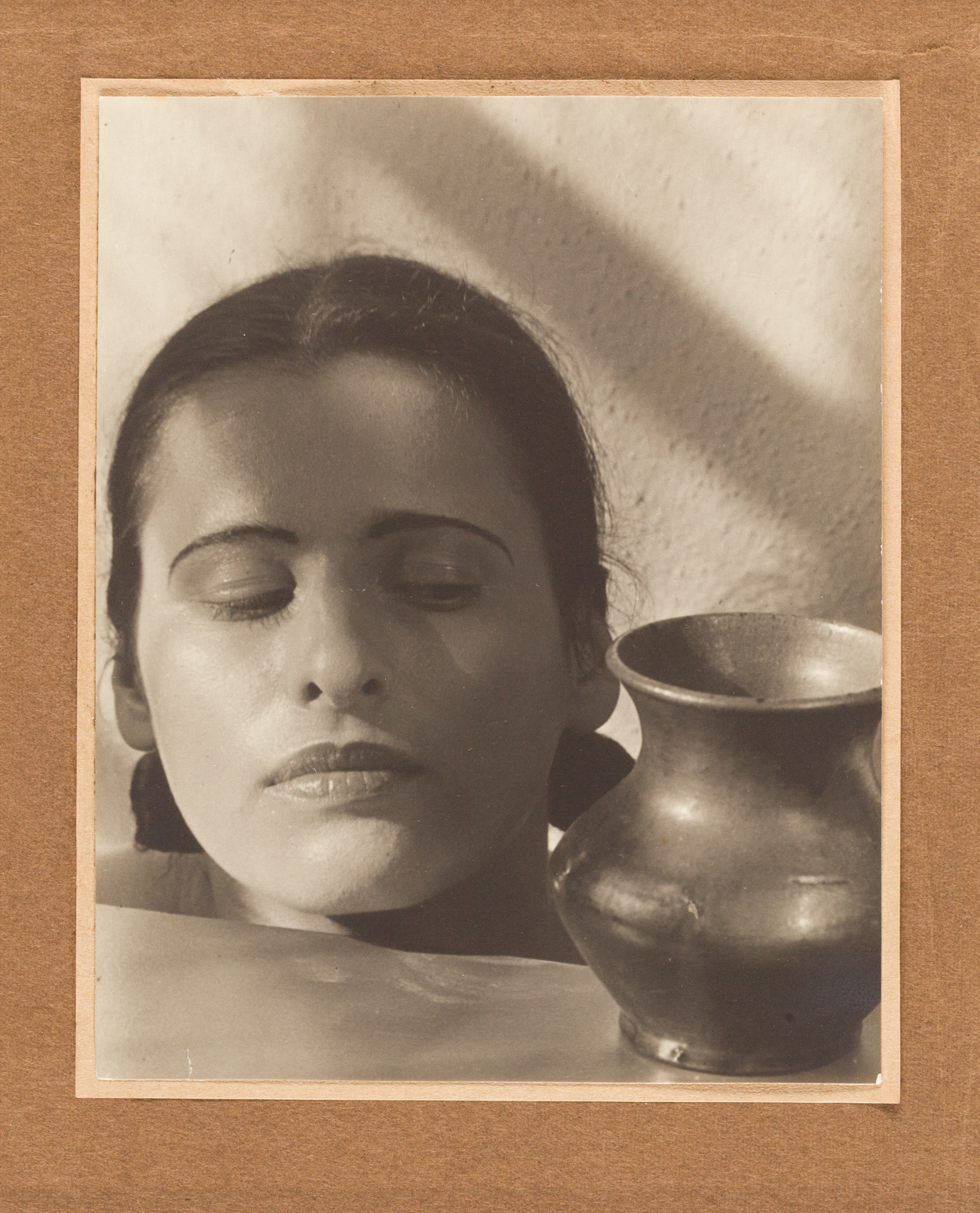
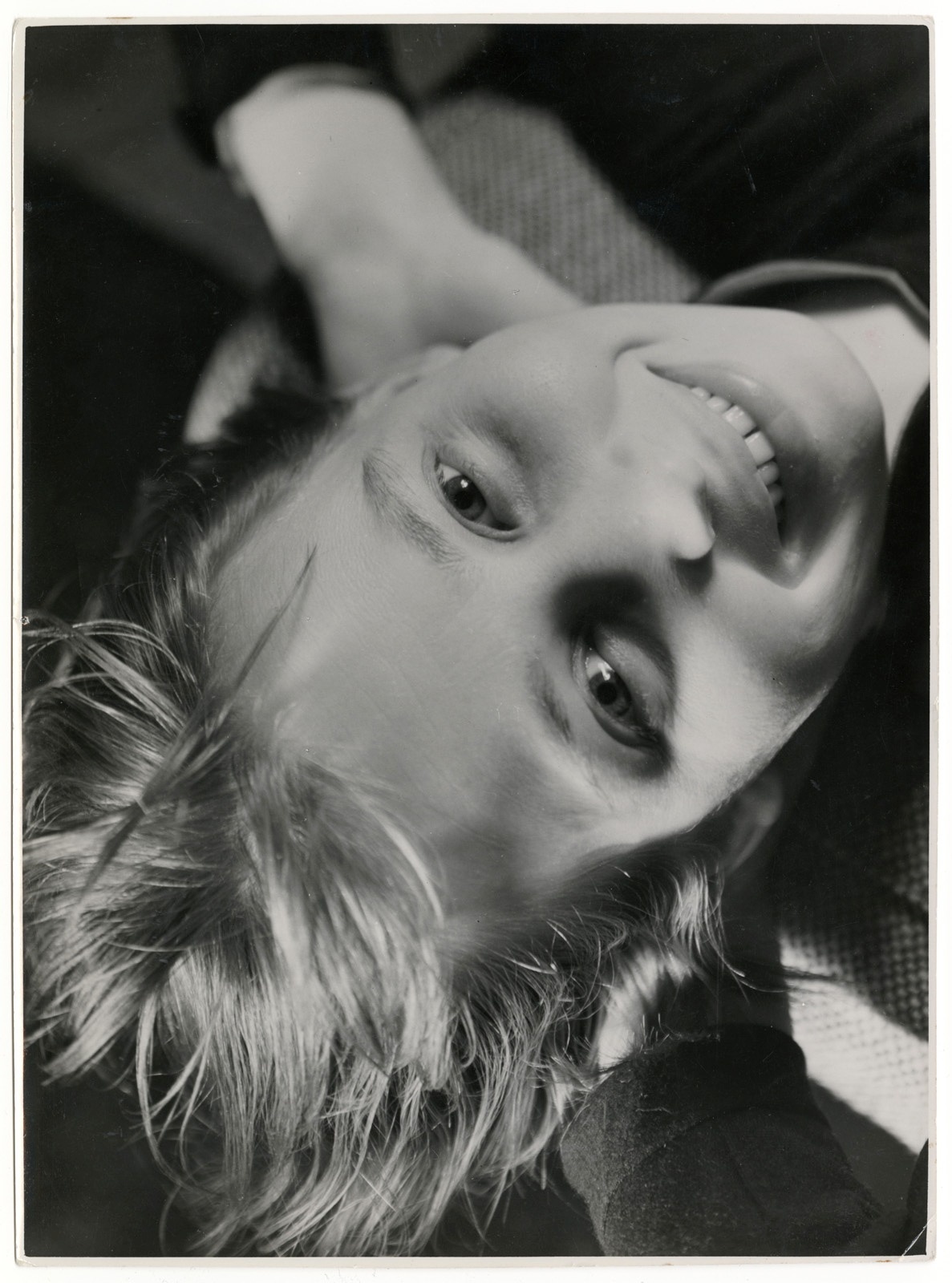
Karl Theodor Gremmler ~ Porträt; Kopf einer Frau mit gestreiftem Pullover im Liegen, 1938-41 | src Deutsche Fotothek

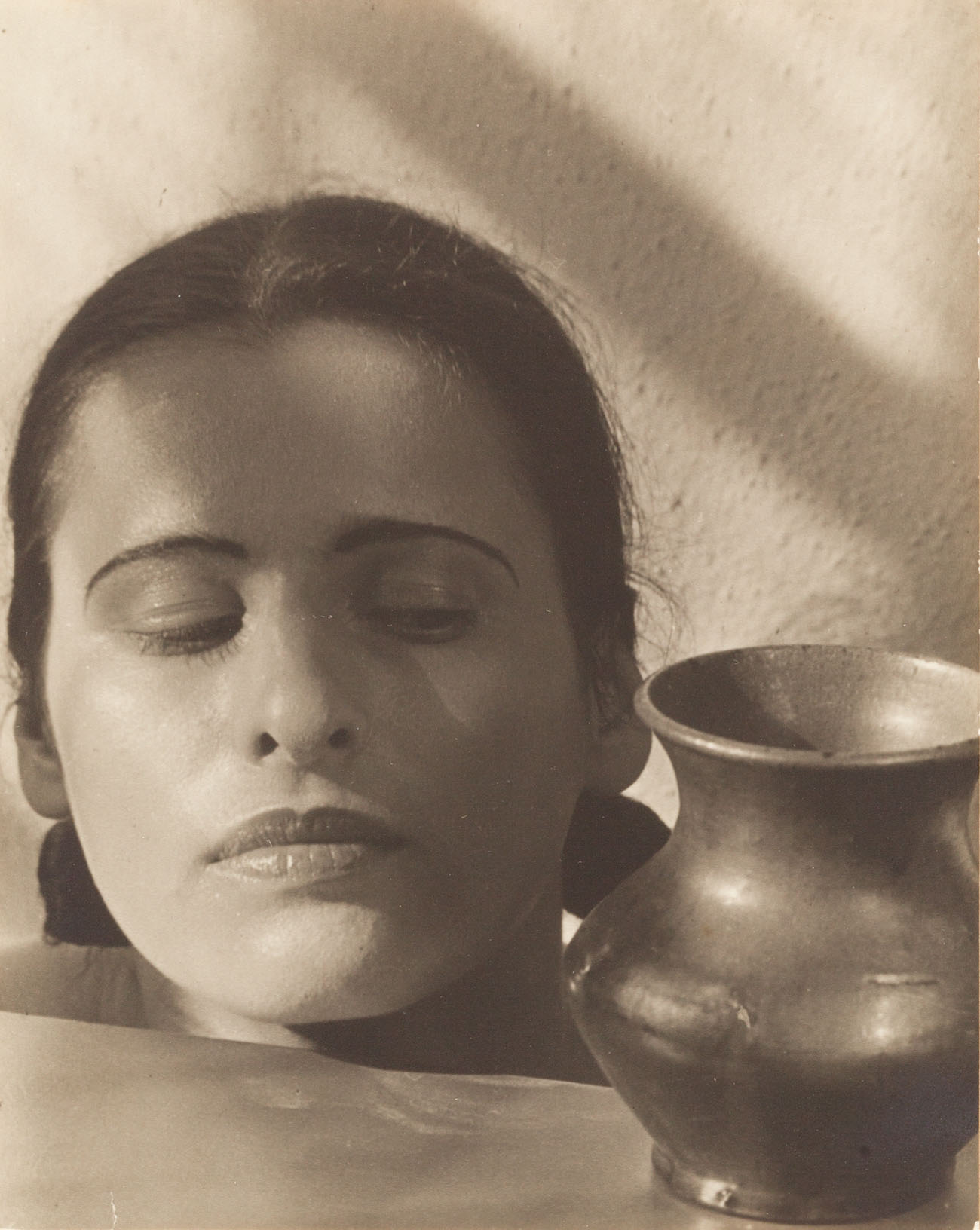
Portrait still-life by Imboden

Martin Imboden (1893–1935) ~ Stillleben, Wien, um 1930 | src Ostlicht Auktionen

The Swiss cabinetmaker and talented amateur photographer Martin Imboden received important impulses in 1929 when he visited the legendary ‘FIFO’, the international exhibition of the German Werkbund. He accentuated his pictorial language, which was oriented towards the New Objectivity, with tight cropping and strong contrasts. During his most productive years as a photographer he lived in Vienna, where his photographs appeared in magazines such as ‘Der Kuckuck’ and ‘Die Bühne’. Despite favorable reactions, he did not want to make photography his profession and concentrated on selected photo projects as an amateur.

Martin Imboden (1893–1935) ~ Still life, Vienna, ca. 1930. Vintage silver print | src Ostlicht Auktionen

Model in jewellery by Dalí

Jewelry by Salvador Dalí modeled by Madelle Hegeler, June 1959, by an anonymous American (?) photographer | src Fostinum

Sch von Friedrich Seidenstücker

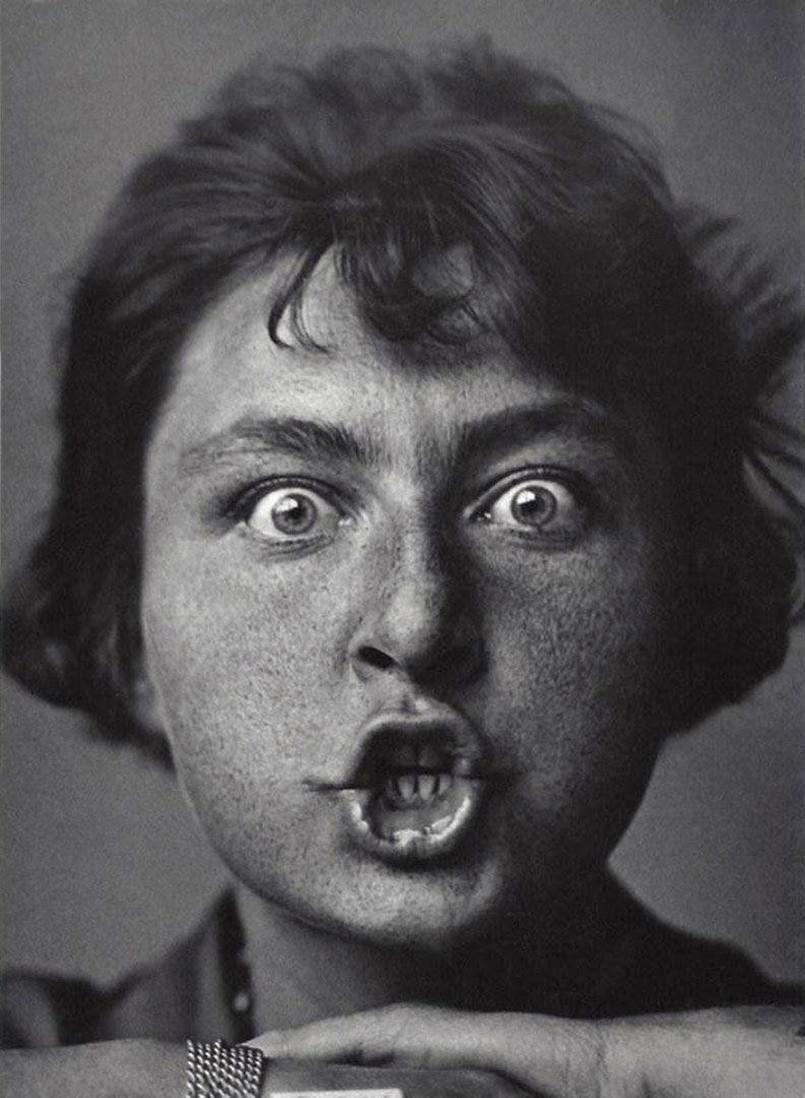
Friedrich Seidenstücker (1882-1966) ~ Ohne Titel (Sch), 1930 | src Käthe Kollwitz Museum Köln [X]

Friedrich Seidenstücker : Life in the city | The Ann and Jürgen Wilde Foundation

Pinakothek der Moderne | 26.05.2023 — 24.09.2023

Friedrich Seidenstücker (1882–1966) was one of the foremost chroniclers of everyday life in Berlin at the time of the Weimar Republic. His atmospheric works recount casual incidents and events, lighthearted Sunday pleasures and the burdens of the working day, children’s street games and bustling crowds at stations and the zoo. Seidenstücker casts the people and the life of the German metropolis in an impish, even humorous light. (text from PderM)

Even though Seidenstücker is regarded as a typical Berlin photographer, he is also known far beyond the city limits – not least because he paid outstanding attention to one aspect in particular: his pictures reveal a sense of humour which is rarely found in photography. Friedrich Seidenstücker’s oeuvre evolved from this approach: founded in optimism, but never drawing a veil over the appalling conditions, harshness, poverty and misery of his age. (text from Berlinische Galerie BG)

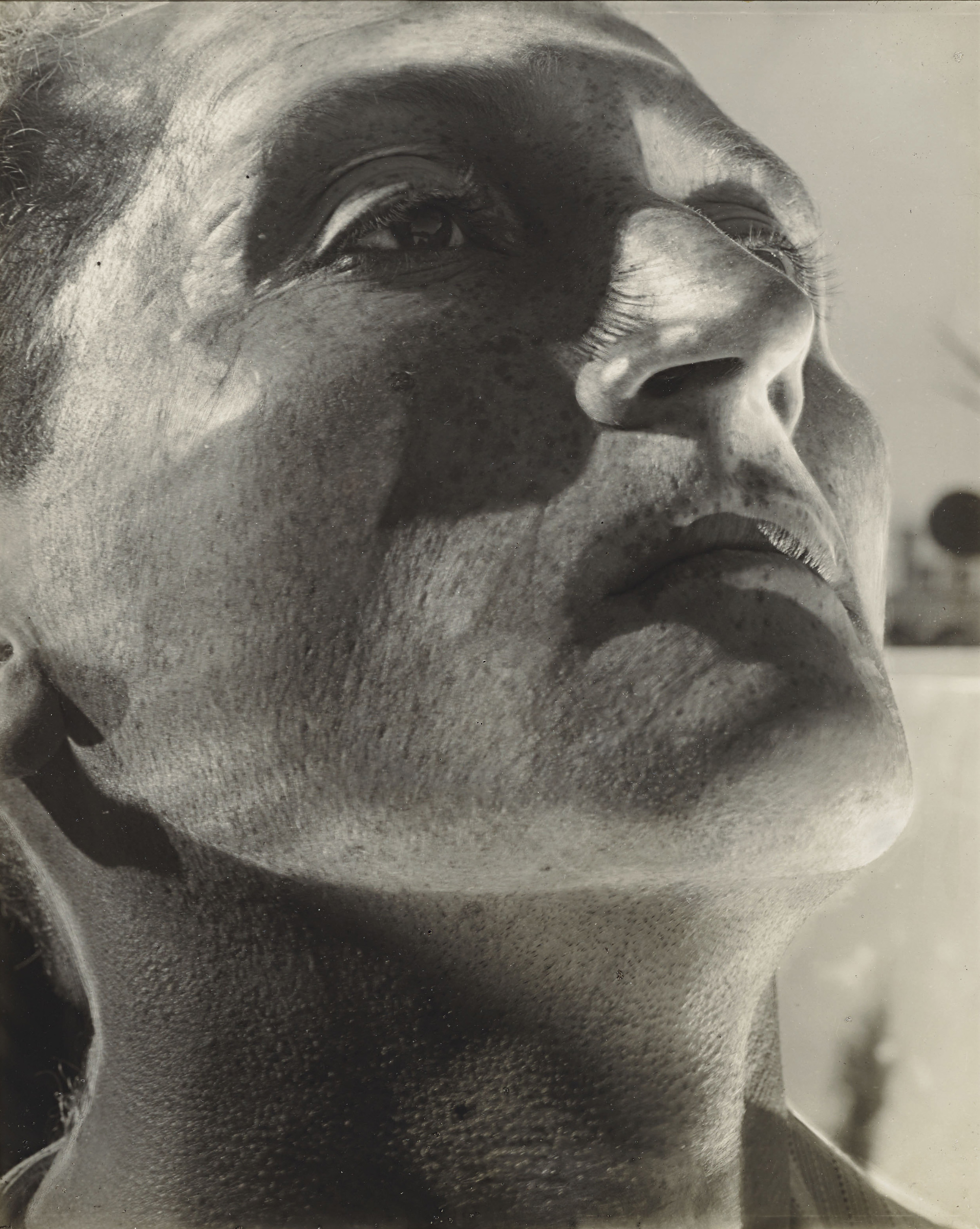
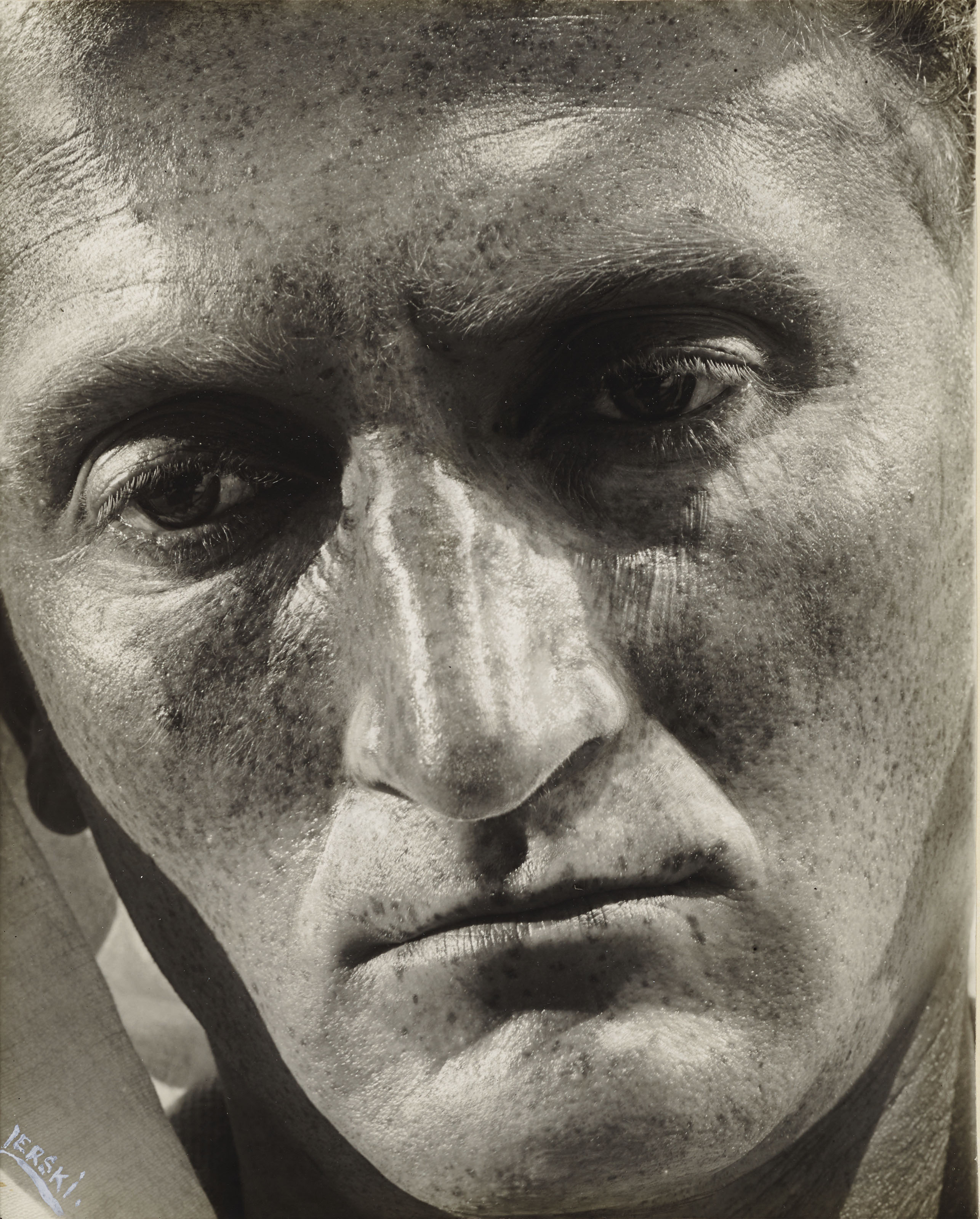
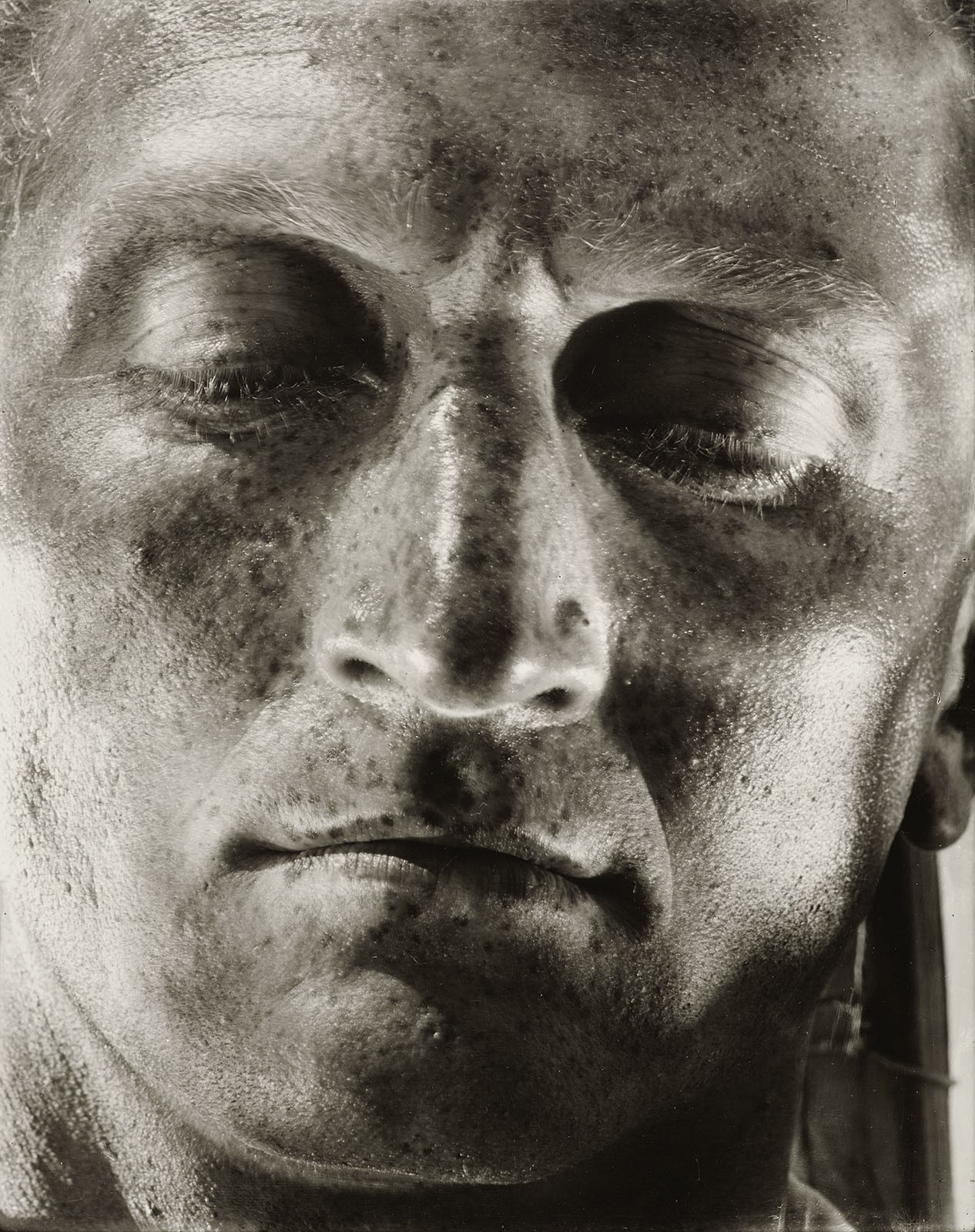
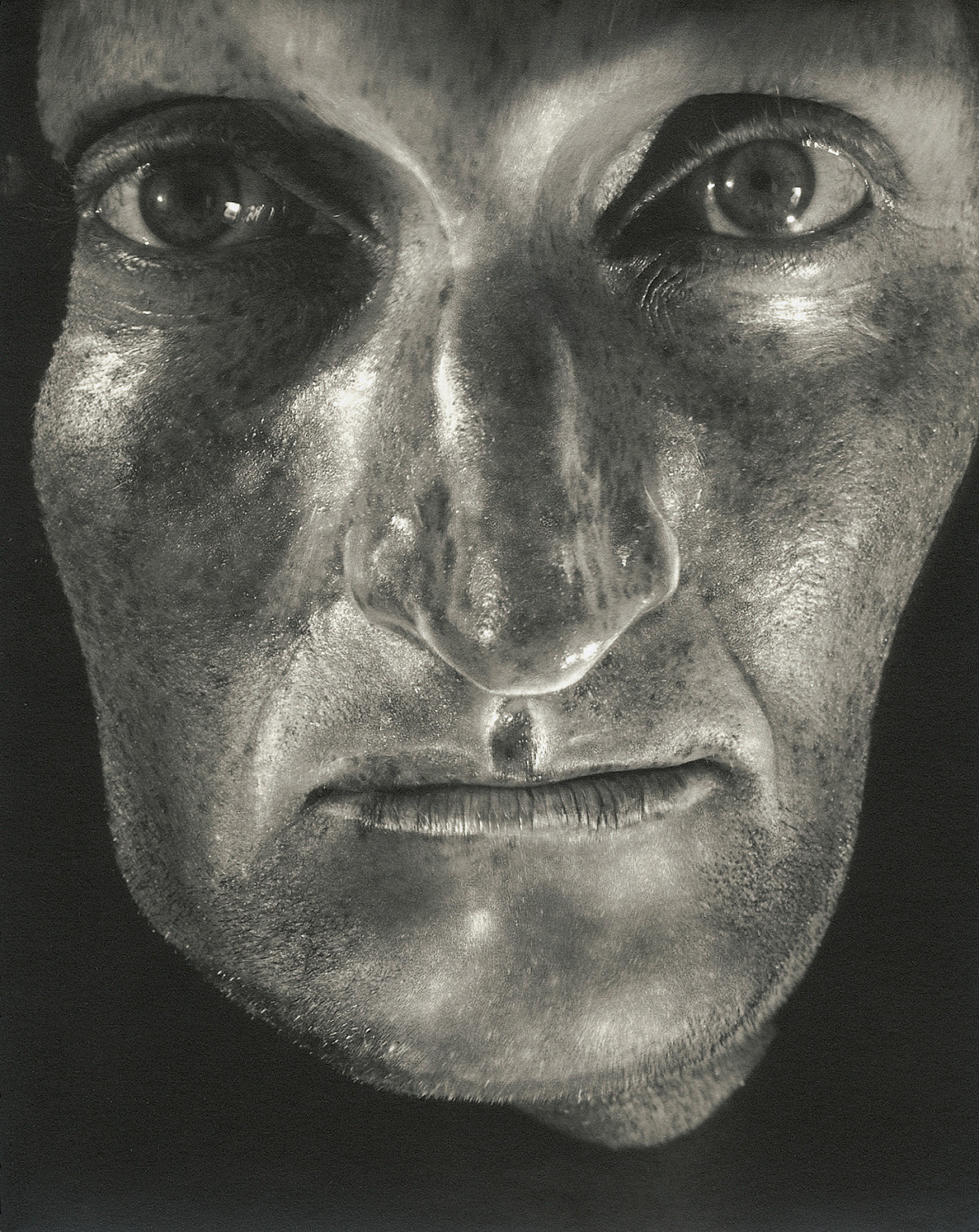
Verwandlungen durch Licht

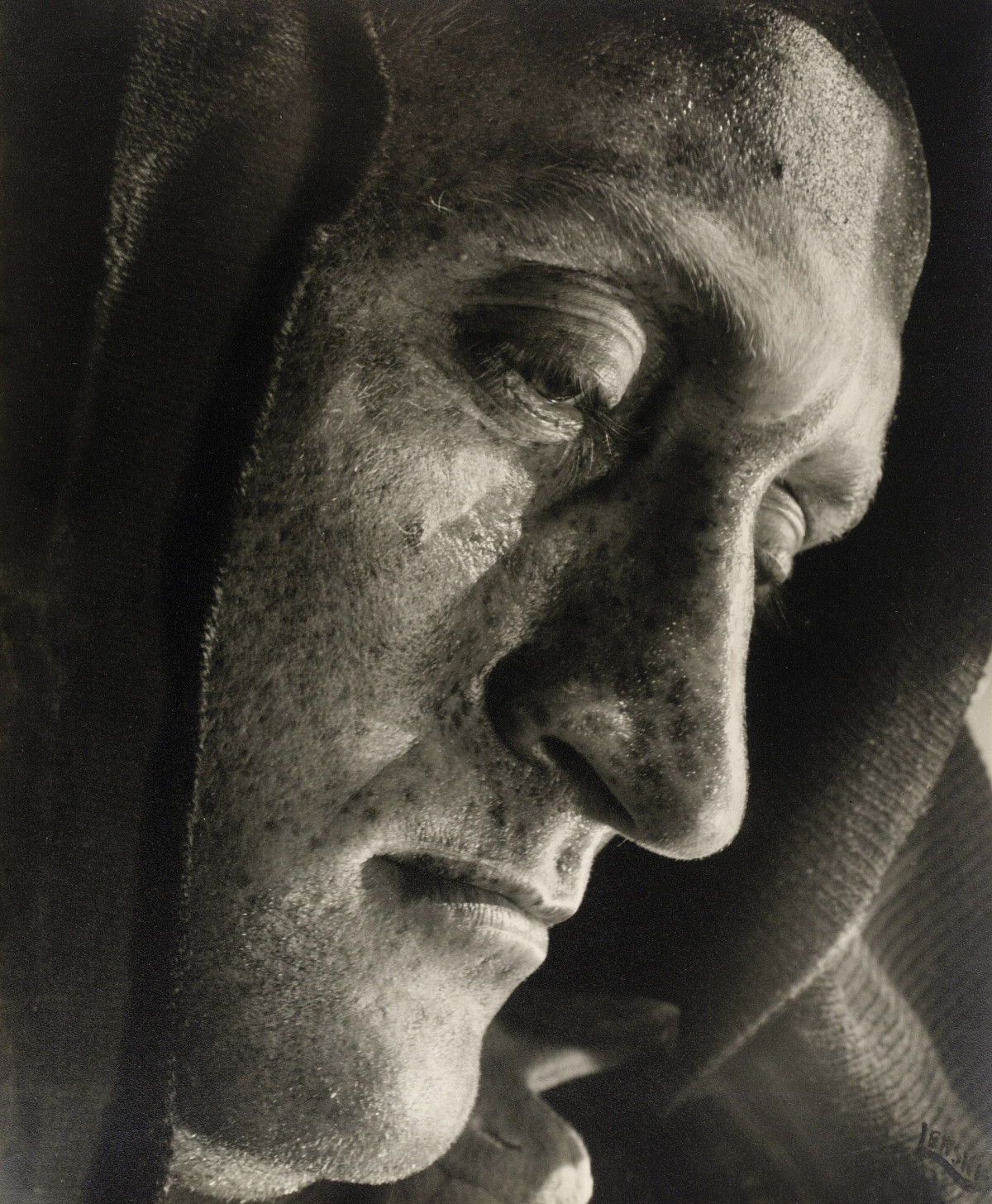
Helmar Lerski :: Verwandlungen durch Licht # 604, 1935-1936. Nachlass Helmar Lerski; Museum Folkwang, Essen & Albertina Museum
Helmar Lerski (1871–1956) :: Metamorphosis Through Light (572), Tel Aviv, 1936. | src Christie’s
Helmar Lerski :: Untitled # 592, from Metamorphosis Through Light, Tel Aviv, 1936. | src Christie’s
Helmar Lerski (1871–1956) :: Metamorphosis Through Light (572), Tel Aviv, 1936. | src Christie’s
Helmar Lerski :: “Aus dem Werk” (“From the Factory”), from the “Verwandlungen des Lichts” (“Transformations of Light”) series, No. 540, 1936. Nachlass Helmar Lerski; Museum Folkwang, Essen
Helmar Lerski :: Verwandlungen durch Licht # 537, 1935-1936. Nachlass Helmar Lerski; Museum Folkwang, Essen & Albertina Museum
Helmar Lerski :: Verwandlungen durch Licht # 536, 1935-1936. Nachlass Helmar Lerski; Museum Folkwang, Essen & Albertina Museum
Helmar Lerski :: Verwandlungen durch Licht # 885, 1935-1936. Nachlass Helmar Lerski; Museum Folkwang, Essen & Albertina Museum

Faces. The power of the human visage (2021)

Starting from Helmar Lerski’s outstanding photo series Metamorphosis through Light (1935/36), the exhibition Faces presents portraits from the period of the Weimar Republic.

The 1920s and ’30s saw photographers radically renew the conventional understanding of the classic portrait: their aim was no longer to represent an individual’s personality; instead, they conceived of the face as material to be staged according to their own ideas. In this, the photographed face became a locus for dealing with avant-garde aesthetic ideas as well as interwar-period social developments. And it was thus that modernist experiments, the relationship between individual and general type, feminist roll-playing, and political ideologies collided in—and thereby expanded—the general understanding of portrait photography.

Faces. Die Macht des Gesichts (2021)

Die Ausstellung Faces in der ALBERTINA präsentiert Porträts der deutschen Zwischenkriegszeit. Ausgangspunkt dafür ist Helmar Lerskis herausragende Fotoserie Verwandlungen durch Licht (1935/36).

In den 1920er- und 30er-Jahren erneuern Fotografinnen und Fotografen das Verständnis des klassischen Porträts radikal: Ihre Aufnahmen dienen nicht mehr der Darstellung der Persönlichkeit eines Menschen, sondern fassen das Gesicht als nach ihren Vorstellungen inszenierbares Material auf.

Über das fotografierte Gesicht werden sowohl ästhetische Überlegungen der Avantgarde als auch gesellschaftliche Entwicklungen der Zwischenkriegszeit dargestellt. Experimente mit neuer Formensprache, das Verhältnis zwischen Individuum und Typ, feministische Rollenspiele und politische Ideologien treffen aufeinander und erweitern damit das Verständnis der Porträtfotografie.

Quelle : Albertina Museum

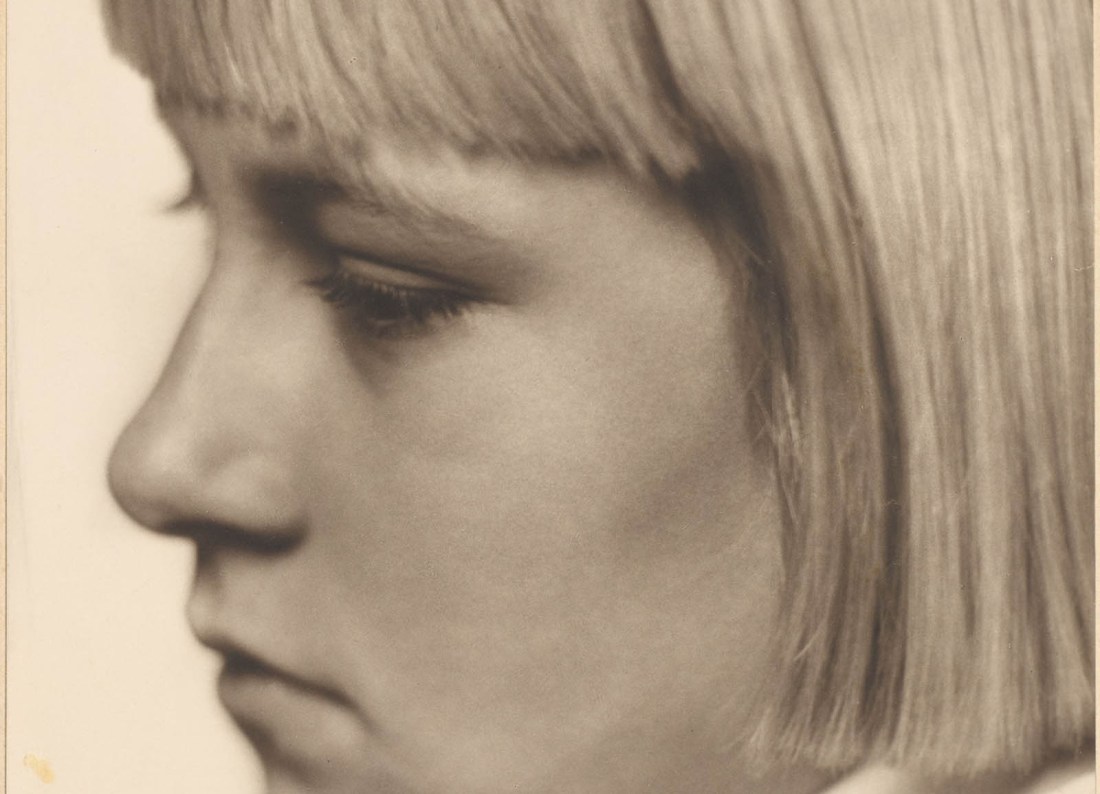
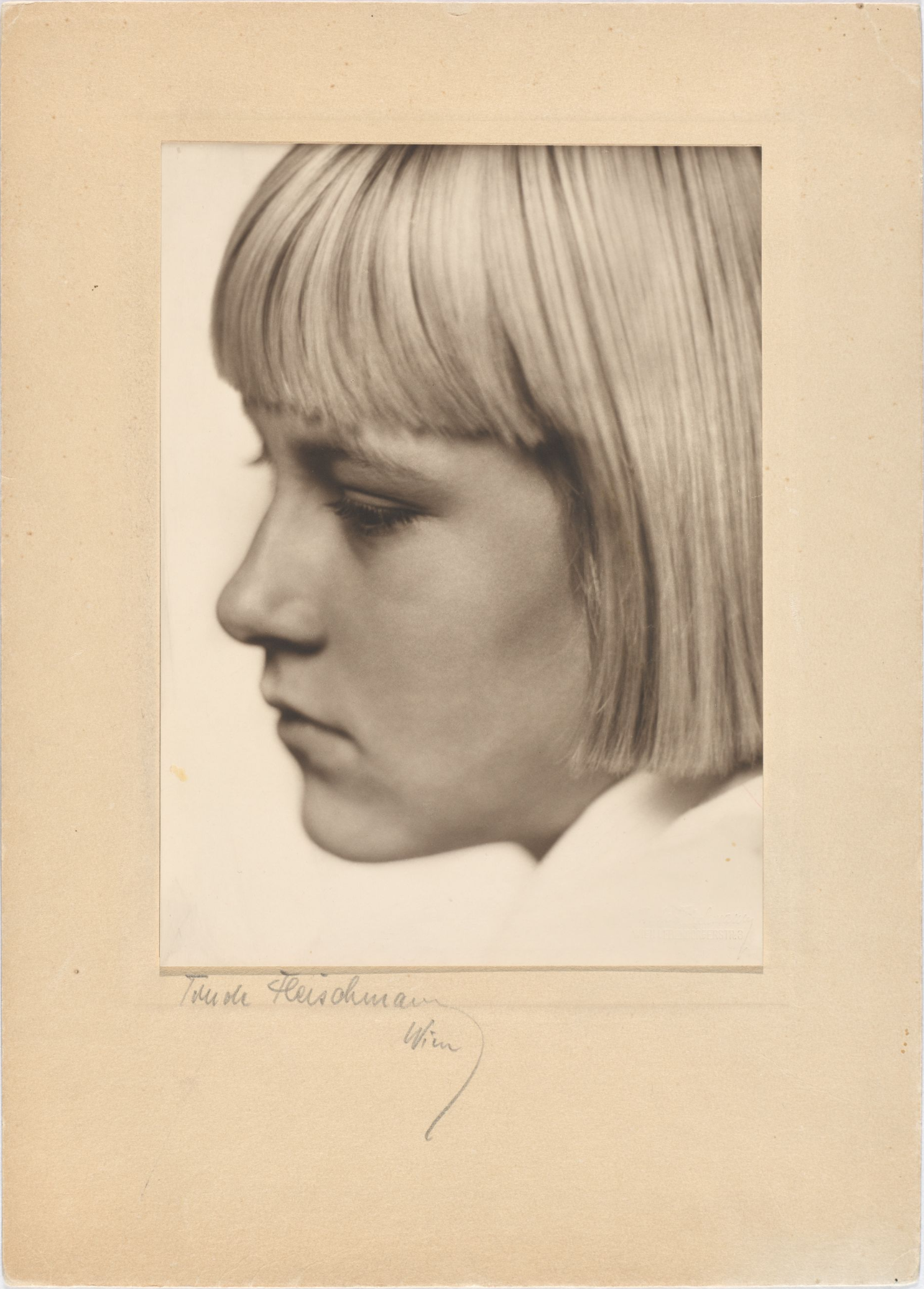
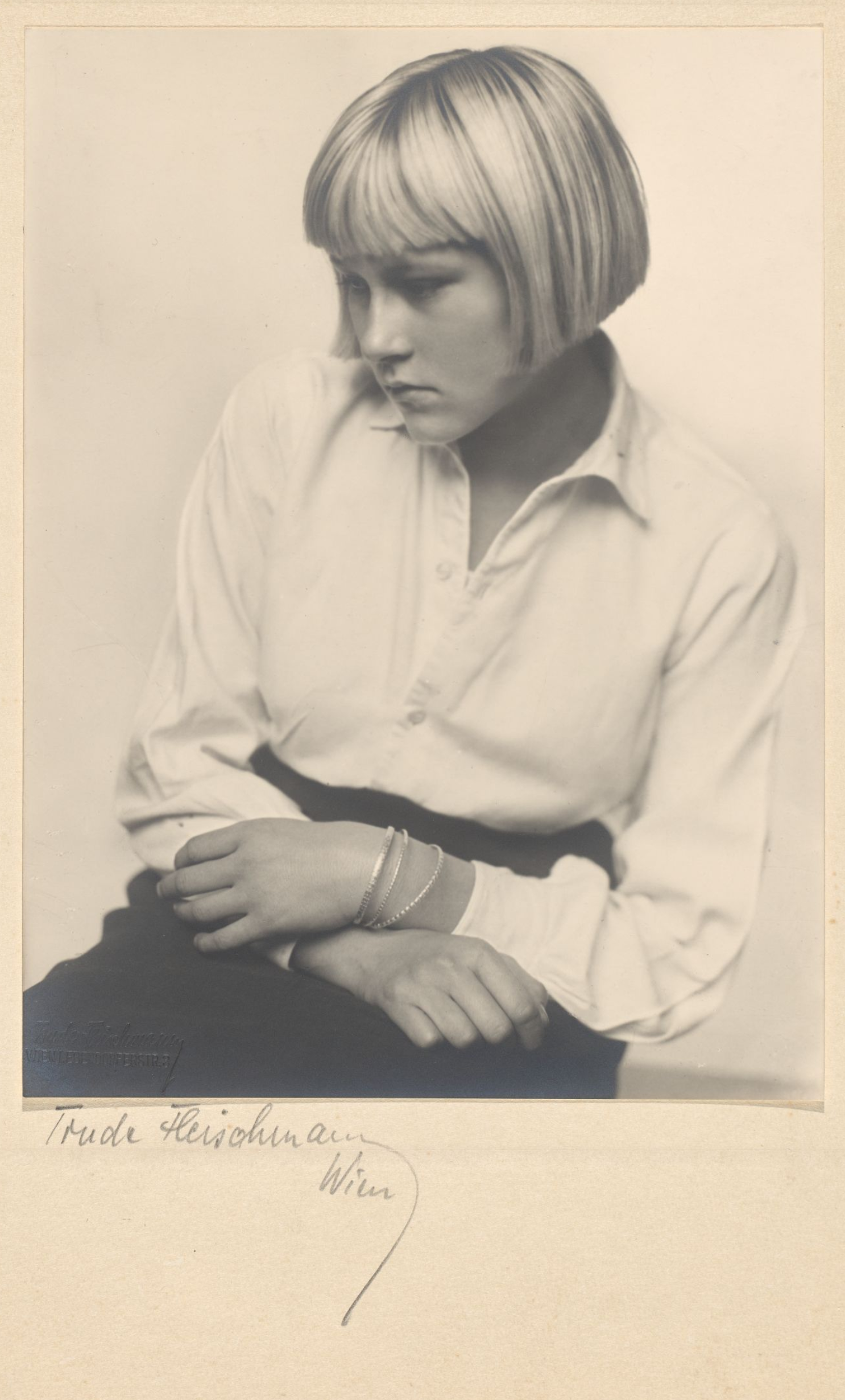
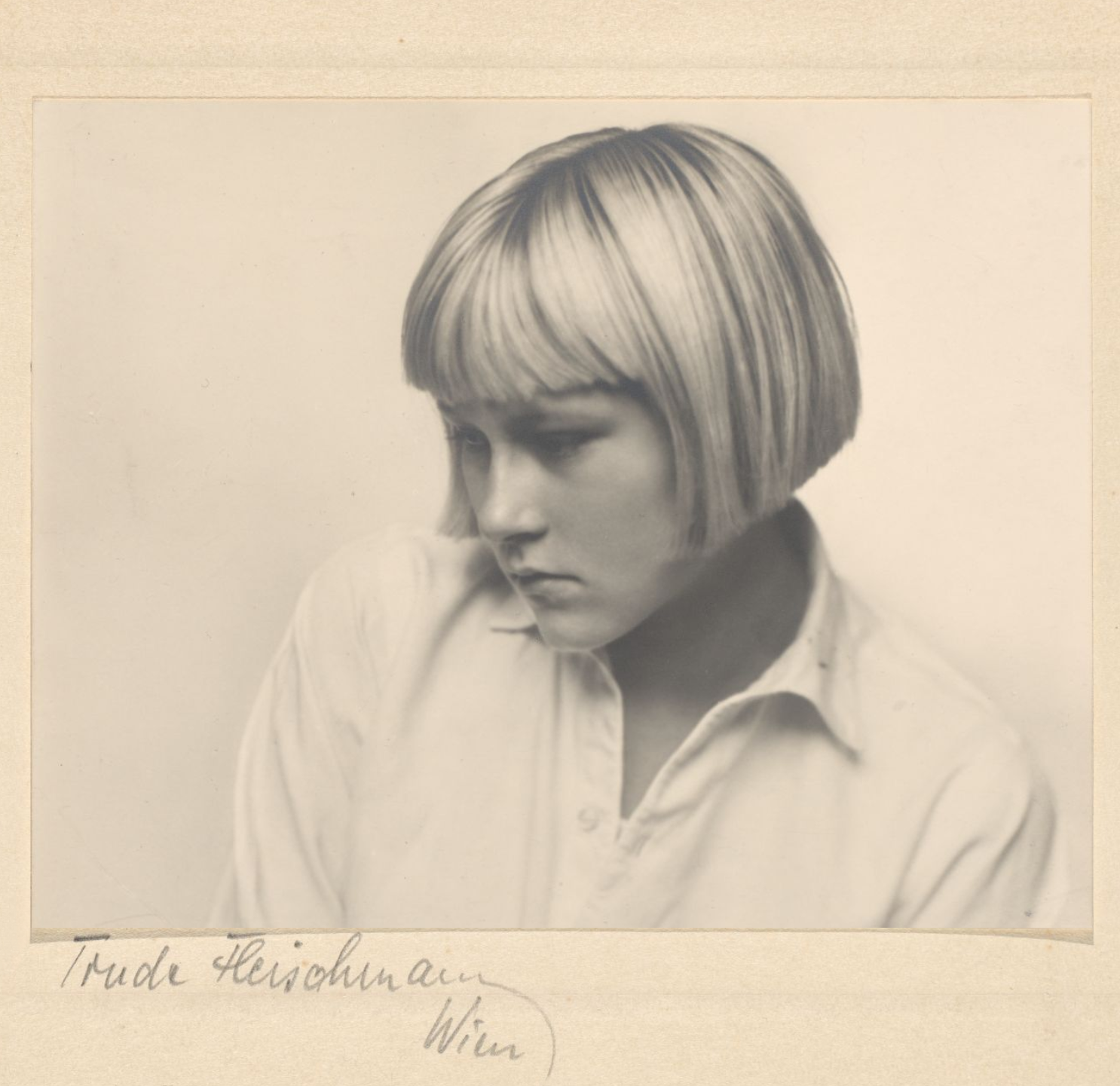
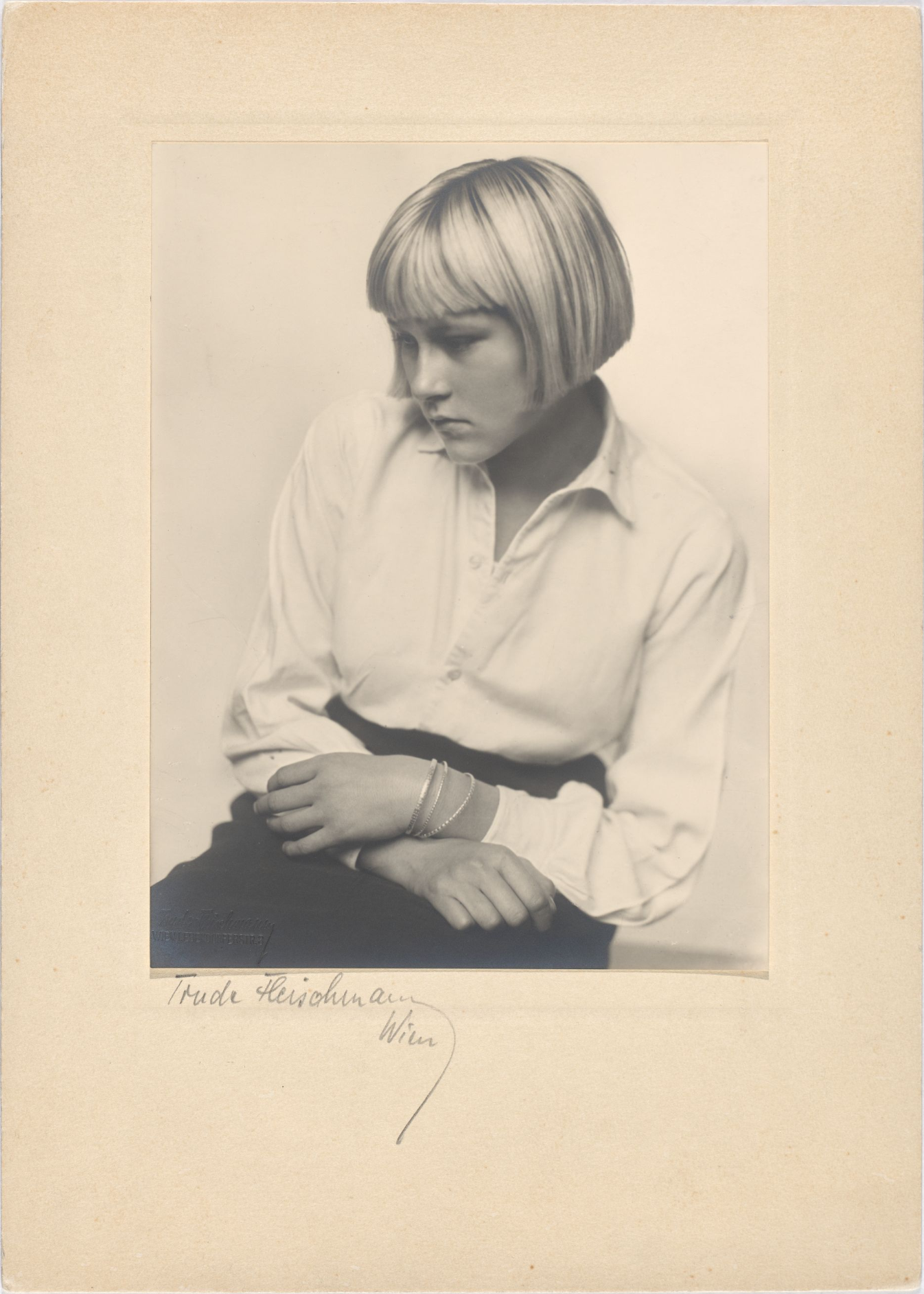
Porträt eines Mädchens, 1930s

Trude Fleischmann :: Untitled (Portrait of a Young Woman), ca. 1930. Silver gelatin print on baryta paper. | src Städel Museum

An alternative rendition of this photograph titled: ‘Porträt eines Mädchens, Wien’ and dated between 1930-1940 is hosted at Wien Museum: permalink

Trude Fleischmann :: Ohne Titel (Porträt einer jungen Frau), ca. 1930. Silbergelatine-Abzug auf Barytpapier. | src Städel Museum
Trude Fleischmann :: Untitled (Portrait of a Young Woman), ca. 1930. Silver gelatin print on baryta paper. | src Städel Museum
Trude Fleischmann :: Ohne Titel (Porträt einer jungen Frau), ca. 1930. Silbergelatine-Abzug auf Barytpapier. | src Städel Museum
Trude Fleischmann :: Untitled (Portrait of a Young Woman), ca. 1930. Silver gelatin print on baryta paper. | src Städel Museum
Trude Fleischmann :: Ohne Titel (Porträt einer jungen Frau), ca. 1930. Silbergelatine-Abzug auf Barytpapier, auf Karton kaschiert. | src Städel Museum

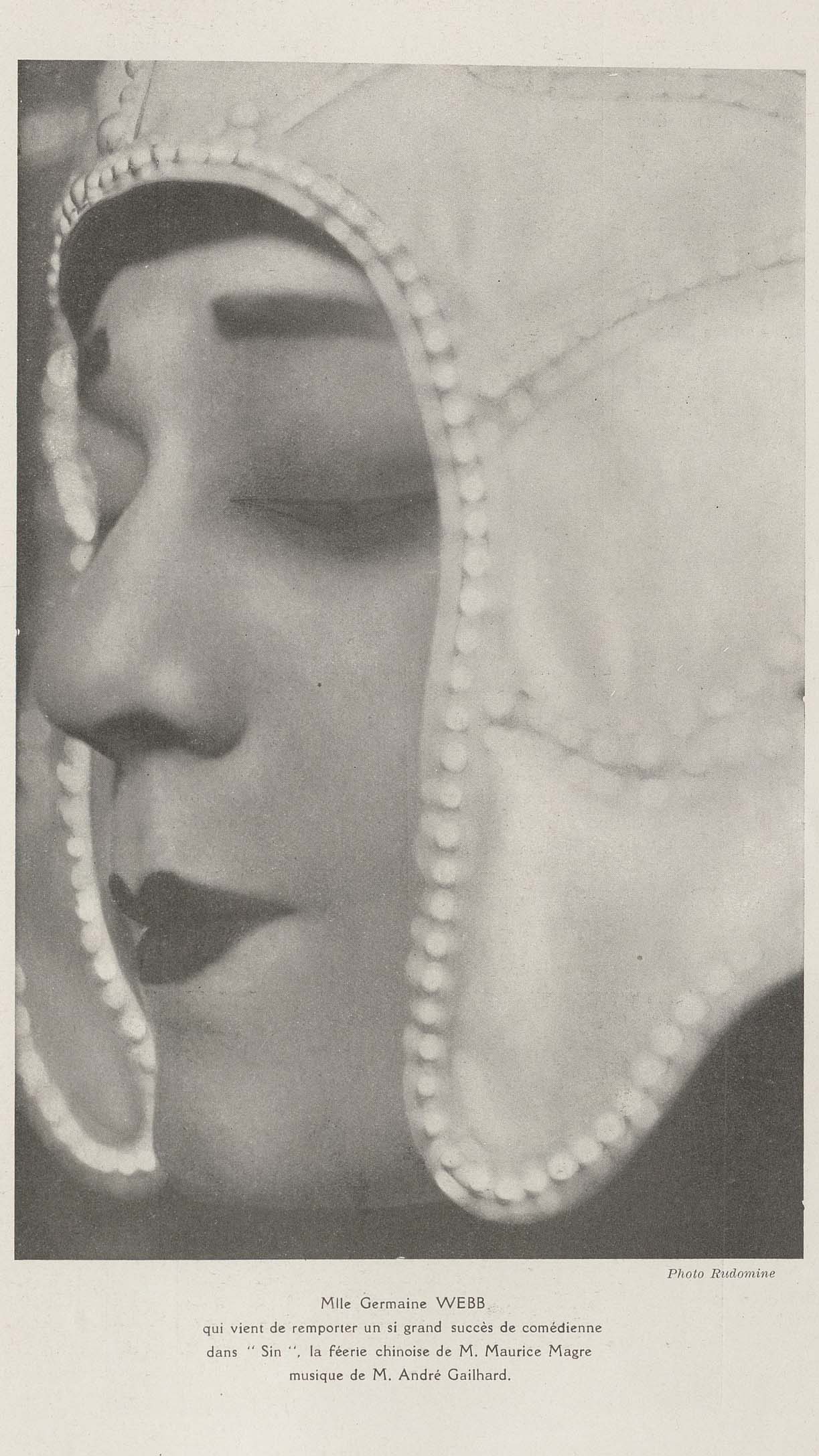
Germaine Webb par Rudomine

Mlle Germaine WEBB qui vient de remporter un si grand succès de comédienne dans "Sin", la féerie chinoise de M. Maurice Magre, musique de M. André Gailhard. Photo: Rudomine. | Comoedia Illustré, 1921
Mlle Germaine WEBB qui vient de remporter un si grand succès de comédienne dans “Sin”, la féerie chinoise de M. Maurice Magre, musique de M. André Gailhard. Photo: Rudomine. | Comoedia Illustré, 1921

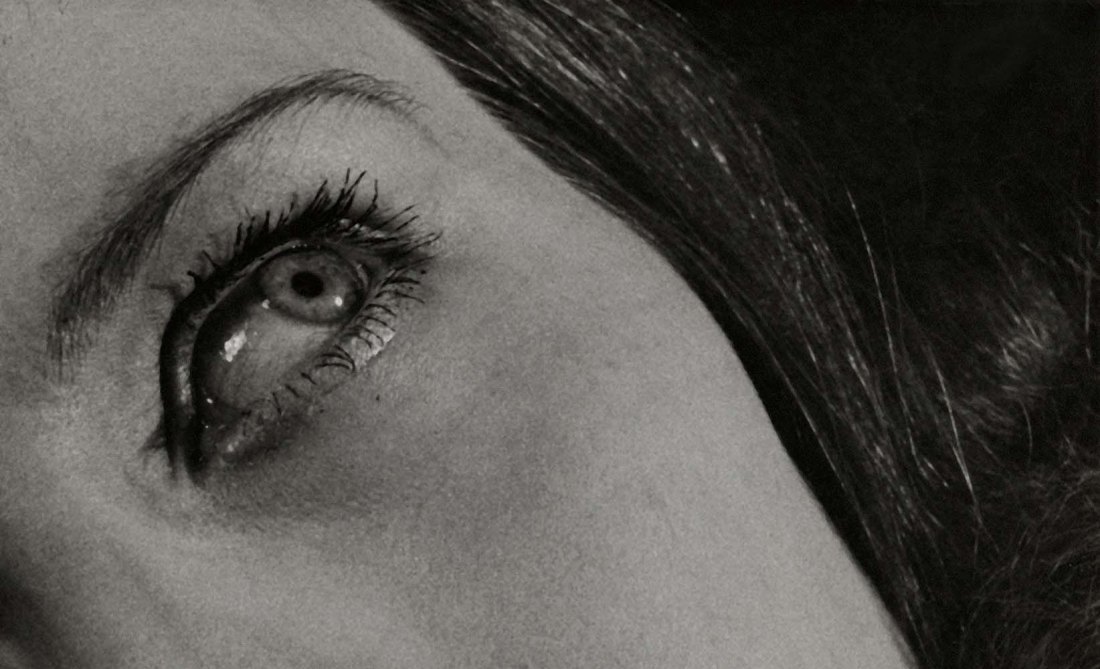
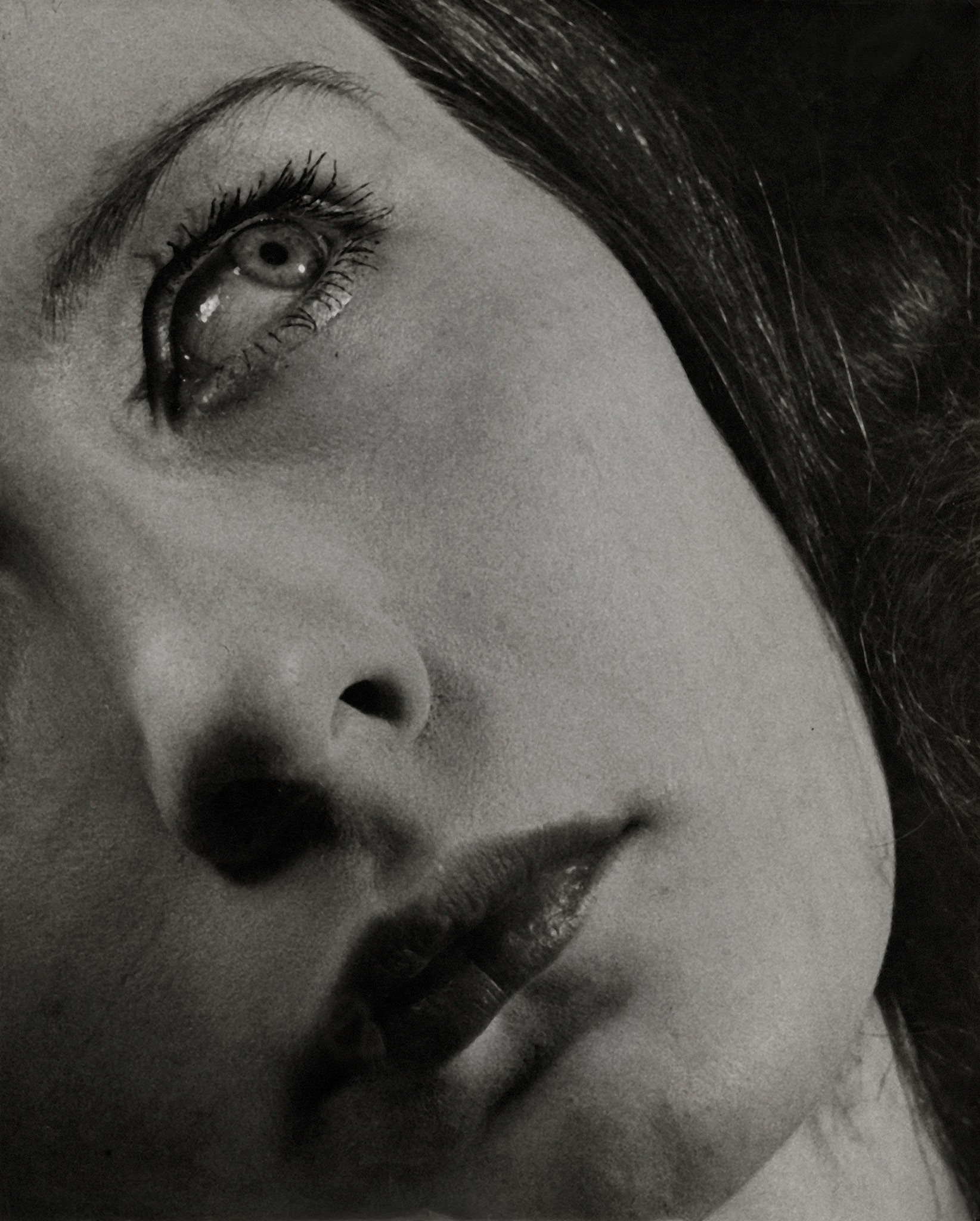
Lily Steiner by André Steiner

aka Oeil de femme, eye of a woman (Lily Steiner) (?)
André Steiner :: Untitled, 1934. Vintage gelatin silver print. | src Gitterman Gallery
Andor Steiner :: Lily, Paris, 1928. Tirage argentique.
André Steiner [Andor Steiner] :: Lily, Paris, 1928. Tirage argentique. | src Binoche et Giquello
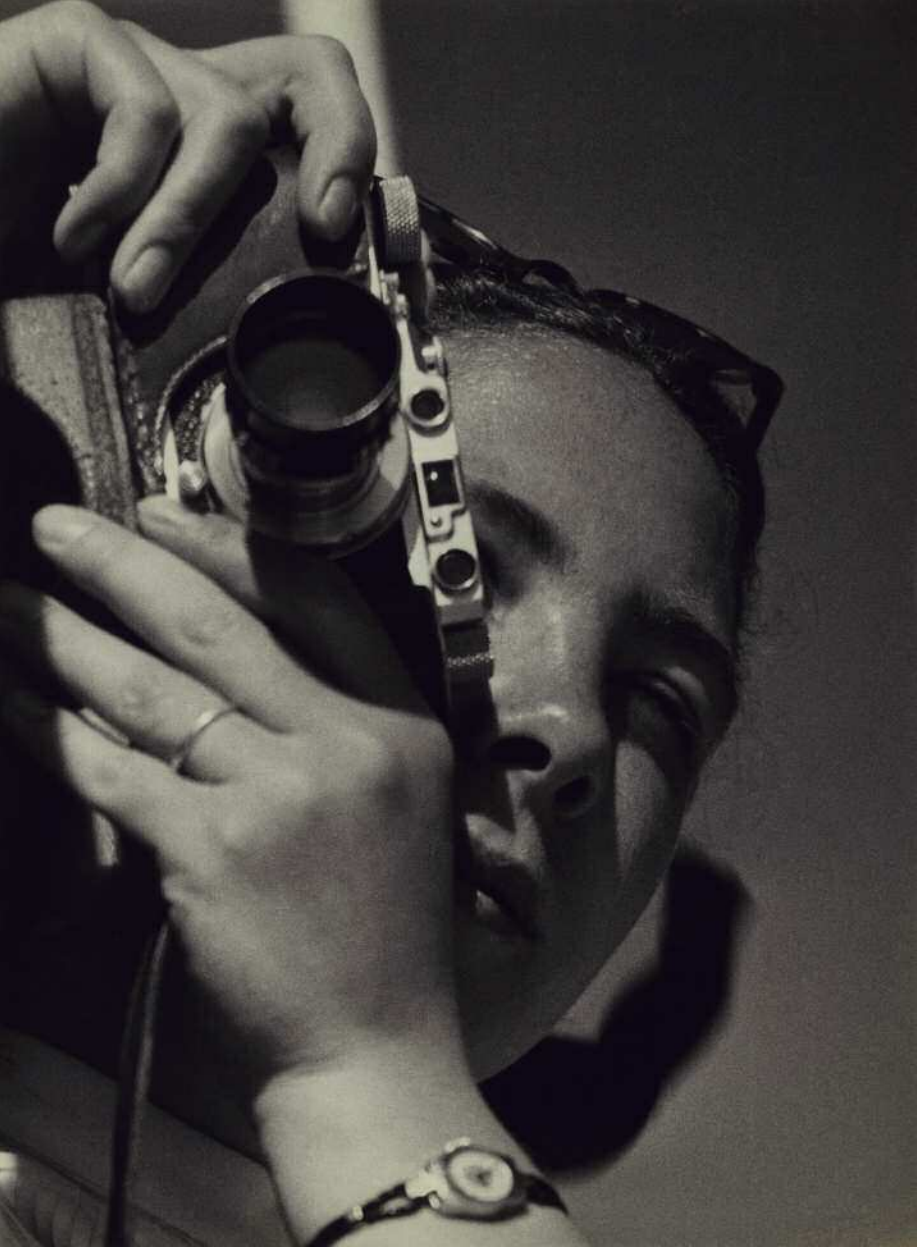
André Steiner :: Leica, Hongrie, 1935. Tirage argentique. | src Binoche et Giquello
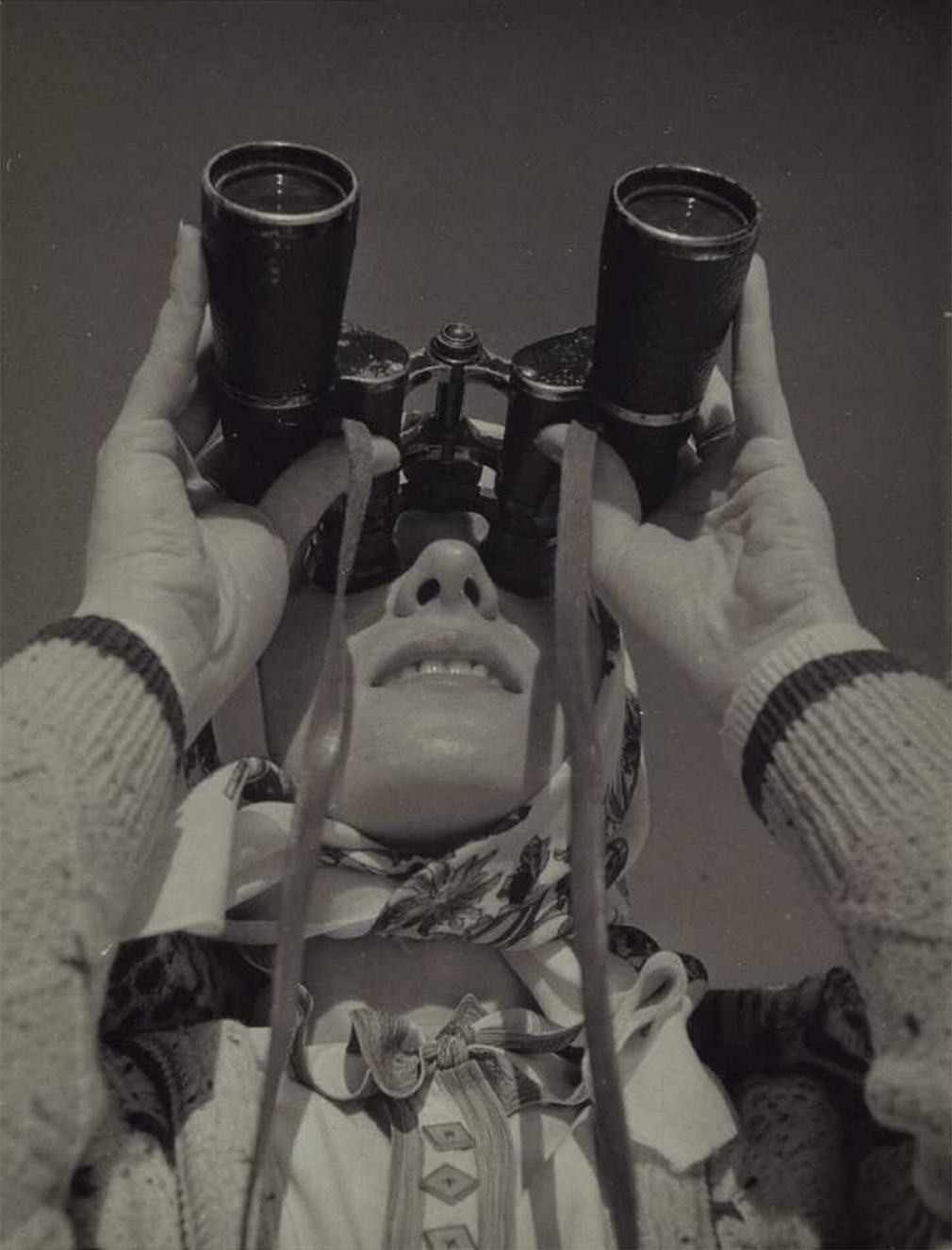
André Steiner :: Sans titre, Saint-Moritz, 1935. Tirage argentique. | src Binoche et Giquello