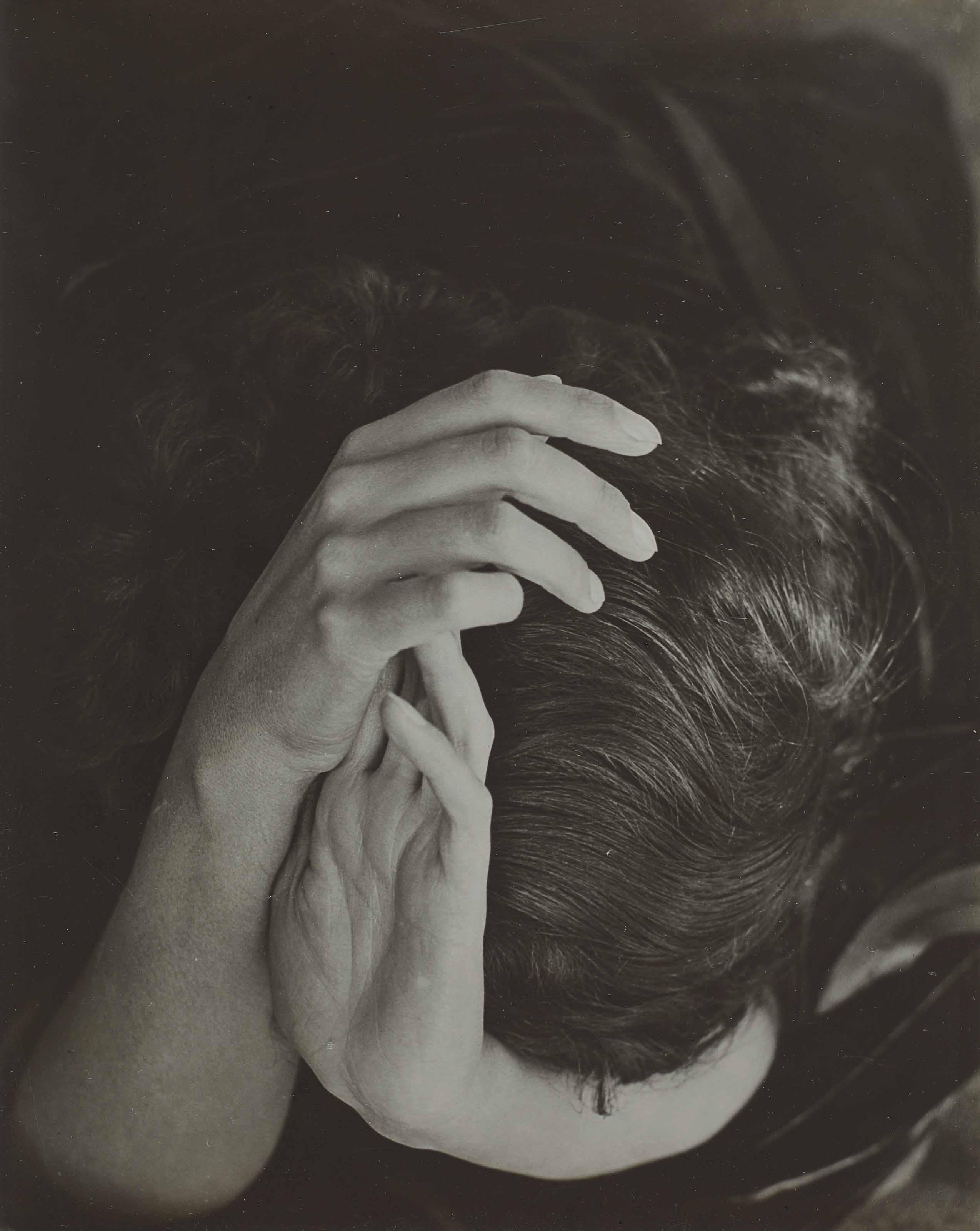
Hettner by Wols circa 1935
images that haunt us
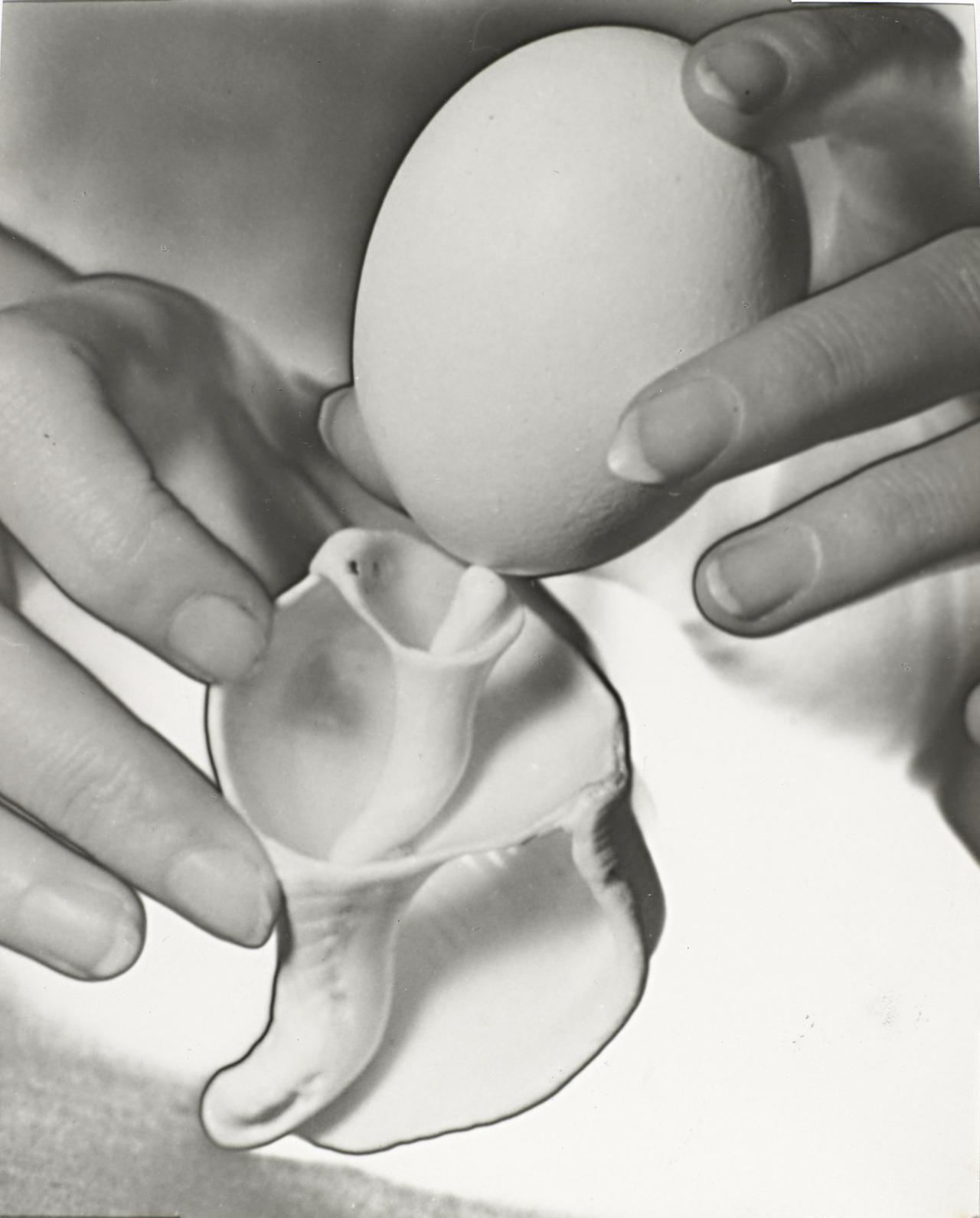
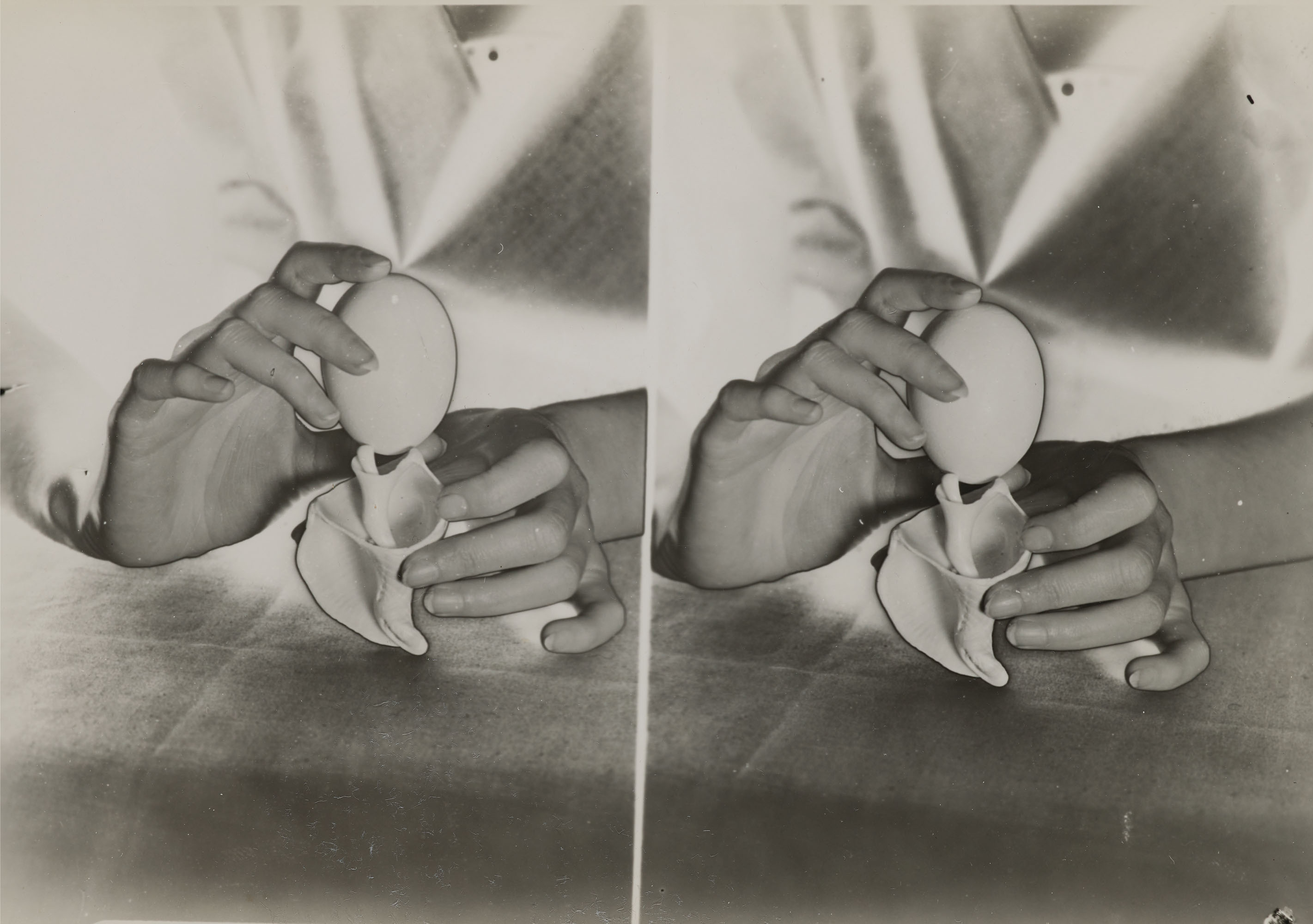
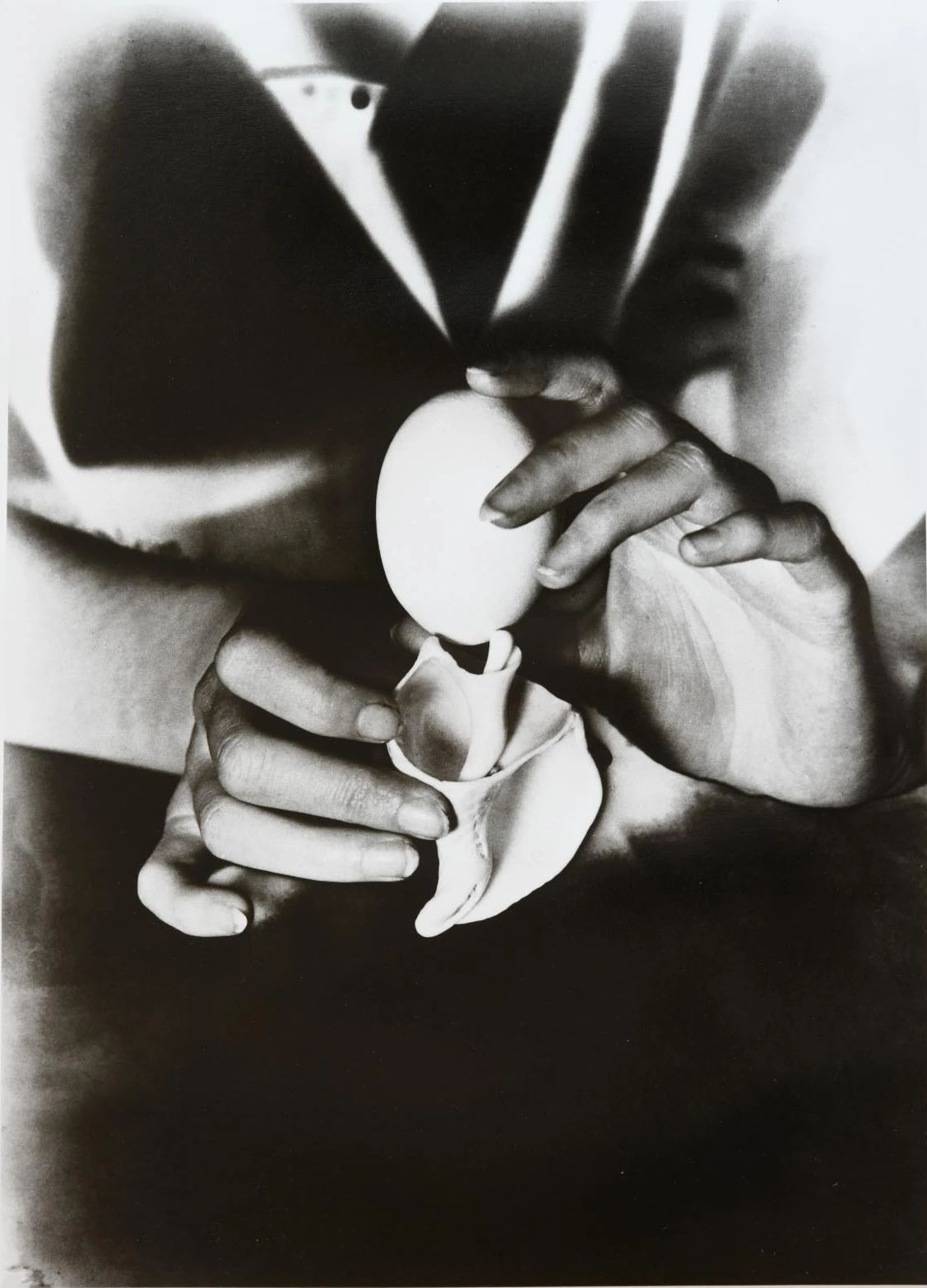
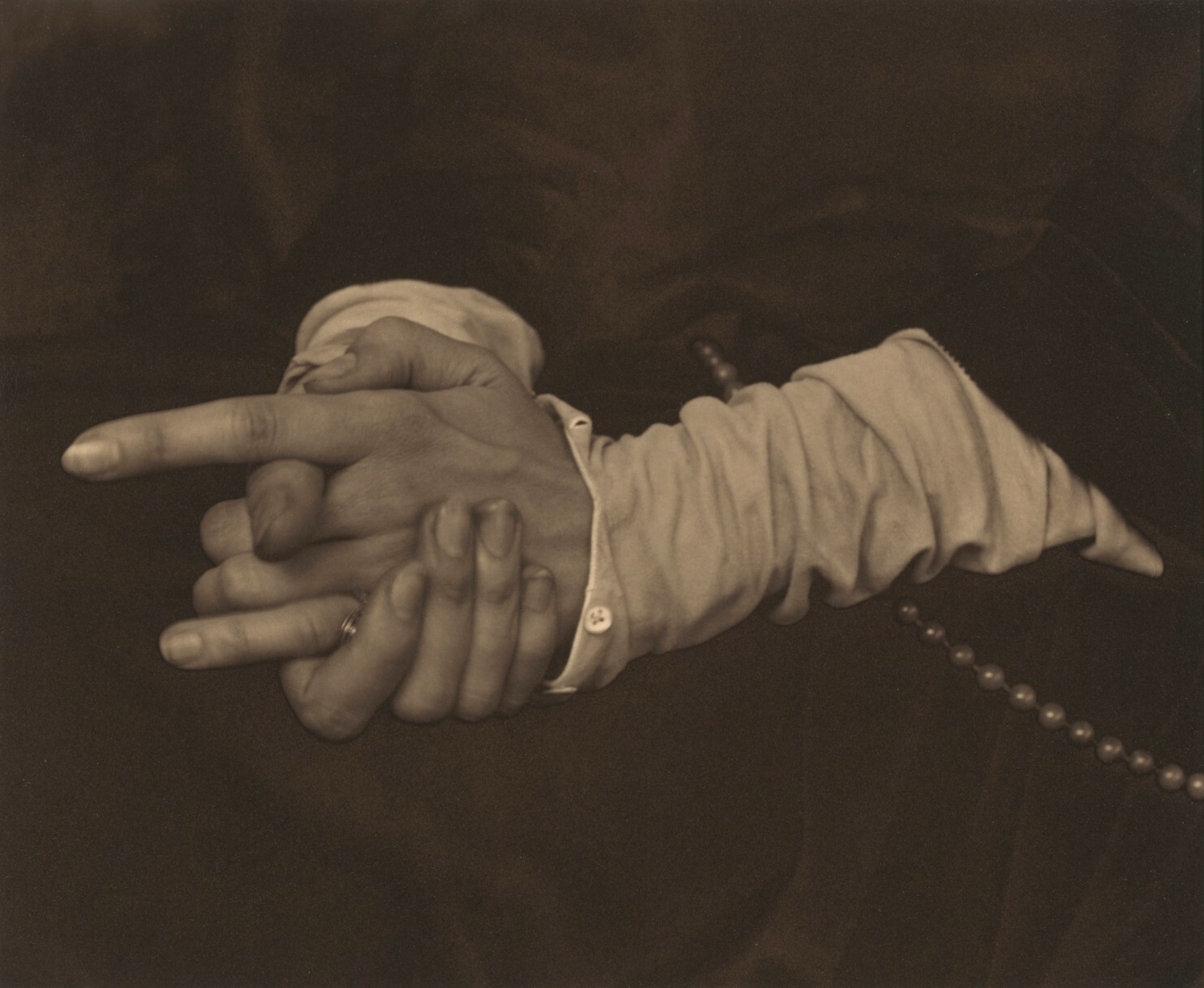

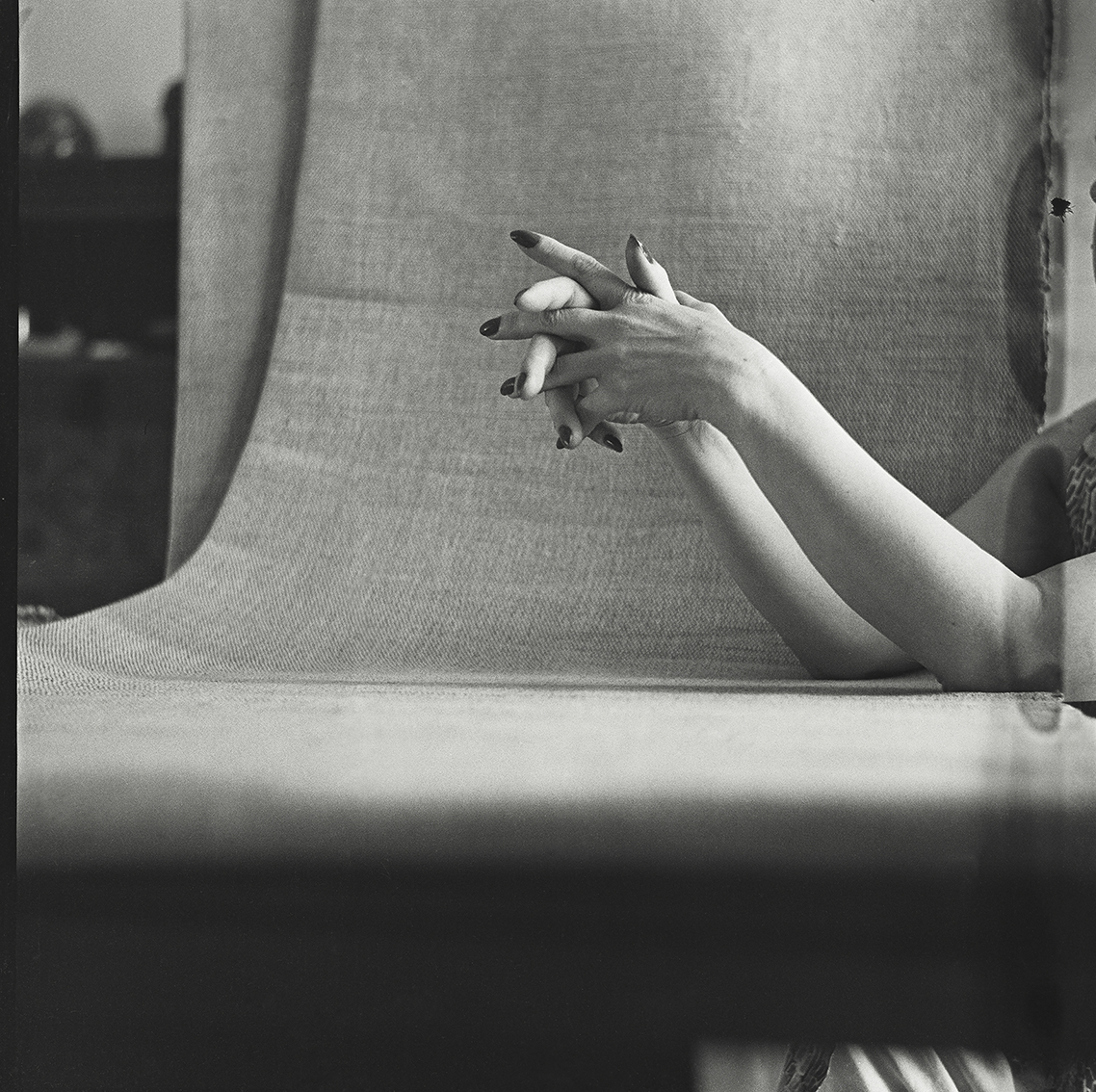
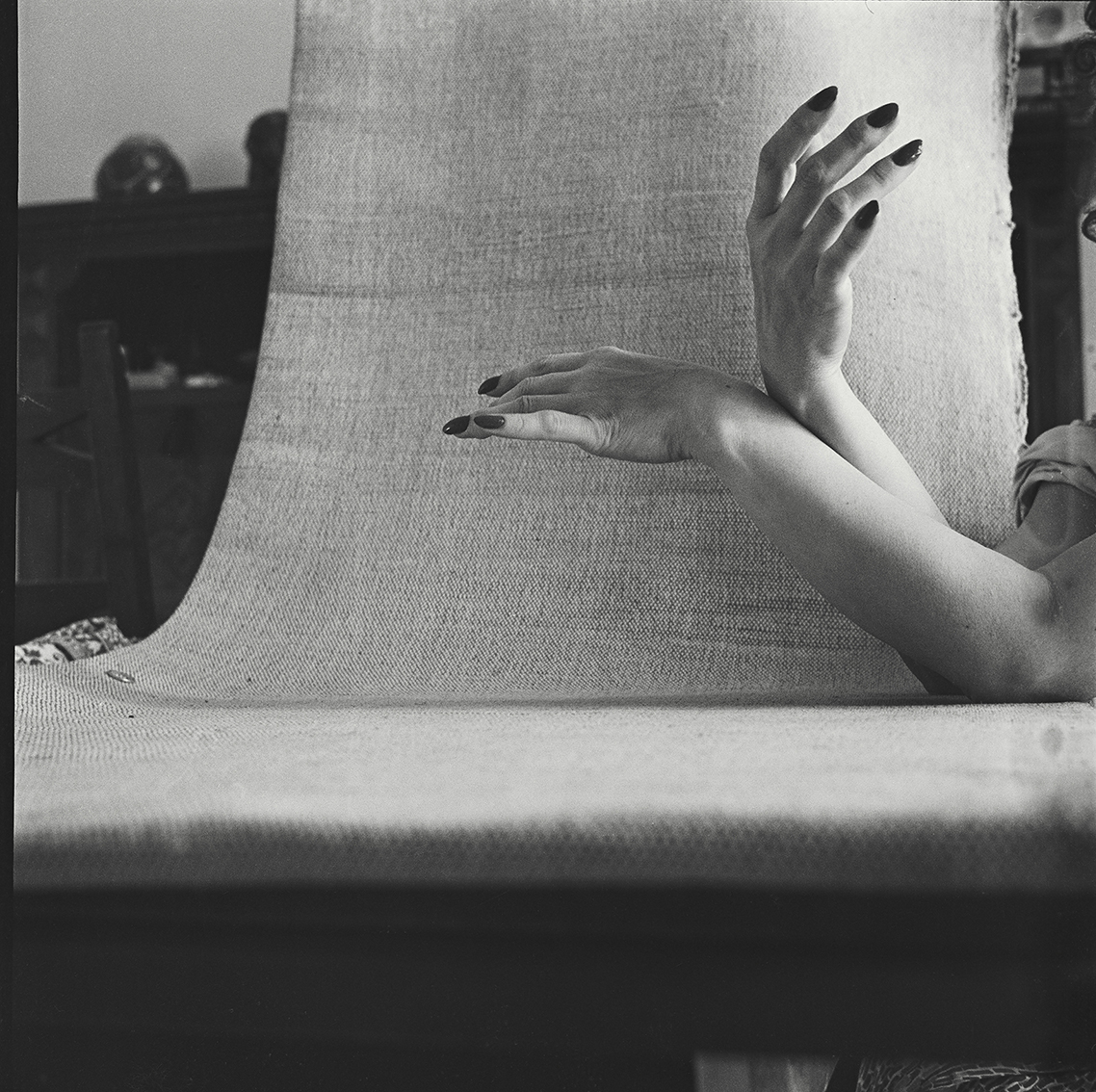
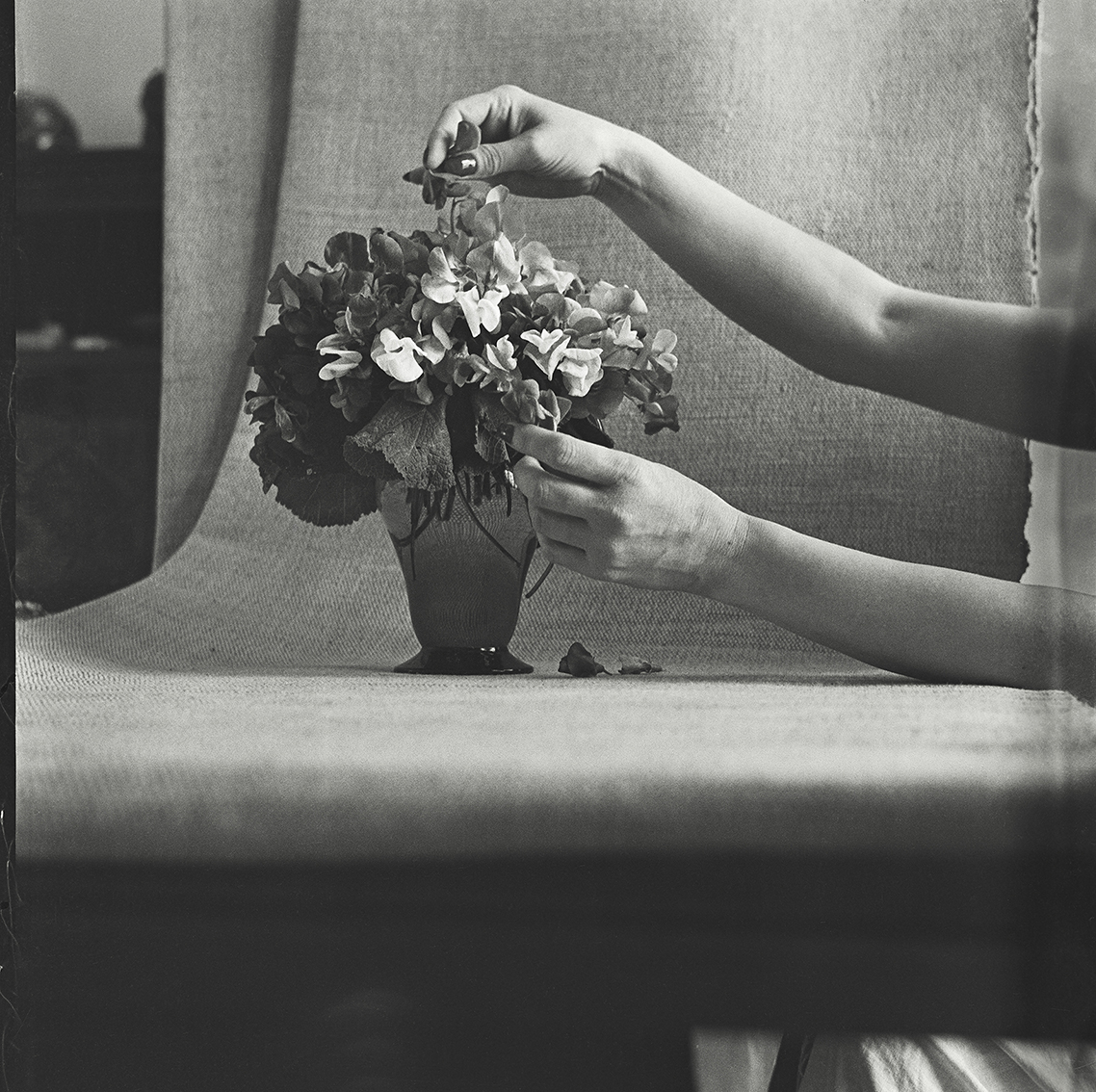
A dancer, actress, and writer, Helen Freeman (Corle) probably met Stieglitz and O’Keeffe in the early 1920s through her friendship with Mitchell Kennerley, owner of the Anderson Galleries.
The photographs and Key Set numbers 711-716 were made on at least two separate occasions between late November 1921 and Fall 1922.
“My Dear Miss. Freeman: The exposures have been developed. And there are proofs.—I have been thinking them over.—Some I feel are acceptable.—At least as a beginning. Early next week, should you find time, I’ll make another series.—And when you come, you’ll see the proofs” (Stieglitz to Helen Freeman, 1 December 1921 [Sotheby’s, auction catalogue, 17 April 1991, lot 123A])
quoted from NGA

In 1949, Georgia O’Keeffe and the Alfred Stieglitz Estate donated 1,311 photographs by Alfred Stieglitz to the National Gallery of Art and placed on deposit an additional collection of 331 portraits of O’Keeffe, which were later given to the Gallery in 1980. This collection, known as the Key Set, is an unparalleled selection of Stieglitz’s photographs, containing at least one print of every mounted photograph in his possession at the time of his death. It remains one of the most important photographic collections in existence. Carefully selected by O’Keeffe to include the finest examples, the Key Set traces the evolution of Stieglitz’s work, from its inception in the 1880s to its rich maturation in the 1930s, and thoroughly documents all aspects of his decisive contribution to the art of photography.
Previously available only in print, the Alfred Stieglitz Key Set online Edition represents the definitive publication on the artist’s work. Incorporating updated scholarship, including recent conservation findings, as well as overviews of the major periods in his art, robust search functionality, and advanced image viewing and comparison tools, the Online Edition opens up new avenues for researching—and being inspired by—Stieglitz’s work.
Explore highlights of the Key Set, browse by subject or person, or search the Key Set to view all Key Set photographs and filter results by Key Set number, negative date, photographic process, or other criteria. [permalink]


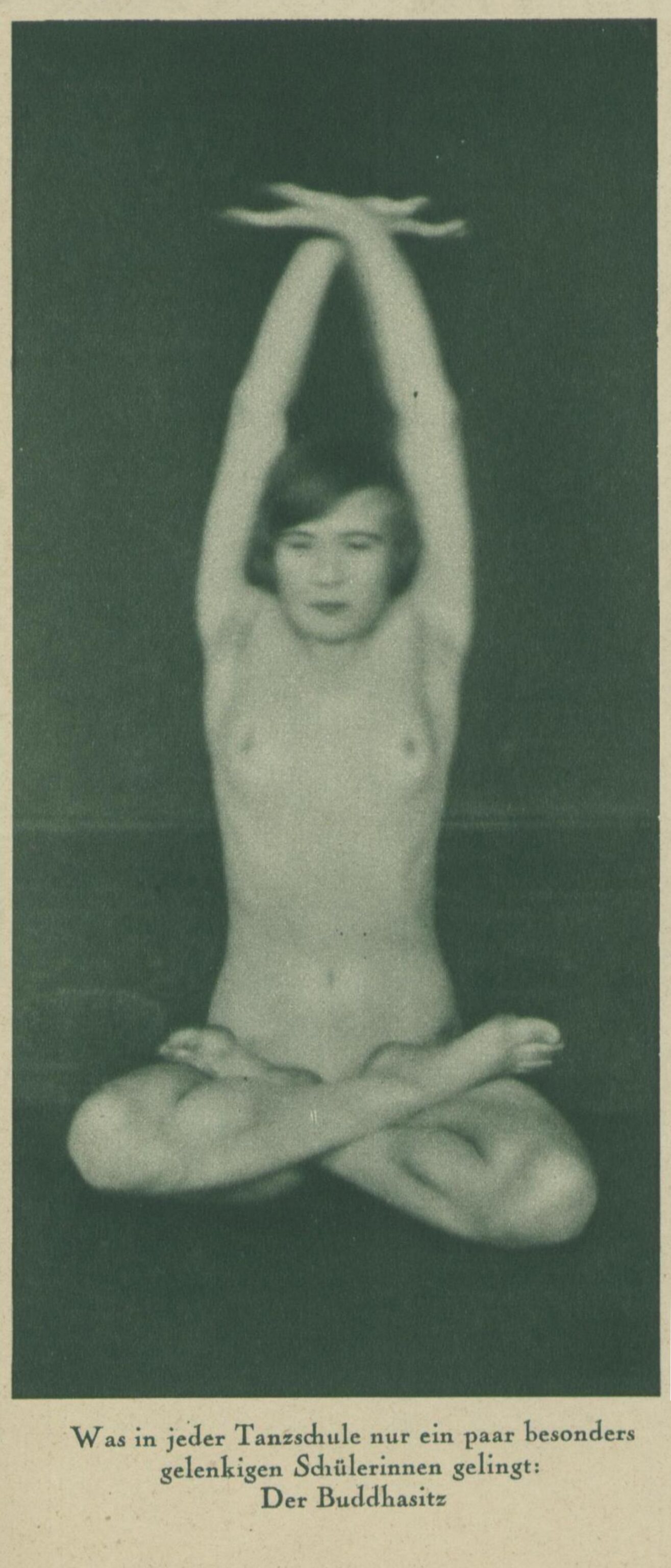
![The gentle, inward gesture. The dancer Irmin von Holten. Photograph by Hans Robertson for the article: Die persönliche Note im Gesicht der modernen Frau [The personal touch on the face of the modern woman] by Werner Suhr published in Scherl's magazine in November 1928 (nº 4-11)](https://unregardoblique.com/wp-content/uploads/2022/11/scherls-magazine-band-4-h.-11-november-1928-atelier-robertson.jpg)
The gentle, inward gesture. The dancer Irmin von Holten. Photograph by Hans Robertson for the article: Die persönliche Note im Gesicht der modernen Frau [The personal touch on the face of the modern woman] by Werner Suhr published in Scherl’s magazine in November 1928 (nº 4-11)
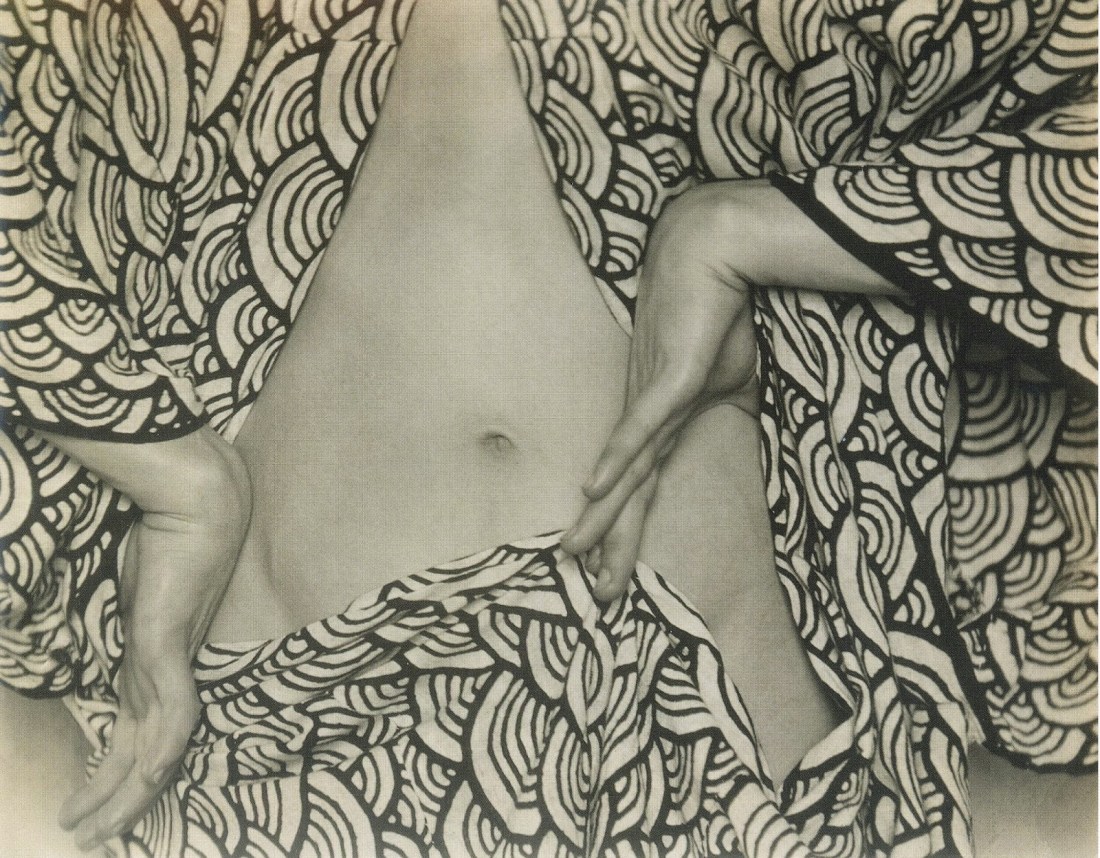
![Margrethe Mather :: Semi-nude [Billy Justema Wearing a Kimono], ca. 1923. Center for Creative Photography. University of Arizona, Tucson](https://unregardoblique.com/wp-content/uploads/2022/07/margrethe-mather-semi-nude-billy-justema-wearing-a-kimono-ca.-1923-center-for-creative-photography-university-of-arizona-tucson.jpg)
When Margrethe Mather (1885 or 1886-1952) met Billy Justema in 1922, she was 36 and he was 17. Through spending time with him, Mather found a way out of her grief over the unexpected suicide of her close friend Florence Deshon. Through their relationship, Justema searched for a state of mind that would allow him to define both his artistic path and his sexuality. Mather photographed him as an enigma, as he was at the time to himself, in the process creating a portfolio to rival that of Alfred Stieglitz’s images of Georgia O’Keeffe. I could point out the sure compositional structure that informs Billy Justema in a Kimono (above), the curves and angles that form a harmonious whole, all things typical of Mather’s work. [quoted from The Blue Lantern on blogspot]


 un regard oblique