For Colored Girls · 1976-77

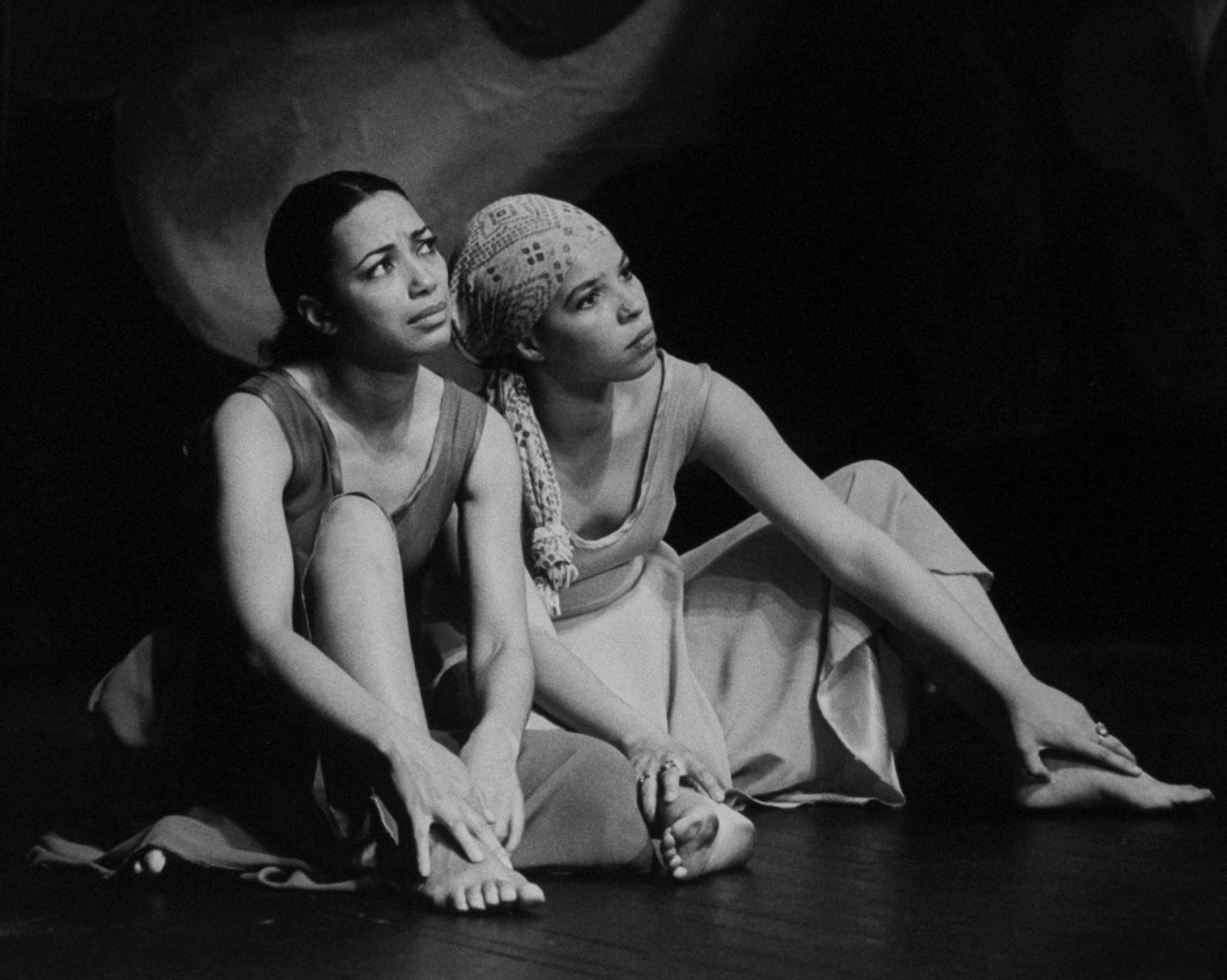
Martha Swope ~ Ntozake Shange (right) in a scene from the Broadway production of her choreopoem: ‘For Colored Girls Who Have Considered Suicide When the Rainbow is Enuf’, 1977 | src NYPL

‘For Colored Girls Who Have Considered Suicide When the Rainbow is Enuf’ is a 1976 work by Ntozake Shange. It consists of a series of poetic monologues to be accompanied by dance movements and music, a form which Shange coined the word choreopoem to describe. It tells the stories of seven women who have suffered oppression in a racist and sexist society.
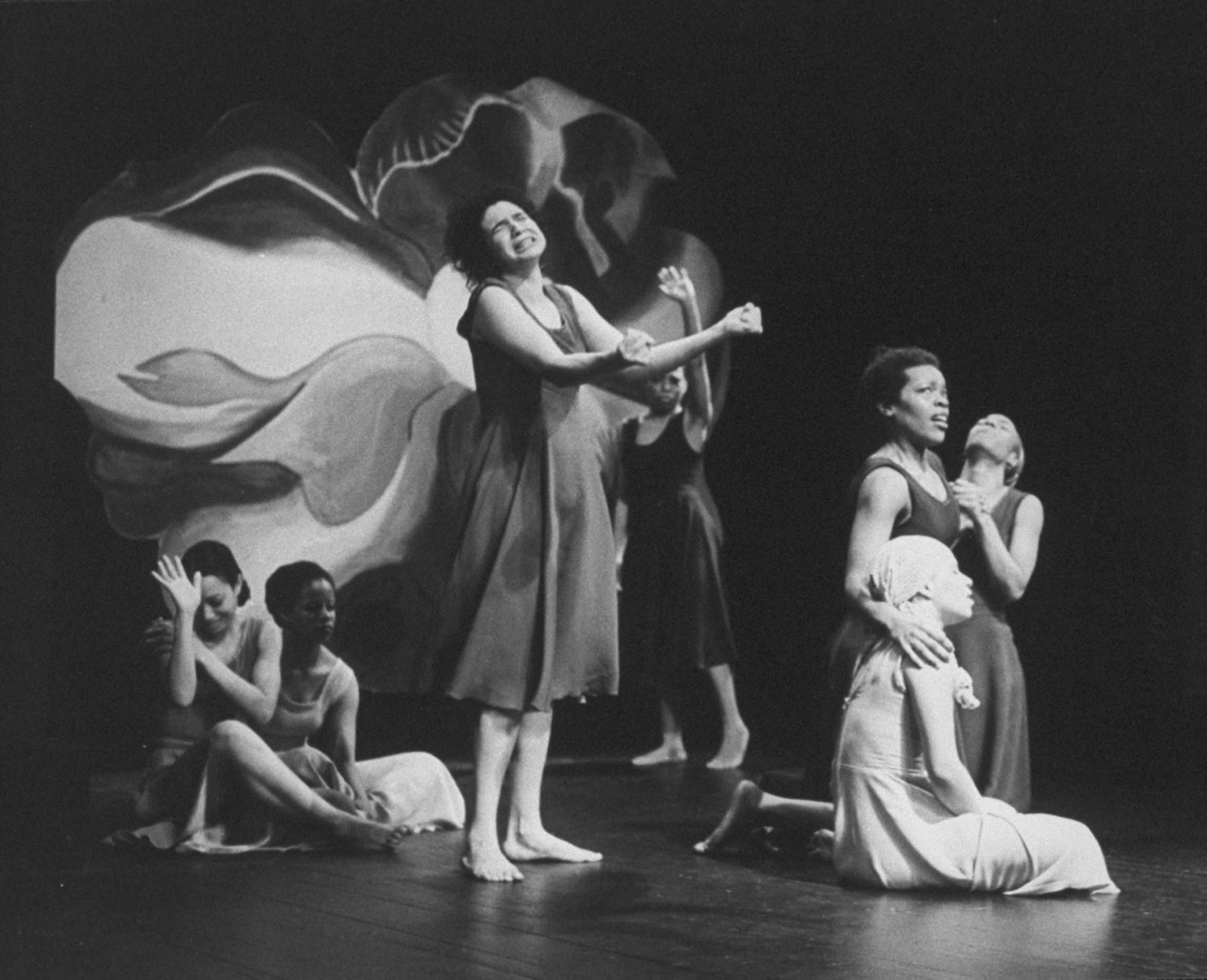
Martha Swope ~ A scene from the Broadway production of the choreopoem by Ntozake Shange: ‘For Colored Girls Who Have Considered Suicide When the Rainbow is Enuf’, 1977 | src NYPL

As a choreopoem, the piece is a series of 20 separate poems choreographed to music that weaves interconnected stories of love, empowerment, struggle and loss into a complex representation of sisterhood. The cast consists of seven nameless African-American women only identified by the colors they are assigned. They are the lady in red, lady in orange, lady in yellow, lady in green, lady in blue, lady in brown, and lady in purple. Subjects from rape, abandonment, abortion and domestic violence are tackled.
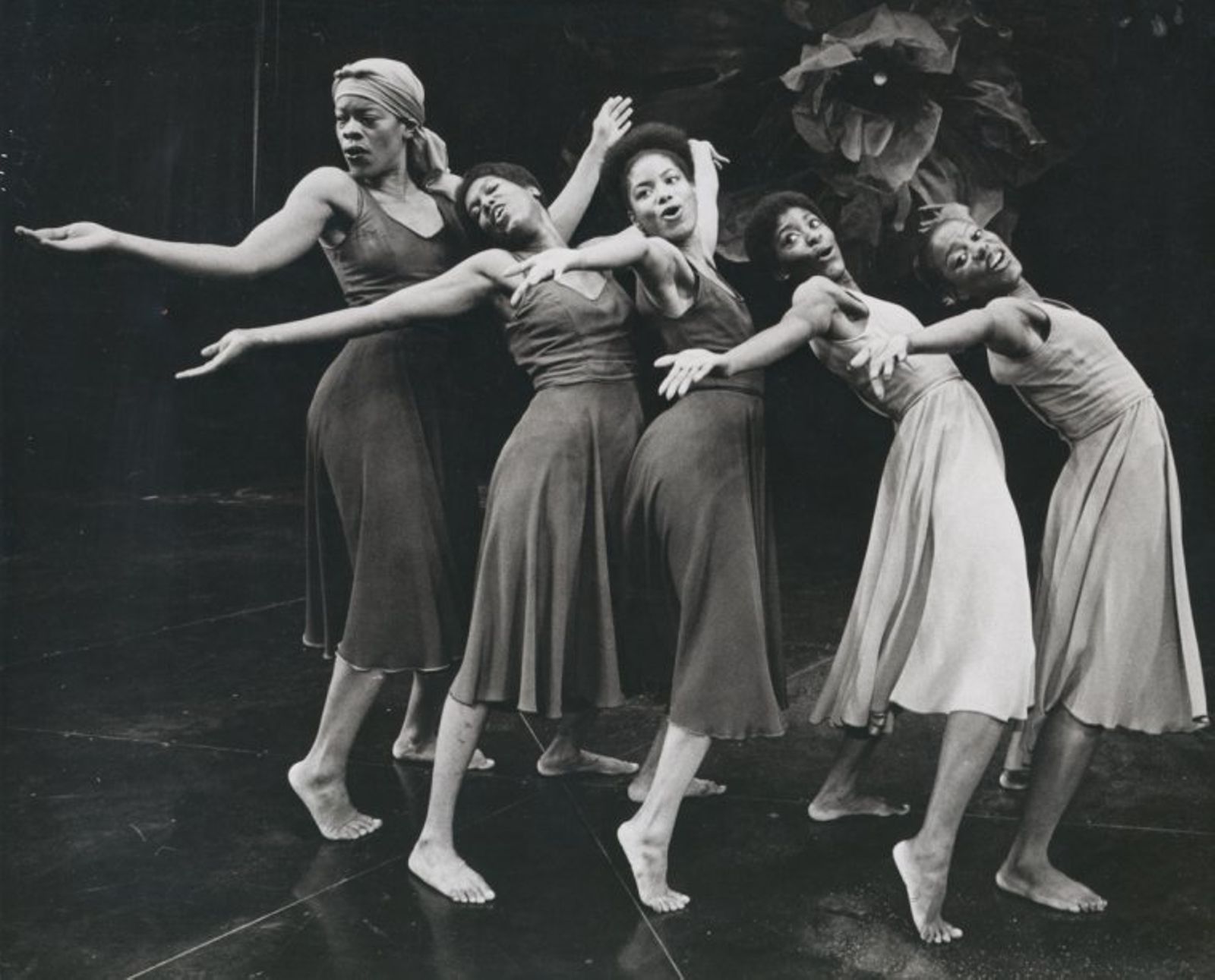
Martha Swope ~ A scene from the Broadway production of the choreopoem by Ntozake Shange: ‘For Colored Girls Who Have Considered Suicide When the Rainbow is Enuf’, 1976 | src NYPL

Shange originally wrote the monologues as separate poems in 1974. Her writing style is idiosyncratic and she often uses vernacular language, unique structure, and unorthodox punctuation to emphasize syncopation. Shange wanted to write ‘For colored girls…‘ in a way that mimicked how real women speak so she could draw her readers’ focus to the experience of reading and listening.

Martha Swope ~ A scene from the Broadway production of the choreopoem by Ntozake Shange: ‘For Colored Girls Who Have Considered Suicide When the Rainbow is Enuf’, 1976 | src NYPL
Martha Swope ~ Actresses (Front L-R) Laurie Carlos, Paula Moss, Aku Kadogo, Trazana Beverly; (Top L-R) Rise Collins, Janet League, Seret Scott in scene from the play ‘For Colored Girls Who Have Condsidered Suicide When the Rainbow is Enuf’ by Ntozake Shange (1976) | src NYPL
The cast of the Broadway show ‘For Colored Girls Who Have Considered Suicide When the Rainbow Is Enuf’ by Ntozake Shange, in the Meatpacking District of New York City, 1977 (Photo by Jill Freedman) | src getty images
A scene from the Broadway production of the choreopoem ‘For Colored Girls Who Have Considered Suicide When the Rainbow is Enuf’, 1976 | src NY Times: Ntozake Shange’s Tales of Black Womanhood

In December 1974, Shange performed the first incarnation of her choreopoem with four other artists at a women’s bar outside Berkeley, California. After moving to New York City, she continued work on for colored girls…, which went on to open at the Booth Theatre in 1976, becoming the second play by a black woman to reach Broadway. quoted from wikipedia entry

Martha Swope ~ A scene from the Broadway production of the choreopoem by Ntozake Shange: ‘For Colored Girls Who Have Considered Suicide When the Rainbow is Enuf’, 1976-77 | src NYPL

For Colored Girls chronicles the experiences of seven black women through monologue and dance, confronting topics of sexism, rape, and domestic violence. The play has long been considered a benchmark for black female writers and inspired a book, film, and Tony Award-nominated Broadway play.

Martha Swope ~ A scene from the Broadway production of the choreopoem by Ntozake Shange: ‘For Colored Girls Who Have Considered Suicide When the Rainbow is Enuf’, 1976-77 | src NYPL

Written for seven characters, For Colored Girls is a group of 20 poems on the power of Black women to survive in the face of despair and pain. The show ran for seven months Off-Broadway in New York City before beginning a two-year run on Broadway. It was subsequently produced throughout the United States, broadcast on television, and in 2010 adapted into a feature film titled For Colored Girls. [text: Britannica]

A scene from the Broadway production of the choreopoem ‘For Colored Girls Who Have Considered Suicide When the Rainbow is Enuf’, 1976 | src NY Times: Ntozake Shange’s Tales of Black Womanhood

What fools these mortals be

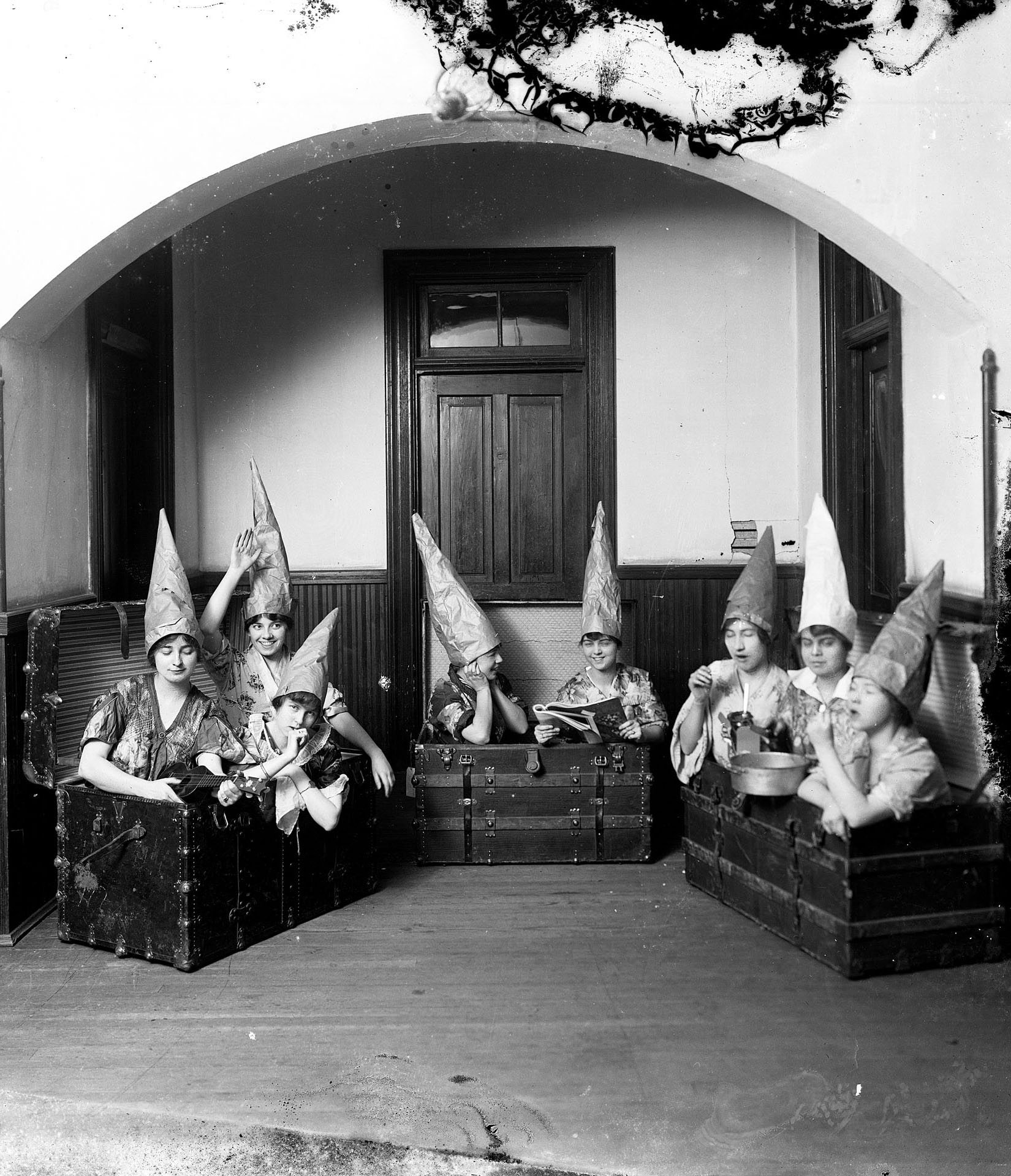
Tyree Studio ~ Meredith College students in costume all posing with props while sitting inside trunks, ca 1916. Glass negative
Senseless Souls: What fools these mortals be! (detail from glass plate negative) The J.C. Knowles photograph collection

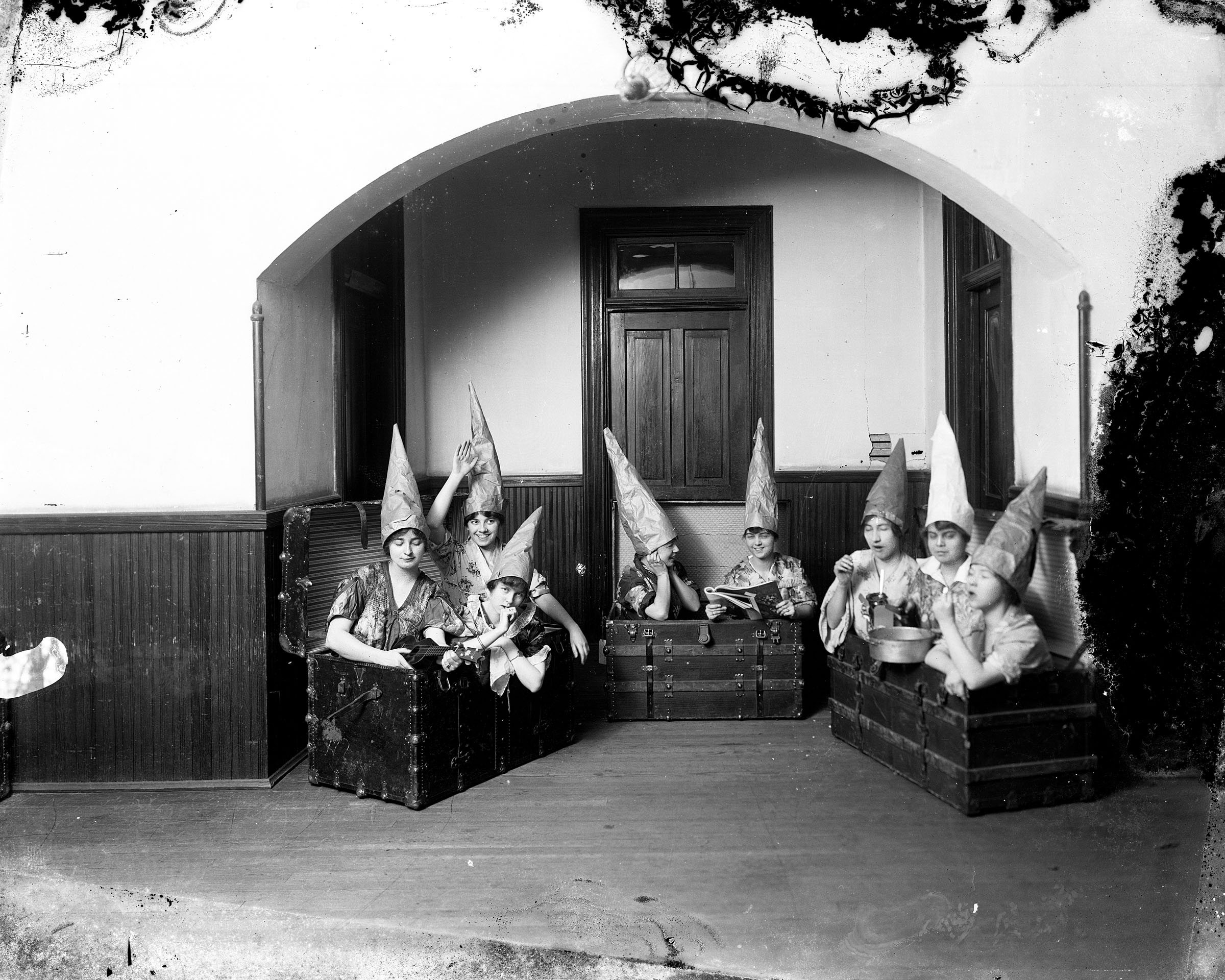
The photograph is titled “Senseless Souls: What fools these mortals be!” and it appears in the 1916 ‘Oak Leaves’ Meredith College yearbook. A poem accompanied the photo in the yearbook in which each stanza refers to the women pictured from left to right. | src State Archives of North Carolina on flickr

Tyree Studio (1905-1911) ~ Meredith College students in costume all posing with props while sitting inside trunks, ca 1916. Glass negative

The J. C. Knowles Photograph Collection consists in a collection of glass plate negatives dating from ca. 1900 through the late 1910s, attributed to Wharton & Tyree Studio and Tyree Studio of Raleigh, NC. Based on the age of the negatives, where they were found initially, and a notation on one of the plates, it is likely they were all created by Wharton’s Gallery, 1886-1905, Wharton & Tyree Studio, 1905-1912, and Tyree Studio, 1912-1916 of Raleigh, North Carolina.

Cyrus P. Wharton (1852-1929) operated one of the best-equipped and largest photography studios in North Carolina beginning with Wharton’s Gallery on Fayetteville Street in downtown Raleigh in 1886. In 1905 he partnered with Manly W. Tyree (1877-1916) and operated as the Wharton & Tyree Studio. Wharton appears to have retired in 1911, and Tyree continued on alone as the Tyree Studio until his death.

Negatives from J. C. Knowles collection attribution is as listed below:

1- Wharton’s gallery (1886- 1905)

2- Wharton & Tyree Studio (1905-1911)

3- Tyree Studio (1912-1916)

Josefina Oliver · cross-dressing

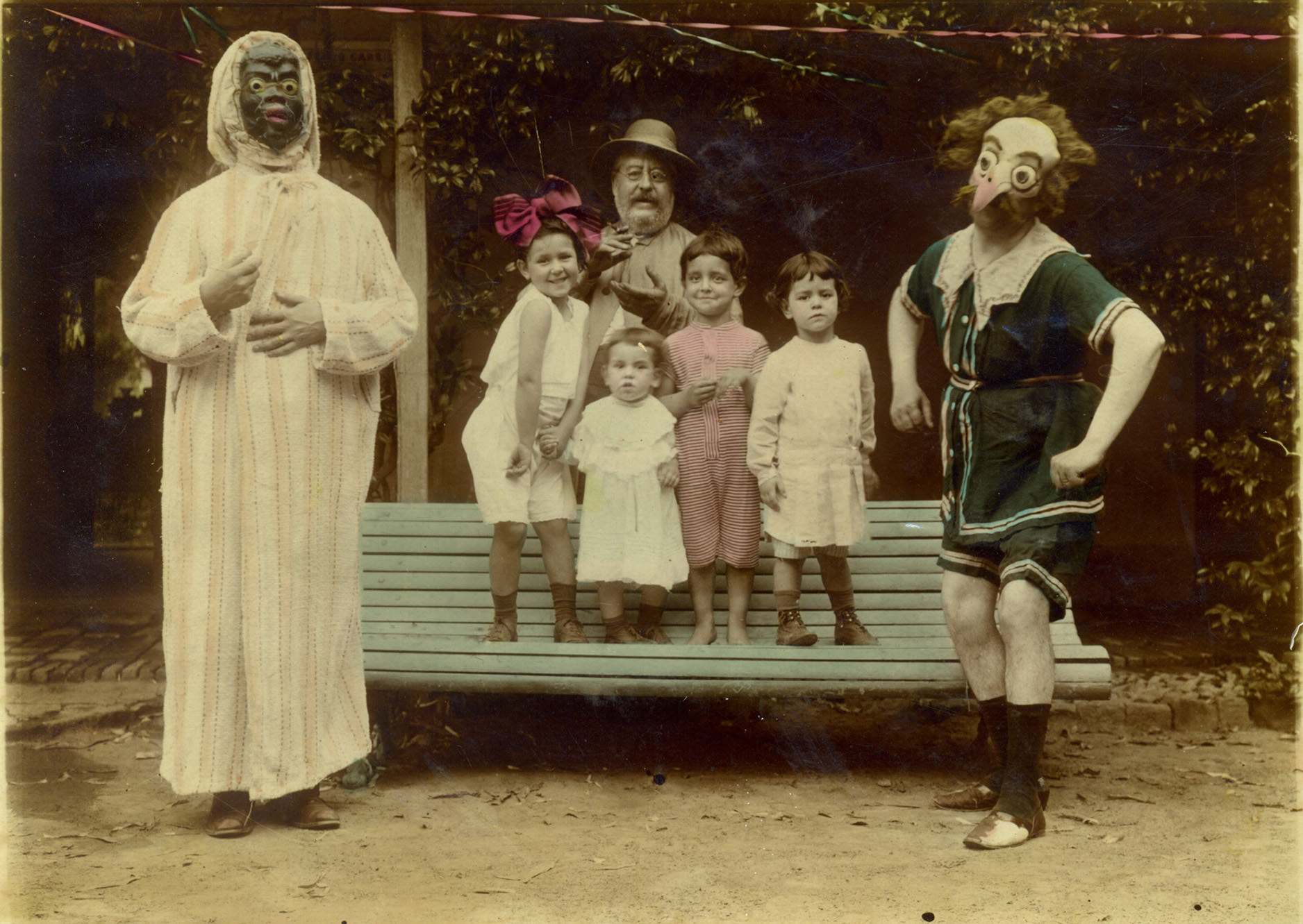
Oliver family. Carnival at chacra Santa Ana. Pepe Salas with Josefina’s bathing suit, San Vicente, Buenos Aires, Argentina, February 1910. Photograph hand colored by Josefina Oliver | src YO Josefina Oliver
Siblings García Oliver, San Vicente, Buenos Aires, Argentina, 1909. Photograph hand colored by Josefina Oliver | src Josefina Oliver
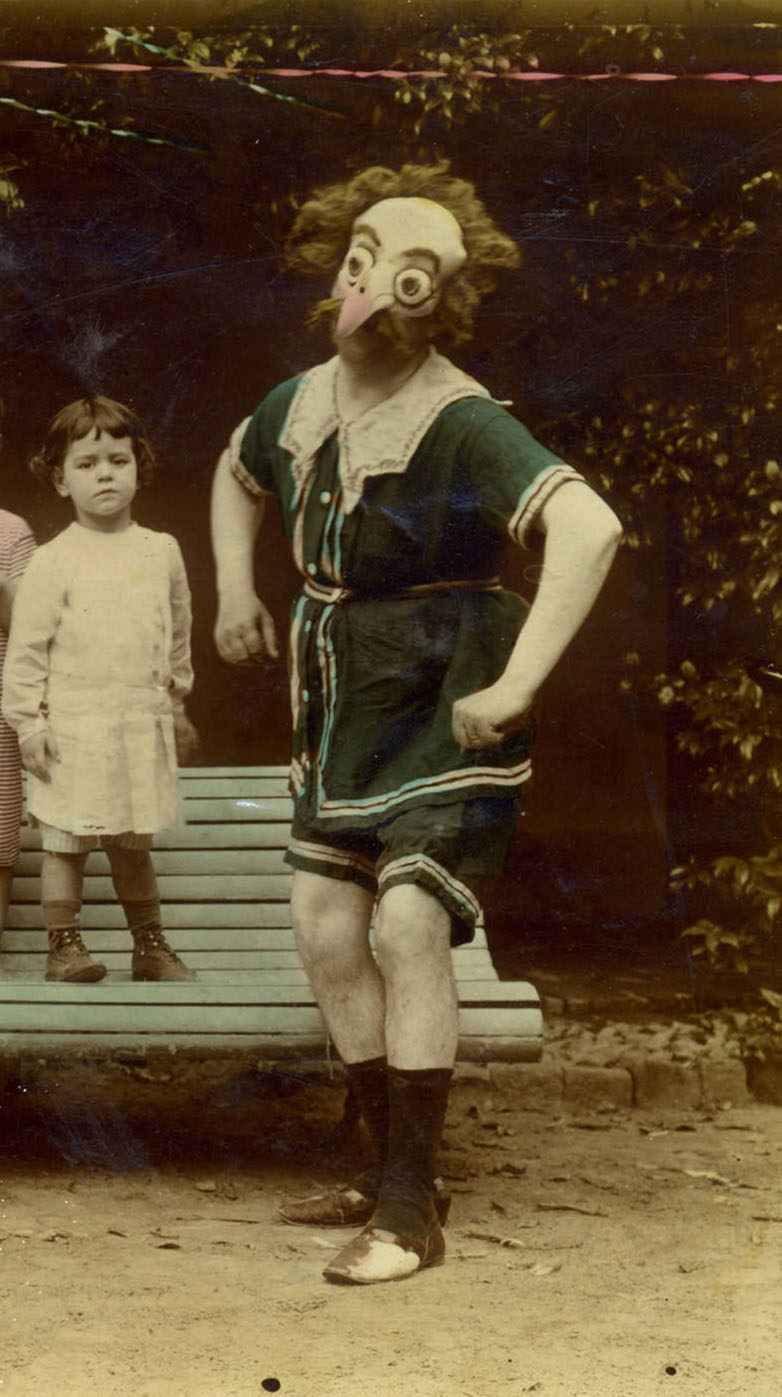
Carnival. Pepe Salas with Josefina’s bathing suit, San Vicente, Buenos Aires, Argentina, February 1910 [Detail]
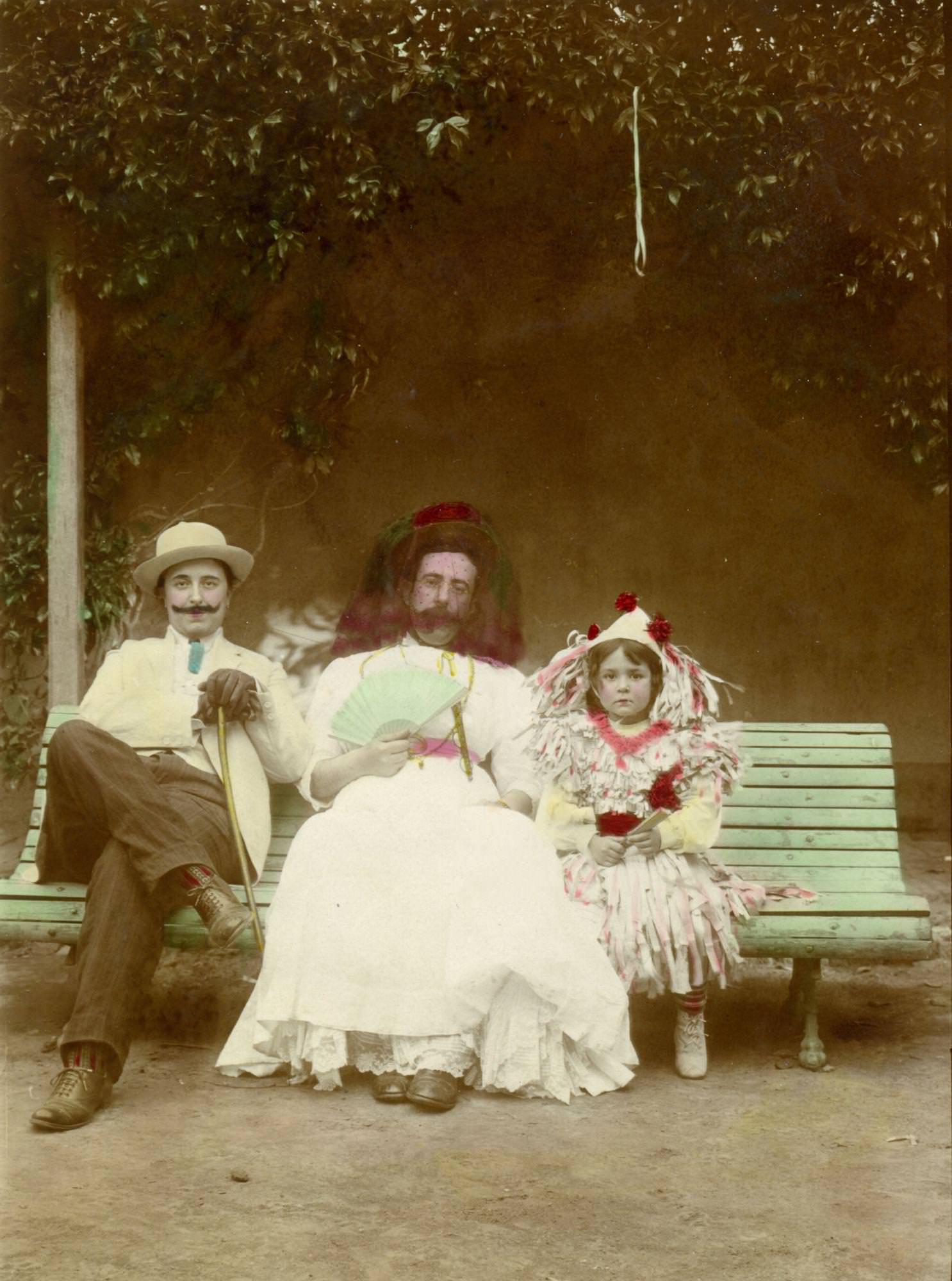
Josefina Oliver and Pepe Salas cross dressed with niece, San Vicente, March 1908. Hand colored photograph by Josefina Oliver | src YO Josefina Oliver

‘(…) Sunday 8th- Very nice day. Carnival’s burial. (…) Pepe went hunting and I dressed up as a man having a succès d’estime. Pepe came a little later and I decked him out with a dress of mine, Porota wore her paper suit and after dressing up granddaddy ridiculously, we devoted ourselves to perpetuate the memory of our joke through photography. As the audience, all the people from the kitchen, Luis, his wife, his children and even the workman celebrating the scene (…)’. Diary 4, p. 257 and 258, March 1908

Postcard sent by Josefina to her sister Catalina, with her cross-dressed self-portrait, saying that it is a friend of Pepe, her husband.
Nephews García Oliver cross-dressed, San Vicente, February 1910. Photograph hand colored by Josefina Oliver | src Josefina Oliver
«Con los trajes trocados la Nena y Pedrito», San Vicente, February 1910
Hand colored photograph by Josefina Oliver | src YO Josefina Oliver

Josefina Oliver (1875-1956) began as a vocational photographer among her friends in 1897. Two years later, she takes the first one of her one hundred self-portraits and photographs her friends and relatives, houses’ interiors and landscapes in the family farm in San Vicente. Josefina, a common porteña, was almost invisible. Author of a luminous ouvre, hidden until 2006, as a consequence of a society that disregarded women’s inner self.

Josefina Oliver reflects this reality in her artistic work so far composed by 20 volumes of a personal diary, more than 2700 photographs, collages and postcards. Plenty of her shots are conceived with scenographies; she always develops them and paints the best copies with bright colors. She makes up twelve albums, four of them are wonderful and only have illuminated photographs. At the same time, a transversal humor appears behind her multiform ouvre.

quoted from Josefina Oliver

Tea-time by Gertrude Käsebier

Gertrude Käsebier (1852-1934) ~ [The Artist’s Daughter, Hermine, and her Children at Tea]; Waban, Massachusetts, 1910. Platinum print. | src Getty museum
Gertrude Käsebier ~ A group of two women, one boy, and three young girls having tea outdoors, ca. 1905. One of the girls attends to a kitten with a bowl of milk. (George Eastman Museum via getty images)

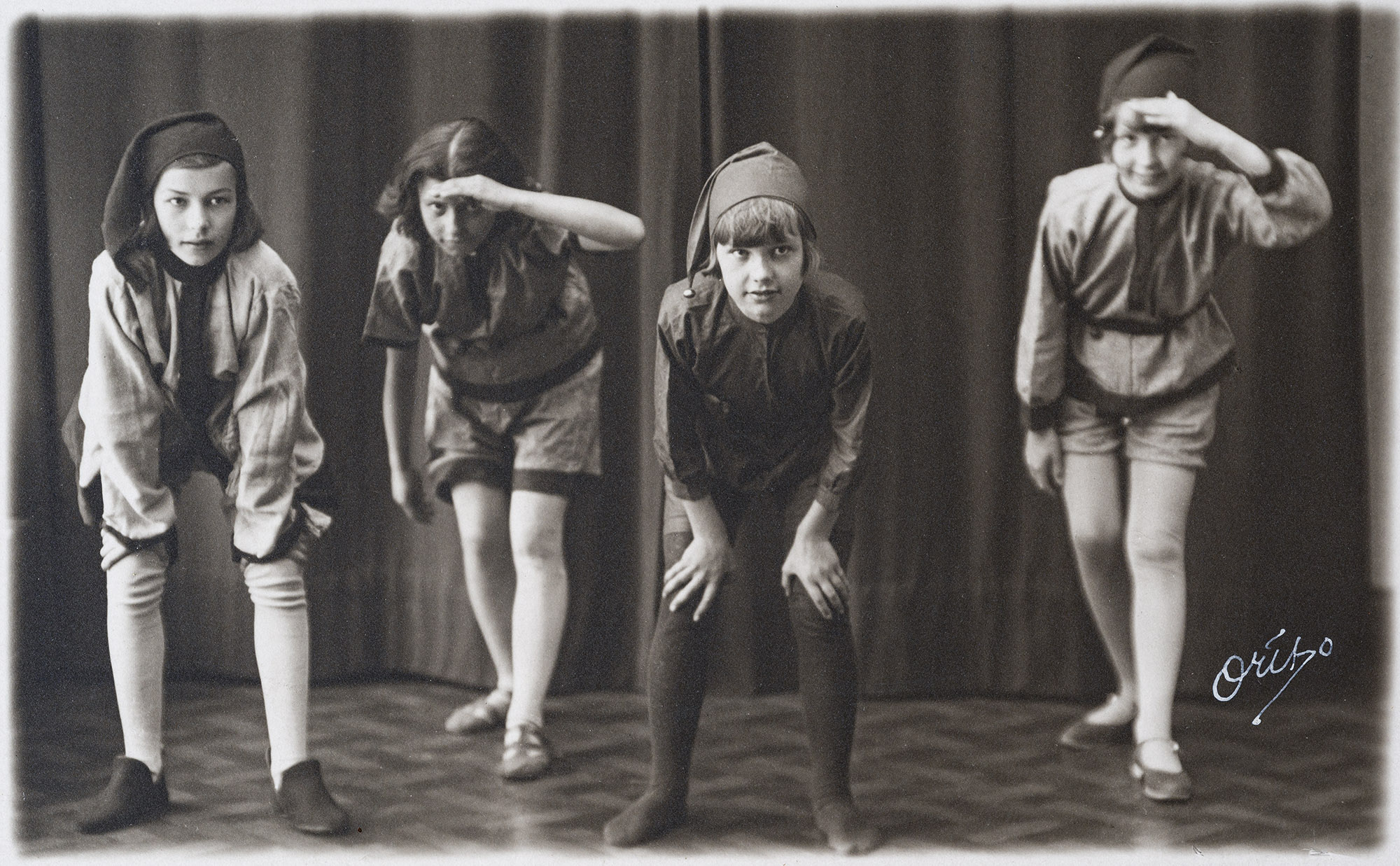
Dance group by Kitty Hoffmann

Kitty Hoffmann (1900–1968) ~ Posing [Trude Goodwin] dance group, ca. 1930 | src Ostlicht

Photographer’s copyright stamp with handwritten number “4949” in pencil, annotation “Tanzgruppe Trude Goodwin” and handwritten numbers in pencil on the reverse.

Atelier Kitty Hoffmann (1900–1968) ~ Trude Goodwin Tanzgruppe, ca. 1930 | src Ostlicht

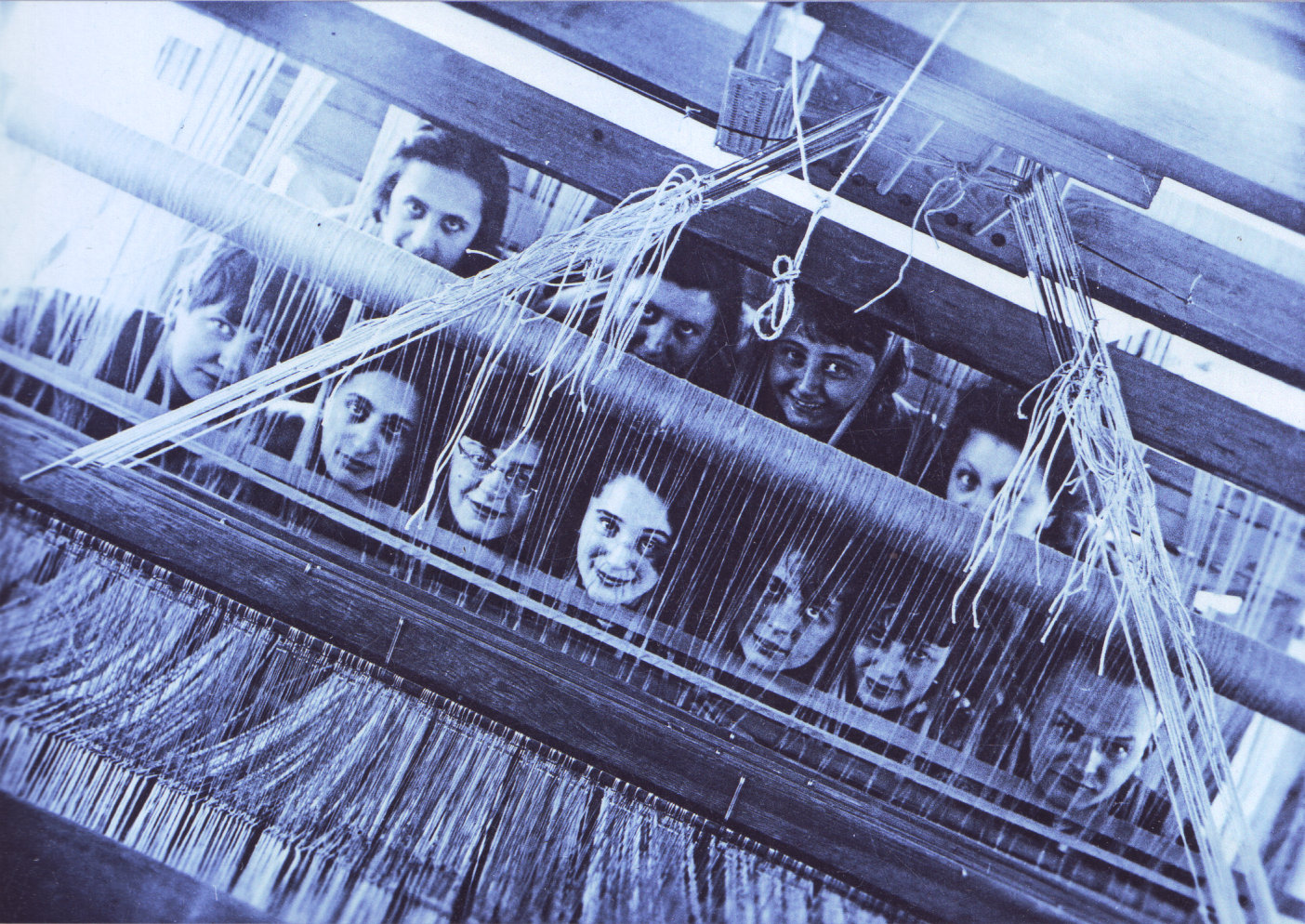
Bauhaus weaving class in a loom

Webereistudierende der Klasse von Webmeister Kurt Wanke im Webstuhl [Urheberschaft unklar], 1927-1928

Group portrait of the weaving class of weaver Kurt Wanke at the Bauhaus Dessau.
Front row from left: Lotte (Stam-)Beese, Anni Albers, Ljuba “Ljuka” Monastirsky, Rosa “Rosel” Berger, Gunta Stölzl, Otti Berger, Webmeister Kurt Wanke.

Back row from top: Lisbeth (Birmann-) Oestreicher, Gertrud “Gert” Preiswerk, Helene “Lene” Bergner (Léna Meyer-Bergner), Margaretha “Gretel” Reichardt.]

Uncertain photographer, sometimes credited as T. Lux Feininger’s (Theodore Lukas Feininger)

Students of the weaving workshop of master weaver Kurt Wanke in a loom [Authorship uncertain], (Leben am Bauhaus: Gruppenportrait der Weberinnen hinter einem Webstuhl in der Weberei Bauhaus Dessau), 1927-1928 | src Kunst Archive

Gruppenporträt der Webereiklasse von Webmeister Kurt Wanke am Bauhaus Dessau.
Vordere Reihe von links:
Lotte Beese (Lotte Stam-Beese), Anni Albers, Ljuba Monastirsky, Rosa Berger, Gunta Stölzl, Otti Berger, Webmeister Kurt Wanke
Hintere Reihe von links:
Lisbeth Birmann-Oestreicher, Gertrud Preiswerk, Helene Bergner (Léna Meyer-Bergner), Grete (Margaretha) Reichardt.