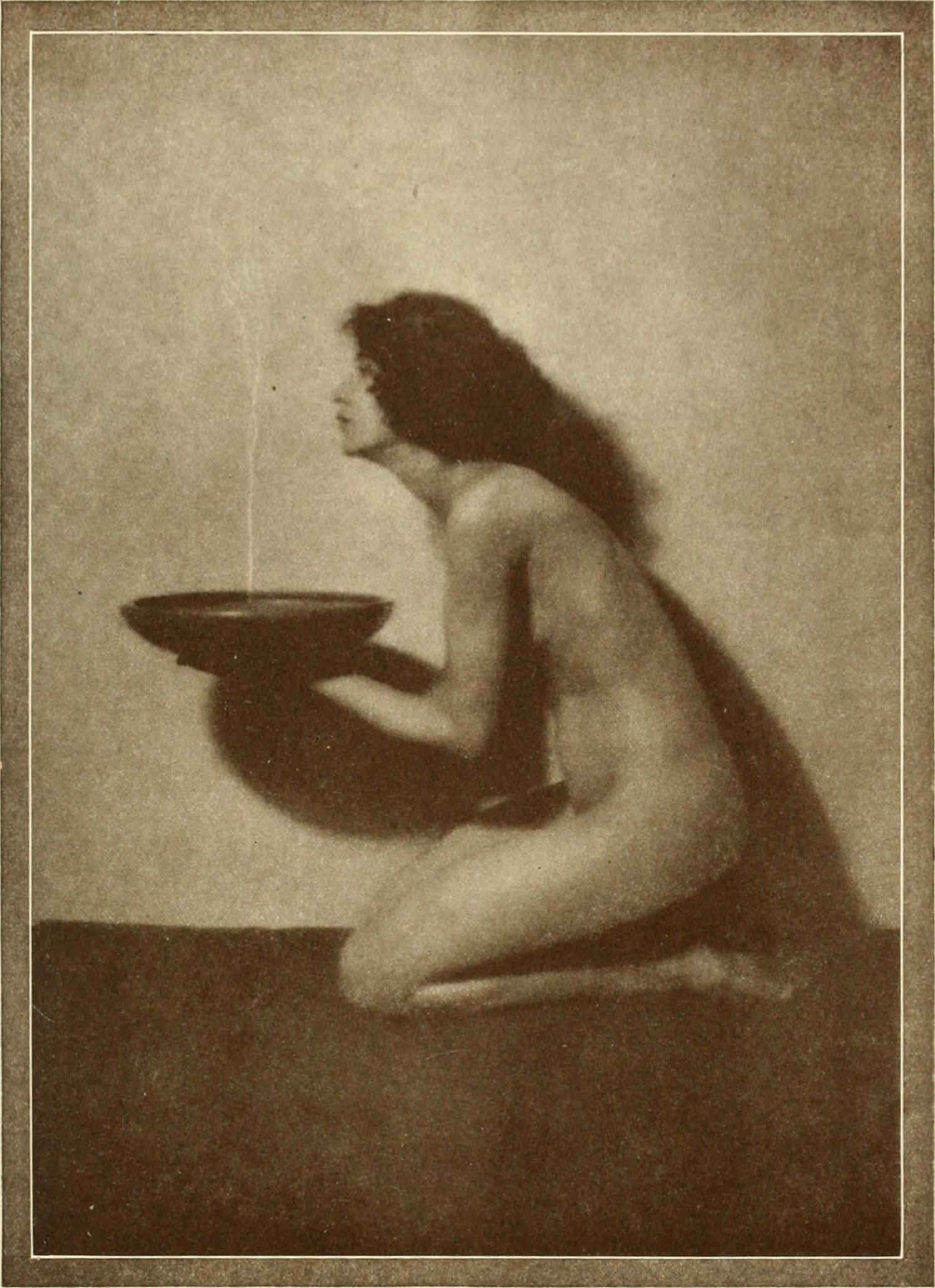
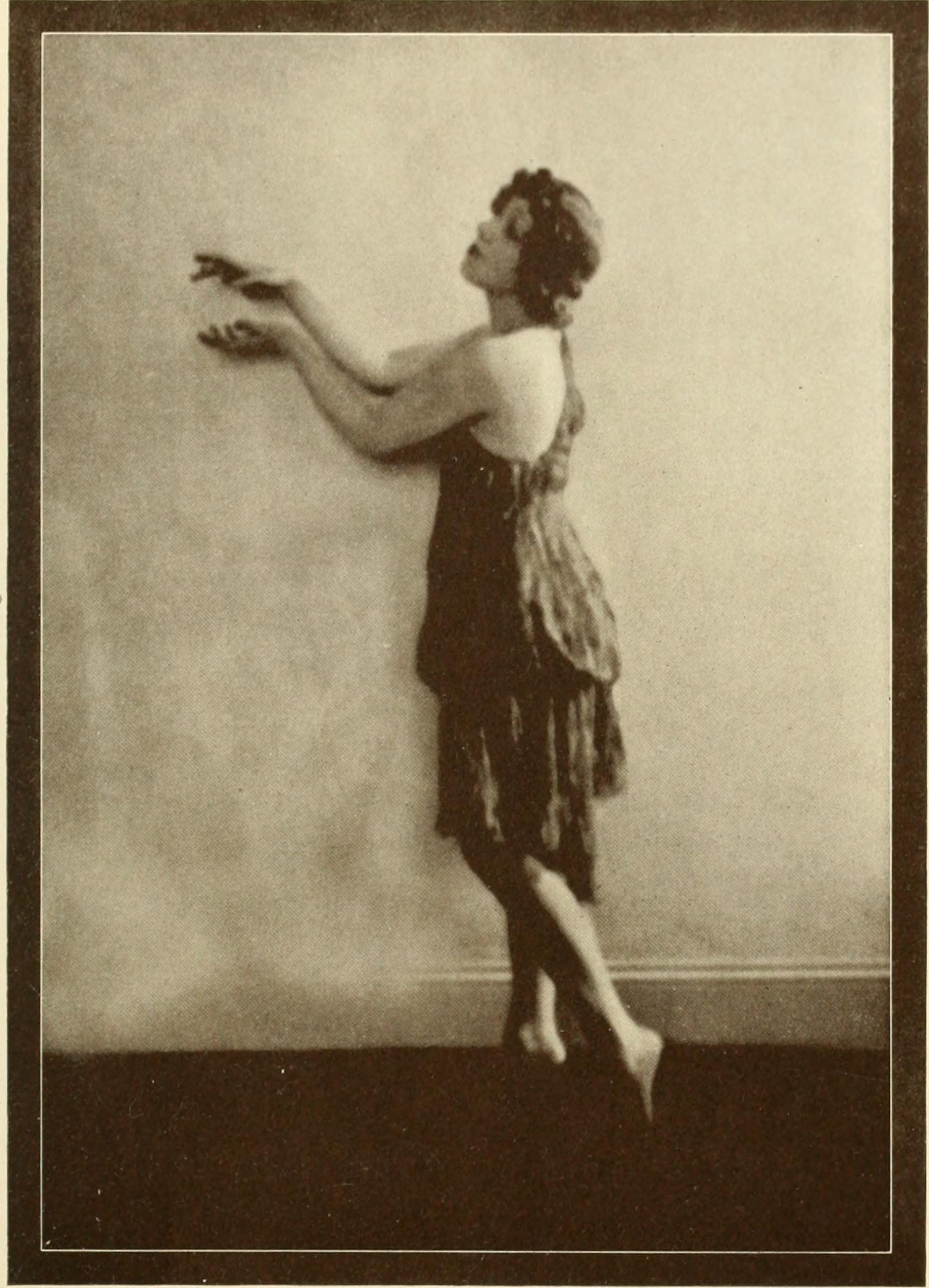
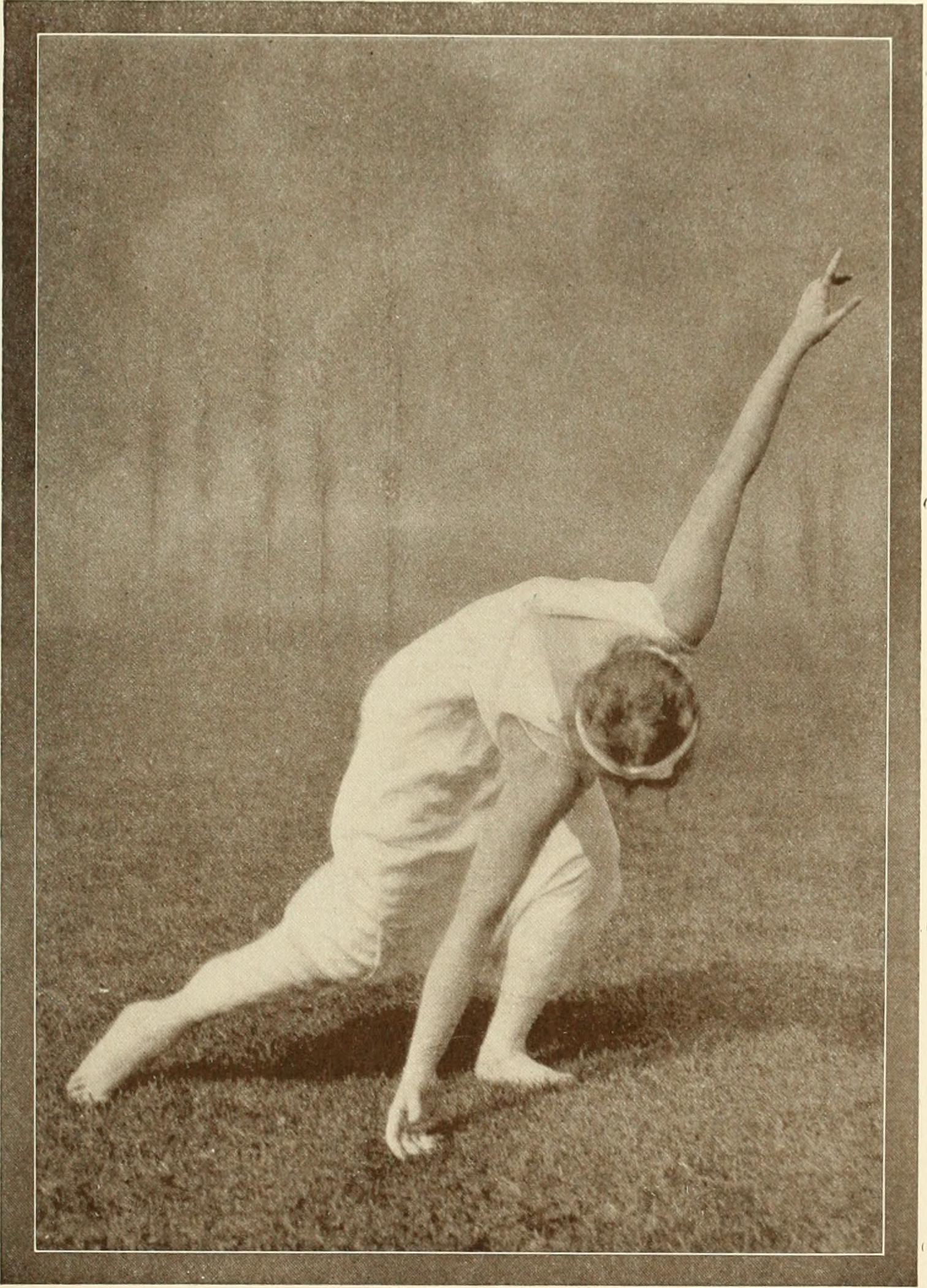
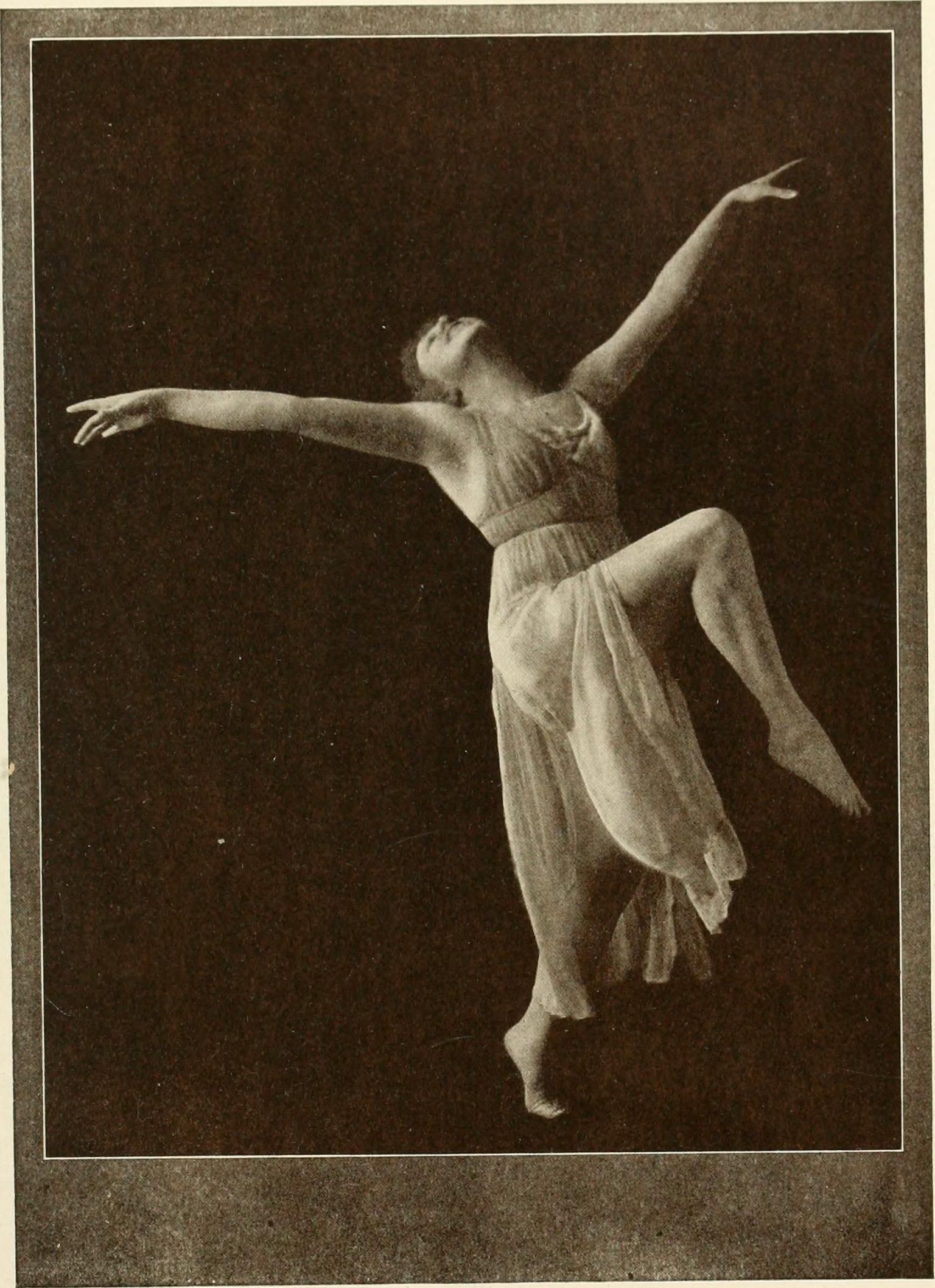
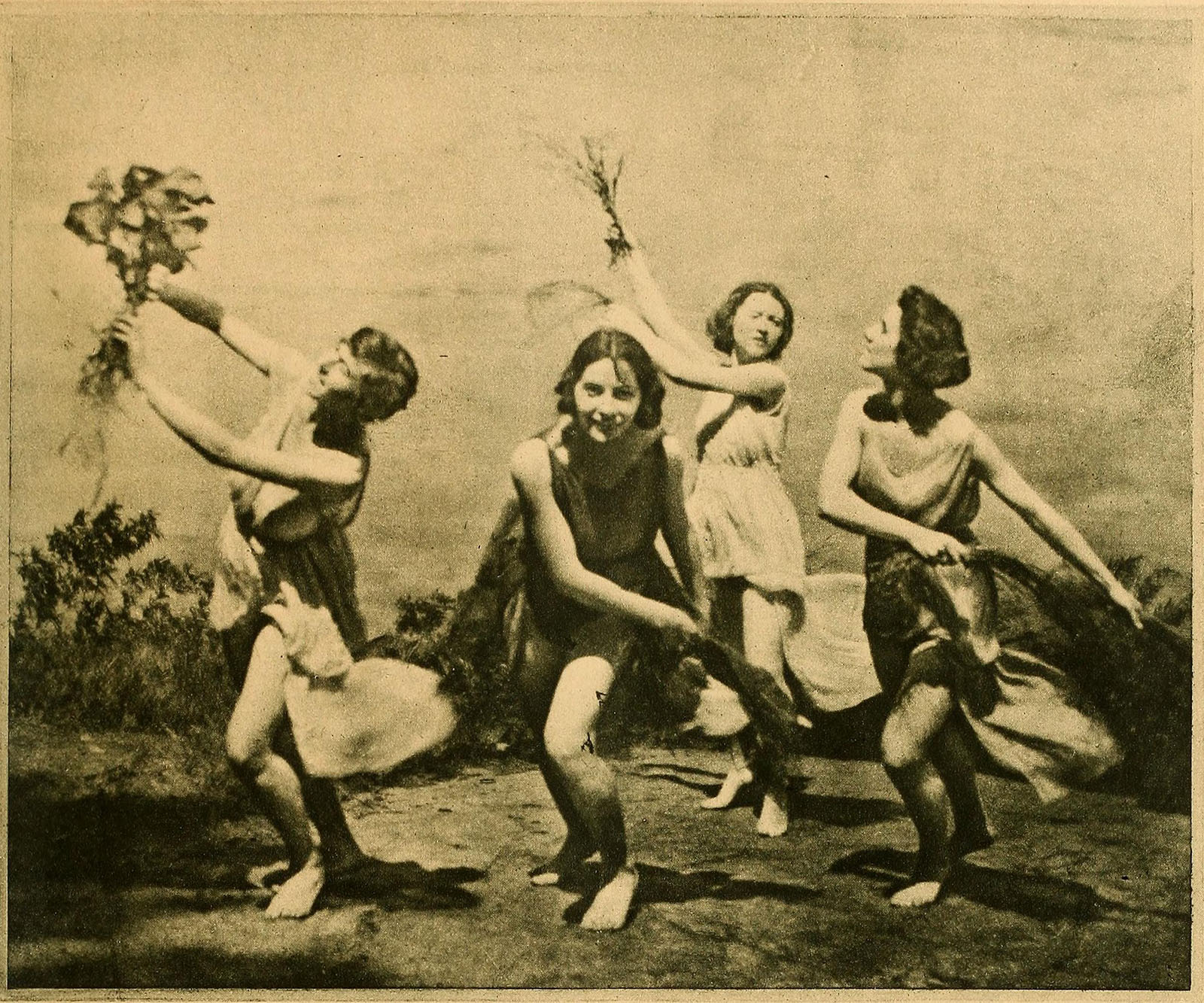
“Votive incense, as from a novice to the Priestess of the Temple — an attitude of graceful humility combined with pride in serving.” From ‘Dancing with Helen Moller’, 1918. Page 62. University of California Libraries. | src internet archive“Expressing wistful expectation — the hands in an upward receptive gesture and the countenance as of hope for some yearned-for gift from above.” From ‘Dancing with Helen Moller’, 1918. Page 22. University of California Libraries. | src internet archive“Atalanta. Depicting the classical moment of the most intense physical and mental concentration upon two opposing motives — to win the race, yet pause to seize the prize.” From ‘Dancing with Helen Moller’, 1918. Page 24. University of California Libraries. | src internet archive“Example of a very young dancer unconsciously coordinating movements of arms and torso with remarkably true and forceful expression of countenance.” From ‘Dancing with Helen Moller’, 1918. Page 38. University of California Libraries. | src internet archive “Children are quick to feel the impulse to rise upon the ball of the foot even when that limb is sustaining the body’s entire weight — one of the principal requisites of Greek dancing.” From ‘Dancing with Helen Moller’, 1918. Page 32. University of California Libraries. | src internet archive“Representing joyous abandonment to an impulse of Nature’s gently persuasive mood — as of floating forward borne upon a Summer breeze.” From ‘Dancing with Helen Moller’, 1918. Page 90. University of California Libraries. | src internet archiveArms outstretched, and raised together, in movements which avoid unaesthetic angles, even in the energetic action shown on the left. The open, raised bust in the large figure illustrates the hygienic value of adhering to the heart centre of all true physical expression.” Helen Moller and Curtis Dunham :: From ‘Dancing with Helen Moller; her own statement of her philosophy and practice and teaching formed upon the classic Greek model, and adapted to meet the aesthetic and hygienic needs of to-day’, 1918. Page 92. University of California Libraries. | src internet archive
ACKNOWLEDGMENT: Many of the photographs reproduced in this book were taken by the author herself. For the privilege of reproducing other fine examples of the photographer’s art, she desires to express her grateful acknowledgments to Moody, to Maurice Goldberg, to Charles Albin and to Underwood and Underwood; also to Arnold Genthe for the plate [lost plate] on Page 36; and to Jeremiah Crowley for his admirable arrangement of the entire series of illustrative art plates. [quoted from source]
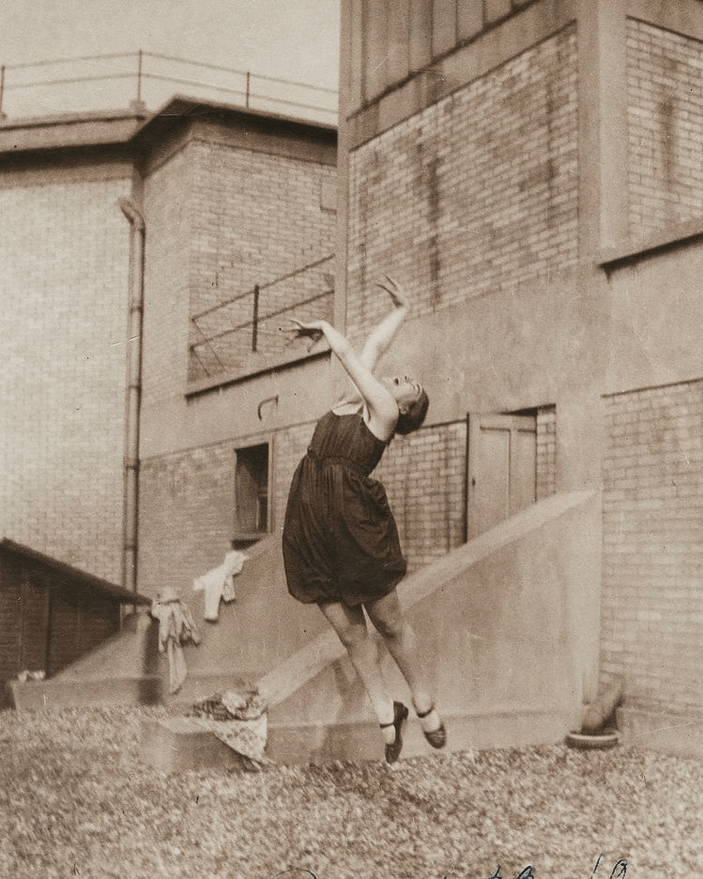
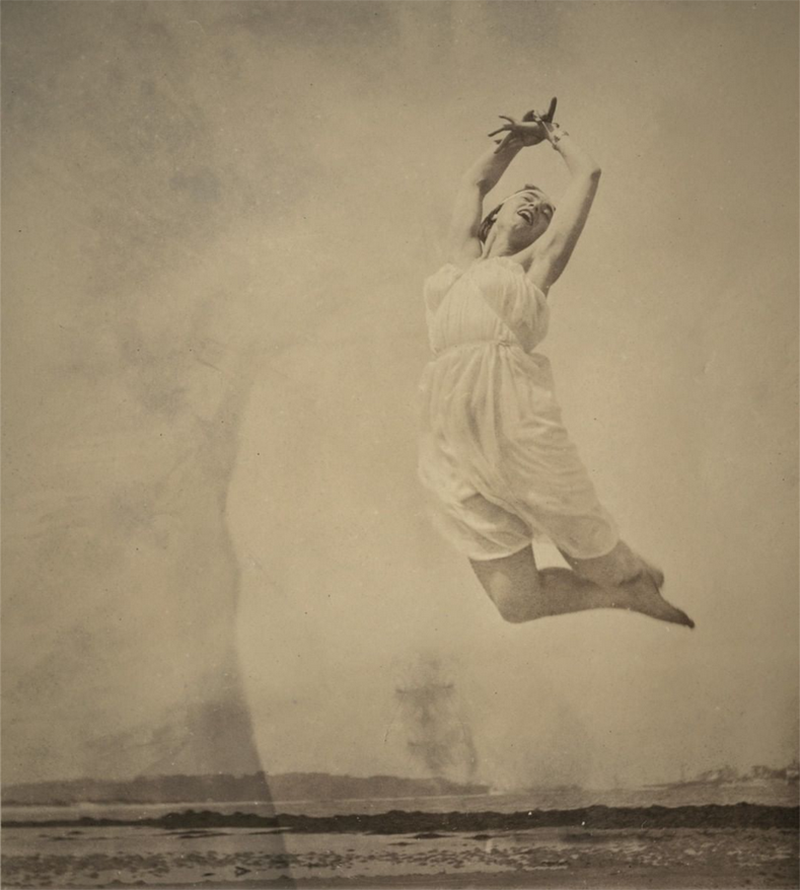
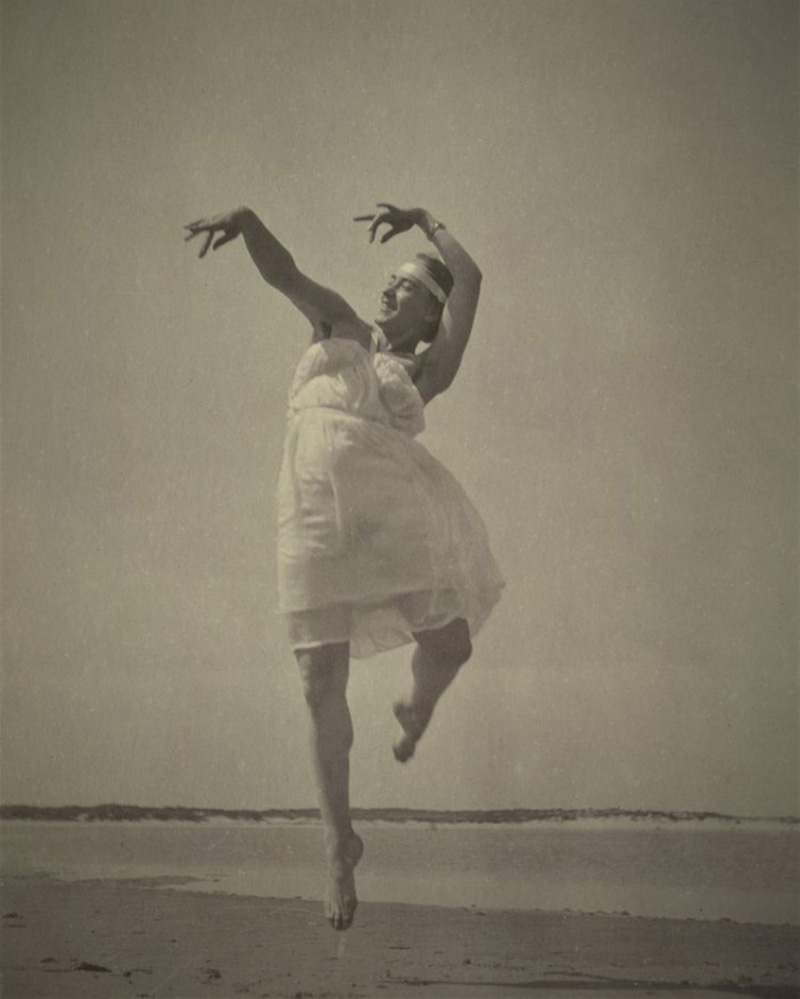
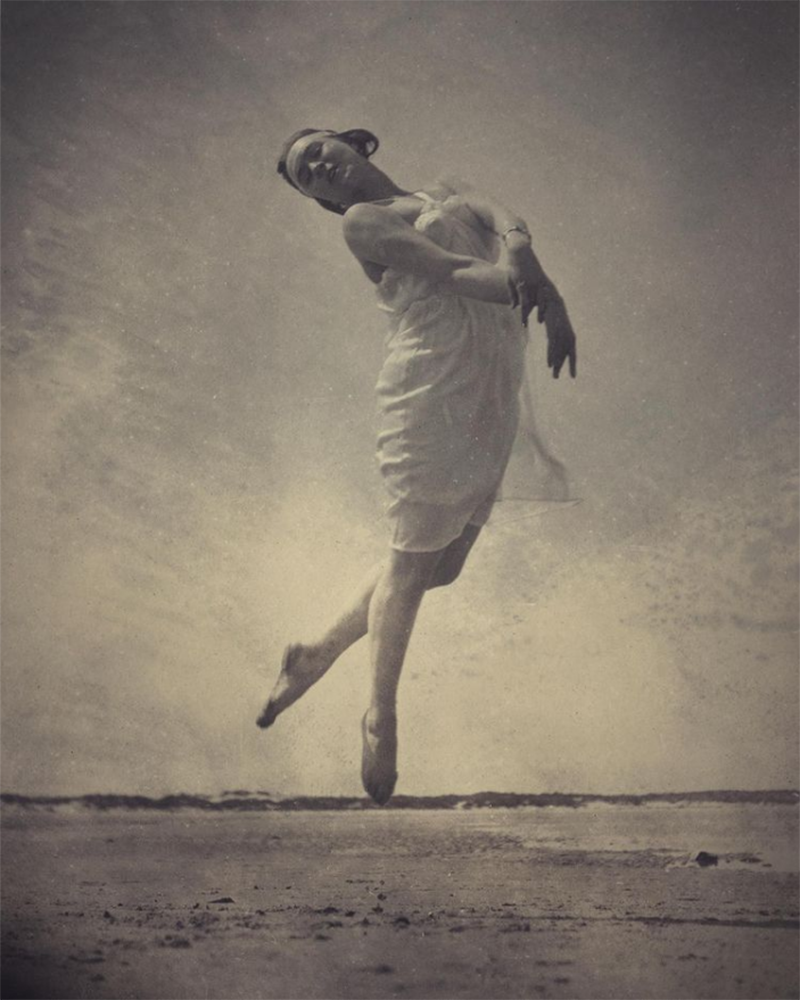
Jenny Hasselquist på taket till [Jenny Hasselquist on the roof] Théâtre des Champs-Elysées, 29 oktober 1920, Jenny Hasselquists arkiv. | src Dansmuseet · IGJenny Hasselqvist on the beach in England, 1919. | src Dansnuseet’s IGJenny Hasselquist på stranden i England, 1919 | src Dansmuseet on IGJenny Hasselqvist on the beach in England, 1919. | src Dansmuseet on IG also #hoppamedhasselquist on IG
Apeda Studio (NY) :: Isadorables. Anna, Erika, Irma, Lisa, Margot and Maria-Theresa Duncan. Date and place under Studio name: NY, (19)19. From The Collection of Janaea Rose Lyn (McAlee) at Isadora Duncan archive
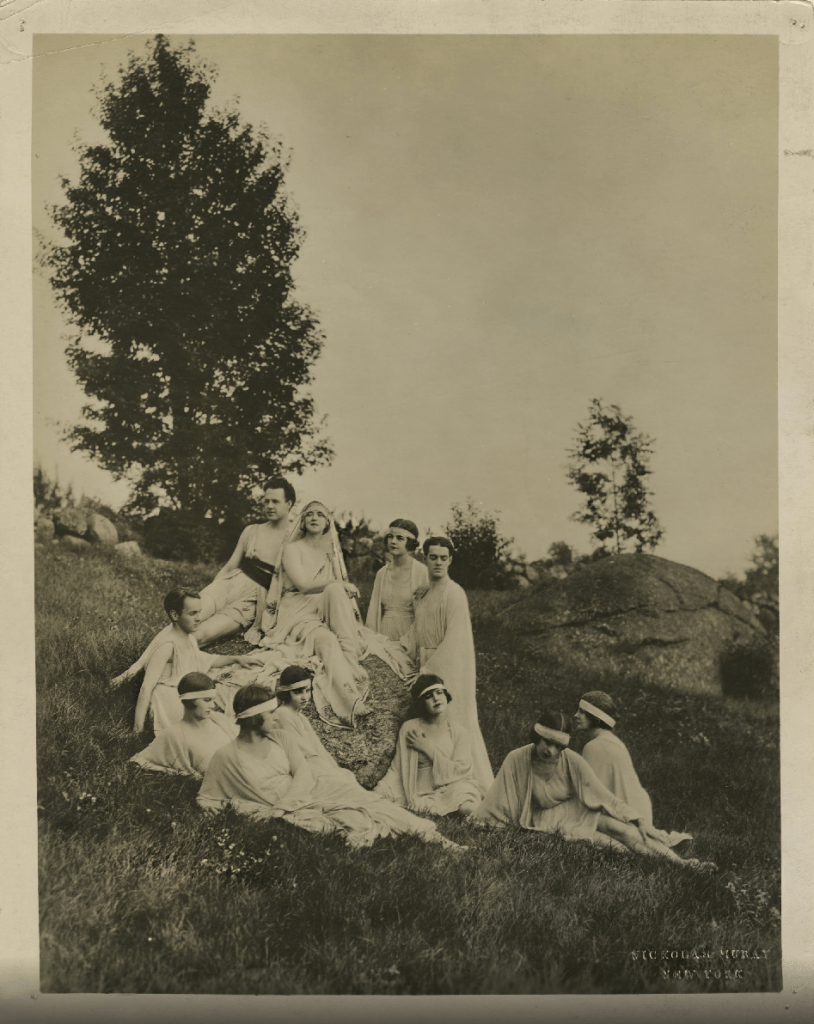
Nickolas Muray :: In the summer of 1916 Martha Graham began her dance studies at The Denishawn School of Dance and Related Arts in Los Angeles. In the photograph Ted Shawn and Ruth St. Denis sit atop the rock. Martha is seated second from the right. (late 1910s-early 1920s). | src Martha Graham Center of Contemporary Dance



![Jenny Hasselquist på taket till [Jenny Hasselquist on the roof] Théâtre des Champs-Elysées, 29 oktober 1920, Jenny Hasselquists arkiv. | src Dansmuseet · IG](https://unregardoblique.com/wp-content/uploads/2022/05/jenny-hasselquist-pacc8a-taket-till-thecc81acc82tre-des-champs-elysecc81es-29-oktober-1920-jenny-hasselquists-arkiv-dansmuseet.ig_.png)




 un regard oblique