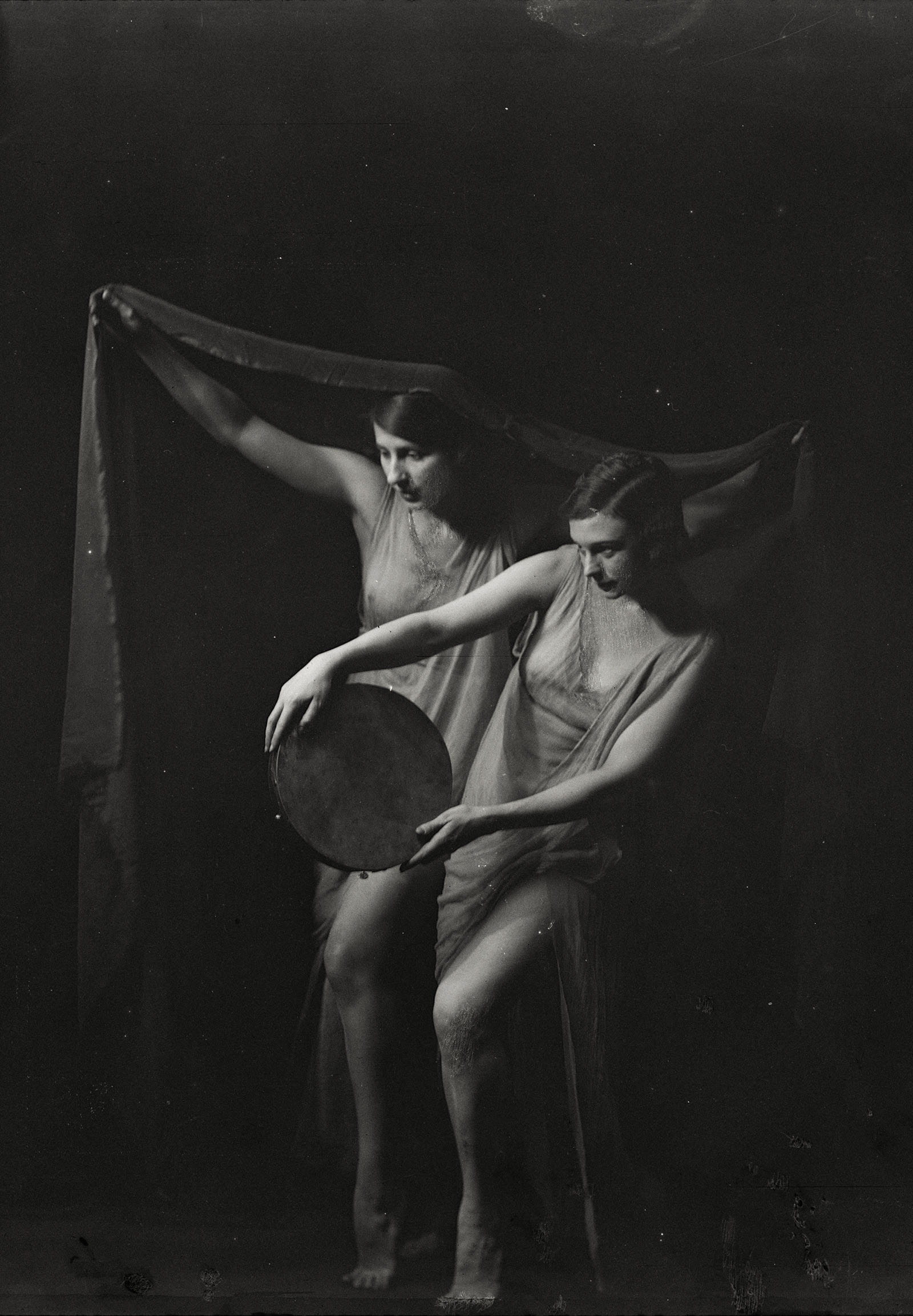
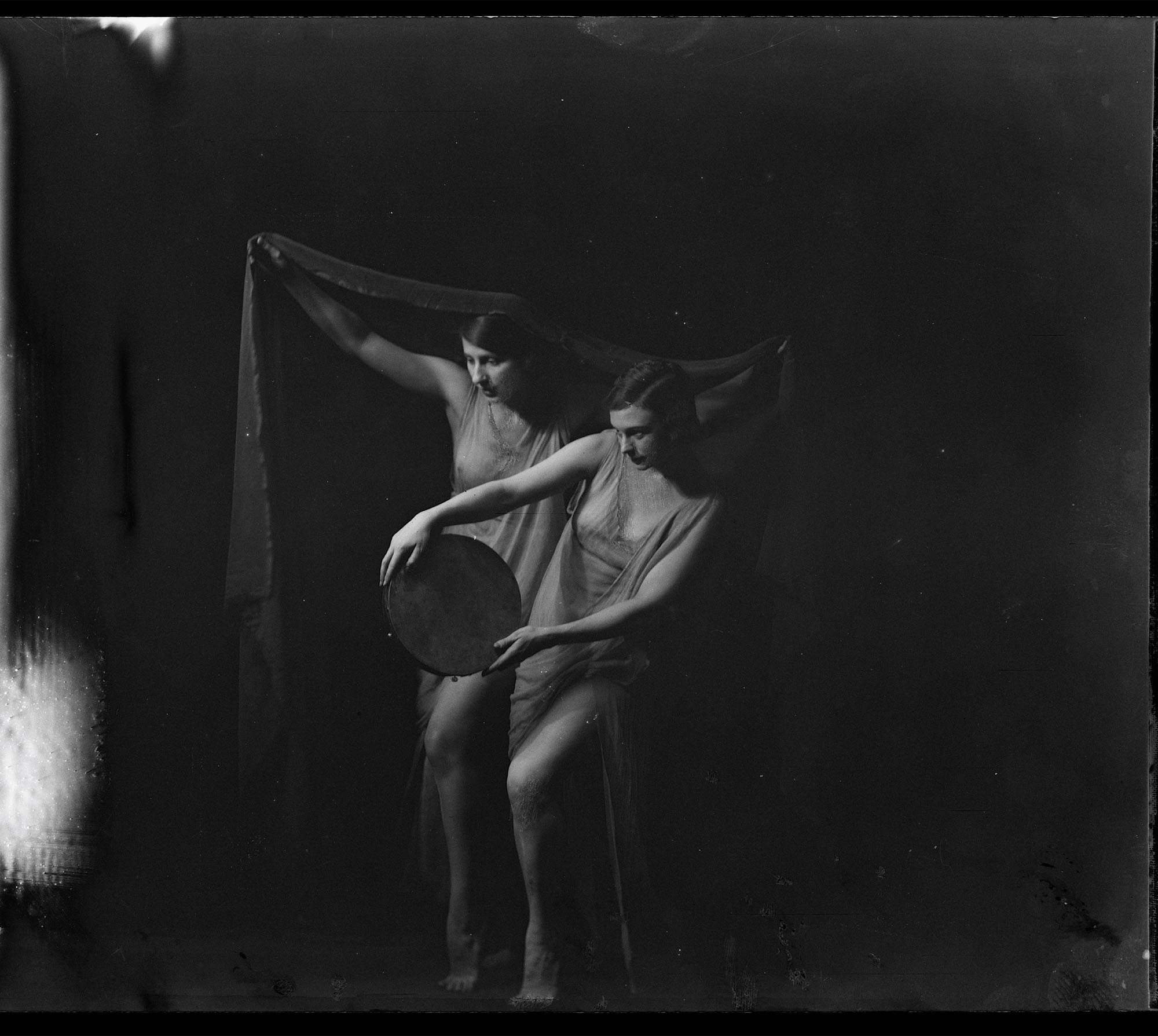
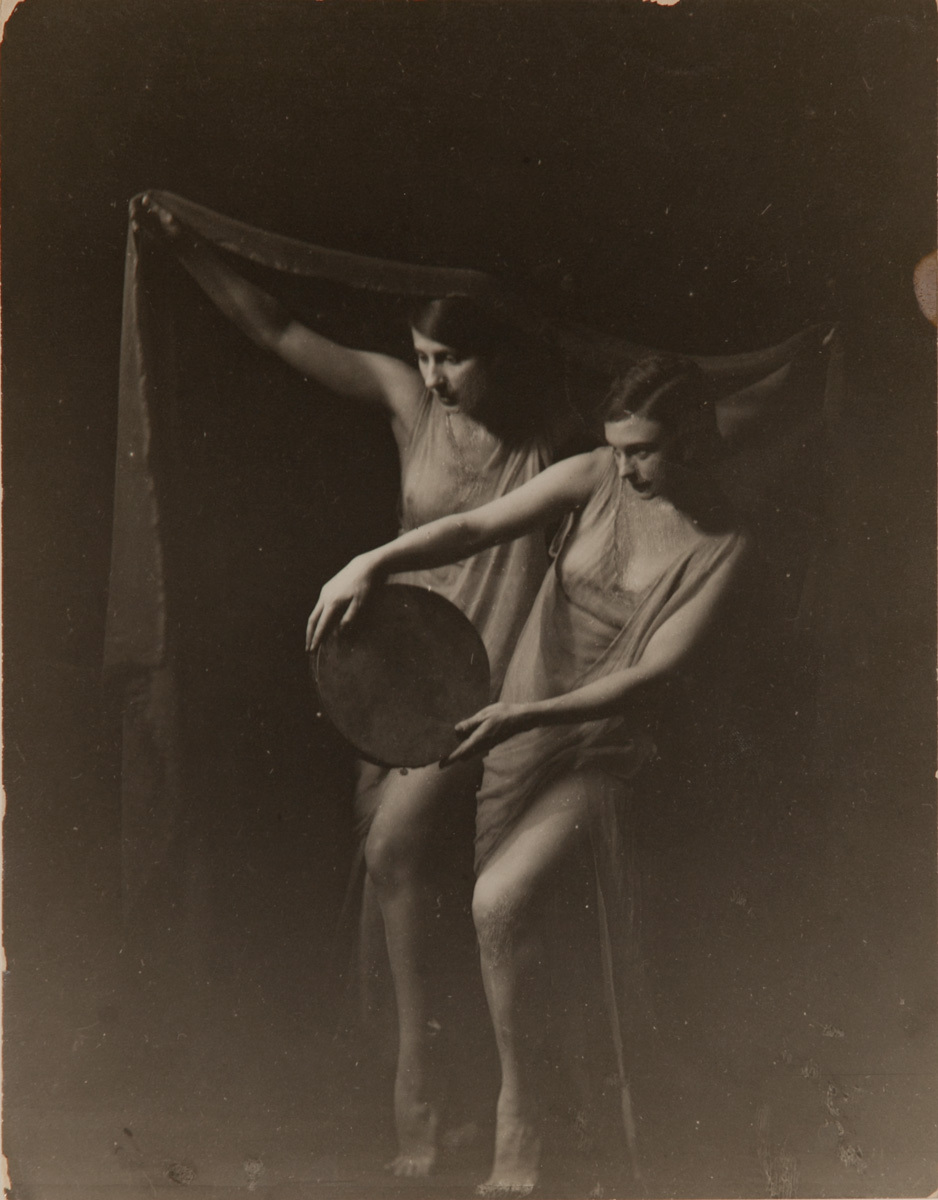
Marion Morgan dancers by Genthe

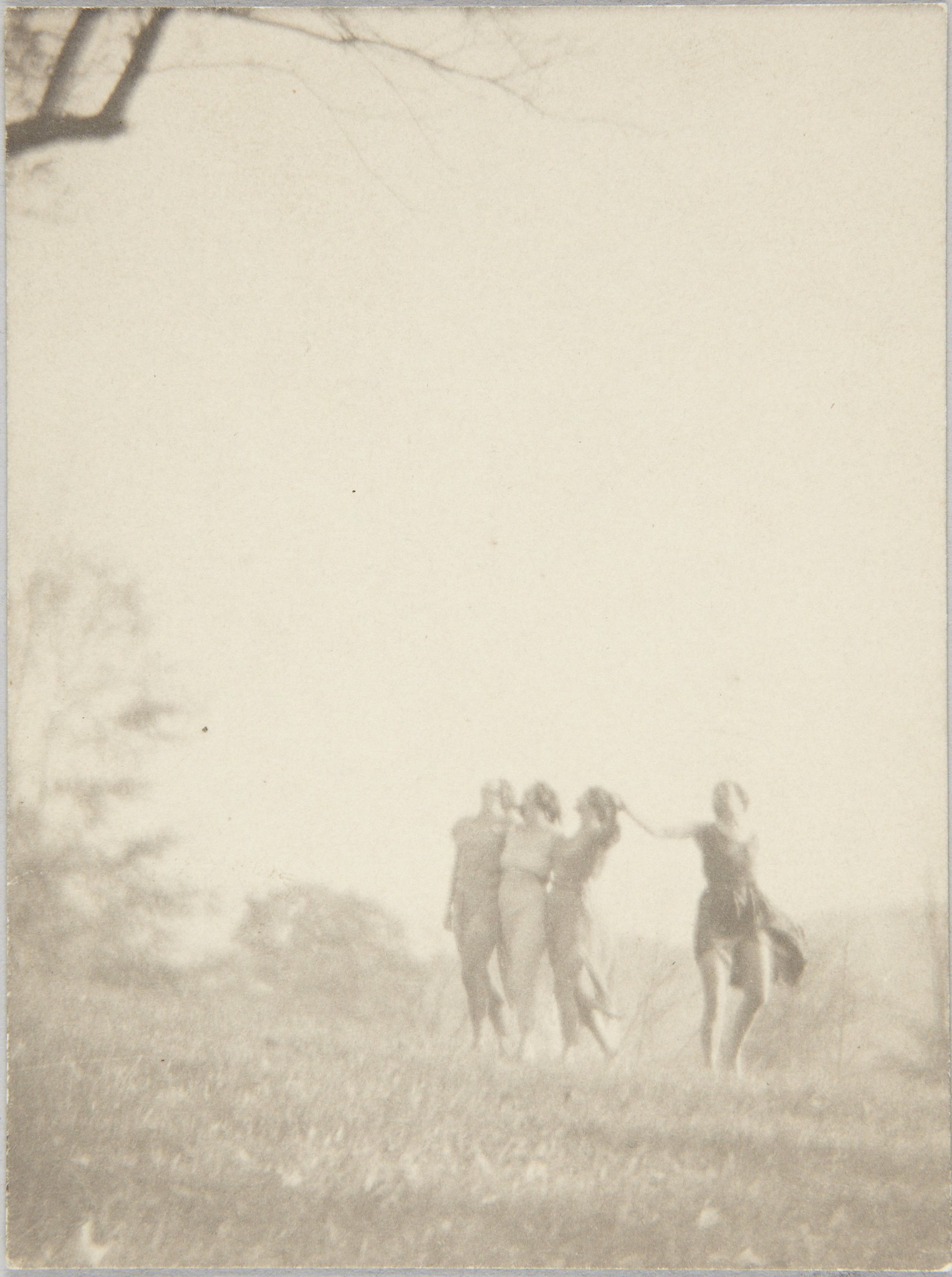
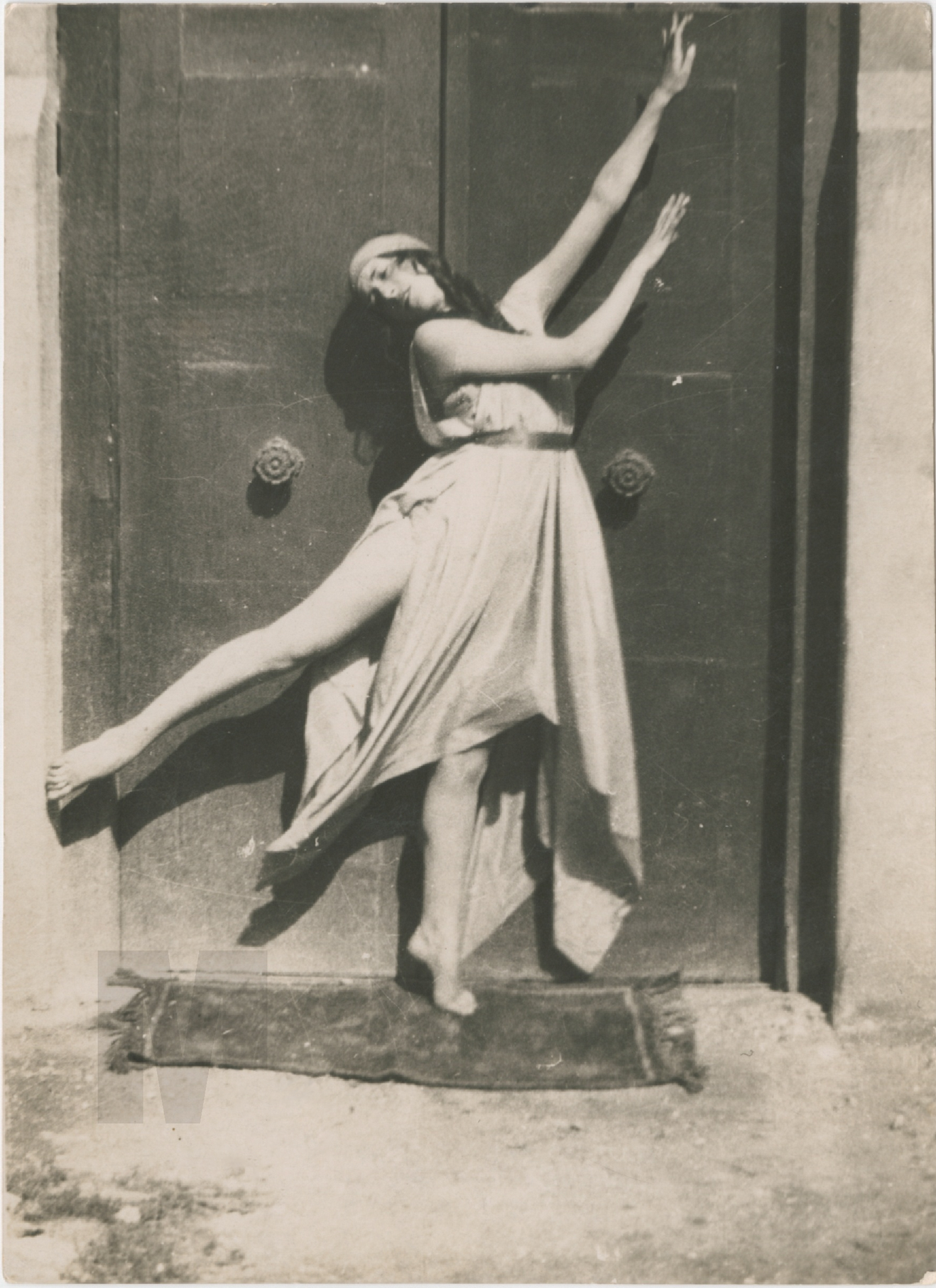
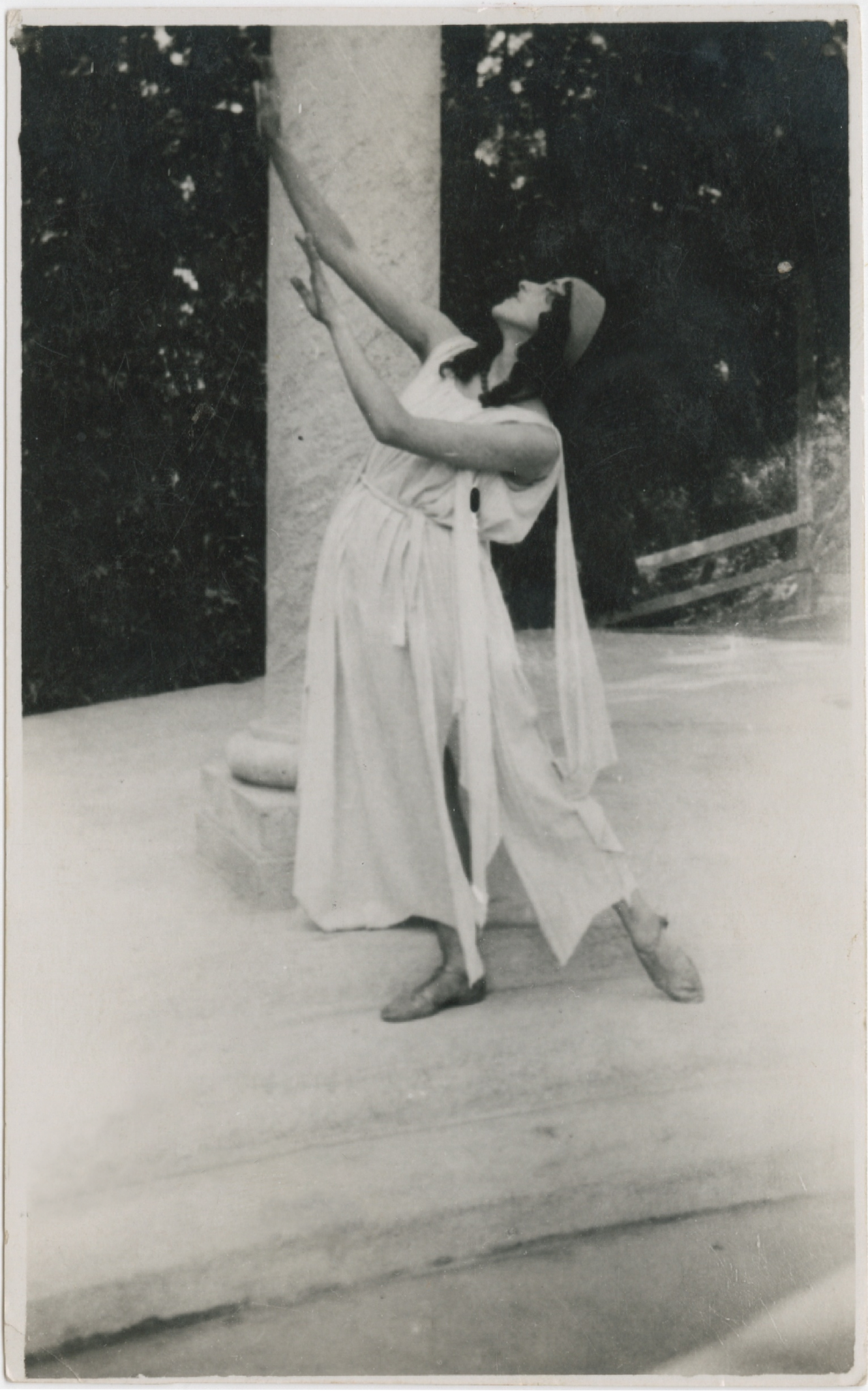
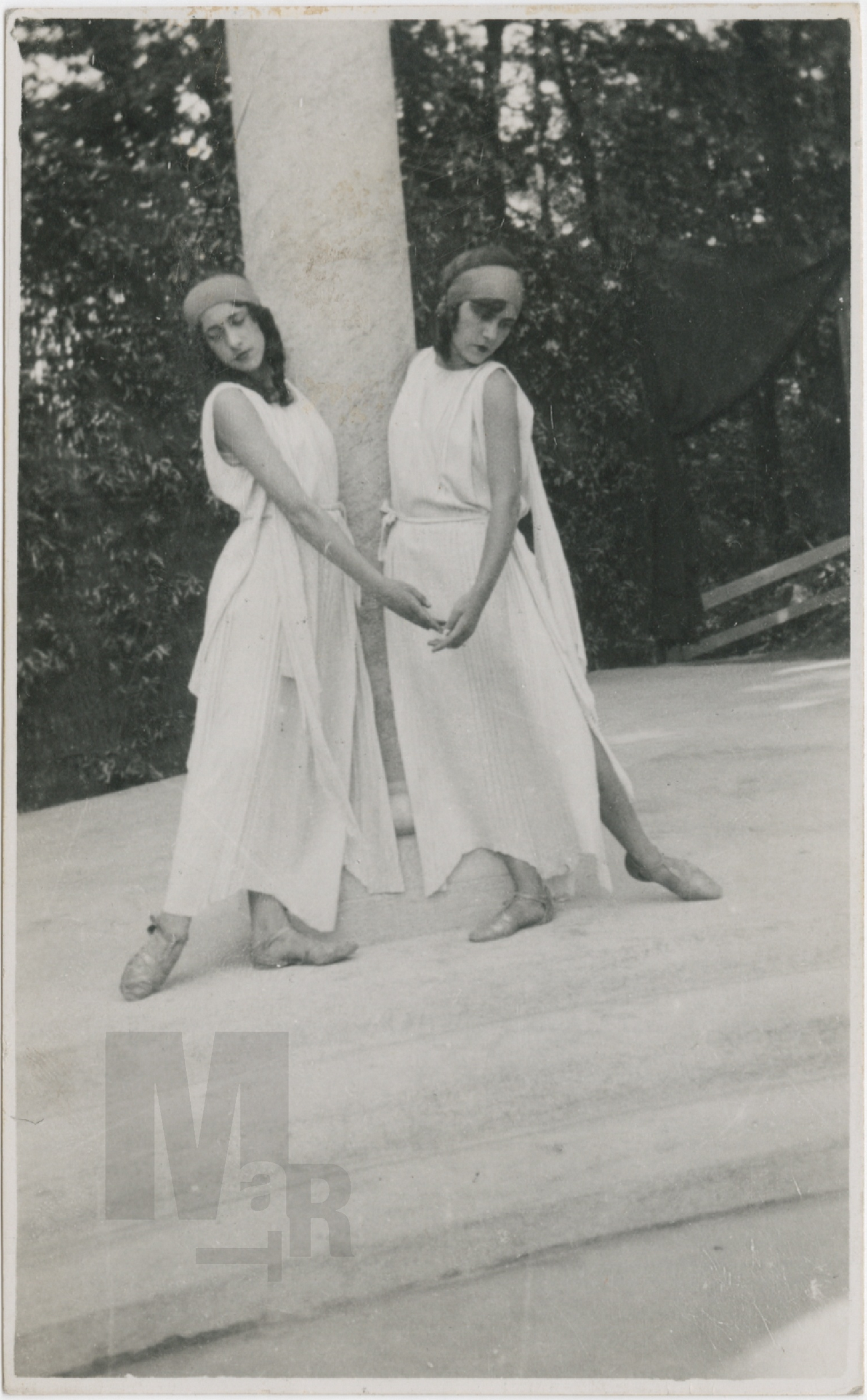
Arnold Genthe (1869-1942) ~ Marion Morgan dancers, 1914-1927. Nitrate negative (detail)
Arnold Genthe (1869-1942) ~ Marion Morgan dancers, 1914-1927. Nitrate negative | src Library of Congress
Arnold Genthe (1869-1942) ~ Marion Morgan dancers [from out of the shadows], 1920s | src david pollack

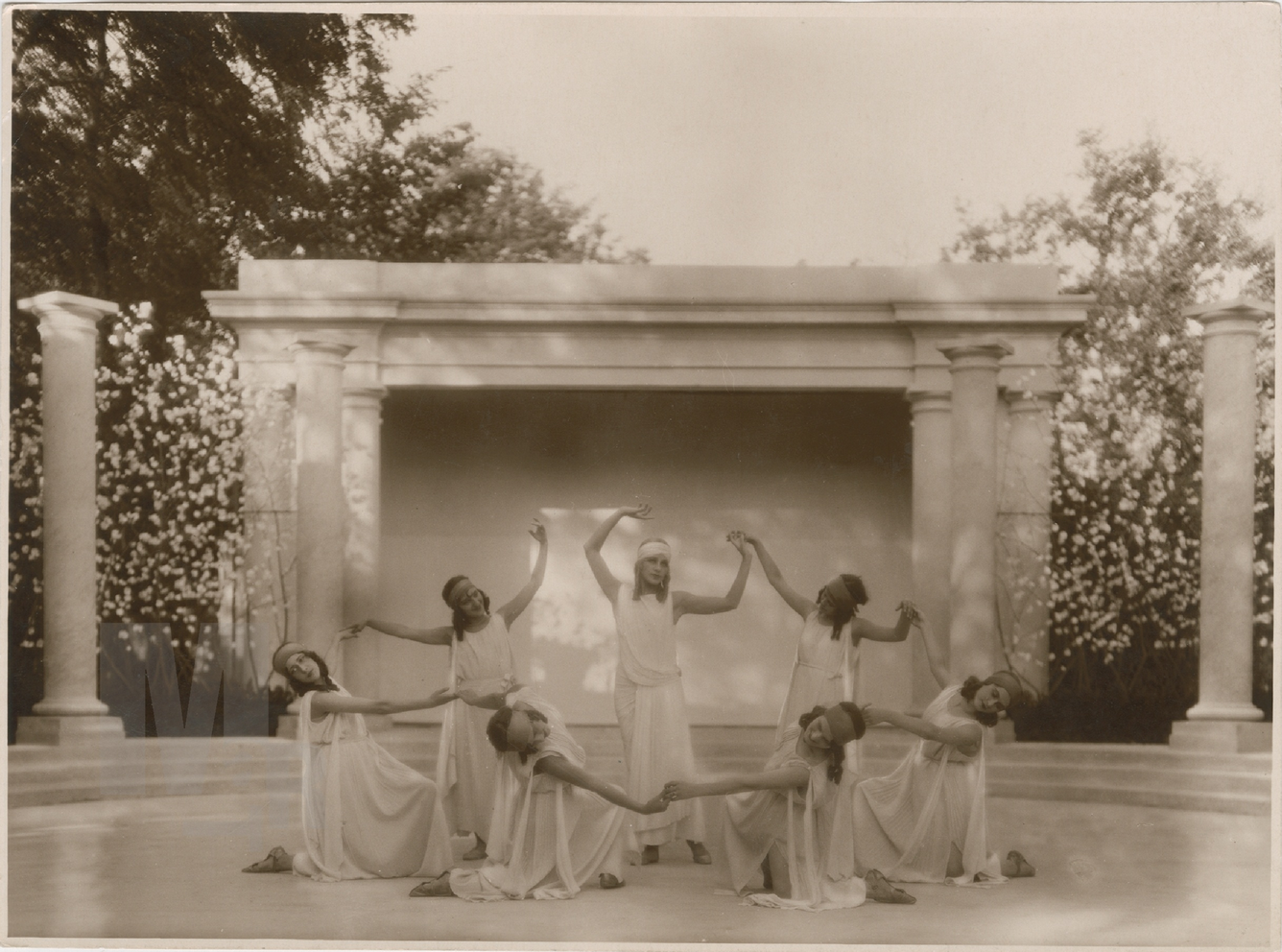
The Larsen dancers · C.H. White

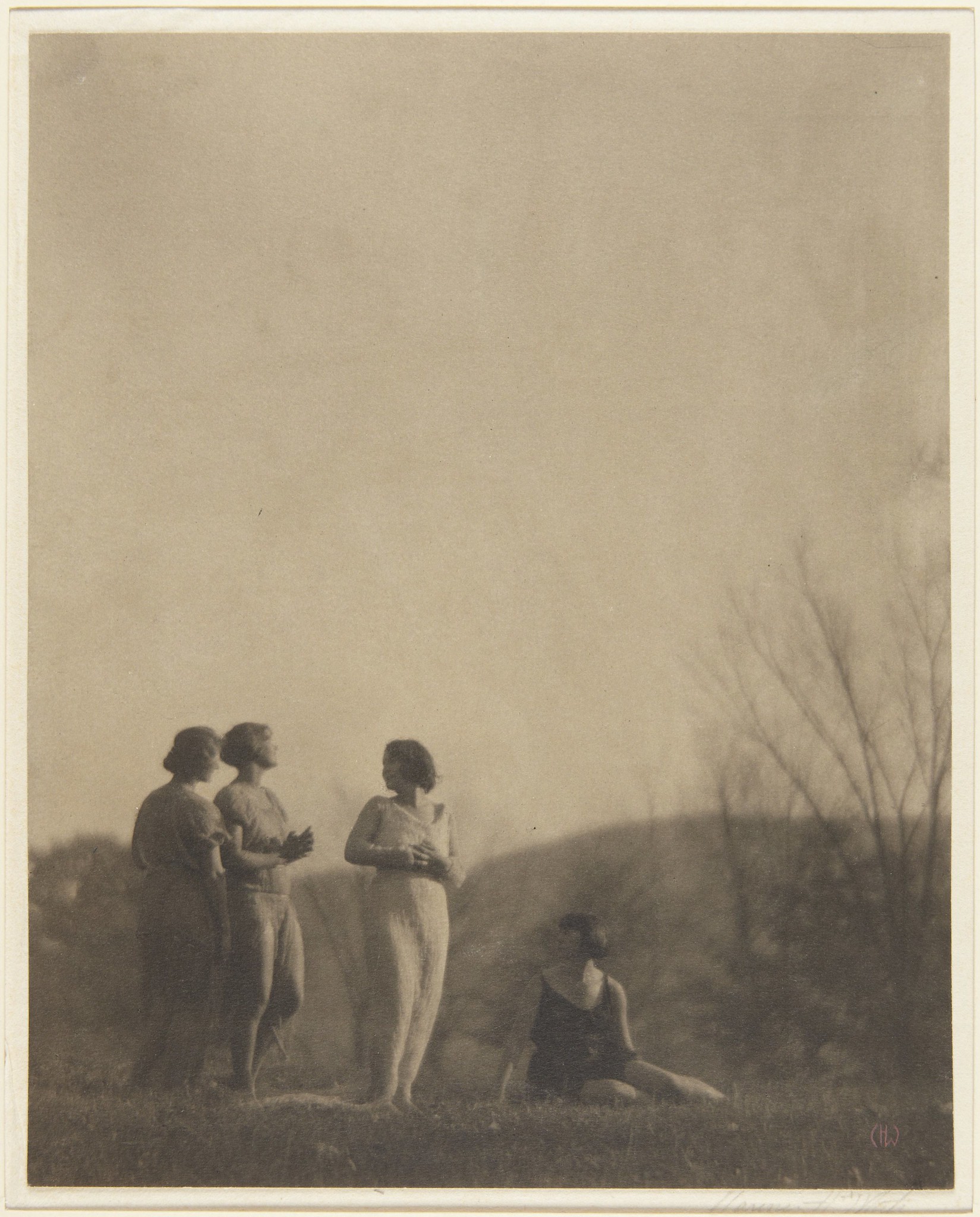
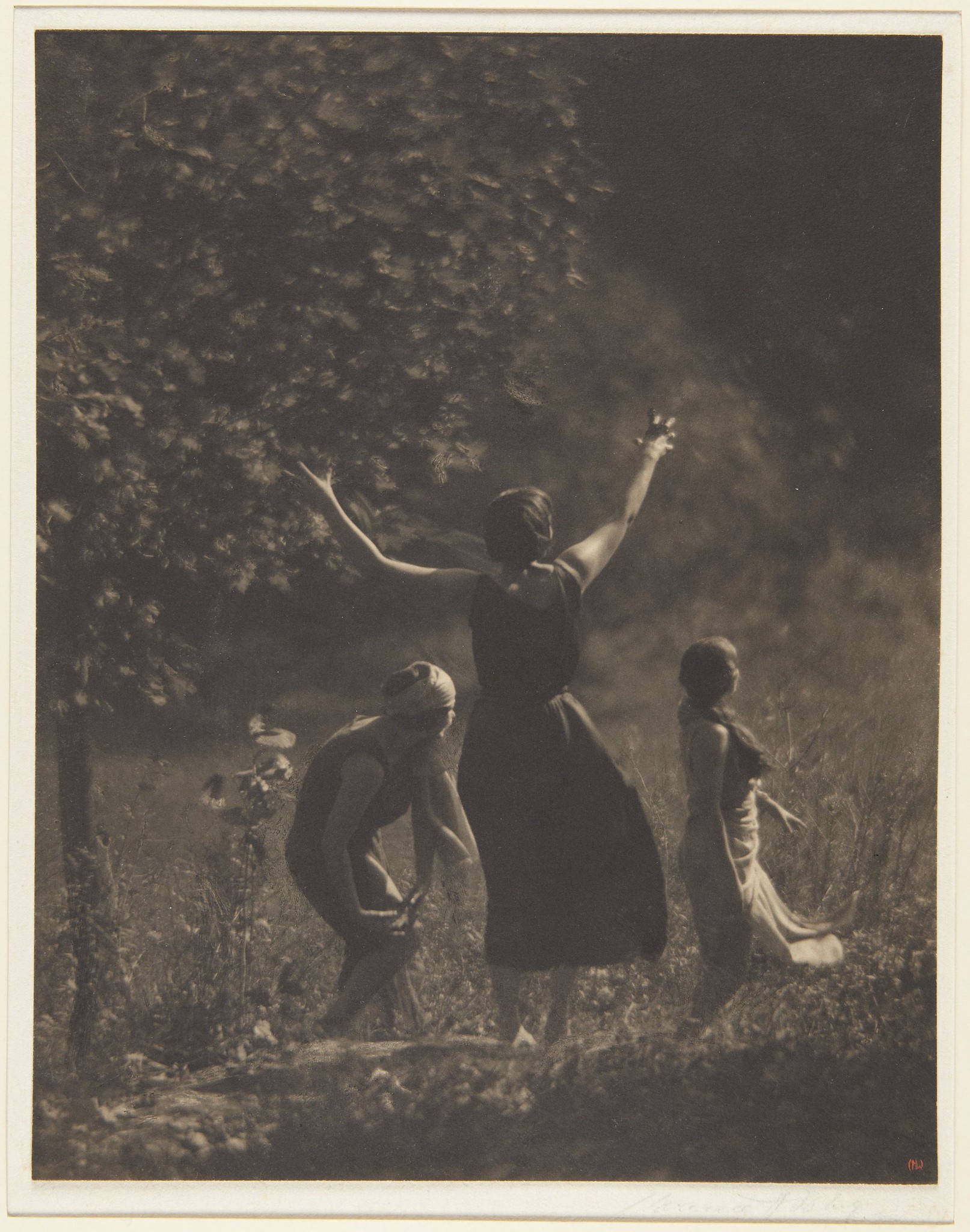
Clarence Hudson White (1871–1925) ~ Larsen Dancers [7/11], ca. 1923 – 1924. Platinum print. | Princeton University Art Museum
Clarence Hudson White (1871–1925) ~ Larsen Dancers [6/11], ca. 1923 – 1924. Platinum print. | Princeton University Art Museum
Clarence Hudson White (1871–1925) ~ Larsen Dancers [9/11], ca. 1923 – 1924. Platinum print. | Princeton University Art Museum
Clarence Hudson White (1871–1925) ~ Larsen Dancers [10/11], ca. 1923 – 1924. Platinum print. | Princeton University Art Museum
Clarence Hudson White (1871–1925) ~ Larsen Dancers [5/11], ca. 1923 – 1924. Platinum print. | Princeton University Art Museum

Girl by a Pool · Herbert Draper

Herbert James Draper :: A Young Girl by a Pool, oil on canvas, signed 'H.J.DRAPER' (lower left), probably 1892-93. | src Bonhams
Herbert James Draper :: A Young Girl by a Pool, oil on canvas, signed ‘H.J.DRAPER’ (lower left), probably 1892-93. | src Bonhams

Although not recorded in Simon Toll’s catalogue raisonné on Draper, the present lot can probably be dated to 1892-93, when the artist was working in Rome. There are a number of related studies for the work, one of which, entitled ‘Pompilia’, depicts a girl in a similar crocheted cap (illustrated p.79, no. 33). The work can also be compared with other paintings of this period, such as ‘Love in the Garden of Philetas’ (RA 1892) and ‘The Spirit of the Fountain’ (1893), where flowers and ornamental gardens appear as popular motifs. | quoted from Bonhams London

Herbert James Draper :: A Young Girl by a Pool, oil on canvas, signed 'H.J.DRAPER' (lower left), probably 1892-93. | src Bonhams | DETAIL
Herbert James Draper :: A Young Girl by a Pool, oil on canvas; probably 1892-93. (DETAIL)

Two dancers by Delight Weston

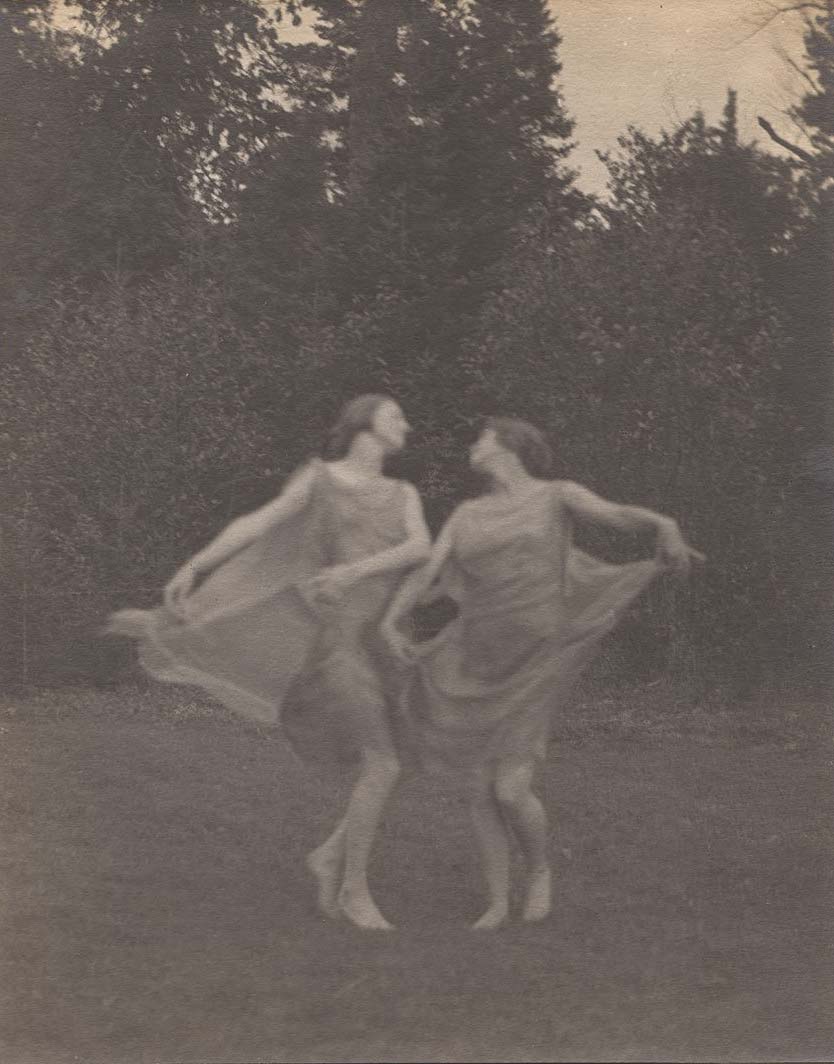
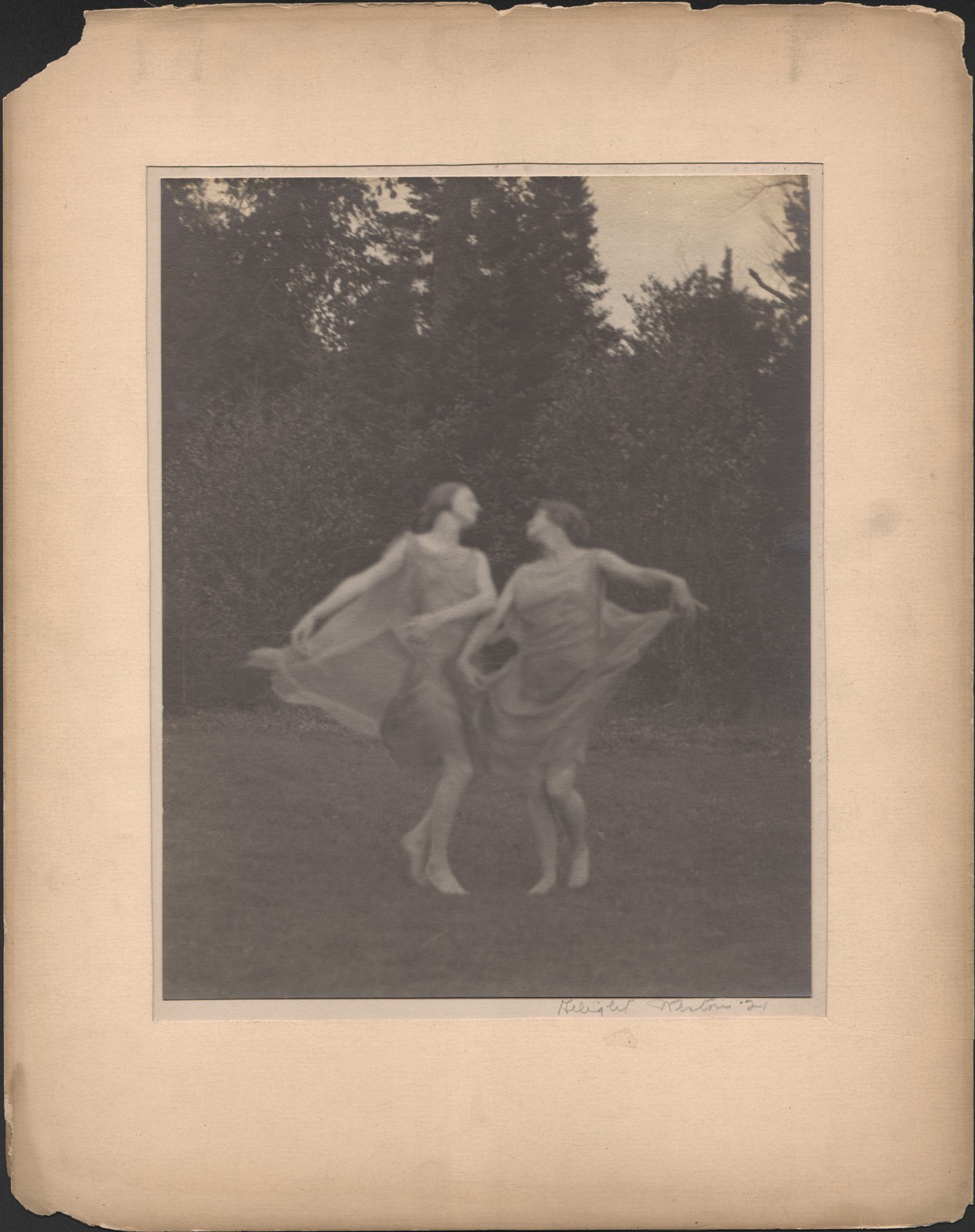
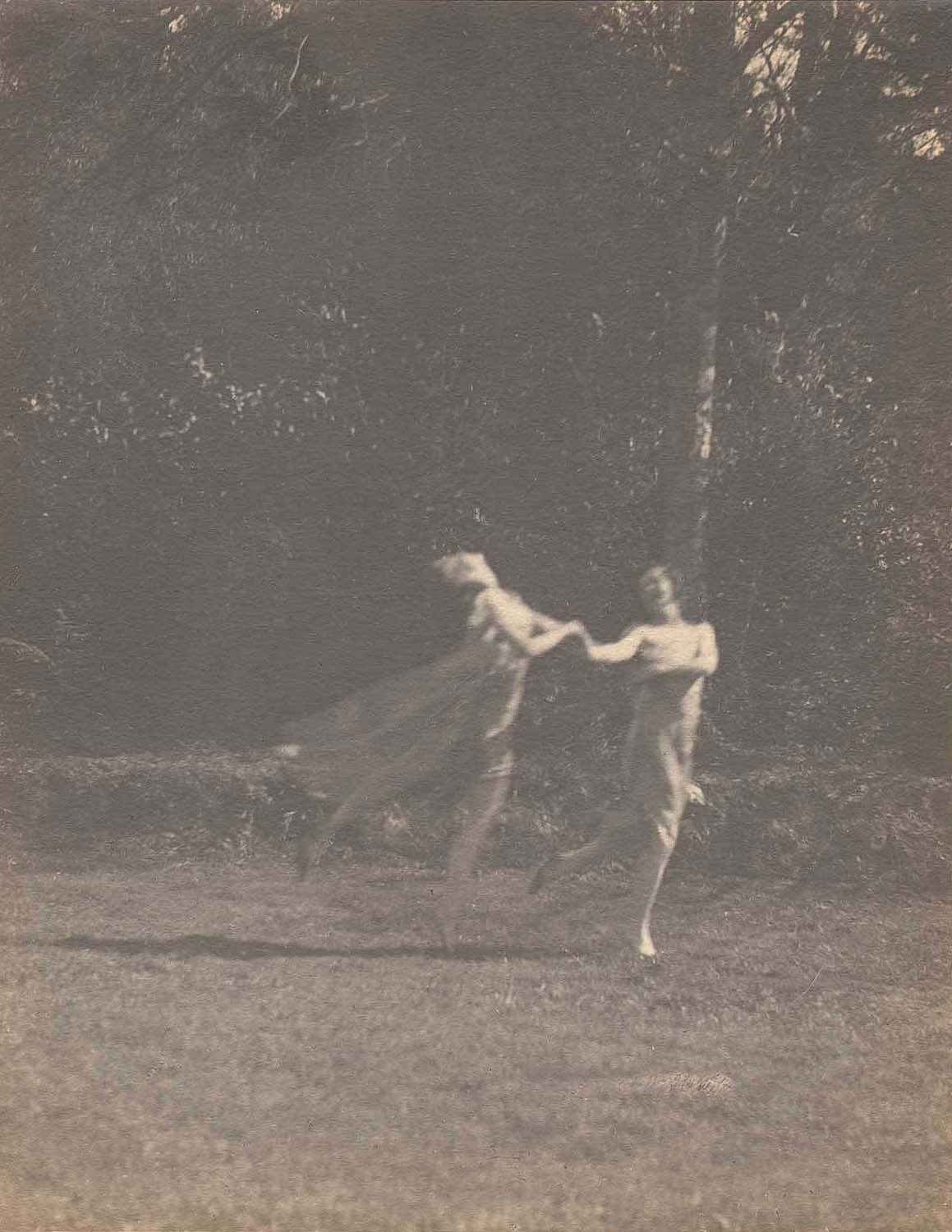
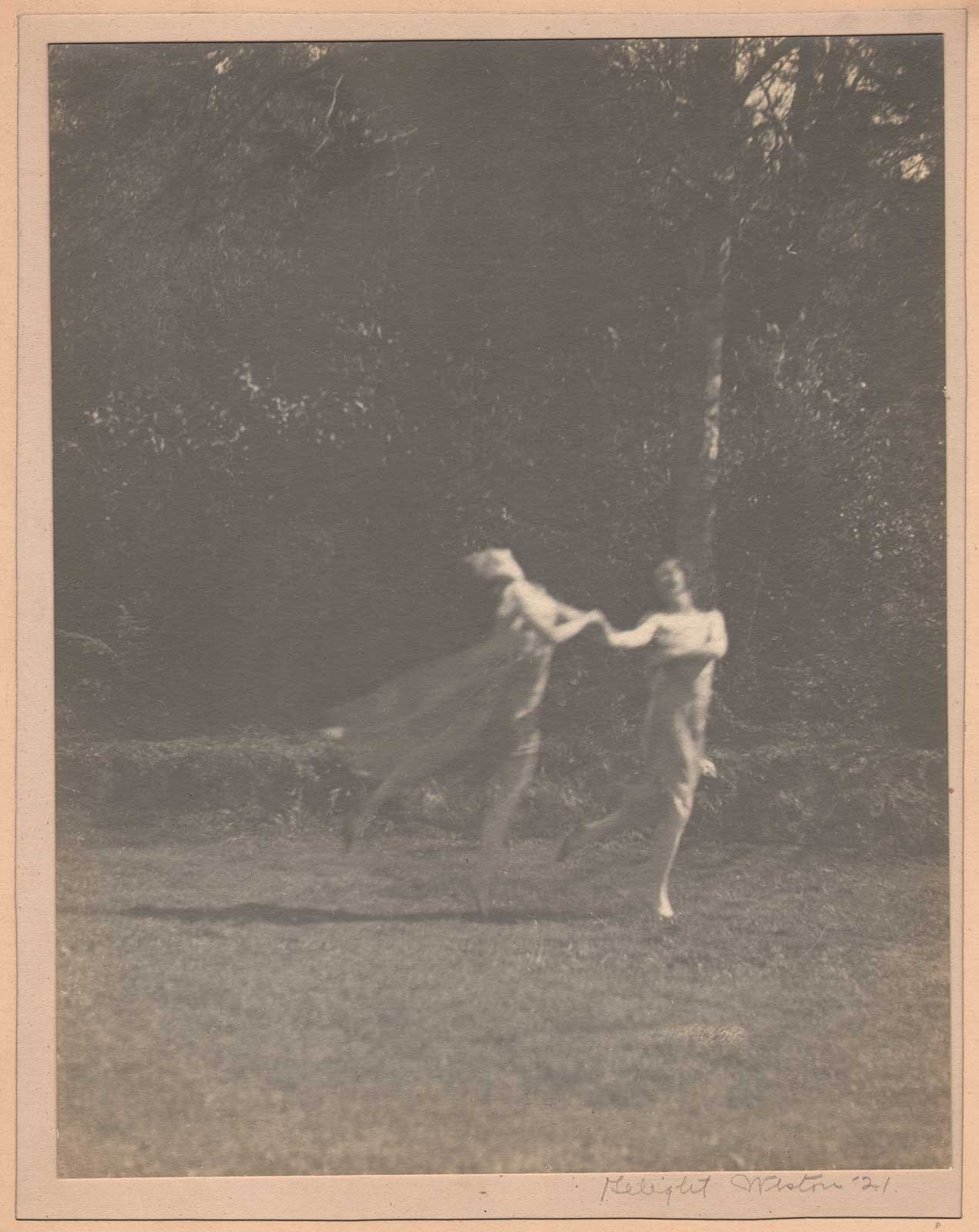
Delight Weston :: Rhythmic Dancing Study, 1921. Bromide print. | src Photoseed
Delight Weston :: Rhythmic Dancing Study, 1921. Bromide print. |src Photoseed
Delight Weston :: Rhythmic Dancing Study, 1921. Bromide print. | src Photoseed
Delight Weston :: Rhythmic Dancing Study, 1921. Bromide print. |src Photoseed
Delight Weston :: Rhythmic Dancing Study, 1921. Bromide print. | src Photoseed
Irma Delight Weston :: Rhythmic Dancing Study, 1921. Bromide print. | src Photoseed

These pictorial studies of two female dancers in motion are believed to have been taken at the former Ruth Doing Camp for Rhythmics in New York state’s Adirondack mountains. In the 1920’s and 30’s, photographer Delight Weston lived with camp founders Ruth Doing (1881-1966) and Gail Gardner (1878-1949) in New York City, along with other women artists, in a building at 139 W. 56th St. near Carnegie Hall. 

Established in 1916, the summer camp was first located on the shores of Upper Chateaugay lake near Lyon Mountain until 1925, when it moved to Upper St. Regis Lake in Paul Smiths, New York. Renamed the Gardner-Doing Camp after this time, it was coeducational: besides regular summer camp activities, it specialized in the “rhythmic” style of dancing popularized by famed dancer Isadora Duncan, whom Ruth Doing was a former student of. Doing’s life partner, Michigan native Gail Gardner, had earlier made a name for herself as an accomplished and world-traveling opera singer. [quoted from Photoseed]

Delight Weston :: Rhythmic Dancing Study, 1921. Bromide print. | src Photoseed

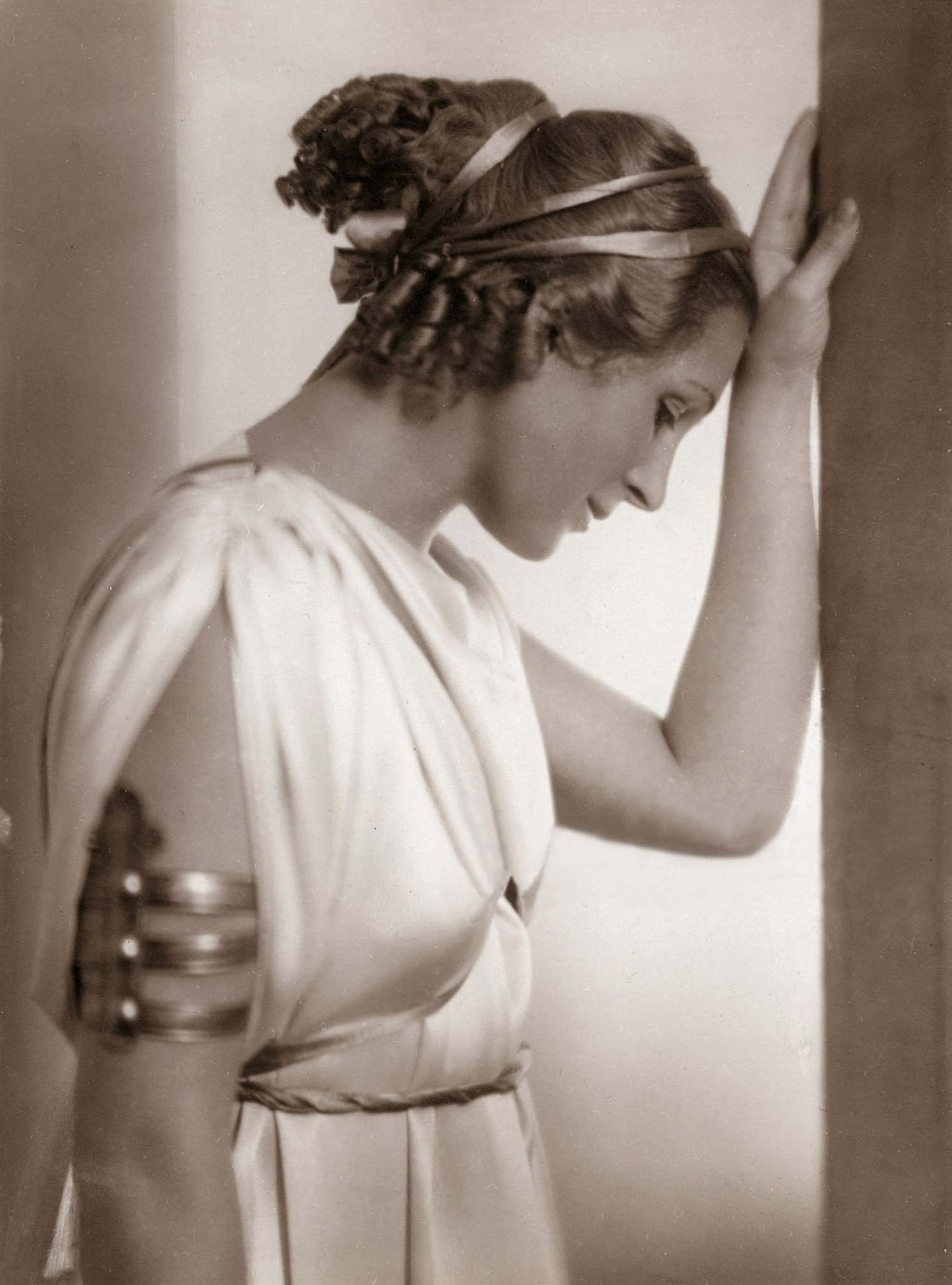
Nora Gregor as Thaisa by Setzer

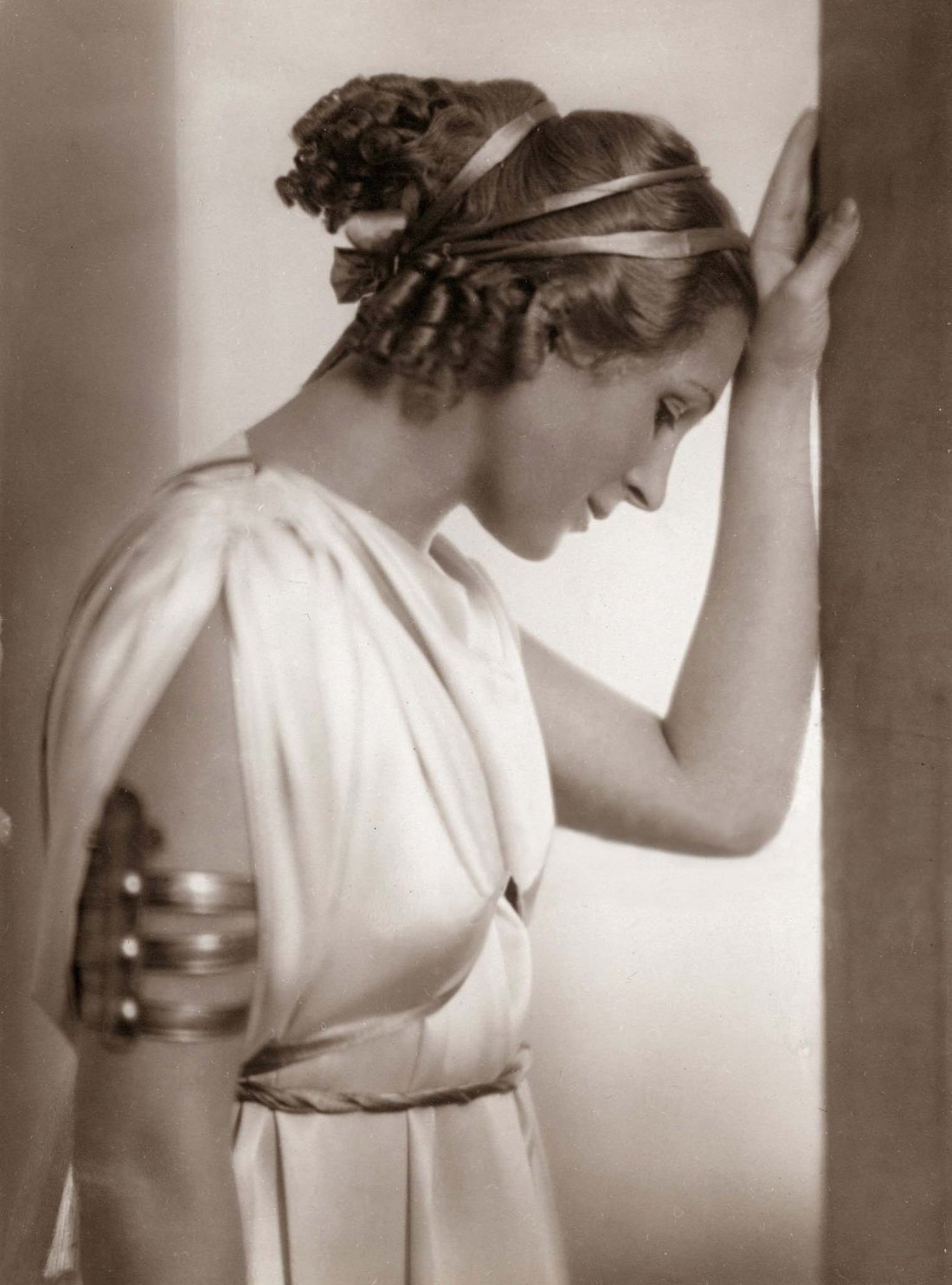
Franz Xaver Setzer :: Austrian actress Nora Gregor as Thaisa in 'Pericles, Prince of Tyre' by William Shakespeare. Burgtheater, Vienna. First night 16th October 1937. | src Getty Images
Franz Xaver Setzer :: Austrian actress Nora Gregor as Thaisa in 'Pericles, Prince of Tyre' by William Shakespeare. Burgtheater, Vienna. First night 16th October 1937.  | src Getty Images
Franz Xaver Setzer :: Austrian actress Nora Gregor as Thaisa in ‘Pericles, Prince of Tyre’ by William Shakespeare. Burgtheater, Vienna. First night 16th October 1937. | src Getty Images

Il mistero di Persefone, 1929

Giannina Censi con il costume di scena di Il mistero di Persefone Teatro Licinium di Erba, 1929. | src Fondo G. Censi ~ Mart (*)
Giannina Censi con il costume di scena di Il mistero di Persefone Teatro Licinium di Erba, 1929. In verso nota ms. "Teatro Licinium. Erba" | src Fondo G. Censi ~ Mart
Giannina Censi con il costume di scena di Il mistero di Persefone Teatro Licinium di Erba, 1929. In verso nota ms. “Teatro Licinium. Erba” | src Fondo G. Censi ~ Mart
Scena tratta da Il mistero di Persefone al Teatro Licinium di Erba, 1929. In verso nota ms. "Il Mistero di Persefone - Teatro Licinium. Erba". | src Fondo G. Censi ~ Mart (**)
Scena tratta da Il mistero di Persefone al Teatro Licinium di Erba, 1929. In verso nota ms. “Il Mistero di Persefone – Teatro Licinium. Erba”. | src Fondo G. Censi ~ Mart (**)
Scena tratta da Il mistero di Persefone al Teatro Licinium di Erba, 1929 di Fot. Camuzzi. Milano. | src Fondo G. Censi ~ Mart (**)

(*) Pubblicata in Vaccarino E., (a cura di) Giannina Censi: danzare il futurismo. Milano: Electa; Museo di arte moderna e contemporanea di Trento e Rovereto, 1998, p. 15

(**) Pubblicata in Vaccarino E., (a cura di) Giannina Censi: danzare il futurismo. Milano: Electa; Museo di arte moderna e contemporanea di Trento e Rovereto, 1998, p. 85

Dancers and musician (1920s)

Vintage photographs of thee women wearing Greek gowns, two of them dancing, the third playing flute or Aulos, reclining on a tree. [painted background] From a Vaudeville dancer / model photo album / scrapbook. | src House of Mirth on Abebooks

Dancing with Helen Möller, 1918

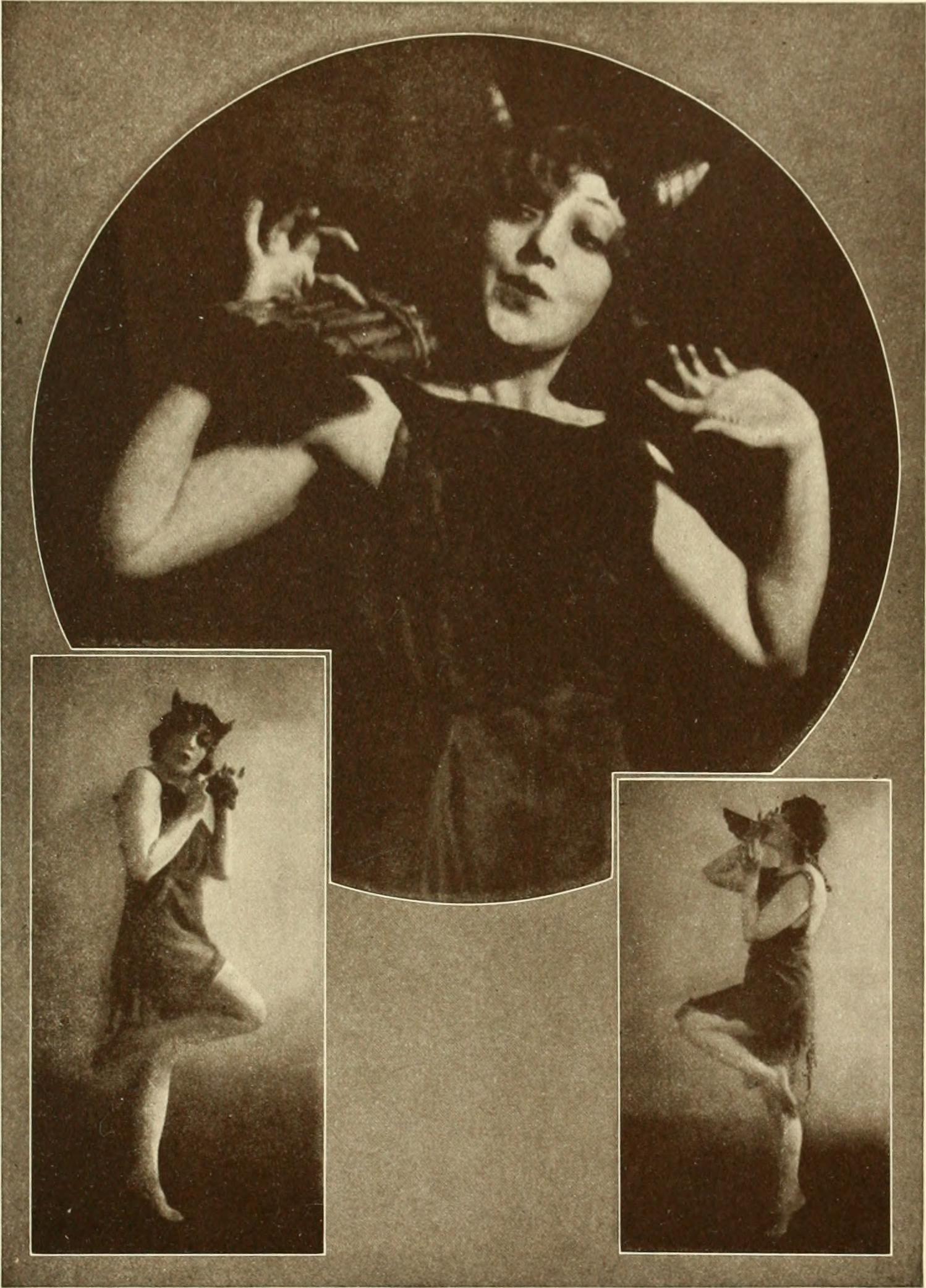
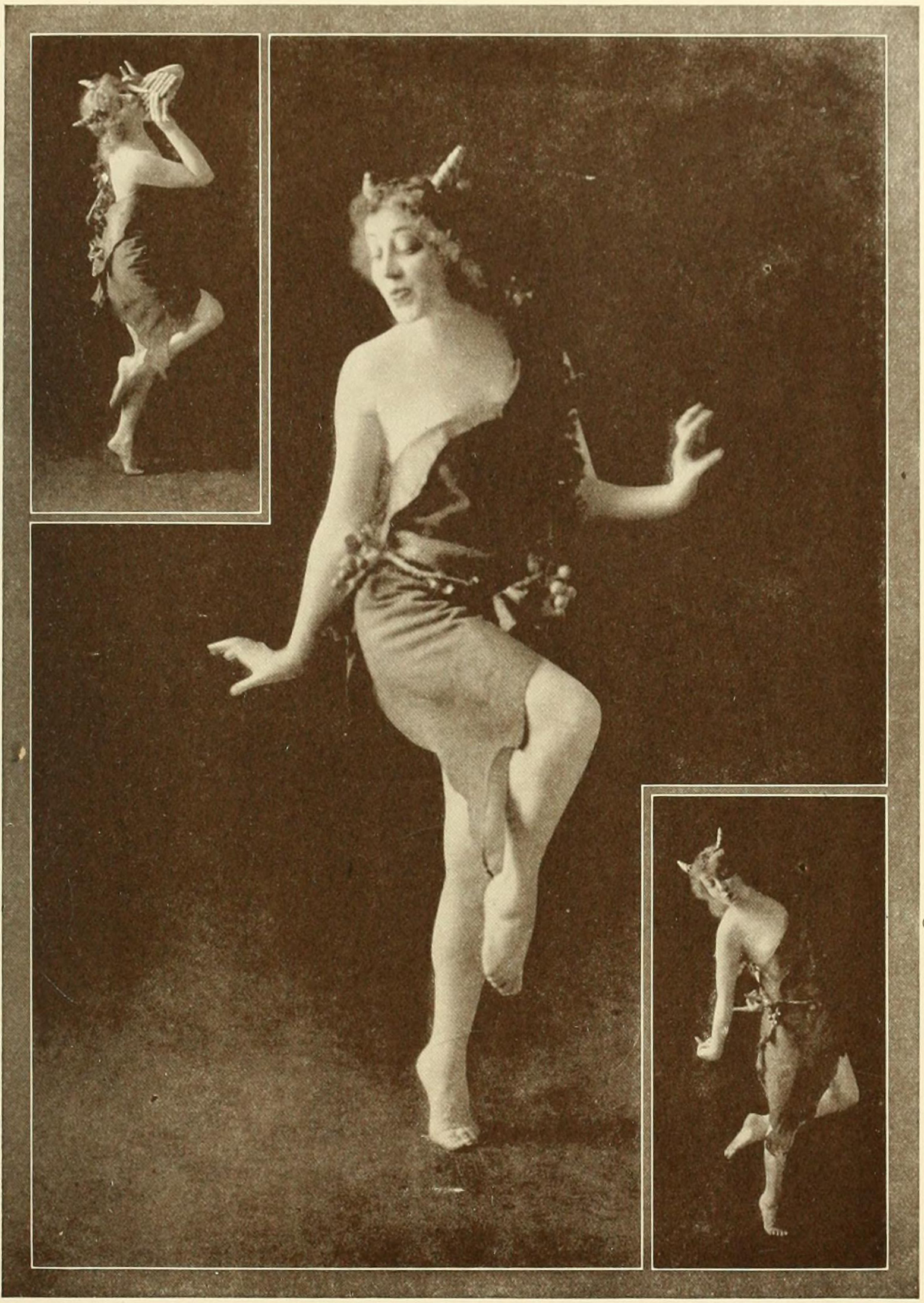
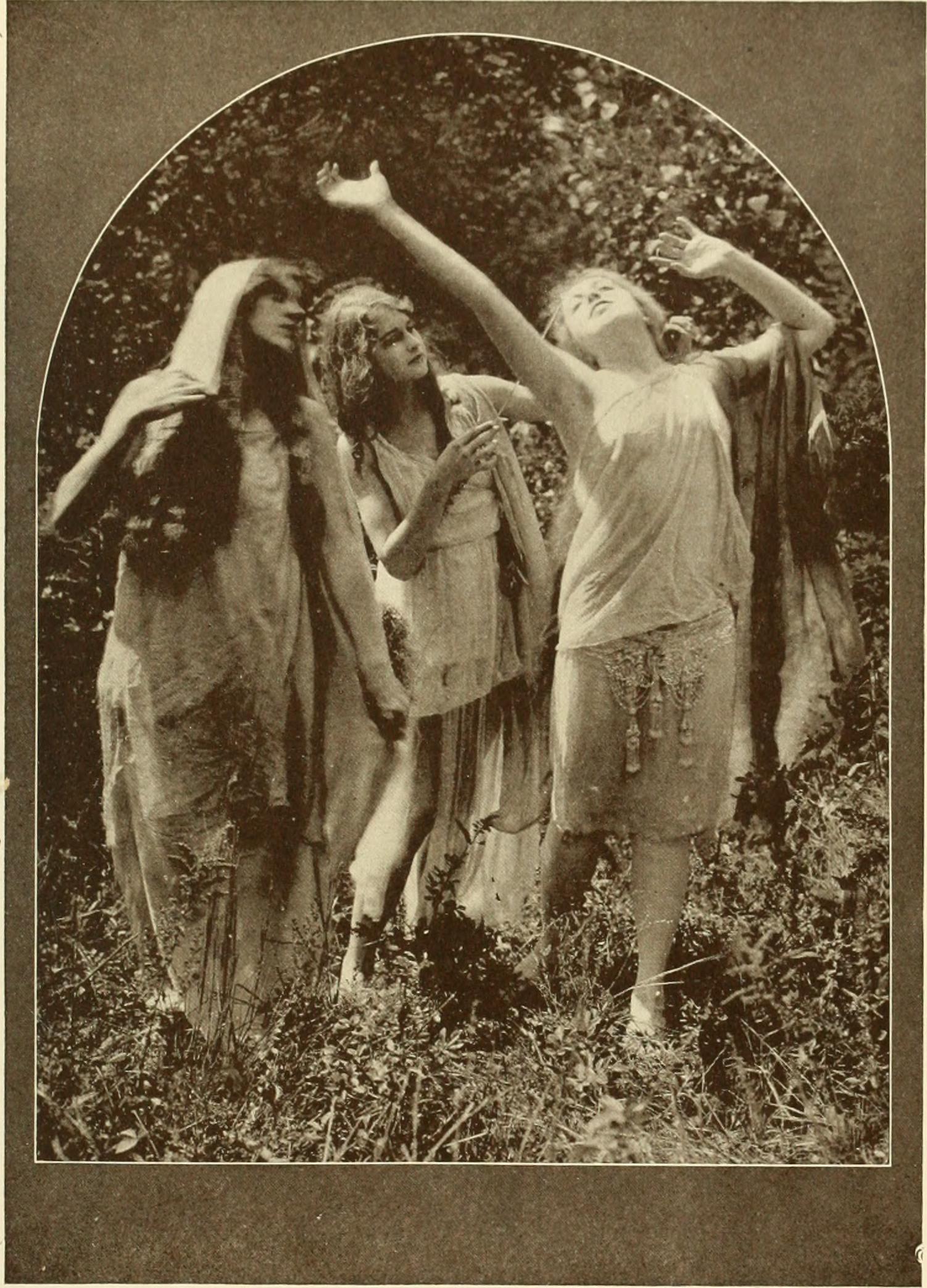
“The idea of Pan inspires the Greek dancer with a charming variety of interpretations of a lyrical, as well as of a sprightly and mischievous, character.” From ‘Dancing with Helen Möller’, 1918. Page 110. University of California Libraries. | src internet archive
“An adaptation of the classic idea of Pan — three manifestations emphasizing the gay and mischievous attributes of that minor deity of the Arcadian woodland.” From ‘Dancing with Helen Möller’, 1918. Page 28. University of California Libraries. | src internet archive
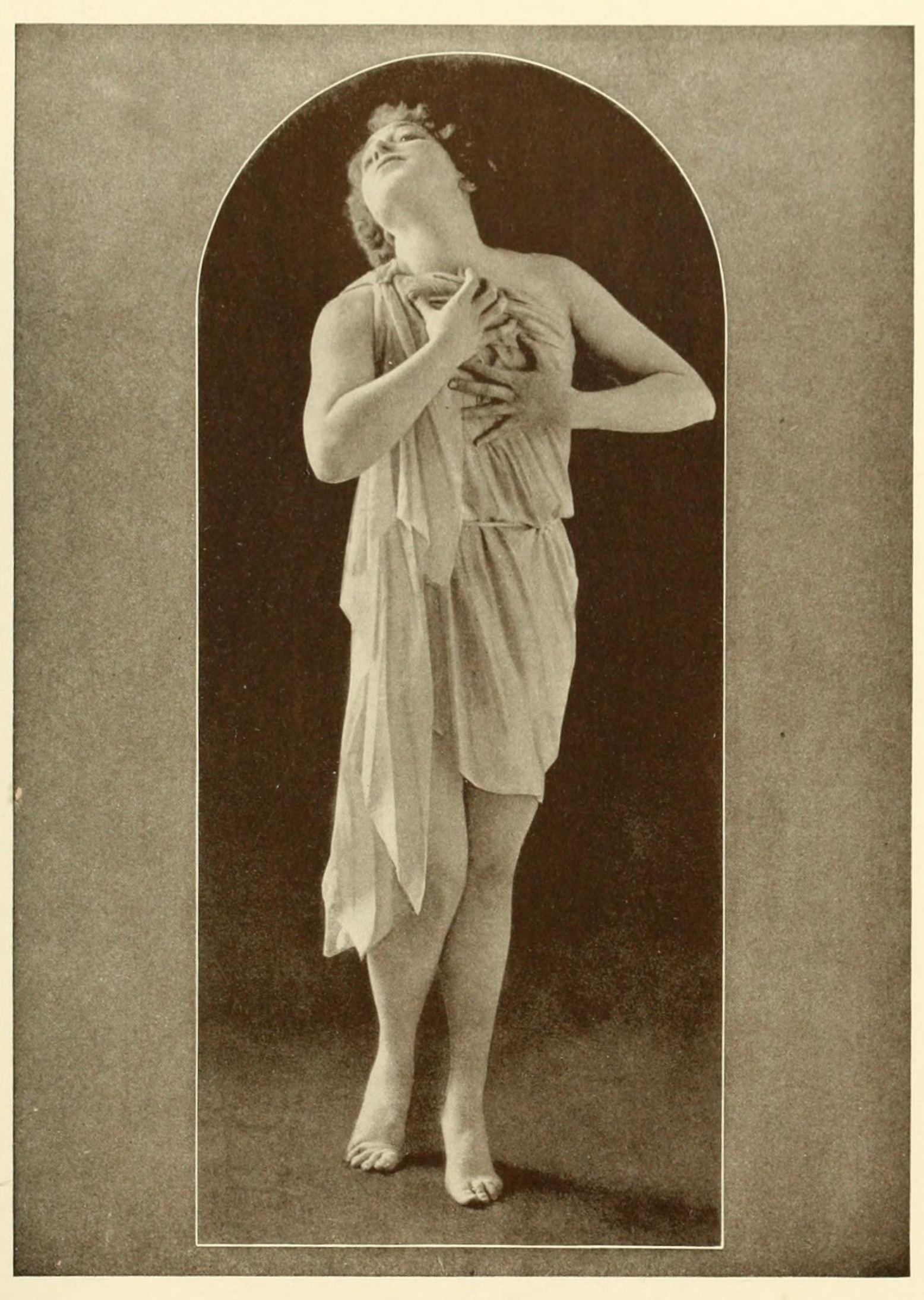
“All true physical expression has its generative centre in the region of the heart, the same as the emotions which actuate it. Movements flowing from any other source are aesthetically futile.” From ‘Dancing with Helen Moller’, 1918. Page 96. University of California Libraries. | src internet archive
“Both of these Bacchante figures exhibit original interpretations in which beauty of line is sustained in connection with appropriate gestures and facial expression.” From ‘Dancing with Helen Moller’, 1918. Page 81. University of California Libraries. | src internet archive
“Bacchante. Showing the moment of lustful anticipation of delight in the intoxicating product of the fruit — as though hardly to be restrained from seizing and devouring at once.” From ‘Dancing with Helen Moller’, 1918. Page 102. University of California Libraries. | src internet archive
“Woodland interpretation. The ocean-born Aphrodite being adorned by Goddesses of the Seasons for her first appearance among her peers on Olympus.”
Helen Moller and Curtis Dunham :: ‘Dancing with Helen Moller; her own statement of her philosophy and practice and teaching formed upon the classic Greek model, and adapted to meet the aesthetic and hygienic needs of to-day’, 1918. Page 112. University of California Libraries. | src internet archive

ACKNOWLEDGMENT: Many of the photographs reproduced in this book were taken by the author herself. For the privilege of reproducing other fine examples of the photographer’s art, she desires to express her grateful acknowledgments to Moody, to Maurice Goldberg, to Charles Albin and to Underwood and Underwood; also to Arnold Genthe for the plate [lost plate] on Page 36; and to Jeremiah Crowley for his admirable arrangement of the entire series of illustrative art plates. [quoted from source]

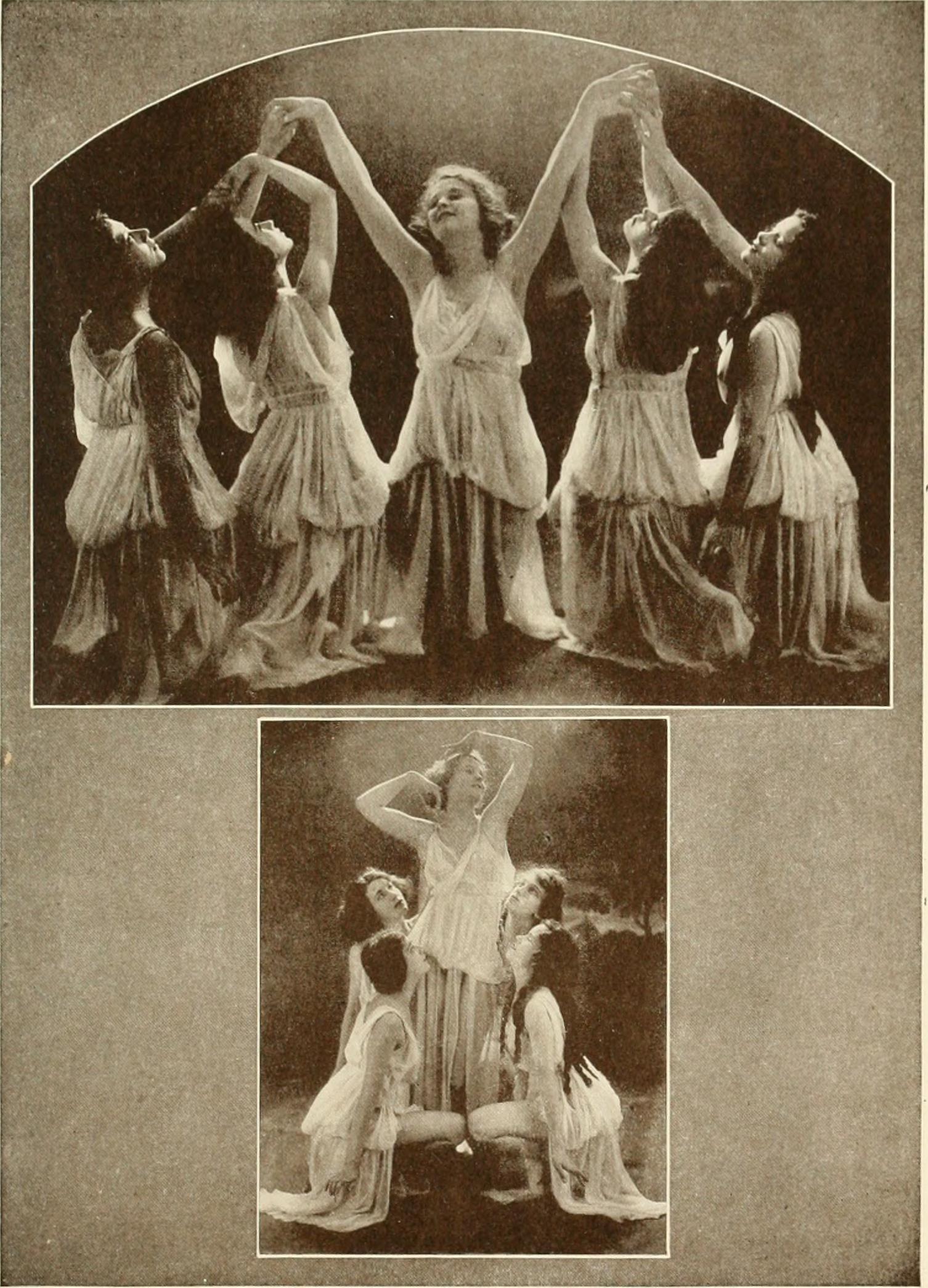
Dancing with Helen Möller, 1918

“The race, adapted from the classic Greek games, is useful in dance interpretations combining grace and swiftness of movement. The silhouettes compare fantastic with natural grace of movement.” From ‘Dancing with Helen Moller’, 1918. Page 106. University of California Libraries. | src internet archive
“Drigo’s Serenade — showing how modem music of this character inspires the creation of dance movements and figures adapted from the purest Greek models. The beginning of the interpretation is shown in the small plate.” From ‘Dancing with Helen Moller’, 1918. Page 74. University of California Libraries. | src internet archive
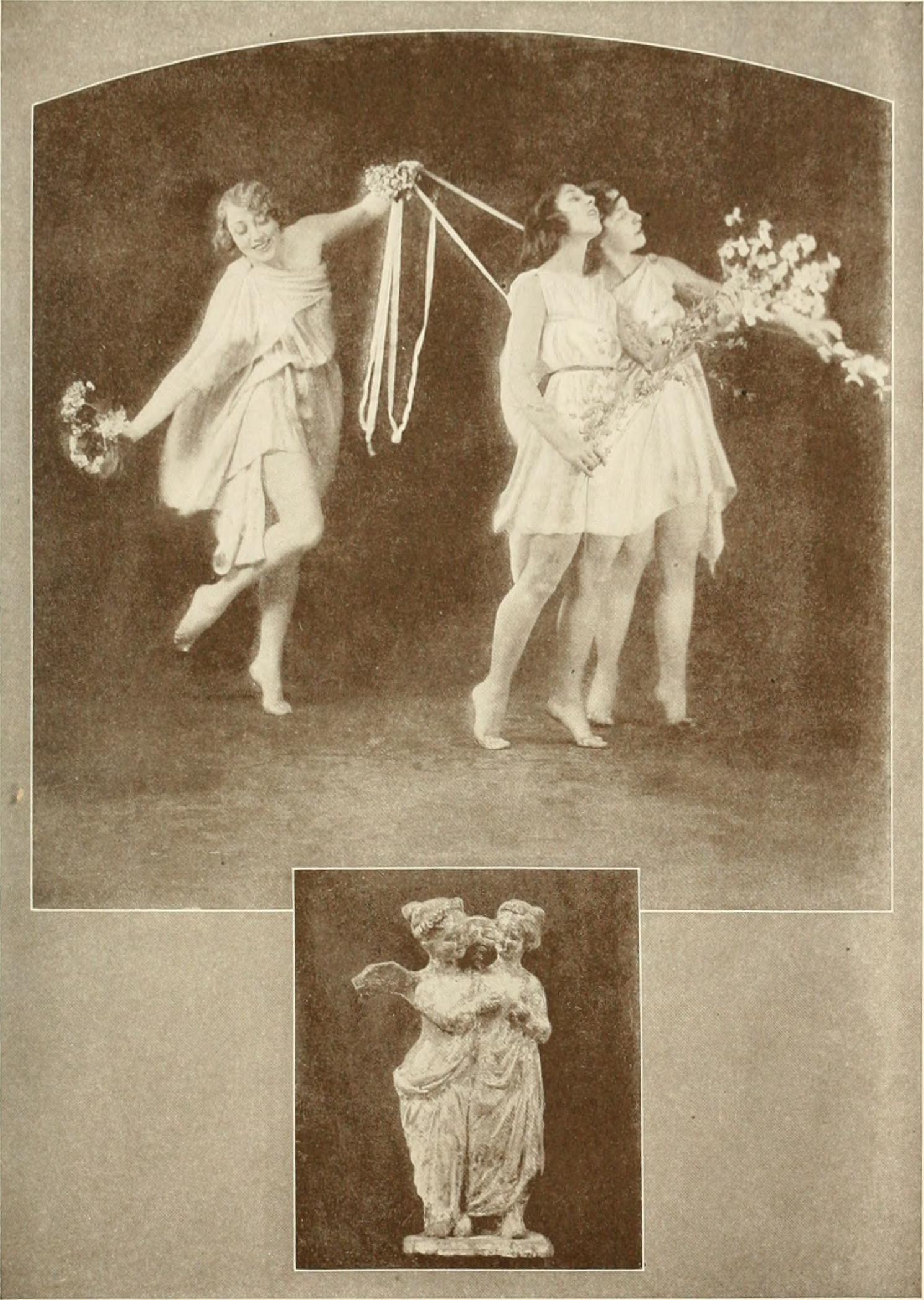
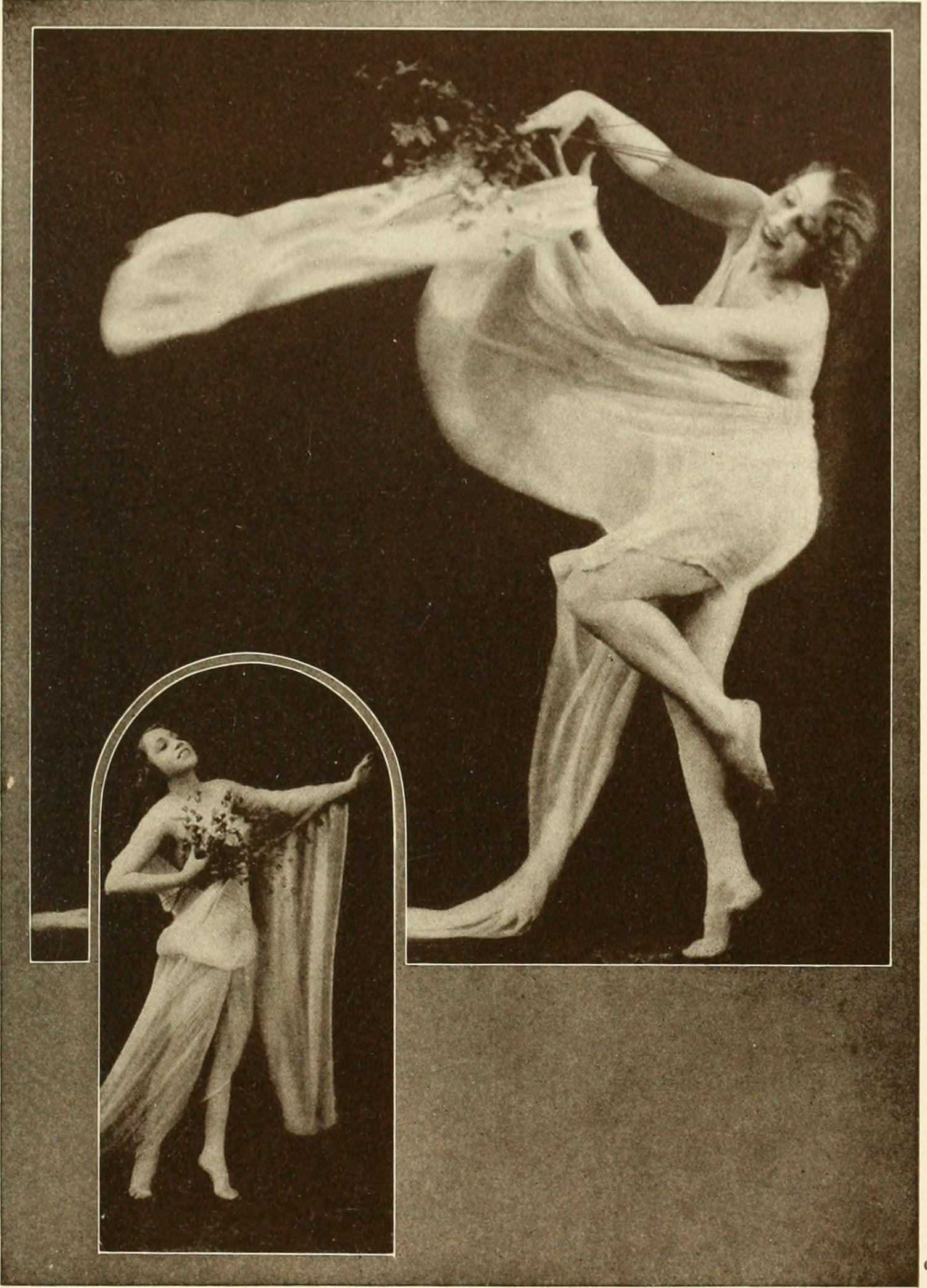
“A playful Spring movement — flowers and ribbons, and lightness of movement which seems almost to defy the force of gravitation. The small Tanagra figures suggest the same spirit.” From ‘Dancing with Helen Moller’, 1918. Page 42. University of California Libraries. | src internet archive
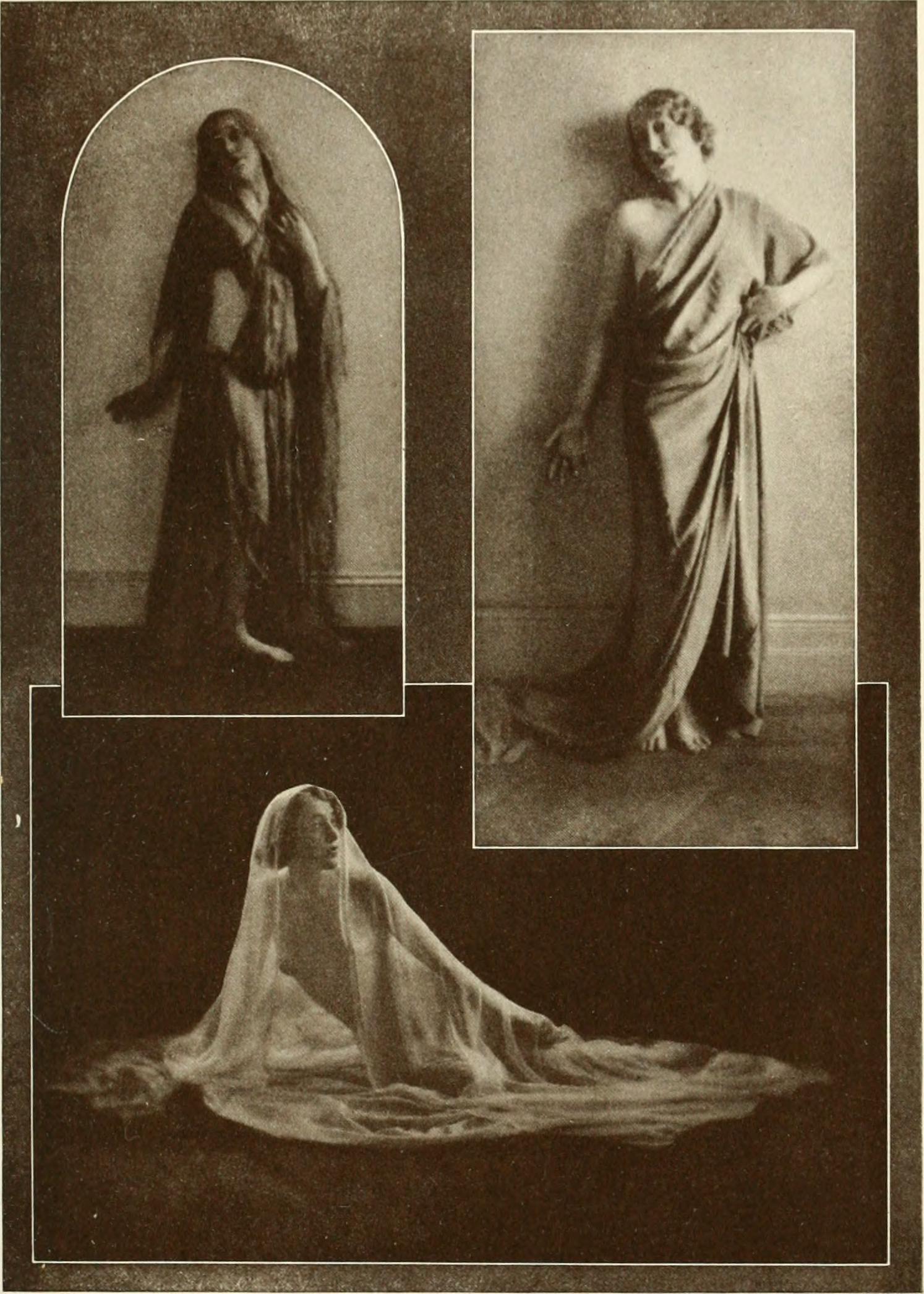
“Here the dancer, erect and recumbent, realizes in living movement the classic sculptor’s sense of the aesthetic value of simple draperies.” From ‘Dancing with Helen Moller’, 1918. Page 48. University of California Libraries. | src internet archive
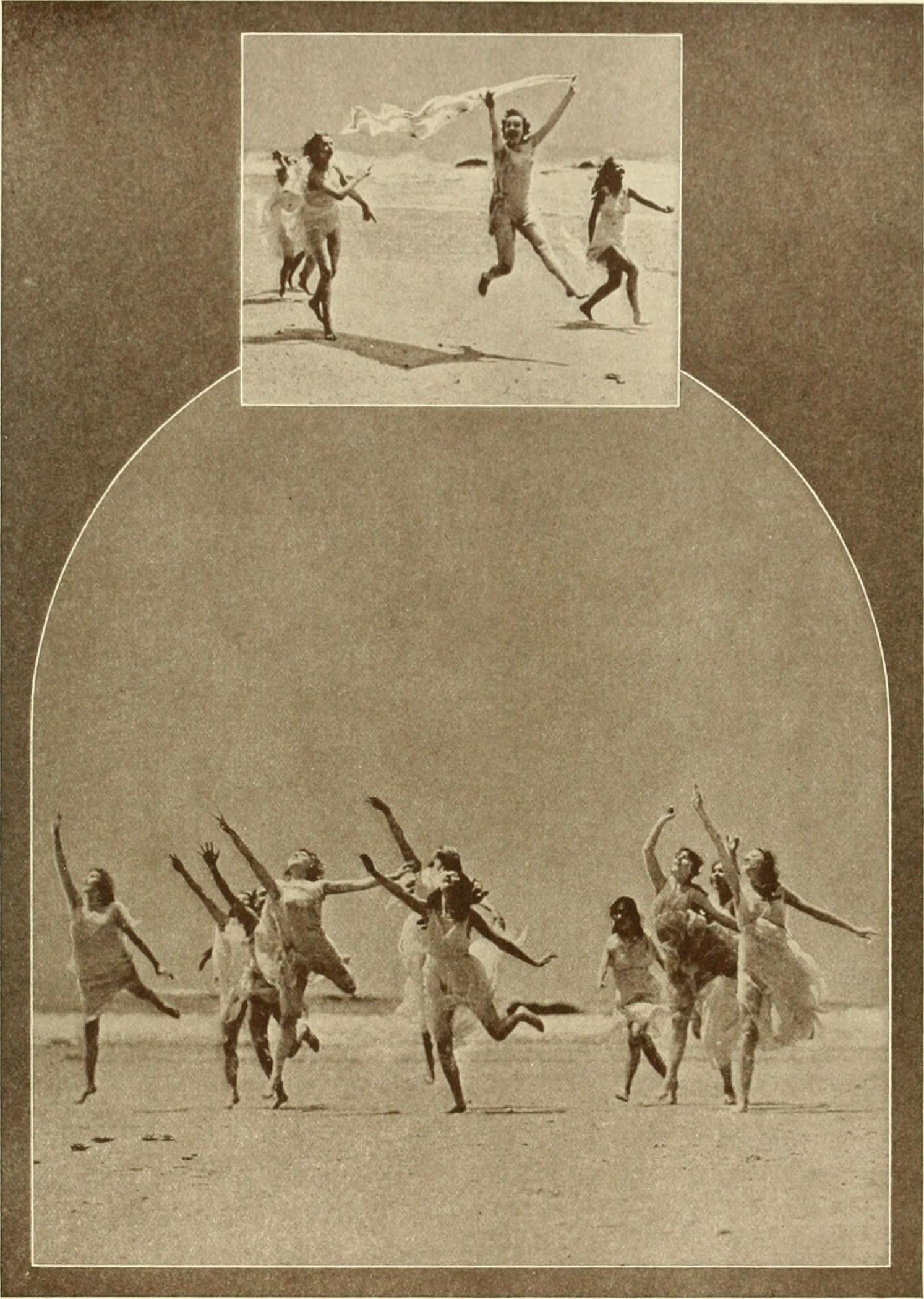
“The ocean beach, upon which the surf rolls rhythmically, or is broken upon half submerged rocks, incites to the most open free and vital dancing expression.” From ‘Dancing with Helen Moller’, 1918. Page 86. University of California Libraries. | src internet archive
“Reacting to the breath of Spring — the most compelling of all impulses to dance, and provocative of the most joyous physical expression.”
Helen Möller and Curtis Dunham :: From ‘Dancing with Helen Moller; her own statement of her philosophy and practice and teaching formed upon the classic Greek model, and adapted to meet the aesthetic and hygienic needs of to-day’, 1918. Page 88. University of California Libraries. | src internet archive

ACKNOWLEDGMENT: Many of the photographs reproduced in this book were taken by the author herself. For the privilege of reproducing other fine examples of the photographer’s art, she desires to express her grateful acknowledgments to Moody, to Maurice Goldberg, to Charles Albin and to Underwood and Underwood; also to Arnold Genthe for the plate [lost plate] on Page 36; and to Jeremiah Crowley for his admirable arrangement of the entire series of illustrative art plates. [quoted from source]