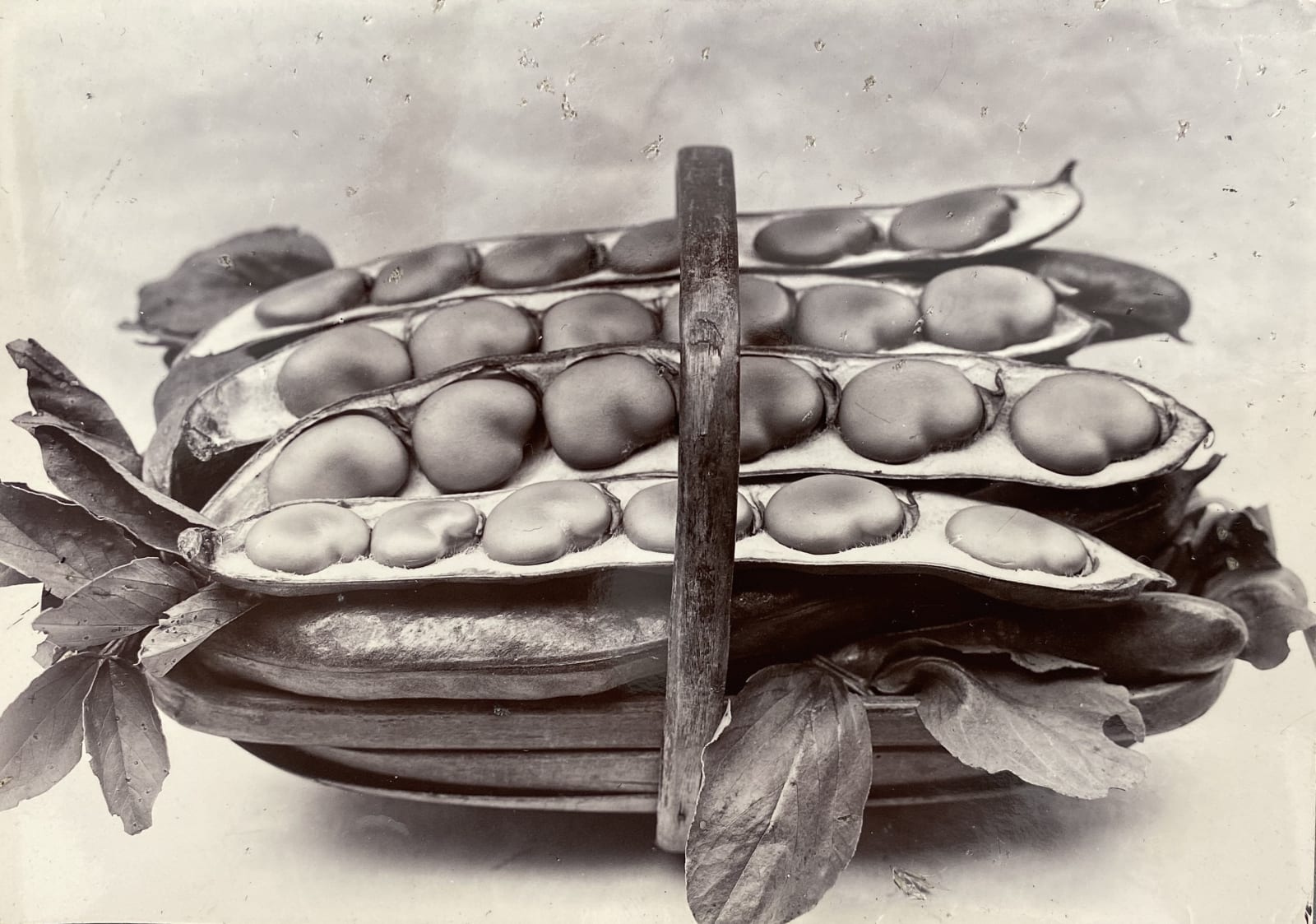

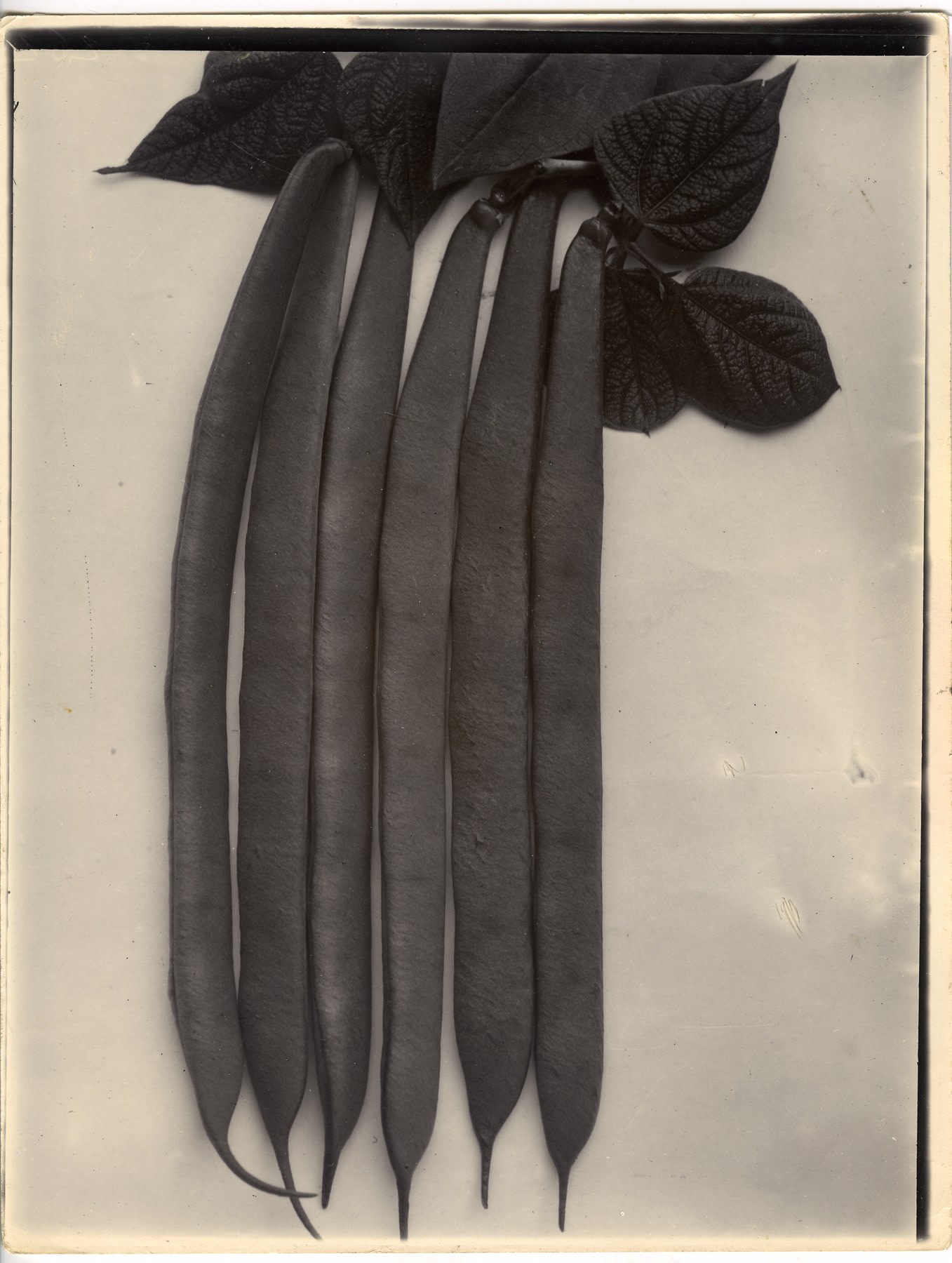
Charles Jones was an English gardener and plantsman, who worked on private estates in the 1890s. As if they were carefully crafted objects, he diligently photographed the vegetables, fruit and flowers he grew. In the era of the supermarket, they appear as a eulogy to a lost time of intimacy between producer and product, the simplicity of the forms paralleling a seemingly less complex age. Although his work wasn’t discovered until 1984 (in Bermondsey market by Sean Sexton), his life’s work is now considered to be on a par with the spare, modernist photographs of Karl Blossfeldt’s flowers and Edward Weston’s vegetables. All his negatives would have been glass and each gold toned print would have taken many hours to complete, the prints are beautiful and unique and show an adept hand in what was a very complex ‘hobby’. His work is in public institutions worldwide. [quoted from Michael Hoppen Gallery]
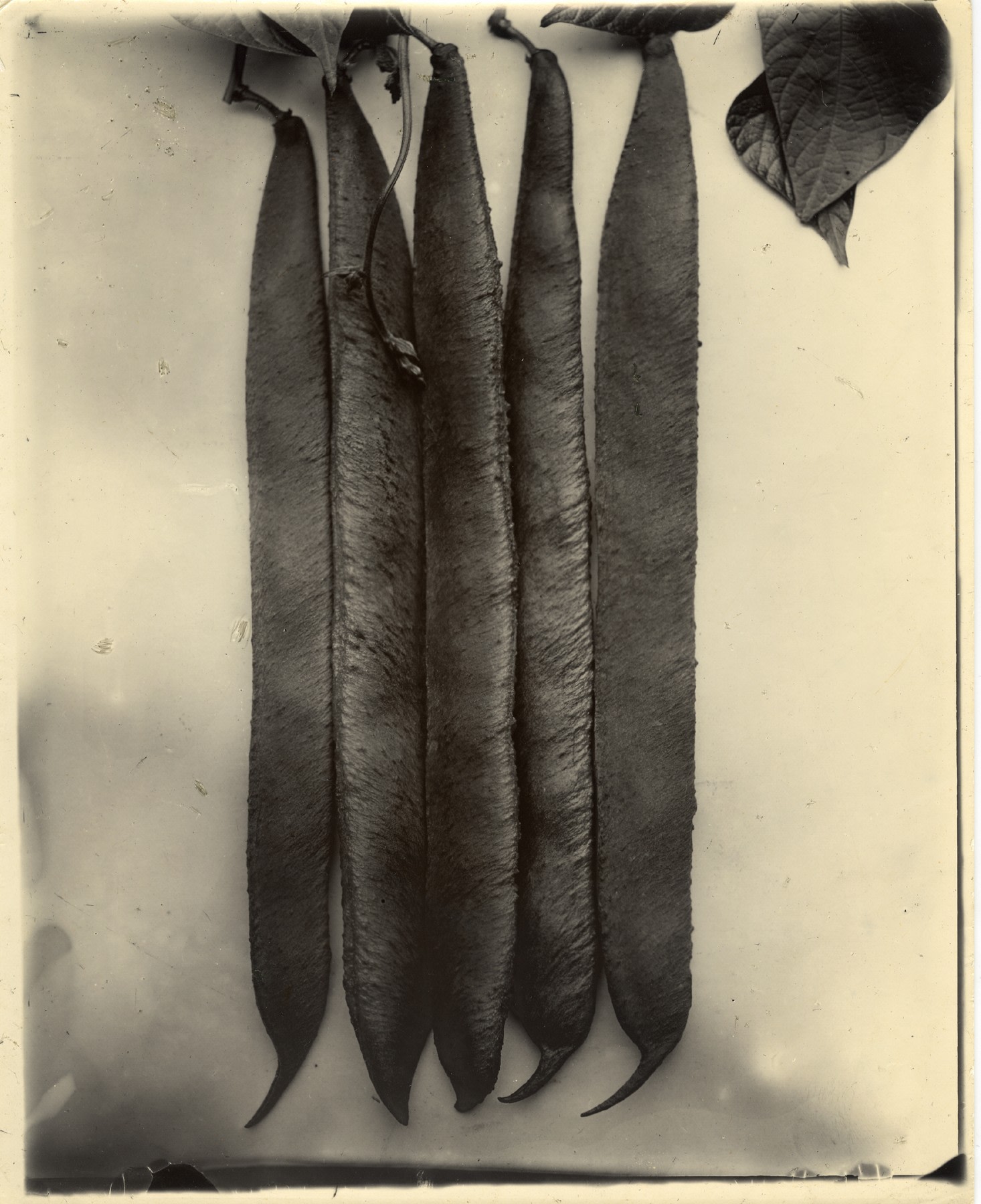
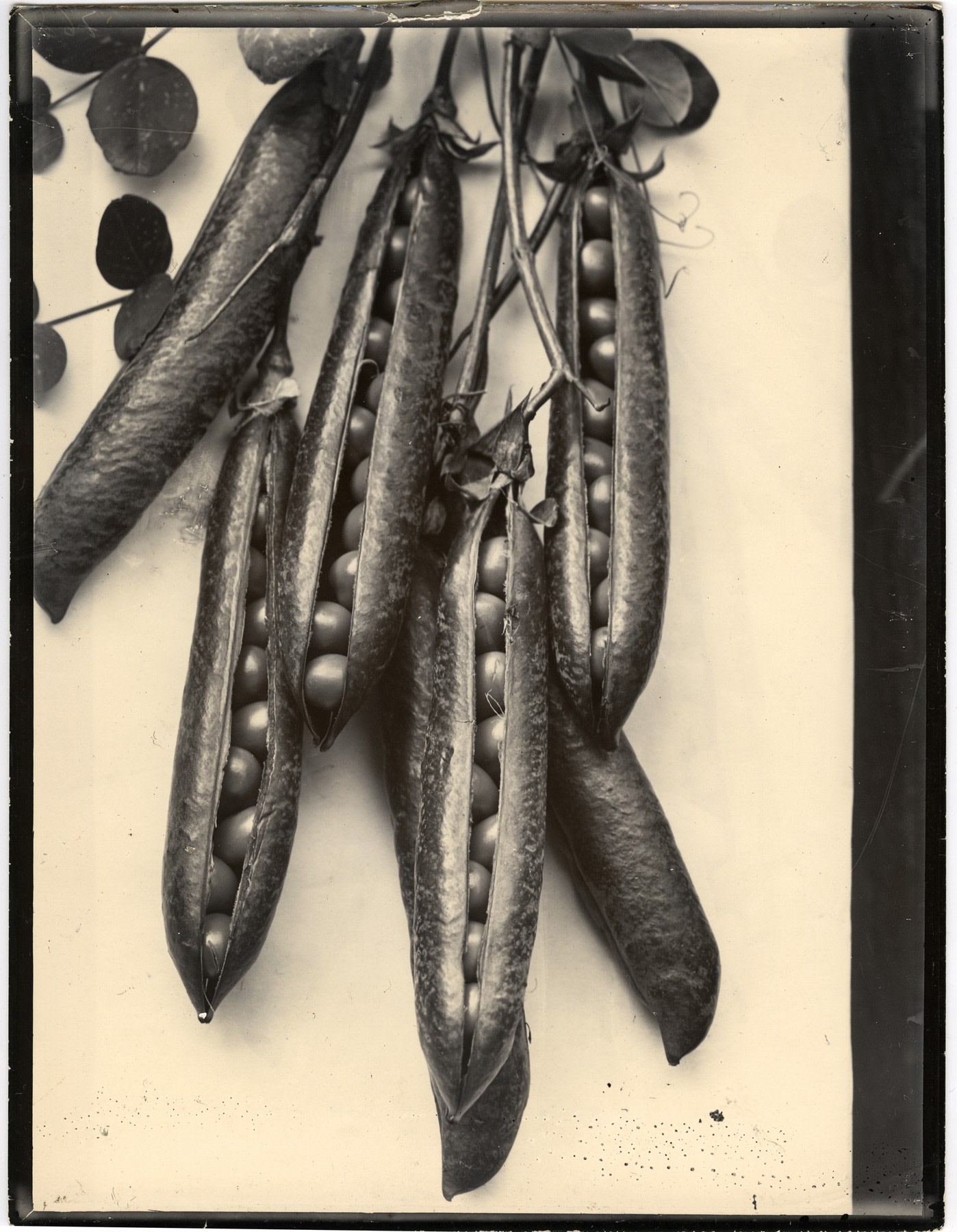

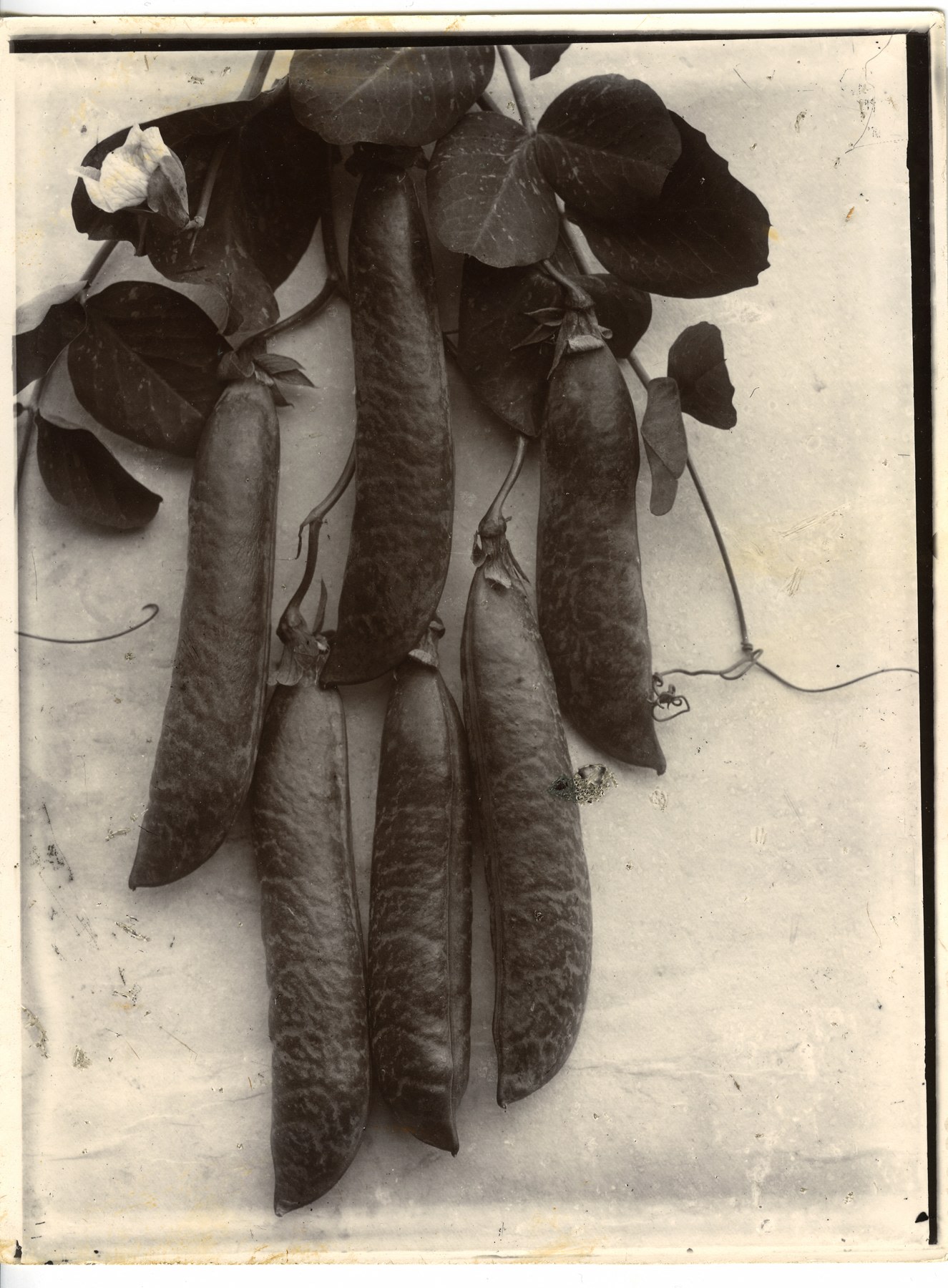
Howard Greenberg Gallery is pleased to announce an exhibition of still life photographs by British born Charles Jones. Viewed as a proto-Modernist and outsider artist, Jones, a humble English gardener and photographer working at the turn of the 20th century, is one of art’s most mysterious and recent discoveries. Jones’ work came to light in 1981, when discovered in a trunk at an antiques market in London. The only clue to the identity of the photographer were the initials “C.J.” or sometimes the signature “Charles Jones” that was scrawled on the backs of the prints along with fastidious notations giving the precise name of each of the subjects. But the story of the photographer remained unknown until a woman, seeing the photographs on BBC television, identified them as the work of her grandfather, a gardener who worked at several private estates between the years 1894 and 1910. [quoted from HGG]


 un regard oblique