

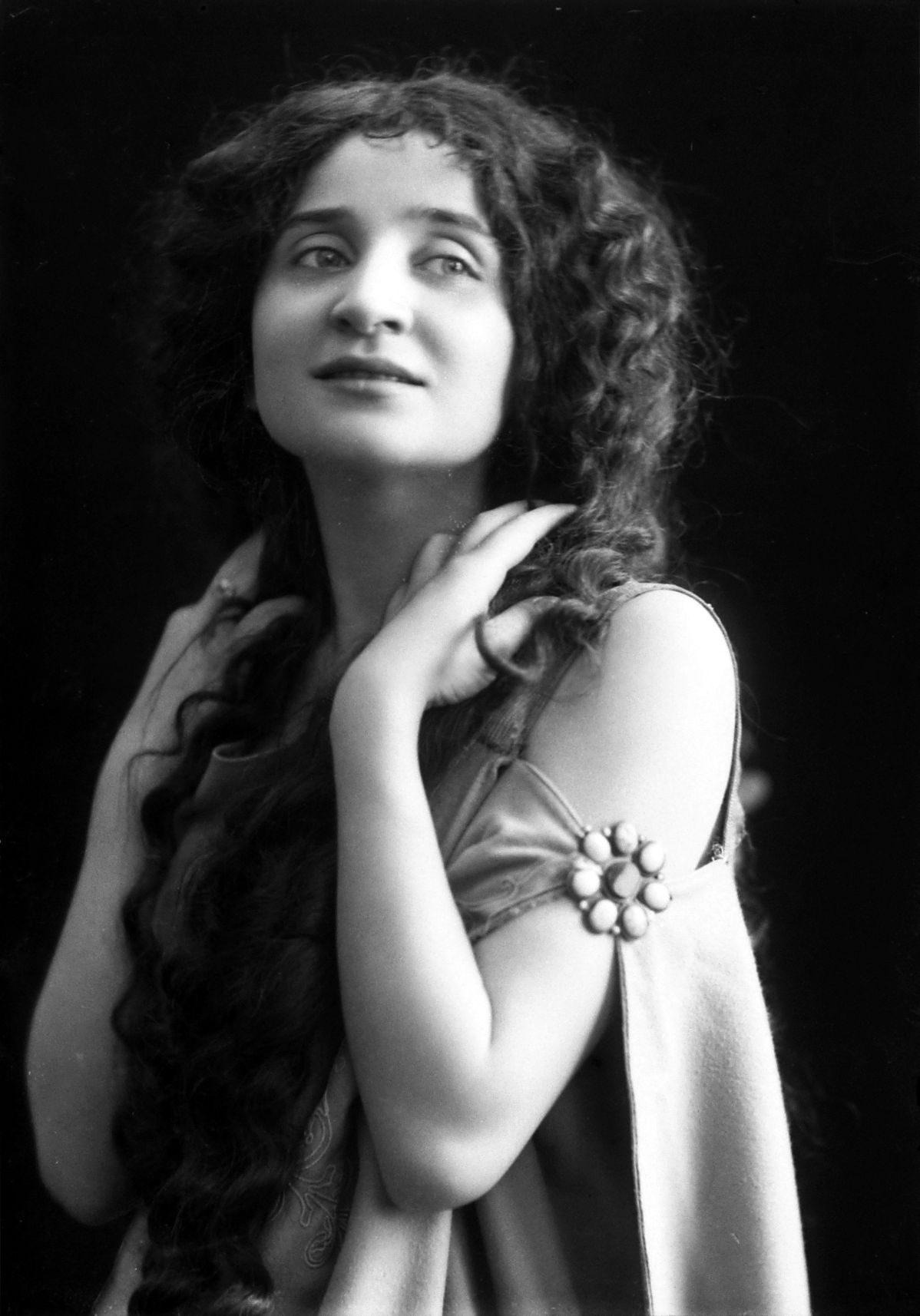
images that haunt us
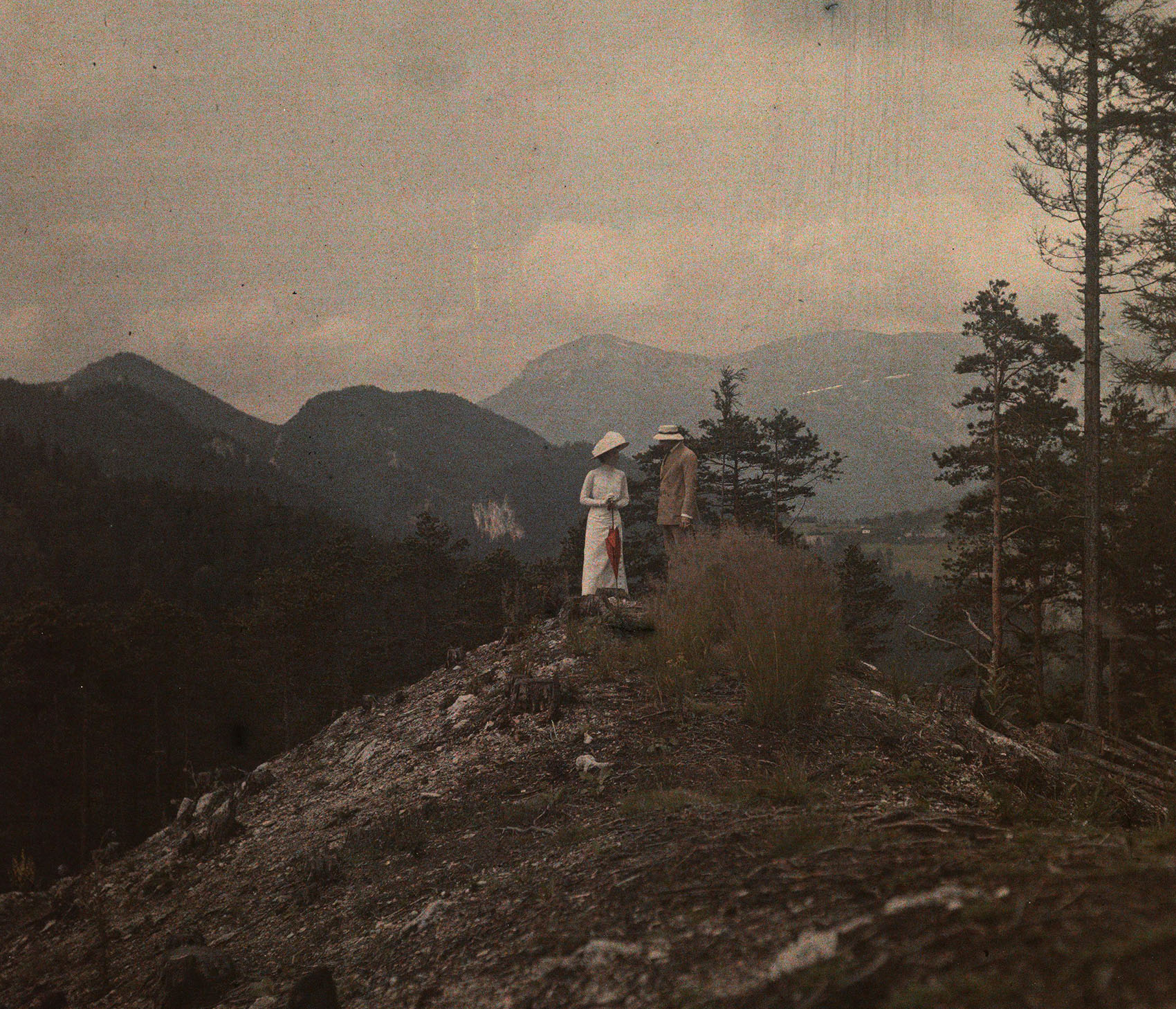


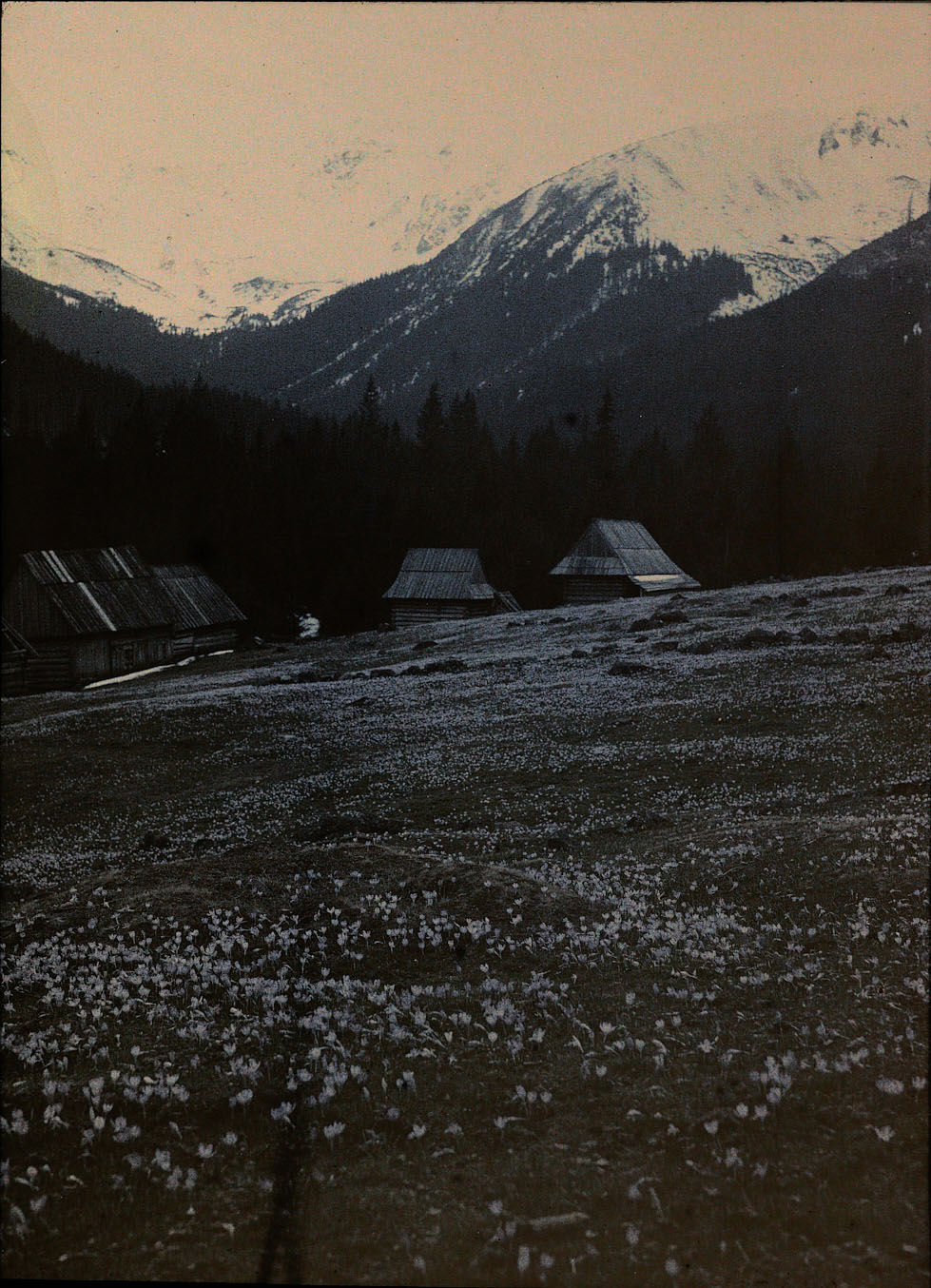


All images from : Archiwum Fundacji im. Zofii i Jana Włodków
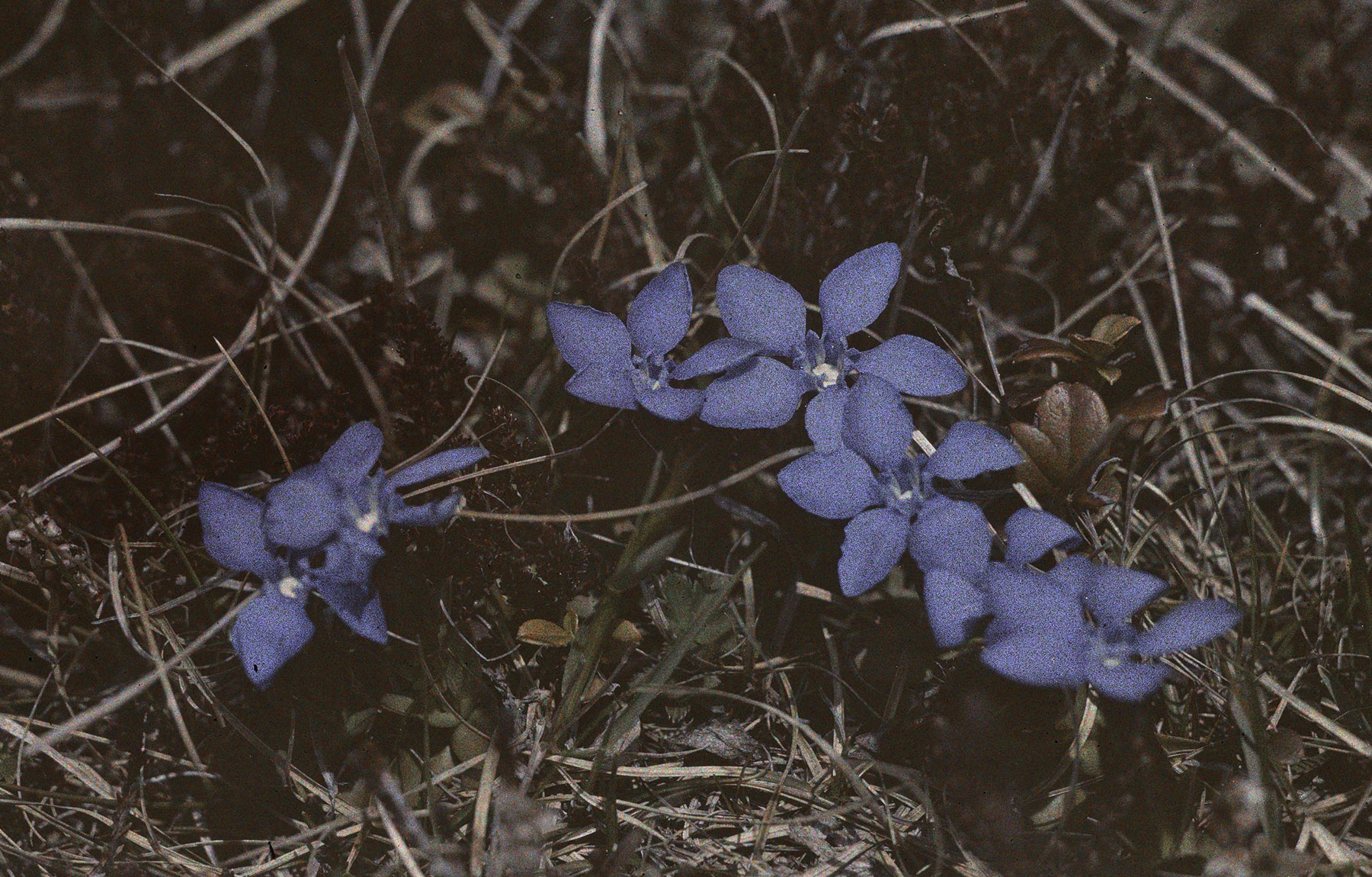


All images from : Archiwum Fundacji im. Zofii i Jana Włodków
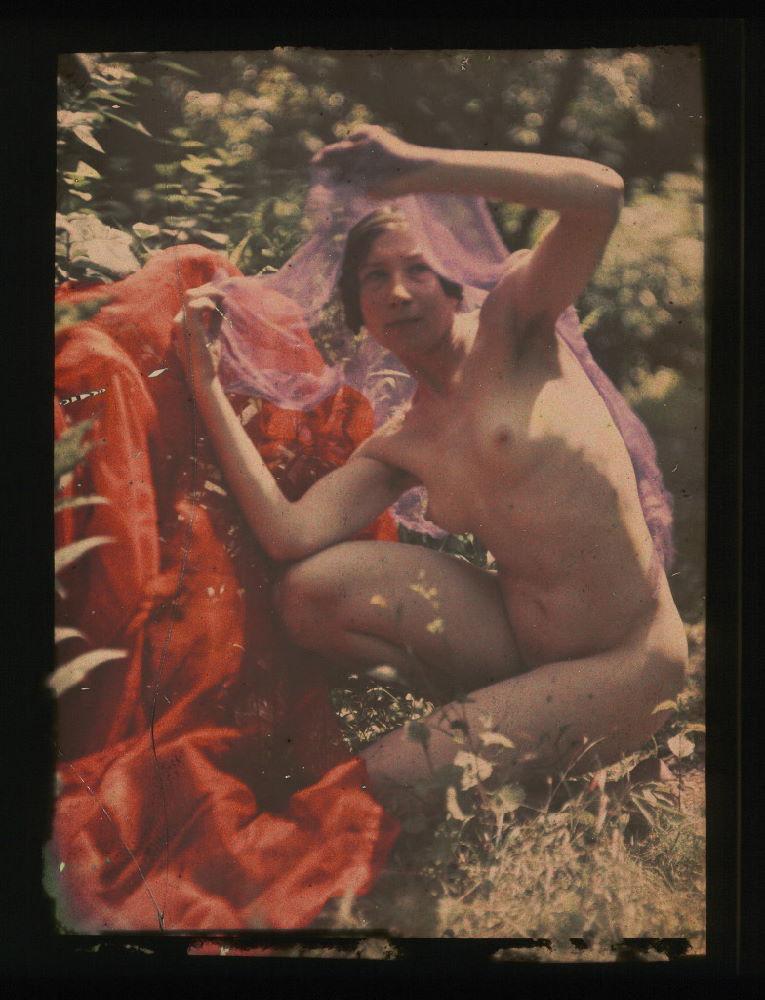
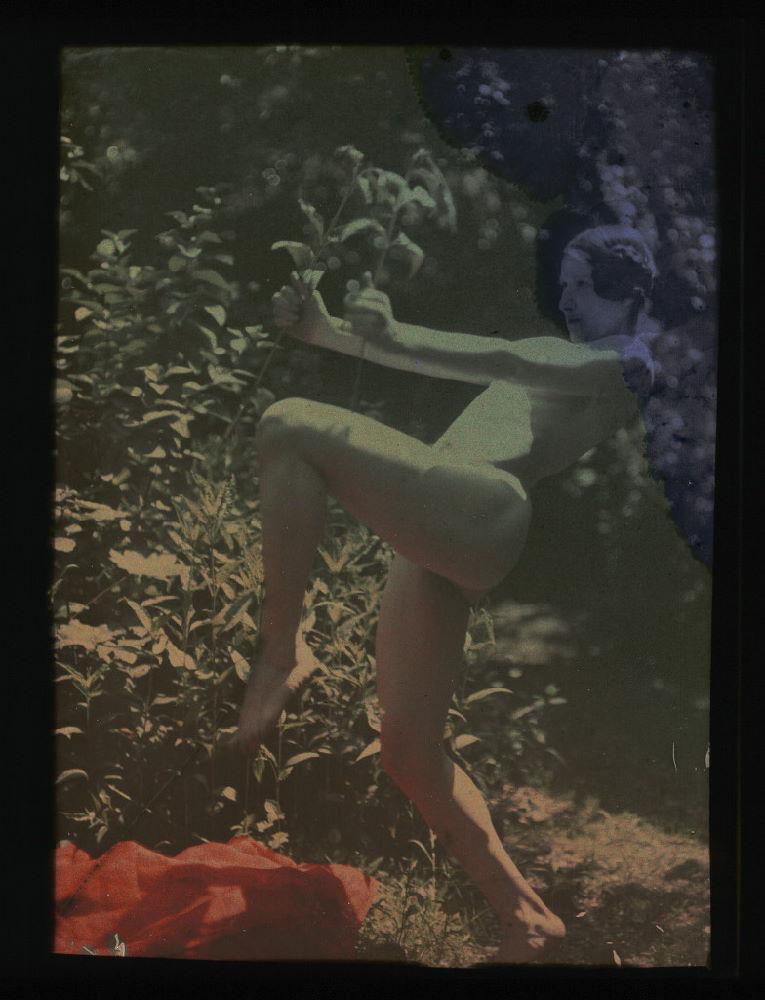
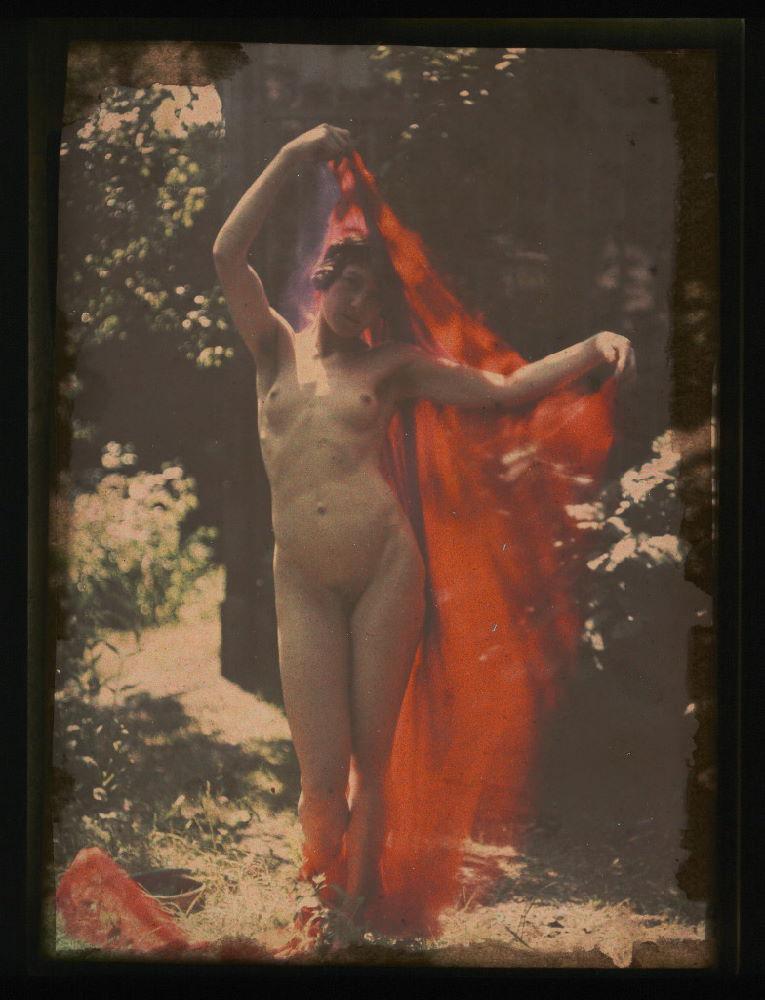
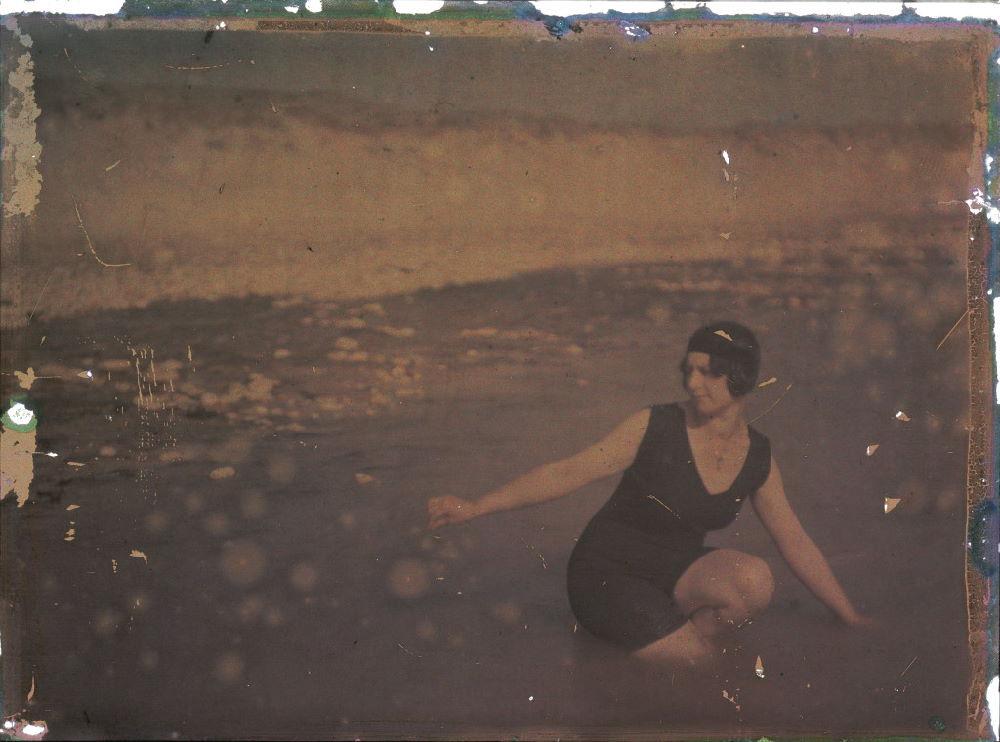
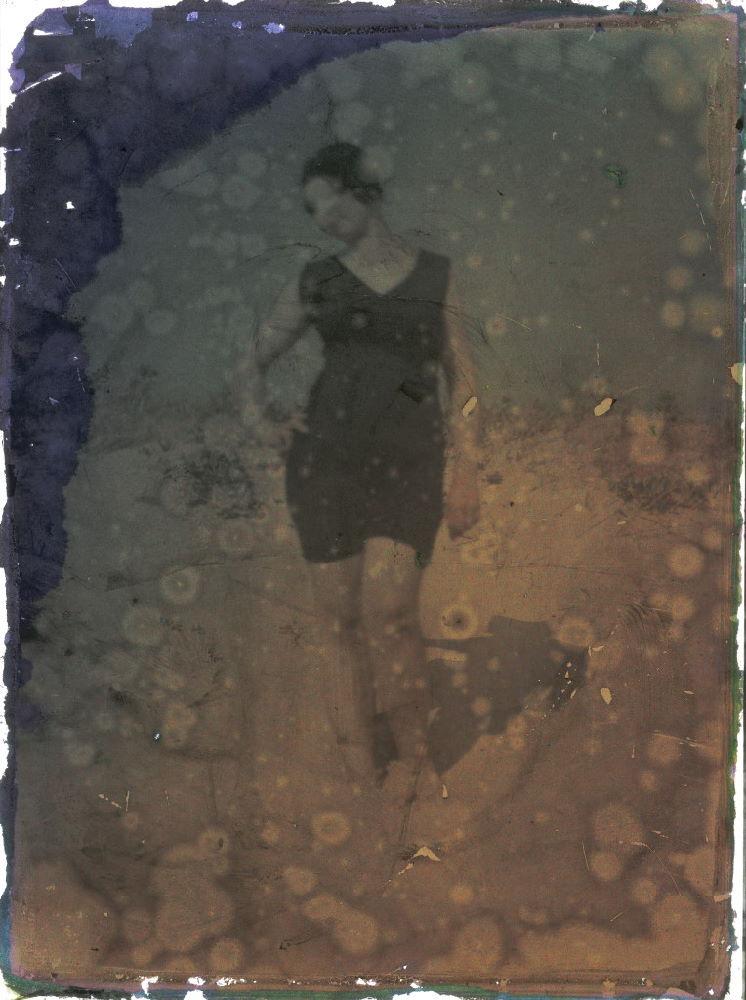
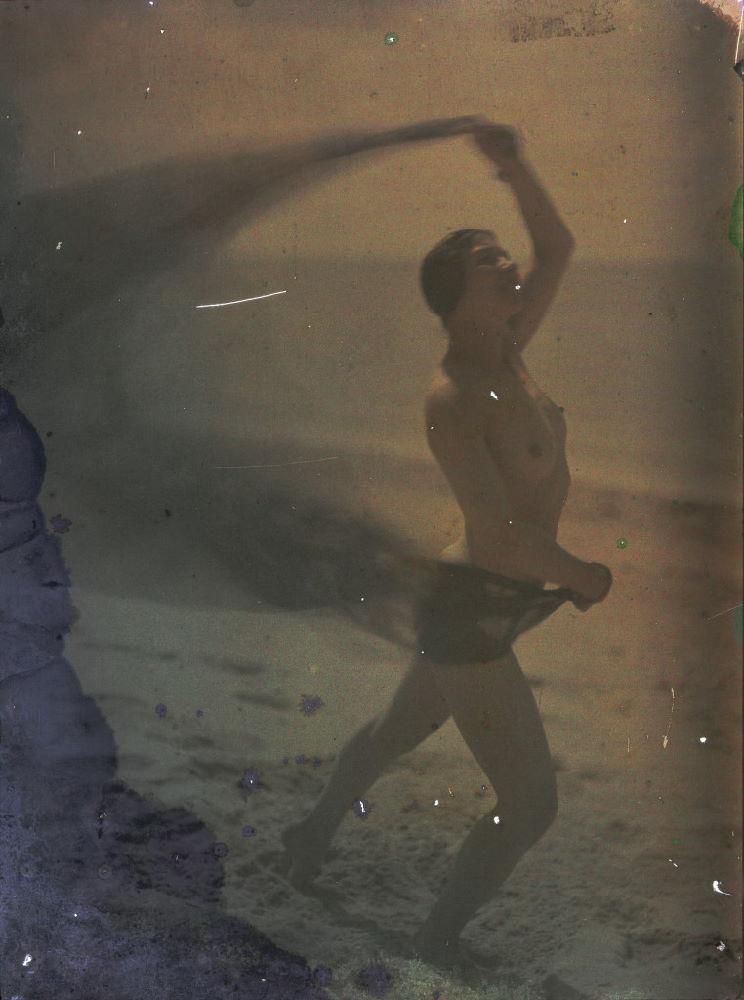
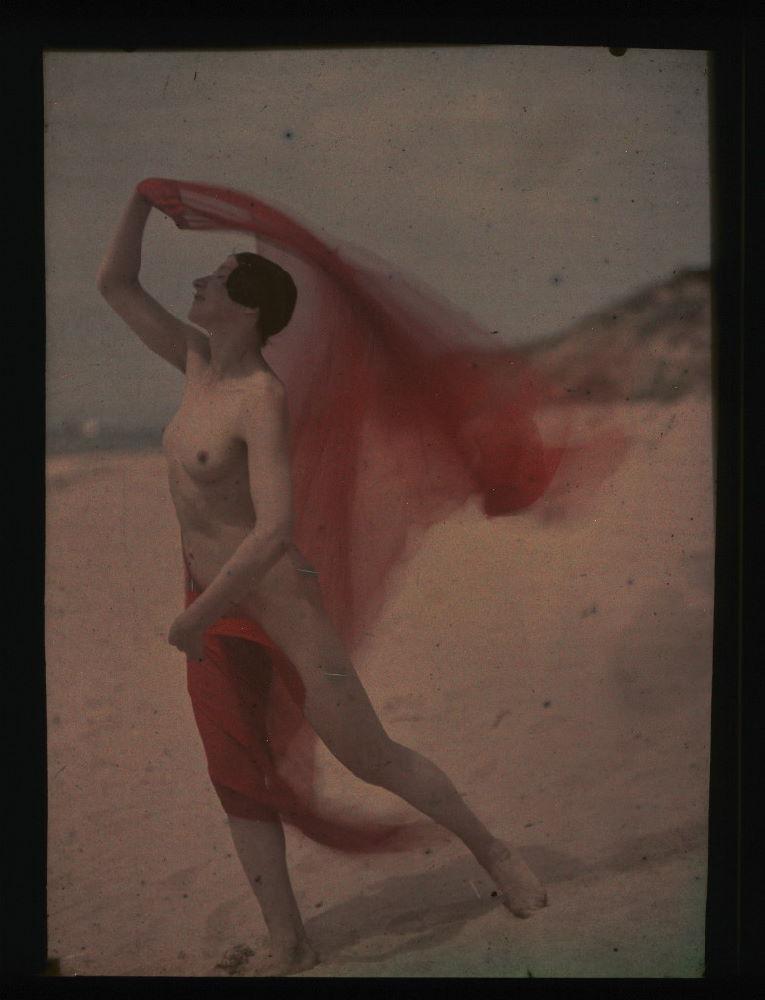
Tatiana, femme d’origine russe ayant servi de modèle à Louis Lessieux, pose sur un certain nombre de photographies autochromes dont cinq connues la représentant sur une plage de l’île d’Oléron.
Tatiana, a woman of Russian origin who served as a model for Louis Lessieux, poses in a number of Autochrome photographs, five of which are known to represent her on a beach on the island of Oléron. (quoted from source)
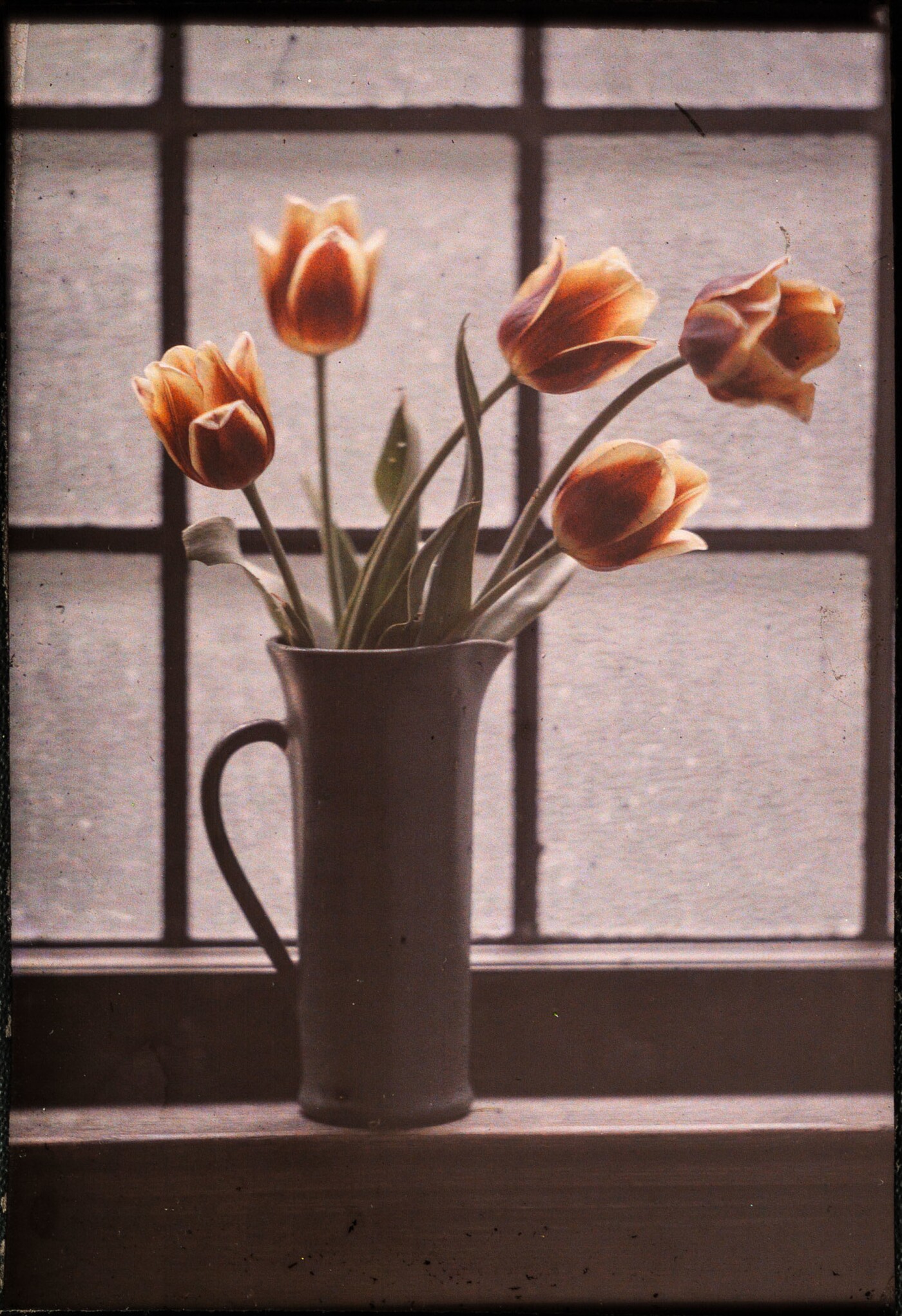

(*) Additive Color Screen Plate or Screen Plate were known commonly by the product name: Autochrome, Filmcolor, Lumicolor, Alticolor. Used mainly between 1907 and 1935. Initially it has a glass support; later products on film supports. This process was the first fully practical single-plate color process. The Autochrome plate or Screen plate could record both saturated and subtle colors with fidelity, and since the screen and the image were combined, there were no registration problems. Nonetheless, it had its drawbacks: the exposure times were long, and the processed plates were very dense, transmitting only less than the 10% of the light reaching them.
The result is a soft, subdued, dreamy colored image. And grainy. Although the starch grain filters were microscopically small their random distribution meant that inevitably there would be clumping of grains of the same color.

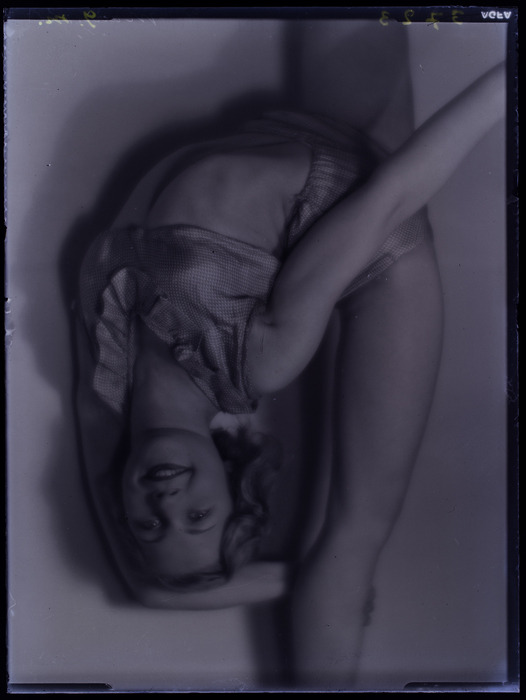
 un regard oblique