
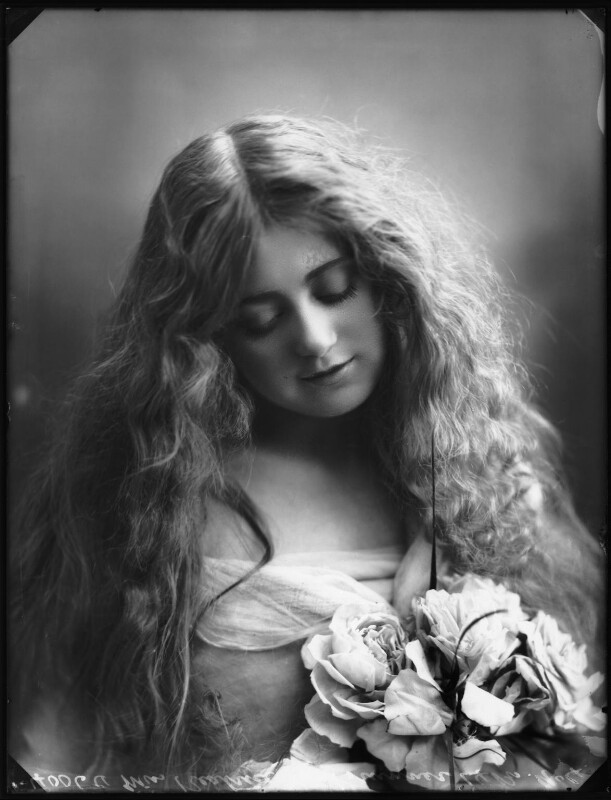
Bassano Ltd ::
Gina Palerme, 12 March 1912. Whole-plate glass negative. / src: NPG
more [+] by Bassano Ltd.
images that haunt us
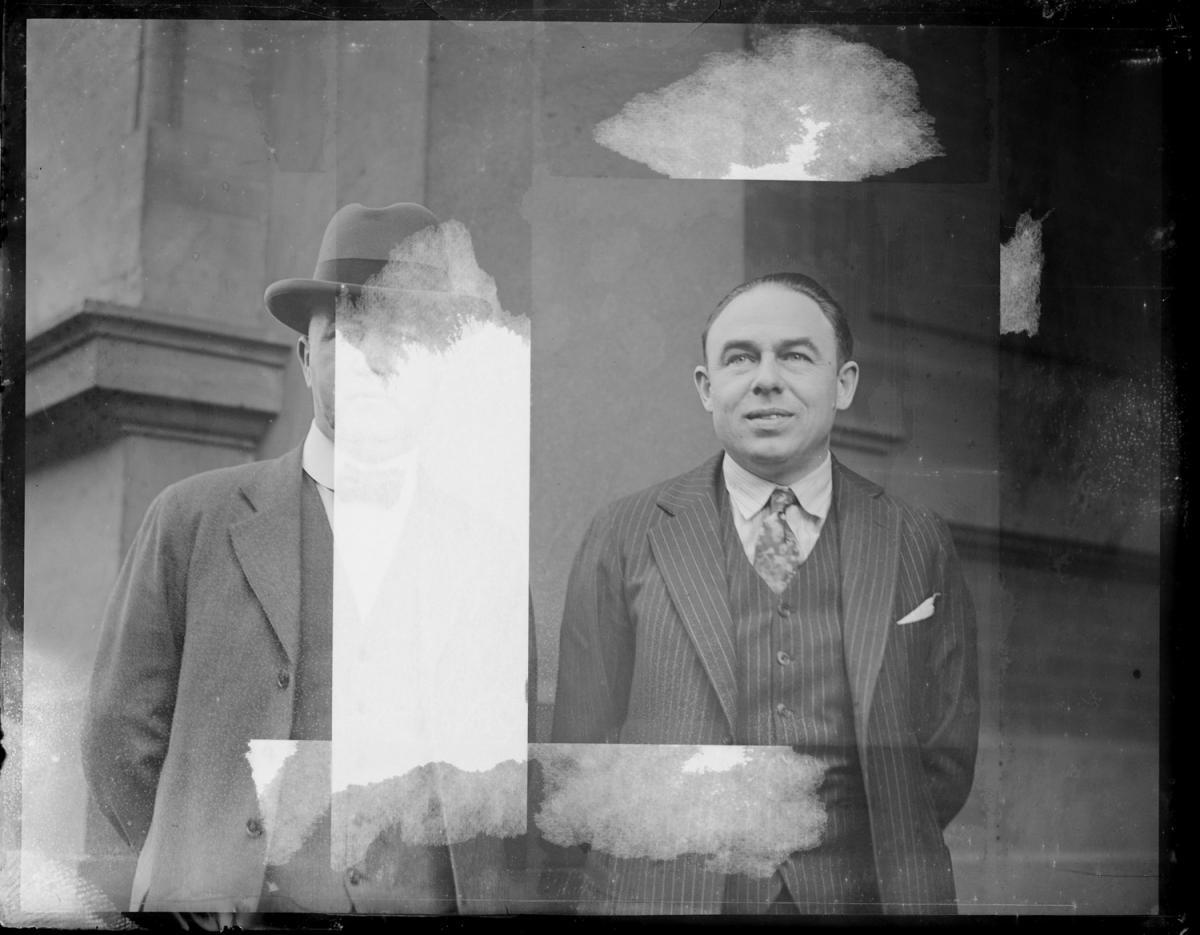
Leslie Jones ::
The man that squaled on Gerald Chapman and sent him to the gallows. His name is ‘Shean.’, ca. 1925 [Title and date from information provided by Leslie Jones or the Boston Public Library on the negative or negative sleeve.]. Courtesy of the Boston Public Library, Leslie Jones Collection
via ohwiewunderbar / original source: leslie.jones.photography
more [+] by this photographer


![Martin Munkácsi :: [Rehearsal for children’s dance performance], ca. 1934. Glass plate negative. | src ICP](https://unregardoblique.com/wp-content/uploads/2022/10/martin-munkacsi-rehearsal-for-childrens-dance-performance-ca.-1934.-glass-plate-negative.-src-icp.jpg?w=981)
![Martin Munkácsi :: [Rehearsal for children’s dance performance], ca. 1934. Glass plate negative. | src ICP](https://unregardoblique.com/wp-content/uploads/2022/10/martin-munkacsi-rehearsal-for-childrens-dance-performance-ca.-1934.-glass-plate-negative.-src-icp.jpg)
![Martin Munkácsi :: [Rehearsal for children’s dance performance], ca. 1934. Glass plate negative. | src ICP](https://live.staticflickr.com/65535/52397574166_f680a96bc0_o.png)
![Martin Munkácsi :: [Rehearsal for children’s dance performance], ca. 1934. Glass plate negative. | src ICP](https://live.staticflickr.com/65535/52398000315_56598b037d_o.png)
![Martin Munkácsi :: [Rehearsal for children’s dance performance], ca. 1934. Glass plate negative. | src ICP](https://live.staticflickr.com/65535/52398065058_2f86499ea7_o.png)
![Martin Munkácsi :: [Rehearsal for children’s dance performance], ca. 1934. Glass plate negative. | src ICP](https://live.staticflickr.com/65535/52397574226_e9728e641a_o.png)
![Martin Munkácsi :: [Woman and two children feeding ducks], 1937. Glass plate negatives. | src ICP](https://unregardoblique.com/wp-content/uploads/2022/10/martin-munkacsi-woman-and-two-children-with-ducks-1937-glass-plate-negative.jpg)

Whitney Lewis-Smith ::
Monster, 2014. From ‘A Garden of Natural Fascinations’ series. Large format glass plate photography / via les-sources-du-nil / original src: Whitney Lewis-Smith


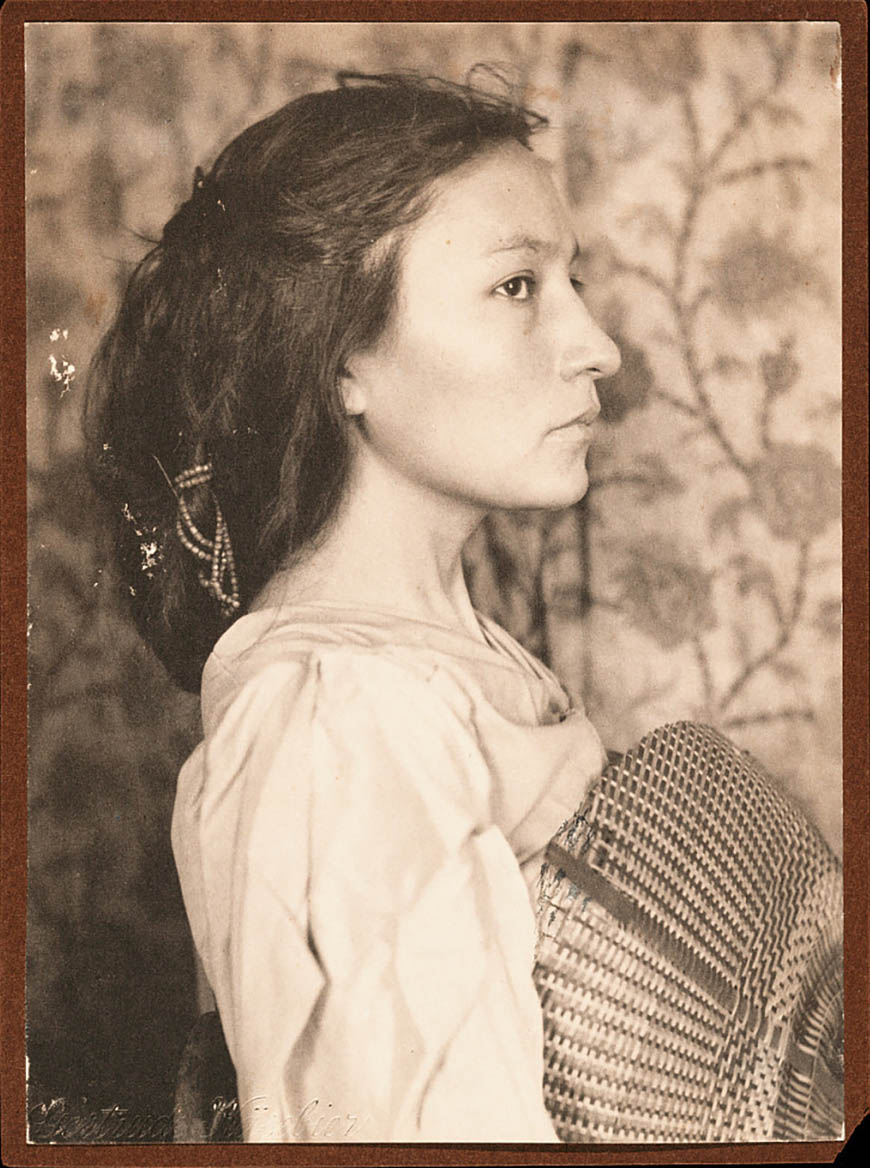
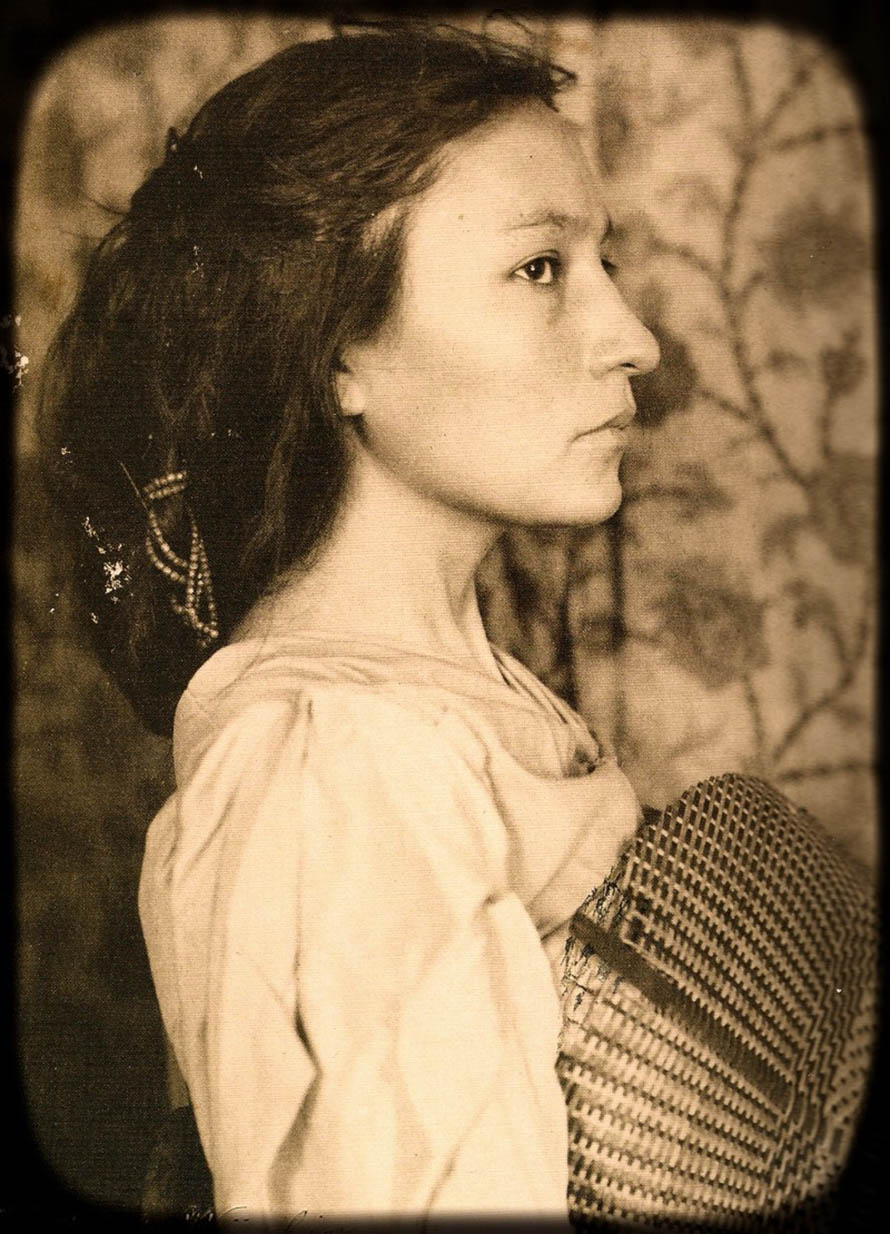
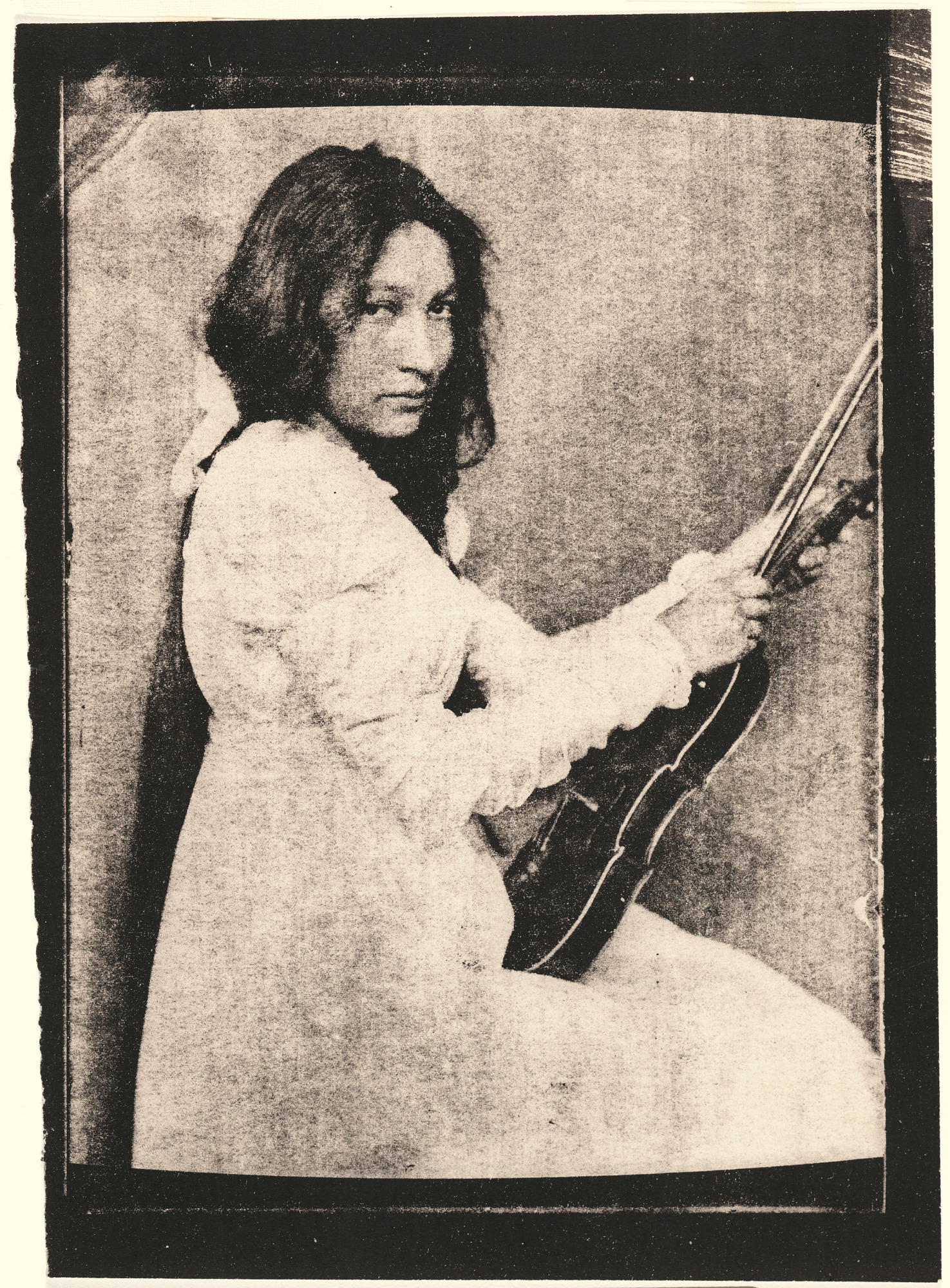
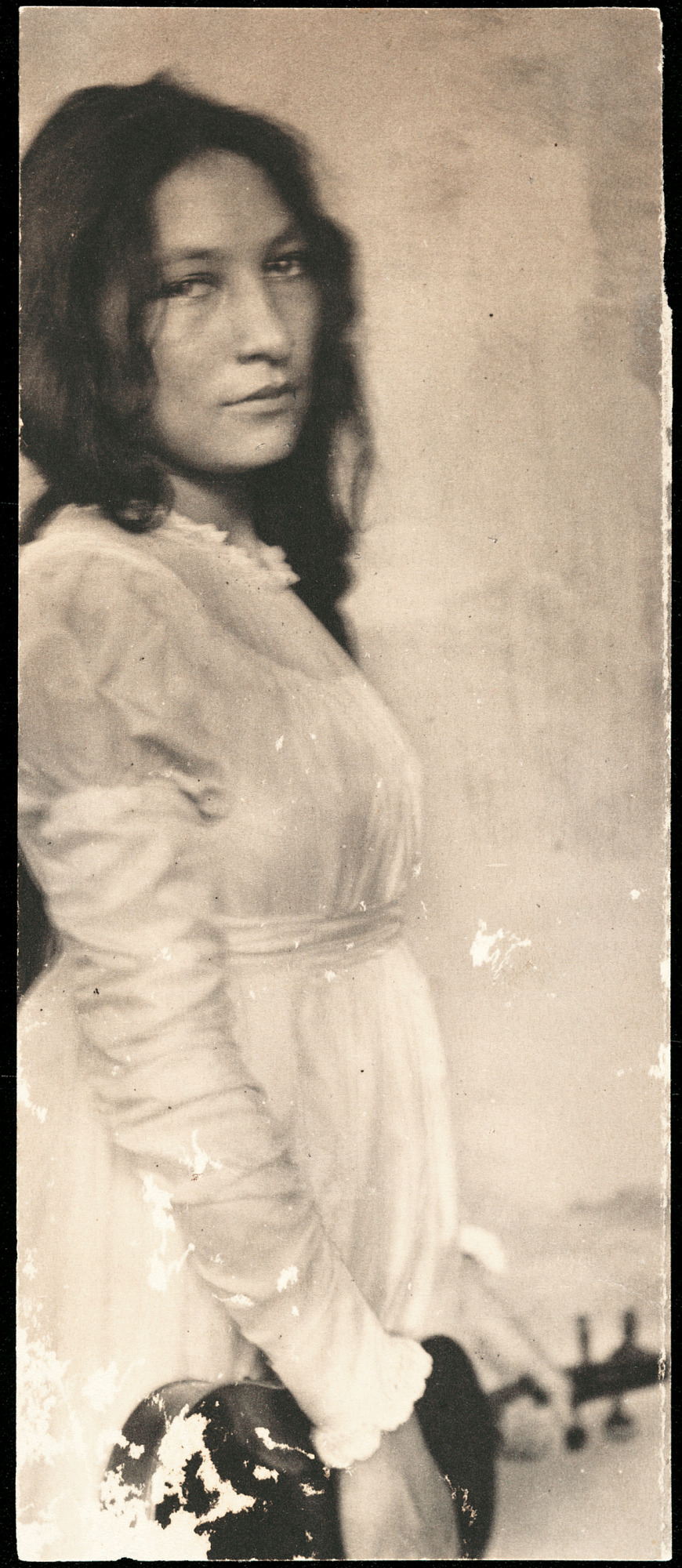
In addition to photographing the Sioux performers sent by Buffalo Bill Cody to her studio, Käsebier was able to arrange a portrait session with Zitkala Sa, “Red Bird,” also known as Gertrude Simmons (1876-1938), a Yankton Sioux woman of Native American and white ancestry. She was born on the Pine Ridge Reservation in South Dakota, like many of the Sioux traveling with the Wild West show. She was well educated at reservation schools, the Carlisle Indian School, Earlham College in Indiana, and the Boston Conservatory of Music. Zitkala Sa became an accomplished author, musician, composer, and dedicated worker for the reform of United States Indian policies.
Käsebier photographed Zitkala Sa in tribal dress and western clothing, clearly identifying the two worlds in which this woman lived and worked. In many of the images, Zitkala Sa holds her violin or a book, further indicating her interests. Käsebier experimented with backdrops, including a Victorian floral print, and photographic printing. She used the painterly gum-bichromate process for several of these images, adding increased texture and softer tones to the photographs. (quoted from NMAH)




 un regard oblique