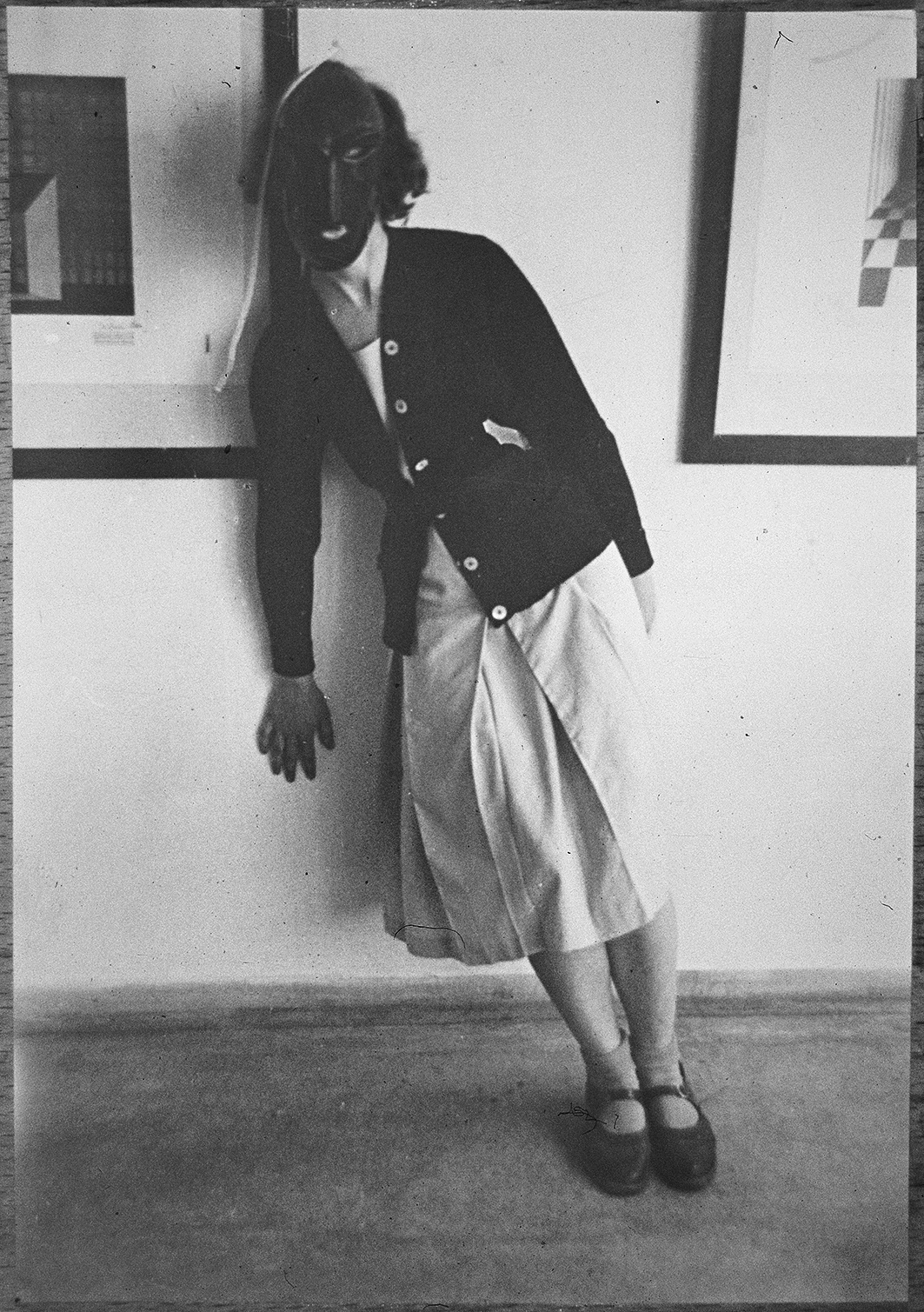
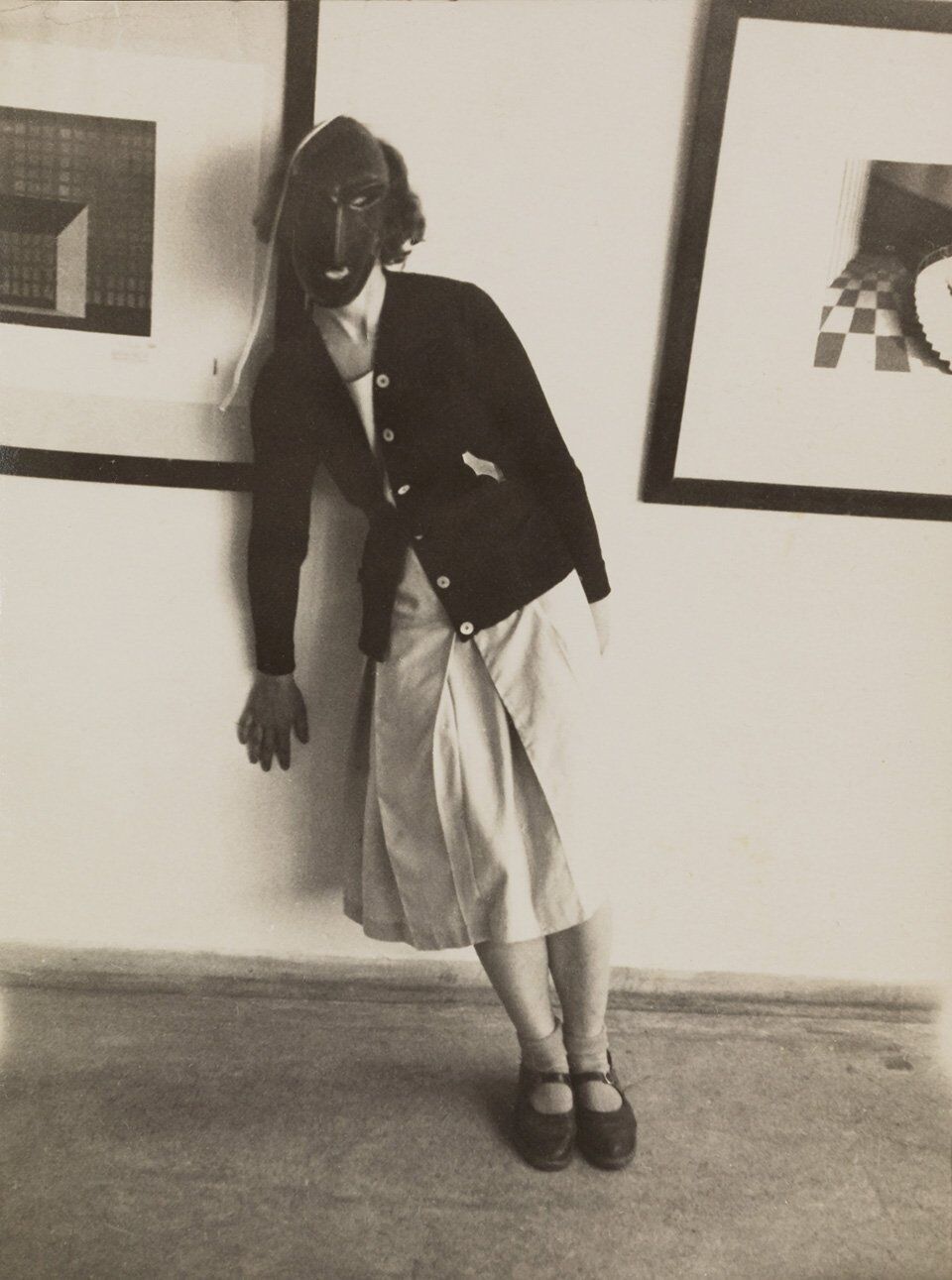
Bauhäuslerin mit Maske · 1927

Hajo Rose (1910-1989) ~ Bauhäuslerin mit Maske (Katja im Bauhaus), um 1930 | src Deutsche Fotothek
Bauhaus student in a mask from the Triadic Ballet, ca.1927. Courtesy Getty Research Institute | src frieze
From: Bauhausmädels. A Tribute to Pioneering Women Artists (Taschen, 2019)

Betty in her attic by Weston

Edward H. Weston (1886 – 1958) ~ Betty Katz in her attic (seated, smoking), Los Angeles, 1920. Palladium print | src Getty museum

This particular photograph is part portrait and part compositional experiment with Weston’s growing interest in the formal concerns of Modernism. Katz is shown sitting in a niche where a network of large intersecting planes made up of the attic’s floor, walls, and dormers and articulated in varying shades by light entering from an unseen window on the right.
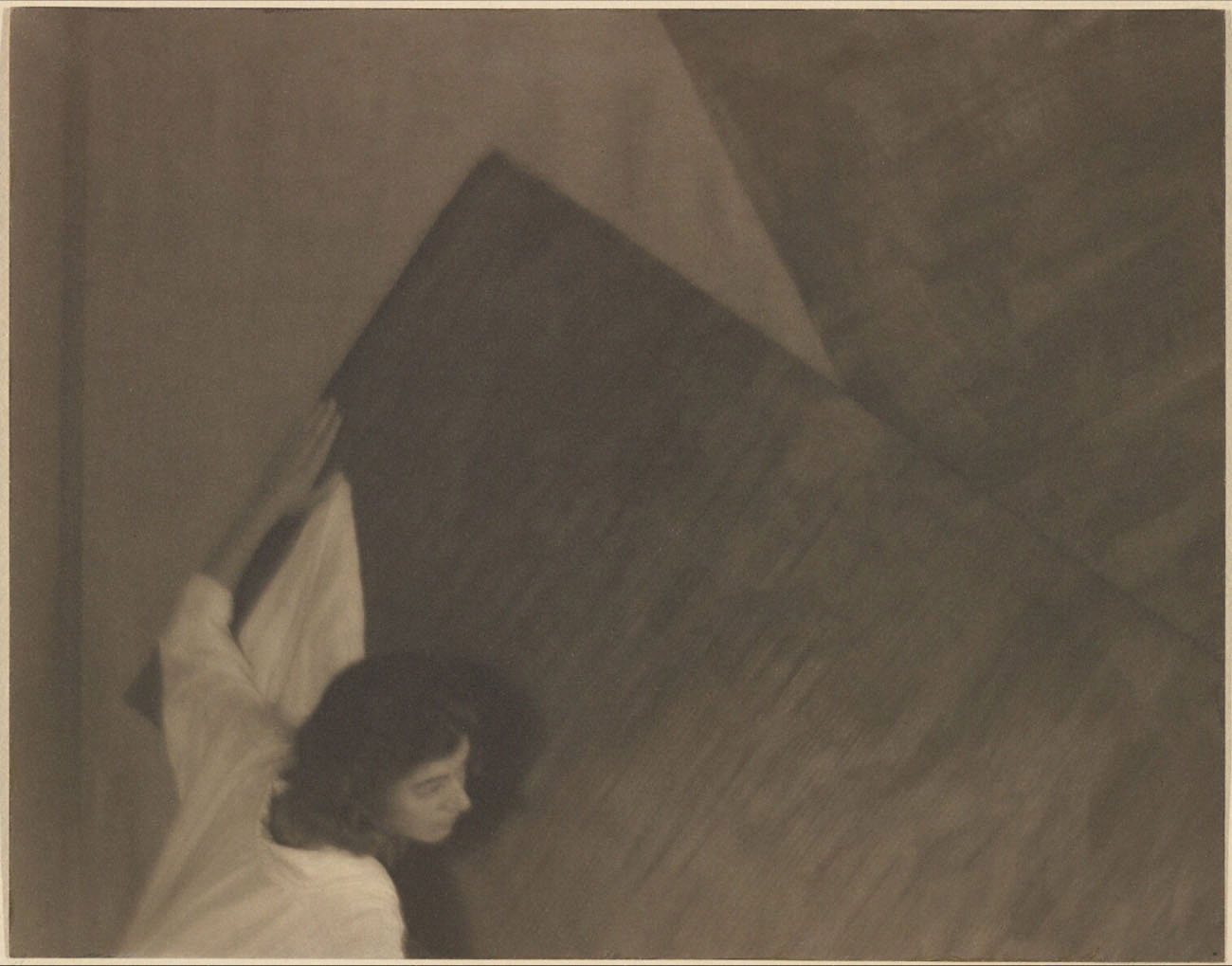
Edward H. Weston (1886 – 1958) ~ Betty Katz in her attic, Los Angeles, 1920. Palladium print | src Getty museum

This particular photograph is Pictorialist in its soft focus and compositional arrangement. However, it is also Modernist in its self-conscious use of space and form as subjects of the photograph. Weston subordinated Katz’s figure to the graphic abstraction of the large rectangles that she appears to hold up. The print’s muted tones flatten the image’s depth, reducing the room to a two-dimensional space.
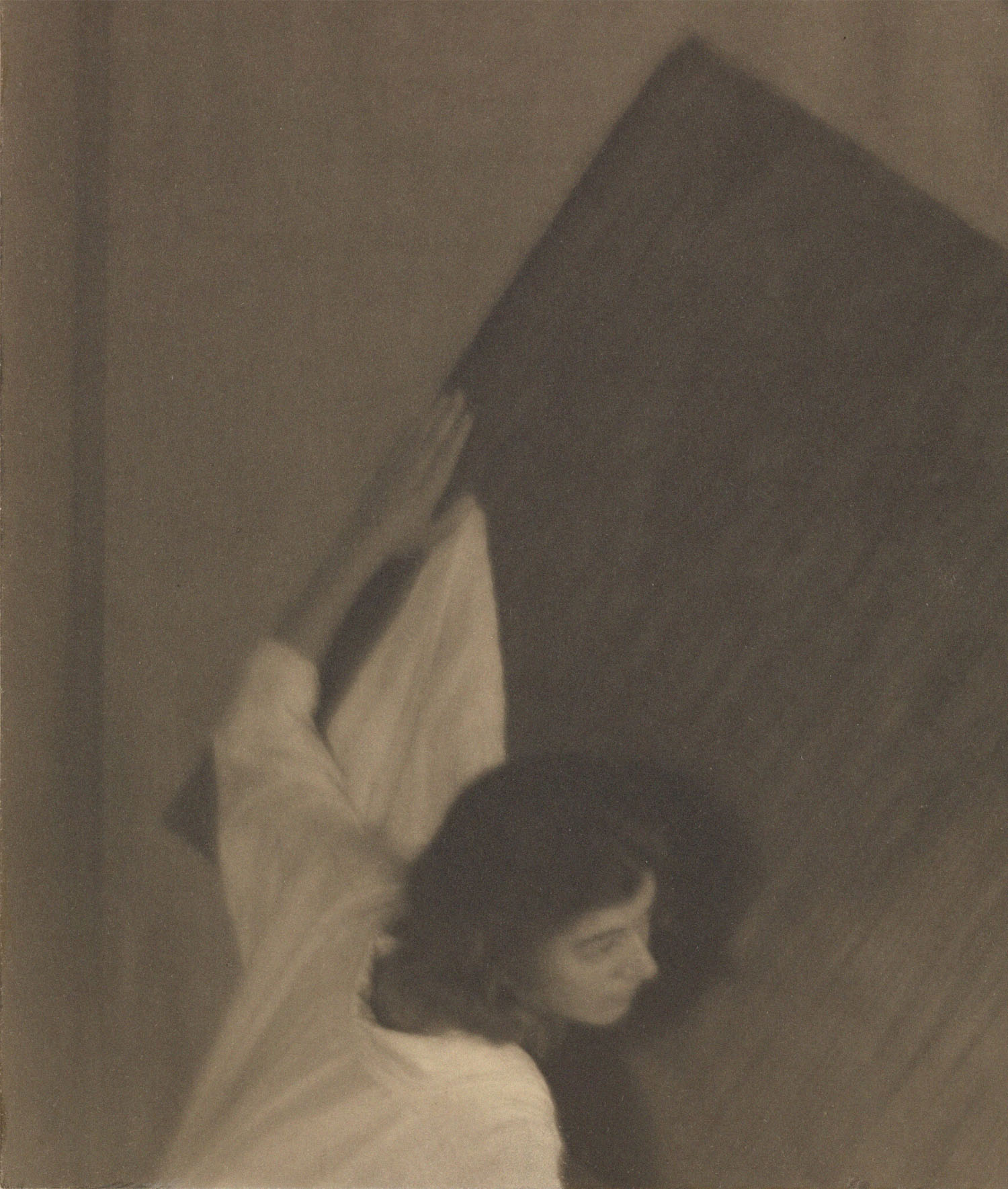
Edward H. Weston (1886 – 1958) ~ Betty Katz in her attic, Los Angeles, 1920. Palladium print (detail)

A critic for Pictorial Photography, wrote about this image: “Queerness for its own sake must have obsessed Edward Weston when he recorded the stiff and angular lines in Betty in Her Attic . . . , although there is no denying the truth and beauty of tones of the floors and walls. But the position of the girl!—is there not a touch of cussedness in that?”

Edward H. Weston (1886 – 1958) ~ Betty Katz in Her Attic, Los Angeles, 1920. Palladium print | src Getty museum

This particular photograph is part portrait and part compositional experiment with Weston’s growing interest in the formal concerns of Modernism. Katz is shown tucked into a network of large intersecting planes made up of the attic’s floor, walls, and dormers and articulated in varying shades by light entering from an unseen window on the left.
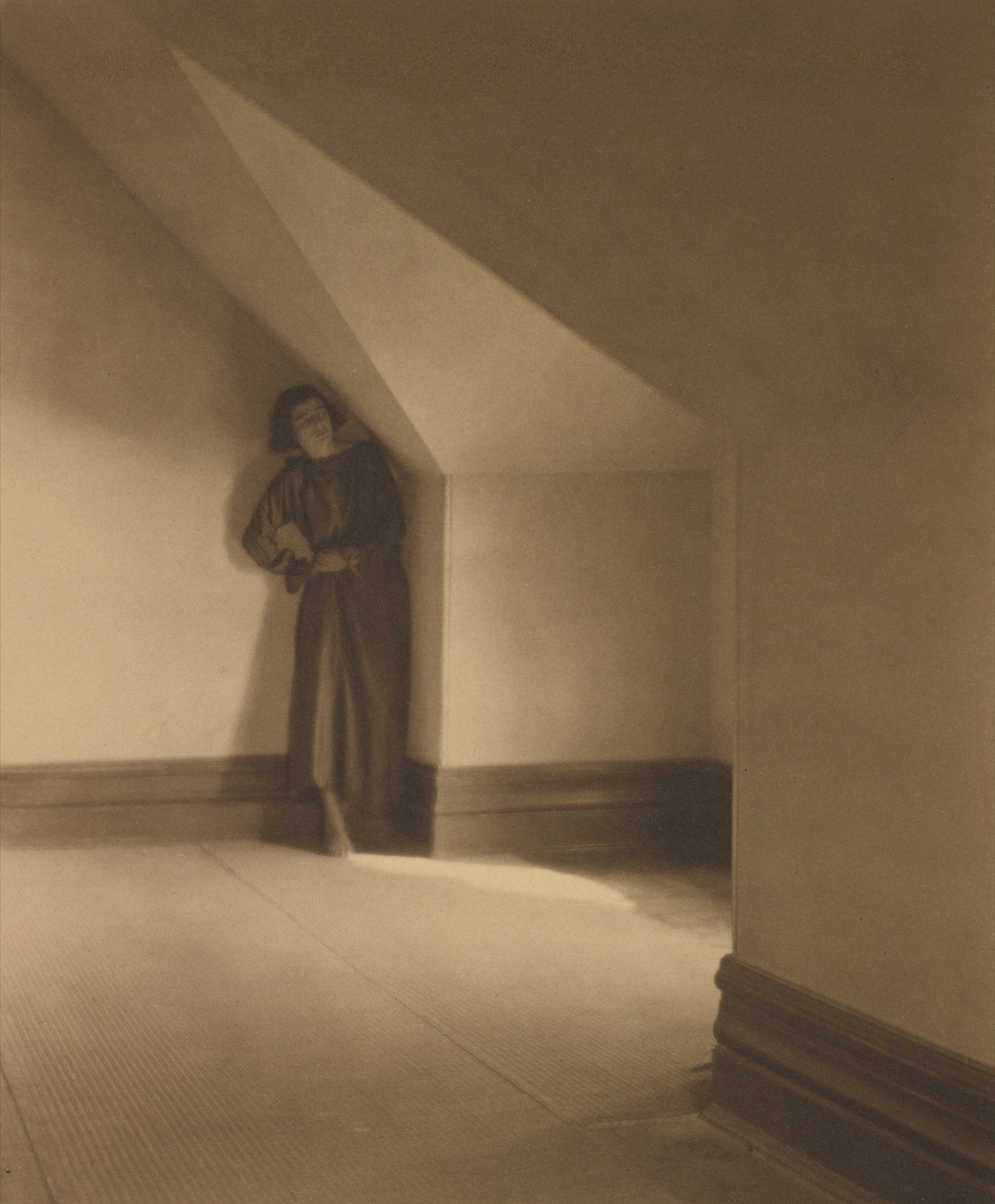
Edward H. Weston (1886 – 1958) ~ Betty Katz in Her Attic, Los Angeles, 1920 | src Getty museum

This particular photograph is part portrait and part compositional experiment with Weston’s growing interest in the formal concerns of Modernism. Katz is shown tucked into a network of large intersecting planes made up of the attic’s floor, walls, and dormers and articulated in varying shades by light entering from an unseen window on the right.
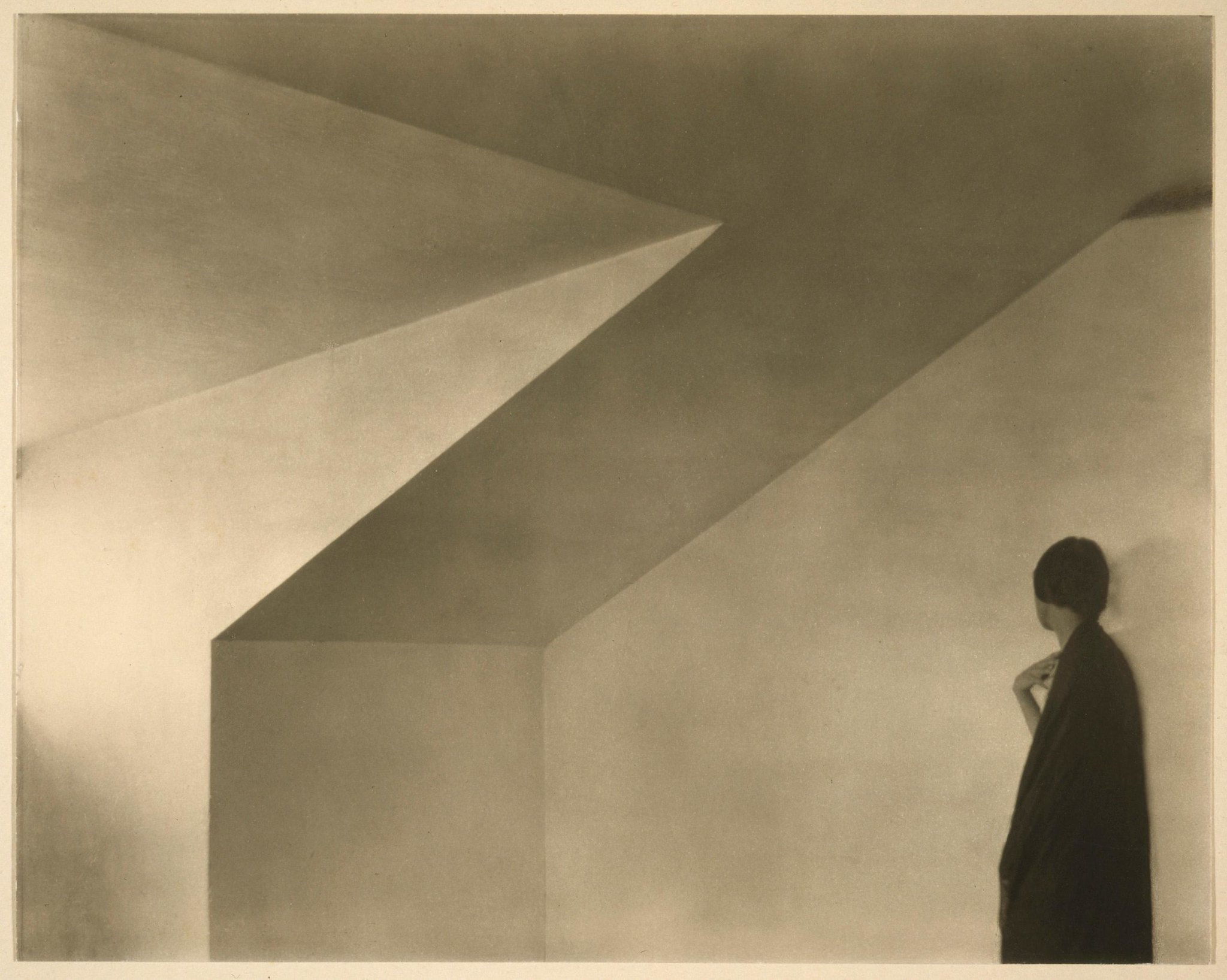
Edward H. Weston (1886 – 1958) ~ Attic, Glendale, California, 1921. Platinum print | src George Eastman Museum

In 1920 Edward Weston began a creative series of pictures made in his friends’ attics. Reactions to these images were mixed. Imogen Cunningham (1883-1976), one of Weston’s friends and fellow photographers, wrote glowingly of one in a letter addressed to him, “It has Paul Strand’s eccentric efforts, so far as I have seen them, put entirely to shame, because it is more than eccentric. It has all the cubistically inclined photographers laid low. It is a most pleasing thing for the mind to dwell on, the mind I say and mean, not the emotions or fancies. It is literal in a most beautiful and intellectual way.”

The woman pictured is Betty Katz (later Brandner, 1895-1982), who was introduced to Weston by his colleague Margrethe Mather (1886-1952). Weston and Katz engaged in a brief affair in October 1920, when he made several other images of her in her attic and out on a balcony.

Text adapted from Brett Abbott. Edward Weston, In Focus: Photographs from the J. Paul Getty Museum [All quotes from this post retrieved from Getty museum]
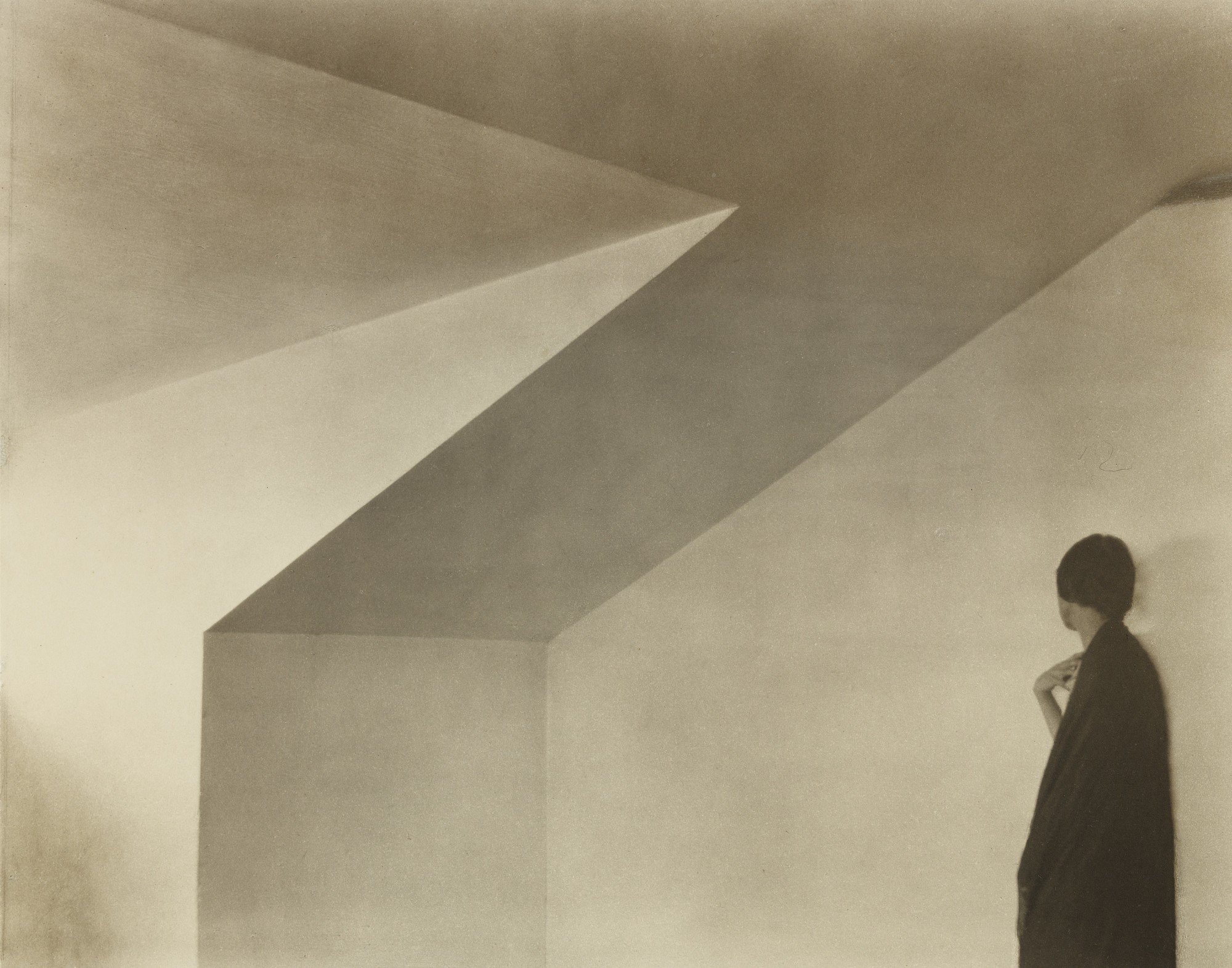
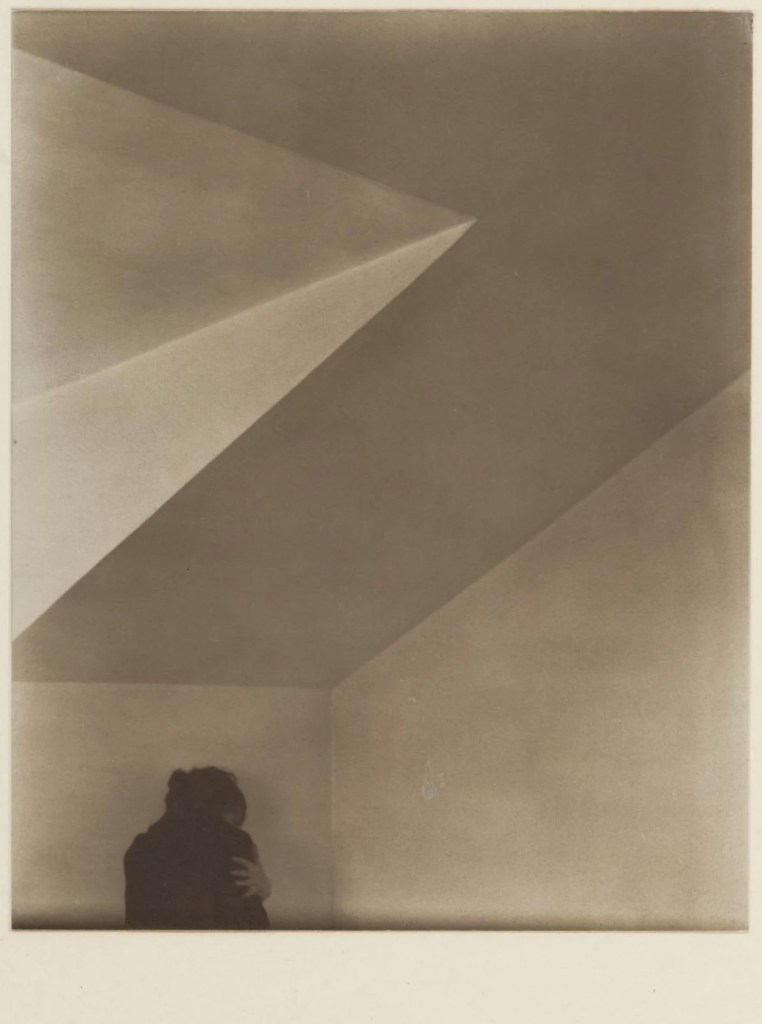
Edward H. Weston (1886 – 1958) ~ Attic [Betty Katz (?)], 1921. Palladium print. Thomas Walther Collection | src MoMA
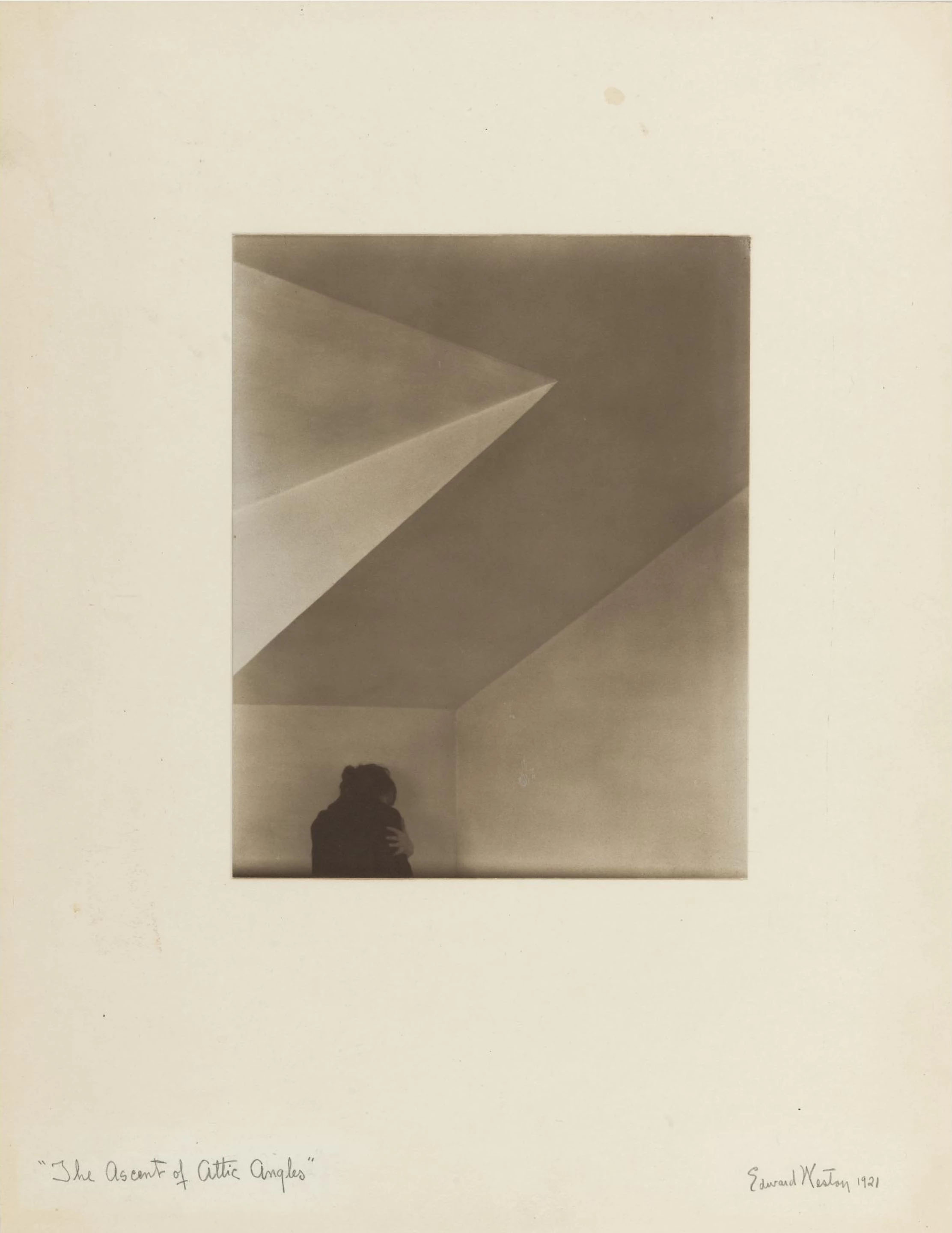
Edward H. Weston (1886 – 1958) ~ The Ascent of Attic Angles, 1921. Platinum print | src Sotheby’s
also, NMAH Smithsonian institution
Edward H. Weston (1886 – 1958) ~ The Ascent of Attic Angles, 1921. Platinum print, tipped to a large tan mount | src Sotheby’s

Karla Grosch · Metal dance

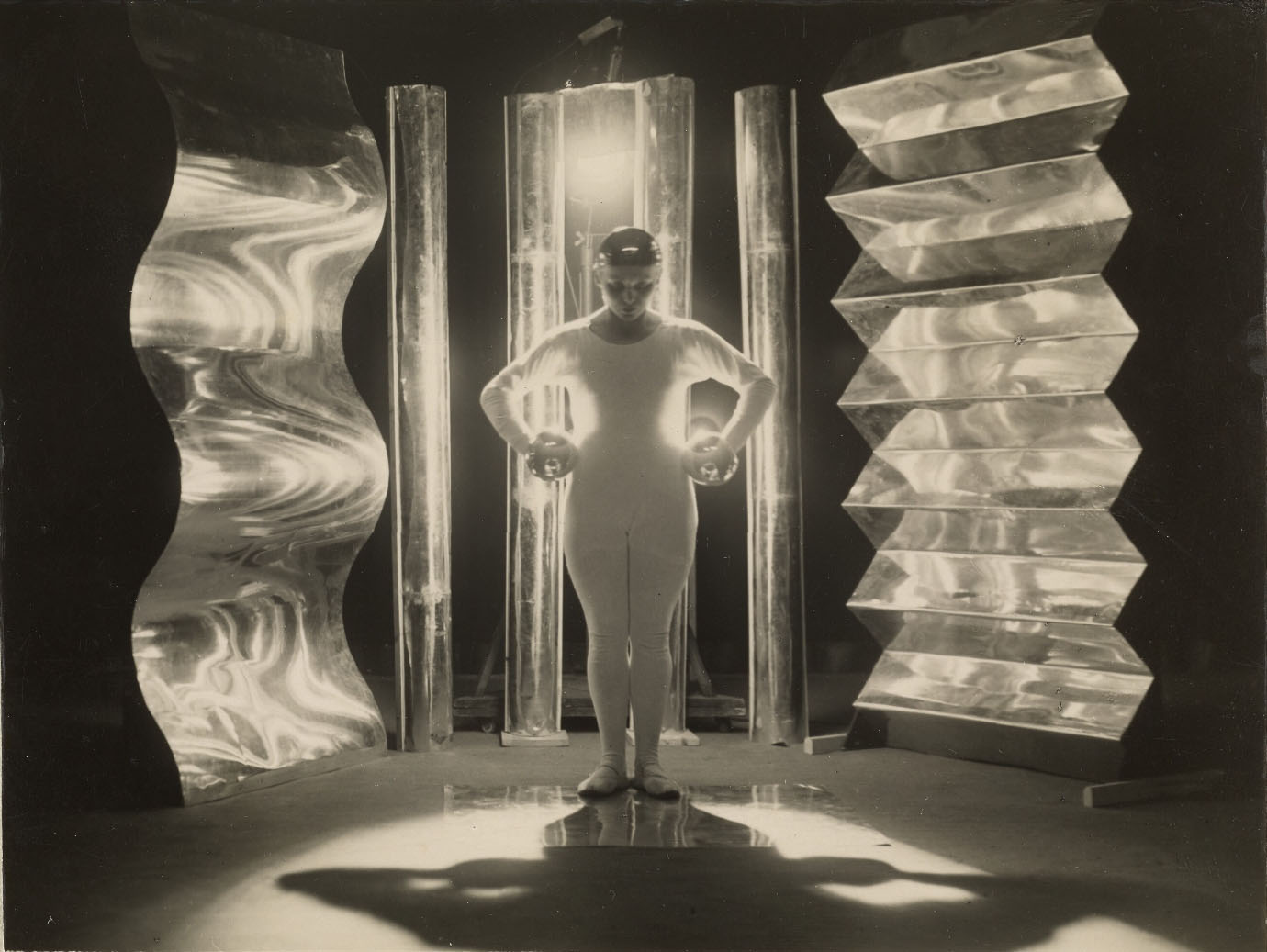
T. Lux Feininger (1910 – 2011) ~ [Metalltanz], Bauhaus Dessau, about 1928-1929 | src getty.edu

Karla Grosch’s performance of Metalltanz, or “Dance in Metal,” exploited the reflective properties of polished metal. The avant-garde performances produced by Oskar Schlemmer’s Stage Workshop at the Bauhaus School are seen today as significant forerunners of modern performance art and multimedia theater.

The photographer T. Lux Feininger studied at the Bauhaus with Schlemmer, under whose direction theater and dance became popular and important aspects of the German school’s program. [text from getty.edu]
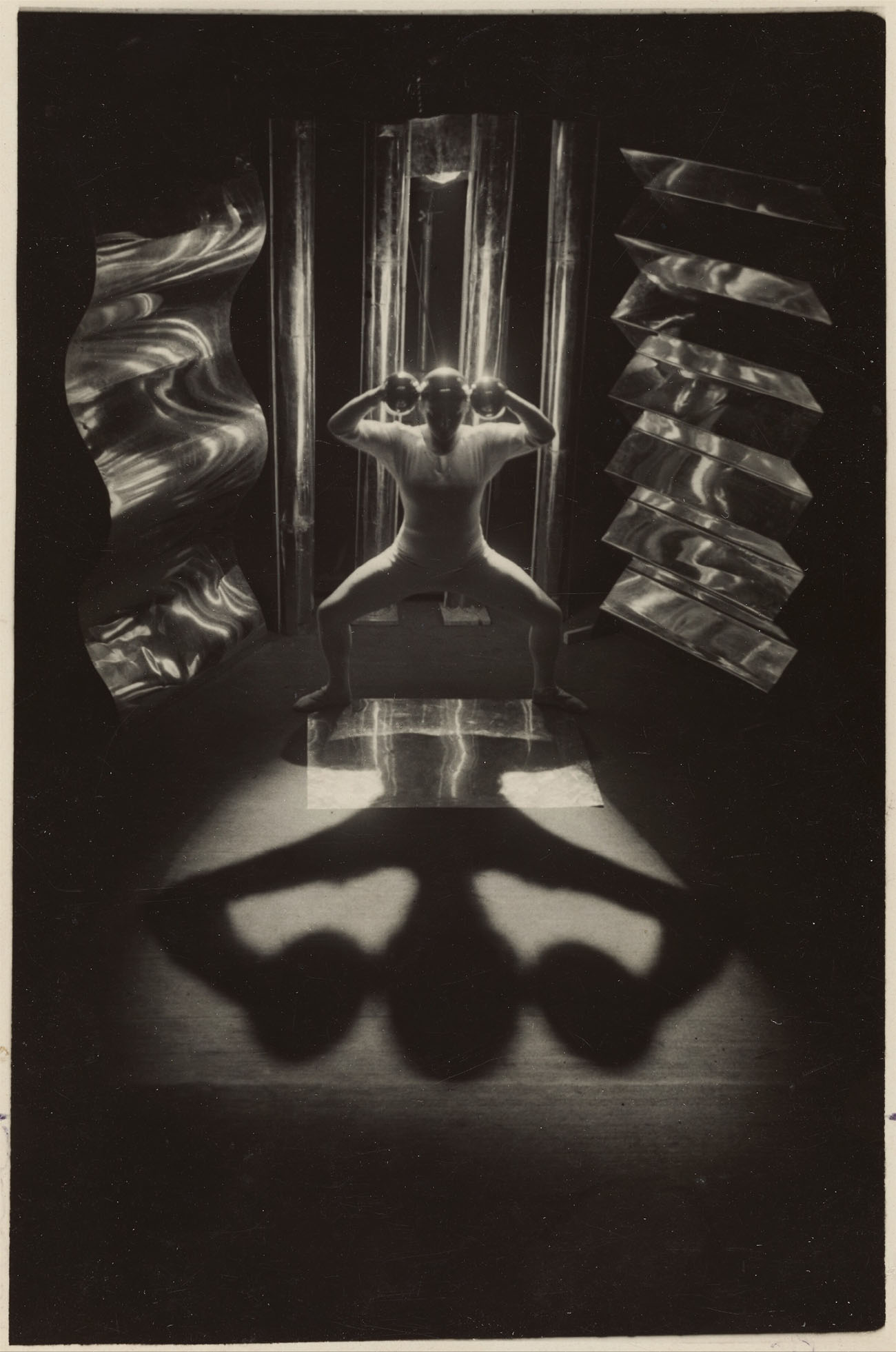
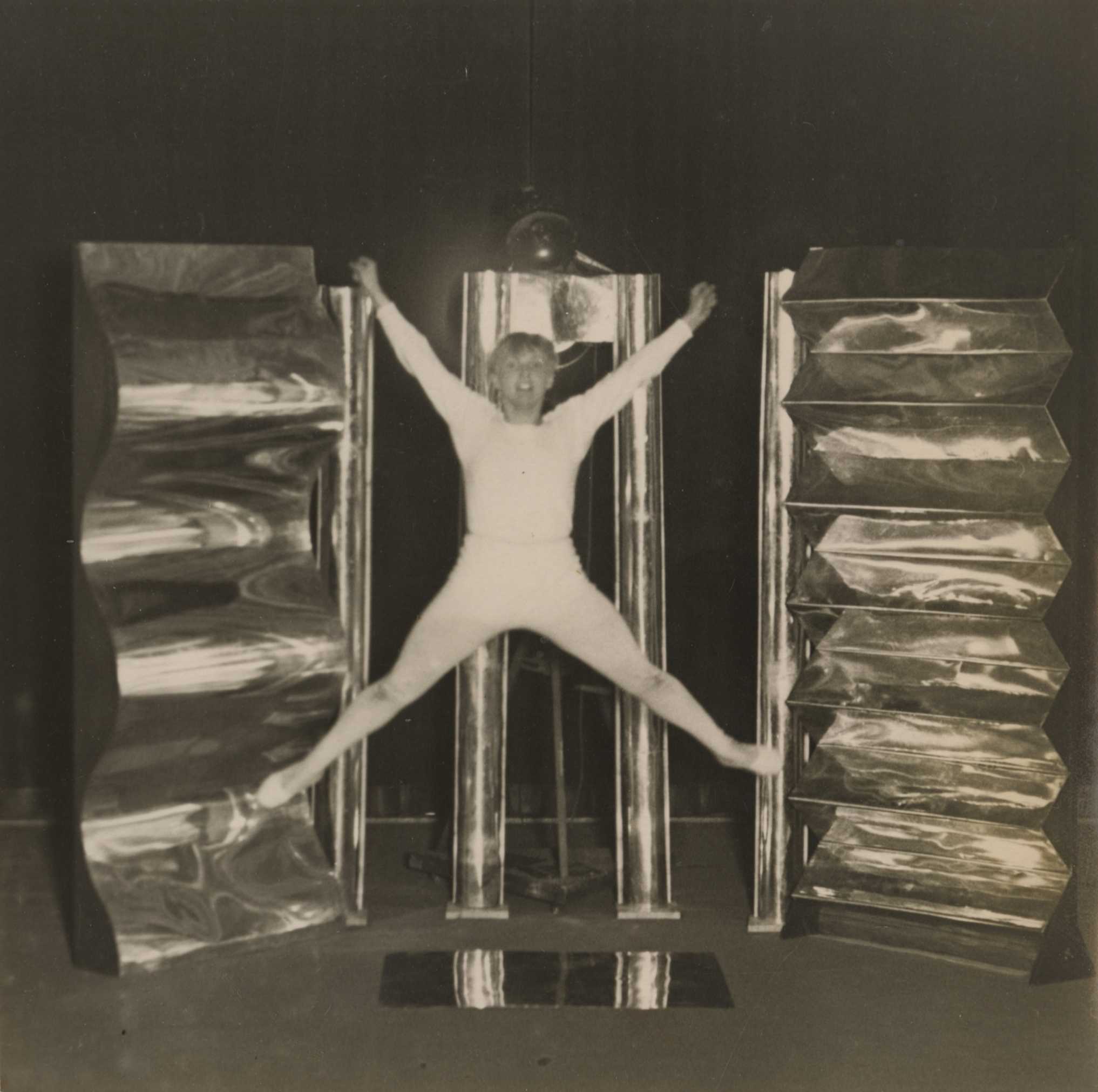
T. Lux Feininger (1910 – 2011) ~ [Metalltanz]. Dance in Metal, by Oskar Schlemmer, performed by Karla Grosch, Dessau, ca. 1928-1929 | src Getty museum
T. Lux Feininger ~ Untitled (Bauhaus Stage; Dance in Metal by Oskar Schlemmer, performed by Karla Grosch), ca. 1928 | src Kicken Galerie Berlin at Art Basel 2019

Henry P. Bosse · Cyanotypes

Henry P. Bosse (1844 – 1903) ~ Mouth of Wisconsin River, 1885, Cyanotype | src The Metropolitan Museum of Art
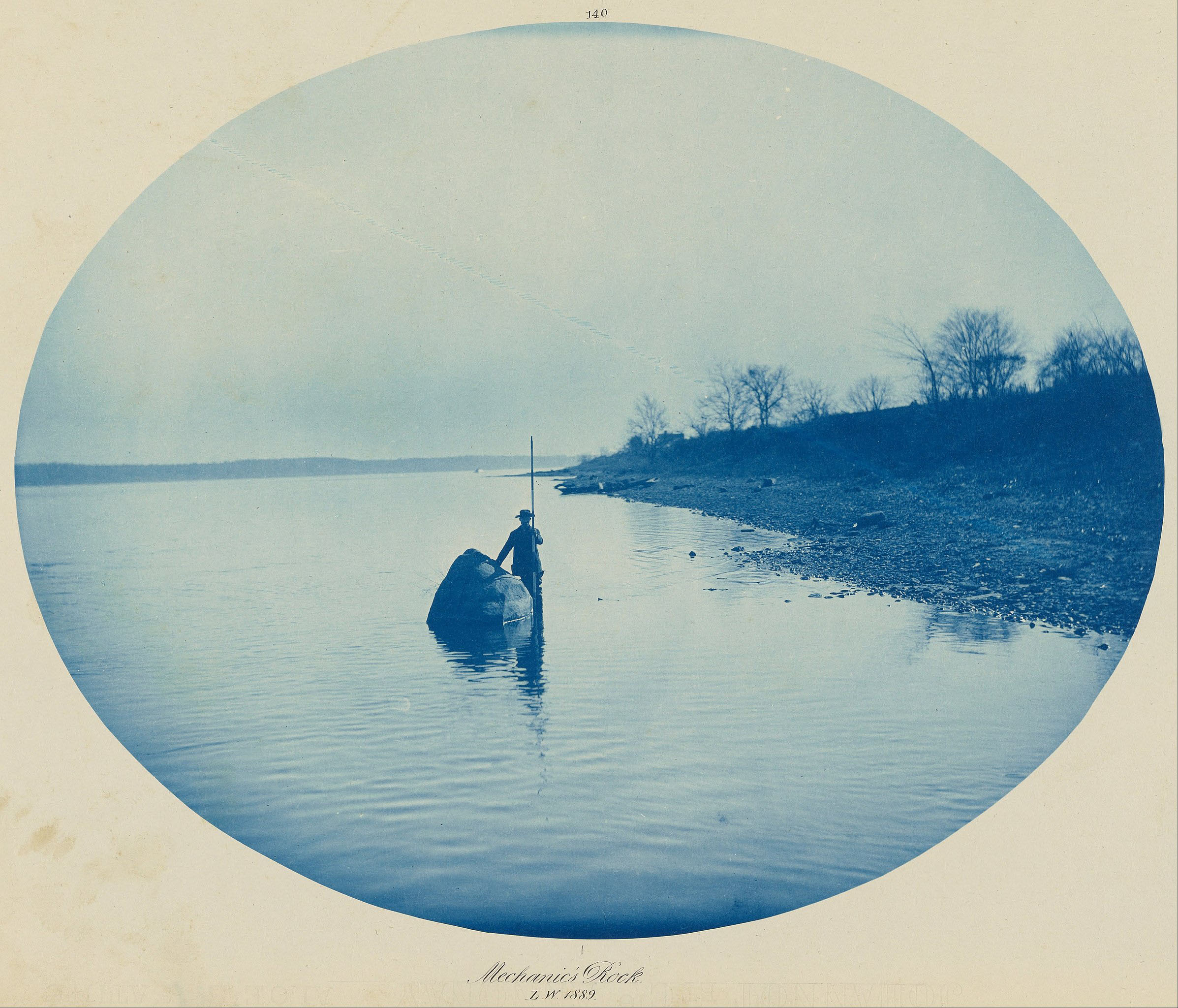
Henry Peter Bosse (1844 – 1903) ~ Mechanic’s Rock, Low Water, 1889. Cyanotype | src Getty Museum
Man walking through low water in river.
Henry Bosse (1844-1903) ~ Broken Closing Dam in Shokokon Slough, 1891. Cyanotype depicting a figure sitting on wooden posts next to a break in a river dam. From the series “Views on the Mississippi River” | src Revere auctions
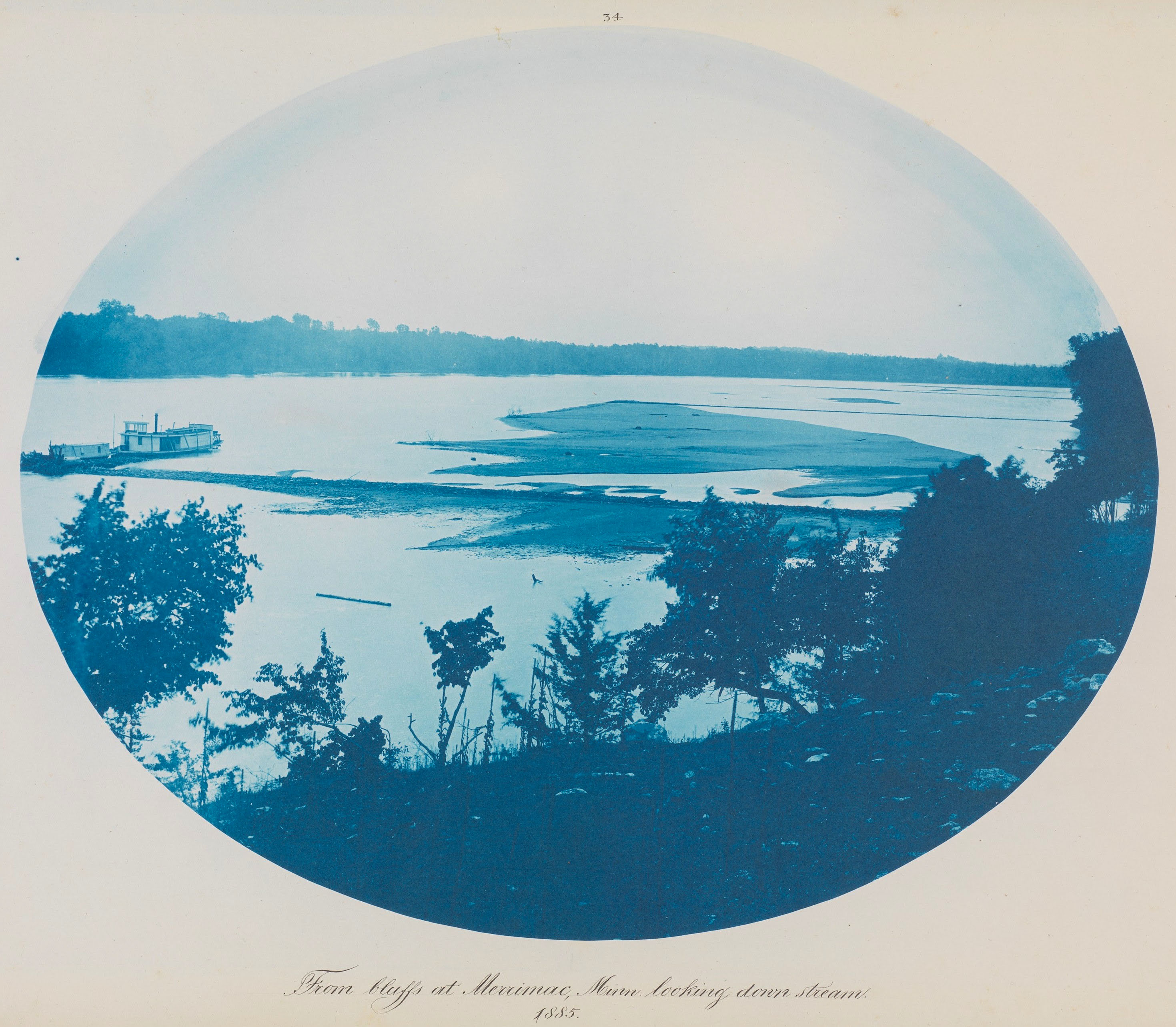
Henry P. Bosse ~ No. 34. From Bluffs at Merrimac, Minnesota Looking Down Stream, 1885. Cyanotype | src The Met
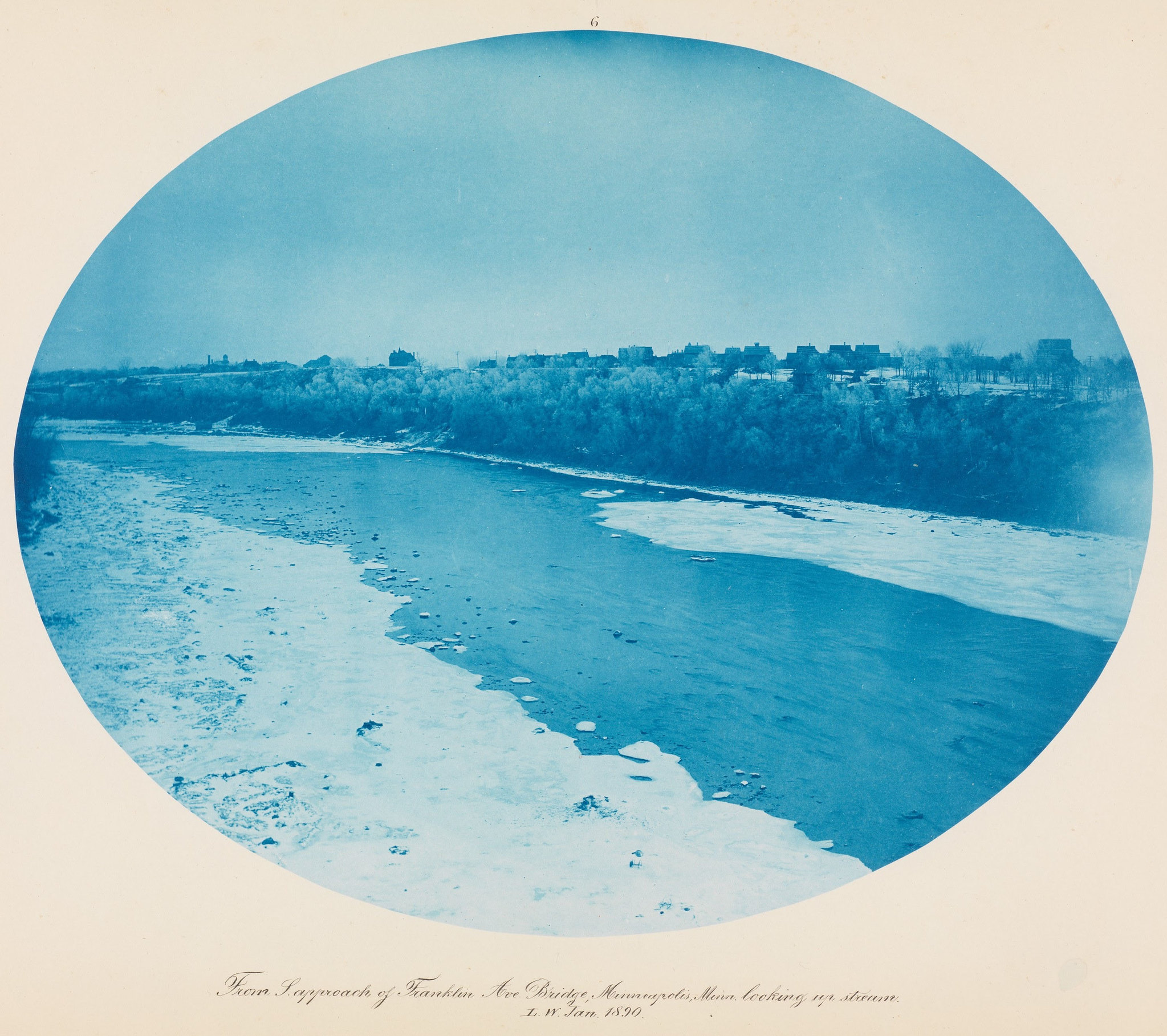
No. 6. From South Approach of Franklin Ave Bridge, Minneapolis, Minnesota Looking Up Stream (Low Water), Jan. 1890 | The Met
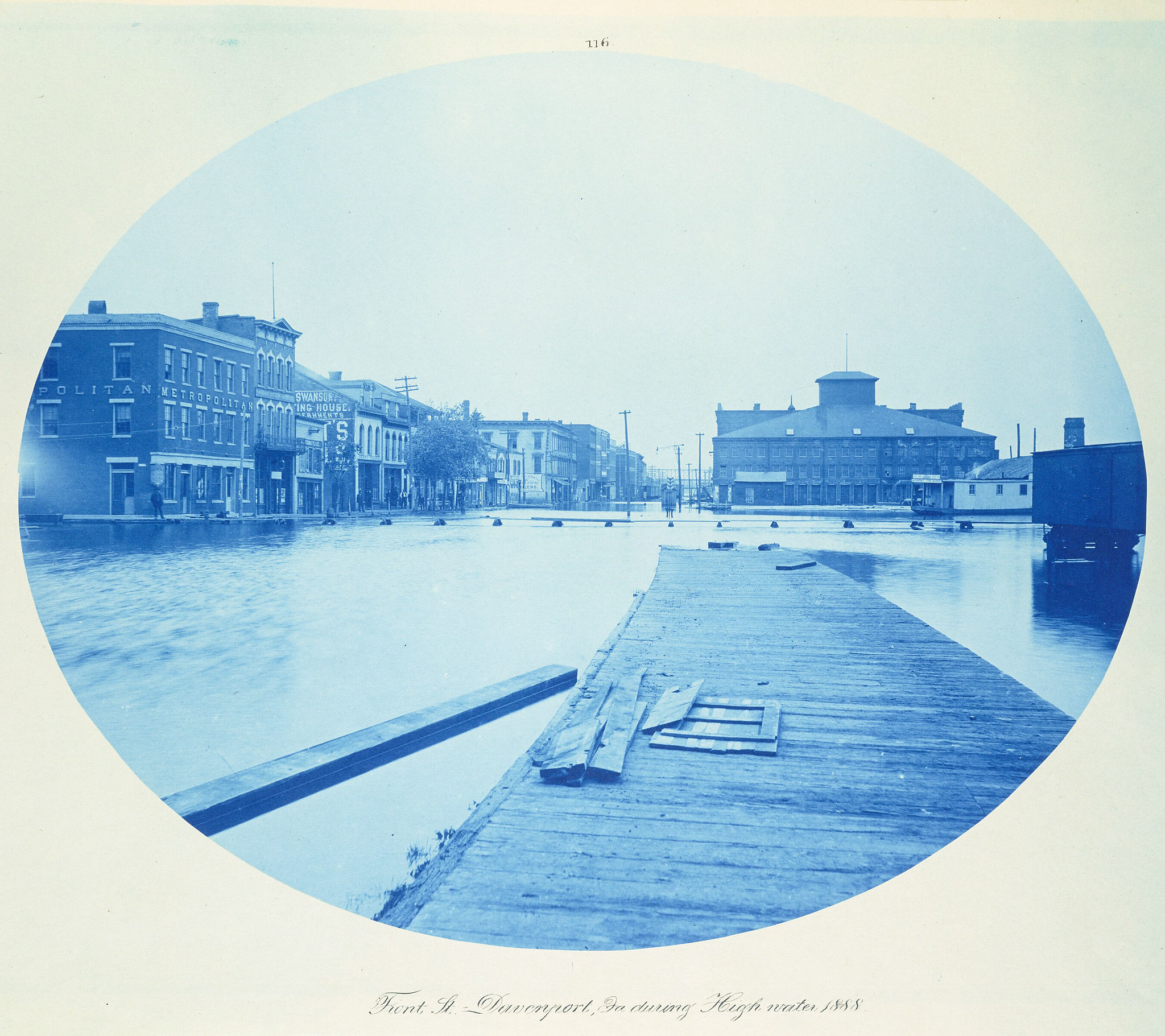
Henry Peter Bosse (1844 – 1903) ~ Front Street – Davenport, Iowa, during High Water, 1888. Cyanotype | src Getty Museum
No. 193a. Old Ponton Bridge at Prairie du chien, Wisconsin, 1885 (Cyanotype) | src The Metropolitan Museum of Art
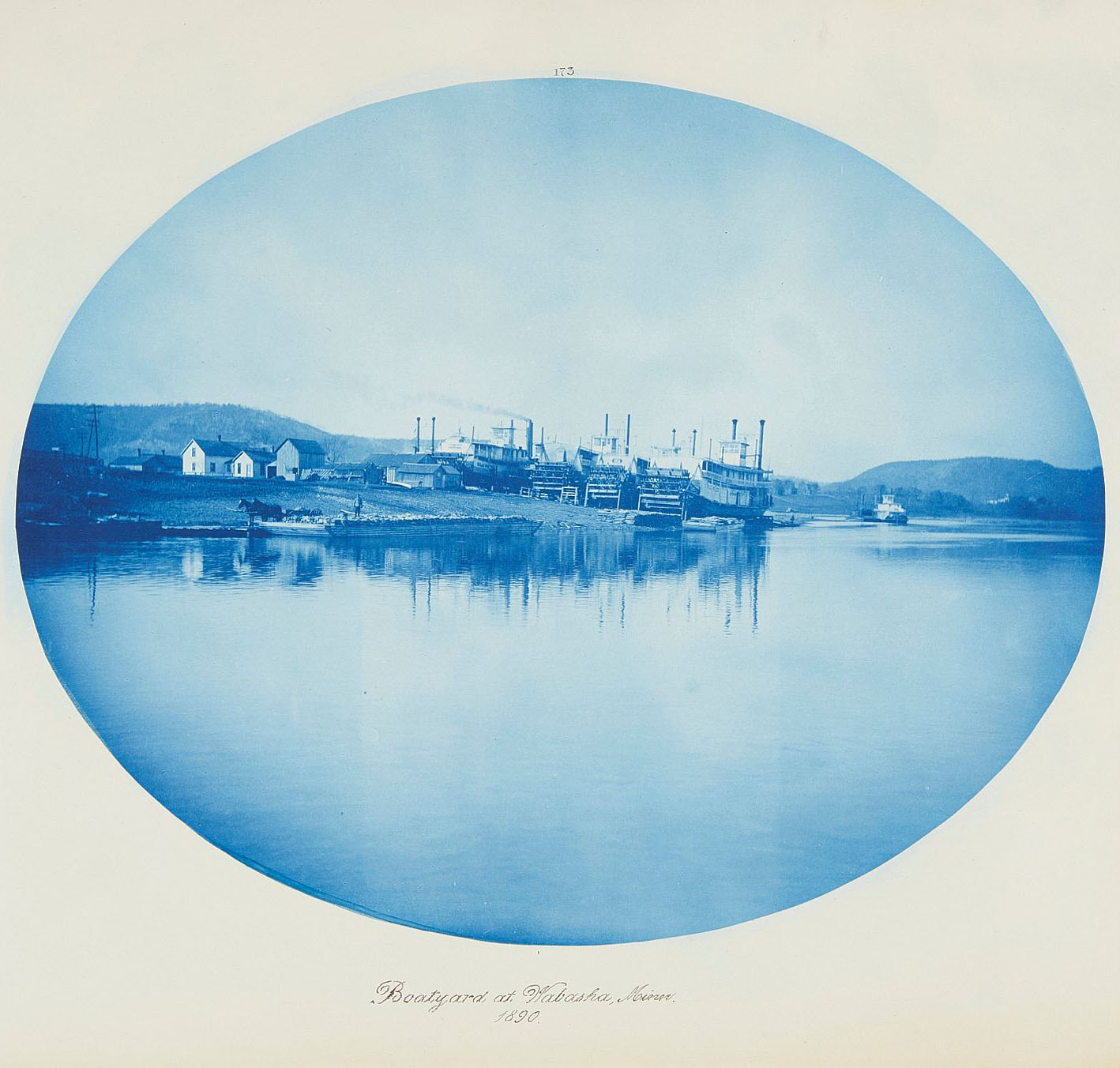
Henry Bosse (1844-1903) ~ Boatyard at Wabasha, Minn. depicting a riverfront landscape, 1890. Cyanotype | src Revere auctions
Henry P. Bosse (1844-1903) ~ Raftboat “Ten Brook”, 1885. Cyanotype from Views on the Mississippi | src Amon Carter museum

The Brighton Cats · Henry Pointer

The infant School ~ The Brighton Cats (1865-1872) ~ Henry Pointer (1822 – 1889) Albumen silver print. Photographic card
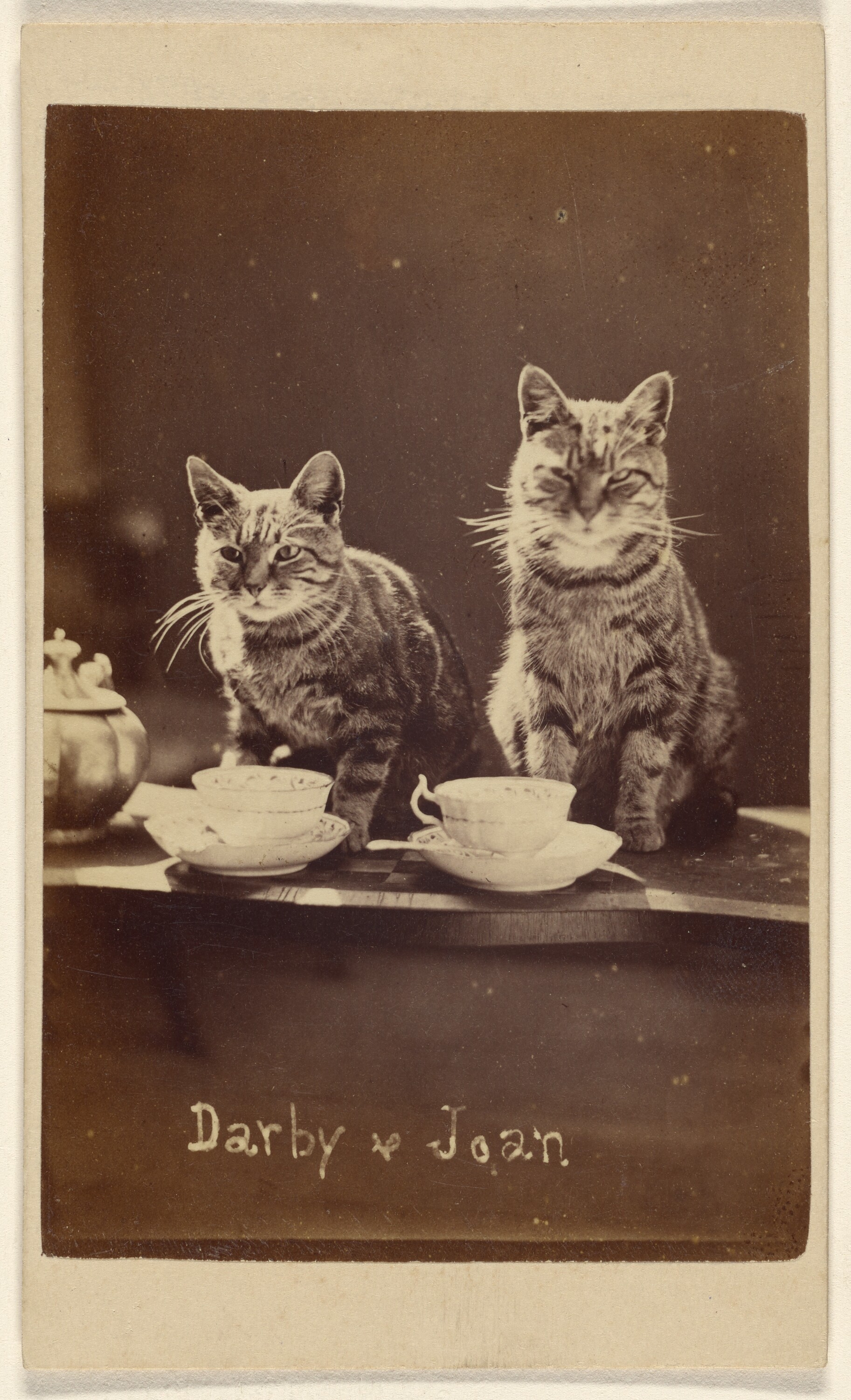
Darby & Joan ~ The Brighton Cats (1865-1872) ~ Henry Pointer (1822 – 1889) Albumen silver print. Photographic card
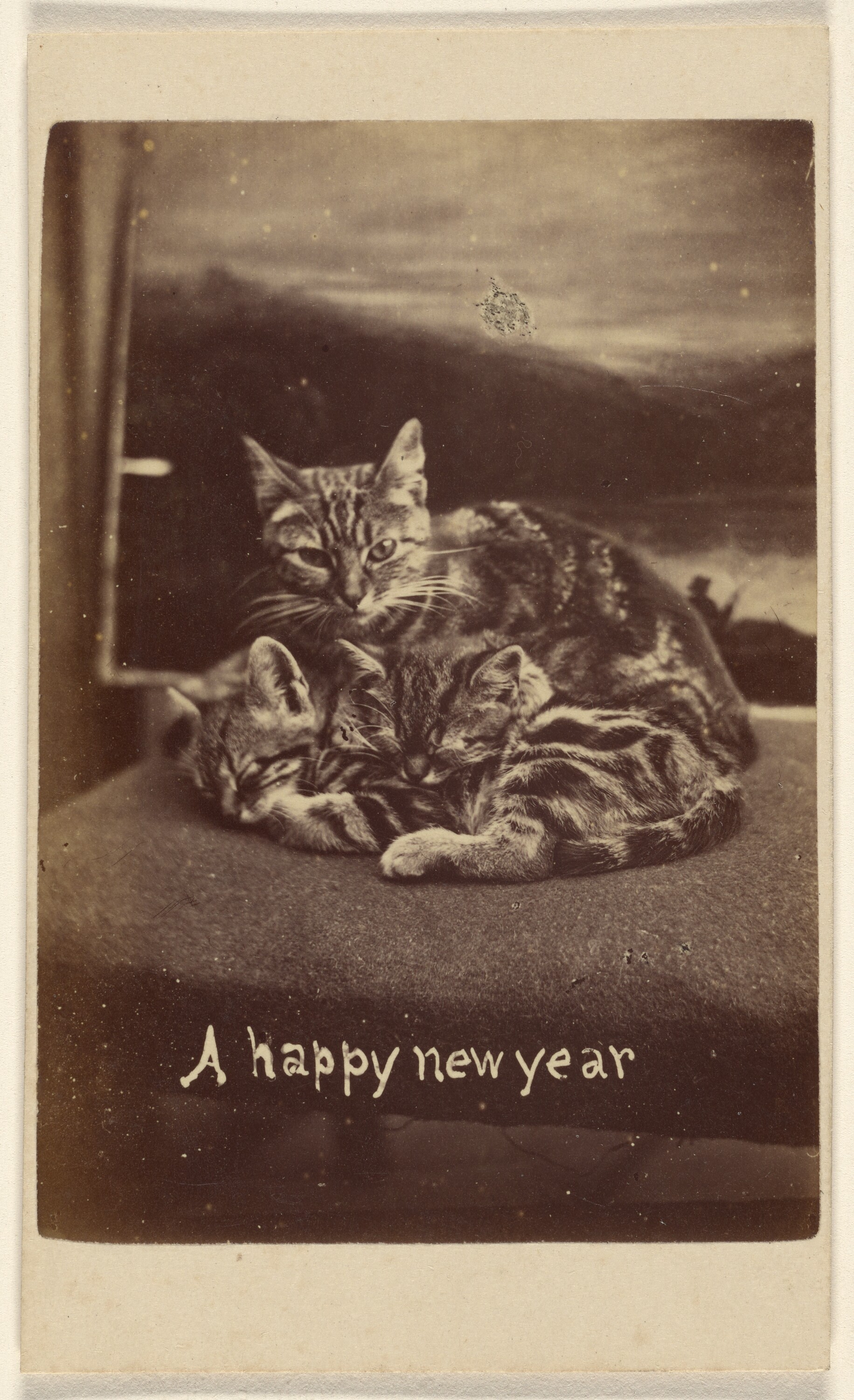
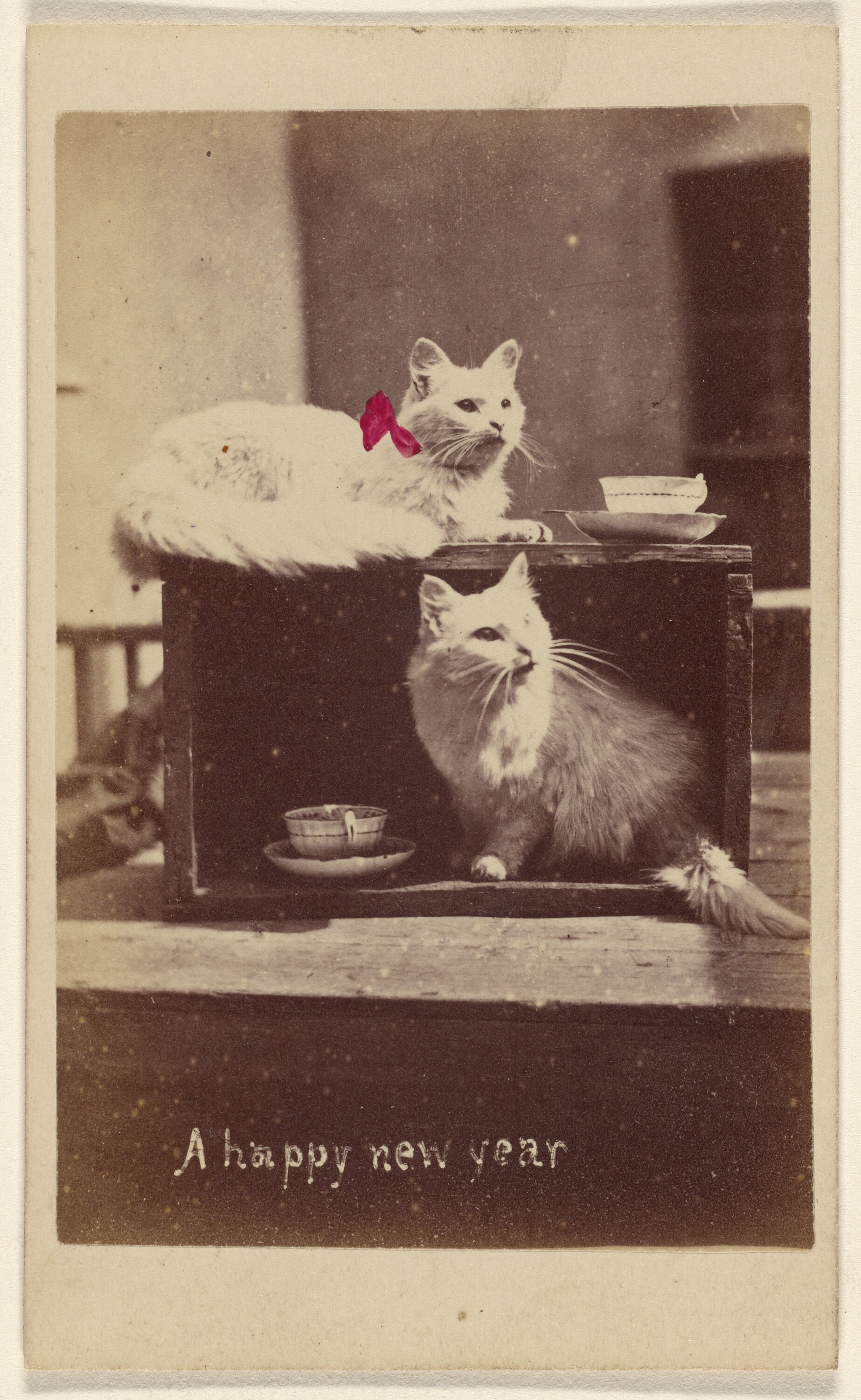
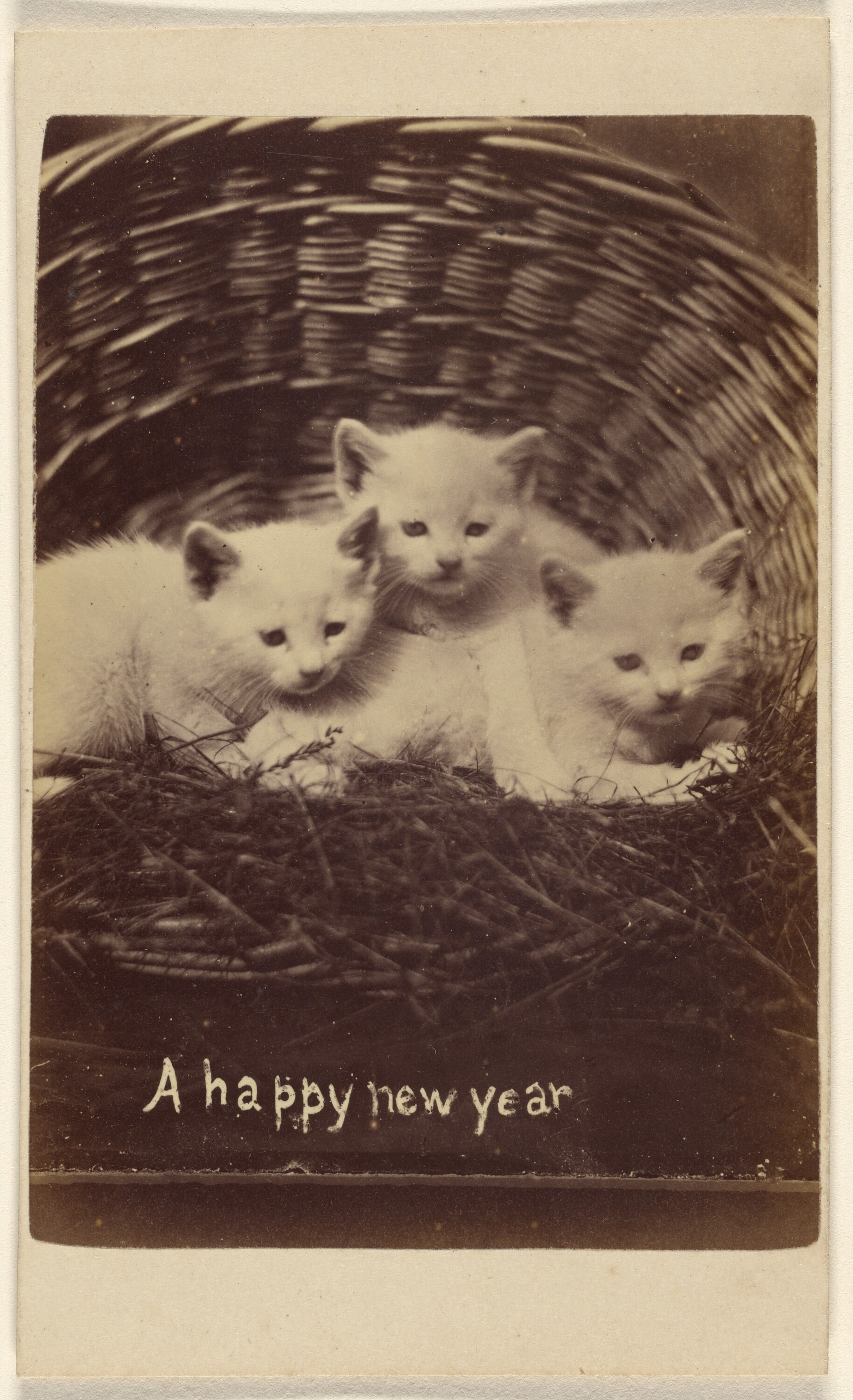
A happy new year ~ The Brighton Cats (1865-1872) ~ Henry Pointer (1822 – 1889) Albumen silver print. Photographic card
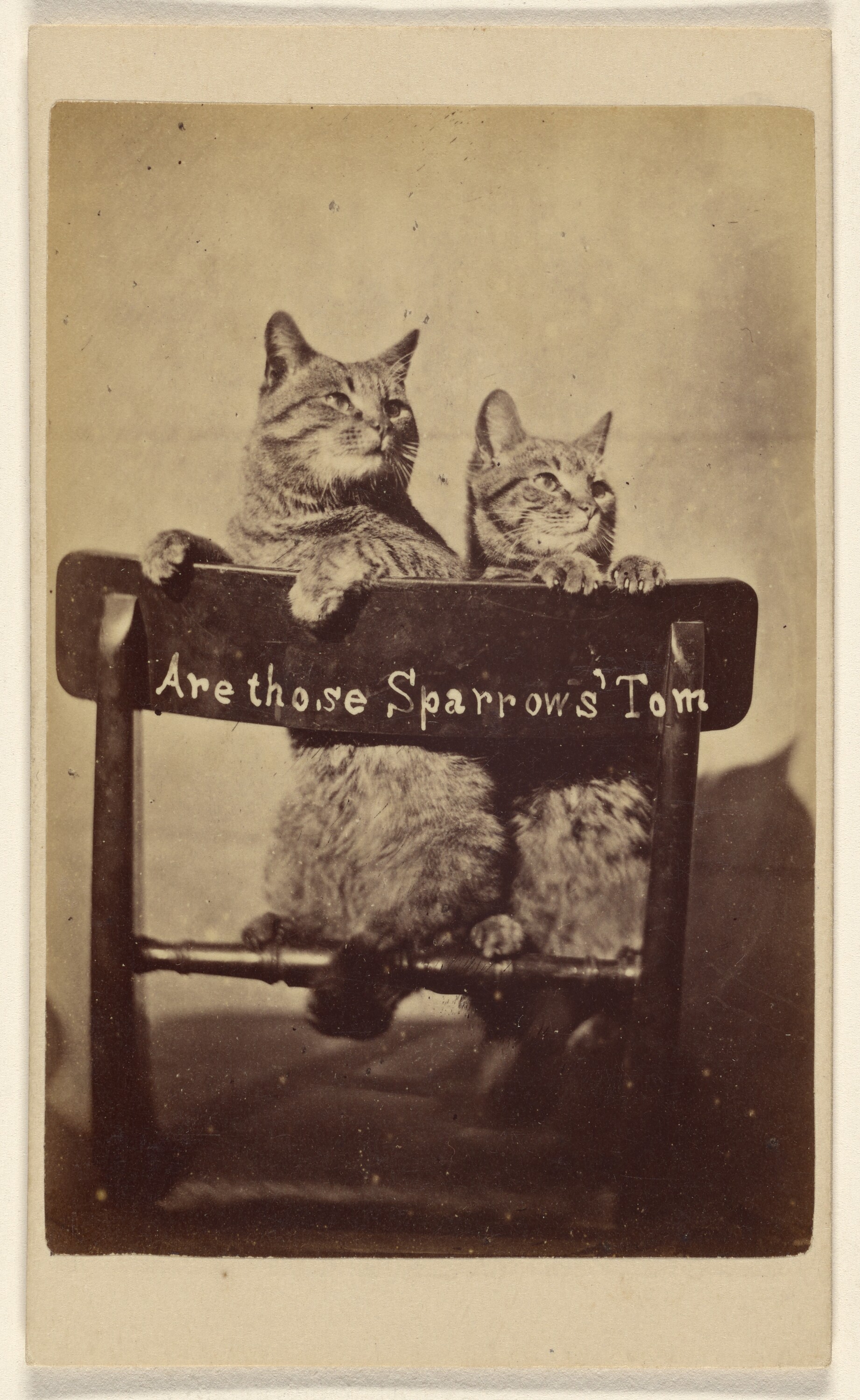
Are those sparrows’ Tom ~ The Brighton Cats (1865-1872) ~ Henry Pointer (1822 – 1889) Albumen silver print. Photographic card
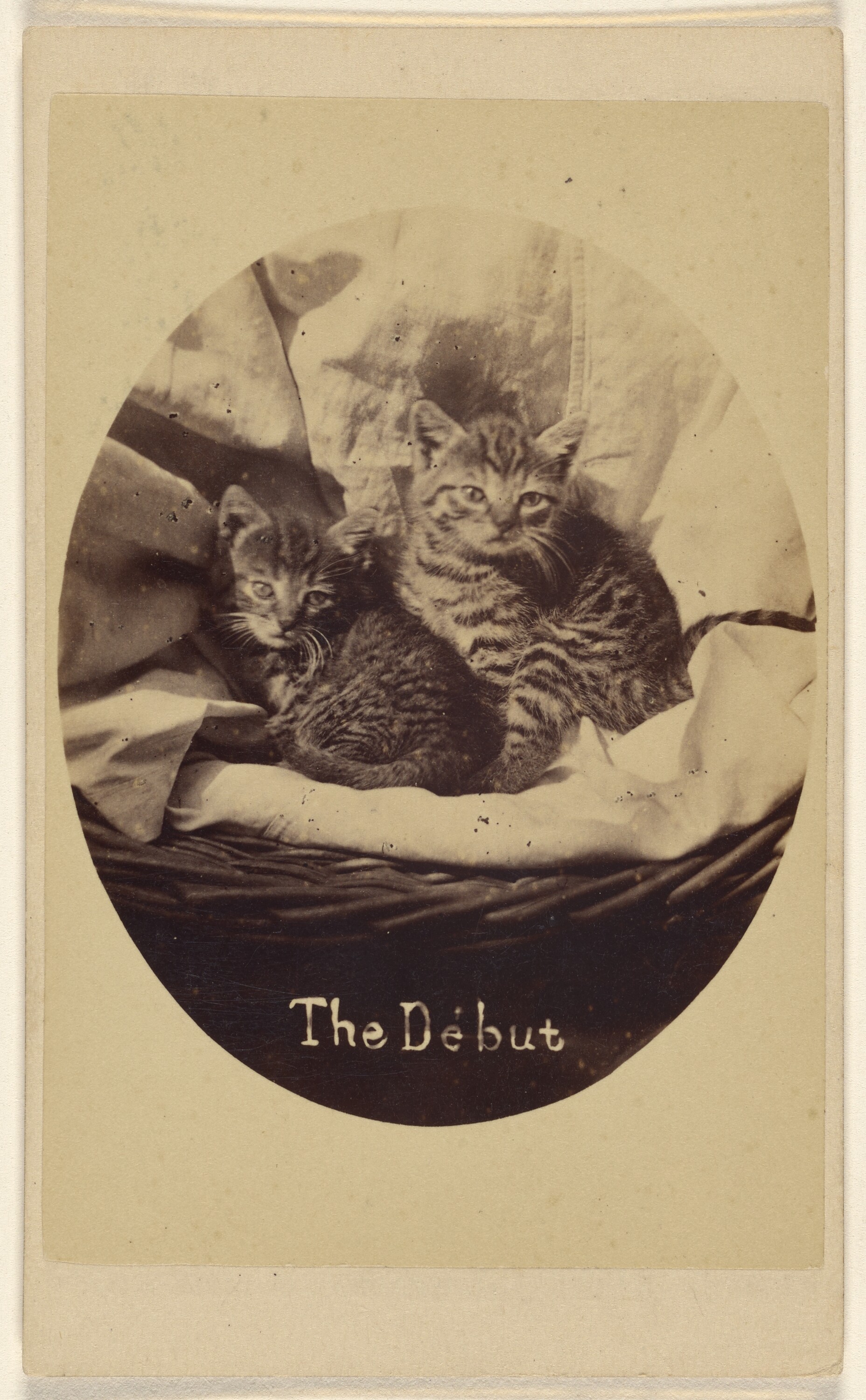
The Début ~ The Brighton Cats (1865-1872) ~ Henry Pointer (1822 – 1889) Albumen silver print. Photographic card
The attentive pupil ~ The Brighton Cats (1865-1872) ~ Henry Pointer (1822 – 1889) Albumen silver print. Photographic card
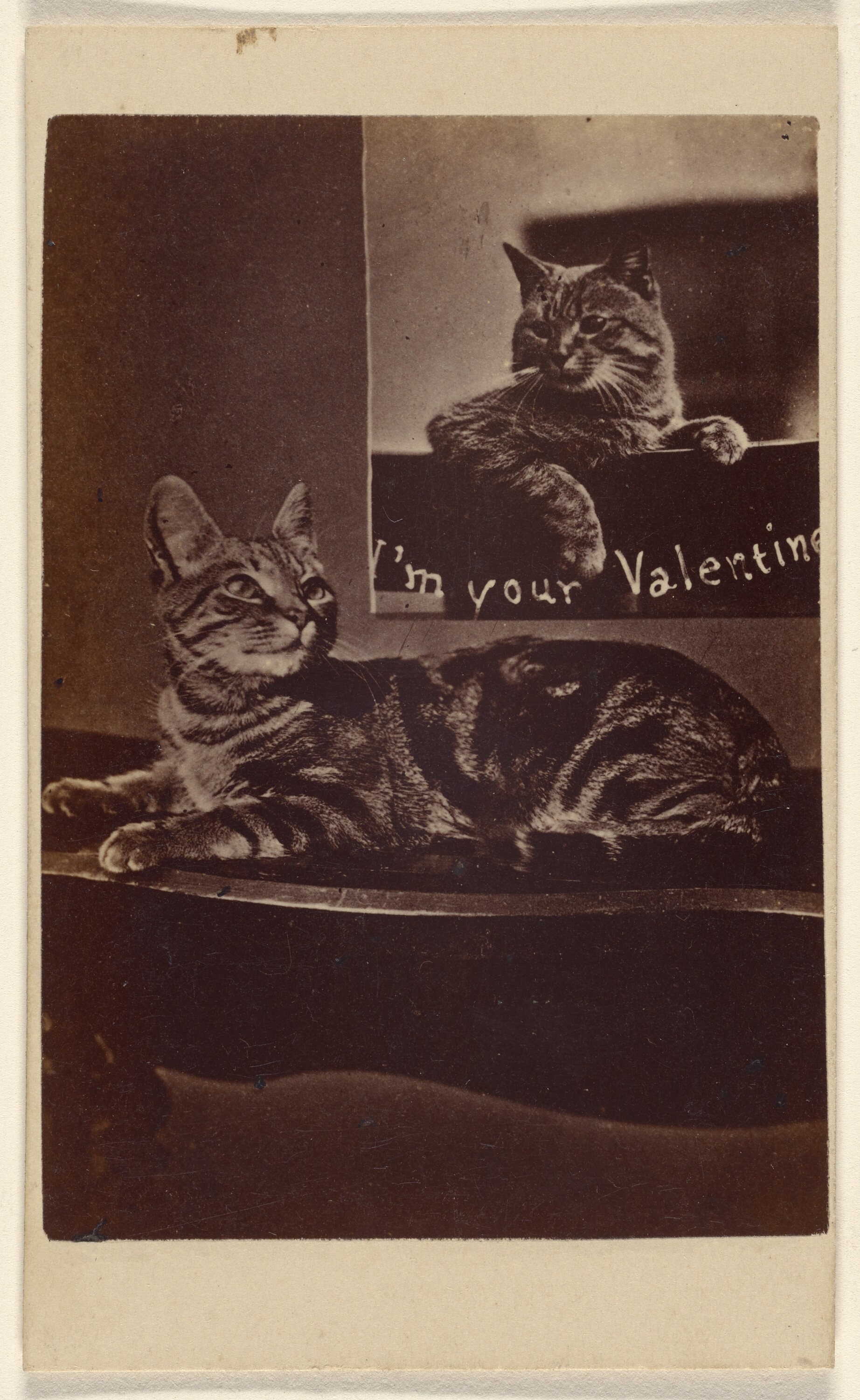
I’m your Valentine ~ The Brighton Cats (1865-1872) ~ Henry Pointer (1822 – 1889) Albumen silver print. Photographic card
A happy new year ~ The Brighton Cats (1865-1872) ~ Henry Pointer (1822 – 1889) Albumen silver print. Photographic card
Rinking at Brighton ~ The Brighton Cats (1865-1872) ~ Henry Pointer (1822 – 1889) Albumen silver print. Photographic card
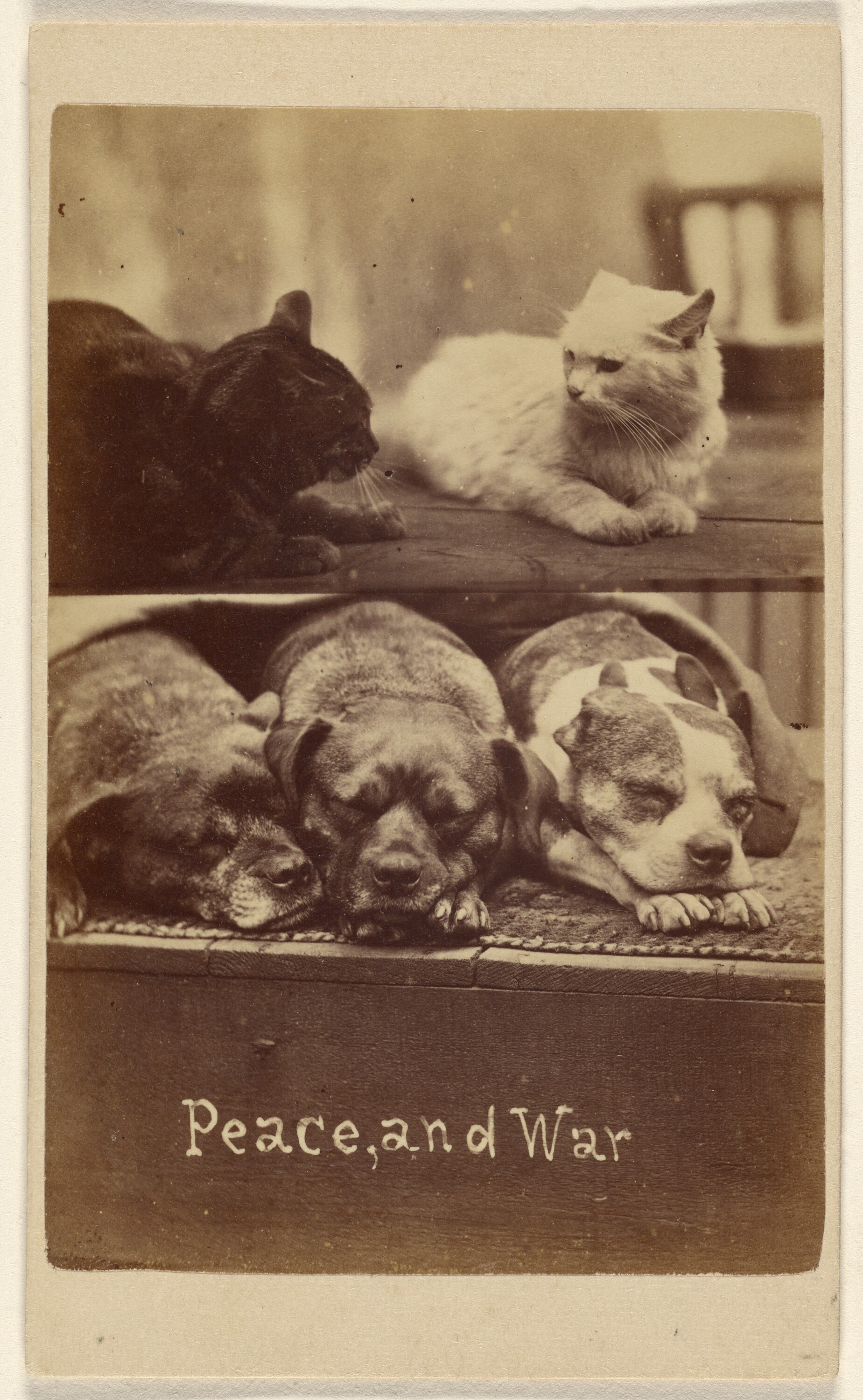
Peace and War ~ The Brighton Cats (1865-1872) ~ Henry Pointer (1822 – 1889) Albumen silver print. Photographic card
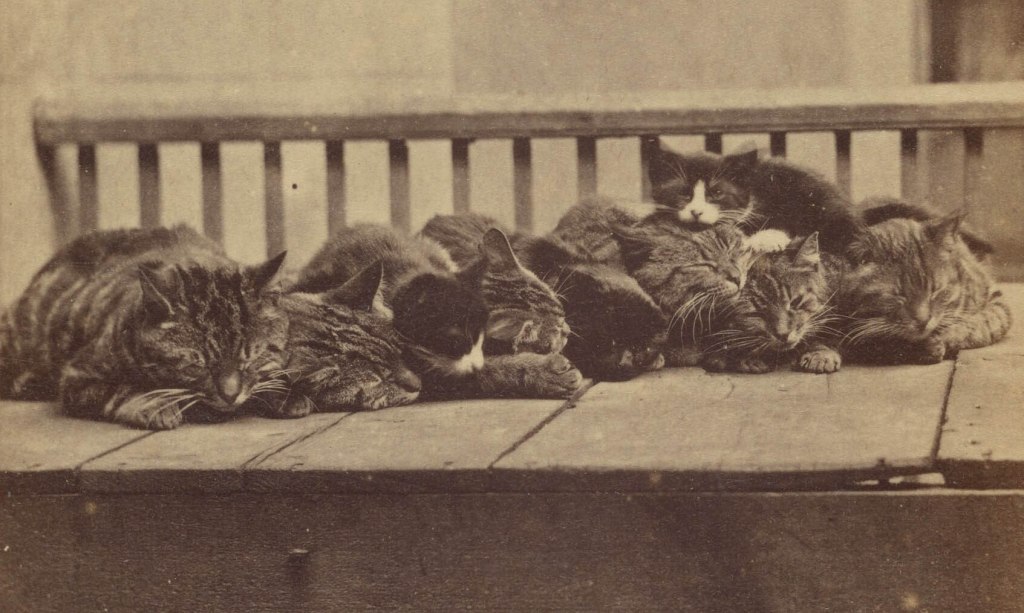
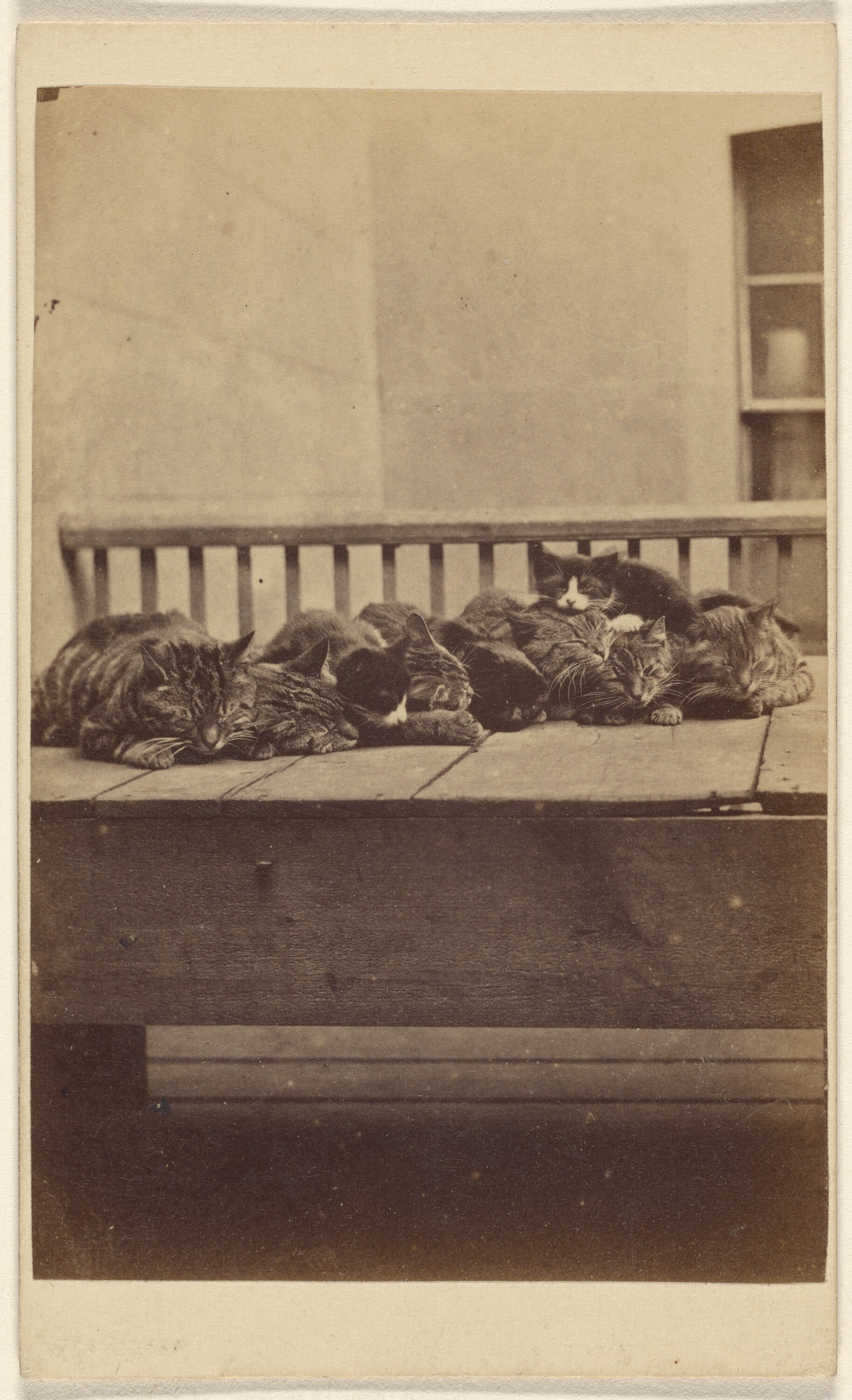
Nine cats asleep on a porch ~ The Brighton Cats ~ Henry Pointer (1822 – 1889) Albumen silver print. Photographic card
The Brighton cats ~ The Brighton Cats (1865-1872) ~ Henry Pointer (1822 – 1889) Albumen silver print. Photographic card
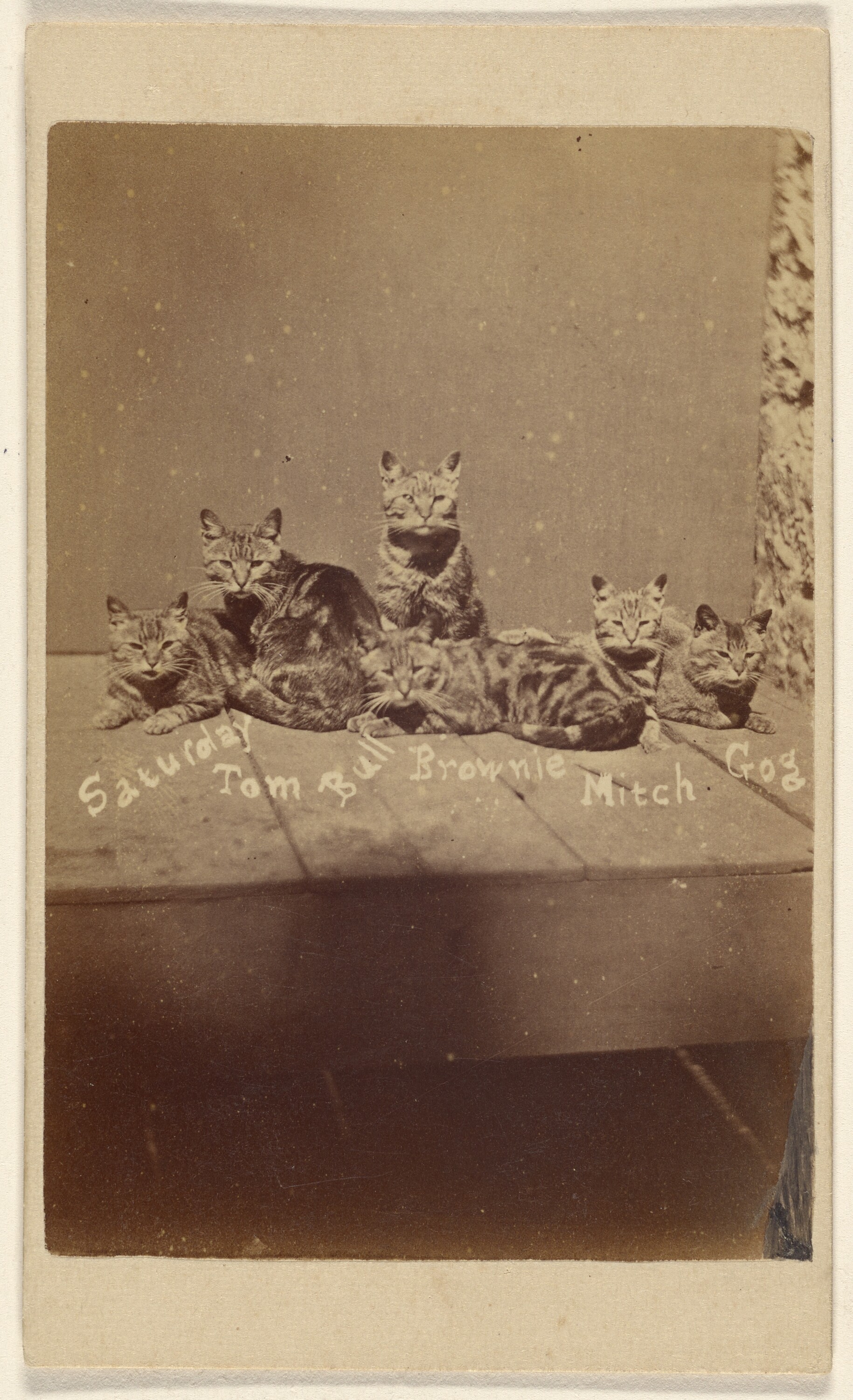
Saturday, Tom, Bull, Brownie, Mitch, Gog ~ The Brighton Cats (1865-1872) ~ Henry Pointer (1822 – 1889) Albumen silver print
A happy new year ~ The Brighton Cats (1865-1872) ~ Henry Pointer (1822 – 1889) Albumen silver print. Photographic card
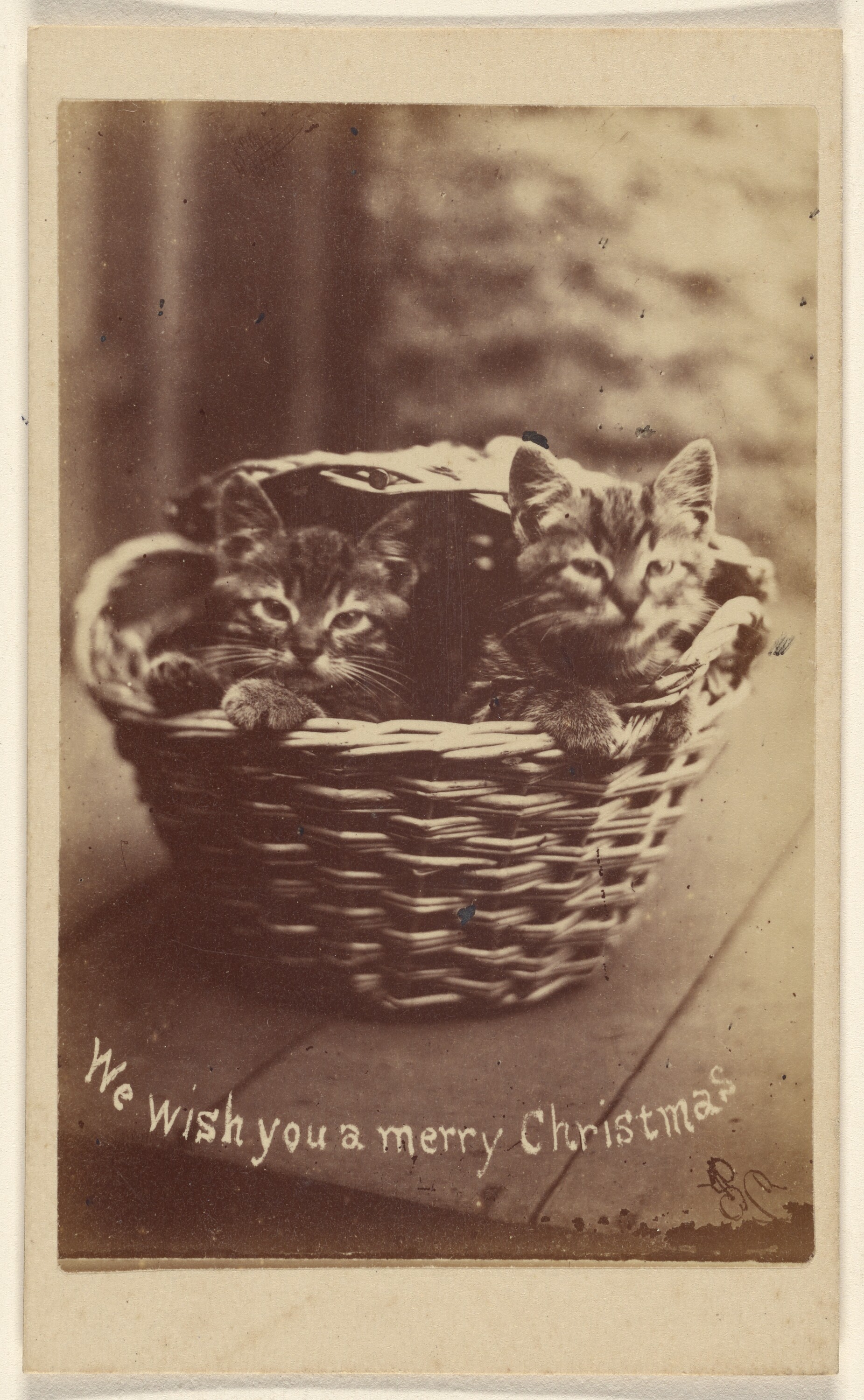
We wish you a merry Christmas ~ The Brighton Cats (1865-1872) ~ Henry Pointer (1822 – 1889) Albumen silver print
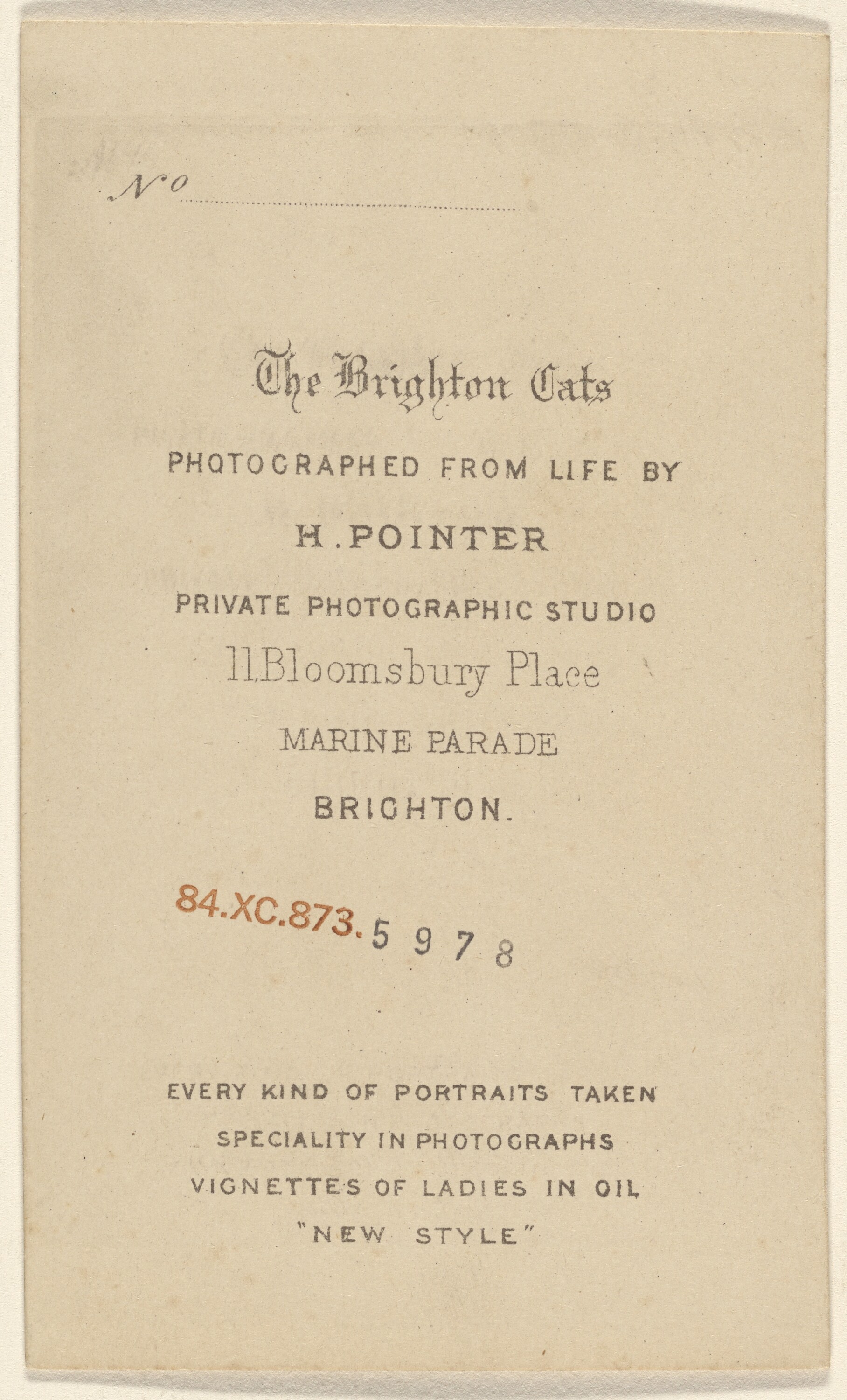
Verso of one card from the set «The Brighton Cats» | src Getty Museum

Table Rock · Cave of the Winds

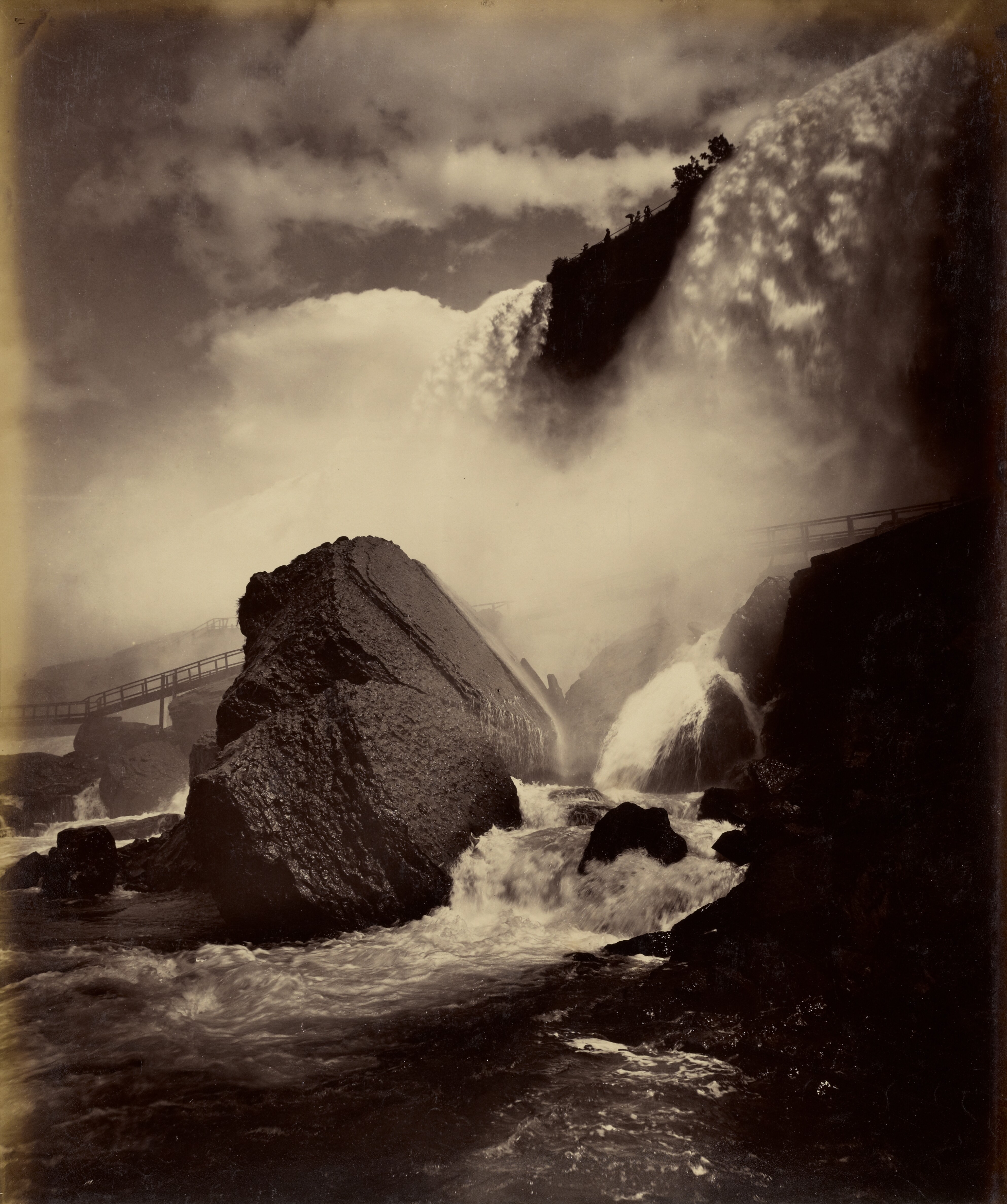
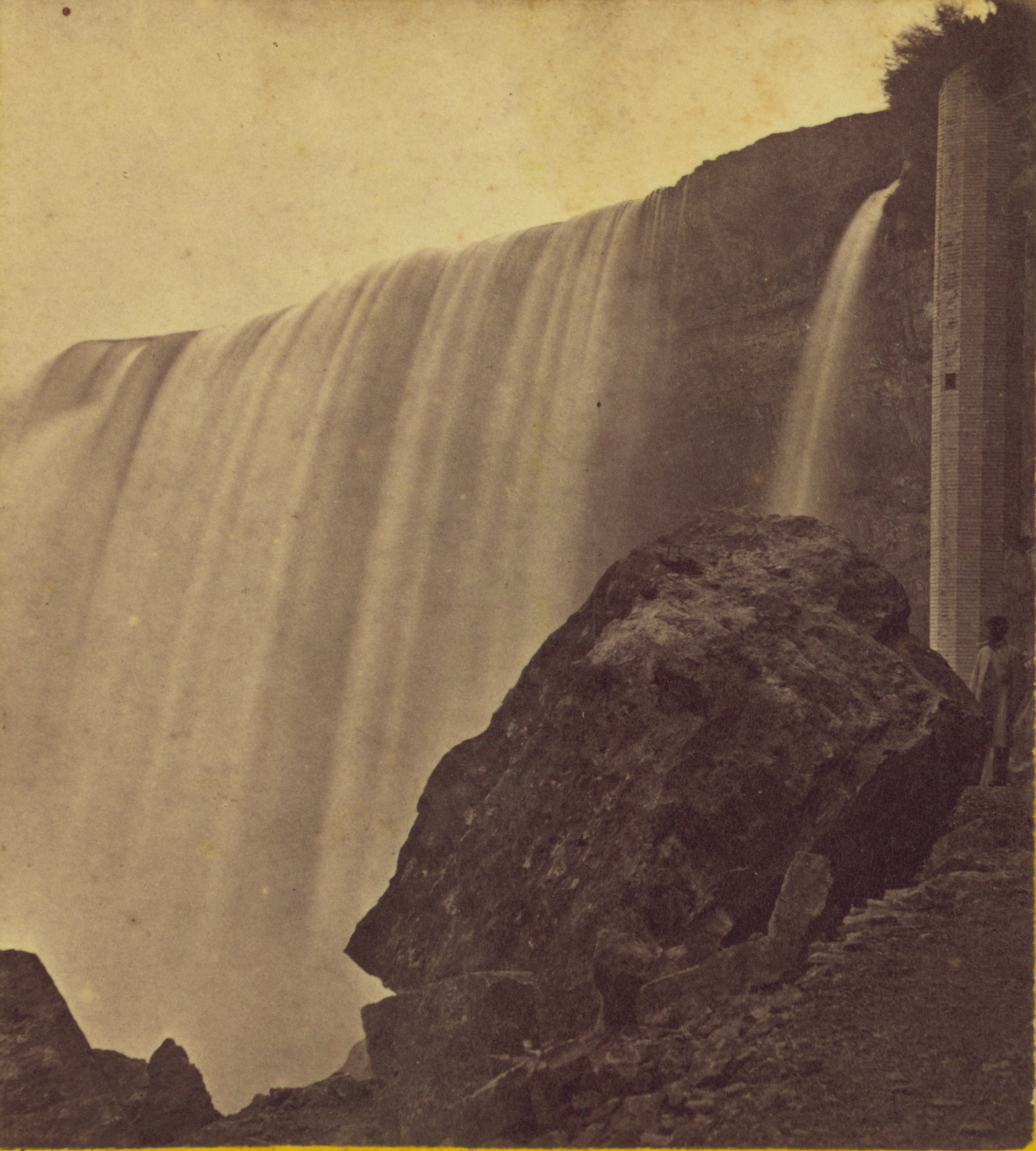
George Barker (1844-1894) ~ [Niagara Falls], ca. 1888. Albumen silver print. View of Niagara Falls taken from the base of the falls, with large boulder in foreground and footbridge in the background. | src Getty Museum Coll.
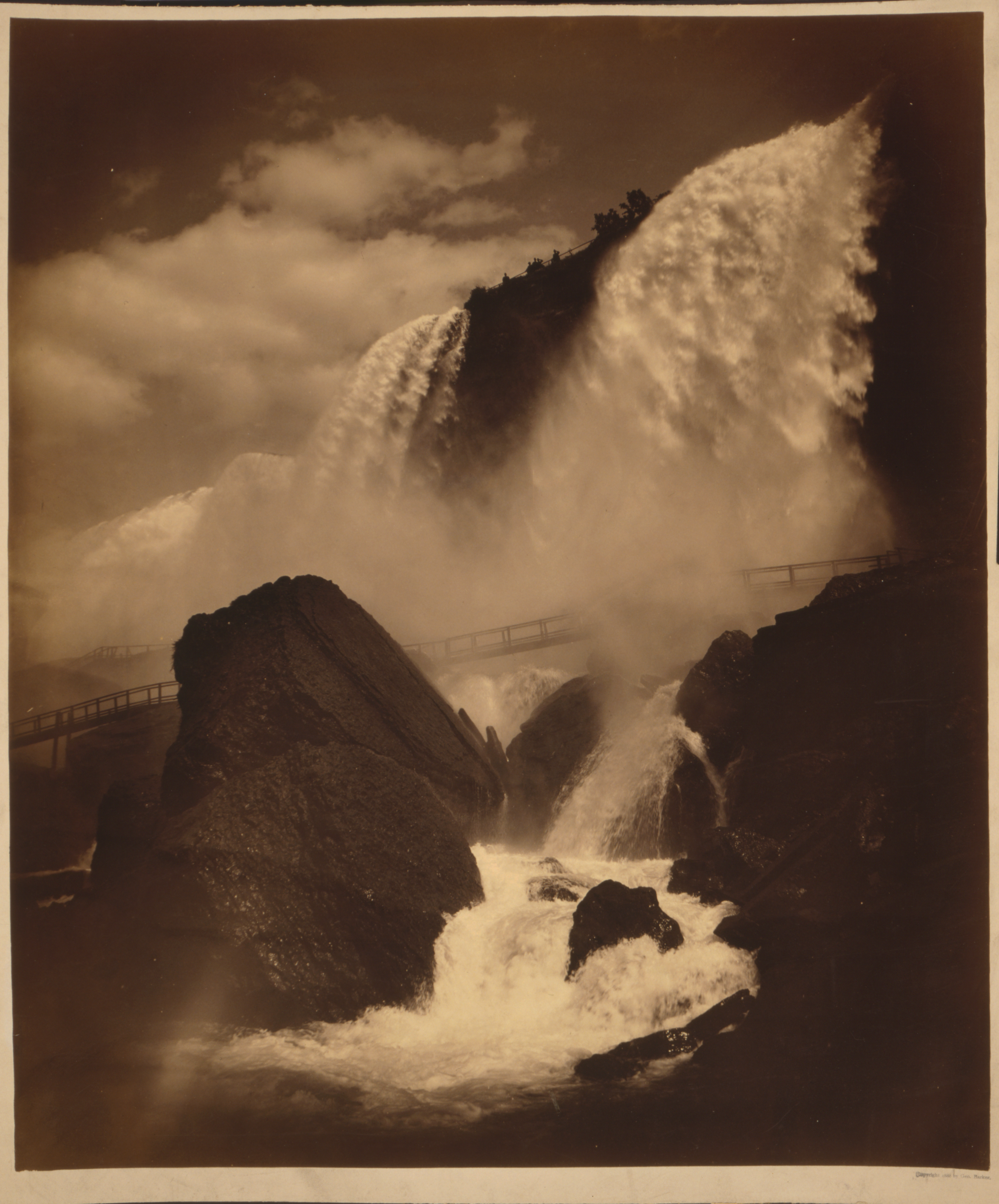
George Barker (1844-1894) ~ Cave of the winds, ca. 1888. Niagara Falls with walkway in the foreground. Albumen silver print. | src Library of Congress

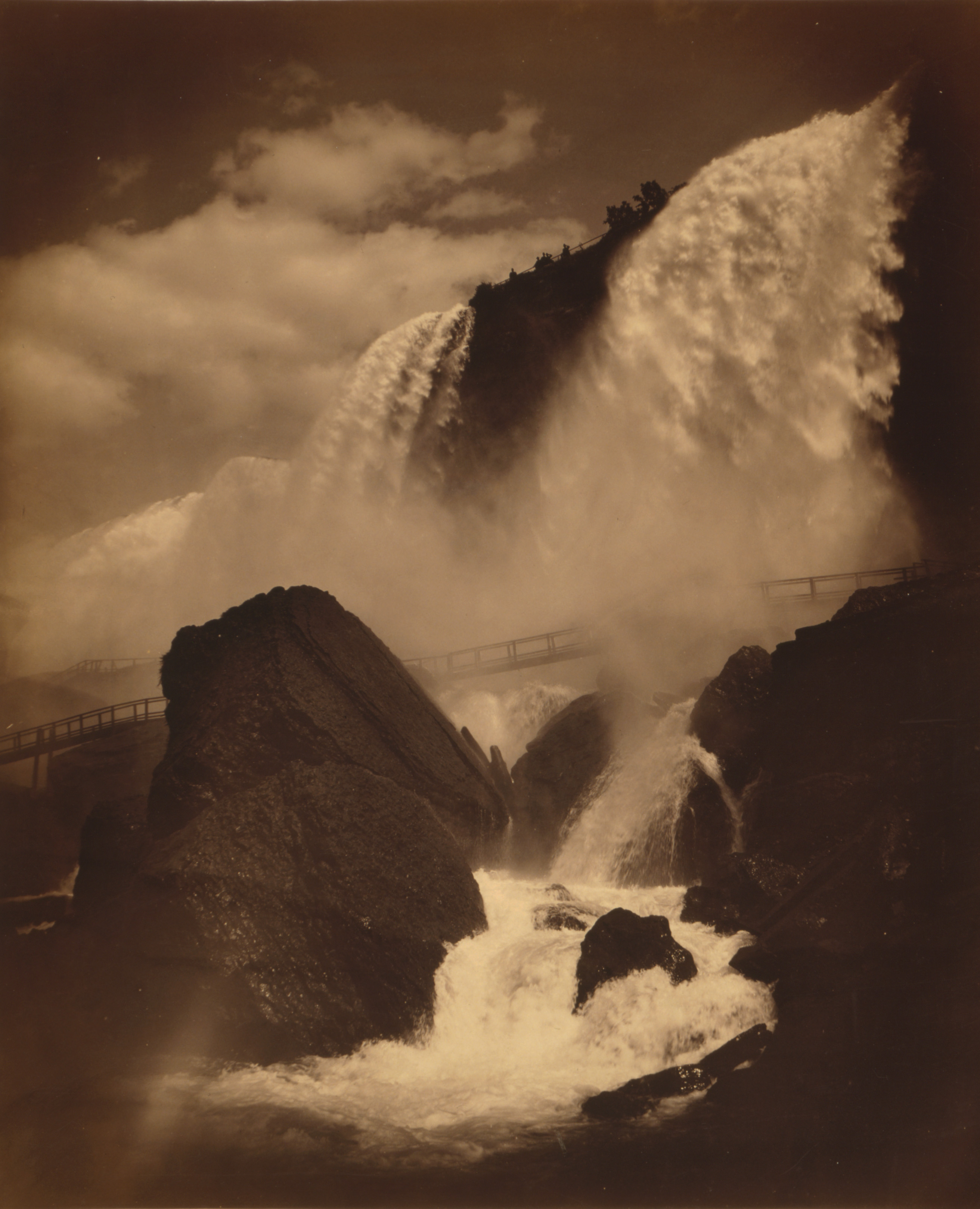
This Image is hosted in four American museums; three of them (Library of Congress, Getty Museum and The Metropolitan Museum of Art) acknowledge the authorship to George Barker. According to The Nelson-Atkins Museum of Art [x] this photograph is Nielson’s. In their website there is a mention to the photographer’s logo on back: “H.F. Nielson, Manuf. of all kinds of / Paper & Glass Views / Niagara Falls.”

Though the commercial market for large-scale landscape views was limited in the late 19th century, a small group of talented and savvy photographers found a lucrative niche in this genre. Herman F. Nielson, who lived most of his life in Niagara, New York, specialized in majestic tourist views of Niagara Falls. Here, Nielson depicts the American Falls (Luna Falls and Bridal Veil Falls) and the Rock of Ages. This view, or a slight variant, was reproduced in a popular guidebook at the time.

“New View Manufactory,” Niagara Falls Gazette 30:16 (October 10, 1883): n.p.

quoted from The Nelson-Atkins Museum of Art [x]
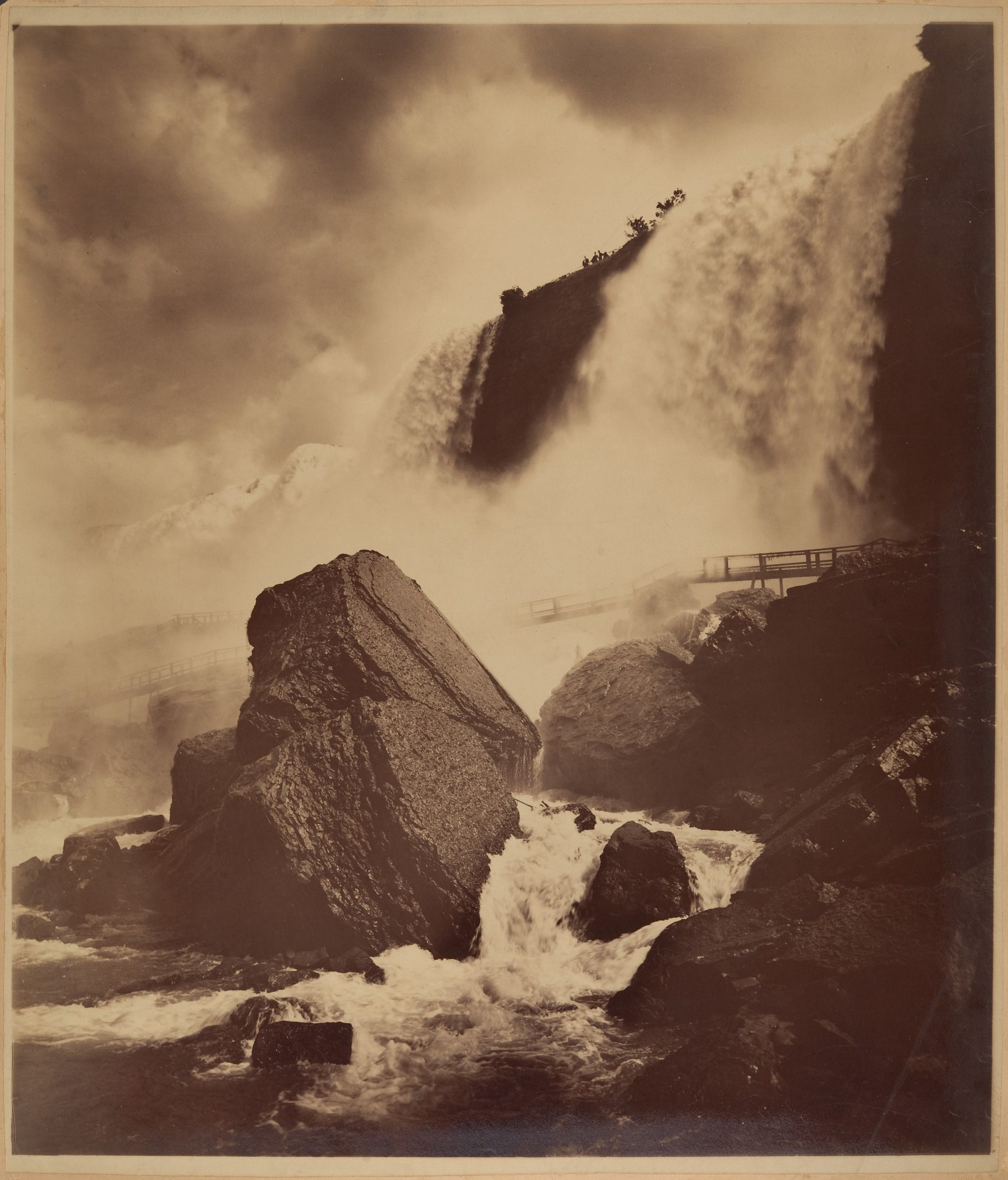
George Barker (1844-1894) ~ Niagara Falls, ca. 1888 Albumen silver print from glass negative | src The Met
George Barker (1844-1894) ~ Cave of the winds, ca. 1888. Image of rushing waterfalls leading down to a bridge with large rocks in the foreground. | Library of Congress
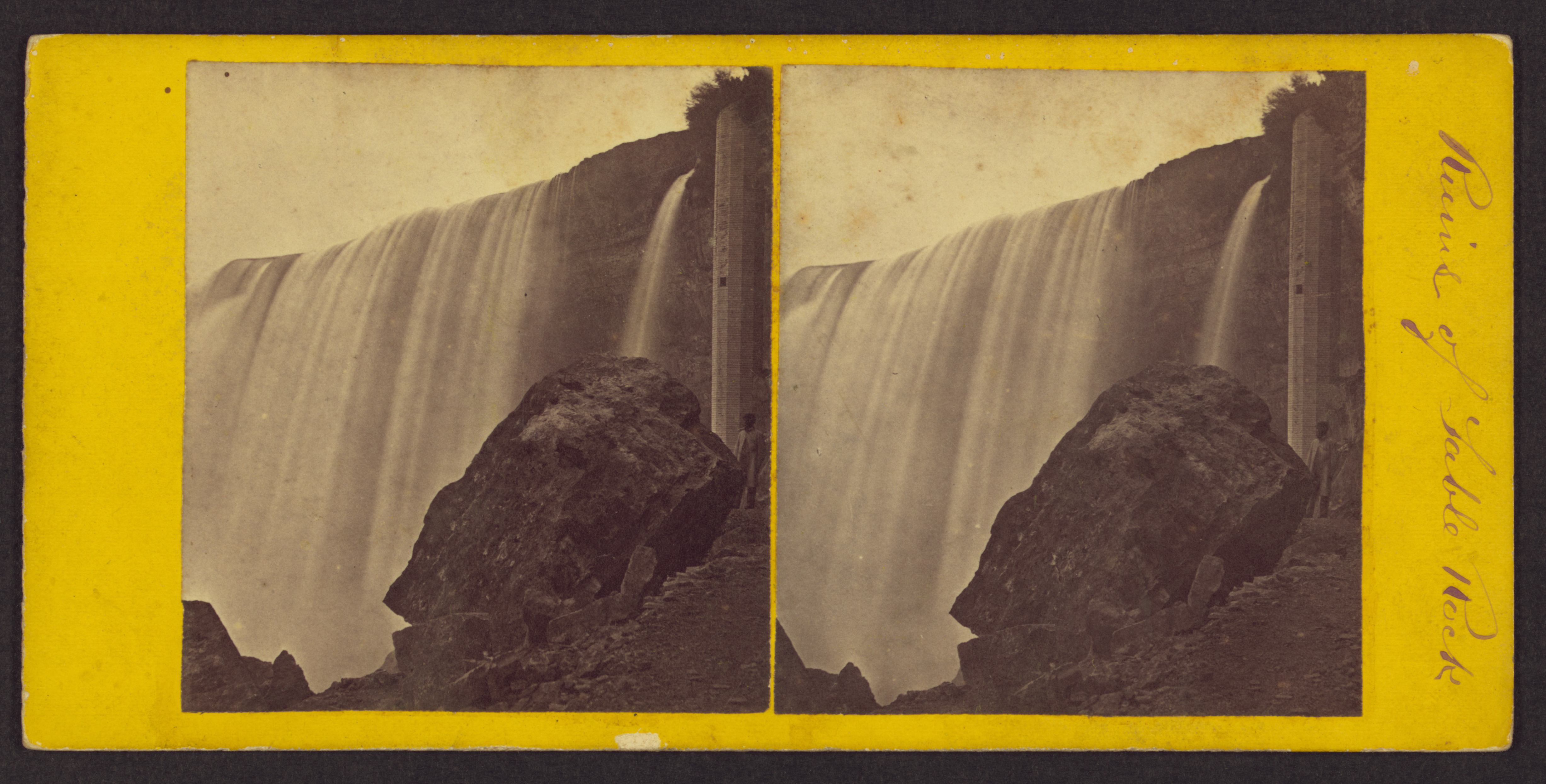
George Barker (1844-1894) ~ Ruins of Table Rock, ca. 1870. Stereograph. Albumen print on stereo card. | Library of Congress
Stereograph showing a portion of Table Rock that has fallen off the cliff, with Niagara Falls in the background. | Library of Congress