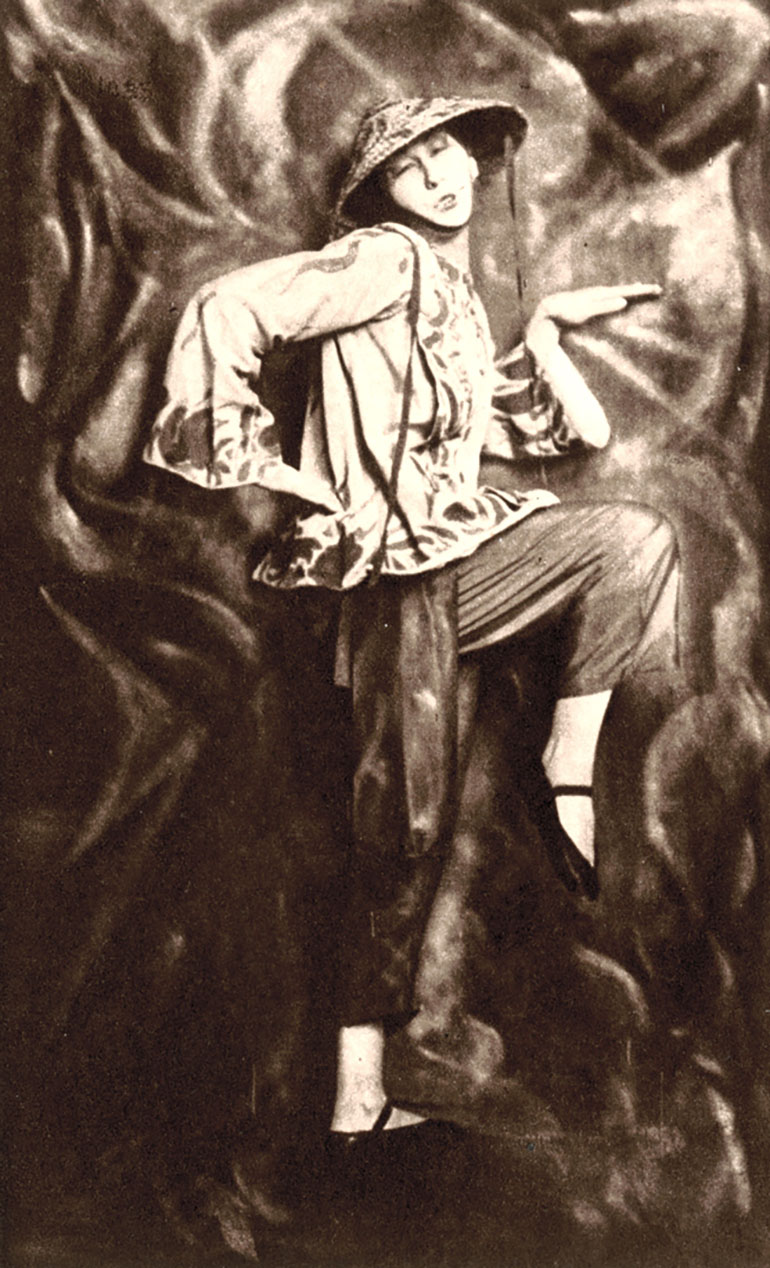
Grete Wiesenthal, 1914

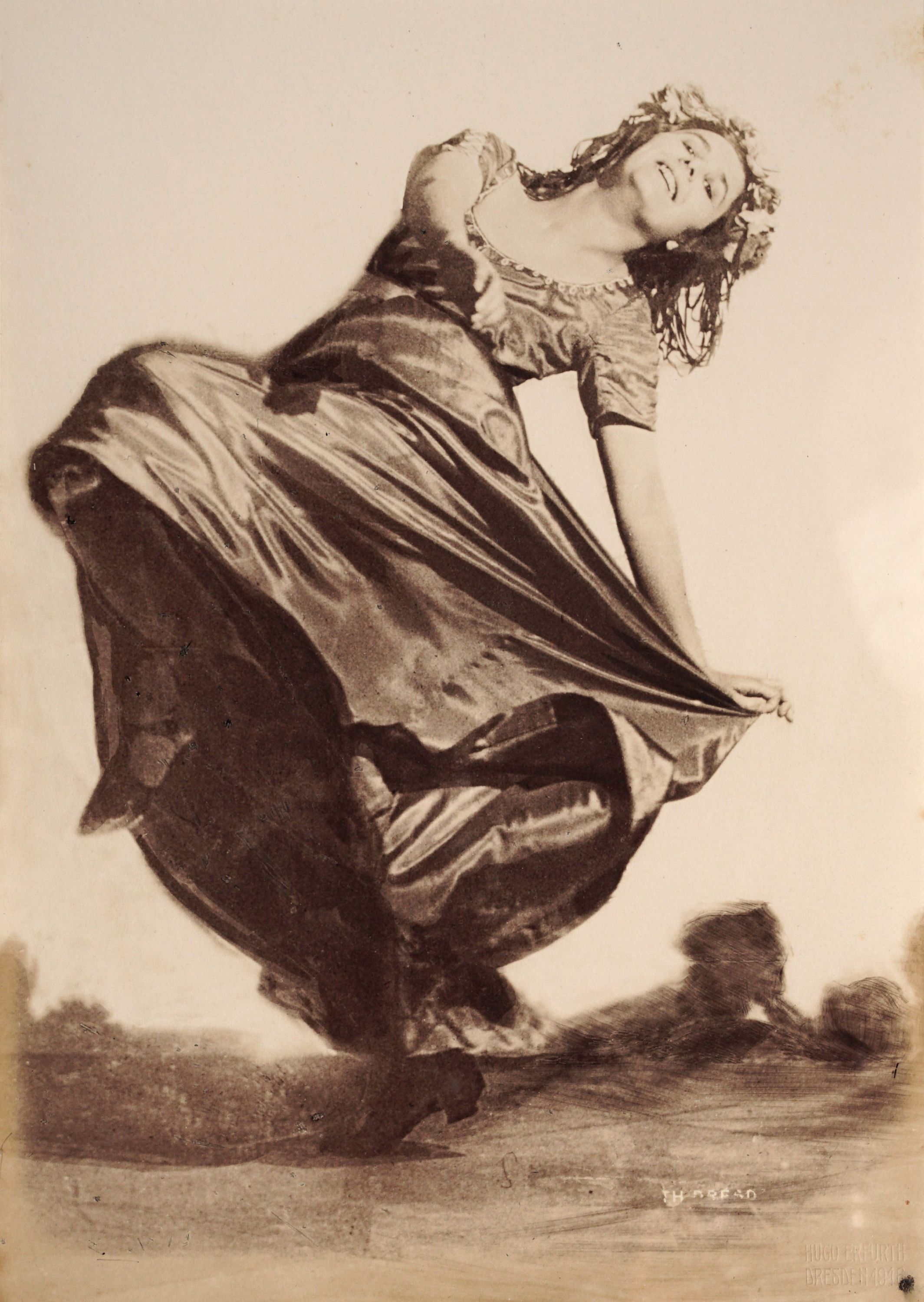
Hugo Erfurth :: Grete Wiesenthal, tanzend, im langen Kleid, um 1914. Silver gelatine print auf mattem Papier. Abzug von 1916. Mit Blindstempel u.re. “Hugo Erfurt Dresden 1916”.
Hugo Erfurth :: Grete Wiesenthal, dancing, in a long dress, around 1914. Silver gelatin print on matte paper. Print from 1916. With blind stamp below right. “Hugo Erfurt Dresden 1916”. | src Schmidt Kunstauktionen Dresden
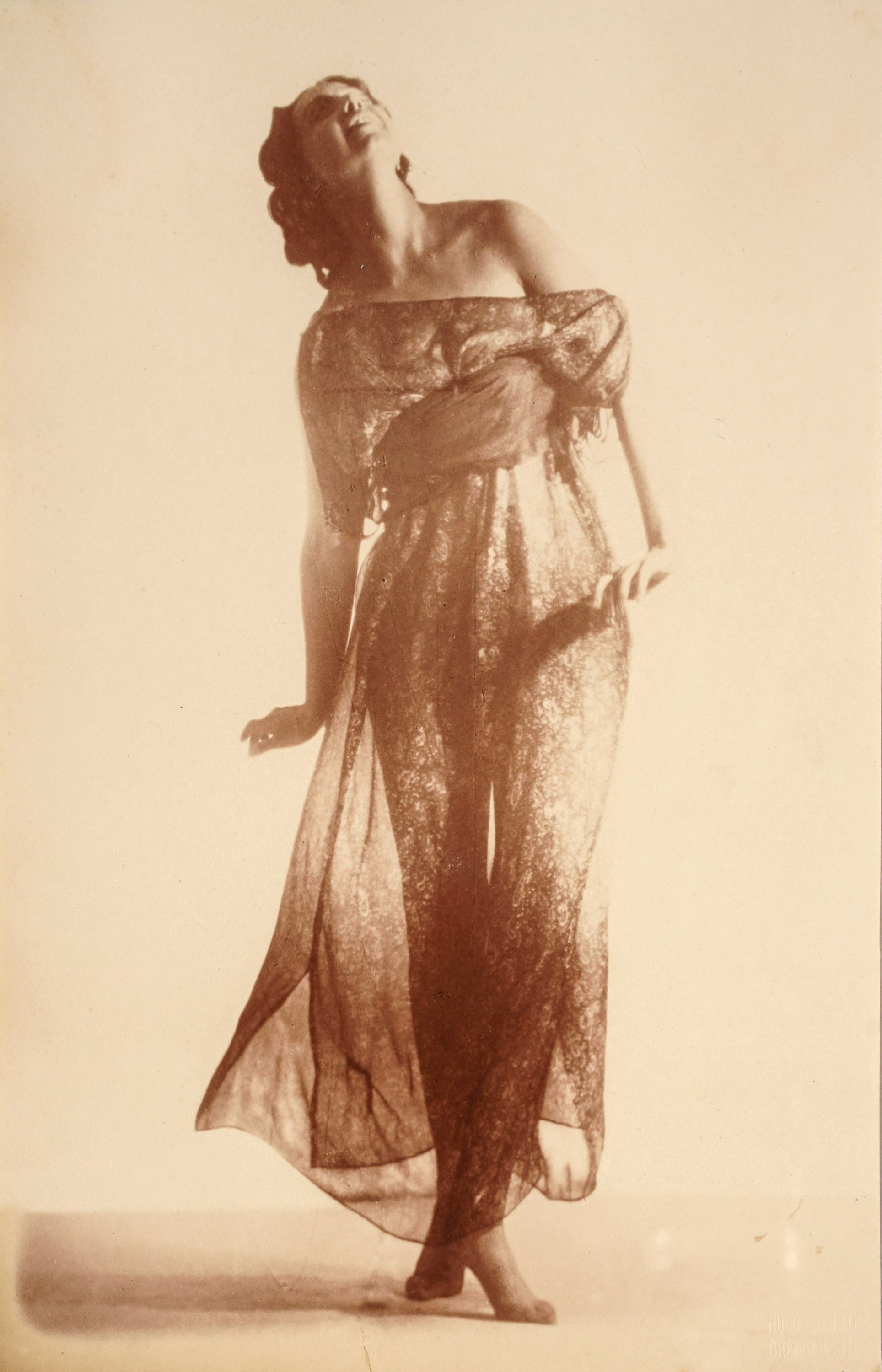
Hugo Erfurth :: Grete Wiesenthal, tanzend, vor dunklem Hintergrund. Um 1914. Silver gelatine print auf mattem, fein strukturiertem Papier. Abzug von 1916. Mit Blindstempel u.re. “Hugo Erfurt Dresden 1916”.
Abgebildet in:
Hermann und Marianne Aubel: Der künstlerische Tanz unserer Zeit. Leipzig 1928. Abb. S. 10.
Bodo von Dewitz und Karin Schuller-Procopovici (Hrsg.): Hugo Erfurth. 1874–1948. Photograf zwischen Tradition und Moderne. Köln 1992. Kat.Nr. 410, Abb. S.446 (Hier abweichend betitelt: Else Wiesenthal).
Hugo Erfurth :: Grete Wiesenthal, dancing, in front of a dark background. Around 1914. Silver gelatin print on matte, finely structured paper. Print from 1916. With blind stamp below right. “Hugo Erfurt Dresden 1916”.
Shown in:
Hermann and Marianne Aubel: The artistic dance of our time. Leipzig 1928. Fig. P. 10.
Bodo von Dewitz and Karin Schuller-Procopovici (eds.): Hugo Erfurth. 1874-1948. Photographer between tradition and modernity. Cologne 1992. Cat.No. 410, illus. P.446 (here differently titled: Else Wiesenthal).
src Schmidt Kunstauktionen Dresden

Sent M’ahesa, altägyptischer Tanz

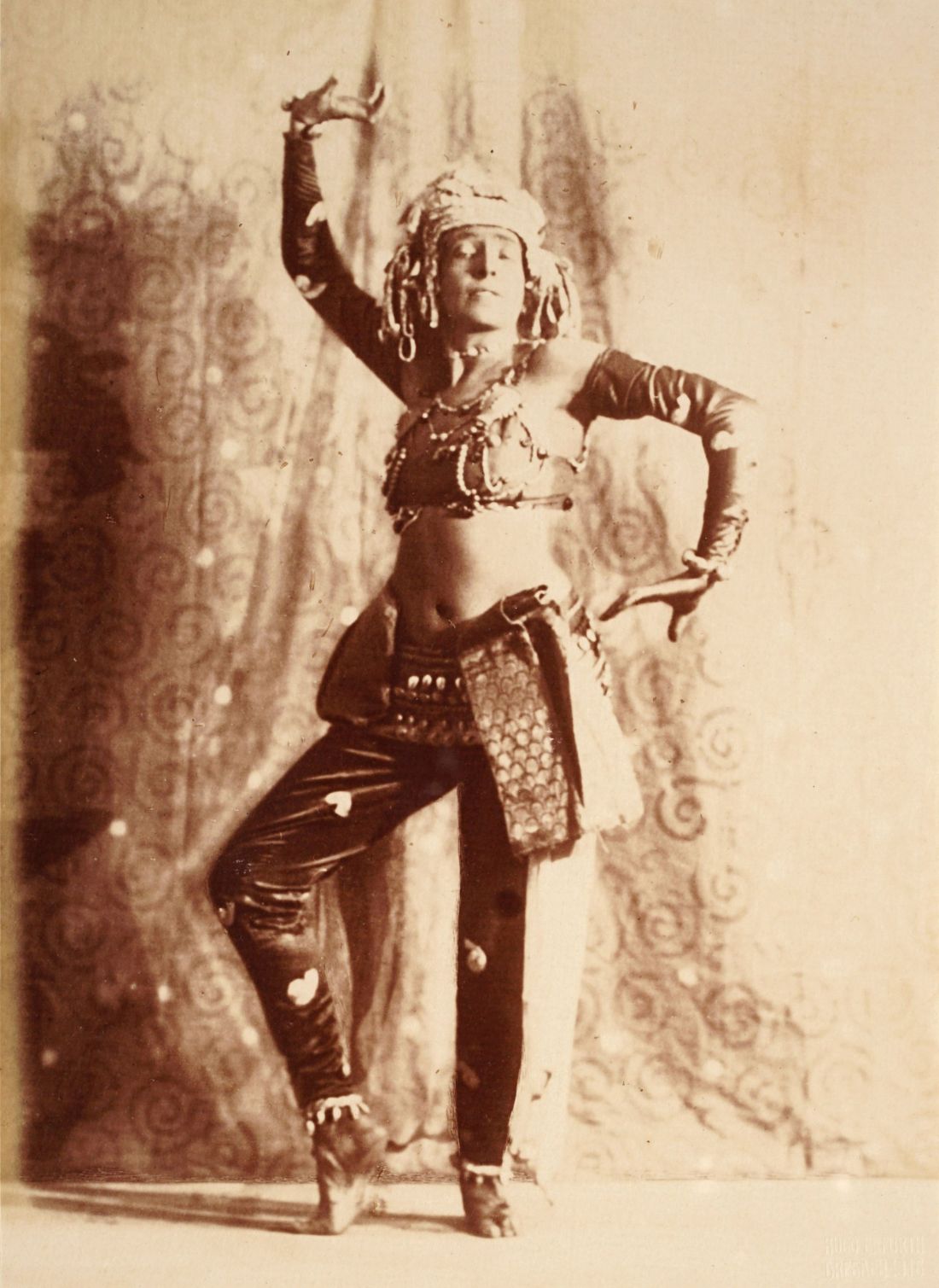
Hugo Erfurth :: Sent M’ahesa, altägyptischer Tanz mit Cymbeln, um 1910. Silver gelatine print auf mattem Papier. Blindstempel “Hugo Erfurth Dresden 1916”. | src Schmidt Kunstauktionen Dresden
Hugo Erfurth :: Sent M’ahesa (Elsa von Carlberg), altägyptischer Tanz, um 1908. Silver gelatine print auf mattem, fein strukturiertem Papier. Blindstempel: “Hugo Erfurth Dresden 1916”. | src Schmidt Kunstauktionen Dresden

Ellen Tels, ca. 1912

Hugo Erfurth :: Ellen Tels, tanzend, um 1912. Silver gelatine print auf mattem Papier. Abzug von 1916. Mit Blindstempel u.re. "Hugo Erfurt Dresden 1916".
Hugo Erfurth :: Ellen Tels, tanzend, um 1912. Silver gelatine print auf mattem Papier. Abzug von 1916. Mit Blindstempel u.re. “Hugo Erfurt Dresden 1916”.
Hugo Erfurth :: Ellen Tels, dancing, around 1912. Silver gelatin printed on matte paper. Print from 1916. With blind stamp below right. “Hugo Erfurt Dresden 1916”.
src Schmidt Kunstauktionen Dresden ~ link to hi-res

Von diesem Motiv existiert ebenfalls eine Fotopostkarte mit einbelichtetem Künstlersignum.

There is also a photo postcard of this motif with the artist’s signature imprinted on it. See image below.
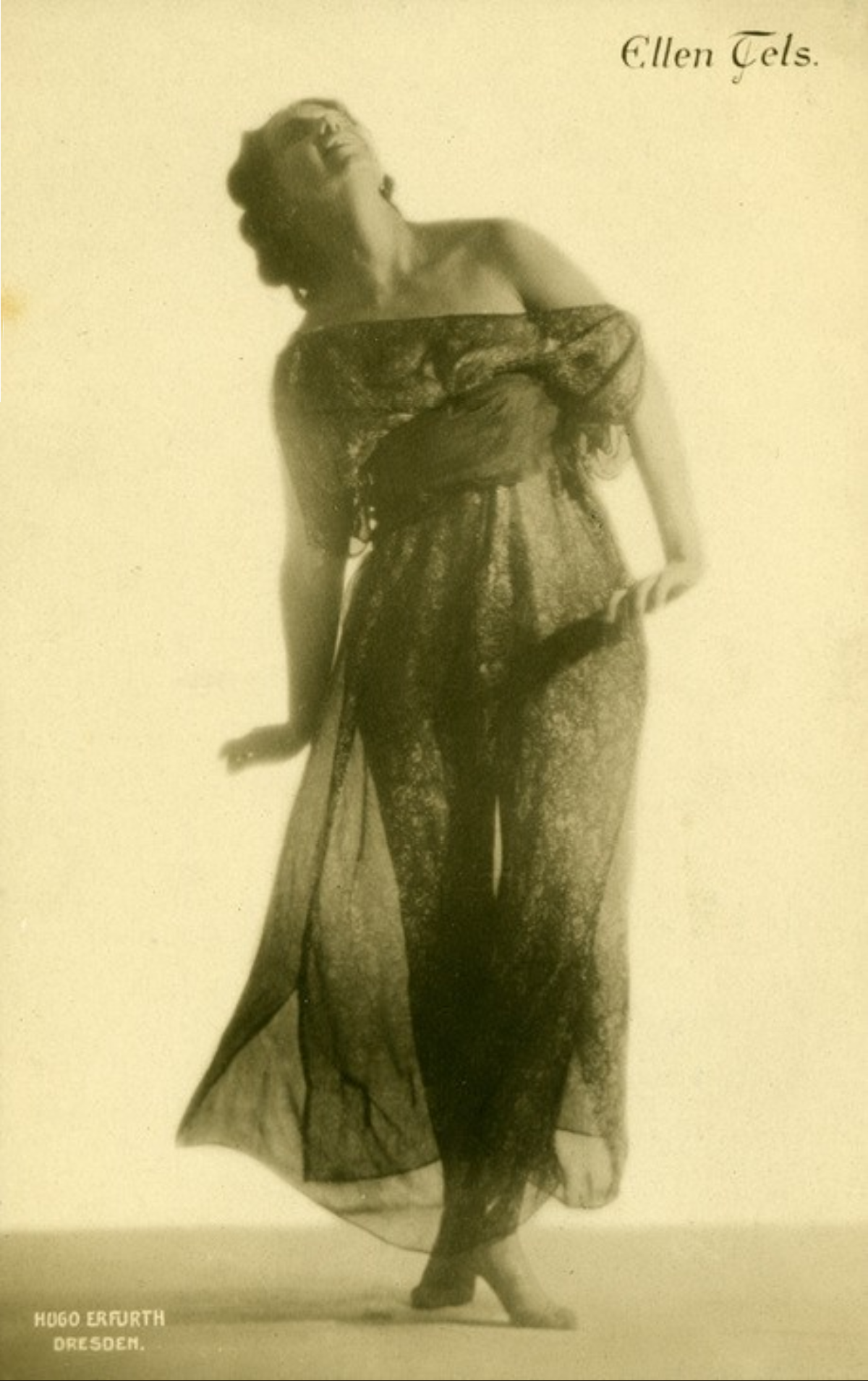
Hugo Erfuth :: Ellen Tels-Rabenek, undated. Vintage card. | view on original post
Hugo Erfurth :: Ellen Tels, dancing, around 1912. Silver gelatin print on matte paper. Print from 1916. With blind stamp below right. "Hugo Erfurt Dresden 1916". Ellen Tels studied classical and free dance with Elisabeth Duncan, Isidora Duncan's younger sister, and worked at the Moscow Art Theater, where she ran her own studio from 1911 to 1919. With her ensemble she showed her own choreographic creations and made guest appearances between 1911 and 1914 in Western Europe, especially in Austria and Germany.
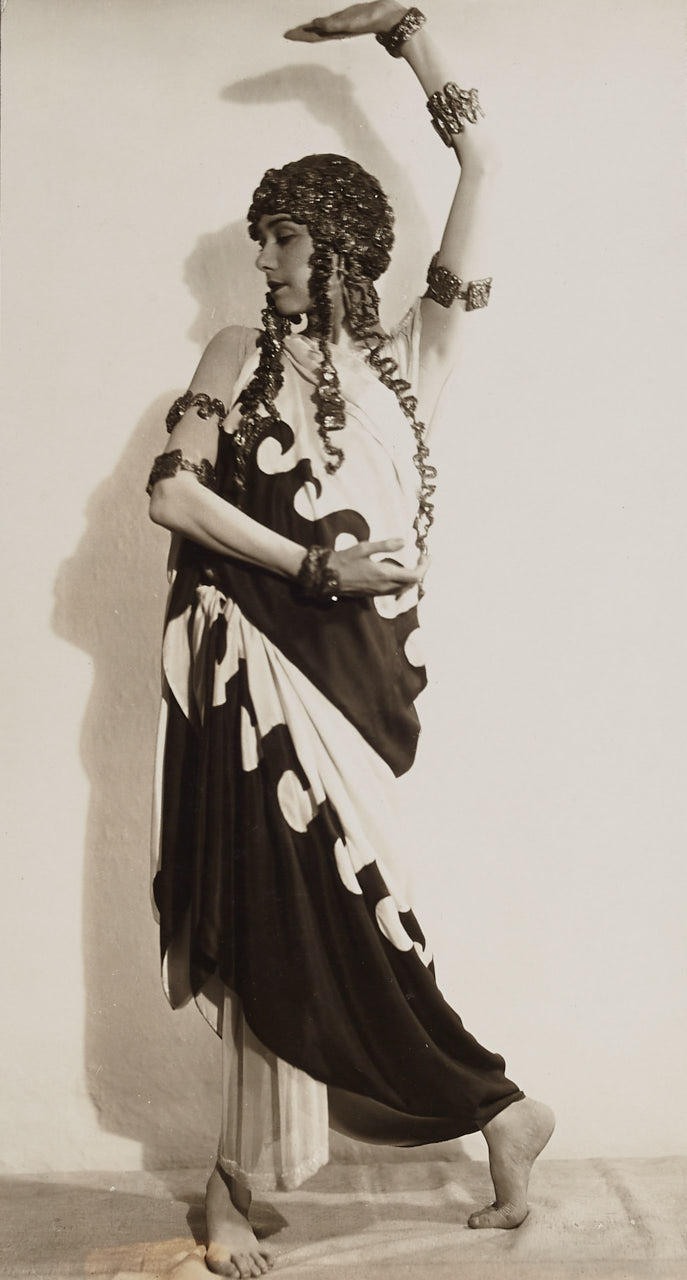
src Schmidt Kunstauktionen Dresden
Hugo Erfurth :: Ellen Tels, tanzend, um 1912. Silver gelatine print auf mattem Papier. Abzug von 1916. Mit Blindstempel u.re. “Hugo Erfurt Dresden 1916”.
Hugo Erfurth :: Ellen Tels, dancing, around 1912. Silver gelatin print on matte paper. Print from 1916. With blind stamp below right. “Hugo Erfurt Dresden 1916”.
src Schmidt Kunstauktionen Dresden ~ link to hi-res

Ellen Tels hatte Klassischen und Freien Tanz bei Elisabeth Duncan, der jüngeren Schwester von Isidora Duncan, studiert und war im Künstlertheater Moskau tätig, wo sie von 1911 bis 1919 ein eigenes Studio betrieb. Mit ihrem Ensemble zeigte sie choreografische Eigenkreationen und gastierte zwischen 1911 und 1914 in Westeuropa, vor allem in Österreich und Deutschland.

Ellen Tels studied classical and free dance with Elisabeth Duncan, Isadora Duncan’s younger sister, and worked at the Moscow Art Theater, where she ran her own studio from 1911 to 1919. With her ensemble she showed her own choreographic creations and made guest appearances between 1911 and 1914 in Western Europe, especially in Austria and Germany.

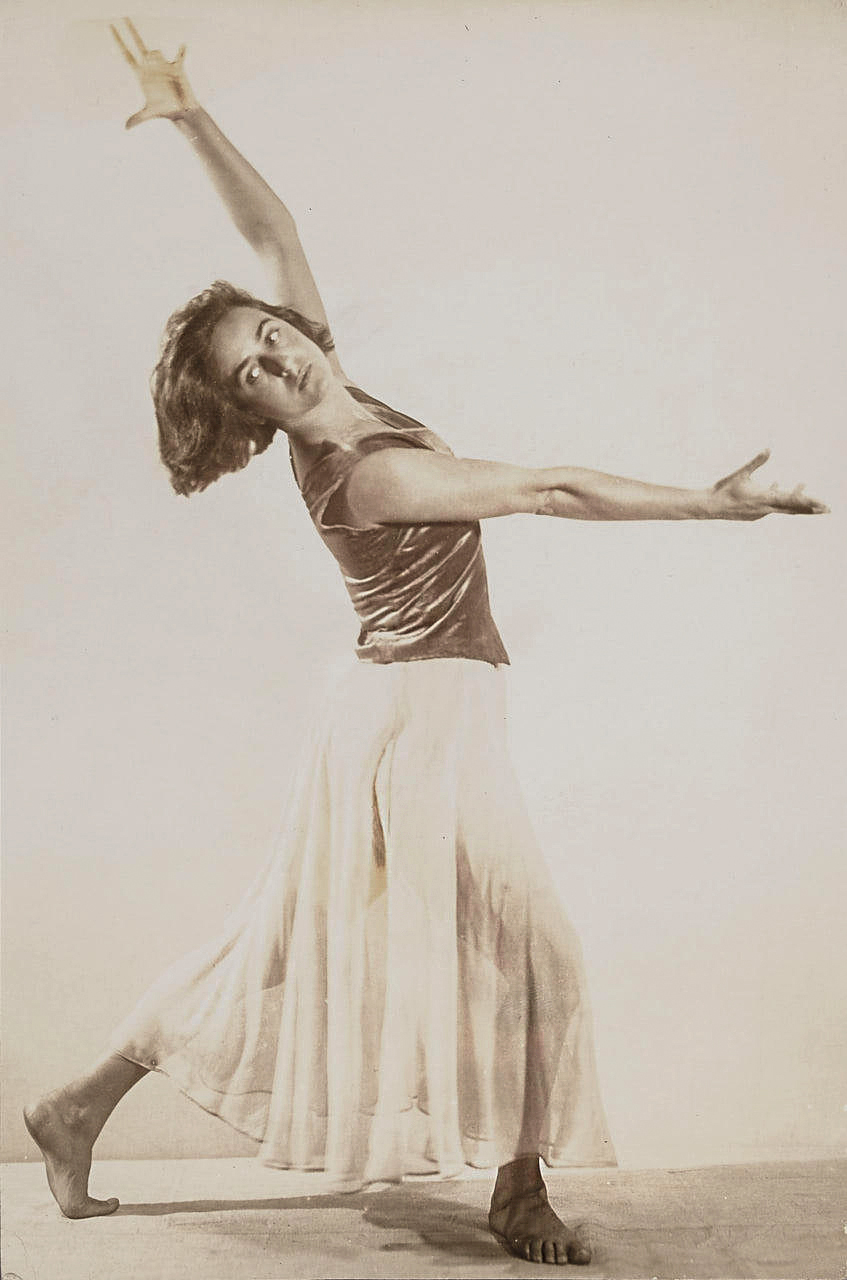
Dance study, Berlin, ca. 1928

Atelier Robertson (1927–1933) :: Clotilde von Derp (?). From a group of four dance studies, Berlin, ca. 1928. Each with the photographer’s studio stamp and handwritten annotations in pencil on the reverse. | src Ostlich 15th Photo Auction

Hertha Feist, ca. 1928

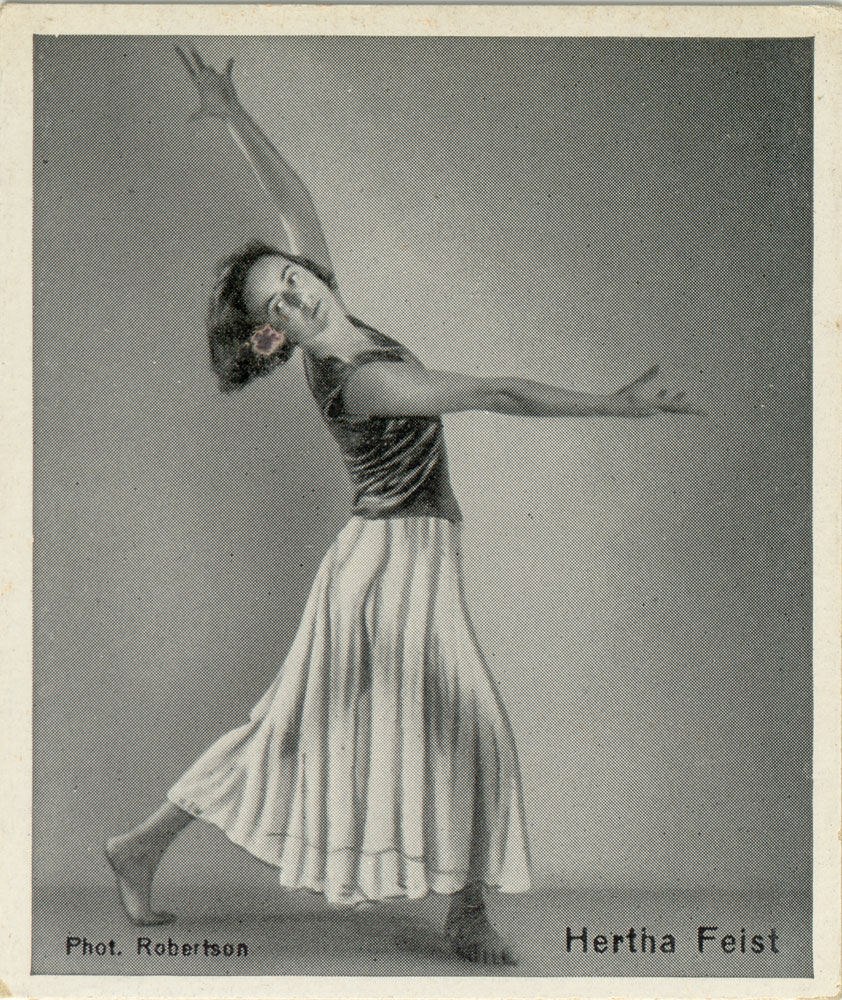
Atelier Robertson (1927–1933) :: Hertha Feist. From a group of four dance studies, Berlin, ca. 1928. Each with the photographer's studio stamp and handwritten annotations in pencil on the reverse. | src Ostlich 15th Photo Auction (11-2016)
Atelier Robertson (1927–1933) :: Hertha Feist. From a group of four dance studies, Berlin, ca. 1928. Each with the photographer’s studio stamp and handwritten annotations in pencil on the reverse. | src Ostlich 15th Photo Auction (11-2016)
Hertha Feist. Der Künstlerische Tanz (Eckstein) card # 86 | src Virtual History

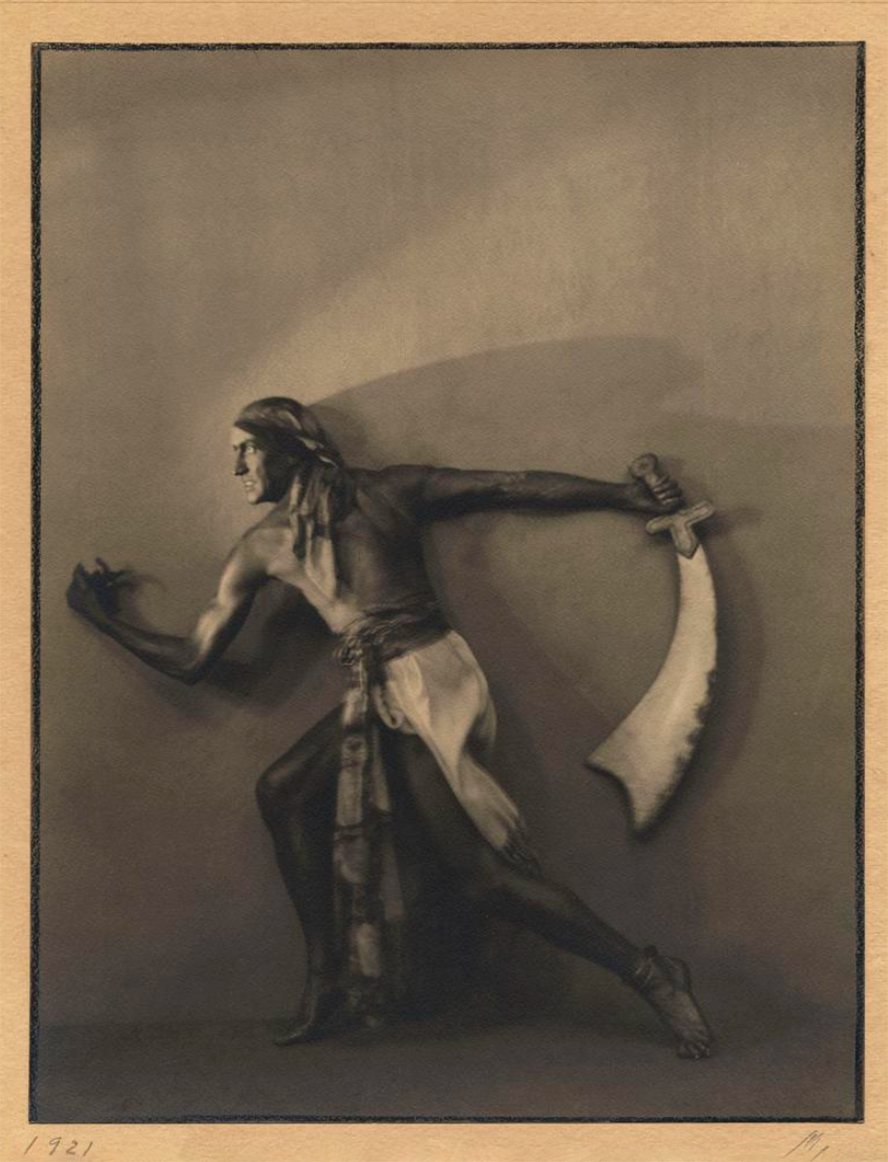
The Brigand, ca. 1921

Nickolas Muray :: The Brigand, ca. 1921. Bromide print of a man [Hubert Julian Stowitts] in profile, creeping along a wall. He has a turban on his head and a sheath in his hand, he is poised on his toes. Verso: “Title: The Brigand by Nickolas Muray. 124 Macdougal Street New York.” and “London Salon, 1921.” | src NMAH ~ Smithosonian Institution

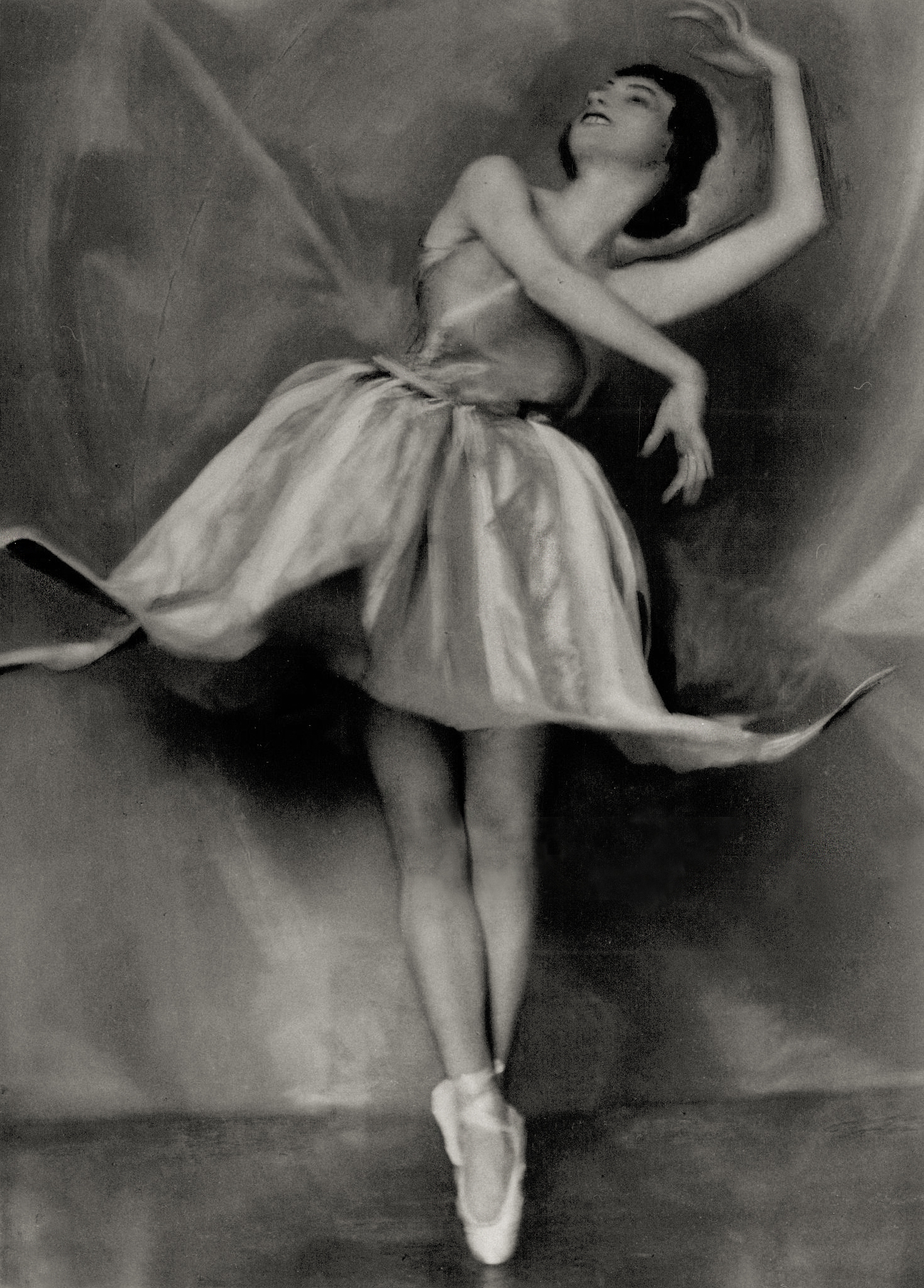
Maria Warhuus as Lotus, 1920

Frieda G. Riess :: Ballet dancer Maria Warhuus as Lotus, 1920 (full length portrait). Photographer: Atelier Frieda G. Riess (Photo by Frieda Riess). | src Getty Images

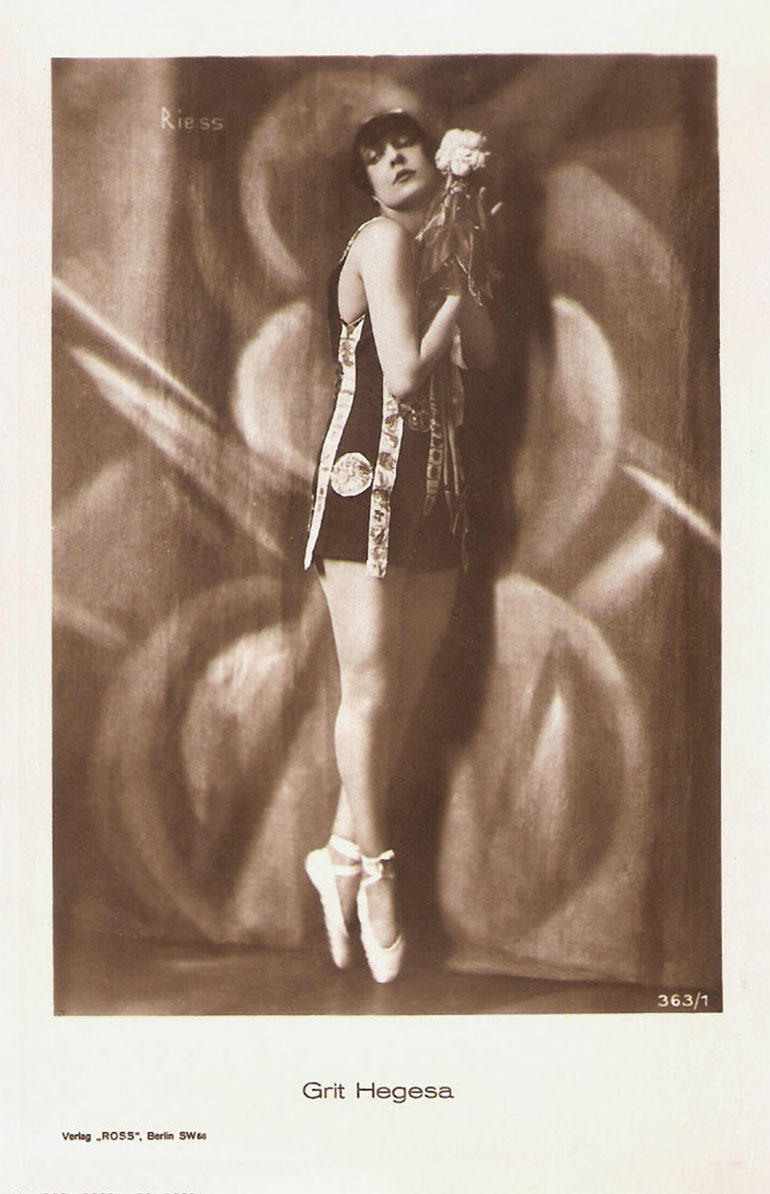
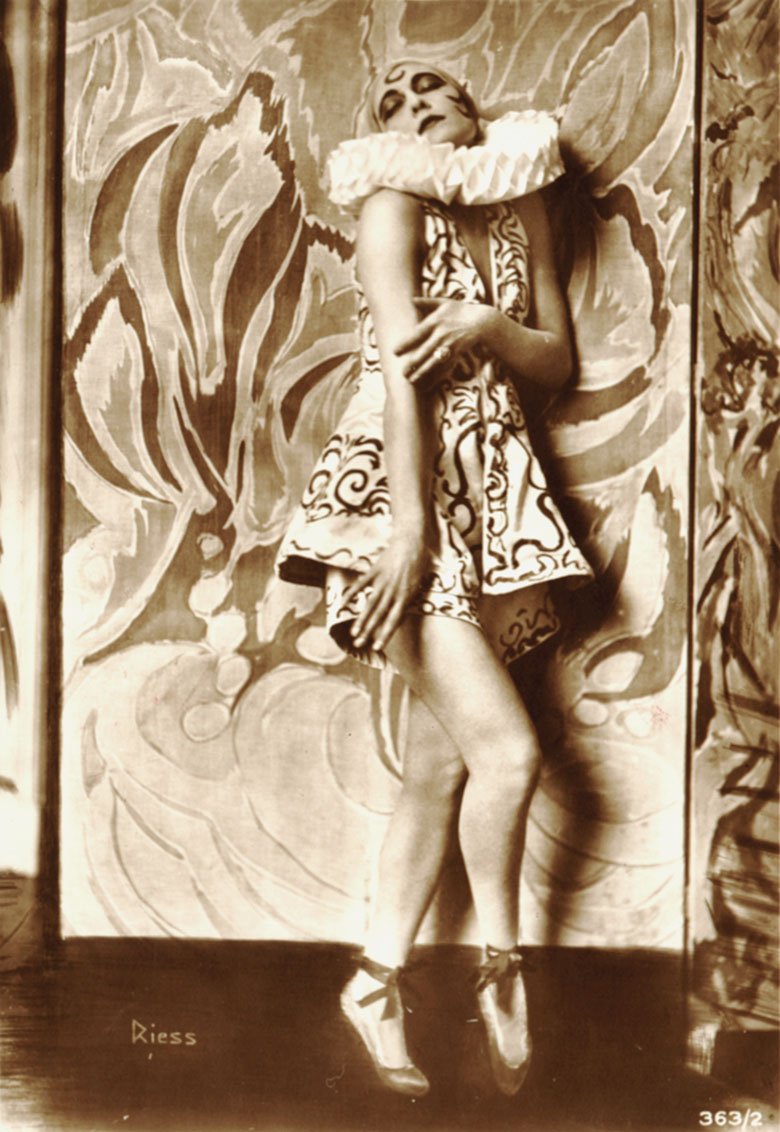
Grit Hegesa by Riess ca. 1920

Frieda Gertrud Rieß ~ Grit Hegesa in the role of Harlequin, late 1910s | src getty images
Grit Hegesa. German postcard by Ross Verlag, no. 363/1, 1919-1924. Photo: Frieda Riess | src flickr
Frieda Gertrud Riess ~ Die Tänzerin Grit Hegesa, um 1920. | src Die Riess exhibit at Das Verborgene Museum
Grit Hegesa. German postcard by Ross Verlag, no. 363/1, ca. 1920. Photo: Frieda Riess | src alamy
Frieda Gertrud Riess :: Die Tänzerin Grit Hegesa, um 1920. | src Die Riess exhibit at Das Verborgene Museum
Frieda Gertrud Riess ~ Die Tänzerin Grit Hegesa, um 1920. | src Die Riess exhibit at Das Verborgene Museum

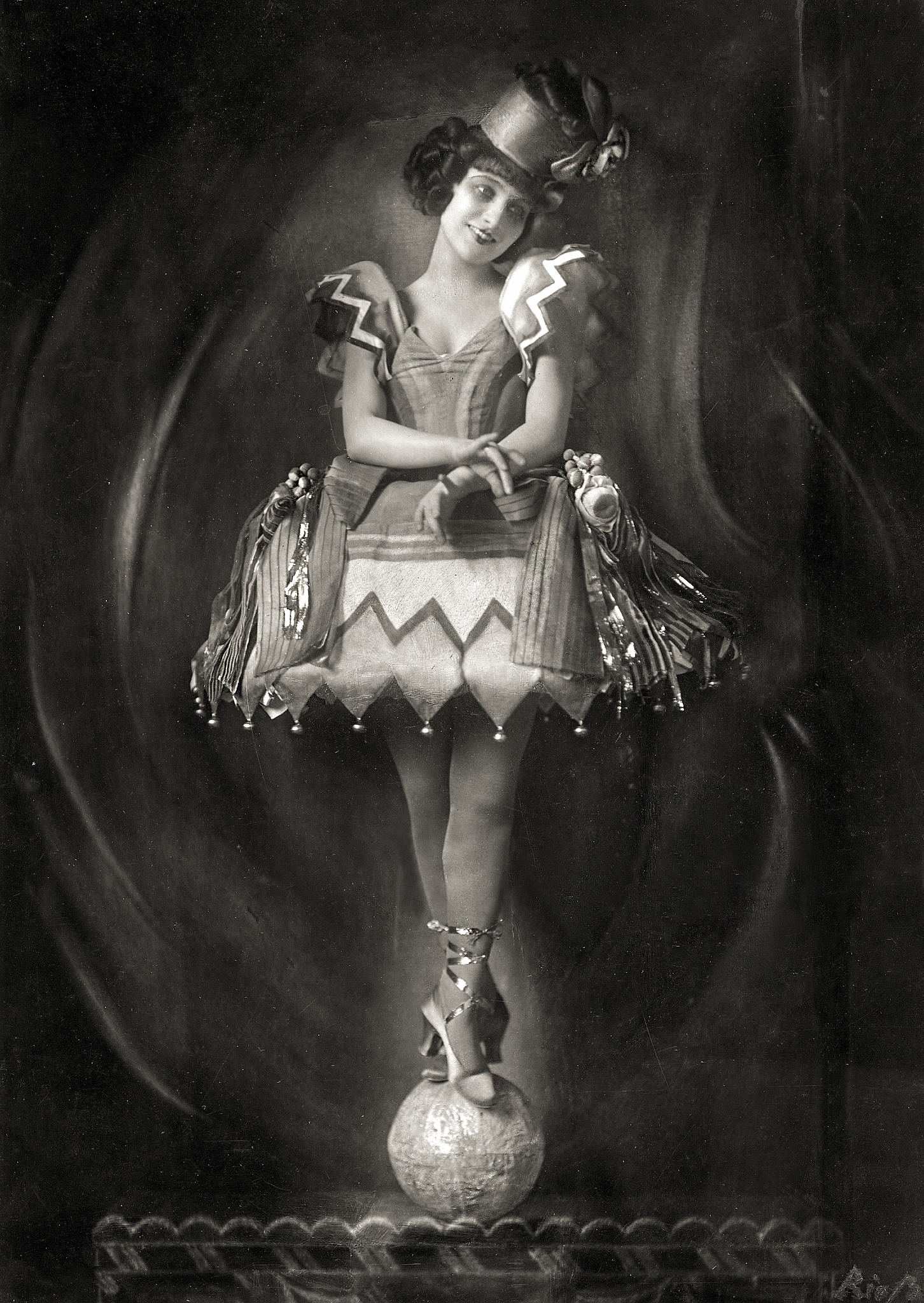
Lore Sello as ‘Game clock’, 1923

Frieda G. Riess :: Portrait of the dancer Lore Sello in the role of a ‘Game clock’ in the cabaret ‘Die Gondel’, 1923. | src Getty Images