images that haunt us
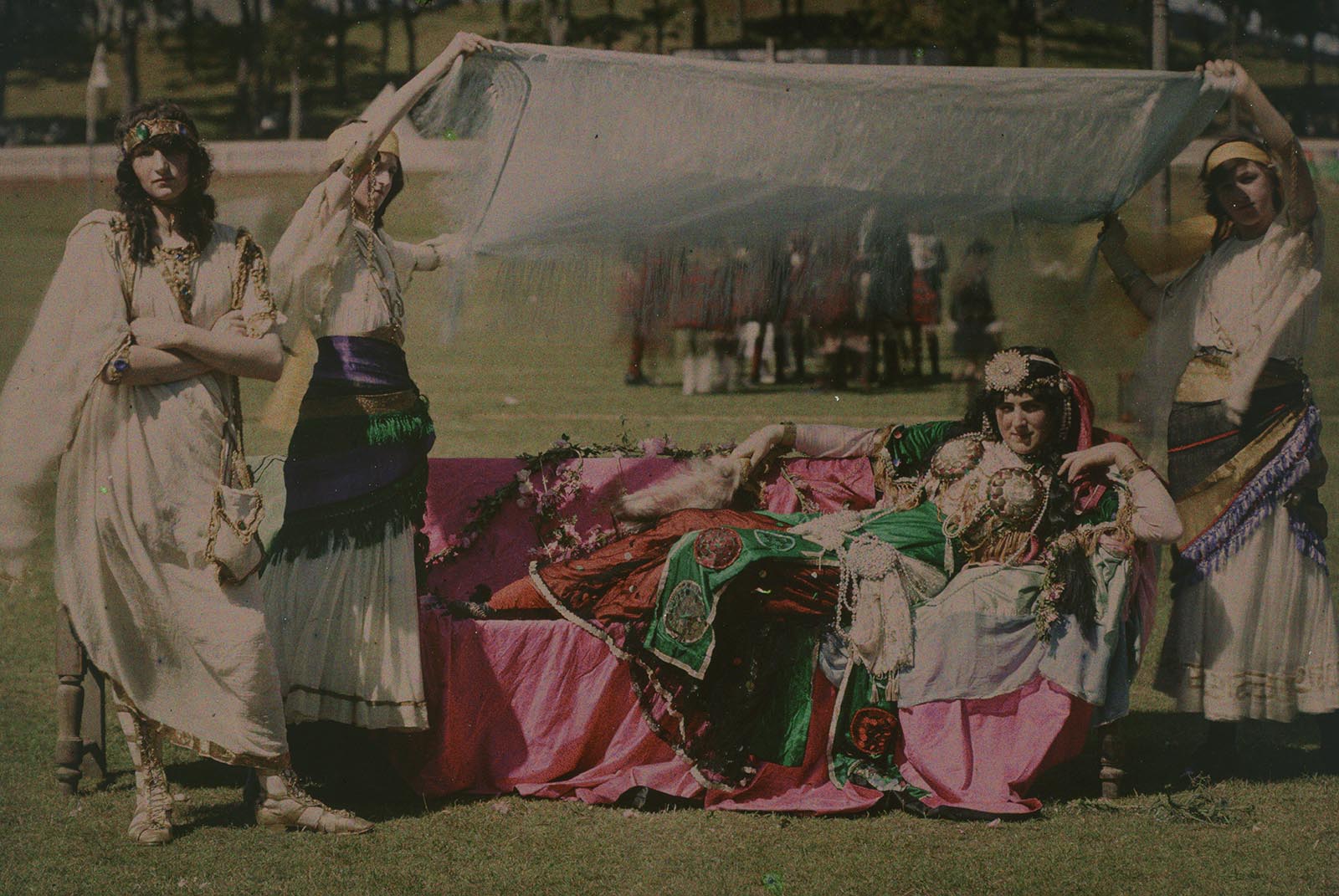
When the autochrome — the Lumière brothers’ new colour photographic process — reached New Zealand in 1907, it was eagerly adopted by those who could afford to use it. Among them was Auckland photographer Robert Walrond, whose ‘Cleopatra’ in Domain cricket ground is among a small number of superb early colour photographs in Te Papa’s collection. The combined effect of the sun and wind on the women’s costumes and in the fluttering appearance of the silk scarf held above the Cleopatra character is stunning. The tableau is interrupted but undiminished by what appears to be a pipe band in uniform in the background. The women were very likely part of what was described by the New Zealand Herald as a ‘fine’ performance of Luigi Mancinelli’s Cleopatra (a musical setting of the play by Pietro Cossa), associated with the Auckland Exhibition of 1913–14 held in the Domain.
The story of Cleopatra — with a particular focus on her love life and tragic death — was an exotic but respectable theme for theatre and dress-up events for women at the time. The Cleopatra myth and look were popularised by international performers such as the frequently-photographed Sarah Bernhardt in France and by numerous stage productions and films from the late nineteenth century onwards. With the advent of photography, part of performing the role became having a portrait made while in costume. The arrival of the autochrome was greeted with excitement and anticipation because rich colours could now be captured and the elaborate style of the costumes enhanced.
Much was made of the impact the autochrome would have on art and the role of photography within it. However, one of the disadvantages of the process was that it involved a unique one-off image on a glass plate: this required projection to be viewed and couldn’t be exhibited. So despite the original excitement for the method, it slipped out of sight once new developments arrived that fixed colour printing on a paper format. Walrond’s set of autochromes held by Te Papa are one of only a few larger bodies of work by New Zealand practitioners of this process.
Lissa Mitchell – This essay originally appeared in New Zealand Art at Te Papa (Te Papa Press, 2018)


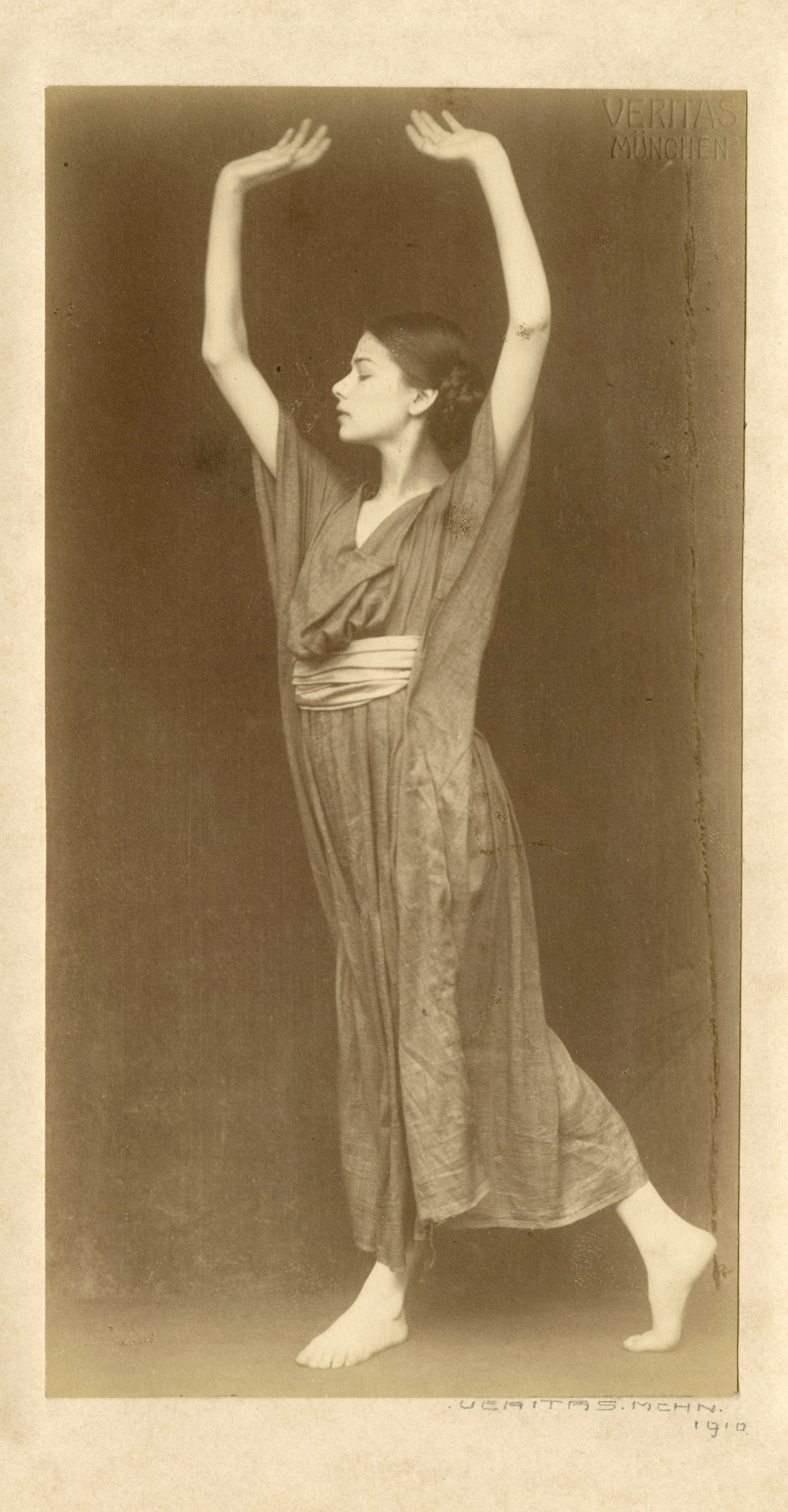
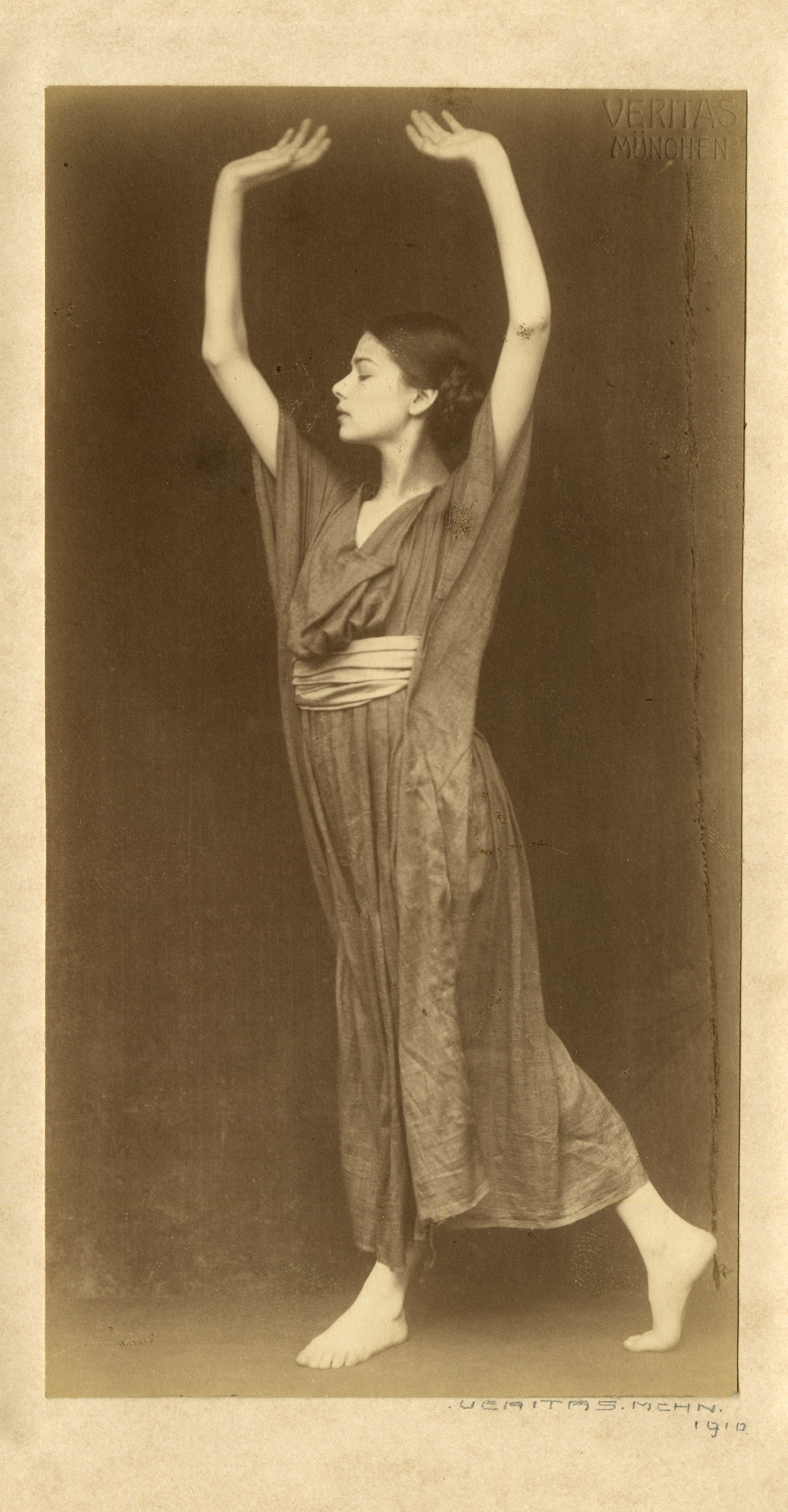
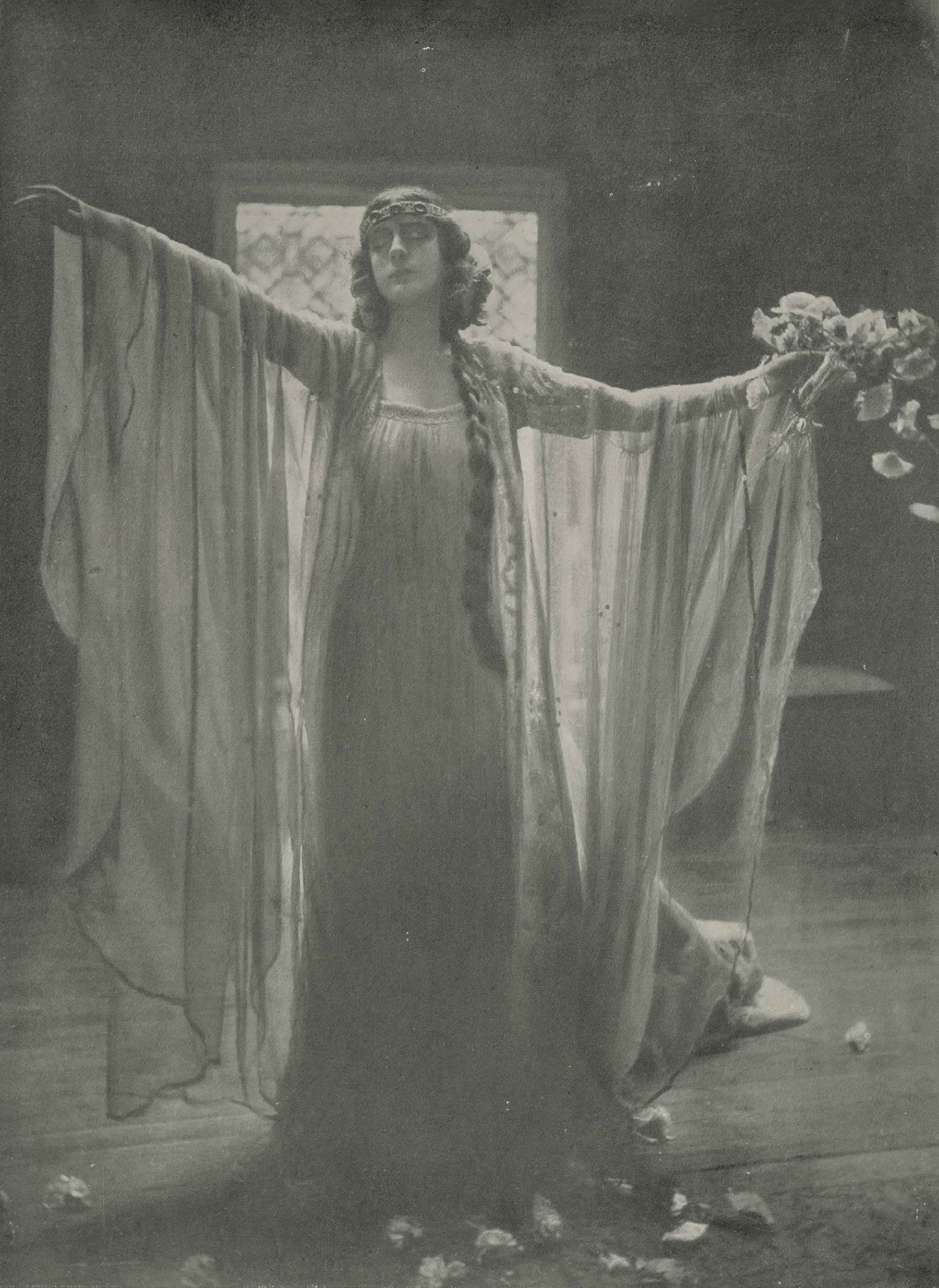
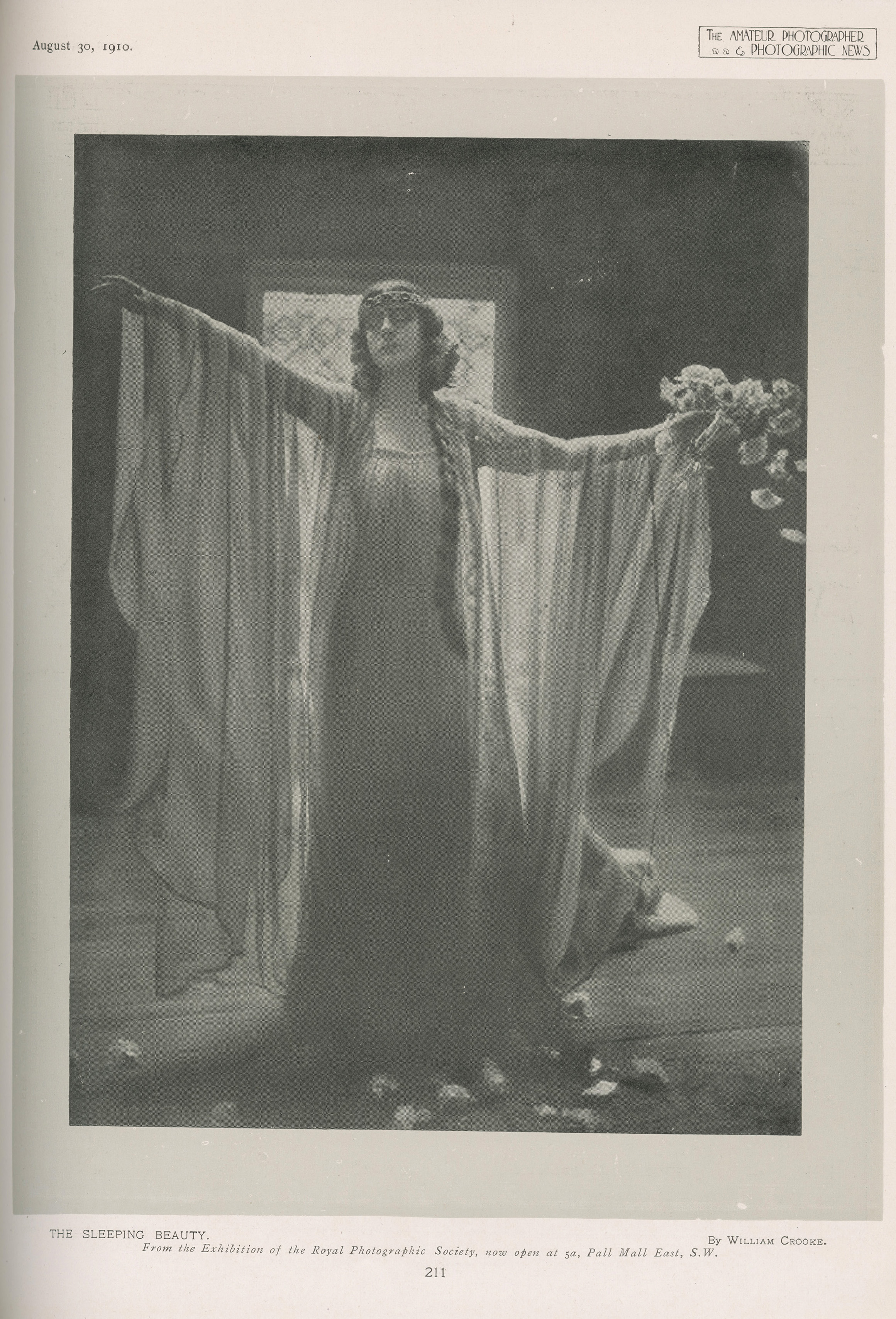
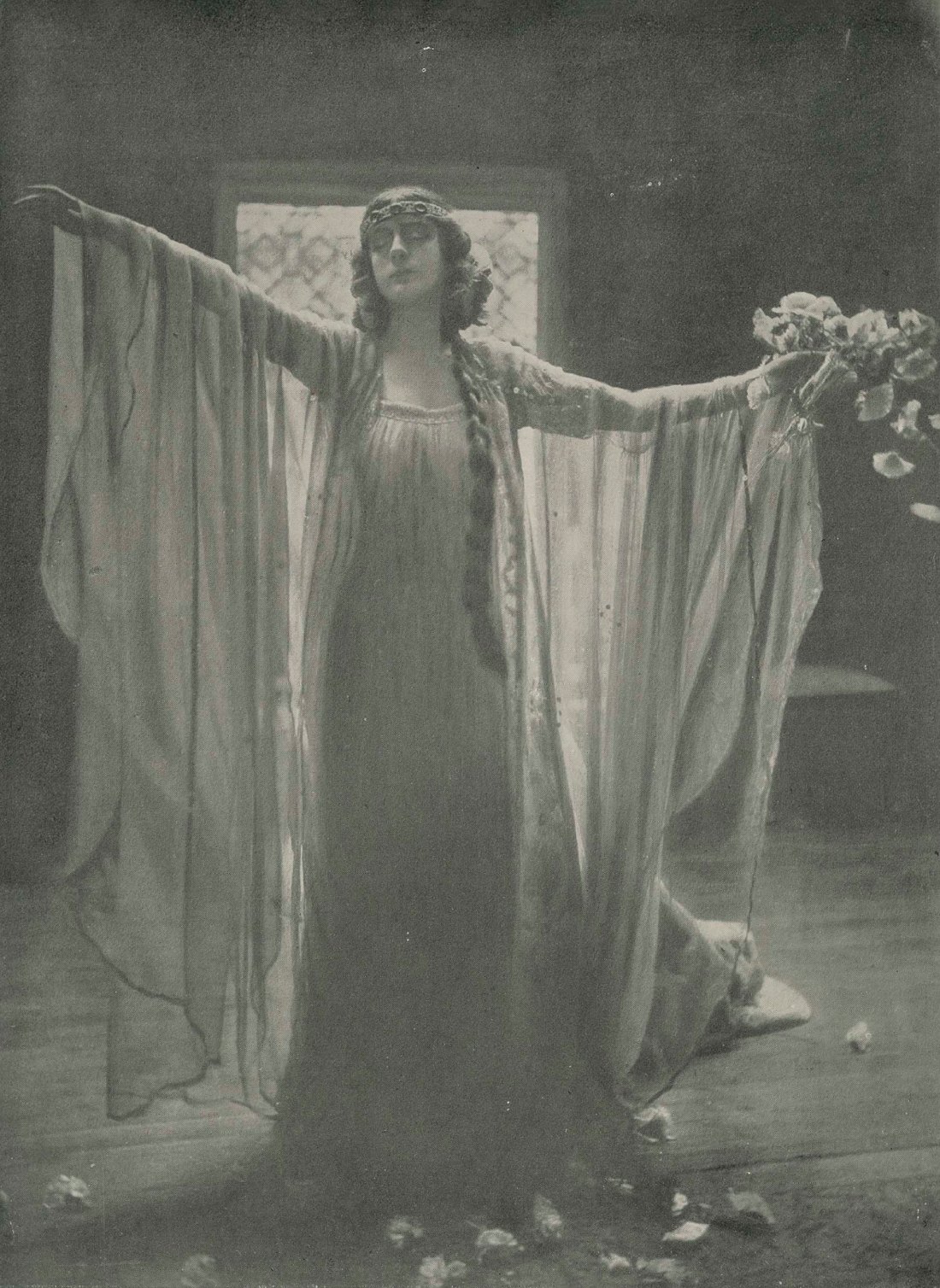
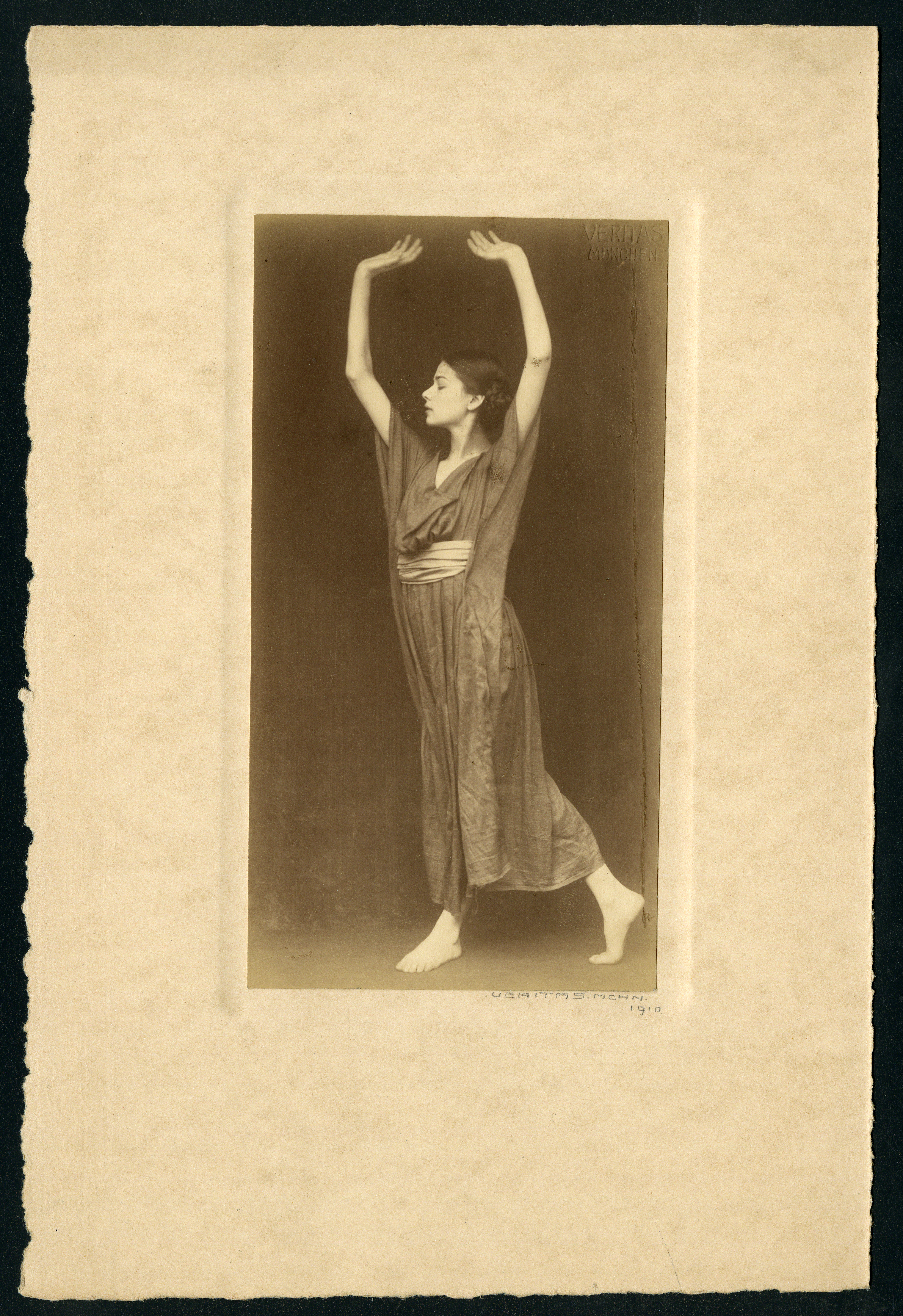
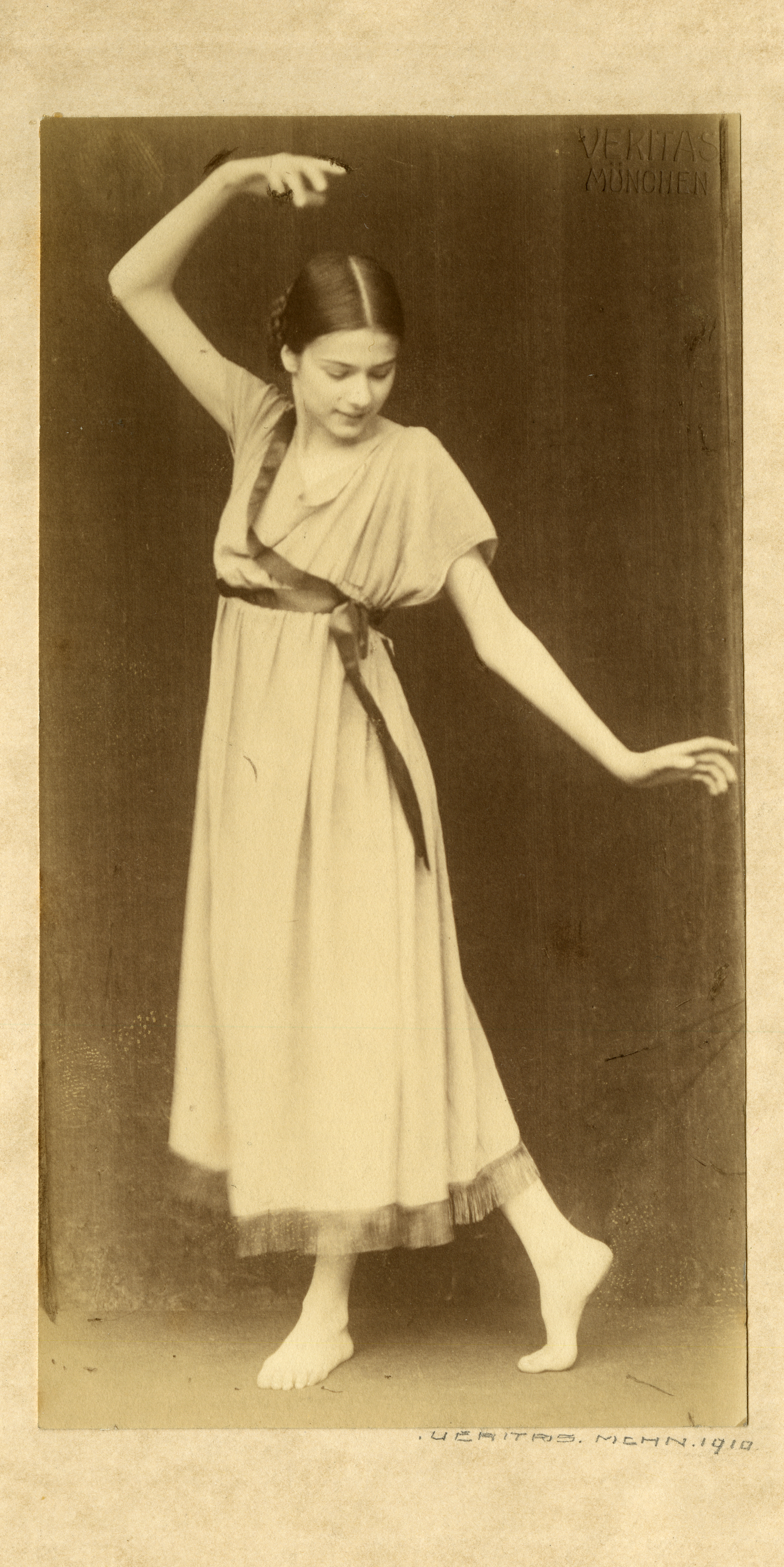
Stephanie Ludwig ran a studio in Munich called Veritas or Atelier Veritas. Some of her clients were expressionist dancers whom she photographed elegantly and simply, using natural light. Although the photo was dated 1905 on source, you can read on bottom right of the frame of the three images of this post “VERITAS. MCHN. / 1910”. The “unidentified expressionist dancer” looks very much like Clotilde von Derp. Clotilde Margarete Anna Edle von der Planitz (1892-1974) grew up in Munich, she received ballet lessons from Julie Bergmann and Anna Ornelli from the Munich Opera and she gave her first performance on 25 April 1910 at the Hotel Union, using the stage name Clotilde von Derp.
Probably these three photographs belong to that period and maybe linked to that performance on April 25th, 1910.
Furthermore, she was photographed by Stephanie Ludwig-Held for Der Kunstlerische Tanz Unserer Zeit (Hermann and Marianne Aubel, published 1928). view post
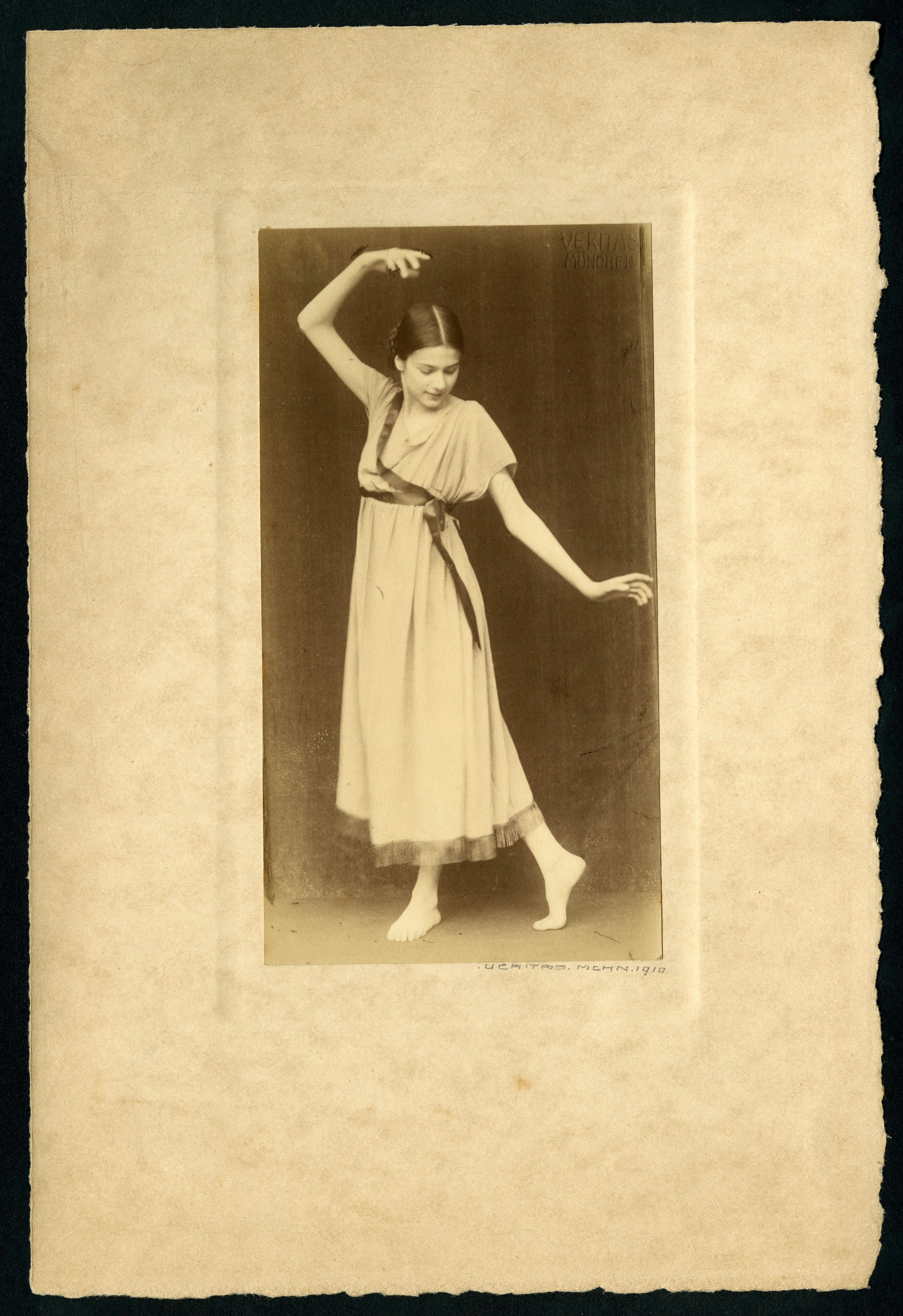
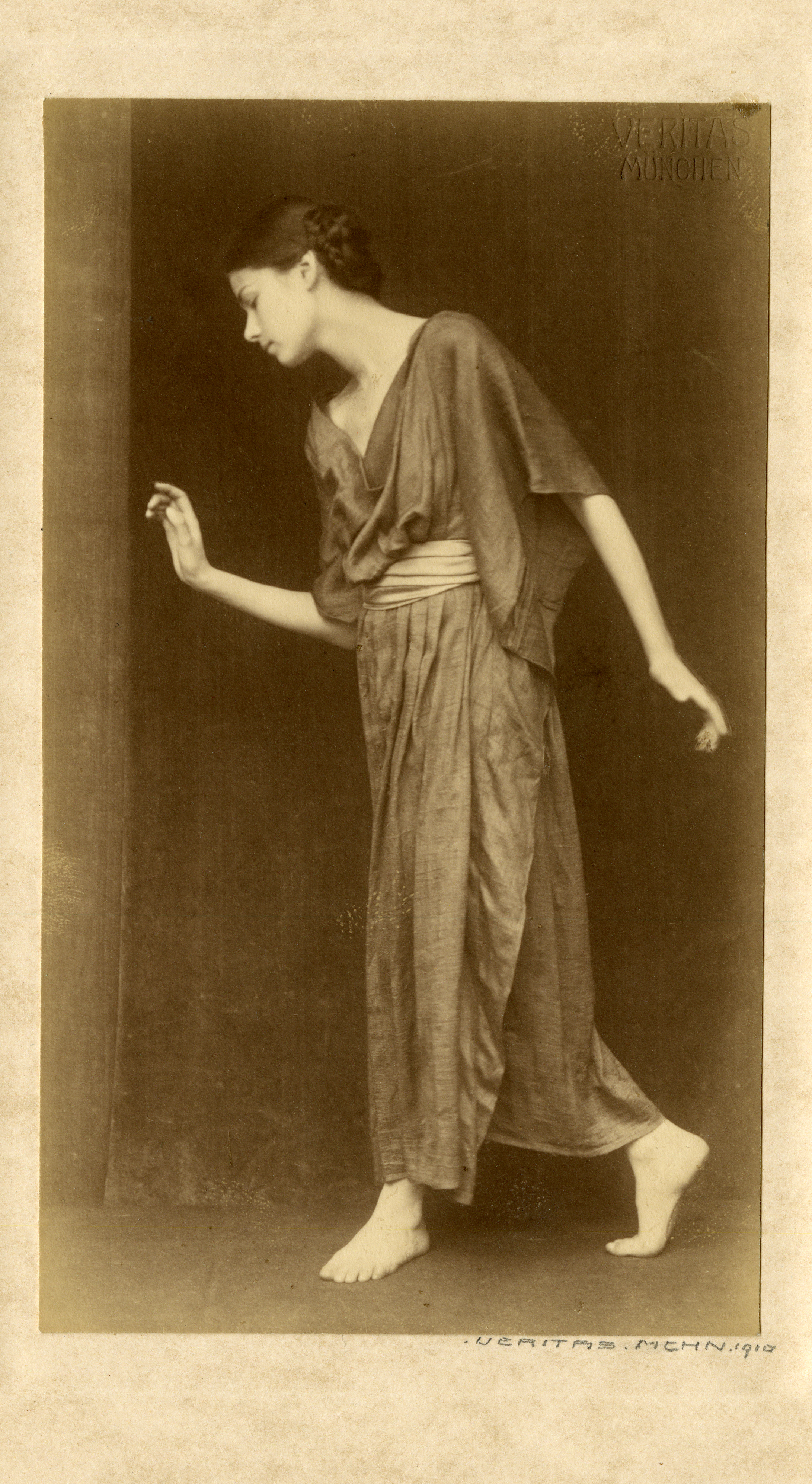
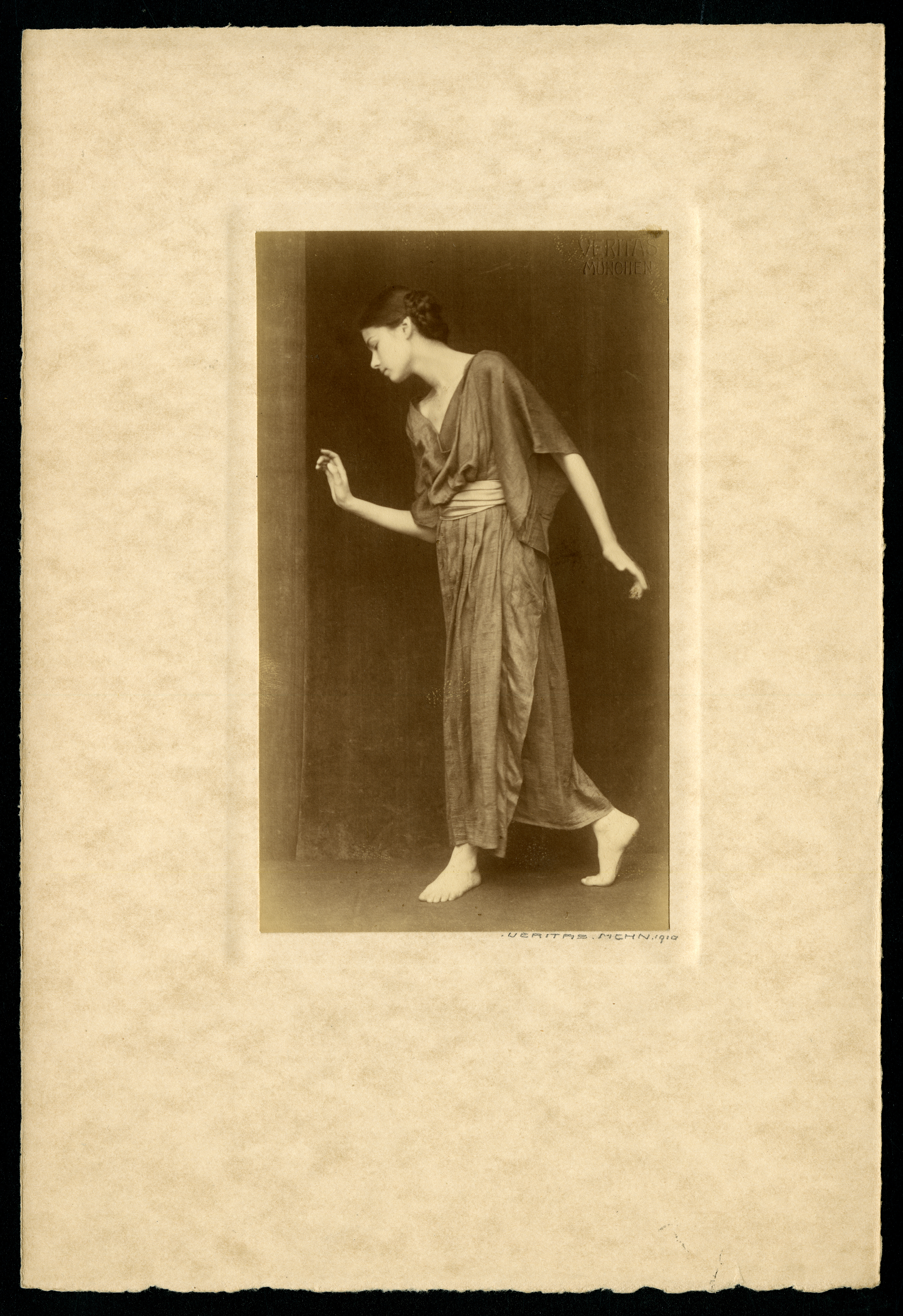
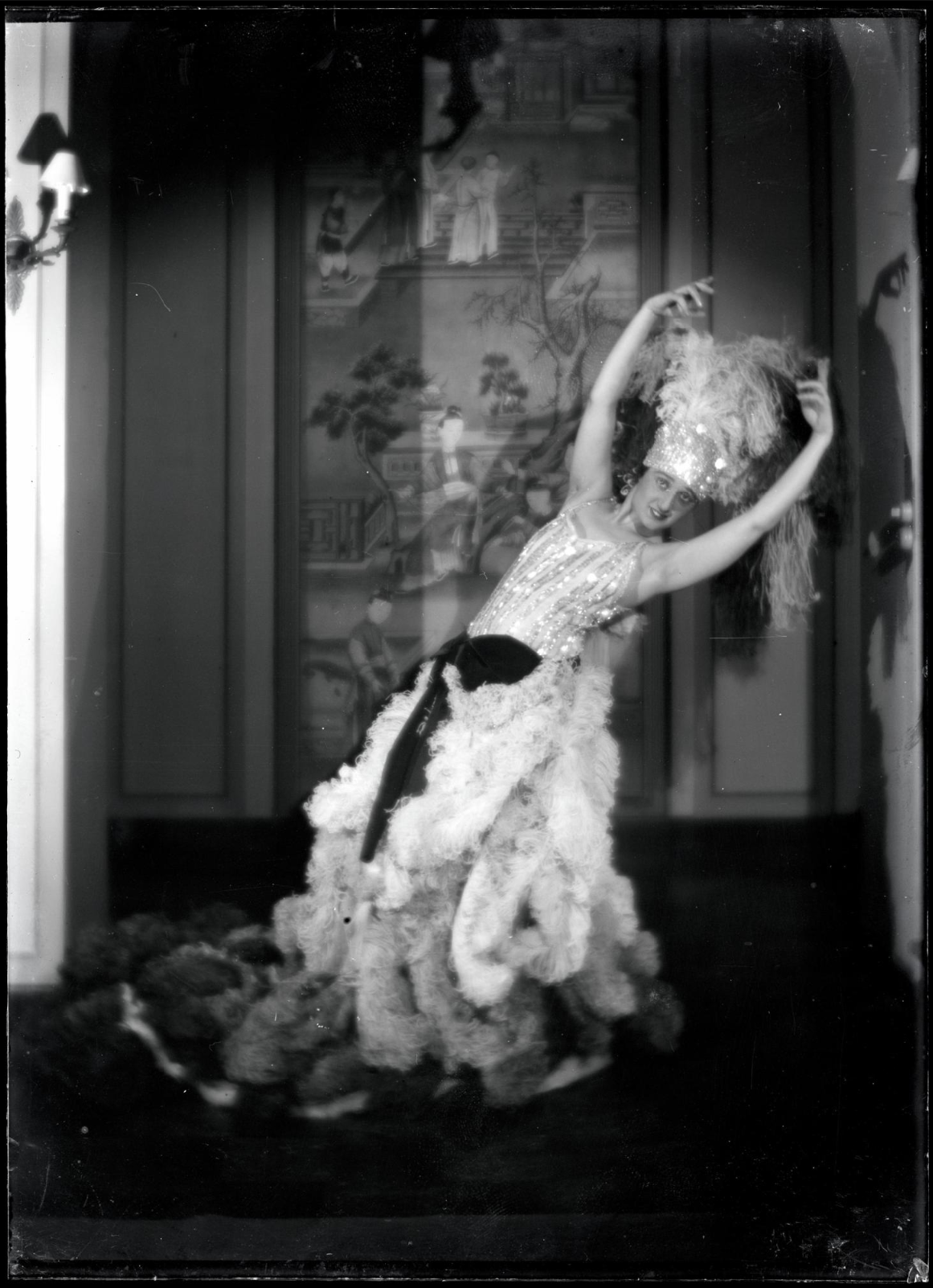
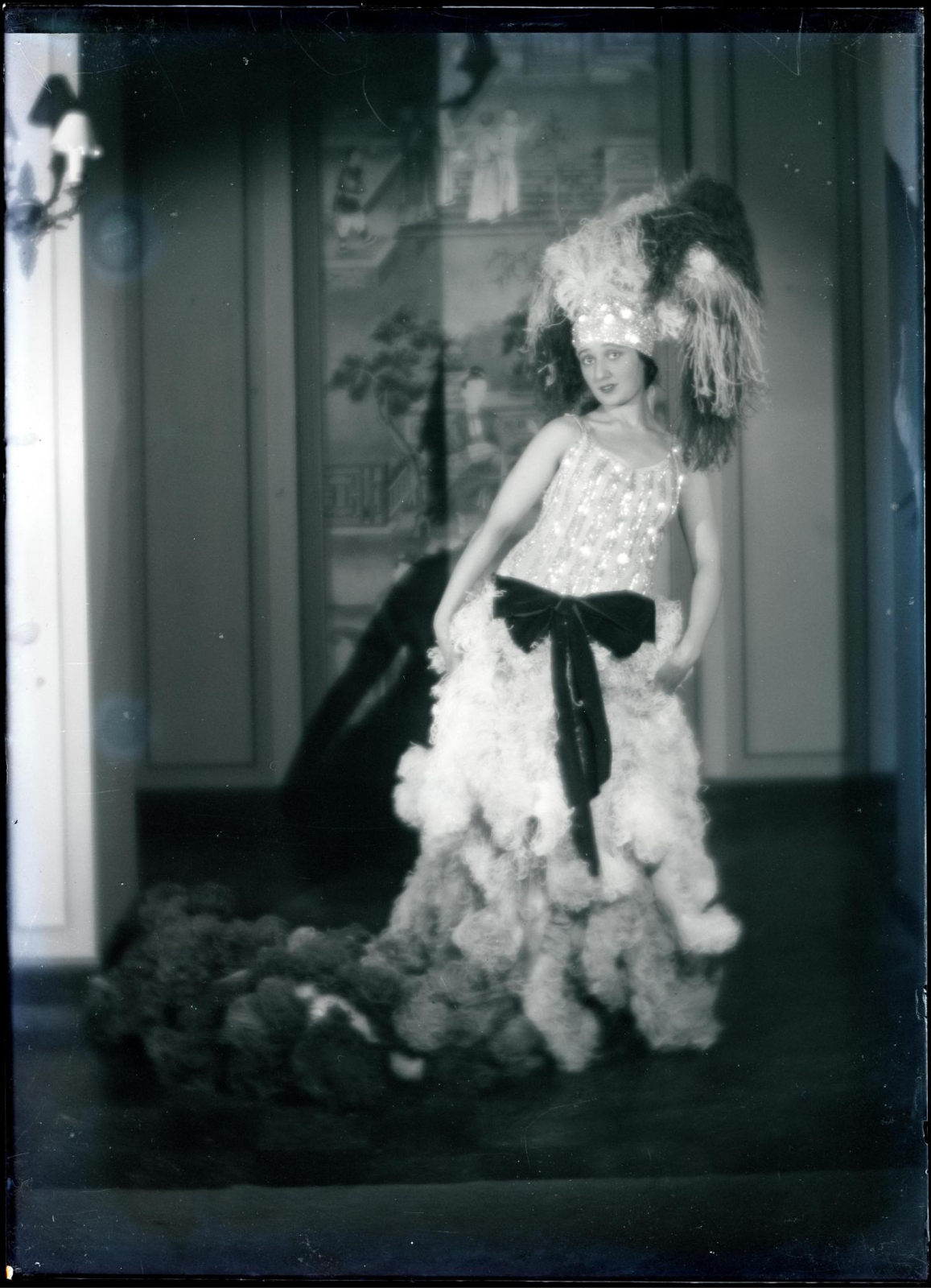
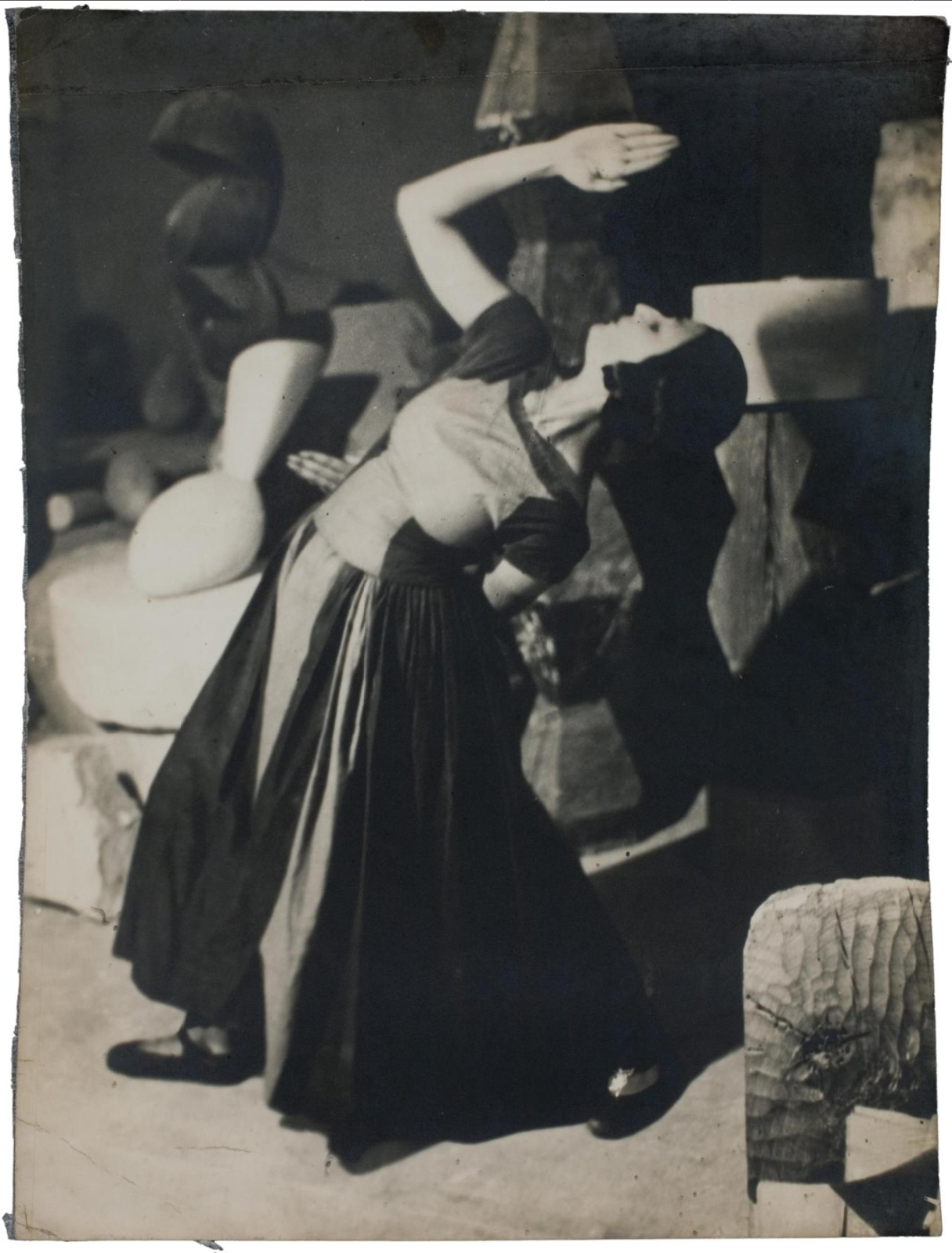


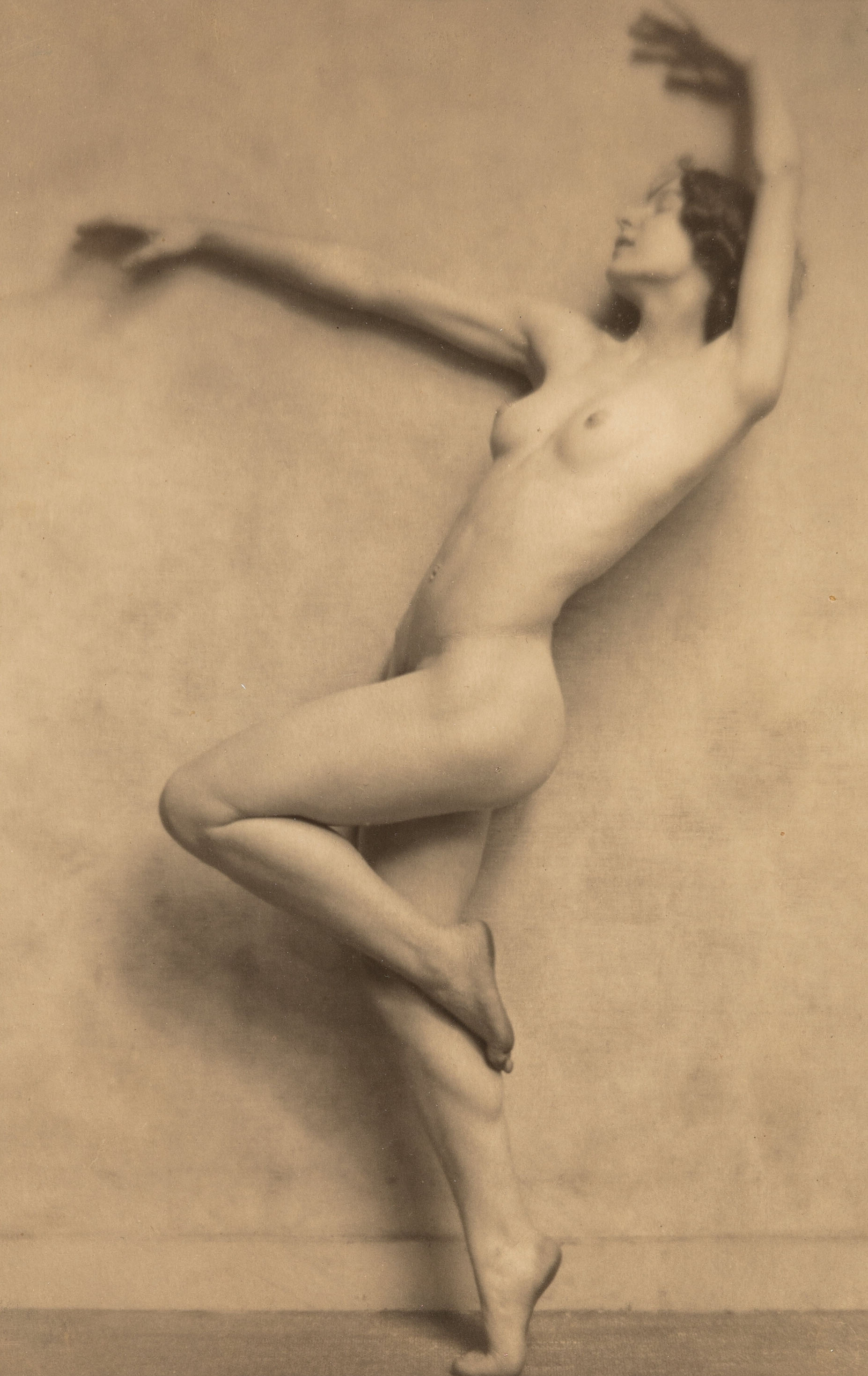

Pubblicata in: Vaccarino E., (a cura di) Giannina Censi: danzare il futurismo. Milano: Electa; Museo di arte moderna e contemporanea di Trento e Rovereto, 1998, p. 24 (both photographs)

![Karl Struss (1886-1981); Natacha Rambova [production still]; Gelatin silver print; Amon Carter Museum of American Art, Fort Worth, TX](https://unregardoblique.com/wp-content/uploads/2022/06/karl-struss-1886-1981-natacha-rambova-1920s-src-amon-carter-museum-portrait-6.jpg)
![Karl Struss (1886-1981); Natacha Rambova [production still]; Gelatin silver print; Amon Carter Museum of American Art, Fort Worth, TX](https://unregardoblique.com/wp-content/uploads/2022/06/karl-struss-1886-1981-natacha-rambova-1920s-src-amon-carter-museum-portrait-full-length-2.jpg)
![Karl Struss (1886-1981); Natacha Rambova [production still]; Gelatin silver print; Amon Carter Museum of American Art, Fort Worth, TX](https://unregardoblique.com/wp-content/uploads/2022/06/karl-struss-1886-1981-natacha-rambova-1920s-src-amon-carter-museum-portrait-full-length-1.jpg)
![Karl Struss (1886-1981); Natacha Rambova [production still]; Gelatin silver print; Amon Carter Museum of American Art, Fort Worth, TX](https://unregardoblique.com/wp-content/uploads/2022/06/karl-struss-1886-1981-natacha-rambova-1920s-src-amon-carter-museum-portrait-5.jpg)
[*] production stills probably from the film Forbidden Fruit (Cecil B. DeMille, 1921). In the film Rambova (b. Winifred Shaughnessy), along with Mitchell Leisen, was the costume designer and Struss the cinematographer.
 un regard oblique