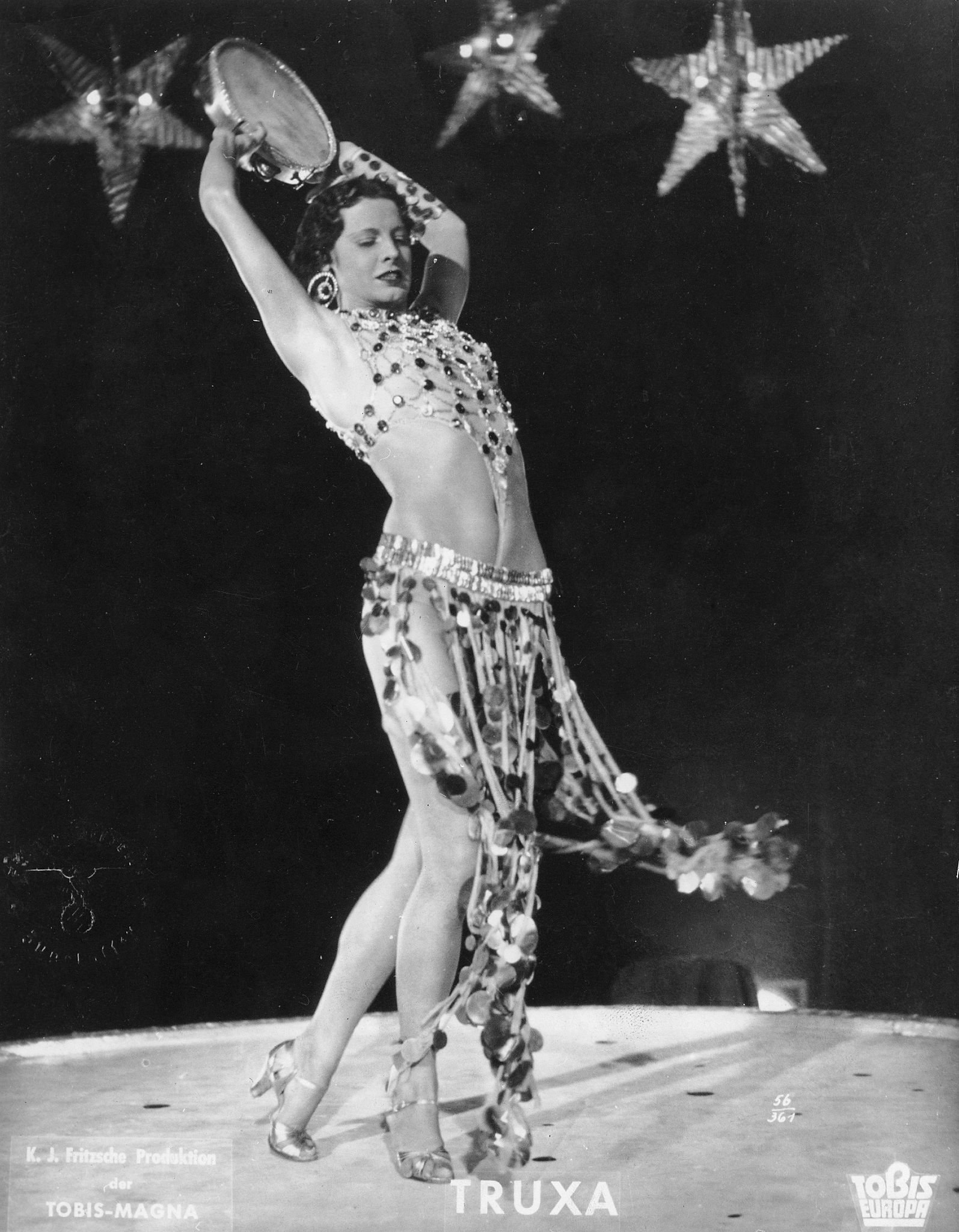
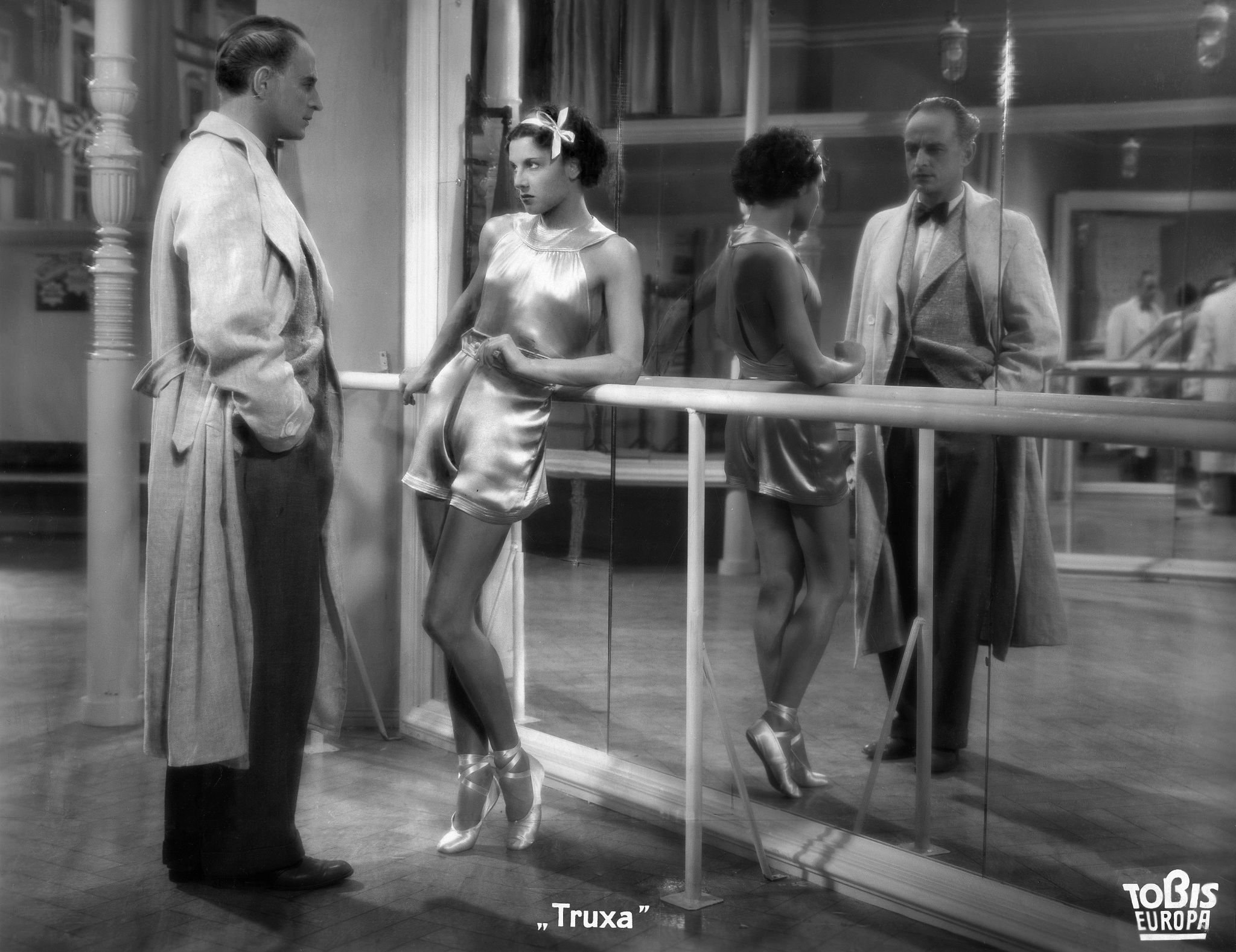
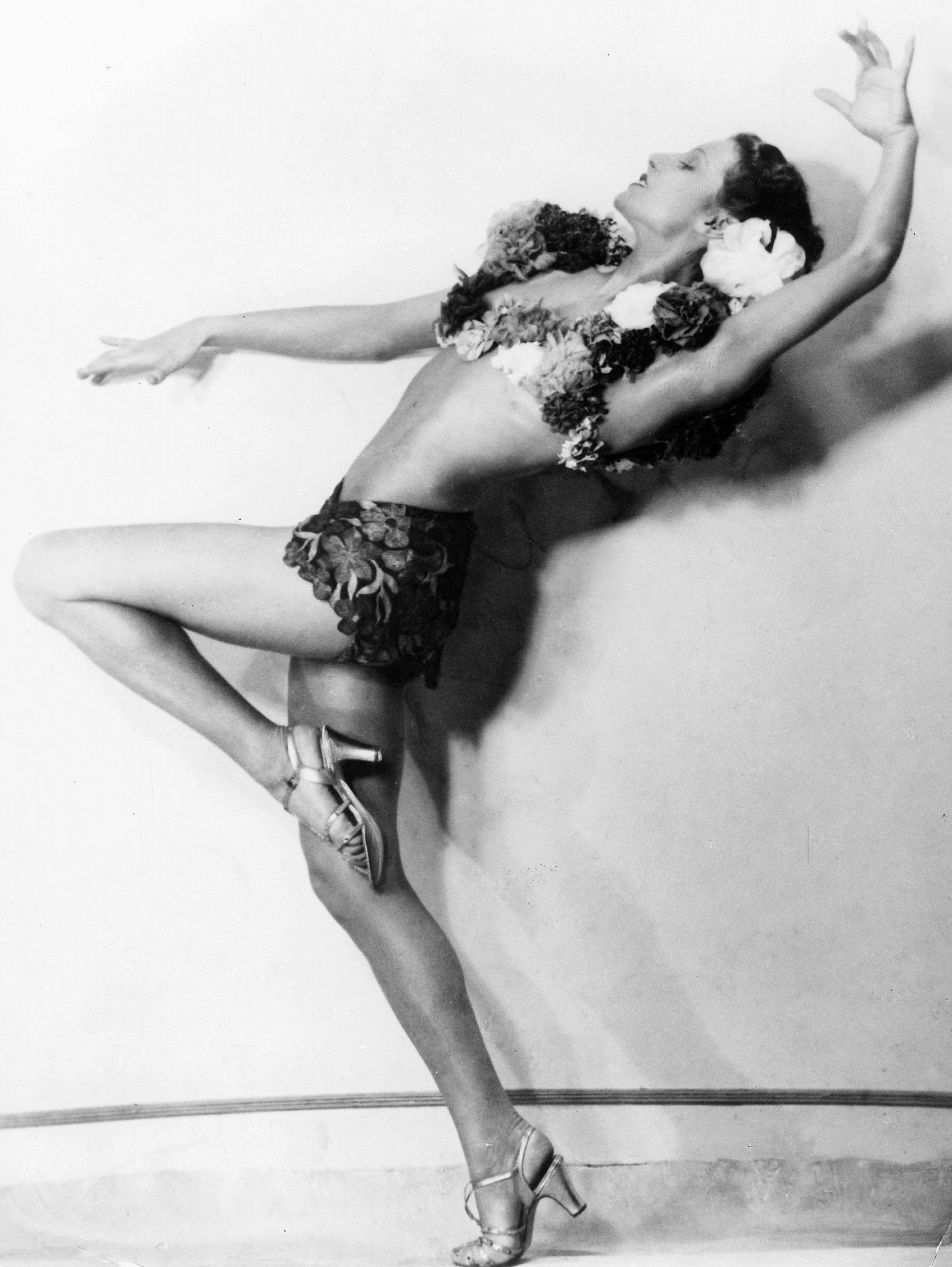
La Jana in the film Truxa · 1937

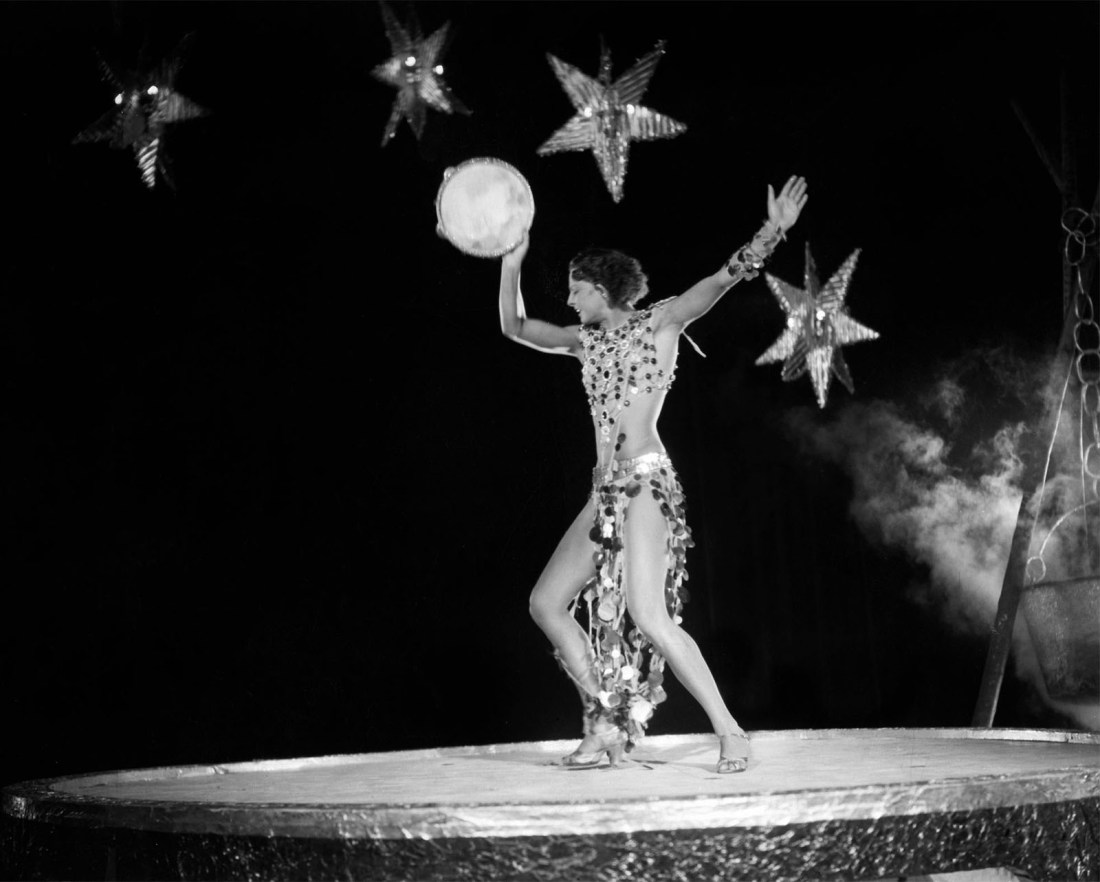
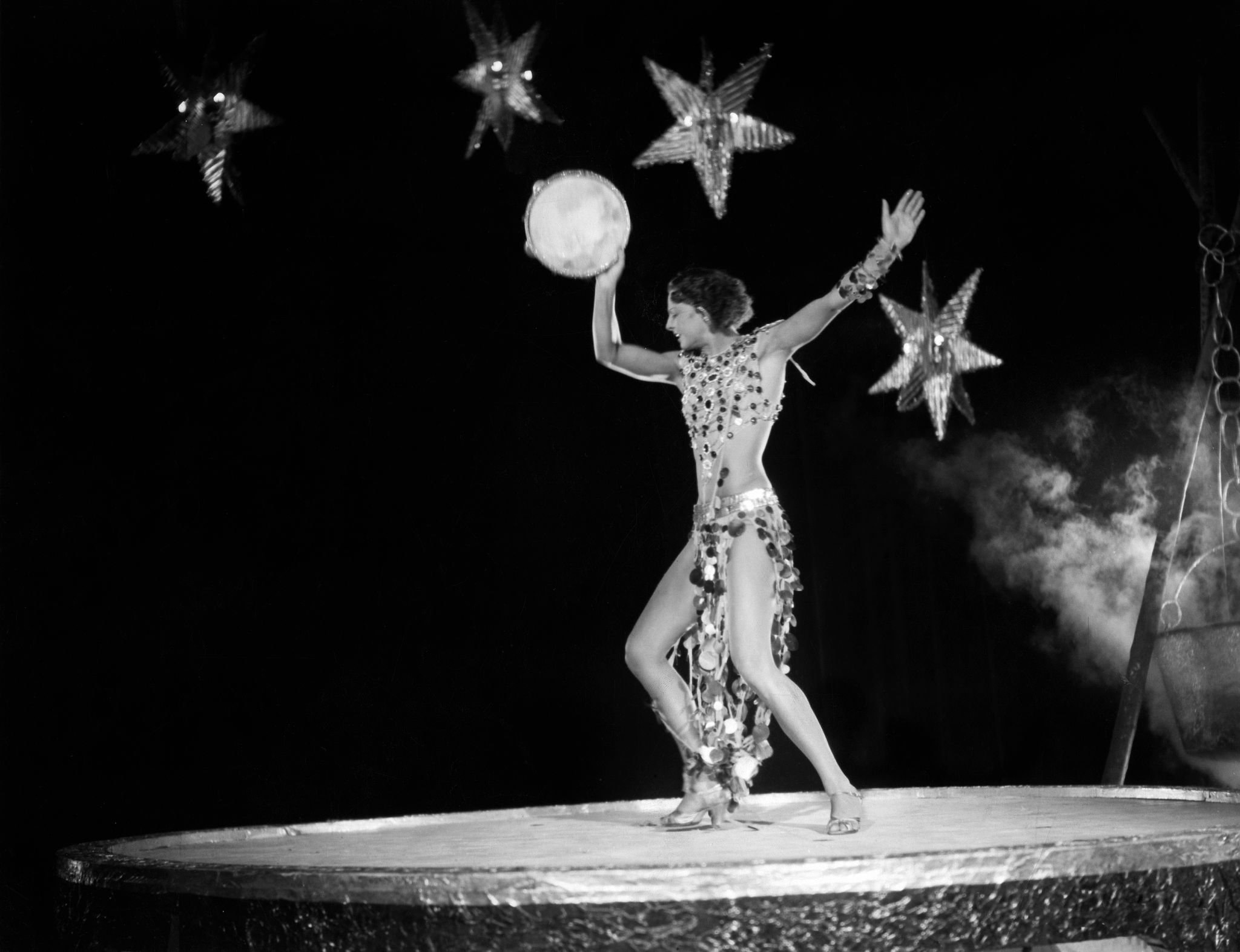
La Jana. Tanzszene aus dem Film ‘Truxa‘ mit Tamburin. Regie: Hans H. Zerlett, nach dem Roman von Heinrich Seiler. Deutschland, 1936 (23.01.1936) | src getty images
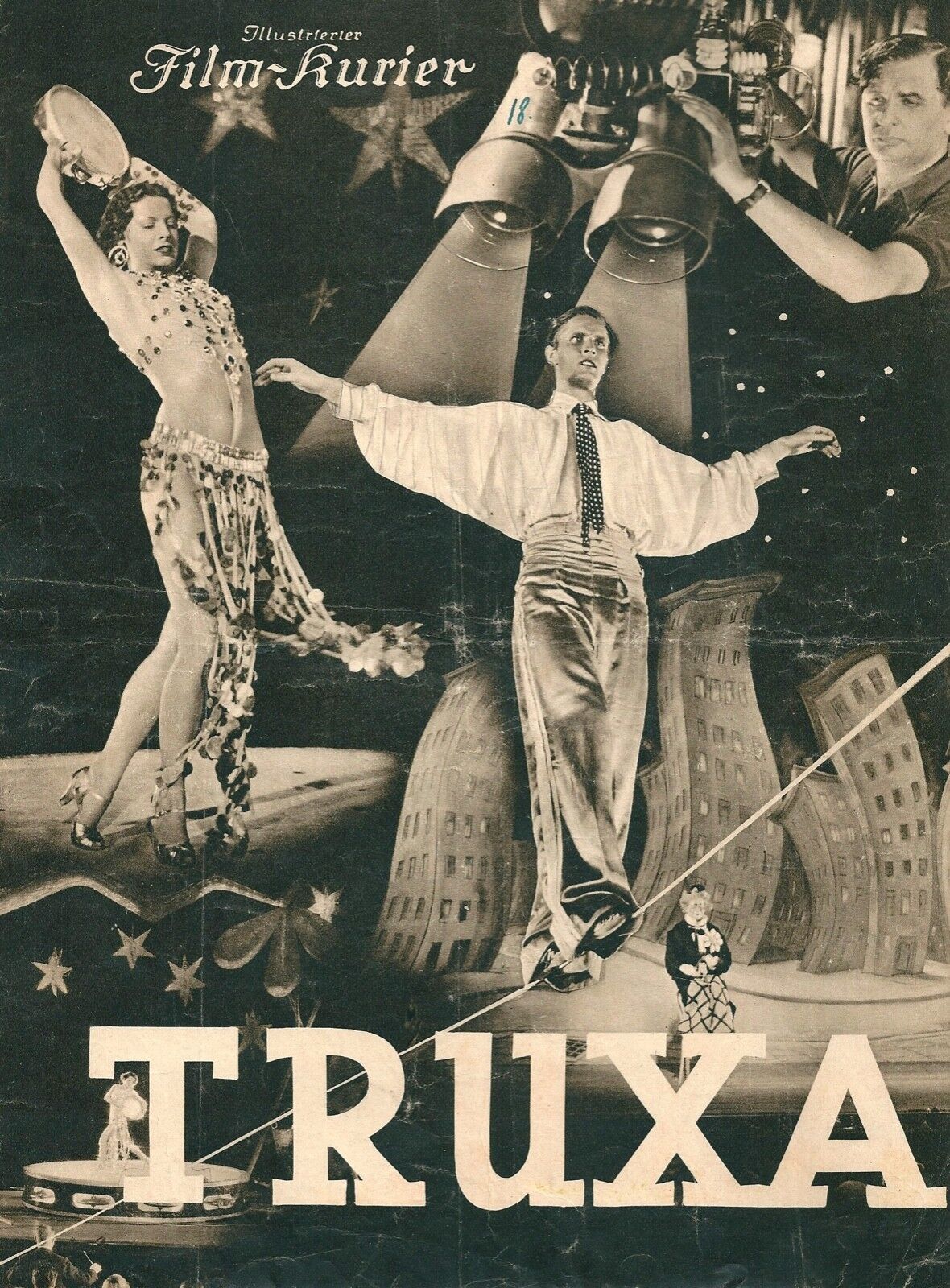
Truxa (1937) Illustrierter Film-Kurier (IFK) Filmprogramm Nr. 2564 (BFK : Berliner Film-Kurier) | src eBay
La Jana (aka Jenny Hiebel) in a dance scene with a tambourine from the movie 'Truxa' (Hans H. Zerlett, 1937). Published by 'Die Dame' 04/1937 | src getty images
La Jana (aka Jenny Hiebel) in a dance scene with a tambourine from the movie ‘Truxa’ (Hans H. Zerlett, 1937). Published by ‘Die Dame’ 04/1937 | src getty images
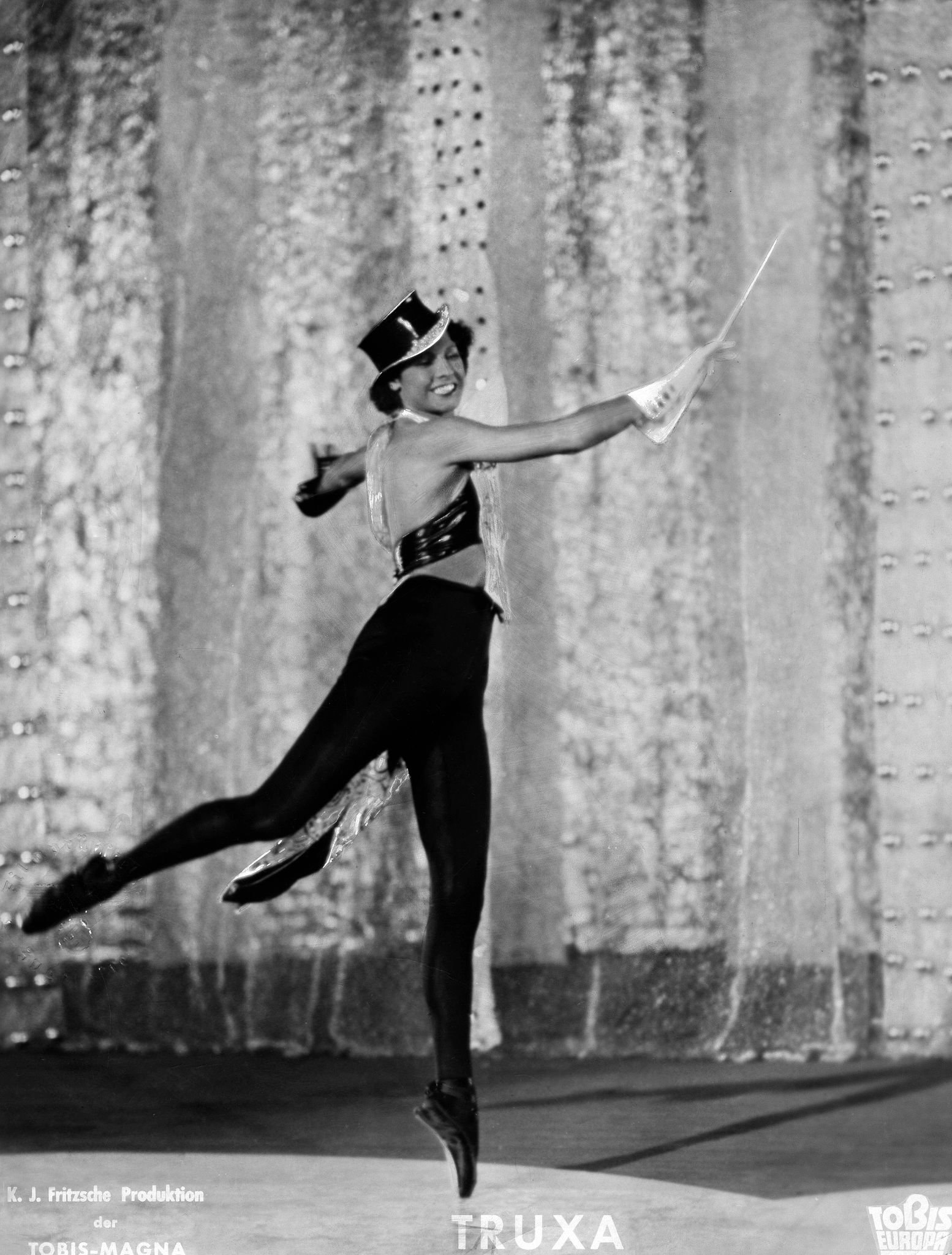
La Jana [b. Henriette Margarethe Hiebel] in the film ‘Truxa‘ (Hans H. Zerlett, 1937) | src getty images
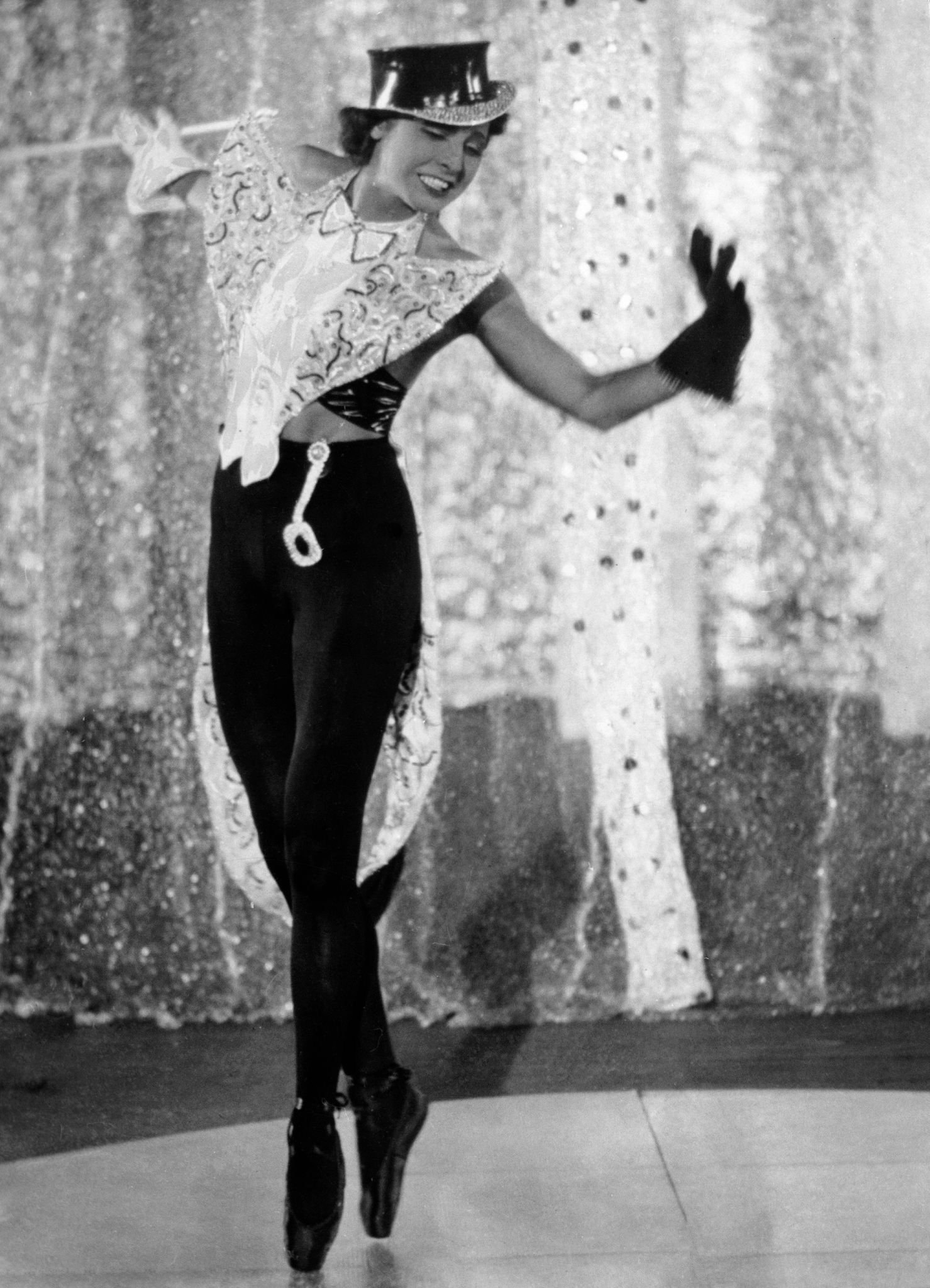
La Jana in a dance scene from the movie ‘Truxa’ (Hans H. Zerlett, 1936). Published by Berliner Morgenpost 18.01.1937 | src getty images
La Jana and Ernst Fritz Fürbringer in ‘Truxa‘ (Regie: Hans H. Zerlett). Published by ‘Hier Berlin’ 36/1936 | src getty images
La Jana in the film ‘Truxa’. Regie: Hans H. Zerlett (1937). Published by ‘B.Z.’ 14.08.1936 | src getty images

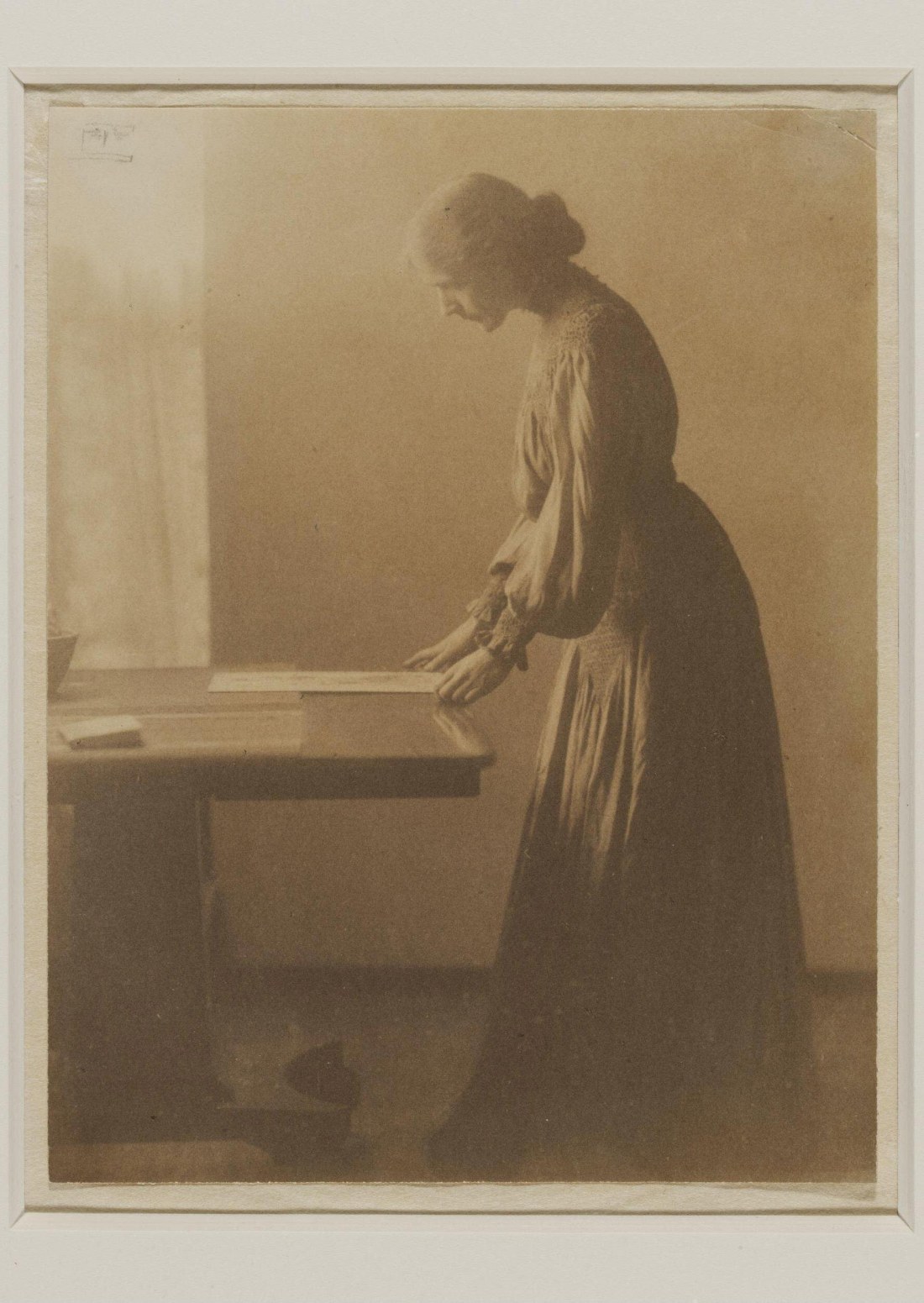
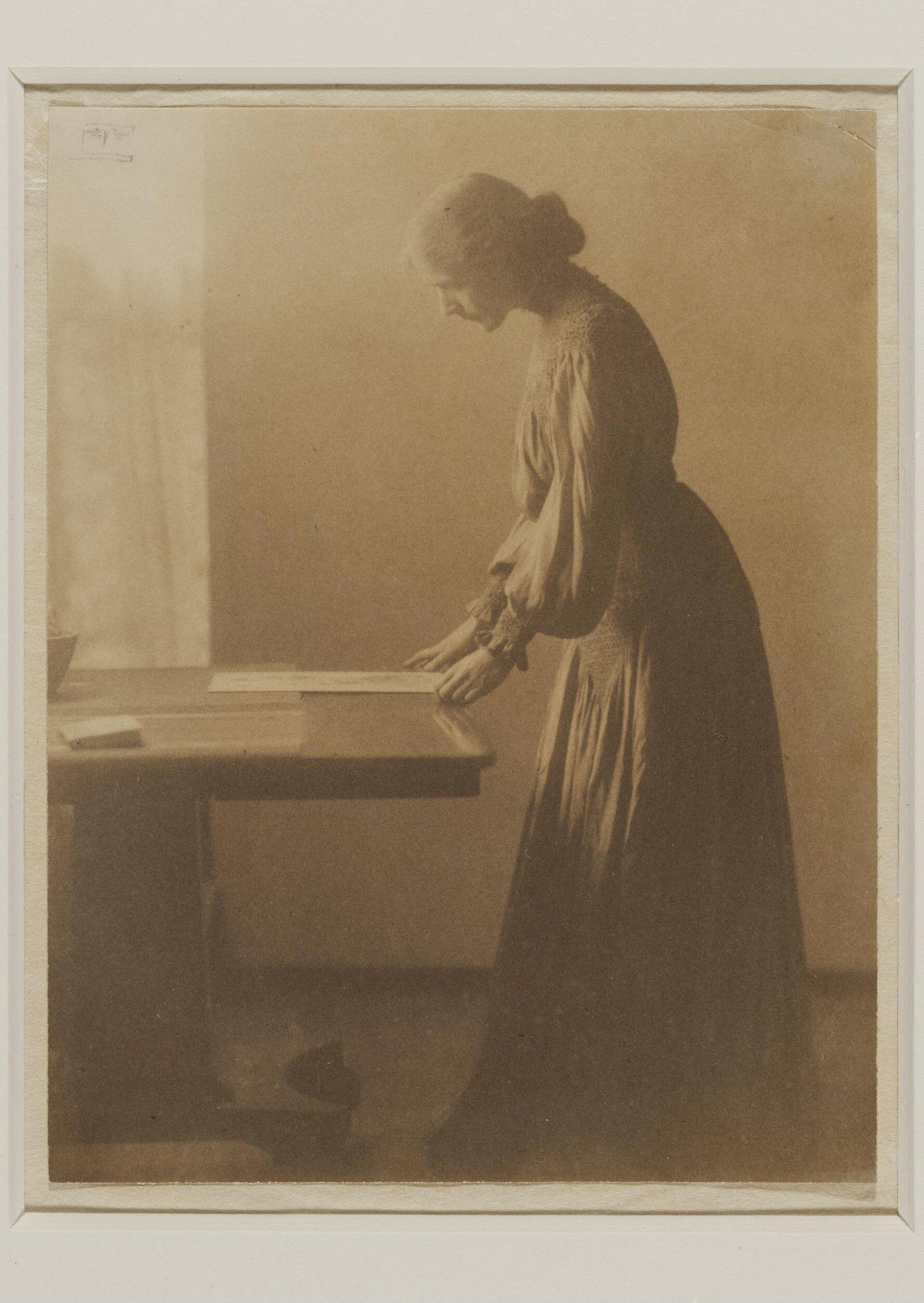
Admiring a print, ca. 1910

Eva Watson-Schütze :: Woman Admiring a Print, ca. 1910. Bromoil print. | src V&A museum

The image shows a woman in full length, wearing a long dress and standing at a table in profile against a blank pale wall, holding the edges of a print which is resting on the table. Bright light from a window in the top left of the photograph lights the front of the woman and the tabletop.

This is an example of the bromoil process invented around 1907, in which a bleached image is re-developed with pigment applied with brushes. ‘Pictorialist’ photographers favoured its broad tonal effects and diffuse detail. The print being ‘admired’ in the image is likely to have been a finely crafted photograph much like this one. [Gallery 100, ‘History of photography’, 2012-2013]

quoted from V&A Museum