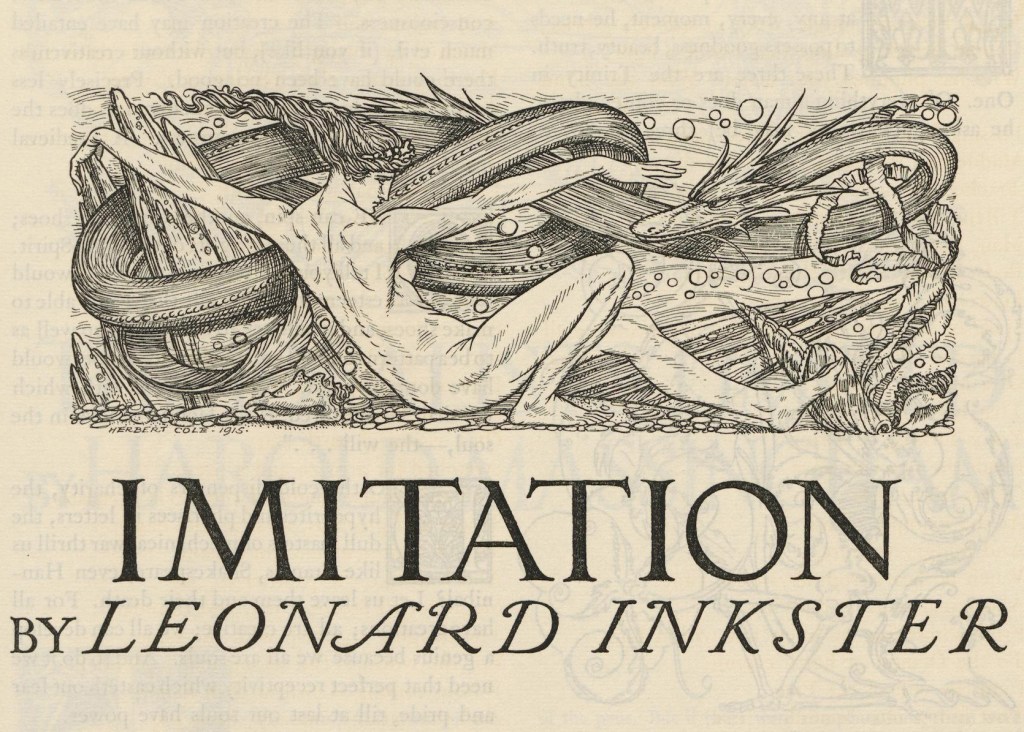
Imitation / Form, 1916
images that haunt us

Lotte Jacobi :: Birdform, 1946-1955 (printed 1981). One of Jacobi’s “photogenics” as she named her photograms./ src Akron Art Museum
more [+] by this photographer

Lotte Jacobi :: Bird in Flight – Homage to Brancusi
, 1946-1955 (printed 1981). One of Jacobi’s “photogenics” as she named her photograms./ src Akron Art Museum
more [+] by this photographer
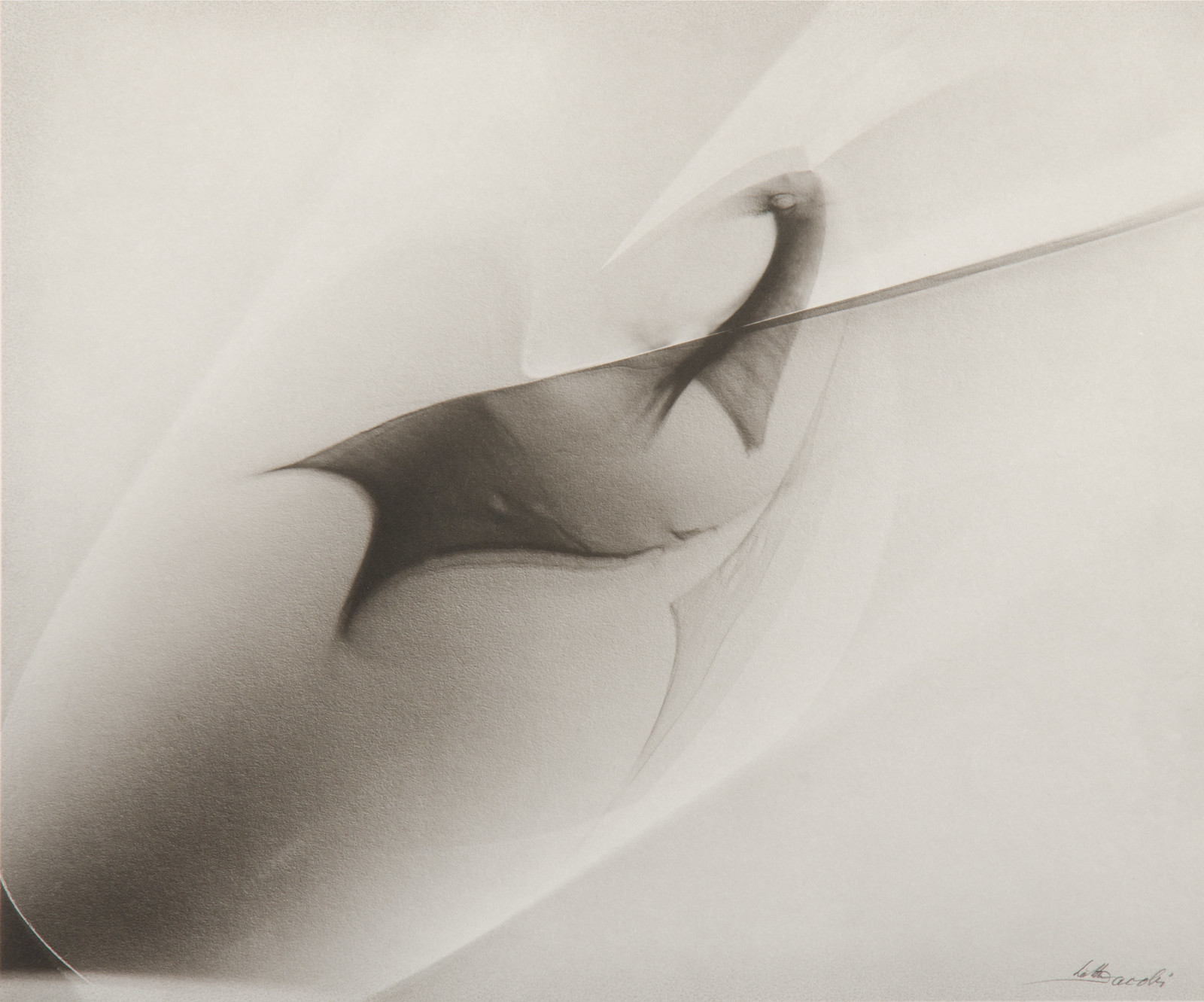
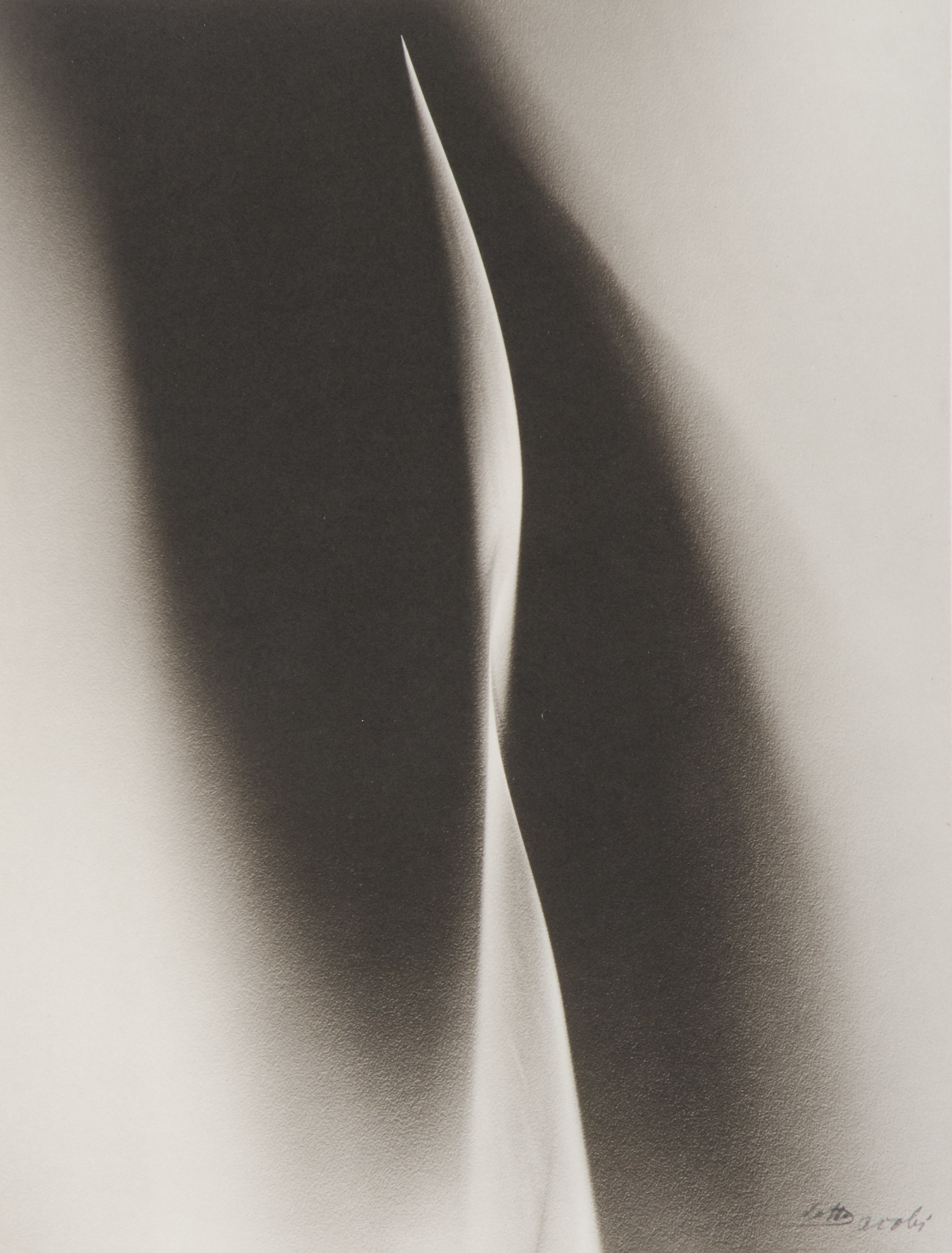
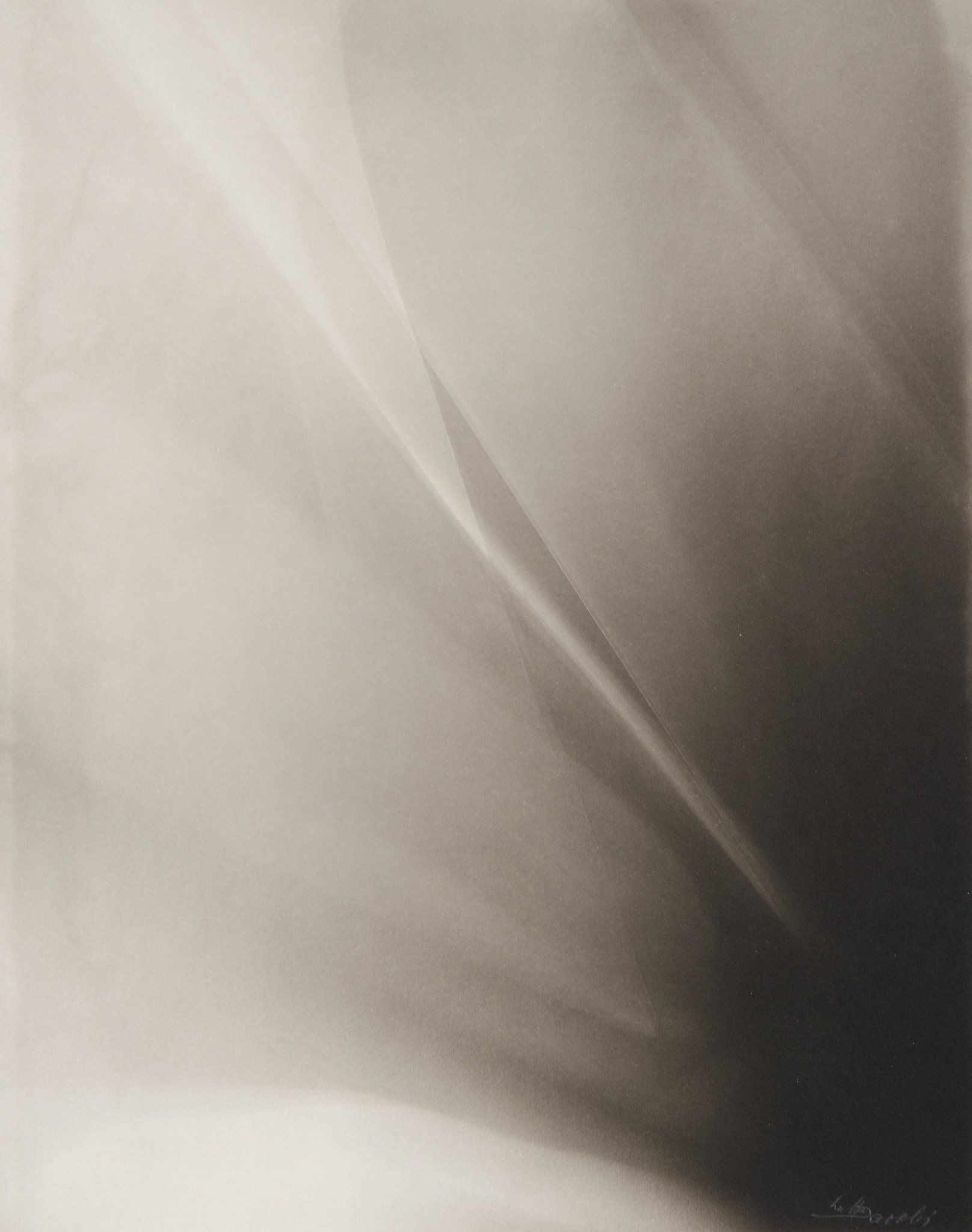
Though best known for her portraits of famous people, Jacobi also experimented with abstraction in her “photogenics.” She described making these photograms (photographs made without a camera) as drawing on photo-sensitized paper by moving the light source. While photography is most often used to document the external world, Jacobi’s abstractions are a vehicle for imagination.


Edward Weston :: Bedpan, 1930 / more [+] by this photographer
“Weston adopted the “form follows function” dictum, originally coined by the modern American architect Louis Sullivan as his own credo in the mid-1920′s and spent the remainder of his career extracting the essential structure of objects before his camera. Like other modernist photographers such as Man Ray and László Moholy-Nagy, his work proved that the formal character of the photograph could override the content, but, unlike them, he preferred to use recognizable, everyday objects from the natural and industrial world to assert his claim.”/ src: Metropolitan Museum
 un regard oblique