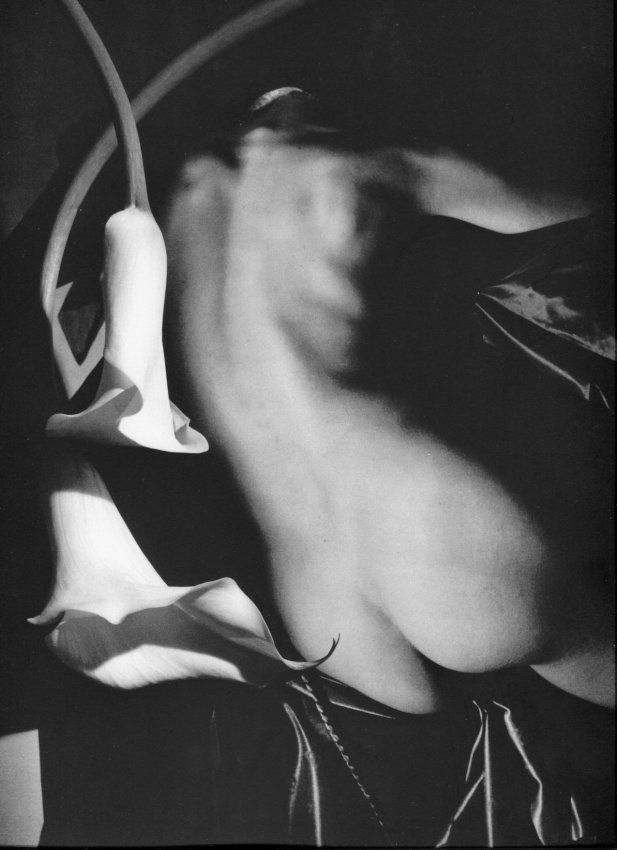
Horst P. Horst :: Callas with American Nude, ca. 1940
more [+] by this photographer
images that haunt us


(*) Note: not orchids but irises; vase with irises. Unless they were a variety of orchids that look very much like irises. If anybody happen to have the knowledge to disambiguate, please drop a line below. Thank you!

“Le sujet le plus banal, quelques fleurs dans un vase par exemple, devient nouveau par la façon dont les lumières y sont groupées et par l’extrème variété des valeurs. (…) Pour donner plus de richesse à ses compositions, l’auteur [Laure Albin Guillot] les a tirées sur fond or selon un procédé dont elle a le brevet.”
Jean Gallotti, ‘La photographie est-elle un art? Laure Albin-Guyot [sic!]’, dans L’art vivant, No. 99, 1er février 1929, p. 138. [Quoted from Sotheby’s]
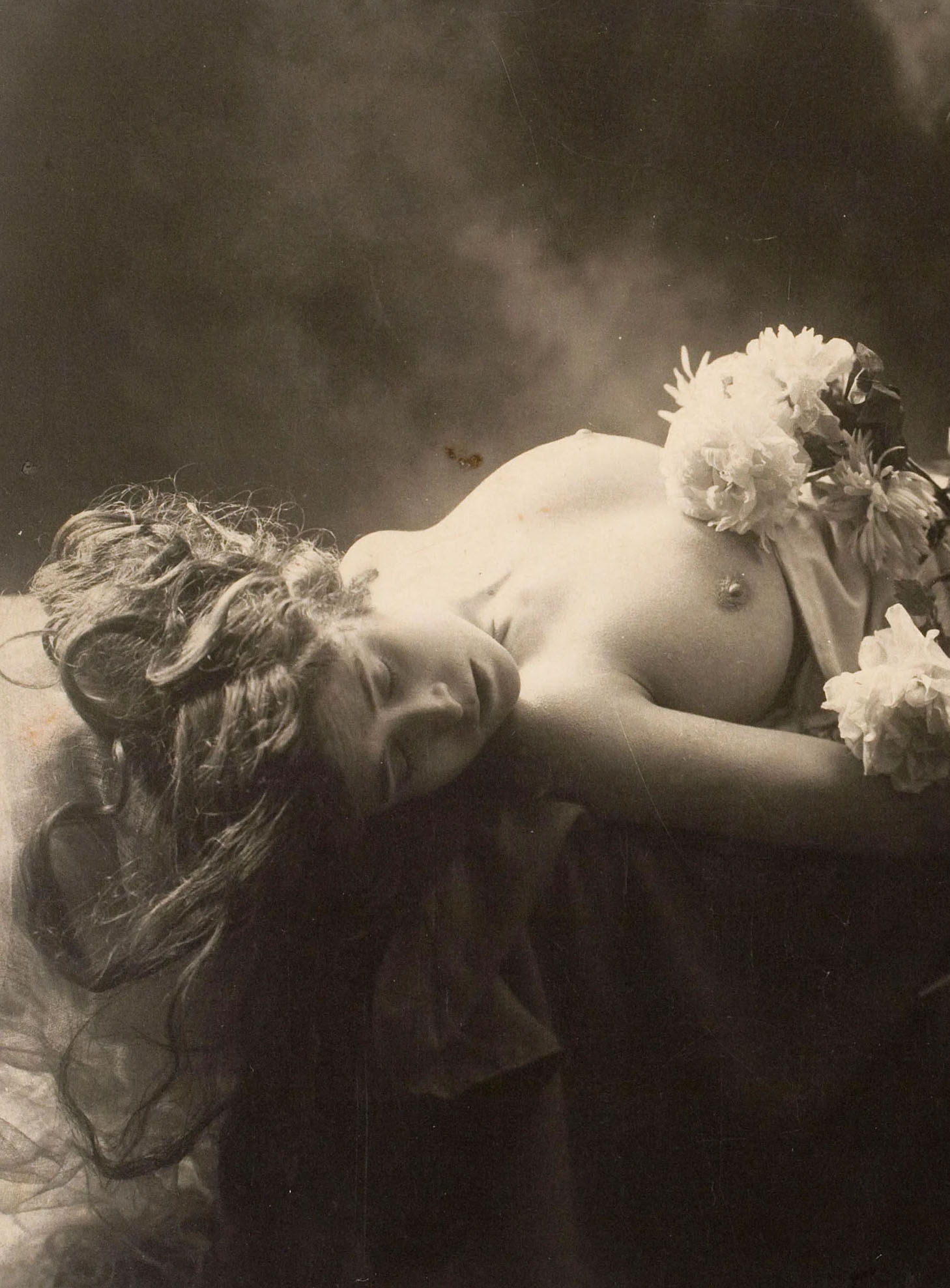
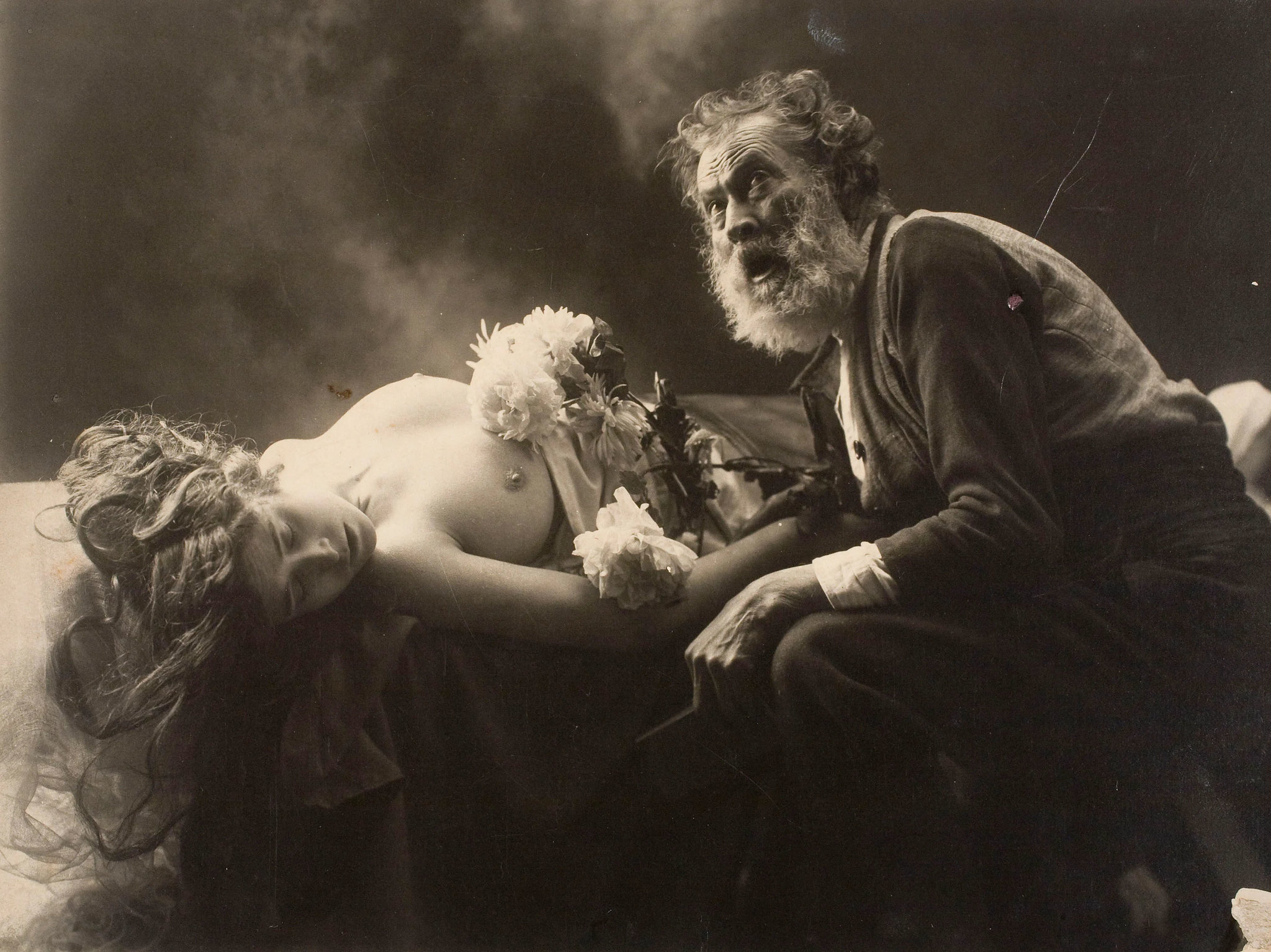
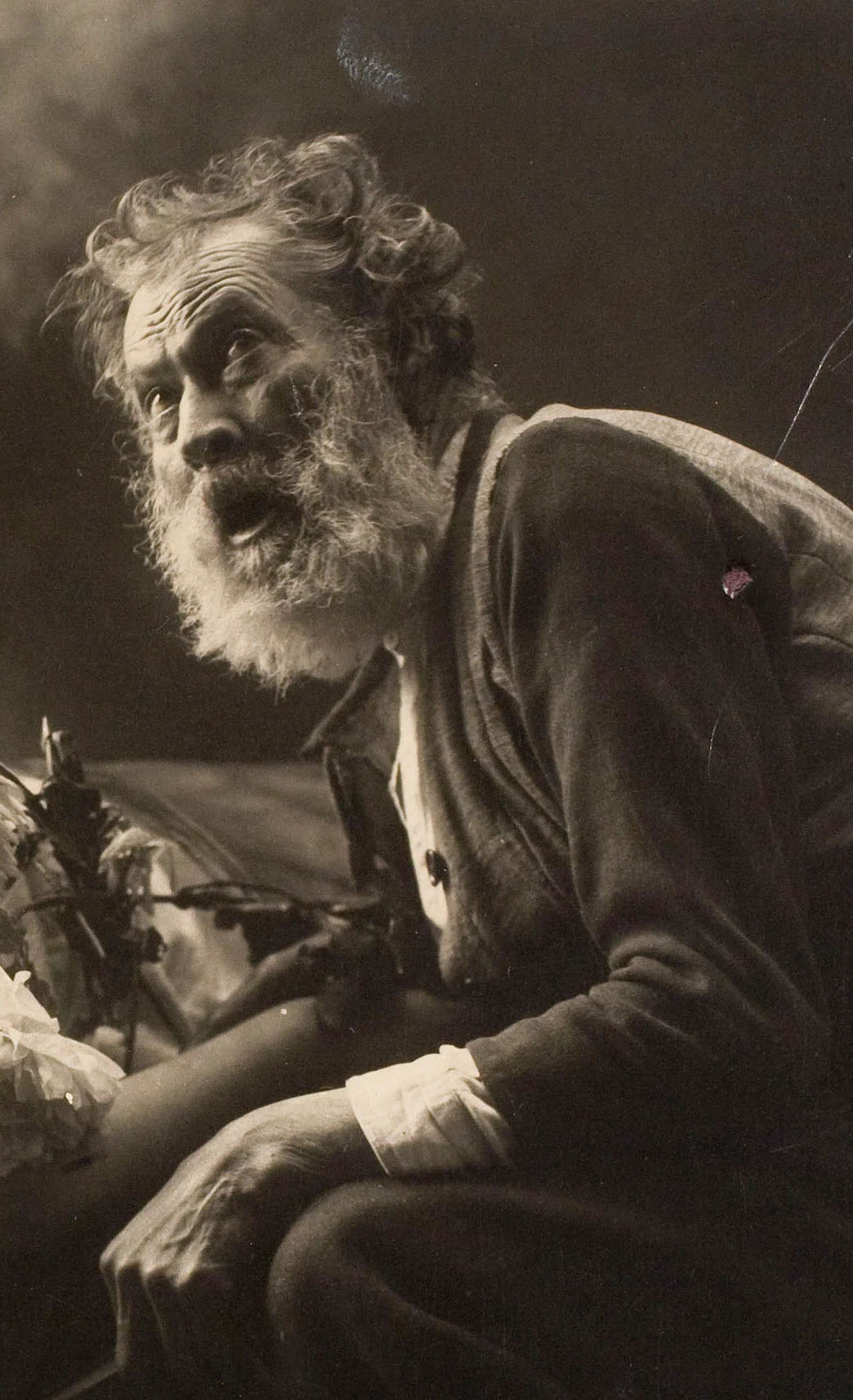
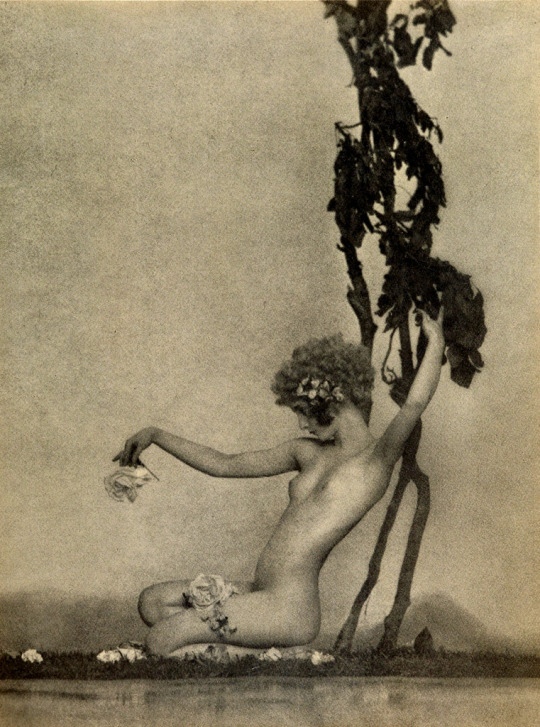
The massive industrialization of the photography based on the new models of Kodak in 1888, marked the birth of amateurism, and what could be considered its elitist complement and counterpart, Pictorialism, understood to be the first discourse of artistic legitimization of photography.
Faced with technological standardization and documental utilitarianism, Pictorialism proposed the use of pigmentary techniques that evoked the manual work of paintings, as well as their symbolic, picturesque or sublime themes, in accordance with the aesthetic paradigms of the modern art of the 19th century, which was based on the romantic principle of genius. In some way the concept of “creation” was introduced into photographic techniques, vindicating the figure of the photographer as an author and interpreter of reality. Within this framework, Joan Vilatobà created a series of works which moved between symbolic allegory and customs, and photography through topics such as beauty, death, love, etc., of which Where in heaven will I find you? is an example. | quoted from MNAC ~ Museu Nacional d’ Art de Catalunya

![Yayoi Kusama at the age of ten, 1939. [Kusama, ca 10 år gammal år 1939] Bild: © Courtesy of Ota Fine Arts, Tokyo/ Singapore; Victoria Miro Gallery, London; David Zwirner, New York, © Yayoi Kusama | src Svenska Yle](https://live.staticflickr.com/65535/52240647060_dbedc246c2_o.jpg)
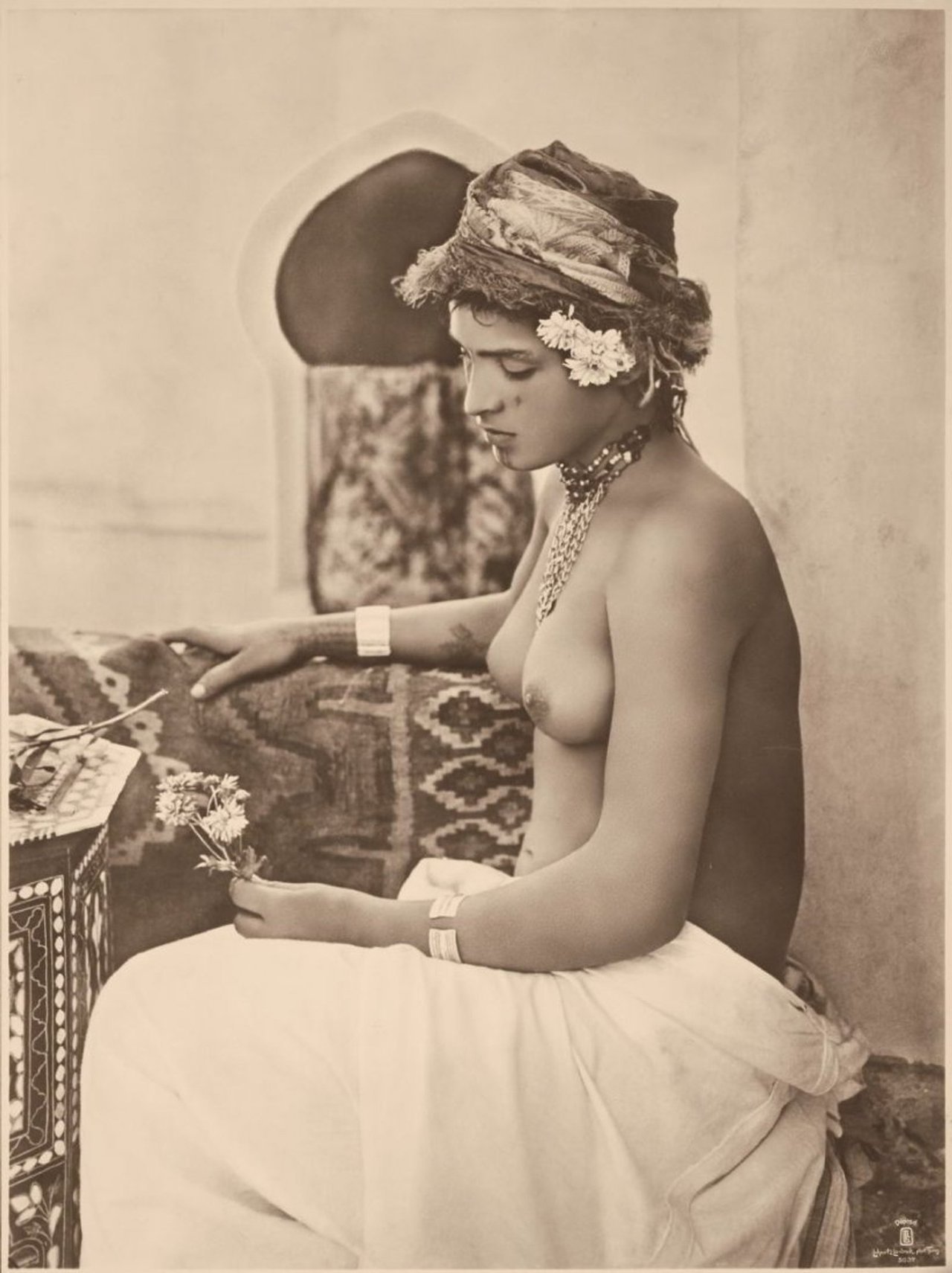
Lehnert & Landrock ::
Halbakt / Semi-nude, Tunisia, ca. 1920 Vintage silver print
./ src: live auctioneers
more [+] by these photographers

Pierre-Louis Pierson :: “La robe de soie”, portrait of Comtesse de Castiglione, 1860’s
/ source: The Red List
more [+] by this photographer
/
more [+] posts about La Castiglione


 un regard oblique