Still-life and flower studies ca. 1925

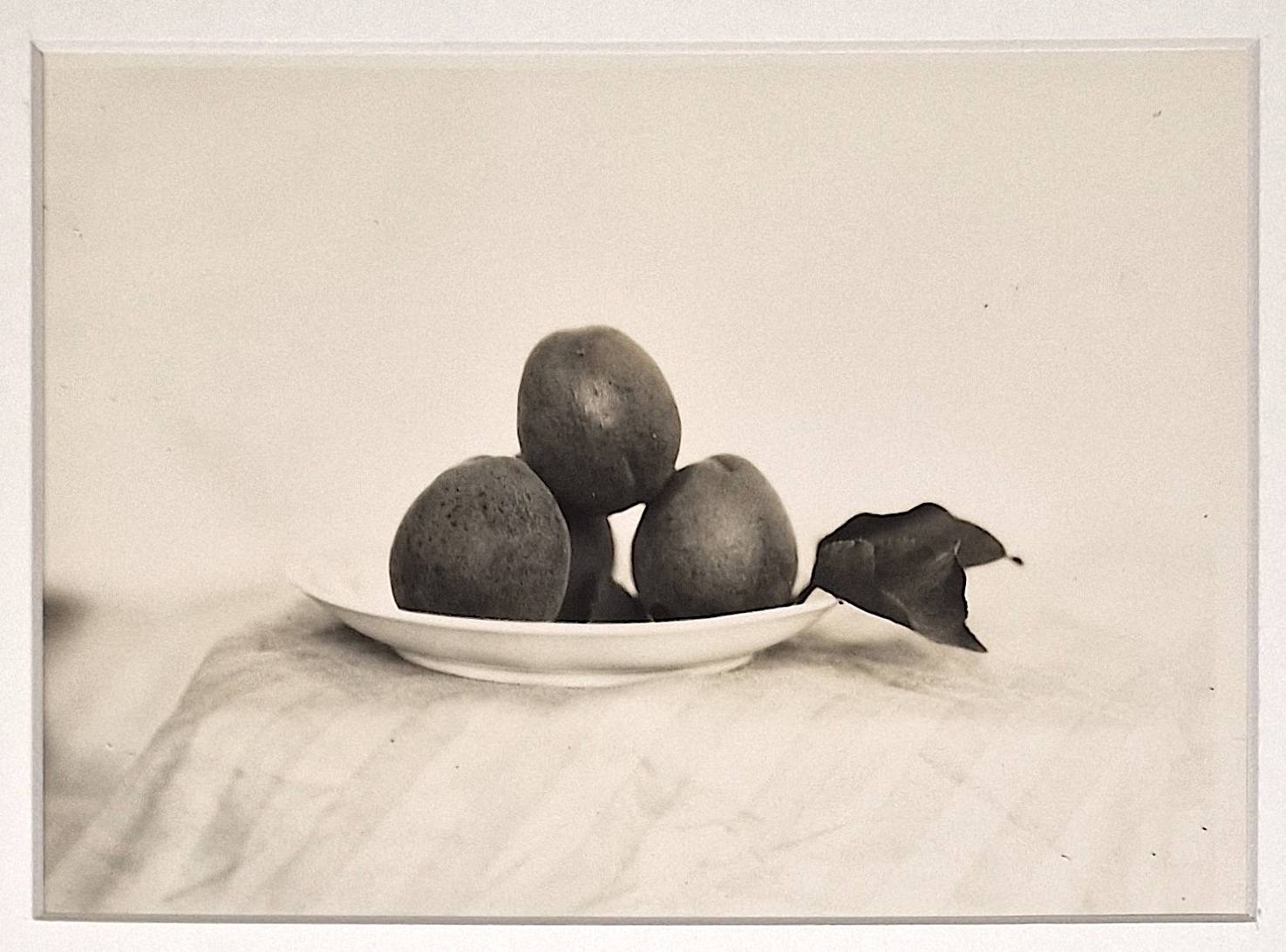
Ervin Kankowszky or Rudolf Balogh (attr. to) ~ Plums in a Plate, Hungary, ca. 1925. Vintage silver print with Kankowszky press agency stamp | src 150cent
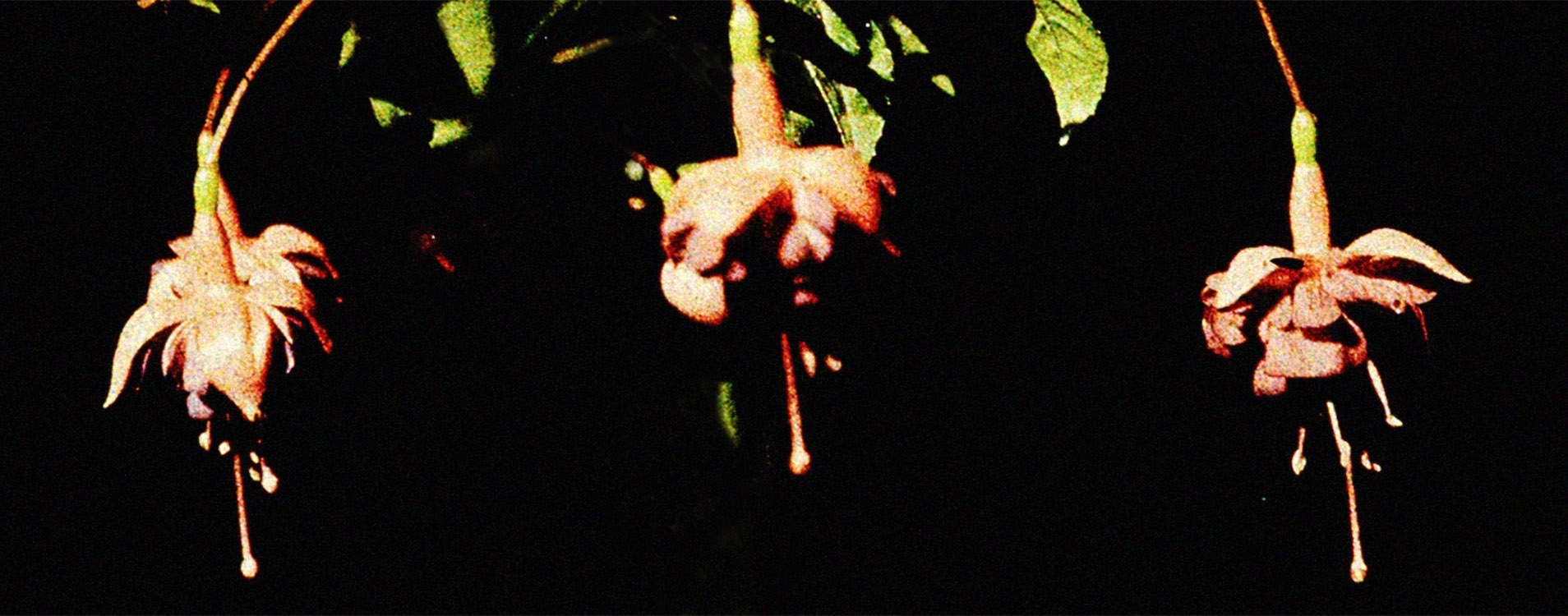
Ervin Kankowszky or Rudolf Balogh (attr. to) ~ Three Flowers, Hungary, ca. 1925. Vintage silver print with Kankowszky press agency stamp | src Senigallia
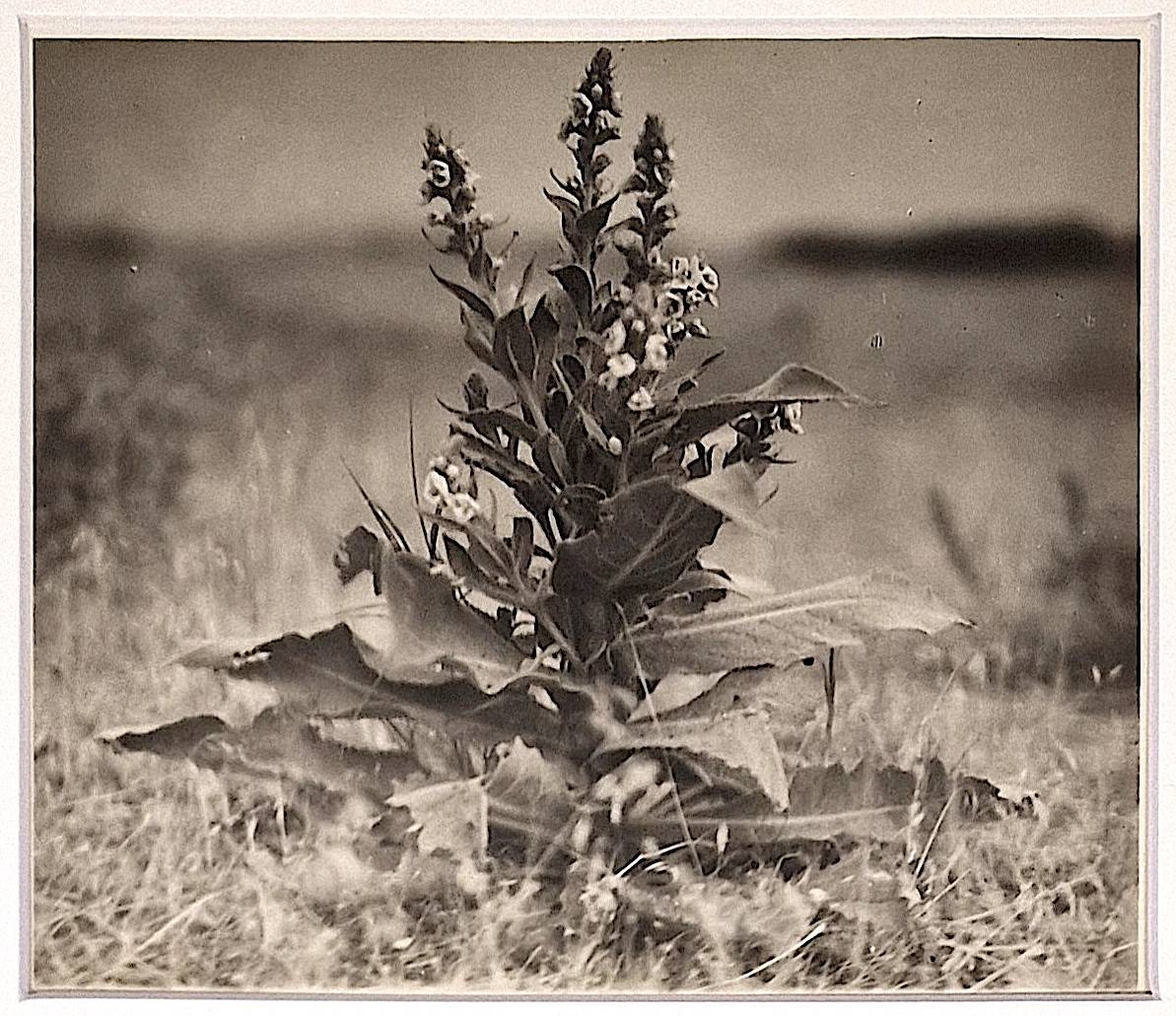
Ervin Kankowszky or Rudolf Balogh (attr. to) ~ Wild Plant Study Hungary, ca. 1925. Vintage silver print with Kankowszky press agency stamp | src Senigallia

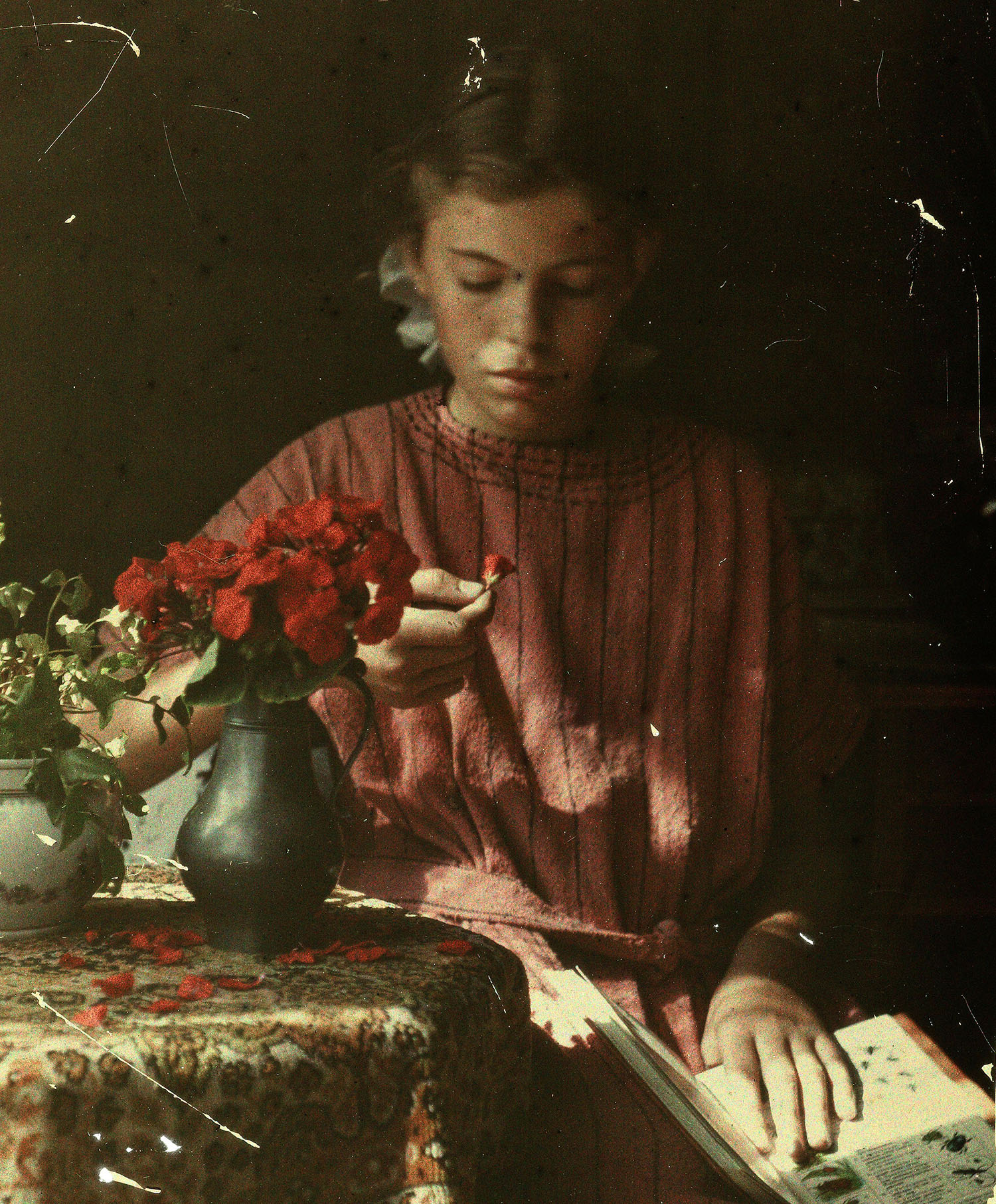
Girl identifying flowers

Meisje dat bloemblaadjes determineert | Girl identifying petals; 1907-1930. [Anonymous] Autochrome | src Rijksmuseum
Detail from: Meisje dat bloemblaadjes determineert | Girl identifying petals; 1907-1930. [Anonymous] Autochrome

Autochromes de Acillona

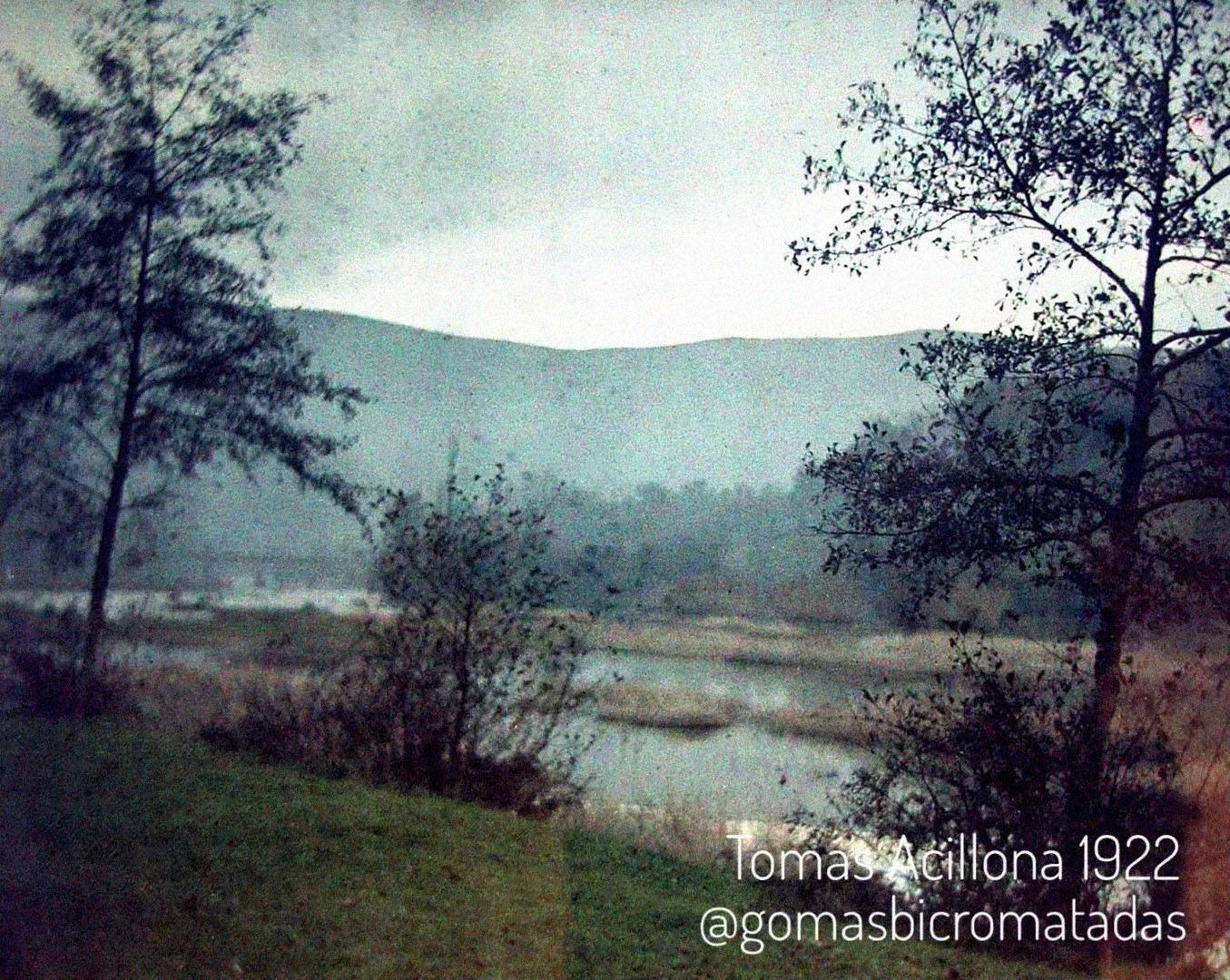
Tomás Acillona (1893 – 1957) ~ Sin título, 1922. Autochrome | src gomas-bicromatadas on IG
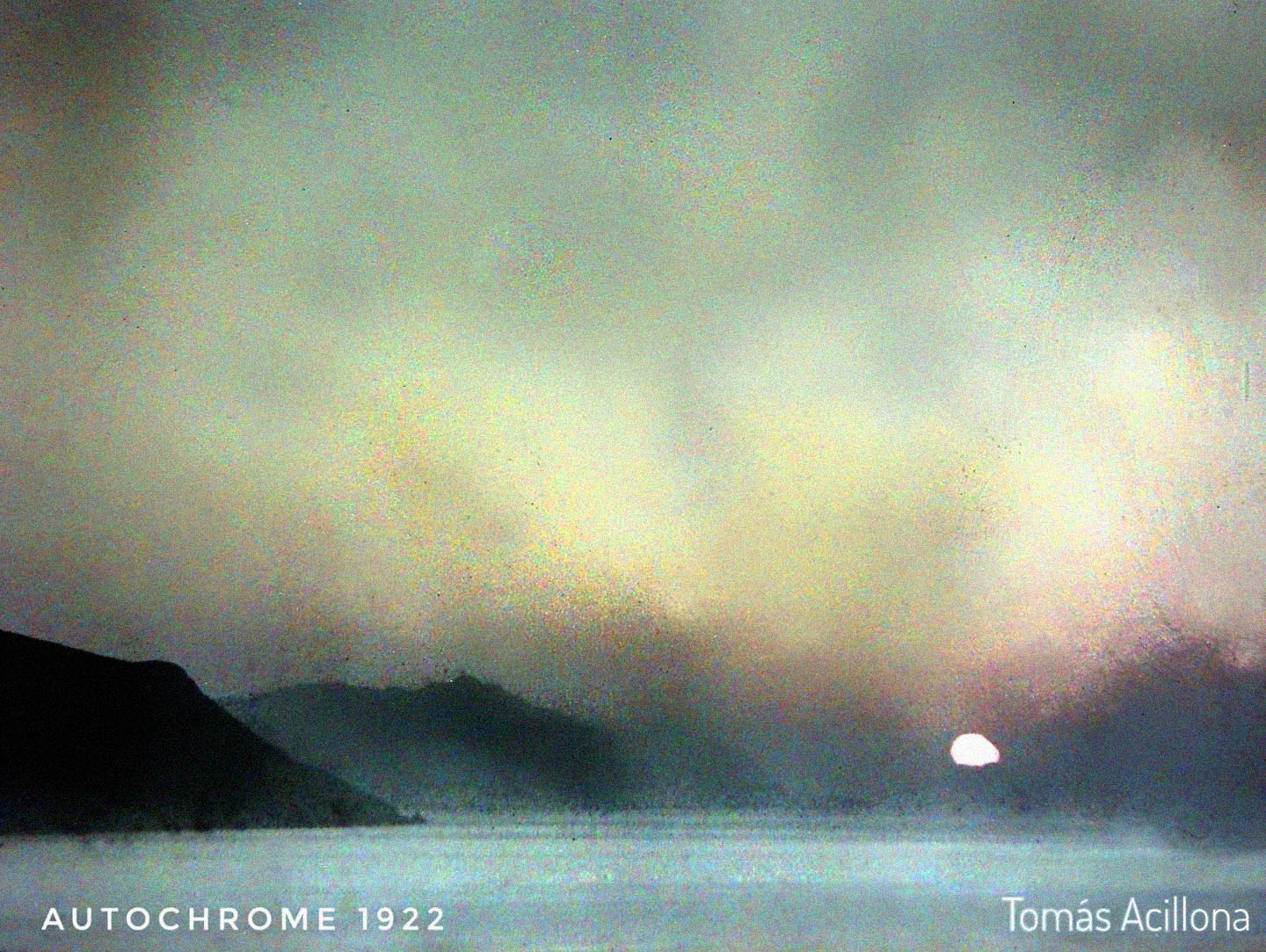
Tomás Acillona (1893 – 1957) ~ Puesta de sol en la Playa de Arrigunaga, 1922. Autochrome | src gomas-bicromatadas IG
Tomás Acillona (1893 – 1957) ~ Sin título, 1922. Autochrome | src gomas-bicromatadas on IG

Flowers by Araki & von Bismarck

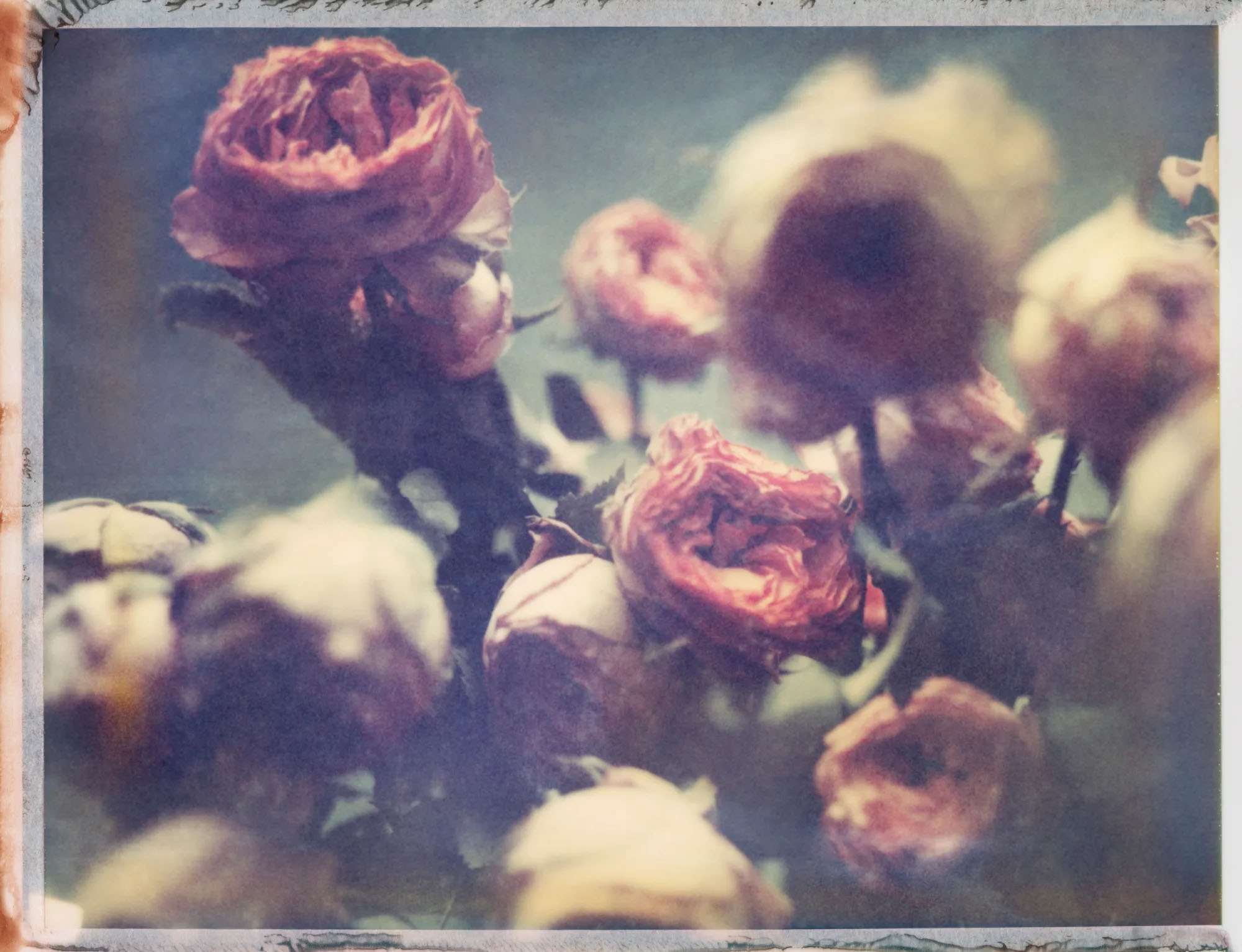
Nikolai von Bismarck ~ Coloratus Rosas, 2023. Archival pigment print | src Michael Hoppen gallery ~ Paris photo 2023
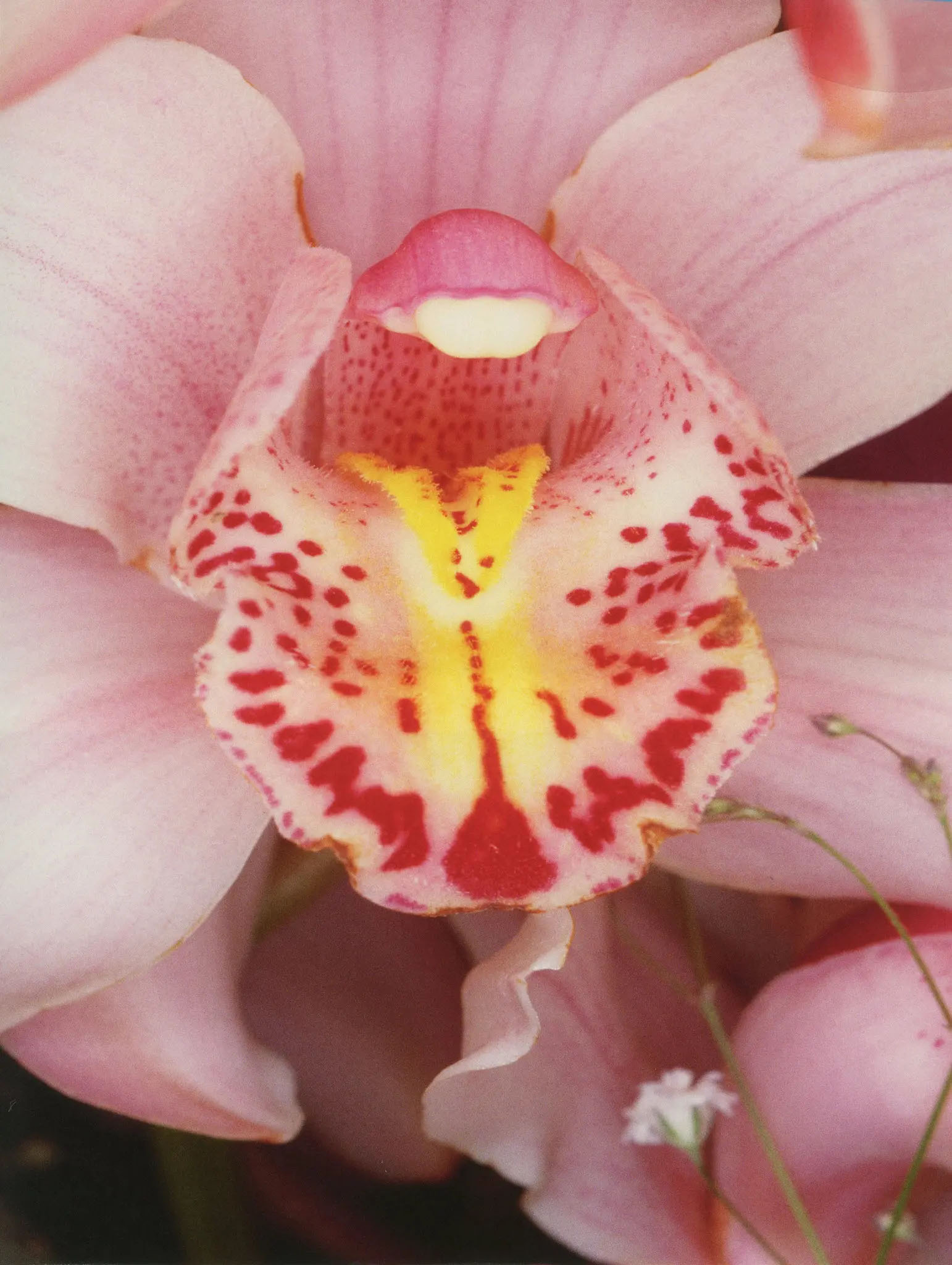
Nobuyoshi Araki (b. 1940) ~ from Flowers, 1985. Yoshii Gallery. | src The NY Times
Nobuyoshi Araki (b. 1940) ~ Flower Rondeau, 1997. Fuji Crystal Archive print | src Michael Hoppen gallery ~ Paris photo 2023

Hilja Raviniemi radiographs

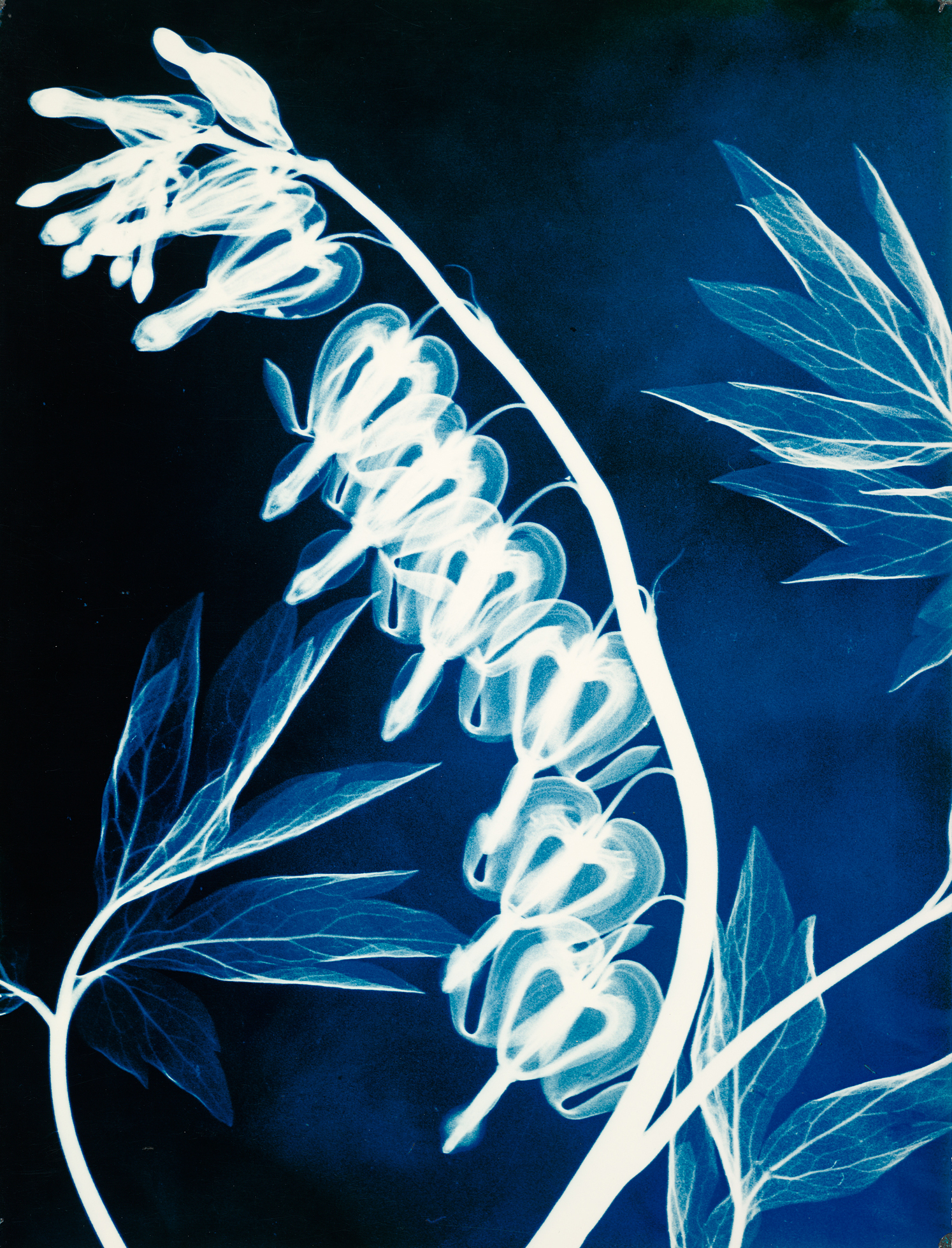
Hilja Raviniemi ~ Untitled (Flowers), 1960s. Collection of the Finnish Museum of Fine Arts | src Valokuvamuseo · IG
Hilja Raviniemi ~ Shell design, 1970. Suomen valokuvataiteen museon kokoelma. | src Fall 2023 exhibition

Hilja Raviniemi (née Nieminen, 1915–1973) dedicated her life to art photography at a time when it was still a niche phenomenon in Finland. The art photography scenes consisted of amateur photographers’ clubs’ regional and international exhibitions.  Letters from international exhibitions addressed to “Mr. Hilja Raviniemi” show that photographers were assumed to be men. Hard work helped “Hili” rise to the top of the male-dominated world of amateur photographers’ clubs. She was the first woman to become chair of the Association of Finnish Camera Clubs, and she was awarded the international honEFIAP title, which was only allowed to be simultaneously carried by a select few photographers in the world.

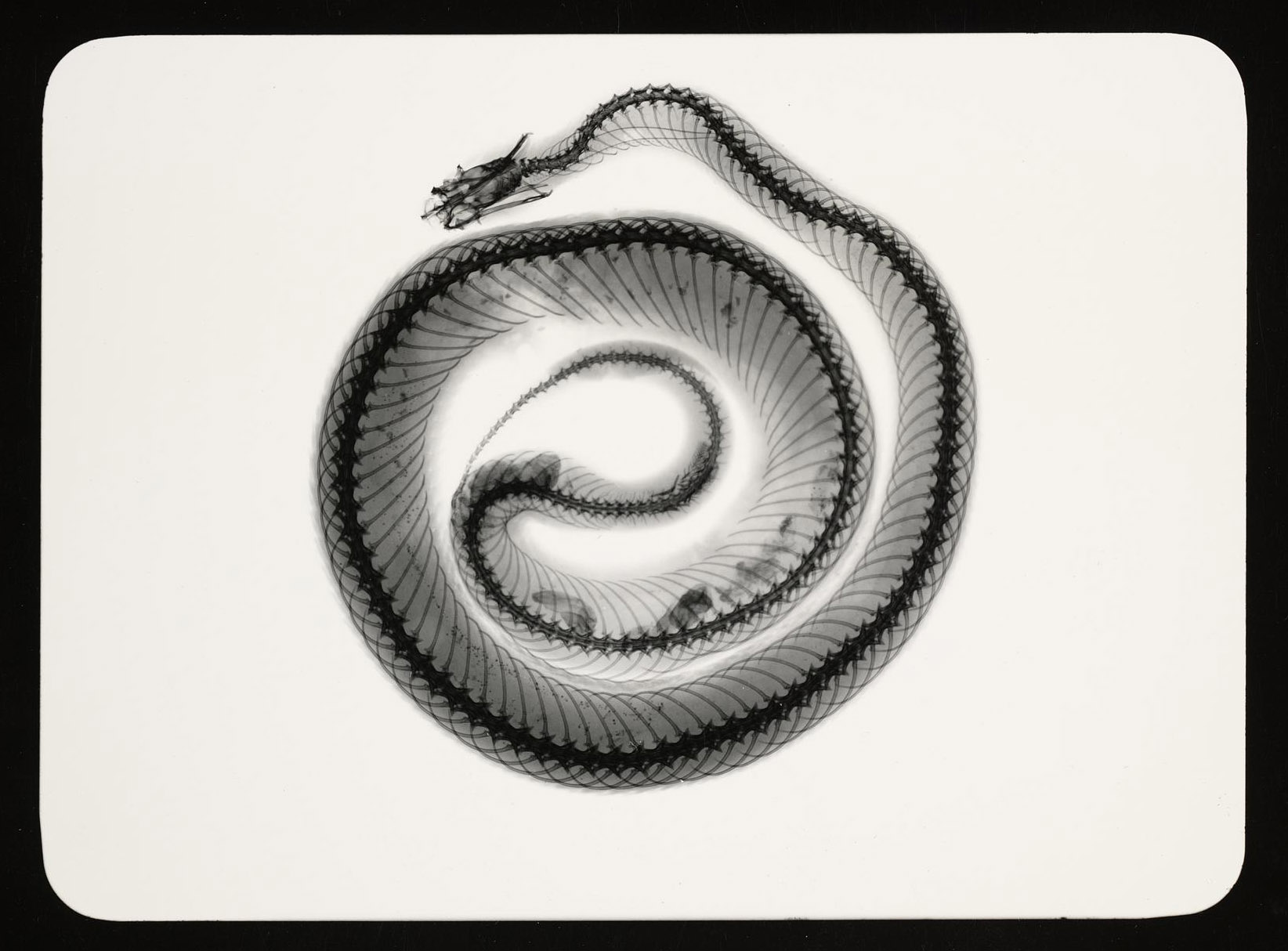
After her more traditional early work, Raviniemi explored the infinite creative possibilities offered by the darkroom, especially in the 1960s. Her recognizable blue era, which differed from the stark black-and-white art photography of the time, began in the late 1960s. Chemist by profession, Raviniemi was an ingenious artist in the darkroom. In addition to blue-tinted prints, she also created completely abstract photographic artworks using different techniques. Raviniemi’s workplace at the University of Helsinki photography department laboratory also allowed her to make the first artistic radiographic images in Finland. Hundreds of Raviniemi’s radiographic works have been preserved and make up an exceptional ensemble of works in the history of Finnish art photography. In the current exhibition, carefully constructed exhibition prints are accompanied by experimental material that grants us a glimpse of Raviniemi’s curious personality and sense of humor, along with eccentric pictures of cats.   

Hilja’s husband, chemist Eero Raviniemi (1911–1996) was also an accomplished photographer and pioneer of color photography in Finland. After Eero’s death, the Raviniemi family’s photography collection was donated to the Finnish Museum of Photography.

quoted from: Hilja Raviniemi: Sinisen kosketus (A Touch of Blue). Fall 2023 exhibition at the Finnish Museum of Photography (link)
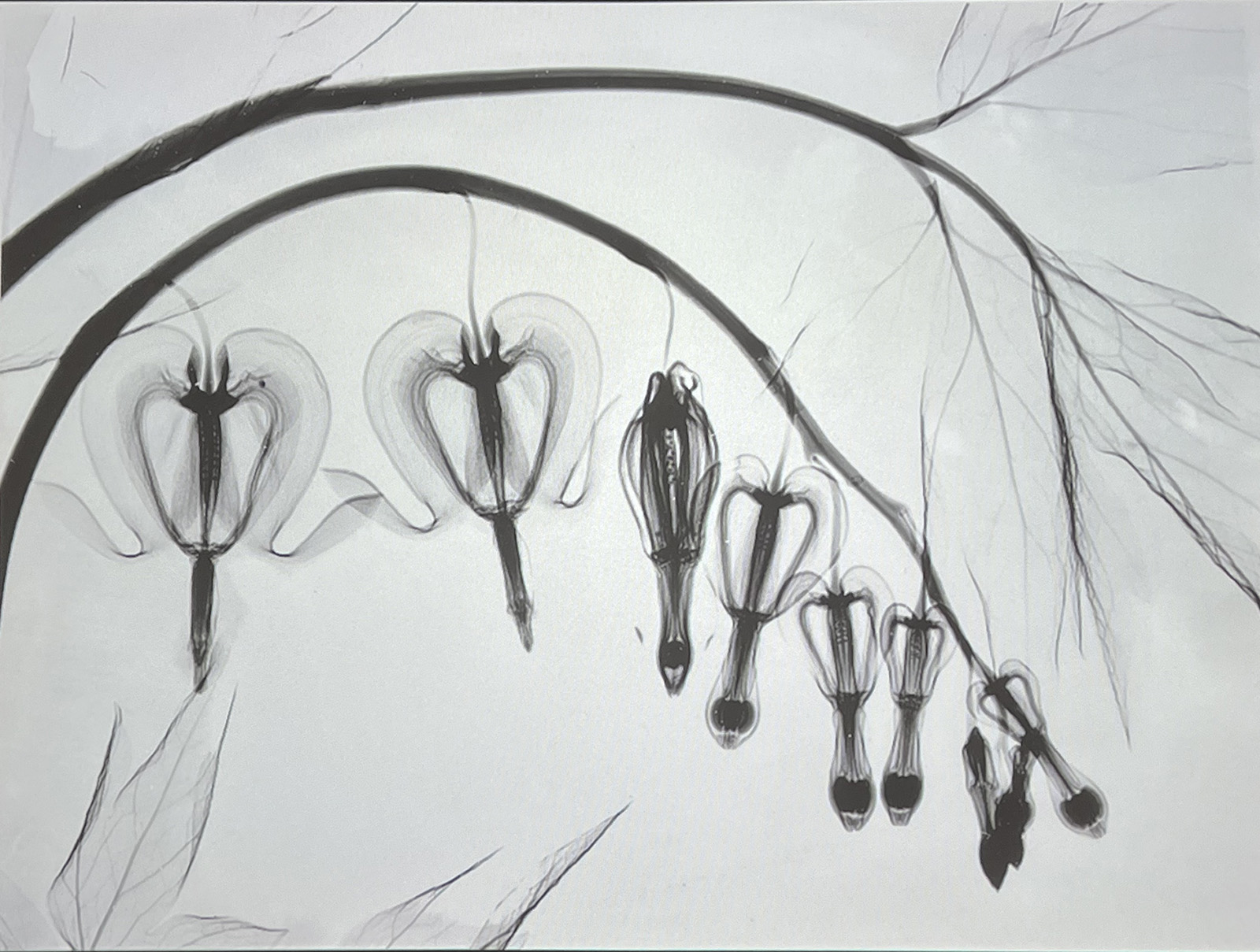
Hilja Raviniemi ~ Untitled (X-ray of flowers), 1960s. © Suomen valokuvataiteen museo | src own scan
Hilja Raviniemi ~ Röntgenkuvattu käärme, 1960-luku, hopeagelatiinivedos | X-rayed snake, 1960s, silver gelatin print
src Suomen valokuvataiteen museo ~ Finnish Museum of Photography.

Tor Ekström ~ blood drop

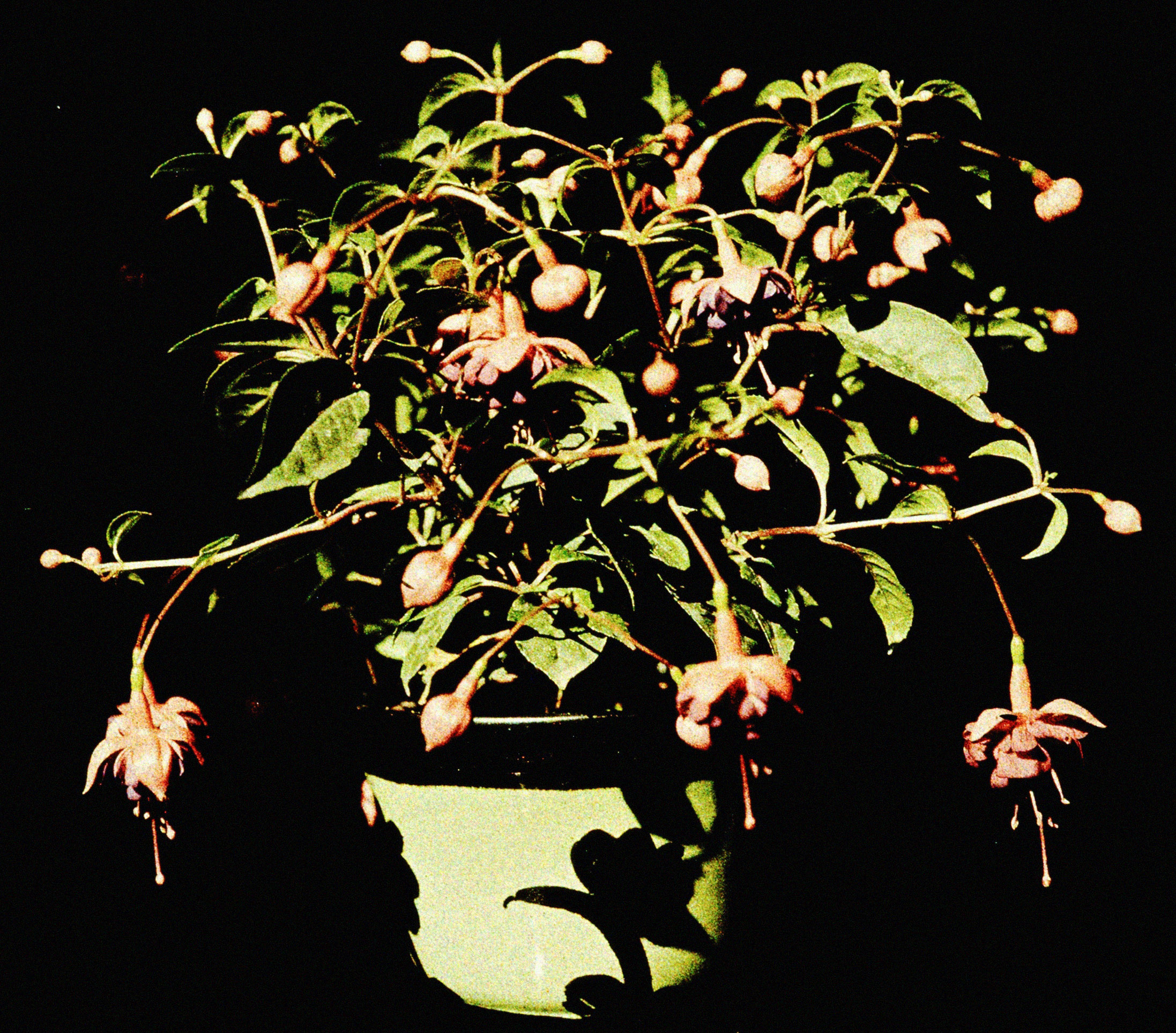
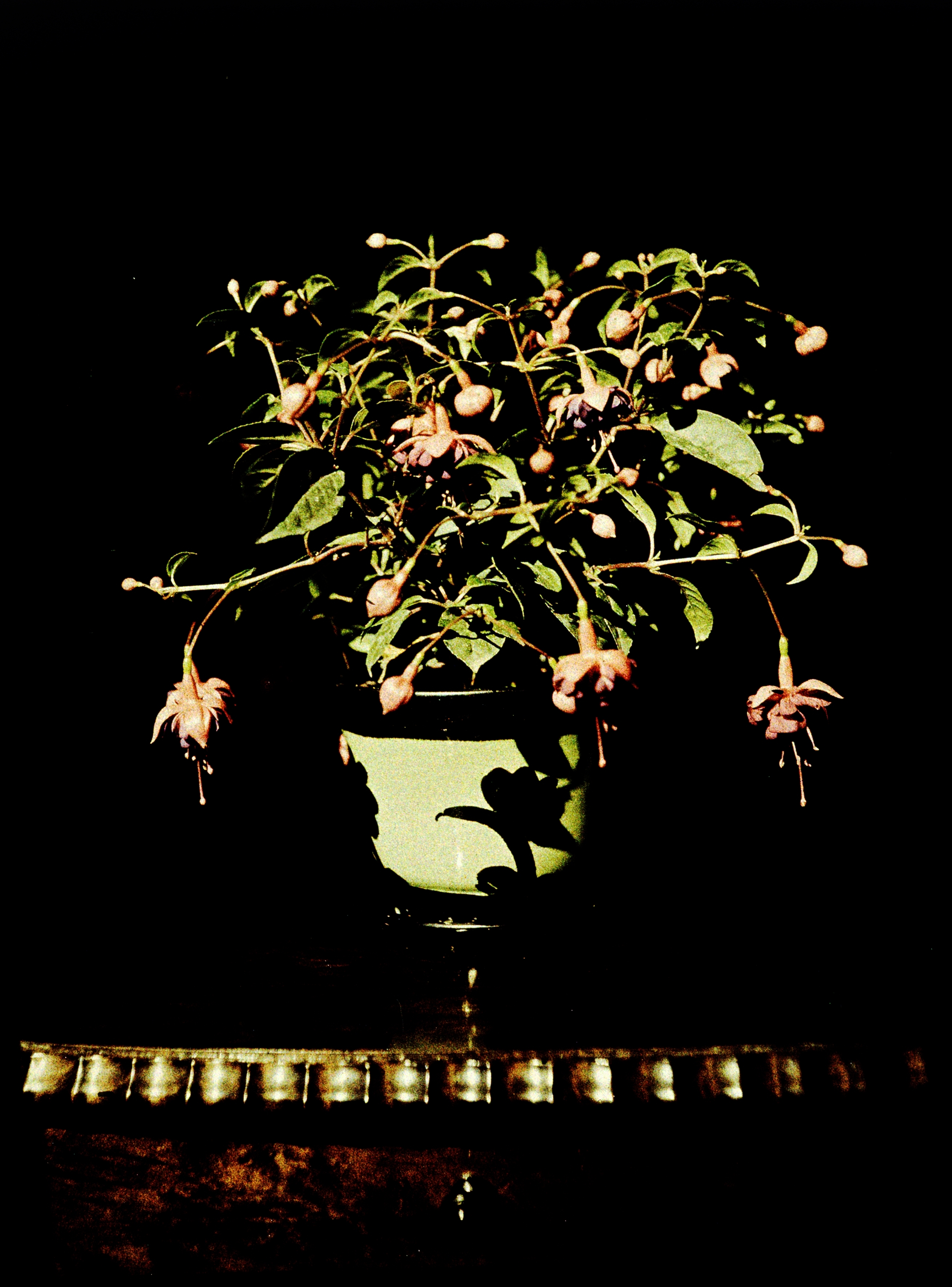
Tor Ekström ~ Potted plant (drop of blood), 1934. Agfa autochrome. (id. TEKA0024148) | src TEKA ~ Tekniska museet
Tor Ekström ~ Krukväxt (bloddroppe), 1934. Agfa-autokrom. (Detail)
Tor Ekström ~ Krukväxt (bloddroppe), 1934. Agfa-autokrom. (id. TEKA0024148) | src TEKA ~ Tekniska museet

Les Fleurs par Gustave Gain

Gustave Gain ~ Un lys en fleur, 1910-1940. Plaque de verre autochrome. | src Archives de la Manche
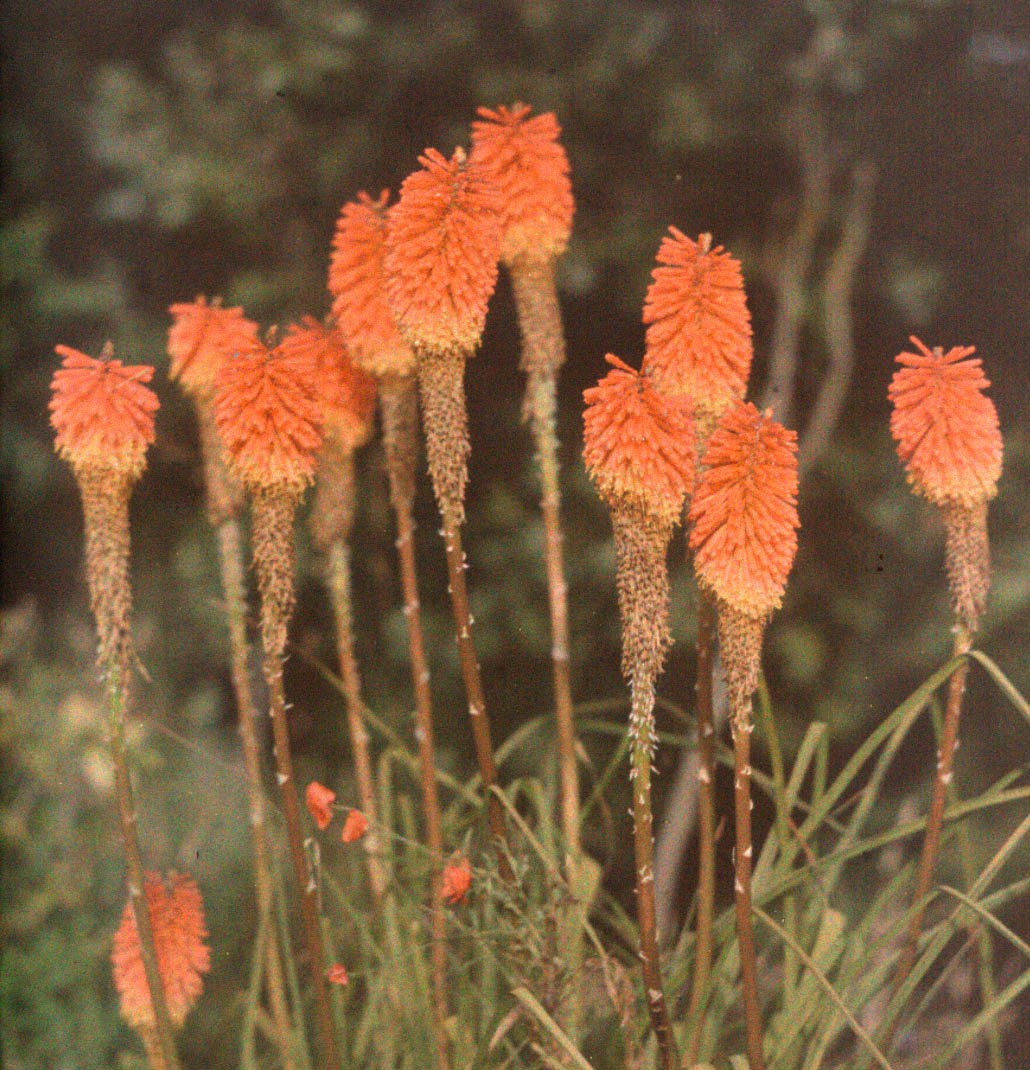
Gustave Gain ~ Une plante à fleurs orangées, 1910-1940. Plaque de verre autochrome. | src Archives de la Manche
Gustave Gain ~ Une plante à fleurs bleues, 1910-1940. Plaque de verre autochrome. | src Archives de la Manche

Fête des fleurs par G. Gain

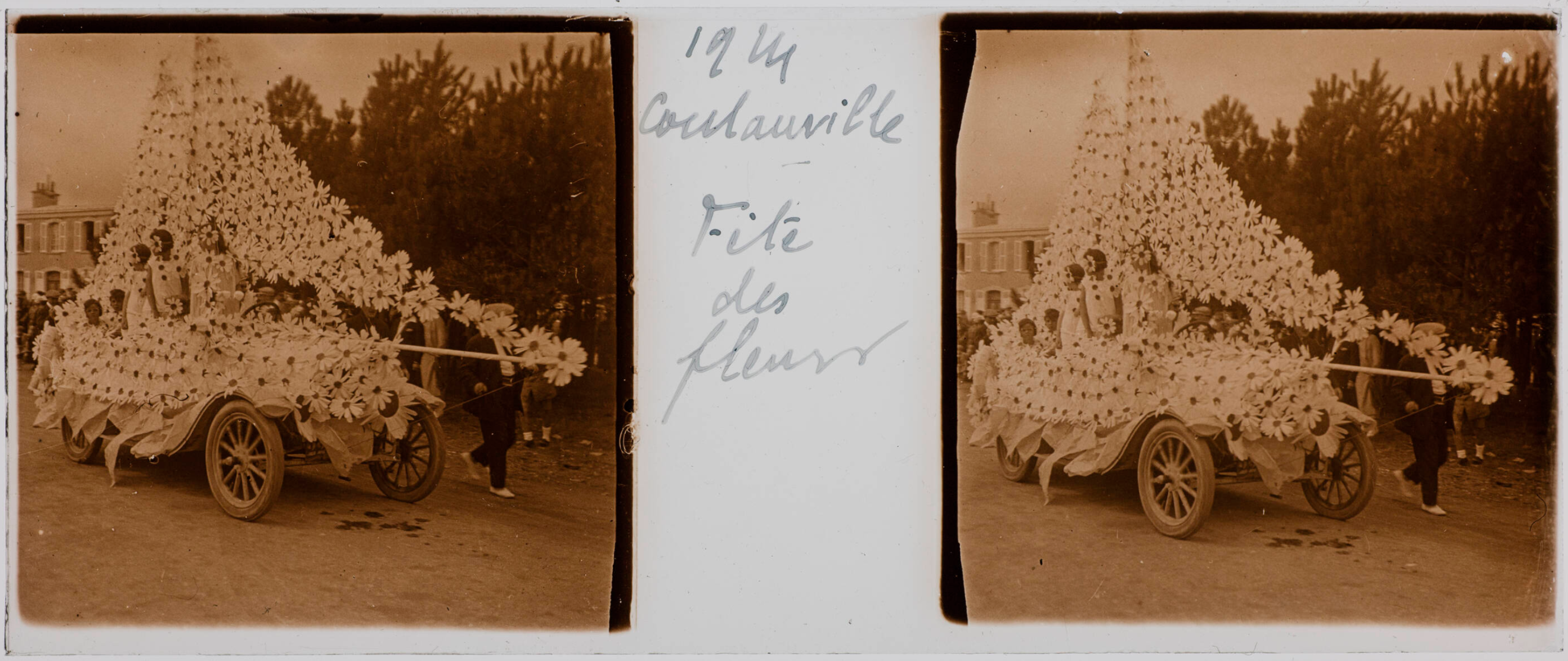
Gustave Gain ~ “Fête des fleurs”, Coutainville (Agon-Coutainville, Manche), 1924 | half stereo (left)
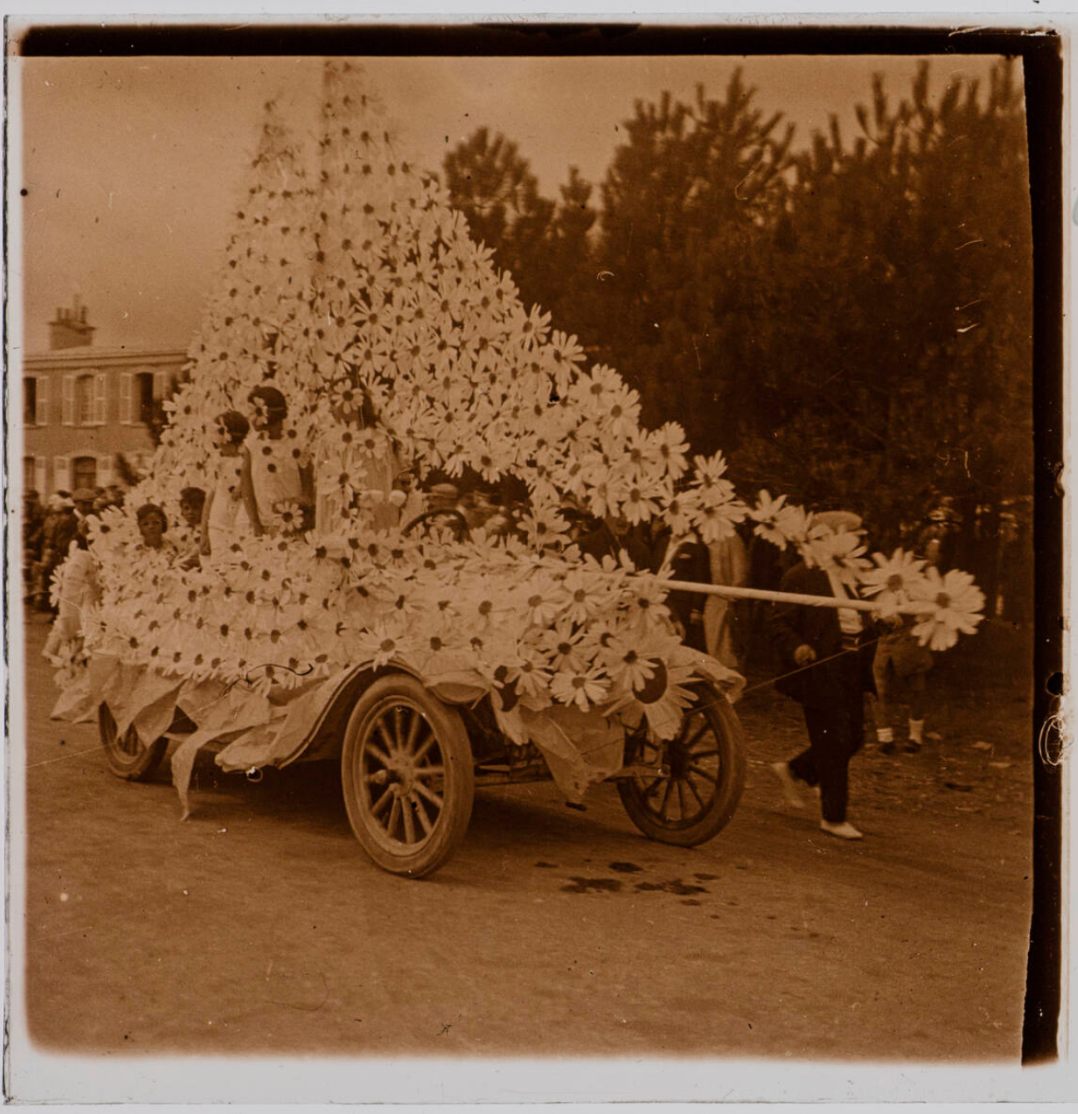
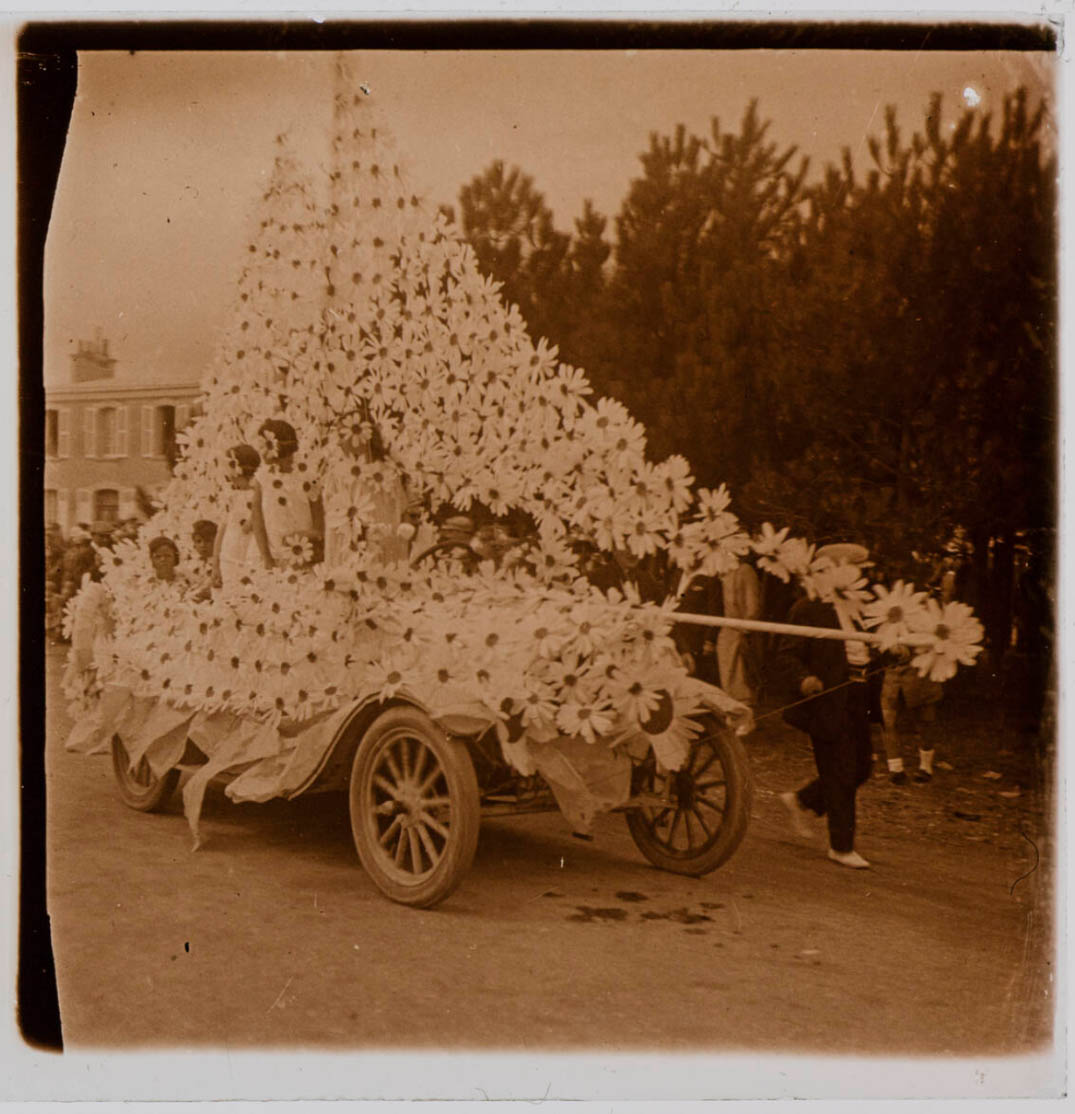
Gustave Gain ~ “Fête des fleurs”, Coutainville (Agon-Coutainville, Manche), 1924 | src Archives de la Manche
Gustave Gain ~ “Fête des fleurs”, Coutainville (Agon-Coutainville, Manche), 1924 | half stereo (right)

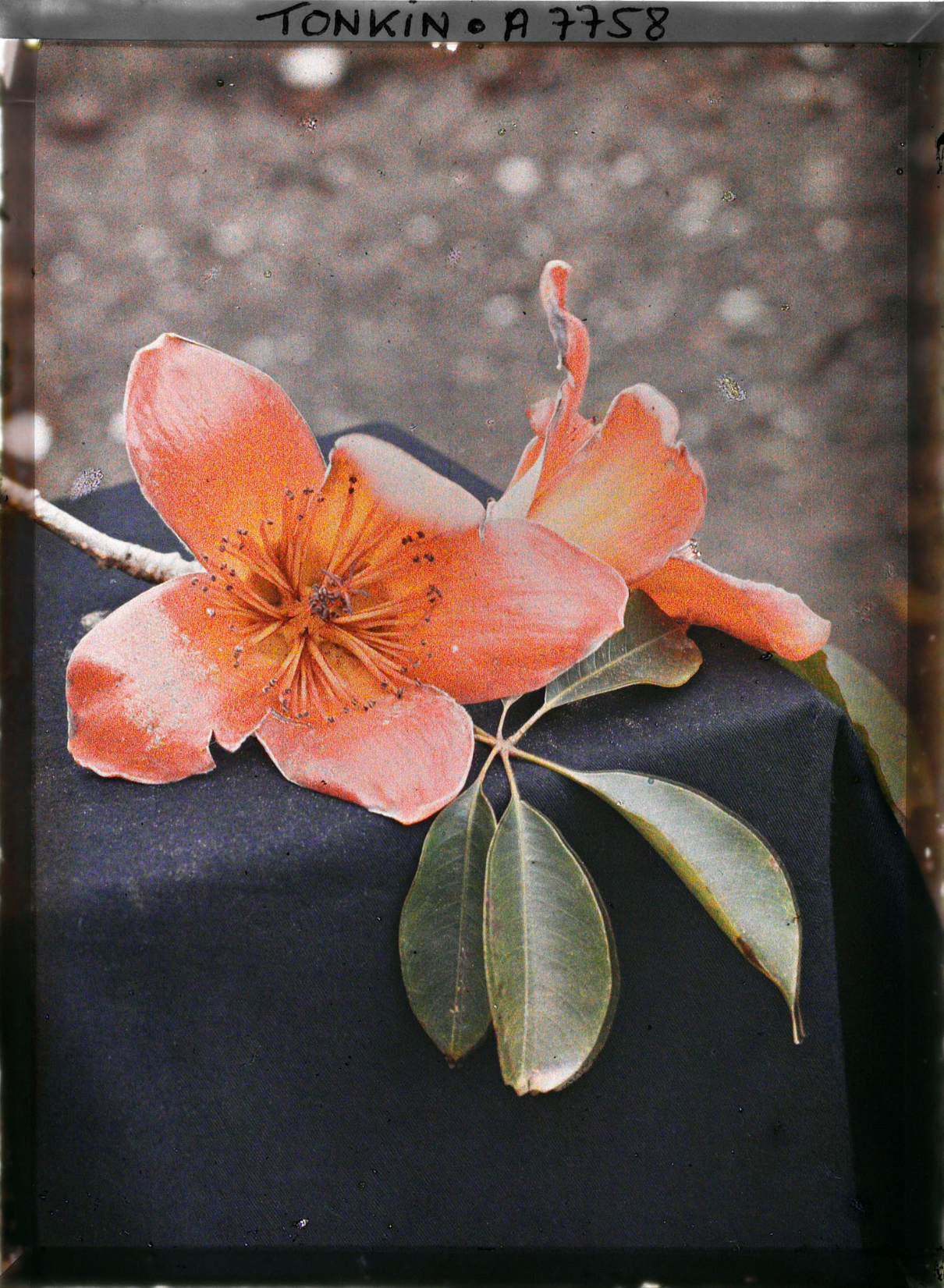
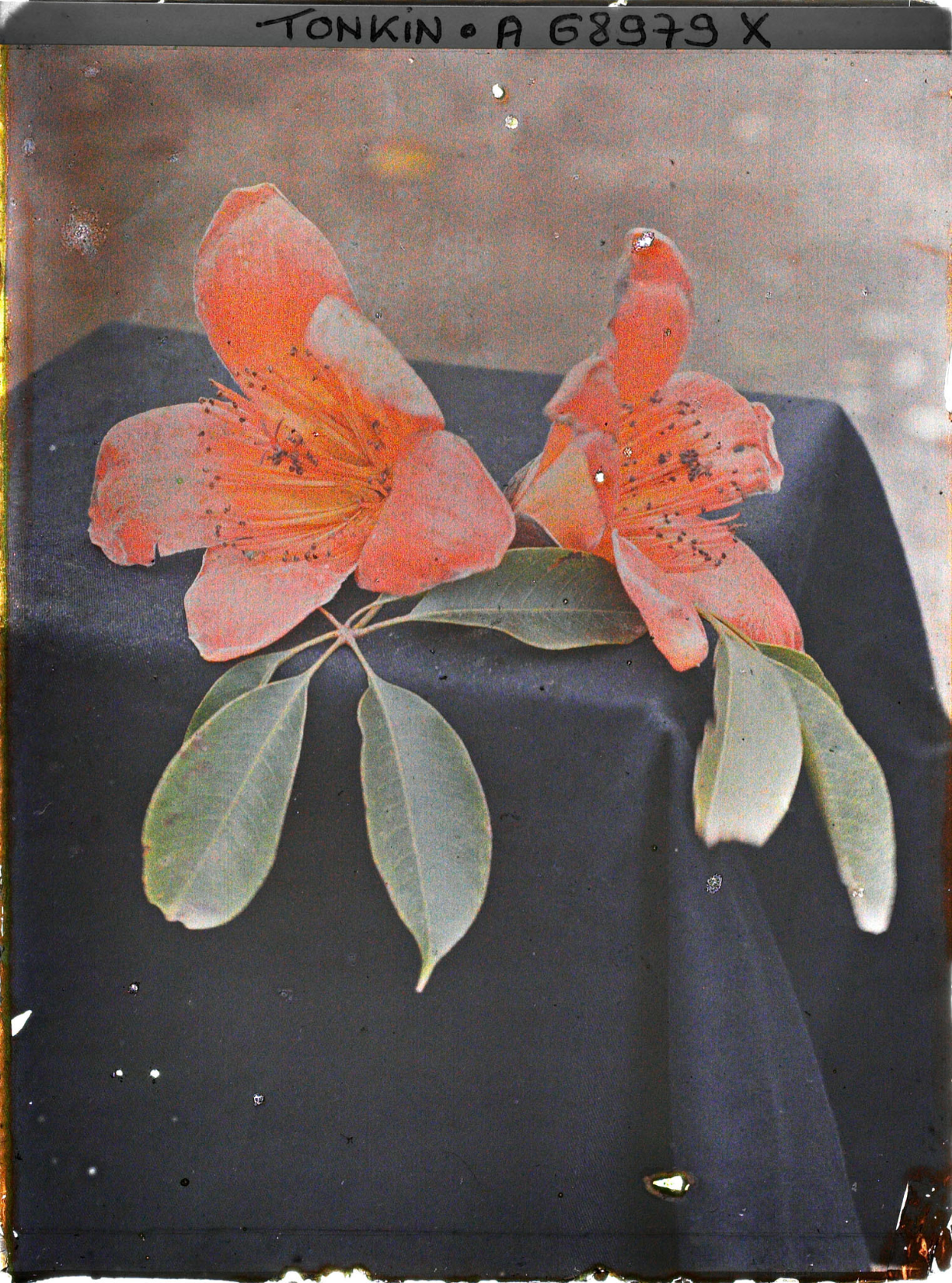
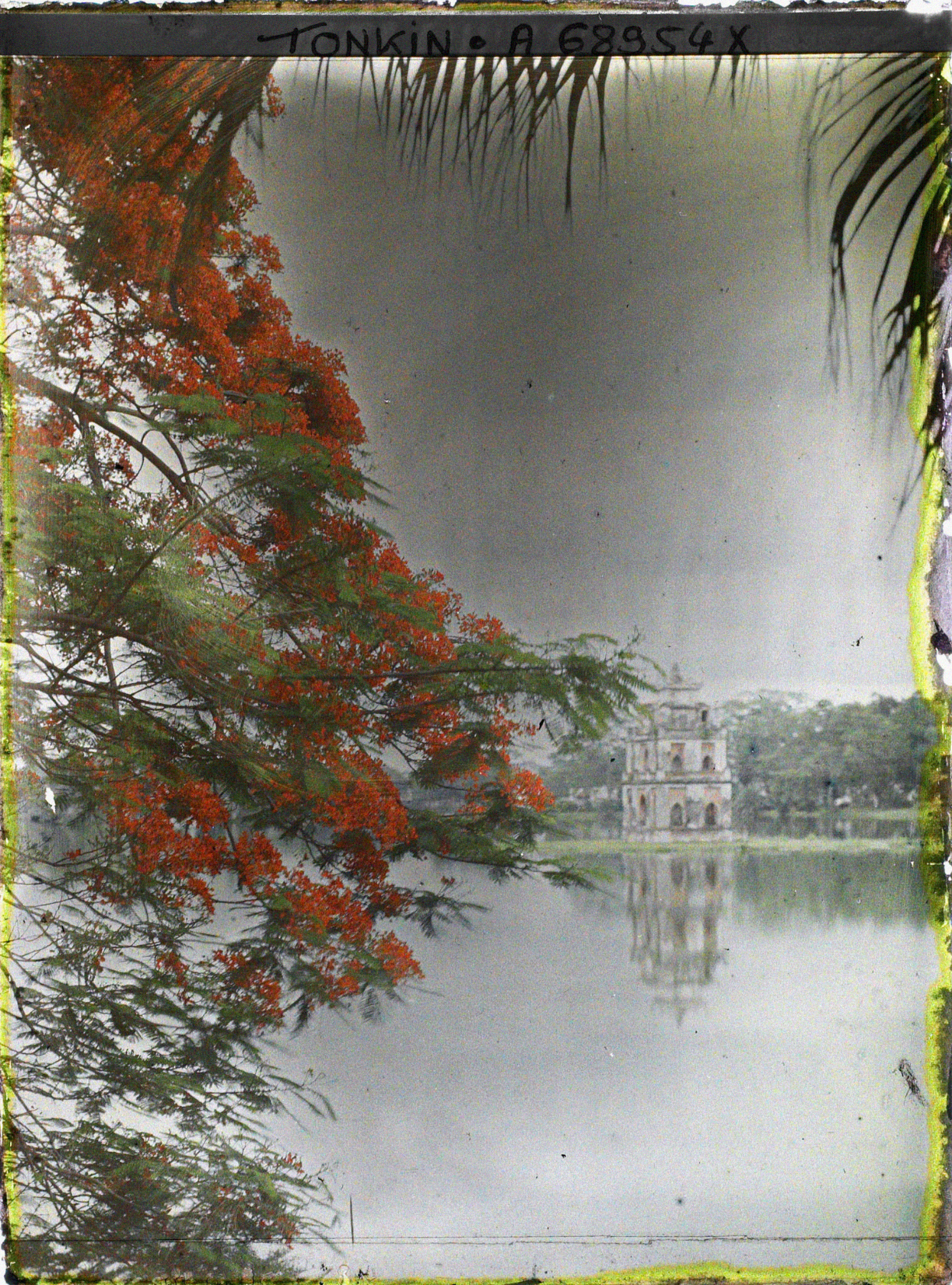
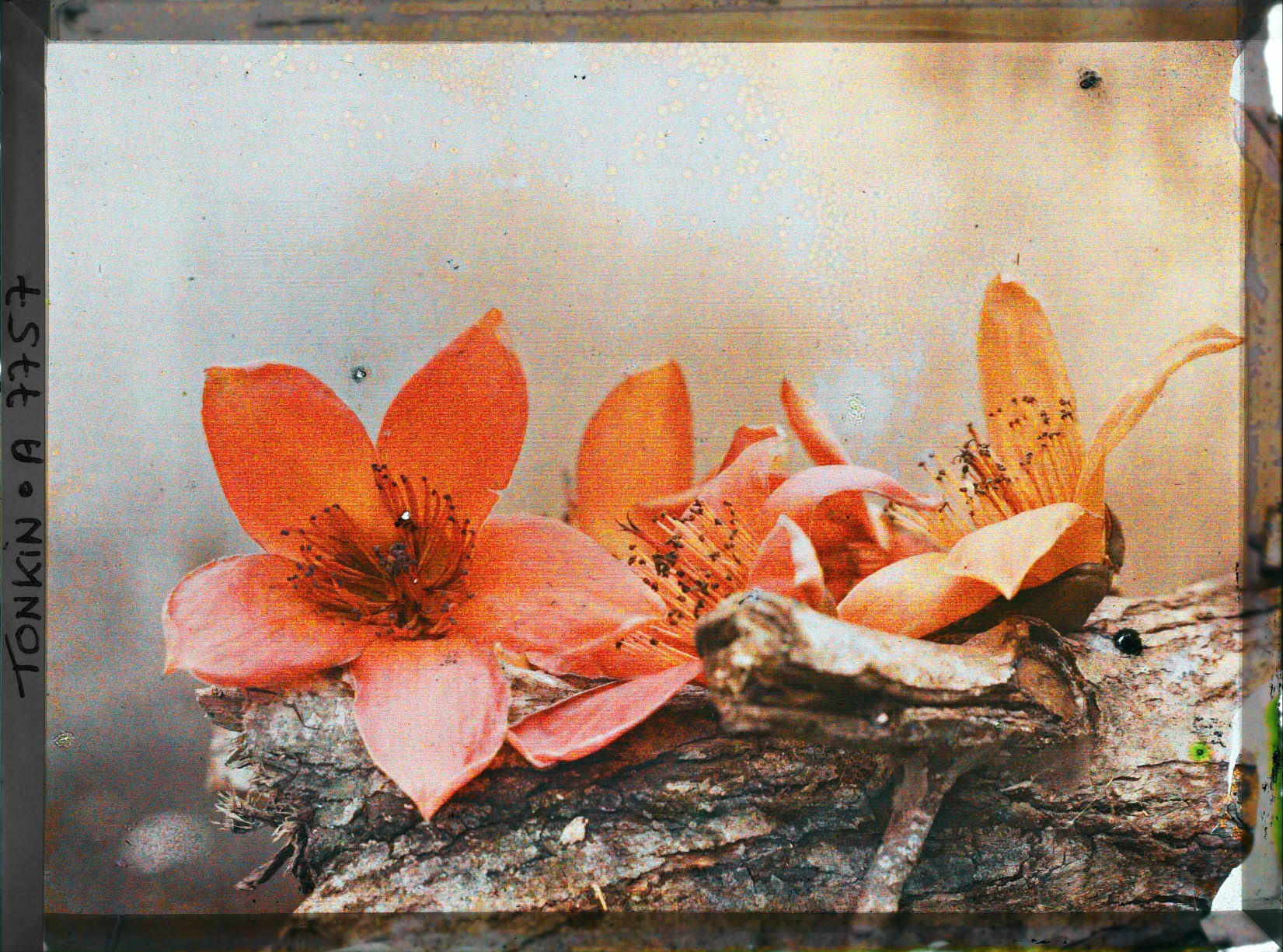
Fleurs du kapokier · autochromes

Léon Busy ~ Feuilles et fleurs du kapokier, environs de Hà-nôi, Tonkin, Indochine, 1916. Autochrome Lumière. Archives de la Planète
Léon Busy ~ Les feuilles et les fleurs du kapokier, environs de Hà-nôi, Tonkin, Indochine, 1916. Autochrome Lumière. Archives de la Planète
Léon Busy ~ Le Petit Lac ou Hoan-Kiem-Ho (« Lac de l’épée restituée »), avec son pagodon octogonal appelé « Stûpa de l’île de la Tortue » édifié en son centre, Hà-nôi, Tonkin, Indochine, 1914-1921. Autochrome Lumière. Archives de la Planète
Léon Busy ~ Les feuilles et les fleurs du kapokier, environs de Hà-nôi, Tonkin, Indochine, 1916. Autochrome Lumière. Archives de la Planète
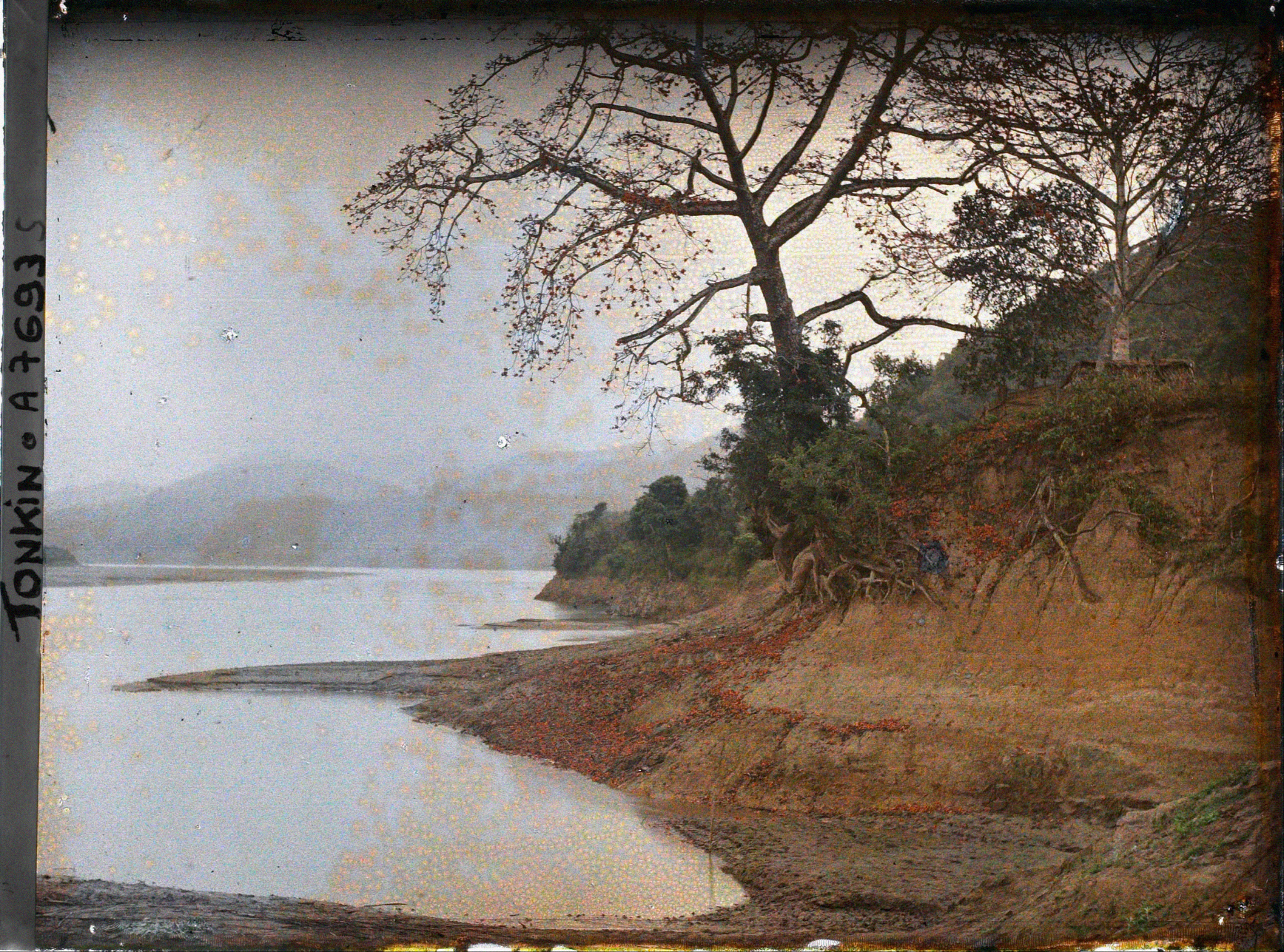
Léon Busy ~ Des kapokiers en fleurs au bord de la riviere Noire, entre Hoa-binh et Cho-Bõ, Province de Hoa-binh, Tonkin, Indochine, 03/1916. Autochrome Lumière. Archives de la Planète

Mission : Léon Busy en Indochine; all images from Musée départamental Albert Kahn
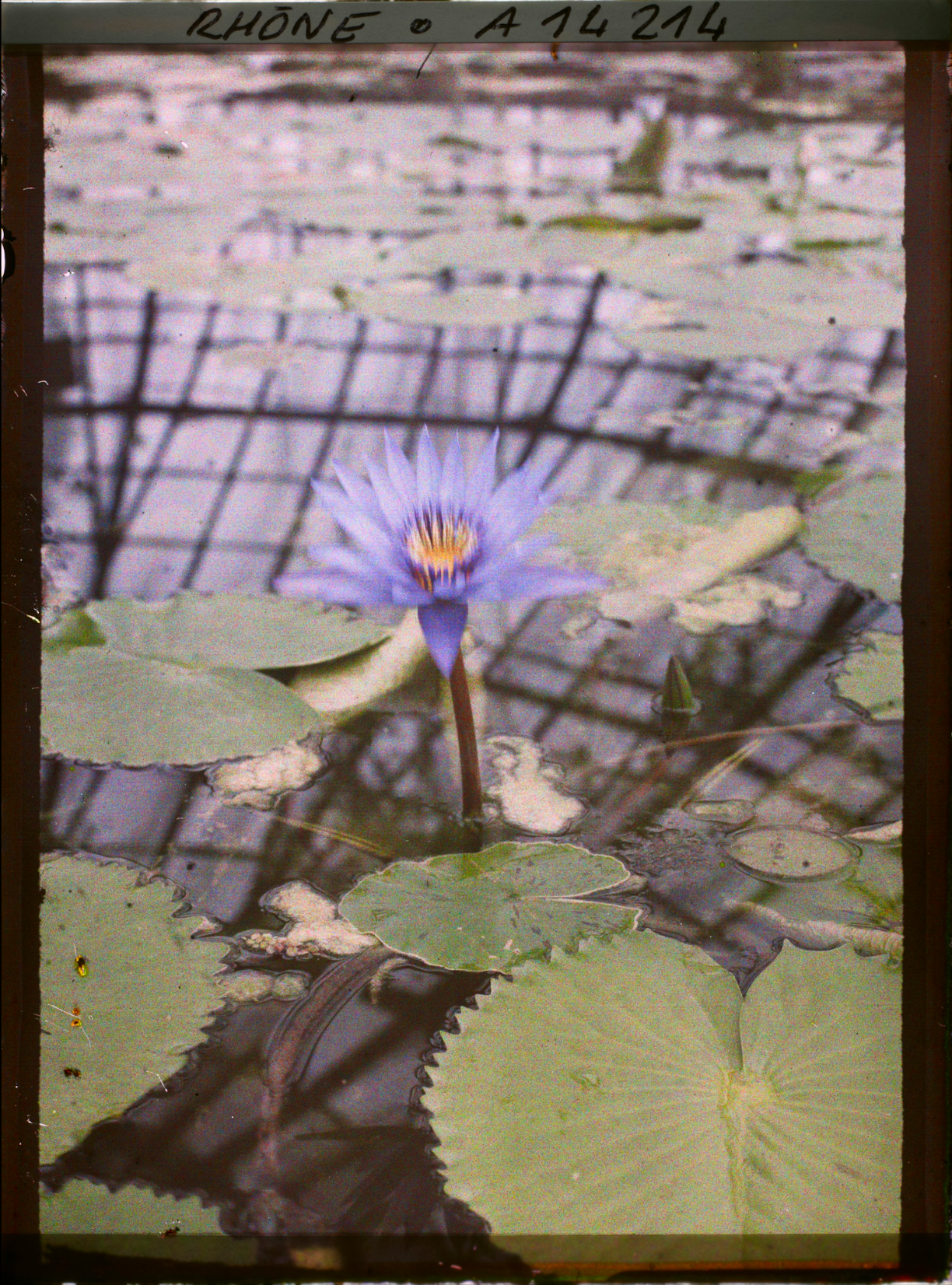
Water lilies · Nenuphars

Léon Busy ~ Parc de la Tête d’Or, Lyon, Rhône-Alpes, France, 1917-1918. Autochrome Lumière.
Rhône-Alpes – Léon Busy – (juin 1917-mai 1918)

Musée départamental Albert Kahn. Archives de la Planète. Opérateur : León Busy (x)
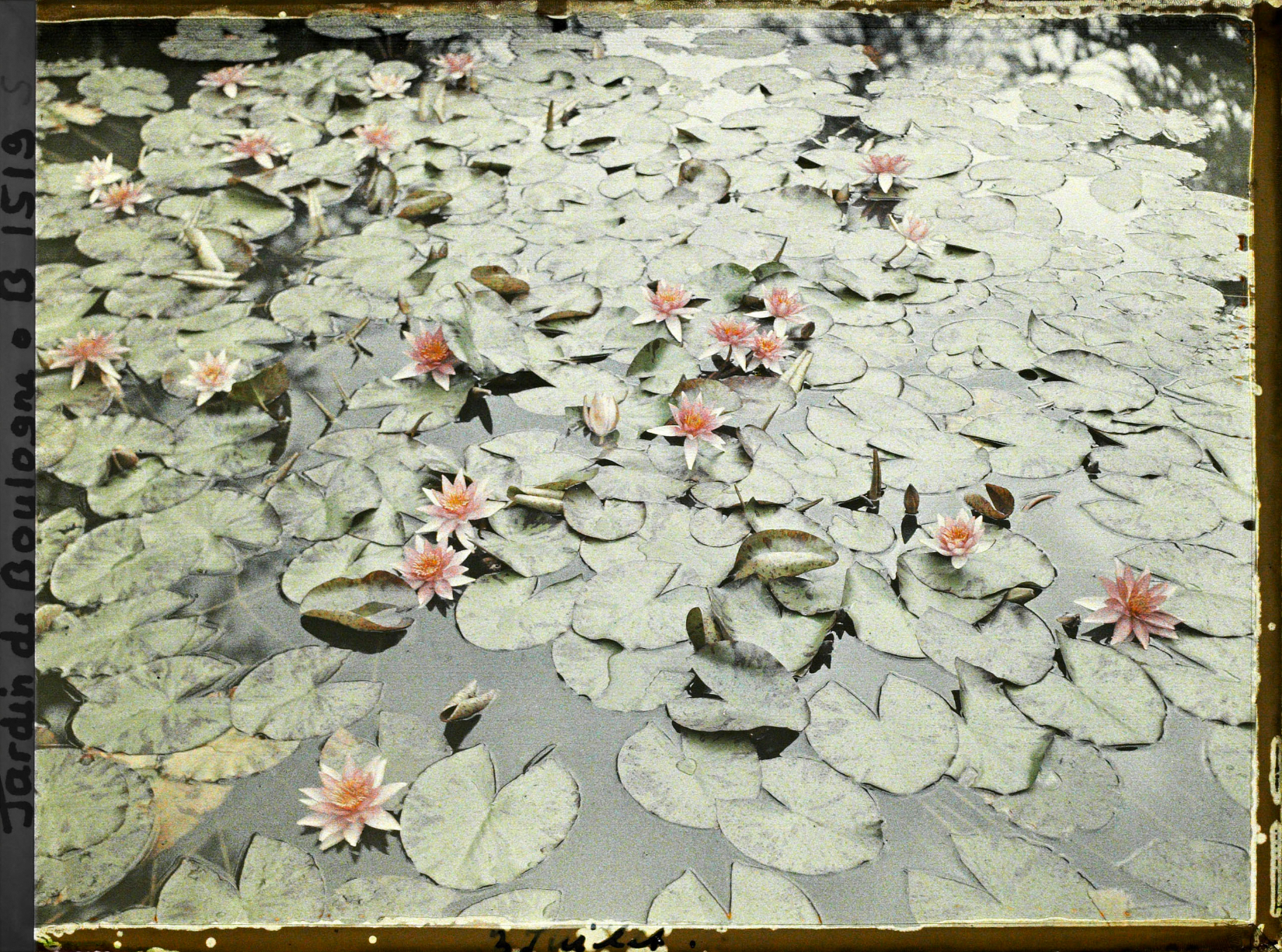
Auguste Léon ~ Nénuphars roses, Propriété d’ Albert Kahn, Boulogne, France, 07/1930. Autochrome Lumière.

Musée départamental Albert Kahn. Archives de la Planète. Opérateur : Auguste Léon (x)
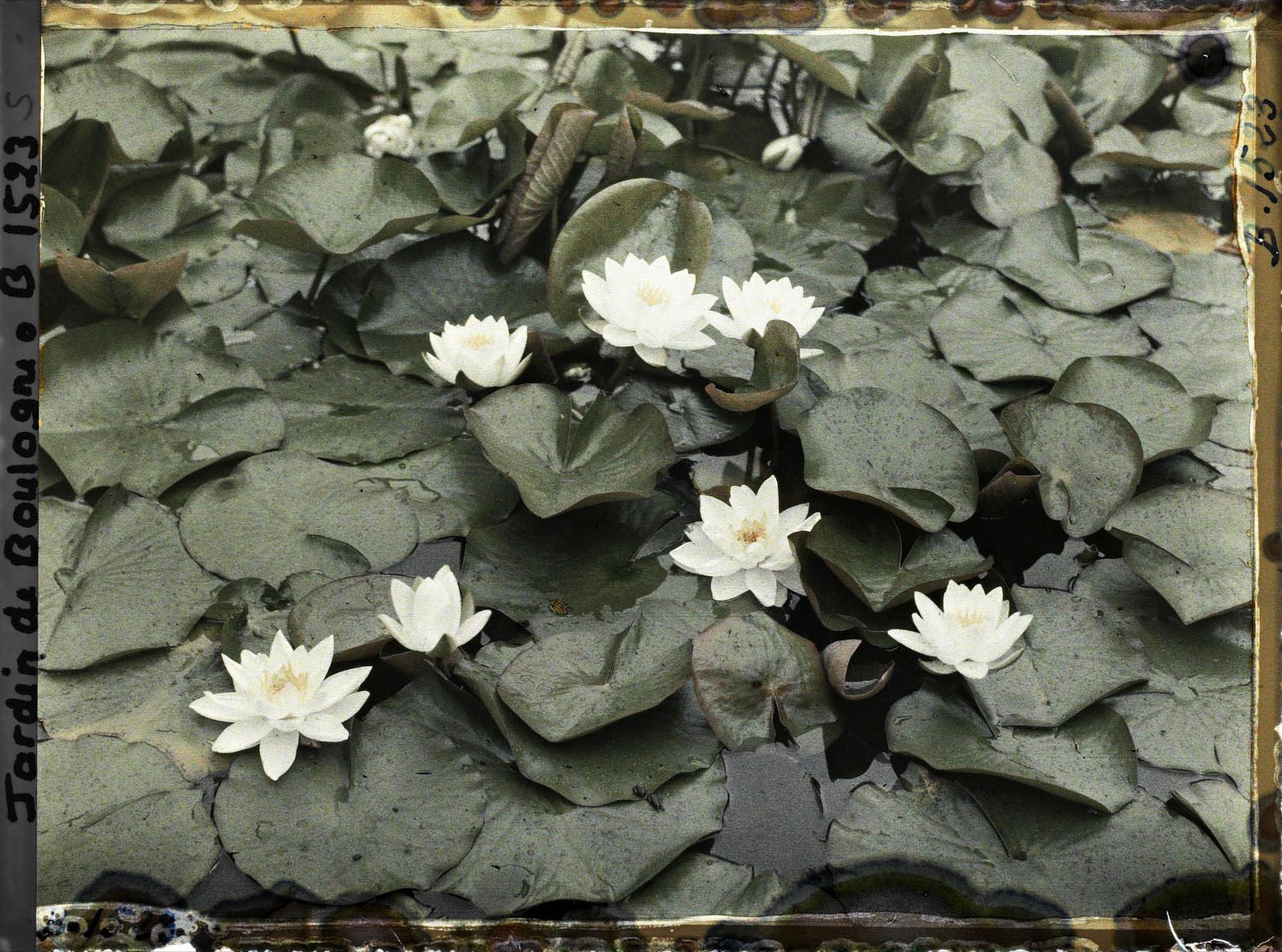
Auguste Léon ~ Nénuphars blancs, Propriété d’Albert Kahn, Boulogne, France, 07/1930. Autochrome Lumière.