

images that haunt us
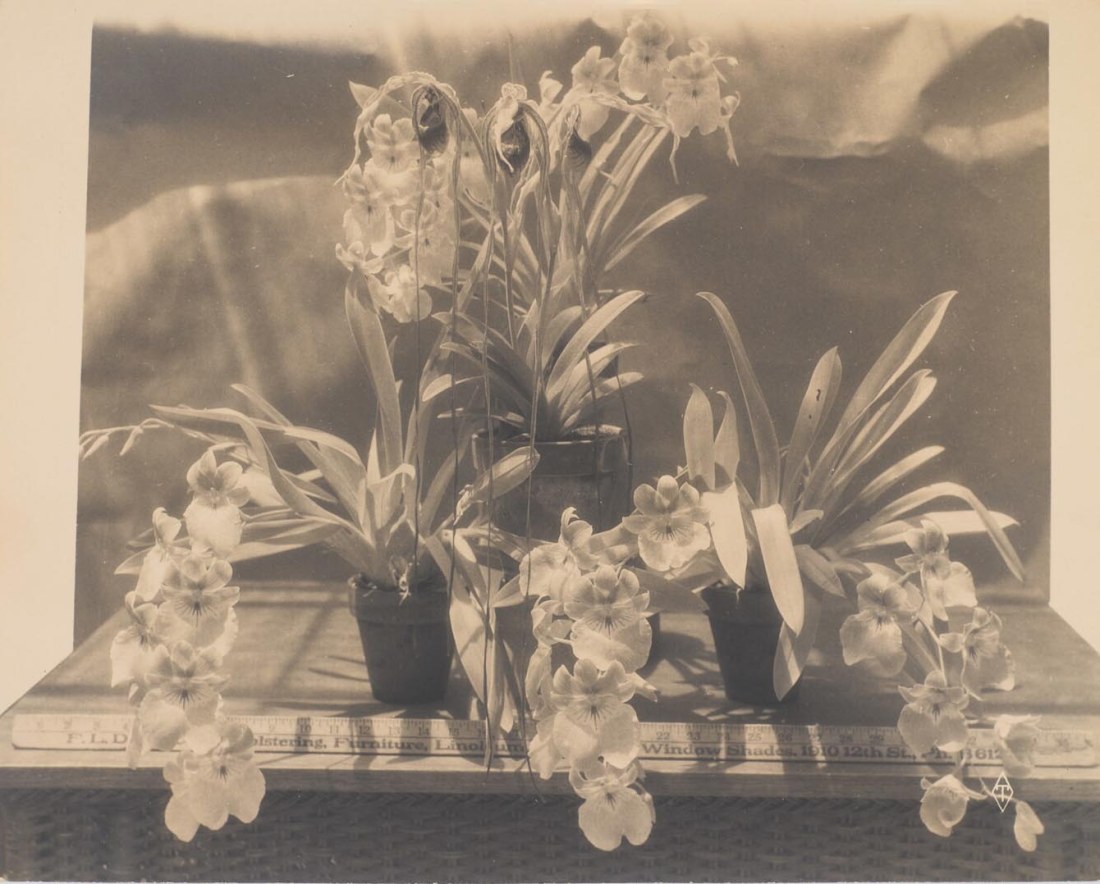
![Ed Tangen (1873-1951); [Orchids in bloom]; ca. 1920's; Gelatin silver print; Amon Carter Museum of American Art, Fort Worth, Texas](https://unregardoblique.com/wp-content/uploads/2022/08/eivind-j.-tangen-1873-1951-orchids-in-bloom-1920s-amon-carter.jpg)
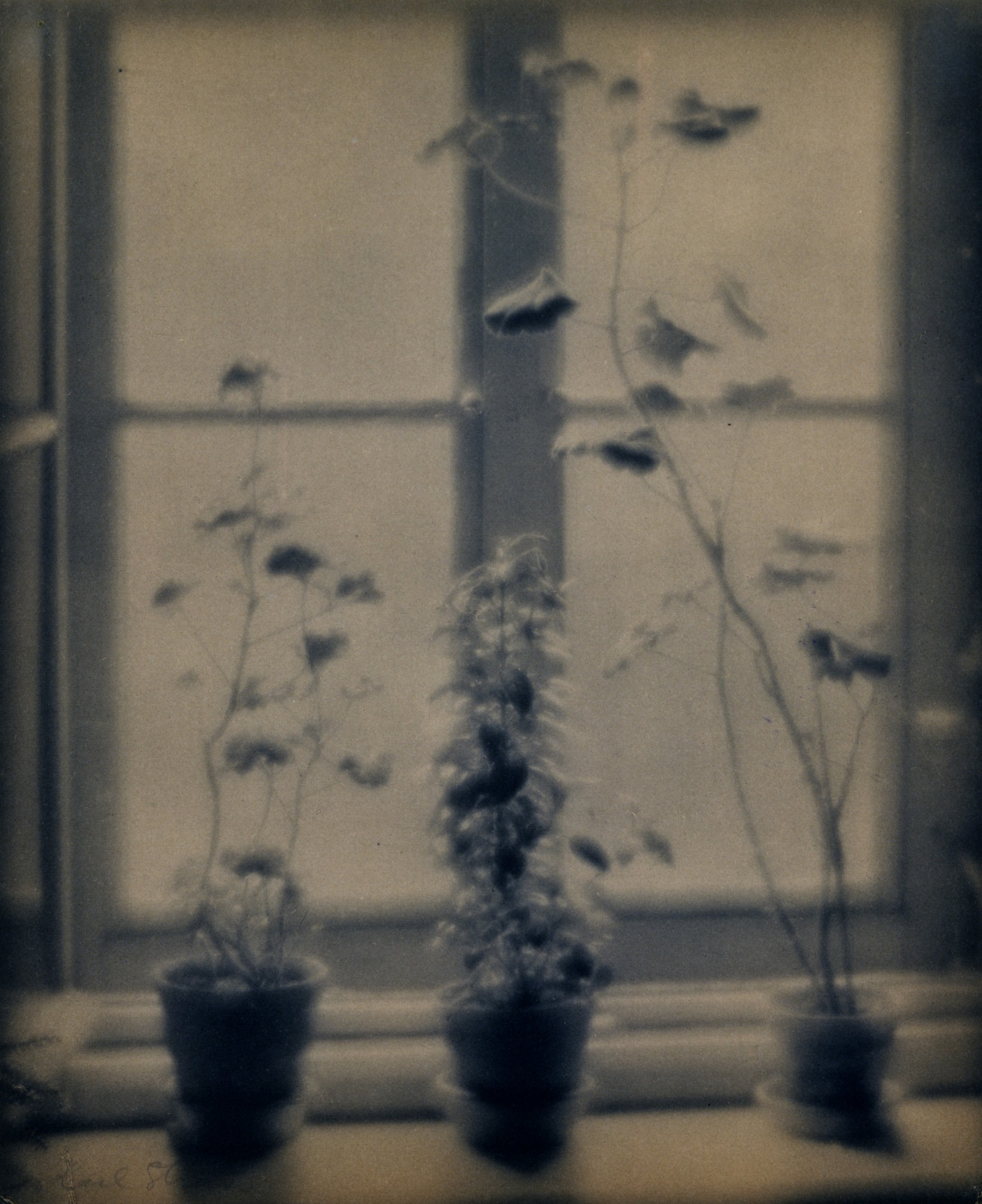
![Karl Struss (1886-1981) :: Three Potted Plants in Window [Chrysanthemums], Willard White NYC, 1911. Platinum print. | src Amon Carter Museum of American Art](https://unregardoblique.com/wp-content/uploads/2022/05/karl-struss-1886-1981-willard-white-n.y.c.-3-potted-plants-in-window-1911-amon-carter-museum.jpg)
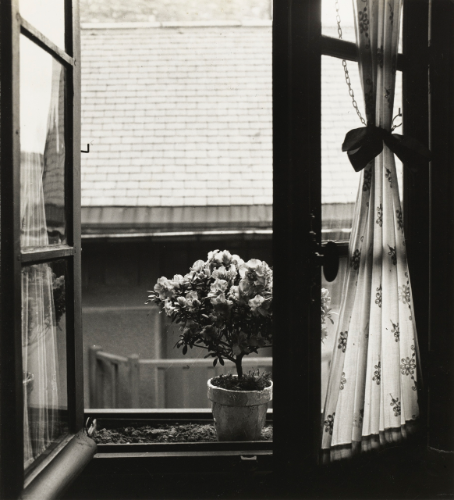
![Johan Hagemeyer :: Rex begonia in window of Carmel house. [photographic print] | src OAC · Calisphere](https://live.staticflickr.com/65535/52078632546_0a97511ab0_h.jpg)
![Johan Hagemeyer (1884-1962) :: [Plant.] [negative], n.d. | src OAC · Calisphere](https://unregardoblique.com/wp-content/uploads/2022/05/hagemeyer-plant.-negative-src-oac.jpg)
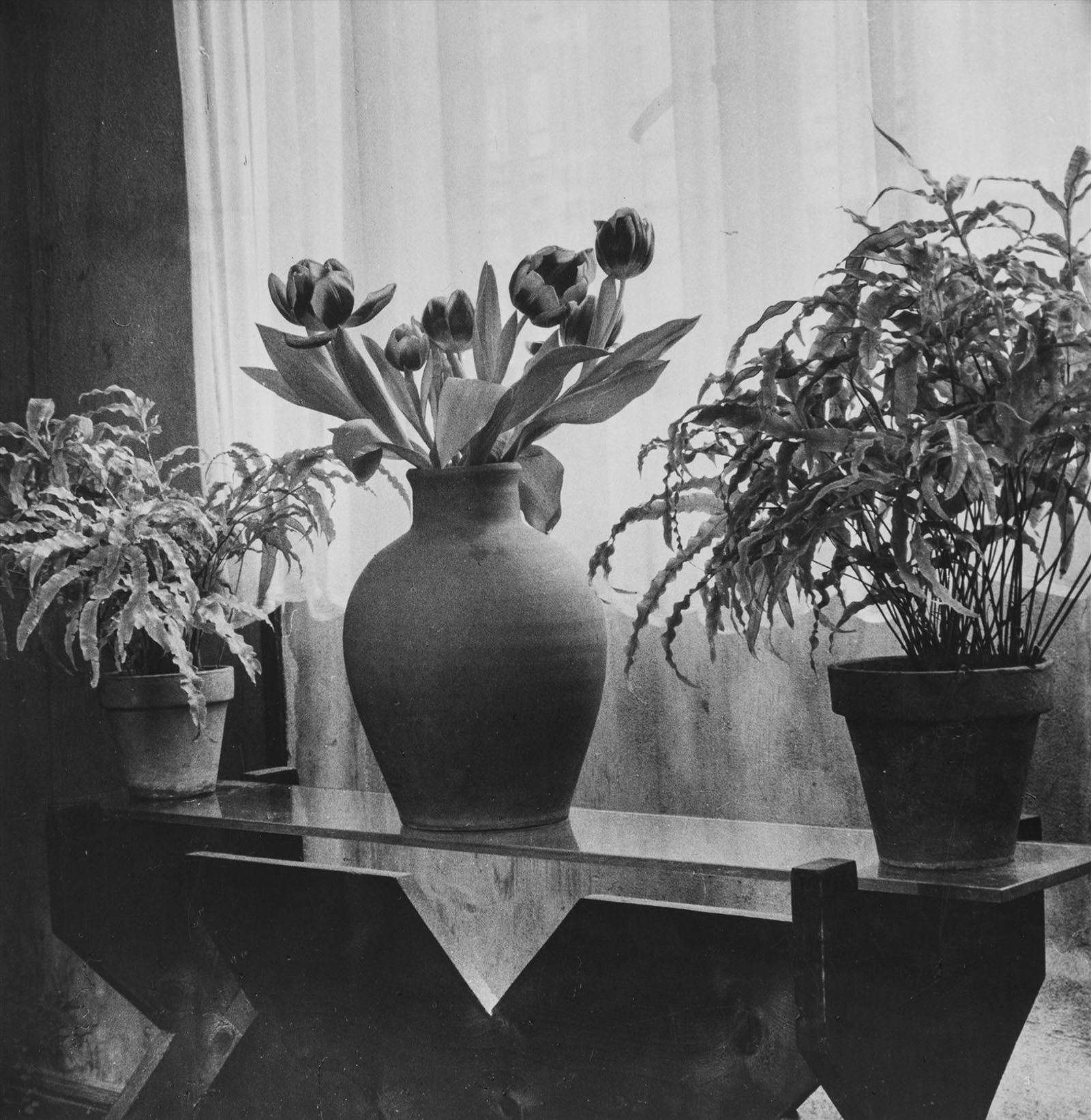
![Johan Hagemeyer :: [Plants. Unidentified interior] [negative] | src OAC · Calisphere](https://live.staticflickr.com/65535/52078867279_77e8e26059_h.jpg)
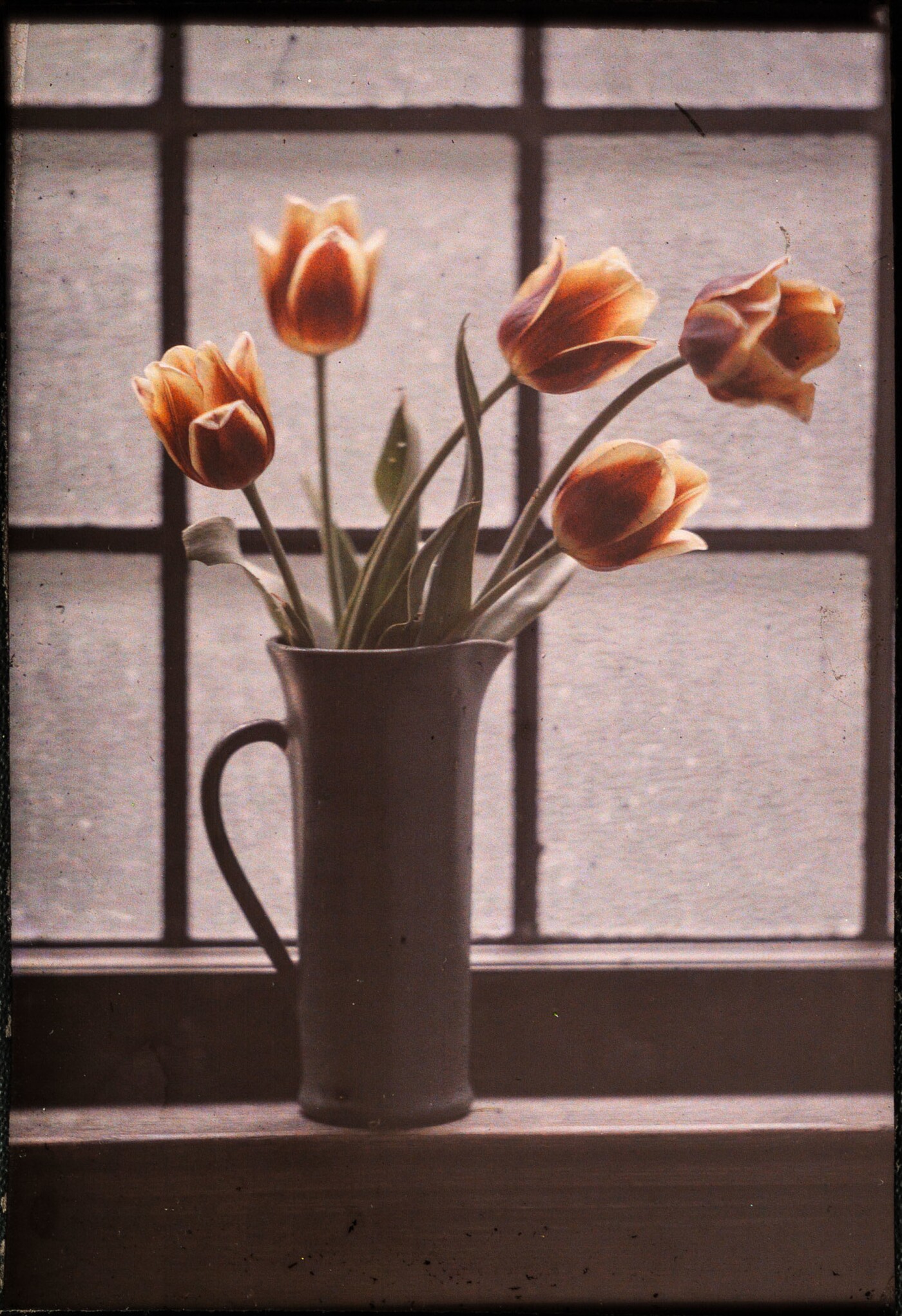

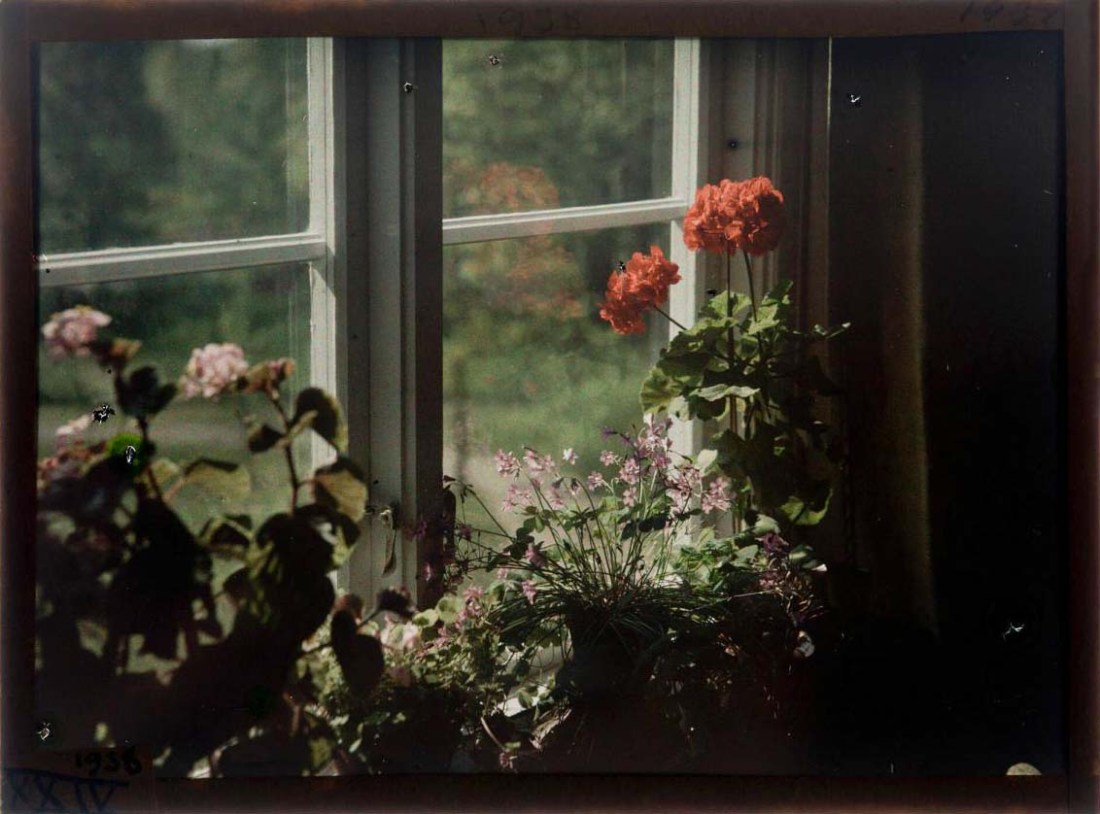
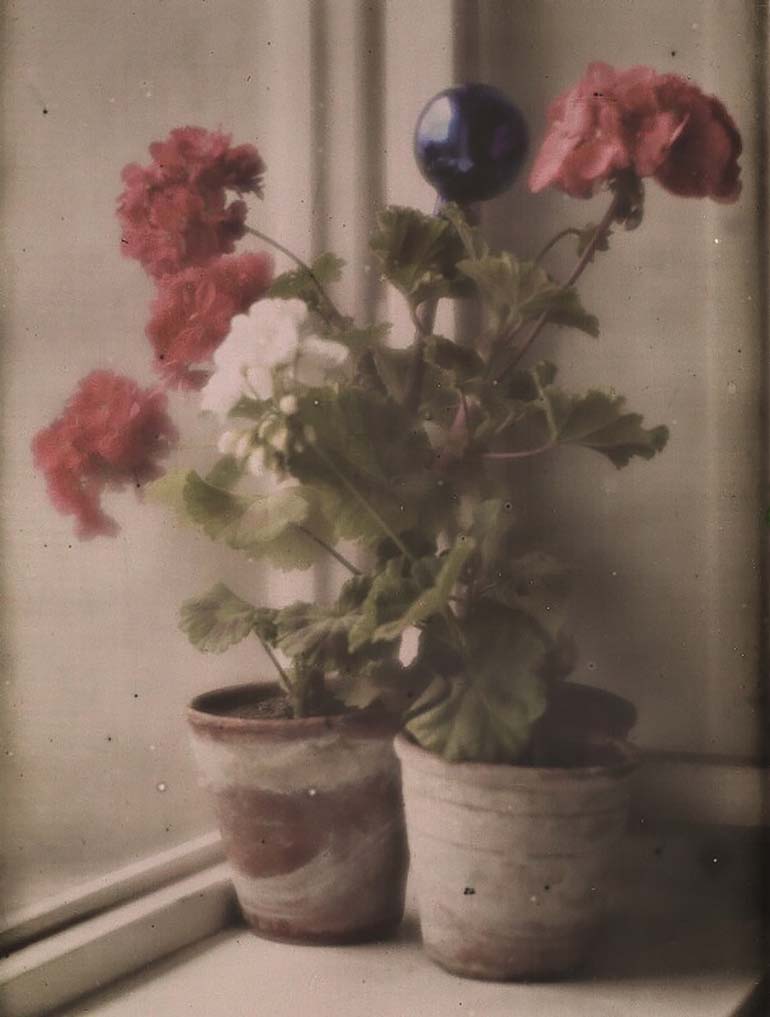
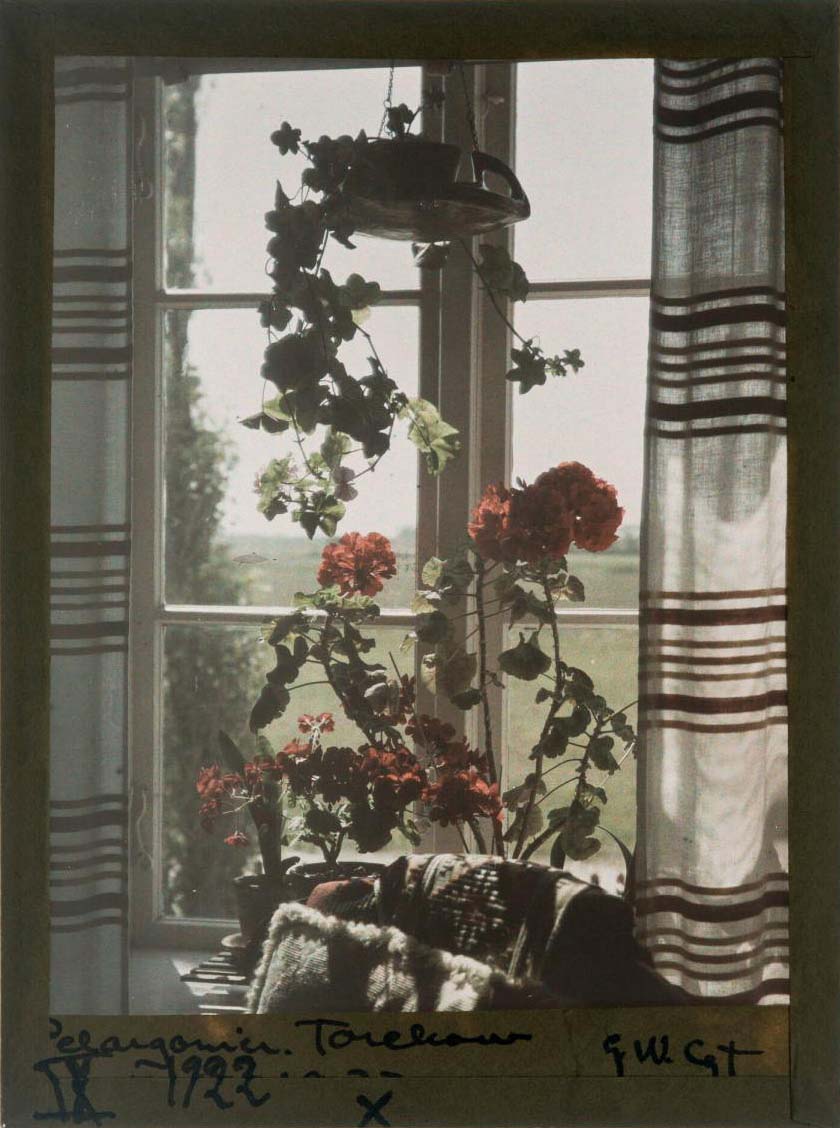
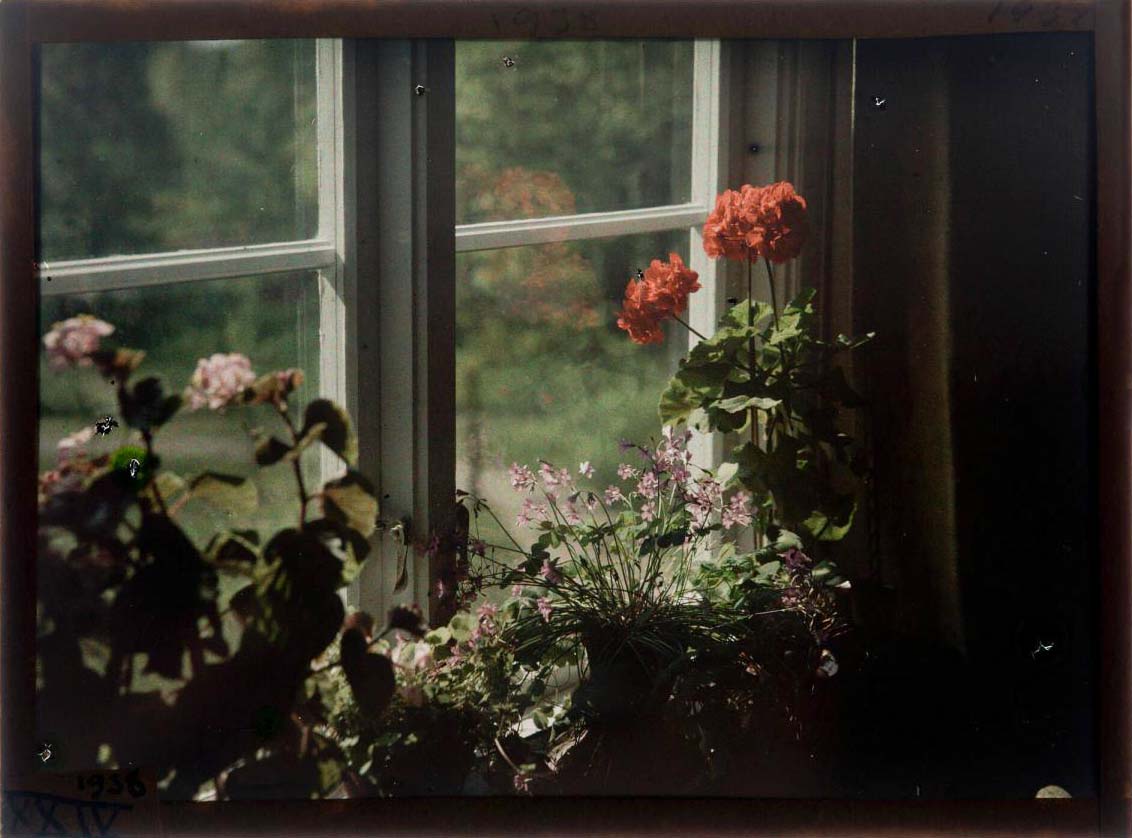
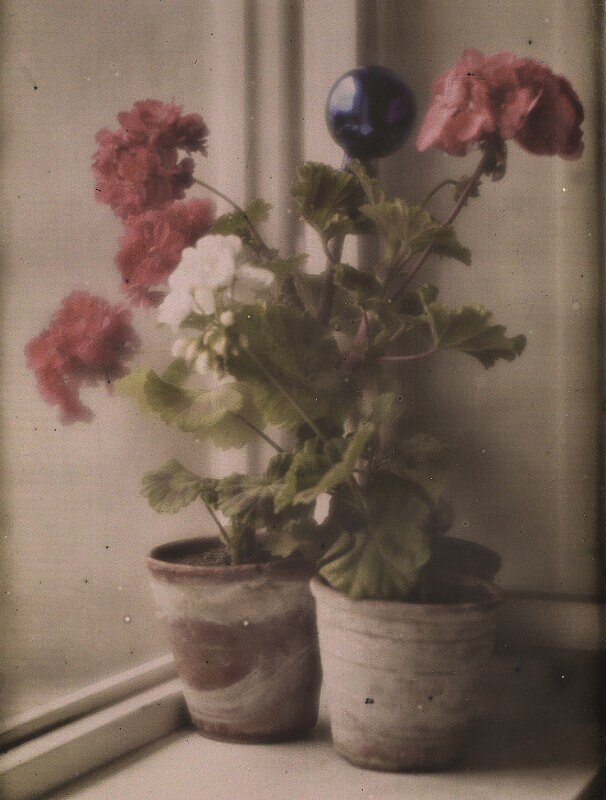
(*) Additive Color Screen Plate or Screen Plate were known commonly by the product name: Autochrome, Filmcolor, Lumicolor, Alticolor. Used mainly between 1907 and 1935. Initially it has a glass support; later products on film supports. This process was the first fully practical single-plate color process. The Autochrome plate or Screen plate could record both saturated and subtle colors with fidelity, and since the screen and the image were combined, there were no registration problems. Nonetheless, it had its drawbacks: the exposure times were long, and the processed plates were very dense, transmitting only less than the 10% of the light reaching them.
The result is a soft, subdued, dreamy colored image. And grainy. Although the starch grain filters were microscopically small their random distribution meant that inevitably there would be clumping of grains of the same color.

 un regard oblique