Northern noir · Kourtney Roy

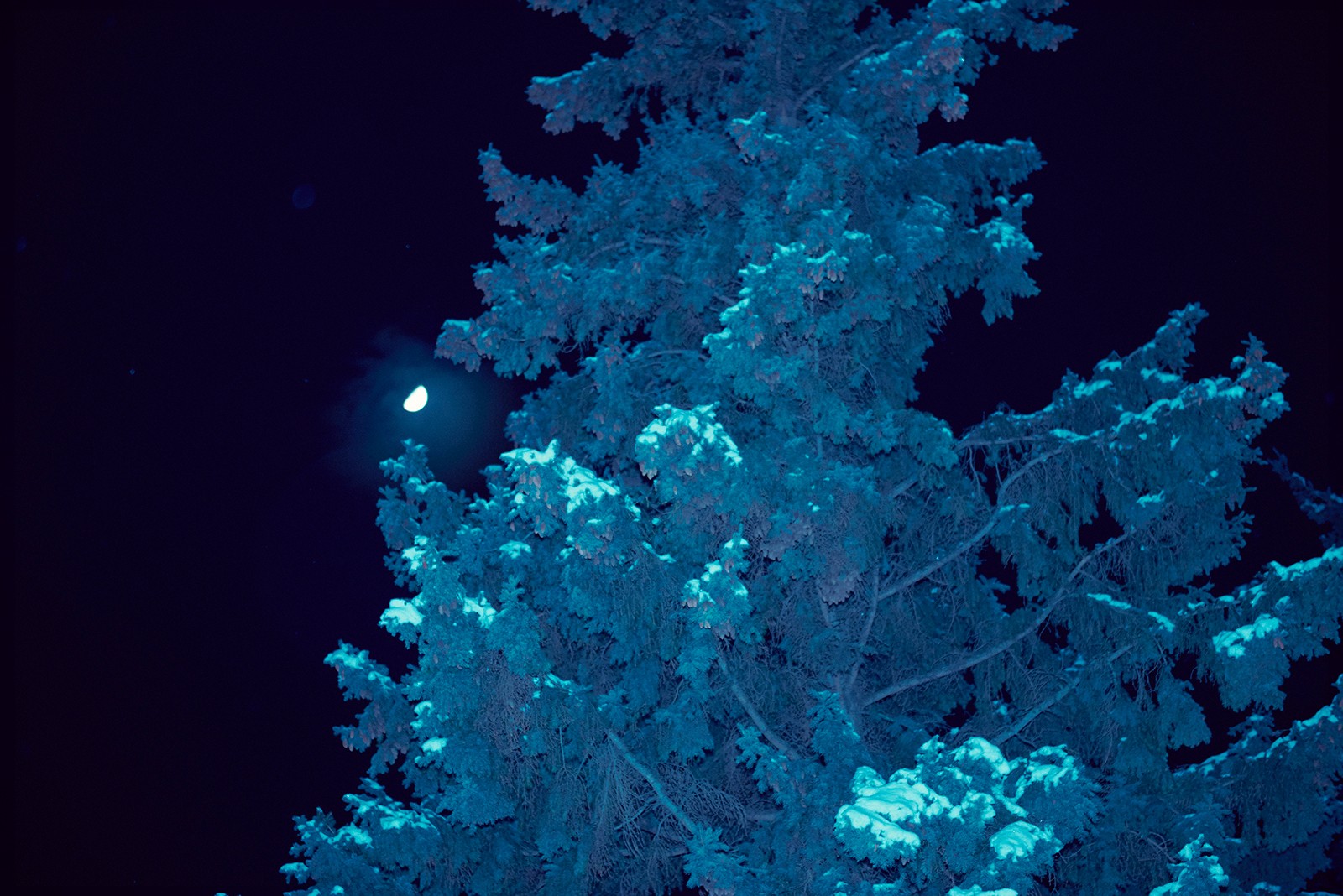
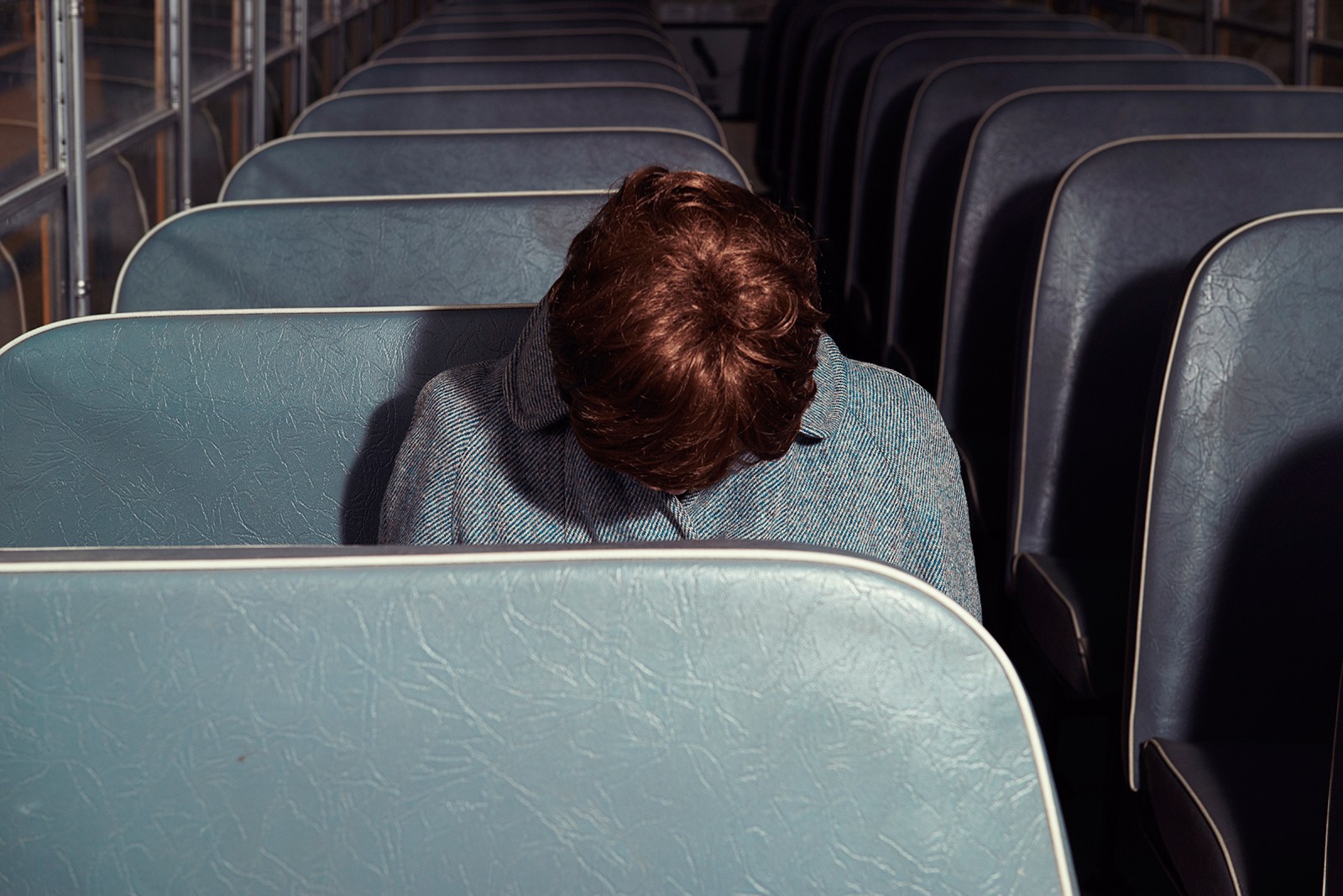
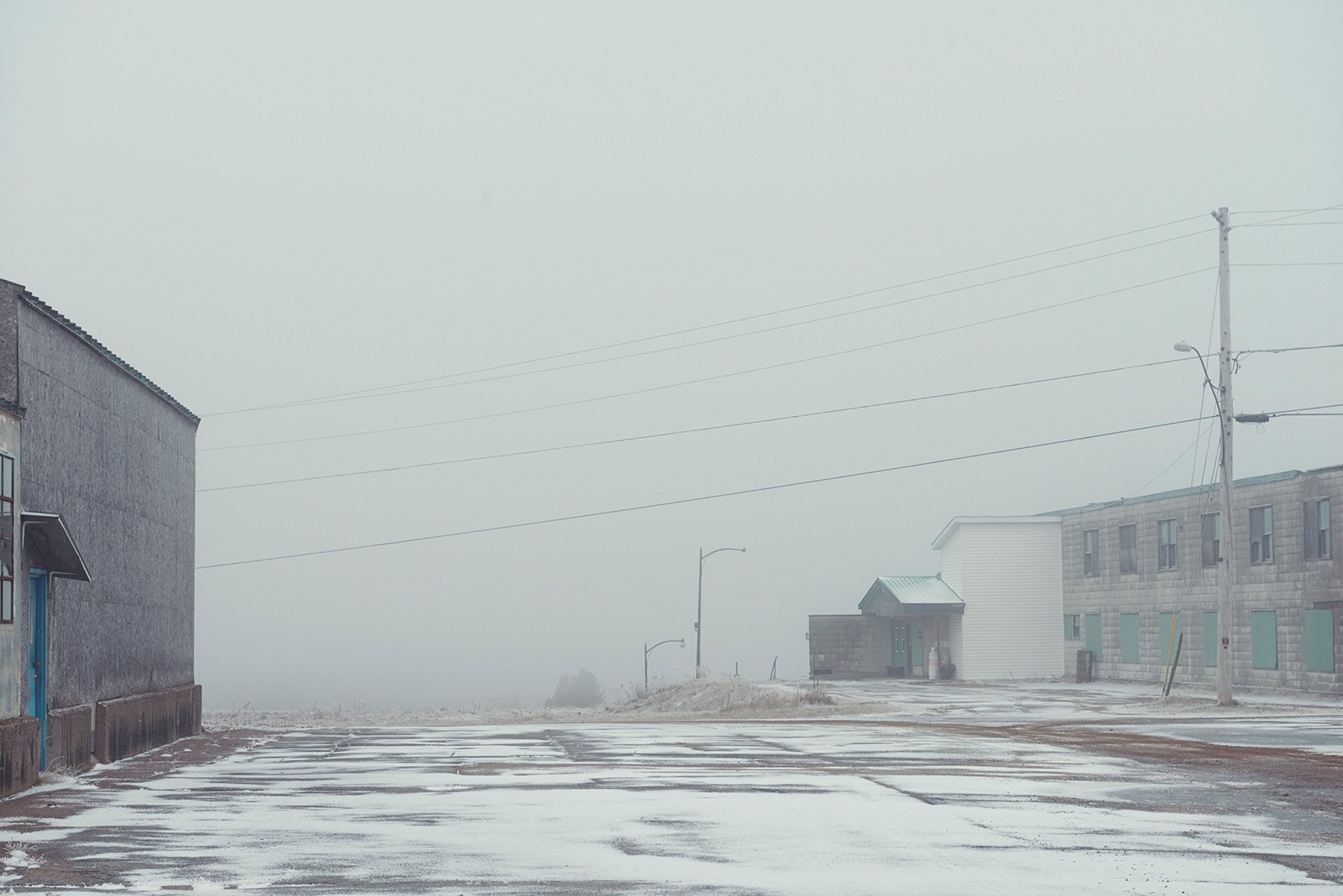
Kourtney Roy :: Northern noir, 2015 | src Kourtney Roy

Northern noir

The world has a secret potential to transform itself at any moment into a film set.

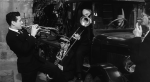
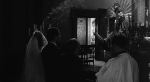
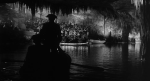
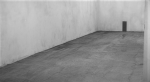
Northern Noir was photographed during the summer and winter of 2015 in Northern Ontario and British Columbia, Canada. My intent was to create a series of film stills taken from an unknown and fictional film, more precisely, a crime film. I wanted to photograph the non-events that encircle the places where transgressive acts may have taken place. The banality of the scenes photographed both hides and yet hints at the presence of shady and malevolent happenings. These fragments capture unintentional and marginal details. Their mundane and anecdotal qualities are fetishized and magnified, adding a sense of dread to the otherwise indifferent and un-extraordinary decors. The series was realised over several road trips through the wilderness and towns of my youth. The facet of memory, my memory, real or imagined, links itself to the screen memories of the film still. The road is not only a physical space but also a space of the imagination, a state of mind where the past and present convene. These stills of a nameless film intertwine with the aura of a specific place and time, melding the impervious with the personal.

quoted from artist’s website
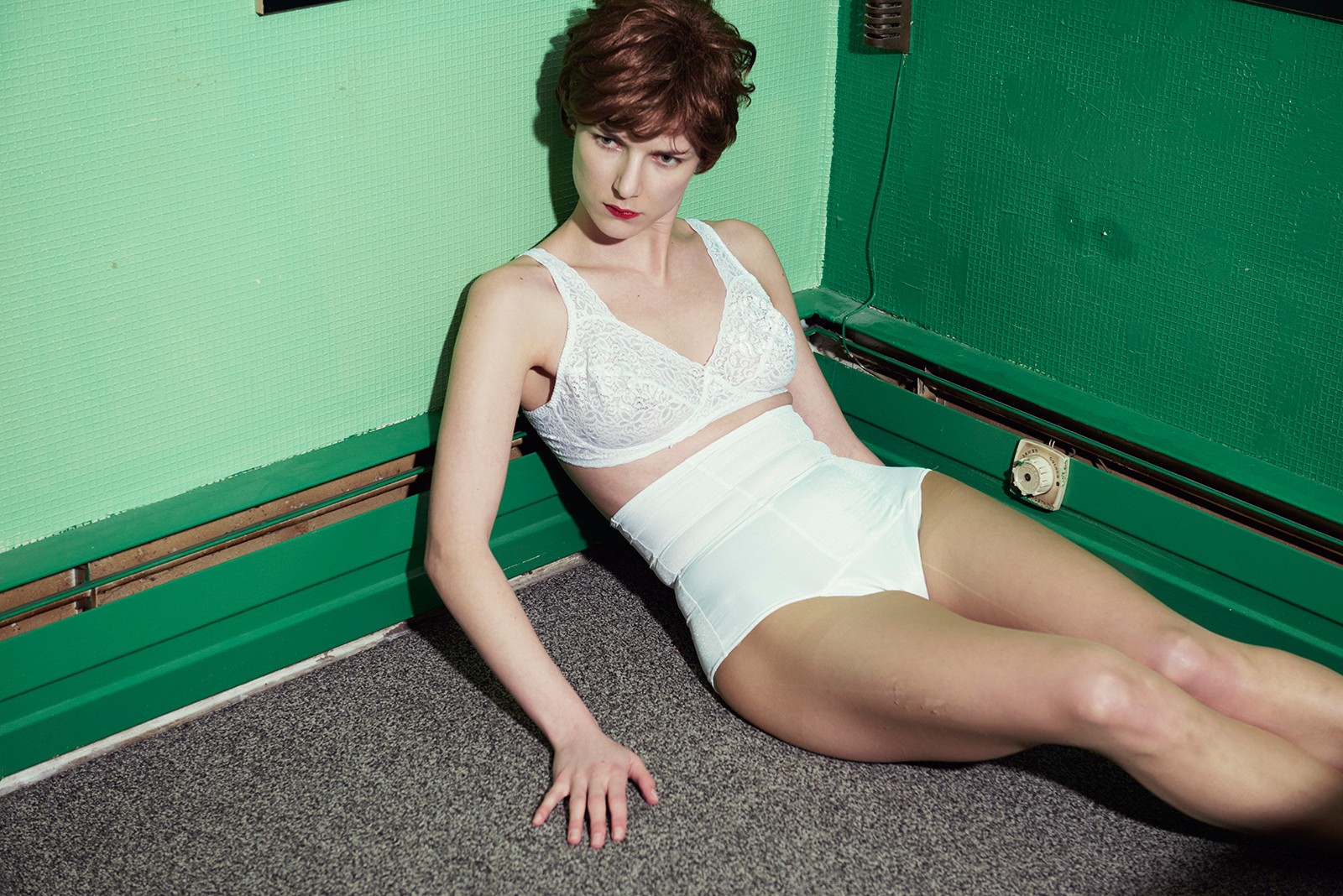
Kourtney Roy :: Northern noir, 2015 | src Kourtney Roy

Roy has produced several series which all share the artist’s bold and cinematic aesthetic. Staged in laundrettes, motels, supermarkets and various other banal locations Roy creates hyper-realistic images that resemble film stills. Throughout her work Roy plays with ideas of the bizarre and the uncanny, whether it be a lone female figure walking along a deserted road in a vast landscape or a woman photographed through the wing mirror of a car, Roy’s photographs are permeated with an unsettling air. In her work Roy creates familiar still images of stereotyped heroines, using herself as the model Roy invents numerous characters for herself. This is a crucial element to her work, Roy has stated “It’s usually the male gaze, and the woman is the object to be looked at. So the idea was becoming the person who objectifies, but also objectifying myself. I just thought it was interesting to play the dual role.” quoted from Huxleyparlour Gallery

Kourtney Roy’s work is bound up in an ambiguous and cinematic image-making that borders the real and the fantastic. Her approach to photography provokes contemplation and reconfiguration of common place subjects via playful revelation of the bizarre and the uncanny. She is fascinated with exploring the boundaries of liminal spaces; whether spatial, temporal or psychological. By using herself as the principal subject in her work, the artist creates a compelling, intimate universe inhabited by a multitude of diverse characters that explore these enigmatic themes. (quoted from Kourtney Roy)

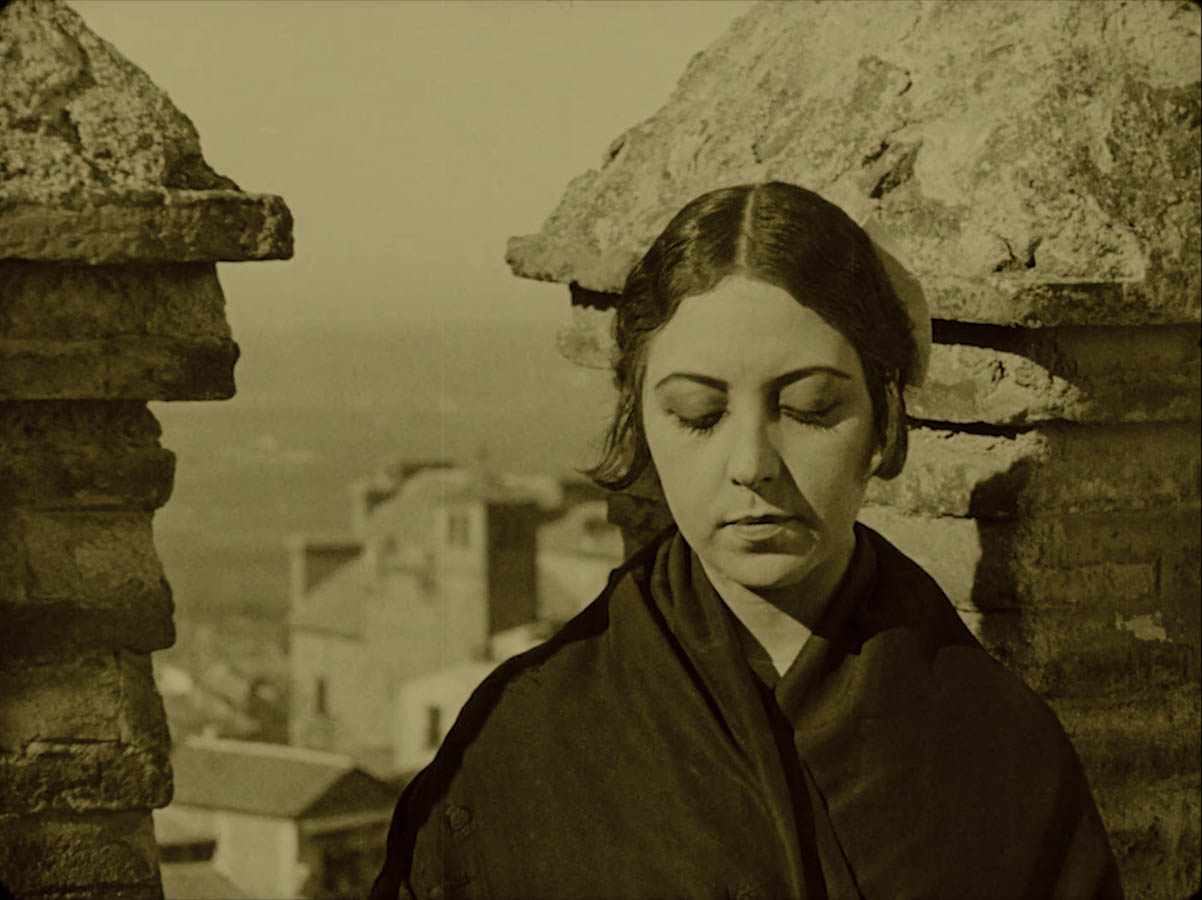
«Soleil et ombre», 1922

Musidora in «Soleil et ombre», dir. Jacques Lasseyne et Musidora. France, 1922. 43 min. D’après la nouvelle L’Espagnole de Maria Star. | src La Cinématèque Française

Si j’avais quatre dromadaires

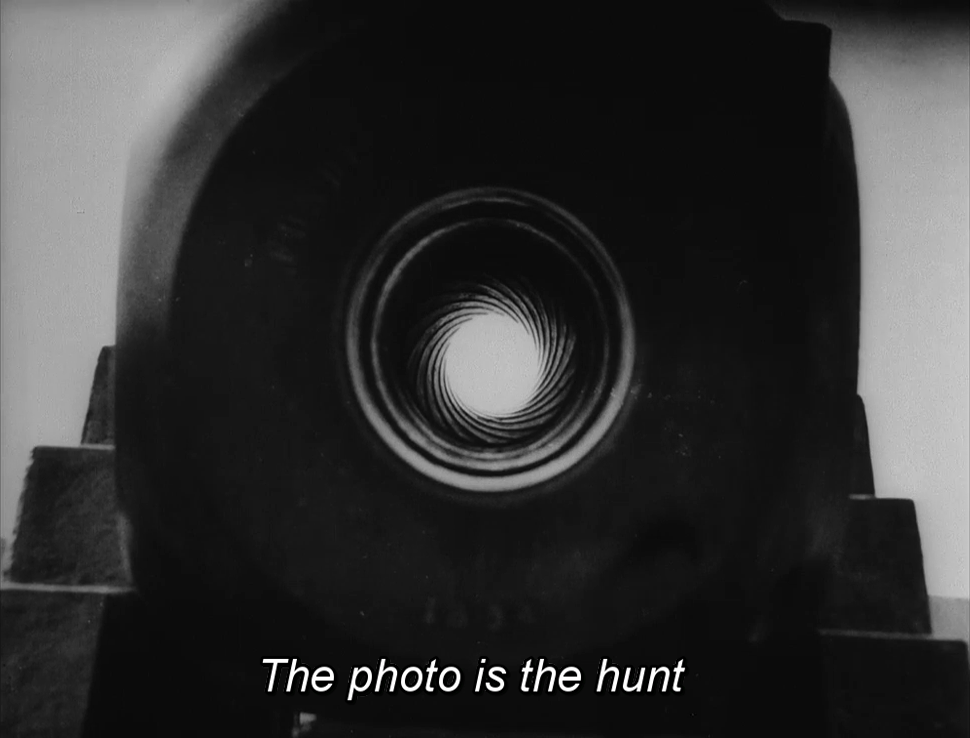
“Photography is hunting…

Si j’avais quatres dromedaires was originally produced for German television and was not seen in France until the mid-1970s. It remains unknown to the general public and was for a long time quite fugitive even for specialists; some published discussions seem to have less to do with the film than with the commentary. Yet there are substantial differences between that text and the film itself. The film contains more than seven hundred and fifty still photos, of which the text reproduces one hundred and thirty; the text contains another forty photos that do not appear in the film. The text is eighty-one pages long but some sixteen of these (just about one-fifth) contain words that are not heard in the film. Conversely, the film contains a few short speeches that are not found in the printed commentary.

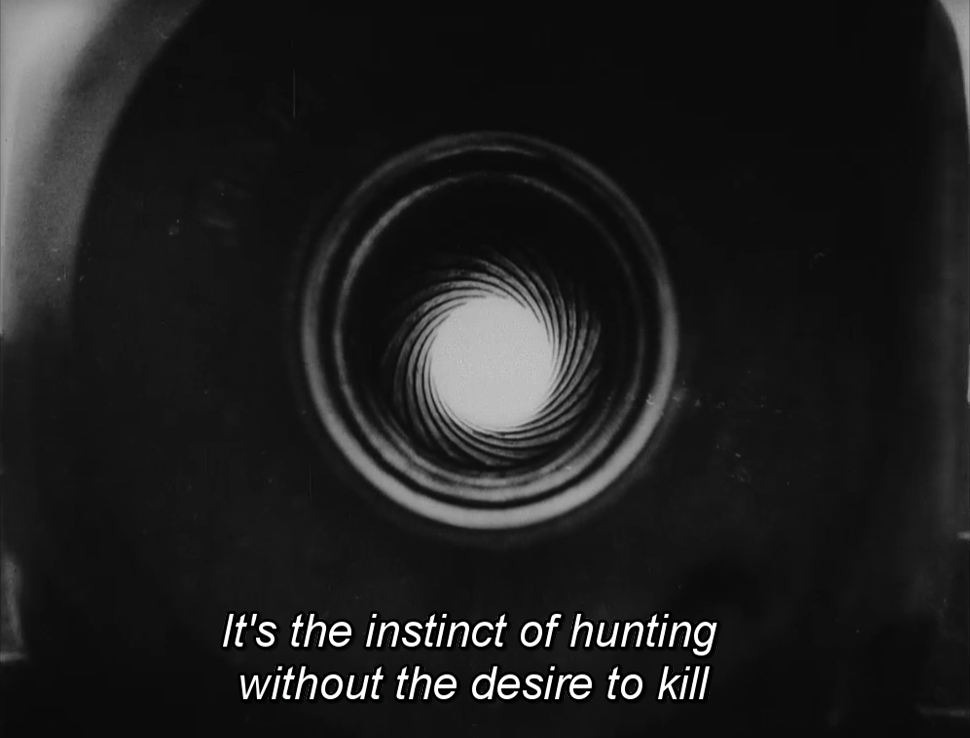
“… it is the hunting instinct without the wish to kill…”

The film’s title is taken from a short poem of Apollinaire called “The Dromedary,” included in Le bestiare (The bestiary, 1911) and recited at a rapid clip at the very beginning of the film. The singsong rhythms and nursery rhymes defy translation, but the first three lines tell us of one “Don Pedro Alfaroubeira” who, with his four camels, traveled the world and liked what he saw. The last two lines are in the first person: “Il fit ce que je voudrais faire / Si j’avais quatres dromadaires” (He did what I would like to do / If I had four dromedaries). However, only the first four lines are spoken by the voice-over, which means that the viewer effectively completes the rhyme by reading the main title as it flashes up in sudden silence.

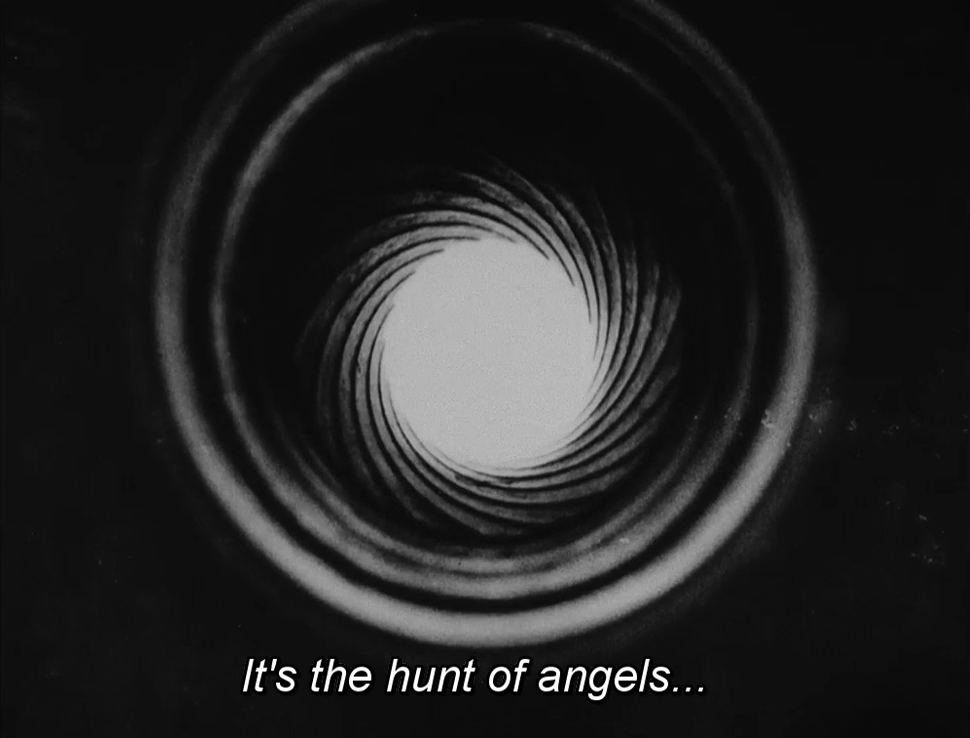
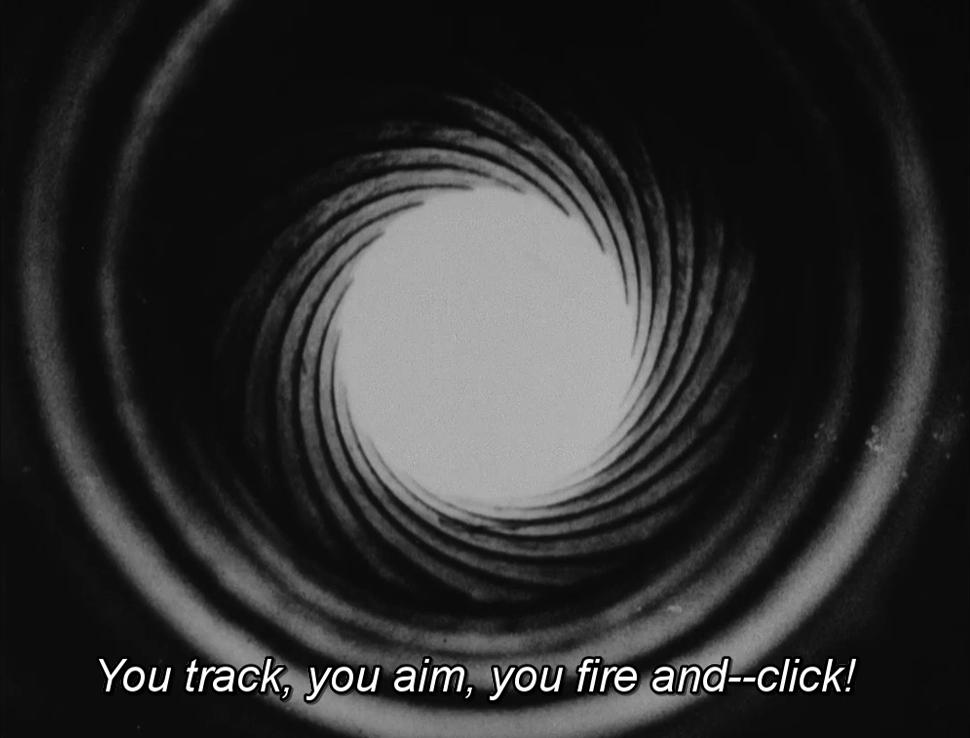
In the first six minutes, Si j’avais begins with a quick fade-up from black to a bright circle of sunlight ringed by a much larger circle of darkness. The elementary nature of the forms combined with the high level of contrast makes for an image verging on abstraction, yet still the denotation is plain; viewers are looking straight down the barrel of a cannon. There is the impression that this is a large cannon mounted on blocks for public display, but the head-on perspective and the closeness of the shot make it difficult to be sure. As a thematically appropriate voice-over begins (“Photography is hunting; it is the hunting instinct without the wish to kill… . You track, you aim, you shoot and click!, instead of a death, you have something eternal”), the camera tracks in closer, emphasizing the rifling inside the gun’s barrel. When the camera movement stops, the metal spirals closing around a central point of light are distinctly reminiscent of a diaphragm-type camera shutter. Of course, the idea that the photographic apparatus shares something with weapons systems is commonplace; many an introductory class on photography or cinematography makes the point that one talks about “shooting” in both cases. However, what matters here is not so much the originality of the concept as the effectiveness of its rendering.

“… you track, you aim, you shoot and click!”

Text extracted from : Walsh, M., (2021) “From Nations to Worlds: Chris Marker’s “Si j’avais quatre dromadaires””, Global Storytelling: Journal of Digital and Moving Images 1(1). doi: https://doi.org/10.3998/gs.856

“… instead of a death, you have something eternal.”

Si j’avais quatre dromadaires / If I Had Four Dromedaries (Chris Marker, 1966) : source of images aozoramusume