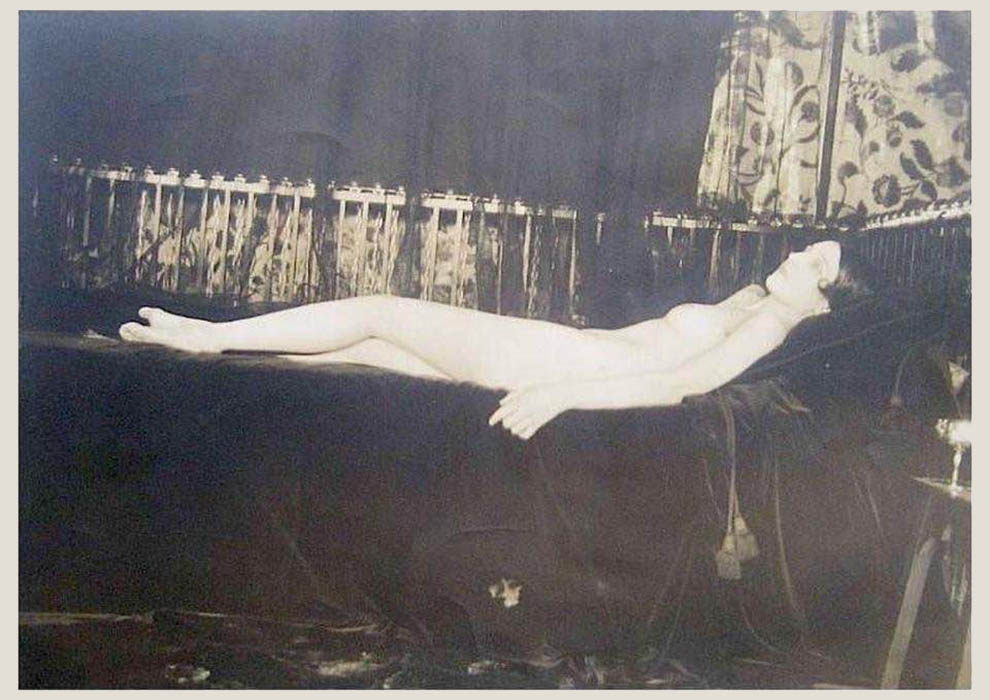
Berber by Kallmus · 1922

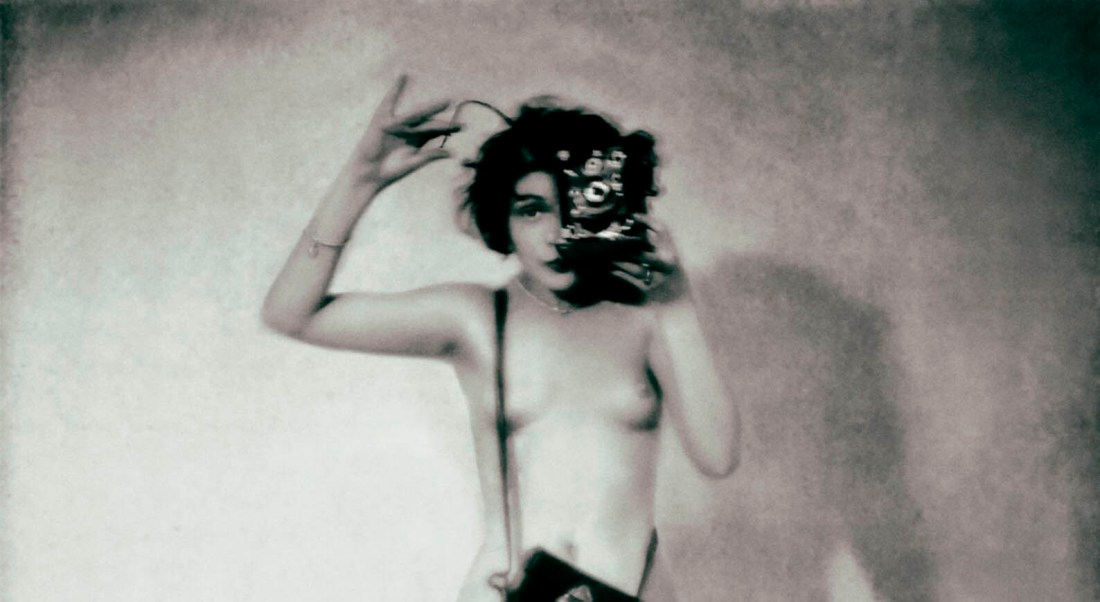
Atelier Madame d’Ora :: Anita Berber in ihres Tanzstücks “Kokain”. Die Tänze des Lasters, des Grauens und der Ekstase, Wien, 1922. Photoinstitut Bonartes | src Der Standard

Photoinstitut Bonartes: Ausstellungsdauer: 25.08.2023 – 17.11.2023

Tänze des Lasters, des Grauens und der Ekstase. Anita Berber in Wien 1922

Im November 1922, inmitten der Wirtschaftskrise, kennt Wien nur ein Gesprächsthema: Anita Berber und ihre Tänze des Lasters, des Grauens und der Ekstase. Zusammen mit ihrem Partner Sebastian Droste bringt sie Tabuthemen wie Drogenmissbrauch, Suizid und homosexuelles Begehren auf die Bühne. Um das skandalumwitterte Programm zu bewerben, tritt das Duo vor die Kamera Madame d’Oras. Seit Jahren schon arbeitet Berber mit der Wiener Porträtfotografin an der Inszenierung ihres raffinierten Spiels aus kalkuliertem Schock und Tanzkunst. Diese düster-dramatischen Fotografien illustrieren nicht nur zahlreiche Zeitungsartikel, sondern auch Berbers einzige Publikation. Darin gibt sie Einblick in ihre Gedankenwelt, kritisiert die Hysterie um ihre Person und befeuert sie zugleich aufs Neue.

link zu Ausstellung
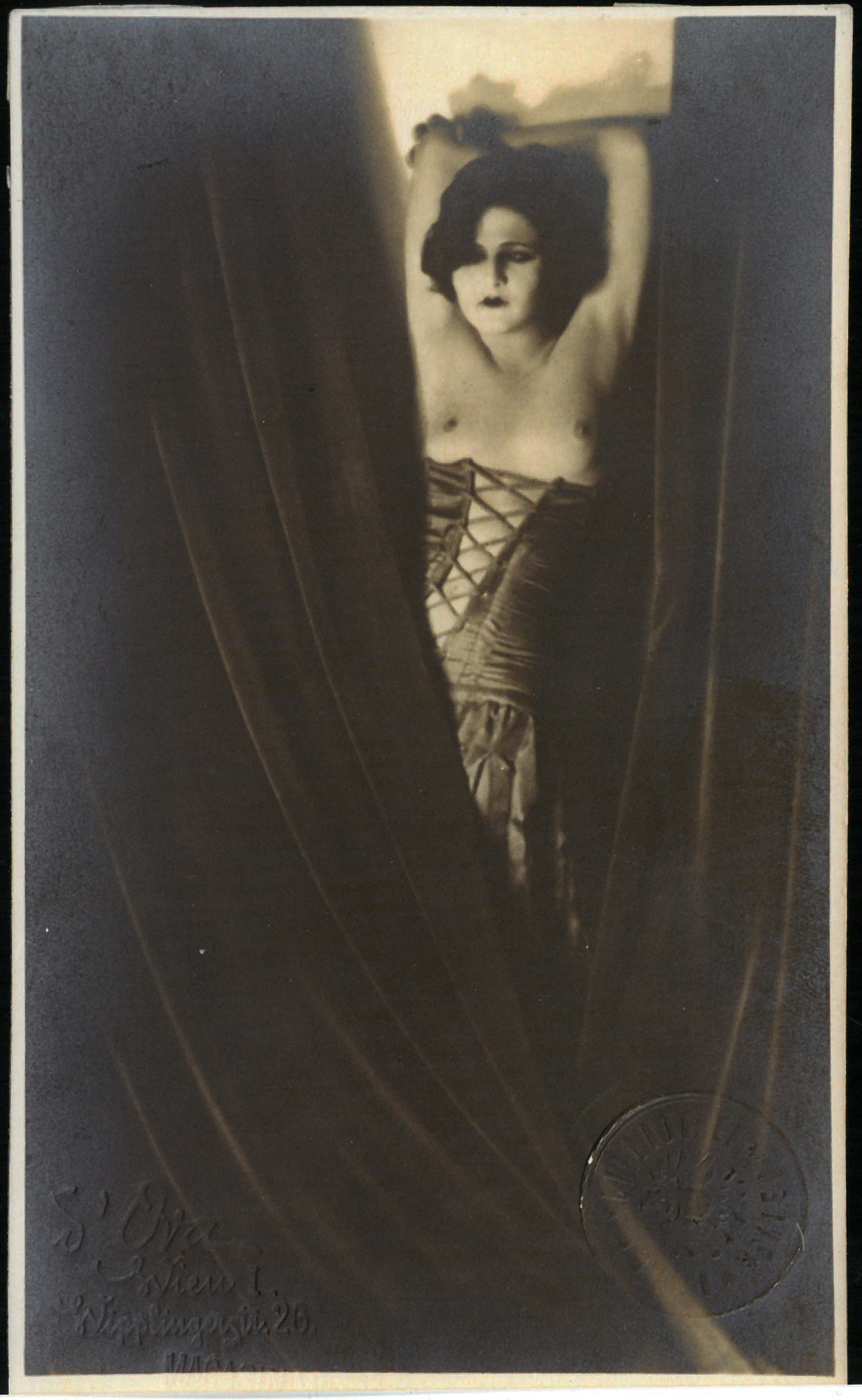
 Atelier dOra :: Anita Berber in Cocaine. Dances of Vice, Horror and Ecstasy, Vienna, 1922. | src Kulturpool FS_PE268437

New exhibition at Photoinstitut Bonartes:

Dances of Vice, Horror and Ecstasy. Anita Berber in Vienna 1922

In November 1922, in the midst of the economic crisis, Vienna only had one topic of conversation: Anita Berber and her dances of vice, horror and ecstasy. Together with her partner Sebastian Droste, she brings taboo topics such as drug abuse, suicide and homosexual desire to the stage. In order to promote the scandalous program, the duo appears in front of Madame d’Ora’s camera. Berber has been working with the Viennese portrait photographer for years on staging her sophisticated game of calculated shock and dance art. These darkly dramatic photographs not only illustrate numerous newspaper articles, but also Berber’s only publication. In it she gives insight into her world of thoughts, criticizes the hysteria surrounding her and at the same time fuels it anew.

link to the exhibition
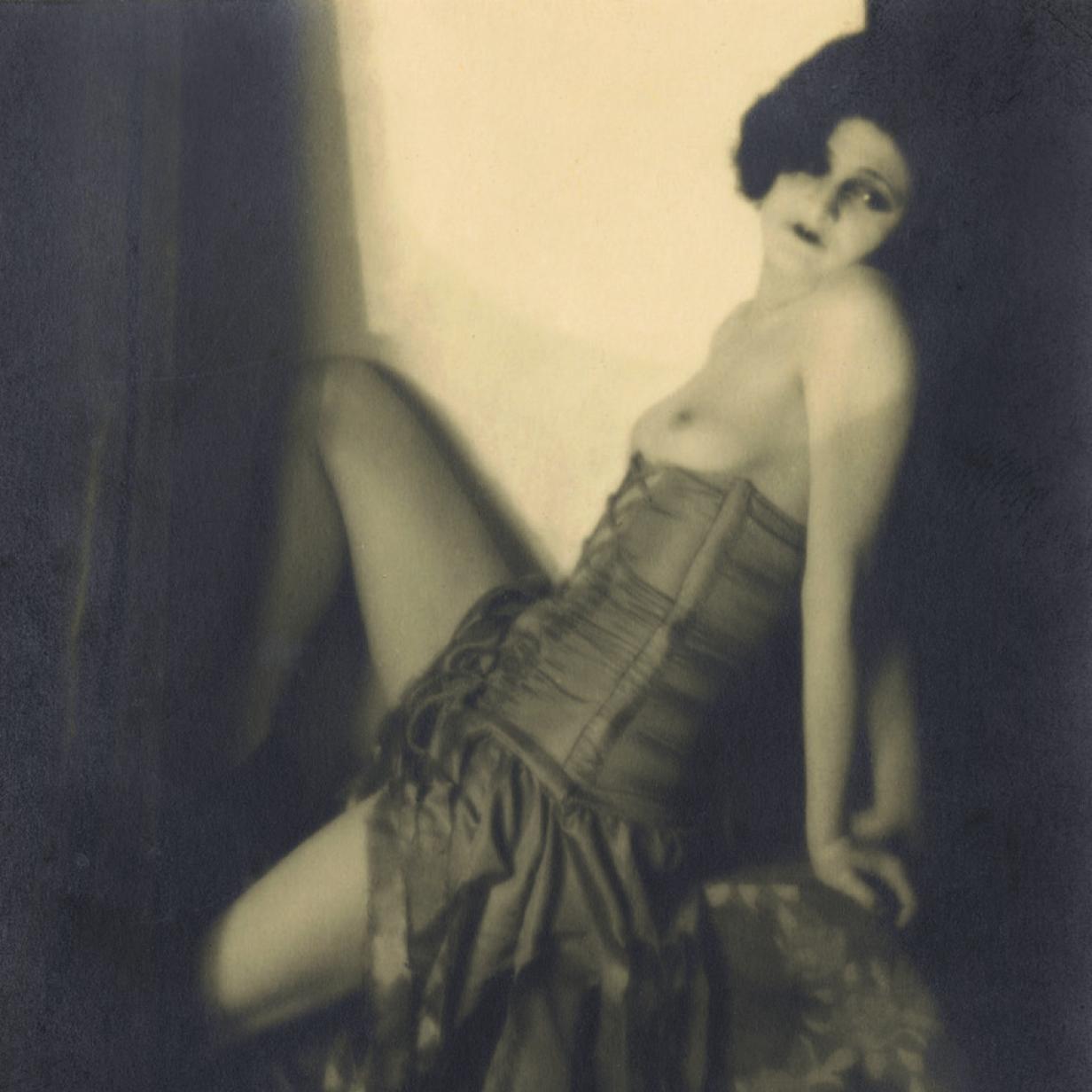
Tänze des Lasters, des Grauens und der Ekstase. Anita Berber in Wien 1922 – Photoinstitut Bonartes via Kurier.at

Ausstellung über Anita Berber: Provokation einer Exzentrikerin mit Erotik und Ekstase

„Tänze des Lasters, des Grauens und der Ekstase“ brachte sie ab November 1922 auf die Wiener Bühnen: Anita Berber war für Monate ein Aufreger im Nachtleben der Stadt mit ihren trotz Hyperinflation stets restlos ausverkauften Auftritten im Wiener Konzerthaus. | src Kurier.at

Exhibition about Anita Berber: provocation of an eccentric with eroticism and ecstasy

She brought “Dances of Vice, Horror and Ecstasy” to the Viennese stages from November 1922: Anita Berber was a sensation in the city’s nightlife for months with her performances in the Vienna Konzerthaus, which was always completely sold out despite the hyperinflation. | src Kurier.at
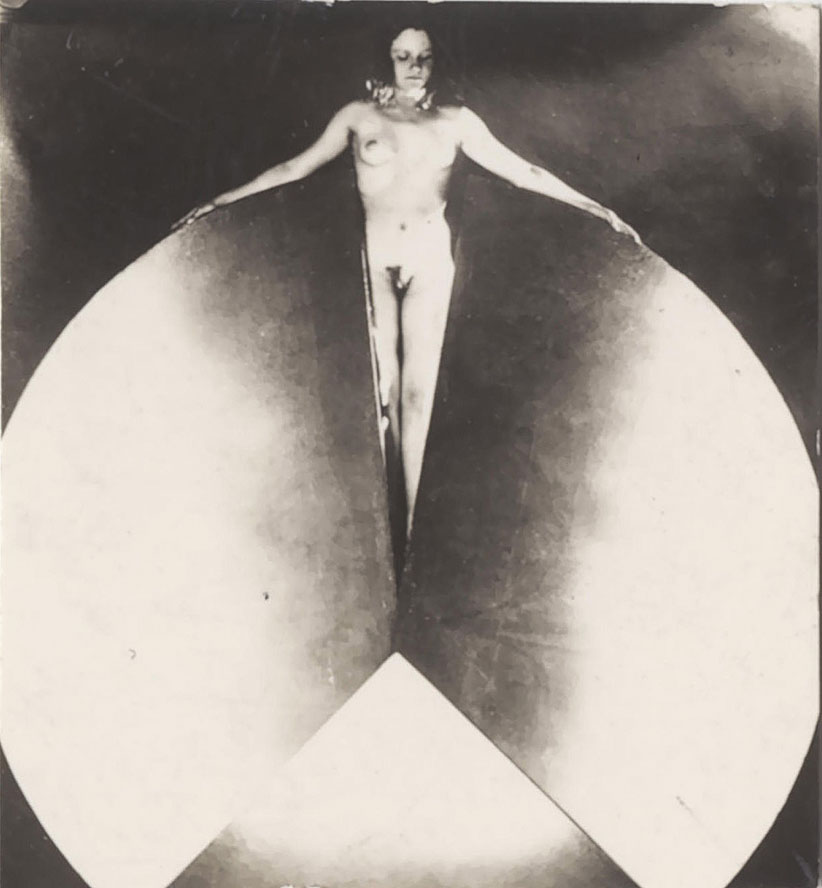
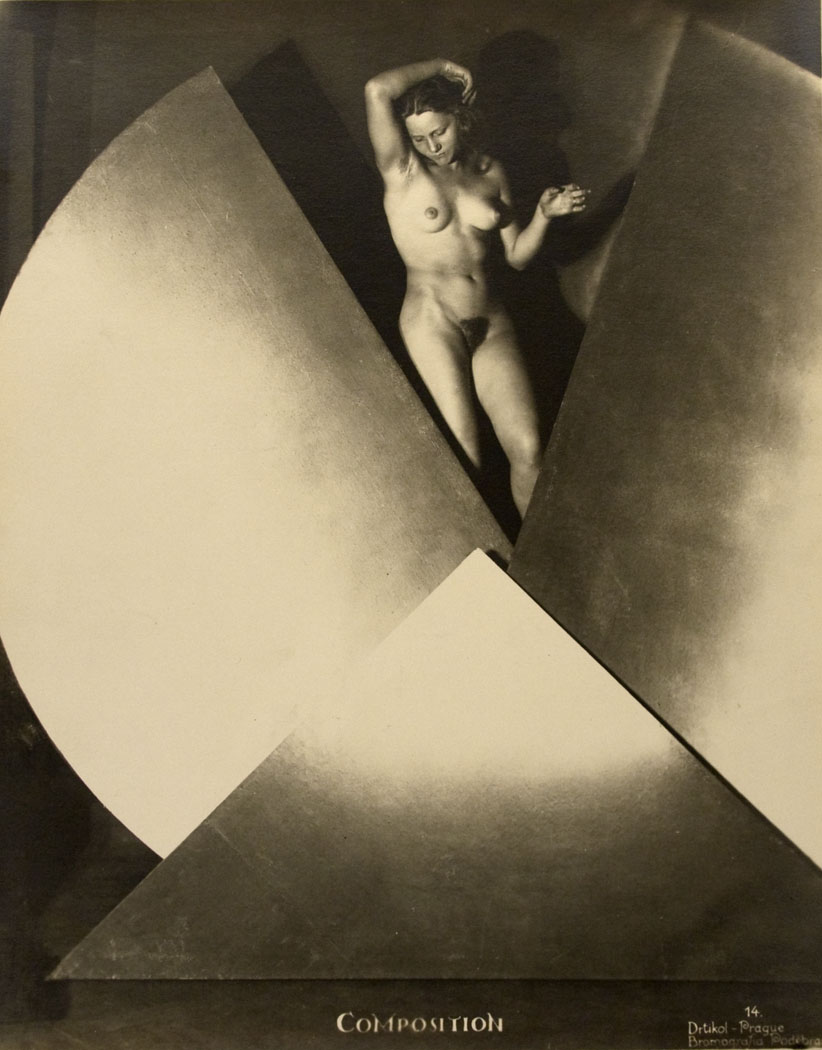
Drtikol · Composition w circle

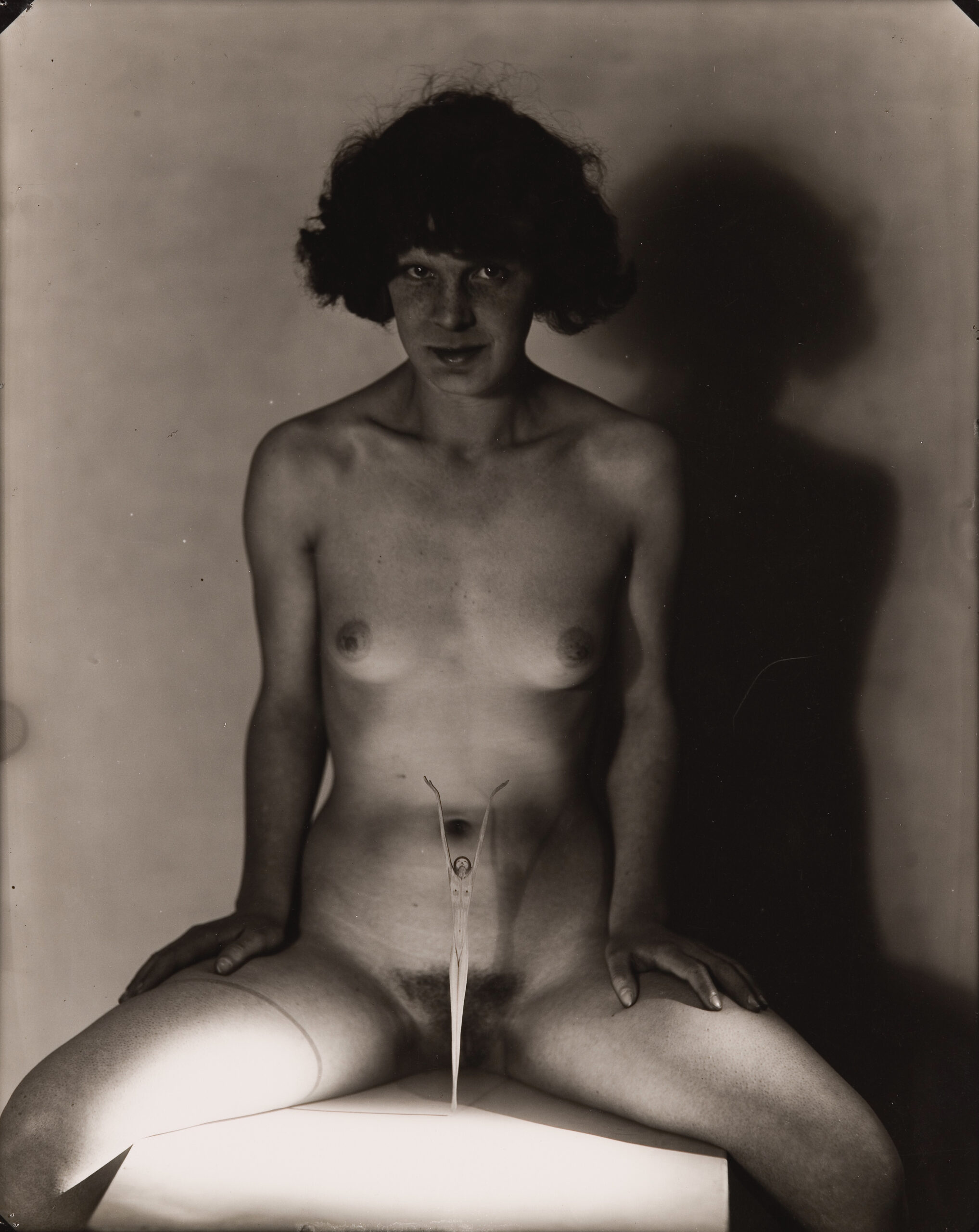
František Drtikol (1883 – 1961) ~ Untitled [Female nude with circular and triangular structures], 1924. Gelatin silver print. | src Christie’s
František Drtikol (1883 – 1961) ~ Composition # 14, 1925. Stamp of Bromografia Podebrady. | src The Baruch foundation

French postcards · 1920s

French vintage postcard (1920s)
French vintage postcard, 1920s | src eBay via Flickr

Bernhard · Classic torso w hands

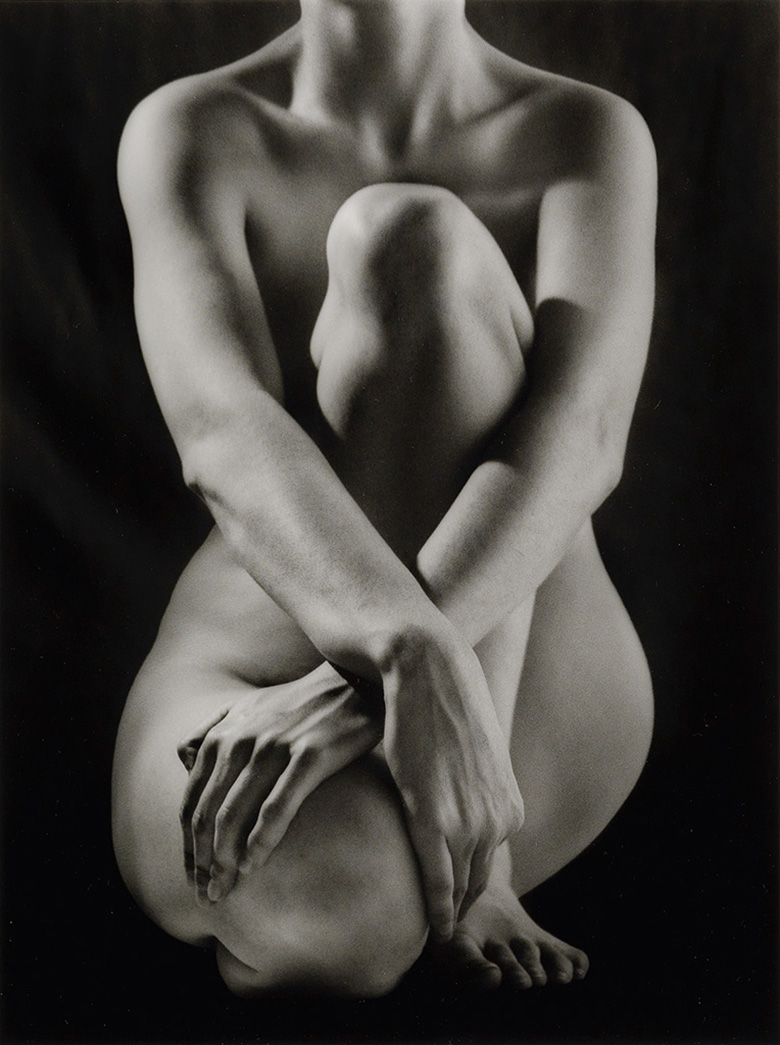
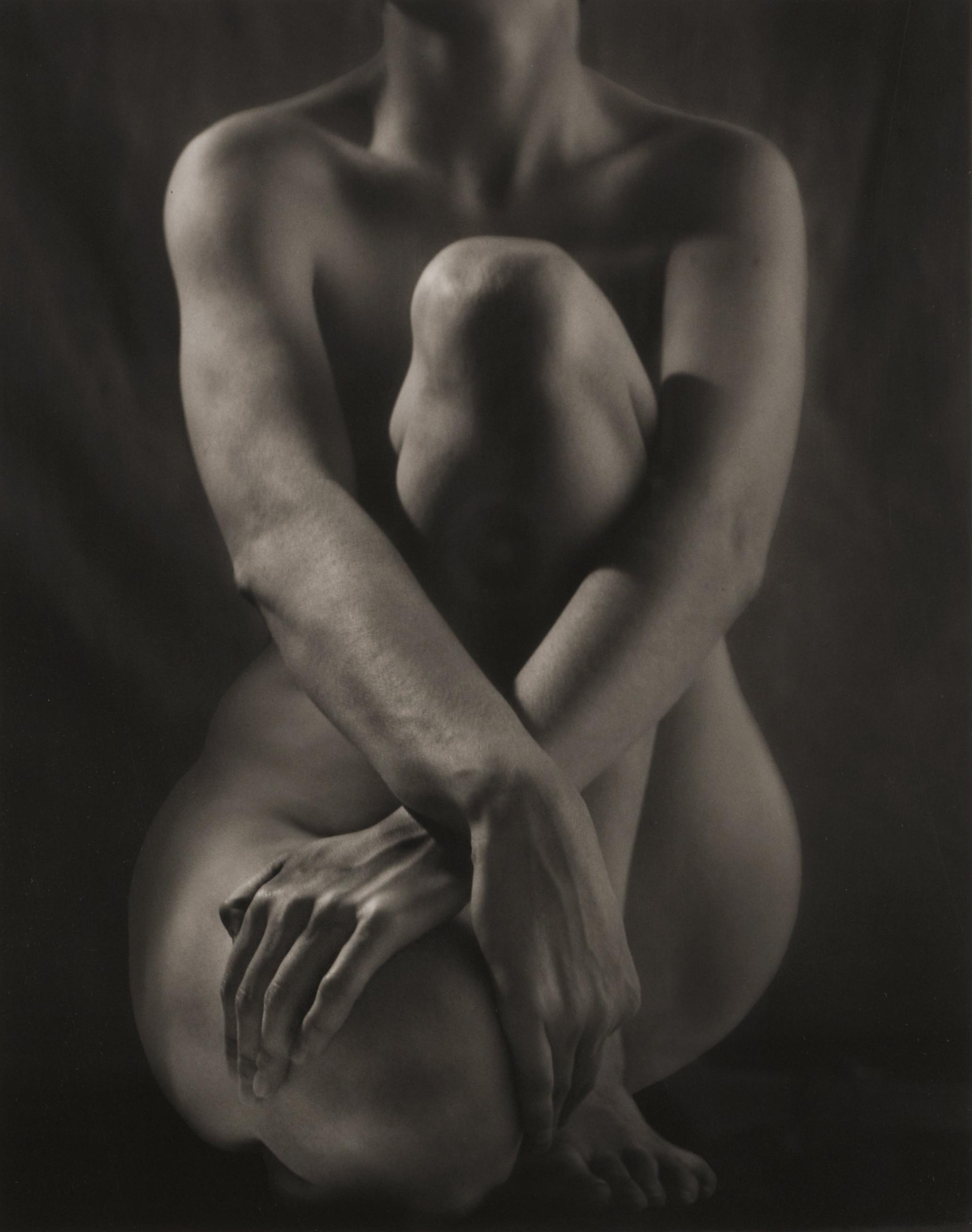
Ruth Bernhard ~ Classic Torso with Hands, 1952. | src Princeton Art Museum INV12612
Ruth Bernhard ~ Classic Torso with Hands, 1952. | src Princeton Art Museum INV13053
Ruth Bernhard ~ Classic Torso with Hands, 1952. | src Princeton Art Museum INV12636
Ruth Bernhard ~ Classic Torso with Hands, 1952. | src Swann Galleries
Ruth Bernhard ~ Classic Torso with Hands, 1952. | src Bonhams

Mother Earth by Drtikol

František Drtikol :: Matka Země (Mutter Erde / Mother Earth), 1932. | src UPM · Uměleckoprůmyslové museum v Praze
František Drtikol :: Bez názvu (Ohne Titel), 1932. | src UPM · Uměleckoprůmyslové museum v Praze
František Drtikol (1883-1961) :: Matka-Zeme (Mère-terre), 1931 | src Centre Pompidou

Untitled nude by Pierre Louys

Pierre Louÿs (1870-1925) ~ [Untitled nude, back to camera, leaning right] Collection érotique de Michel Simon | src Ader

La sensualità è uno degli aspetti più indagati dall’arte e più presenti fra le sale dei musei. Lo scopriremo grazie a B-Side – Il lato nascosto dell’arte, viaggio intrapreso da Caroline Pochon e Allan Rothschild attraverso la storia della rappresentazione del fondoschiena, oggetto proibito del desiderio su cui si sono concentrati gli sguardi di molti artisti. (src Artribune)

Photograph by Pierre Louÿs; from : B-Side – Il lato nascosto dell’arte : da Courbet ai migliori “lati b” mai dipinti e scolpiti | Artribune
also in : La face cachée des fesses, documentaire de Caroline Pochon et Allan Rothschild

La face cachée des fesses, documentaire diffusé sur Arte évoquera plus particulièrement les fantasmes et les tabous que suscitent nos postérieurs en s’appuyant sur ses différentes représentations à travers les siècles. Le film de Caroline Pochon et Allan Rothschild, deux passionnés d’histoire de l’art, proposera une étude des mœurs centrée sur les fesses et tentera d’expliquer les fantasmes collectifs au sujet de notre arrière-train. (link to source)

Nude by Biederer Studio

Studio Biederer ~ Untitled [veiled nude], 1920s-1930s | src Flickr

The Biederer Studio was founded and managed by the Czech born brothers Jacques Biederer (1887-1942) and Charles Biederer (1892-1942). The photographic studio was specialized in erotic and fetish photography. It was active in Paris in the period between the two world wars.

Studio Biederer ~ Untitled [veiled nude], 1920s-1930s | src Flickr

Carnival scene, 1930s

Unknown Photographer ~ Carnival scene, 1930s. Vintage sepia toned gelatin silver print. Mimosa logo printed in upper left and Mimosa label on mount verso.
src Bassenge Auktion 121 Los 4325 ~ Fotografie des 19. – 21. Jahrhunderts

The Mimosa paper label on the verso of the mount indicates that this photo was used as an advertisement to demonstrate Mimosa paper. Mimosa used the negatives of many well-known German photographers such as Hugo Erfurth, d’Ora and Yva to demonstrate the various photo paper qualities the firm produced.

Unknown Photographer ~ Carnival scene, 1930s. Vintage sepia toned gelatin silver print | Detail

Romaine Brooks · lying nudes

Romaine Brooks ~ Le Trajet (The Path, The Crossing, aka The Dead Woman), ca. 1911, oil on canvas (Model: Ida Rubinstein) | SAAM-1968.18.3_1

Brooks painted Ida Rubinstein more often than any other subject; for Brooks, Rubinstein’s “fragile and androgynous beauty” represented an aesthetic ideal. The earliest of these paintings are a series of allegorical nudes. In The Crossing (also exhibited as The Dead Woman), Rubinstein appears to be in a coma, stretched out on a white bed or bier against a black void variously interpreted as death or floating in spent sexual satisfaction on Brooks’ symbolic wing. (x)

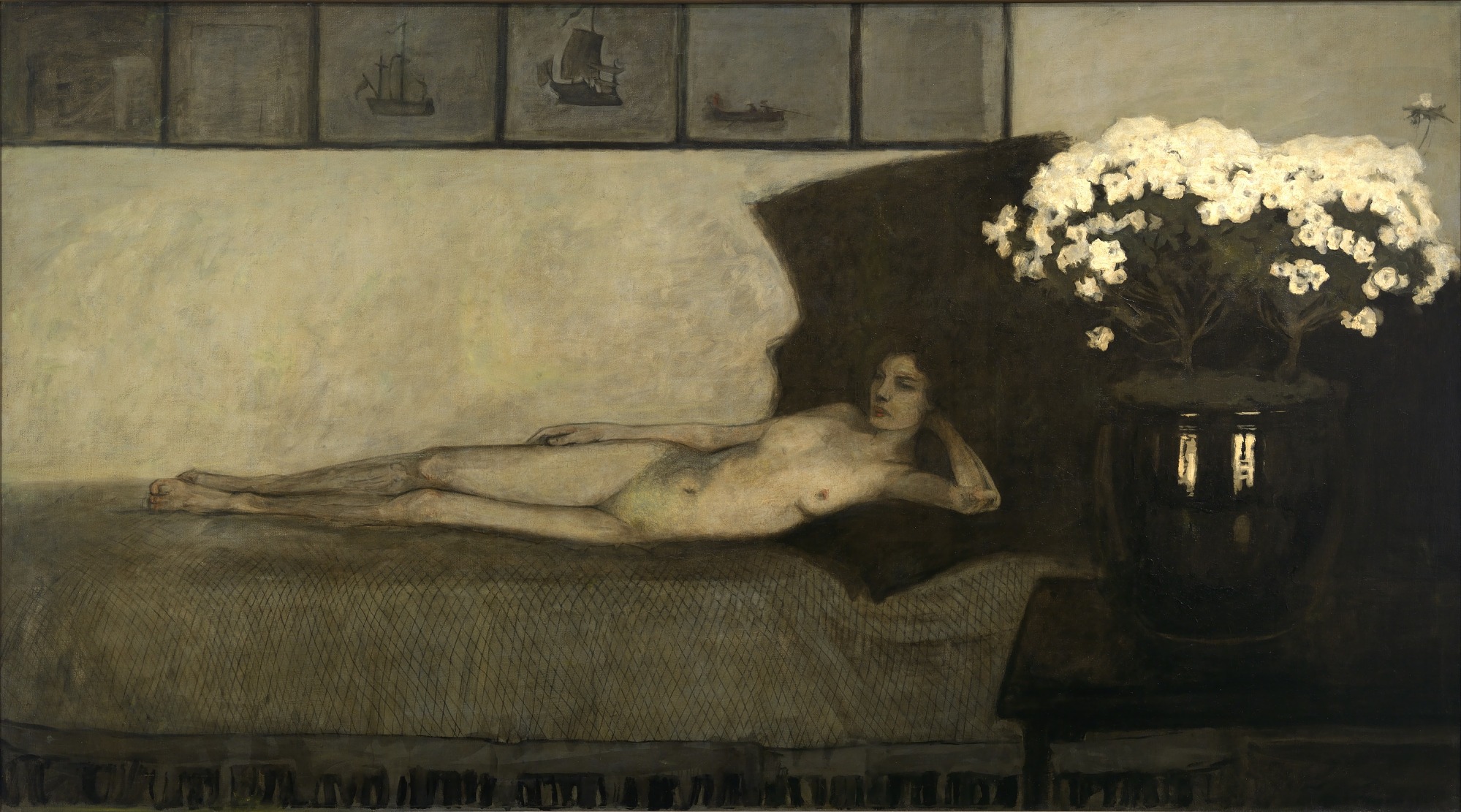
Romaine Brooks ~ Azalées Blanches (White Azaleas), 1910, oil on canvas | SAAM-1966.49.5_2

In 1910, Brooks had her first solo show at the Gallery Durand-Ruel, displaying thirteen paintings, almost all of women or young girls. Among them, Brooks included two nude studies: The Red Jacket, and White Azaleas, a nude study of a woman reclining on a couch. Contemporary reviews compared it to Francisco de Goya’s La maja desnuda and Édouard Manet’s Olympia. But, unlike the women in those paintings, the subject of White Azaleas looks away from the viewer; in the background above her is a series of Japanese prints. (x)

Romaine Brooks ~ Weeping Venus, 1917 . Oil on canvas. Musées de Poitiers | src Frieze from Palazzo Fortuny’s winter exhibition, ‘Romaine Brooks: Paintings, Drawings, Photographs’
Photograph of nude taken or commissioned by Romaine Brooks (undated) | src Arte senza confini : Romaine Brooks. Dipinti, disegni, fotografie

Romaine Brooks remained aloof from all artistic trends, painting, in her palette of black, white, and grays, haunting portraits of the blessed and the troubled, of socialites and intellectuals. She moved in brilliant circles and, while resisting companionship, was the object of violent passions. […] Her story and her work reveal much about bohemian life in the early twentieth century.

Elizabeth Chew Women Artists at the Smithsonian American Art Museum (x)

Describing herself as a lapidée (literally: a victim of stoning, an outsider), at the height of her career Brooks was prominent in the intellectual and cosmopolitan community that moved between Capri, Paris and London in the early 1900s. Brook’s best known images depict androgynous women in desolate landscapes or monochromatic interiors, their protagonists undeterred by our presence, either staring relentlessly at us or gazing nonchalantly past. Her subjects of this time include anonymous models, aristocrats, lovers and friends, all portrayed in her signature ashen palette. Rejecting contemporary artistic trends such as cubism and fauvism, Brooks favoured the symbolist and aesthetic movements of the 19th century, particularly the work of James Abbott McNeill Whistler. Her ability to capture the expression, glance or gaze of her sitters prompted critic Robert de Montesquiou to describe her, in 1912, as ‘the thief of souls’. quoted from Frieze