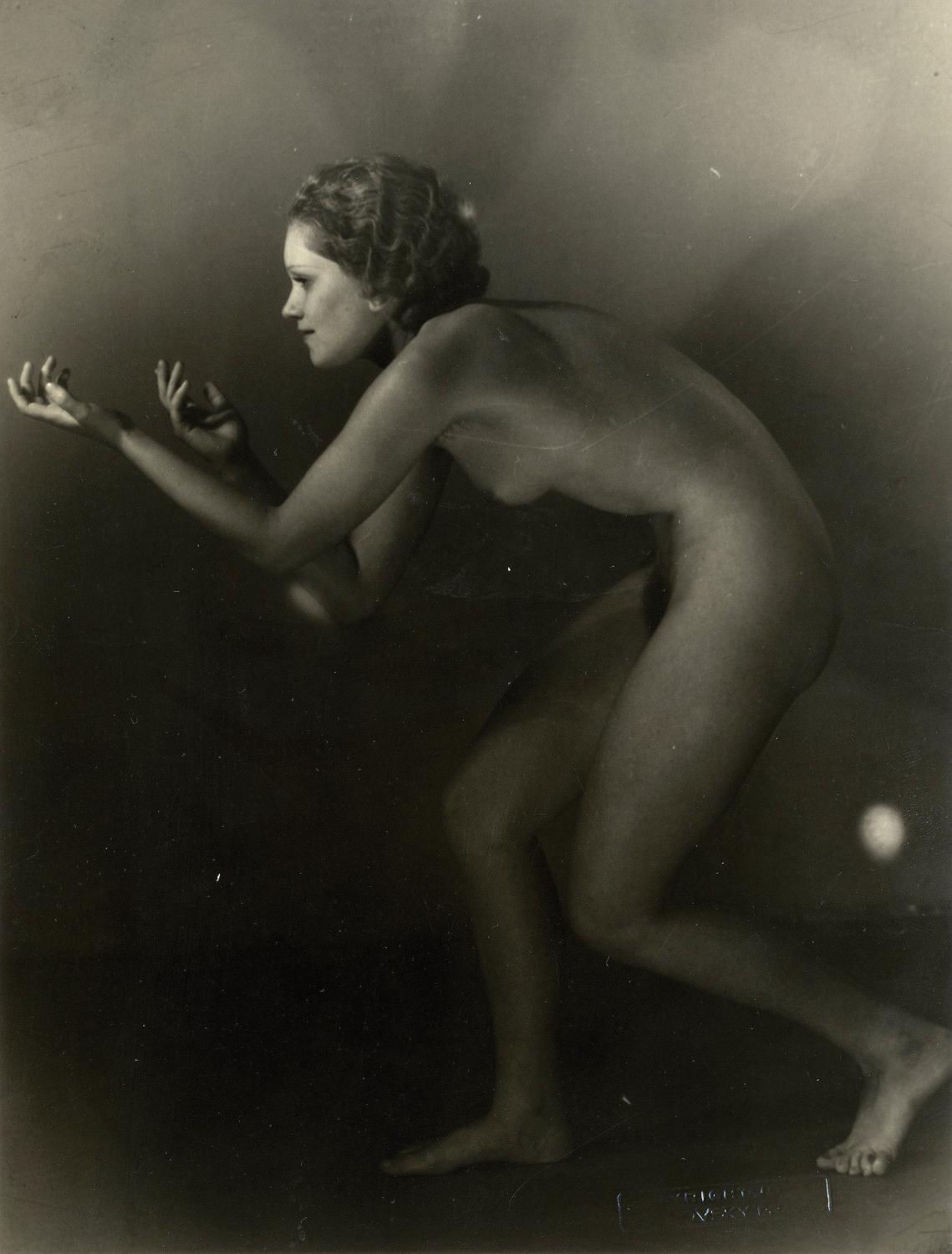
Paul Outerbridge · Color nudes

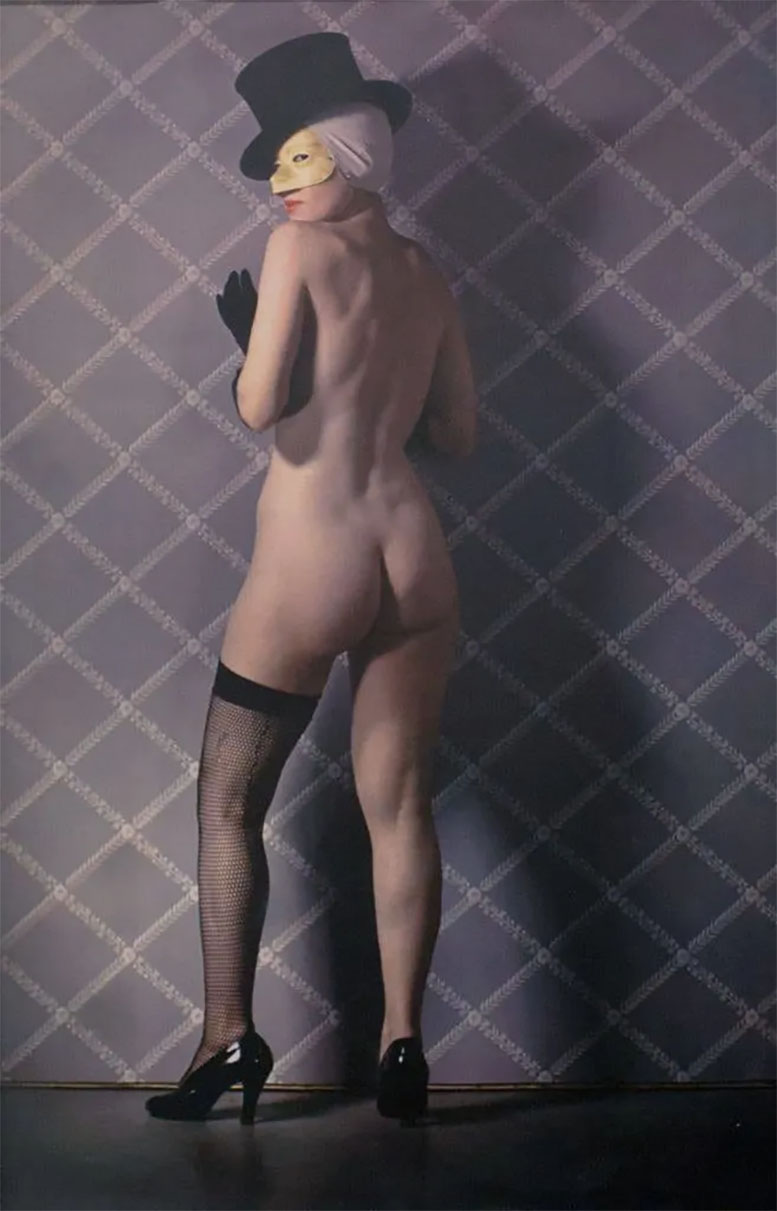
Paul Outerbridge jr. (1896–1958) ~ Nude with Mask and Hat, ca. 1936. Carbro print | src Bruce Silverstein gallery
Paul Outerbridge ~ Nude lying on a love seat, ca. 1936. Carbro colour print | src NGA ~ National Gallery of Australia
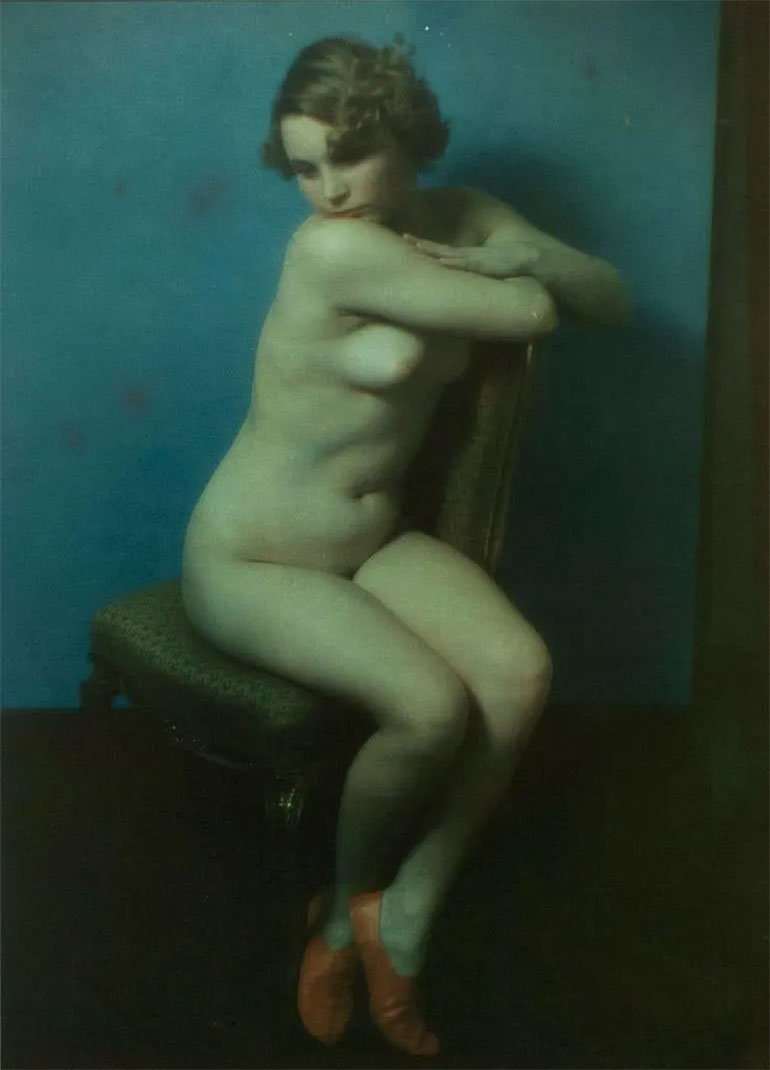
Paul Outerbridge jr. (1896–1958) ~ Seated Nude with Red Shoes, 1936. Carbro print | src Bruce Silverstein gallery
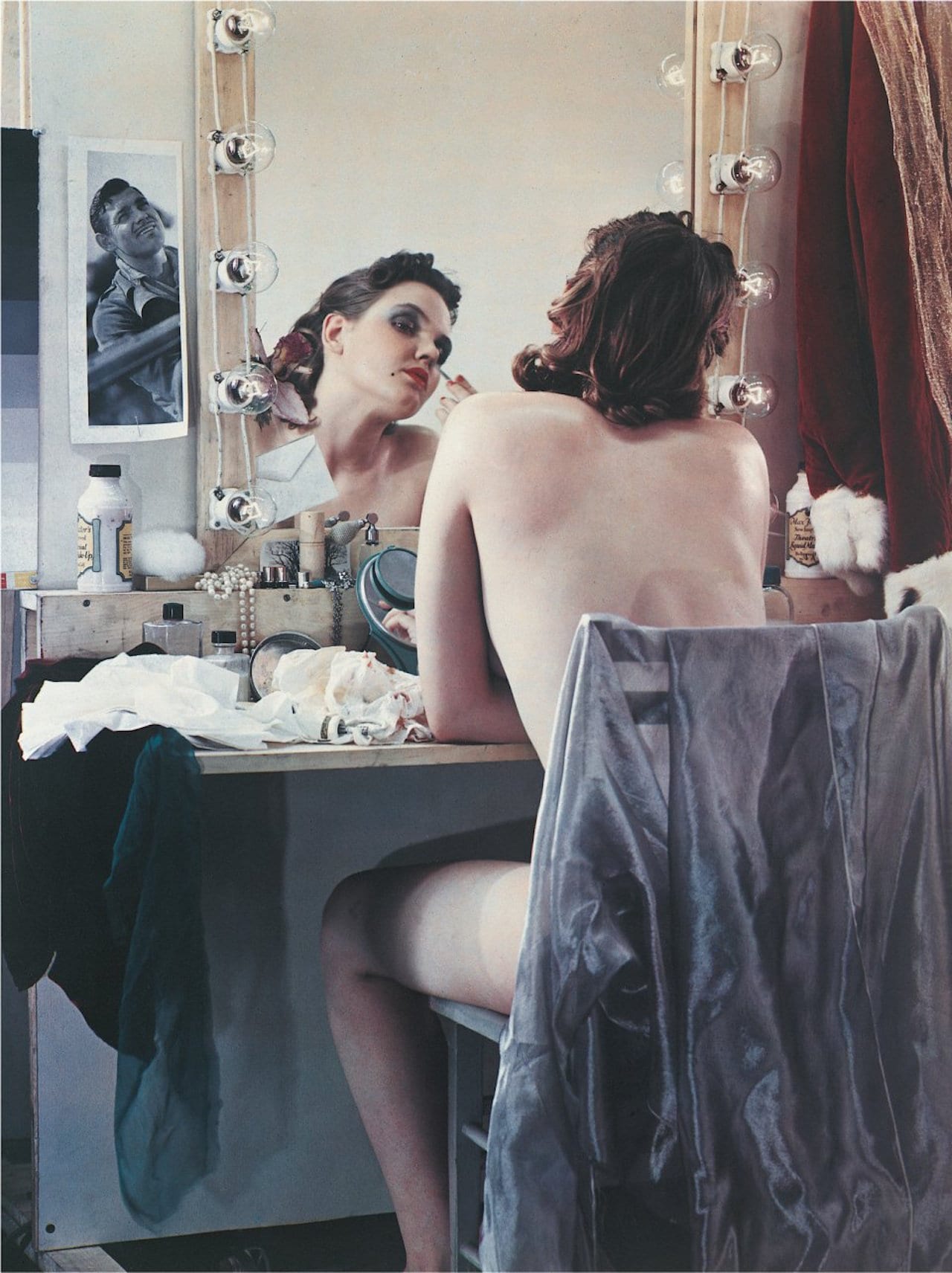
Paul Outerbridge ~ Nude Sitting at Dressing Table, ca. 1936 © G. Ray Hawkins gallery | src British Journal of Photography

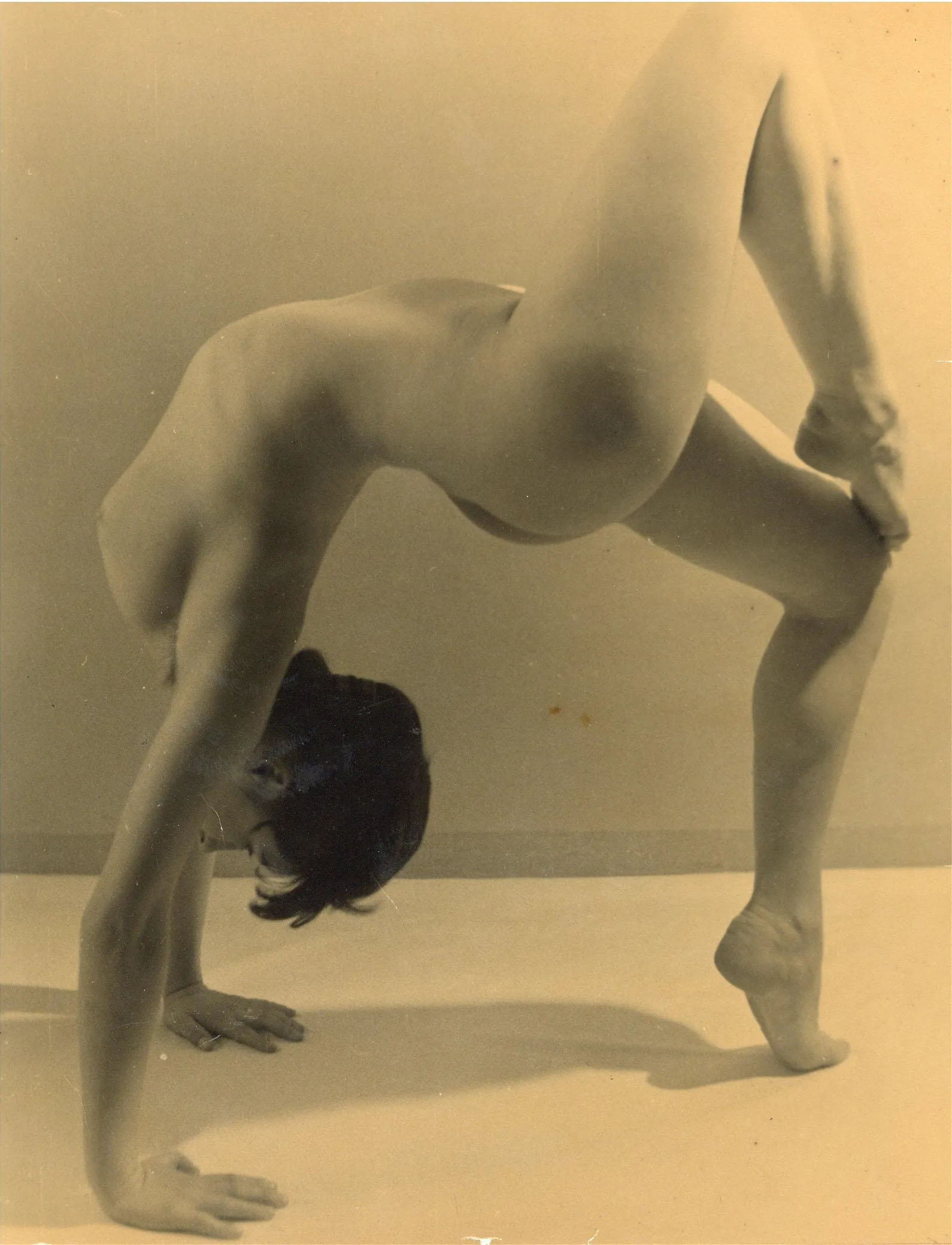
Nude bent back by Vetrovsky

Josef Vetrovsky (1897-1944) ~ Nude gymnast [Bridge on demi-point], ca. 1925-1930. The words ‘Pohyb’ (movement) and ‘Volankova’ (model) written on verso. Vintage toned gelatin silver print | src liveauctioneers

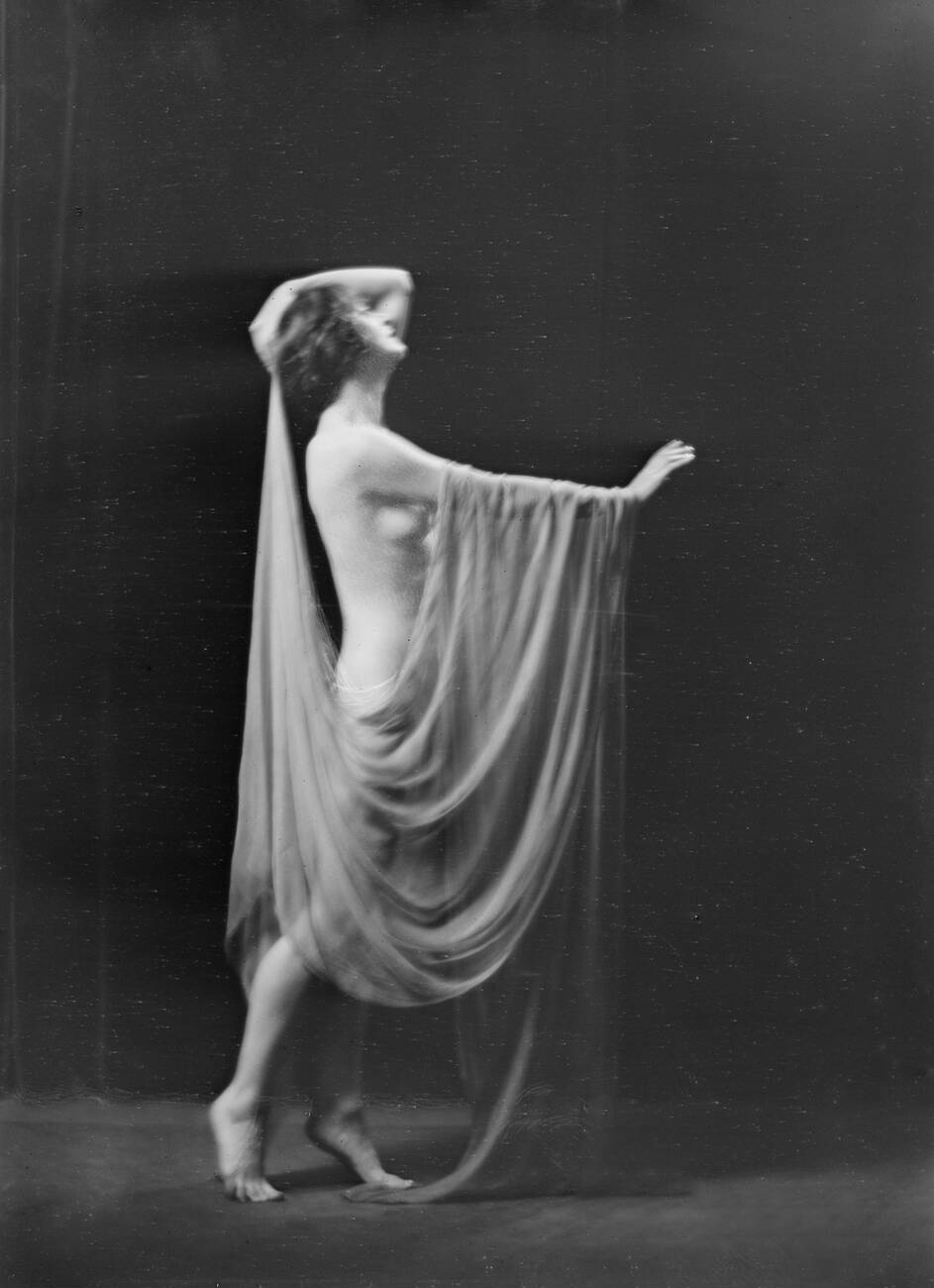
A Duncan dancer by Genthe

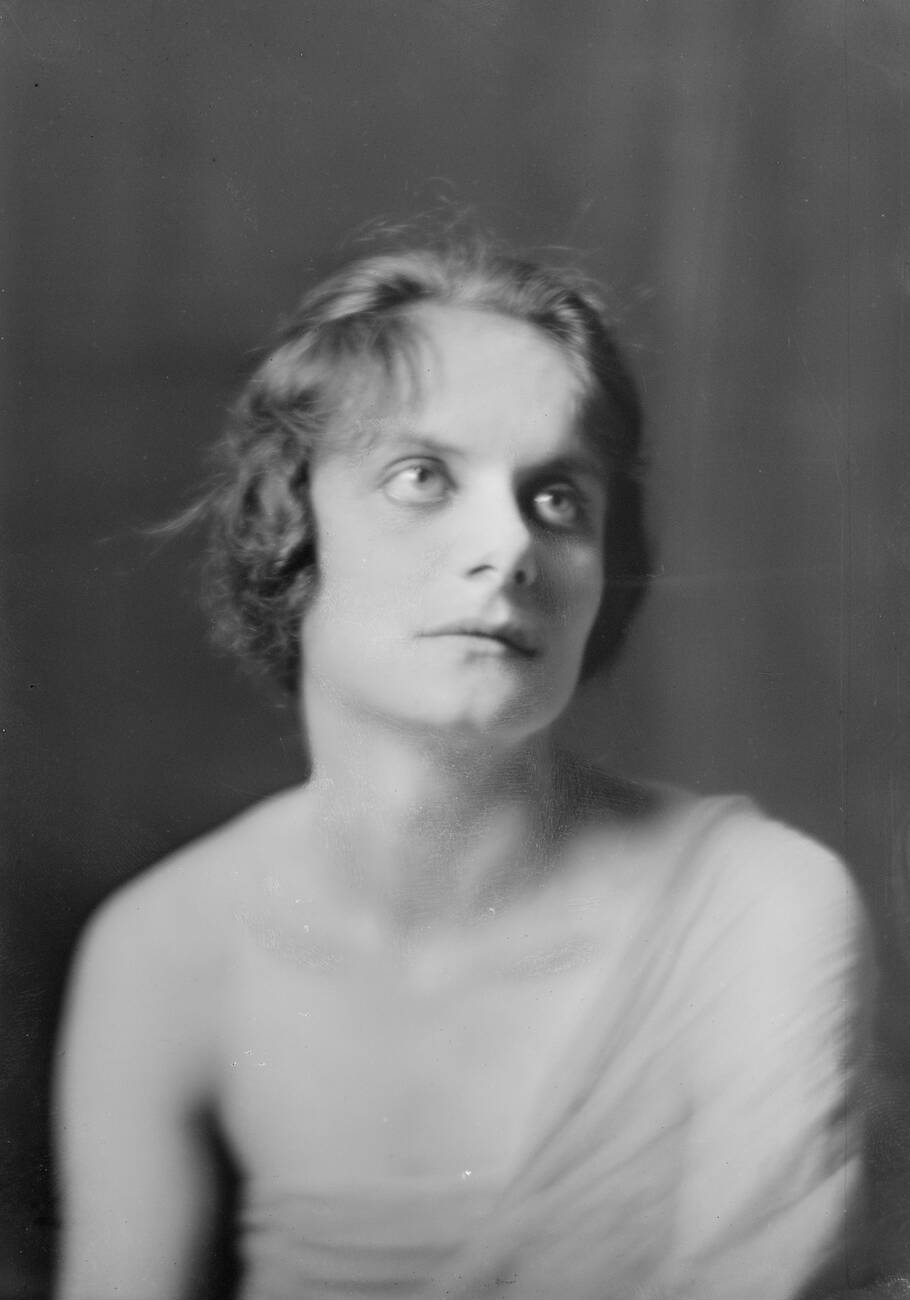
Arnold Genthe (1869-1942) ~ Isadora Duncan dancer, nude (with veil), between 1915 and 1923 | src alamy
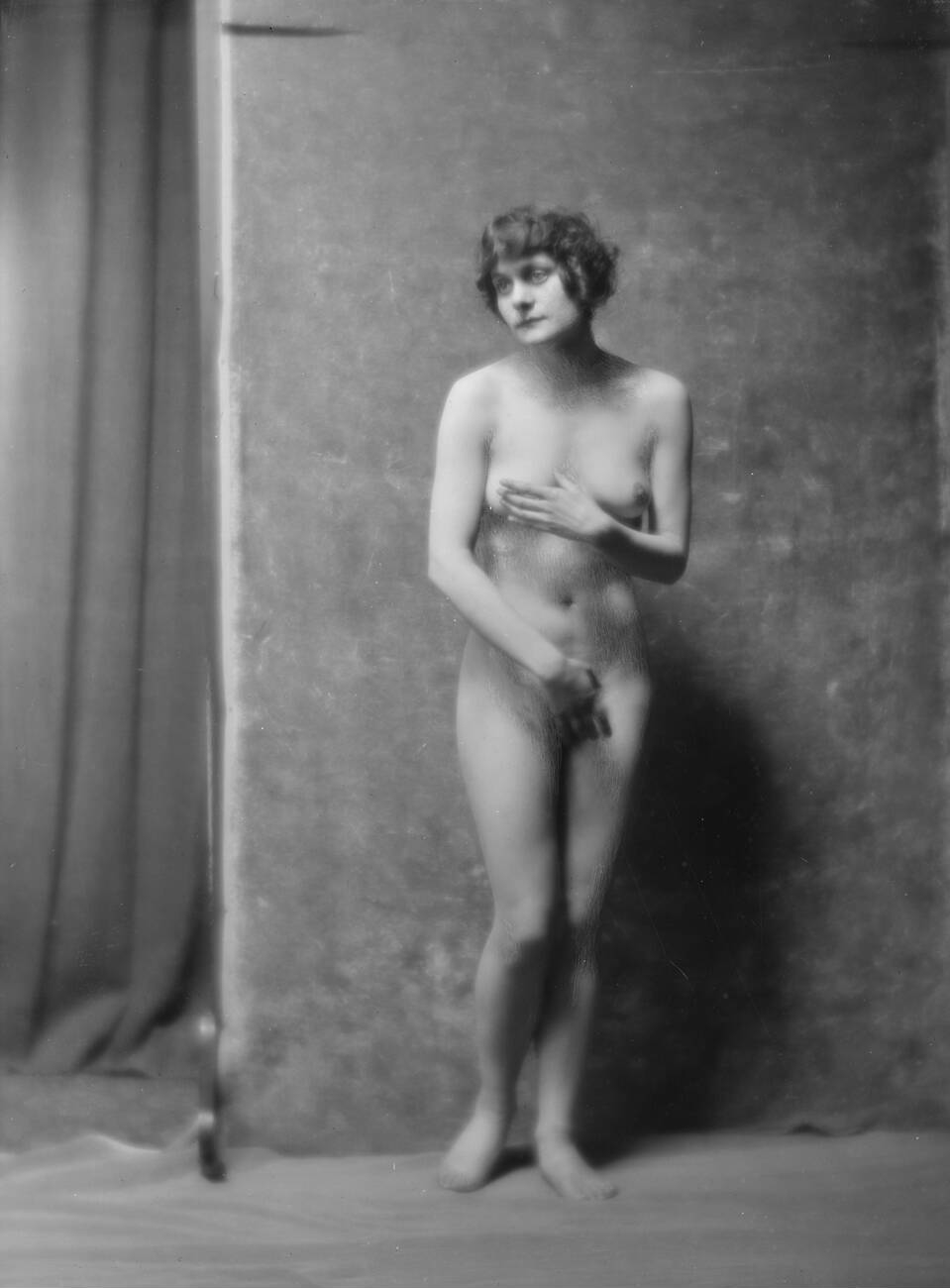
Arnold Genthe (1869-1942) ~ Isadora Duncan dancer, nude, between 1915 and 1923 | src alamy
Arnold Genthe (1869-1942) ~ Portraits of a Isadora Duncan (1877-1927) dancer; between 1915-1923 | src alamy

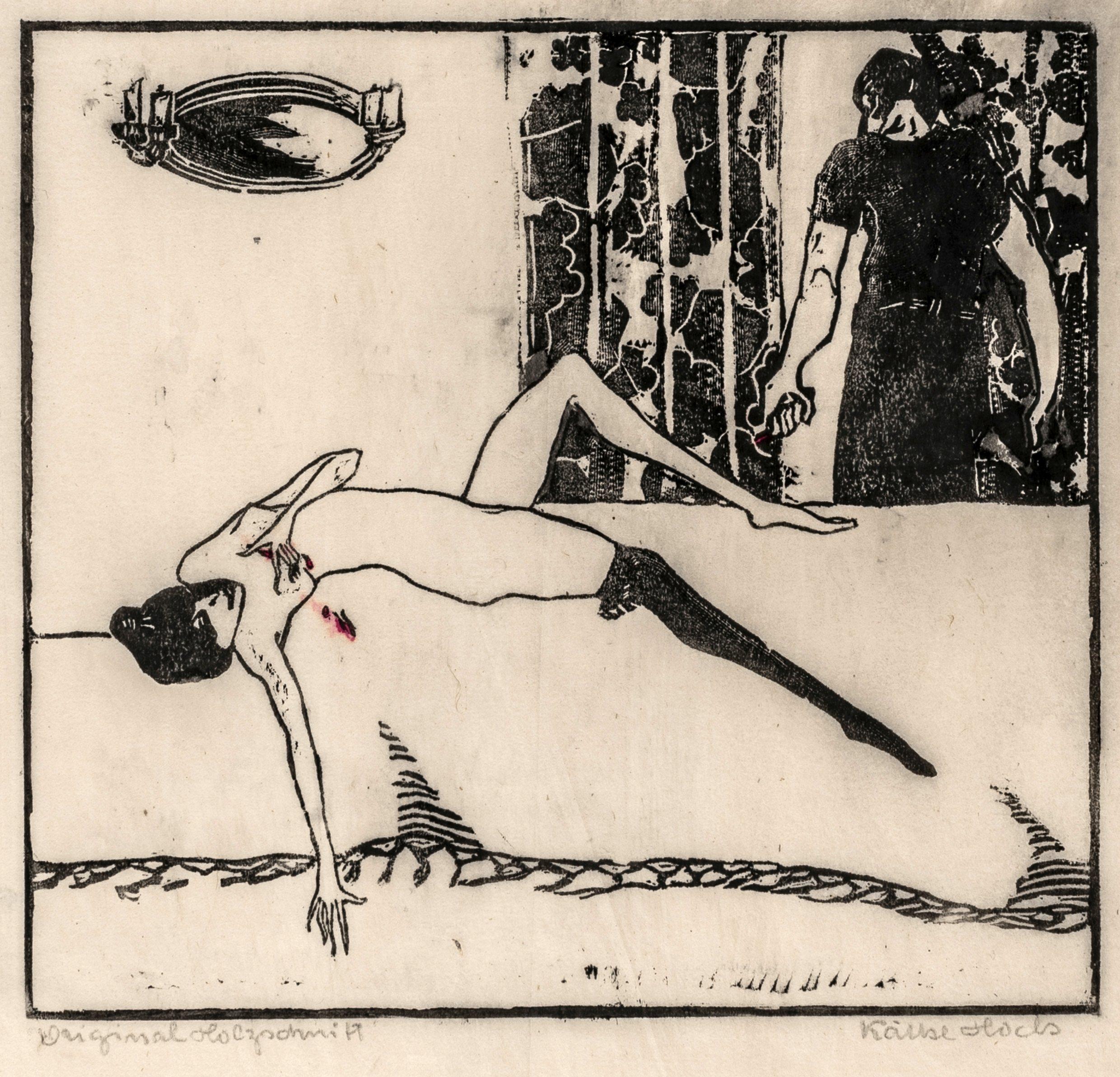
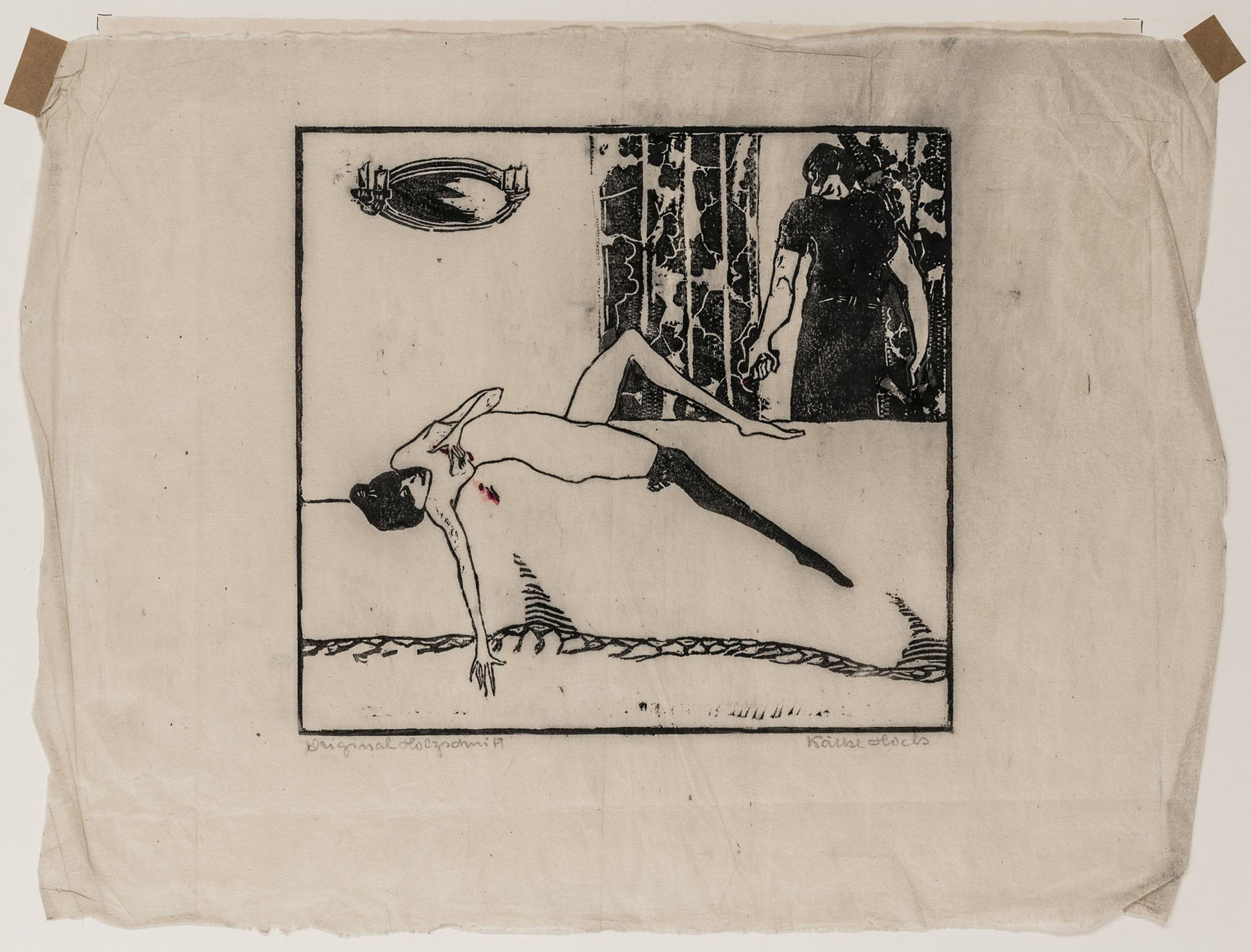
Käte Hoch · liegender weiblicher Akt

Käte Hoch (1873-1933) ~ Untitled (Reclining female nude), ca. 1910. Woodcut on thin Japan paper, with red coloring, probably added later. Inscribed “original woodcut” at the bottom left | src Nosbüsch & Stucke
Käte Hoch (1873-1933) ~ Ohne Titel (Liegender weiblicher Akt). Holzschnitt auf dünnem Japan, mit punktuellem, wohl später hinzugefügtem roten Kolorit, um 1910 | src Nosbüsch & Stucke

Die deutsche Malerin Käte Hoch (1873-1933) studierte von 1891-1894 an der Münchner Damenakademie. Ab 1906 betrieb sie eine eigene Mal- und Zeichenschule in München und nahm u.a. an Ausstellungen der Münchner Secession und des Kunstvereins München teil. 1933 stürmte ein SA-Trupp ihre Wohnung und ihr Atelier in Schwabing, wobei der Großteil ihrer Werke zerstört wurde.

The German painter Käte Hoch (1873-1933) studied at the Munich Women’s Academy from 1891-1894. From 1906 she ran her own painting and drawing school in Munich and took part in exhibitions at the Munich Secession and the Munich Art Association, among others. In 1933, an SA troop stormed her apartment and studio in Schwabing, destroying most of her work.
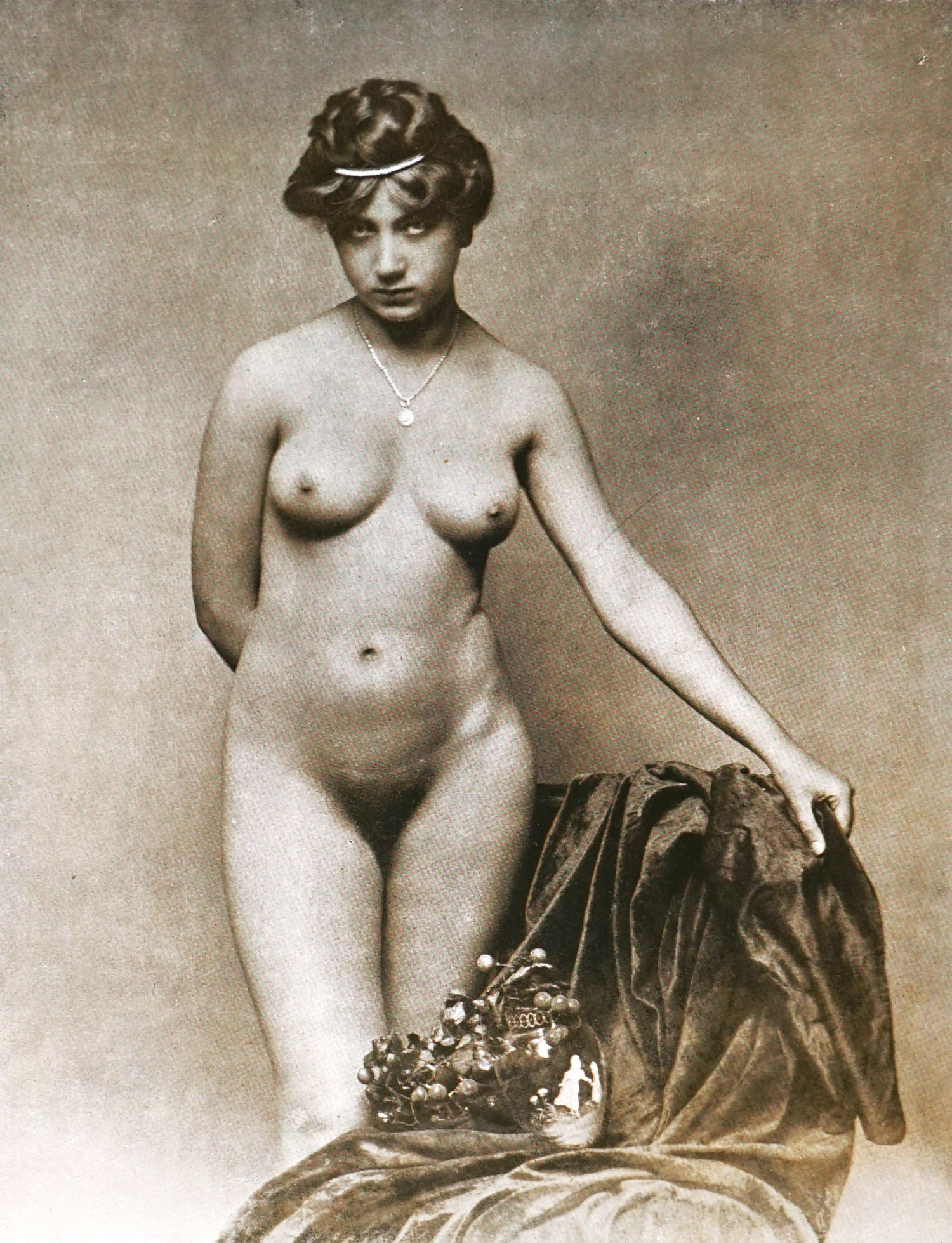
Der Wiener Akt, Serie I · 1906

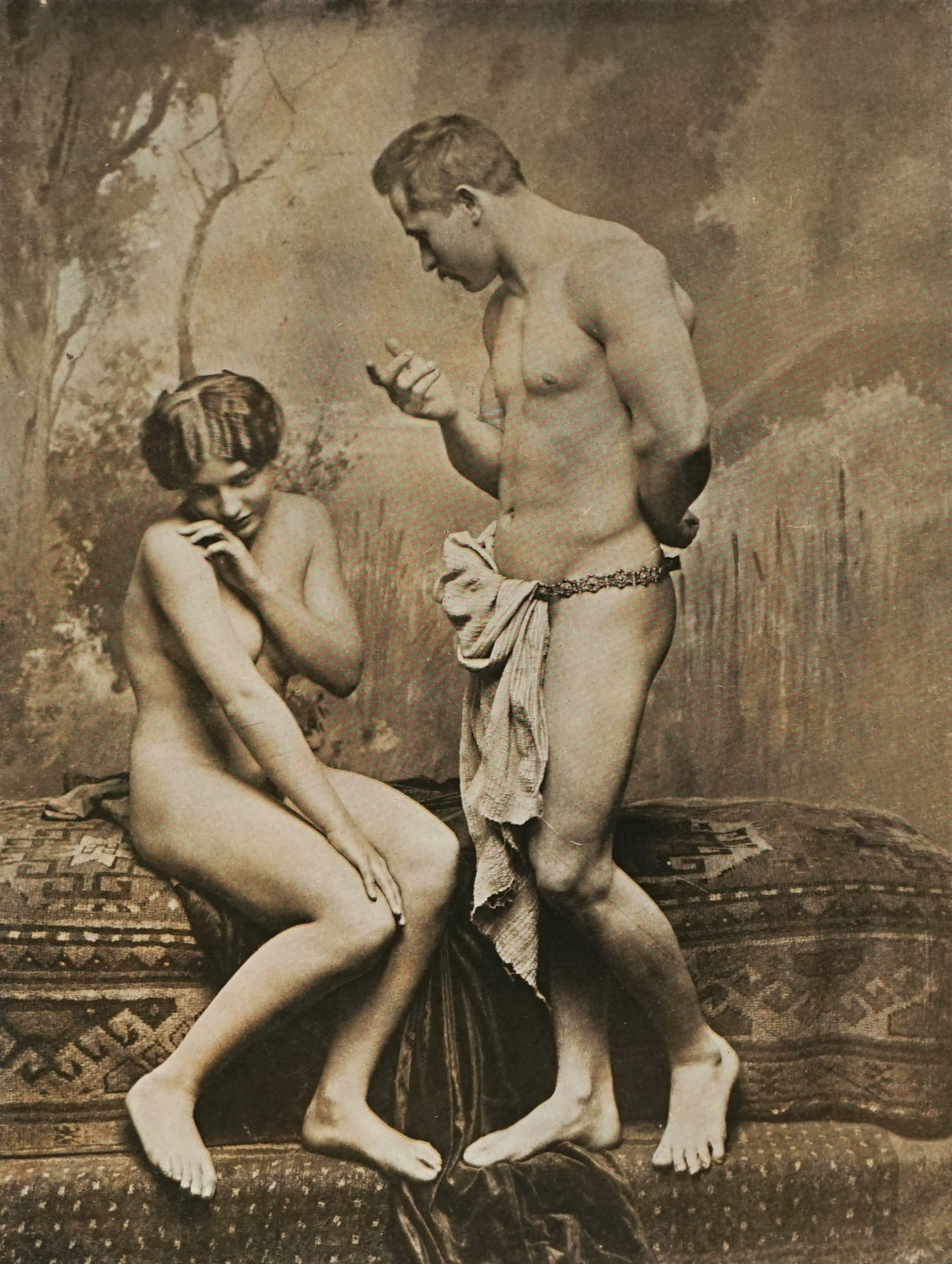
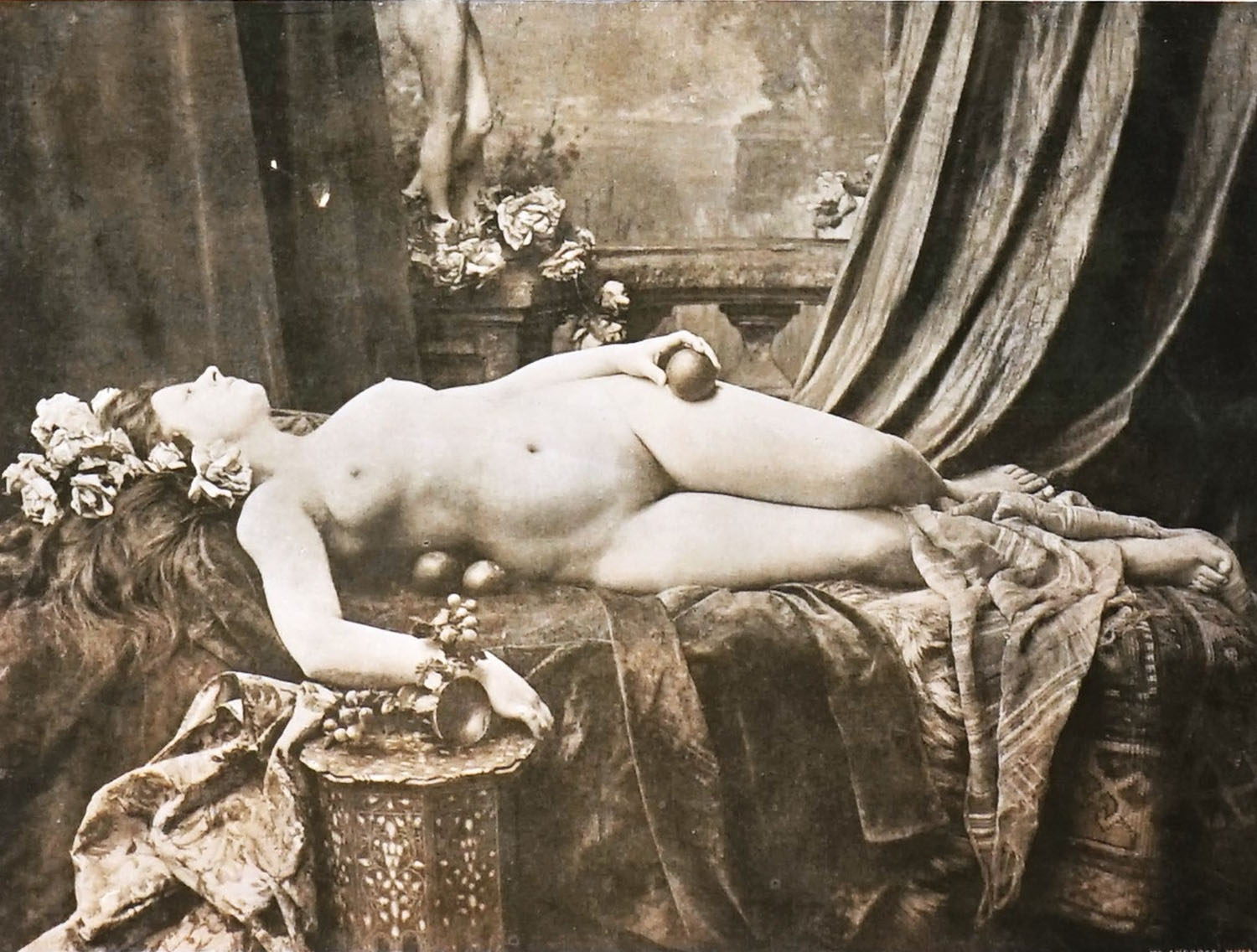
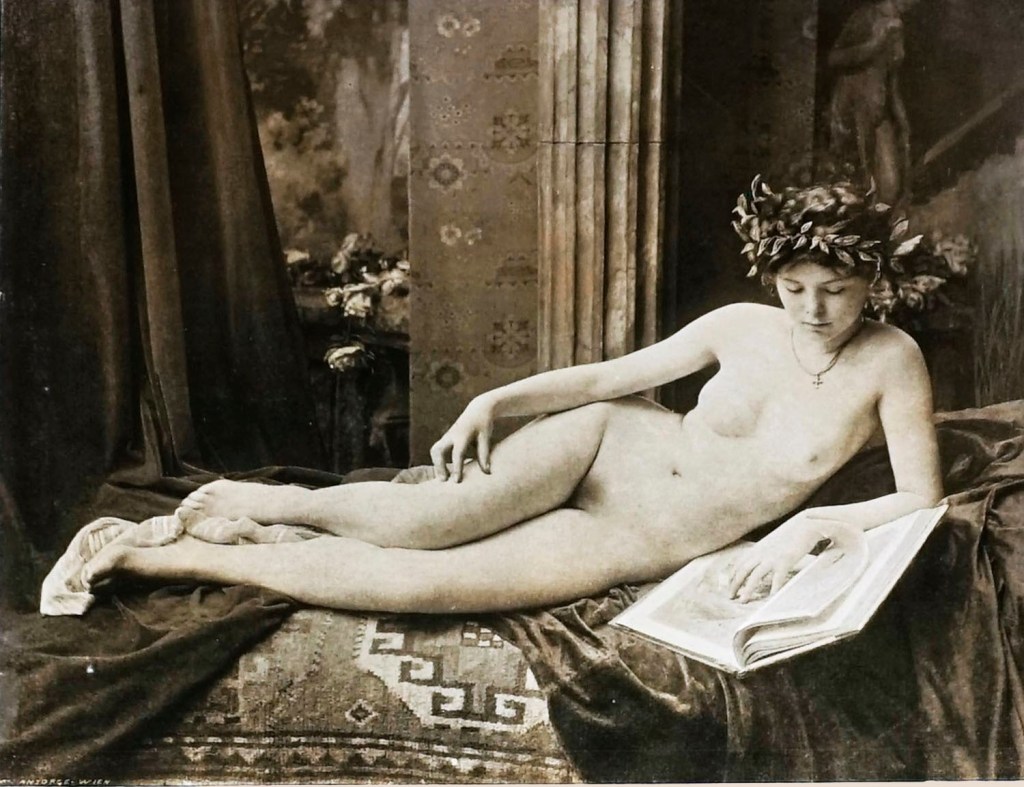
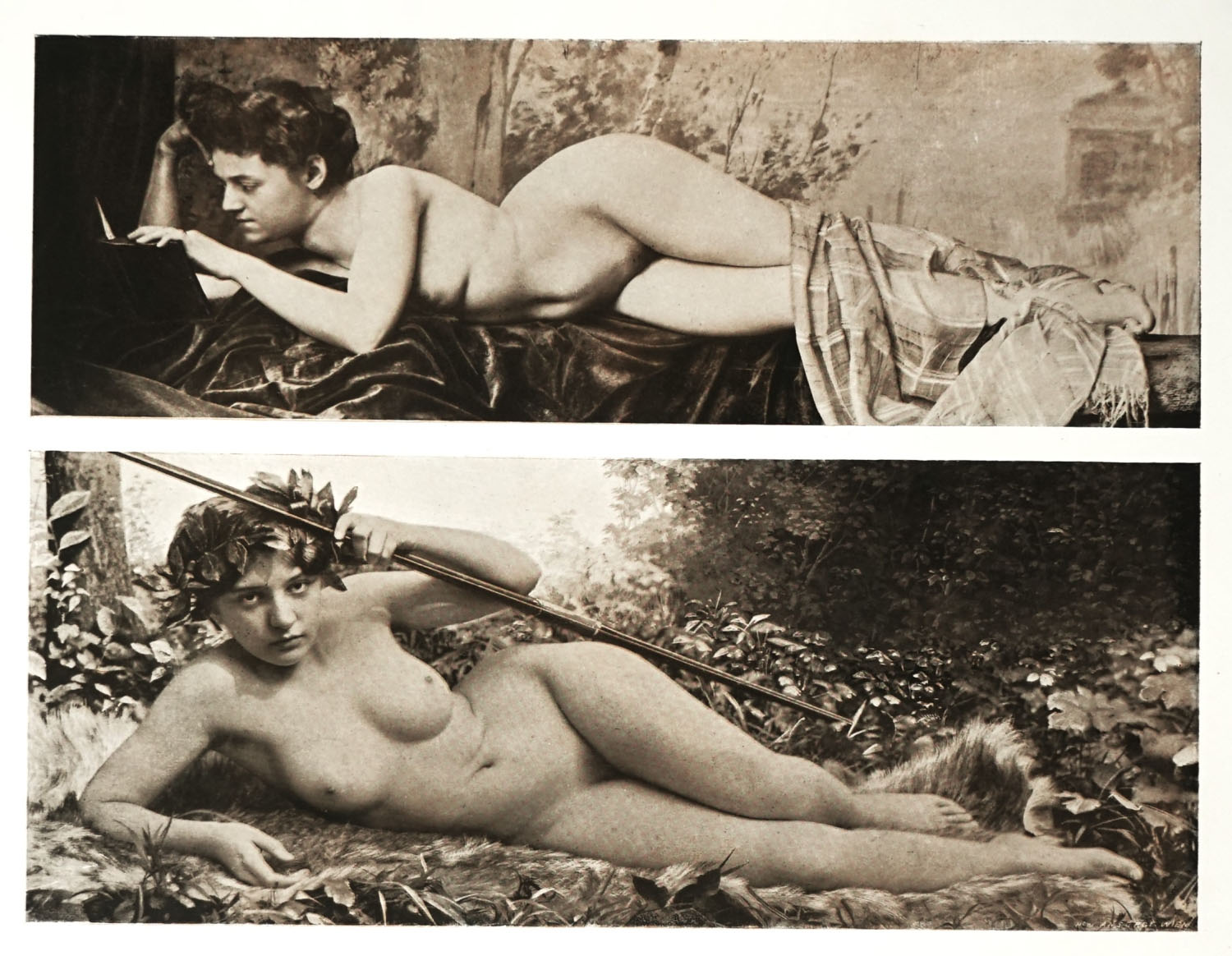
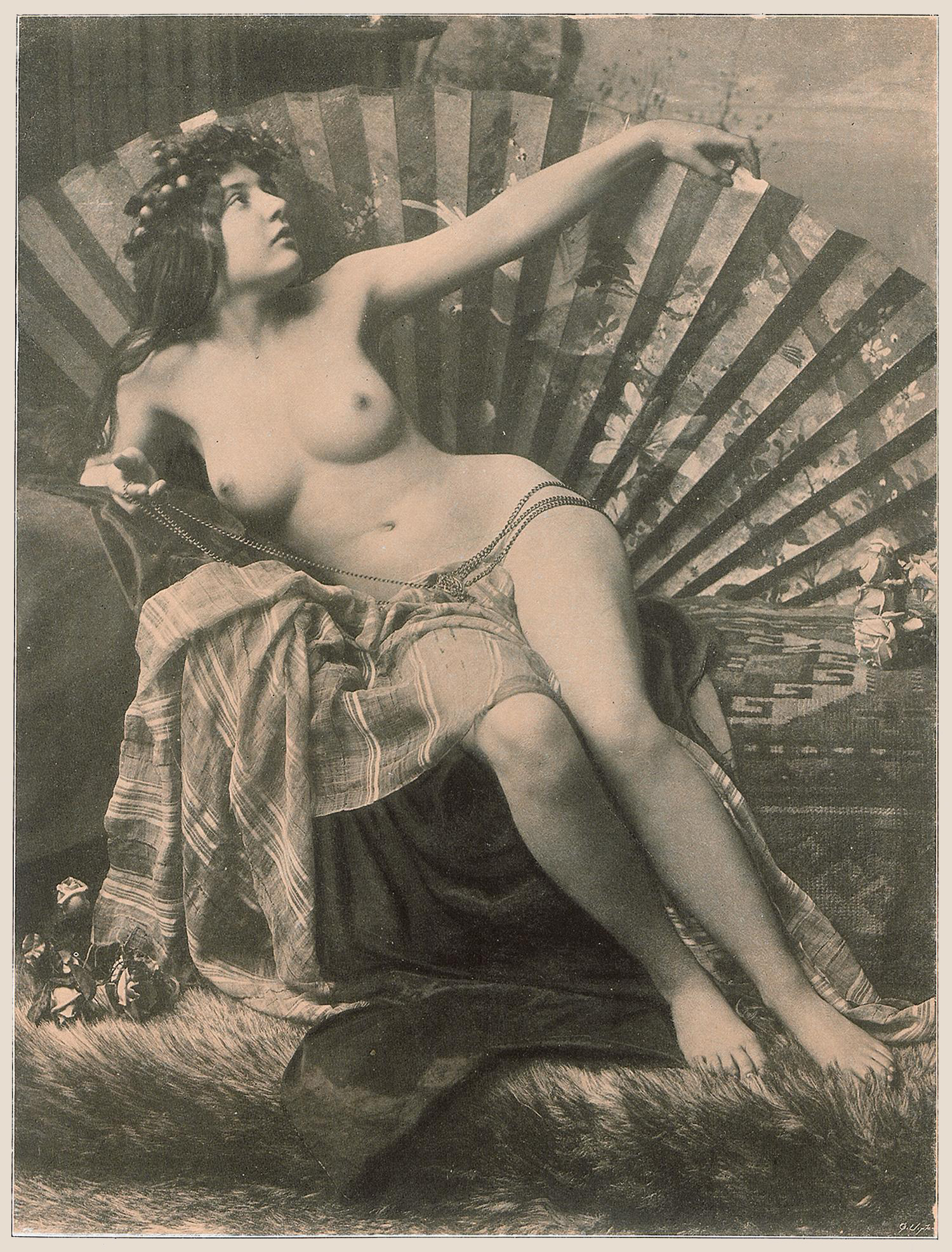
Eduard Büchler & Johann Riediger ~ Der Wiener Akt, Serie I (Wien, Otto Schmidt, 1906) | src Bassenge Auktionen
Der Wiener Akt, Serie I. Eduard Büchler & Johann Riediger (Wien, Otto Schmidt, 1906) | src Bassenge Auktionen

Der Wiener Akt, Serie I. Fotografische Aufnahmen nach der Natur gestellt von Kunstmaler Eduard Büchler aufgenommen von Johann Riediger (Deckeltitel)

Seltenes Mappenwerk mit 24 Aktphotographien nach Motiven des Wiener Jugendstilmalers Eduard Büchler (1861-1958)

Rare portfolio with 24 nude photographs based on motifs by the Viennese Art Nouveau painter Eduard Büchler (1861-1958).
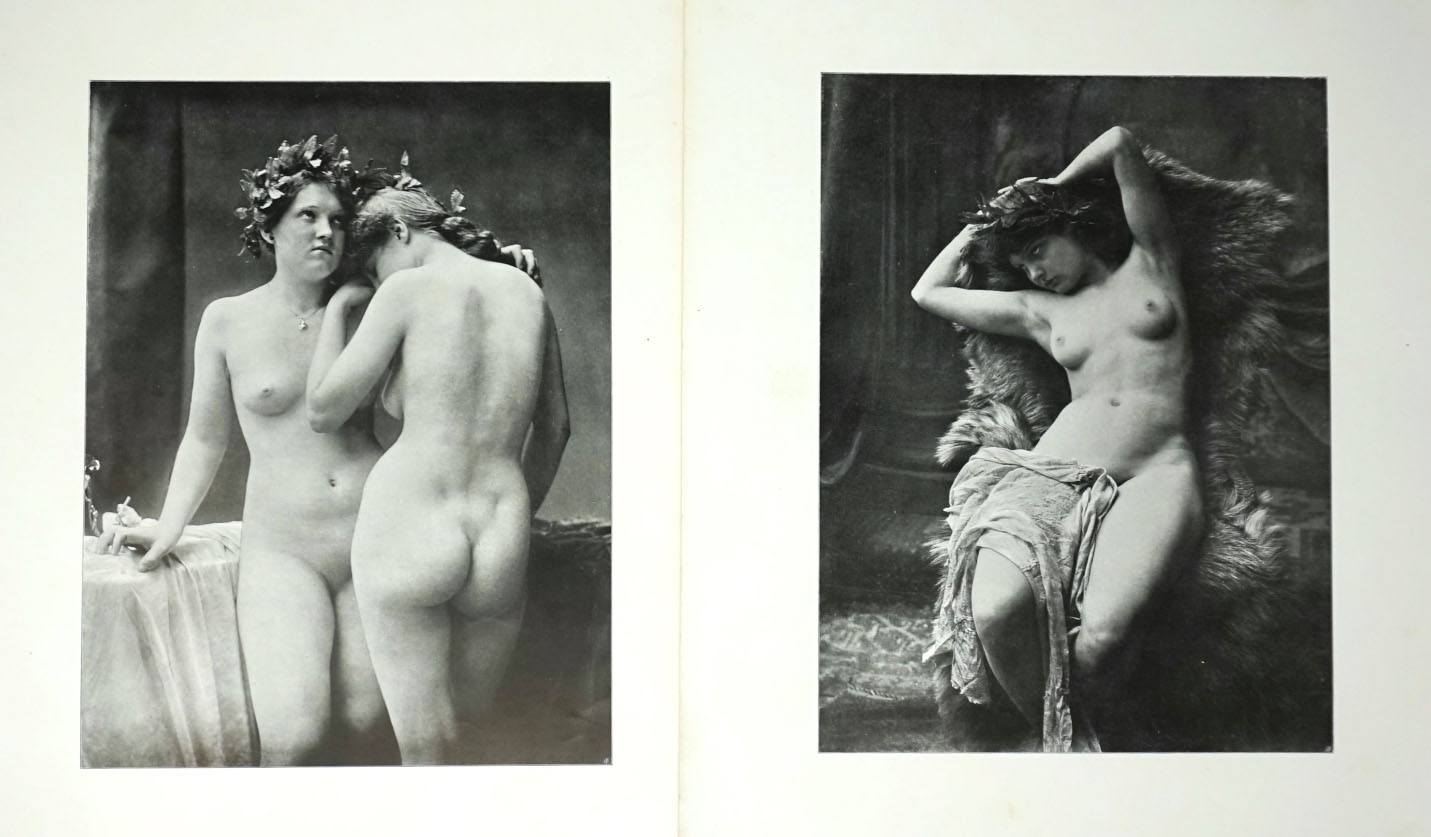
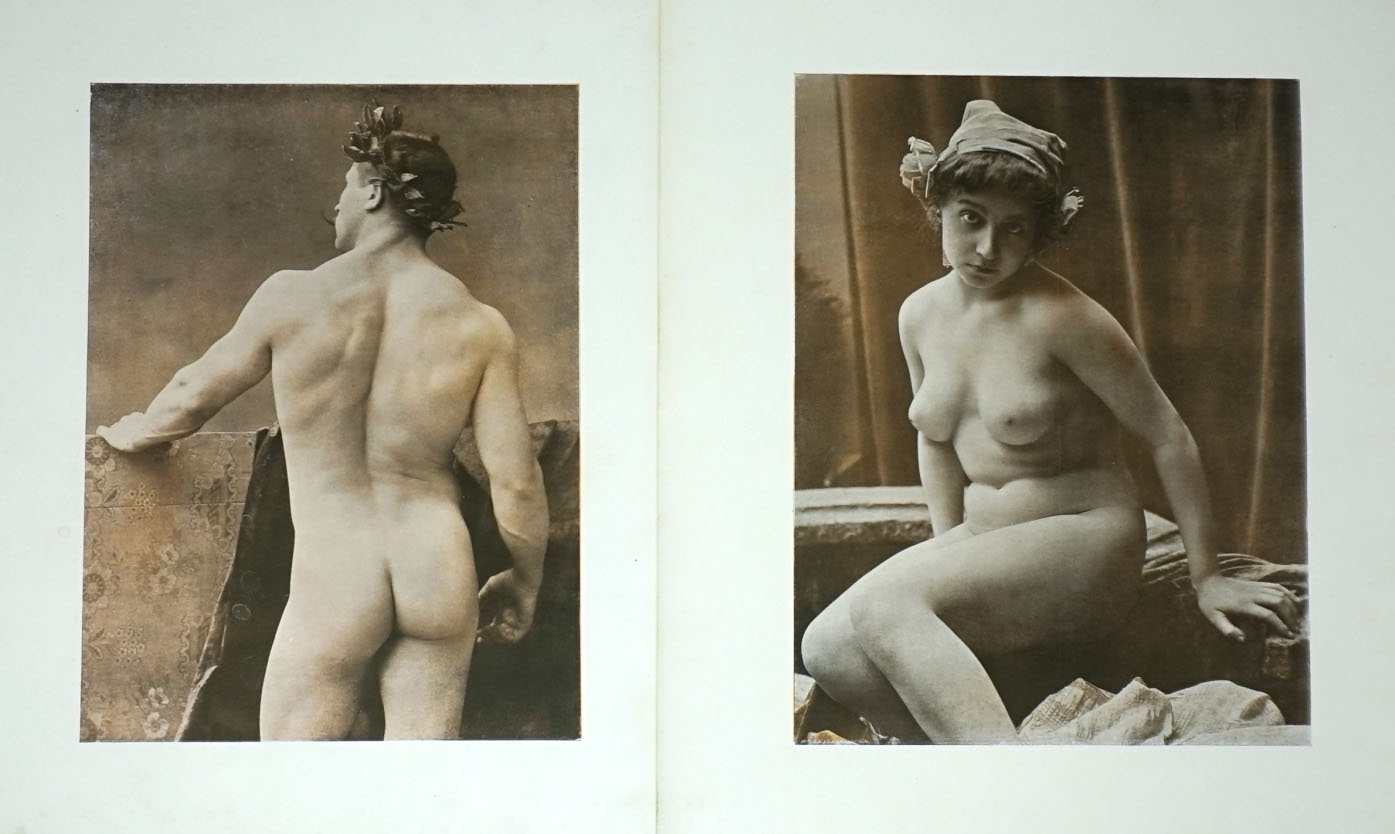
Eduard Büchler & Johann Riediger ~ Der Wiener Akt, Serie I (Wien, Otto Schmidt, 1906) | src Bassenge Auktionen
Eduard Büchler & Johann Riediger ~ Der Wiener Akt, Serie I (Wien, Otto Schmidt, 1906) | Detail
Eduard Büchler & Johann Riediger ~ Der Wiener Akt, Serie I (Wien, Otto Schmidt, 1906) | src Bassenge Auktionen

Nude by Jozsef Pecsi

József Pécsi (1889-1956) ~ Nude from: A fényképezö müvészete (The art of photography), Budapest, undated (ca. 1928). Second edition, expanded and with new photographs | src Bassenge Auktionen

Bellocq · Storyville reclining nudes

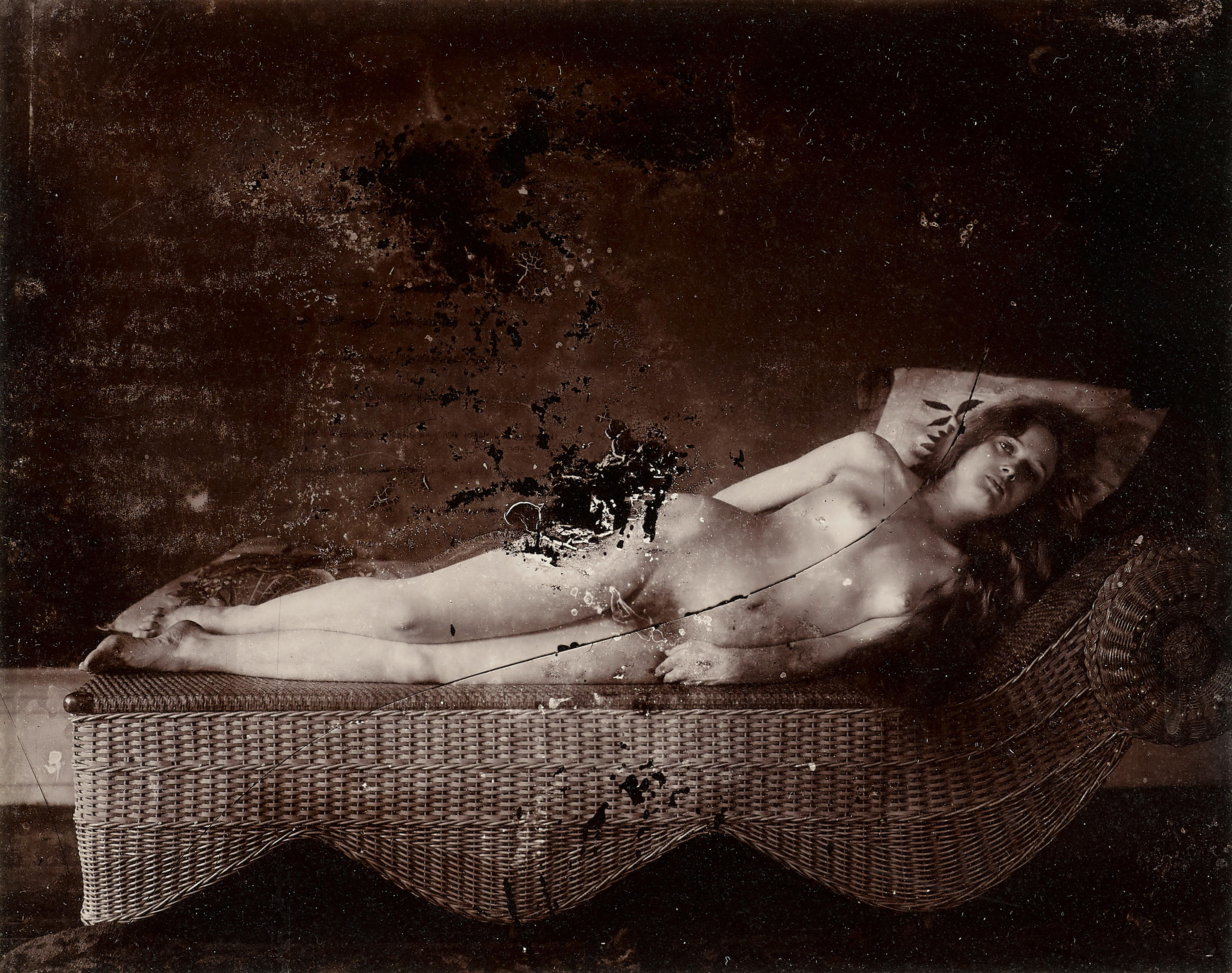
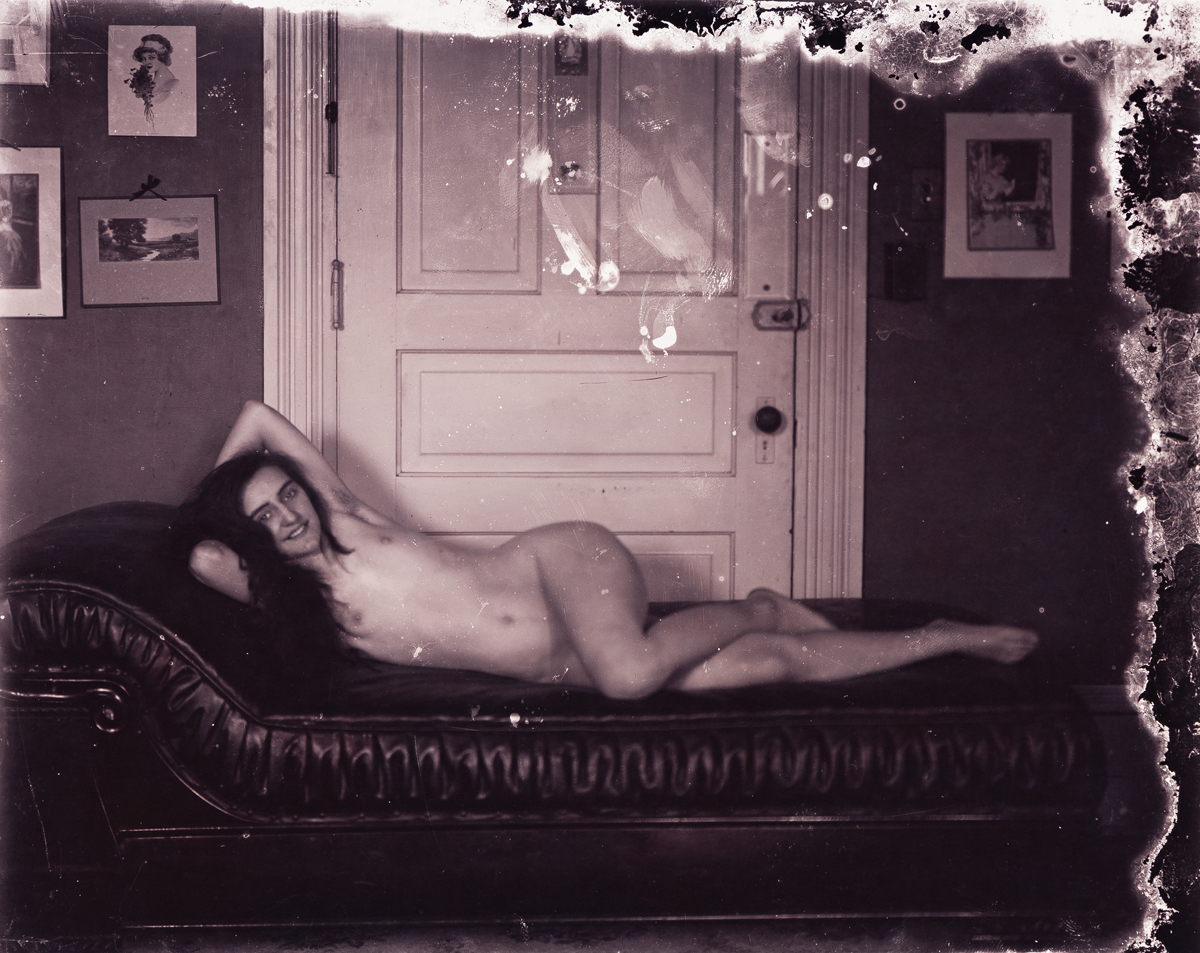
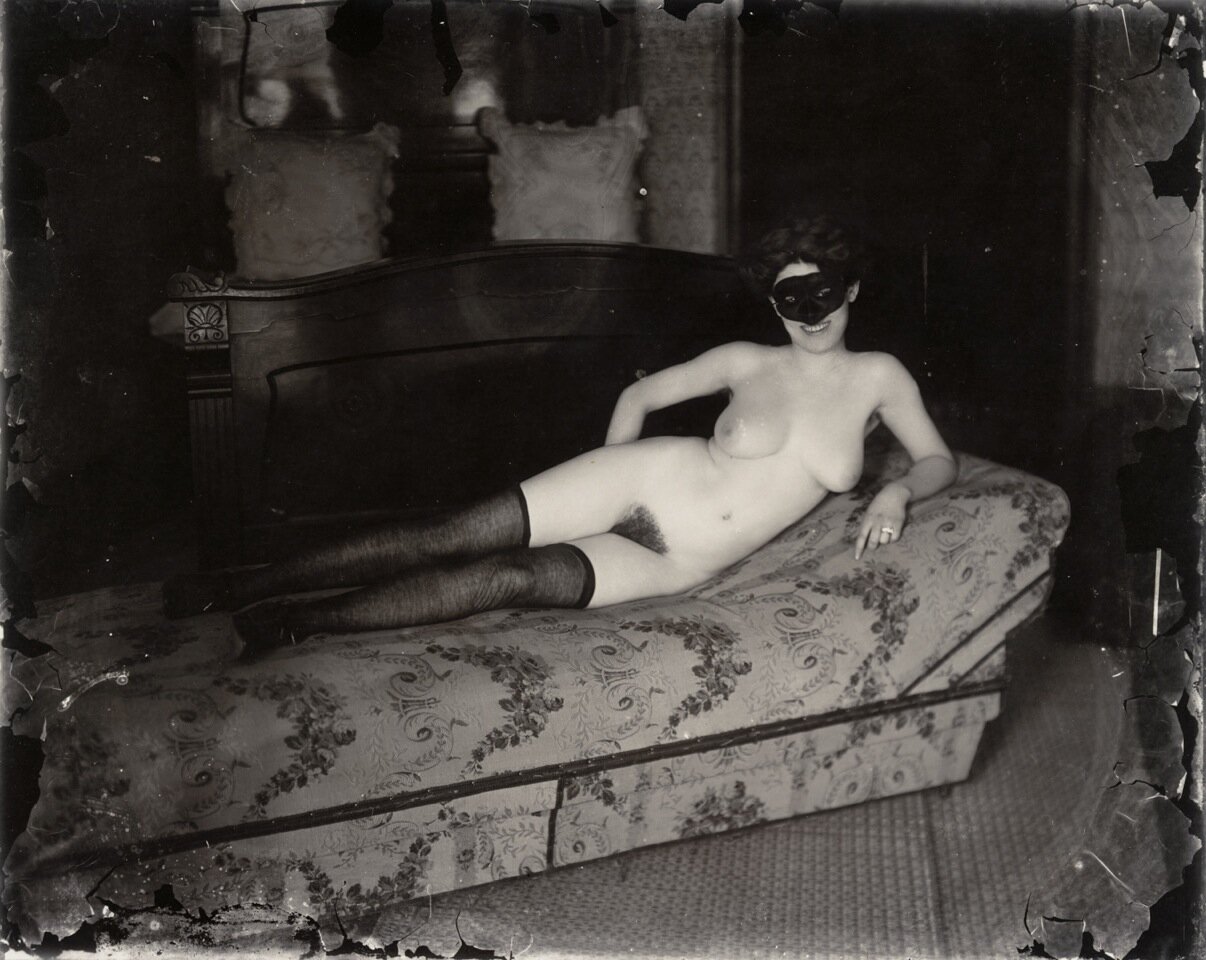
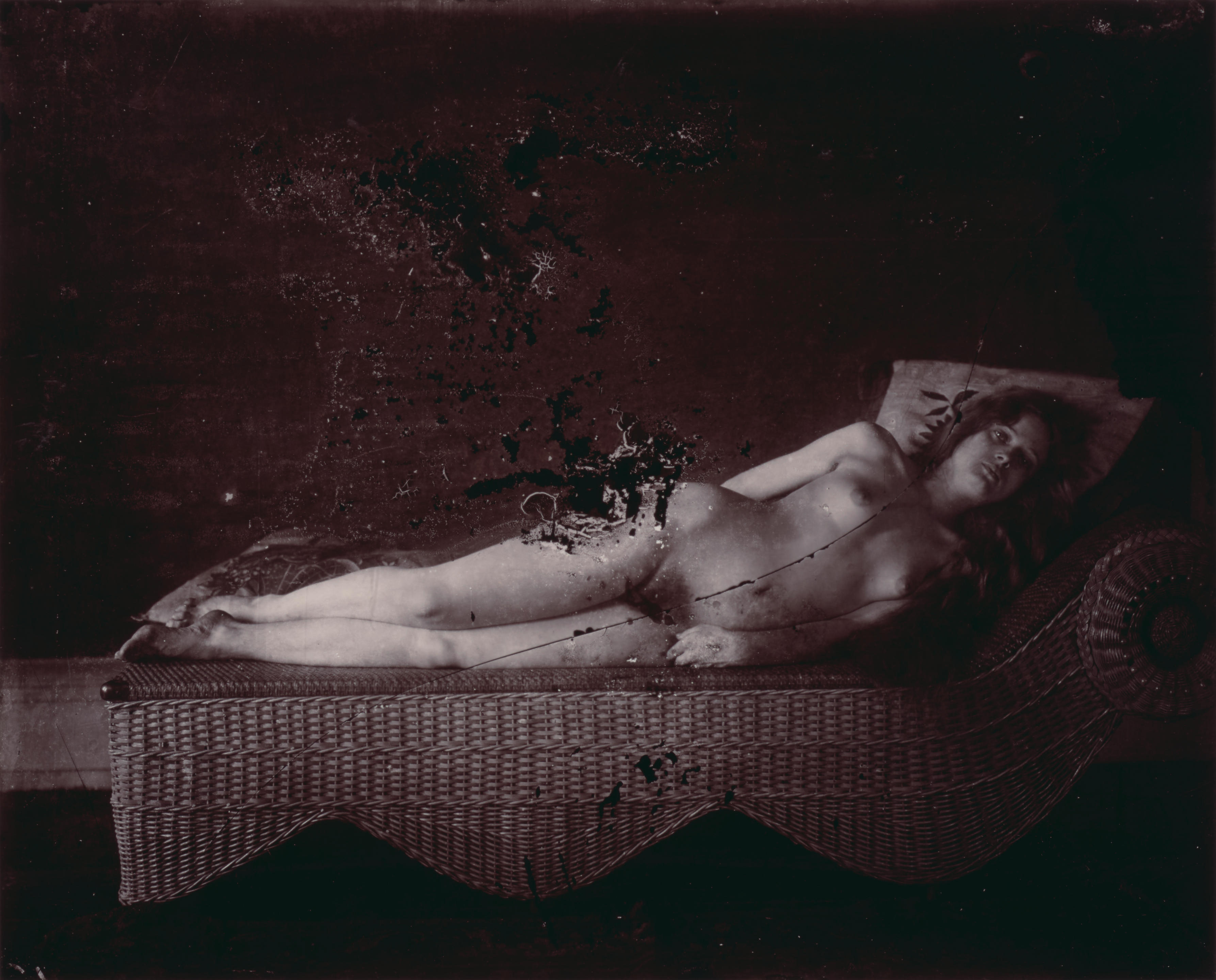
E.J. Bellocq (1873-1949) ~ [Storyville Portraits], New Orleans, 1911-1913. Printing out paper, printed later by Lee Friedlander; Bellocq-Friedlander stamp on verso | src Bonhams
E.J. Bellocq (1873-1949) ~ Storyville portrait. Gold-toned printing-out paper print | src Swann galleries
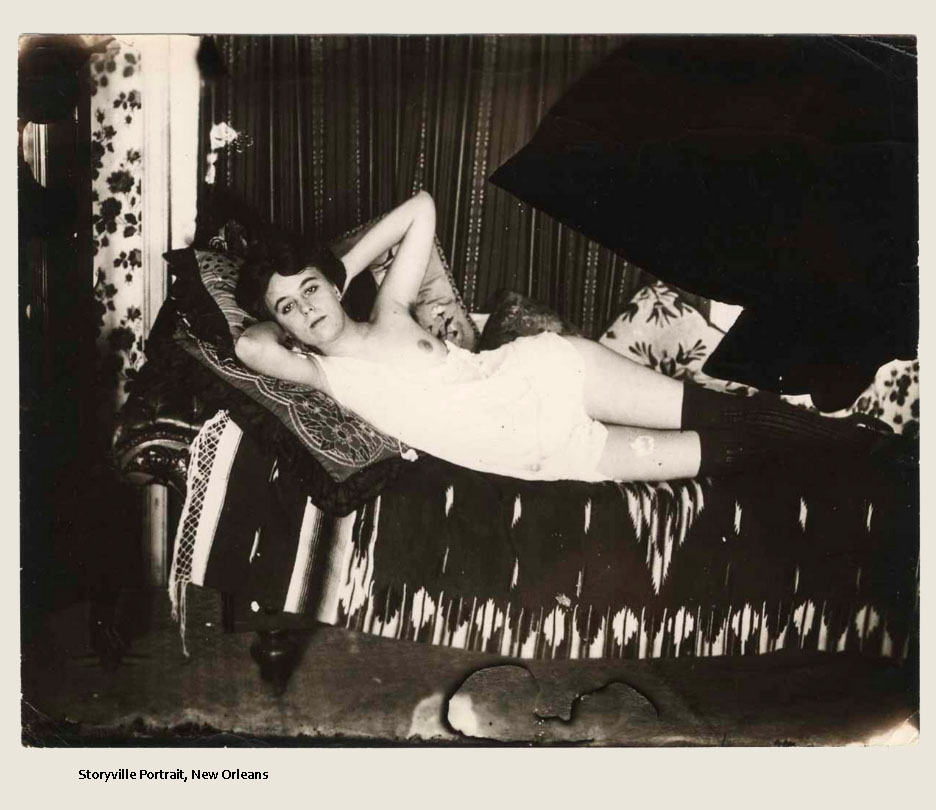
E.J. Bellocq (1873-1949) ~ Storyville Portrait, ca. 1912, printing-out paper print, gold-toned, printed later by Lee Friedlander | src Deborah Bell photographs via ODLP
E.J. Bellocq (1873-1949) ~ [Storyville Portraits], New Orleans, 1911-1913. Printing out paper, printed later by Lee Friedlander; Bellocq-Friedlander stamp on verso | src Bonhams
Ernest Joseph Bellocq (1873-1949) ~ [Storyville Portraits], New Orleans, ca. 1912 | src ICP

Morning Notebook · 1939

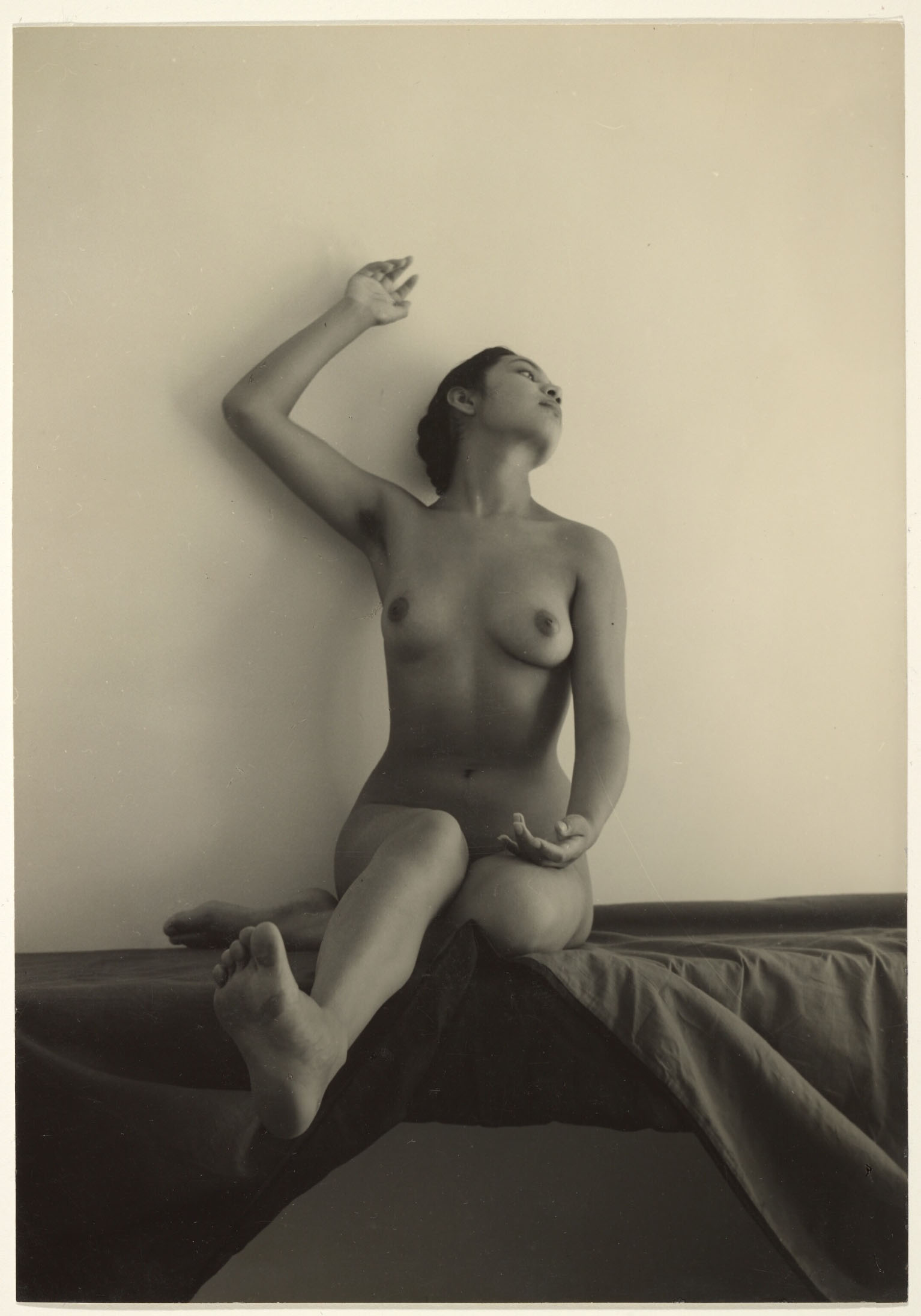
Manuel Álvarez Bravo (1902 – 2002) ~ Notebook of Tomorrow, 1939. From: Cuaderno de la mañana | src Getty Museum

Alvarez Bravo hired a young female model to pose for him while he was teaching photography at the Academia de San Carlos (Academy of San Carlos) in Mexico City in 1937. Over the course of the next few years he created a series of figure studies that are noteworthy for their simple yet powerful compositions. In this picture Alvarez Bravo positioned the young woman on a fabric covered table against a plain white wall. He achieved a balance between divergent elements–stasis and dynamism, tension and relaxation, and positive and negative space.

Manuel Álvarez Bravo (1902 – 2002) ~ Cuaderno de la mañana (Morning Notebook), 1939 (*) | src Getty Museum

Manuel Alvarez Bravo directed this model to pose with her head dramatically turned upward. The young woman’s unnatural posture encouraged the presumably male viewer to gaze freely at her eroticized form; her averted face denied her the opportunity to return and confirm the gaze. This pose belongs to an academic tradition of representing women as objects of desire.

Alvarez Bravo produced a series of nude photographs depicting this model. He called the series Morning Notebook, suggesting that the female body was a construction that could be documented and then read like words on a page. During this period, many Surrealist artists, whose work influenced Alvarez Bravo, used the female form in much the same way–for clearly visible consumption. (text quoted from Getty Museum)

(*) Secondary inscription on verso: “Cuaderno de la Mañana (Dicha Puerta)” and “# 8”
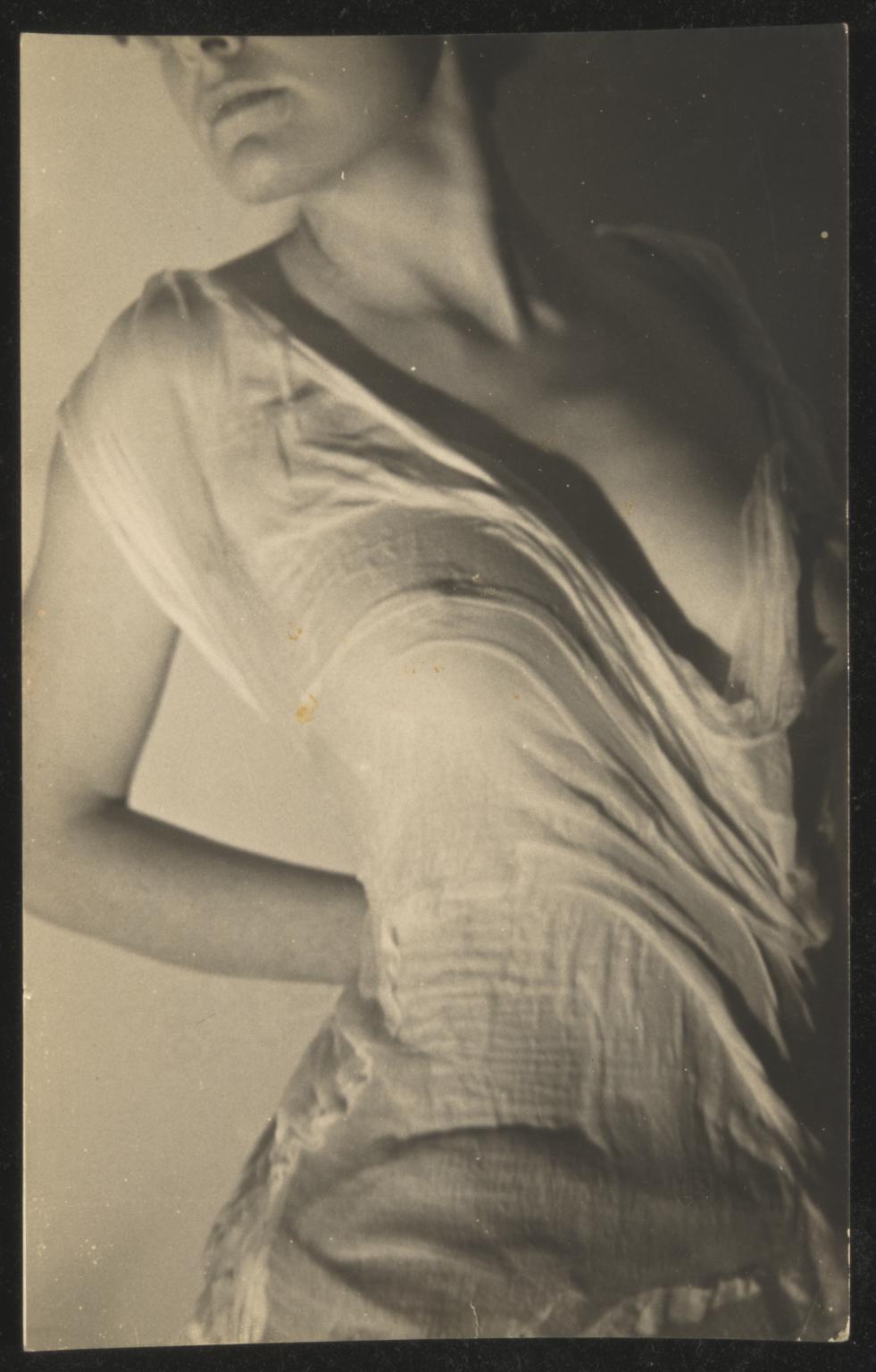
Lolly Spender · nudes · 1937-38

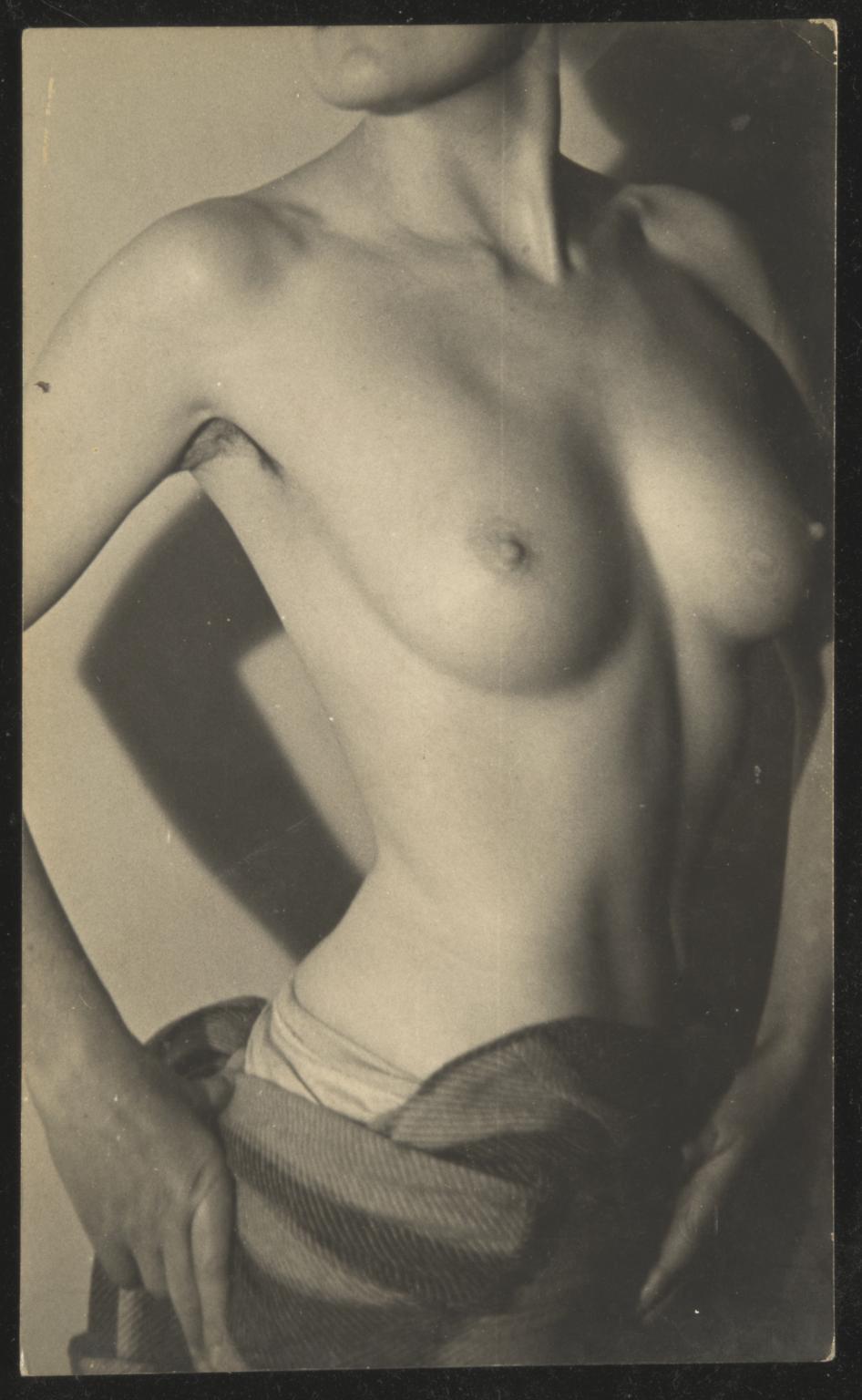
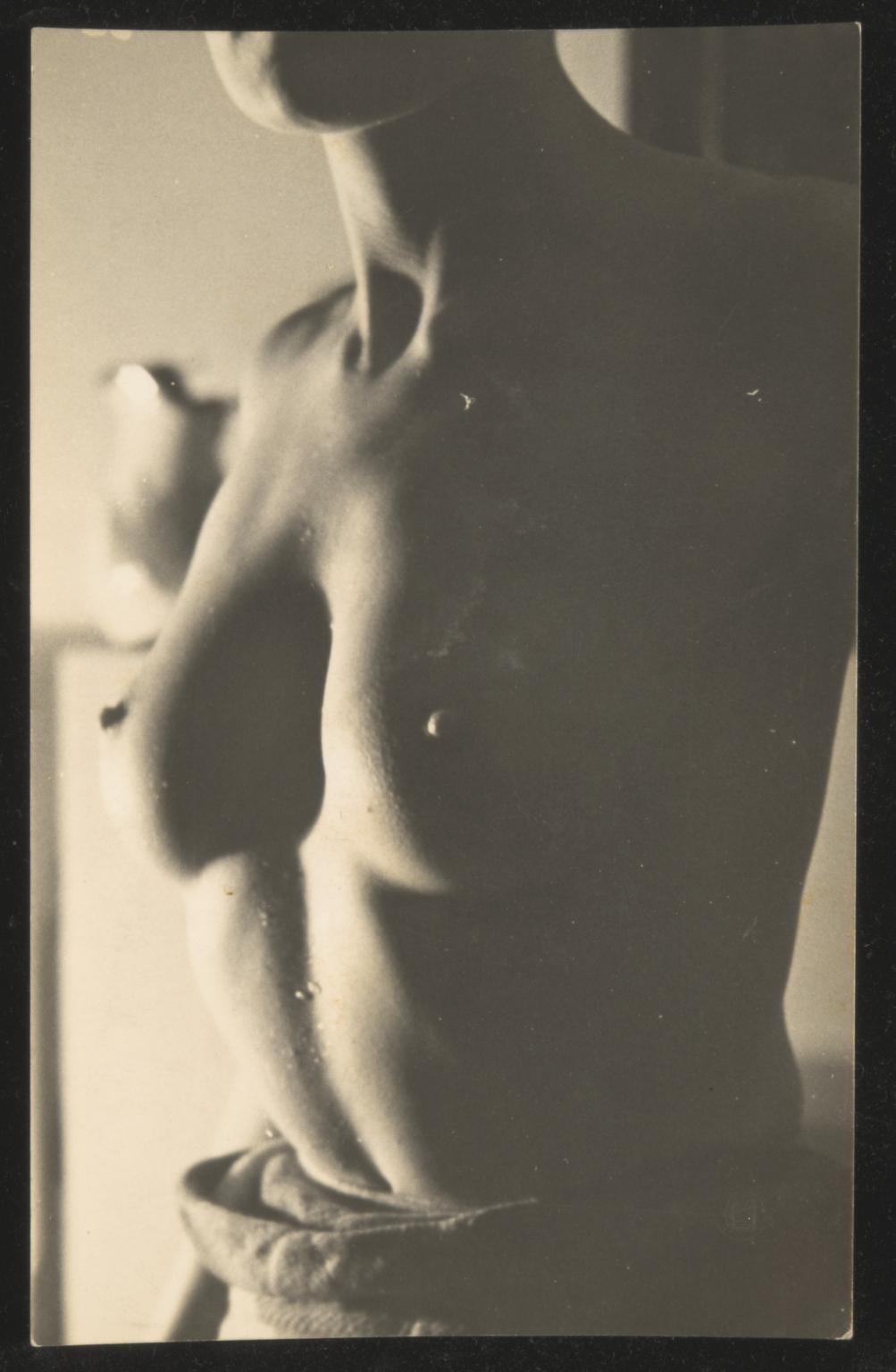
Humphrey Spender ~ Elisabeth Margaret ‘Lolly’ Spender’s chest, 1937-38. John Banting collection | src Tate gallery
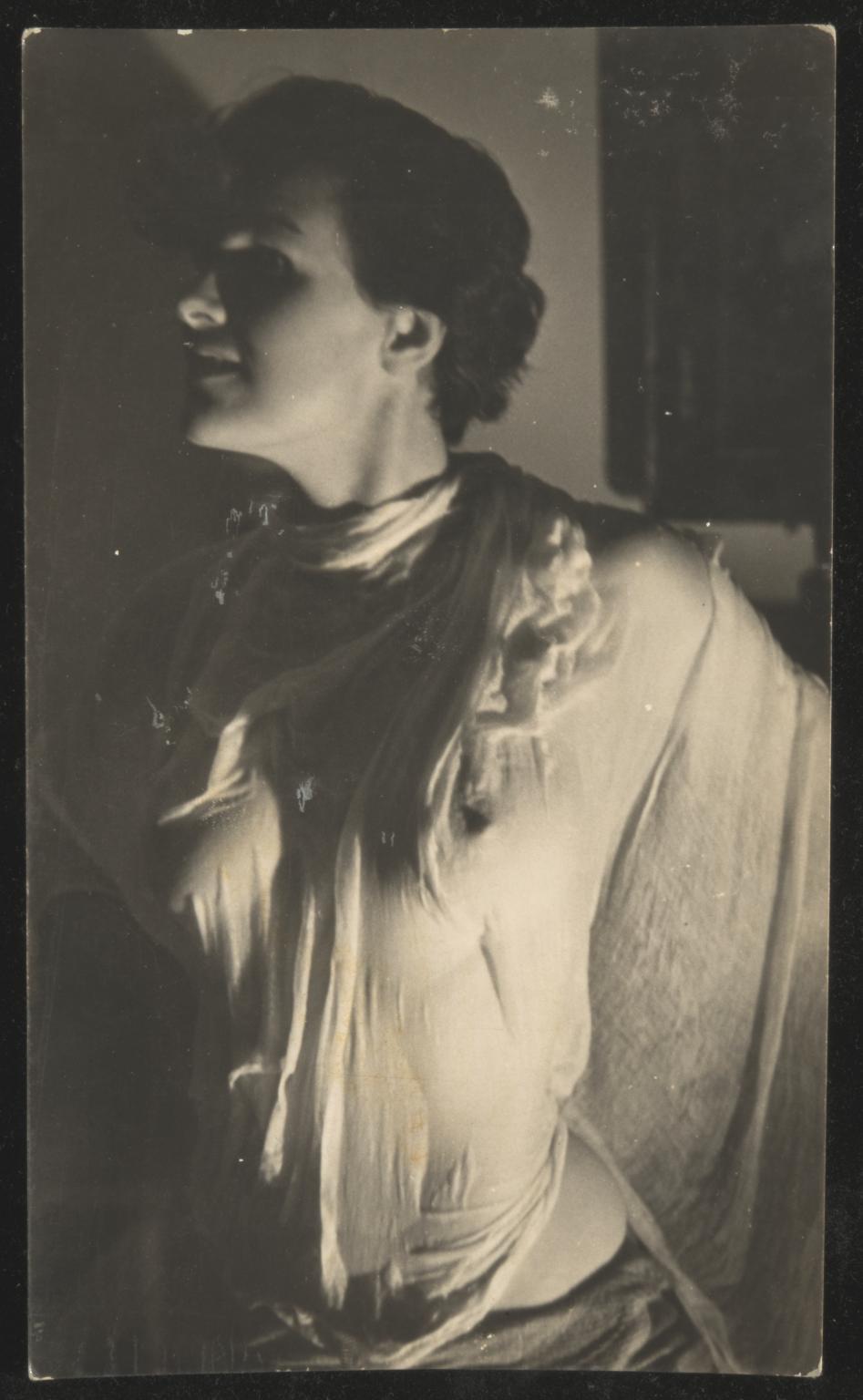
Humphrey Spender ~ Elisabeth Margaret ‘Lolly’ Spender, 1937-1938. John Banting collection | src Tate gallery
Humphrey Spender ~ Elisabeth Margaret ‘Lolly’ Spender’s chest, 1937-38. John Banting collection | src Tate gallery