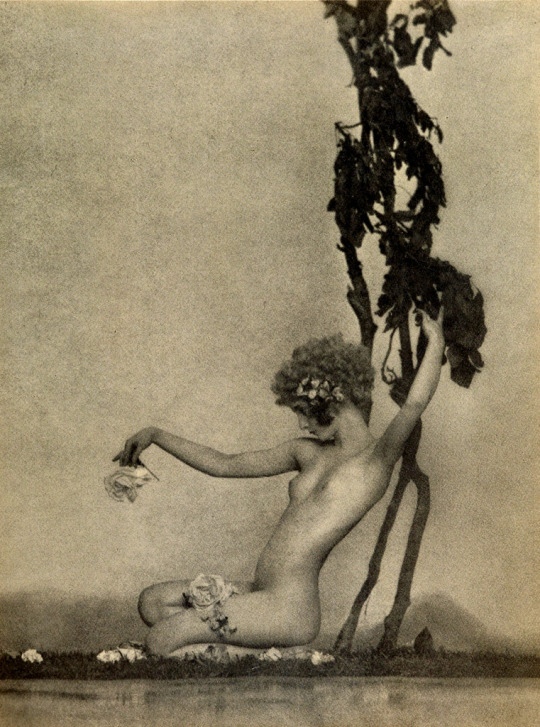
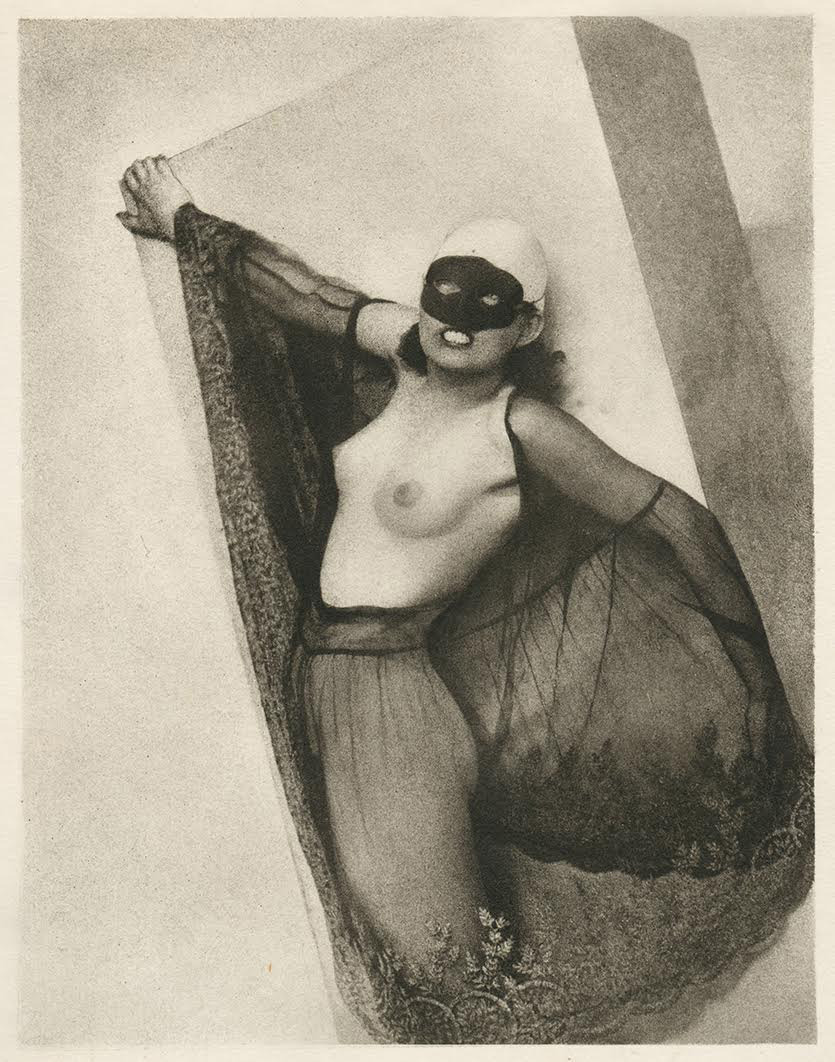
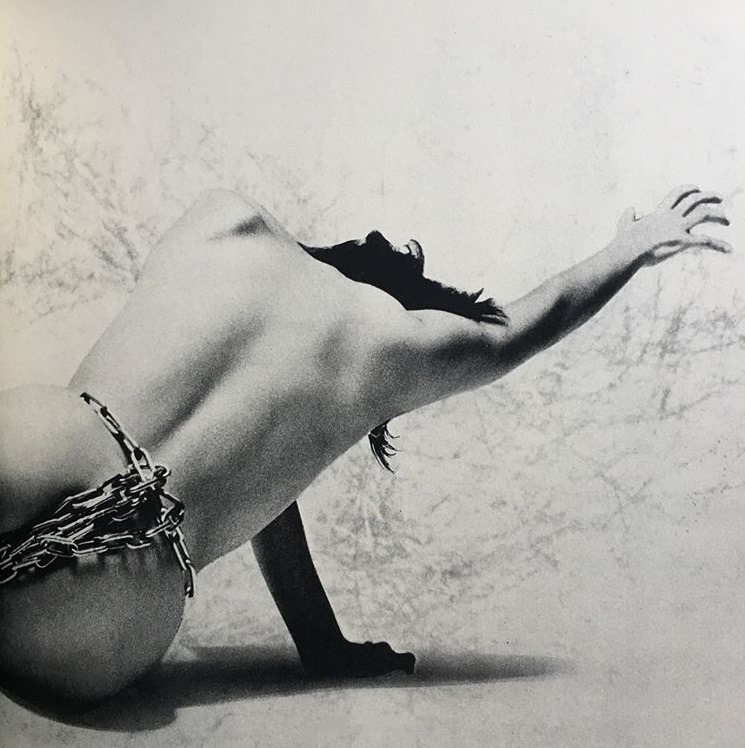
Rigmor Rasmussen in Der Zug nach dem Westen
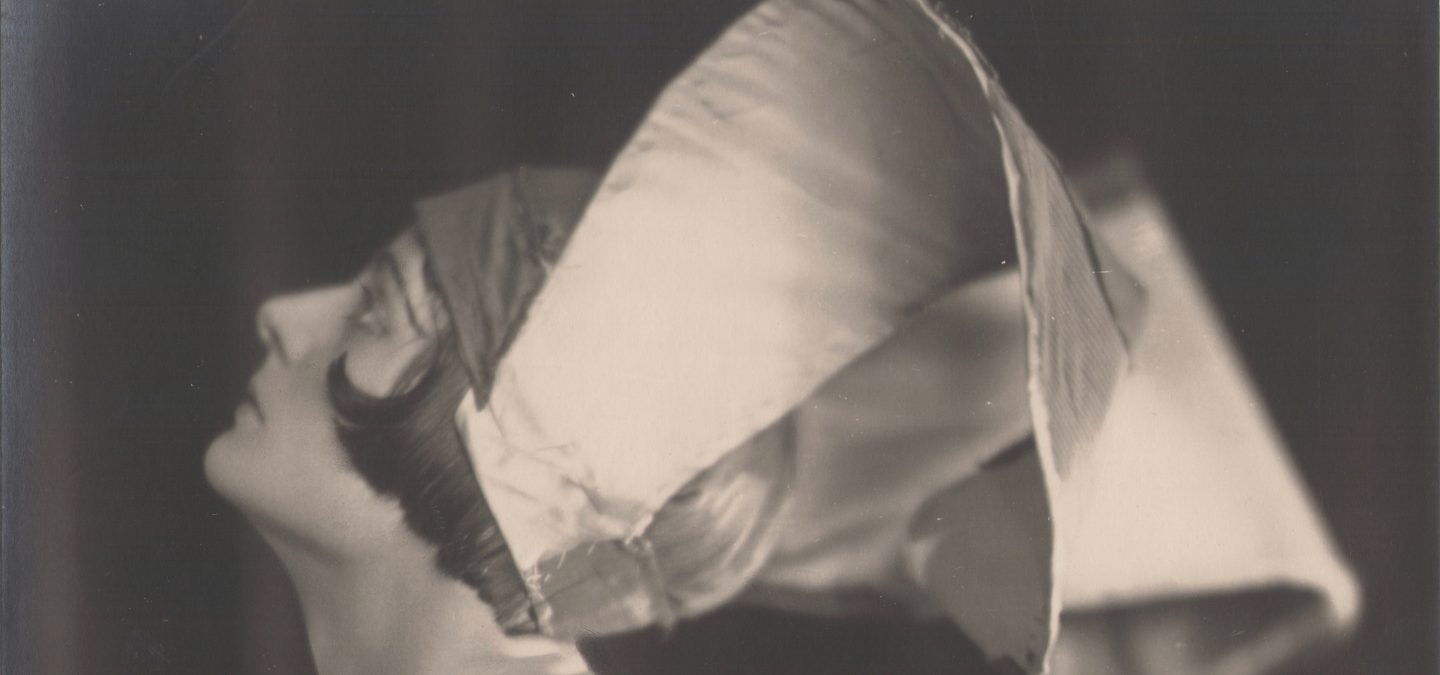
Atelier Balázs ~ Rigmor Rasmussen in the revue ‘Der Zug nach dem Westen’ (The Train to the West), Berlin, 1926 | src getty images

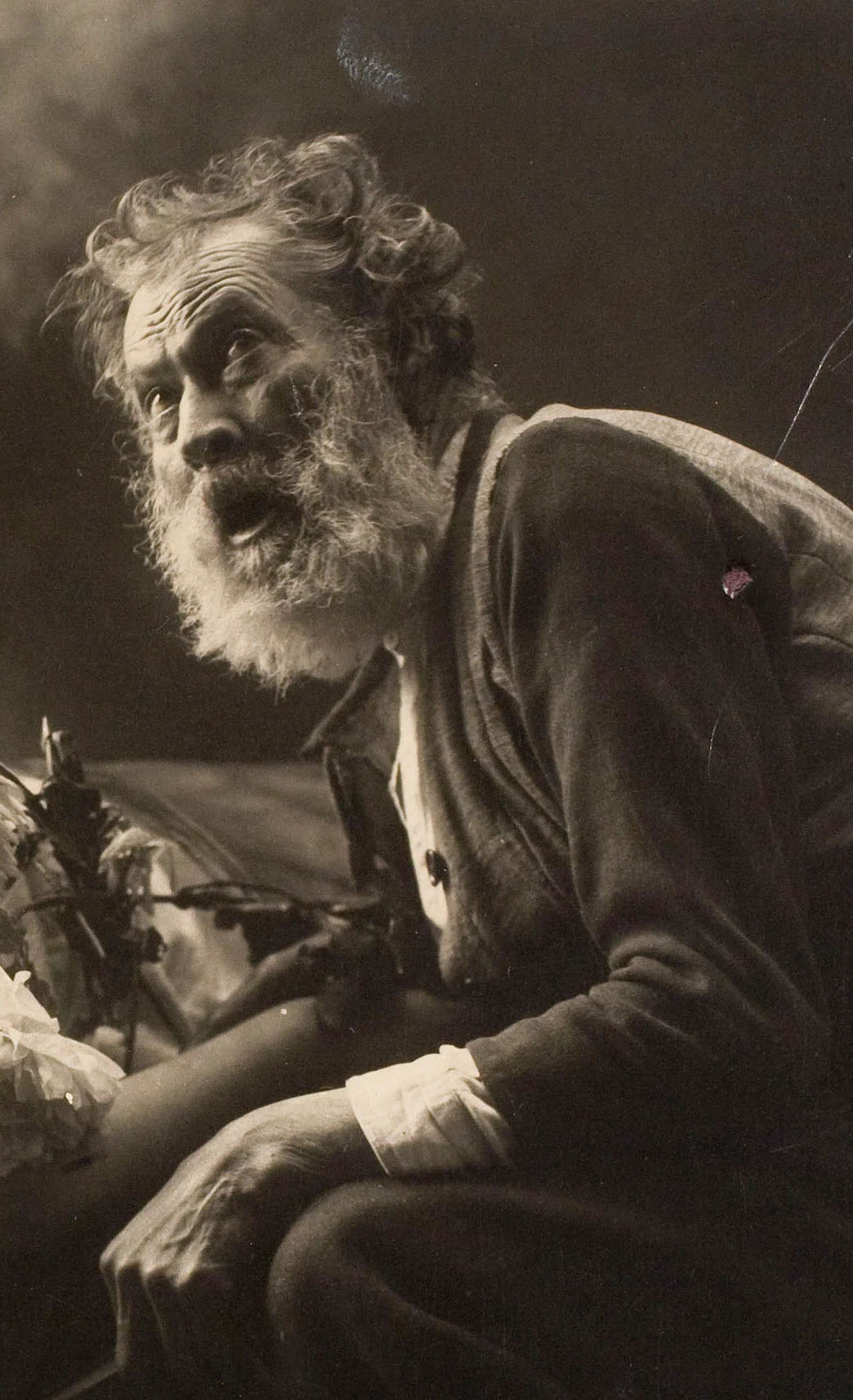
Where in Heaven Will I Find You

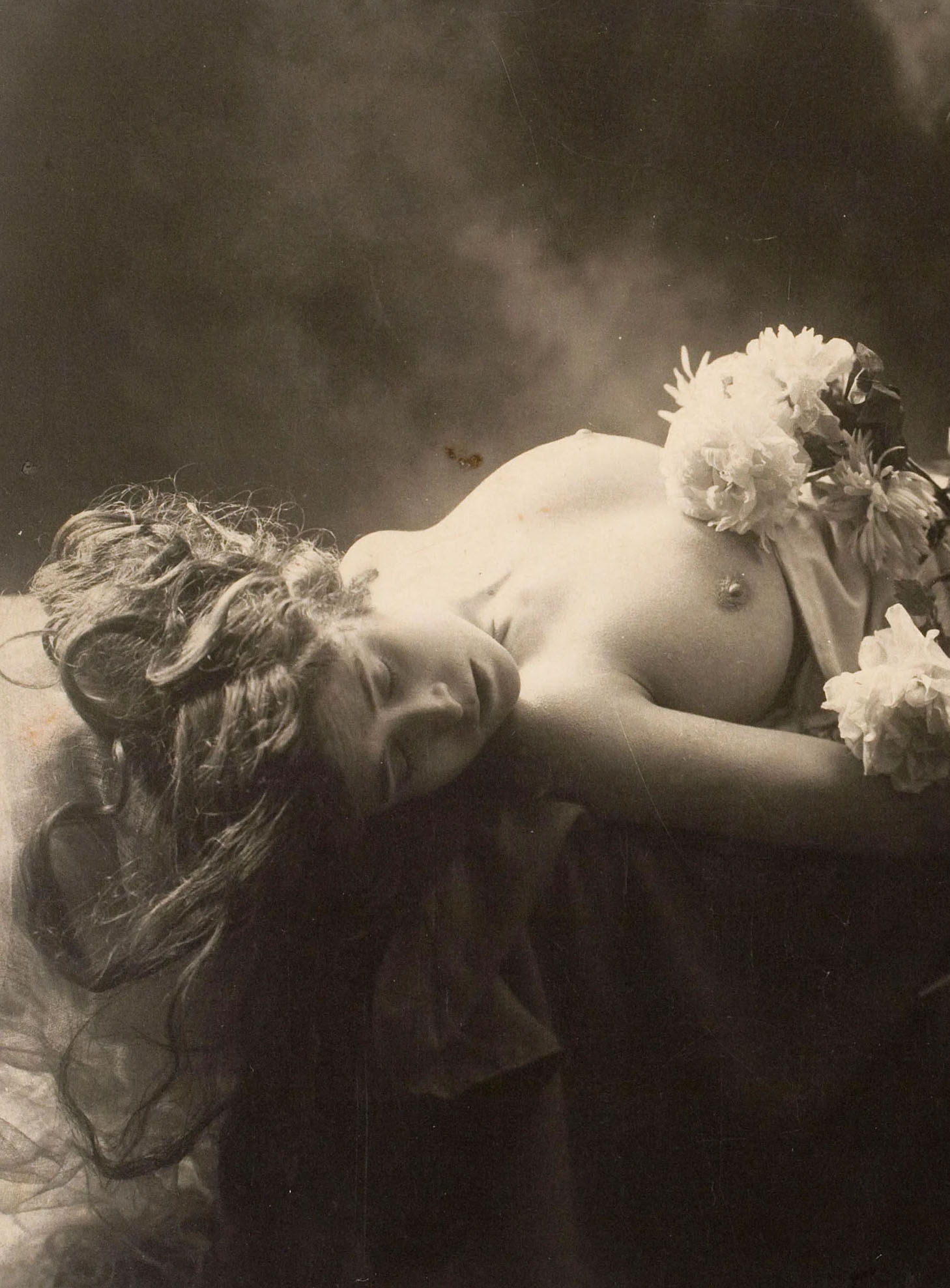
Joan Vilatobà ~ En quin lloc del cel et trobaré? | Where in Heaven Will I Find You? (Detail) | src MNAC
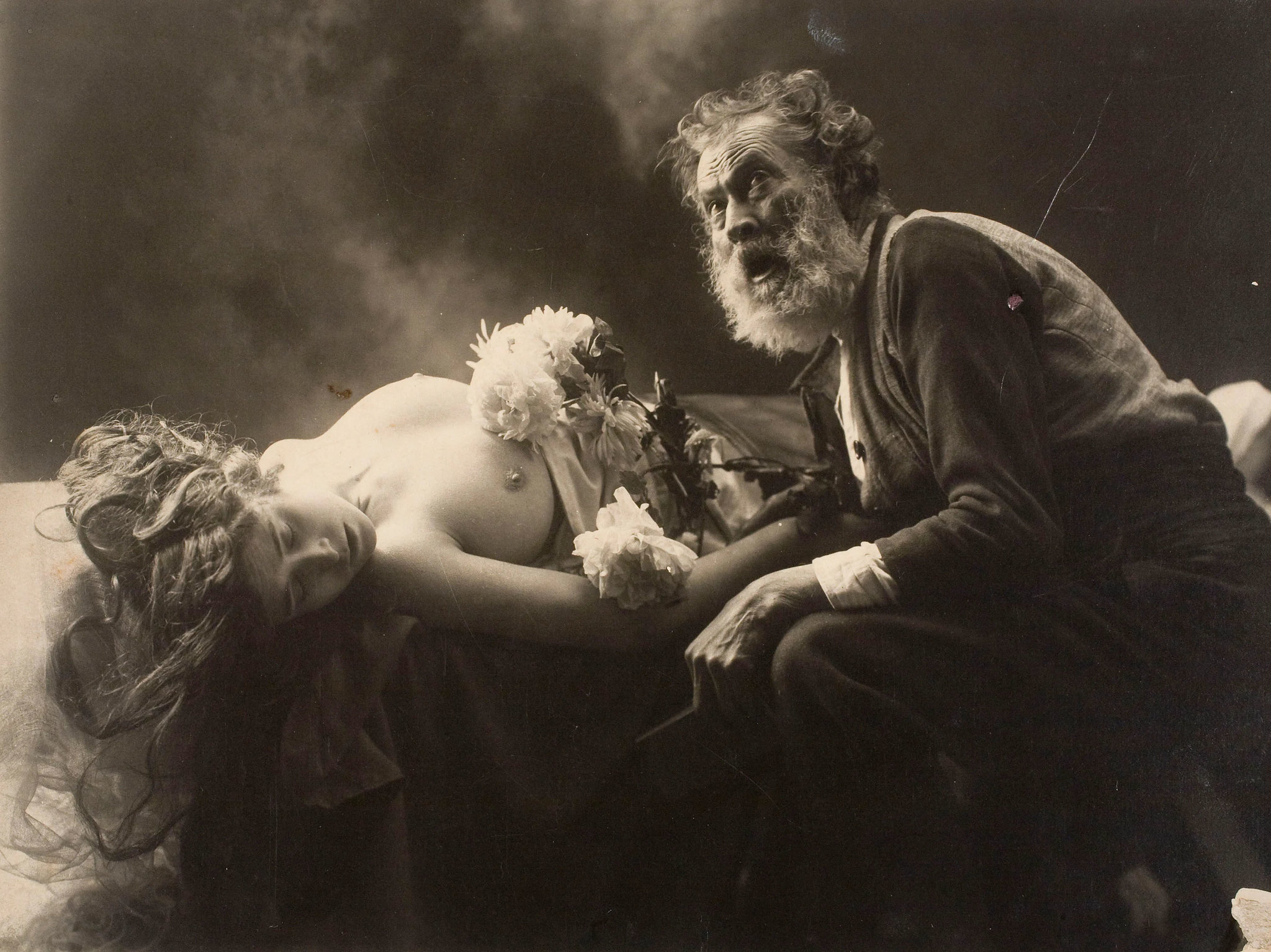
Joan Vilatobà ~ En quin lloc del cel et trobaré? | Where in Heaven Will I Find You? ca. 1903-1905. Silver gelatin on baryta-coated paper | src MNAC

The massive industrialization of the photography based on the new models of Kodak in 1888, marked the birth of amateurism, and what could be considered its elitist complement and counterpart, Pictorialism, understood to be the first discourse of artistic legitimization of photography.    

Faced with technological standardization and documental utilitarianism, Pictorialism proposed the use of pigmentary techniques that evoked the manual work of paintings, as well as their symbolic, picturesque or sublime themes, in accordance with the aesthetic paradigms of the modern art of the 19th century, which was based on the romantic principle of genius. In some way the concept of “creation” was introduced into photographic techniques, vindicating the figure of the photographer as an author and interpreter of reality.  Within this framework, Joan Vilatobà created a series of works which moved between symbolic allegory and customs, and photography through topics such as beauty, death, love, etc., of which Where in heaven will I find you? is an example. | quoted from MNAC ~ Museu Nacional d’ Art de Catalunya
Joan Vilatobà ~ En quin lloc del cel et trobaré? | Where in Heaven Will I Find You? (Detail 2) | src MNAC

The Rubaiyat of Omar Khayyam

William Herbert Mortensen · Art study for Selected Quatrains from ‘The Rubaiyat of Omar Khayyam with Camera Projections’ (*), 1925.
(*) This was the photographer’s first book. This hand-bound title was produced by Mortensen while he was designing sets for a mid-1920s production of the Rubaiyat entitled ‘A Lovers Oath’. | src Swann Galleries via hauntedBYstorytelling

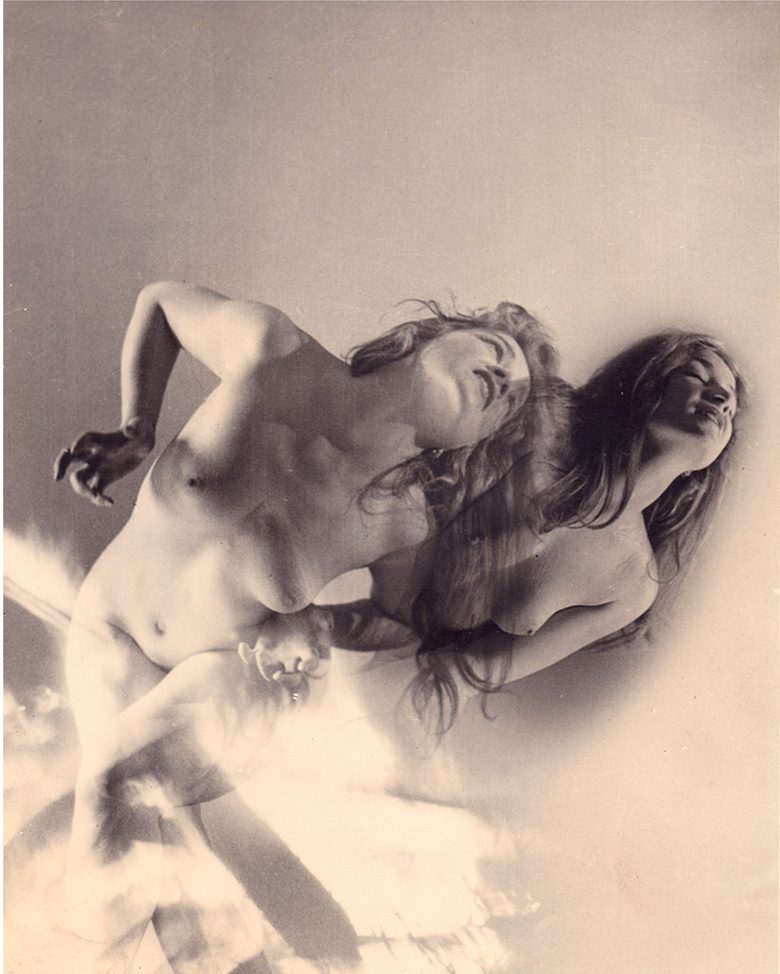
Possession, ca. 1927

William H. Mortensen :: Excerpt from “A Pictorial Compendium of Witchcraft”, ca. 1924 – 1926 | src Flickr
William H. Mortensen :: Possession, ca. 1927. Excerpt from “A Pictorial Compendium of Witchcraft”. | src monster brains


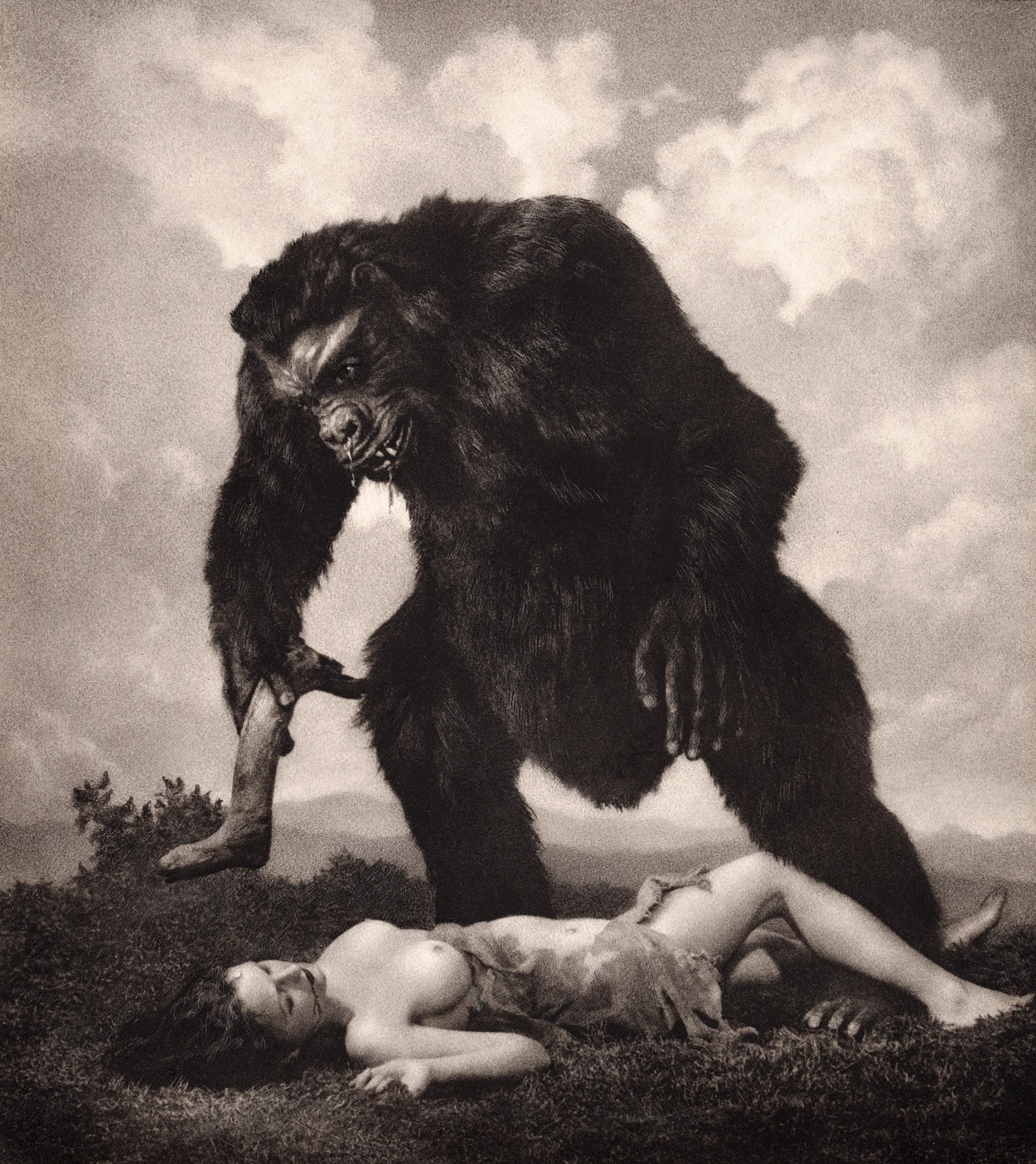
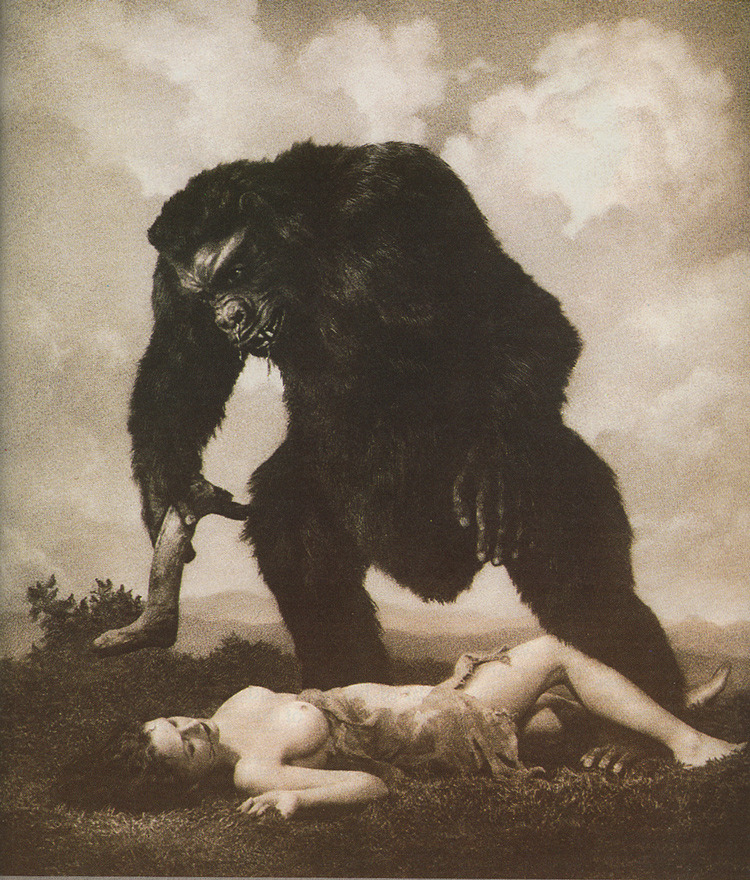
L’Amour ~ Love, 1935

William H. Mortensen :: L’Amour | Love, 1935. Manipulated photograph. An image from American Grotesque: the Life and Art of William Mortensen, published by Feral House. “Mortensen’s methods often made it hard to distinguish whether the results were photographs or not. He used traditional printmaking techniques, such as bromoiling, and developed many of his own. He would create composite images, scratch, scrape and draw on his prints, then apply a texture that made them look like etchings, thereby disguising his manipulations. Consequently, every print was unique.” quoted from source The Guardian
William H. Mortensen :: L’Amour | Love, 1935. Manipulated photograph. | src cargo collective | more [+] by this photographer

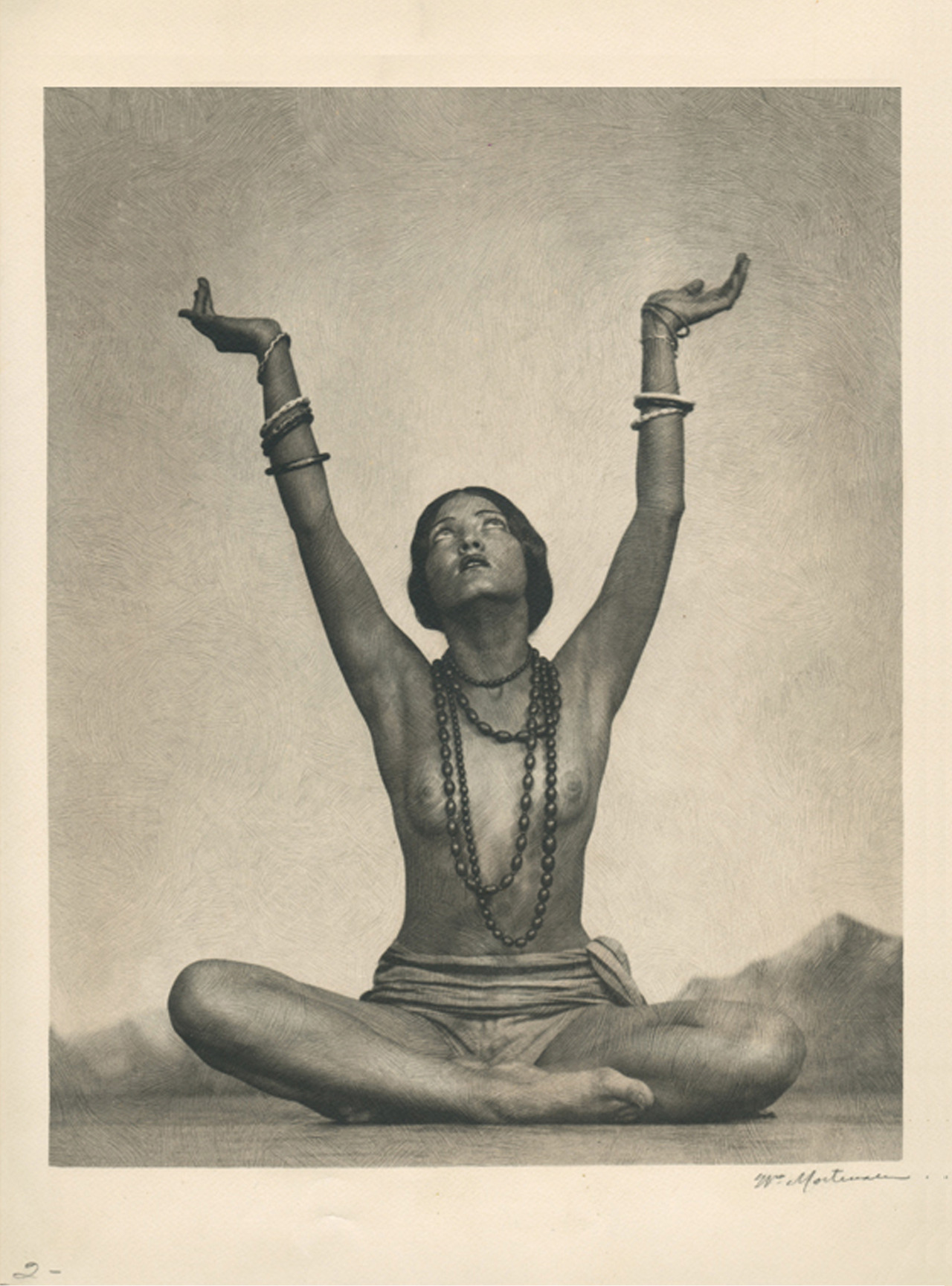
‘Caprice Vanois’, ca. 1924-1926

William H. Mortensen (1897 – 1965) :: ‘Caprice Vanois’, ca. 1924-1926. Manipulated photograph. Unique Print. | src whmortensen.com 
more [+] by this photographer