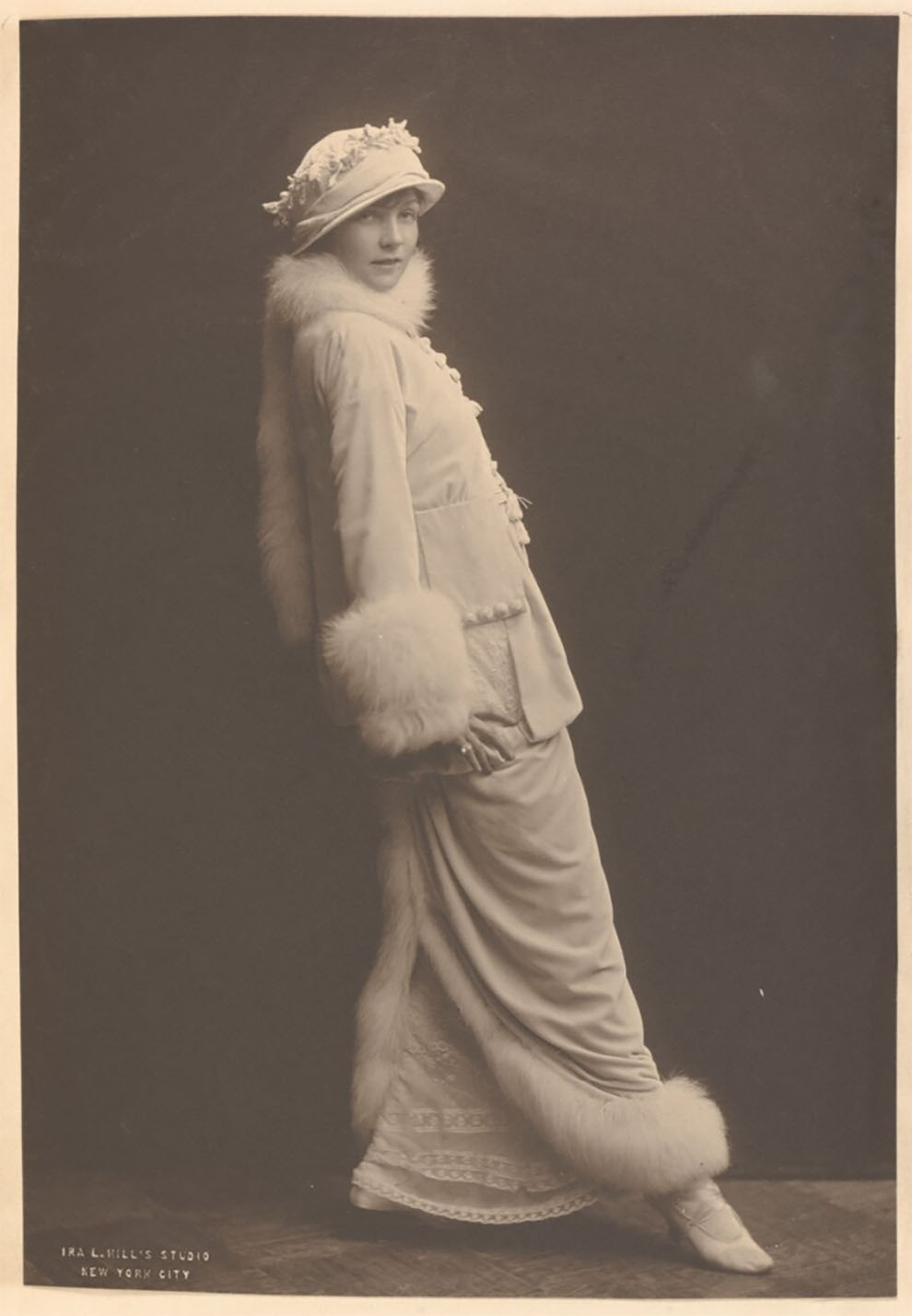
Irene Castle Corticelli Fashions

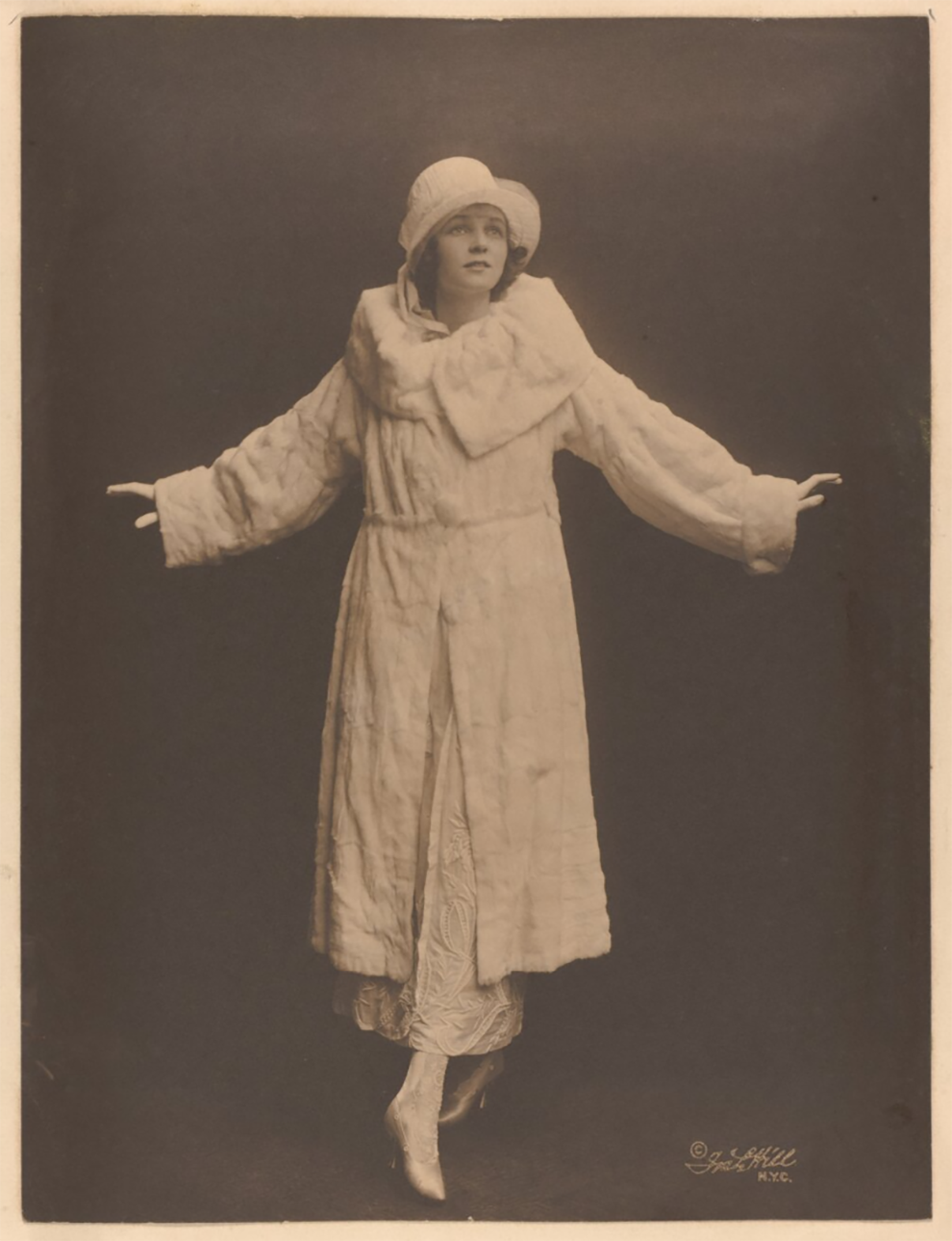
Ira Lawrence Hill :: Irene Castle Corticelli Fashions, 1910s | src Cornell University Library

Irene Castle Corticelli Fashions

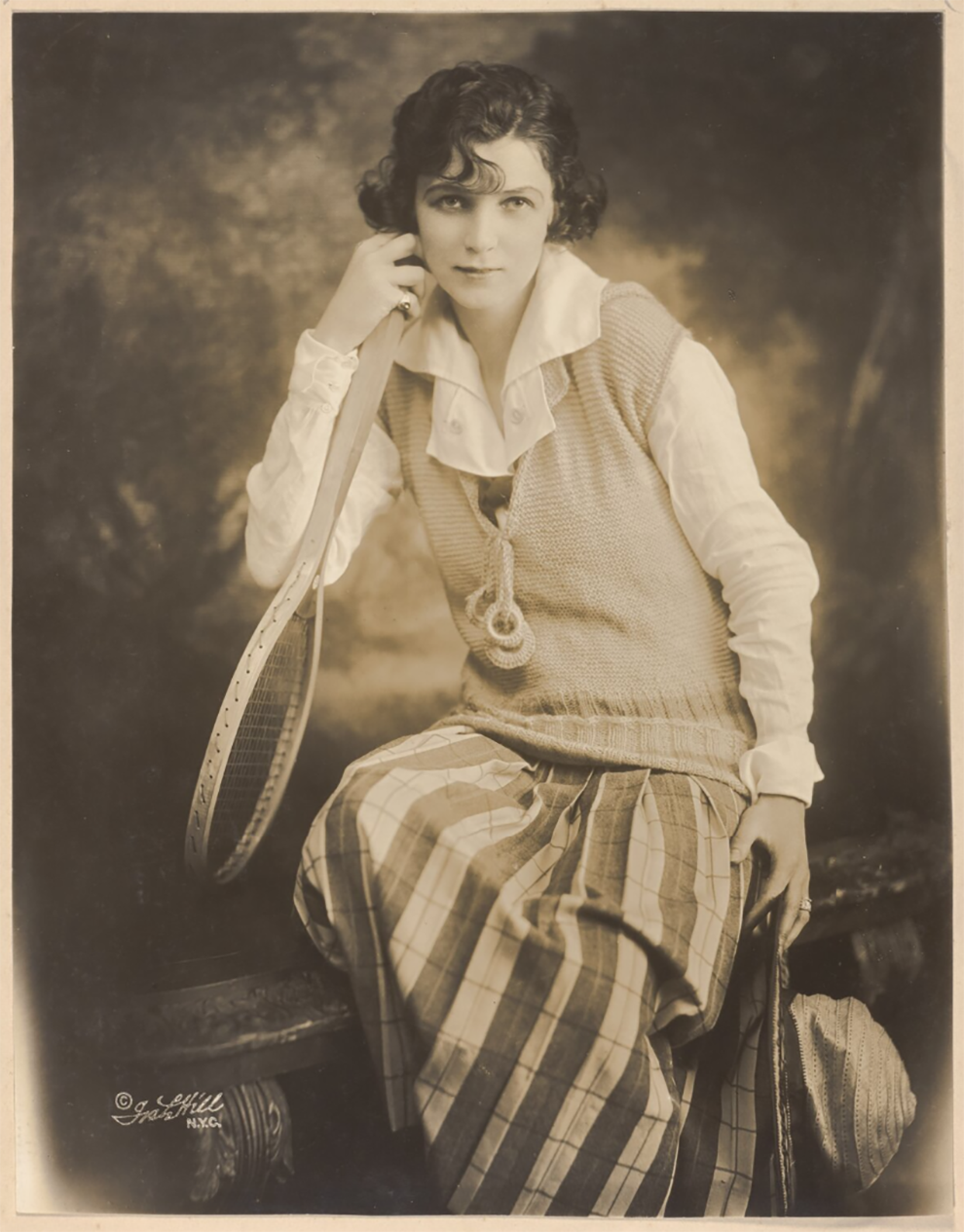
When Irene Castle formalized her relationship with Corticelli Silk Mills in 1917, she was at the height of her fame: she had recently filmed the serial Patria (1917) and celebrated the success of The Whirl of Life (1915); her co-authored best selling book, Modern Dancing (1914); and the Broadway hit Watch Your Step (1914). Irene was an arbiter of fashion, outfitted almost exclusively by Lady Duff Gordon and was voted the first “Best Dressed Woman in America.”

As early as 1914, silk companies like Mallison and Corticelli began using film actresses to promote their products; however, Castle was the first film star to create a line of clothing. The line launched in tandem with the serial, Patria, and Satin Patria was the fabric promoted in the early dress designs. Initially Lady Duff Gordon was the ghost designer, but as the fashion line developed Irene took over the creative side and Corticelli advertisements emphasized her role as designer. In reality, Irene remembered in her memoirs, “I had an endorsement contract with the Corticelli Silk Company which required very little of me. I helped them design the clothes.” In the later advertisements, Corticelli claimed that the dresses were duplicates from Irene’s wardrobe. “The same delightful effect of quality which distinguishes the wraps and frocks of ‘America’s Best Dressed Woman’ is found in every ‘Irene Castle Exclusive Model,’ read a 1923 advertisement. Fall/Winter 1927 was the last season of Irene Castle Corticelli Fashions and the Corticelli Silk Mill would close soon after the start of the Great Depression. [quoted from Cornell University Library]
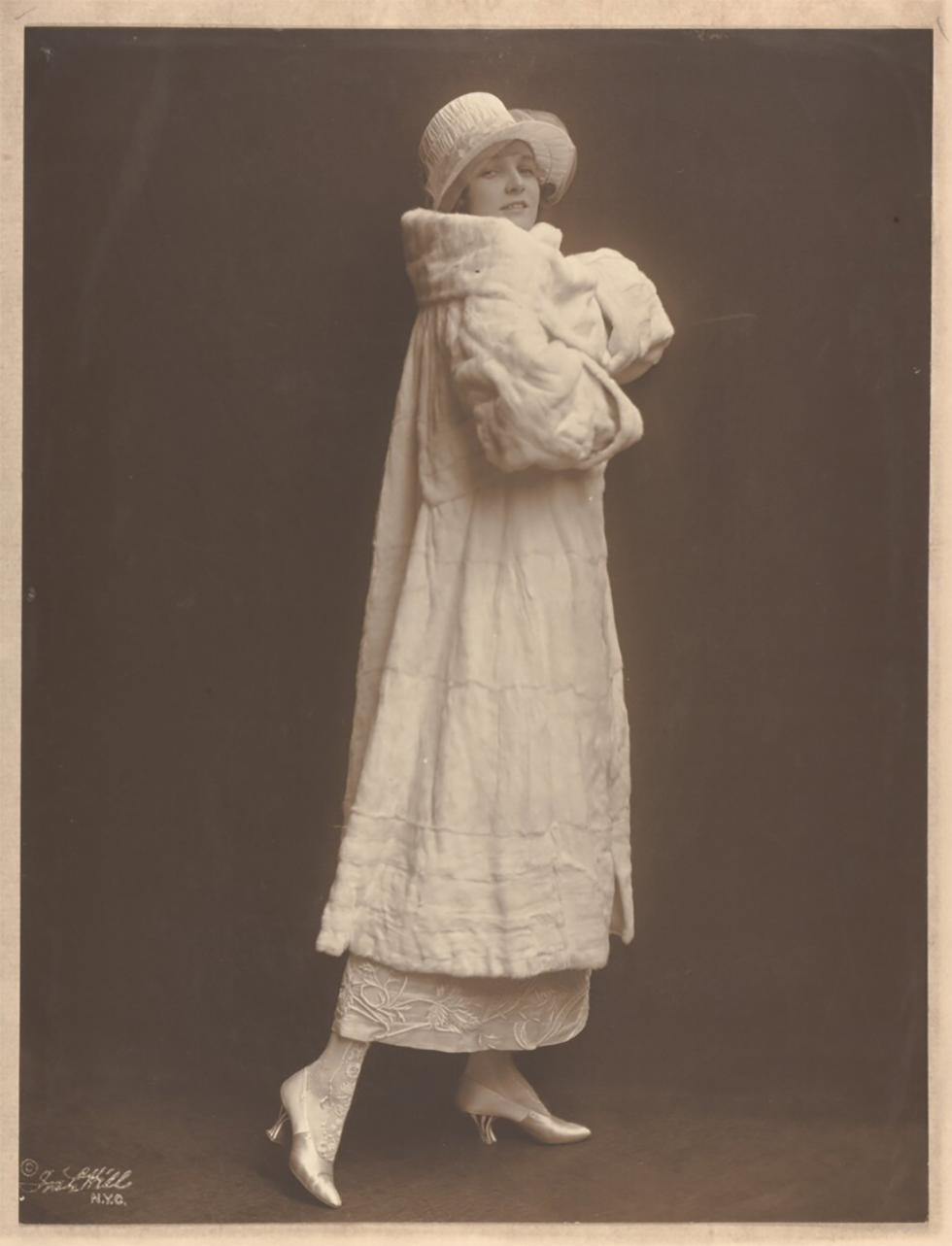
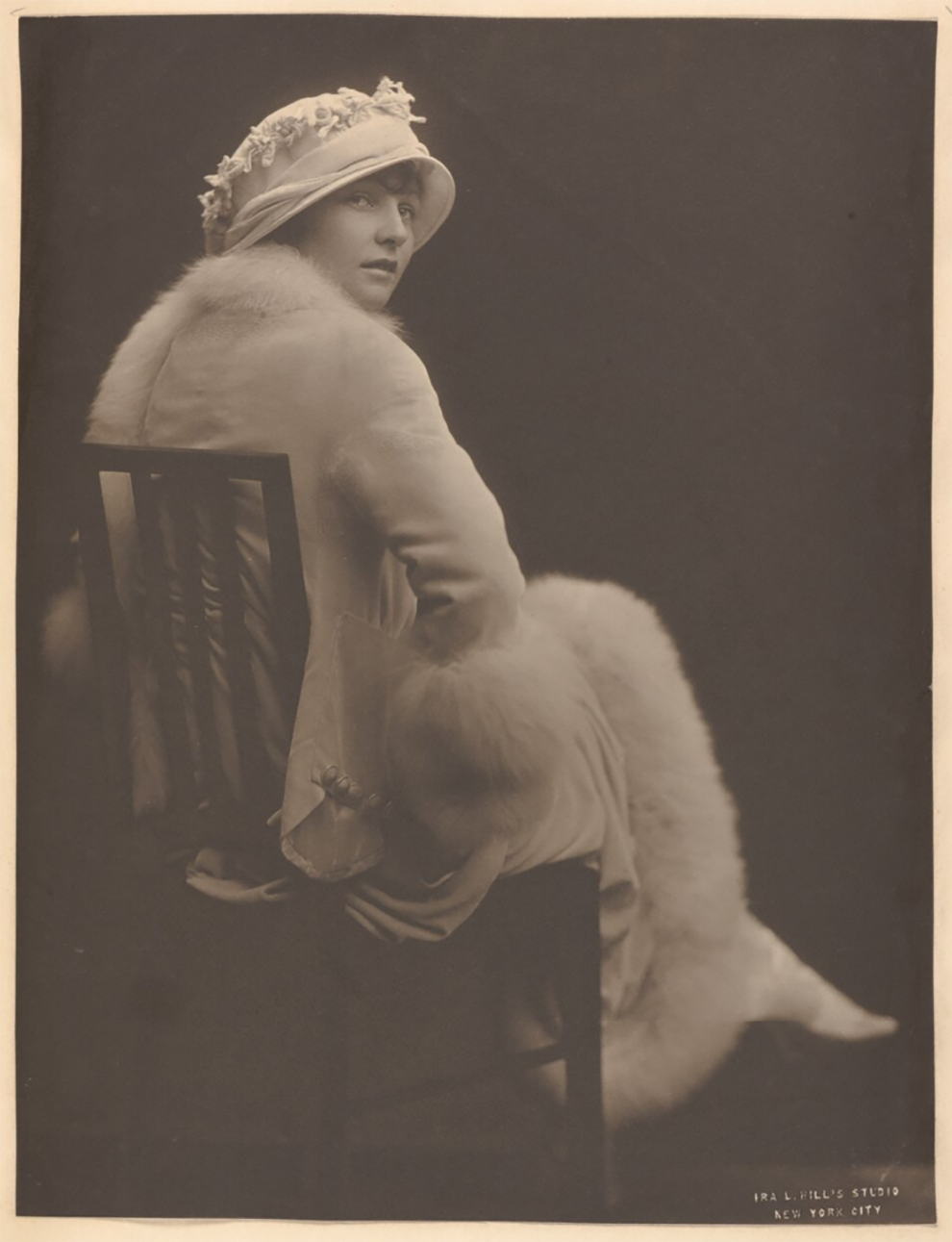
Ira Lawrence Hill :: Irene Castle Corticelli Fashions, 1910s | src Cornell University Library
Ira Lawrence Hill :: Irene Castle. Corticelli Fashion photos, 1910s | src Cornell University Library

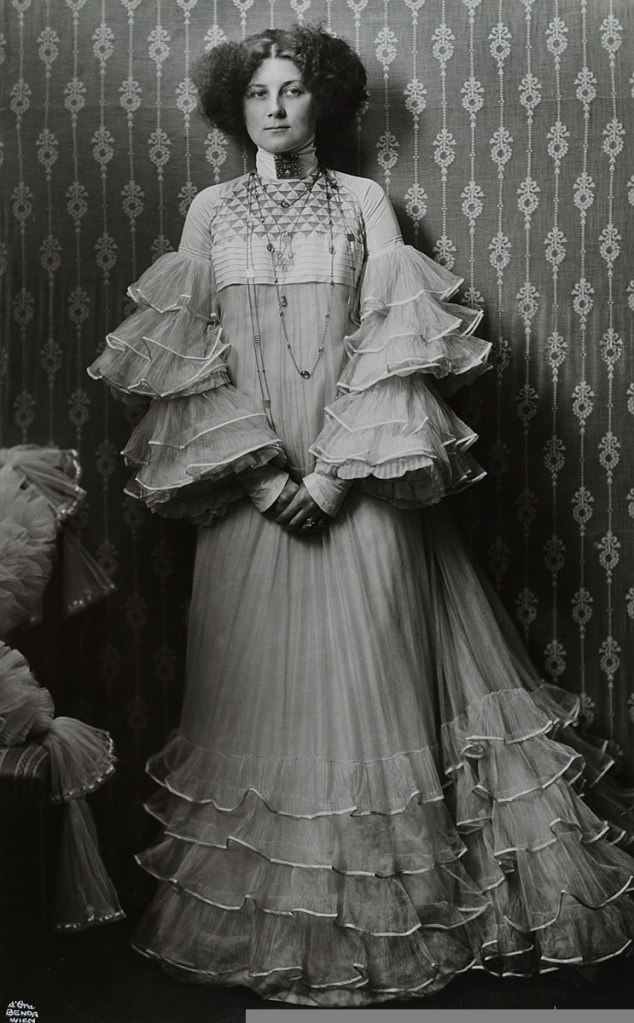
Emilie Flöge, 1909

Atelier d’Ora – Benda :: Emilie Flöge, Wien, 1909. Inhaberin des Moden-Salons ‘Schwestern Flöge’ (Flöge Sisters). Das dreieckige Dekor, oben auf dem Kleid ist nach einem Entwurf von Prof. Kolo Moser. Die Dame ist sehr oft von Maler Prof. Klimt gemalt geworden. | src MK&G

Modeschöpferin Emilie Flöge

Atelier d’Ora – Benda :: Die Modeschöpferin Emilie Flöge in einem ihrer Kleider mit den Kolo-Moser-Motiven, 1908. | Fashion designer Emilie Flöge in one of her dresses with Kolo Moser motifs, 1908. | src MK&G (Staatliche Landesbildstelle Hamburg)

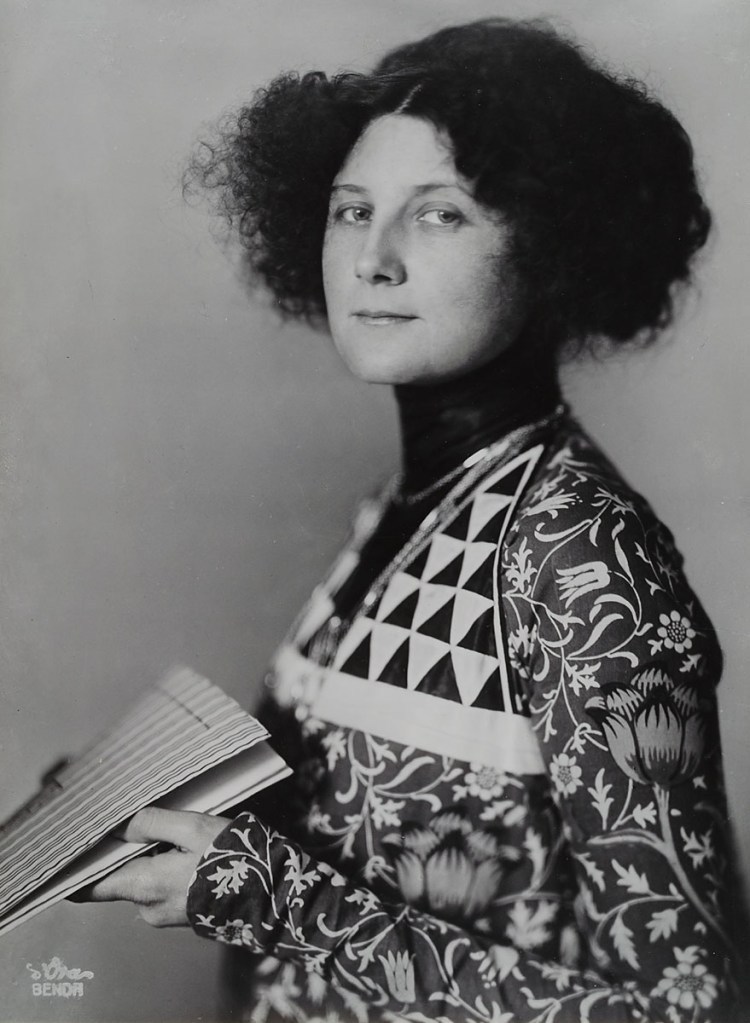
Emilie Flöge, February 1909

Atelier d’Ora – Benda :: Bildnis Emilie Flöge in einem Reformkleid, 02-1909. Schwarz-Weiß-Negativ. | src ÖNB

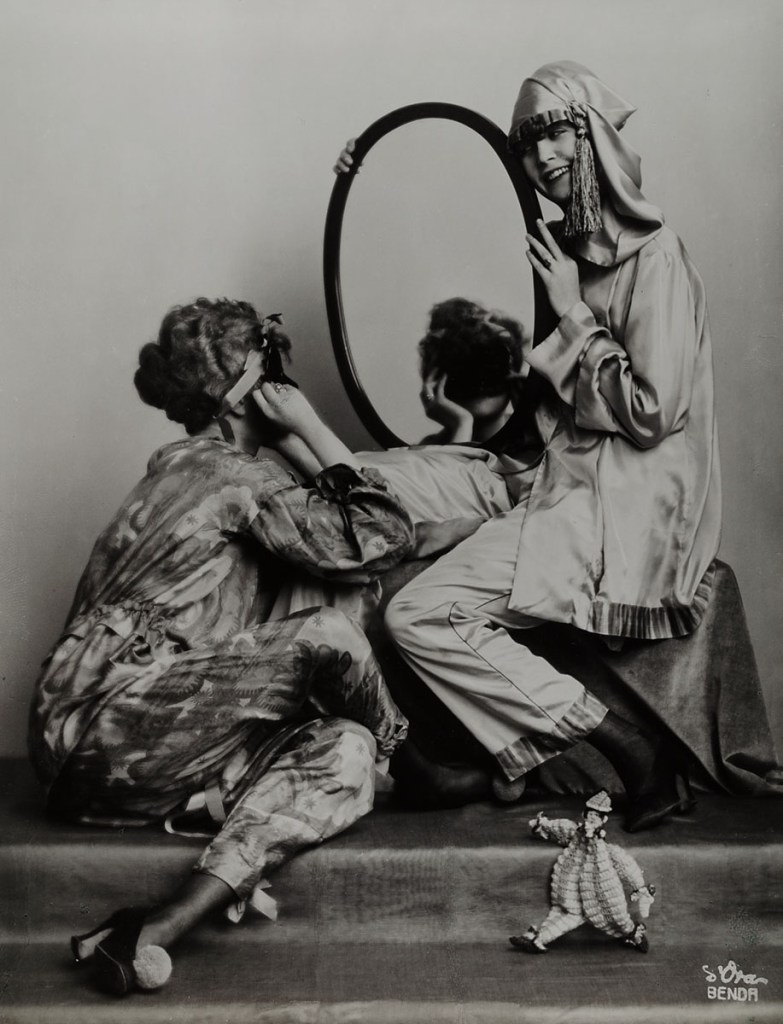
Carmen Cartellieri in Morgenkleid, 1919

Atelier d’Ora – Benda :: Carmen Cartellieri in einem Morgenkleid der Wiener Werkstätte (Entwurf Eduard Josef Wimmer-Wisgrill), Wien, 1919. | src MK&G

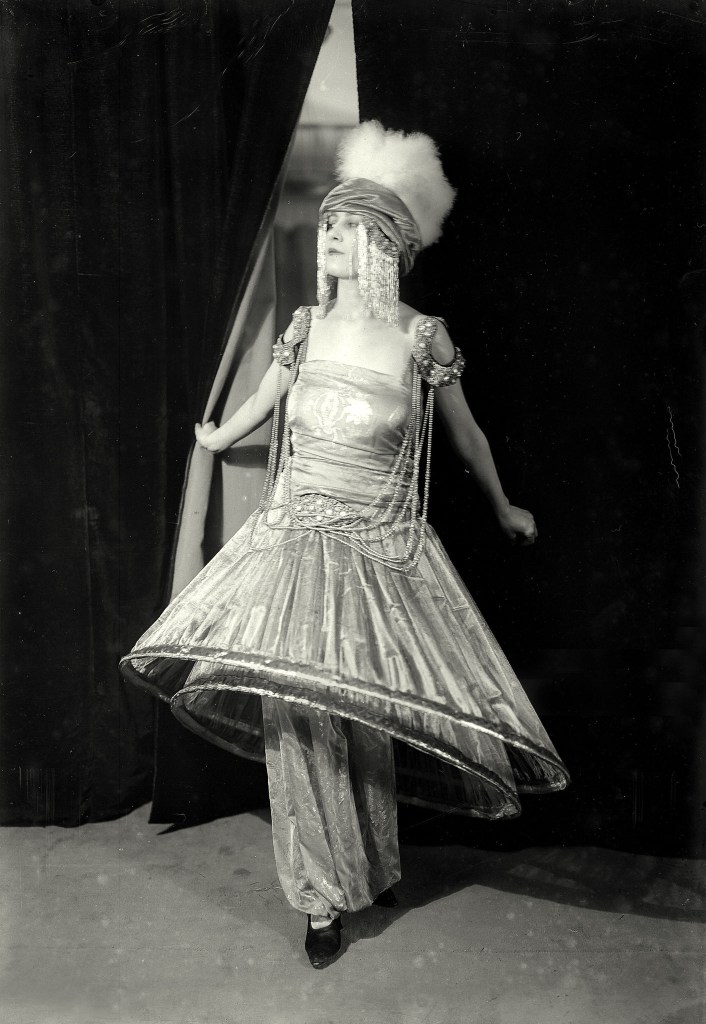
Oriental dress for «Le Minaret»

Boris Lipnitzki :: Paul Poiret’s oriental dress for the play “The Minaret” as displayed in 1923 in Paris, France. (© Roger Viollet) | src and hi-res Getty Images

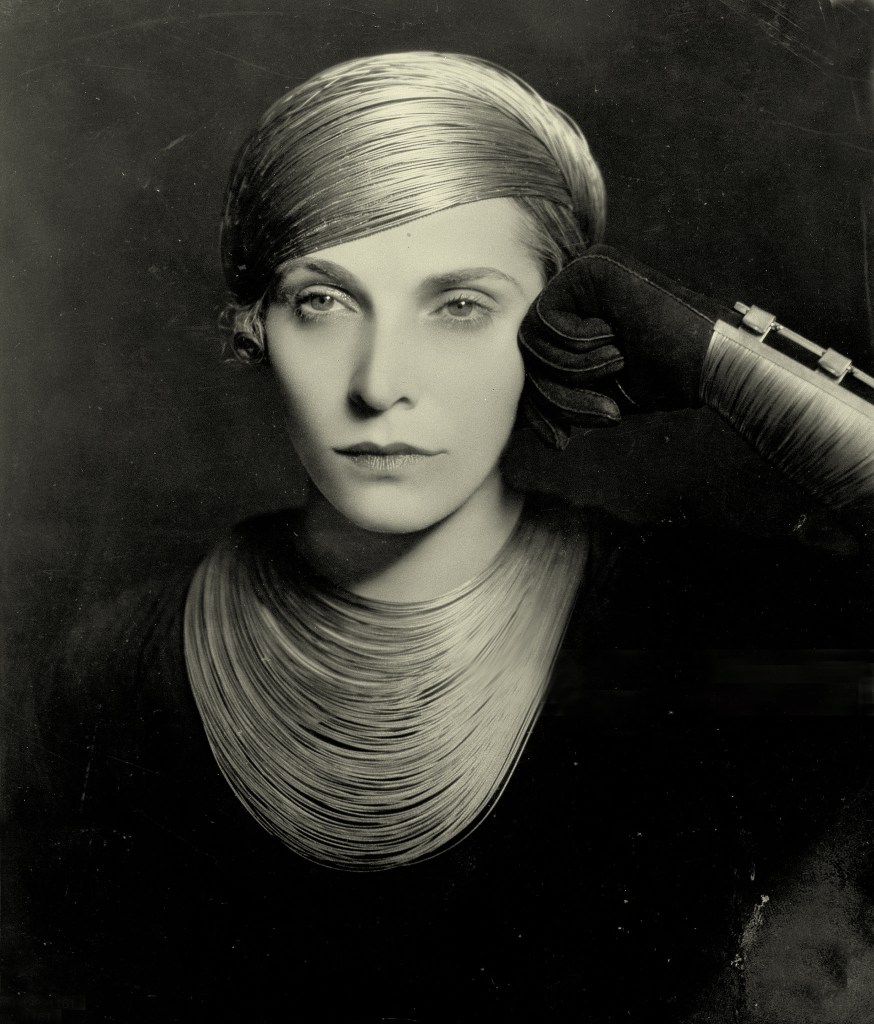
Jewelry by Suzanne Farnier, 1933

Atelier d’Ora ~ Benda :: Mrs. Karton wearing a turban, necklace, and wide bracelet of platinum gold threads designed by Suzanne Farnier, Paris, 1933. Published in ‘Die Dame’ 32/1933. | src and hi-res Getty Images

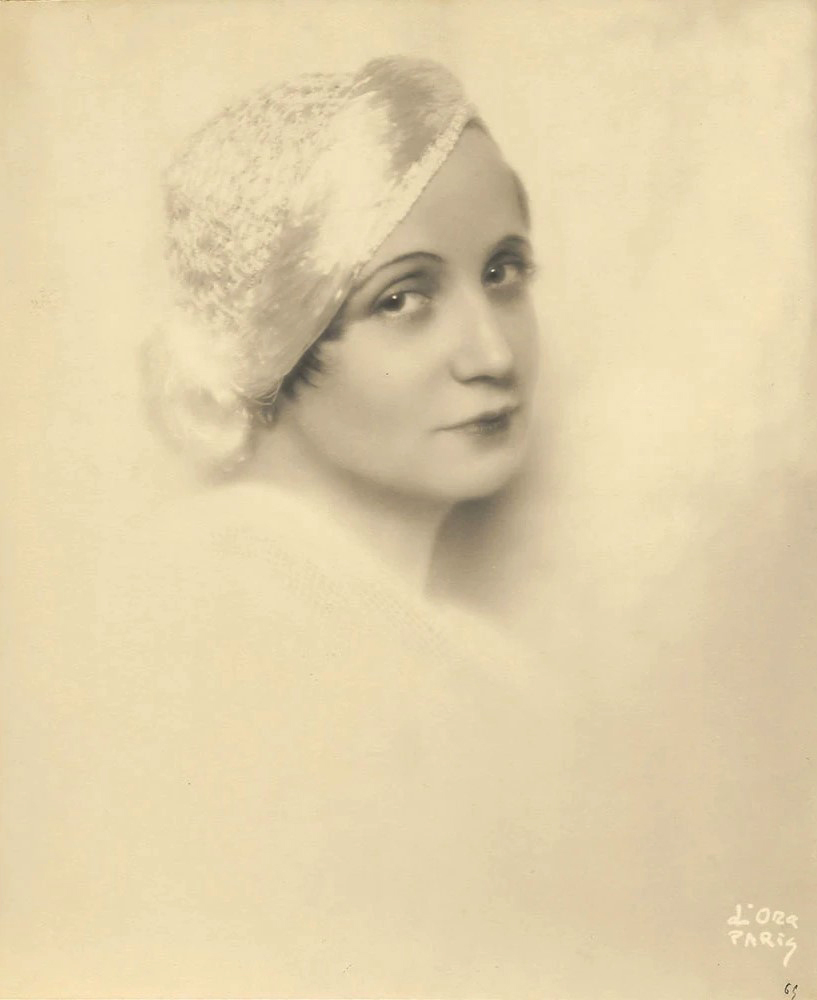
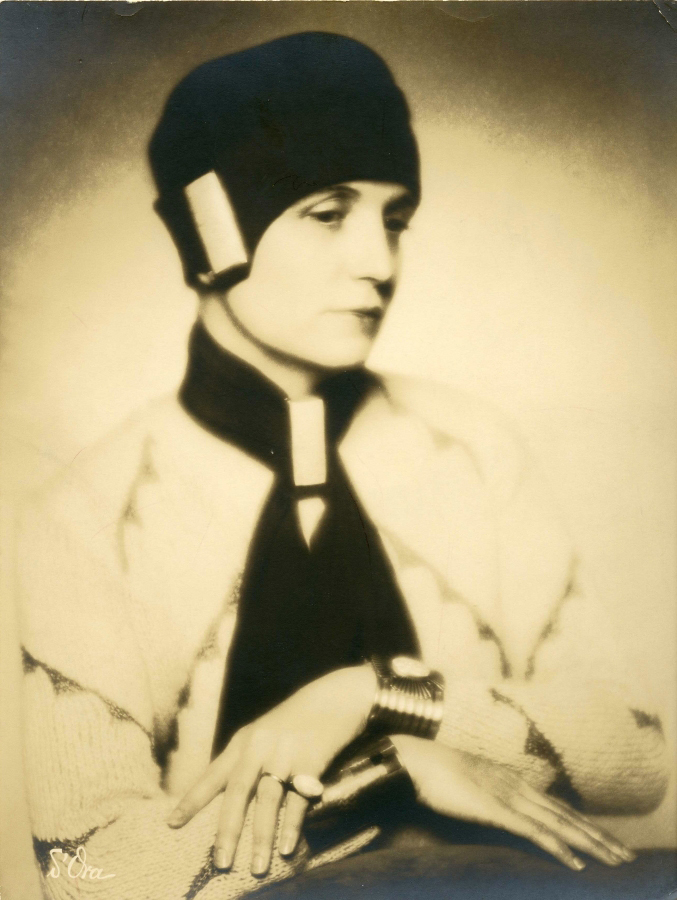
Madame Agnès Rittener, 1931

Madame d’Ora (Dora Kallmus) :: Agnès Rittener. Portrait de la modiste coiffée d’un chapeau en paille de soie, Mai 1931. | Agnès Rittener. Portrait of the milliner wearing a silk straw hat, May 1931. | src Diktats

Agnès Rittener, 1929

Madame d’Ora (Dora Kallmus) :: La modiste Agnès Rittener, 1929. | src auction.fr