
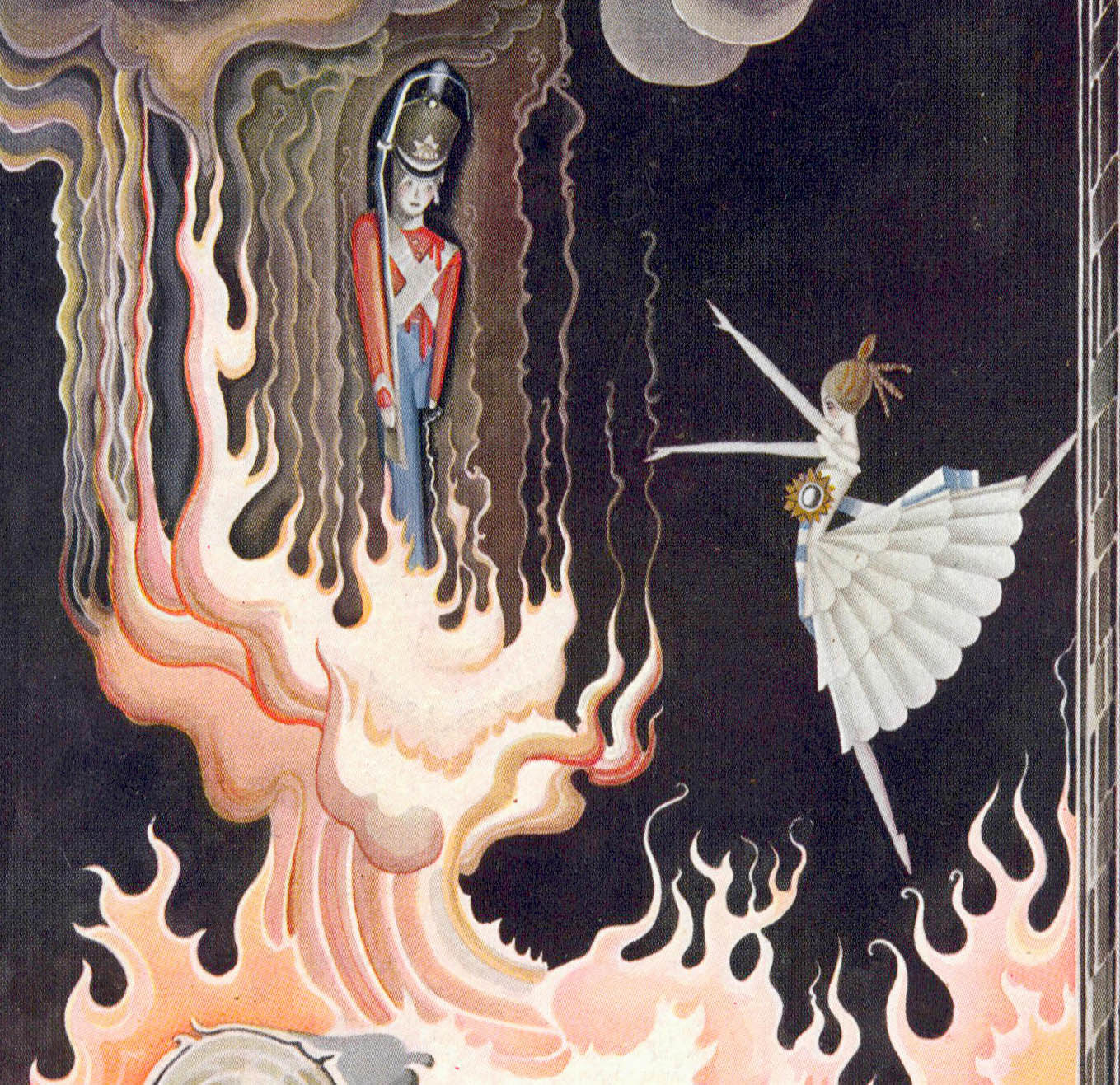
The draught of air caught the dancer, and she flew like a sylph just into the stove to the tin soldier. [The Tin Soldier and the Dancer ~ The Brave Tin Soldier ~ The Hardy Tin Soldier (1838)]

images that haunt us
The draught of air caught the dancer, and she flew like a sylph just into the stove to the tin soldier. [The Tin Soldier and the Dancer ~ The Brave Tin Soldier ~ The Hardy Tin Soldier (1838)]
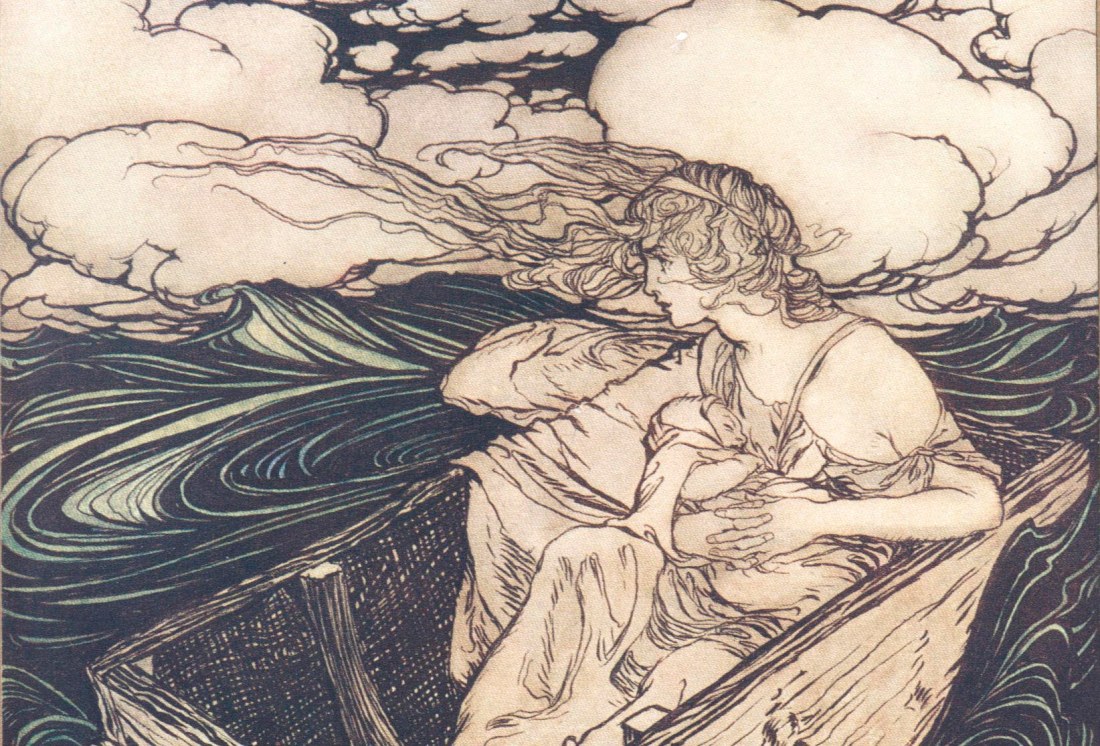


You could spend hours marveling at Arthur Rackham’s work. The legendary illustrator, born on September 19, 1867, was incredibly prolific, and his interpretations of Peter Pan, The Wind in the Willows, Grimm’s Fairy Tales, A Midsummer Night’s Dream, and Rip Van Winkle (to name but a few) have helped create our collective idea of those stories.
Rackham is perhaps the most famous of the group of artists who defined the Golden Age of Illustration, the early twentieth-century period in which technical innovations allowed for better printing and people still had the money to spend on fancy editions. Although Rackham had to spend the early years of his career doing what he called “much distasteful hack work,” he was famous—and even collected—in his own time. He married the artist Edith Starkie in 1900, and she apparently helped him develop his signature watercolor technique. From the publication of his Rip Van Winkle in 1905, his talents were always in high demand.
He had the advantage of a canny publisher, too, in William Heinemann. Before the release of each book, Rackham would exhibit the original illustrations at London’s Leicester Galleries, and sell many of the paintings. Meanwhile, Heinnemann had the notion to corner multiple markets by releasing both clothbound trade books and small numbers of signed, expensively bound, gilt-edged collectors’ editions. When the British economy flagged, Rackham turned his attention to Americans, producing illustrations for Washington Irving’s The Legend of Sleepy Hollow and later Poe’s Tales of Mystery and Imagination.
Pragmatic he may have been, but Rackham’s detailed work is pure fantasy, alternately beautiful, romantic, haunting, and sinister. Nothing he did was ever truly ugly, although he could certainly communicate the grotesque. And his illustrations are never cute, although his animals—as in The Wind in the Willows—have a naturalist’s vividness, and he could do whimsy (think Alice in Wonderland, or his many goblins) with the best of them. Several generations of children grew up with this nuanced beauty; it’s probably wielded even more of an aesthetic influence than we attribute to it.
Rackham once said, “Like the sundial, my paint box counts no hours but sunny ones.” This is peculiar when one considers the moodiness of much of his palate, and the unflinching darkness of many of his illustrations. I think, rather, of a quote from his edition of Brothers Grimm: “Evil is also not anything small or close to home, and not the worst; otherwise one could grow accustomed to it.” He made that evil beautiful, too, and it was this as much as anything that enchanted. By Sadie Stein for The Paris Review Blog

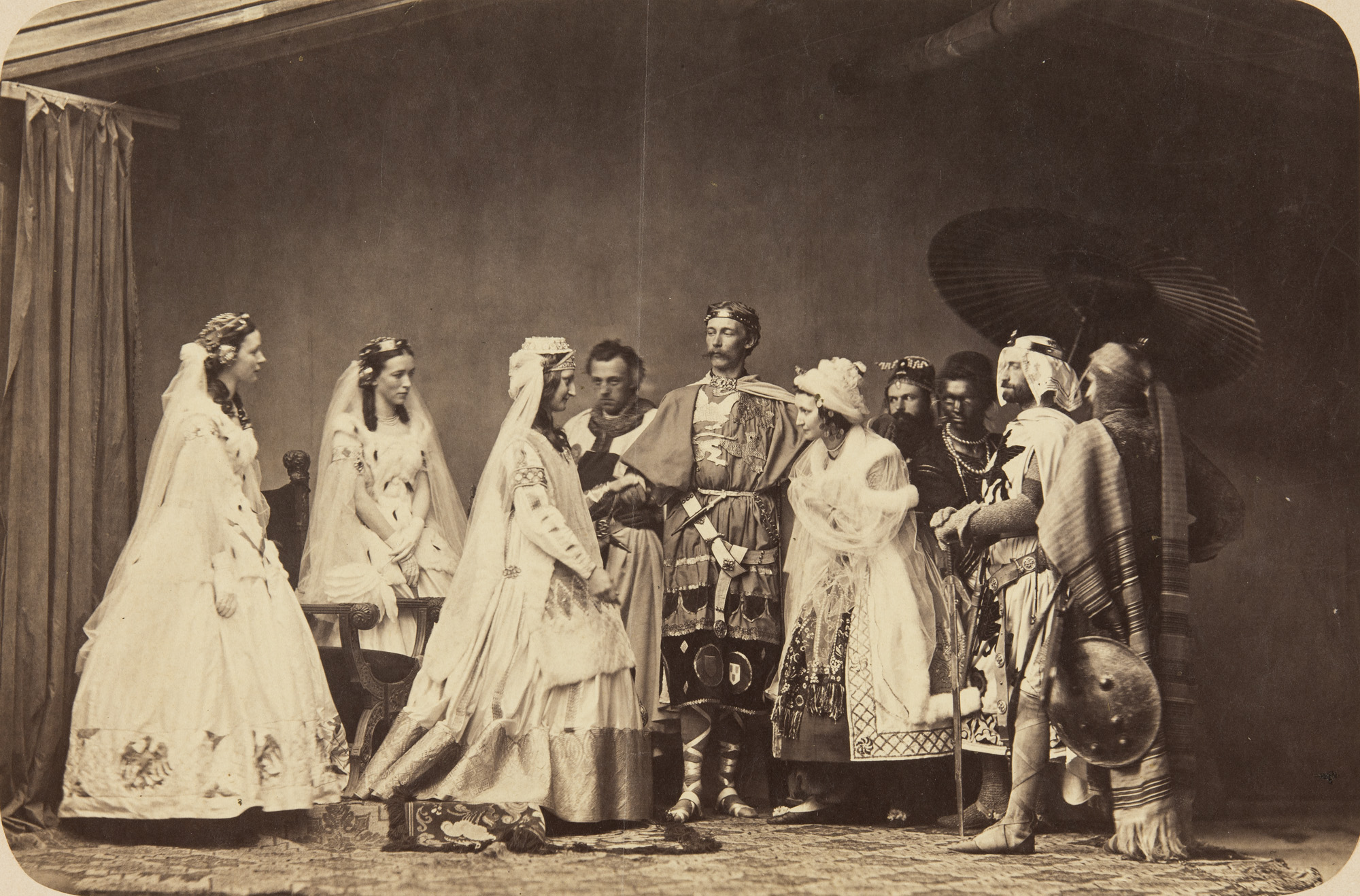

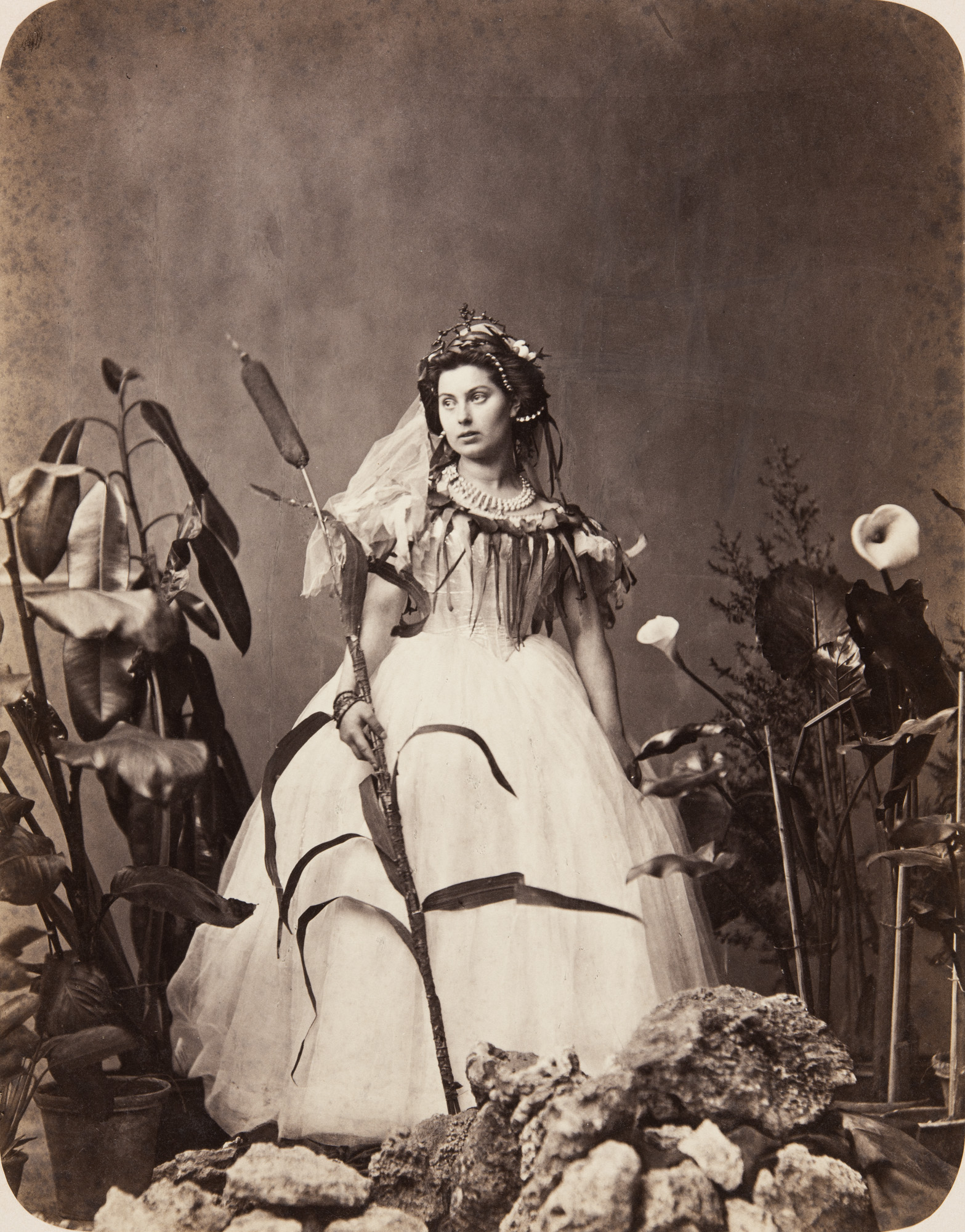
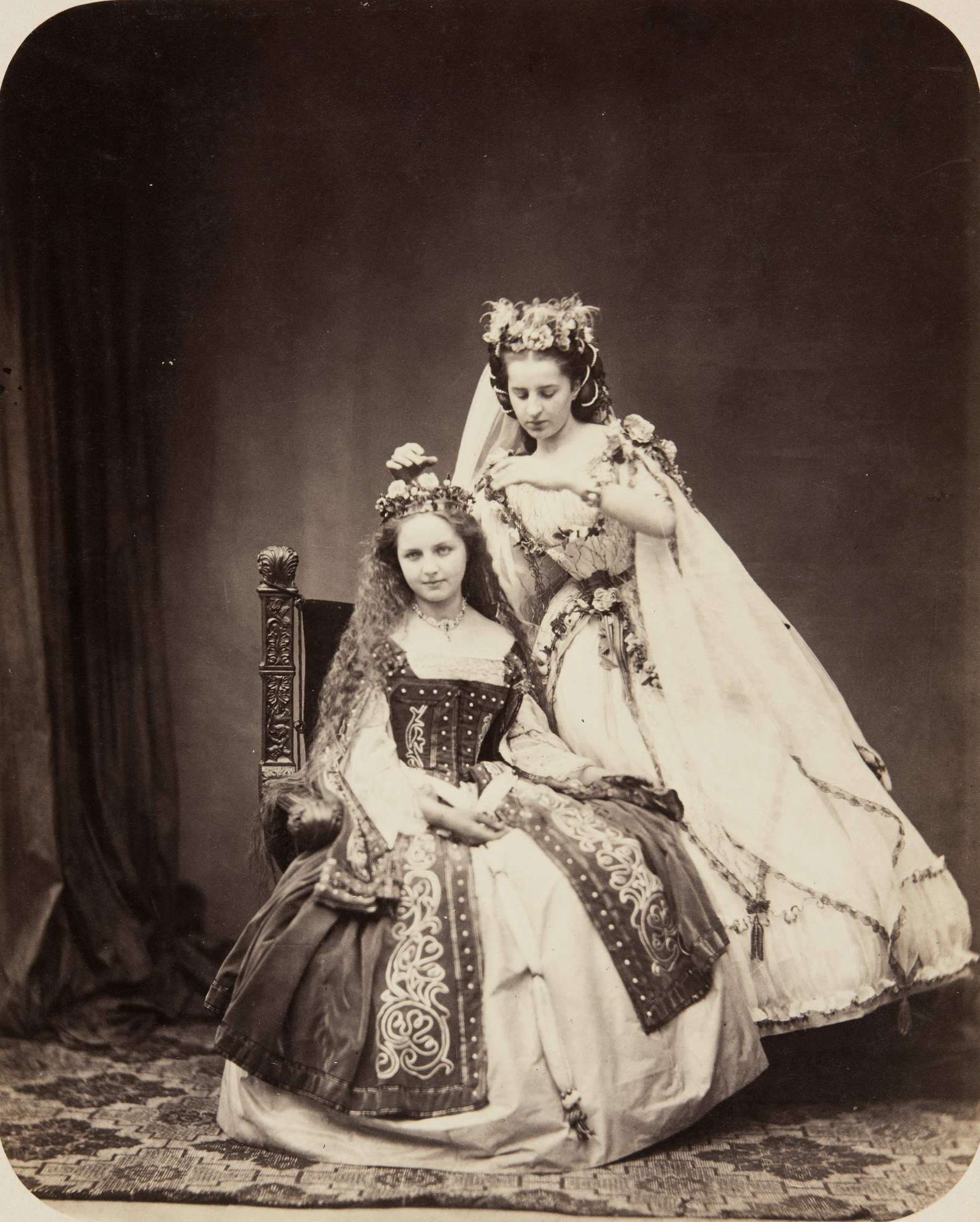
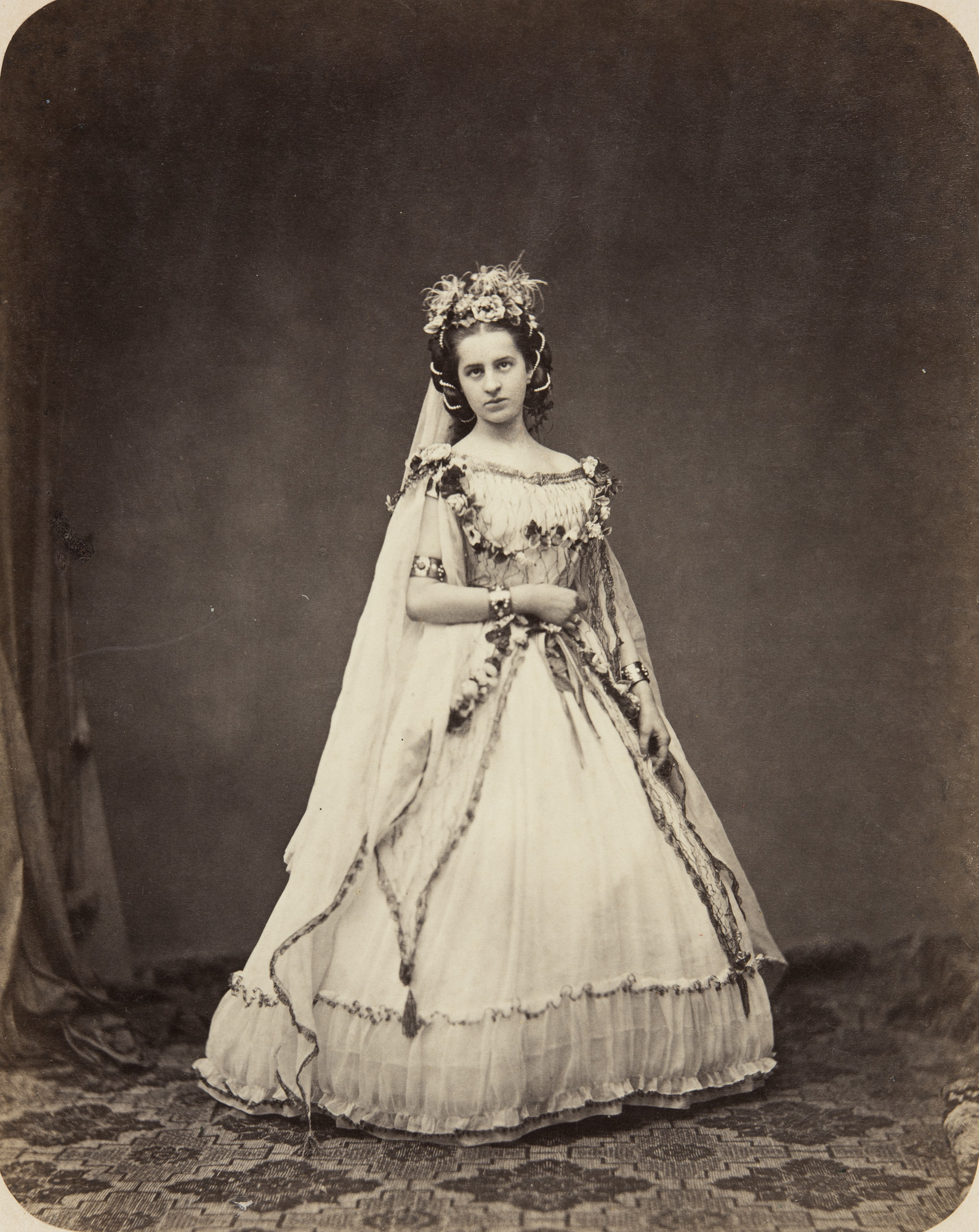
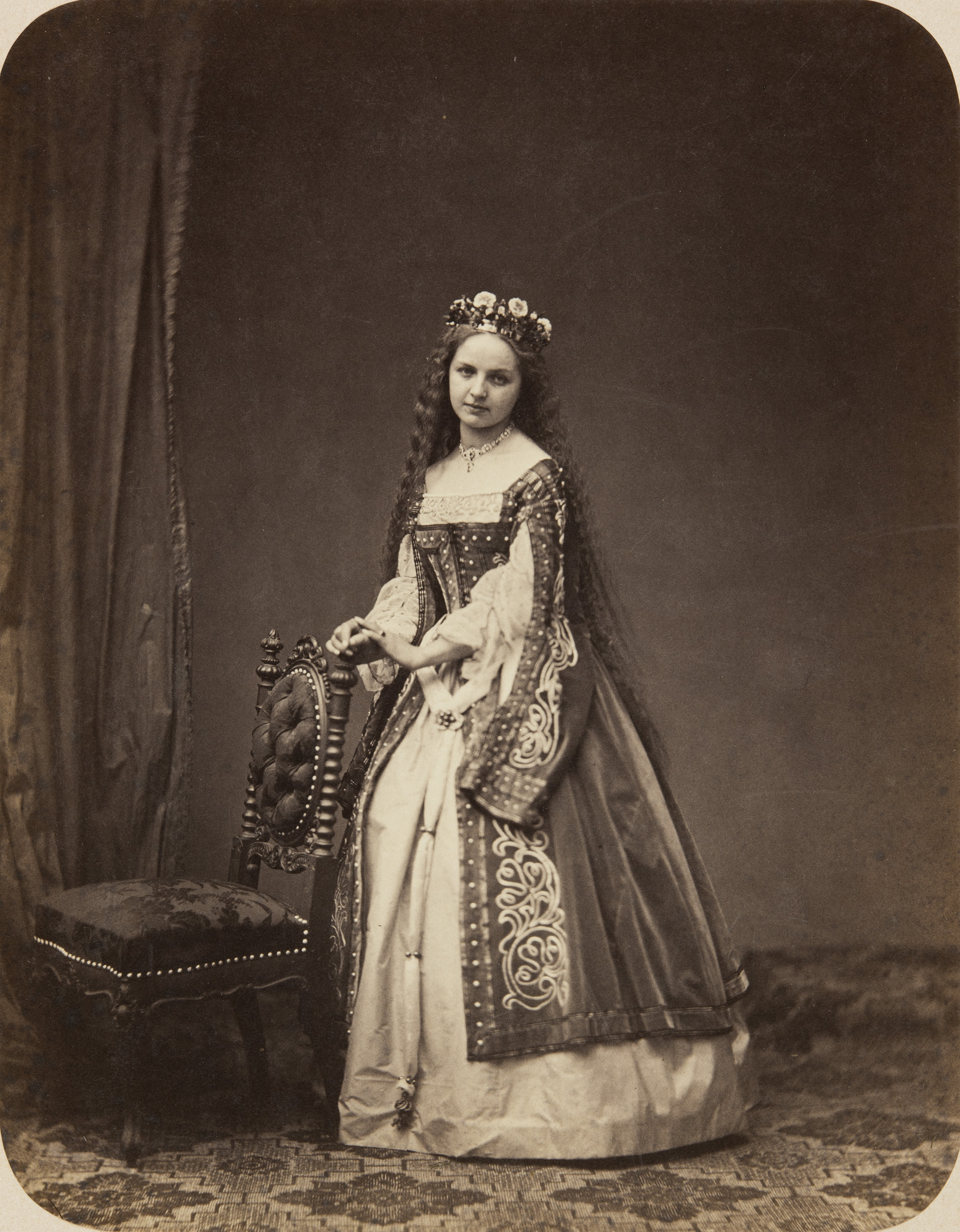
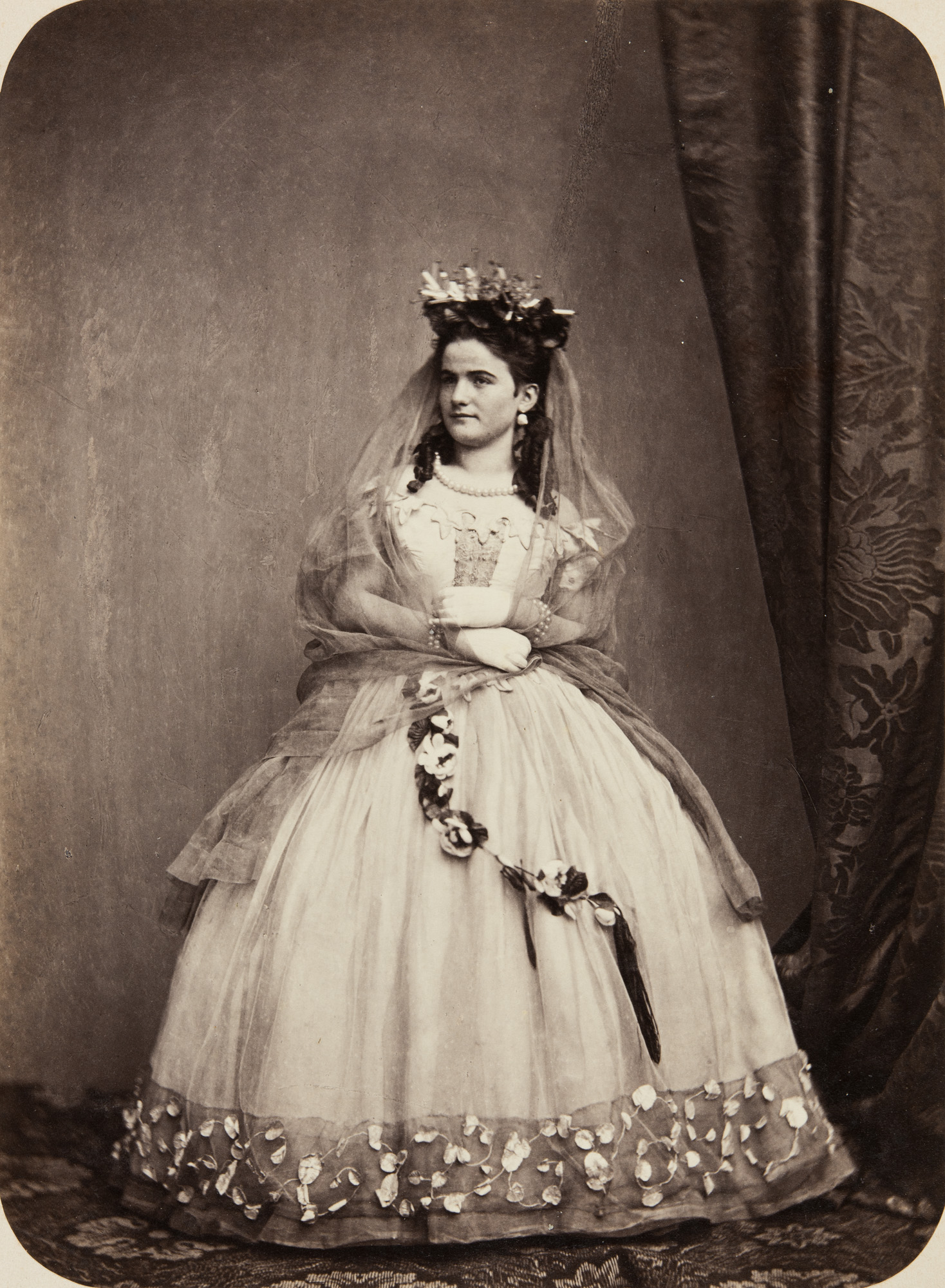
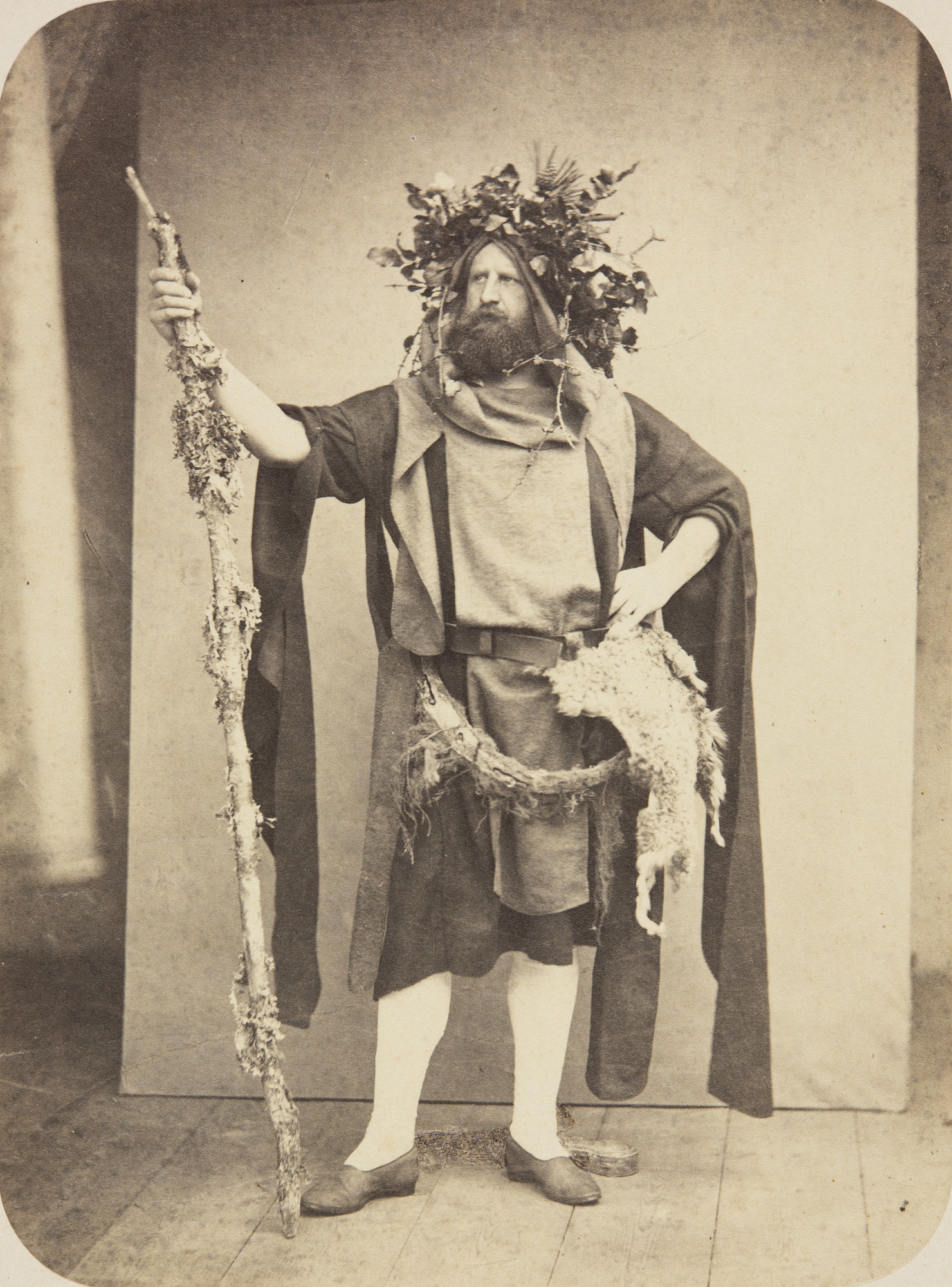
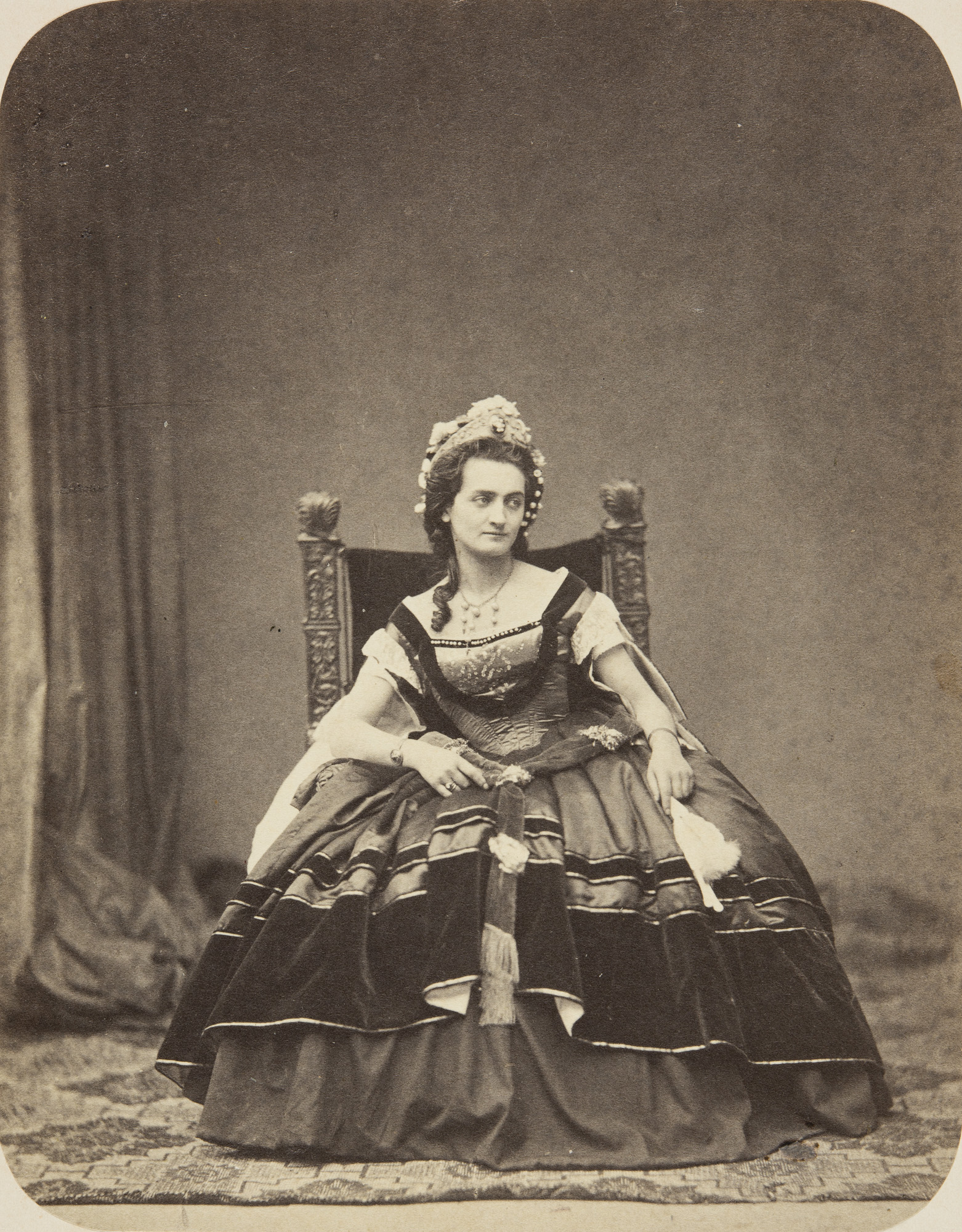
Von Künstlervereinigungen ausgerichtete Maskenfeste waren im 19. Jahrhundert in München überaus populär. Zu den frühen Aufnahmen dieser speziellen Festkultur zählen die fast surreal anmutenden, rund 30 Gruppen- und Einzelporträts, die der Fotograf Joseph Albert (1825–1886) von den Teilnehmenden am Maskenfest “Die Märchen” schuf. Das von der Vereinigung “Jung-München” veranstaltete Fest fand in der Faschingszeit am 15. Februar 1862 statt, geladen wurde in das königliche Odeon, zahlreiche Mitglieder der bayerischen Königsfamilie nahmen daran teil, darunter auch der spätere “Märchenkönig” Ludwig II.
Die Kostüme entsprachen der Vorliebe der Zeit für das mittelalterliche und märchenhafte Genre, das sich auch in der Kunst der Epoche widerspiegelte. Zu den dargestellten Märchen gehörten “Kindermärchen” wie “Hänsel und Gretel”, “Waldmärchen” wie “Rotkäppchen” oder auch “Thiermärchen” wie der “Gestiefelte Kater” oder “Hase und Igel”. Für den Fotografen Albert präsentierten sich die Kostümierten abseits des Geschehens entweder allein in typisch nachempfundener Pose oder zu mehreren für ausgewählte Szenen in der Tradition “lebender Bilder”, den sogenannten “tableaux vivants”. [quoted from : Münchner Stadtmuseum ~ Sammlung Dietmar Siegert]
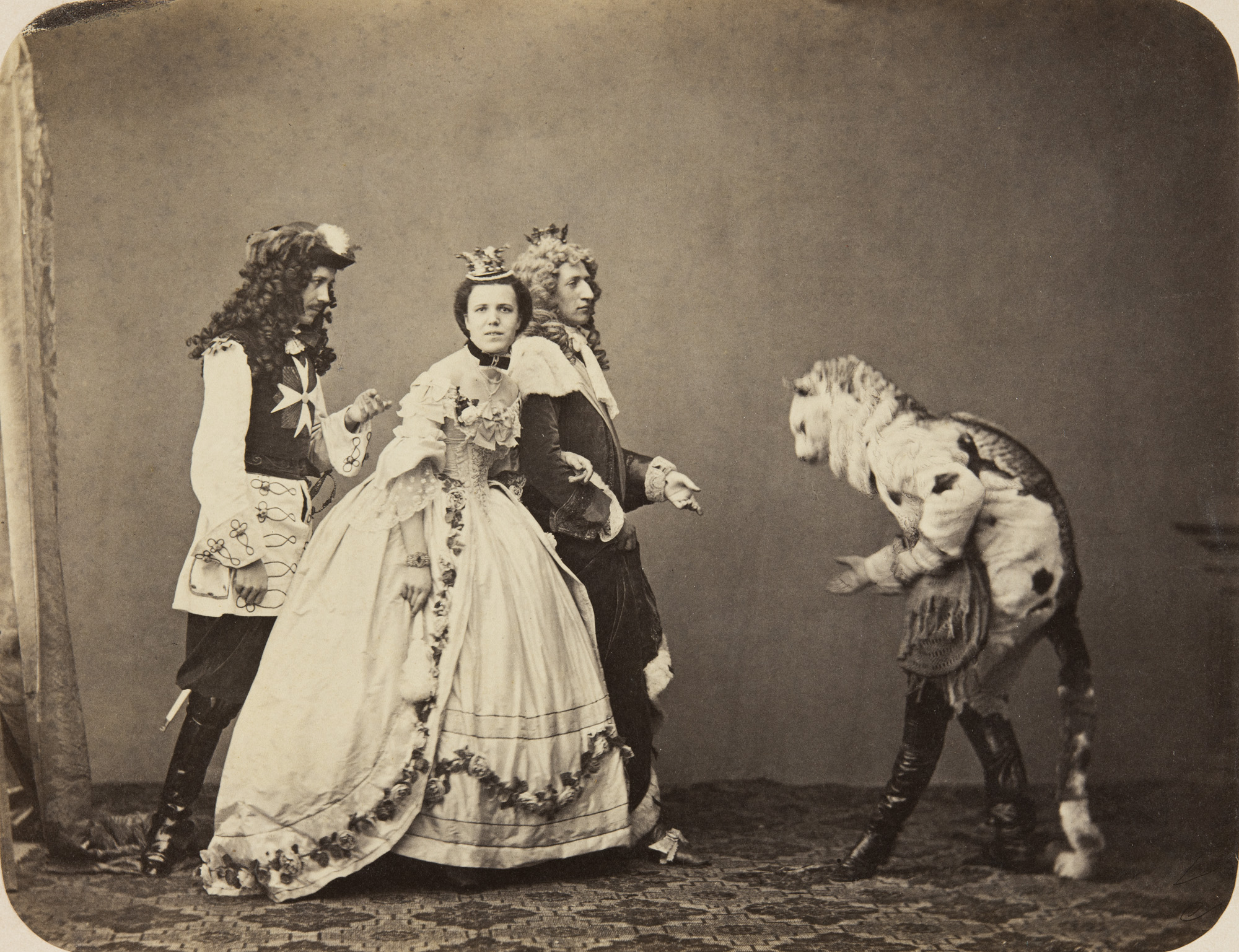
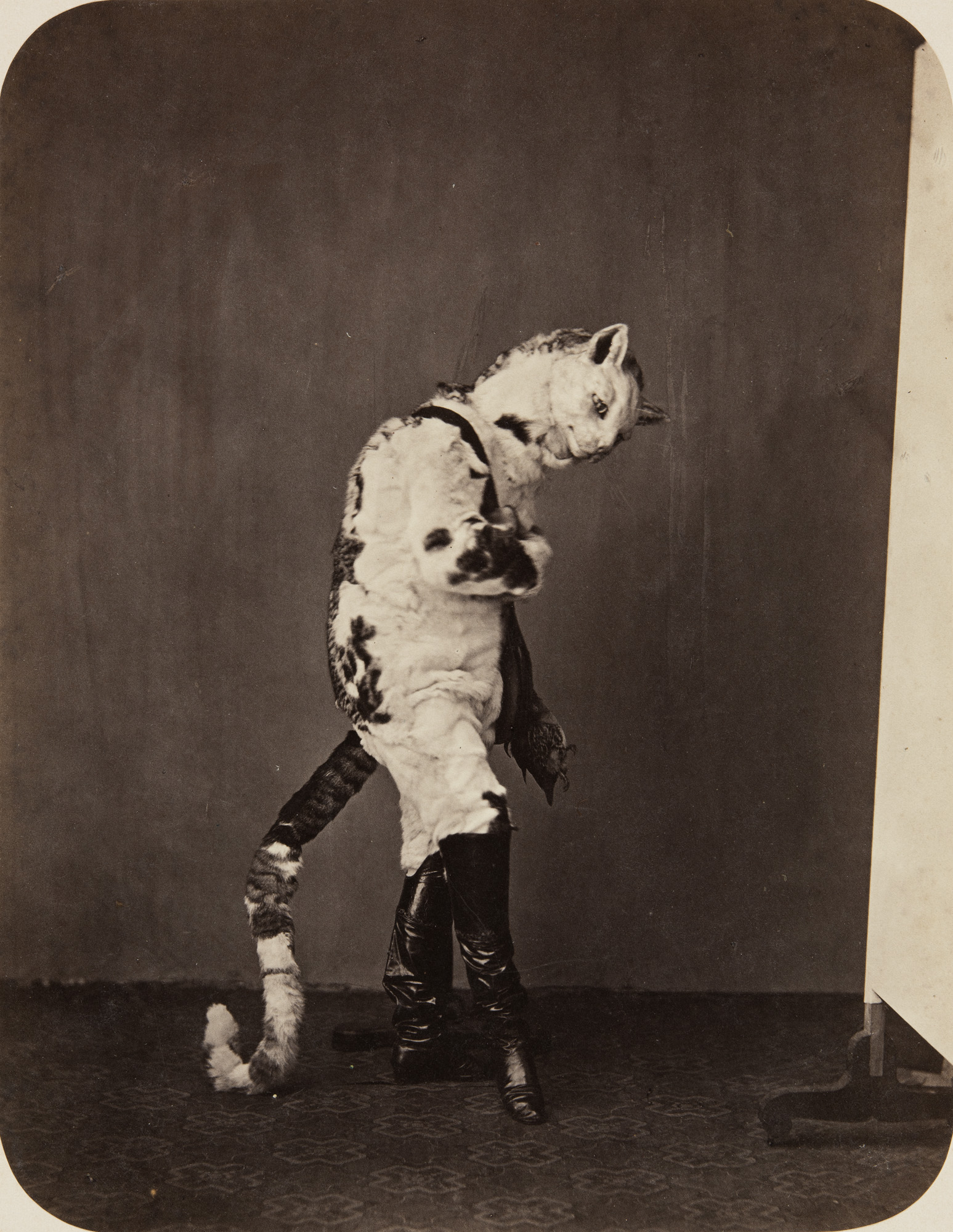
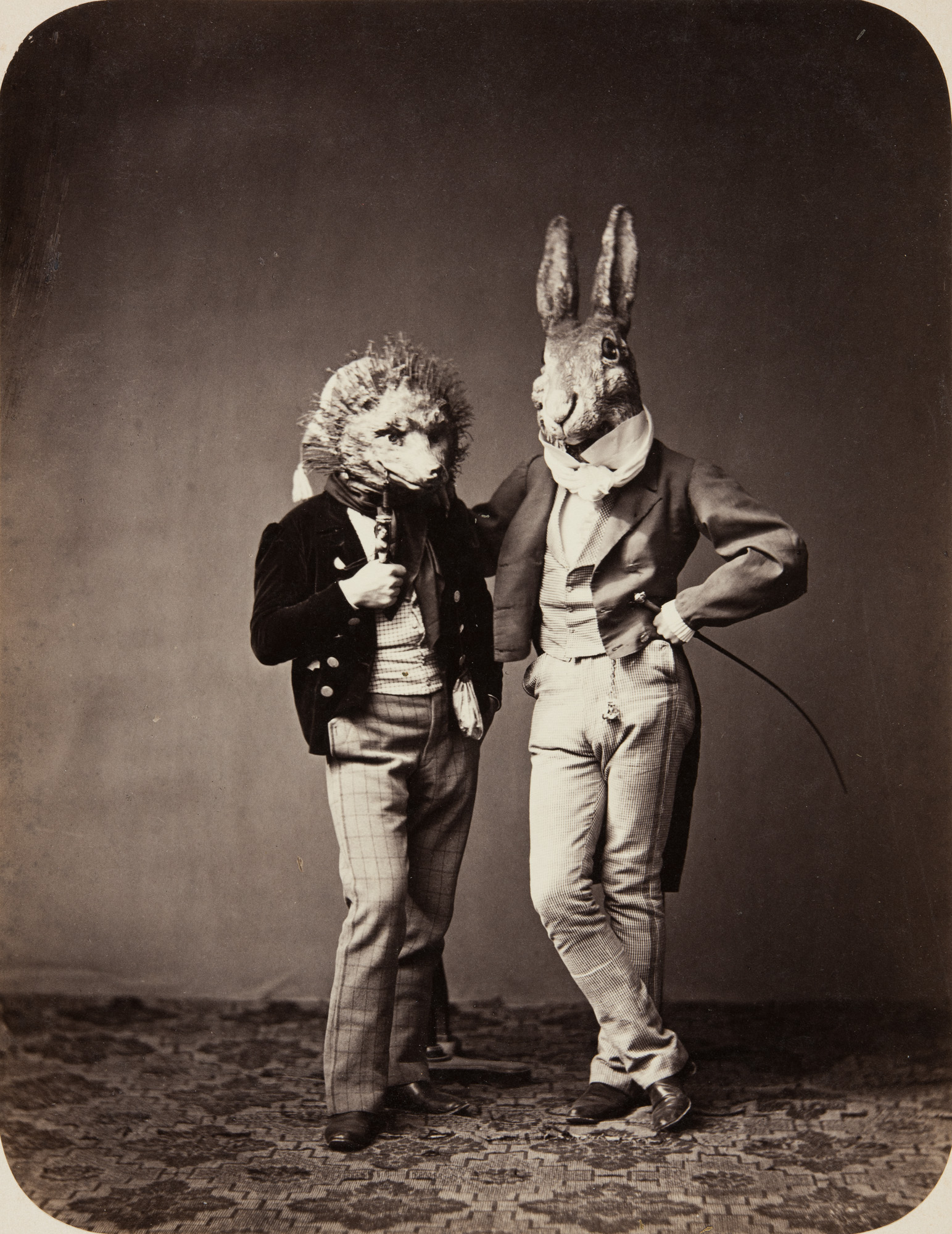
Mask festivals organized by artists’ associations were extremely popular in Munich in the 19th century. The early photographs of this festival culture include these almost surreal-looking images: around thirty group and individual portraits that the photographer Joseph Albert (1825-1886) created of the participants in the masked festival “The Fairy Tales”, the festival, organized by the “Jung-München” association, took place during the carnival period on February 15, 1862. Among the invited guests were numerous members of the Bavarian royal family, including the later “fairy tale king” Ludwig II.
The costumes corresponded to the period’s penchant for the medieval and fairytale genre, which was also reflected in the art of the period. The fairy tales presented included “children’s fairy tales” such as “Hansel and Gretel”, “forest fairy tales” such as “Little Red Riding Hood” or “animal fairy tales” such as “Puss in Boots” or “Hase and Hedgehog”. The costumed people presented themselves, for the photographer, away from the action either alone in a typically imitated pose or in groups for selected scenes in the tradition of “living pictures”, the so-called “tableaux vivants”.
Münchner Stadtmuseum ~ Sammlung Dietmar Siegert

 un regard oblique