

images that haunt us

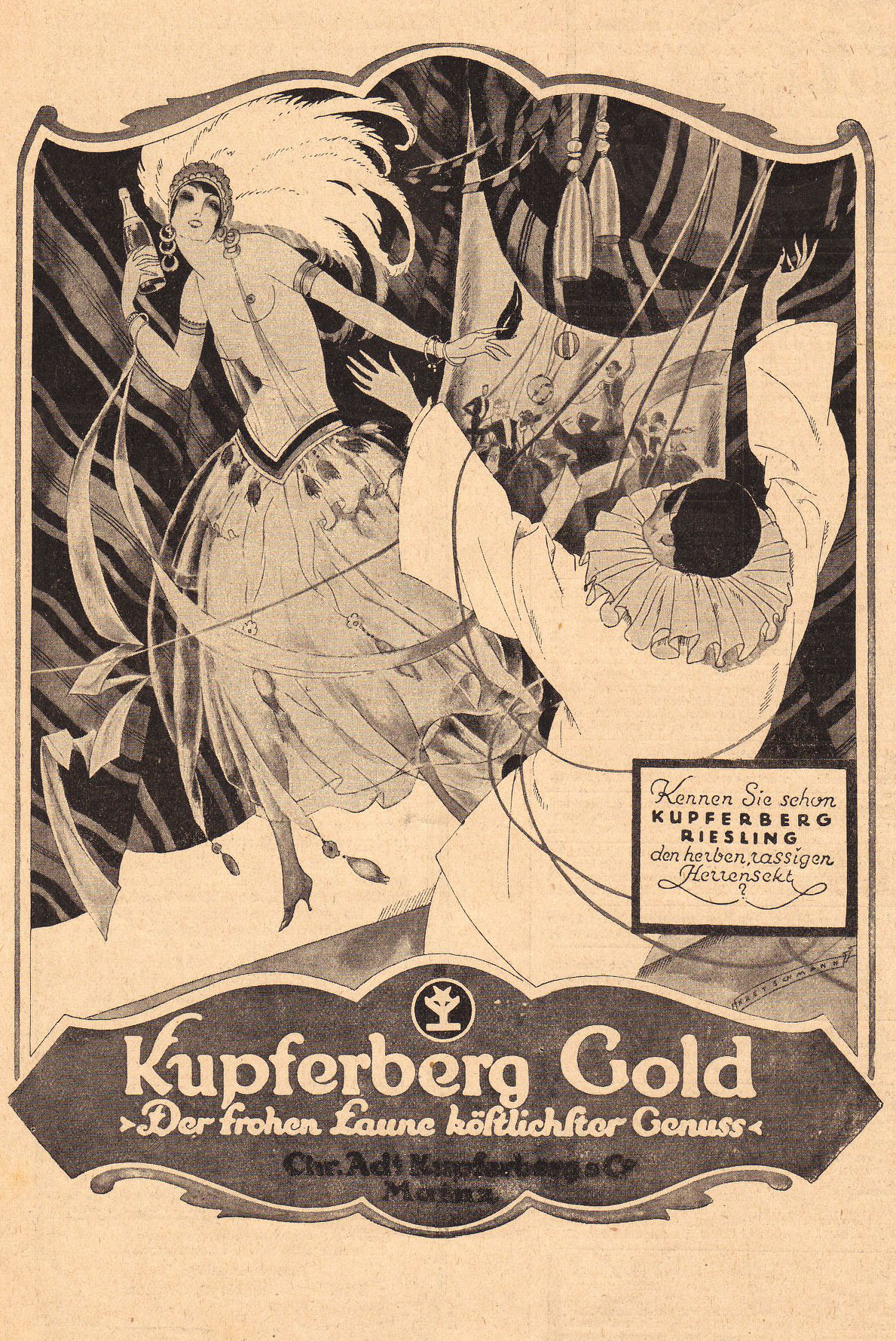
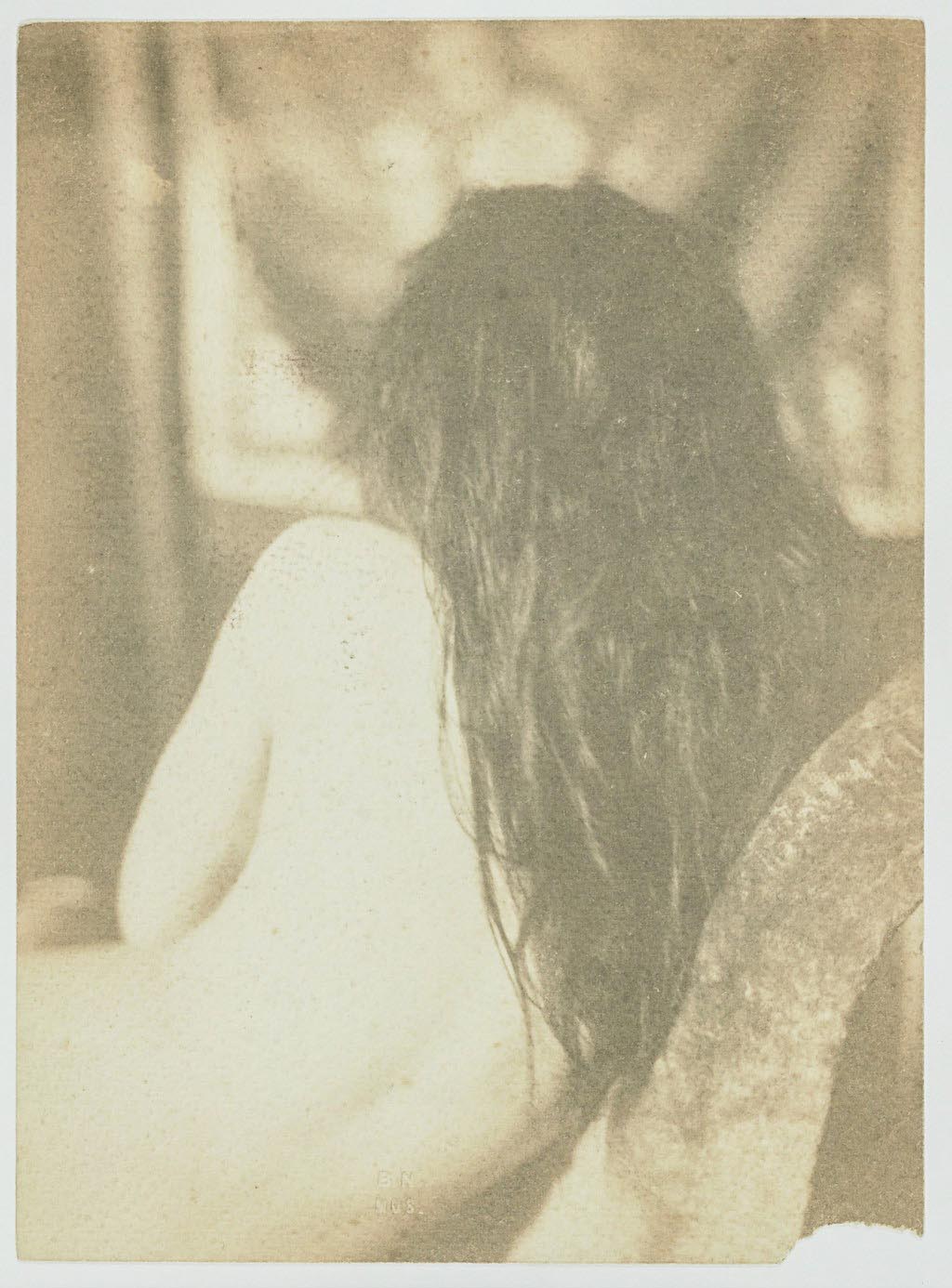
La sensualità è uno degli aspetti più indagati dall’arte e più presenti fra le sale dei musei. Lo scopriremo grazie a B-Side – Il lato nascosto dell’arte, viaggio intrapreso da Caroline Pochon e Allan Rothschild attraverso la storia della rappresentazione del fondoschiena, oggetto proibito del desiderio su cui si sono concentrati gli sguardi di molti artisti. (src Artribune)

La face cachée des fesses, documentaire diffusé sur Arte évoquera plus particulièrement les fantasmes et les tabous que suscitent nos postérieurs en s’appuyant sur ses différentes représentations à travers les siècles. Le film de Caroline Pochon et Allan Rothschild, deux passionnés d’histoire de l’art, proposera une étude des mœurs centrée sur les fesses et tentera d’expliquer les fantasmes collectifs au sujet de notre arrière-train. (link to source)

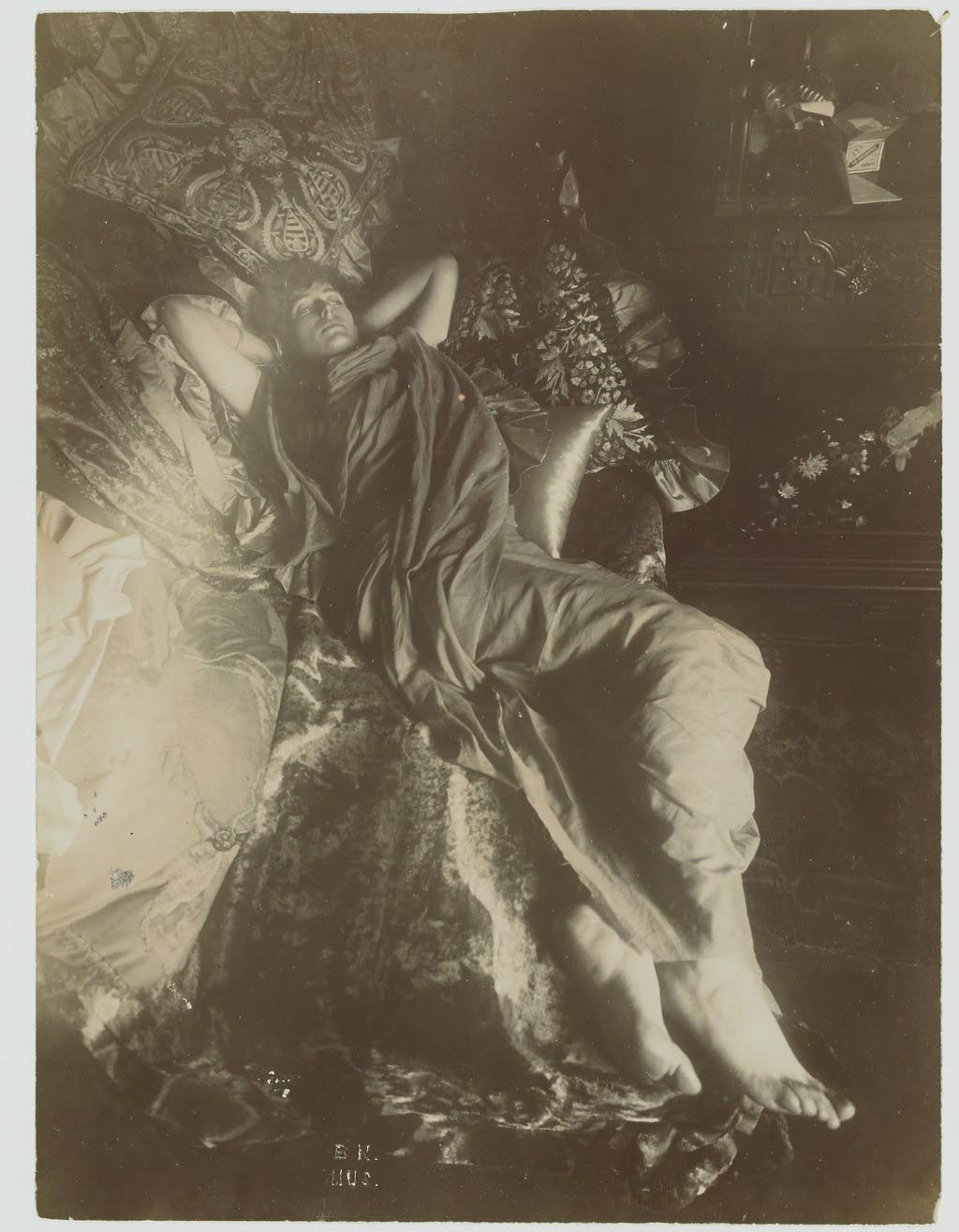
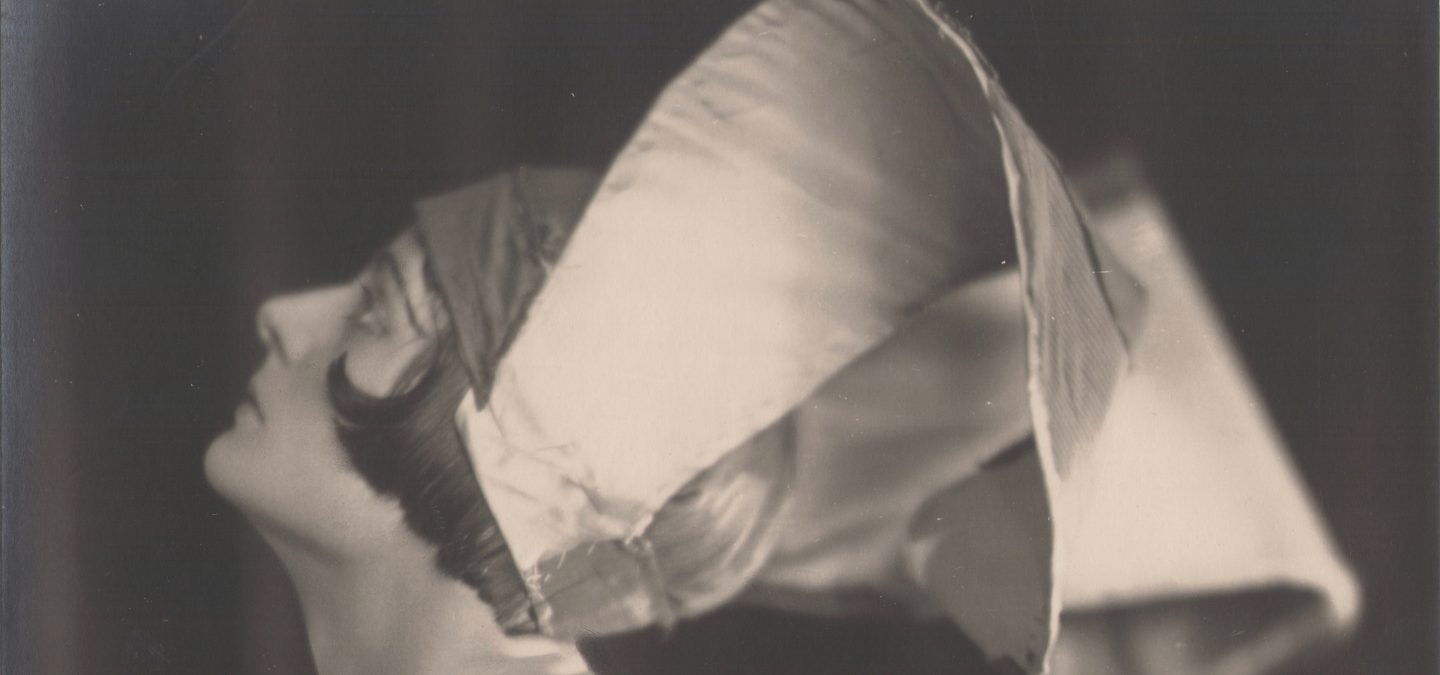
![Jules Gervais-Courtellemont :: Slapende vrouw in Orientaalse kleding [Sleeping woman in oriental costume], ca. 1910-ca. 1940. Autochrome. | src Rijksmuseum](https://unregardoblique.com/wp-content/uploads/2022/10/slapende-vrouw-in-orientaalse-kleding-jules-gervais-courtellemont-ca.-1910-ca.-1940-rjksmuseum-detail.jpg?w=1100)
![Jules Gervais-Courtellemont :: Slapende vrouw in Orientaalse kleding, ca. 1910 - ca. 1940. Autochrome. | src Rijksmuseum [DETAIL]](https://unregardoblique.com/wp-content/uploads/2022/10/slapende-vrouw-in-orientaalse-kleding-jules-gervais-courtellemont-ca.-1910-ca.-1940-rjksmuseum-detail.jpg)

Jules Gervais-Courtellemont (1863 – 1931)
Photographer and editor, friend of Pierre Loti, by Auguste Rodin, d’Albert Kahn. He devoted most of his life to traveling the world, and more especially the Orient. From his many trips, he gathered a large collection of photographs, mostly autochromes. It’s in the years 1880s, in Algeria, that he acquired the practice of photography, seeing in the medium the most suitable tool to “faithfully reproduce the splendours of the past and the picturesque of the present”. Thereby, he will also launch into the publication of a journal from 1889, “Artistic and picturesque Algeria”. The first discovery of the Orient for Jules Gervais-Courtellemont took place a few years later, in 1893. From Paris to Jerusalem via Constantinople, he crossed the countries with the sole regret that he could only bring back black and white photos. So, from the demonstration of the autochrome process by the Lumière brothers in 1907, he immediately undertook the same journey with his wife, this time bringing back the first colored “Visions d’Orient”. Faced with the success of his photographic testimonials in color, he and his wife set out to travel the world, in order to build a large collection of autochromes. Algeria (1911, 1912), Tunisia (1911), Morocco (1921), Spain (1911, 1914), Italy, India (1913), Japan, Tibet. Convert to Islam, Jules Gervais-Courtellemont brought back unpublished photographs of Mecca in 1896, published in L’Illustration in 1897. Jules Gervais-Courtellemont also photographed the First World War with reconstructed scenes in the post-war trenches, as well as pictures of colonial troops. Most of Jules Gervais-Courtellemont’s photographic work is kept at the Robert-Lynen Cinémathèque in the city of Paris.
Orient Visions : upon his return to France, following his second trip to the Orient in 1907, Jules-Gervais -Courtellemont wanted to transmit to the public his first autochrome images. Under the title of “Visions d’Orient”, he organized his first color “projection-conference” at the Hôtel de l’Université des Annales in 1908. Of 1908 at 1909, his Visions d’Orient were screened every evening, Charras room in Paris. The advertising brochure for this event reflects the public’s enthusiasm for this photographer and his first color images.
quoted from House of Photography of Marrakesh
![Jules Gervais-Courtellemont :: Slapende vrouw in Orientaalse kleding [Sleeping woman in oriental costume], ca. 1910-ca. 1940. Autochrome. Edited image to enhance color. | src Rijksmuseu](https://live.staticflickr.com/65535/52436921512_bf74569374_o.jpg)
Our note: as a very similar Autochrome as the one we publish here is titled: “Tunisienne au bonnet pointu” (resolution is very poor, the lady photographed is the same, also the costume and headgear), we adventure the date of this one maybe around 1911, when JGC traveled to Tunisia.

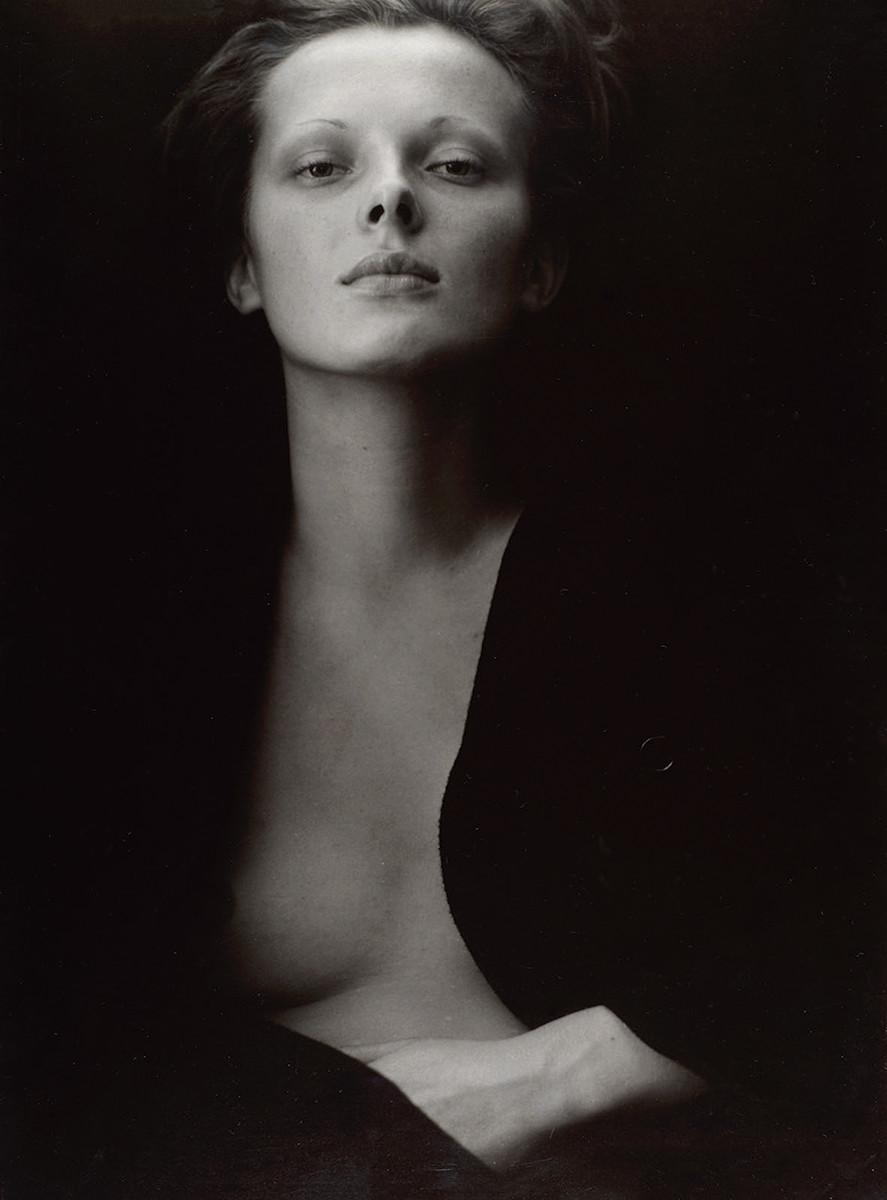
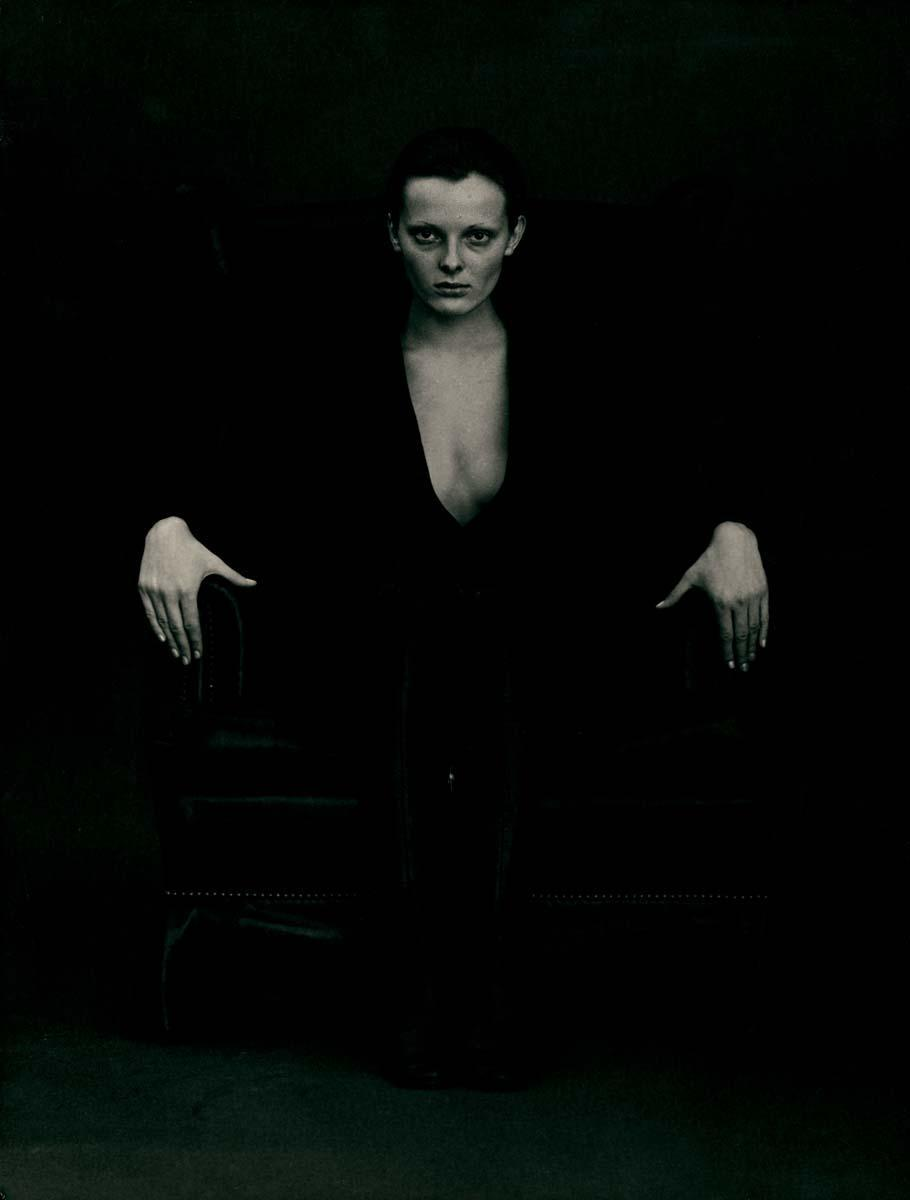


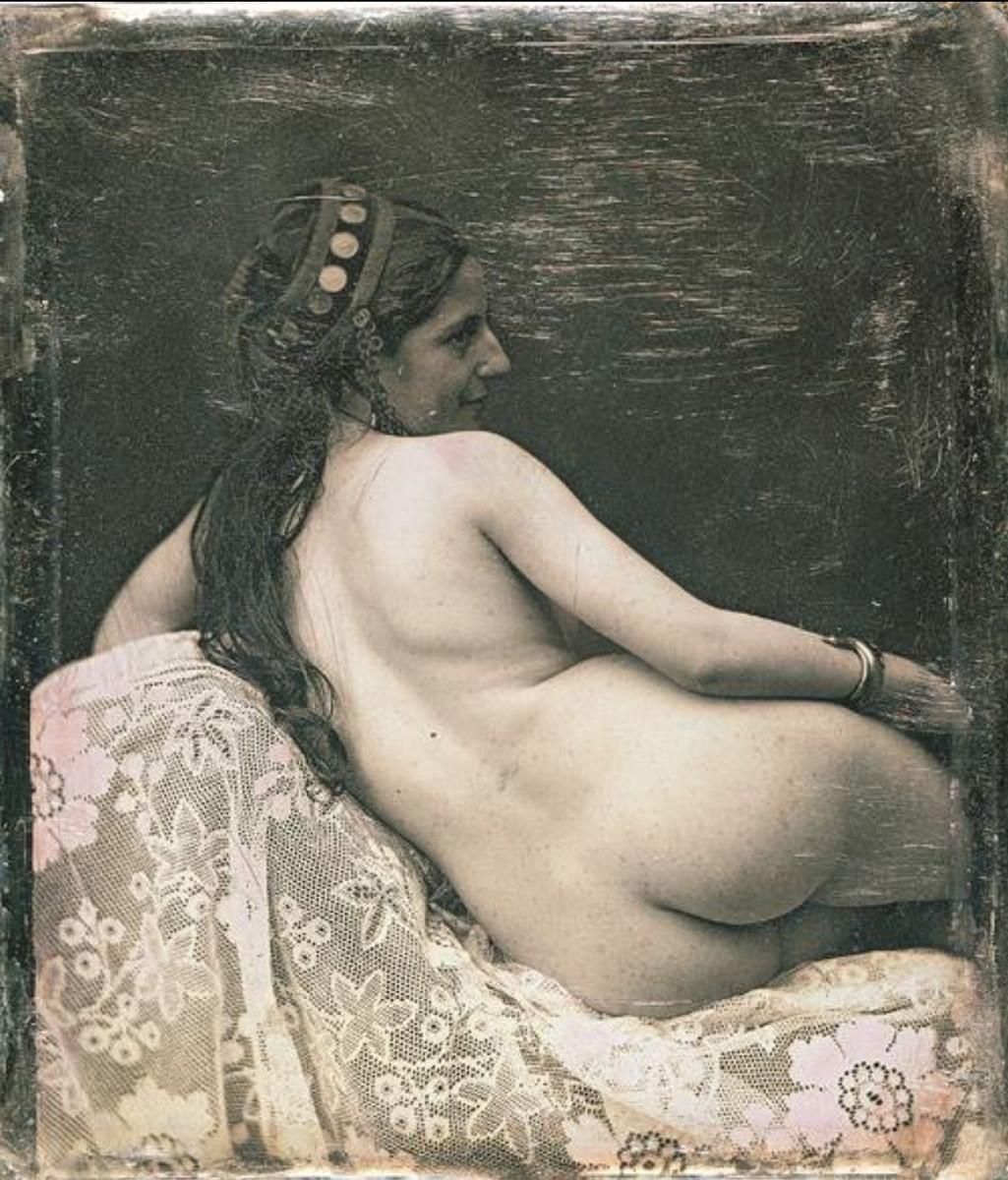
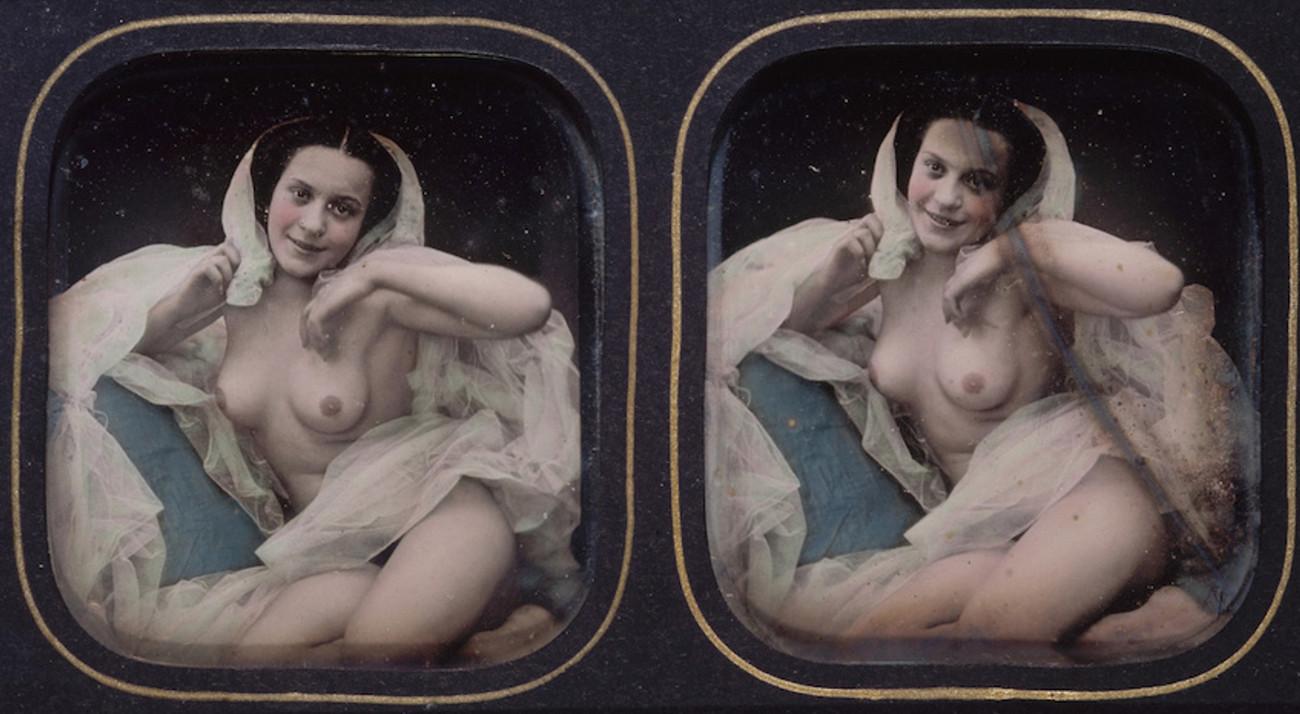
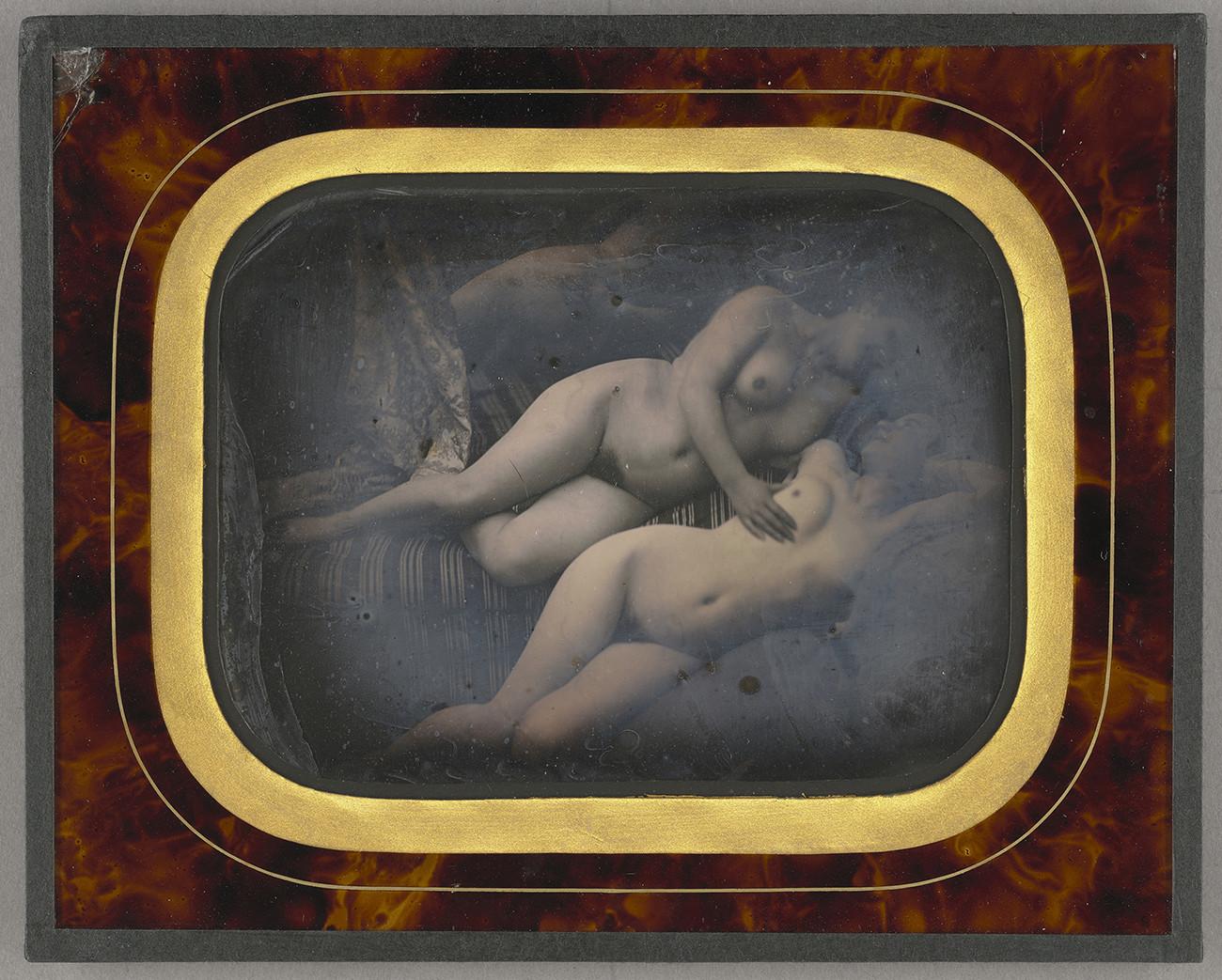
The title is intriguing: «Reconsidérer la photographie érotique». (“Reconsidering erotic photography”).
The text itself is brilliant and of great intelligence.
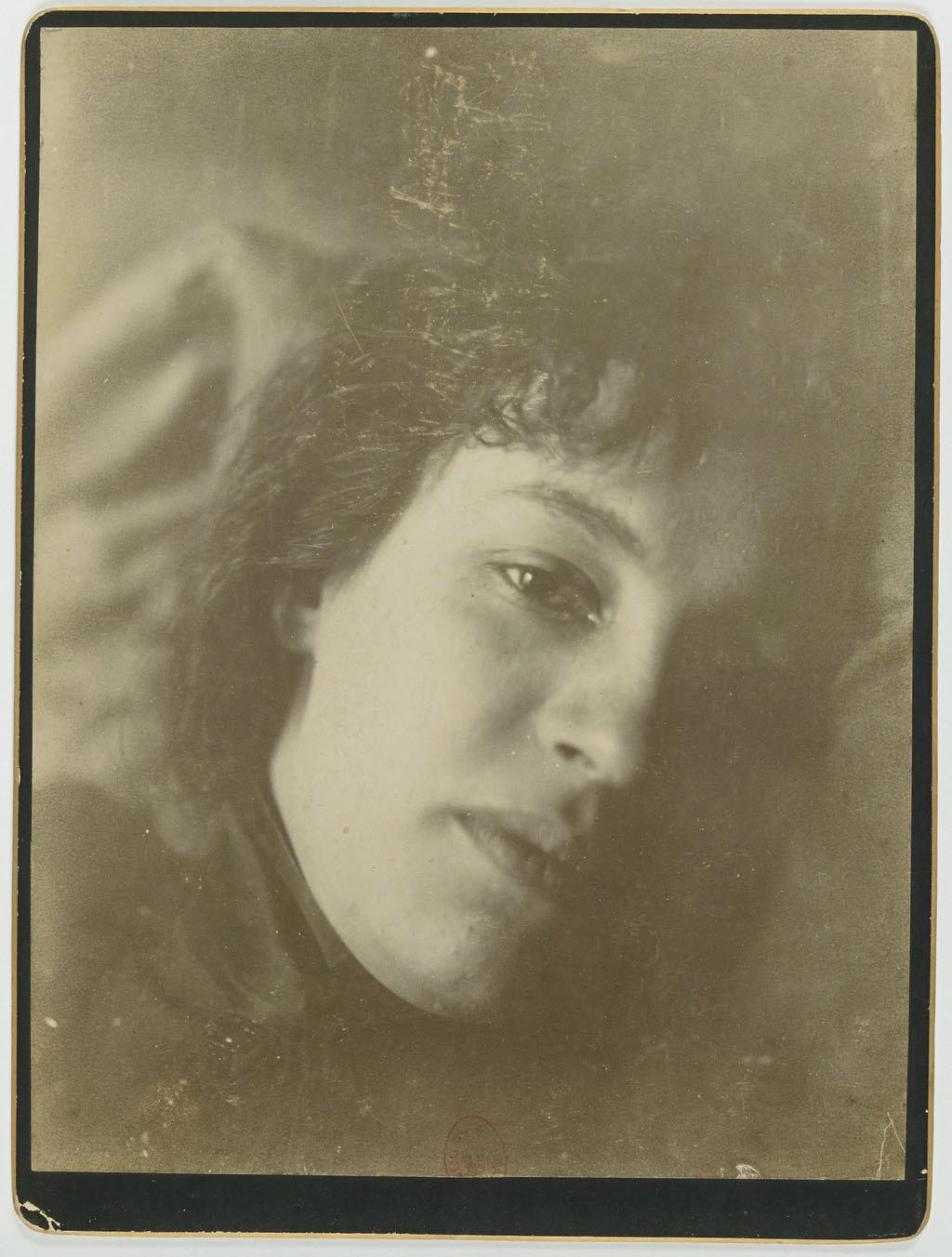
In this 1987 essay, historian Abigail Solomon-Godeau traces avenues for exploring a history of erotic and pornographic photographic production, a history hitherto repressed and absent from narratives. Thus opening the door to a feminist and revised history of the photographic medium, she shows how much this imagery has been abundant and present almost from the origins of photography. In “Reconsidering erotic photography”, Abigail Solomon-Godeau analyzes the ways in which naked bodies are presented in several photographic images from the 1840s-1850s, whether academic nudes or images intended for other types of visual consumption, and questions the specificity of photographic representation as opposed to other mediums. Supporting feminist theories, she raises the question of how these images are viewed, and the ambiguity of their designation, between eroticism and pornography. At the heart of this pioneering essay in the history of photography, she defends the need to write the history of these often set aside productions.
Reconsidérer la photographie érotique.
Notes pour un projet de sauvetage historique
Abigail Solomon-Godeau
Éléonore Challine (éd. et trad.),
Éditions de la Sorbonne, 2022
quoted from l’œil de la photographie

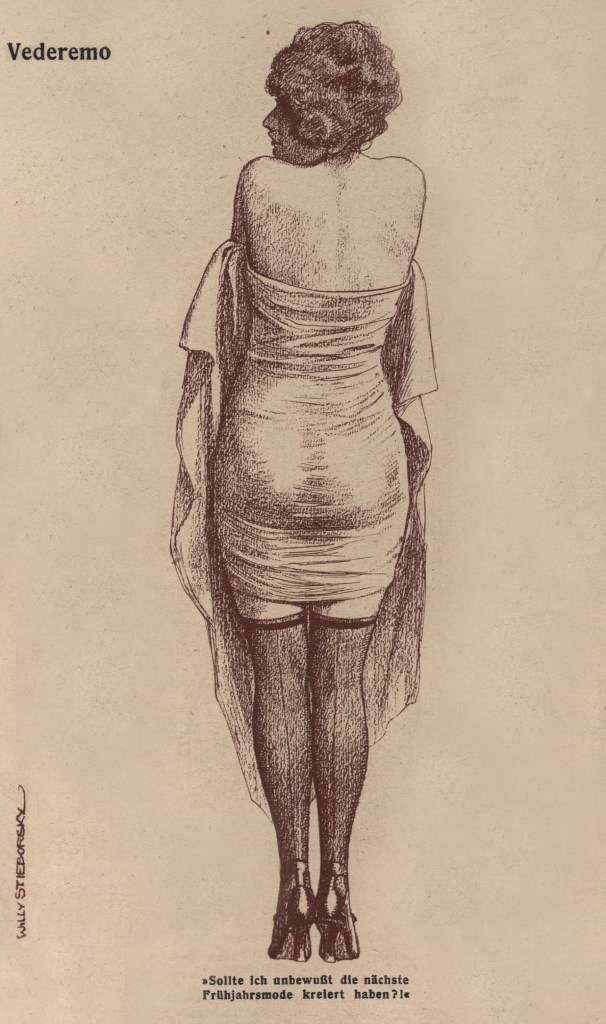
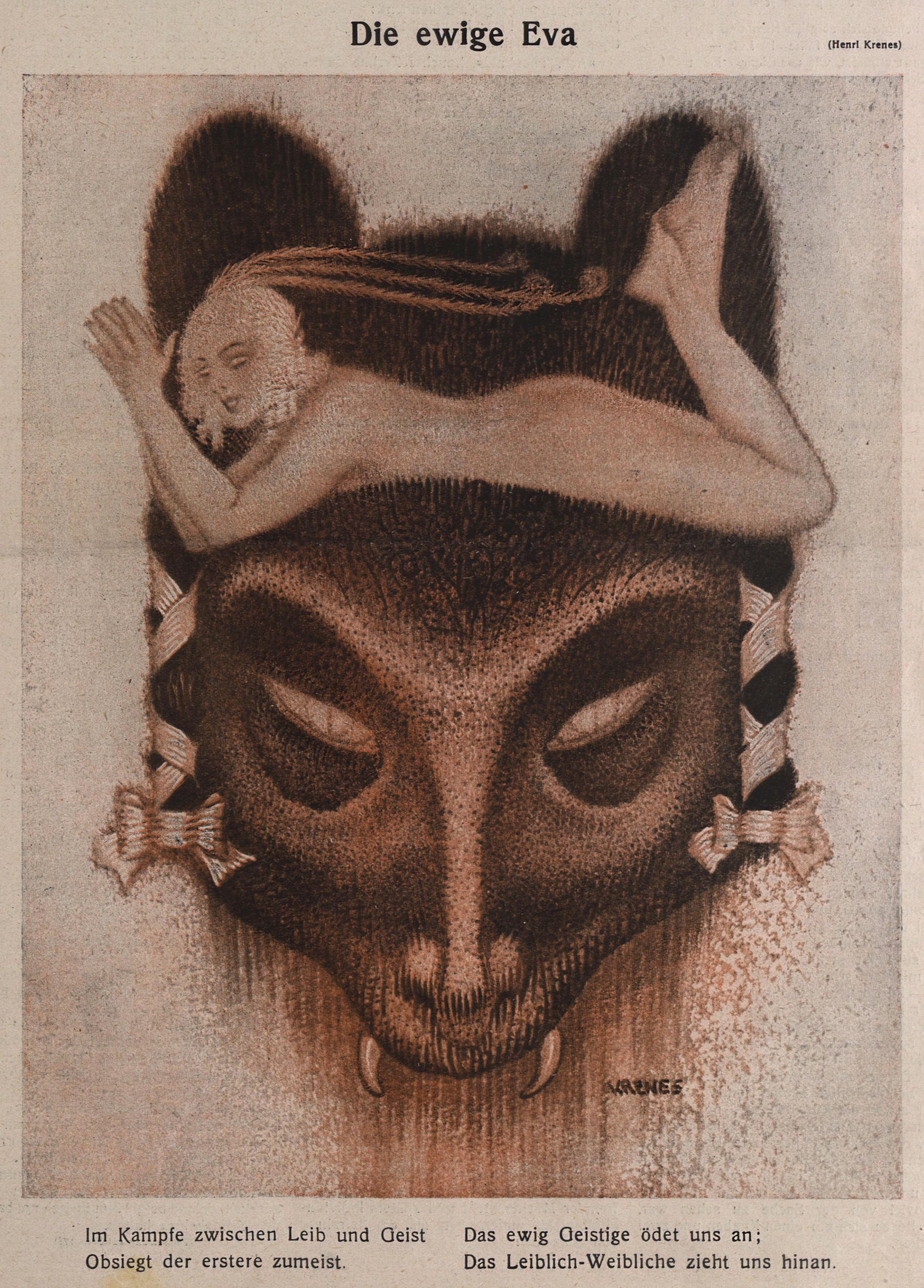
Im Kampfe zwischen Leib und Geist / Obsiegt der erstere zumeist. / Das ewig Geistige ödet uns an; / Das Leiblich-Weibliche zieht uns hinan.
In the struggle between body and spirit / The former prevails mostly. / The eternal spiritual bores us; / The bodily-feminine attracts us.

 un regard oblique