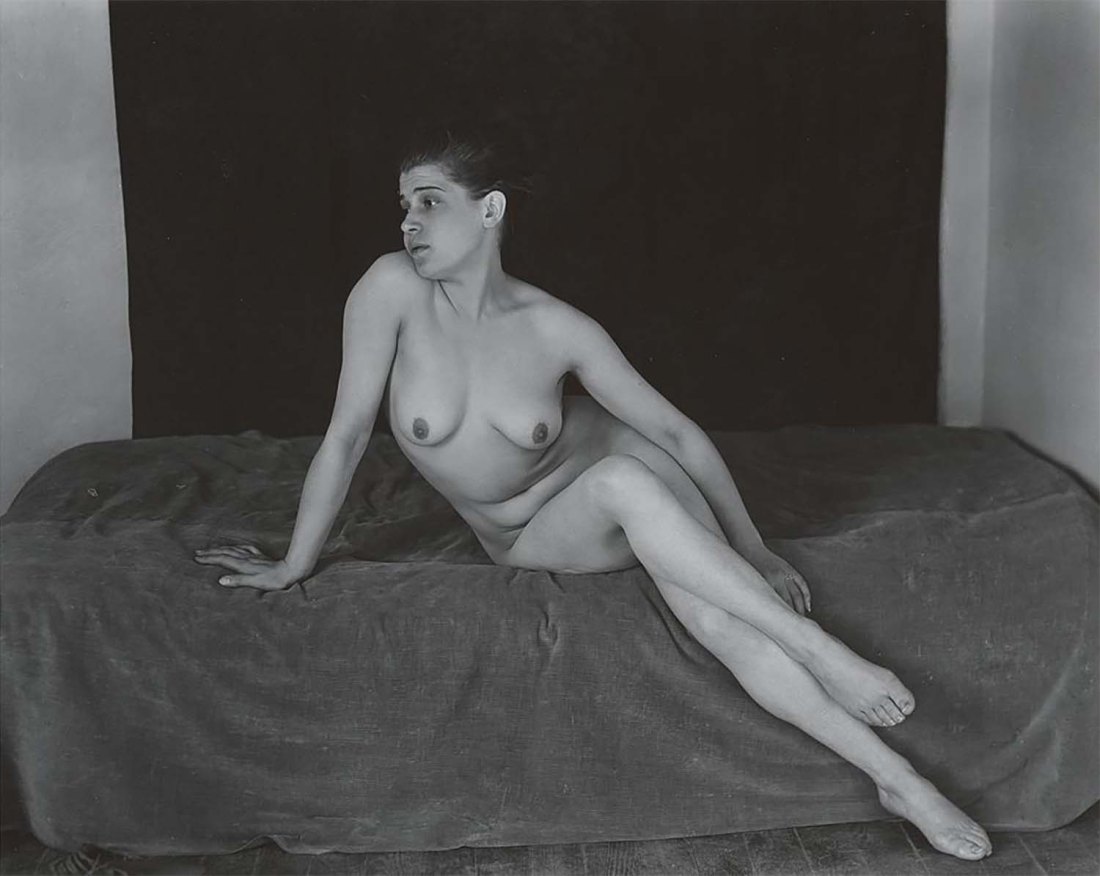
![Edward Weston :: Tina Modotti [nude, seated on couch with legs crossed, looking toward left], Mexico, 1924. Gelatin silver print. | src CCP](https://unregardoblique.com/wp-content/uploads/2022/10/edward-weston-tina-modotti-nude-seated-on-couch-with-legs-crossed-looking-toward-left-mexico-1924.jpg)
Modotti (nude) by Weston, 1924
images that haunt us

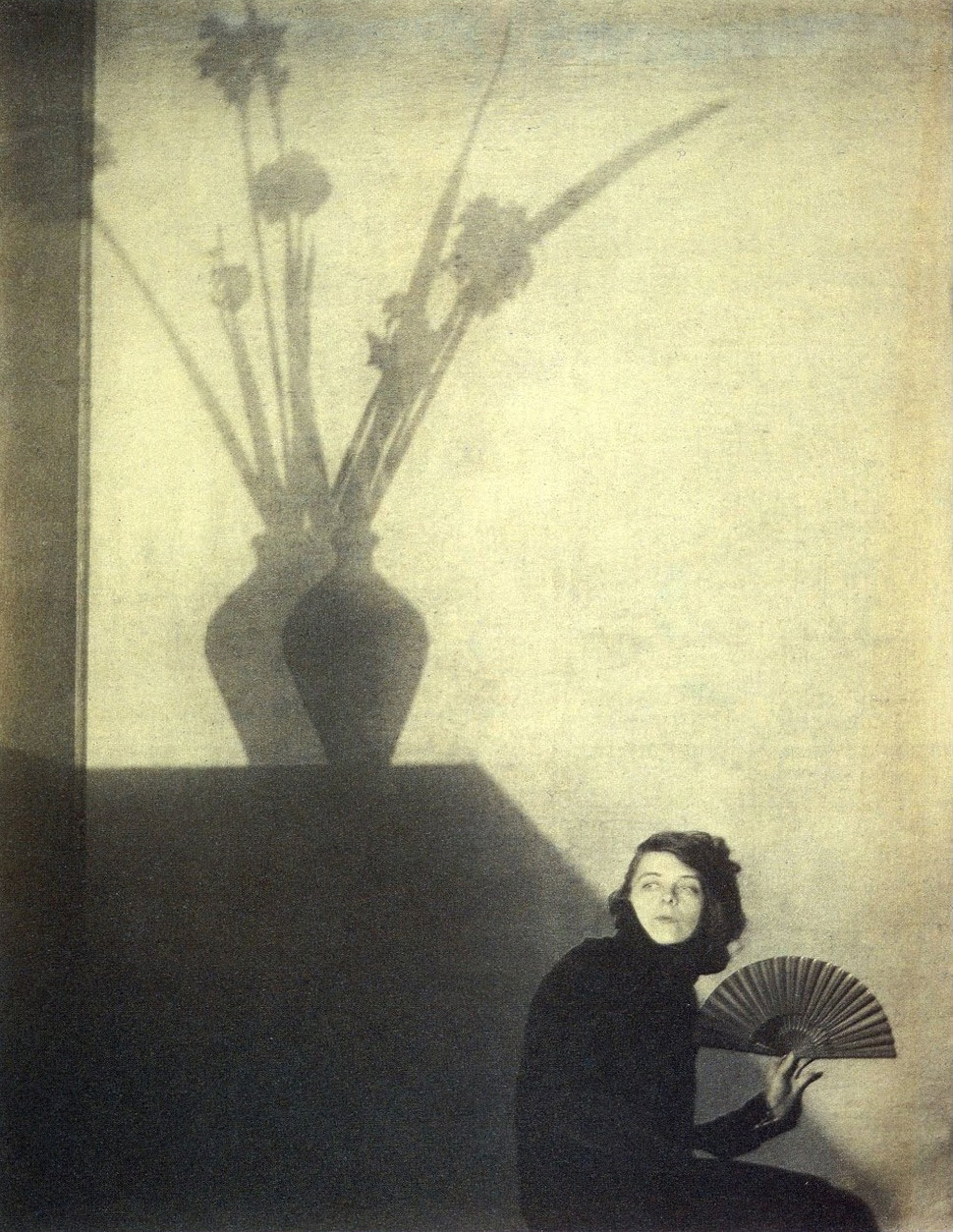


In 1920 Edward Weston began a series of pictures of Betty Katz (later Brandner, 1865-1982), who was introduced to Weston by his colleague Margrethe Mather (1886-1952). Weston and Brandner engaged in a brief affair in October 1920, when he made this and several other images of her in her attic and out on a balcony. With its soft focus, these particular portraits are Pictorialist in style compared to the more experimental images Weston made of Katz (Brandner) that are Modernist in their self-conscious handling of space and form.
Text adapted from Brett Abbott. Edward Weston, In Focus: Photographs from the J. Paul Getty Museum (Los Angeles: J. Paul Getty Museum, 2005), 20. (quoted from Getty Museum)


 un regard oblique