Surrealism and ecstasy (1933)

Le phénomène de l’extase, photomontage de Dalí, Brassaï, Breton et Éluard (1933); publié dans Minotaure, n° 3-4, décembre 1933

The Phenomenon of Ecstasy, is a photomontage built in a spiral: it is made up of 32 photos organized in a labyrinth of photos which wind up, drawing the eye in a hypnotic way towards the central photo, a portrait of a woman by Brassaï. This photo was part of a series of «femmes en jouissance onirique» (women in dreamlike enjoyment), taken in 1932.

Dalí saw in the convolutions of Art Nouveau a form of madness or intoxication. Brassaï’s portrait of the “overthrown” woman fit perfectly with his point. It therefore logically lands at the heart of a system which functions like a puzzle.

The historian Michel Poivert in his analysis of «Le phénomène de l’extase» ou le portrait du surréalisme même (1997) first lists the elements that make up the image: “most of them show a woman’s face that the title invites us to consider in ecstasy. In addition to these female faces, there are three male heads, four sculptures, two objects (a chair, a pin) as well as sixteen ears. These ear photos were taken by Alphonse Bertillon who was a criminologist. More precisely, he was the creator of judicial anthropometry: in 1882 he founded the first criminal identification laboratory in France.

Michel Poivert explains: “The iconography of criminal anthropology makes an incursion here at the very moment when the group seeks to define a revolutionary identity.” The surrealists were very interested in the grammar of repression. Dalí, in particular, was passionate about the journal La Nature, a popular science journal which published at least three articles by Bertillon, illustrated with forensic photographs. The photographic fragments used by Dalí are in fact extracted from synoptic tables or tabbed directories by Bertillon. Bertillon’s ambition was to draw up an atlas of human morphology. What modern police was developing is therefore the transformation of the human body into a territory of surveillance and control. Bertillon reduces the body to a set of records.

Michel Poivert underlines that the repetition of the motif of the ear acts in the manner of a «stéréotypie», that is to say of a gesture reproduced in a loop or of a word reiterated without end: the symptom of a mental disorder. What’s closer to ecstasy than a morbid or hysterical fixation? From this point of view, certainly, the judicial photos of ears have their place perfectly in this photomontage, “which precisely mixes devotion and the disciplinary in the pathological figure of ecstasy,” suggests Michel Poivert: Dali’s passion for hysteria inevitably guides us towards Jean-Martin Charcot. Indeed, at the time when Dalí was concerned about a representation of ecstasy, the definition of the phenomenon by theologians was entirely constructed in reaction against the popularization of hysterical ecstasy.

Brassaï ~ The Phenomenon of Ecstasy; from the series «femmes en jouissance onirique» (women in dreamlike enjoyment) (1932)

In the text entitled “The Phenomenon of Ecstasy” (published in Le Minotaure, 1933), Dalí himself explains in covert terms the reason for this choice: the ears are “always in ecstasy” he says, probably in allusion to their coiled shape. The ears are shaped like a fractal or vortex. They lead the eye through a whirlwind to their central point, the black orifice of the ear canal… But the photomontage is itself constructed in the manner of an ear, guiding the eye to the portrait of the woman in ecstasy.
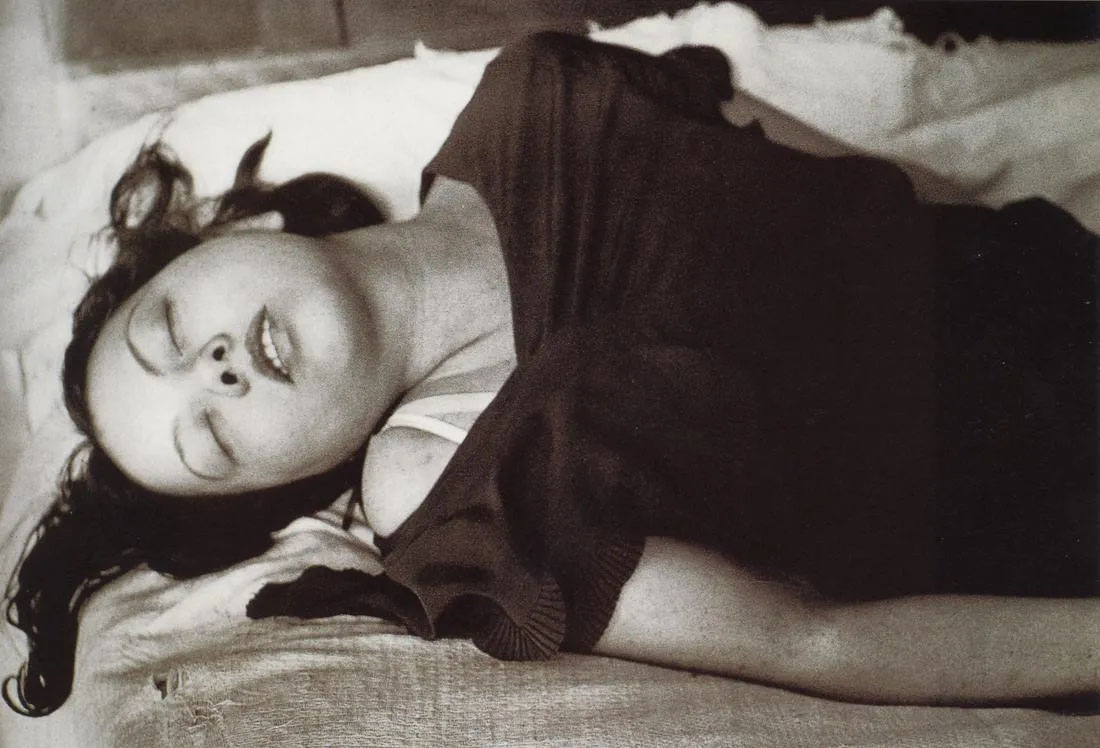
Brassaï (1899-1984) ~ Le phénomène de l’extase, vers 1933 | src liveauctioneers

The Phenomenon of Ecstasy shows a woman at the heart of the photomontage; she offers the ambiguous spectacle of a being carried away by an emotion of mixed suffering and joy; between the devotional universe of grace and the clinical one of madness. What passion is she devoted to? Terrestrial or celestial?

Dalé expressed it in these terms: “During ecstasy, at the approach of desire, pleasure, anxiety, all opinions, all judgments (moral, aesthetic, etc.) change dramatically. Every image, likewise, changes sensationally. One would believe that through ecstasy we have access to a world as far from reality as that of dreams. The repugnant can be transformed into desirable, affection into cruelty, the ugly into beauty, defects into qualities, qualities into black misery. (The Phenomenon of Ecstasy, 1933).

sources of the text: Libération & open edition journals
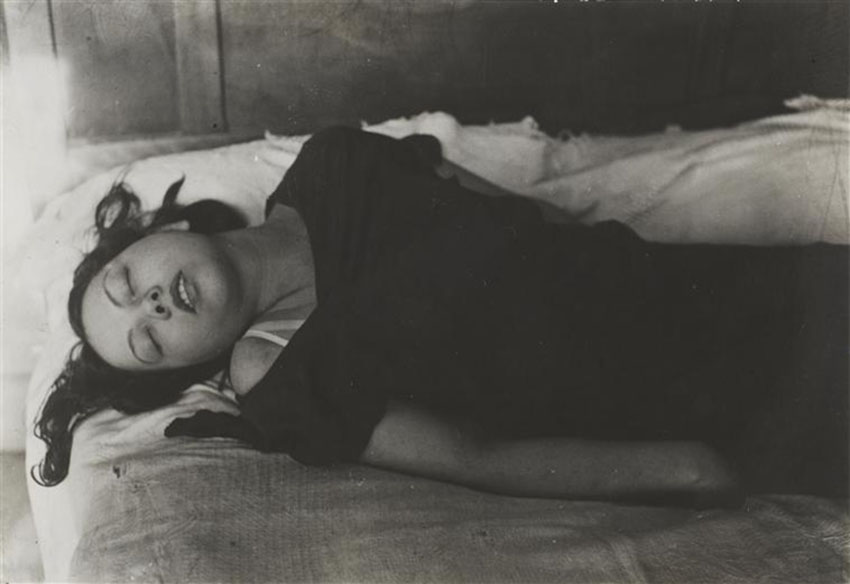
Brassaï (1899-1984) ~ Le phénomène de l’extase, vers 1933 | src RMN

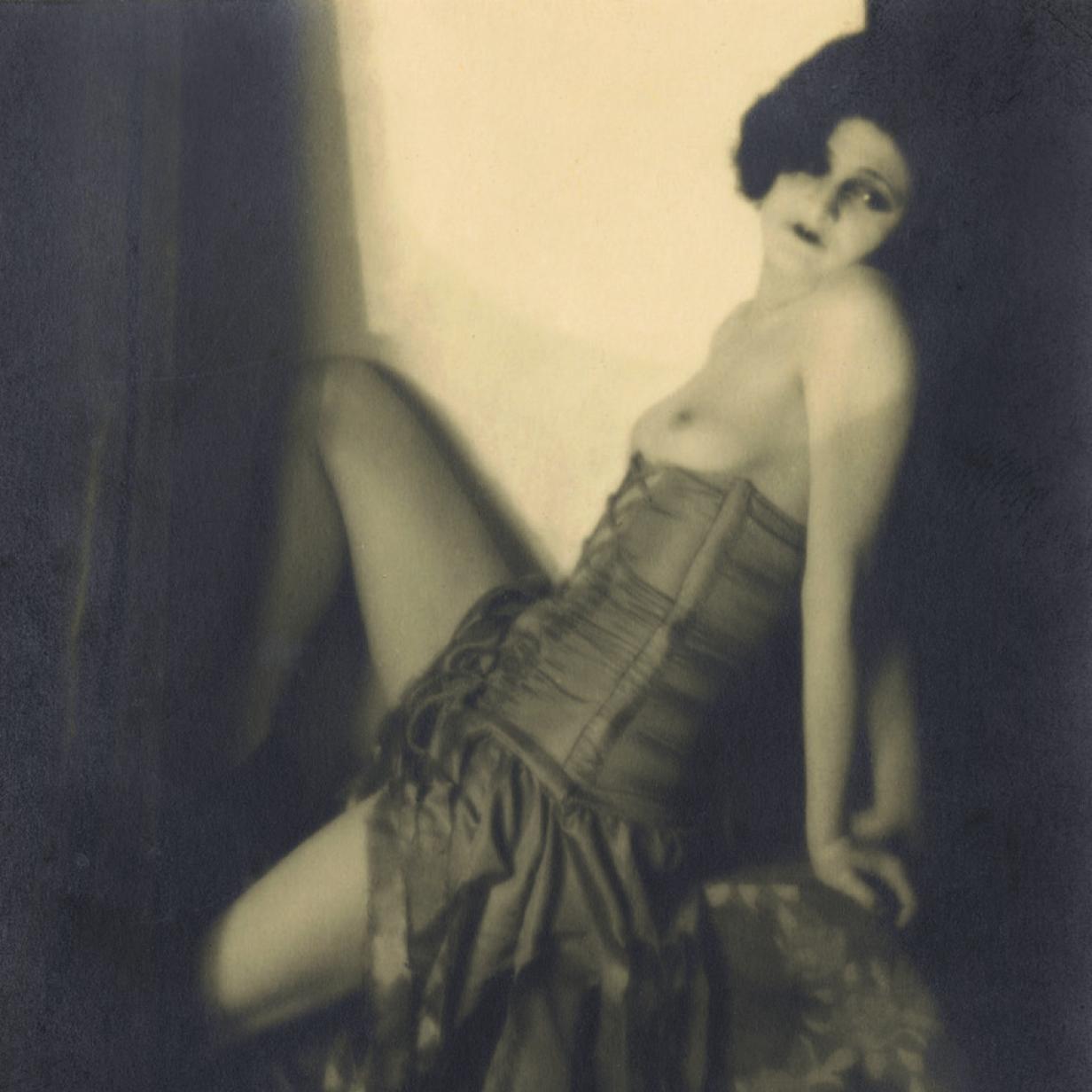
Berber by Kallmus · 1922

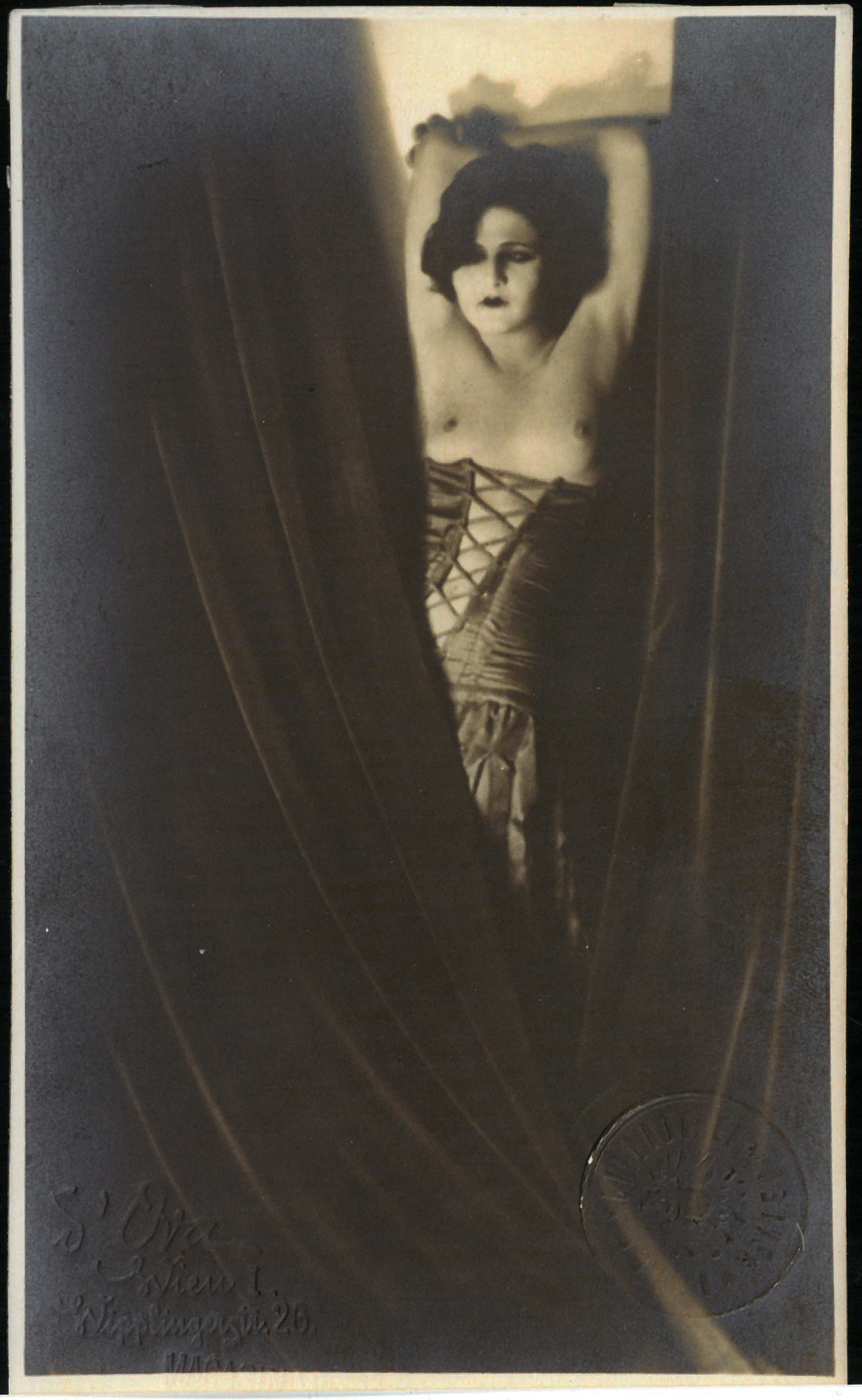
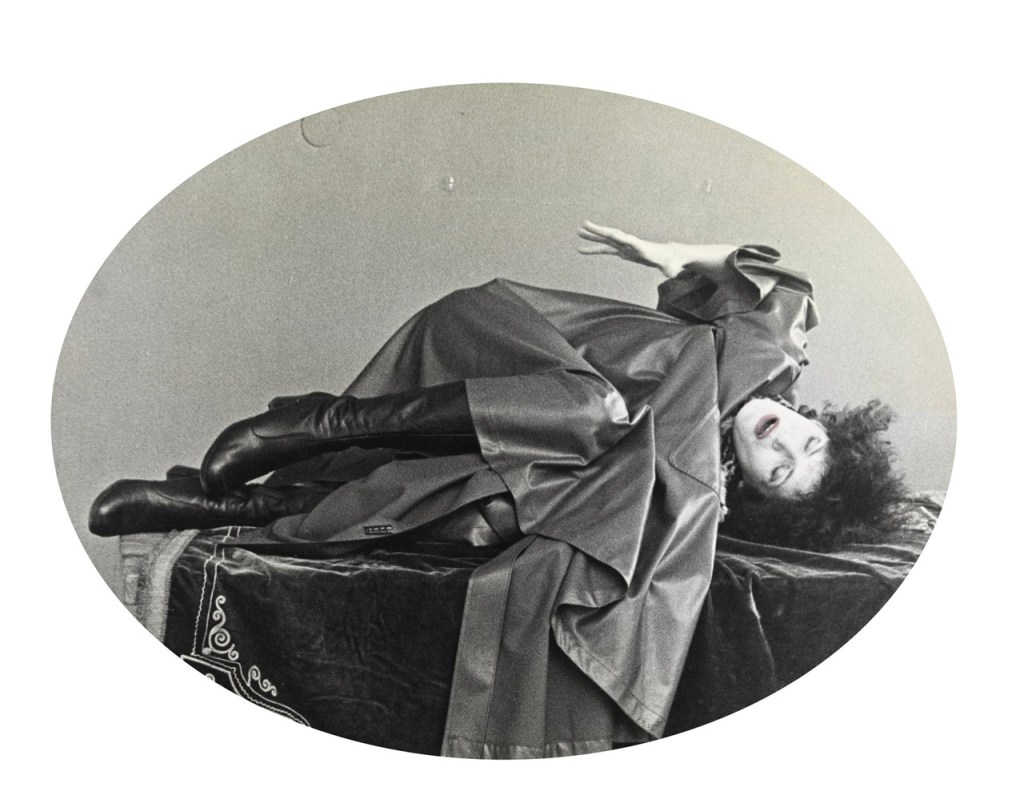
Atelier Madame d’Ora :: Anita Berber in ihres Tanzstücks “Kokain”. Die Tänze des Lasters, des Grauens und der Ekstase, Wien, 1922. Photoinstitut Bonartes | src Der Standard

Photoinstitut Bonartes: Ausstellungsdauer: 25.08.2023 – 17.11.2023

Tänze des Lasters, des Grauens und der Ekstase. Anita Berber in Wien 1922

Im November 1922, inmitten der Wirtschaftskrise, kennt Wien nur ein Gesprächsthema: Anita Berber und ihre Tänze des Lasters, des Grauens und der Ekstase. Zusammen mit ihrem Partner Sebastian Droste bringt sie Tabuthemen wie Drogenmissbrauch, Suizid und homosexuelles Begehren auf die Bühne. Um das skandalumwitterte Programm zu bewerben, tritt das Duo vor die Kamera Madame d’Oras. Seit Jahren schon arbeitet Berber mit der Wiener Porträtfotografin an der Inszenierung ihres raffinierten Spiels aus kalkuliertem Schock und Tanzkunst. Diese düster-dramatischen Fotografien illustrieren nicht nur zahlreiche Zeitungsartikel, sondern auch Berbers einzige Publikation. Darin gibt sie Einblick in ihre Gedankenwelt, kritisiert die Hysterie um ihre Person und befeuert sie zugleich aufs Neue.

link zu Ausstellung

 Atelier dOra :: Anita Berber in Cocaine. Dances of Vice, Horror and Ecstasy, Vienna, 1922. | src Kulturpool FS_PE268437

New exhibition at Photoinstitut Bonartes:

Dances of Vice, Horror and Ecstasy. Anita Berber in Vienna 1922

In November 1922, in the midst of the economic crisis, Vienna only had one topic of conversation: Anita Berber and her dances of vice, horror and ecstasy. Together with her partner Sebastian Droste, she brings taboo topics such as drug abuse, suicide and homosexual desire to the stage. In order to promote the scandalous program, the duo appears in front of Madame d’Ora’s camera. Berber has been working with the Viennese portrait photographer for years on staging her sophisticated game of calculated shock and dance art. These darkly dramatic photographs not only illustrate numerous newspaper articles, but also Berber’s only publication. In it she gives insight into her world of thoughts, criticizes the hysteria surrounding her and at the same time fuels it anew.

link to the exhibition

Tänze des Lasters, des Grauens und der Ekstase. Anita Berber in Wien 1922 – Photoinstitut Bonartes via Kurier.at

Ausstellung über Anita Berber: Provokation einer Exzentrikerin mit Erotik und Ekstase

„Tänze des Lasters, des Grauens und der Ekstase“ brachte sie ab November 1922 auf die Wiener Bühnen: Anita Berber war für Monate ein Aufreger im Nachtleben der Stadt mit ihren trotz Hyperinflation stets restlos ausverkauften Auftritten im Wiener Konzerthaus. | src Kurier.at

Exhibition about Anita Berber: provocation of an eccentric with eroticism and ecstasy

She brought “Dances of Vice, Horror and Ecstasy” to the Viennese stages from November 1922: Anita Berber was a sensation in the city’s nightlife for months with her performances in the Vienna Konzerthaus, which was always completely sold out despite the hyperinflation. | src Kurier.at

Modotti by Weston, 1921

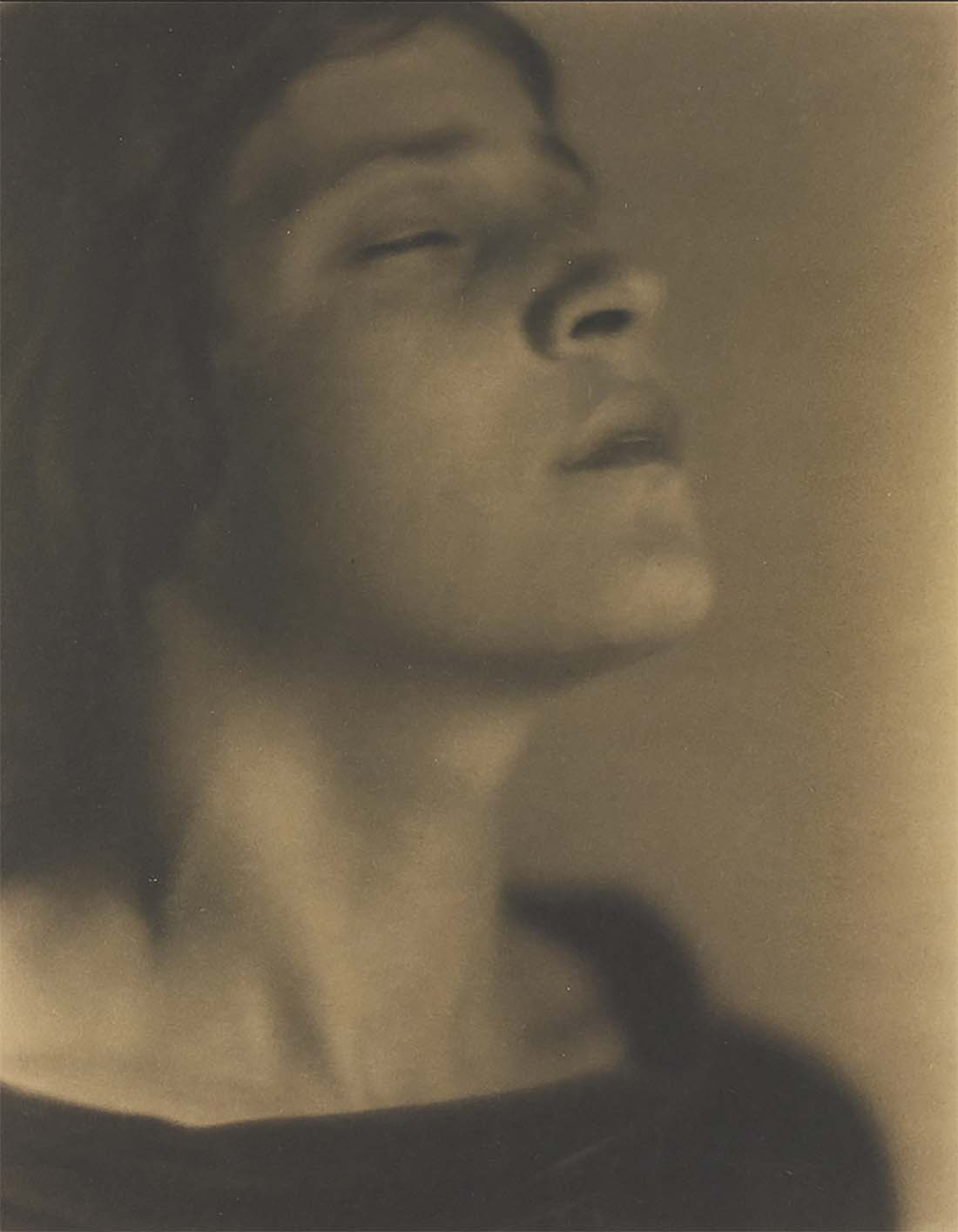
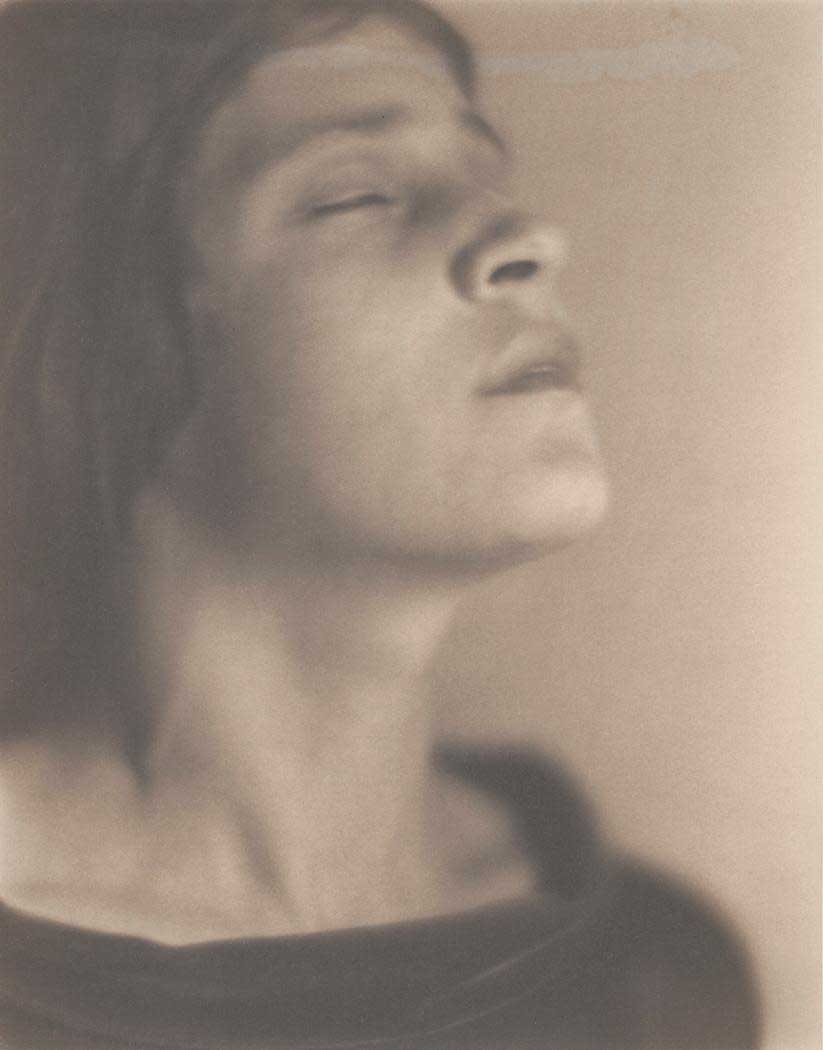
Edward Henry Weston :: Head of an Italian Girl (Tina Modotti), 1921. Platinum or palladium print. | src Sotheby’s

This photograph is among the earliest studies Edward Weston made of Tina Modotti, the woman whose face and figure would inspire some of Weston’s best work throughout the 1920s.  The photographer regarded the image as an important one at the time, including it in two early exhibitions: in Amsterdam in 1922, and at the Aztec Land Gallery in Mexico City in 1923.  This print is one of only three extant examples of this seminal picture of Modotti.   

Head of an Italian Girl is from a series of studies and portraits of Modotti that Weston began in Los Angeles in 1921, soon after their love affair began, and would continue in Mexico.  At the time this photograph was taken, each was married to someone else: Weston to the former Flora Chandler, the mother of his four children, and Modotti to the poet and textile designer, Roubaix de l’Abrie Richey.  Born in Italy, Modotti was a recent arrival in Los Angeles, where she worked variously as an actress in silent films and as a seamstress and clothing designer.  In the early 1920s, Weston made his living as a portrait photographer in Glendale, while pursuing his own creative work. The two fell in love shortly after they met, and Weston began photographing Modotti immediately.  In April 1921, Weston wrote of Modotti to his friend, the photographer Johan Hagemeyer:

‘Life has been very full for me—perhaps too full for my good—I not only have done some of the best things yet—but have also had an exquisite affair . . . the pictures I believe to be especially good are of one Tina de Richey—a lovely Italian girl’ (The Archive, January 1986, Number 22, ‘The Letters from Tina Modotti to Edward Weston,’ p. 10)

In the present image, the ecstatic expression on Modotti’s face provides some indication of the intensity of their new relationship. 

Amy Conger locates only two prints of this image, both in institutional collections: a palladium print originally owned by Johan Hagemeyer and now at the Center for Creative Photography, Tucson [view image below]; and a platinum print at the Baltimore Museum of Art. [quoted from source]

Edward Weston :: Head of an Italian Girl (Tina Modotti), 1921. Platinum or palladium print. | src Johan Hagemeyer Collection at CCP

In Ectasy (before 1912)

Adolf Hirémy-Hirschl :: In Ekstase (Studie zu “Sic Transit”). In Ecstasy (Study on ‘Sic Transit’). Charcoal and white chalk on blue-gray laid paper. Preliminary study for the monumental polyptichon “Sic Transit” (1912) in the Galleria Nazionale d’Arte Moderna in Rome. The drawing prepares the ghostly female figure that can be seen in the left panel in the right background. – Provenance: From the artist’s estate (stamp on verso). Galleria Carlo Virgilio, Rome (stamp on verso). | src invaluable and Bassenge