Mapplethorpe · Poppies

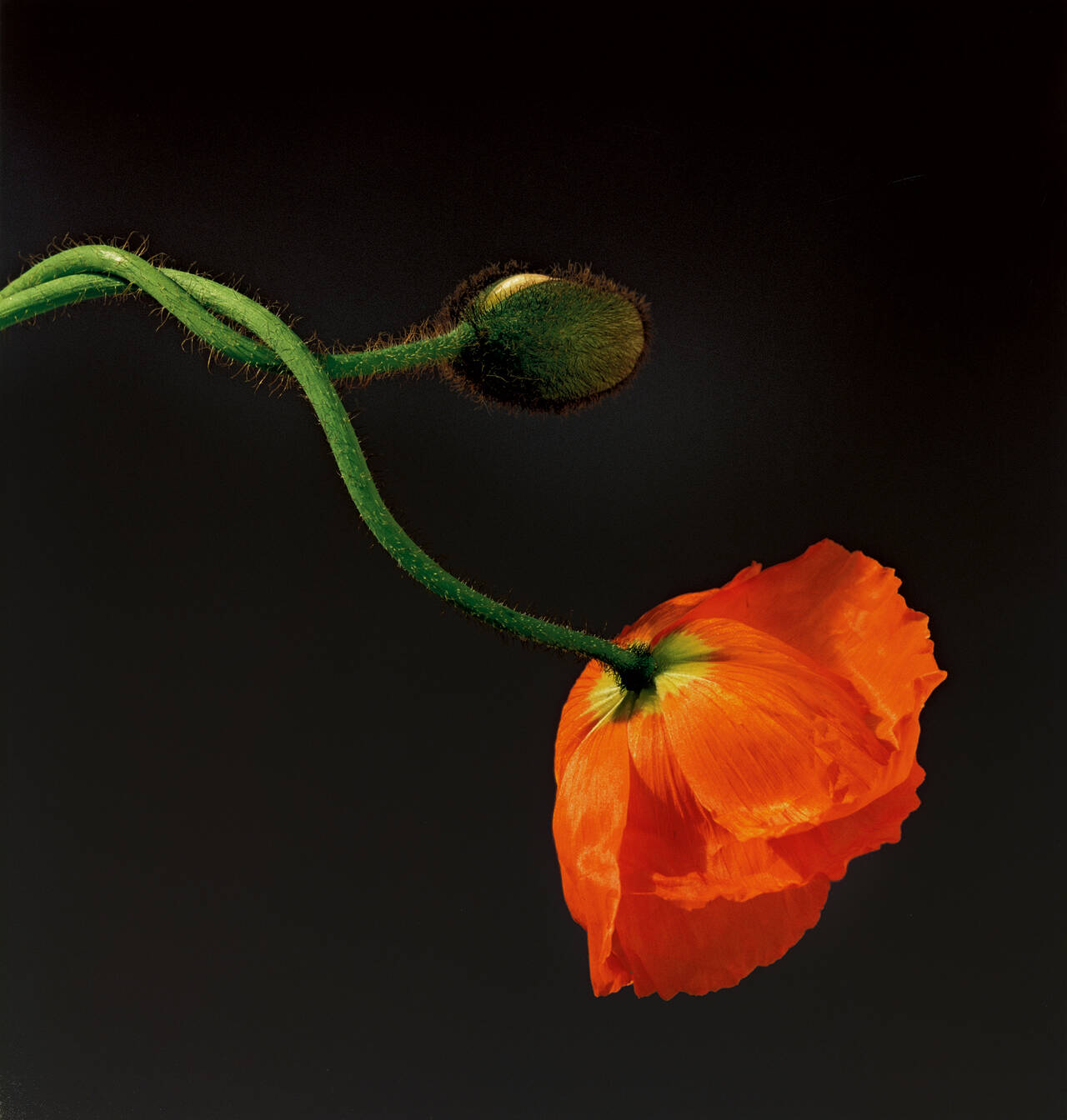
Robert Mapplethorpe ~ Poppy, 1988 © R. Mapplethorpe Foundation | src Fragile Beauty exhibition at V&A museum
Robert Mapplethorpe (1946-1989) ~ Poppy, 1988. Dye transfer print | src flickr
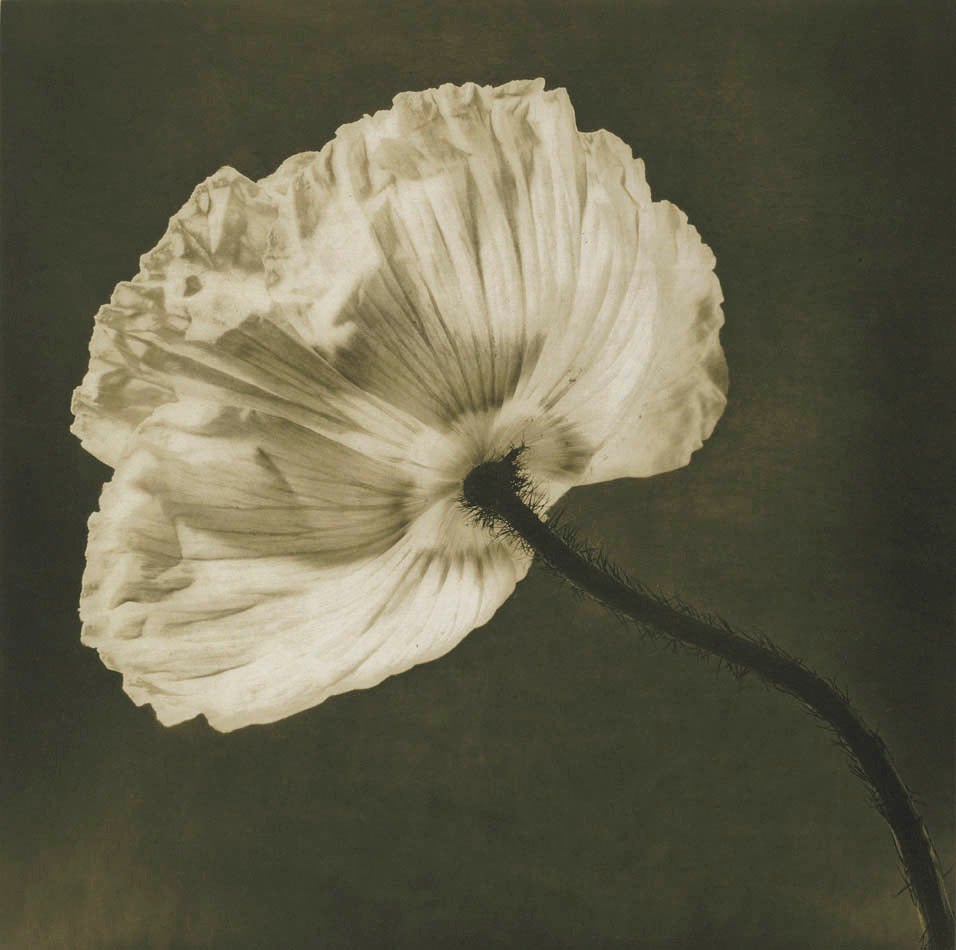
Robert Mapplethorpe (1946-1989) ~ Poppy, 1988; toned photogravure; 1988, signed, dated and numbered | src 1st dibs
Robert Mapplethorpe (1946-1989) ~ Poppy, 1988. Dye transfer print | src mutualart

Steichen’s Delphiniums, late 1930s

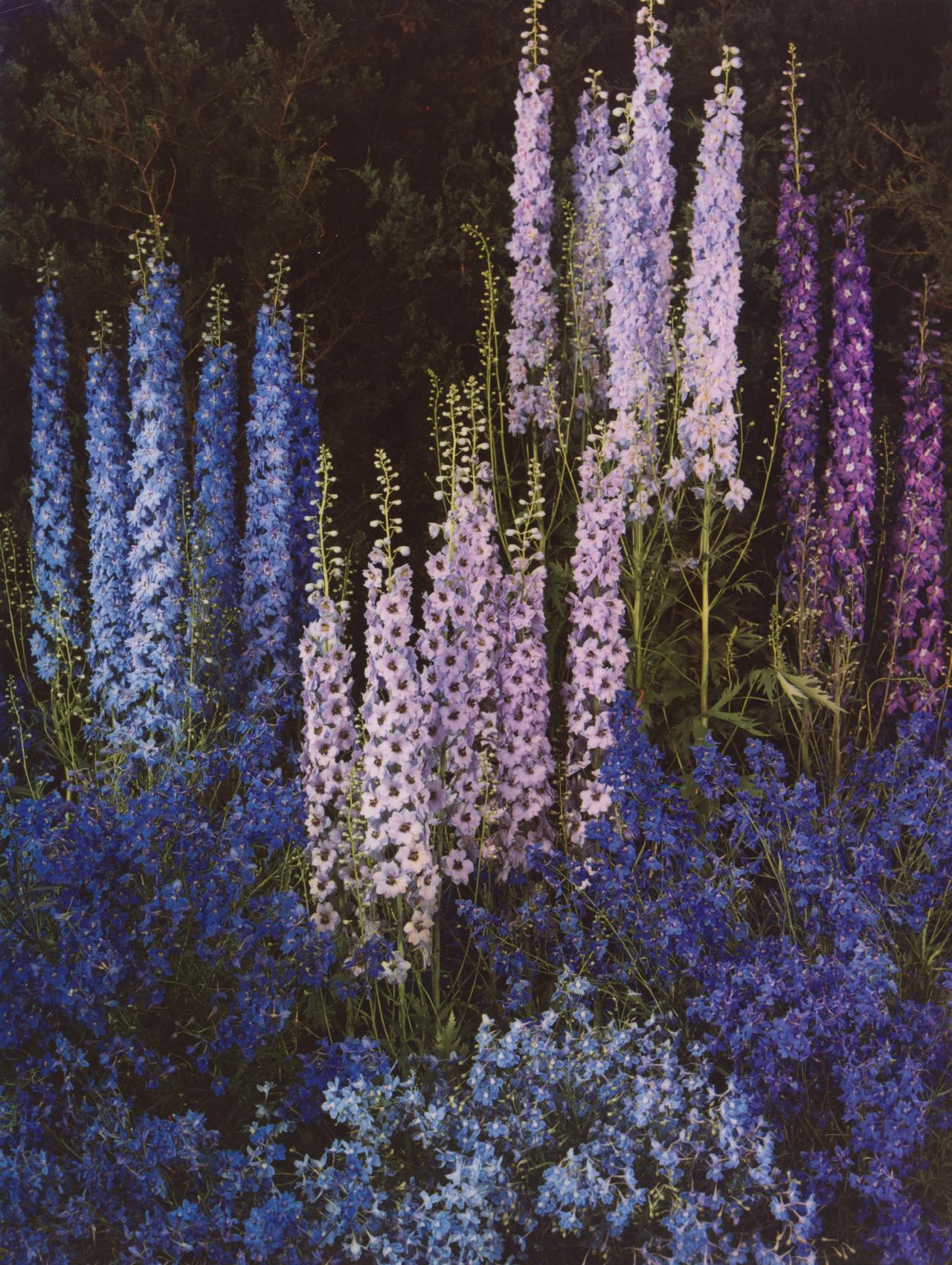
Edward Steichen ~ Delphiniums, Ridgefield, Connecticut, 1939; printed 1940. Dye transfer photograph. | src NGV
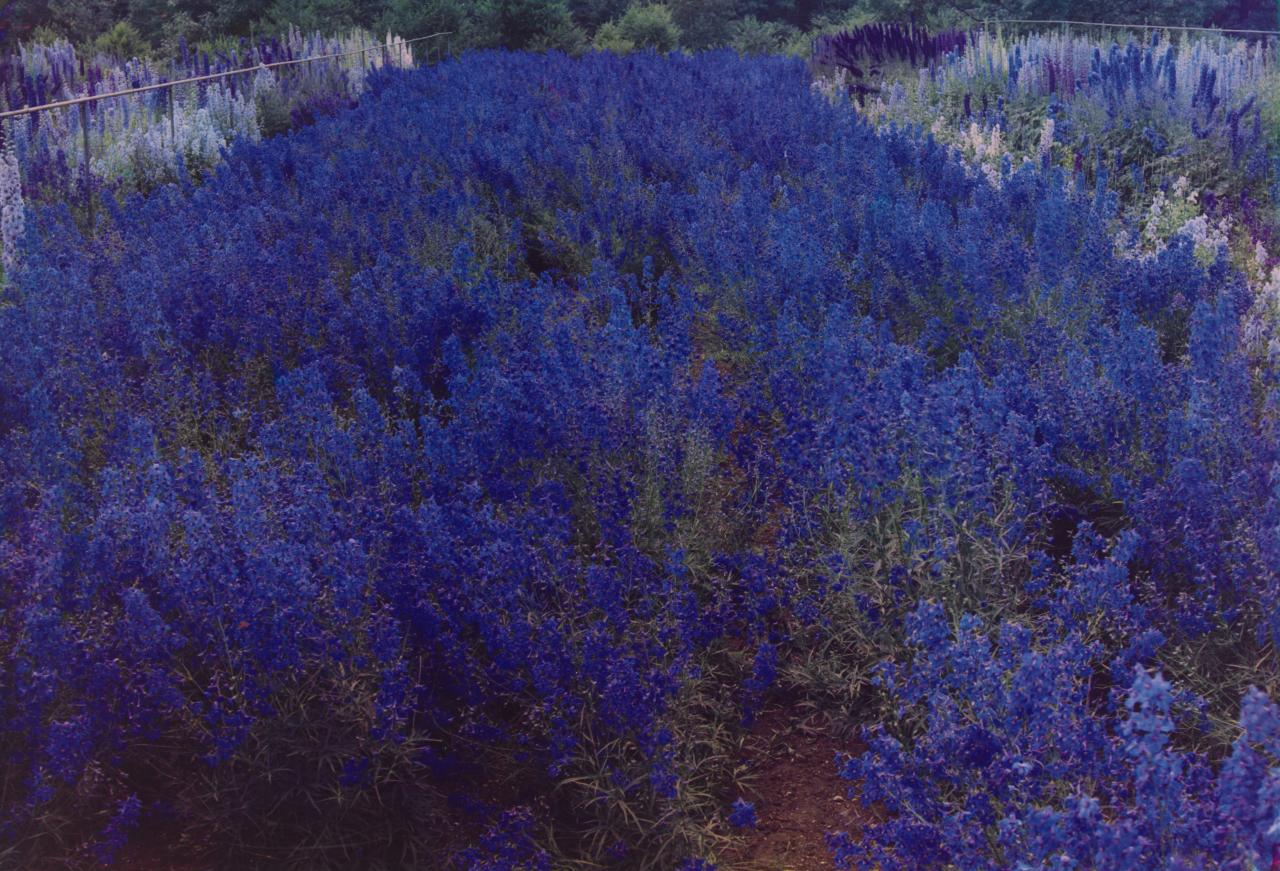
Edward Steichen ~ Block of blue wave delphiniums at Steichen’s plant breeding farm, 1938 | NGV ~ National Gallery of Victoria
Edward Steichen (American, b. Luxembourg, 1879–1973) ~ Delphiniums, ca. 1940. Dye imbibition print. | Eastman museum

Edward Steichen: painter, photographer, modern art promoter, museum curator, exhibition creator—and delphinium breeder.

Yes, in addition to his groundbreaking career as a visual artist and museum professional, Steichen was also a renowned horticulturist. While he lived in France, the French Horticultural Society awarded him its gold medal in 1913, and he served as president of the American Delphinium Society from 1935 to 1939. In the early 1930s, after leaving his position as chief of photography for the Condé Nast publications—including Vogue and Vanity Fair—and more than 10 years before beginning his career as Director of the Department of Photography at MoMA, he retired to his Connecticut farm to raise flowers.

Among the delphinium breeds Steichen hybridized there were “Carl Sandburg,” named for his brother-in-law and close friend (and Nobel Prize–winning poet and author), and, in the 1960s, “Connecticut Yankees”…

In June 1936, MoMA presented its first and only dedicated flower show, Edward Steichen’s Delphiniums, which exhibited—for one week only—plants Steichen had raised and then trucked to the Museum’s galleries himself. (Read the original press release for the exhibition in MoMA’s online press archives.)

quoted from MoMA blog
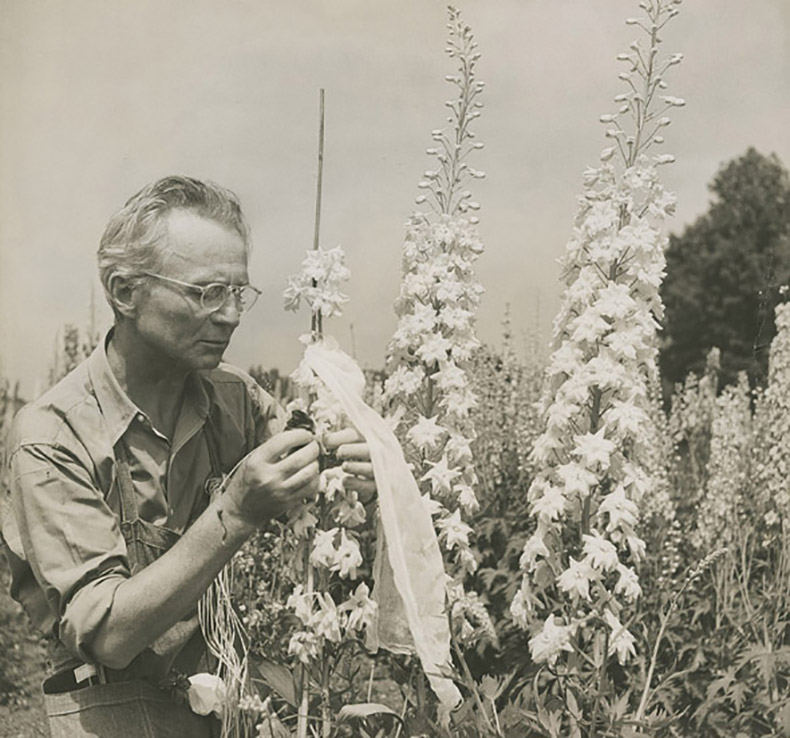
Edward Steichen with delphiniums (ca. 1938), Umpawaug House (Redding, Connecticut). Photo by Dana Steichen. Gelatin silver print. Edward Steichen Archive, VII. The Museum of Modern Art Archives. | MoMA blog

Still Life, ca. 1910 (autochrome)

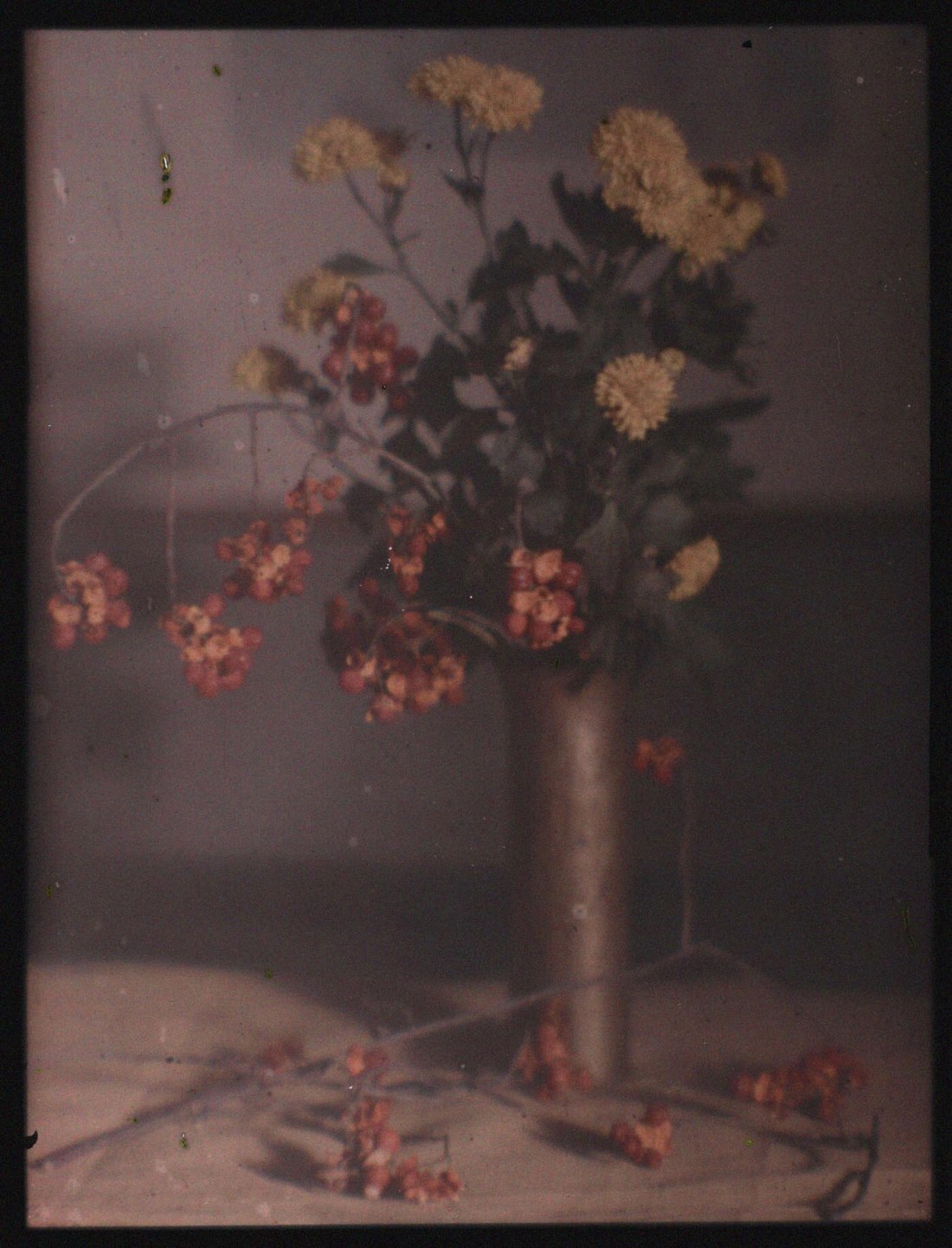
Karl Struss (1886-1981); Still Life with Pewter Vase, New York; ca. 1910; additive color screen plate; Amon Carter Museum of American Art, Fort Worth, TX; P1983.24.52
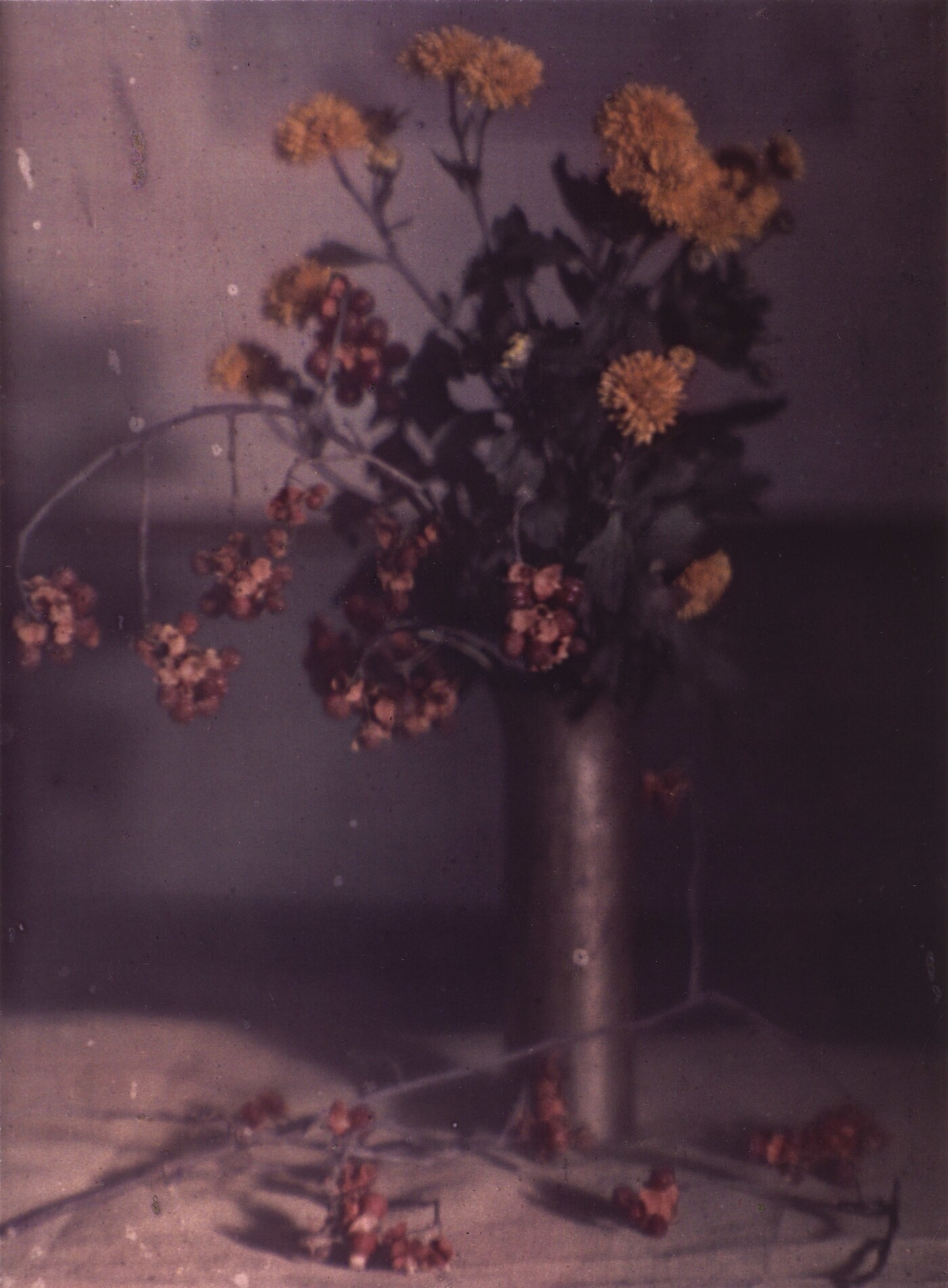
Karl Struss :: Still Life with Pewter Vase, New York, circa 1910. Dye transfer print printed from Struss' autochrome. | src Swann Galleries
Karl Struss :: Still Life with Pewter Vase, New York, circa 1910. Dye transfer print printed from Struss’ autochrome. | src Swann Galleries
Karl Struss (1886-1981) :: Still Life with Pewter Vase, New York, ca. 1910. Additive color screen plate. | src Amon Carter Museum
Karl Struss :: Still Life with Pewter Vase, New York, ca. 1910. Dye imbibition print from the original Autochrome, printed ca. 1981. | src Amon Carter Museum

Inscription on print verso:

signed c.: Karl Struss / numbered: 44

stamped: THIS IS SET #4 \ A DYE-TRANSFER PRINT PRODUCED \ FROM THE ORIGINAL AUTOCHROME \ IN AN EDITION OF 20.