Jan Toorop · Salad Oil style

Jan Toorop ~ Poster for Delft Salad Oil, 1894 (RP-P-1912-2395) | src Rijksmuseum

Affiche Delftsche Slaolie (1894)
This poster was commissioned by the Nederlandsche Oliefabriek, an oil manufacturer in Delft. Two women with wavy hair and billowing draperies occupy most of the composition. One of them is dressing a salad.
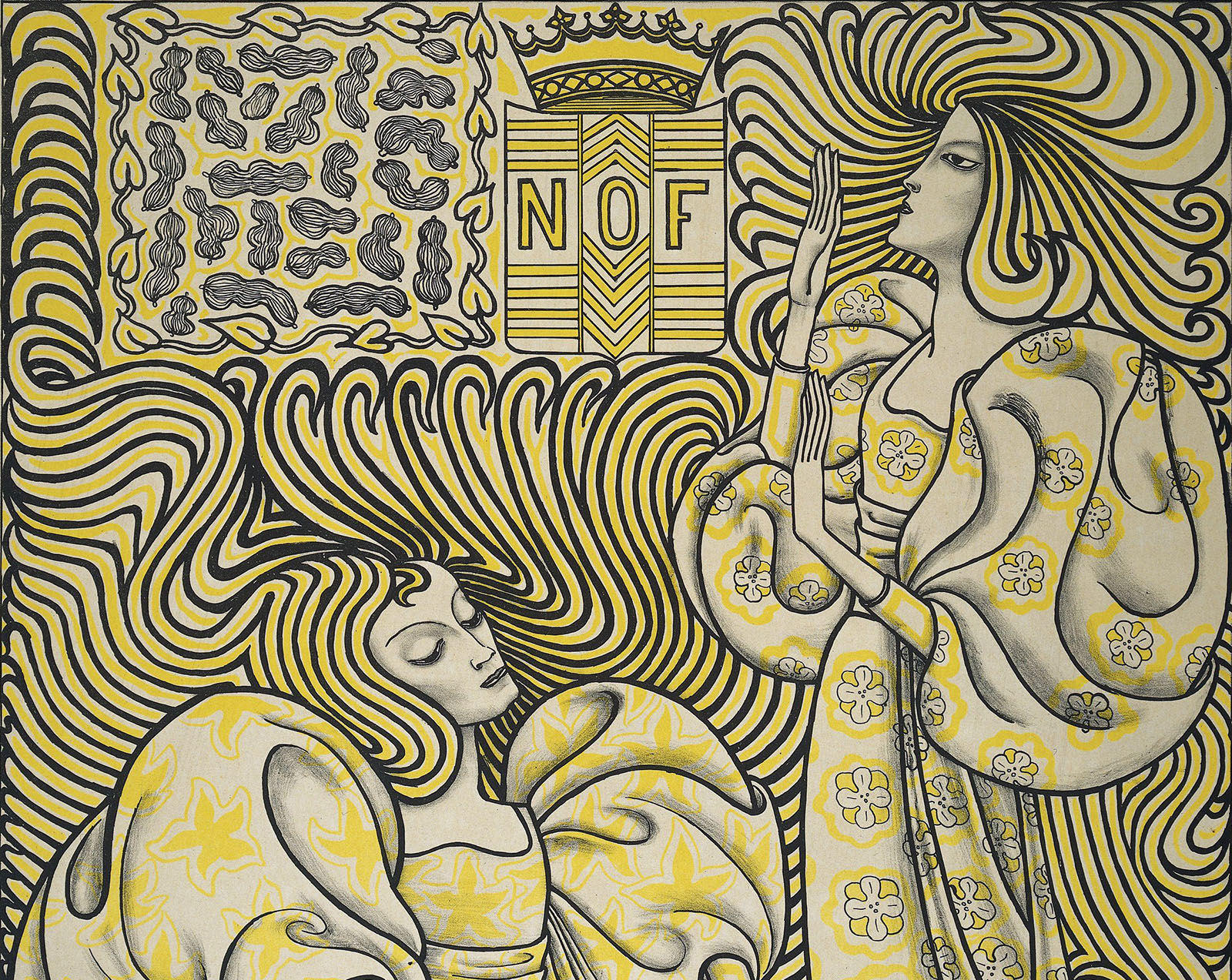
The inscription on top Delftsche Slaolie makes it clear that the advert concerns salad oil, as do the bottles of salad oil on either side of the text. Below it is the crowned coat of arms of the factory (N O F), with a decorative area with peanuts on the left. The majority of the poster is taken up by the two graceful female figures with long hair and billowing draperies. One sits and is dressing a lettuce salad in a large container; the other has her gaze and hands raised. The women with their emphatic contours draw attention away from the actual advertisement, namely for the salad oil. The wavy, rhythmic interplay of lines with which the women’s hair fills the picture surface made such an impression that it became an icon and lent Dutch Art Nouveau its nickname, slaoliestijl, the ‘salad oil style’. | text adapted from Rijksmuseum [x]

Jan Toorop ~ Image Design for a Poster. Wagenaar’s Cantata ‘The Shipwreck’, 1899. Zincograph in blue-black on yellow wove paper | src AIC
Jan Toorop (1858-1928) ~ Two female figures with clock in hand, 1913 (?). Pencil and chalk on paper. | src Rijksmuseum
Jan Toorop ~ Twee gestileerde vrouwelijke figuren met klok in de hand (1894)

Jan Toorop (1858–1928) was born on the island of Java in the Dutch East Indies, Toorop settled in the Netherlands at the age of eleven. After studying art at the Rijksakademie in Amsterdam, he’d spend his time between The Hague, Brussels, England (where his wife was from), and, after 1890, the Dutch seaside town of Katwijk aan Zee. It was during this time that he developed his distinctive style: highly stylized figures, embedded in complex curvilinear designs, with his dynamic line showing influence from his Javanese roots. While perhaps most famous for turning these techniques to his exquisite poster designs, Toorop also produced a substantial body of work far removed from the anodyne demands of the advertising industry, beautiful but haunting works dealing with darker subjects such as loss of faith and death (that you can find in this other post). | text adapted from Public Domain review

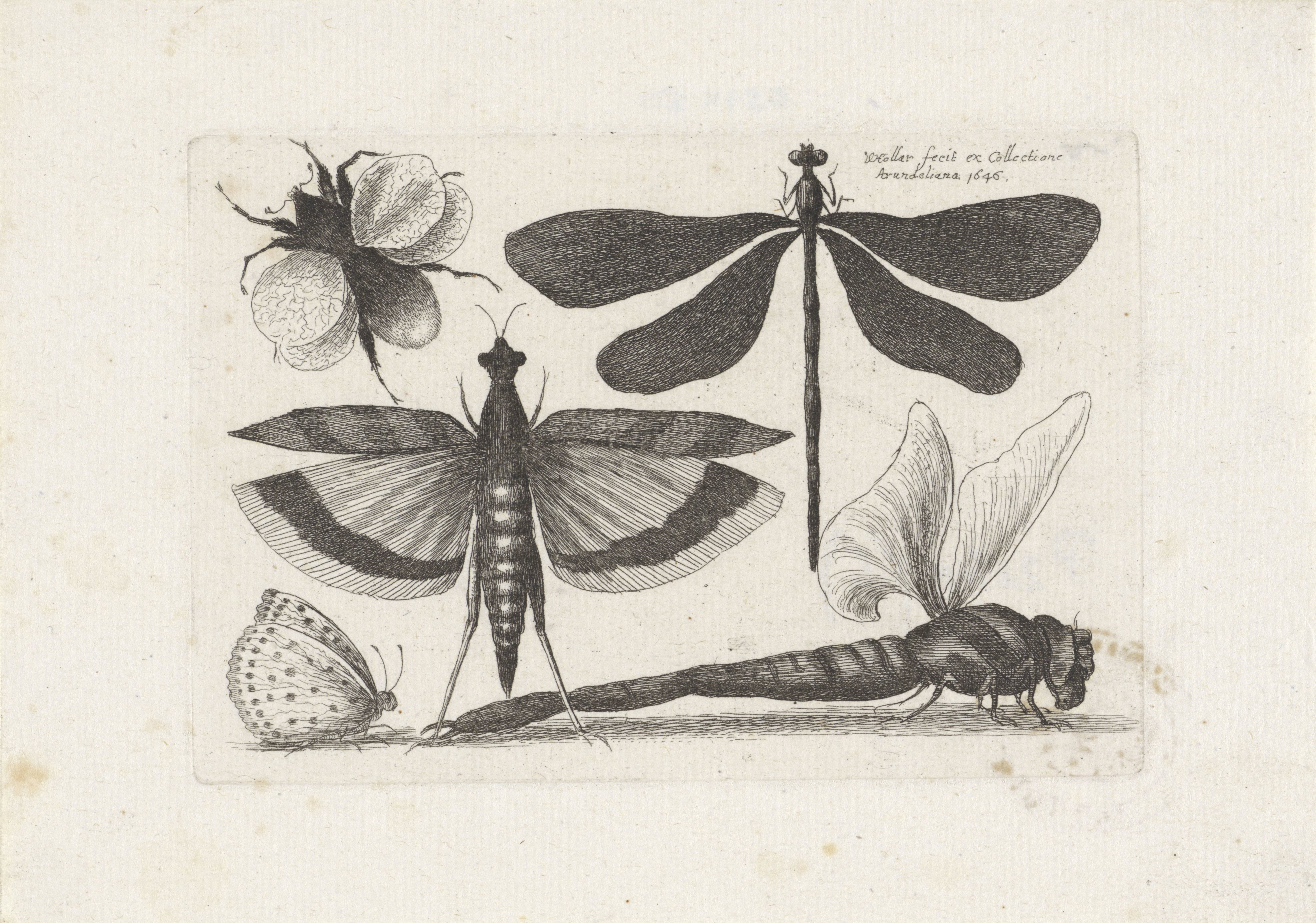
Moth by Hollar (1646)

Wenceslaus Hollar :: Vlinders, torren en een mot [Butterflies, Beetles and a Moth], Antwerp, 1646. Insecten (series title) Muscarum Scarabeorum (series title). Etching. | src Rijksmuseum
Wenceslaus Hollar :: Moth, Antwerp, 1646. Etching. | src Rijksmuseum
Wenceslaus Hollar :: Vlinders, torren en een mot [Butterflies, Beetles and a Moth], Antwerp, 1646. Insecten (series title)
Muscarum Scarabeorum (series title). Etching. | src Rijksmuseum
Wenceslaus Hollar :: Vlinders, torren en een mot [Butterflies, Beetles and a Moth], Antwerp, 1646. Insecten (series title). Muscarum Scarabeorum (series title). Etching. | src Rijksmuseum

Dragonfly by Hollar (1646)

Wenceslaus Hollar :: Dragonfly [Libellen], Antwerp, 1646. | src Rijksmuseum
Wenceslaus Hollar :: Dragonfly [Libellen], Antwerp, 1646. | src Rijksmuseum / Detail
Wenceslaus Hollar :: Dragonfly, Libellen Antwerp, 1646. [detail] | src Rijksmuseum
Wenceslaus Hollar :: Dragonfly [Libellen], Antwerp, 1646. | src Rijksmuseum
Wenceslaus Hollar :: Libellen, vlinder en een hommel [Butterfly, bumblebee, dragonfly]. Insecten (series title). Muscarum Scarabeorum (series title). Antwerp, 1646. | Rijksmuseum

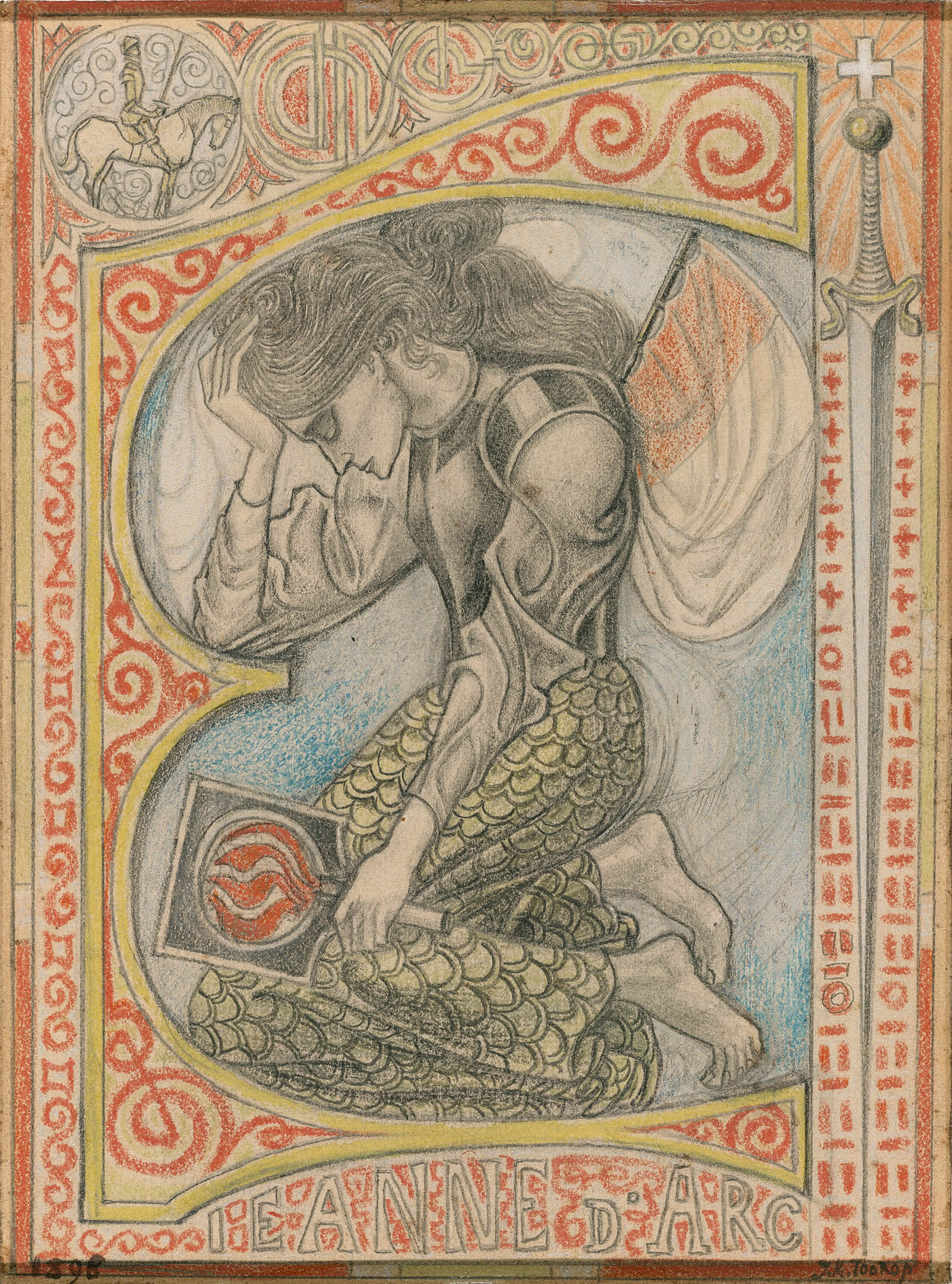
Joan of Arc by Jan Toorop

Jan Toorop [Dutch, 1858–1928] :: Jeanne d'Arc - Joan of Arc, 1898. Graphite and colored pencils on tan wove board. | Art Institute of Chicago, “Drawings in Dialogue: Old Master Through Modern“
Jan Toorop [Dutch, 1858–1928] :: Jeanne d’Arc – Joan of Arc, 1898. Graphite and colored pencils on tan wove board. | Art Institute of Chicago, “Drawings in Dialogue: Old Master Through Modern“

Signed recto, lower right, pen and black ink: “J. K. TOOROP”; dated, lower left, in pen and black ink: “1898”; inscribed recto, lower center, in graphite: “IEANNE D’ARC”

Imbued with the sinuous linear style of Toorop’s most celebrated works, this small drawing merges medieval subject matter with the graphic language of Symbolism. Cleverly situated within the voids of a capital letter E, Toorop’s title figure recalls the conventions of medieval manuscript illumination. Indeed, like many of Toorop’s drawings, this work was likely intended for inclusion in a book. The swirling parallel lines in the saint’s hair and the intensity of her downcast posture assert the sympathetic interpretation Toorop offered of this warrior saint, whose canonization was not finalized until 1920. [AIC]

In the garden with van Besten

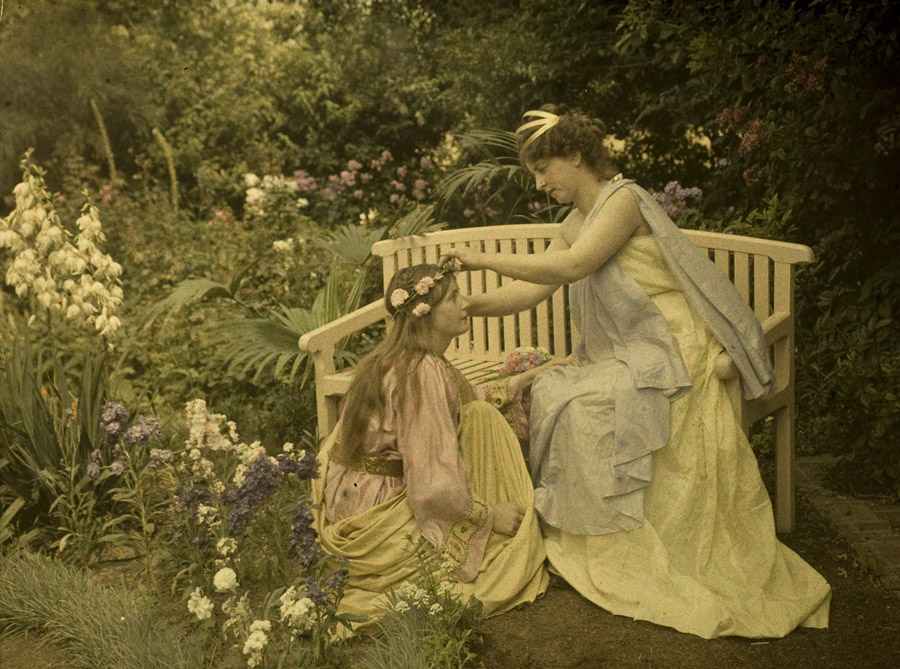
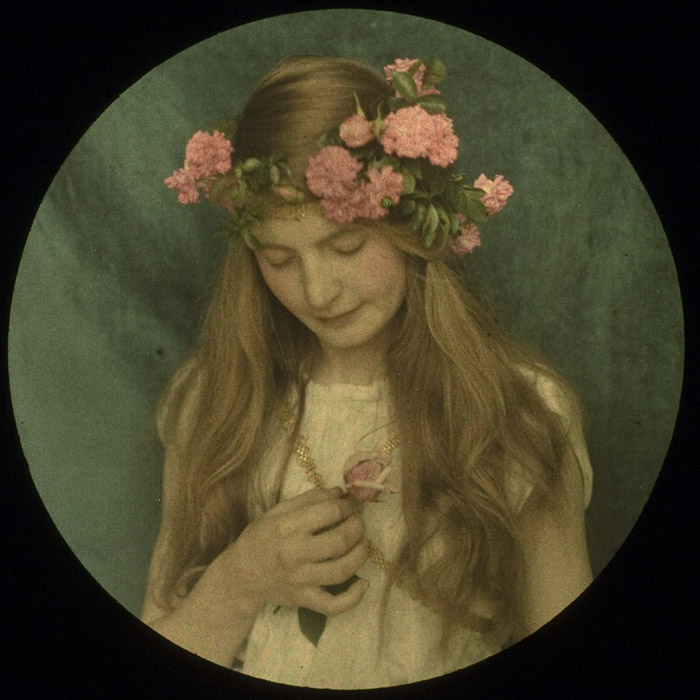
Sebastiaan Alfonse Van Besten :: Innocence, ca. 1912. Autochrome. | src Belgian Autochromists
Sebastiaan Alfonse van Besten :: Innocence, ca. 1912. Autochrome. | src Belgian Autochromists
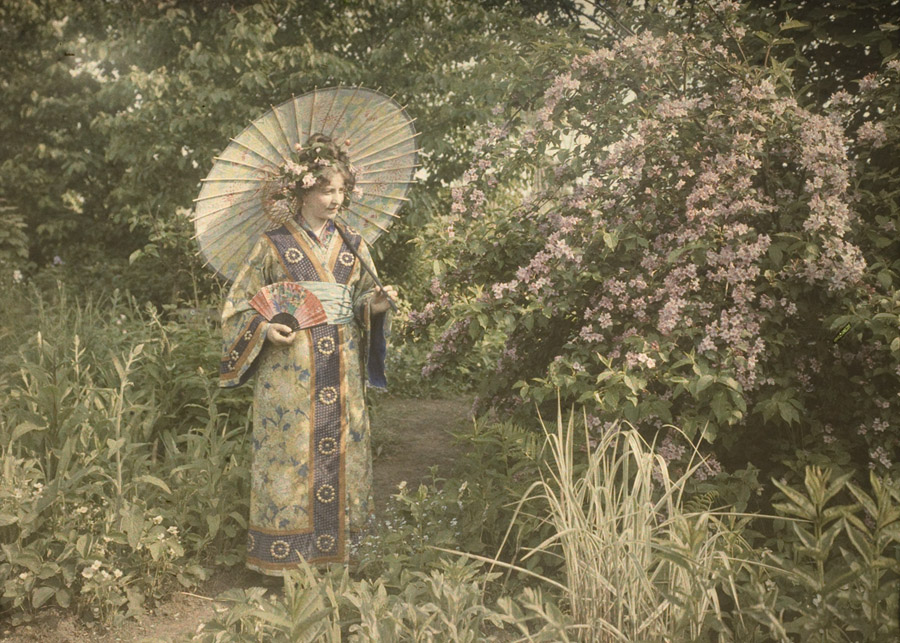
Sebastiaan Alfonse Van Besten :: Japanesque, ca. 1913. Autochrome. | src Belgian Autochromists
Sebastiaan Alfonse van Besten :: Japanesque, ca. 1913. Autochrome. | src Belgian Autochromists

Picking cornflowers, ca. 1912

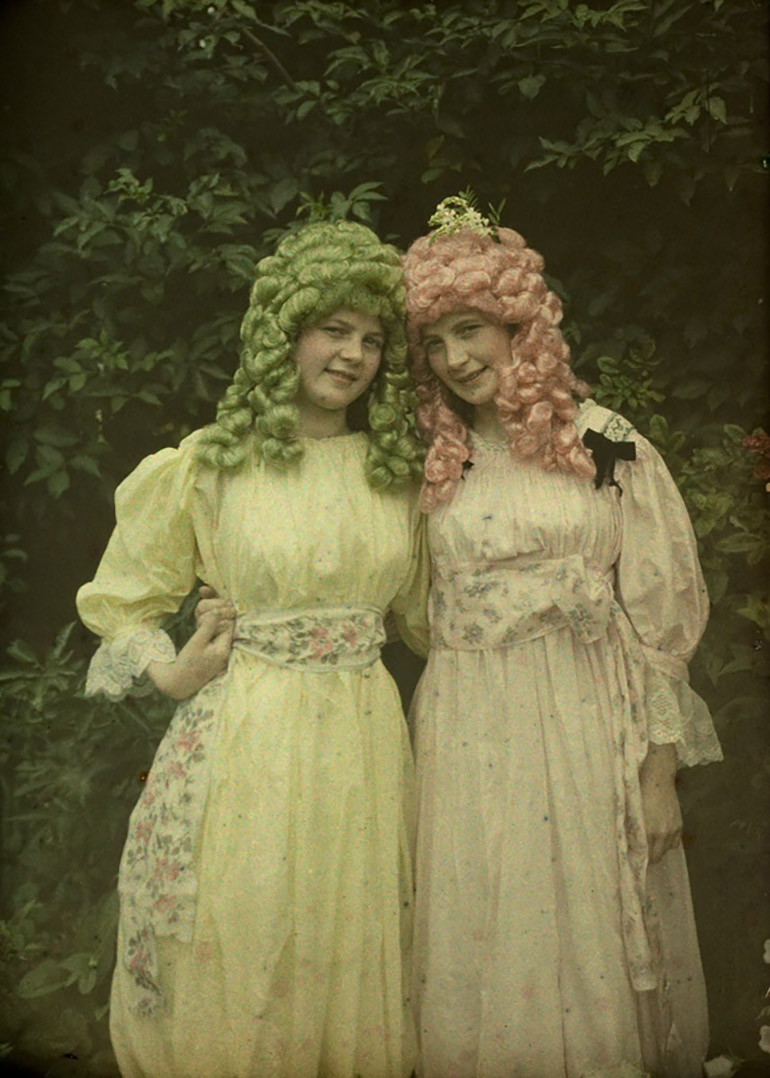
Sebastiaan Alfonse Van Besten :: Two girls picking cornflowers, ca. 1912. Autochrome. | src Belgian Autochromists

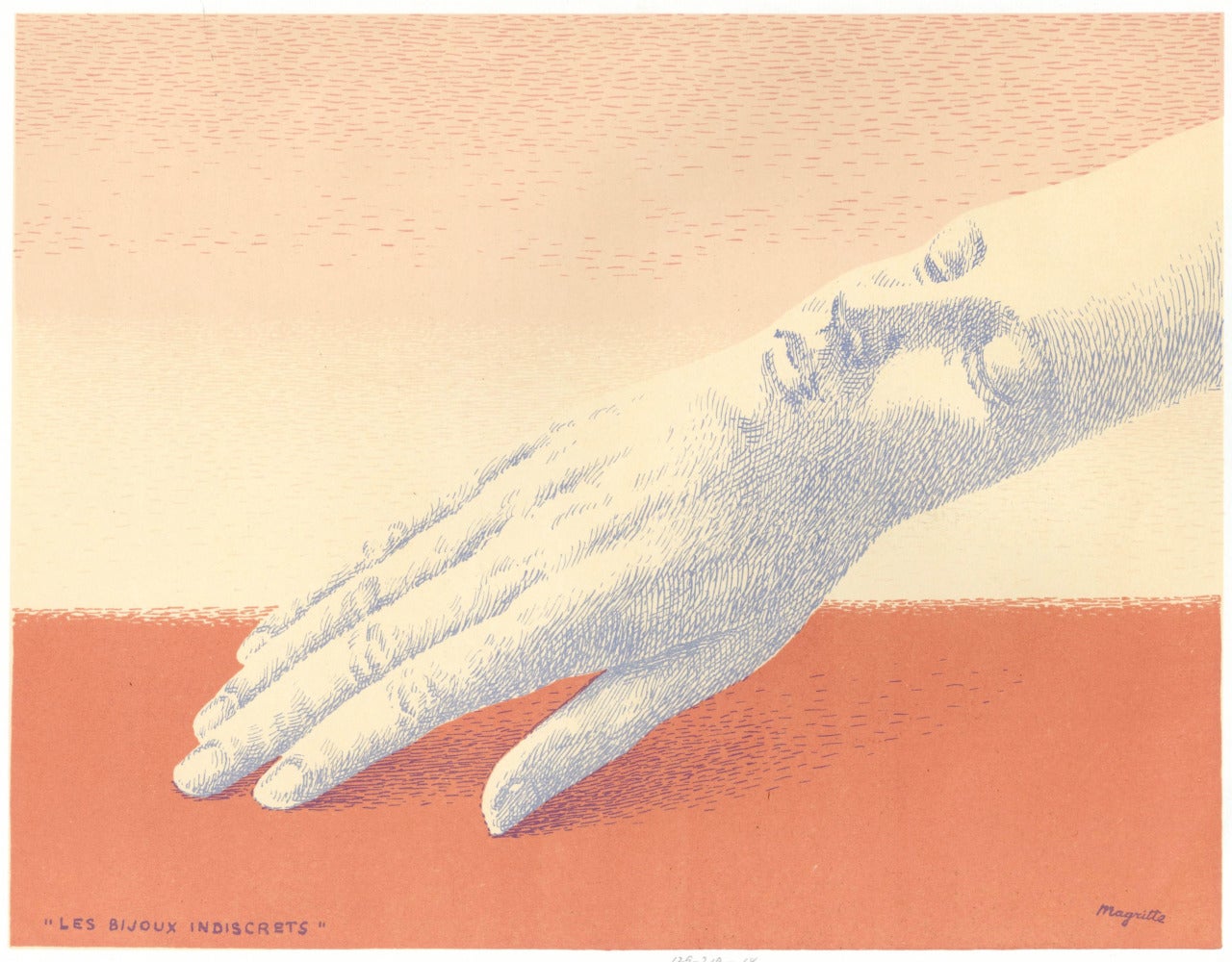
Les Bijoux Indiscrets, 1962

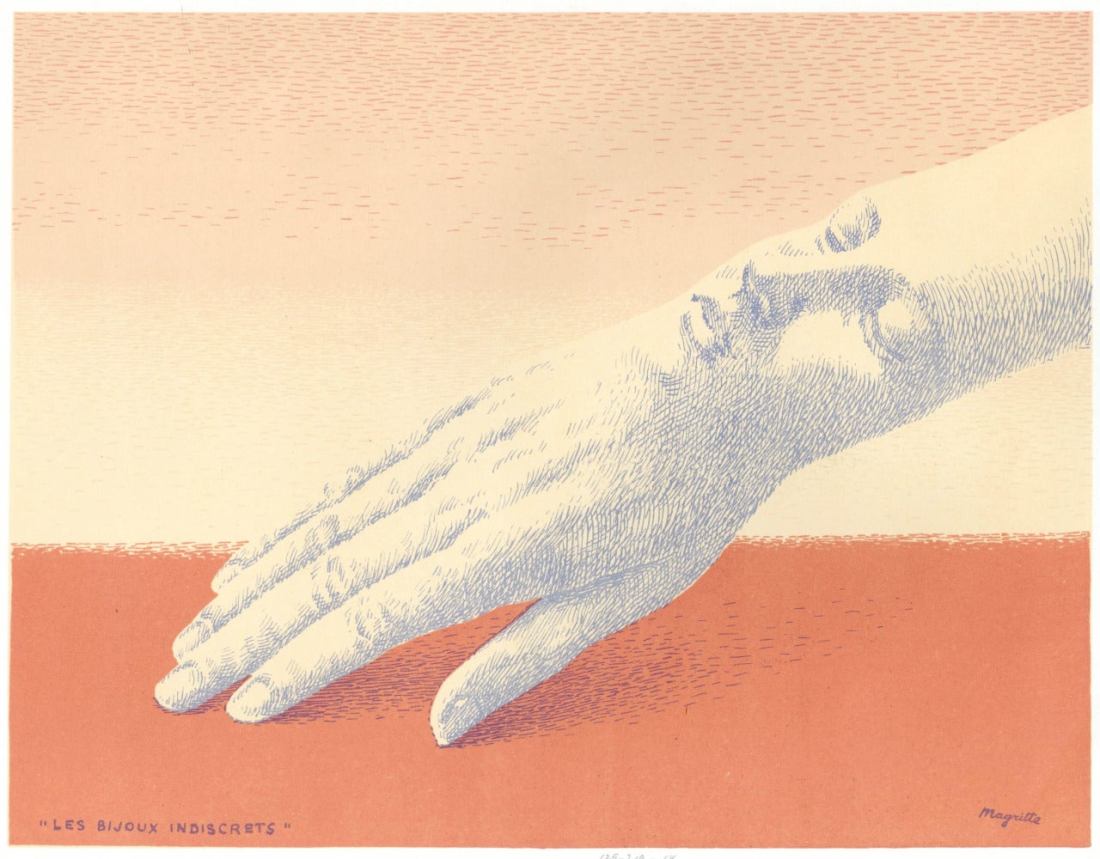
René Magritte :: Les Bijoux Indiscrets 1962. (The Indiscreet Jewels) Color lithograph, 1962-3. As published in XXeme Siecle, 1963 From the edition issued by San Lazarro unsigned for the album XXeme Siècle No.22. Printed at the studio of Mourlot, Paris 1963.
René Magritte :: Les Bijoux Indiscrets 1962. (The Indiscreet Jewels). Color lithograph, 1962-3. As published in XXeme Siecle, 1963 From the edition issued by San Lazarro unsigned for the album XXeme Siècle No.22. Printed at the studio of Mourlot, Paris 1963. | 1st dibs

Modesty by van Besten

Sebastiaan Alfonse Van Besten :: Modesty, ca. 1912. Autochrome. | src Belgian Autochromists
Sebastiaan Alfonse van Besten :: Modesty, ca. 1912. Autochrome. | src Belgian Autochromists

Alfonse van Besten (1865-1926) was a painter, and took full advantage of the possibilities of the new colour process: the Autochrome. One can see that many of his Autochromes were taken with a “painterly eye” e.g. Musing (Mrs.van Besten) or Symphony in white.

During the first World War (1914-1918) he was a refugee in The Netherlands. Together with his friend A. van Son, another Belgian autochromist and refugee, they gave countless lectures at several Dutch photography societies. They were praised for their excellent Autochrome work, e.g. on the 16th of April 1915 the photographic society “Meer Licht” from Nymegen (NL) paid an homage to Van Besten for his outstanding autochrome plates. See Homage to Van Besten at Nymegen.

He was member of The photographic association IRIS-Antwerp and the Association Belge de Photographie. [quoted from source]