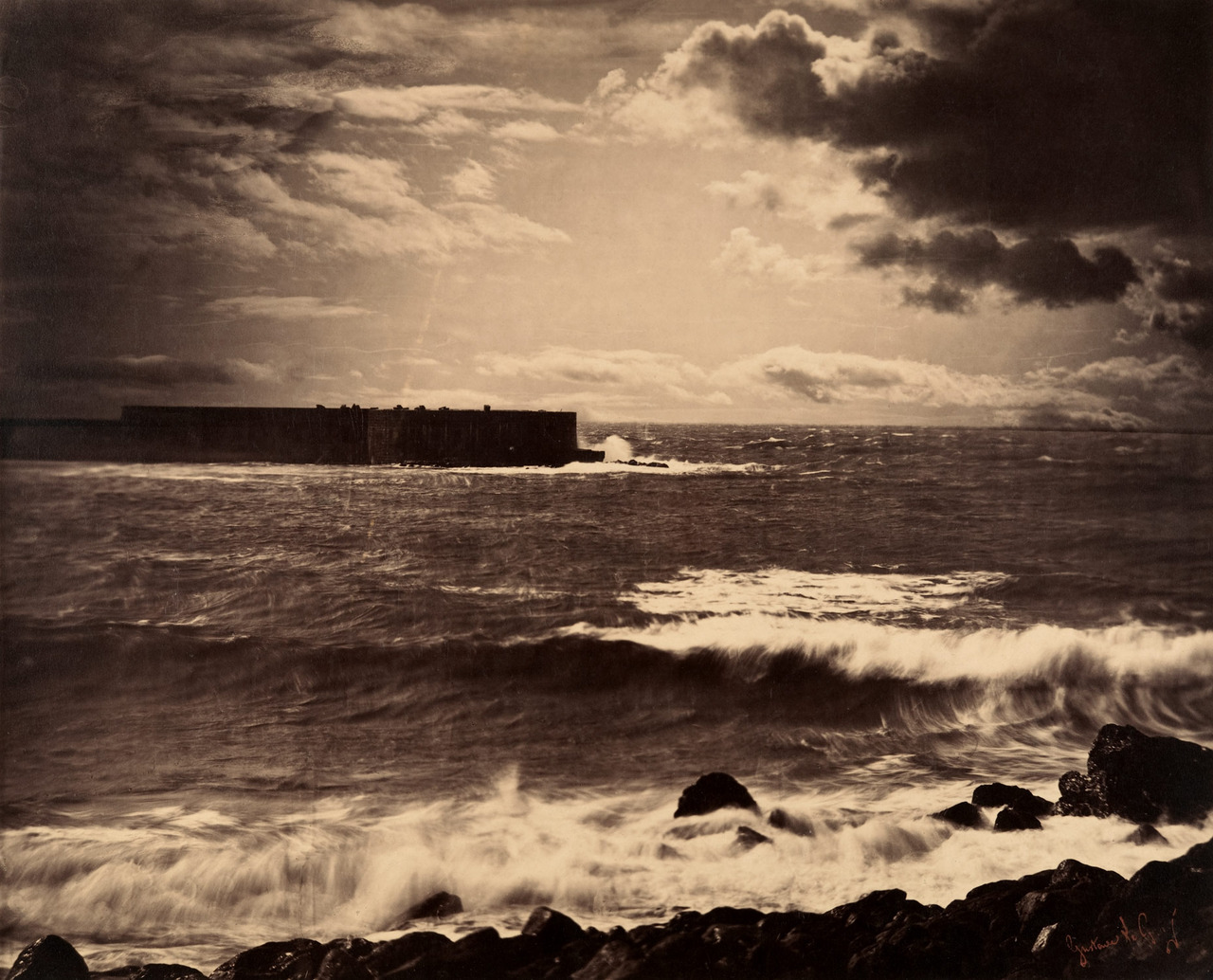
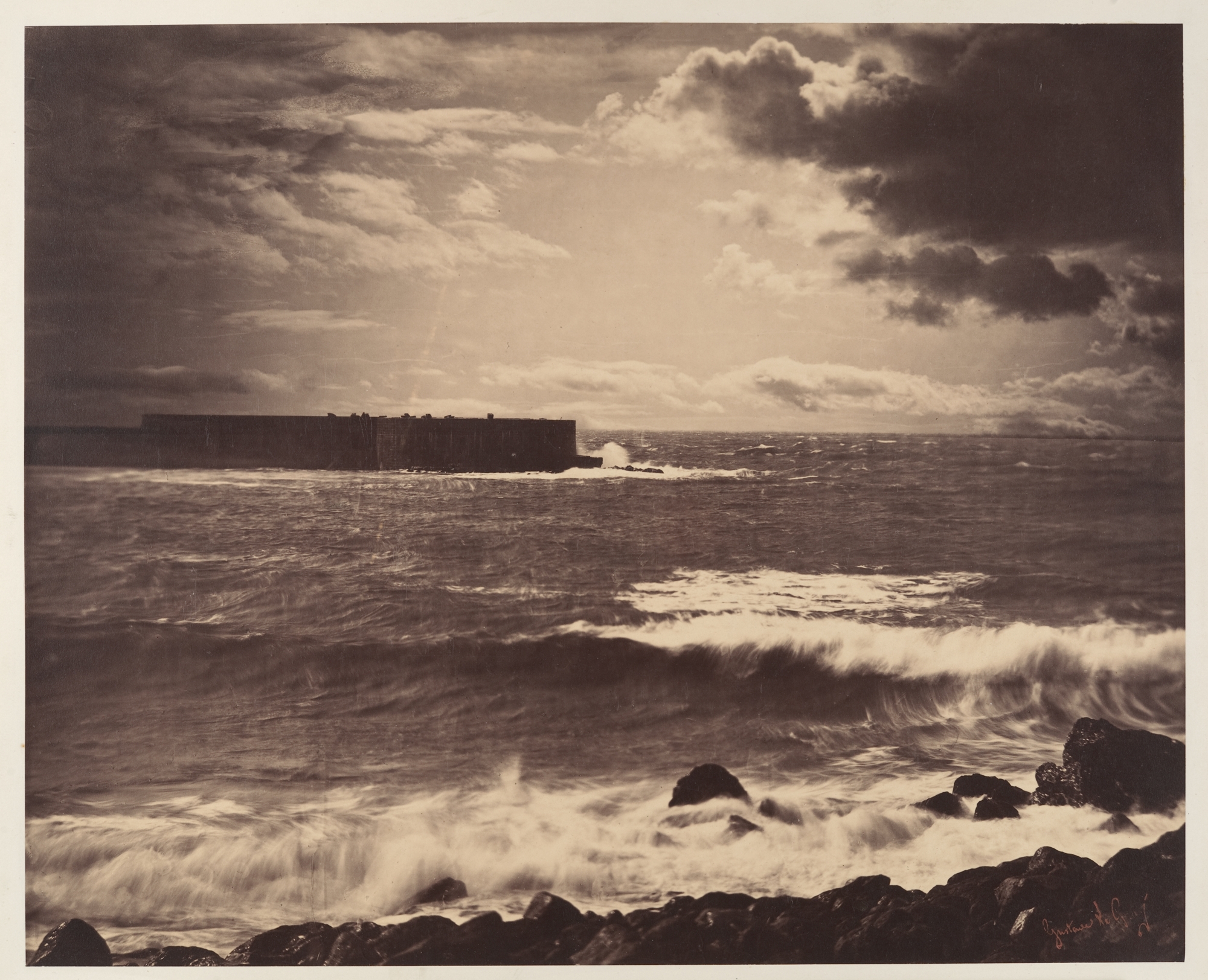
Grande vague, 1857

Gustave Le Gray :: The Great Wave, Sète, 1857. Albumen silver print from glass negative. | src The Met

The dramatic effects of sunlight, clouds, and water in Le Gray’s seascapes stunned his contemporaries and immediately brought him international recognition.  At a time when photographic emulsions were not equally sensitive to all colors of the spectrum, most photographers found it impossible to achieve proper exposure of both landscape and sky in a single picture.  Le Gray solved this problem by printing two negatives on a single sheet of paper: one exposed for the sea, the other for the sky, and sometimes made on separate occasions or in different locations.  Le Gray’s marine pictures caused a sensation not only because their simultaneous depiction of sea and heavens represented a technical tour de force, but also because the resulting poetic effect was without precedent in photography. / quoted from The Metropolitan Museum of Art.
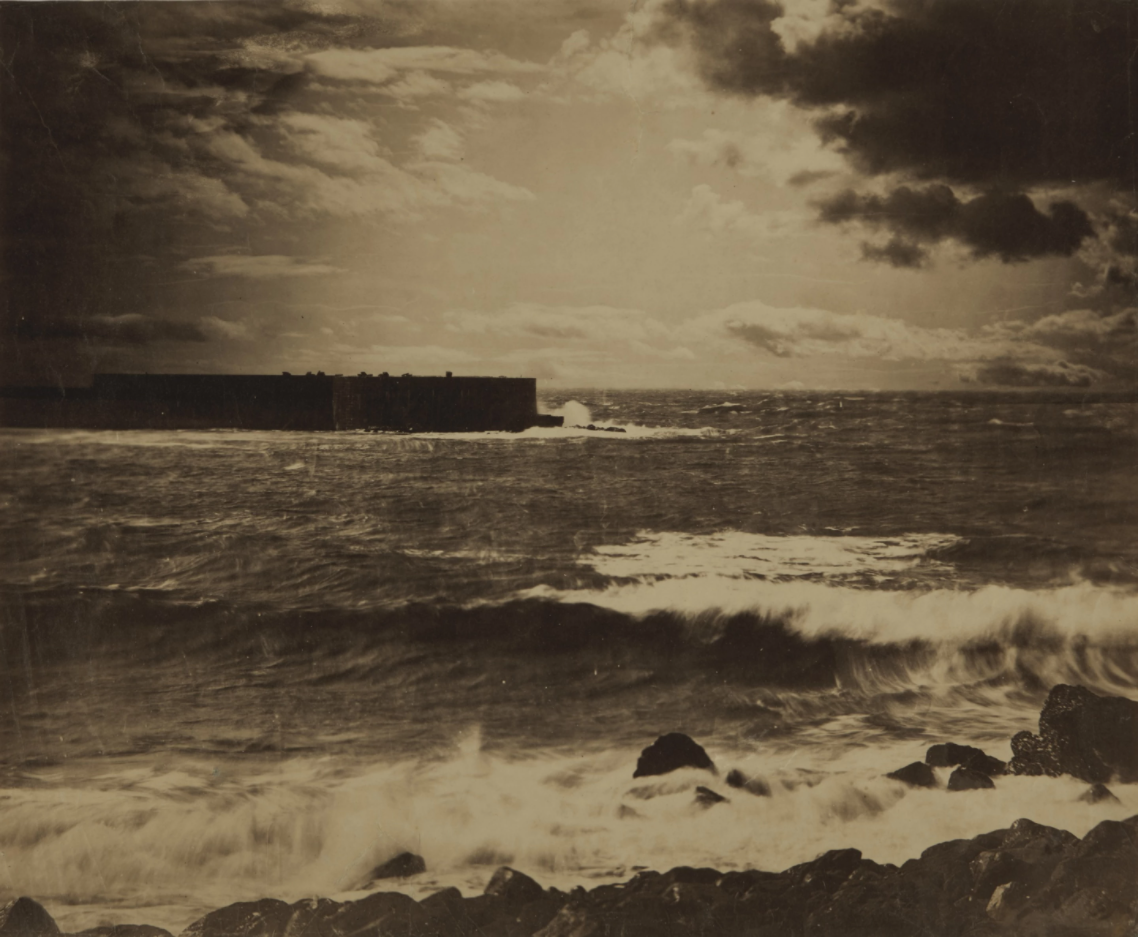
Gustave Le Gray :: Grande vague. (The Great Wave, Sète), albumen print, numbered ‘14,918’ in black ink on the reverse, 1857. | src Sotheby’s

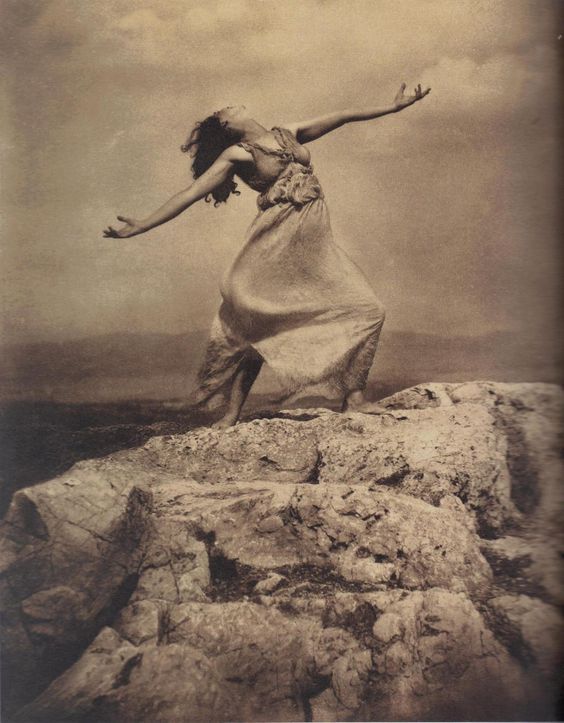
Edward Steichen :: Thérèse Duncan, adopted daughter of Isadora Duncan, on the Acropolis, Athens, 1921. From Edward Steichen: Lives in Photography, by Todd Brandow and William A. Ewing, Foundation for the Exhibition of Photography, and the Musee de l’Elysee, Lausanne, 2007. / src: pinterest, original src, thanks to reality asylum

related post, here /

more [+] by Edward Steichen

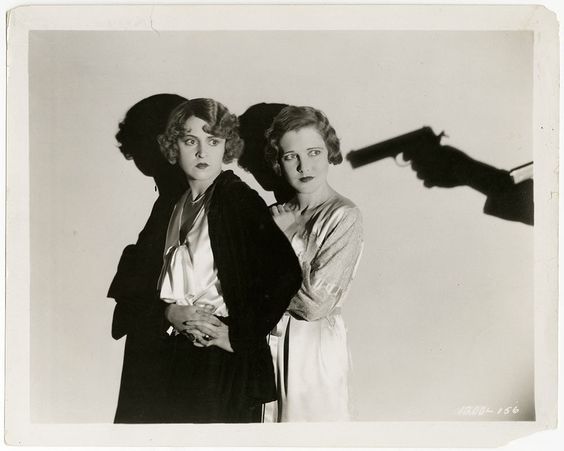
A dramatic view of the film’s female leads, Florence Eldridge and
Jean Arthur, huddled together as a mysterious shadow holding a gun aims
right for them. A vintage and original Paramount Pictures publicity
photograph promoting the early sound film ‘The Greene Murder Case’
(1929). Handwritten notations and Springer/Bettmann Film Archive ink stamp on verso.

/ src: eBay