
Sleeping woman circa 1940

images that haunt us


David Hurn :: Coach party from the valleys on holiday,
Aberavon beach, Wales, UK, 1971 / src: Magnum Photos
more [+] by this photographer
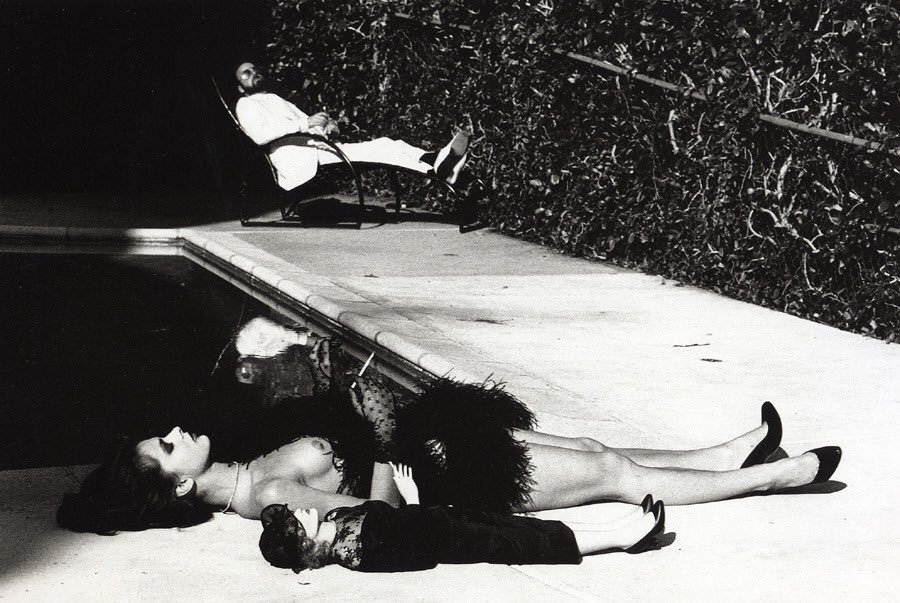
Helmut Newton :: Nastassia Kinski with Marlene Dietrich doll and movie director James Toback, Hollywood, Los Angeles, 1983 / src: Satoshi Hirose
more [+] by this photographer
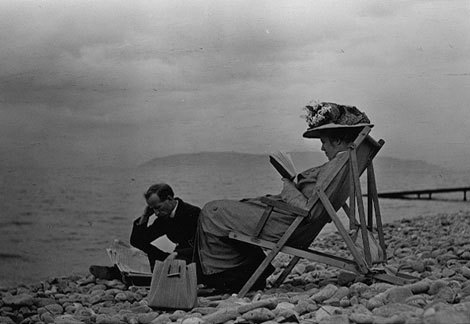
A.W. Cutler :: A Novel Holiday. The waters of Conwy Bay could not compete with a couple’s beach reading on the “sands"—as the photographer called them—at Penmaenmawr, North Wales. This photograph was probably purchased for the article "A Short Visit to Wales,” published in December 1923. In it, author Ralph A. Graves attributed the unwillingness of certain tourists to visit Wales, “one of the most alluring regions of the British Isles,” to pronunciation problems. “The average American traveler,” he wrote, “lacks the courage to wrestle with such place names as Bettws-y-Coed, Bodelwyddan, Dwygyfylchi, Clwyd, Llandudno, Pwllheli, and Pen-y-Gwryd.” / src: National Geographic

Alexander Binder :: Anglo-German actress Lilian Harvey, 1920’s. Signed: Binder, Ross Verlag publishers. | src: wikimedia

Myrna Loy and William Powell in Libeled Lady, 1936. Connie Allenbury (Myrna Loy) is reading ‘The Great Events by Famous Historians’ volum XV
more [+] Myrna Loy posts

Vintage Snapshot of Family Relaxing at the Countryside, 1940’s / src: eBay
 un regard oblique