Hujar portraits · Candy Darling

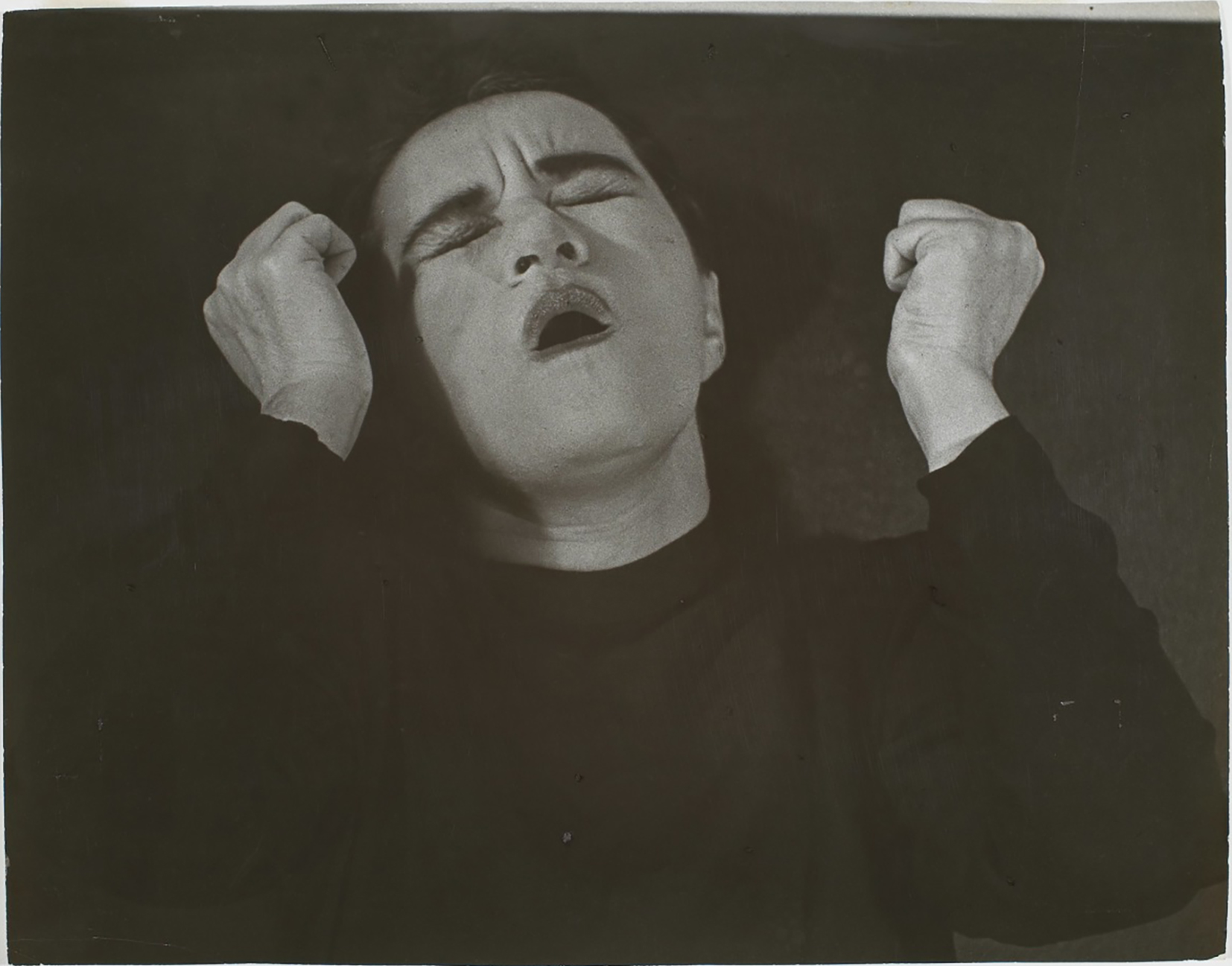
Peter Hujar (1934-1987) ~ Candy Darling on her Deathbed, 1973 | src Christie’s

Album cover for I Am a Bird Now, second album by New York City based band Anohni and the Johnsons (previously Antony and the Johnsons); released on February 2005

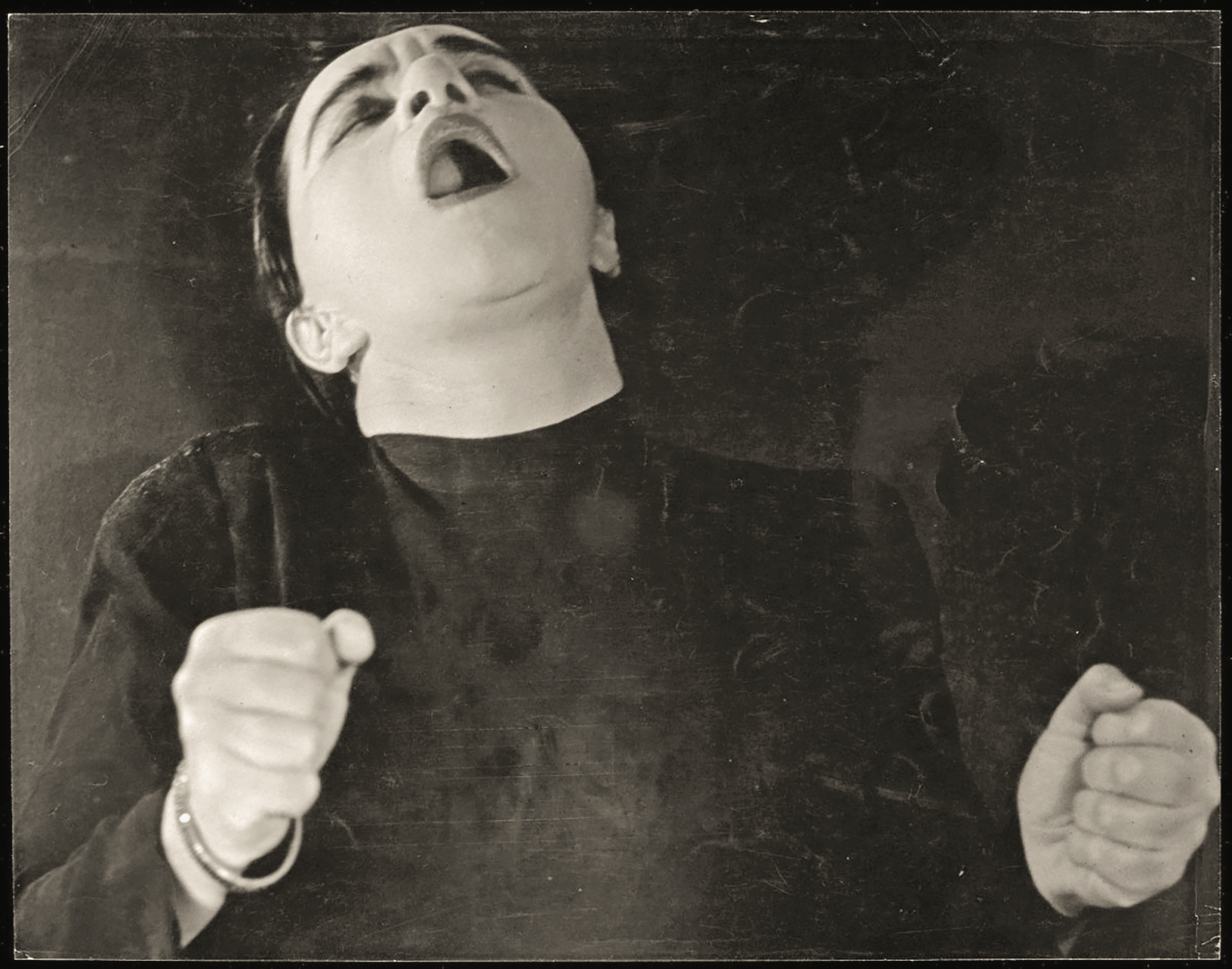
Peter Hujar (1934-1987) ~ Candy Darling on her Deathbed (II), 1973 | src Fraenkel gallery
Peter Hujar (1934-1987) ~ Candy Darling on Her Deathbed, Cabrini Medical Center, NY, 1973 | src NY Times

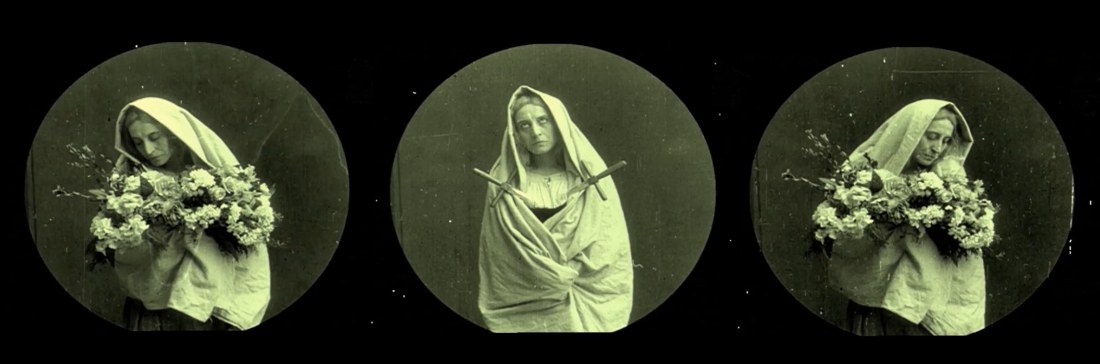
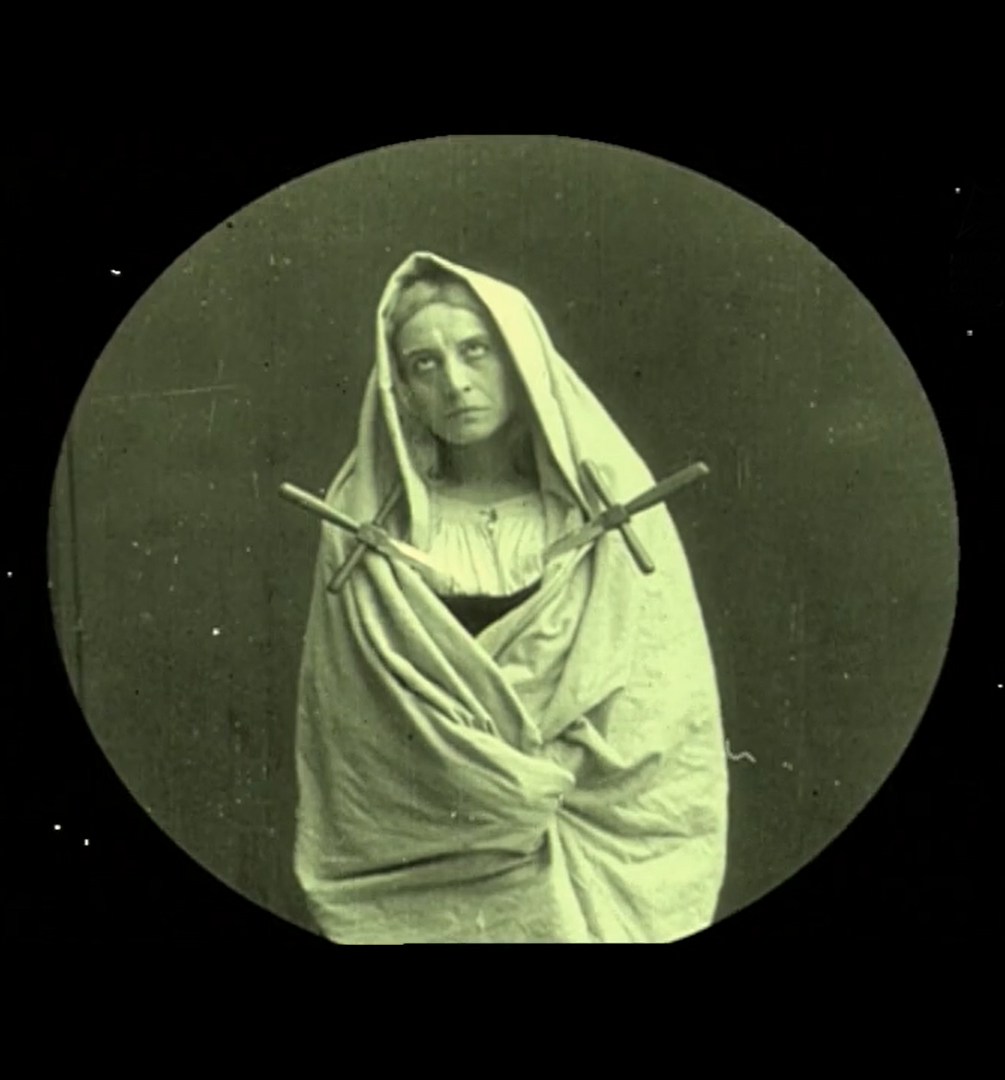
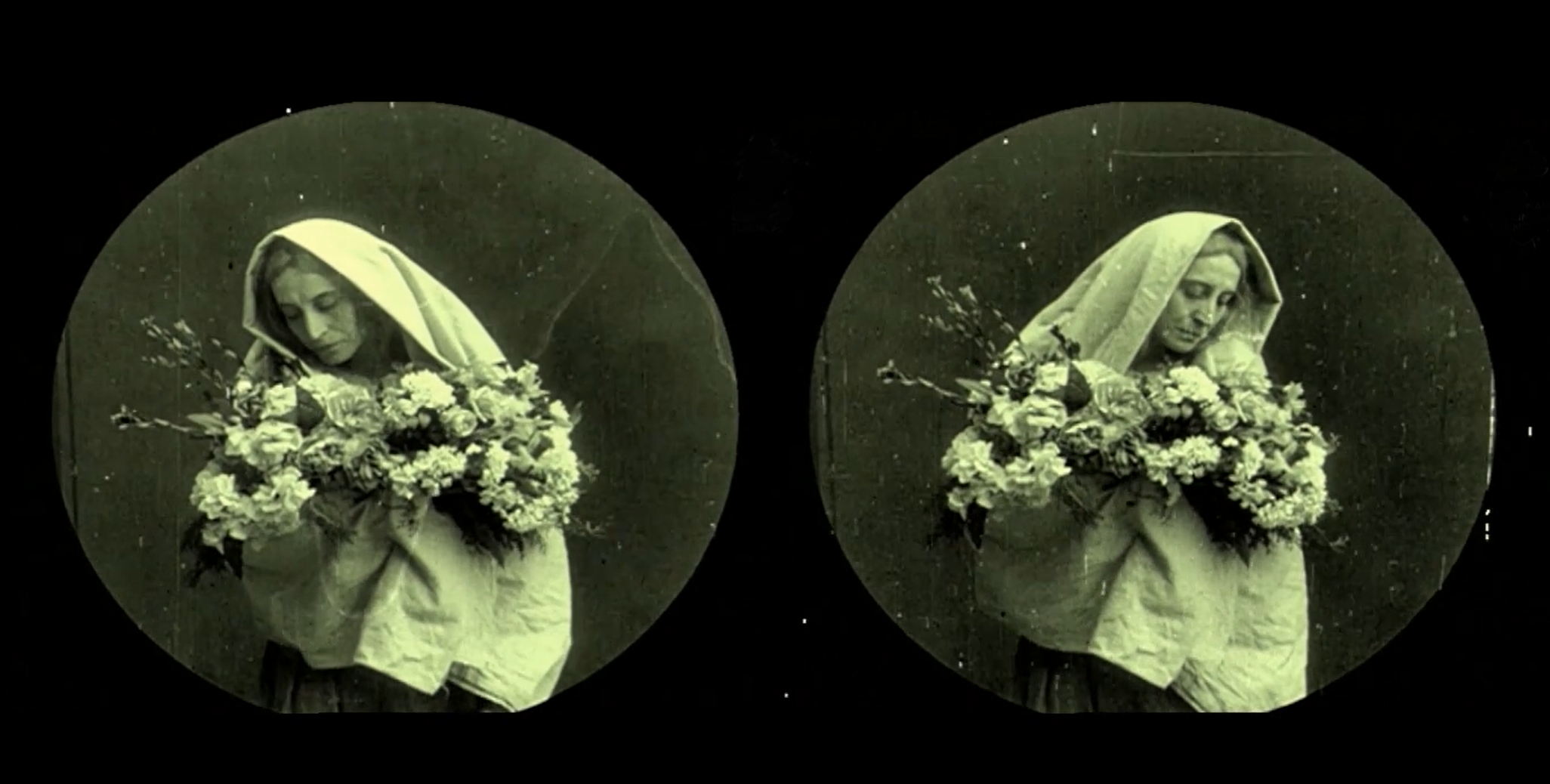
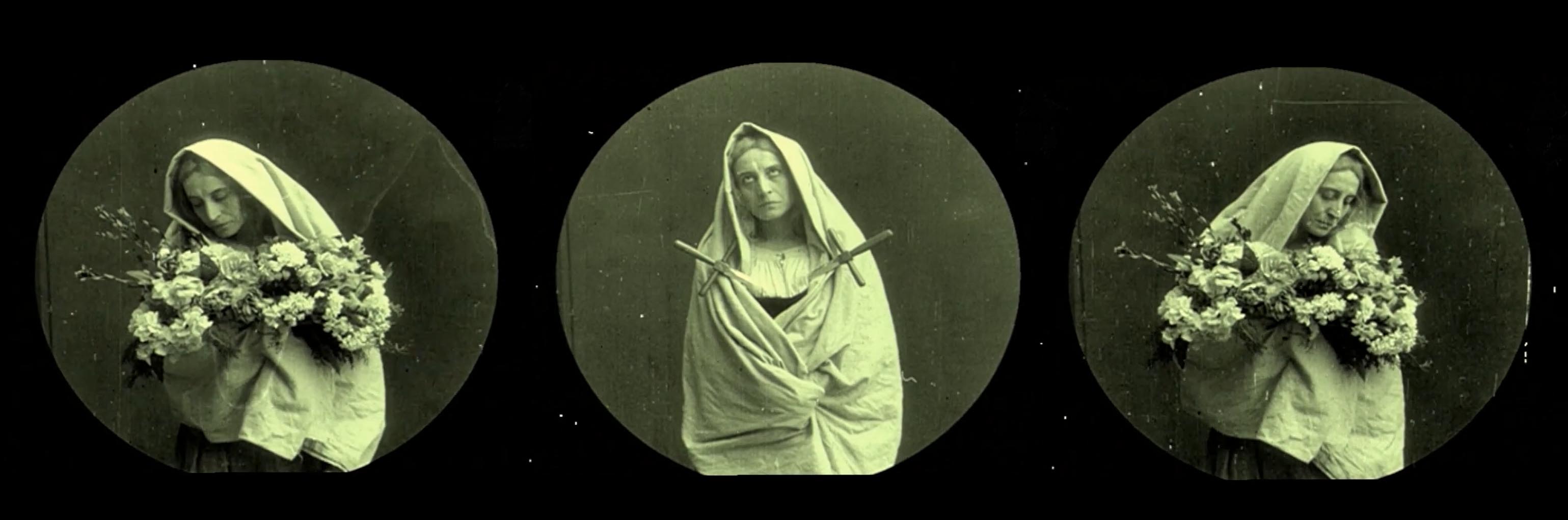
La madre e la morte (1911)

Mary Cléo Tarlarini (la madre / the mother) in La madre e la morte (S. A. Ambrosio, 1911)
Mary Cléo Tarlarini (la madre / the mother) in La madre e la morte (Arrigo Frusta, 1911)
Mary Cléo Tarlarini (la madre / the mother) in La madre e la morte (S. A. Ambrosio, 1911)
Mary Cléo Tarlarini (la madre / the mother) in La madre e la morte (S.A. Ambrosio, 1911)
La madre e la morte (Arrigo Frusta, 1911) – musica di Simone Farò / src Cinemateca Museo Nazionale del cinema on Vimeo
[full video on vimeo]
Mary Cléo Tarlarini (la madre / the mother) in La madre e la morte (S. A. Ambrosio, 1911)

Triomphe de la Mort (1932)

Gabriele D'Annunzio. Triomphe de la Mort. Paris: Javal et Bourdeaux, [1932]. With 12 illustrations by Beltran Masses, engraved on copper by Mazelin.
Gabriele D’Annunzio. Triomphe de la Mort. Paris: Javal et Bourdeaux, [1932]. With 12 illustrations by Beltran Masses, engraved on copper by Mazelin. | src liveauctioneers
Gabriele D'Annunzio. Triomphe de la Mort. Paris: Javal et Bourdeaux, [1932]. With 12 illustrations by Beltran Masses, engraved on copper by Mazelin. | src liveauctioneers
Gabriele D’Annunzio. Triomphe de la Mort. Paris: Javal et Bourdeaux, [1932]. With 12 illustrations by Beltran Masses, engraved on copper by Mazelin. | src liveauctioneers
Gabriele D'Annunzio. Triomphe de la Mort. Paris: Javal et Bourdeaux, [1932]. With 12 illustrations by Beltran Masses, engraved on copper by Mazelin. | src liveauctioneers
Gabriele D’Annunzio. Triomphe de la Mort. Paris: Javal et Bourdeaux, [1932]. With 12 illustrations by Beltran Masses, engraved on copper by Mazelin. | src liveauctioneers
Gabriele D'Annunzio. Triomphe de la Mort. Paris: Javal et Bourdeaux, [1932]. With 12 illustrations by Beltran Masses, engraved on copper by Mazelin. | src liveauctioneers
Gabriele D’Annunzio. Triomphe de la Mort. Paris: Javal et Bourdeaux, [1932]. With 12 illustrations by Beltran Masses, engraved on copper by Mazelin. | src liveauctioneers

Valeska Gert, ‘Death’, 1940

Lisette Model :: Valeska Gert, ‘Death’, gelatin silver print, 1940. Gift of the Estate of Lisette Model. | src National Gallery of Canada

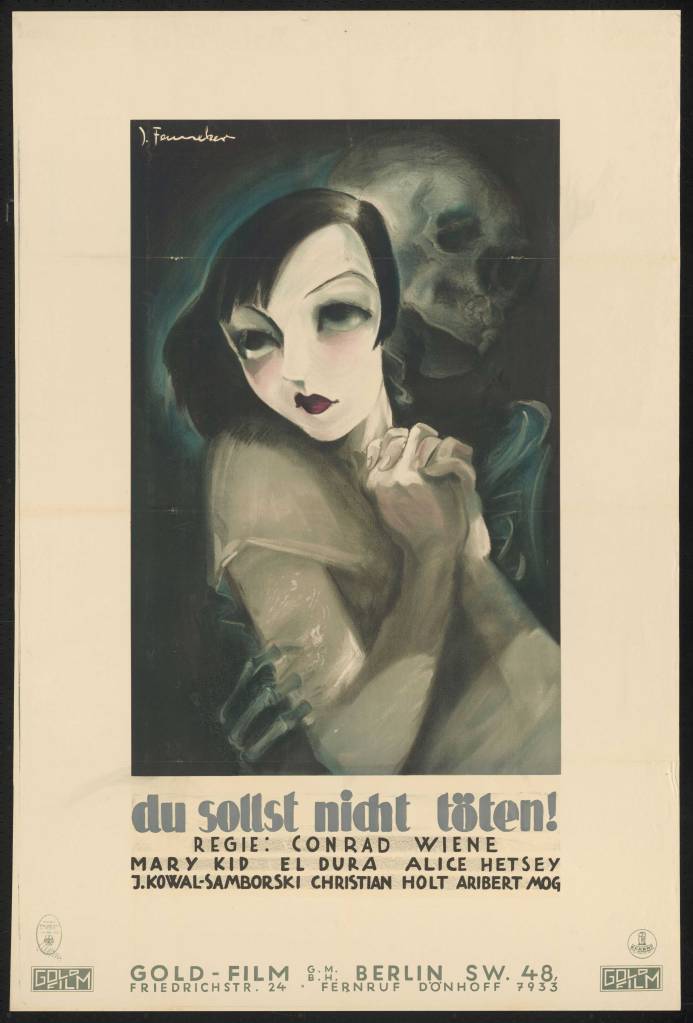
Ein Totentanz, 1922

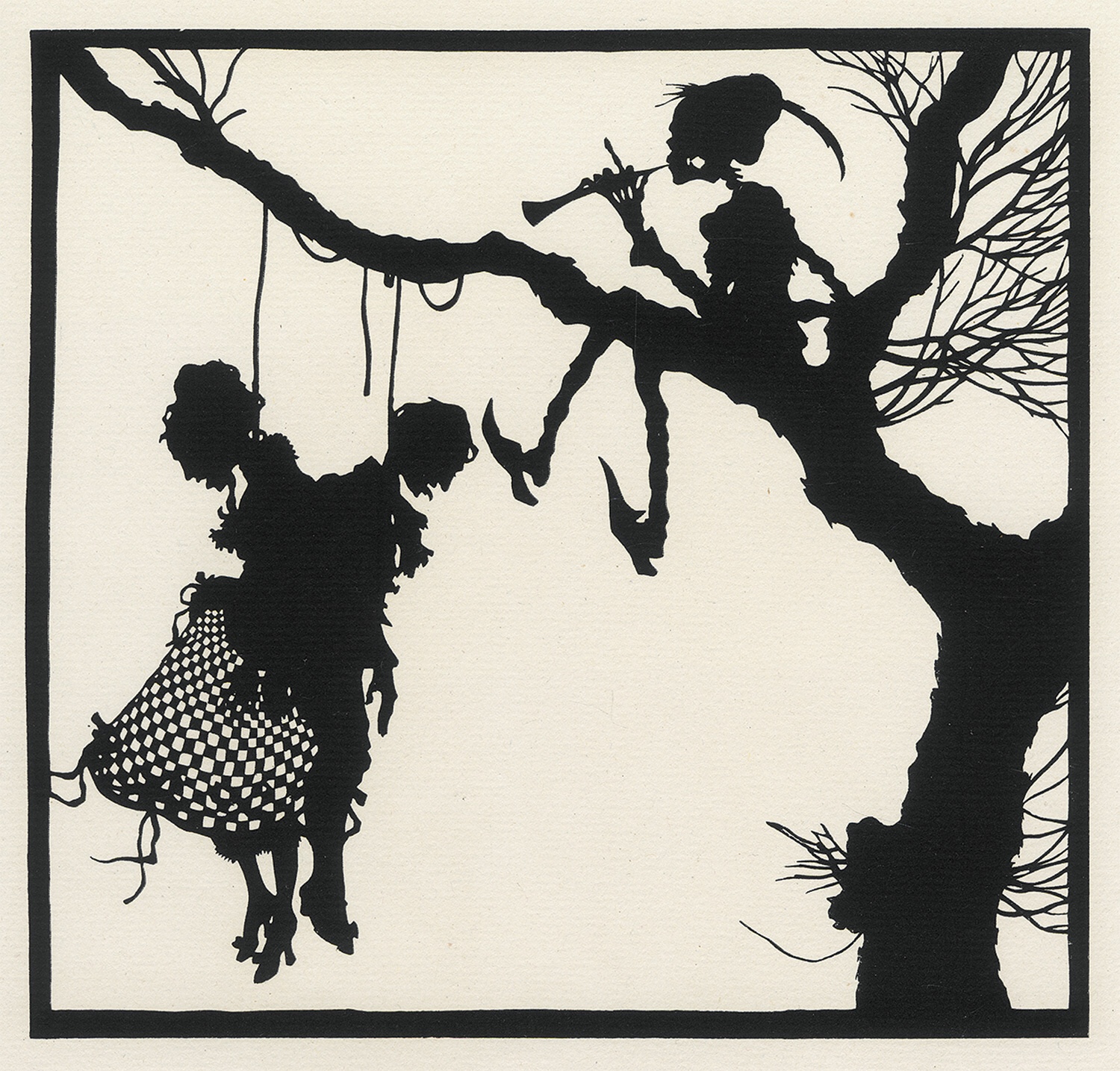
Walter Draesner :: Ein Totentanz. 22 Tafeln nach Scherenschnitten von Walter Draesner. Berlin und Leipzig, Behrs Verlag Friedrich Feddersen, (1922). | src Bassenge Auktionen
Walter Draesner :: Ein Totentanz. 22 Tafeln nach Scherenschnitten von Walter Draesner. | Dance of Death. 22 plates after silhouettes by Walter Draesner. Berlin und Leipzig, Behrs Verlag Friedrich Feddersen (1922). | src Bassenge Auktionen
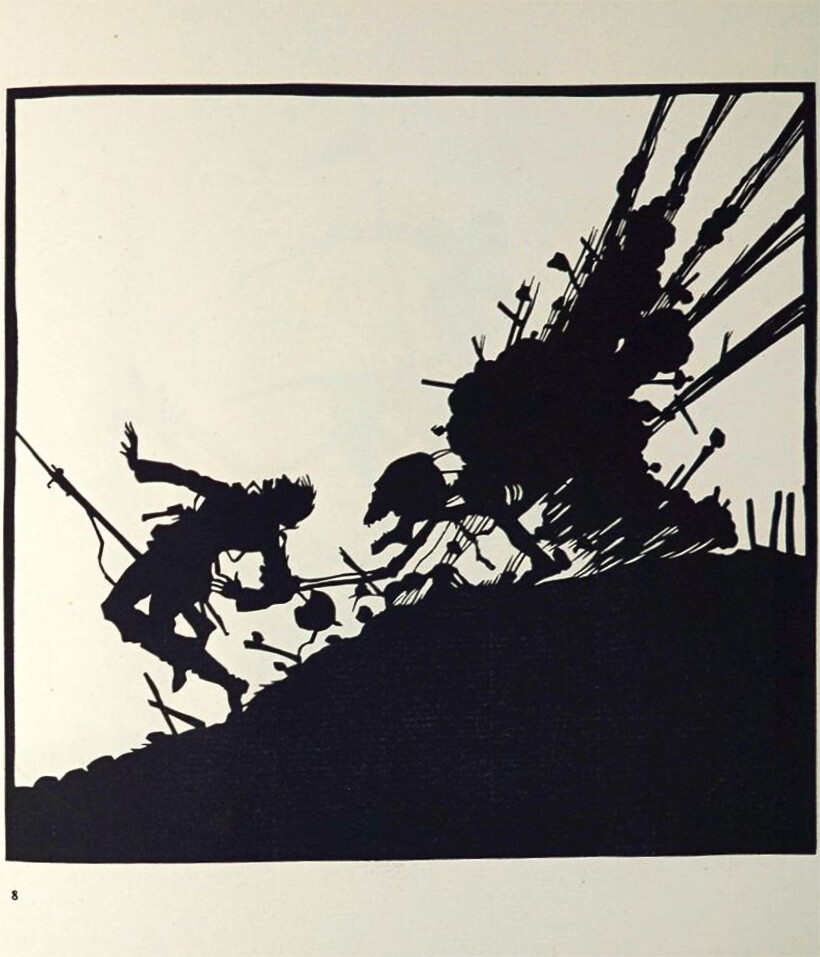
Walter Draesner :: Ein Totentanz. 22 Tafeln nach Scherenschnitten von Walter Draesner. Berlin und Leipzig, Behrs Verlag Friedrich Feddersen, (1922). | src Bassenge Auktionen
Walter Draesner :: Ein Totentanz. 22 Tafeln nach Scherenschnitten von Walter Draesner. | Dance of Death. 22 plates after silhouettes by Walter Draesner. Berlin und Leipzig, Behrs Verlag Friedrich Feddersen (1922). | src Bassenge Auktionen

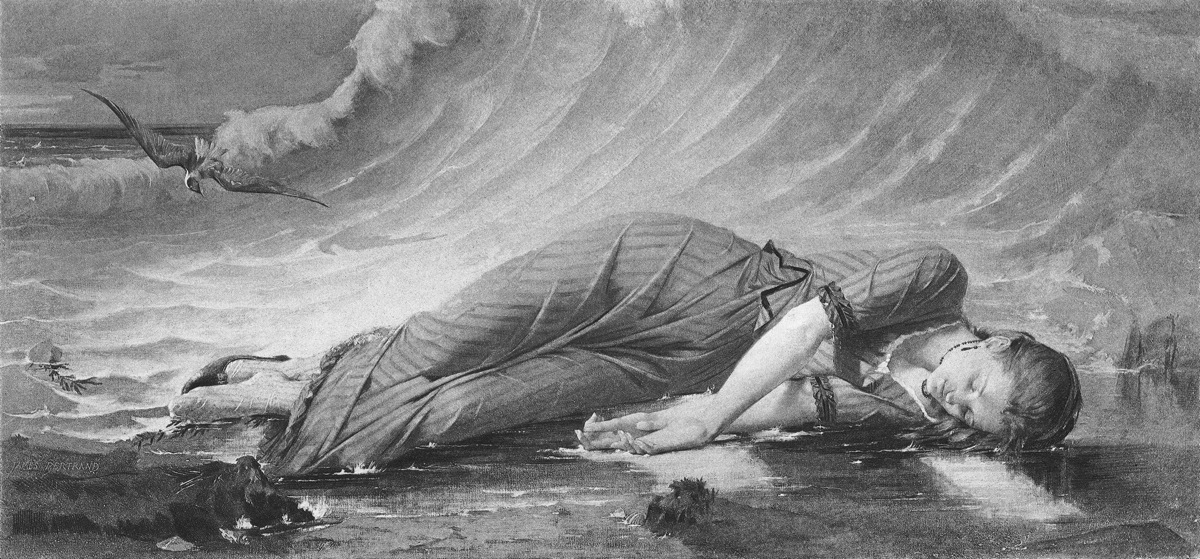
La mort (naufrage) de Virginie

Jean Baptiste Bertrand :: Gravure reproduction of “La Mort de Virginie”, 1869. Goupil & Cie, Paris. Based on the oil painting (Jean Baptiste Bertrand, aka James Bertrand). | src RMN-Grand Palais

(theme connections)

Naufrage de Virginie / Gravure de Barthélémy Joseph Fulcran Roger (1767 – 1841), d’après Pierre Paul Prud’hon (1758 – 1823)
[full page]
Paul et Virginie. Paris: Pierre Didot l’Ainé, 1806.
Engraving after Prudhon. Luxury edition put together by Bernardin de Saint-Pierre. | src Bonhams

Where in Heaven Will I Find You

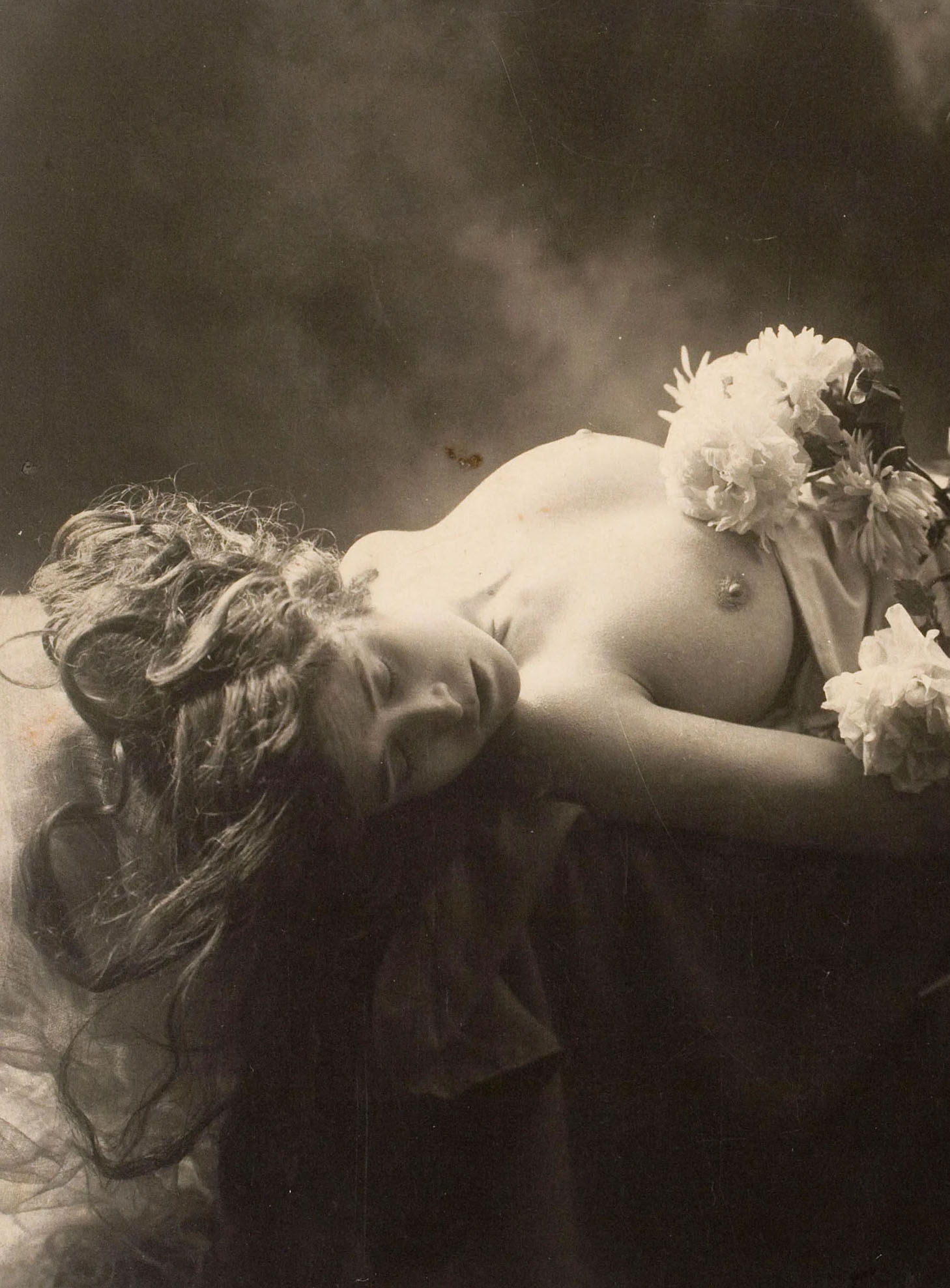
Joan Vilatobà ~ En quin lloc del cel et trobaré? | Where in Heaven Will I Find You? (Detail) | src MNAC
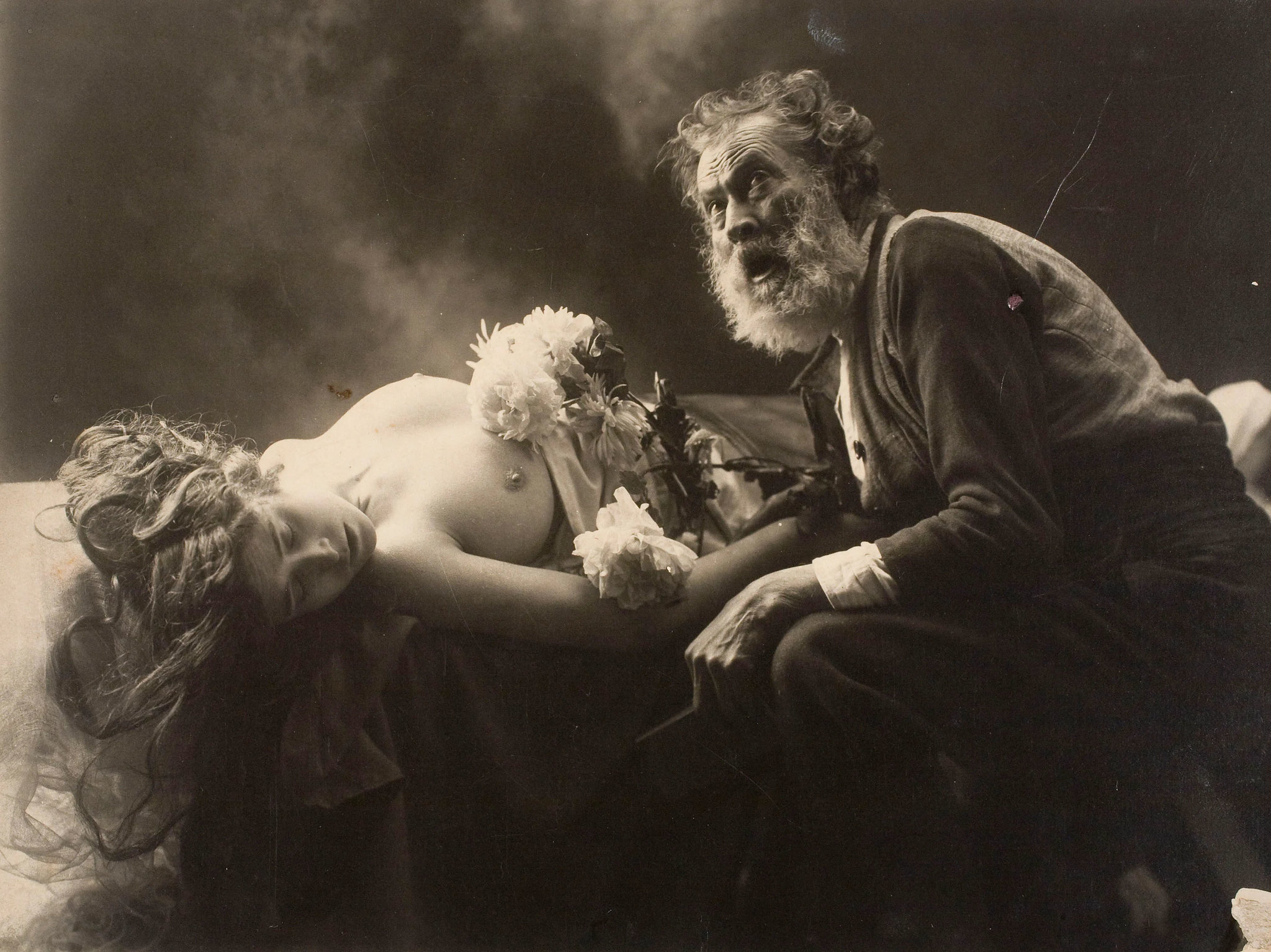
Joan Vilatobà ~ En quin lloc del cel et trobaré? | Where in Heaven Will I Find You? ca. 1903-1905. Silver gelatin on baryta-coated paper | src MNAC

The massive industrialization of the photography based on the new models of Kodak in 1888, marked the birth of amateurism, and what could be considered its elitist complement and counterpart, Pictorialism, understood to be the first discourse of artistic legitimization of photography.    

Faced with technological standardization and documental utilitarianism, Pictorialism proposed the use of pigmentary techniques that evoked the manual work of paintings, as well as their symbolic, picturesque or sublime themes, in accordance with the aesthetic paradigms of the modern art of the 19th century, which was based on the romantic principle of genius. In some way the concept of “creation” was introduced into photographic techniques, vindicating the figure of the photographer as an author and interpreter of reality.  Within this framework, Joan Vilatobà created a series of works which moved between symbolic allegory and customs, and photography through topics such as beauty, death, love, etc., of which Where in heaven will I find you? is an example. | quoted from MNAC ~ Museu Nacional d’ Art de Catalunya
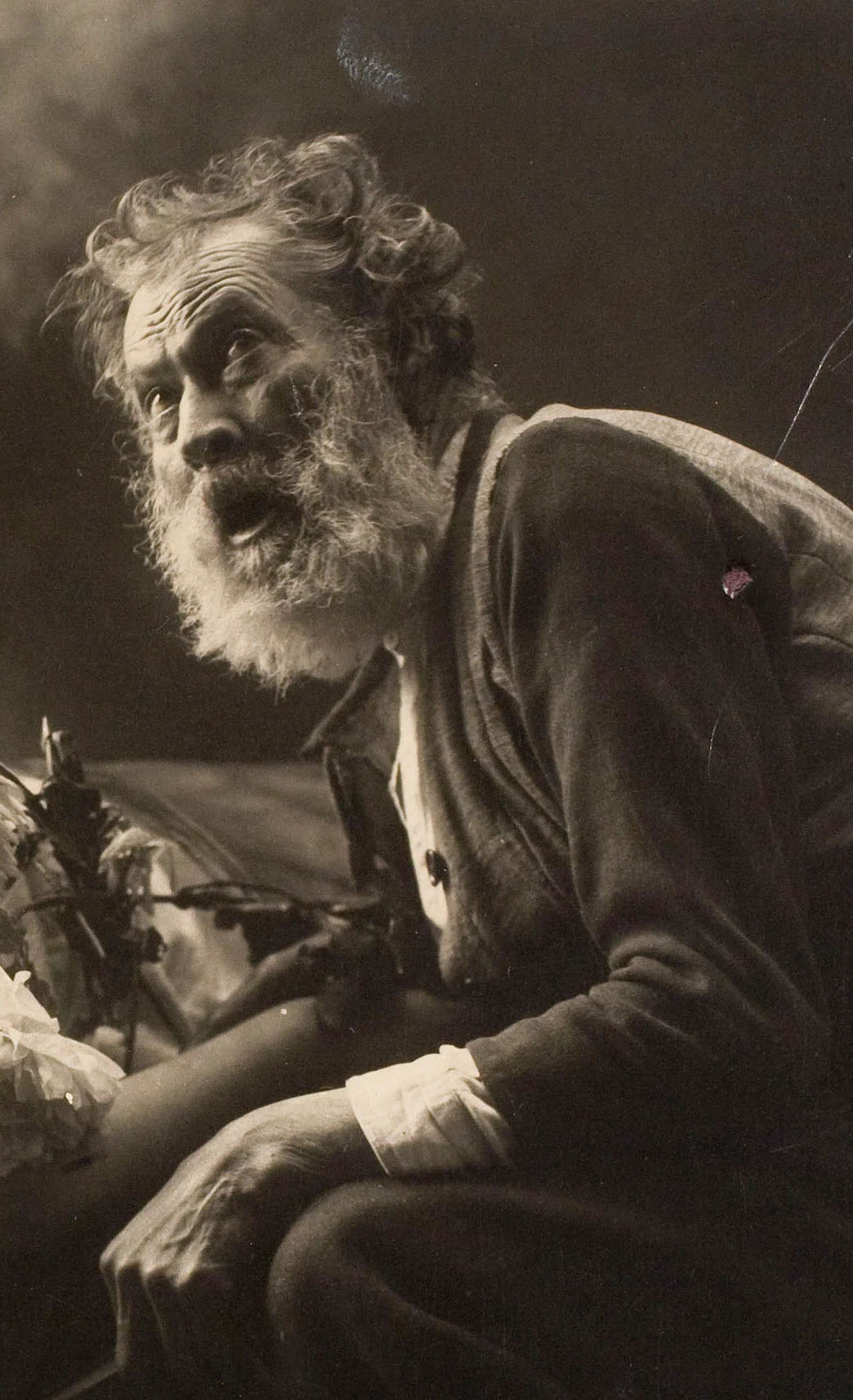
Joan Vilatobà ~ En quin lloc del cel et trobaré? | Where in Heaven Will I Find You? (Detail 2) | src MNAC

Death of Sophie Blanchard 1819

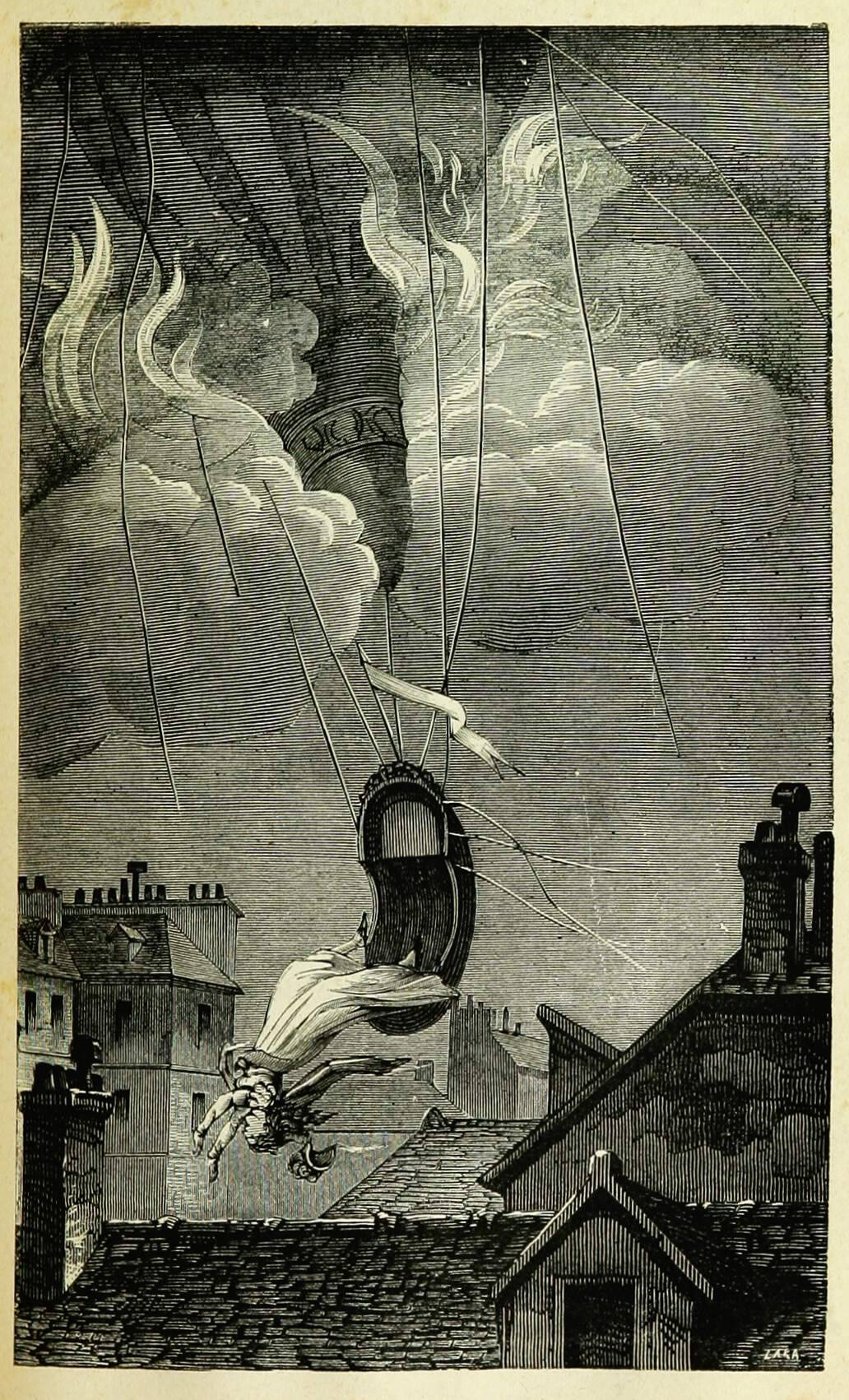
Death of French aeronaut Madame Sophie Blanchard after fireworks ignited her balloon, Paris, 1819. Woodblock engraving. From Louis Figuier’s “Les Merveilles de la Science: Aerostats” (Marvels of Science: Air Balloons), Paris : Librairie Furne, Jouvet et Cie., 1867. | src old book illustrations and internet archive

A woman is falling from the gondola of a hot-hair balloon flying over the roofs. She is Sophie Blanchard was the widow of aeronaut Pierre Blanchard, and an aeronaut herself.

On July 6, 1819, Madame Blanchard was taking part in an exhibition in the Tivoli garden in the rue Saint-Lazare. She carried with her a parachute full of fireworks in order to give the public the spectacle of fireworks descending from the middle of the air. She held a fire lance in her hand to light the fireworks she was supposed to launch from the balloon gondola. A false movement brought the orifice of the balloon into contact with the fire lance: the hydrogen gas ignited. Immediately an immense pillar of fire rose above the machine. Madame Blanchard was then distinctly seen trying to extinguish the fire by compressing the lower orifice of the balloon: then, recognizing the uselessness of her efforts, she sat down in the basket and waited. The gas burned for several minutes, without communicating with the balloon gondola. The rapidity of the descent was very moderate, and there is no doubt that, had she been directed towards the country, Madame Blanchard would have reached land without accident. Unfortunately it was not so: the balloon fell on Paris; it fell on the roof of a house in the rue de Provence. The gondola slid down the slope of the roof, on the side of the street. “A moi!” cried Madame Blanchard. These were her last words. As it slid down the roof, the gondola encountered an iron spike; it stopped abruptly, and, as a result of this shock, the unfortunate aeronaut was thrown out, and fell, head first, on the pavement. (quoted from scanned book at internet archive)

The caption reads in the original French: “Mort de madame Blanchard”. IA