Kitty Hoffmann(1900–1968)~ Portrait of dancer Claire Bauroff as she poses, topless and with a spear, in a scene from a ‘Roman Gladiator’ tableau vivant, Vienna, 1934 | src getty images
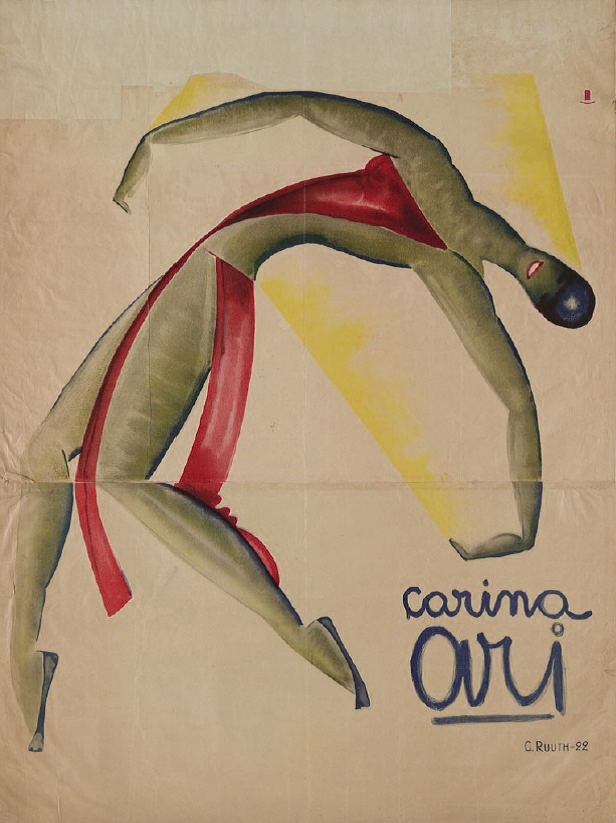
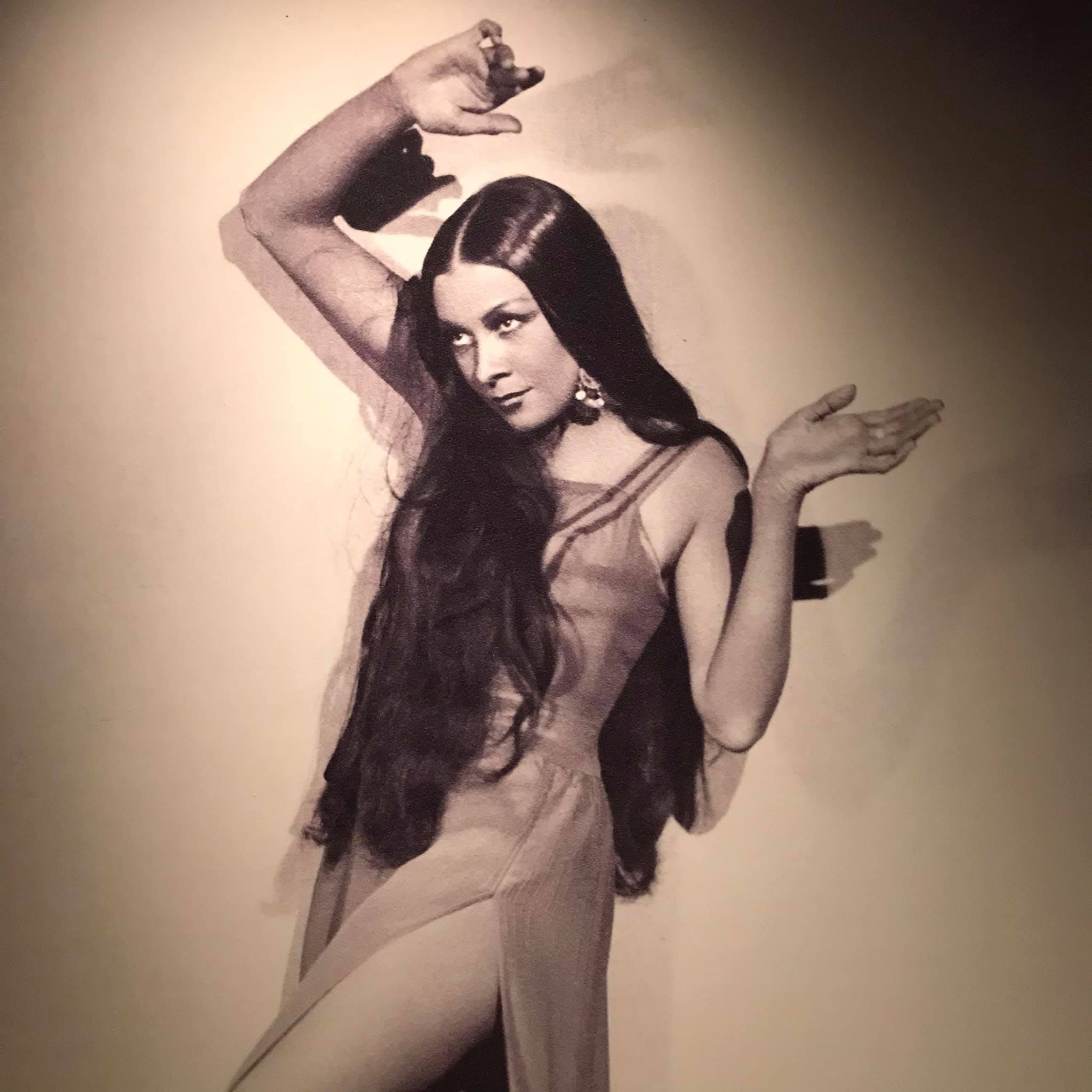
Carina Ari – från Smala Gränd till Buenos Aires. Hennes liv var som en saga. Ny utställning öppnar den 1 juni. | Carina Ari – from Smala Gränd to Buenos Aires. Her life was like a fairy tale. New exhibition opens on June 1. | src Dansmuseet on FBCarina Ari i Anitras dans 1922. Publiken hyllade henne så mycket för numret att Jean Börlin blev sotis. | Carina Ari in Anitra’s dance in 1922. The audience praised her so much for the number that Jean Börlin grew jealous. | src Dansmuseet on FBCarina Ari. Den här bilden är från Cantique des Cantiques, 1938. | This picture is from The Song of Songs, 1938. | src Dansmuseet on FB
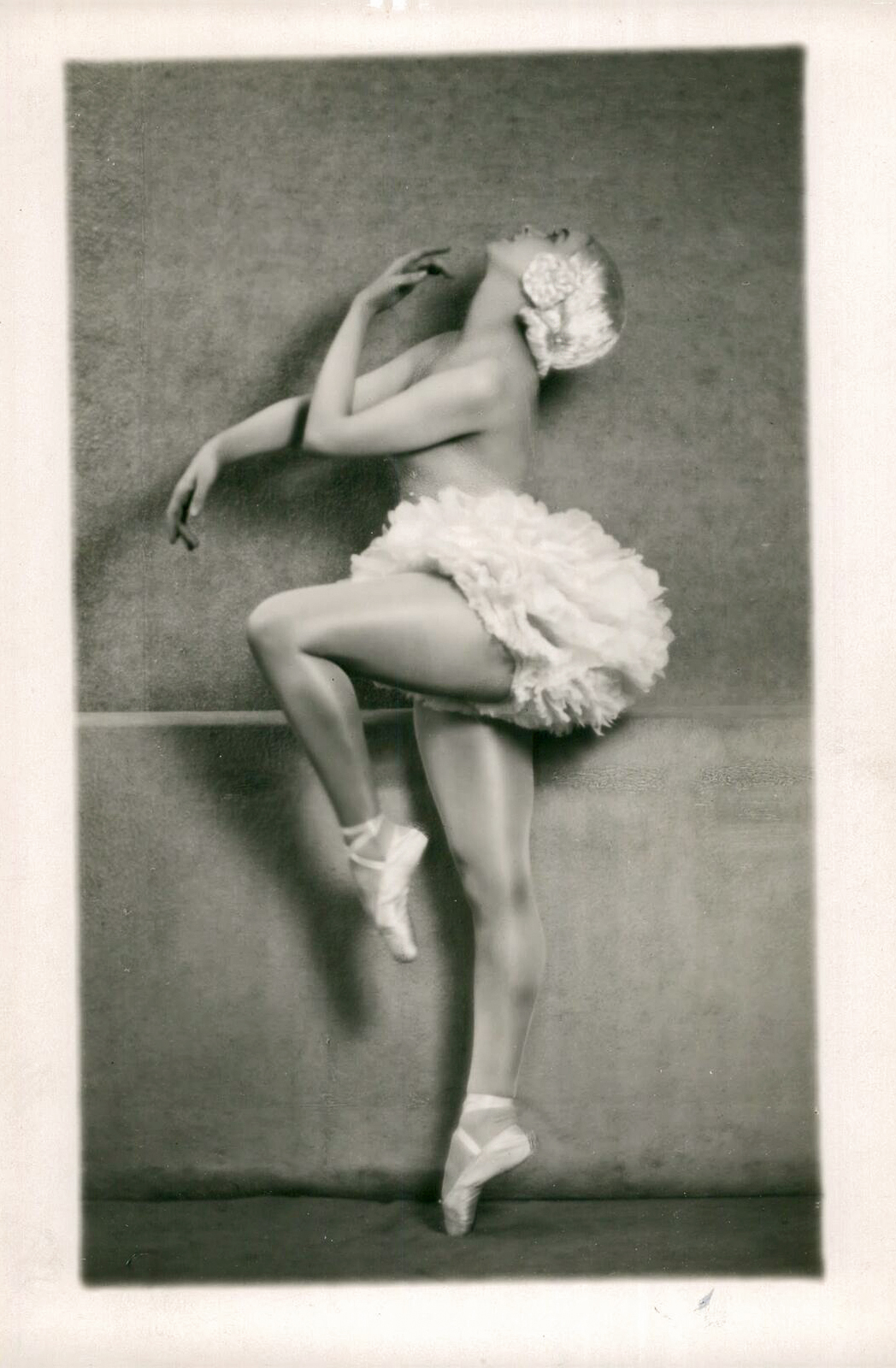
Balletttänzerin Carina Ari (*), late1920s -early 1930s | src Nordicphotos on eBay (*) Maria Karina Viktoria Jansson (Stockholm, 1897 – Buenos Aires, 1970)Carina Ari i Månstrålen (in The Moonlight, aka Rayon de lune), Studio Granere, Paris, 1934. | src Dansmuseet on IGCarina Ari i Månstrålen (Rayon de lune), 1928, foto: Studio Iris, Paris. | Carina Ari in The Moon Ray (Rayon de lune), 1928, photo: Studio Iris, Paris. | src dansmuseet on IG
Balletttänzerin Carina Ari in Kostüm für Rayon de Lune (late 1920s – ealy 1930s)
Balletttänzerin Carina Ari [Maria Karina Viktoria Jansson (Stockholm, 1897 – Buenos Aires, 1970)] | src eBay Carina Ari in costume for Dansen för fåglarna (La danse pour les oiseaux, The Dance for the Birds), 1925 | src Carina Ari
Henri de Toulouse-Lautrec (French, 1864-1901) :: Miss Loïe Fuller, 1893. Brush and spatter lithograph printed in five colors on wove paper. Loïe Fuller was famous in turn-of-the-century Paris for her dazzling performances which combined dance, colored electric lights, and music. In this print, inspired by her appearance at the Folies Bergère, Lautrec captures the decorative effect of her billowing silk gown, which she manipulated with large poles held in her hands. Lautrec executed about sixty versions of this print in a variety of colored inks, including gold and silver. | src The MetHenri de Toulouse-Lautrec (French, 1864-1901) :: Miss Loïe Fuller, 1893. Color lithograph. Parisian audiences were captivated by Loïe Fuller (1862–1928) whose unique performances involved manipulating voluminous translucent gowns with the aid of large poles in each hand. Fuller danced in a specially designed space featuring a glass floor illuminated from below and surrounded by mirrors. Electric lights of various colors projected onto the stage created an ethereal, swirling effect. Fuller’s extraordinary dance was the subject of Toulouse-Lautrec’s most abstract lithograph. The artist used layers of colored ink—including some metallic tones—to convey the movement and energy of Fuller’s performances. | src The Cleveland Museum of Art and Flickr
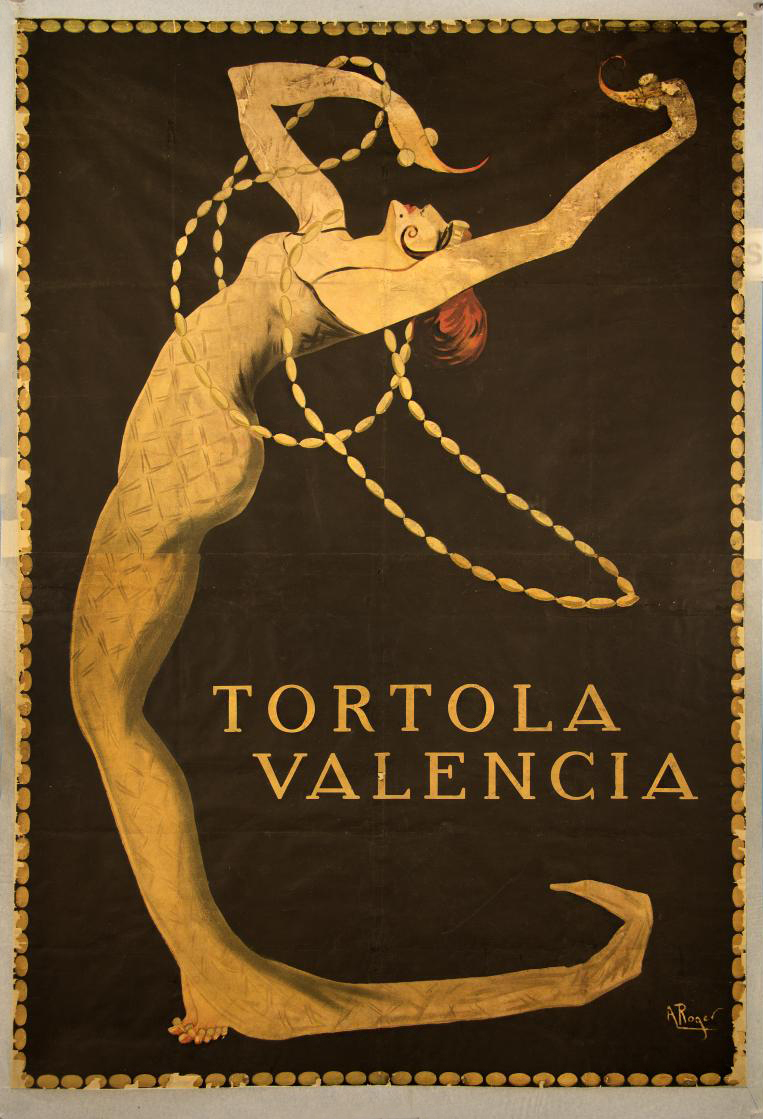
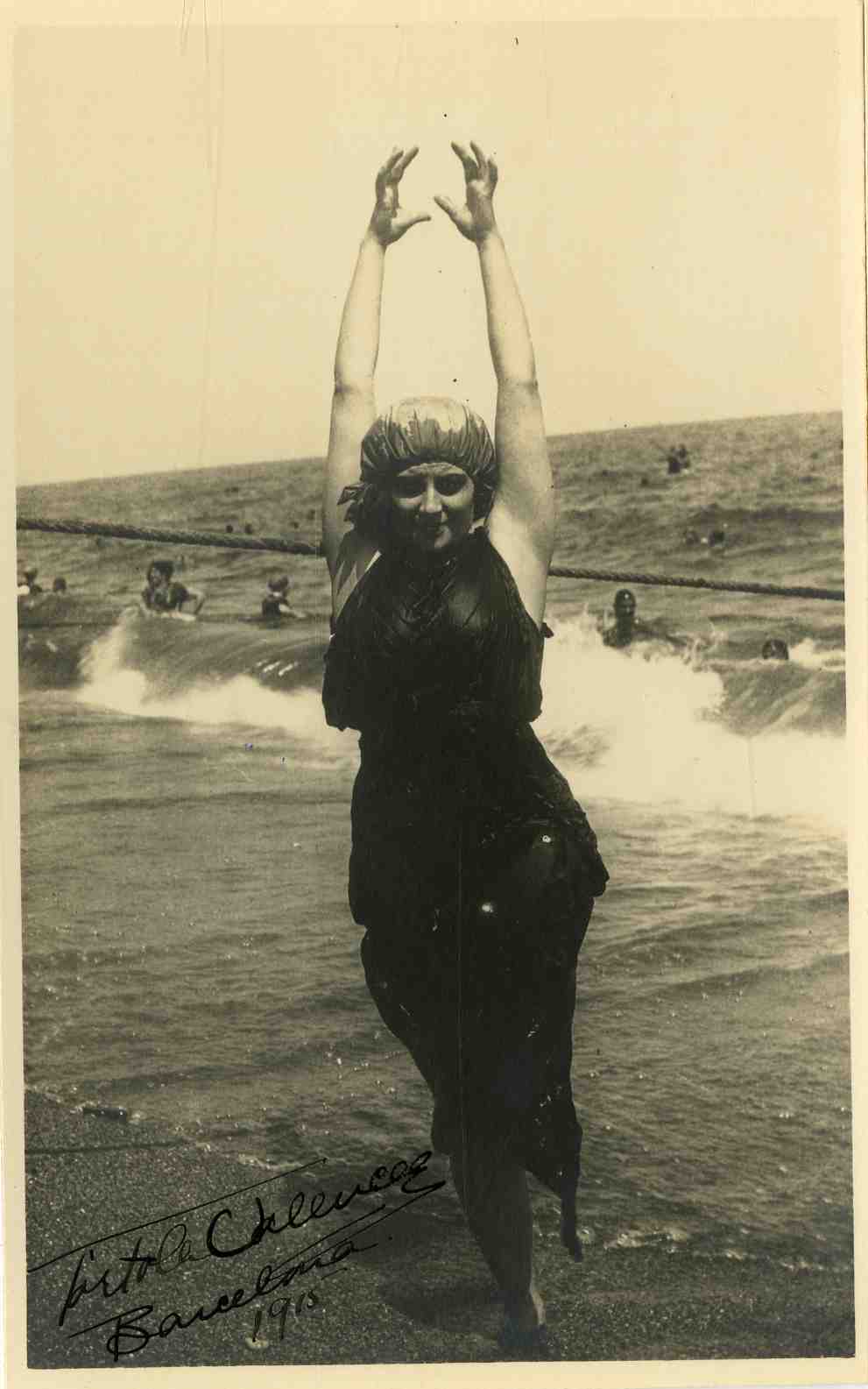
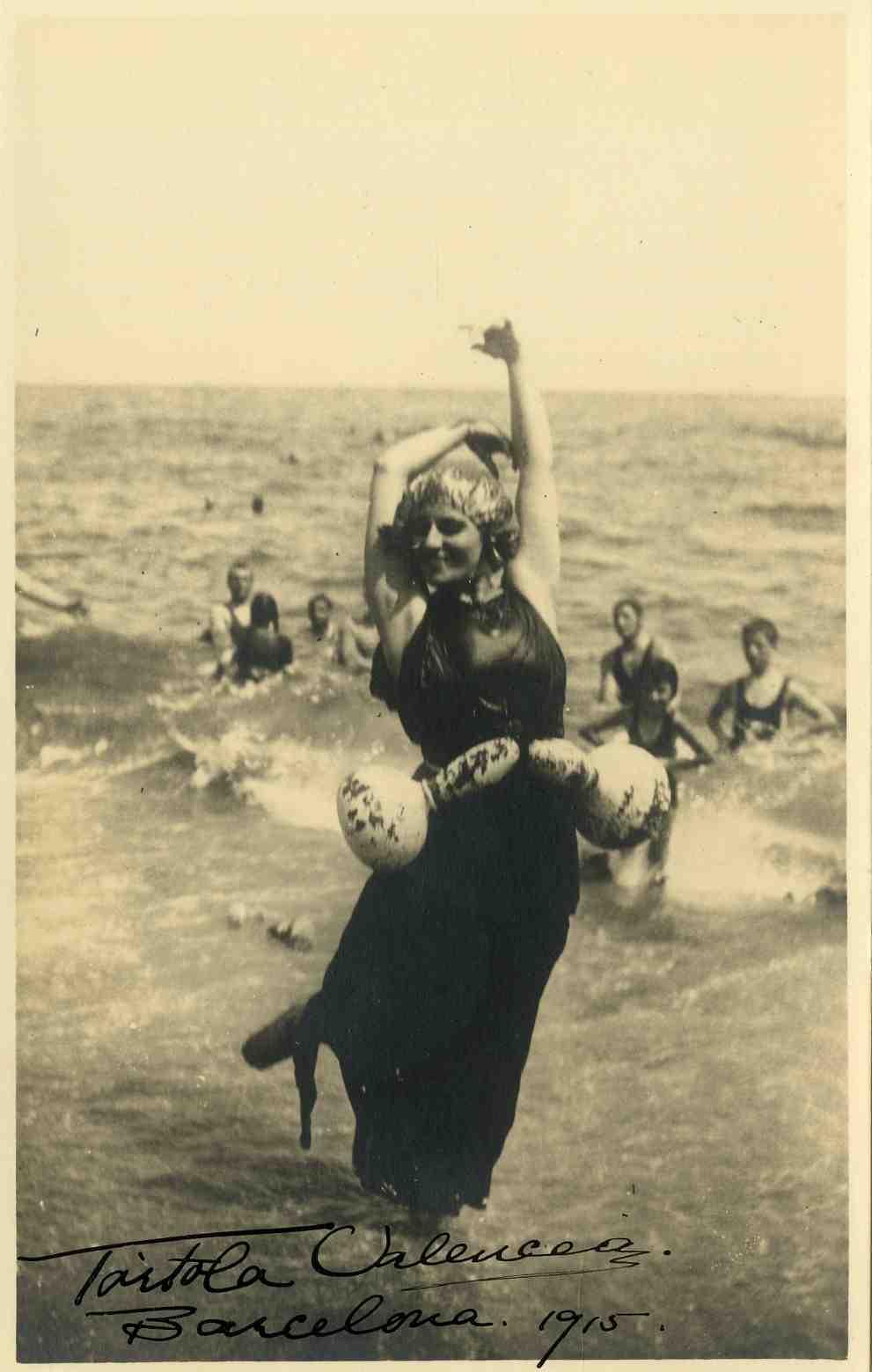
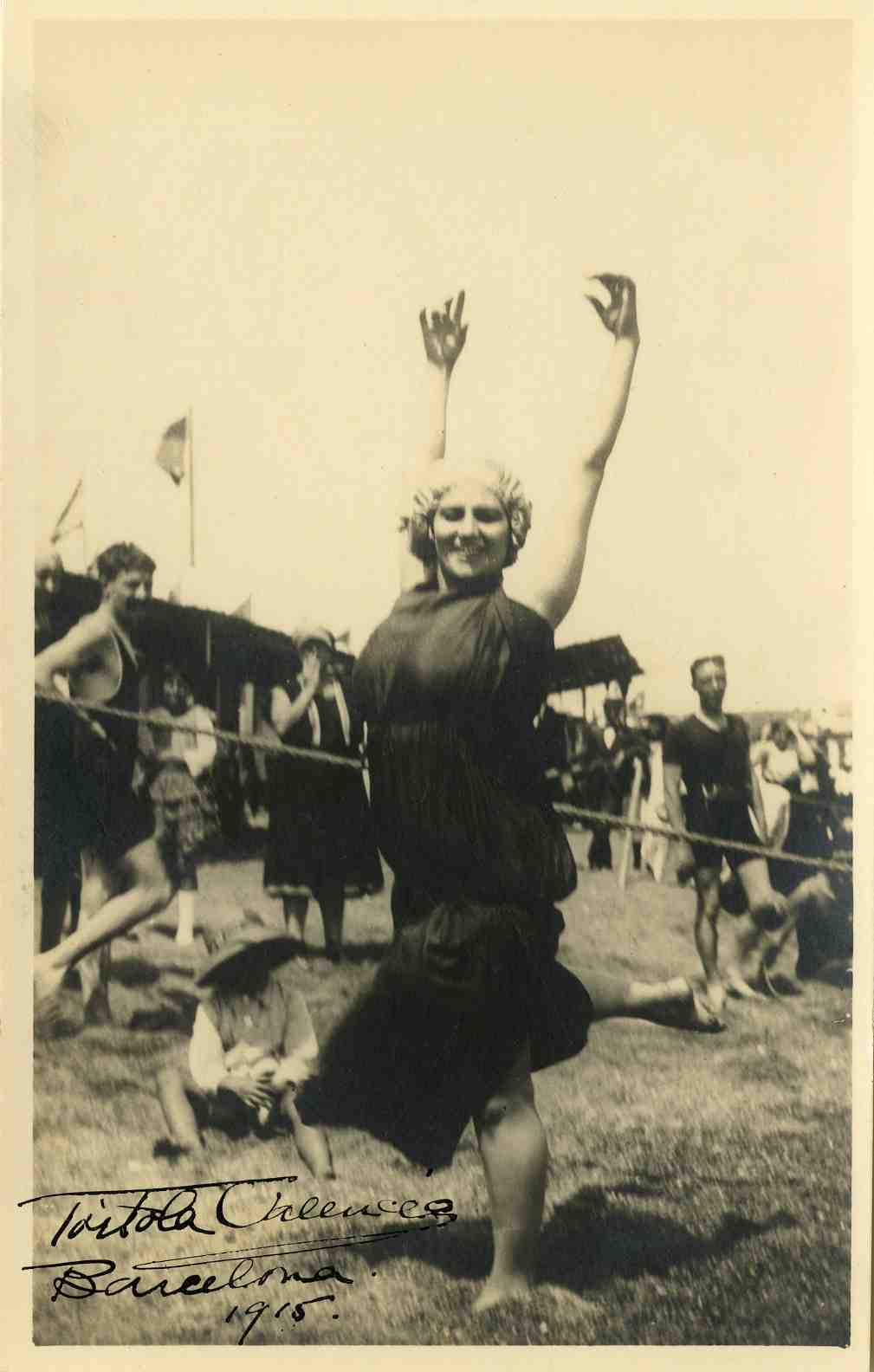
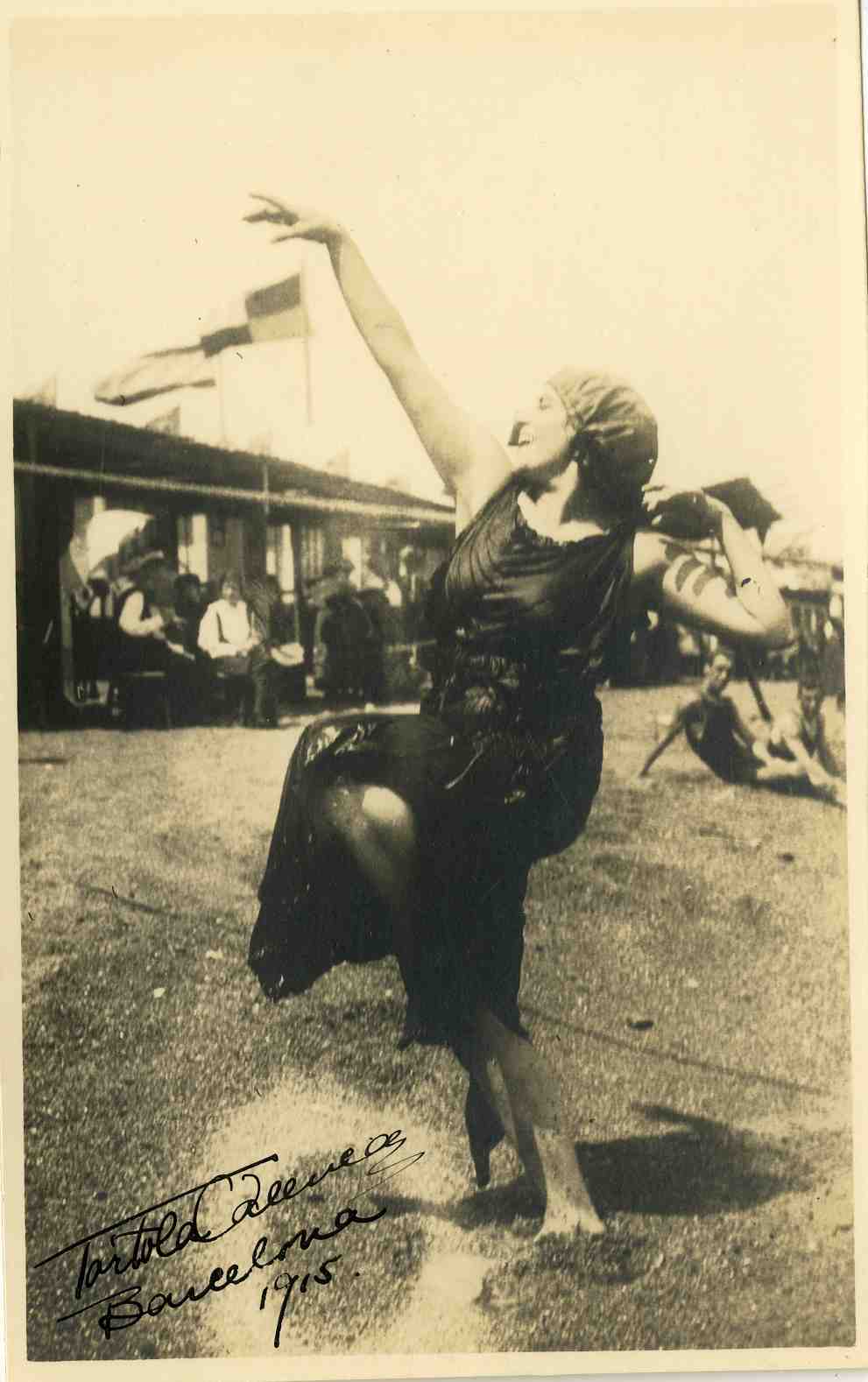
La serpiente. Tórtola Valencia, 1915. Cartell de grans dimensions per a la Danza de la serpiente de Tórtola Valencia. Dansa. Dance. Segle XX. Dansa de la serp. (signatura: A. Roger) | src Fons Tórtola Valencia (cdmae)








 un regard oblique