

images that haunt us
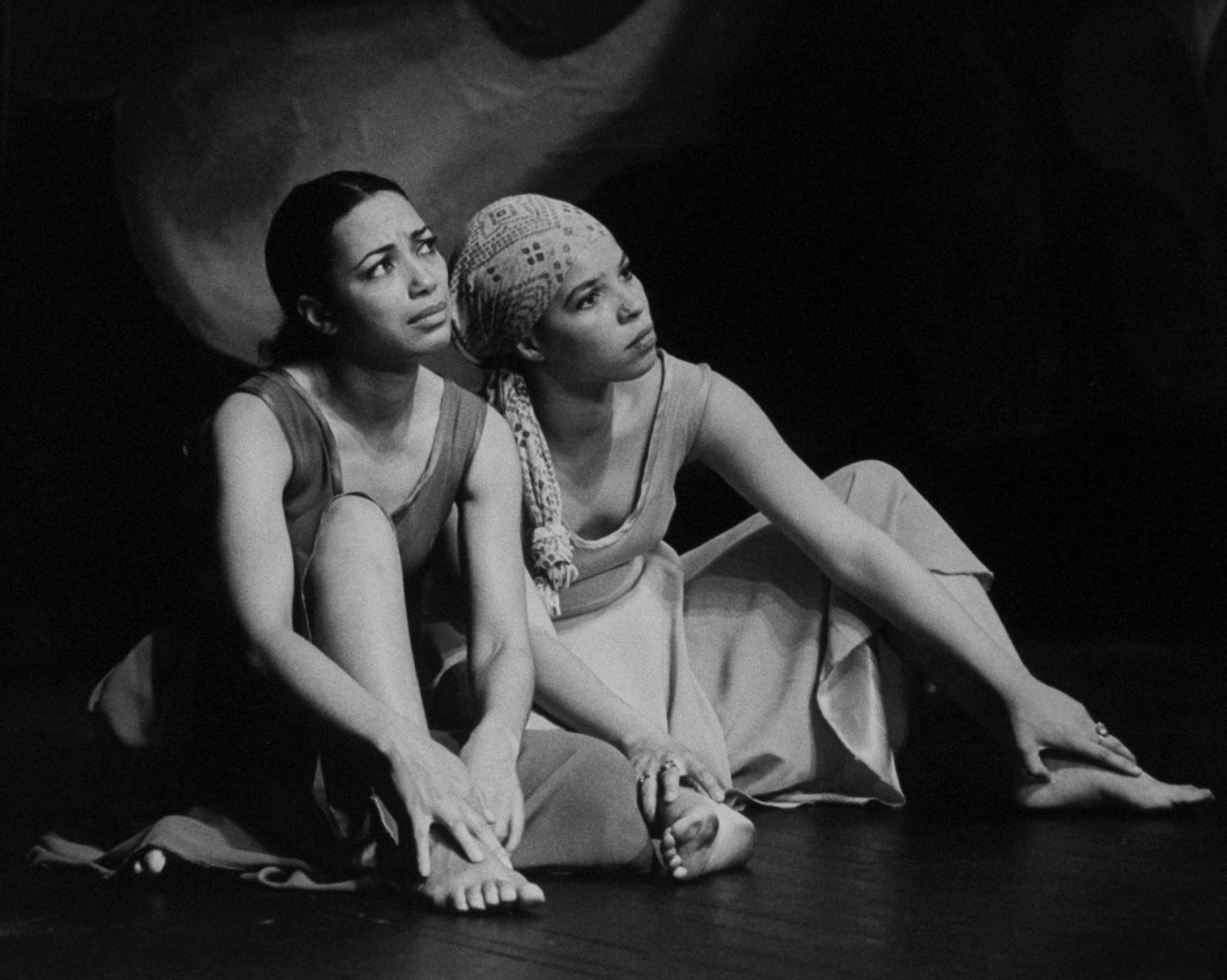
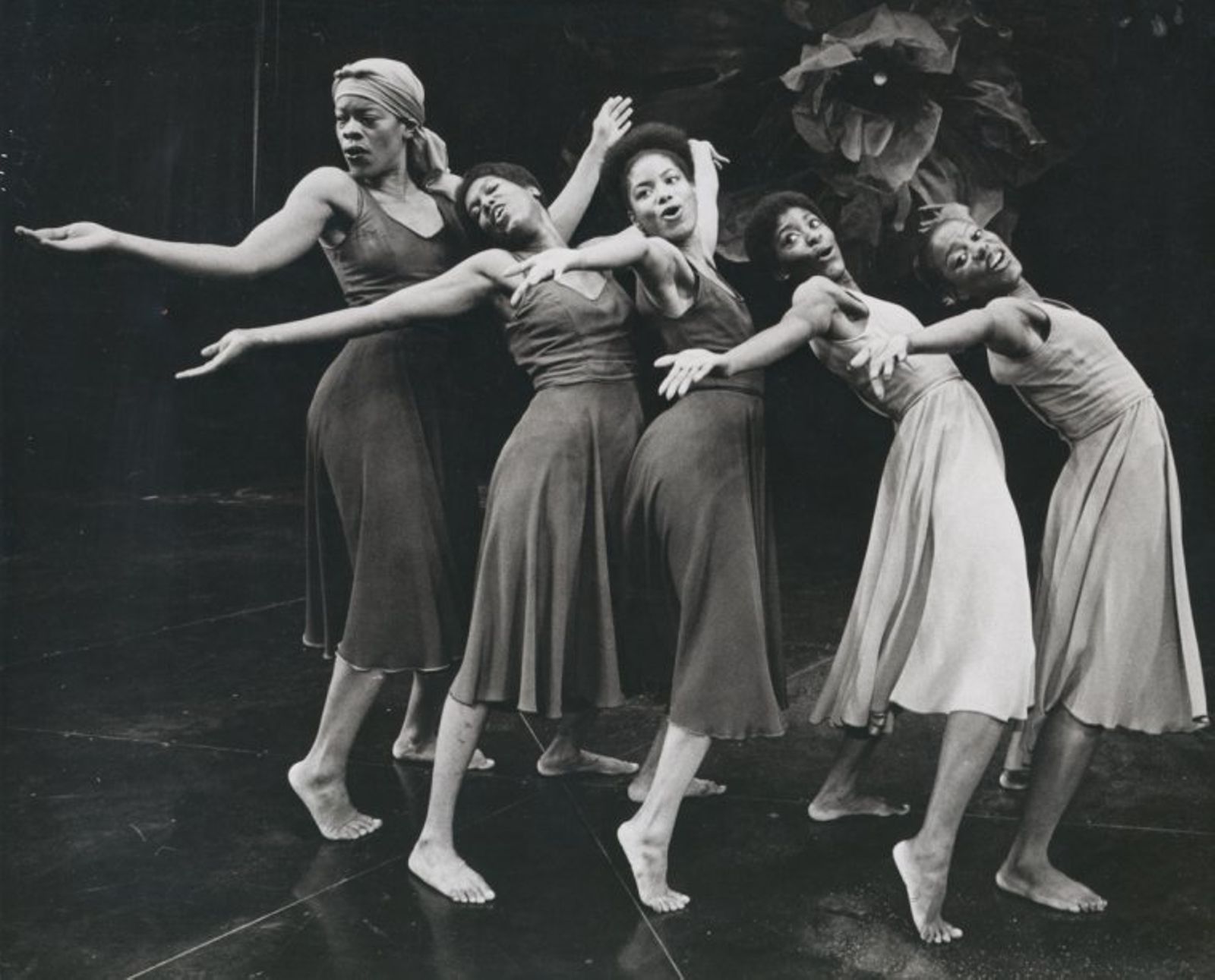
‘For Colored Girls Who Have Considered Suicide When the Rainbow is Enuf’ is a 1976 work by Ntozake Shange. It consists of a series of poetic monologues to be accompanied by dance movements and music, a form which Shange coined the word choreopoem to describe. It tells the stories of seven women who have suffered oppression in a racist and sexist society.
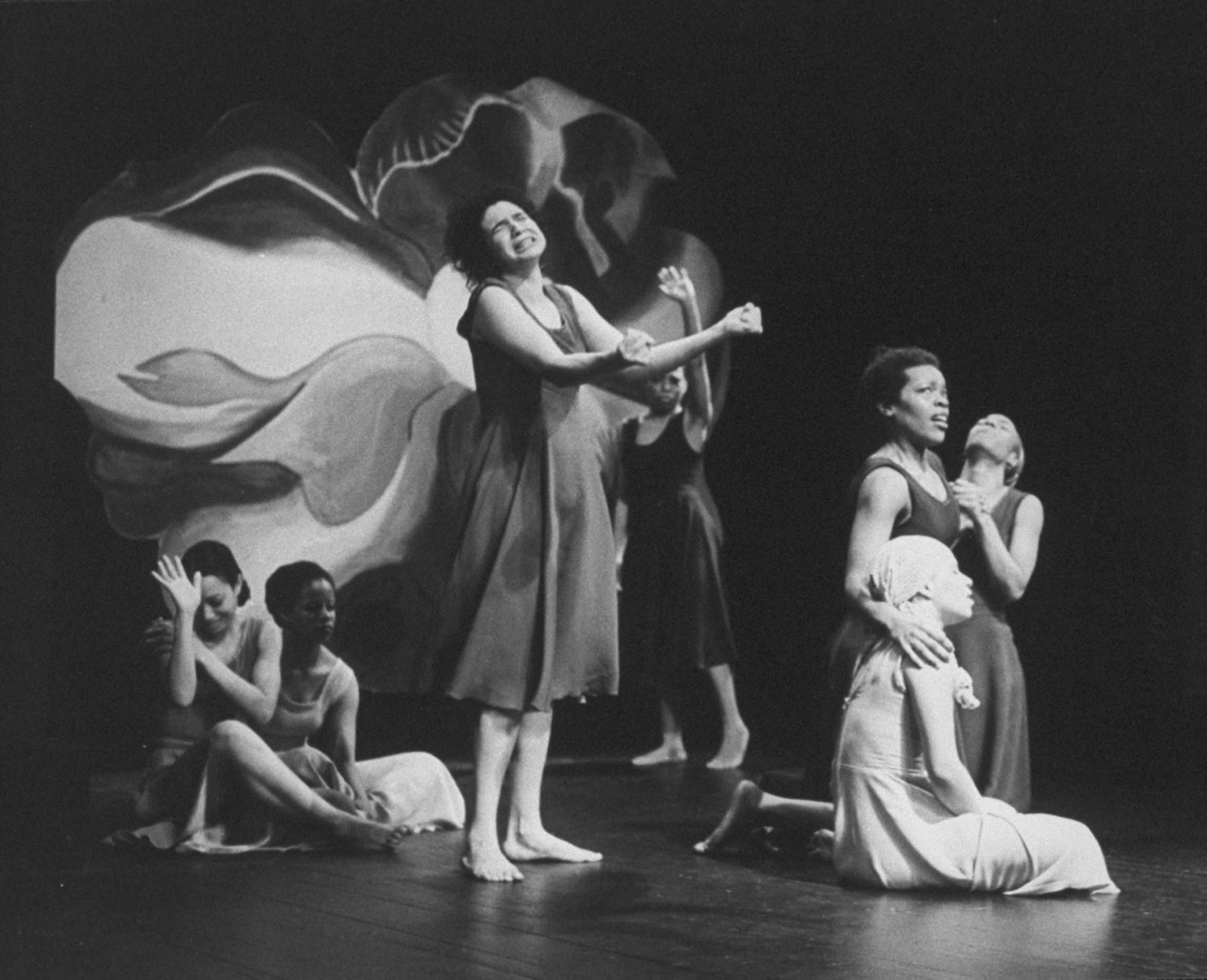
As a choreopoem, the piece is a series of 20 separate poems choreographed to music that weaves interconnected stories of love, empowerment, struggle and loss into a complex representation of sisterhood. The cast consists of seven nameless African-American women only identified by the colors they are assigned. They are the lady in red, lady in orange, lady in yellow, lady in green, lady in blue, lady in brown, and lady in purple. Subjects from rape, abandonment, abortion and domestic violence are tackled.
Shange originally wrote the monologues as separate poems in 1974. Her writing style is idiosyncratic and she often uses vernacular language, unique structure, and unorthodox punctuation to emphasize syncopation. Shange wanted to write ‘For colored girls…‘ in a way that mimicked how real women speak so she could draw her readers’ focus to the experience of reading and listening.


In December 1974, Shange performed the first incarnation of her choreopoem with four other artists at a women’s bar outside Berkeley, California. After moving to New York City, she continued work on for colored girls…, which went on to open at the Booth Theatre in 1976, becoming the second play by a black woman to reach Broadway. quoted from wikipedia entry

For Colored Girls chronicles the experiences of seven black women through monologue and dance, confronting topics of sexism, rape, and domestic violence. The play has long been considered a benchmark for black female writers and inspired a book, film, and Tony Award-nominated Broadway play.

Written for seven characters, For Colored Girls is a group of 20 poems on the power of Black women to survive in the face of despair and pain. The show ran for seven months Off-Broadway in New York City before beginning a two-year run on Broadway. It was subsequently produced throughout the United States, broadcast on television, and in 2010 adapted into a feature film titled For Colored Girls. [text: Britannica]


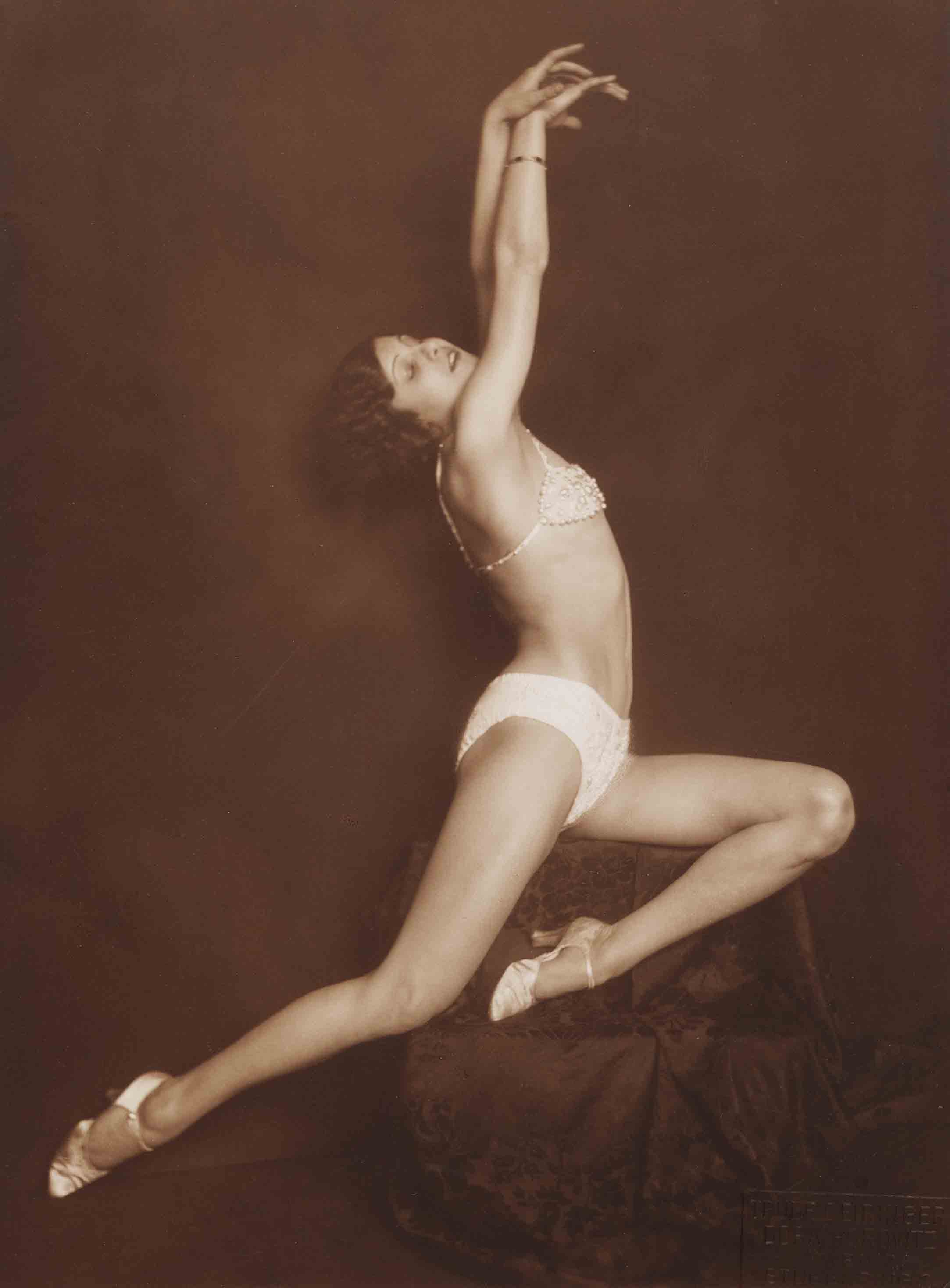
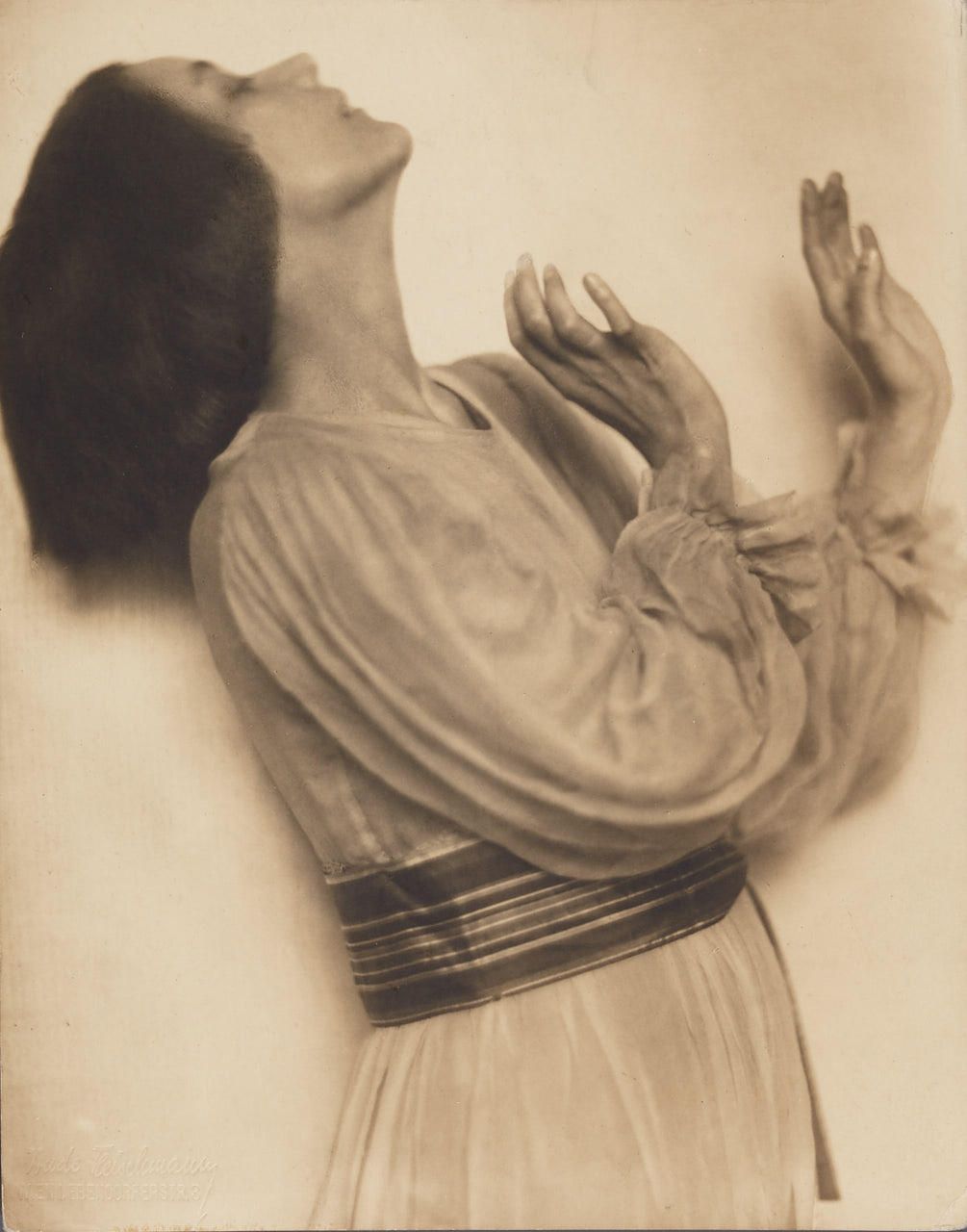


From 1926 to 1934, Vera Shabshai (1905 – 1988) created about a hundred miniatures ballets, mainly on Jewish themes, to the music of composers from the Society of Jewish Music. These choreographic numbers, combined into suites on a specific theme, made up the extensive repertoire of “Evenings of Jewish Dance” and “Evenings of Jewish Ballet and Pantomime” organized by Shabshai in the seasons of 1929-1930 and 1930-1931.
The most popular piece of these ballets was the Jewish pantomime-ballet “Aleph”, in which she said she wanted to express through plastic means various moments of Jewish history from antiquity to the present day. It consisted of six pats or cycles: “Jewish Bas-reliefs”, “Mourning dances”, “Jews in Spain”, “Shtetl dances” and the pantomime “ Smena / Change”.

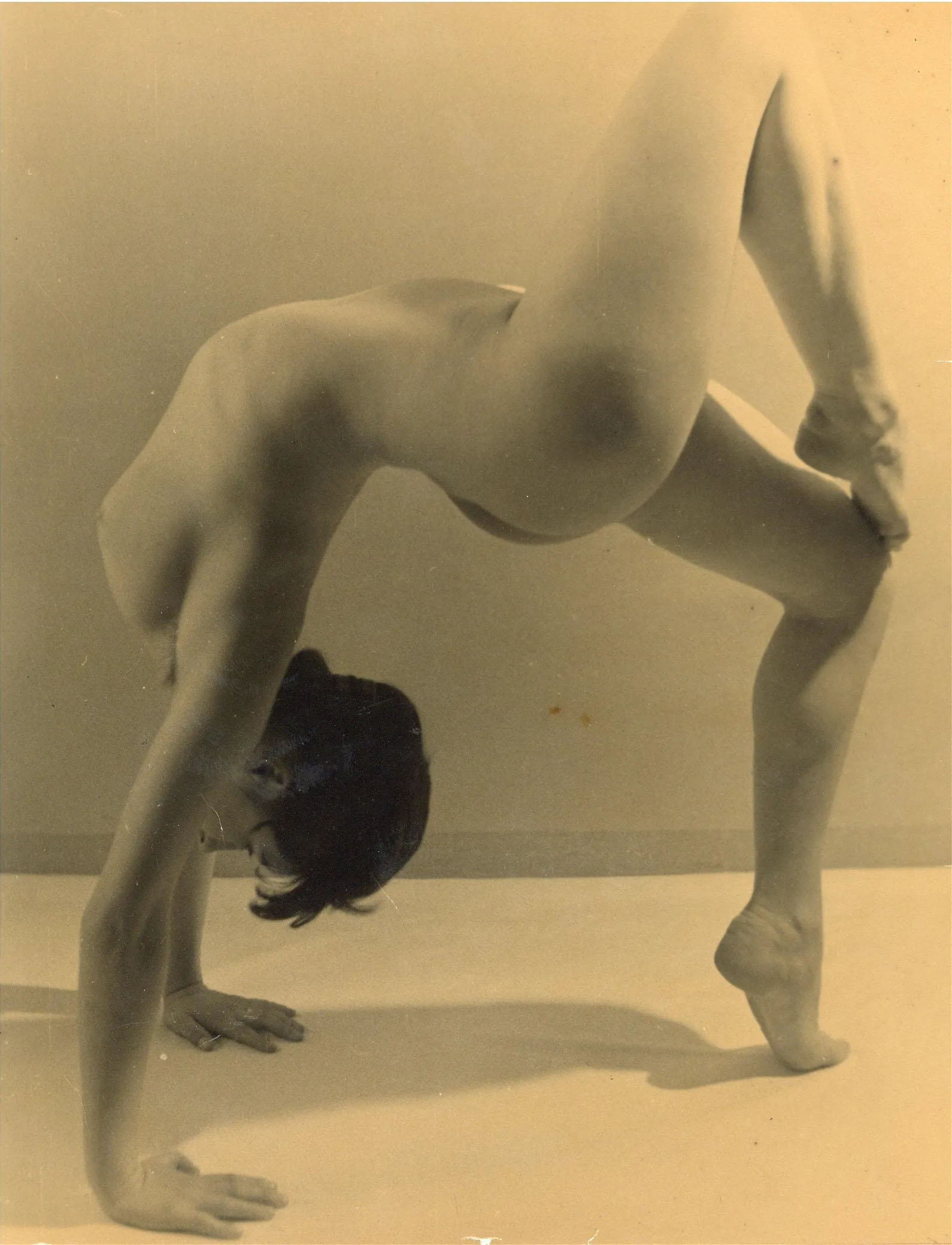
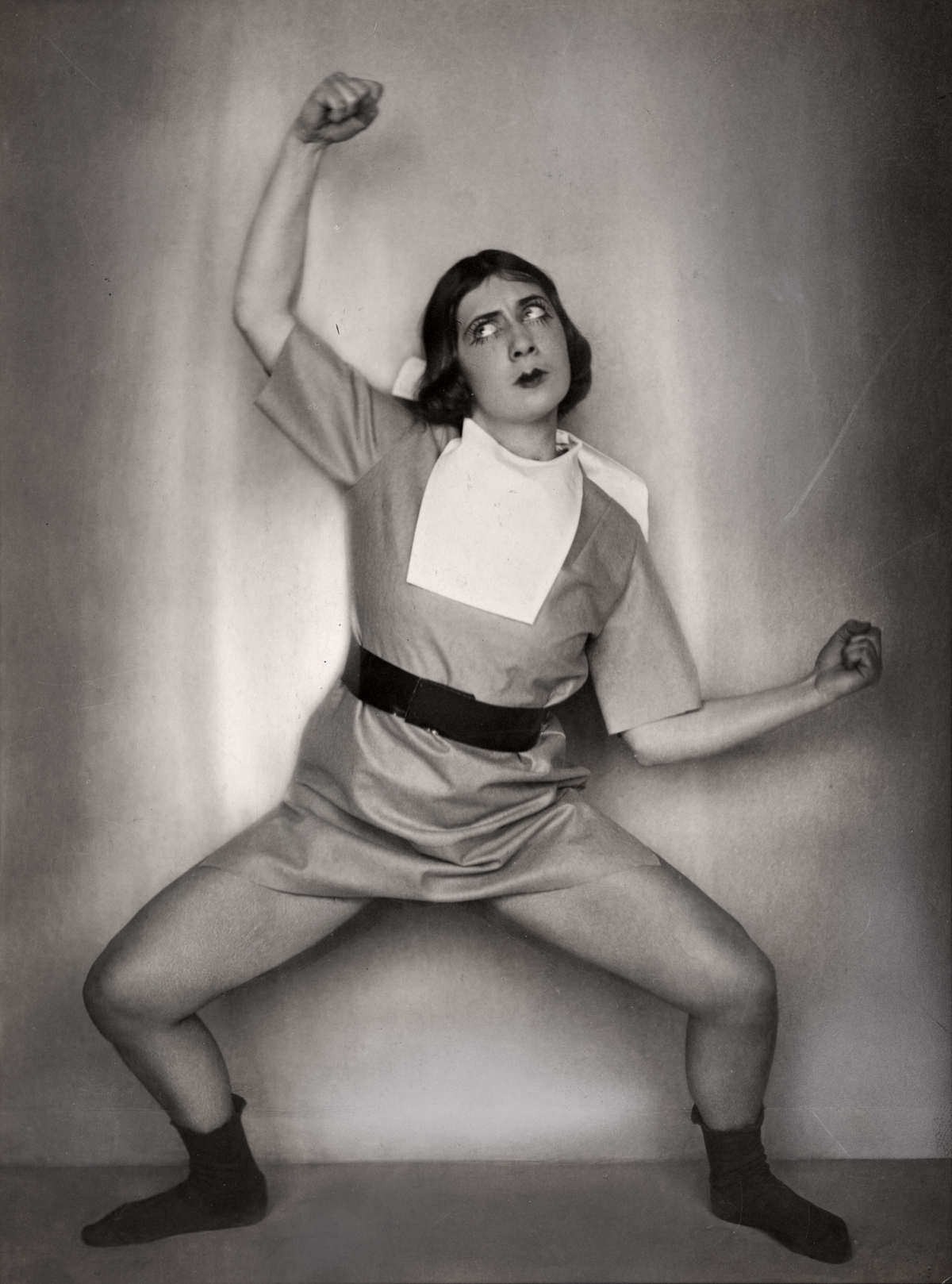
Cilli Wang (1909-2005) was a Viennese dancer and cabaret artist. She attended dance classes at the Vienna Academy of Music and Performing Arts (Max Reinhardt Seminar) with Gertrud Bodenwieser. In 1928 she gave her first performance by dancing to the recitation of the actor Ernst Ceiss.
In the 1930s she evolved into a transformational artist, appearing on cabaret and small art stages, such as Erika Mann’s “Pfeffermühle” in Zurich, the “Catakombe” in Berlin and, not least, in “Lieben Augustin” and “Simpl” in Vienna.
Her trademark were pantomimic dances and performances with parodic, grotesque and illusionistic elements – which she herself called Verwandeleien / transformations (she also designs her own costumes as well as the puppets and props she used).
For her parodic performances, which were a rarity in her time, she was called the Pavlova of Parody. Initially performing in ensembles, her interest was in the connection between spoken word and movement. She created dance movement numbers to Goethe, Wilhelm Busch and Christian Morgenstern, which she recited herself. She parodied Hitler and made fun of folk dances. Her talent for comic numbers led to comparisons with Charlie Chaplin.
text adapted from Theatermuseum Wien & German wikipedia entry
 un regard oblique