
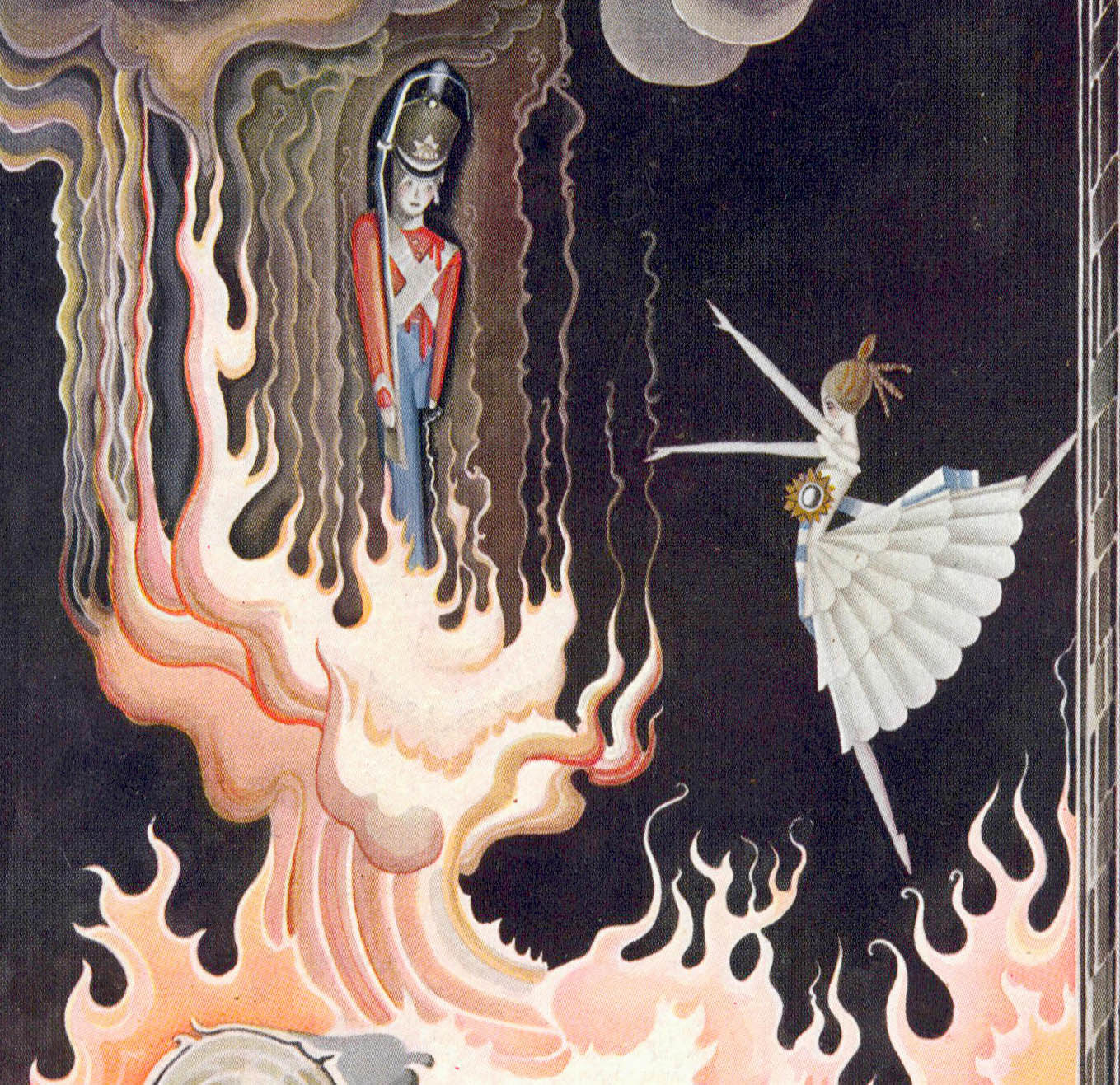
The draught of air caught the dancer, and she flew like a sylph just into the stove to the tin soldier. [The Tin Soldier and the Dancer ~ The Brave Tin Soldier ~ The Hardy Tin Soldier (1838)]

images that haunt us
The draught of air caught the dancer, and she flew like a sylph just into the stove to the tin soldier. [The Tin Soldier and the Dancer ~ The Brave Tin Soldier ~ The Hardy Tin Soldier (1838)]
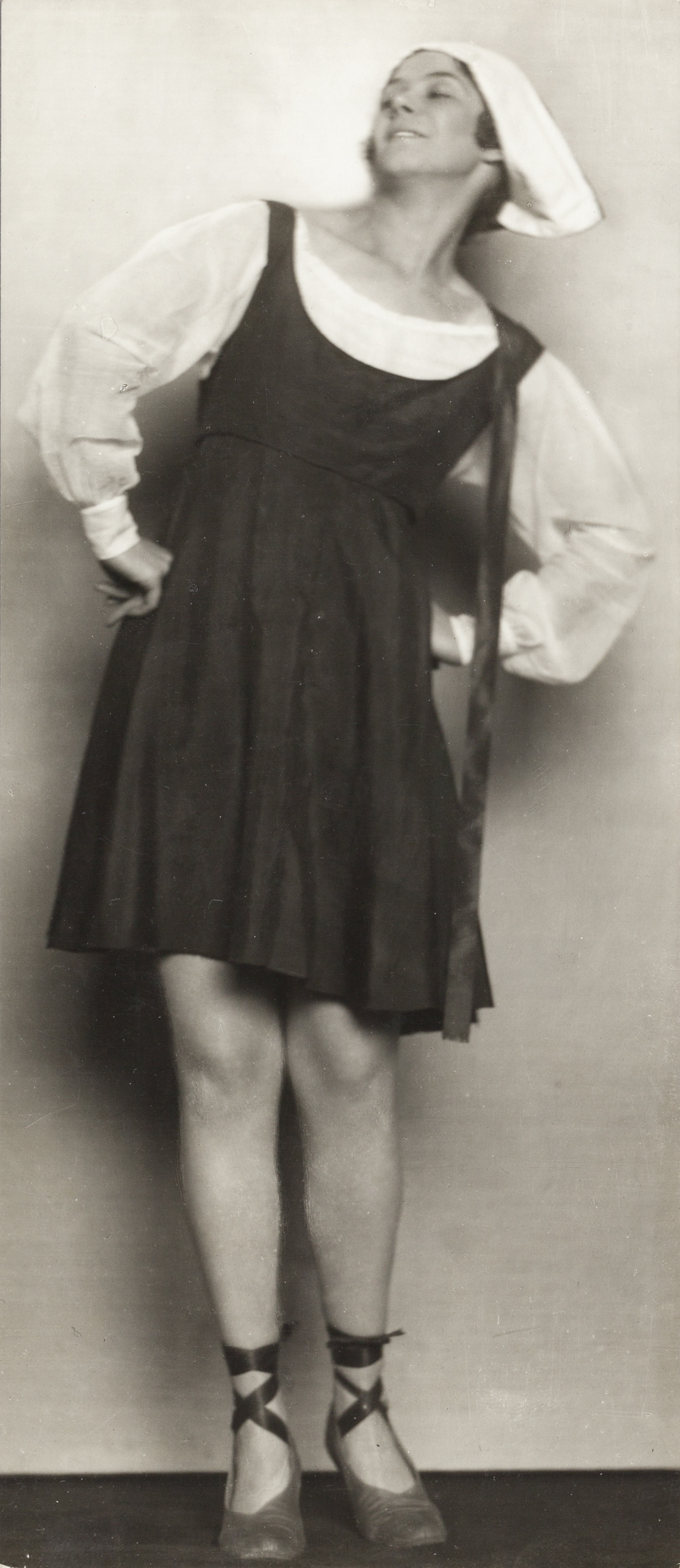
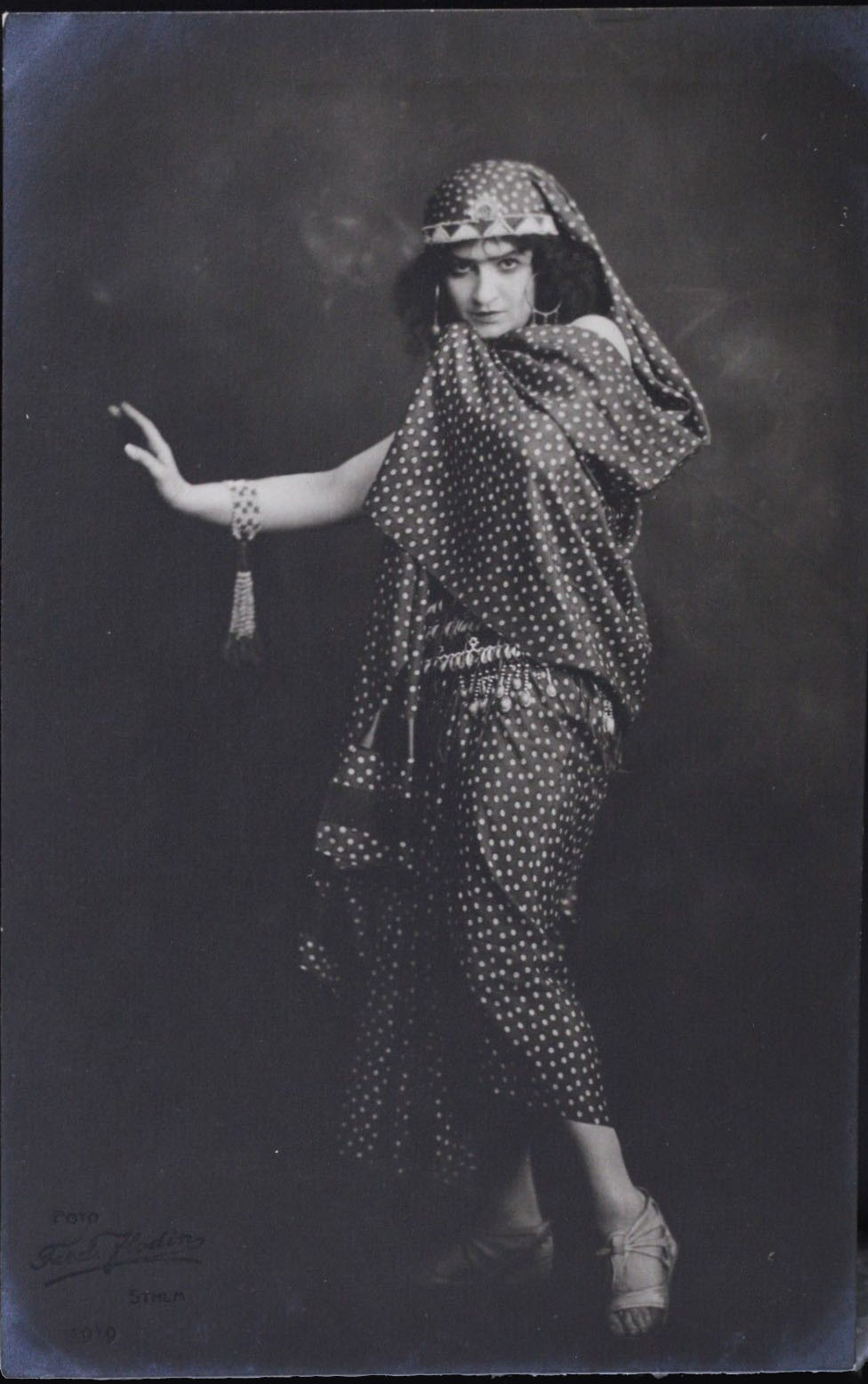
Photographer’s stamp with address at “Wien I. Ebendorferstraße 3”, her copyright stamp and her re-order stamp with handwritten negative no. “281” in ink, and handwritten title in pencil on the reverse [‘Die Tänzerin Ronny Johansson’]. Ronny Irene Johansson was born 1891 in Latvia, to Swedish and Scottish parents. Her father, a businessman in the shipping industry, sent Ronny to Russian and Swedish boarding schools. It was in Sweden that she established a professional dancing career, debuting in Weisbaden in 1916. After touring and performing throughout Europe, she moved to the USA in 1925 to pursue Modern dance. [quoted from source]
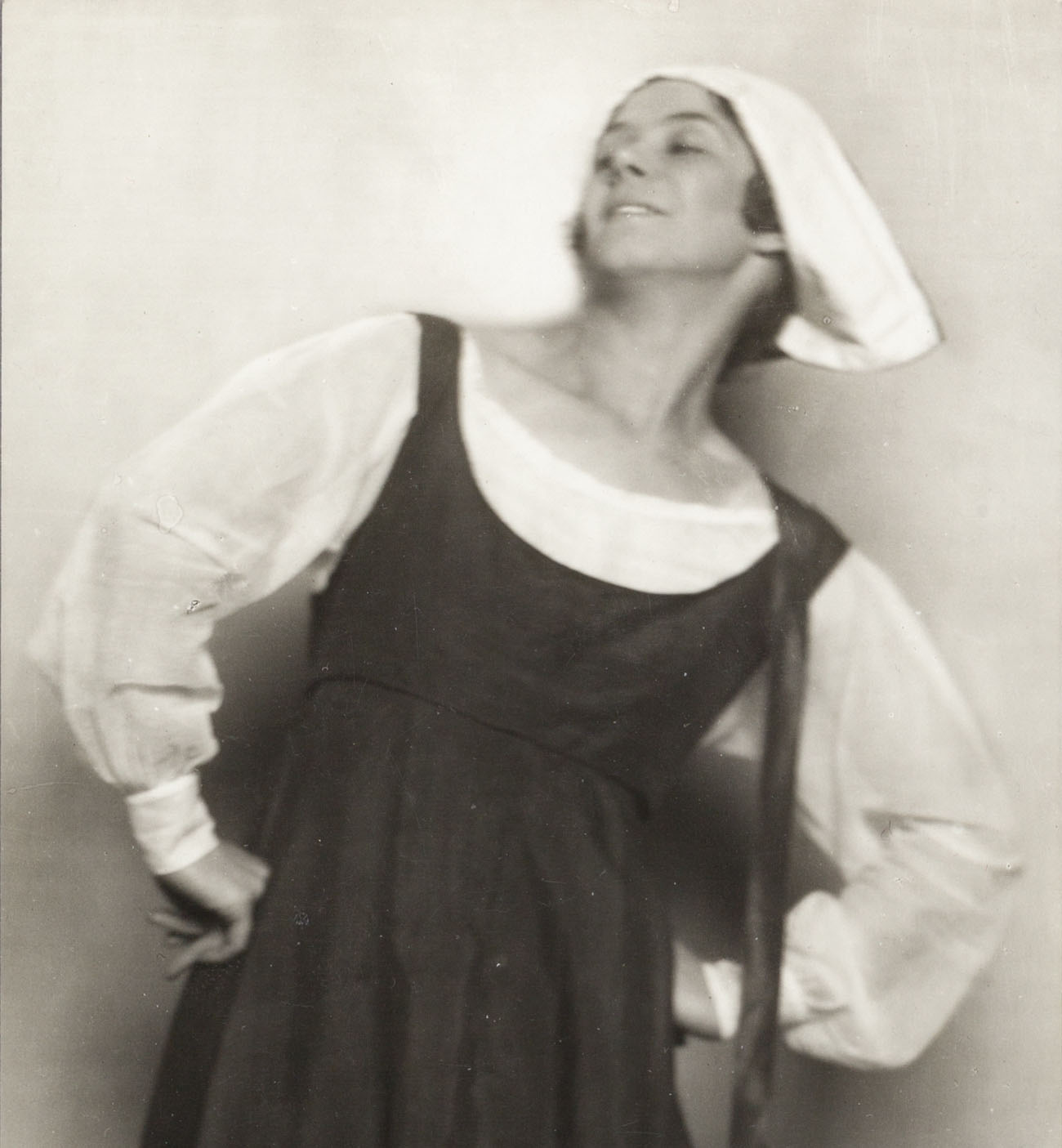

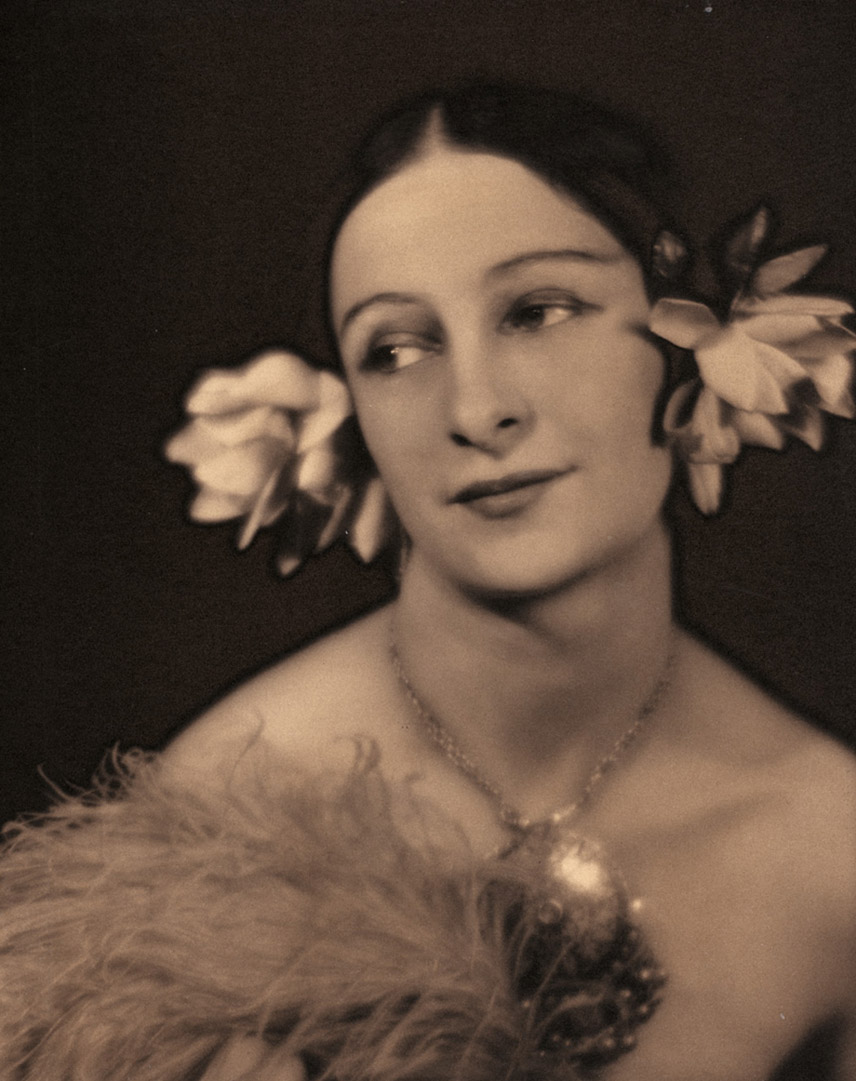







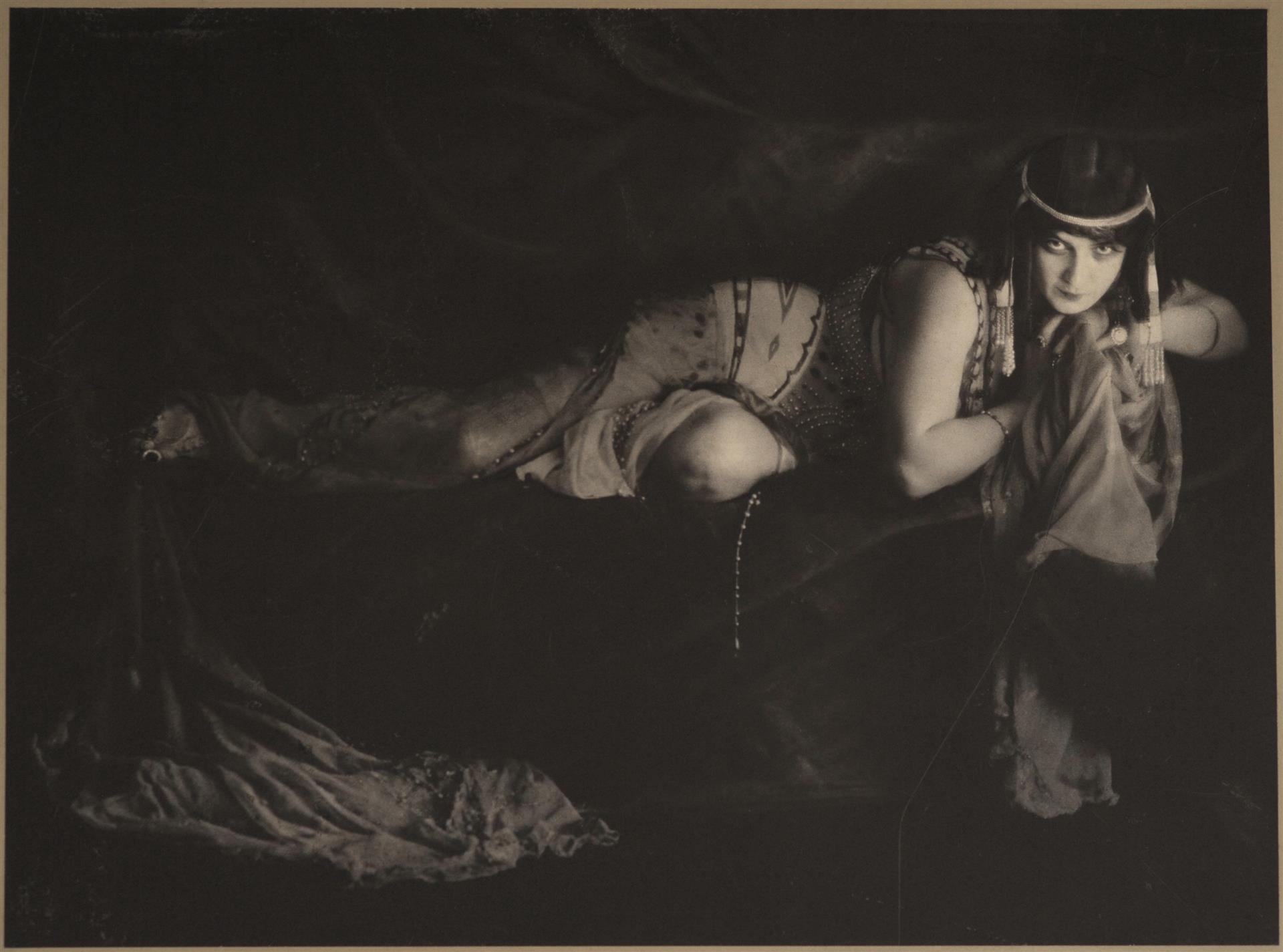
Paris, 1909. Serge Diaghilev engage Ida Rubinstein dans les Ballets russes pour le rôle-titre de Cléopâtre, à l’opéra
Garnier. Cette interprétation est remarquée, ainsi que le nez de la diva.
Les costumes sont signés Léon Bakst et le final inspire le Souvenir de la saison d’Opéra Russe 1909 du peintre Kees van Dongen. Nijinski danse sa première saison des Ballets russes, dans le rôle d’un esclave peu vêtu, éblouissant le public parisien.
From : Otto Portraits : Daguerre & Drouot
Paris, 1909. Serge Diaghilev engages Ida Rubinstein in the Ballets Russes for the title role of Cleopatra, at the opera
Garnier. This interpretation is noticed, as well as the nose of the diva.
The costumes are by Léon Bakst and the finale inspires the Souvenir de la saison d’Opéra Russe 1909 by the painter Kees van Dongen. Nijinsky danced his first season of the Ballets Russes, in the role of a scantily dressed slave, dazzling the Parisian audiences.

Portrait dynamique : Ida Rubinstein dans un costume pour Cléopâtre, ballet en un acte, argument d’après Pouchkine.

Remarquables décors et costumes de Léon Bakst, pour la première au théâtre du Châtelet.

“Le 13 juin 1913 est créée au théâtre du Châtelet à Paris une œuvre rutilante et hybride : la Pisanelle ou la Mort parfumée, texte français du dramaturge italien Gabriele d’Annunzio. La participation russe est prépondérante : Lev Bakst pour le décor, Ida Rubinstein dans le rôle principal, Vsevolod Meyerhold pour la mise en scène.
La richissime actrice est la commanditaire du spectacle dont la chaude volupté répond à ses vœux. Dans cette œuvre, D’Annunzio a voulu faire se mesurer latinité et orientalisme.
Les circonstances qui ont procédé à la création de la pièce dans l’atmosphère survoltée d’une vie artistique dominée par les Ballets russes…”
Gérard Abensour, Monde Russe, 2007. From : Otto Portraits : Daguerre & Drouot
“On June 13, 1913, a gleaming and hybrid work was created at the Théâtre du Châtelet in Paris: La Pisanelle ou la Mort parfumée, a French text by the Italian playwright Gabriele d’Annunzio. The Russian participation is preponderant: Lev Bakst for the decor, Ida Rubinstein in the main role, Vsevolod Meyerhold for the staging.
The wealthy actress is the sponsor of the show marked by her fervent voluptuousness. In his work, D’Annunzio wanted to present Latinism and Orientalism into balance.
The circumstances that led to the creation of the piece in the charged atmosphere of an artistic life dominated by the Ballets Russes…”
Gérard Abensour, Monde Russe, 2007.
All the the photographs and texts in this post had been retrieved from the catalogue of this auction :
Otto Portraits. Un fonds d’atelier photographique est retrouvé intact après cent ans d’oubli. Le studio du portraitiste Otto, place de la Madeleine, accueillait le Tout-Paris de la Belle Époque. Otto et ses fils y menaient grand train.
Vente aux enchères ‘Photographies par Otto Wegener (1849-1924)’ à Hôtel de vente Drouot le 8 novembre 2018 – Daguerre & Drouot

 un regard oblique