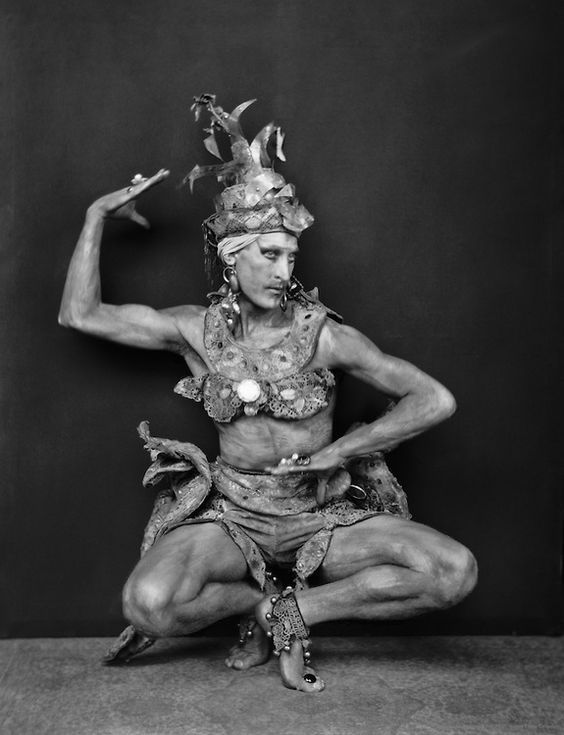
Emil Otto Hoppé :: Hubert Stowitts in His Indio-Chinese Solo in ‘La Péri, London, England, 1920
/ src: E.O. Hoppé Estate Collection
more [+] by this photographer
images that haunt us
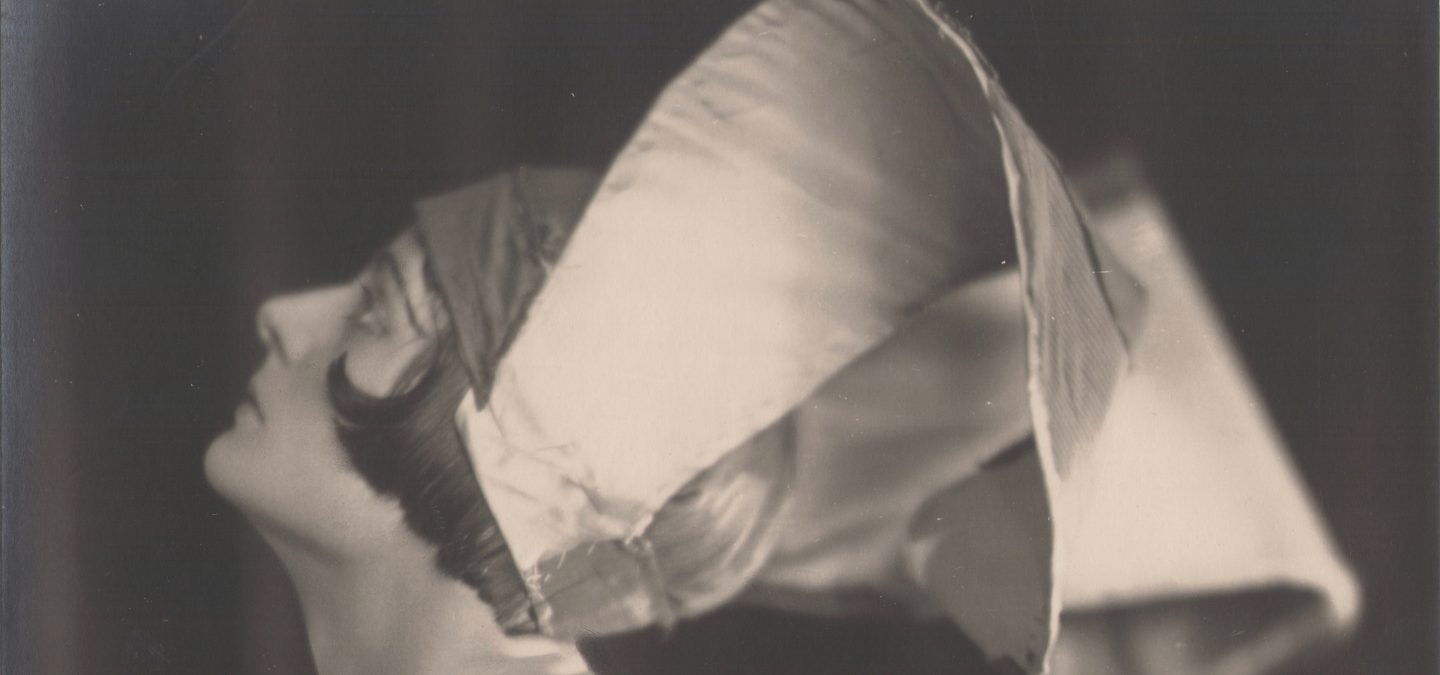
Emil Otto Hoppé :: Hubert Stowitts in His Indio-Chinese Solo in ‘La Péri, London, England, 1920
/ src: E.O. Hoppé Estate Collection
more [+] by this photographer
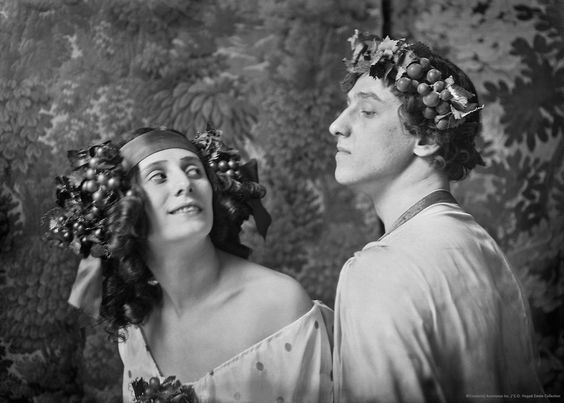
Emil Otto Hoppé :: Anna Pavlova with Laurent Novikoff, London, England, 1912
/ src: E.O. Hoppé Estate Collection
more [+] by this photographer

Arnold Genthe :: Dulcie Moor, one of Marion Morgan dancers, 1910′s / src: Historical Ziegfeld
more [+] by this photographer

Arnold Genthe :: Dulcie Moor, one of Marion Morgan dancers, 1910′s / src: Historical Ziegfeld
more [+] by this photographer

Minor White ::
Lyrical study of the dancer John George. Silver contact print, with White’s notation “this is my favorite”, as well as a numeric notation, in ink, on verso, 1950′s
more [+] by this photographer

Poem 8, short independent film directed by Emlen Etting, 1932 / via vivipiuomeno1
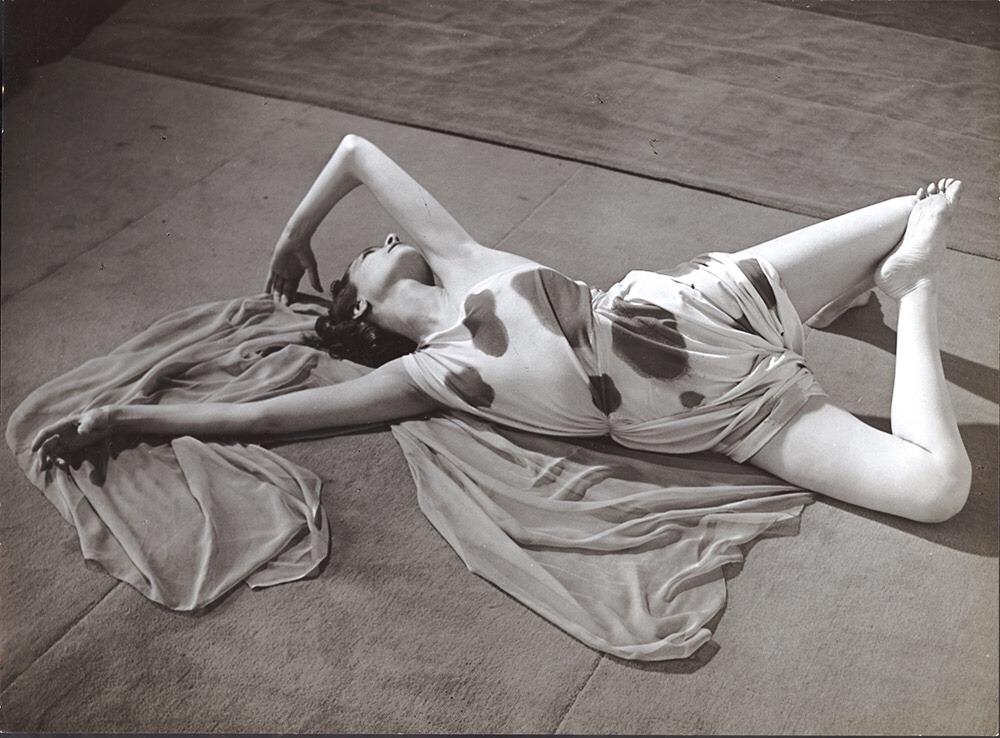


Lou Jacobs :: from Figure # 1, 1951 (solarization) / original source from scanned magazine in hi-res: puppies and flowers

Edward Steichen :: Wind Fire – Thérèse Duncan, adopted daughter of Isadora Duncan, on the Acropolis, 1921 / src: Stephen Ellcock
more [+] by Edward Steichen
Note:
“While on holiday in Venice in 1921, Steichen encountered his friend,
the dancer Isadora Duncan, who persuaded him to accompany her and her
dance troupe to Greece. Hoping to make motion pictures of the dancers at
the Acropolis, Steichen was disappointed when Isadora felt uninspired
and unenthusiastic about participating in such a collaboration, and
posed only for a few still photographs. However, Isadora’s adopted
daughter, Thérèse, also agreed to pose for his camera, and, in his
autobiography, Steichen described their session which produced more
interesting results: “She was a living reincarnation of a Greek nymph.
Once, while photographing the Parthenon, I lost sight of her, but I
could hear her. When I asked where she was, she raised her arms in
answer. I swung the camera around and photographed her arms against the
background of the Erechtheum. And then we went out to a part of the
Acropolis behind the Parthenon, and she posed on a rock, against the sky
with her Greek garments. The wind pressed the garments tight to her
body, and the ends were left flapping and fluttering. They actually
crackled. This gave the effect of fire – ‘Wind Fire…’”(A Life in Photography, chap. 6).

Thomas Longworth-Cooper :: Anita Heyworth as The Sun from ‘Peter and Ann’s Journey to the Moon’, at Christmas 1933 at the Prince’s Theatre, Manchester.
 un regard oblique