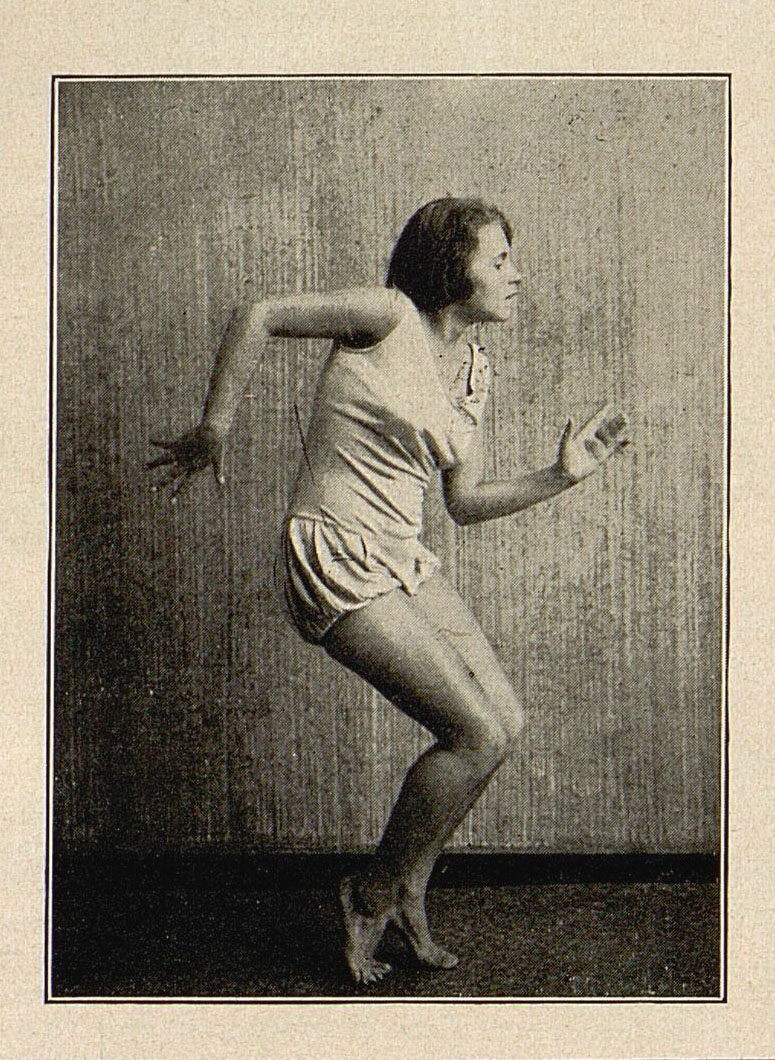
Bund für freie Bewegung · 1928

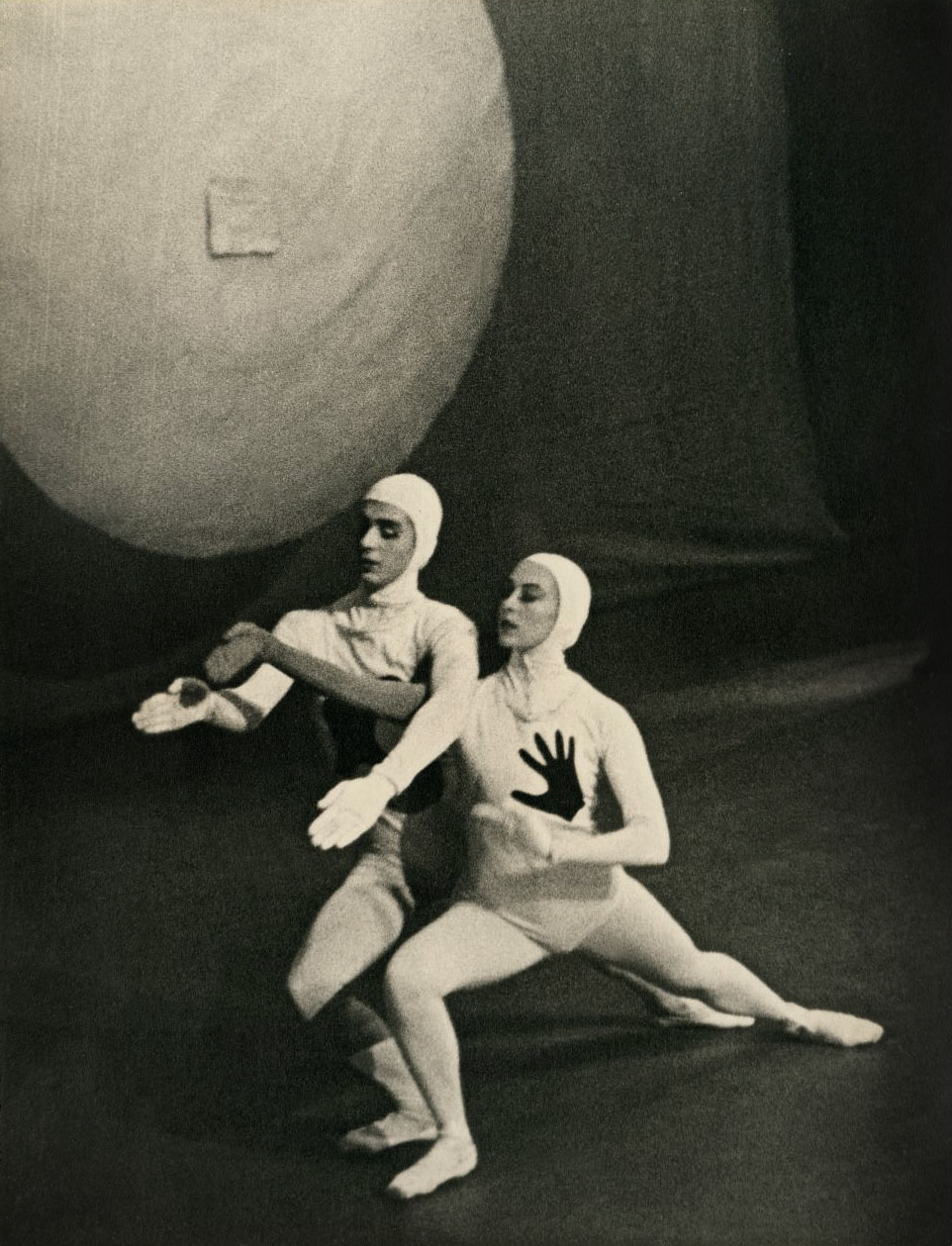
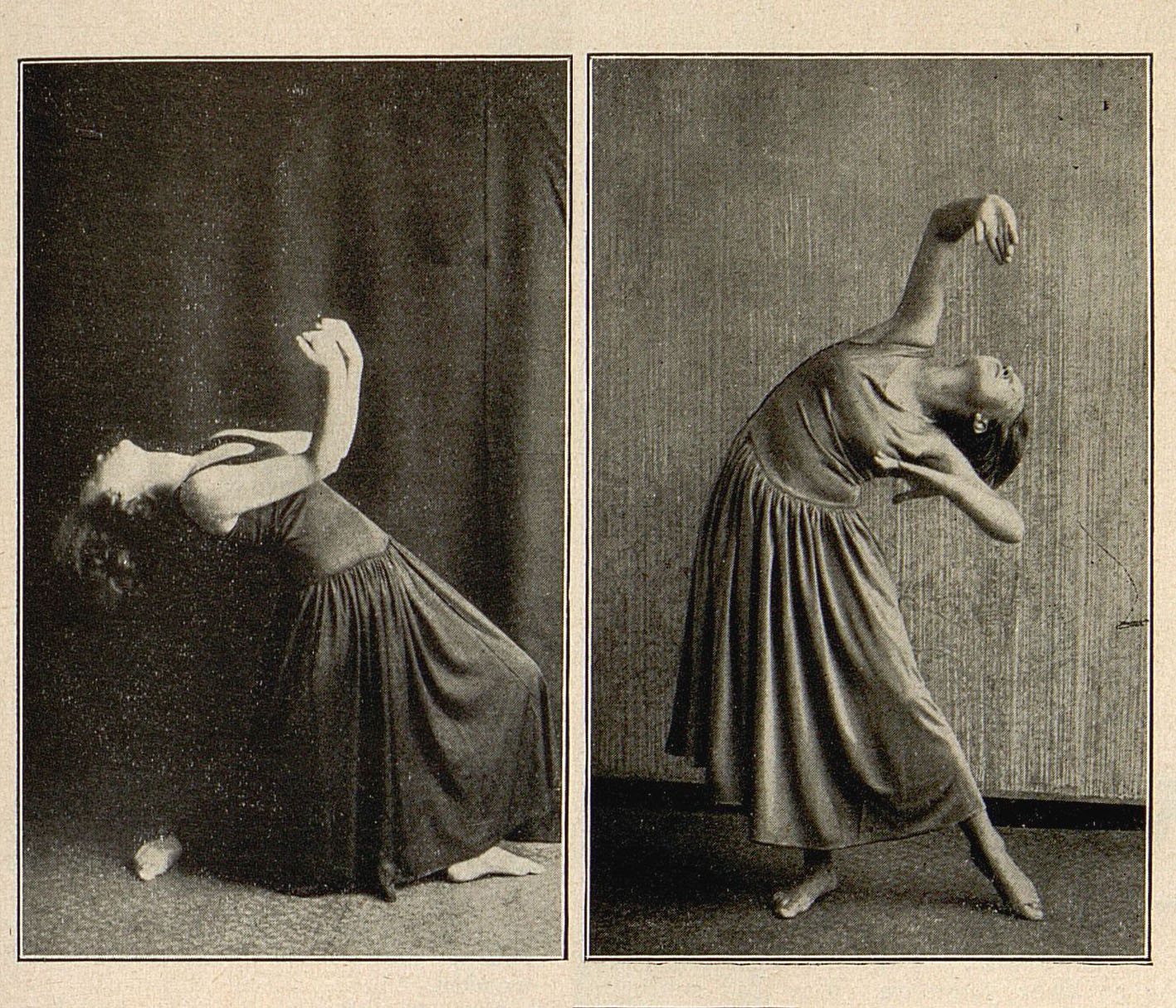
Bund für angewandte und freie Bewegung in München (Mensendiecksystem). Die schöne Frau, Nr. 8, 1928 | src ÖNB
Gruppenstudie. Bund für angewandte und freie Bewegung. Die schöne Frau, Nr. 8, 1928 | src ÖNB
Spannungsstudie. Bund für angewandte und freie Bewegung. Die schöne Frau, Nr. 8, 1928 | src ÖNB
Bund für angewandte und freie Bewegung. Die schöne Frau, Nr. 8, 1928 | src ÖNB

For Colored Girls · 1976-77

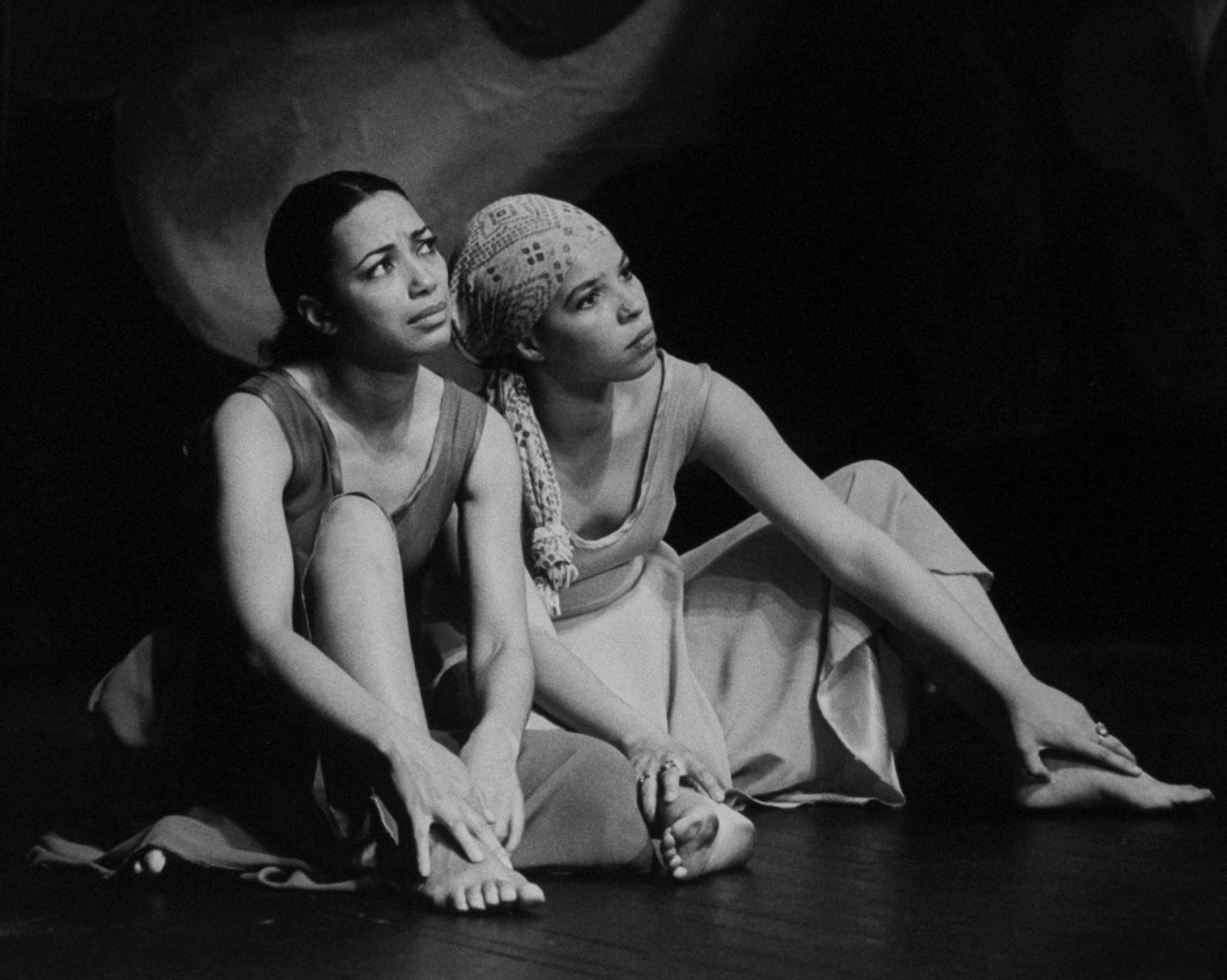
Martha Swope ~ Ntozake Shange (right) in a scene from the Broadway production of her choreopoem: ‘For Colored Girls Who Have Considered Suicide When the Rainbow is Enuf’, 1977 | src NYPL

‘For Colored Girls Who Have Considered Suicide When the Rainbow is Enuf’ is a 1976 work by Ntozake Shange. It consists of a series of poetic monologues to be accompanied by dance movements and music, a form which Shange coined the word choreopoem to describe. It tells the stories of seven women who have suffered oppression in a racist and sexist society.
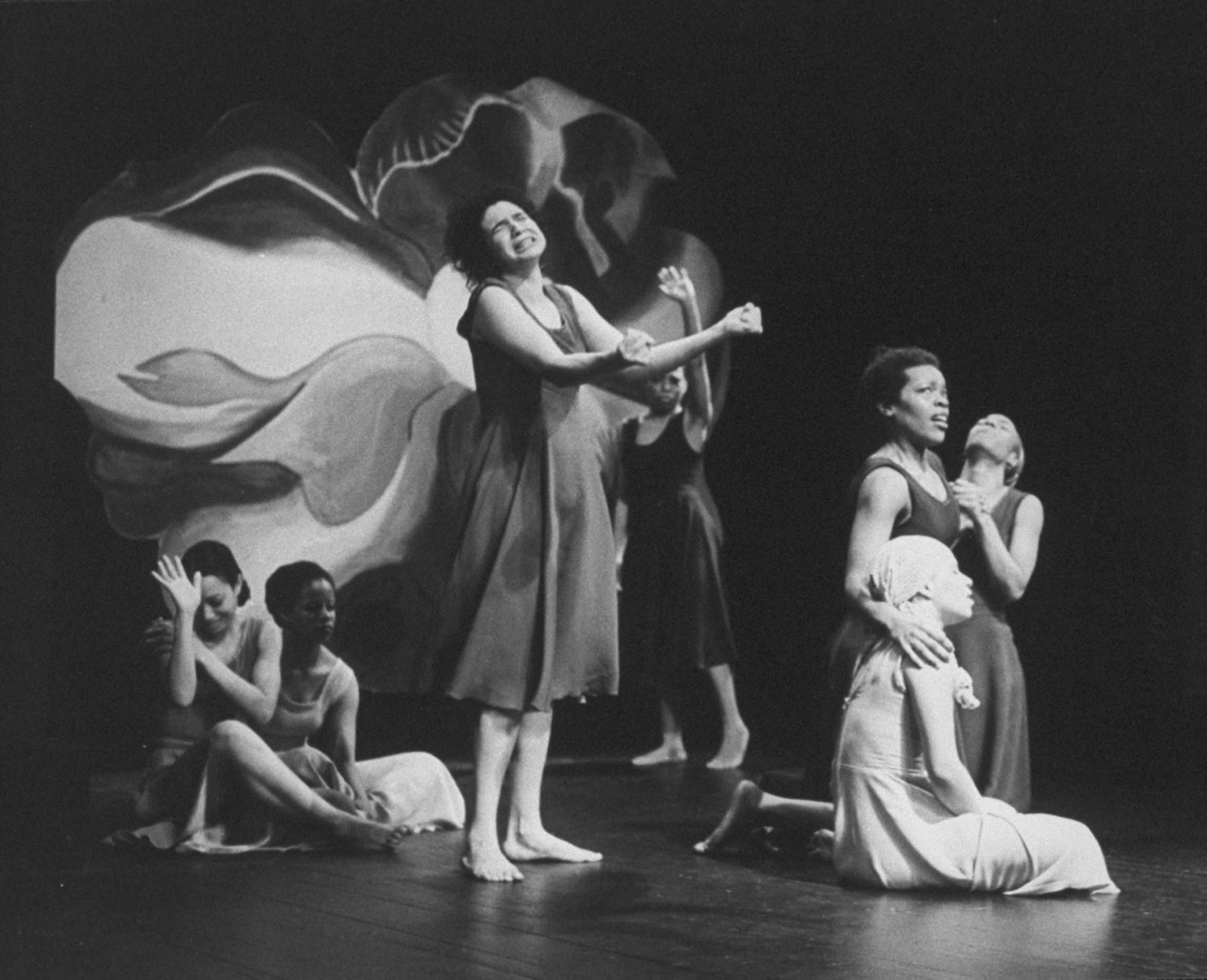
Martha Swope ~ A scene from the Broadway production of the choreopoem by Ntozake Shange: ‘For Colored Girls Who Have Considered Suicide When the Rainbow is Enuf’, 1977 | src NYPL

As a choreopoem, the piece is a series of 20 separate poems choreographed to music that weaves interconnected stories of love, empowerment, struggle and loss into a complex representation of sisterhood. The cast consists of seven nameless African-American women only identified by the colors they are assigned. They are the lady in red, lady in orange, lady in yellow, lady in green, lady in blue, lady in brown, and lady in purple. Subjects from rape, abandonment, abortion and domestic violence are tackled.
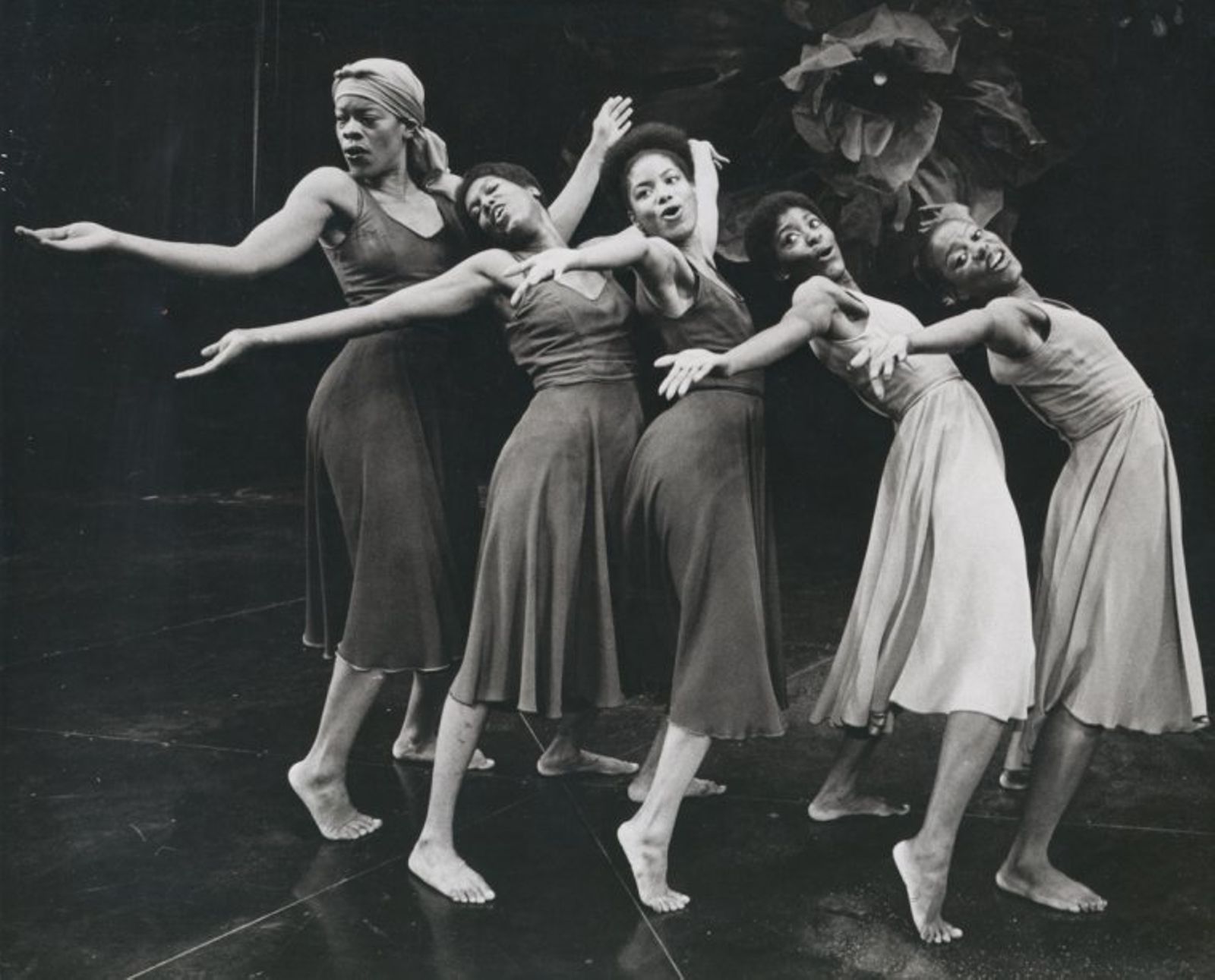
Martha Swope ~ A scene from the Broadway production of the choreopoem by Ntozake Shange: ‘For Colored Girls Who Have Considered Suicide When the Rainbow is Enuf’, 1976 | src NYPL

Shange originally wrote the monologues as separate poems in 1974. Her writing style is idiosyncratic and she often uses vernacular language, unique structure, and unorthodox punctuation to emphasize syncopation. Shange wanted to write ‘For colored girls…‘ in a way that mimicked how real women speak so she could draw her readers’ focus to the experience of reading and listening.

Martha Swope ~ A scene from the Broadway production of the choreopoem by Ntozake Shange: ‘For Colored Girls Who Have Considered Suicide When the Rainbow is Enuf’, 1976 | src NYPL
Martha Swope ~ Actresses (Front L-R) Laurie Carlos, Paula Moss, Aku Kadogo, Trazana Beverly; (Top L-R) Rise Collins, Janet League, Seret Scott in scene from the play ‘For Colored Girls Who Have Condsidered Suicide When the Rainbow is Enuf’ by Ntozake Shange (1976) | src NYPL
The cast of the Broadway show ‘For Colored Girls Who Have Considered Suicide When the Rainbow Is Enuf’ by Ntozake Shange, in the Meatpacking District of New York City, 1977 (Photo by Jill Freedman) | src getty images
A scene from the Broadway production of the choreopoem ‘For Colored Girls Who Have Considered Suicide When the Rainbow is Enuf’, 1976 | src NY Times: Ntozake Shange’s Tales of Black Womanhood

In December 1974, Shange performed the first incarnation of her choreopoem with four other artists at a women’s bar outside Berkeley, California. After moving to New York City, she continued work on for colored girls…, which went on to open at the Booth Theatre in 1976, becoming the second play by a black woman to reach Broadway. quoted from wikipedia entry

Martha Swope ~ A scene from the Broadway production of the choreopoem by Ntozake Shange: ‘For Colored Girls Who Have Considered Suicide When the Rainbow is Enuf’, 1976-77 | src NYPL

For Colored Girls chronicles the experiences of seven black women through monologue and dance, confronting topics of sexism, rape, and domestic violence. The play has long been considered a benchmark for black female writers and inspired a book, film, and Tony Award-nominated Broadway play.

Martha Swope ~ A scene from the Broadway production of the choreopoem by Ntozake Shange: ‘For Colored Girls Who Have Considered Suicide When the Rainbow is Enuf’, 1976-77 | src NYPL

Written for seven characters, For Colored Girls is a group of 20 poems on the power of Black women to survive in the face of despair and pain. The show ran for seven months Off-Broadway in New York City before beginning a two-year run on Broadway. It was subsequently produced throughout the United States, broadcast on television, and in 2010 adapted into a feature film titled For Colored Girls. [text: Britannica]

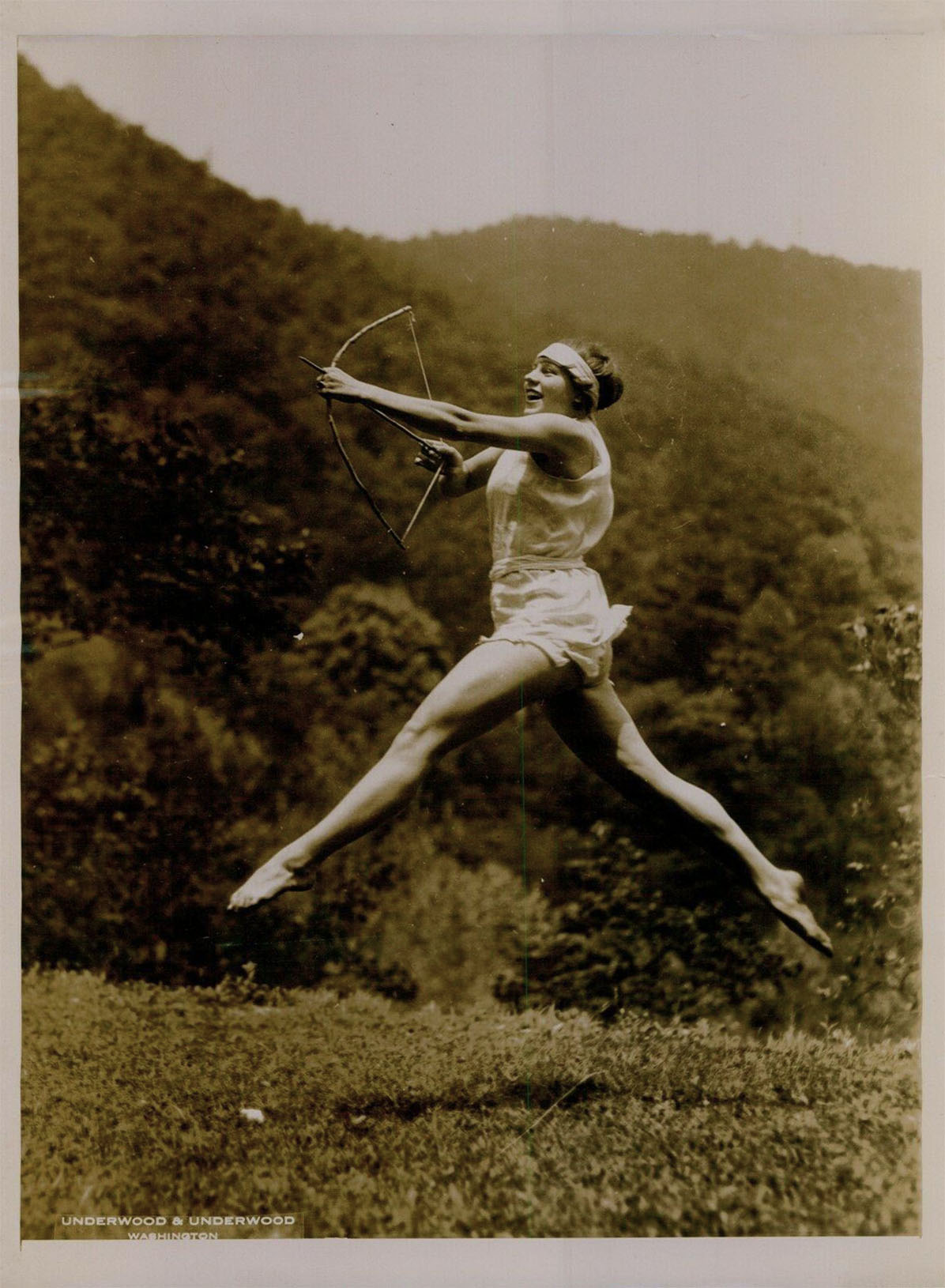
A scene from the Broadway production of the choreopoem ‘For Colored Girls Who Have Considered Suicide When the Rainbow is Enuf’, 1976 | src NY Times: Ntozake Shange’s Tales of Black Womanhood

Olympic swimmer dancing

Underwood & Underwood ~ Olympic champion swimmer Martha Norelius in a dance pose, May 1925 | src worthpoint
Reverse of the press photograph above, with credit stamps and snippet

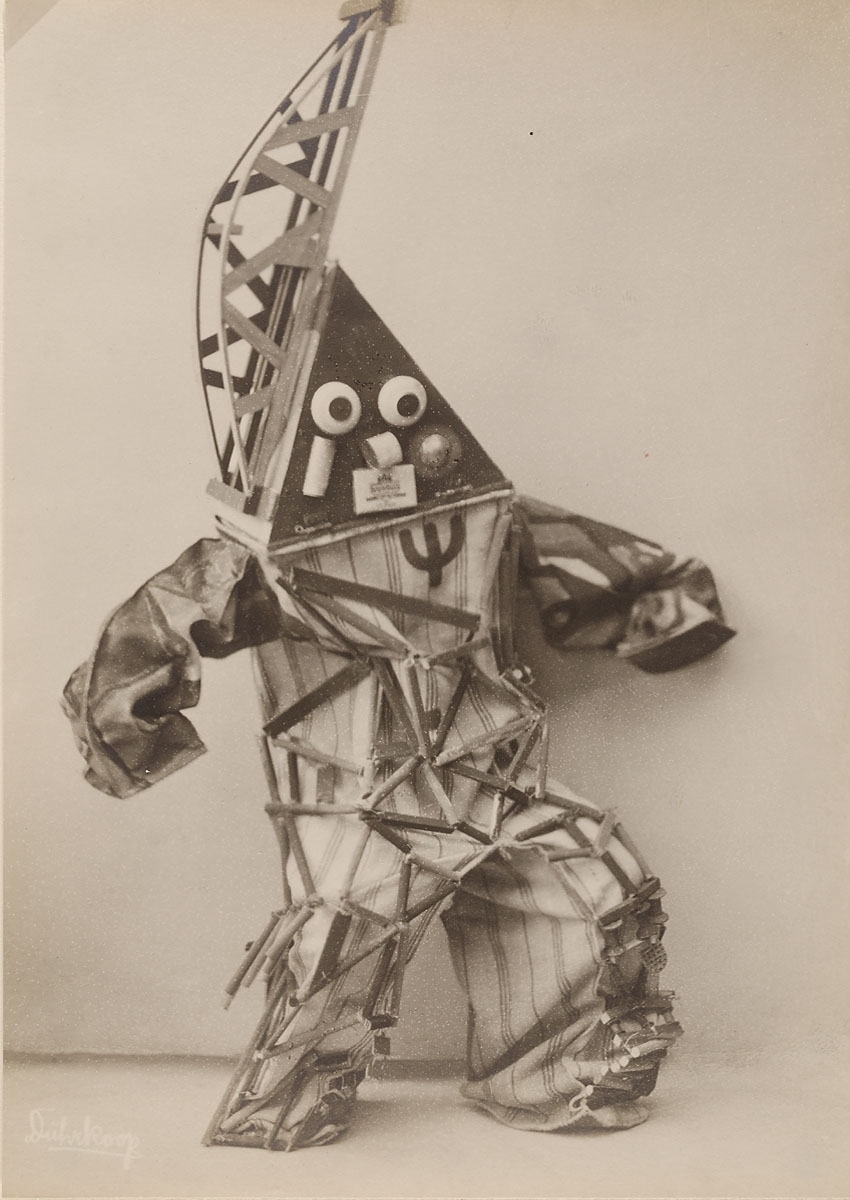
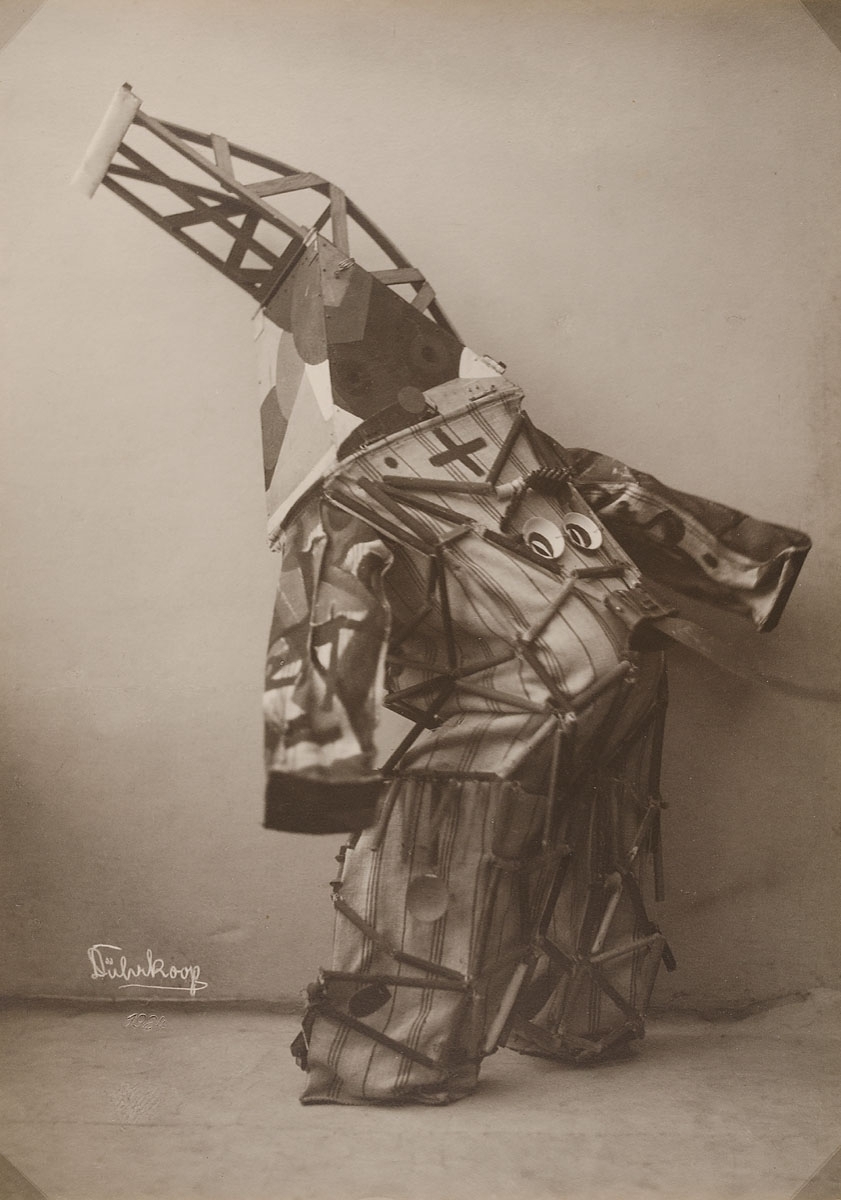
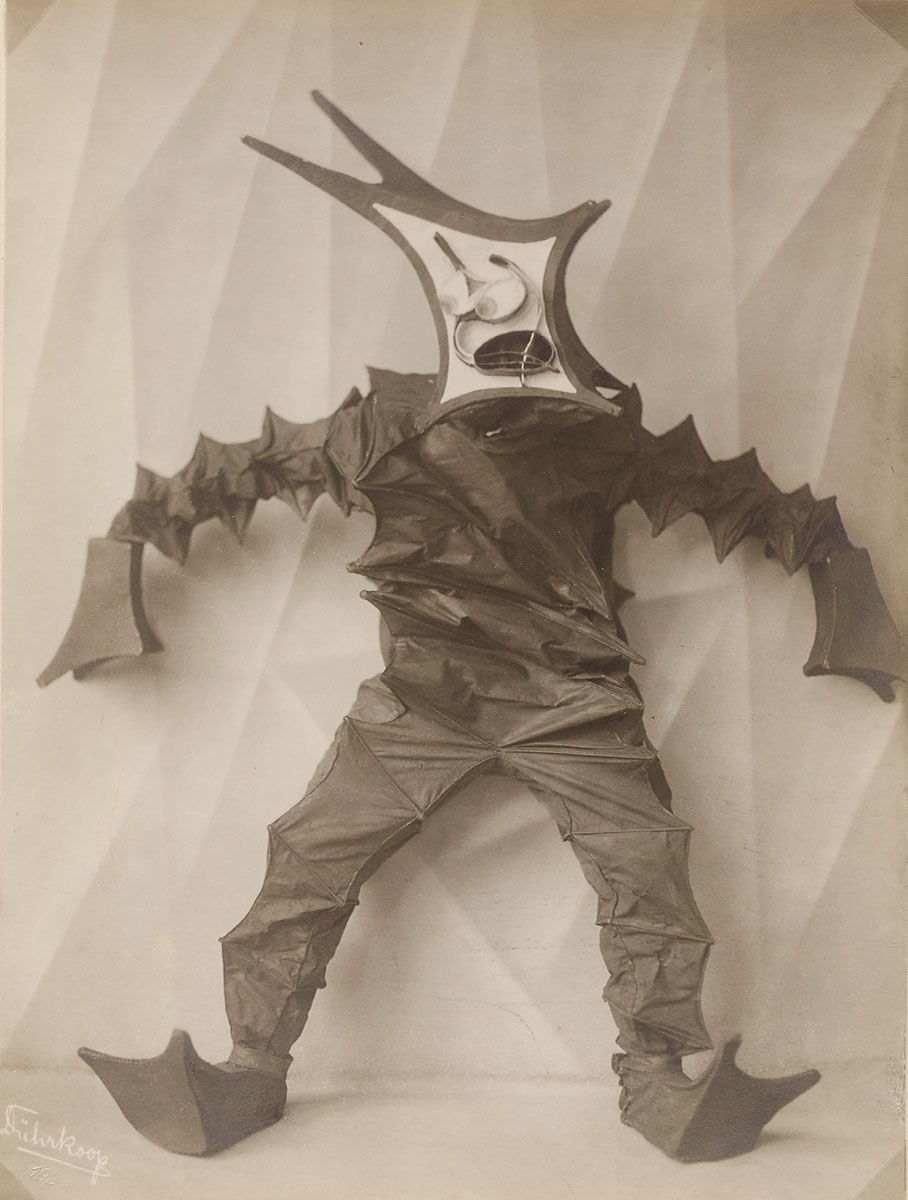
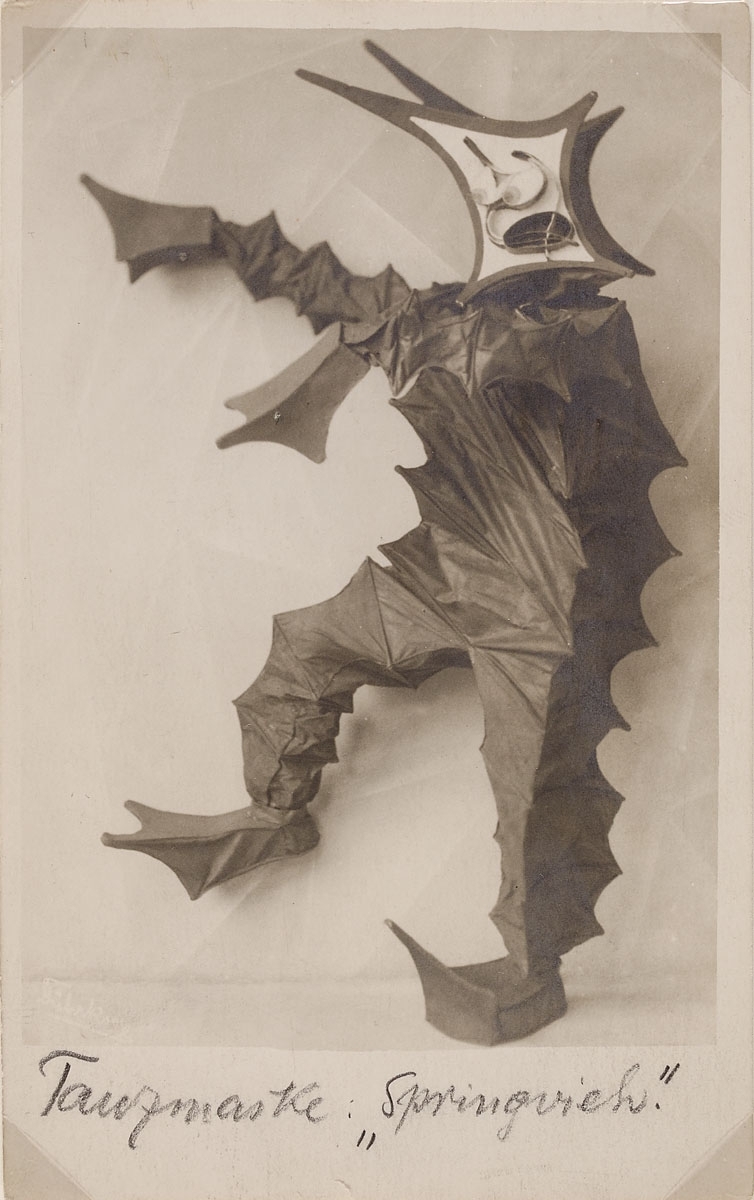
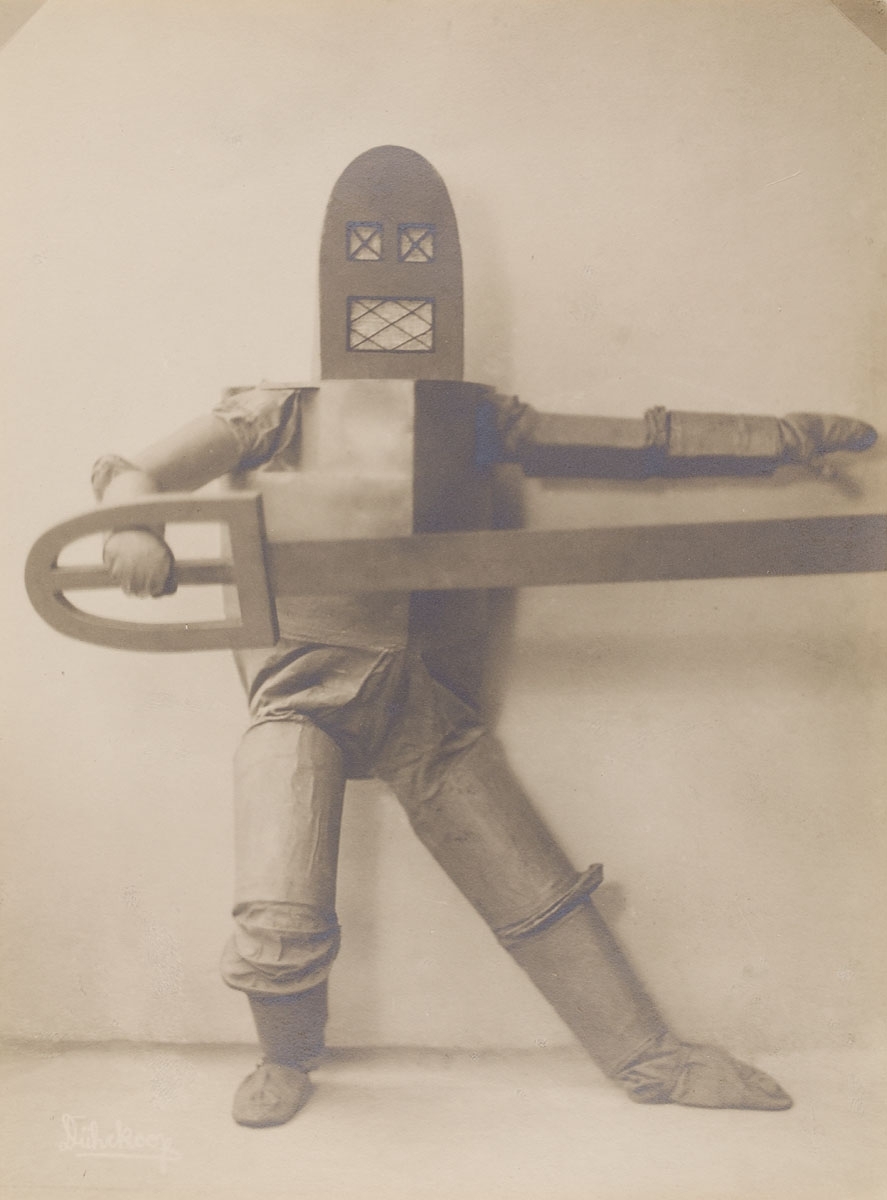
Tanzmasken von Lavinia Schulz

Minya Diez-Dührkoop (1873–1929) ~ Tanzmaske Technik von Lavinia Schulz, Hamburg, 1924 | src MK&G
Ankündigung eines Tanzabends in Form einer Postkarte (Lavinia Schulz), 11. Oktober 1922
Minya Diez-Dührkoop (1873–1929) ~ Tanzmaske Springvieh von Lavinia Schulz, Hamburg, 1924 | src MK&G
Minya Diez-Dührkoop (1873–1929) ~ Tanzmaske Skirnir von Lavinia Schulz, Hamburg, 1924 | src MK&G

Portraits of Boris Kniaseff ca 1920

Studio Llaguno ~ Le danseur Boris Kniaseff (1900-1975), ca. 1920. Épreuve argentique d’époque. | src Ader Auktionen
Ernst Schneider ~ Russian dancer Boris Kniaseff, known as ‘the male Pavlova’ rehearses in a Berlin studio. He is dancing in the revue ‘Attention Wave 505’ at the Admiral’s Palace Theater, Berlin. | src getty images, also here
Studio Llaguno ~ Le danseur Boris Kniaseff, ca. 1920. Épreuve argentique d’époque. | src Ader Auktionen

Apoll und Daphne · 1938

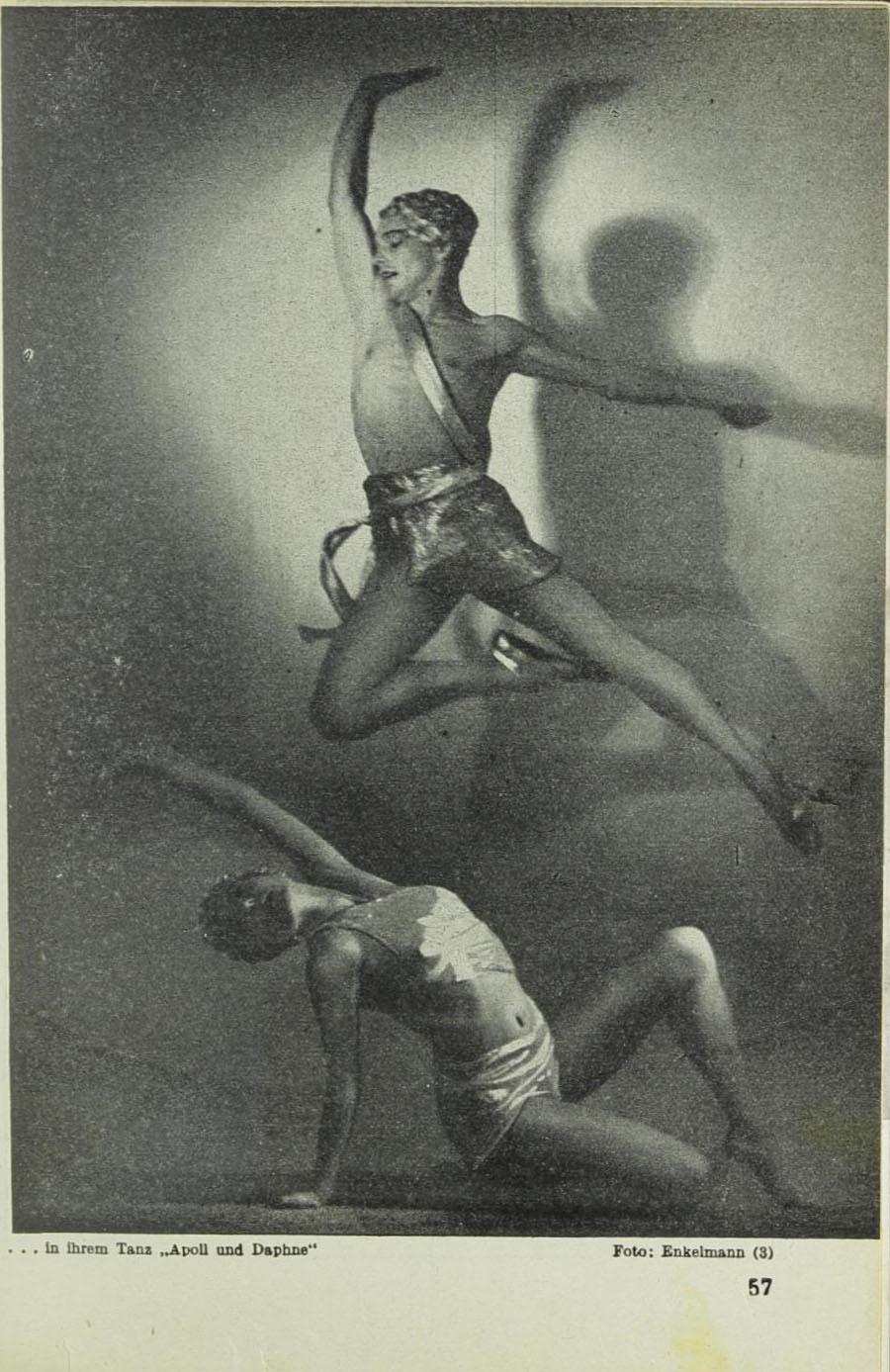
Siegfried Enkelman ~ Diasy Spies und Werner Stammer in ihrem Tanz ‘Apoll und Daphne’. Das Kleine Magazin B14 H14 (1938)
Siegfried Enkelman ~ Diasy Spies, Werner Stammer, Meistertänzer am Deutschen Opernhaus, Berlin in ihrem Tanz ‘Apoll und Daphne’. Das Kleine Magazin B14 H14 (1938)

Electricity · Madam Satan

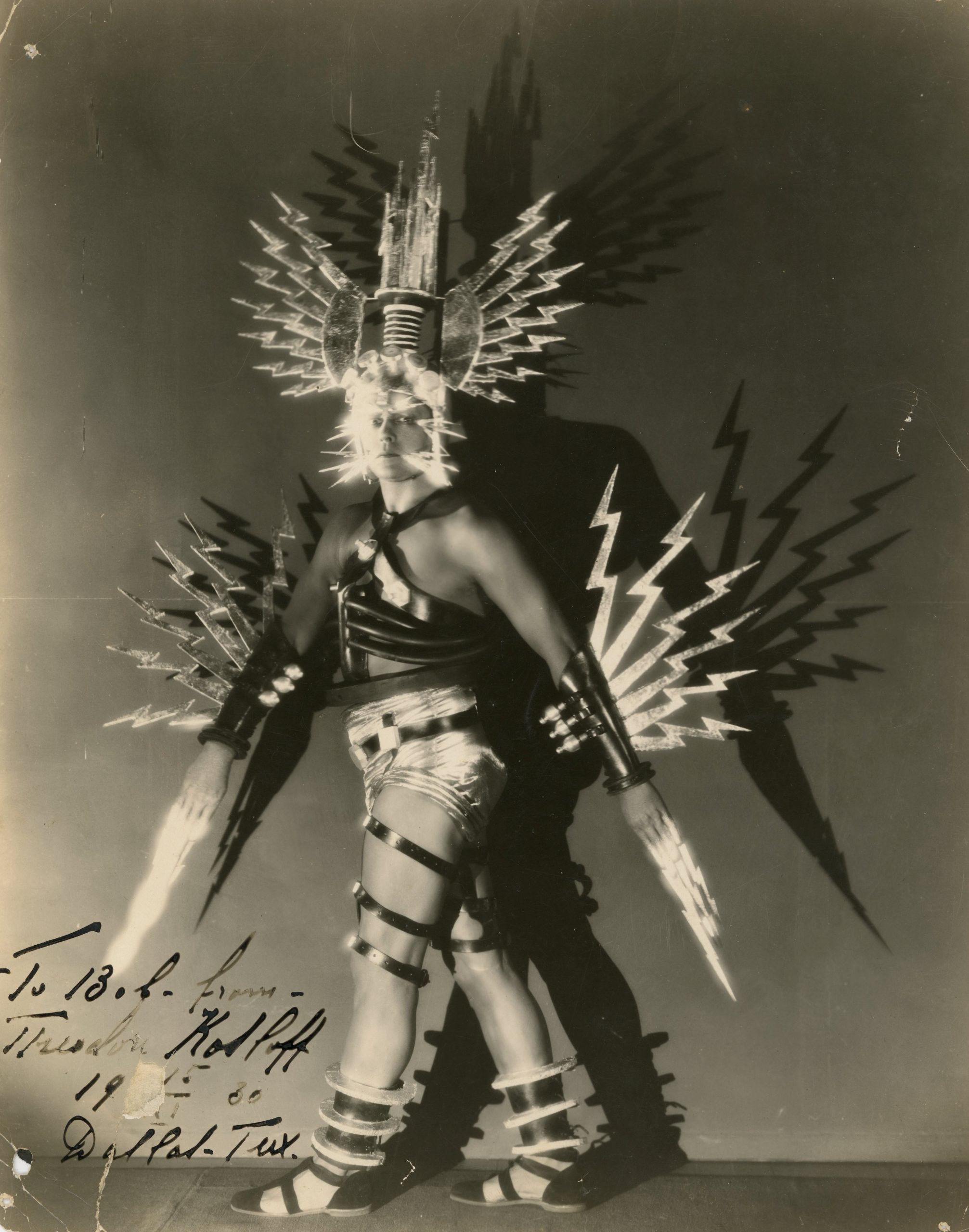
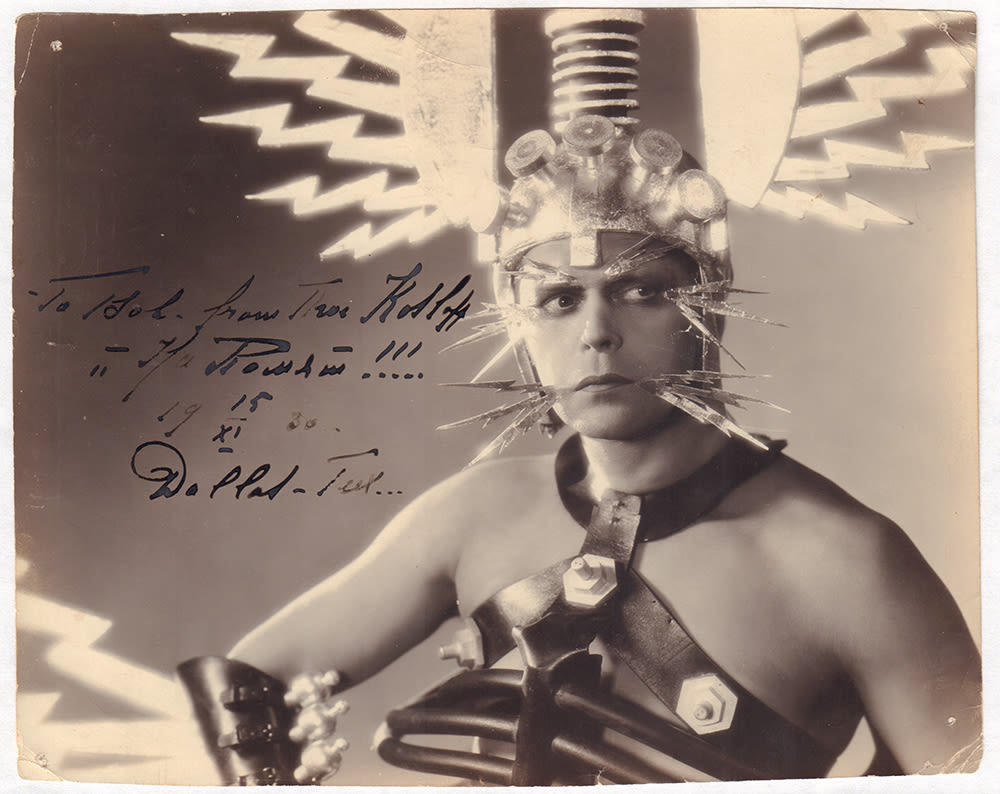
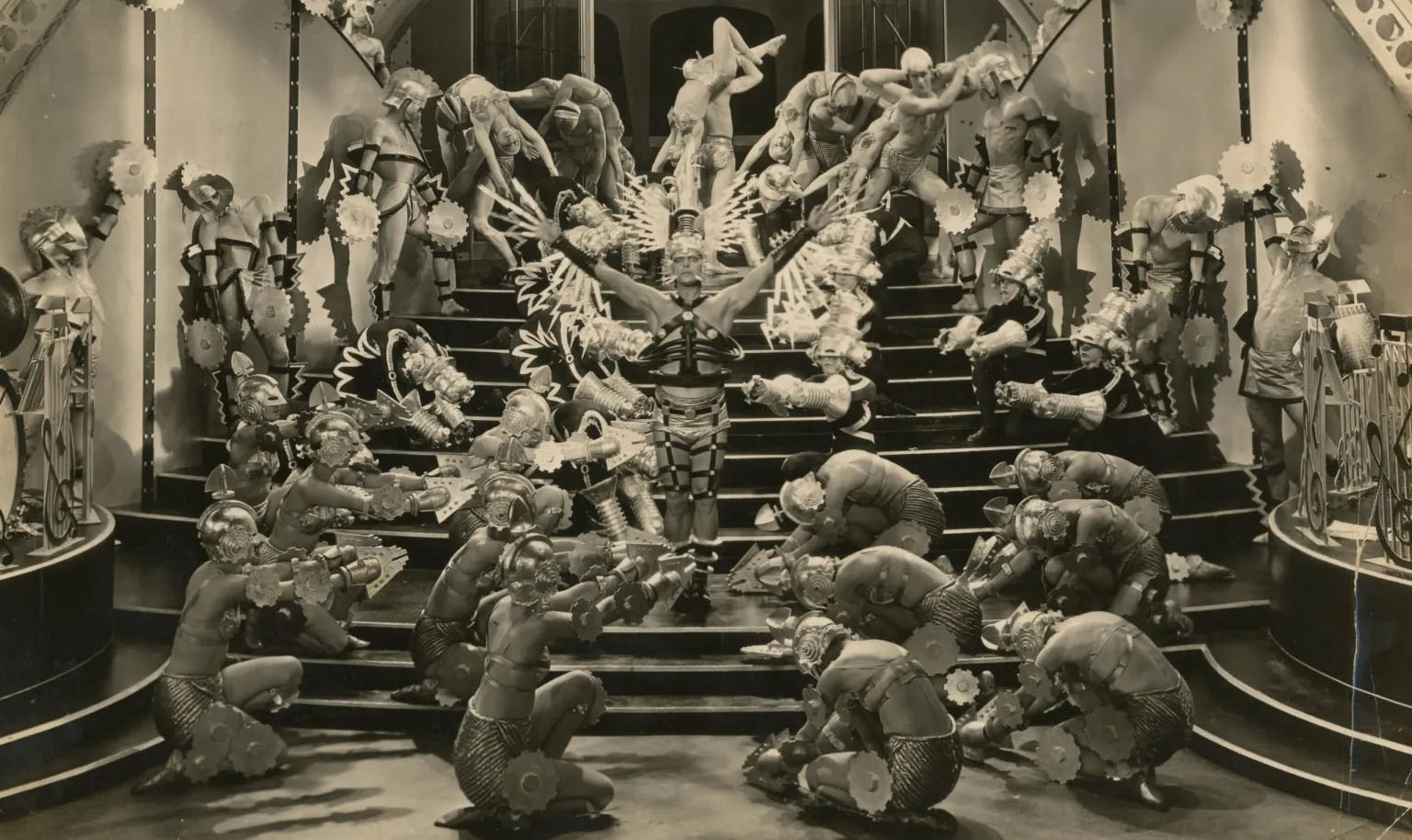
Theodore Kosloff dans un costume Electricity d’Adrian, pour la séquence de ballet intitulé Ballet Mécanique, dans Madam Satan, le film de Cecil B. DeMille, 1930
Madam Satan” film photograph featuring Theodore Kosloff as “Electricity”, 1930. | src Special Collections Research Center, George Mason University Libraries C0468
Madam Satan” film photograph featuring Theodore Kosloff as “Electricity” and a group of dancers dressed as turbines or generators for the ballet sequence entitled Ballet Mechanique. | src George Mason University Libraries

Kreutzberg von Renger-Patzsch

Albert Renger-Patzsch (1879-1966) ~ Harald Kreutzberg. Klage aus dem Tanzzyklus ‘Das Opfer’ | Harald Kreutzberg. Lament from the Dance Cycle ‘The Sacrifice’, 1931. Gelatin silver print, printed ca. 1931. | src Kicken Galerie ~ Art Basel 2019

Berber by Kallmus · 1922

Atelier Madame d’Ora :: Anita Berber in ihres Tanzstücks “Kokain”. Die Tänze des Lasters, des Grauens und der Ekstase, Wien, 1922. Photoinstitut Bonartes | src Der Standard

Photoinstitut Bonartes: Ausstellungsdauer: 25.08.2023 – 17.11.2023

Tänze des Lasters, des Grauens und der Ekstase. Anita Berber in Wien 1922

Im November 1922, inmitten der Wirtschaftskrise, kennt Wien nur ein Gesprächsthema: Anita Berber und ihre Tänze des Lasters, des Grauens und der Ekstase. Zusammen mit ihrem Partner Sebastian Droste bringt sie Tabuthemen wie Drogenmissbrauch, Suizid und homosexuelles Begehren auf die Bühne. Um das skandalumwitterte Programm zu bewerben, tritt das Duo vor die Kamera Madame d’Oras. Seit Jahren schon arbeitet Berber mit der Wiener Porträtfotografin an der Inszenierung ihres raffinierten Spiels aus kalkuliertem Schock und Tanzkunst. Diese düster-dramatischen Fotografien illustrieren nicht nur zahlreiche Zeitungsartikel, sondern auch Berbers einzige Publikation. Darin gibt sie Einblick in ihre Gedankenwelt, kritisiert die Hysterie um ihre Person und befeuert sie zugleich aufs Neue.

link zu Ausstellung
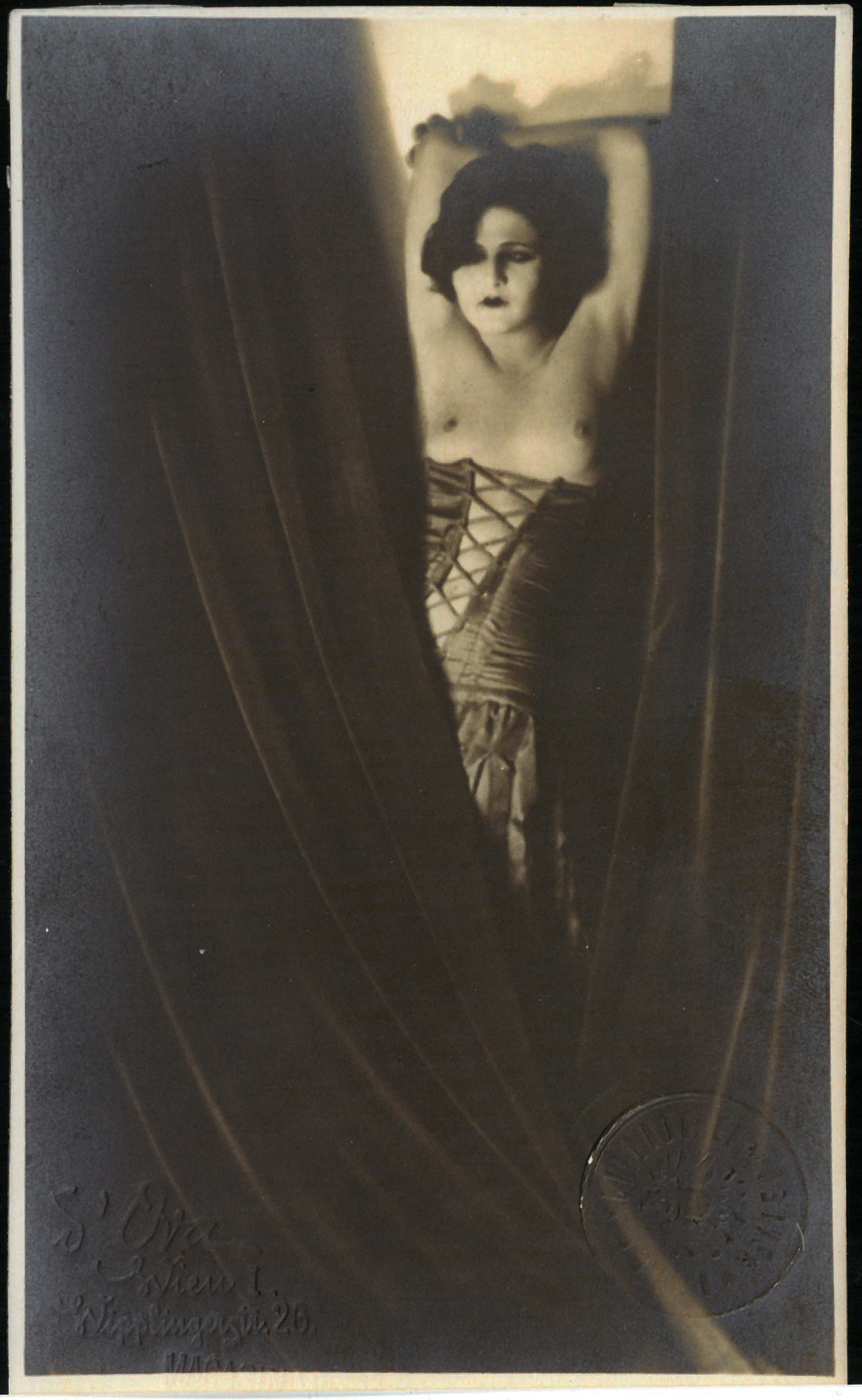
 Atelier dOra :: Anita Berber in Cocaine. Dances of Vice, Horror and Ecstasy, Vienna, 1922. | src Kulturpool FS_PE268437

New exhibition at Photoinstitut Bonartes:

Dances of Vice, Horror and Ecstasy. Anita Berber in Vienna 1922

In November 1922, in the midst of the economic crisis, Vienna only had one topic of conversation: Anita Berber and her dances of vice, horror and ecstasy. Together with her partner Sebastian Droste, she brings taboo topics such as drug abuse, suicide and homosexual desire to the stage. In order to promote the scandalous program, the duo appears in front of Madame d’Ora’s camera. Berber has been working with the Viennese portrait photographer for years on staging her sophisticated game of calculated shock and dance art. These darkly dramatic photographs not only illustrate numerous newspaper articles, but also Berber’s only publication. In it she gives insight into her world of thoughts, criticizes the hysteria surrounding her and at the same time fuels it anew.

link to the exhibition
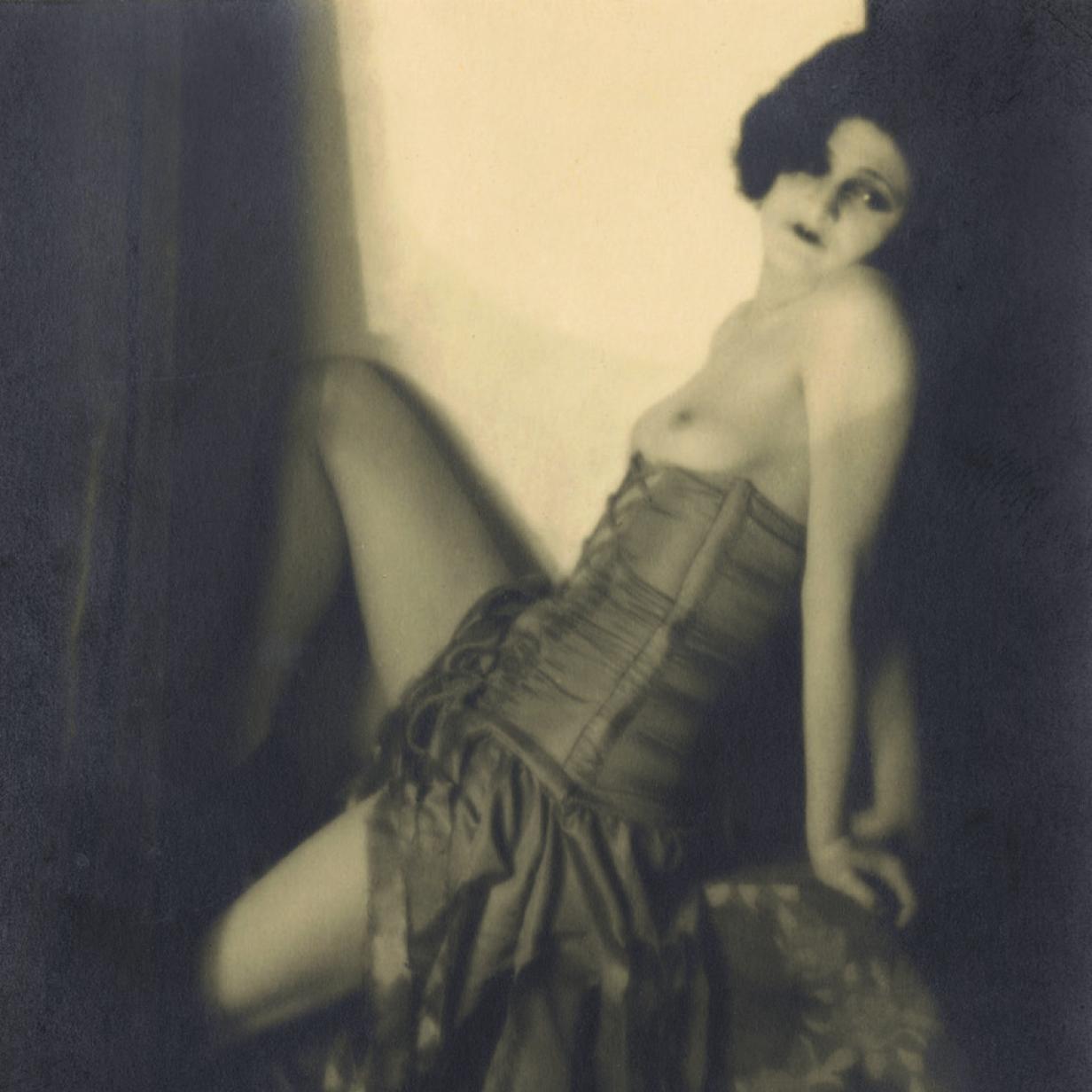
Tänze des Lasters, des Grauens und der Ekstase. Anita Berber in Wien 1922 – Photoinstitut Bonartes via Kurier.at

Ausstellung über Anita Berber: Provokation einer Exzentrikerin mit Erotik und Ekstase

„Tänze des Lasters, des Grauens und der Ekstase“ brachte sie ab November 1922 auf die Wiener Bühnen: Anita Berber war für Monate ein Aufreger im Nachtleben der Stadt mit ihren trotz Hyperinflation stets restlos ausverkauften Auftritten im Wiener Konzerthaus. | src Kurier.at

Exhibition about Anita Berber: provocation of an eccentric with eroticism and ecstasy

She brought “Dances of Vice, Horror and Ecstasy” to the Viennese stages from November 1922: Anita Berber was a sensation in the city’s nightlife for months with her performances in the Vienna Konzerthaus, which was always completely sold out despite the hyperinflation. | src Kurier.at