The dancer Maja Lex. Günther-Schule, 1920s | src Carl Orff Stiftung
In Munich, Maja Lex was first a student member but soon, together with Gunild Keetmann and the founders Dorothee Günther and Carl Orff, belonged to the leading teaching staff of the Günther-Schule, a forward-looking school with a trebly diversified training concept of integrative musical and movement education. War events disrupted this unique constellation of artistic and educational personalities.
Maja Lex developed a new movement and dance education of a timeless pedagogic and artistic value. She liberated herself from the formalized practice/exercise/training and introduced instead the varied movements of rhythmic-dynamic, spatial and formal variation. Structured improvisation, similar to musical improvisation, was established as a definite component of the teaching lesson.
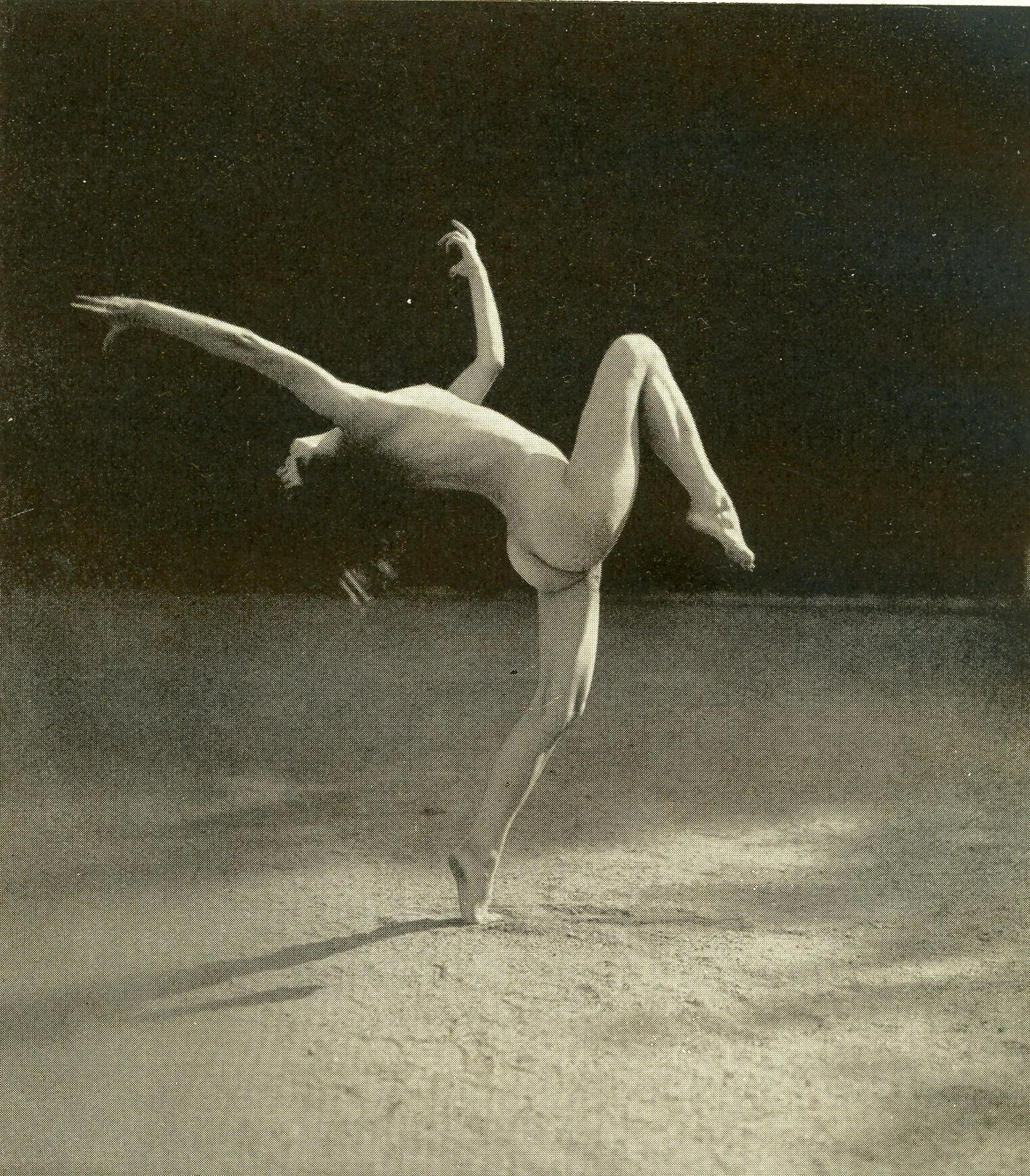
As a solo dancer and choreographer of Tanzgruppe Günther, Maja Lex was a pioneer of the New German Dance (Neuer Deutscher Tanz) in the 1930s. She created a specific dancing style of a ‘thrilling rhythmic intensity’, a definite feeling for form and a high technical dancing discipline. Music and dance became elements of equal value, not least because of the use of rhythm instruments for the dance and for the orchestra of Günther-Schule, where dancers and musicians changed roles. The director of the orchestra was Gunild Keetmann. Maja Lex’s dances belong to the absolute dance. / quoted from Elementarer Tanz
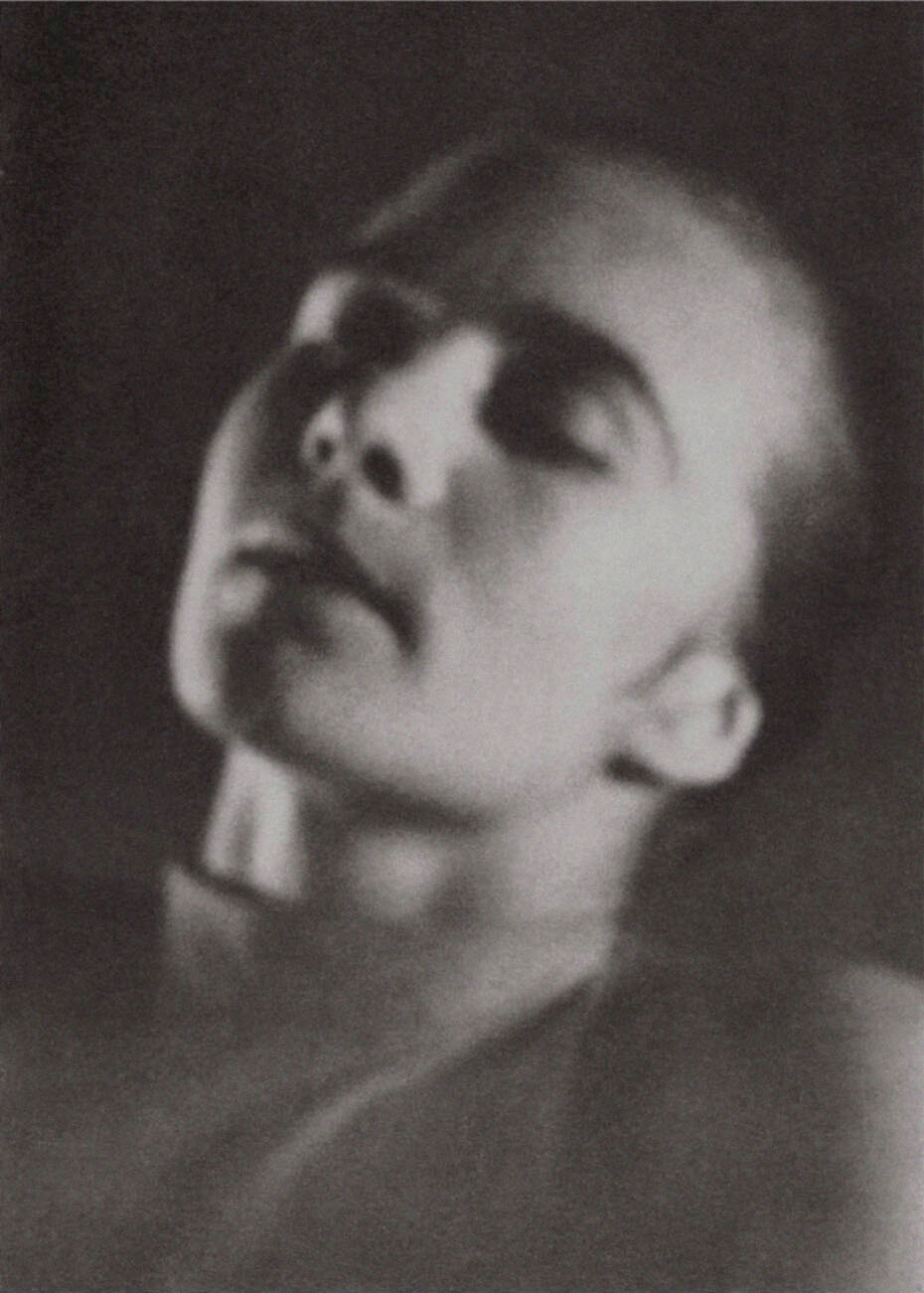
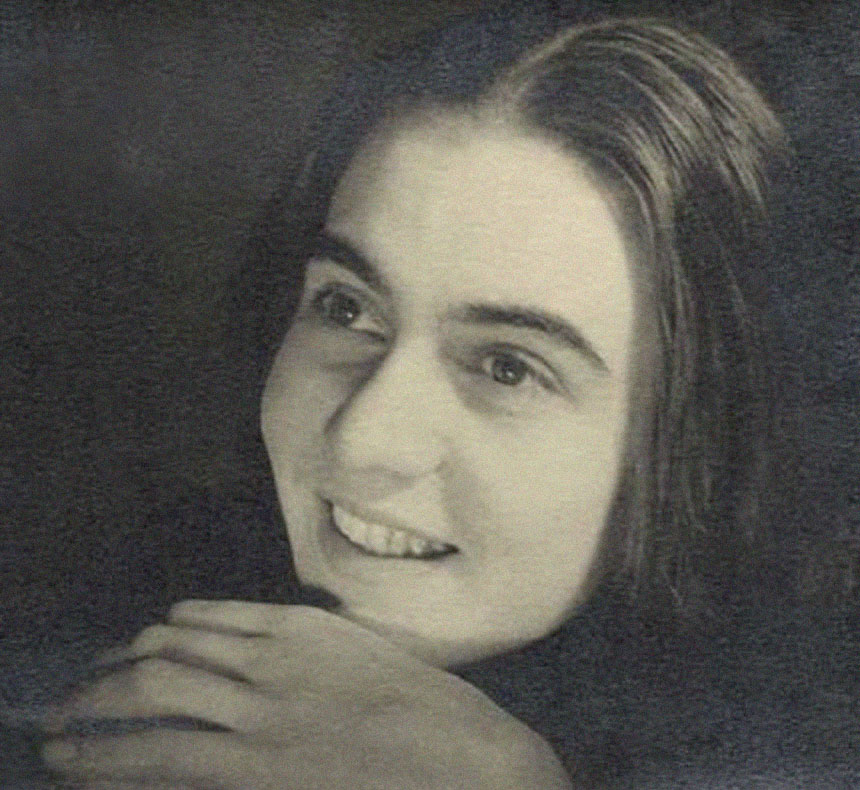
German dancer and choreographer Maja Lex, 1931 | src alamyMaja Lex. Günther Schule, München, 1924 (Fotografer/in unbekannt) | src Bassenge Auktion 121Portrait of Maja Lex (1906 ─ 1986), 1920s | src Elementarer Tanz
From 1927, Maja Lex performed her own choreographies. As a soloist and choreographer of the Tanzgruppe Günther-München (lead by Dorothee Günther), she made her decisive breakthrough in 1930 with the “Barbarian Suite” in collaboration with the musical director of the group, the composer Gunild Keetman. Numerous guest performances and awards at home and abroad followed until the school was forcibly closed in 1944 and finally destroyed in 1945.
Maja Lex, who had been very ill since the beginning of the 1940s, moved to Rome in 1948 and lived there together with Dorothee Günther in the house of her mutual friend Myriam Blanc. At the beginning of the 1950s Maja Lex resumed her artistic-pedagogical work and taught at the German Sport University Cologne at the invitation of Liselott Diem. From the mid-1950s until 1976, she taught the main training subject “Elementary Dance” as a senior lecturer. The concept of elementary dance was further developed by her and later in collaboration with her successor Graziela Padilla at the German Sports University Cologne. / quoted from queer places
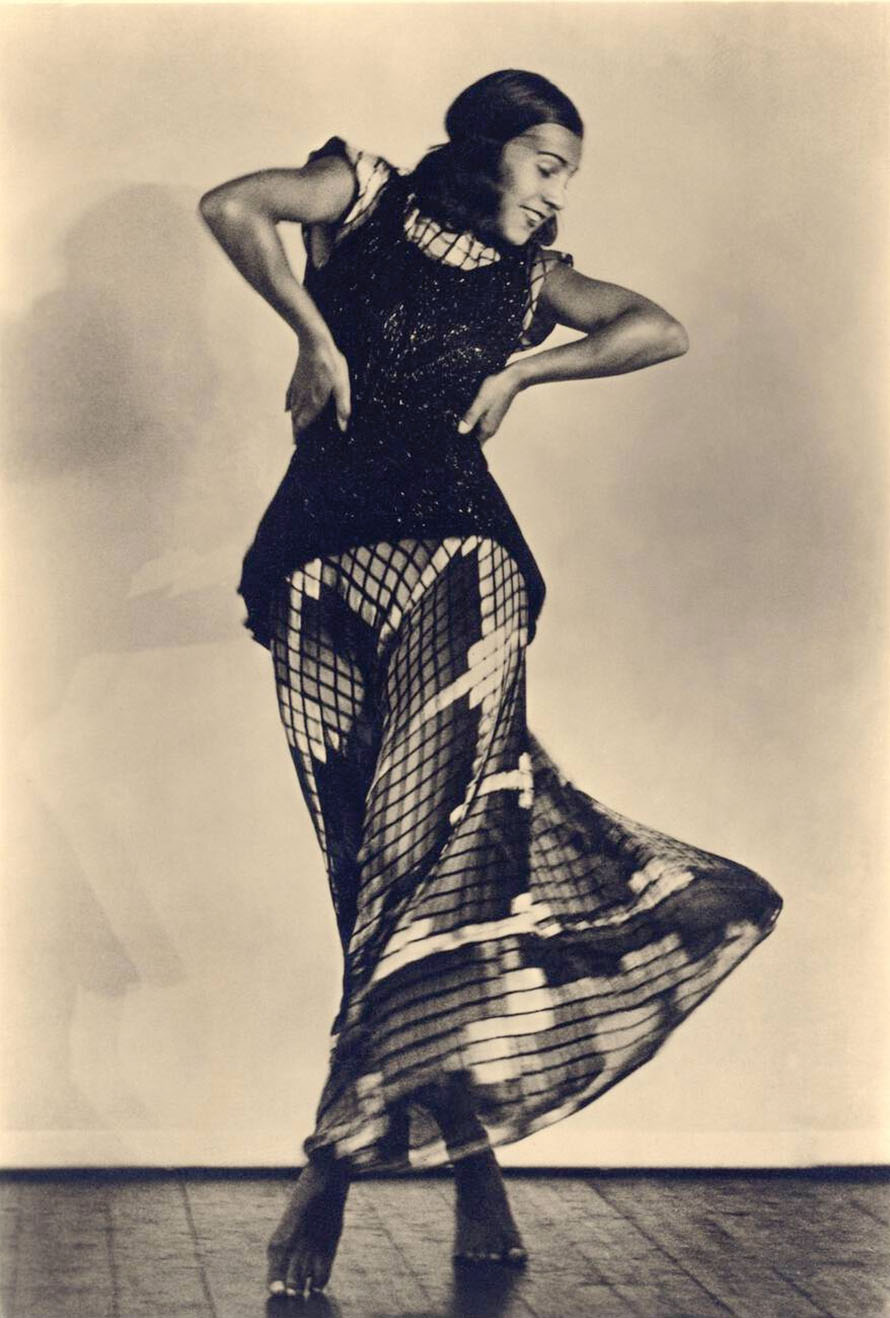
Charlotte Rudolph (1896-1983) ~ The German dancer and choreographer Maja Lex, ca. 1930 | src alamySiegfried Enkelmann ~ Maja Lex. Günther-Schule, ca. 1930 | src alamyMaja Lex. Ross Verlag Postcard 755 A (Foto: Siegfried Enkelmann, Berlin) | src eBayCharlotte Rudolph (1896-1983) ~ The German dancer and choreographer Maja Lex, ca. 1930 | src alamyMaja Lex (1906 ─ 1986) Günther-Schule, München, um 1924 | src Elementarer TanzMaja Lex (1906 – 1986) in the front cover of Der Tanz (photo by Umbo), Dez. 1935 | src alamy
Maja Lex (1906 ─ 1986) Günther-Schule, München, um 1924 | src Elementarer Tanz
In Munich, Maja Lex was first a student member but soon, together with Gunild Keetmann and the founders Dorothee Günther and Carl Orff, belonged to the leading teaching staff of the Günther-Schule, a forward-looking school with a trebly diversified training concept of integrative musical and movement education. War events disrupted this unique constellation of artistic and educational personalities.
Maja Lex developed a new movement and dance education of a timeless pedagogic and artistic value. She liberated herself from the formalized practice/exercise/training and introduced instead the varied movements of rhythmic-dynamic, spatial and formal variation. Structured improvisation, similar to musical improvisation, was established as a definite component of the teaching lesson.
As a solo dancer and choreographer of Tanzgruppe Günther, Maja Lex was a pioneer of the New German Dance (Neuer Deutscher Tanz) in the 1930s. She created a specific dancing style of a ‘thrilling rhythmic intensity’, a definite feeling for form and a high technical dancing discipline. Music and dance became elements of equal value, not least because of the use of rhythm instruments for the dance and for the orchestra of Günther-Schule, where dancers and musicians changed roles. The director of the orchestra was Gunild Keetmann. Maja Lex’s dances belong to the absolute dance. / quoted from Elementarer Tanz
Charlotte Rudolph (1896-1983) ~ The German dancer and choreographer Maja Lex, ca. 1930 | src alamy
From 1927, Maja Lex performed her own choreographies. As a soloist and choreographer of the Tanzgruppe Günther-München (lead by Dorothee Günther), she made her decisive breakthrough in 1930 with the “Barbarian Suite” in collaboration with the musical director of the group, the composer Gunild Keetman. Numerous guest performances and awards at home and abroad followed until the school was forcibly closed in 1944 and finally destroyed in 1945.
Maja Lex, who had been very ill since the beginning of the 1940s, moved to Rome in 1948 and lived there together with Dorothee Günther in the house of her mutual friend Myriam Blanc. At the beginning of the 1950s Maja Lex resumed her artistic-pedagogical work and taught at the German Sport University Cologne at the invitation of Liselott Diem. From the mid-1950s until 1976, she taught the main training subject “Elementary Dance” as a senior lecturer. The concept of elementary dance was further developed by her and later in collaboration with her successor Graziela Padilla at the German Sports University Cologne. / quoted from queer places
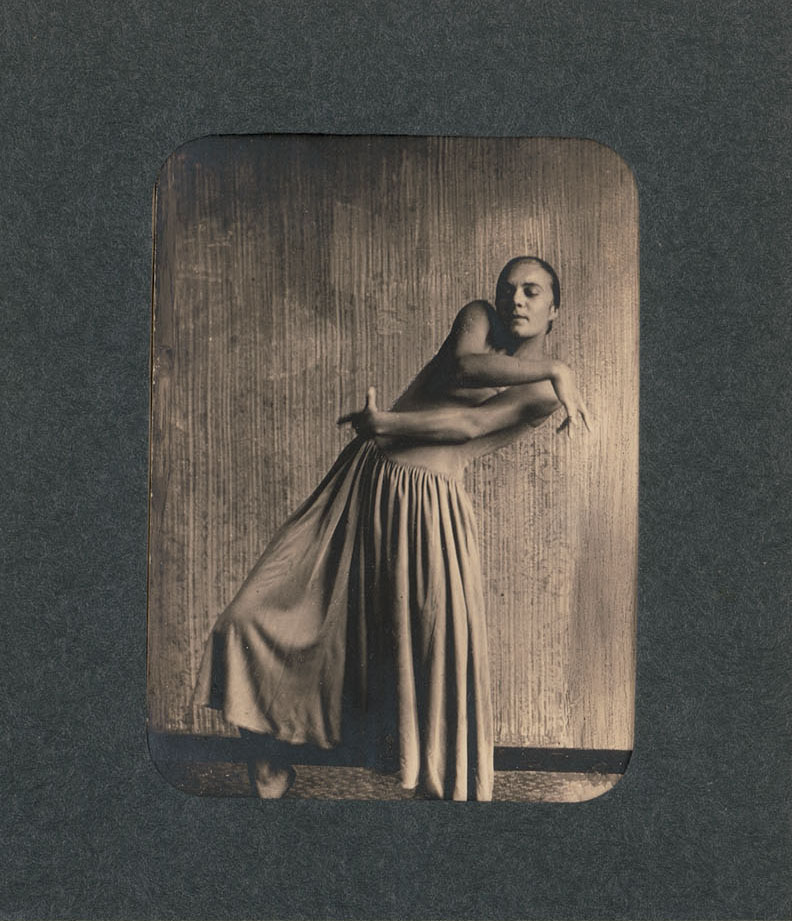
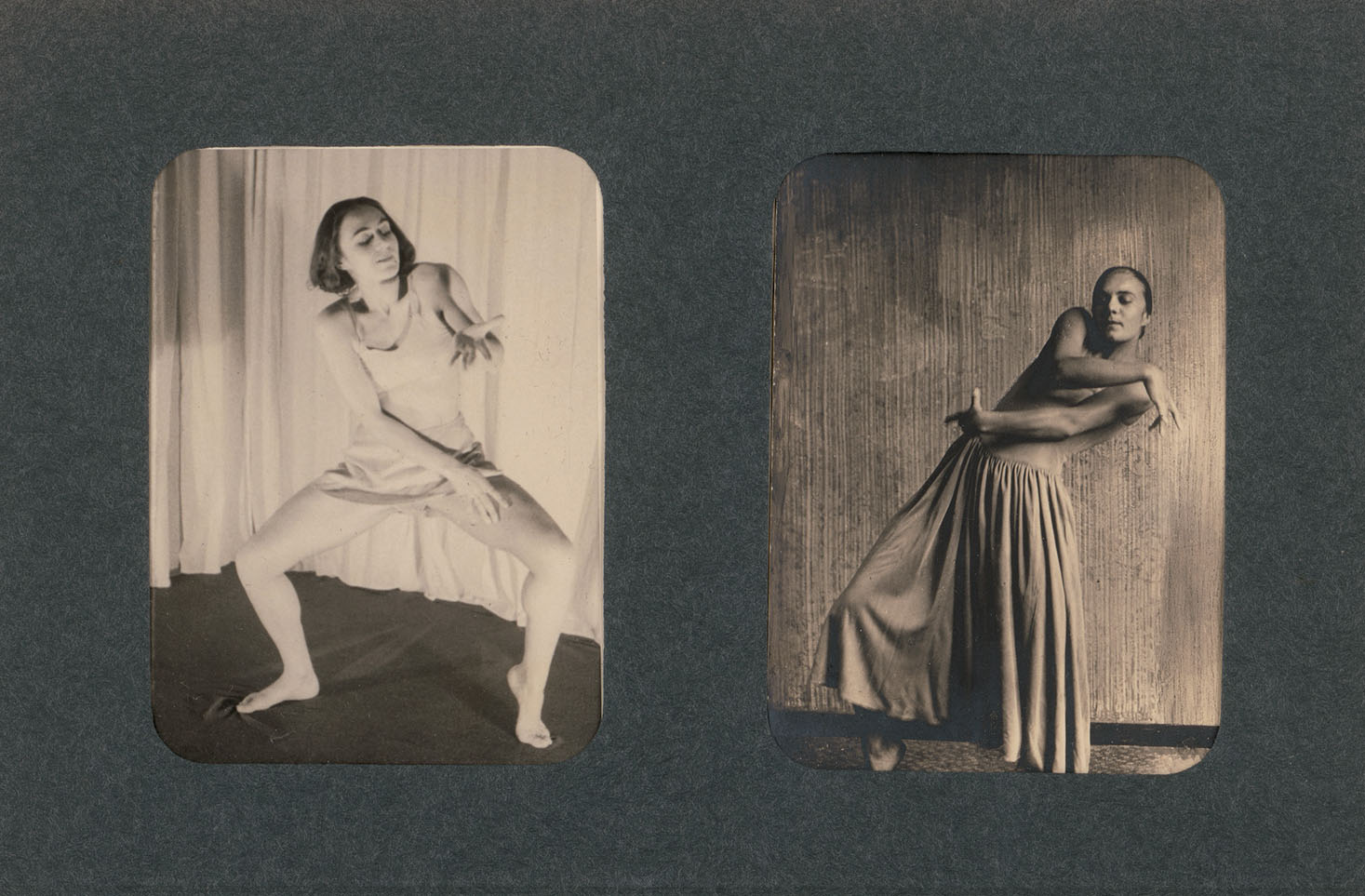
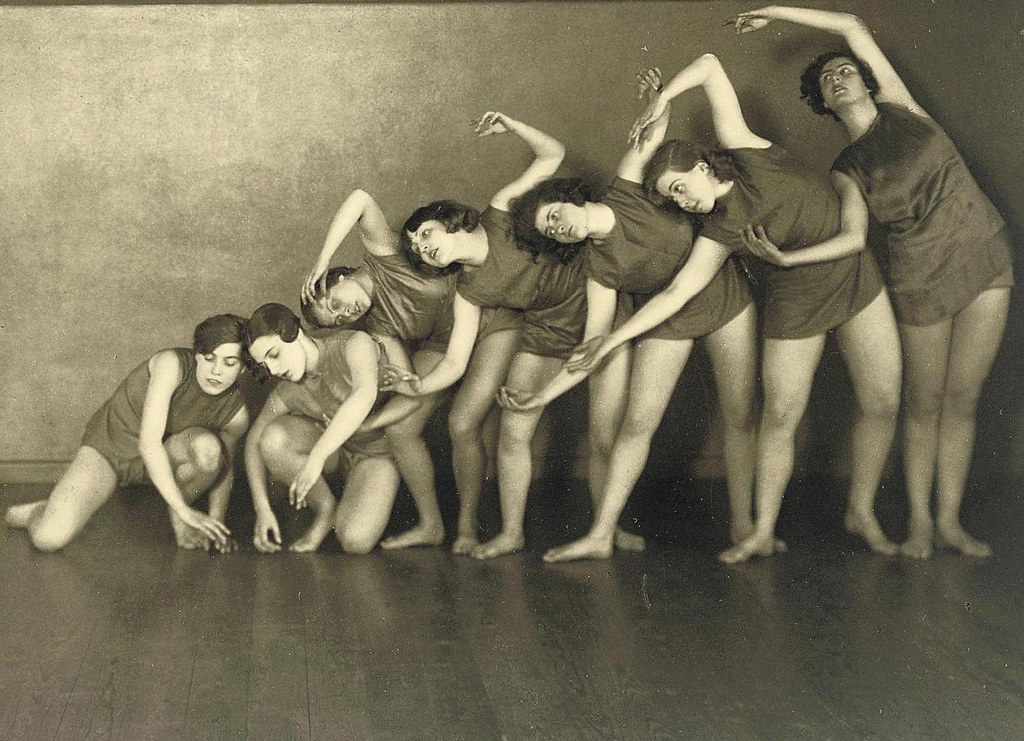
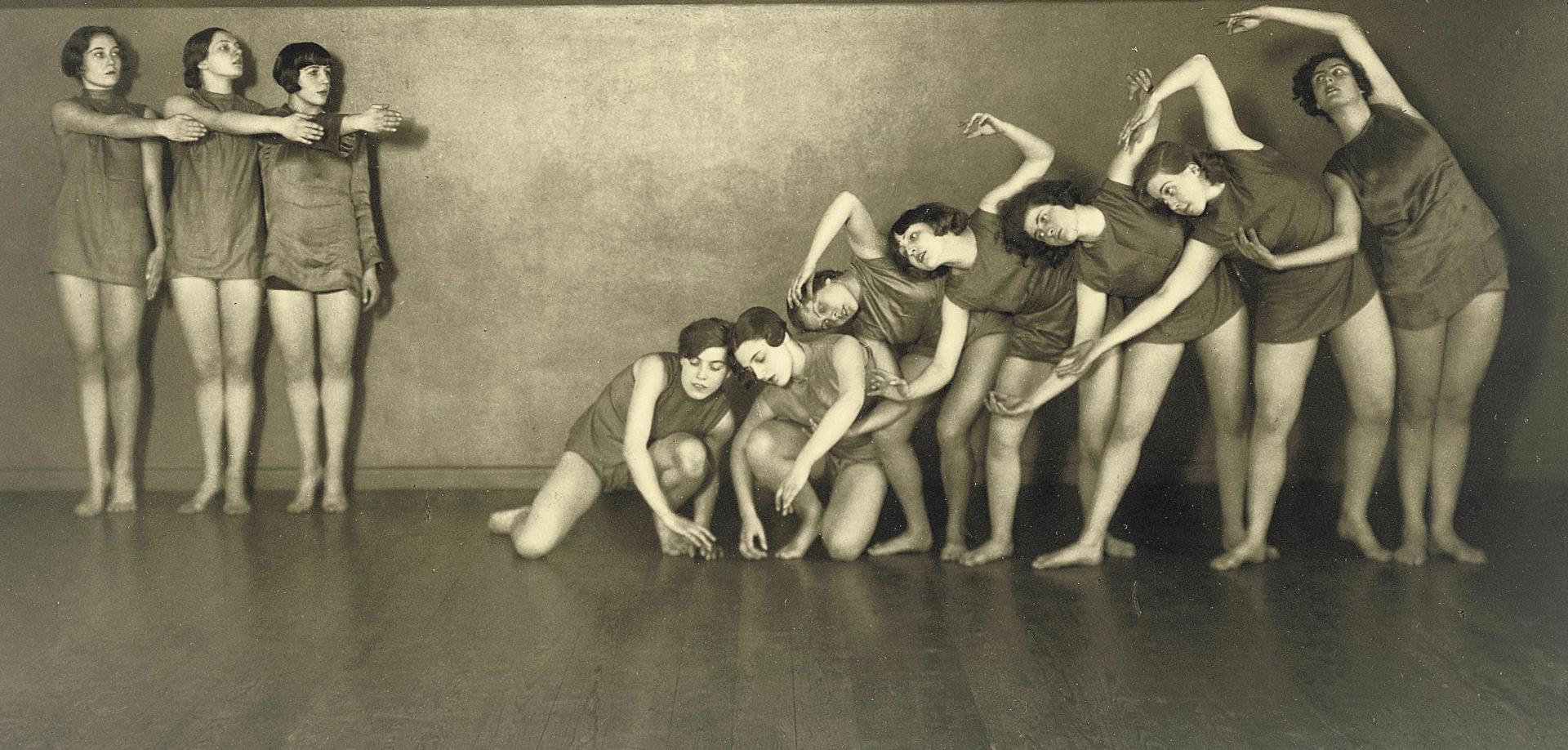
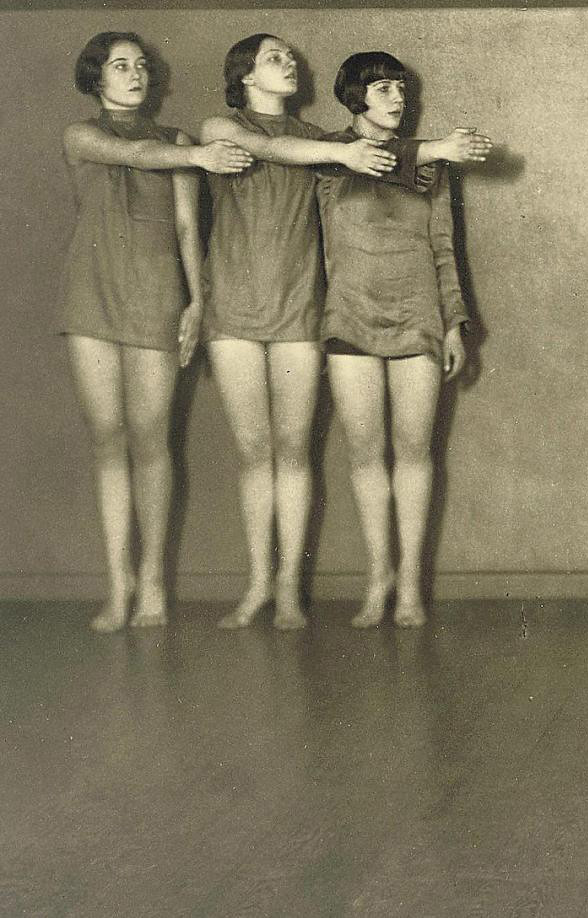
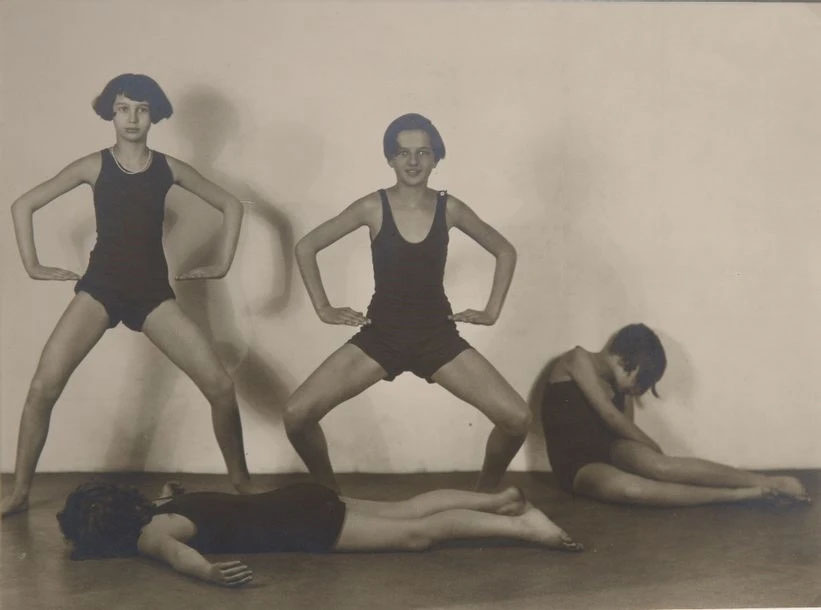
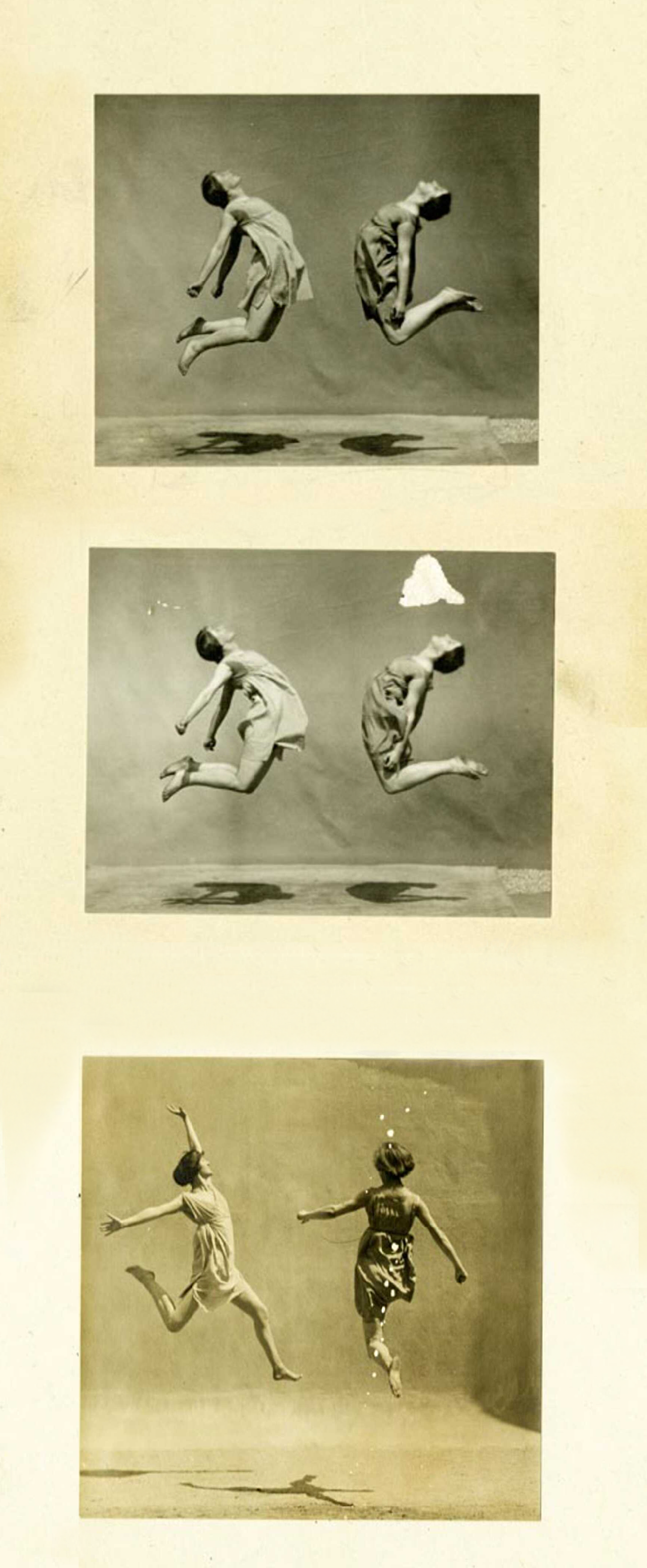
Photographer unknown. Dance scenes of the ‘Günther Schule’, Munich, 1924 | src Bassenge auction 121 lot 4119Photographer unknown. Maja Lex. Dance scenes of the ‘Günther Schule’, Munich, 1924 | src Bassenge auction 121 lot 4119
These photographs of various sizes, most circa 7,5 x 11 cm, [inserted in window slits] belongs to a bound in paper album with cord binding. The album included various teaching and dance scenes of the “Günther Schule”, Munich, 1924.
The Günther School was founded on the initiative of Dorothea Günther and Carl Orff. The school quickly became known and subsequently expanded. It existed from 1924-1944, with an extensive teaching program, such as gymnastics, rhythmic dance and physical education, modern artistic dance, singing, anatomy, pedagogy, psychology, drawing and much more. [quoted from : Bassenge Auktion 121]
Photographer unknown. Dance scenes of the ‘Günther Schule’, Munich, 1924 | src Bassenge auction 121 lot 4119
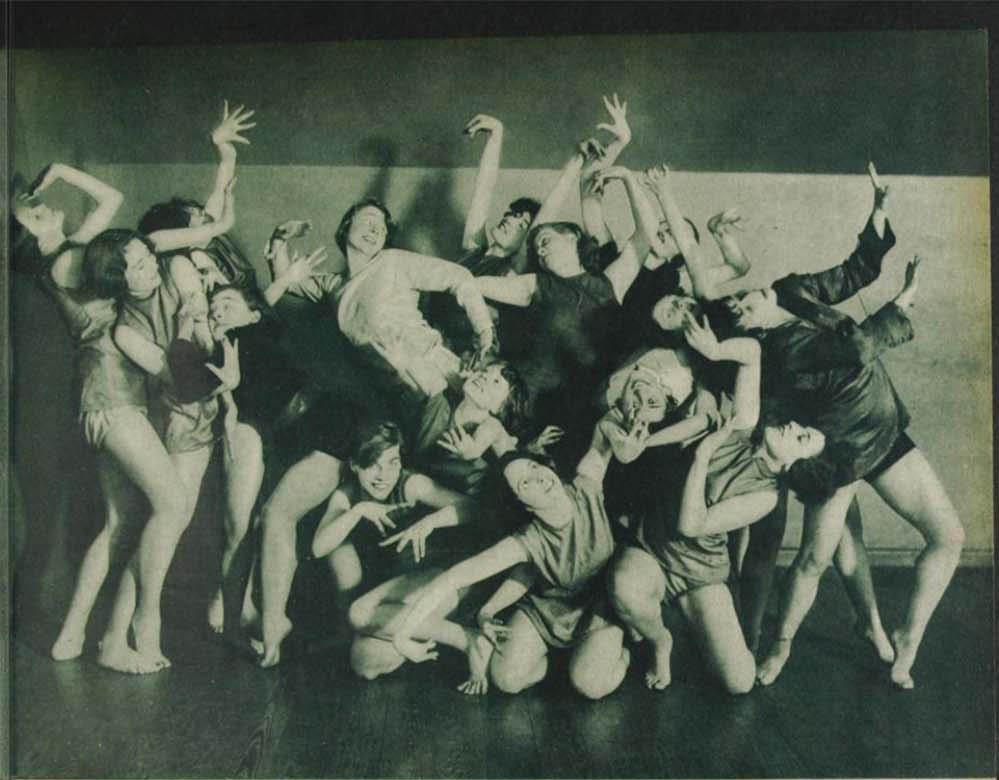
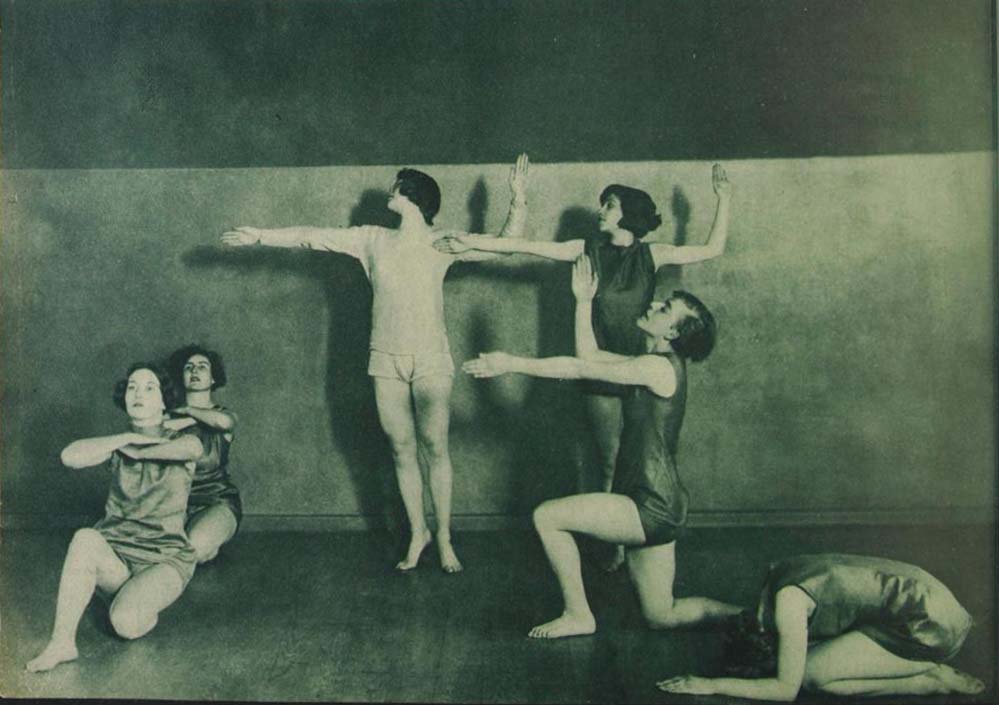
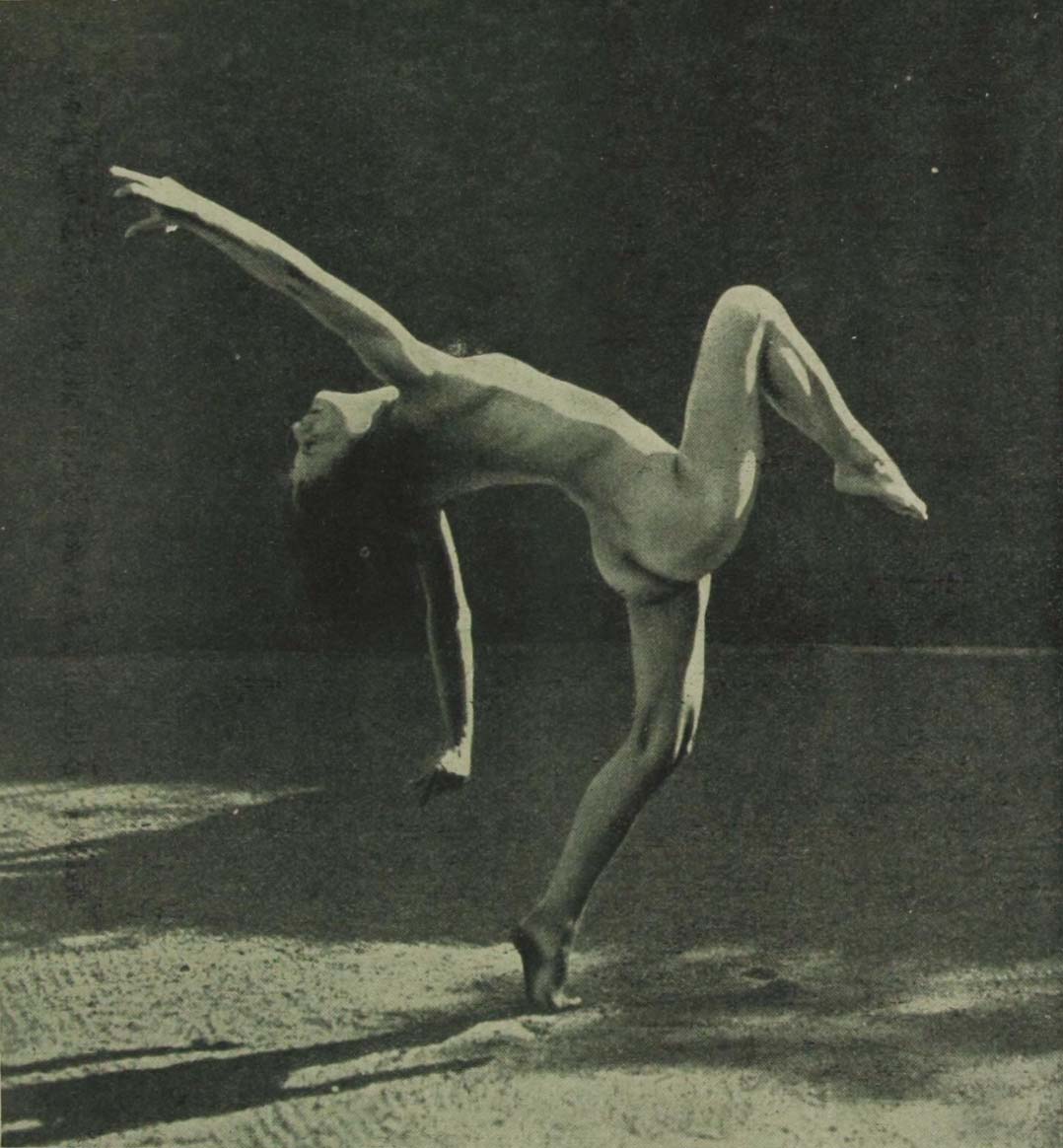
Gelöste Linien • Dissolved Lines „ . . . only the plants can do something similar without being able to change its point of view…” (Rudolf von Laban) „ . . . nur die Pflanze vermag Ähnliches, ohne aher ihren Standpunkt wechseln zu können… “ (Rudolf von Laban) (Aus Isenfels ,,Getanzte Harmonien“, Verlag Dieck & Co., Stuttgart) Uhu August, 1927
Zwanzigerjahre Die Weimarer Republik war ein Tanzparadies / In the 1920s the Weimar Republic was a dance paradise
Nothing fascinated people in the Weimar Republic as much as dance. It was a worldview and a lot of fun at the same time. This was mainly due to the fact that women set the stress here for the first time.
There was the nude dance, the masked dance, the grotesque dance. There was the exotic, the ecstatic, the sacred and even the socially critical dance. Yes, at its peak in 1930, the youngest hope of this trendiest art movement of the epoch, Vera Skoronel, who had just created abstract dance, asked, boisterously and of course purely rhetorically: “Non-dancing – does that even exist?”
Vera Skoronel, almost forgotten today, is a good example of how quickly creative and vivacious young women were able to establish themselves in the avant-garde art scene of the 1920s. Because Vera Skoronel, who died in 1932 at the age of only 25 after a short illness, not only became co-director of Berthe Trümpy’s famous dance school in Berlin at the age of 20.
She also received a contract at the Volksbühne a short time later. There Vera Skoronel took over the movement direction for her own pieces, but also for those of the so-called workers’ speech choruses. At that time, they represented a new literary genre and bore promising titles such as “The Divided Man” or “Awakening of the Masses”.
Awakening the masses is the keyword. Because this very specific form of dance without music, which today is usually summarized under the rubrum “expressive dance”, as Mary Wigman and Gret Palucca had invented before the First World War, not only represented a rejection of the classic narrative ballet. It is also about a very fundamental farewell to bourgeois culture.
Like the Bauhaus in architecture and design, or like the Expressionist November Group in the visual arts, dance must be seen as a specific phenomenon of the Weimar Republic. Only conceivable in the turbulent and experimental interwar period. But the dance also carried a fair amount of youthful and typically German worldview with it. Because he really wanted to liberate, awaken, if not redeem.
Tanz als Religionsersatz / Dance as a substitute for religion
Awaken for what? Well, of course, first and foremost to the awareness of one’s own body in its naturalness and in allowing needs to be met. The barefoot dancer Isadora Duncan had already broken with the corseting of the dress code before the First World War. What was added after 1918 was the need to merge with other arts and to convert the old German treatment of art as a substitute for religion into new forms.
Another German cultural phenomenon quickly developed again: the splitting up into high culture and subculture. On the one hand, Anita Berber, who was incredibly popular at the time (she even became a Rosenthal porcelain figurine!) gave solos called “Morphium” or “Cocain”. And she tried to authenticate herself by taking these substances so intensively that she collapsed on the open stage in her late 20s and died shortly thereafter.
On the other hand, Charlotte Bara made herself the brand of a “Gothic dancer”. With deliberately slow movements, she aimed at the sacred, the priestly. Unlike Berber, she did not try to come to terms with the catastrophe of the world war in excess, but to come to terms with the tremendous suffering that the fateful four years had brought to Europe through a new spirituality.
Schmerzensgestik / Pain gesture
And that did not only appeal to Heinrich Vogeler in Worpswede, who left Art Nouveau behind and struggled with new forms after 1918. We owe him a particularly expressive portrait of the Bara, which presents her as almost ecstatically fervent. But even a moderate nature like Georg Kolbe was attracted to Charlotte Bara’s gestures of pain.
With Georg Kolbe we have arrived at the place where the most famous dancers of the Weimar Republic have once again gathered: in Kolbe’s studio museum in Berlin’s Westend. There are eleven of them – perhaps a small nod to the first avant-garde group in Berlin: the exhibition group “The Eleven”, which rallied around Max Liebermann in 1892.
Der absolute Tanz / The ultimate dance
Each of these dancers is different, each unmistakable, each swept up in the whirlpool of that time and often swallowed up by it early on. But they all have one thing in common: they take the viewer on a journey into a time that experienced a rare explosion of creativity. With a staggering abundance of testimonies, the exhibition“Der absolute Tanz” proves that no other art genre can be understood as a metaphor for the restless movement of the 1920s as clearly as dance.
With the help of films, photos, drawings, paintings and sculptures, the Georg Kolbe Museum evokes an attitude to life that seems to stretch in a very unique way between new beginnings here, self-wasting, self-consumption there.
The grotesque dancer Valeska Gert, one of the very few who were granted a comeback after the collapse of civilization, represents the radical side of this attitude towards life. At the peak of her career she said: “The old world is rotten, it cracks at every joint. I want to help break them. I believe in the new life. I want to help build it.”
Solidarität mit Bedürftigen / Solidarity with the needy
Jo Mihaly and Tatjana Barbakoff did the same, to introduce at least two more dancers. The former, whose real name is Elfriede Alice Kuhr, had chosen the name of a Roma-family as a pseudonym, which gave her the name Jo Mihaly out of gratitude, which means something like “one of them”. Mihaly was serious about her solidarity with the needy. For a long time she lived without a permanent address and was successful with solos called “Revolution” or “The Worker”, in which she also portrayed men. Like many of her colleagues, she continued her work in Switzerland after 1933: on Monte Verità.
Tatjana Barbakoff focused on exploring non-European cultures and experimenting with their dance traditions. She was a grateful object of the dance photography of the time, also a new artistic genre that is richly documented in the Georg Kolbe Museum. Anyone who looks at the recordings and sees Barbakoff performing her exotic movements in fantastic costumes cannot help but get the impression that our contemporaries are at work here.
Here, a feminine aesthetic speaks up, self-confident, curious, ready to test itself, which has only fully developed in recent years. We should take note of this dawn of modernity – and allow ourselves to be carried away by its verve.
„Der absolute Tanz. Tänzerinnen der Weimarer Republik“, Georg Kolbe Museum, Berlin.
“The ultimate dance. Dancers of the Weimar Republic”, Georg Kolbe Museum, Berlin.
quoted from Welt, roughly translated by us with the aid of Google-traductor, any amend and/or help will be most welcome.
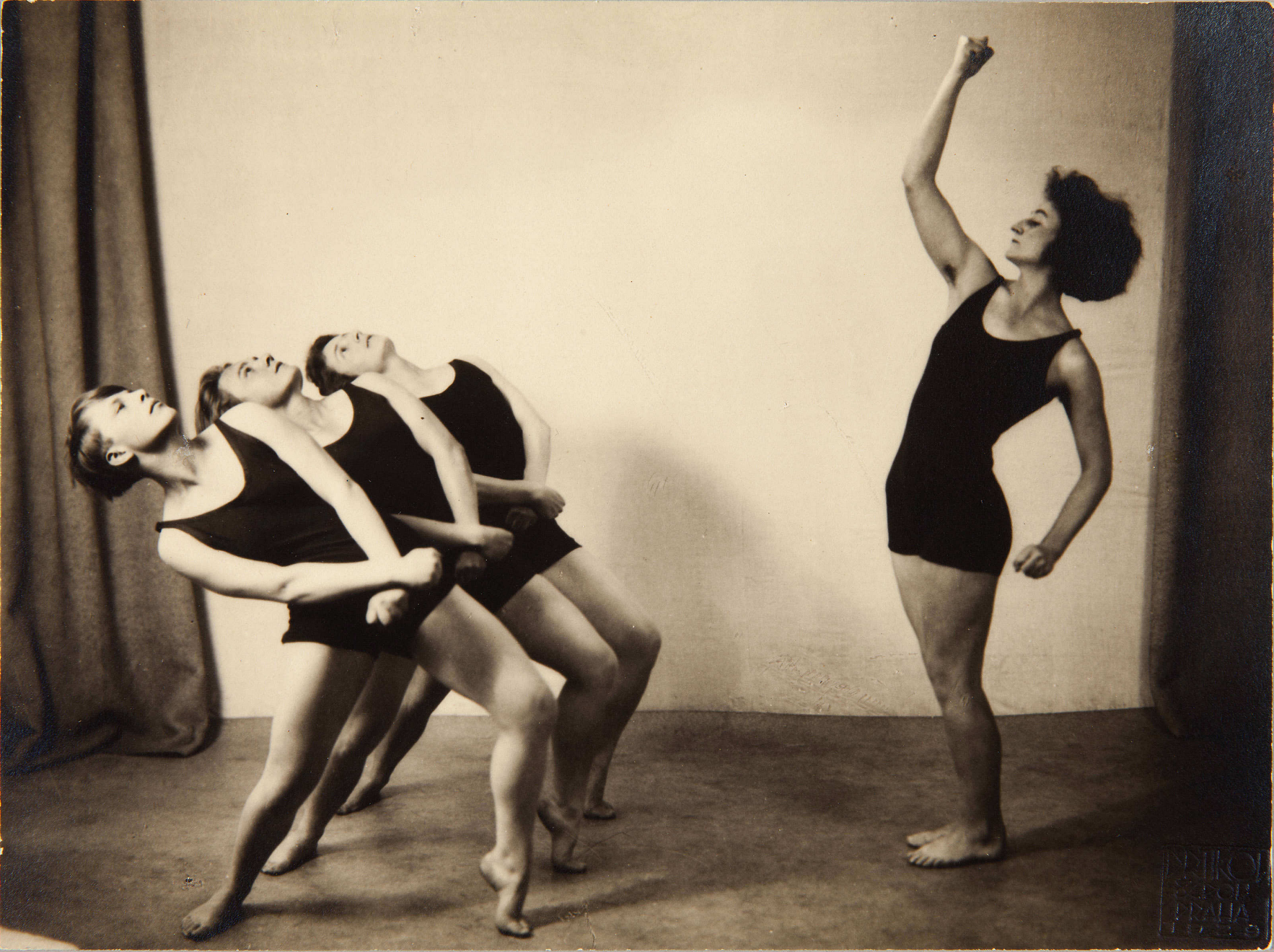
František Drtikol ~ L’école de danse, 5e version, ca. 1930. Tirage argentique | src Deburaux · Du PlessisFrantišek Drtikol (1883—1961) ~ L’école de danse, 3e version, ca. 1930 | src mutualartFrantišek Drtikol ~ [Dancers in black costume], 1929. Gelatin silver print, blindstamp: ‘Drtikol & Pol Praha 1929’ | src Christie’s
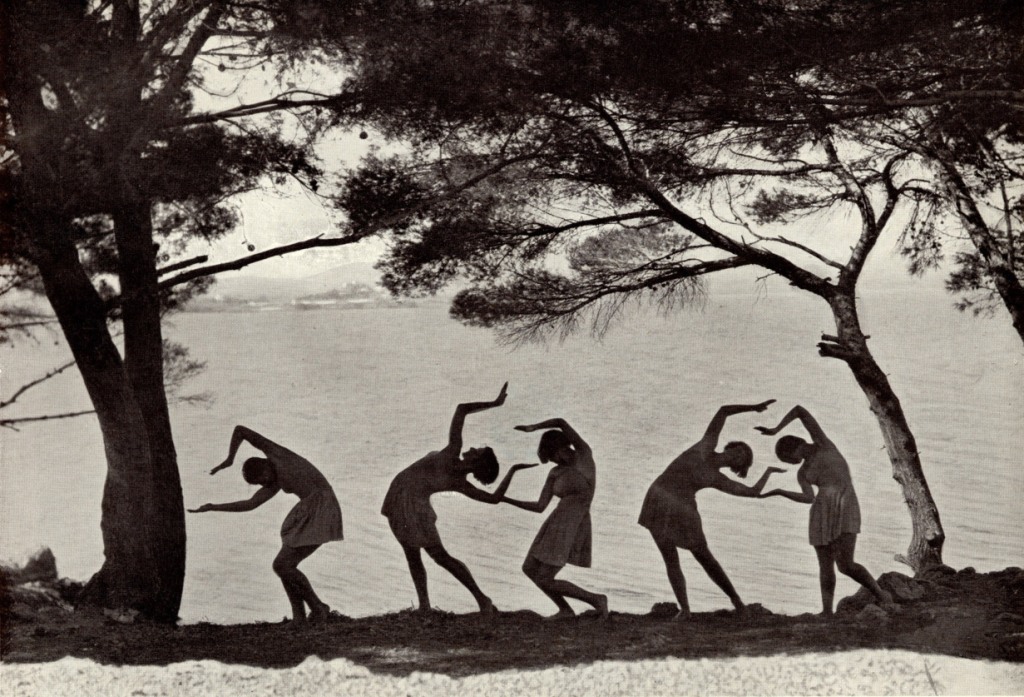
Fred Daniels :: Frieze Silhouette (ca. 1923). A picture taken on the road to the Cap d’Antibes, with the fort and old town of Antibes in the distance. From: Margaret Morris and Fred Daniels, Margaret Morris Dancing (London: Kegan Paul & Co., 1926), plate 30. | src Theatres of War: Experimental Performance in London, 1914–1918 and Beyond by Grace Brockington











 un regard oblique