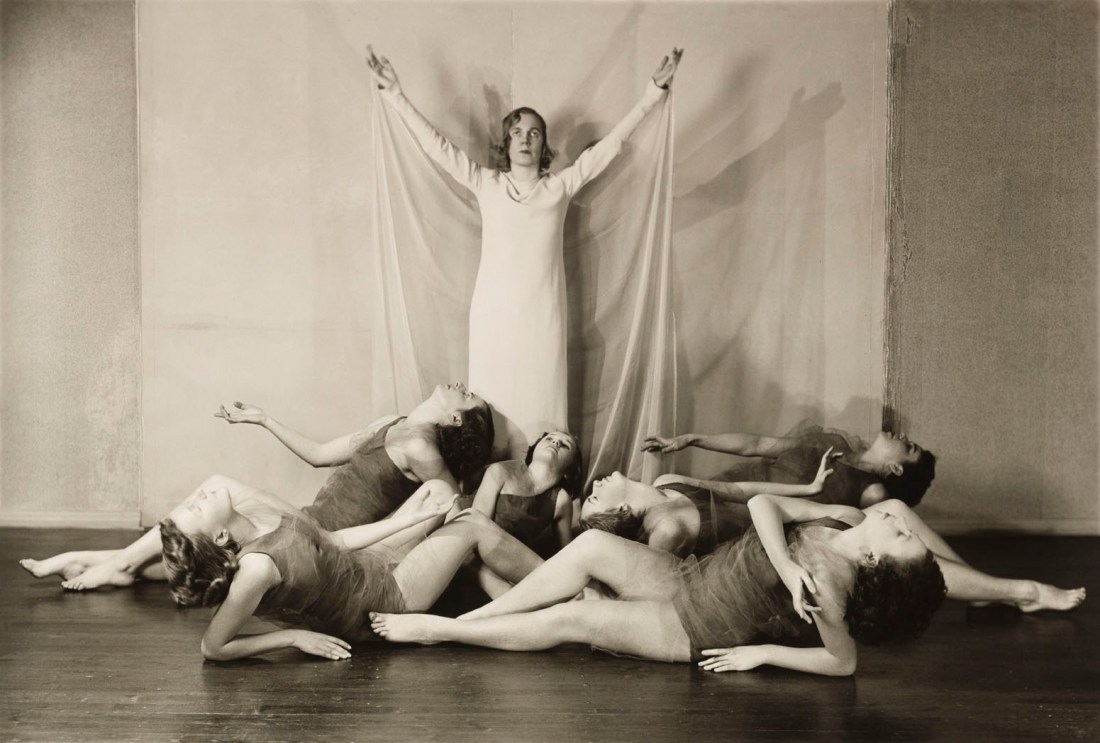
Günther-Orff Schule · 1924

Maja Lex (1906 ─ 1986) Günther-Schule, München, um 1924 | src Elementarer Tanz

In Munich, Maja Lex was first a student member but soon, together with Gunild Keetmann and the founders Dorothee Günther and Carl Orff, belonged to the leading teaching staff of the Günther-Schule, a forward-looking school with a trebly diversified training concept of integrative musical and movement education. War events disrupted this unique constellation of artistic and educational personalities.

Maja  Lex developed a new movement and dance education of a timeless pedagogic and artistic value. She liberated herself from the formalized practice/exercise/training and introduced instead the varied movements of rhythmic-dynamic, spatial and formal variation. Structured improvisation, similar to musical improvisation, was established as a definite component of the teaching lesson.

As a solo dancer and choreographer of Tanzgruppe Günther, Maja Lex was a pioneer of the New German Dance (Neuer Deutscher Tanz) in the 1930s. She created a specific dancing style of a ‘thrilling rhythmic intensity’, a definite feeling for form and a high technical dancing discipline. Music and dance became elements of equal value, not least because of the use of rhythm instruments for the dance and for the orchestra of Günther-Schule, where dancers and musicians changed roles. The director of the orchestra was Gunild Keetmann. Maja Lex’s dances belong to the absolute dance. / quoted from Elementarer Tanz
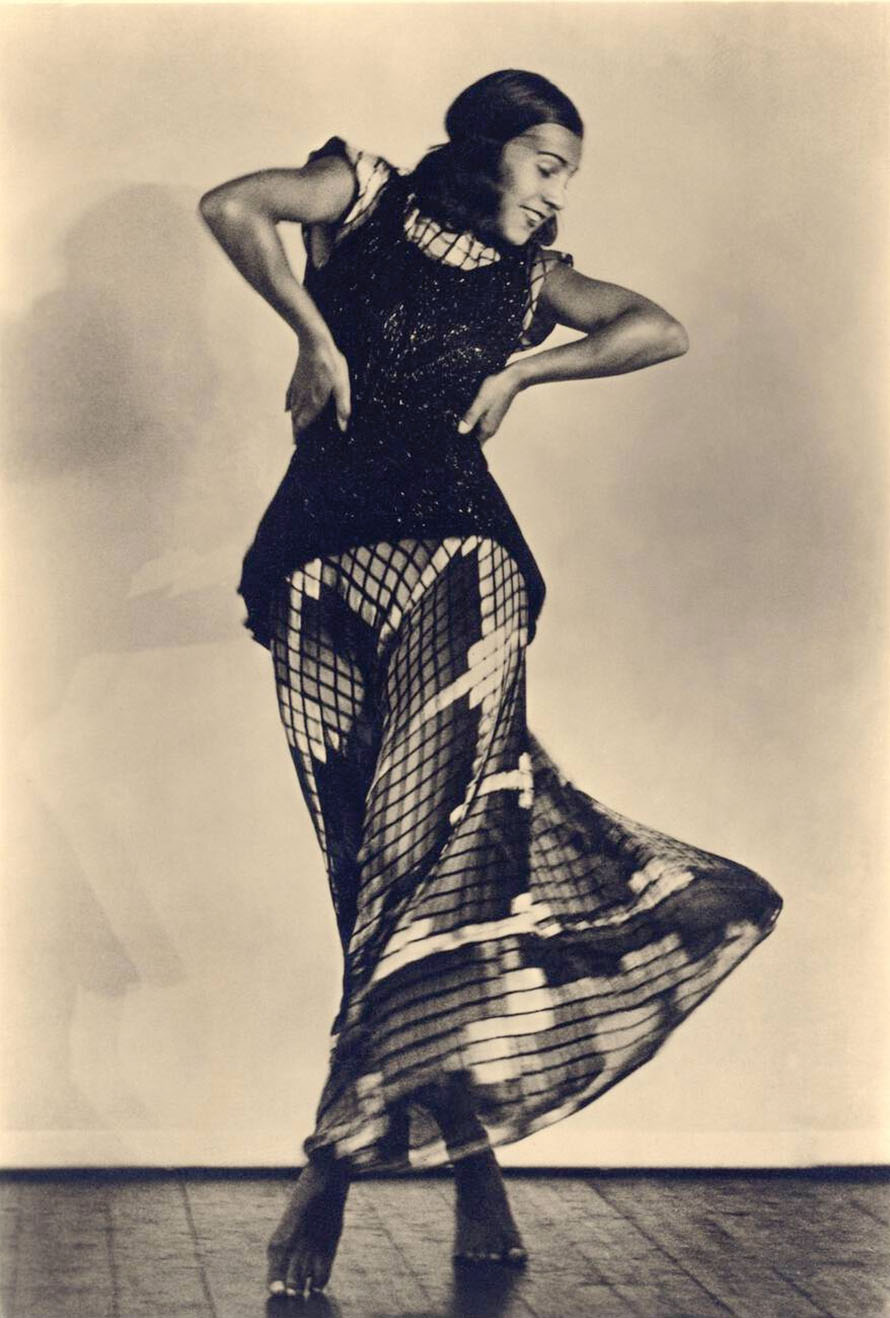
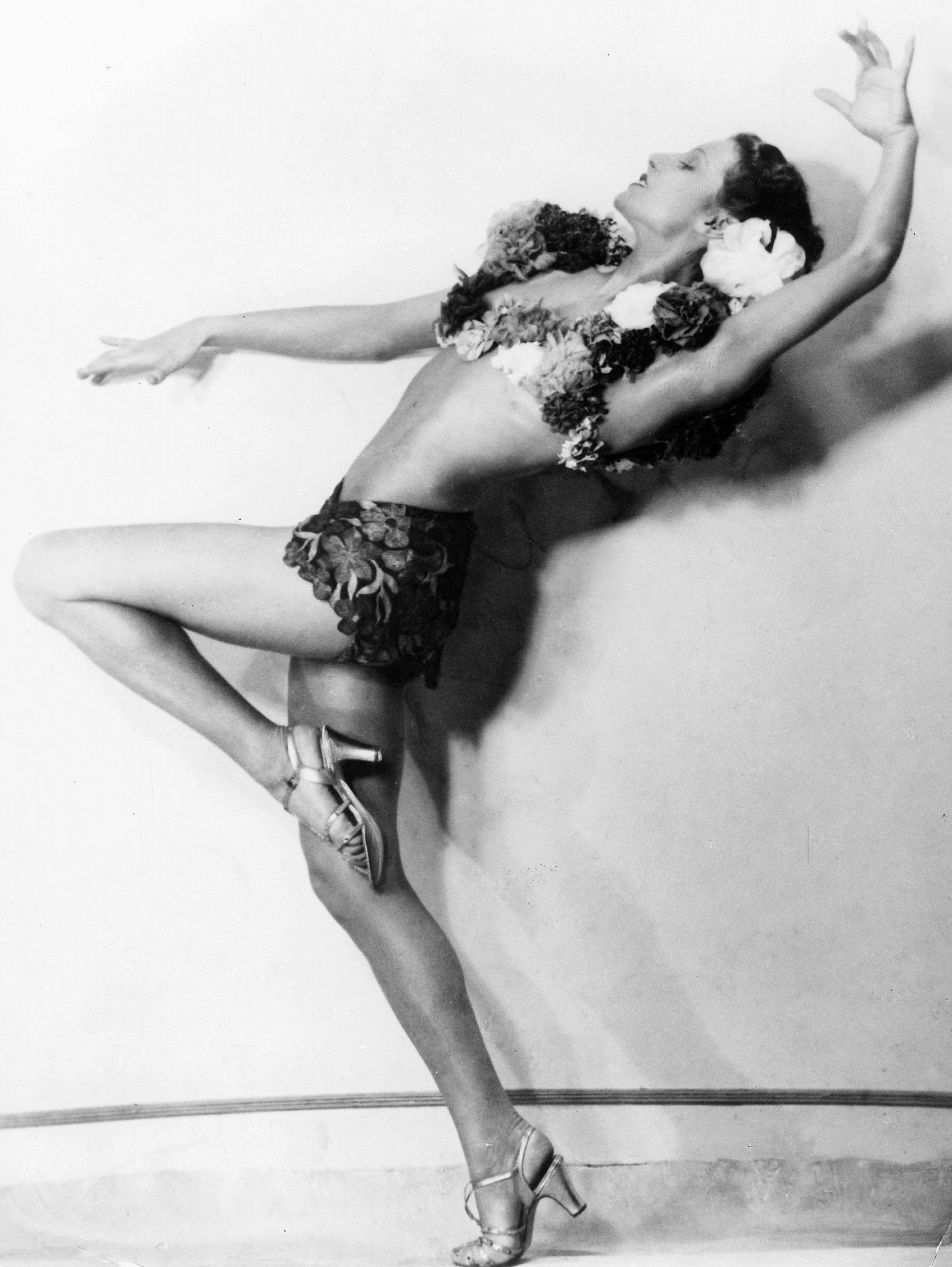
Charlotte Rudolph (1896-1983) ~ The German dancer and choreographer Maja Lex, ca. 1930 | src alamy

From 1927, Maja Lex performed her own choreographies. As a soloist and choreographer of the Tanzgruppe Günther-München (lead by Dorothee Günther), she made her decisive breakthrough in 1930 with the “Barbarian Suite” in collaboration with the musical director of the group, the composer Gunild Keetman. Numerous guest performances and awards at home and abroad followed until the school was forcibly closed in 1944 and finally destroyed in 1945.

Maja Lex, who had been very ill since the beginning of the 1940s, moved to Rome in 1948 and lived there together with Dorothee Günther in the house of her mutual friend Myriam Blanc. At the beginning of the 1950s Maja Lex resumed her artistic-pedagogical work and taught at the German Sport University Cologne at the invitation of Liselott Diem. From the mid-1950s until 1976, she taught the main training subject “Elementary Dance” as a senior lecturer. The concept of elementary dance was further developed by her and later in collaboration with her successor Graziela Padilla at the German Sports University Cologne. / quoted from queer places

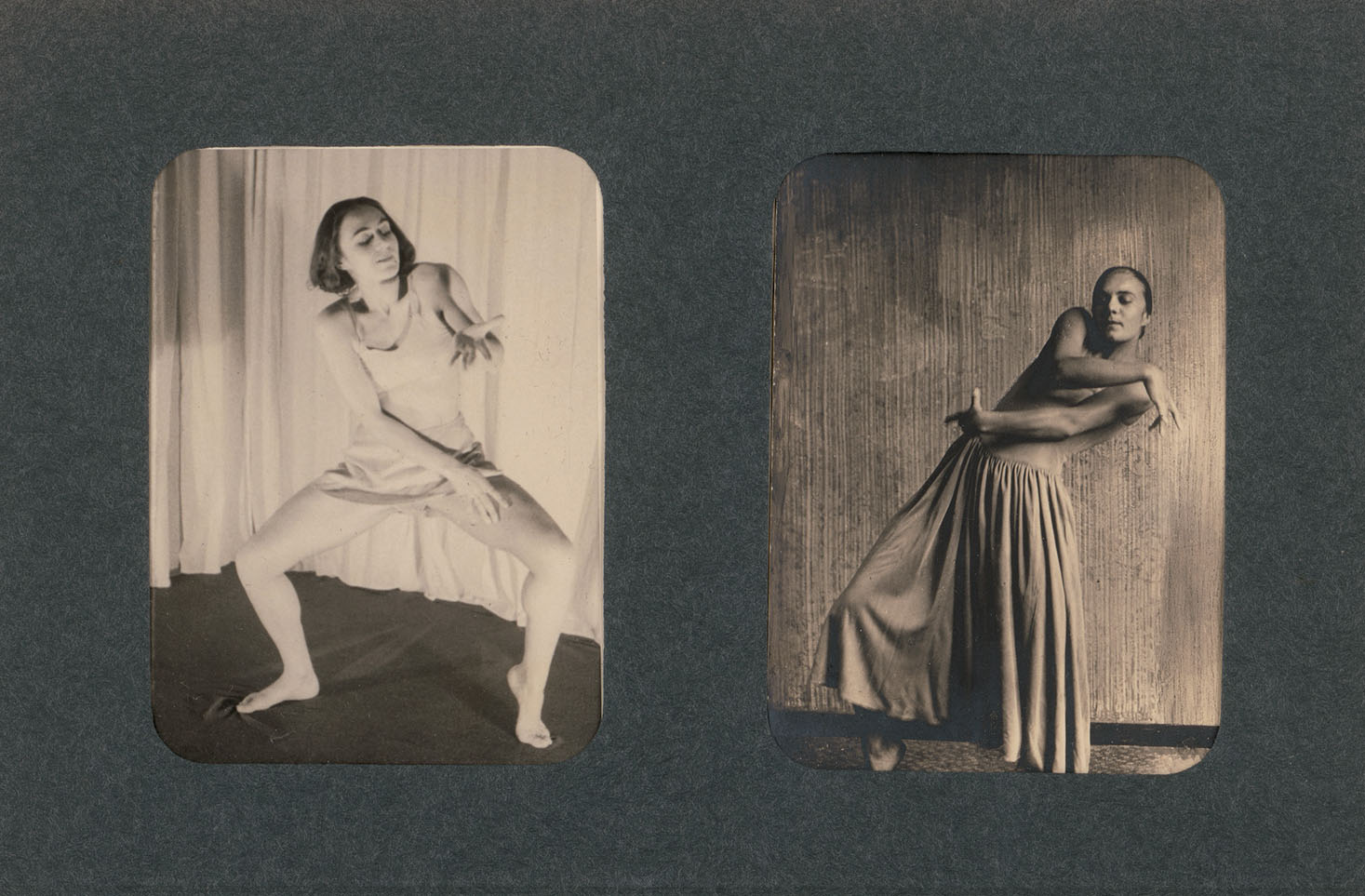
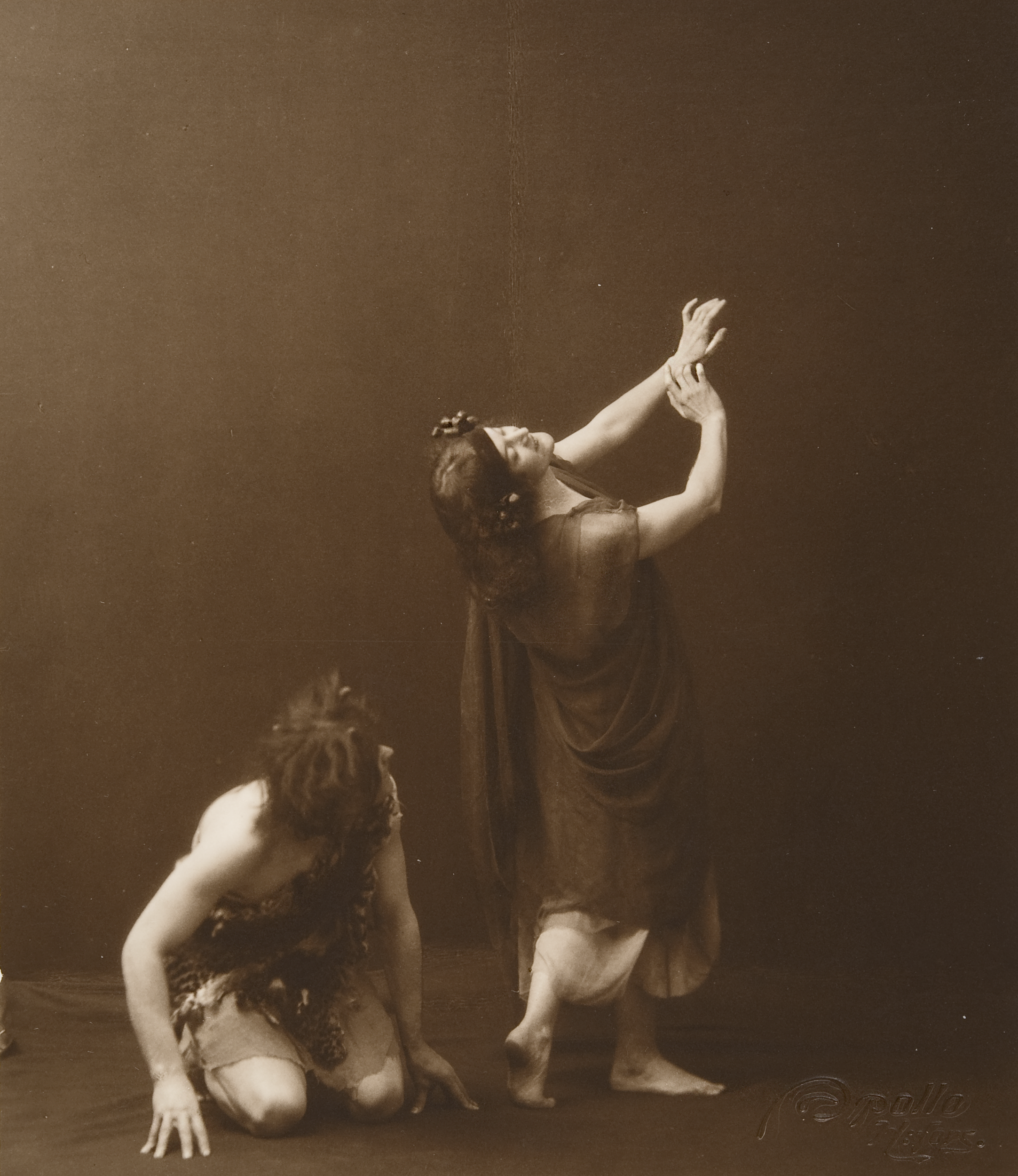
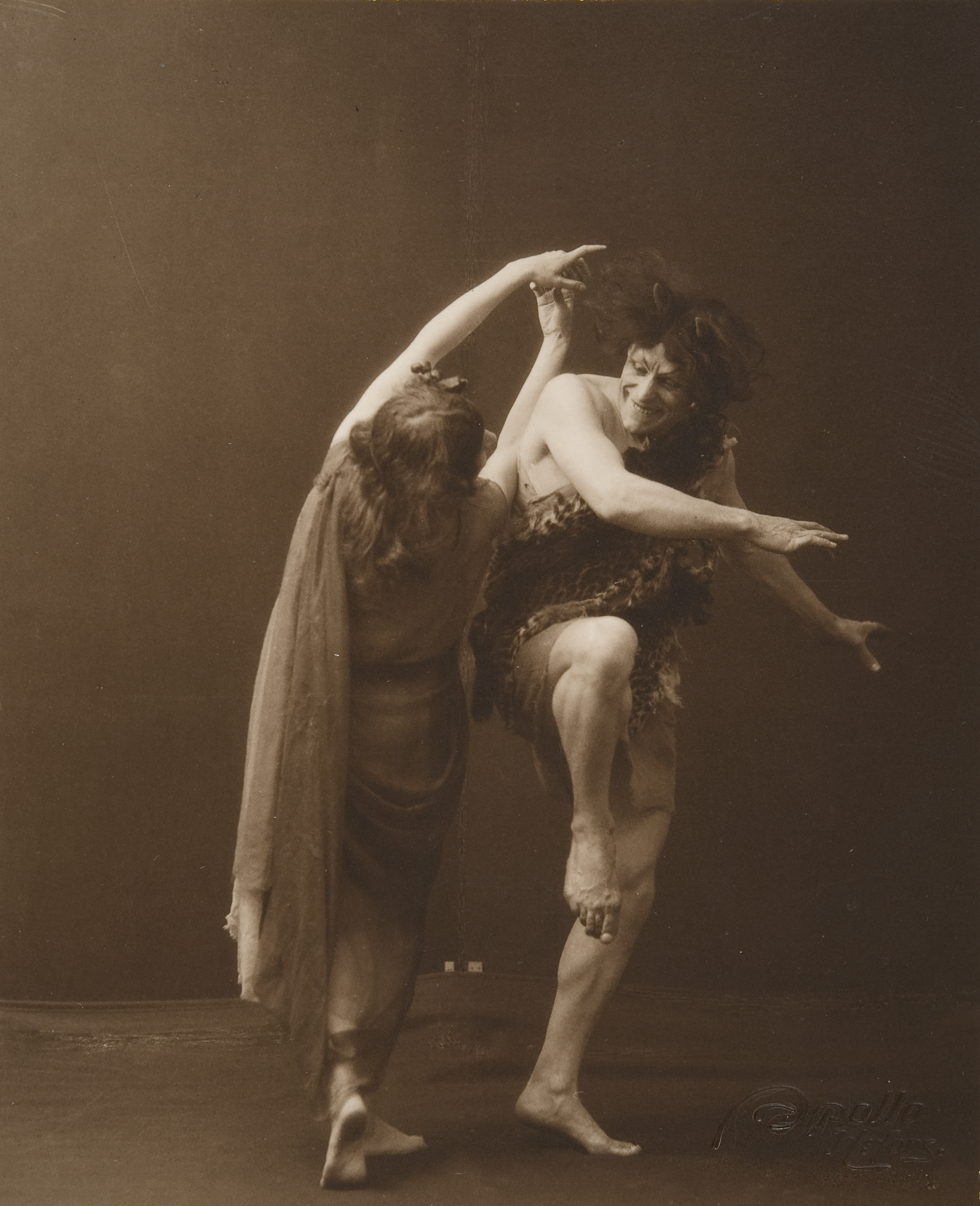
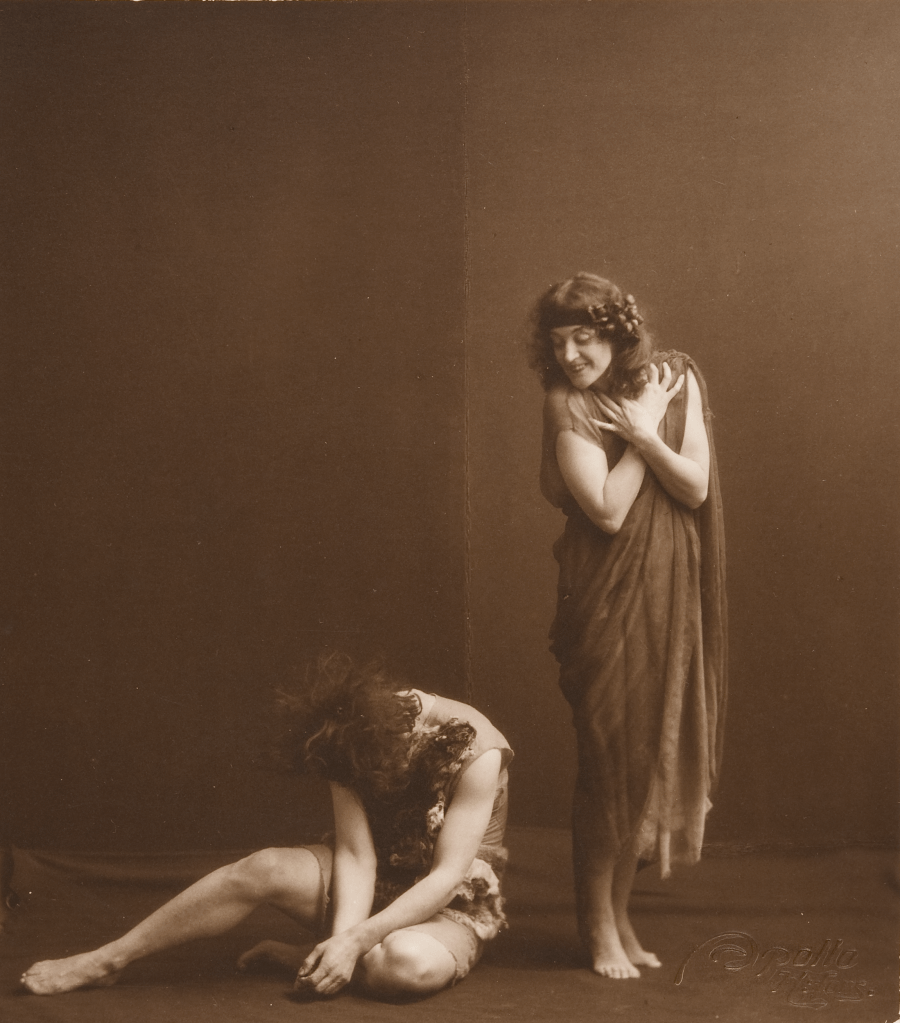
Photographer unknown. Dance scenes of the ‘Günther Schule’, Munich, 1924 | src Bassenge auction 121 lot 4119
Photographer unknown. Maja Lex. Dance scenes of the ‘Günther Schule’, Munich, 1924 | src Bassenge auction 121 lot 4119

These photographs of various sizes, most circa 7,5 x 11 cm, [inserted in window slits] belongs to a bound in paper album with cord binding. The album included various teaching and dance scenes of the “Günther Schule”, Munich, 1924.

The Günther School was founded on the initiative of Dorothea Günther and Carl Orff. The school quickly became known and subsequently expanded. It existed from 1924-1944, with an extensive teaching program, such as gymnastics, rhythmic dance and physical education, modern artistic dance, singing, anatomy, pedagogy, psychology, drawing and much more. [quoted from : Bassenge Auktion 121]

Photographer unknown. Dance scenes of the ‘Günther Schule’, Munich, 1924 | src Bassenge auction 121 lot 4119

La Jana in the film Truxa · 1937

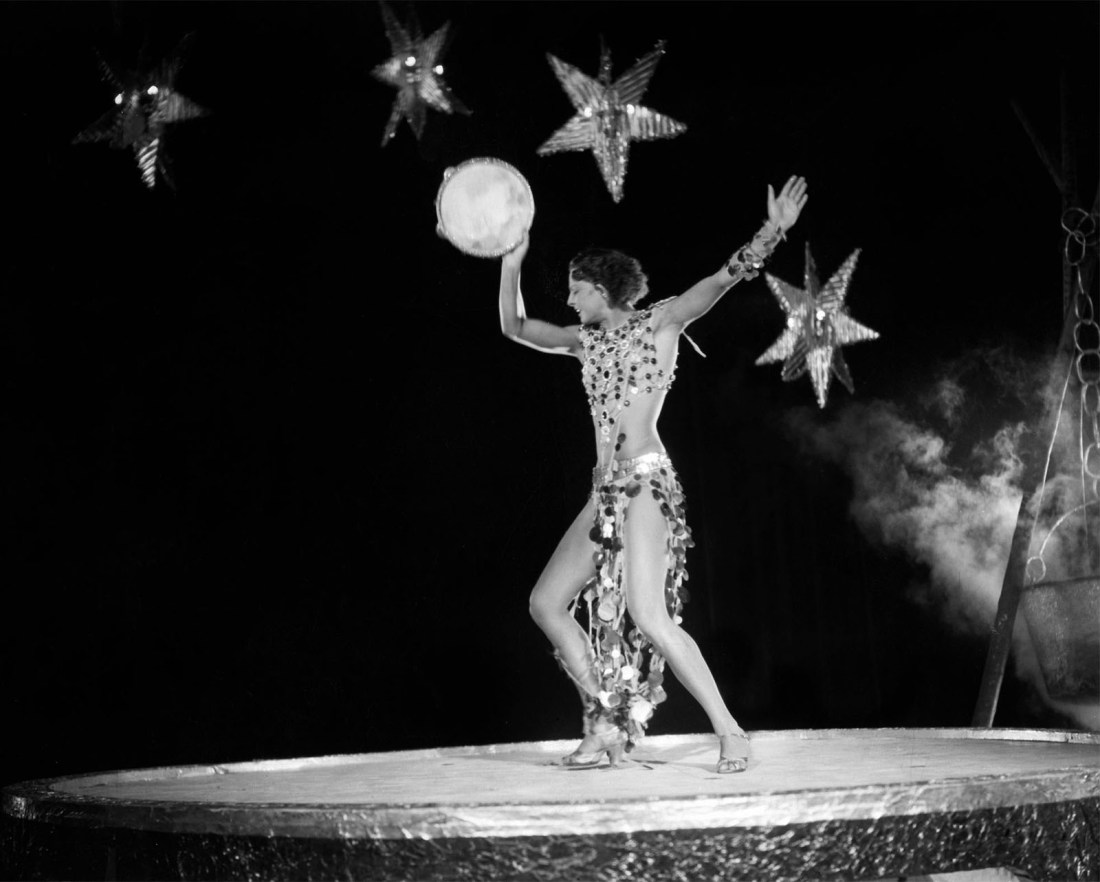
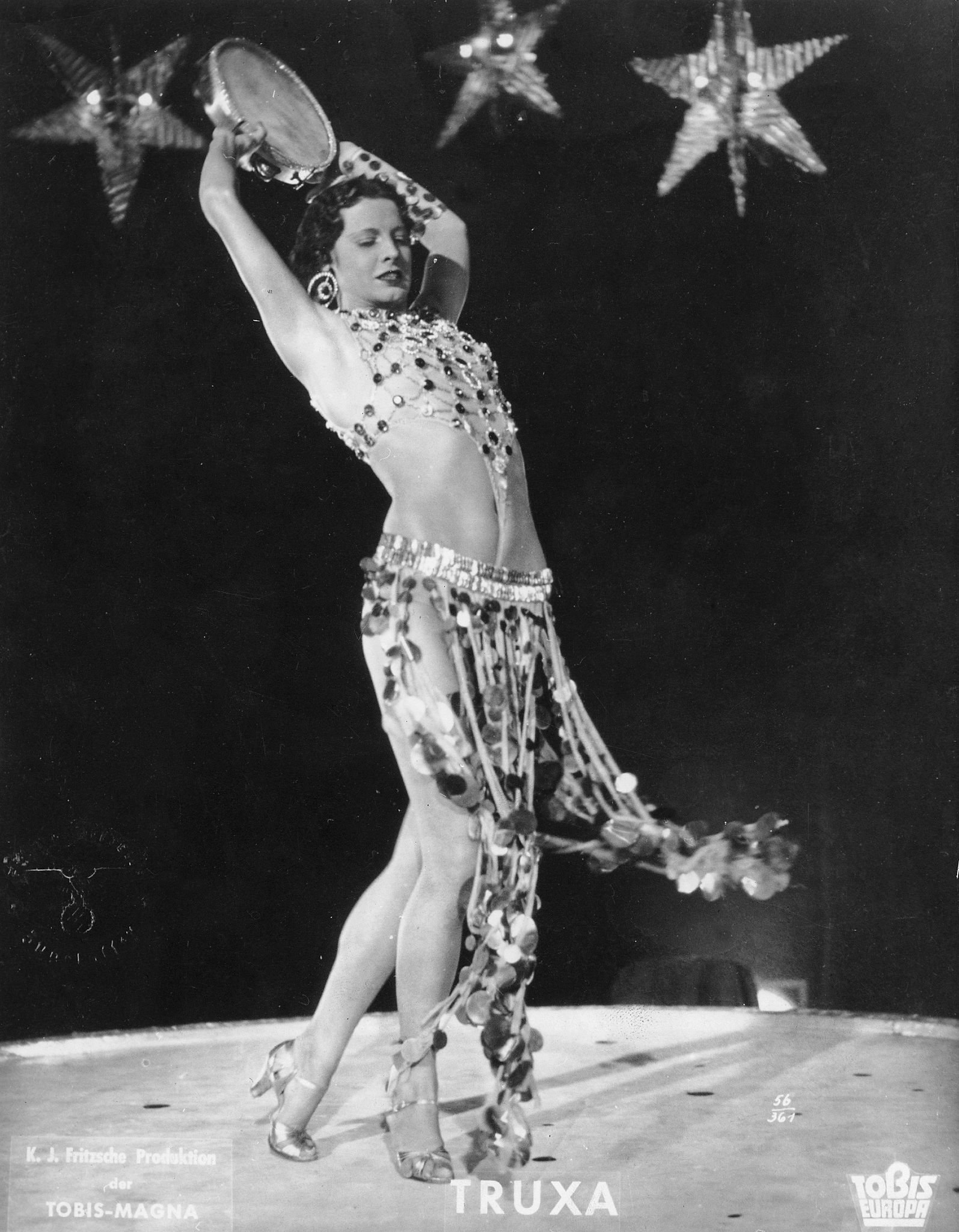
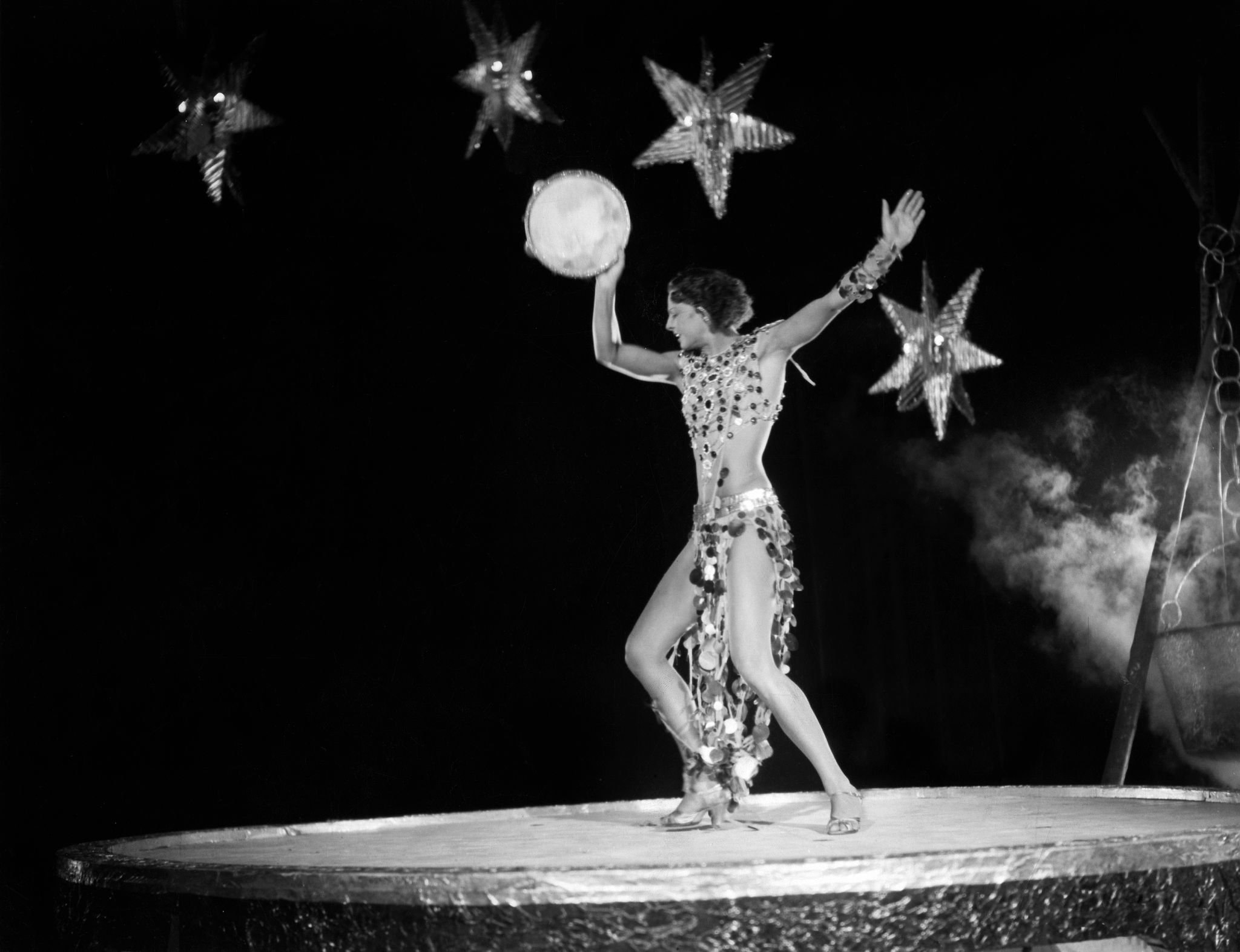
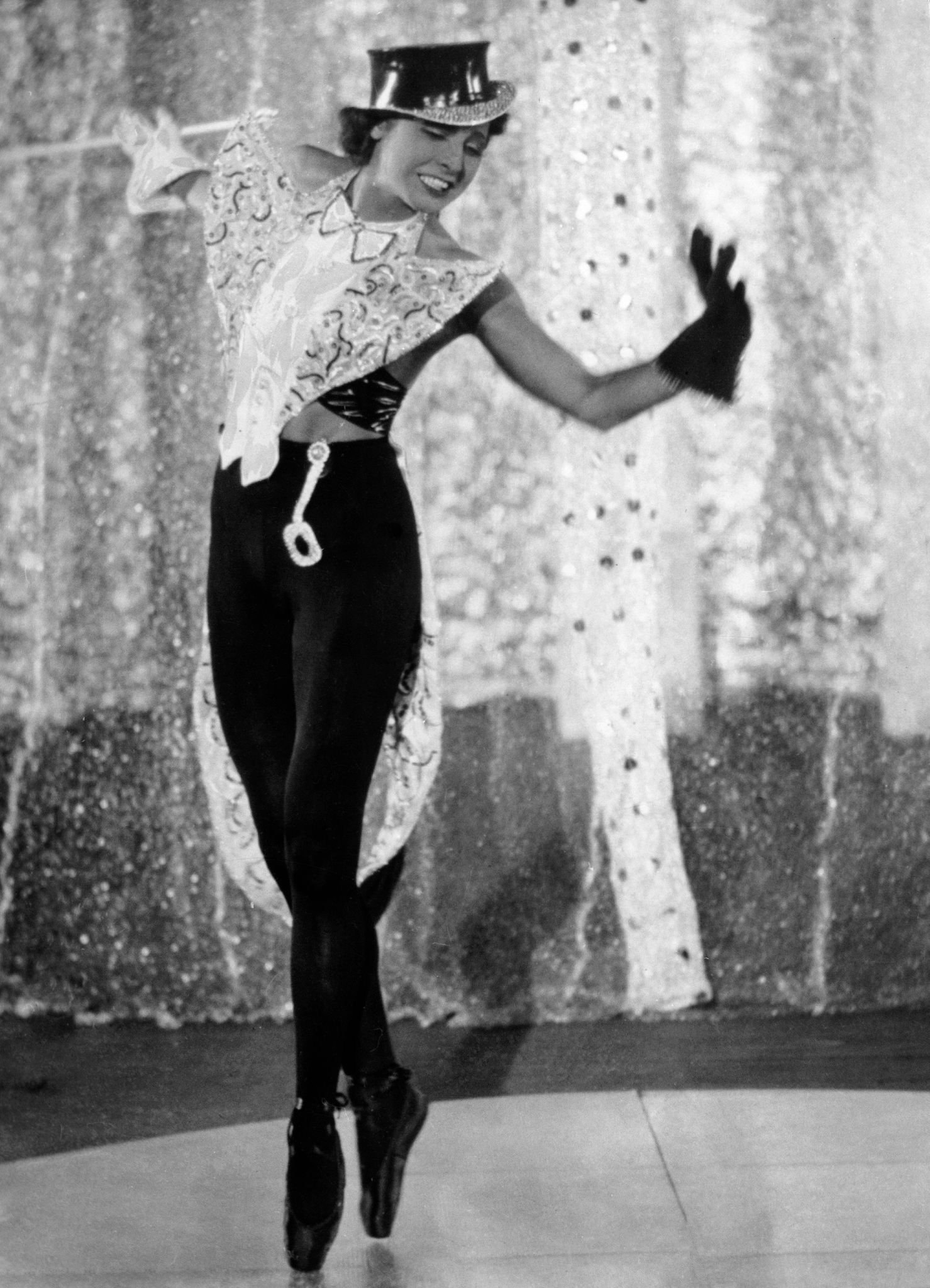
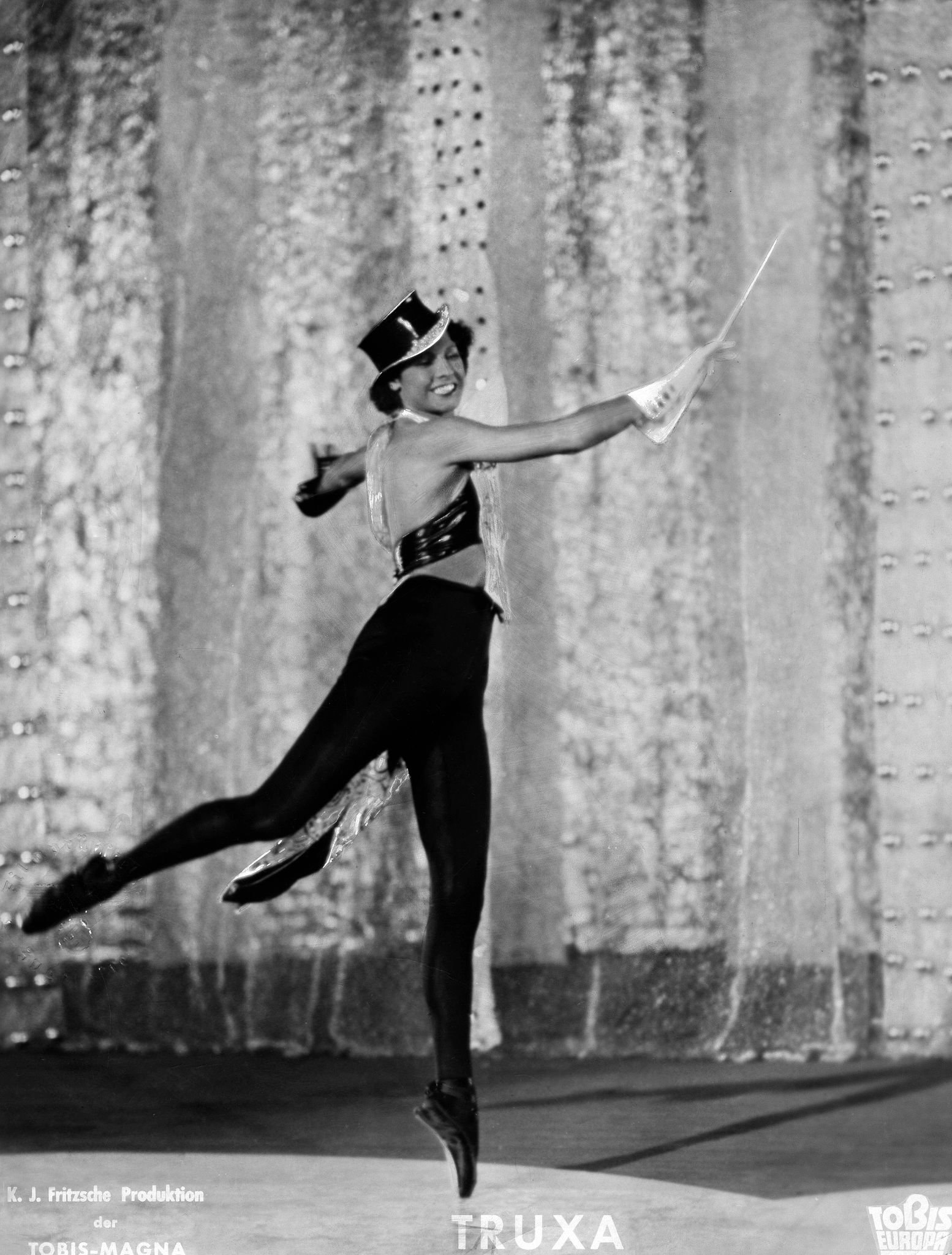
La Jana. Tanzszene aus dem Film ‘Truxa‘ mit Tamburin. Regie: Hans H. Zerlett, nach dem Roman von Heinrich Seiler. Deutschland, 1936 (23.01.1936) | src getty images
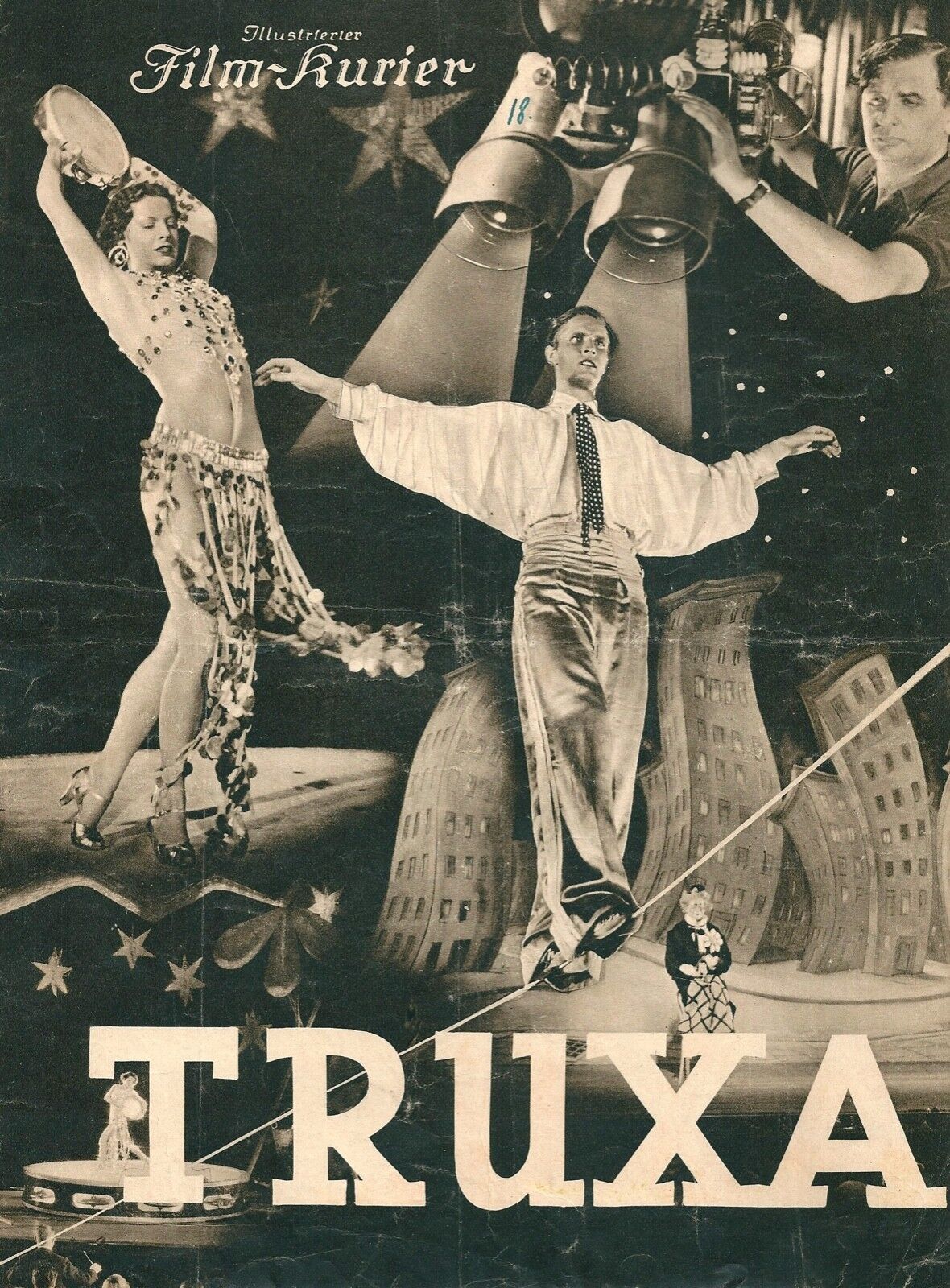
Truxa (1937) Illustrierter Film-Kurier (IFK) Filmprogramm Nr. 2564 (BFK : Berliner Film-Kurier) | src eBay
La Jana (aka Jenny Hiebel) in a dance scene with a tambourine from the movie 'Truxa' (Hans H. Zerlett, 1937). Published by 'Die Dame' 04/1937 | src getty images
La Jana (aka Jenny Hiebel) in a dance scene with a tambourine from the movie ‘Truxa’ (Hans H. Zerlett, 1937). Published by ‘Die Dame’ 04/1937 | src getty images
La Jana [b. Henriette Margarethe Hiebel] in the film ‘Truxa‘ (Hans H. Zerlett, 1937) | src getty images
La Jana in a dance scene from the movie ‘Truxa’ (Hans H. Zerlett, 1936). Published by Berliner Morgenpost 18.01.1937 | src getty images
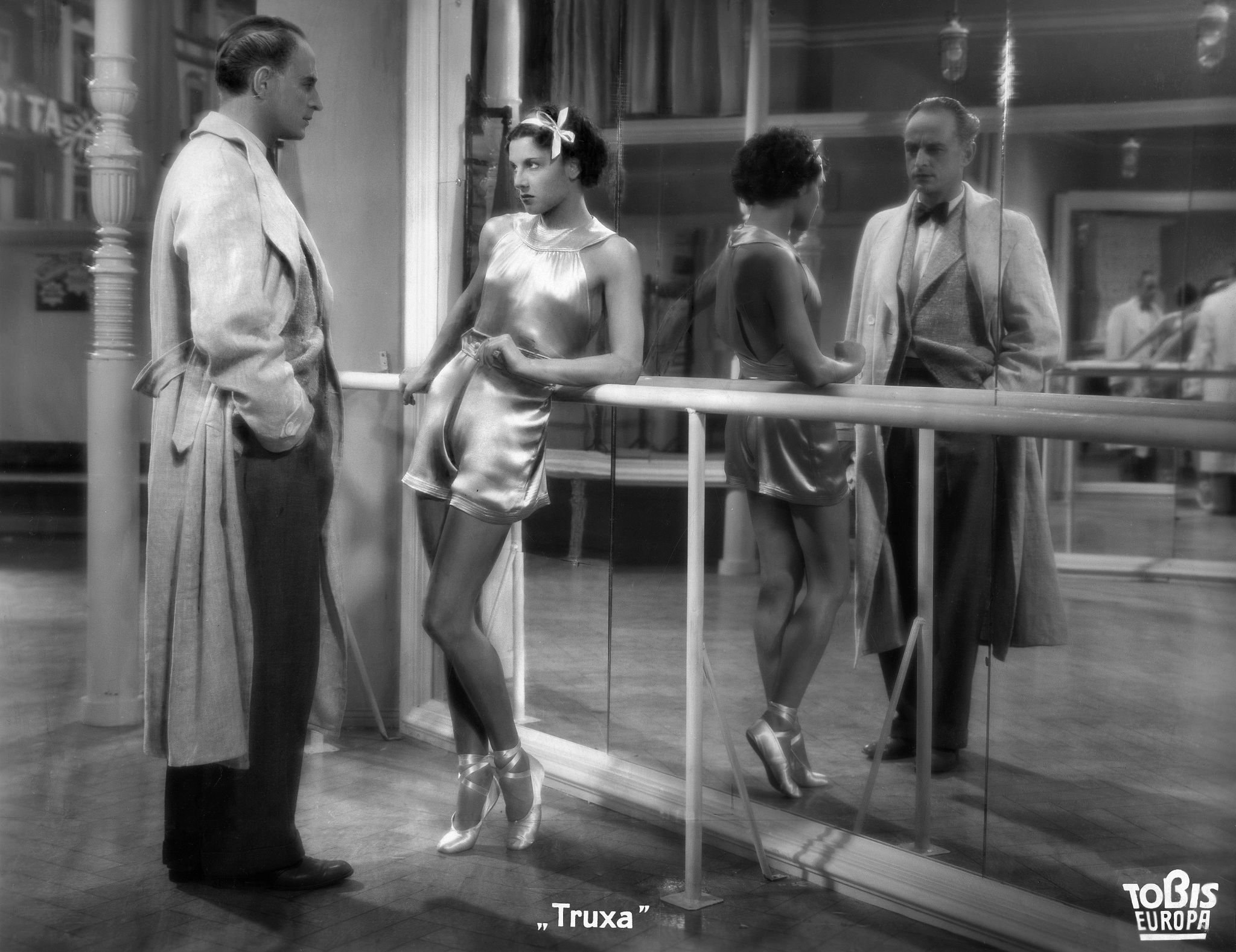
La Jana and Ernst Fritz Fürbringer in ‘Truxa‘ (Regie: Hans H. Zerlett). Published by ‘Hier Berlin’ 36/1936 | src getty images
La Jana in the film ‘Truxa’. Regie: Hans H. Zerlett (1937). Published by ‘B.Z.’ 14.08.1936 | src getty images

Ein Sommernachtstraum, 1927

Nini und Carry Hess :: Ein Sommernachtstraum, Schlossfestspiele Heidelberg, 1927, Theaterwissenschaftliche Sammlung, Universität zu Köln. | A Midsummer Night’s Dream, Heidelberg Castle Festival, 1927, Theater Studies Collection, University of Cologne. | src Münchner Stadtbibliothek blog

Bakkanaali dance, 1915

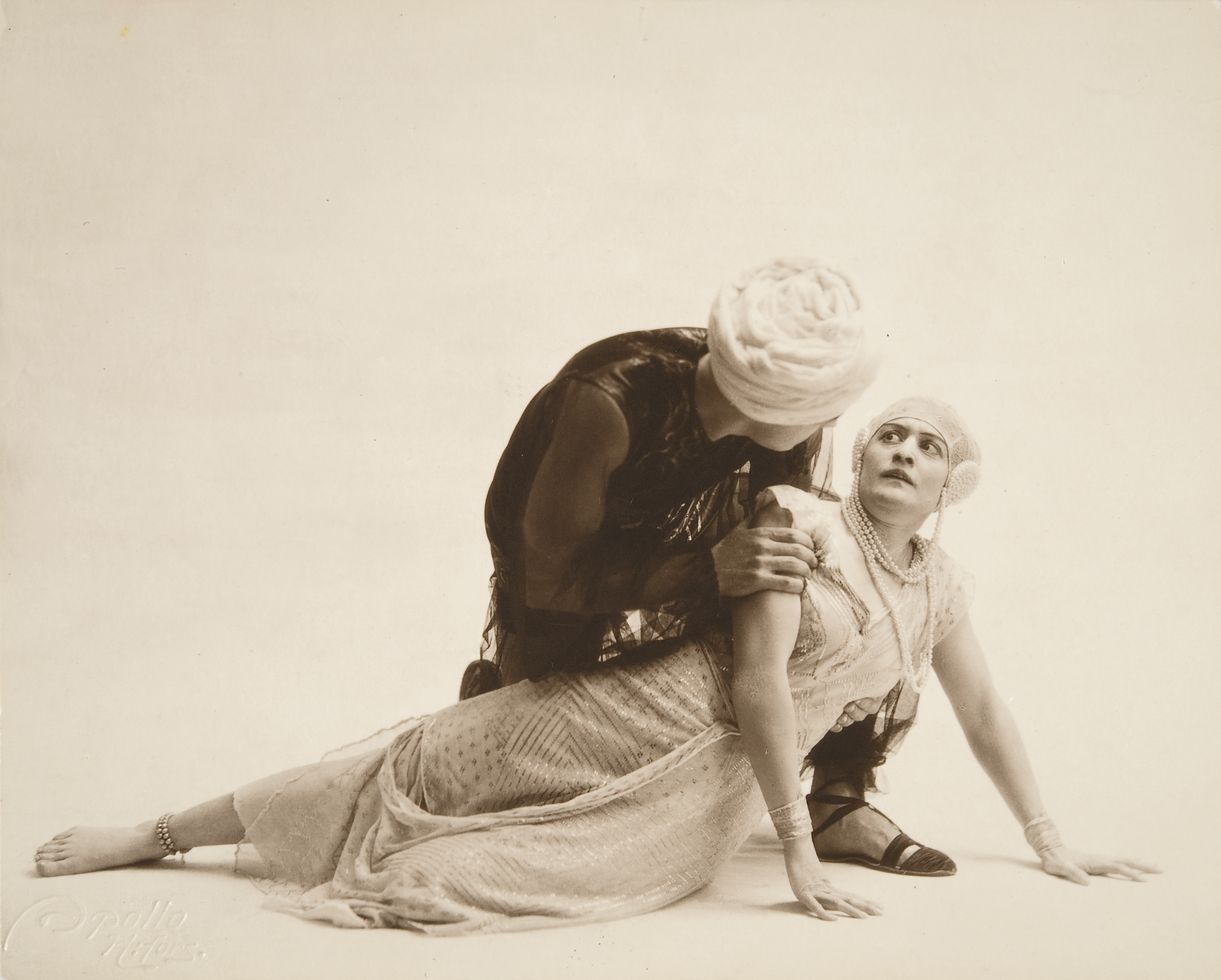
Atelier Apollo :: Maggie Gripenberg ja Onni Gabriel ‘Bakkanaali’ -tanssiesityksessä, 1915. | Maggie Gripenberg and Onni Gabriel in the Bakkanaali dance performance, 1915. | src FHA – Museovirasto

Maggie Gripenberg ja Onni Gabriel

Atelier Apollo:: Maggie Gripenberg ja Onni Gabriel tanssikohtauksessa 1920-luvun alku. | Maggie Gripenberg and Onni Gabriel in a dance scene in the early 1920s. Apollo blind-stamp on left bottom. | src FHA – Museovirasto

Martta Bröyer, 1930s

Martta Bröyer created dance performances based on the collection of Finnish folk poems, Kanteletar, among other works, that suited her style based on dance without music, only accompanied by poetry recitation. The Finnish series was presented at the National Theater in 1931. | src Helsinki City Museum ~ Helsingin kaupunginmuseo
Studio Helander :: Finnish dance artist Martta Bröyer in Helsinki 1933. | src Finnish Heritage Agency
Unknown. Martta Bröyer performing her Finnish series in 1931 at the National Theater.
Studio Helander :: Finnish dance artist Martta Bröyer in Helsinki in 1933 (04.11.1933). | src Finnish Heritage Agency & Europeana
Martta Bröyer created dance performances based on the collection of Finnish folk poems, Kanteletar, among other works, that suited her style based on dance without music, only accompanied by poetry recitation. The Finnish series was presented at the National Theater in 1931. | src Helsinki City Museum ~ Helsingin kaupunginmuseo
Martta Bröyer created dance performances based on the collection of Finnish folk poems, Kanteletar, among other works, that suited her style based on dance without music, only accompanied by poetry recitation. The Finnish series was presented at the National Theater in 1931. | src Helsinki City Museum on Fb ~ Helsingin kaupunginmuseo

Bröyerismin paluu – unohdettu runotanssi jälleen näyttämölle

Bröyerism Returns – The forgotten art of ‘poetry dance’ returns on stage

The colourful life and diverse career of dance artist Martta Bröyer (1897–1979) has recently been showcased in the museum’s book about the Burgher’s House, the oldest wooden residential building in central Helsinki. Martta Bröyer inherited the house from her mother, renovated and preserved it, and finally sold it to the City for it to be used as a museum. During the book project, Bröyer’s extensive archives were studied in detail for the first time, and plenty of new information was discovered about her life events. ⁣

A pioneer of modern dance in Finland, Bröyer created her own controversial style, bröyerism, that combined dance with poetry recitation in the 1920s and 1930s. She drew inspiration from Germany, from the school of world-famous Mary Wigman, and developed her own style in the 1920s and 30s based on Wigman’s ideas. Bröyer started to teach the style in her own institute. A dancer and choreographer, Bröyer herself found that her most important career was that of a dance pedagogue. ⁣

The Bröyer style, bröyerism, was based on dance without music, only accompanied by poetry recitation. Reflecting the spirit of her time, Bröyer combined modern dance with national romanticism and created dance performances based on the collection of Finnish folk poems, Kanteletar, among other works. Her contemporaries’ reactions varied: the new style received both praise and harsh, even crushing criticism. Despite this, Bröyer determinedly continued with her style until the 1960s. She received the Pro Finlandia medal for her life’s work in 1956. ⁣

text source: Helsinki City Museum ~ Helsingin kaupunginmuseo

Cochran Freaks, 1930

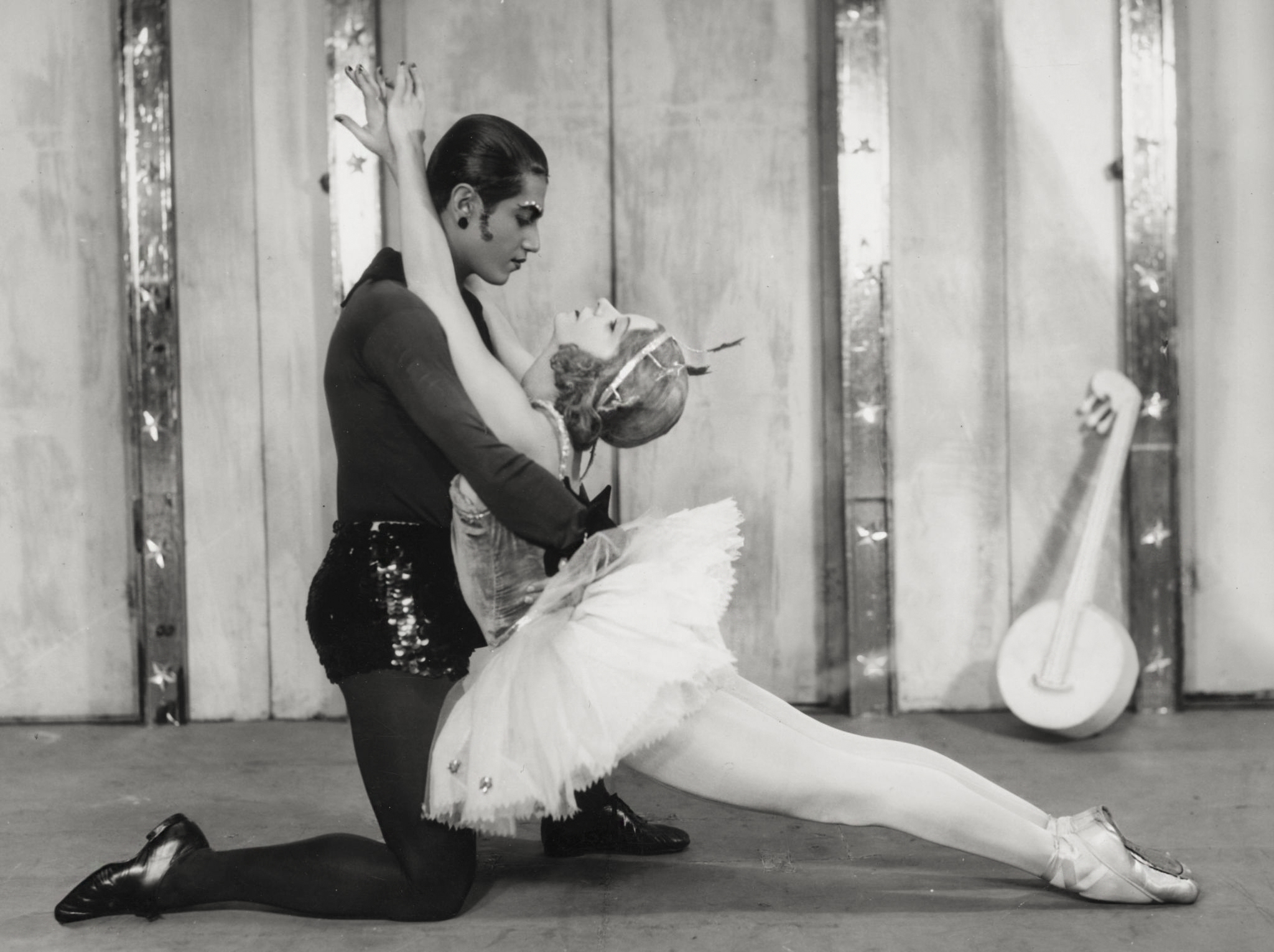
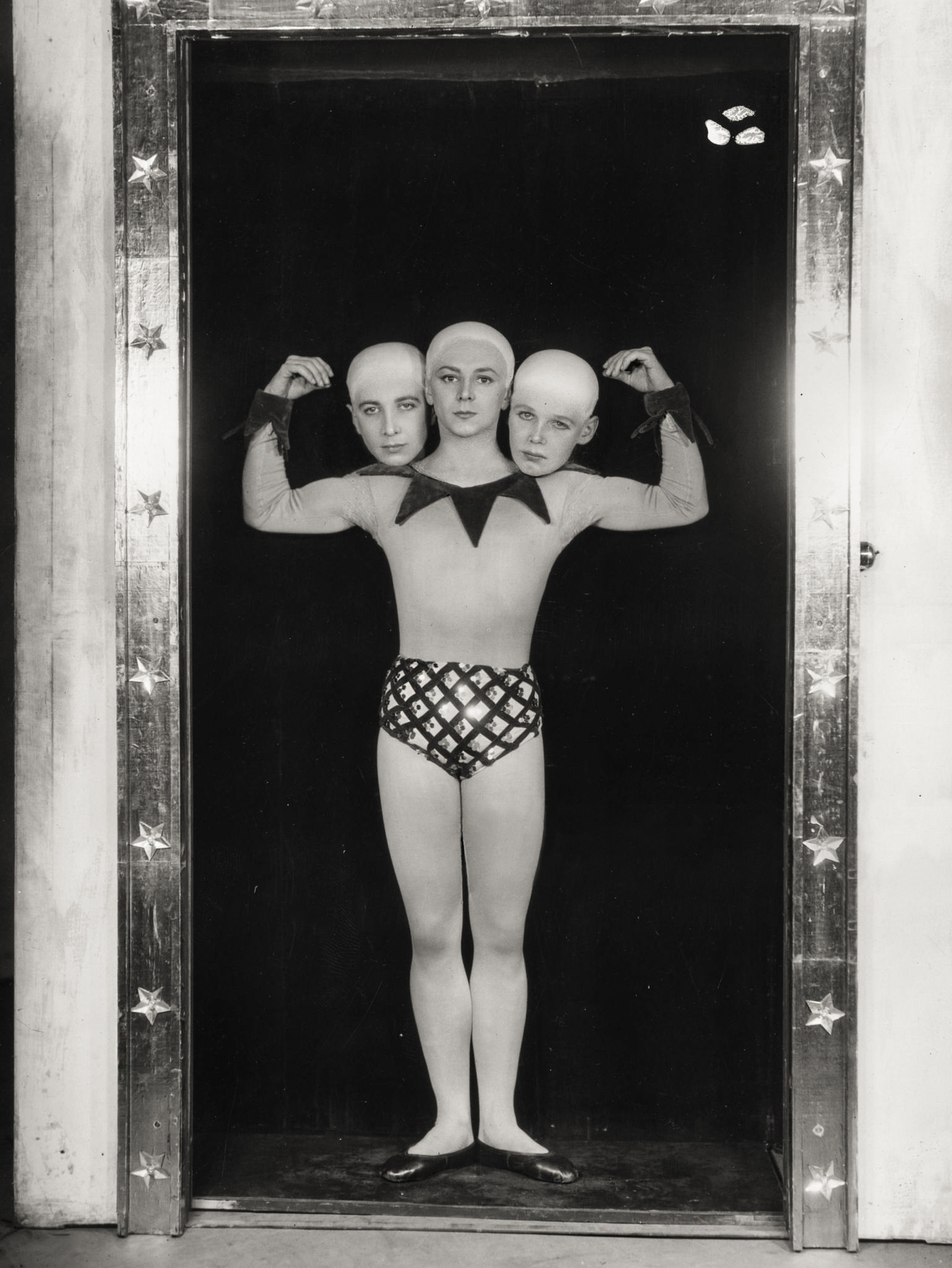
Sasha (Alexander Stewart) :: Serge Lifar and Alice Nikitina in a scene from the ‘Freak Ballet’ choreographed by George Balanchine, and shown in the Cochran Revue, at the London Pavilion Theatre, April 1930. | src Hulton Archive – Getty Images